13 Best Tokyo Shopping Districts 2026: Where to Shop by Category (Local’s Guide)
Introduction
As someone born and raised in Tokyo, I'll introduce you to the shopping spots that only locals know about.
While popular areas like Shinjuku, Harajuku, and Ginza have many attractive stores, the weekend crowds are unimaginable. Especially Takeshita Street in Harajuku gets so crowded that you can barely move.
However, each area has its own unique charm. If you love luxury brands, go to Ginza. For pop culture exploration, head to Akihabara. If you're looking for traditional Japanese items, visit Asakusa. By choosing the right area for your purpose, you can efficiently enjoy shopping in Tokyo.
Although Asakusa seems to have an increasing number of tourist-oriented shops, you can still find old specialty stores tucked away in the back alleys. Locals skillfully navigate these hidden gems while avoiding the crowds.
In this guide, I'll introduce you to the many faces of Tokyo, a shopper's paradise. I'll share tips from a local's perspective that you won't find in regular tourist guides!
Table of Contents
-Ginza: Upscale shopping district for luxury brands
-Shinjuku: Major shopping area and entertainment hub
-Harajuku: Mecca of pop culture and youth fashion
-Omotesando & Aoyama: Sophisticated shopping district popular with stylish women
-Shibuya: Trendsetting hub for youth fashion
-Asakusa: The go-to spot for traditional Japanese souvenirs
-Akihabara: Hub of electronics and otaku culture
-Tokyo Station: Convenient one-stop shop for a wide variety of souvenirs
-Shimokitazawa: Tokyo's premier destination for vintage clothing
-Koenji: A neighborhood with one of Tokyo's most vibrant subculture scenes
-Daikanyama: A chic neighborhood just a short trip from Shibuya
-Tips for Shopping in Tokyo
-Tips for Shopping in Tokyo
Tokyo Has Different Districts to Visit Depending on What You Want to Buy
Tokyo, the capital of Japan, attracts various cultures from both domestic and international sources. Each district has its own characteristics, and the attractive point is that you can have experiences unique to each area.
When using this Tokyo Shopping Guide, clarify your purpose before selecting a district. For luxury boutiques, go to Ginza or Omotesando; for youth fashion, Shibuya or Harajuku; for vintage clothing stores, Shimokitazawa or Koenji, and so on.
Please try to select the district that perfectly suits your needs with this Tokyo Shopping Guide.
Quick Guide: Which Tokyo Shopping District is Right for You? (by Budget)
| Place | Budget | Highly recommended for... |
|---|---|---|
| Ginza | ¥50,000 or more | -Those who want to enjoy shopping at high-end boutiques in Japan
-Those who want to experience cutting-edge Japanese fashion at stylish, high-sense shops |
| Shinjuku | ¥20,000-¥50,000 or more | -Those who want to browse clothing, lifestyle goods, and cosmetics all in one place at large department stores
-Those who want to enjoy a wide range of shopping options across various budget levels |
| Harajuku | ¥15,000 or more | -Those interested in casual, highly original youth fashion
-Those who want to experience Japan’s “kawaii” culture firsthand |
| Omotesando | ¥50,000 or more | -Those who want to shop at flagship stores of luxury brands
-Those who want to enjoy stylish, sophisticated cityscapes while shopping |
| Shibuya | ¥20,000 or more | -Those who want to experience the latest youth culture at trendy shops
-Those who want to enjoy a wide variety of gourmet food along with shopping |
| Asakusa | ¥15,000 or more | -Those who want to buy uniquely Japanese souvenirs such as traditional crafts and wagashi (Japanese sweets)
-Those who want to enjoy charming, atmospheric streetscapes |
| Akihabara | ¥10,000-¥15,000 or more | -Those interested in Japanese “otaku” culture, including anime and games
-Those who want to buy Japanese-made electronics |
| Tokyo Station | ¥15,000 or more | -Those who want to pick up souvenirs during spare time while on the move
-Those who want to visit multiple character shops at once, such as Pokémon and Hello Kitty |
| Shimokitazawa | ¥15,000 or more | -Those who want to enjoy thrift shopping at affordable prices
-Those who want to enjoy theater performances and live music in addition to shopping |
| Koenji | ¥20,000-¥30,000 or more | -Those who want to find hidden gems at niche, hardcore vintage clothing stores
-Those who are looking for high-quality vintage clothing |
| Daikanyama | ¥30,000 or more | -Those interested in refined, urban fashion
-Those who want to enjoy relaxed, leisurely shopping in a calm atmosphere |
This time I wrote an article about Tokyo, a city I was born and raised. And I updated this article in January 2026 to incorporate my findings from this research, along with the latest information for 2026.
Another reason for updating the article is the growing interest in tours that allow visitors to safely and deeply experience Tokyo.
Because Tokyo is a city that continues to develop at a dizzying pace and in complex ways, tourists visiting for the first time find it extremely difficult to discover the truly excellent spots beloved by locals.
This is why food tours led by knowledgeable local guides who know Tokyo inside and out have been gaining popularity, as they take visitors through Tokyo's maze of establishments.
In fact, Magical Trip's tour, which ranked #1 among all tours on Tripadvisor, has been receiving numerous applications.

If you want to experience authentic izakayas beloved by Shibuya locals, try the "Shibuya Bar Hopping Night Tour in Tokyo," which is ranked #2 on Magical Trip. A knowledgeable local guide who knows Shibuya inside and out will take you to spots where you can enjoy genuine Japanese cuisine.
And if you want to make the most of Tokyo's nightlife, you absolutely must join the "Tokyo Bar Hopping Night Tour in Shinjuku," which is rated #1 on Tripadvisor. You can safely explore Shinjuku's historic retro drinking districts and Kabukicho, the largest entertainment district in Asia, with an expert guide who knows Shinjuku thoroughly.
We hope you'll have a wonderful time experiencing everything Tokyo has to offer by joining a Magical Trip tour!
Recommended Shopping District by Interest
| If You Want… | Go To | Why |
|---|---|---|
| Luxury Fashion | Ginza Omotesando Daikanyama | Home to flagship stores of global luxury brands and elegant shopping complexes, offering a refined and high-end shopping experience. |
| Streetwear & Vintage | Shimokitazawa Koenji Harajuku | Known for their dense concentration of thrift shops, indie boutiques, and unique street fashion, perfect for finding one-of-a-kind items. |
| Various Types of Fashion | Shinjuku Shibuya Ginza | These areas combine department stores, fast fashion, luxury brands, and specialty shops, making them ideal for all-around fashion shopping. |
| Japanese Trend Items | Harajuku Shibuya | Centers of youth culture where the latest Japanese fashion trends, pop culture goods, and character items emerge first. |
| Japanese Souvenirs | Asakusa Tokyo Station Shinjuku | Offer a wide range of traditional crafts, snacks, and travel gifts, with many convenient souvenir-focused shops in one area. |
| Anime & Manga | Akihabara Harajuku | World-famous district for otaku culture, packed with anime, manga, figure shops, and specialty stores for fans. |
| Electronics | Akihabara | Tokyo’s leading electronics district with massive retailers selling cameras, gadgets, and the latest Japanese technology. |
Local’s Honest Opinion: Which District is Recommended the Most?
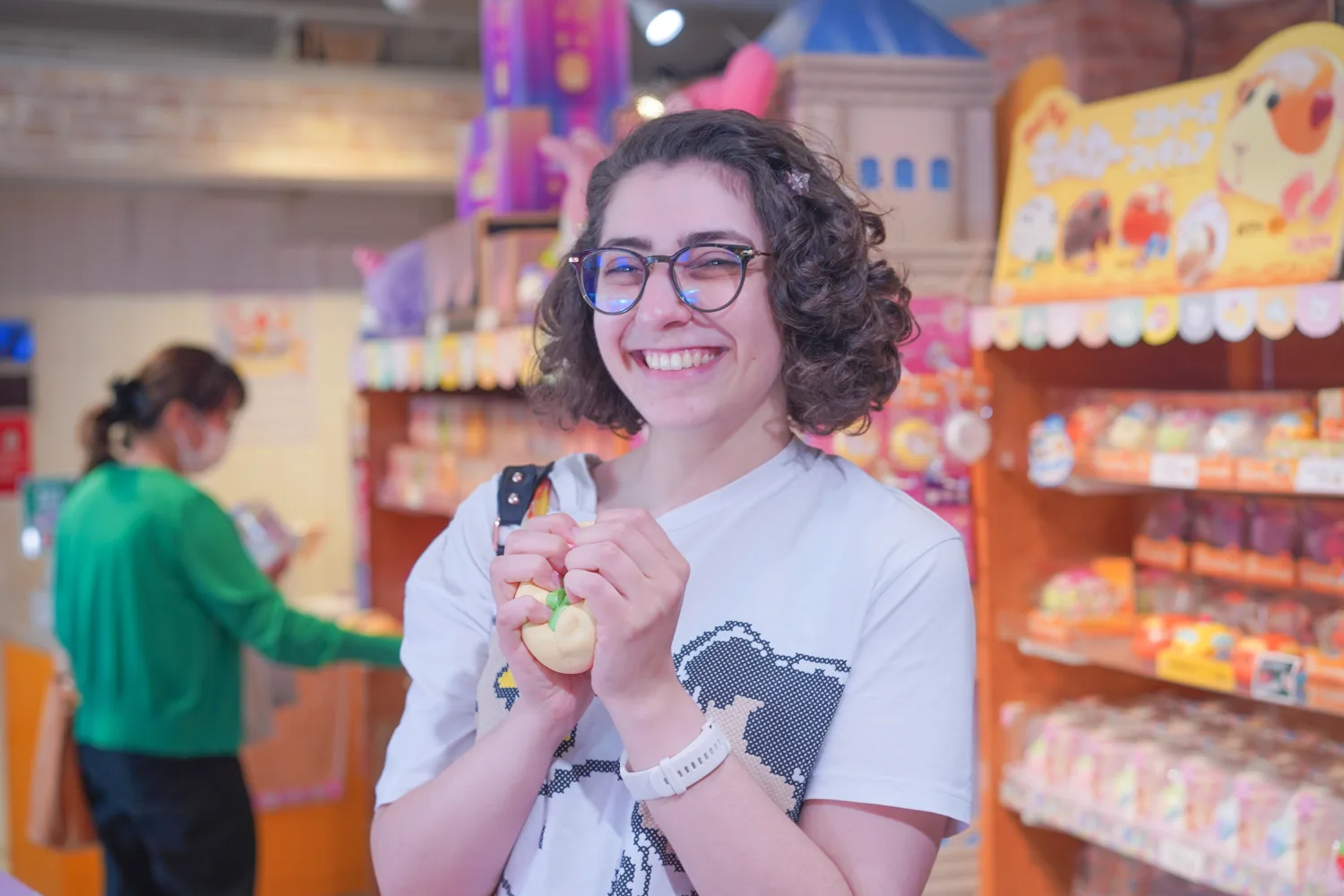
The combination, Harajuku and Shibuya in the daylight, Shinjuku after dark, is about as close to a perfect Tokyo day as I can design.
If You're Visiting Tokyo for the First Time and Can Only Pick One District, Go to Shinjuku
Within walking distance of the station, you have everything: Isetan for luxury fashion, Lumine for trendy Japanese brands, Don Quijote for late-night souvenir runs, and Bic Camera for electronics. It doesn't matter if your budget is ¥10,000 or ¥100,000. Shinjuku handles all of it.
For a Real Tokyo Experience Beyond Shopping, Pair It with Shibuya and Harajuku
These three districts are closer together than you might think — Harajuku and Shibuya are a short walk apart, and Shinjuku is just a few minutes by train. A natural way to do all three in one day: start your morning on Takeshita Street, spend the afternoon in Shibuya, and head to Shinjuku as the evening sets in.
If you want a local to show you around Harajuku, Magical Trip offers a guided walk through Takeshita Street that gives you the context you'd never pick up on your own.
Harajuku Kawaii Fashion & Pop-culture Tour
For Shinjuku at night, the area around Kabukicho can feel overwhelming solo. Magical Trip's bar-hopping tour takes you through the neighborhood safely, stopping at local izakayas and hidden bars that tourists almost never find on their own.
Tokyo Bar Hopping Night Tour in Shinjuku
Tokyo Shopping Calendar 2026: Monthly Sales and Events Guide
| Month | Event | Where | Details |
|---|---|---|---|
| Jan 1〜 | New Year Sales (Fukubukuro) | Almost All Types of Store | Many department stores and shopping malls sell Fukubukuro (lucky bags) filled with surprise items at heavily discounted prices. Lines often form early in the morning, especially at popular fashion and electronics stores. |
| From Late Dec〜Early February | Winter Sale | Fashion Shops in Various Areas (Ginza, Shinjuku, Shibuya, etc.) | Seasonal clearance sales for winter collections. Discounts usually range from 20% to 50% off, with deeper markdowns appearing in late January. |
| March | Fiscal year-end sale on home appliances | Large Electronics Retailers (Akihabara, Shinjuku, etc) | Electronics stores hold major sales to close out the fiscal year. This is one of the best times to buy cameras, laptops, and household appliances at reduced prices. |
| From Late Jun〜Early August | Summer Sale | Fashion Shops in Various Areas (Ginza, Shinjuku, Shibuya, etc.) | Summer collections go on sale across Tokyo. Popular malls and department stores offer 30%–70% discounts, especially from mid-July onward. |
| Nov | Black Friday | Various Malls(Ginza, Shinjuku, Shibuya, etc) | A growing shopping event in Japan inspired by the US. Major retailers and online stores offer limited-time deals on fashion, electronics, and daily goods. |
| Dec | Christmas Sales | Ginza, Omotesando | Year-end sales combined with festive illuminations. Luxury brands, department stores, and shopping streets create a holiday shopping atmosphere, with special gift sets and seasonal promotions. |
Ginza: Luxury Brand Shopping District
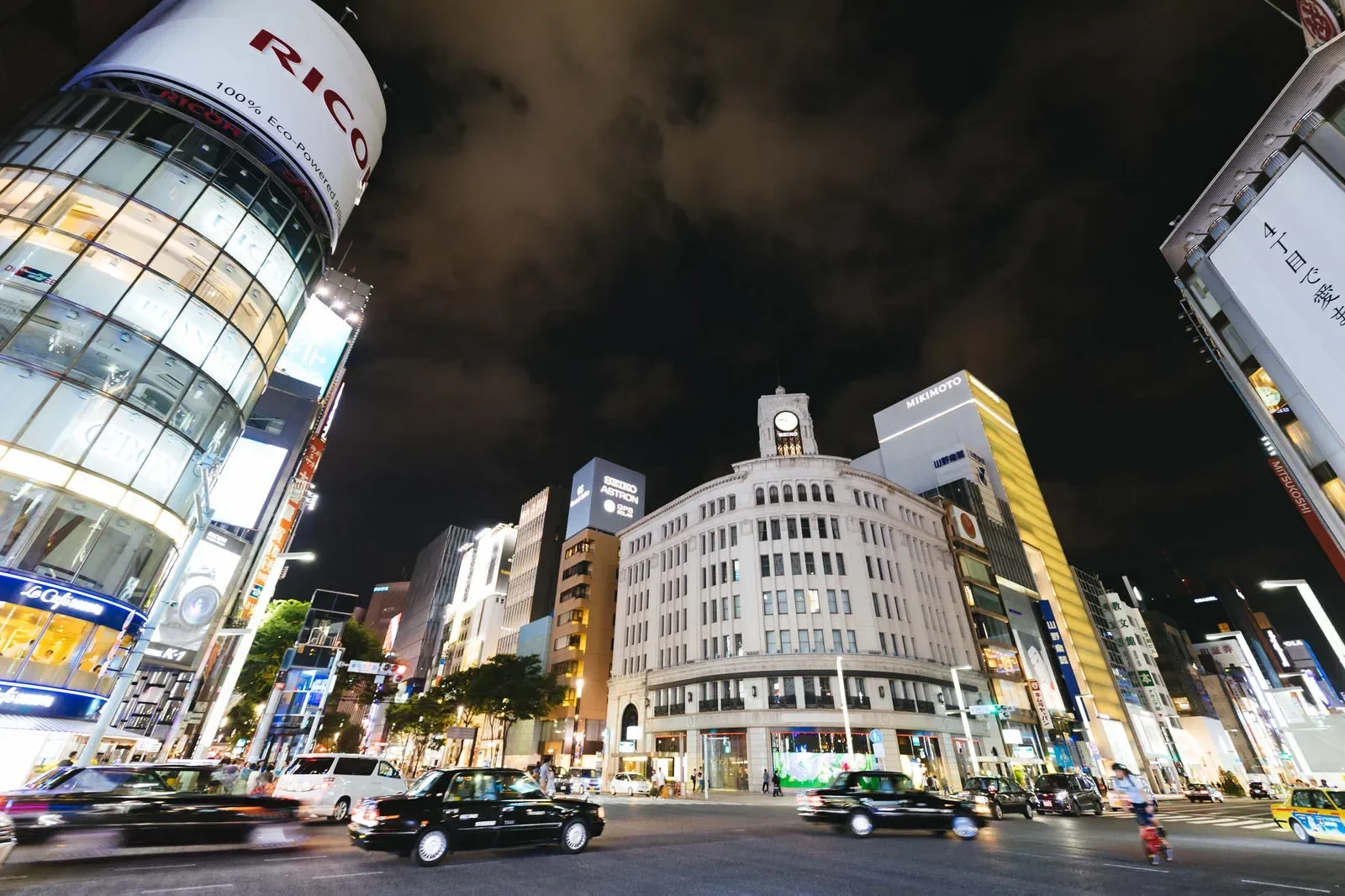
Ginza is a special area I visit when I want to enjoy luxury shopping. As a district that embodies Japan's refined urban culture, it continues to captivate tourists from around the world.
Ginza Six is a new commercial facility that opened in 2017, beautifully blending tradition and innovation. It offers a harmonious space where the latest fashion brands and Japanese traditional culture coexist. You can also enjoy a stunning view of Tokyo from the rooftop garden.
Matsuzakaya Ginza is a long-established department store founded in 1925, offering a wide range of products from global luxury brands to high-quality daily necessities.
Wako is an iconic presence in Ginza, known for its elegant clock tower building. As a long-established store dealing in luxury watches and jewelry, it embodies the essence of Japanese aesthetics and technology. It's worth seeing just for the exterior of the building.
Uniqlo Ginza is the flagship store of the casual wear brand and is particularly popular among tourists. I often bring my friends from overseas here to experience the high quality of Japanese fast fashion.
Chuo-dori is the main street of Ginza, lined with boutiques and art galleries of world-renowned brands. On weekend afternoons, it becomes a pedestrian paradise where you can enjoy a leisurely stroll.
Main Shopping Area in Ginza
In the Ginza area, popular complexes and long-established department stores are scattered mainly along Chuo-dori Street, right after exiting Tokyo Metro "Ginza Station." The attractive point is that there are not only luxury brands but also large casual flagship stores such as UNIQLO.
Insider Tips for Foreigners Visit Ginza
On weekend and holiday afternoons in Ginza, the main street transforms into a pedestrian zone, letting you enjoy spacious window shopping without worrying about traffic. That said, holidays tend to draw larger crowds, so if you prefer a more relaxed pace, visiting on a weekday,especially in the morning, is highly recommended.
When it comes to Tokyo Shopping 2026, Ginza remains one of the most rewarding destinations for experiencing Japan's luxury retail scene firsthand. When stepping into high-end brand boutiques, wearing a clean and smart outfit will help you fully immerse yourself in the refined atmosphere that Ginza is known for — and make the most of every moment your shopping visit has to offer.
GINZA SIX
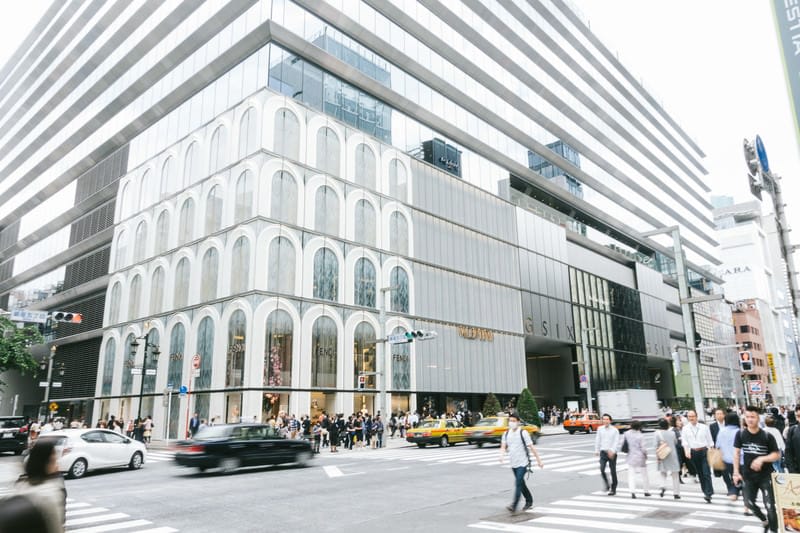
GINZA SIX is the largest shopping facility in the Ginza area. It houses various shops including luxury brands such as DIOR and CITIZEN, the watch manufacturer that Japan is proud of.
There is also a lush green garden on the rooftop, which is recommended for a break during shopping. The stylish exterior that conveys Ginza's urban atmosphere is also an attractive point.
<Information>
Address: 6-10-1 Ginza, Chuo-ku
Business hours: Shops 10:30- 20:30 / Restaurants 11:00- 23:00
Regular holiday: Irregular holidays
Phone number: 03-6891-3390
Official website: https://ginza6.tokyo.e.abf.hp.transer.com/
Matsuya Ginza
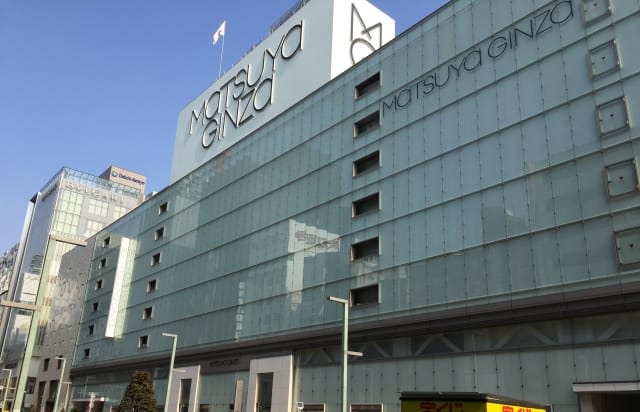
Matsuya Ginza is a long-established department store that celebrated its 100th anniversary in 2025. The refined and calm interior allows for relaxed shopping. You can enjoy not only shopping but also exhibitions of traditional crafts and art, as well as seasonal events.
The attractive point is that it is directly connected to Ginza Station, making it easy to use regardless of the weather.
<Information>
Address: 3-6-1 Ginza, Chuo-ku
Business hours: 11:00- 20:00
Regular holiday: Irregular holidays
Phone number: 03-3567-1211
Official website: https://www.matsuyaginza.com/en/
Dover Street Market Ginza
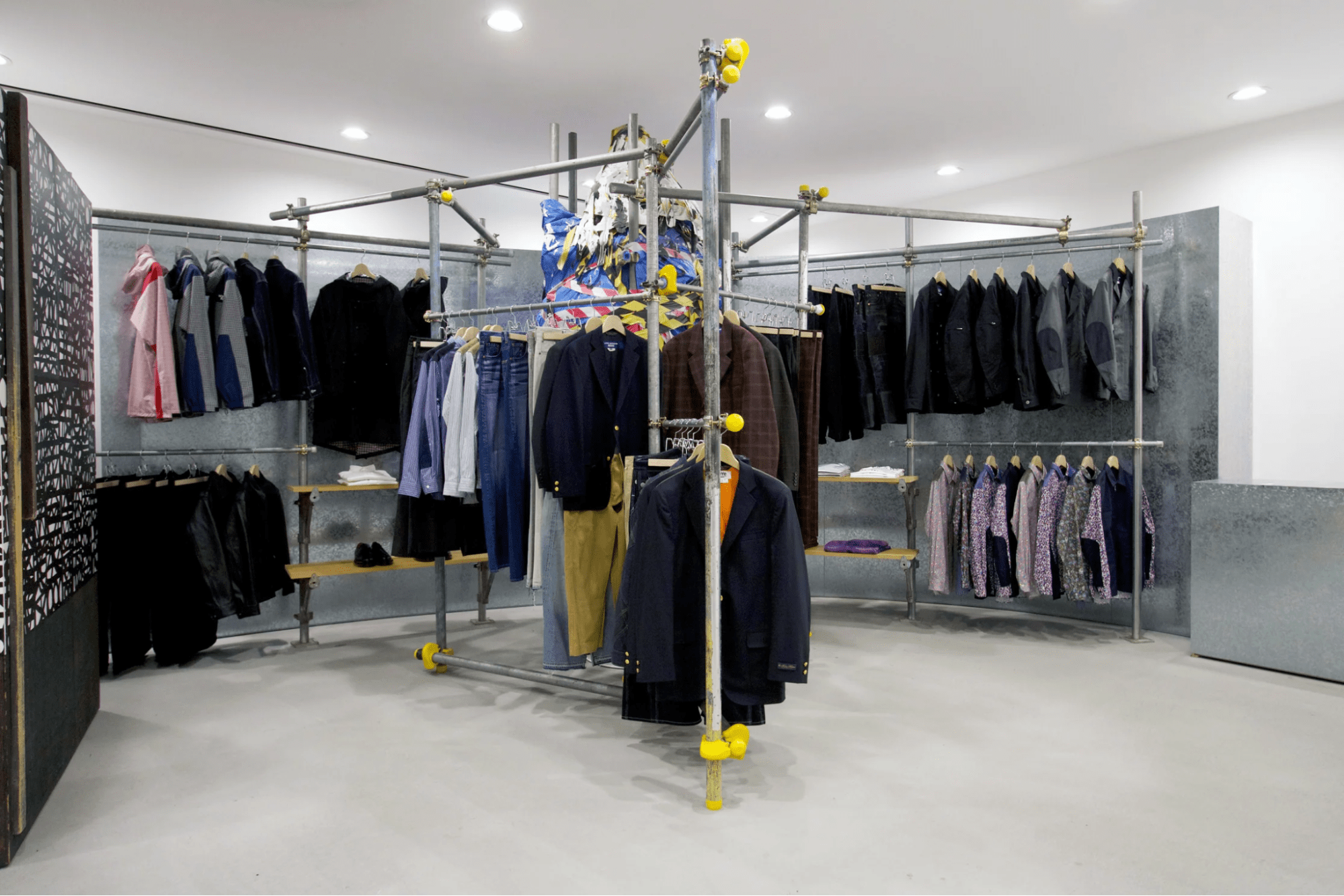
"Dover Street Market Ginza" is a concept shop created by Rei Kawakubo, the founder of COMME des GARCONS. In addition to her own brand, it features cutting-edge items selected from various brands around the world.
Please pay attention to the innovative layout with a Tokyo-like atmosphere and the art works displayed inside the store.
<Information>
Address: 6-9-5 Ginza, Chuo-ku
Business hours: 11:00- 20:00
Regular holiday: Saturday
Phone number: 03-6228-5080
Official website: https://ginza.doverstreetmarket.com/
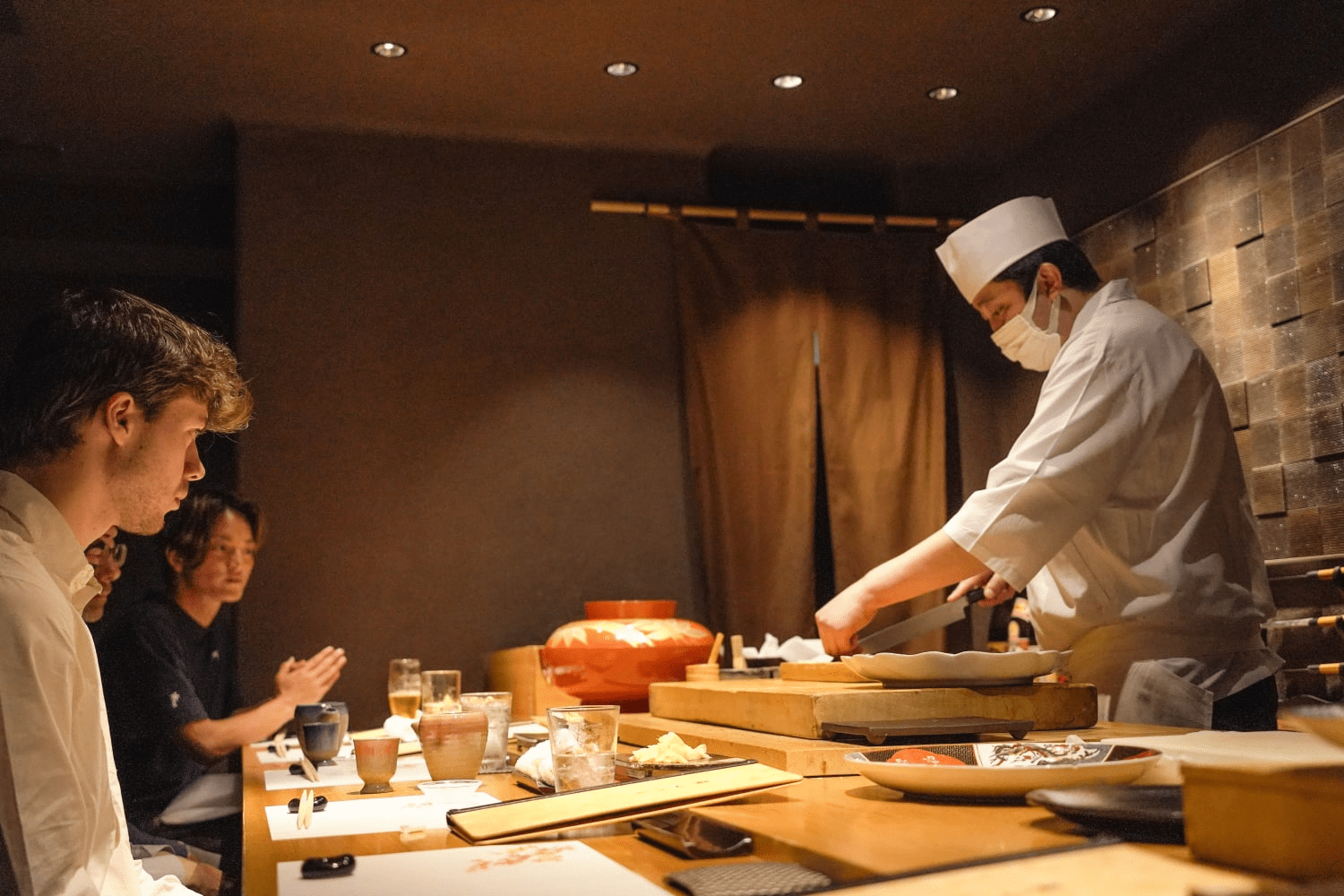
After enjoying shopping in Ginza with this Tokyo Shopping Guide, why not savor delicious Japanese food? If you participate in a tour guided by someone who knows Ginza inside out, you can feel at ease even when you are unsure about choosing a restaurant or dining etiquette.
What I recommend is this tour where you can enjoy both sushi and tempura, which are popular with foreigners. At a hideaway-like sushi restaurant that is difficult for tourists to find, you will enjoy a special course exclusive to this tour. At a high-end tempura restaurant, please enjoy crispy freshly fried tempura!
<Information>
Meeting point: Lion Statue at Ginza Mitsukoshi
Tour area: Sushi & tempura restaurants around Ginza
Start time: 16:30
Monthly Sales and Shopping Events Guide in Ginza
Major department stores and commercial facilities in the Ginza area hold two large-scale sales per year — one in summer and one in winter. Summer sales generally begin in late June to mid-July, while winter sales launch in late December through early January alongside New Year opening events (hatsuuri).
Fashion buildings tend to start their summer sales earlier (around the last Friday of June), while upscale department stores and curated retail spaces follow a slightly later schedule, typically from July 1 onward.
A few facility-specific patterns are worth noting. Matsuya Ginza has explicitly shifted its summer sale start date later in recent years — into mid-July — in response to extended hot seasons and longer demand for summer merchandise.
GINZA SIX closes on January 1 and 2, meaning its New Year sale begins on January 3, which is later than most surrounding stores.
Dover Street Market Ginza does not follow a standard biannual sale calendar; individual brand schedules vary, and the store is better known for high-profile special sales and archive events held on an irregular basis throughout the year.
Sale Schedule by Facility in Ginza
| Facility | Winter Sale | Summer Sale |
|---|---|---|
| Matsuya Ginza | Early Jan (around Jan 3, coinciding with hatsuuri); lucky bags (fukubukuro) available online from Dec 1 | Mid-July onward (deliberately delayed from the traditional late-June start) |
| GINZA SIX | Jan 3–12 (store closed Jan 1–2); lucky bags also available | July 1 onward; runs approx. 2 weeks |
| Dover Street Market Ginza | No fixed schedule; individual brands set their own timelines; major archive/special sales held irregularly | No fixed schedule; brand-by-brand basis |
Similar District like Ginza
Roppongi
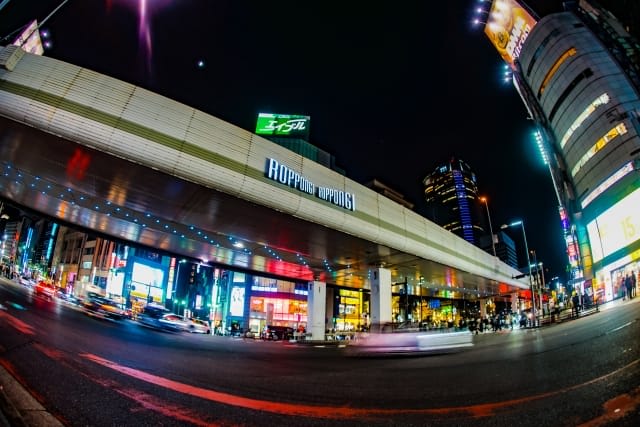
Like Ginza's sophisticated elegance, Roppongi offers luxury shopping, world-class dining, and premium entertainment in the heart of Tokyo. This cosmopolitan district uniquely blends Japanese culture with international flair, featuring renowned art museums like Mori Art Museum, upscale restaurants serving global cuisines, and vibrant nightlife venues.
By day, explore modern architecture and designer boutiques; by evening, experience Tokyo's most dynamic entertainment scene. Roppongi's international atmosphere and high-end offerings make it the perfect destination for visitors seeking Ginza's refinement with a distinctly global twist.
Shinjuku: Massive Shopping Area and Entertainment Hub
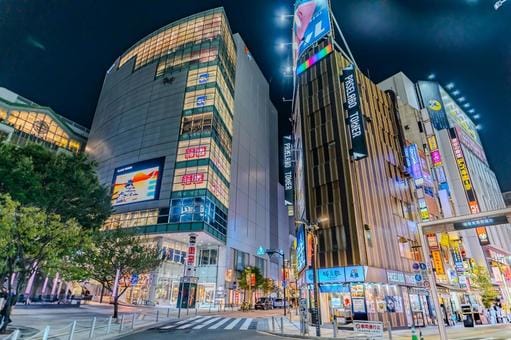
Shinjuku is one of my favorite places to shop on weekends. The underground shopping malls and large department stores are particularly appealing because you can comfortably enjoy shopping even on rainy days.
Lumine Shinjuku is popular among young people in their 20s and 30s, with many trendy brands and select shops. It's perfect for finding the latest fashion items. I highly recommend it for tourists looking for Japanese casual fashion.
Isetan Shinjuku is a long-established department store with a wide selection of luxury brands, designer fashion, and cosmetics. The basement food hall is a fantastic place to experience Japanese food culture.
At Bic Camera Shinjuku East Exit, you can purchase the latest home appliances and camera equipment. Many staff members speak English, so foreign tourists can shop with peace of mind.
Shinjuku Subnade is an underground shopping area where you can comfortably shop on rainy days. It's known as a hidden gem among locals to avoid crowds.
Don Quijote is open 24 hours and offers a wide range of products from souvenirs to daily necessities. It's a convenient place to shop even late at night.
Main Shopping Area in Shinjuku
In the Shinjuku area, large department stores and casual fashion buildings are scattered mainly on the east side of JR Shinjuku Station. "Busta Shinjuku," one of Japan's largest express bus terminals, is also located in front of the station, making it easy to shop during your free time before traveling.
This Tokyo Shopping Guide will help you discover the best shopping destinations in this vibrant district.
Insider Tips for Foreigners Visit Shinjuku
Shopping at department stores in Shinjuku becomes much more budget-friendly when you time your visit around their sale periods. As part of your Tokyo Shopping 2026 plans, stores like Isetan Shinjuku and Lumine Shinjuku hold sales mainly in summer and winter every year. Before visiting Shinjuku, be sure to check each department store's official website for the latest sale information.
[Official Websites of Major Department Stores in Shinjuku]
- Isetan Shinjuku: https://www.mistore.jp/store/shinjuku.html
- Lumine Shinjuku: https://www.lumine.ne.jp/shinjuku/
- Lumine EST: https://www.lumine.ne.jp/est/
Shinjuku Station is said to have more than 200 exits, so the key to navigating it without getting lost is to check in advance which exit you need — whether that's the "East Exit," "South Exit," or "West Exit," or a specific exit identified by a letter or number — based on the facility you plan to visit.
Mitsukoshi Isetan Shinjuku Store
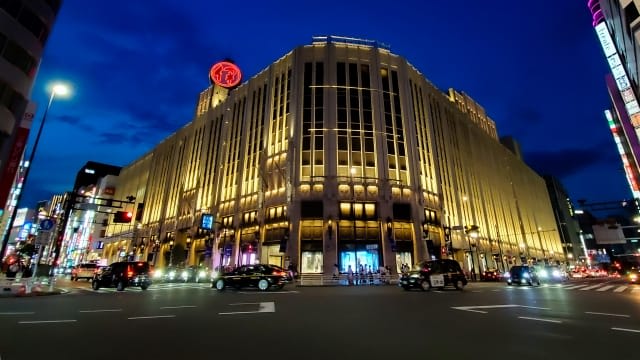
"Mitsukoshi Isetan Shinjuku Store" is one of Tokyo's representative department stores. It boasts the highest sales among department stores nationwide and has been beloved for many years for its strong brand power and luxurious atmosphere. Its Art Deco-style exterior is designated as a historical building in Tokyo and is also popular as a photo spot.
With many collaboration events with various brands, it has become a Shinjuku landmark that people of all generations can enjoy.
<Information>
Address: 3-14-1 Shinjuku, Shinjuku-ku
Business hours: 10:00- 20:00
Closed: Irregular holidays
Phone number: 03-3352-1111
Official website: https://www.mistore.jp.e.az.hp.transer.com/store/shinjuku.html
Lumine Shinjuku
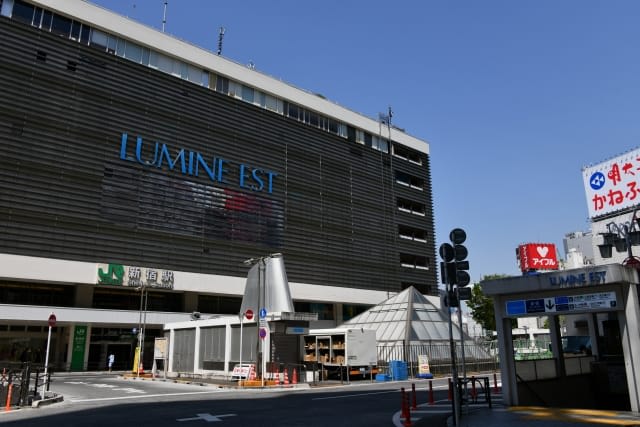
"Lumine Shinjuku" located at the south exit of Shinjuku Station is a shopping facility consisting of two buildings: "Lumine 1" and "Lumine 2." At the east exit, there is also "Lumine EST" from the same group, each with its own unique characteristics.
Lumine 1
"Lumine 1" targets people in their late 20s to 30s.
It features many basic items that are not bound by trends, and the attractive point is that various tastes are available, including casual, formal, and business styles. Cosmetic shops that focus on quality materials, such as organic cosmetics and Japanese skincare brands, are also popular.
This Tokyo Shopping Guide recommends it for those who want to enjoy shopping in a calm atmosphere.
<Information>
Address: 3-38-1 Shinjuku, Shinjuku-ku
Business hours: 10:00- 20:00
Closed: Irregular holidays
Phone number: 03-5334-0550
Official website: https://www.lumine.ne.jp/shinjuku/
Lumine 2
"Lumine 2" features many items that incorporate trends, and is characterized by a product lineup that is easy for a wide range of generations to use. It has a wide variety, including miscellaneous goods for everyday use and fashion brands with high design quality.
My recommended shop is "MUJI," a Japanese brand that handles food, clothing, miscellaneous goods, home appliances, and more.
"Lumine 2" is recommended for those who like a pop and casual atmosphere.
<Information>
Address: 3-38-2 Shinjuku, Shinjuku-ku
Business hours: 10:00- 20:00
Closed: Irregular holidays
Phone number: 03-5334-0550
Official website: https://www.lumine.ne.jp/shinjuku/
Lumine EST
"Lumine EST" located at the east exit of Shinjuku Station is popular among trend-conscious young people. There are many pop-up stores of cutting-edge brands, and the facility has a colorful and pop atmosphere.
There are many shops where you can buy trendy items at reasonable prices, such as "3coins" and "@cosme store," making it perfect for souvenir shopping.
It is recommended for those who want to find reasonably priced items that incorporate the latest trends.
<Information>
Address: 1-1-5 Nishi-Shinjuku, Shinjuku-ku
Business hours: Weekdays 11:00- 21:00 / Saturdays, Sundays, and holidays 10:30- 21:00
Closed: Irregular holidays
Phone number: 03-5334-0550
Official website: https://www.lumine.ne.jp/est/
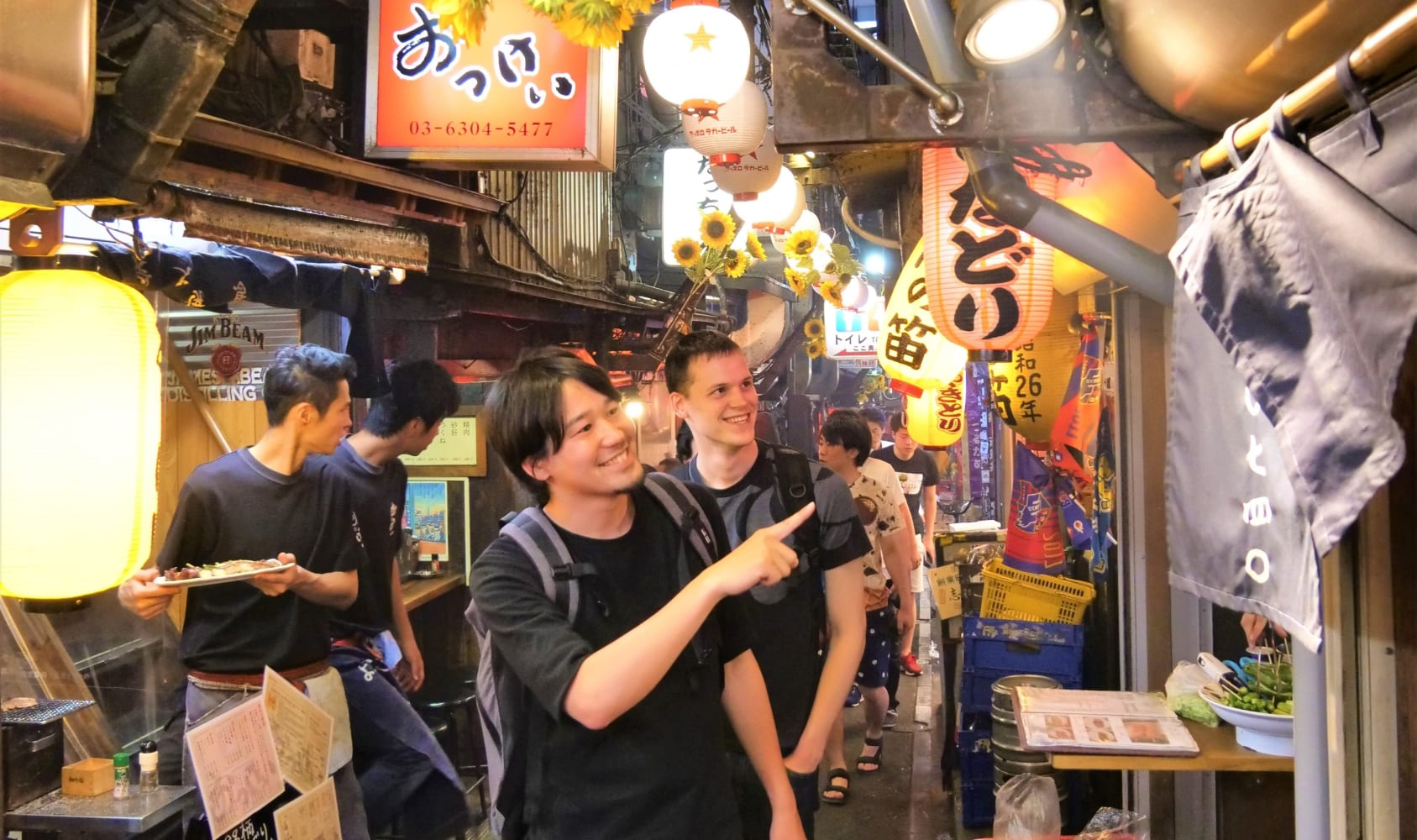
When you visit Shinjuku, enjoy it to the fullest until nighttime!
If you want to enjoy drinks at hidden gem-like establishments, this tour, which won Tripadvisor's Traveller's Choice Awards, is recommended. You can visit three carefully selected izakayas and bars by a local guide and enjoy authentic izakaya food and local sake.
Even at establishments that tourists find difficult to visit, you can feel at ease with a guide. Enjoy nighttime Shinjuku, known as one of Japan's premier entertainment districts!
<Information>
Meeting point: Black pillar next to Uniqlo Shinjuku Nishiguchi shop
Tour area: Shinjuku (Kabukicho / Omoide Yokocho Alley, etc.)
Start time: 17:00 / 18:00 / 18:30 / 19:00
Monthly Sales and Shopping Events Guide in Shinjuku
Shinjuku’s major retail facilities follow Japan’s standard biannual sale calendar: a winter sale in early January alongside the New Year opening (hatsuuri), and a summer sale in mid-July. Sale start dates vary by facility, so it pays to check each store individually before planning a visit.
Isetan Shinjuku runs its main clearance later than most competitors — January 2 in winter, July 11 in summer — but its luxury and international designer floors often launch an earlier Special Sale from around June 27.
Lumine Shinjuku and Lumine EST are adjacent fashion buildings with a more accessible price range. Since 2024–25, their biannual sales have been rebranded as the “Ethicarnival,” combining a short discount period (roughly five to seven days) with sustainability events such as clothing take-back drives.
Across all retailers, sale windows have grown shorter in recent years, so the opening days offer the best selection.
Sale Schedule by Facility in Shinjuku
| Facility | Winter Sale | Summer Sale |
|---|---|---|
| Isetan Shinjuku | Jan 2 onward (main clearance). Luxury and designer floors may vary — check individually. | July 11 onward (main clearance). Luxury and designer floors often launch an earlier Special Sale from around June 27. |
| Lumine Shinjuku (Lumine 1 & 2) | Jan 2–6 (sale period). Ethicarnival campaign runs through early February. | July 10–14 (sale period). Ethicarnival campaign runs through early August. |
| Lumine EST Shinjuku | Same as Lumine Shinjuku: Jan 2–6 for the sale; Ethicarnival through early February. | Same as Lumine Shinjuku: July 10–14 for the sale; Ethicarnival through early August. |
Harajuku: The Mecca of Pop Culture and Youth Fashion
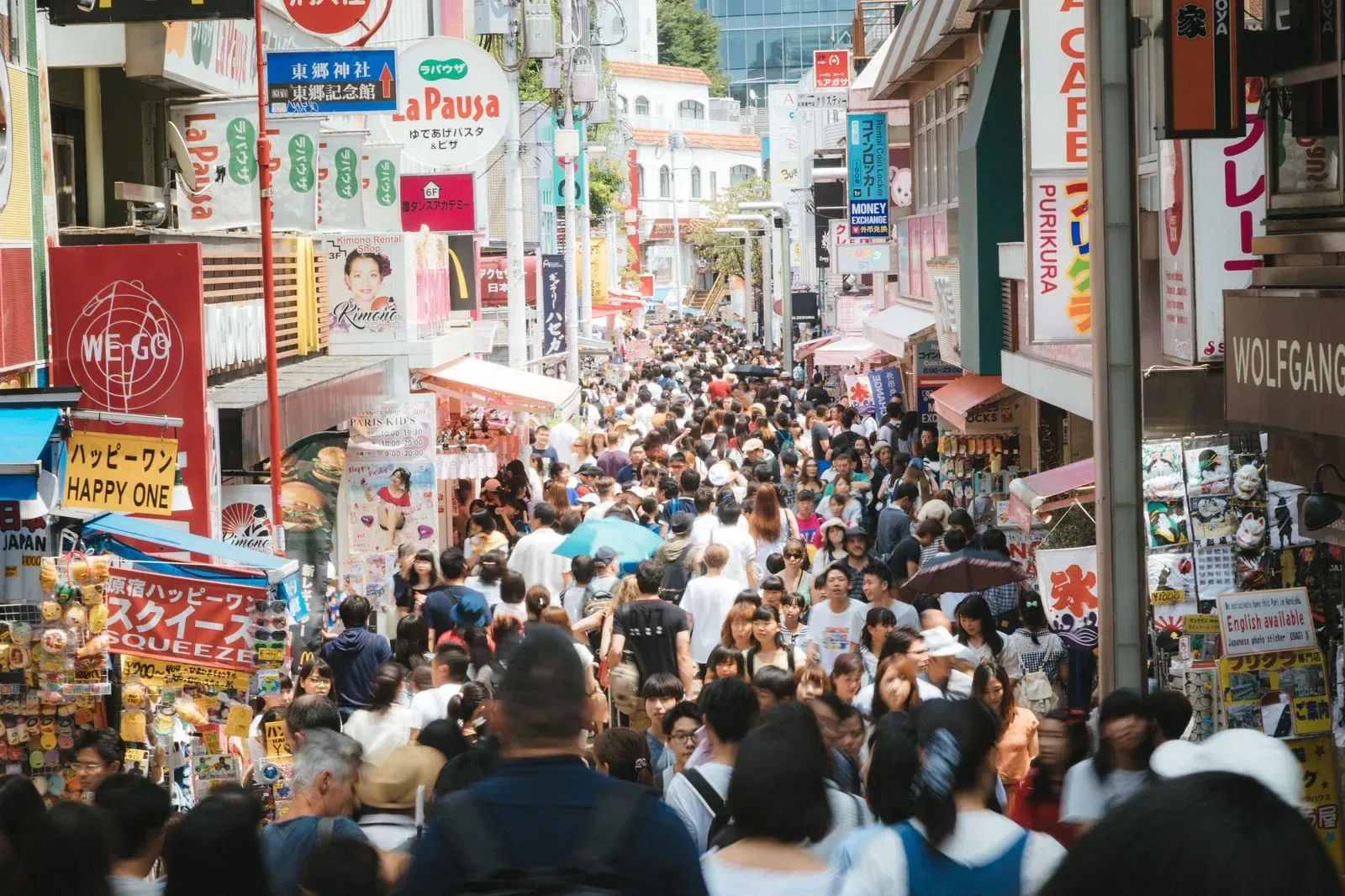
Harajuku, which I've been visiting since my teens, is globally famous as the center of Japanese pop culture and youth fashion. Each area has a different appeal, offering various experiences.
Takeshita Street is extremely popular among young people in their late teens to early 20s. It's lined with unique fashion and accessory shops and is always lively. I recommend visiting on weekdays to avoid the massive weekend tourist crowds.
KIDDY LAND is a store filled with Japanese character goods and toys. It's a must-see spot for families with children and those interested in Japanese pop culture. I always stop by when showing my overseas friends around.
Cat Street is known as the holy ground of street fashion. It's dotted with shops of popular domestic and international brands, where you can find more refined fashion items. Compared to Takeshita Street, it has a more relaxed atmosphere, allowing you to enjoy shopping at your own pace.
Omotesando is a street lined with high-end brand shops, perfect for sophisticated adult shopping. The tree-lined avenue creates an oasis-like atmosphere in the city.
Main Shopping Area in Harajuku
At Takeshita Street, located right near the station, you can experience Harajuku's unique "Kawaii" culture. As you walk toward Omotesando, stylish select shops line up and the atmosphere becomes calmer, which is characteristic of this Tokyo Shopping Guide area.
Insider Tips for Foreigners Visit Harajuku
Takeshita Street gets so crowded in the afternoon that it can be difficult to move, so it is recommended to arrive early, around 11:00 when most shops open. Some smaller stores only accept cash, so it is handy to have change ready in advance.
As part of your Tokyo Shopping 2026 experience, after browsing Takeshita Street, if the weather is nice, I also recommend making your way to Yoyogi Park — about a 10-minute walk away — where you can sort through your purchases and enjoy any takeout food you picked up along the way.
Takeshita Street Shopping Street
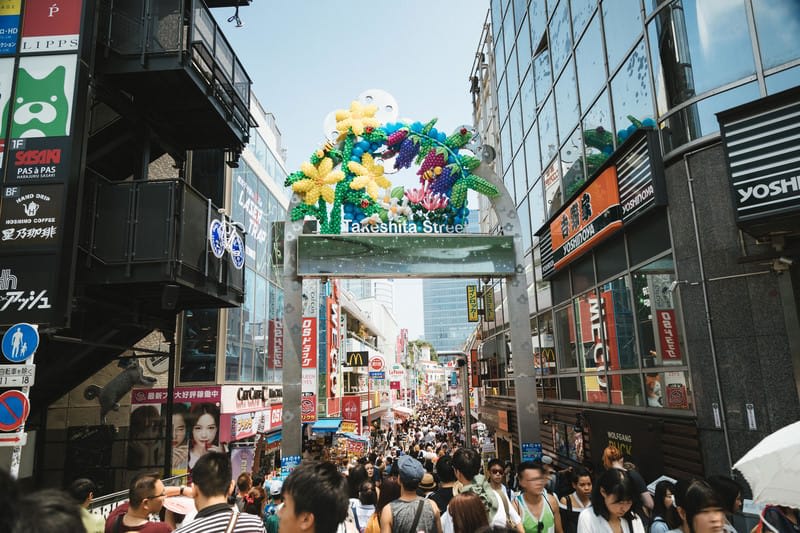
Takeshita Street is essential for Harajuku shopping. It is packed with Japan's "Kawaii culture," including trendy items unique to Harajuku and Insta-worthy food.
Since there are many shops with reasonable prices, it is also ideal for souvenir shopping. Takeshita Street, overflowing with a pop atmosphere, is exciting just to walk through!
<Information>
Access: 5 seconds walk from JR Harajuku Station Takeshita Exit
Business hours: Varies by store
Closed: Varies by store
Phone number: Varies by store
Official website: https://www.takeshita-street.com/
Cat Street
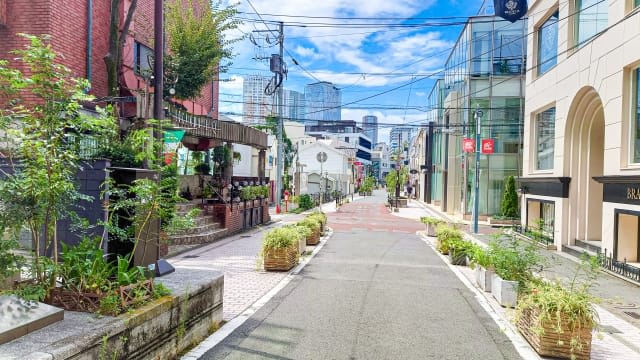
If you want to know the latest trends in Harajuku, why not visit Cat Street, just a short walk from "Meiji-Jingumae Station"? There are many unique stores characteristic of Harajuku, including vintage clothing stores, cafes, and high-brand shops.
There is little traffic, and it takes only about 15 minutes to walk from one end to the other, so it is also recommended to take a leisurely stroll on a nice day!
<Information>
Access: 3 minutes walk from Tokyo Metro "Meiji-Jingumae Station"
Business hours: Varies by store
Closed: Varies by store
Phone number: Varies by store
Official website: None
Tokyu Plaza Omotesando "OMOKADO"
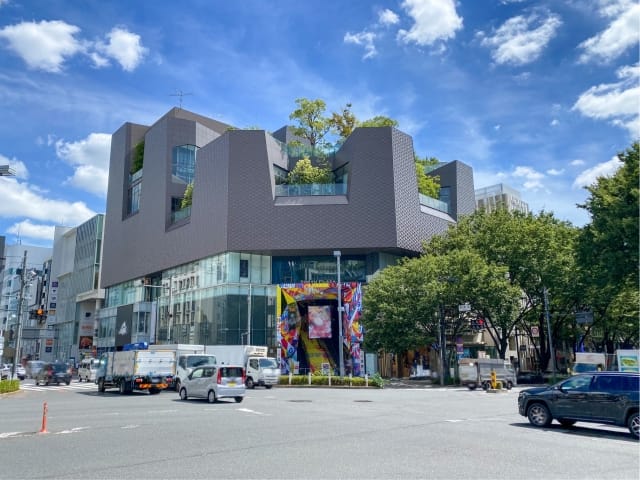
"OMOKADO," with its photogenic exterior that catches the eye, features highly original popular brands from both Japan and abroad. There are particularly many cosmetic shops, making it recommended for those who want to buy Japanese cosmetics.
There is also a lush garden on the rooftop where you can enjoy a relaxing space. My favorite is to buy a drink at Starbucks and take a break.
Please also enjoy nearby facilities such as the creative "HARAKADO," "Laforet," the origin of Harajuku fashion, and "WITH," which appeals to all generations!
<Information>
Address: 4-30-3 Jingumae, Shibuya-ku
Business hours: 11:00~20:00 (may vary by store)
Closed: Irregular holidays
Phone number: 03-3497-0418
Official website: https://tokyu-plaza.com.e.auj.hp.transer.com/omokado/
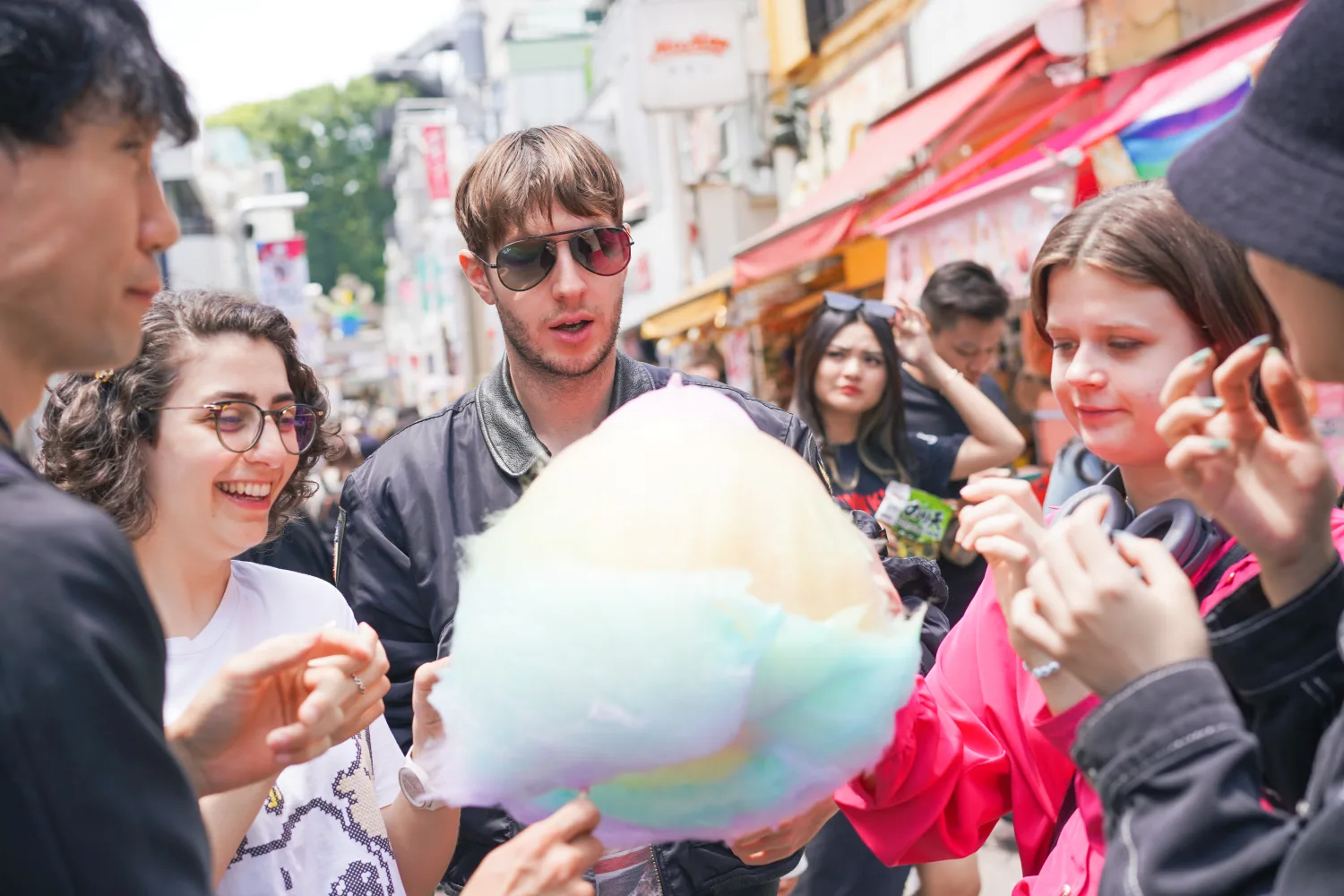
If you want to fully enjoy Harajuku's "Kawaii" culture at 100%, joining a guided tour is also recommended. Walk through the bustling Takeshita Street and the creative atmosphere of the "Urahara" area while experiencing cutting-edge trends.
The attractive point of guided tours is that you can learn about "the hottest things right now," such as trendy shops and food. For lunch, please enjoy "Okonomiyaki," which is popular as a Japanese local food.
<Information>
Meeting point: Harajuku Station
Tour area: Harajuku area
Start time: 10:30
Similar District like Harajuku
Shimokitazawa
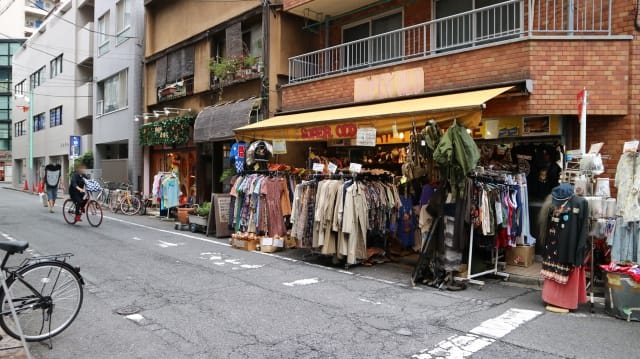
Like Harajuku's creative younger sibling, Shimokitazawa offers an authentic taste of Tokyo's underground culture. This charming neighborhood buzzes with vintage clothing boutiques, independent record stores, and cozy cafes tucked into narrow alleyways.
Known as "Shimokita" to locals, it's where Tokyo's artists, musicians, and free spirits gather. The area features intimate live music venues, experimental theaters, and quirky thrift shops selling everything from retro fashion to rare vinyl.
Unlike Harajuku's mainstream pop culture, Shimokitazawa maintains a more relaxed, bohemian atmosphere where creativity thrives in every corner, making it perfect for travelers seeking Tokyo's alternative soul.
Omotesando & Aoyama: A Sophisticated Shopping District Popular with Adult Women
Omotesando and Aoyama are areas I've admired since long ago. Now I often visit on weekends, enjoying shopping and reading at stylish cafes while appreciating the leisurely flow of time.
One of the characteristics of this area is the abundance of luxury brand flagship shops and tastefully curated select shops. People seeking quality items visit here, whether for daily goods that elevate their lifestyle or casual wear for when they want to dress up a little.
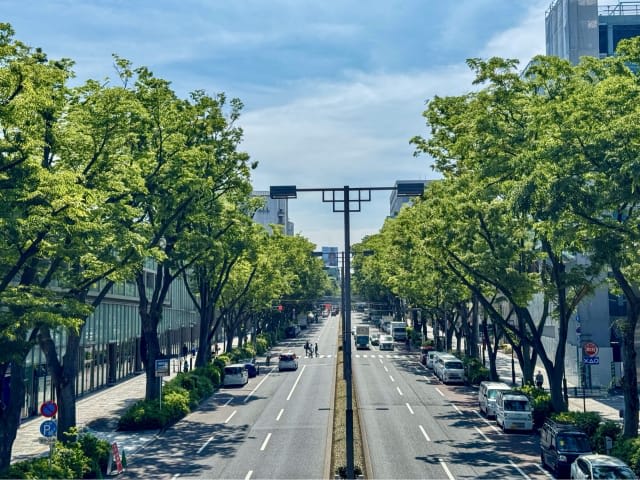
What I especially recommend is the Christmas season. The zelkova tree-lined street that adorns Omotesando for approximately 1km is illuminated, making the town even more vibrant. The refined and stylish atmosphere of the streetscape is enjoyable just by walking around, making it an essential part of any Tokyo Shopping Guide.
Main Shopping Area in Omotesando & Aoyama
In this area centered around Omotesando Hills, luxury brand flagship shops line the streets. The Aoyama area also features art museums and memorial halls of renowned artists, with its artistic atmosphere being an attractive point.
Insider Tips for Foreigners Visit Omotesando & Aoyama
In Omotesando and Aoyama, you can enjoy not only the main streets lined with flagship stores of luxury brands and well-known commercial facilities, but also the fun of discovering hidden gems tucked away in the back alleys.
Take a leisurely stroll through the calm, relaxed streets and see if you can find your own favorite spots — whether a tucked-away café or a carefully curated select shop.
The main street of Omotesando is lined with a lush row of zelkova trees, making it a perfect place to refresh your mind and find comfort in nature whenever the glamour of the luxury shops along this Tokyo Shopping 2026 destination starts to feel overwhelming.
Omotesando Hills
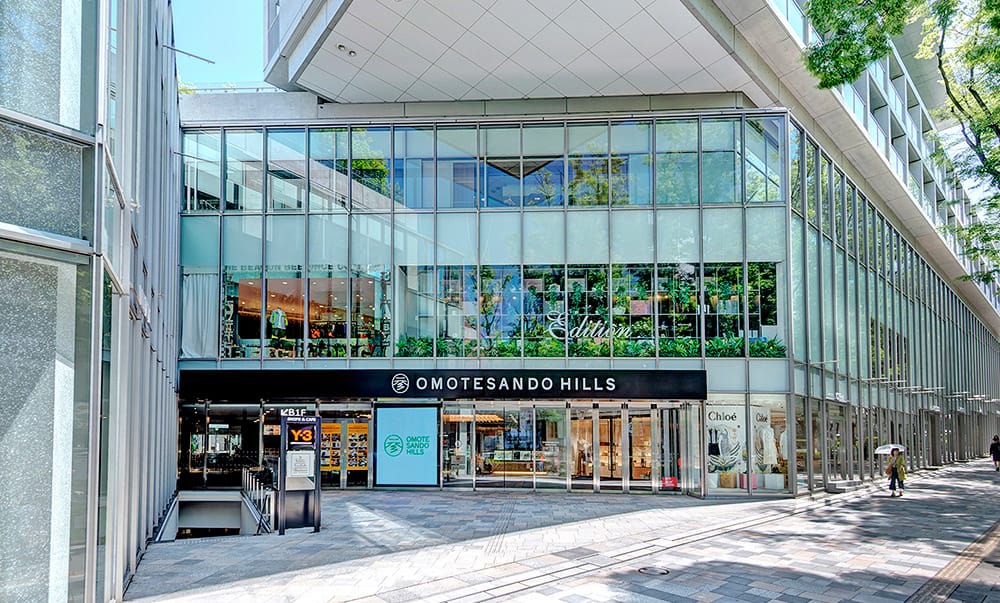
"OMOTESANDO HILLS" can be called a landmark of Omotesando. With approximately 100 specialty stores, you can enjoy shopping across a wide range of genres from casual to formal and business styles.
The illumination of the Christmas tree with beautiful sound and light effects is also popular. On the restaurant floor, you can enjoy various genres of cuisine.
<Information>
Address: 4-12-10 Jingumae, Shibuya-ku
Business hours: 11:00-20:00 (Restaurants until 22:30)
Closed: Irregular holidays
Phone number: 03-3497-0310
Official website: https://www.omotesandohills.com/
COMME des GARÇONS Aoyama Store
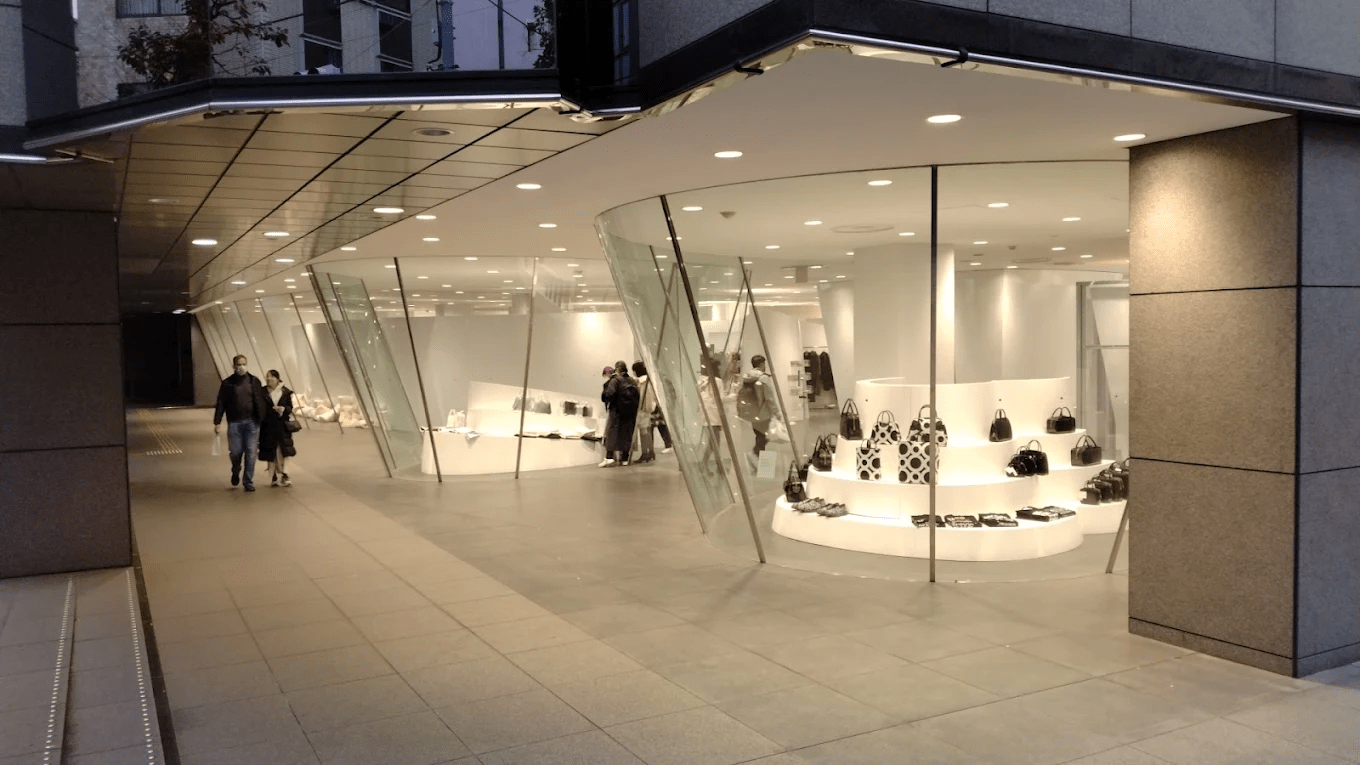
The appeal of "COMME des GARÇONS Aoyama Store" is not just as a shop, but as a place where you can experience the worldview that the brand cherishes.
They offer many Aoyama store exclusive lines such as "AOYAMA ORIGINAL" and seasonal collaboration items. Please enjoy the exterior, interior, and displays as if you were appreciating art at a museum.
<Information>
Address: 5-2-1 Minami-Aoyama, Minato-ku
Business hours: 11:00-20:00
Closed: Irregular holidays
Phone number: 03-3406-3951
Official website: https://www.comme-des-garcons.com/
Shibuya: Birthplace of Youth Fashion Trends
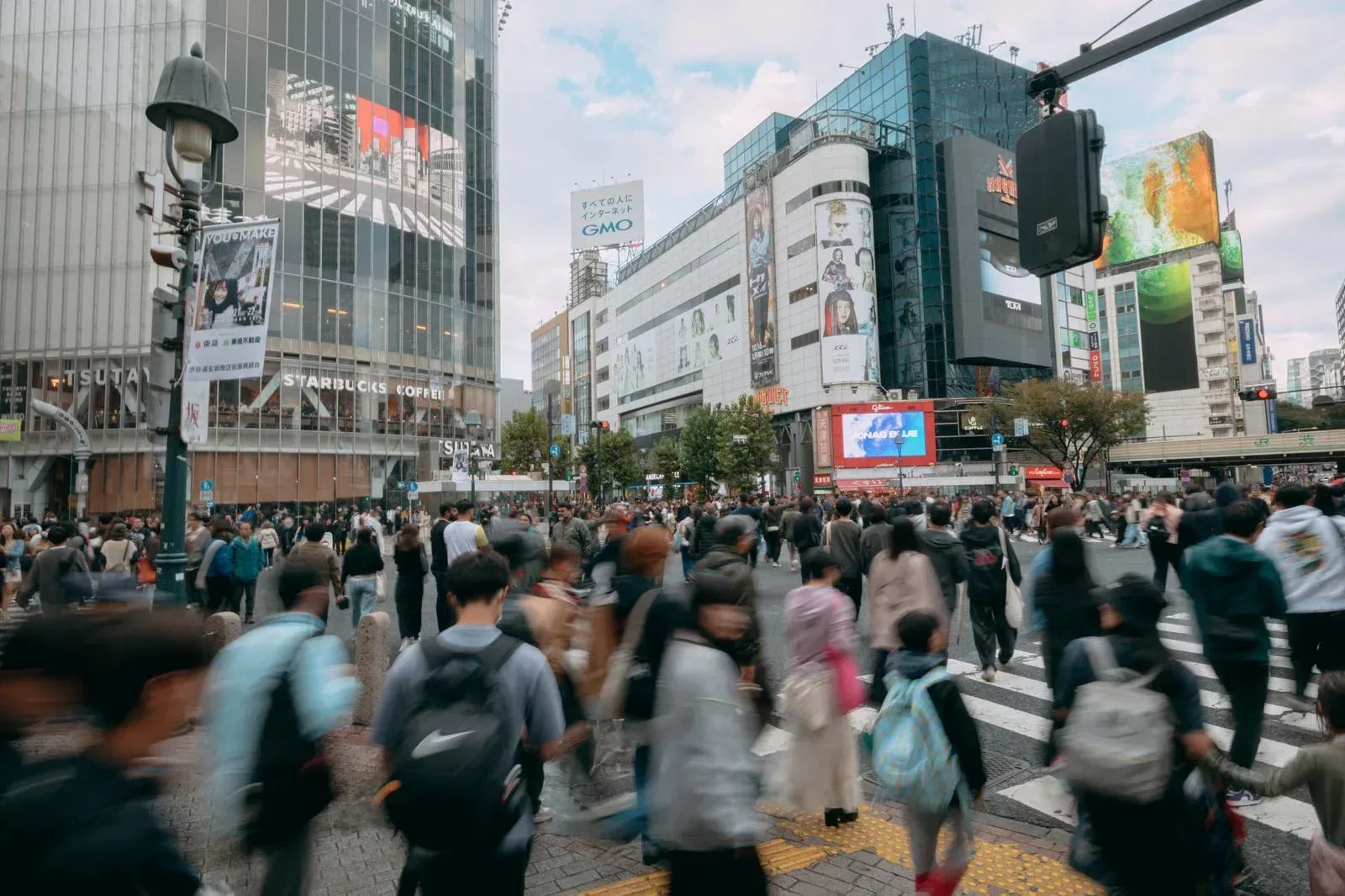
Shibuya is a vibrant city I've been visiting with friends since my youth to check out the latest fashion trends. It has evolved into an even more attractive place in recent years due to redevelopment projects.
Shibuya 109 is known as the mecca of trendy fashion for young people. It's home to many brands aimed at women in their late teens to 20s and is the perfect place to experience the latest Japanese casual fashion. It's a must-visit spot for fashion-loving tourists from abroad.
Center Gai is a lively street running through the heart of Shibuya. Packed with fashion shops, restaurants, and variety stores, it symbolizes Shibuya as a youth-oriented city. It gets crowded with many people on weekends, but that lively atmosphere is part of Shibuya's charm.
Loft is the perfect place to find unique miscellaneous goods and souvenirs. Especially the stationery and household goods floors offer products that showcase the high quality of Japanese design. I often use it when choosing gifts for my friends from overseas.
From the observation facility of Shibuya Scramble Square, you can get a panoramic view of the world-famous Scramble Crossing. It also houses many new shops and is gaining attention as a new spot where you can enjoy shopping and sightseeing simultaneously.
Main Shopping Area in Shibuya
The area centered around Shibuya Station is the most bustling and suitable for shopping. Shopping buildings directly connected to the station are recommended as you can move around without getting wet on rainy days.
Within walking distance from the station, you can enjoy shopping across various genres, making Shibuya a key destination in any Tokyo Shopping Guide.
Insider Tips for Foreigners Visit Shibuya
Shibuya sees the heaviest crowds on weekend afternoons, so if shopping is your goal, visiting on a weekday or right when stores open is the way to go. For Tokyo Shopping 2026, heading to MIYASHITA PARK or Shibuya 109 right at opening time (11:00) lets you browse at your own pace without the crowds.
MIYASHITA PARK and Shibuya 109 both have dedicated tax-free counters, but PARCO does not. If you are hoping to take advantage of tax-free shopping, be sure to check the procedure with each individual store at the time of purchase.
Miyashita Park
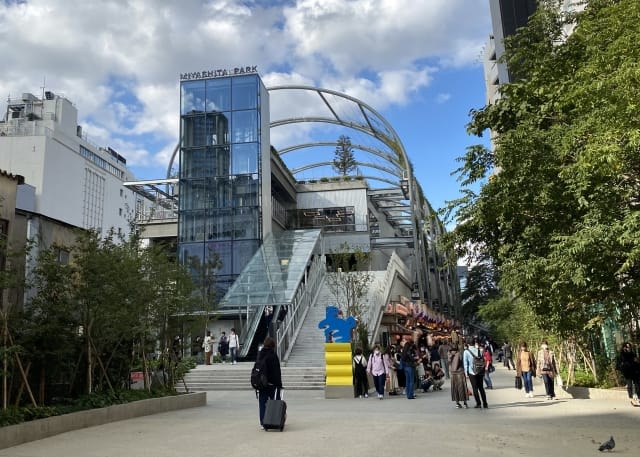
"MIYASHITA PARK" is a complex facility with parks, shops, restaurants, hotels, and more. You can enjoy it in your own way, whether relaxing in the park with its spreading lawns or enjoying shopping.
The shop area features a lineup ranging from street brands to luxury brands, reflecting Shibuya's high diversity. The attached hotel is also recommended as a base for Tokyo sightseeing.
<Information>
Address: 6-20-10 Jingumae, Shibuya-ku
Phone: 03-6712-5630
Business hours: Shops 11:00- 21:00/ Restaurants 11:00- 23:00
Closed: Irregular holidays
Official website: https://www.miyashita-park.tokyo/
Shibuya 109
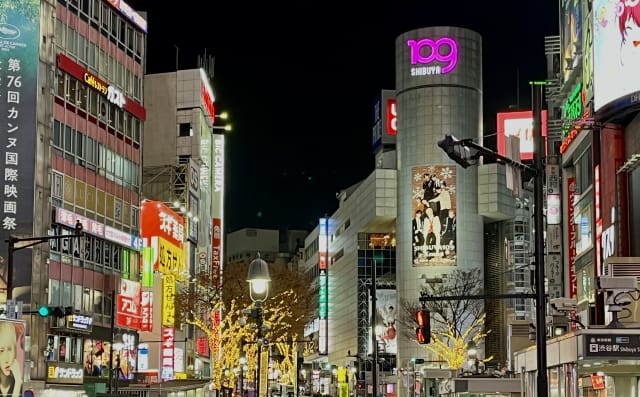
"SHIBUYA109" is a sacred place for gal fashion, indispensable to Shibuya culture. Even now, celebrating its 45th anniversary in 2024, it reigns as a source of youth culture in Shibuya.
In recent years, the attractive point is that you can enjoy various events, not just fashion, but also pop-up shops and collaboration projects with idols.
<Information>
Address: 2-29-1 Dogenzaka, Shibuya-ku
Phone: 03-3477-5111
Business hours: 10:00- 21:00
Closed: January 1st
Official website: https://www.shibuya109.jp/
PARCO
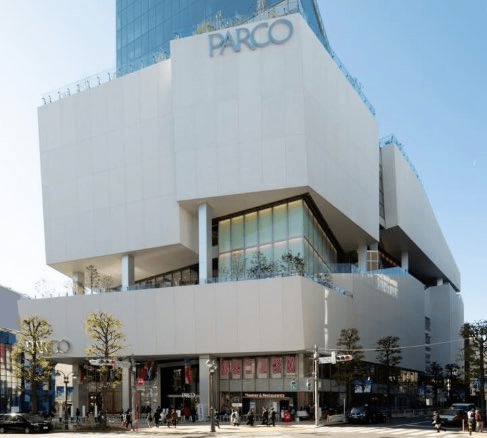
"SHIBUYA PARCO," characterized by its artistic exterior, is packed with trends in fashion, art, and subculture.
"CYBERSPACE SHIBUYA," which houses the Nintendo official store (only 4 locations in Japan) and the POKEMON official store, is also popular with foreign tourists.
<Information>
Address: 15-1 Udagawa-cho, Shibuya-ku
Phone: 03-3464-5111
Business hours: Shopping 11:00- 21:00 / 6F (Nintendo Tokyo/Pokemon Center) 10:00- 21:00 / 7F Restaurants 11:00- 23:00
Closed: Irregular holidays
Official website: https://shibuya.parco.jp/
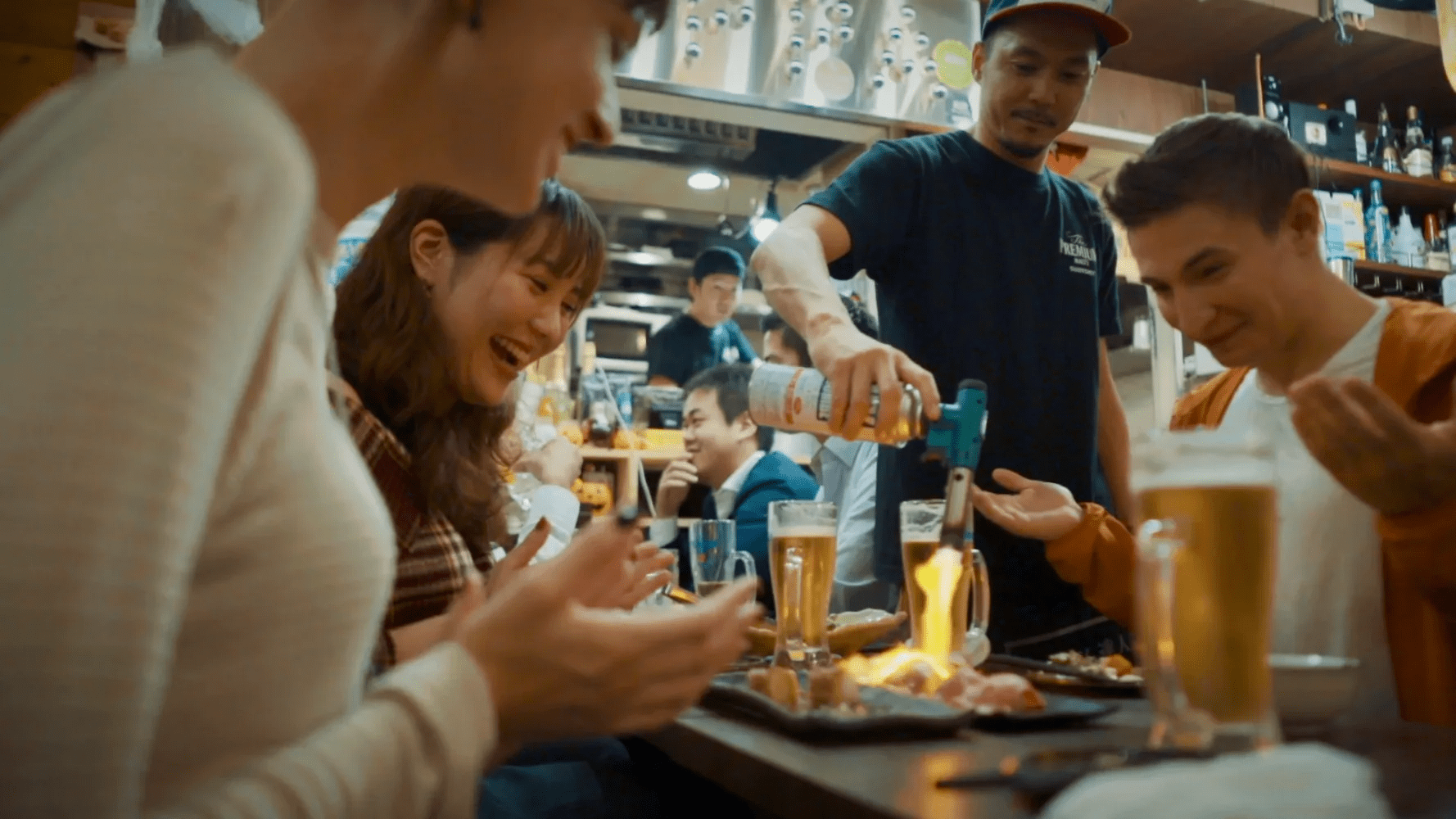
If you're confused about choosing a restaurant in Shibuya where diverse genres of eateries gather, why not join a guided food tour? A local guide who knows Shibuya inside and out will take you to three special establishments.
The tour includes all food and drink costs, so the attractive point is that you can enjoy without worrying about your budget.
At local establishments frequented by residents that tourists find difficult to discover, you can fully enjoy izakaya food such as yakitori and sashimi. Please enjoy it with various tastes of Japanese sake, from dry to sweet!
<Information>
Meeting point: Around Shibuya Station
Tour area: Shibuya area (Shibuya Niku alley/Dogenzaka)
Start time: 18:00/19:00
Similar District like Shibuya
Yokohama
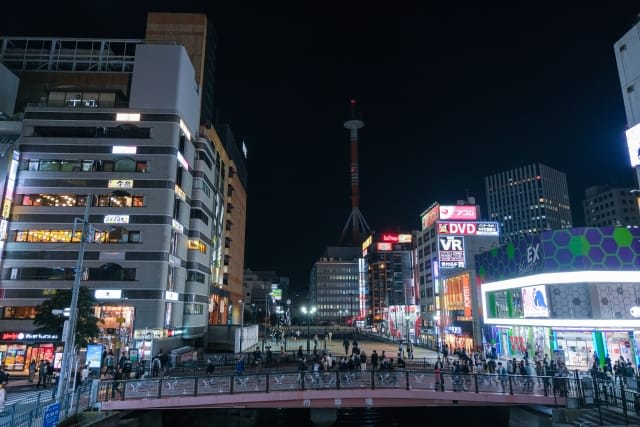
Like Shibuya's bustling energy, Yokohama pulses with urban excitement but adds a unique coastal charm. This cosmopolitan port city offers towering skyscrapers in Minato Mirai, historic Chinatown, and scenic Red Brick Warehouses along the bay.
Shop at Landmark Tower, enjoy panoramic views from the Sky Garden, or stroll through picturesque Yamashita Park.
With its blend of modern attractions, international dining, and waterfront beauty, Yokohama delivers Shibuya's dynamic atmosphere while offering breathtaking harbor views and a more relaxed, spacious feel.
Asakusa: Where to Find Traditional Japanese Souvenirs
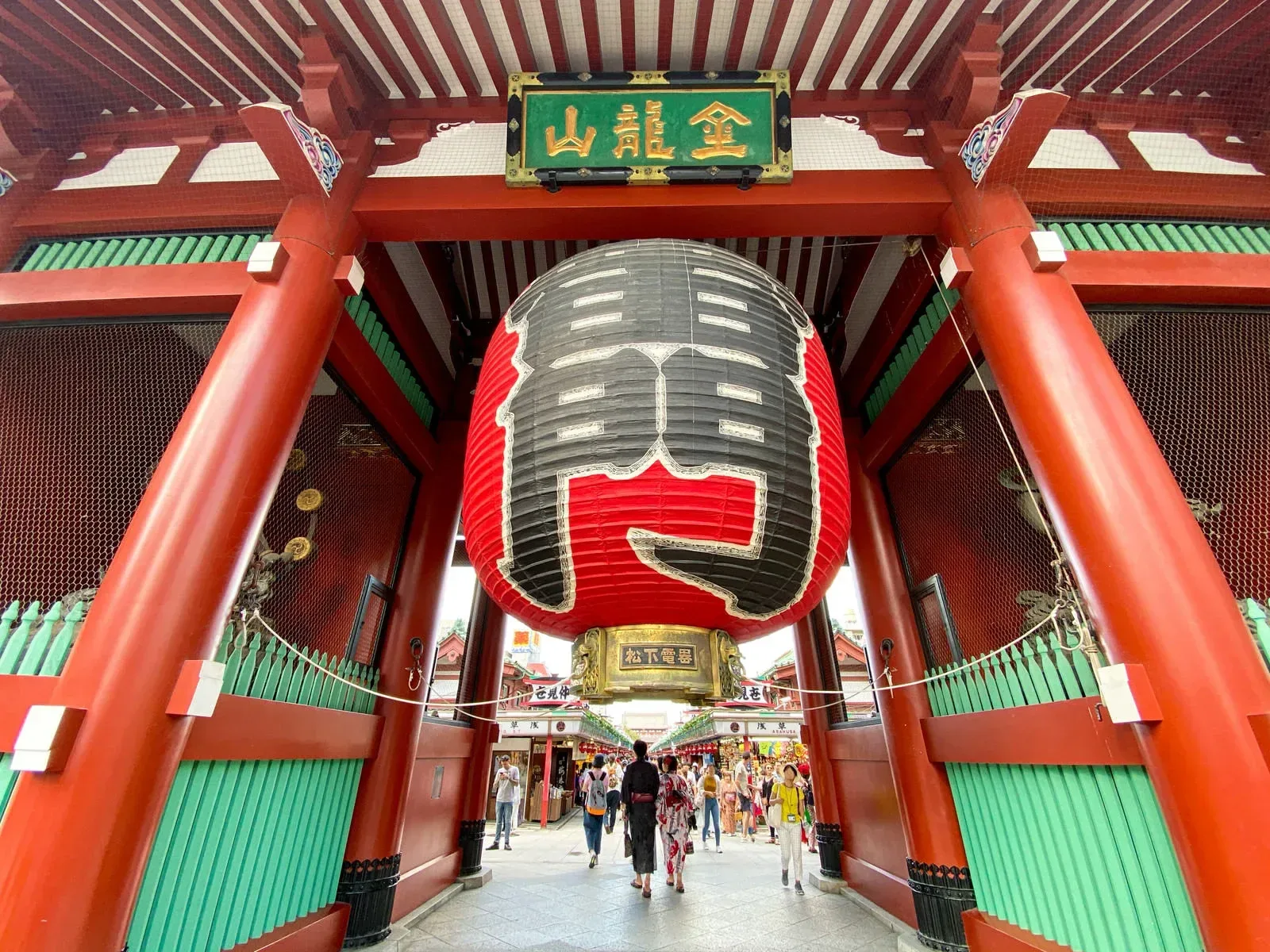
Asakusa is a place of fond memories where my grandparents often took me. It remains one of Tokyo's most traditional tourist spots, with a strong old-town atmosphere that continues to enchant many visitors.
Nakamise-dori is a bustling shopping street leading to Sensoji Temple. Long-established shops, traditional confectionery stores, and craft shops line the street, making it the perfect place to find traditional Japanese souvenirs. Especially popular are traditional Japanese clothing items like yukatas, fans, and tenugui towels.
Orange Street has a different, more relaxed atmosphere compared to the crowded Nakamise-dori. It's dotted with retro-style cafes and unique variety stores, offering a glimpse into the daily lives of local people.
Kappabashi Dougu Street is a specialty shopping street for Japanese cooking utensils and tableware. You can find everything from authentic Japanese knives to elaborate plastic food samples, making it a treasure trove for cooking enthusiasts. Recently, I often see foreign chefs there too.
Sensoji Temple is Tokyo's oldest temple, perfect for visiting between shopping. The large lantern at Kaminarimon Gate is famous as a symbol of Asakusa, and you can feel Japanese traditional culture firsthand in the temple grounds.
Main Shopping Area in Asakusa
Shopping in Asakusa, a highlight of any Tokyo Shopping Guide, mainly takes place along Nakamise Street on the way to Sensoji Temple and Shin-Nakamise Street, which is also visited by locals. The attractive point is that while shopping, you can feel the unique atmosphere of Asakusa here and there throughout the streets.
Insider Tips for Foreigners Visit Asakusa
Nakamise Street at Sensoji Temple gets extremely crowded with tourists from before noon through the afternoon. If you want to shop at your own pace, try visiting around 9:00–10:00 AM when most stores open, or around 5:00–6:00 PM just before closing time.
As a Tokyo Shopping 2026 tip, note that many small independent shops may not offer tax-free services, so it is a good idea to confirm in advance whether tax exemption is available, especially when you are planning to make larger purchases.
Nakamise Street
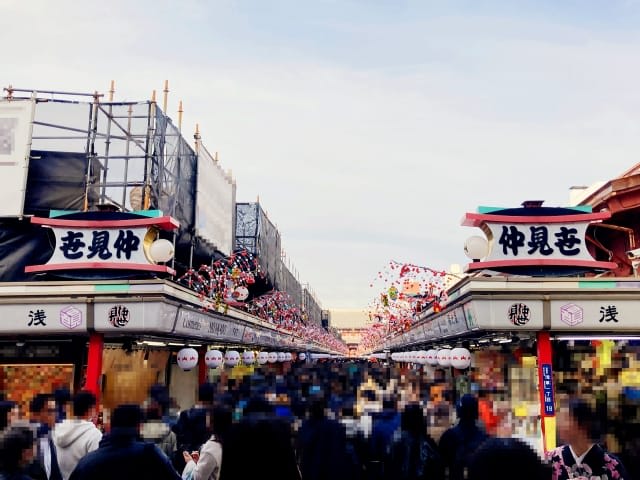
Nakamise Street is essential for shopping in Asakusa. This shopping street from Kaminarimon to Sensoji Temple has continued since the Edo period, and traditional long-established stores selling traditional crafts and Japanese sweets line up in rows.
The atmospheric cobblestone street is full of many people regardless of the season. If you want to buy souvenirs typical of Asakusa, please visit here first!
<Information>
Access: 3-minute walk from Tokyo Metro "Asakusa Station"
Business hours: Varies by store
Closed: Varies by store
Phone number: 03-3842-0181
Official website: https://asakusa-nakamise.jp/e-index.html
Shin-Nakamise Street
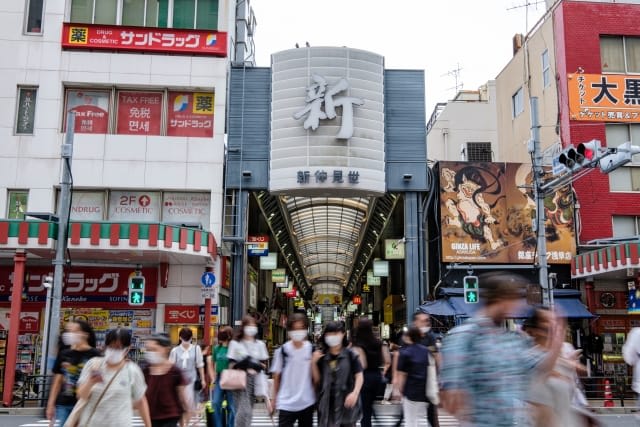
"Shin-Nakamise Street," affectionately known as "Shin-naka," is a shopping street that crosses Nakamise Street. While Nakamise Street is geared toward tourists, this street is visited by many locals as well.
There are many daily necessities stores and long-established restaurants, so if you want to experience a local atmosphere, please visit here! Another pleasant point is that it has a roof, so you can enjoy it without getting wet even on rainy days.
<Information>
Access: 4-minute walk from Tokyo Metro "Asakusa Station"
Business hours: Varies by store
Closed: Varies by store
Phone number: Varies by store
Official website: https://www.asakusa-shinnaka.com/
Sensoji Temple
Sensoji Temple, with approximately 1,400 years of history, is the oldest temple in Tokyo. It is a landmark of Asakusa, and the large lantern at Kaminarimon and the gods of wind and thunder are also popular as photo spots.
Another attractive point is that various traditional festivals are held each season. At night, it is illuminated, and you can enjoy a fantastic landscape different from daytime.
<Information>
Address: 2-3-1 Asakusa, Taito-ku
Main Hall Opening Hours: 5:00-18:00
Phone number: 03-3842-0181
Official website: https://www.senso-ji.jp/english/
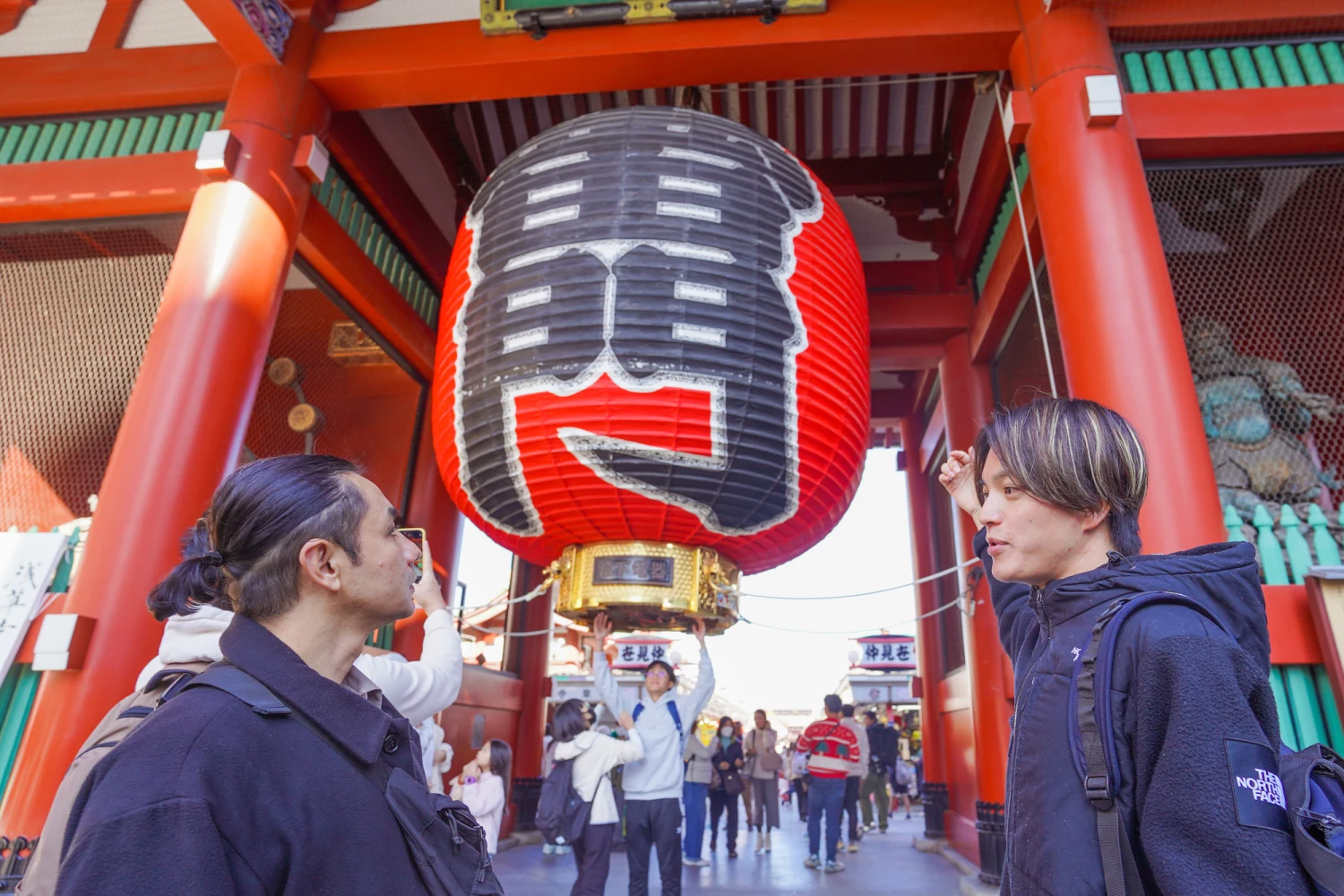
Asakusa, which has many attractions, is recommended to be visited efficiently by joining a guided tour. With this tour, you can enjoy 100% of Asakusa in about 3 hours.
Tour Highlights:
- Visit Sensoji Temple while listening to the guide's explanations
- Matcha experience at a tea house full of Japanese atmosphere
- Lunch with local food "monja-yaki"
- Walk through the drinking district full of downtown atmosphere
This tour, packed with the charm of Asakusa, is recommended for those who want to use their limited time effectively for sightseeing.
<Information>
Meeting point: Asakusa Kaminarimon
Tour area: Nakamise shopping street-Senso-ji-Hoppy street-Local restaurant
Start time: 11:00
Similar District like Asakusa 1: Yanaka
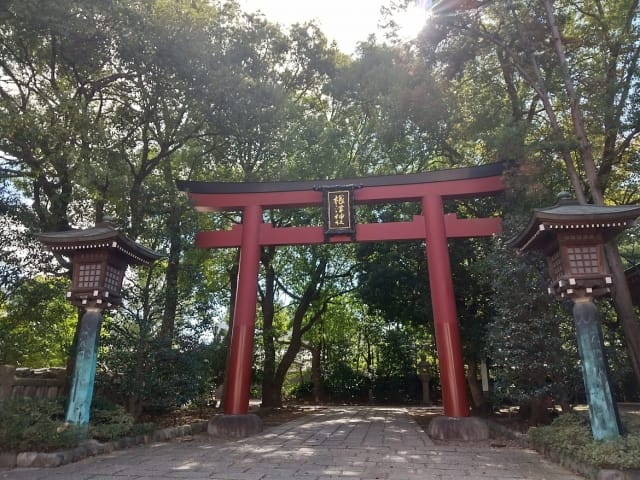
Like Asakusa, Yanaka transports you to old Tokyo's soul. This charming shitamachi district survived wartime bombing, preserving wooden houses, traditional shops, and over 60 temples that create a peaceful, village-like atmosphere.
Known as "Cat Town" for its feline residents, Yanaka's narrow streets are filled with artisan workshops, old-fashioned sweet shops, and cozy cafes. The famous Yanaka Cemetery offers cherry blossom viewing, while local craftspeople continue centuries-old traditions.
Experience authentic Tokyo life where time moves slowly and every corner tells a story of Japan's cultural heritage.
Yanaka Local Tour↓
Yanaka Historical Walking Tour in Tokyo's Old Town
Similar District like Asakusa 2: Kagurazaka
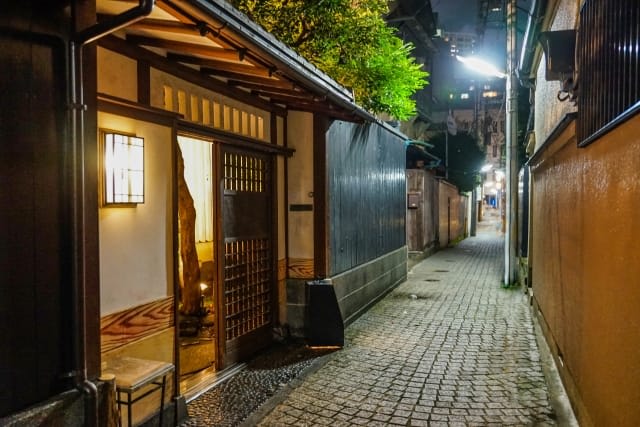
Like Asakusa, Kagurazaka offers a captivating blend of old and new Tokyo. This historic district features narrow cobblestone alleys, traditional ryotei restaurants, and charming tea houses that have preserved the atmosphere of old Edo.
Once a renowned geisha quarter, Kagurazaka maintains its elegant cultural heritage while embracing modernity with French bistros and boutique shops. Stroll through its winding streets to experience authentic Japanese hospitality, sample exquisite cuisine, and witness the graceful world of geisha culture in an intimate, less crowded setting than other tourist areas.
Akihabara: Center of Electronics and Otaku Culture
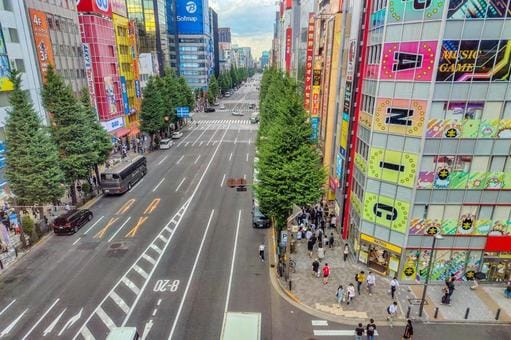
Akihabara holds fond memories for me as a place I've been visiting since my student days to buy computers and electronic parts. It now exudes a unique charm as a globally recognized mecca for otaku culture.
Yodobashi Camera is a large electronics store with an impressive selection of household appliances. It carries everything from the latest digital gadgets to Japanese home appliances. Multilingual staff are always available, so foreign tourists can shop with confidence.
Maid cafes are a unique cultural experience spot representative of Akihabara. You can directly experience Japanese pop culture through interactions with cosplayed staff.
Animate is a specialty store for anime and manga-related goods, offering a wide range of products. Figures and merchandise make perfect souvenirs for Japanese anime fans.
Gachapon Kaikan will surprise you with the variety of capsule toys. You can experience Japan's unique toy culture and find fun souvenirs at affordable prices.
AKIBA Cultures Zone is a complex facility that brings together products related to anime, figures, and games. It's a popular spot where you can experience otaku culture all at once, with each floor featuring different genres of products.
Main Shopping Area in Akihabara
In the area around Akihabara Station, popular shopping streets and shops that can be called icons of the city are scattered, such as Akihabara Electric Town and Animate. This area also has many maid cafes, and the attractive point is that you can experience Akiba Culture along with shopping, making it an essential part of any comprehensive Tokyo Shopping Guide.
Insider Tips for Foreigners Visit Akihabara
In Akihabara, knowing the difference between the east and west sides of JR Akihabara Station will help you get to your shopping destination more efficiently. The east side is home to large electronics retailers, while the west side is packed with anime merchandise shops and maid cafes.
For Tokyo Shopping 2026, Akihabara is an essential stop — but if you are planning to purchase electronic appliances, keep in mind that some products are designed exclusively for use within Japan. Always check whether the voltage and plug type are compatible with the standards in your home country before making a purchase.
Yodobashi Camera Multimedia AKIBA
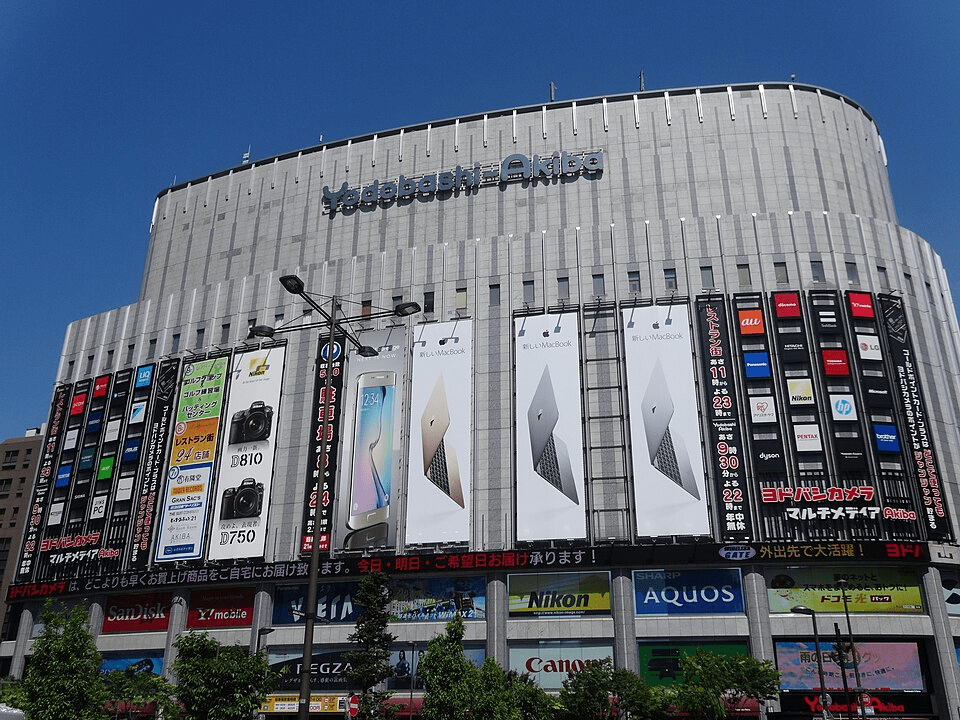
"Yodobashi-Akiba" is a comprehensive electronics retailer boasting the largest sales floor area in the Akihabara area. In addition to PCs, home appliances, cameras, and games, there is also an abundant selection of highly specialized hobby goods such as figures and railway models.
Another pleasant point is that it is easy to access because it is directly connected to Akihabara Station. There is also a restaurant area and batting center, so everyone from children to adults can enjoy it.
<Information>
Access: 1-1 Kanda Hanaoka-cho, Chiyoda-ku
Business hours: 9:30-22:00
Phone number: 03-3842-0181
Closed: Irregular holidays
Official website: https://www.yodobashi.com/ec/store/en/0018/
AKIHABARA RADIO KAIKAN
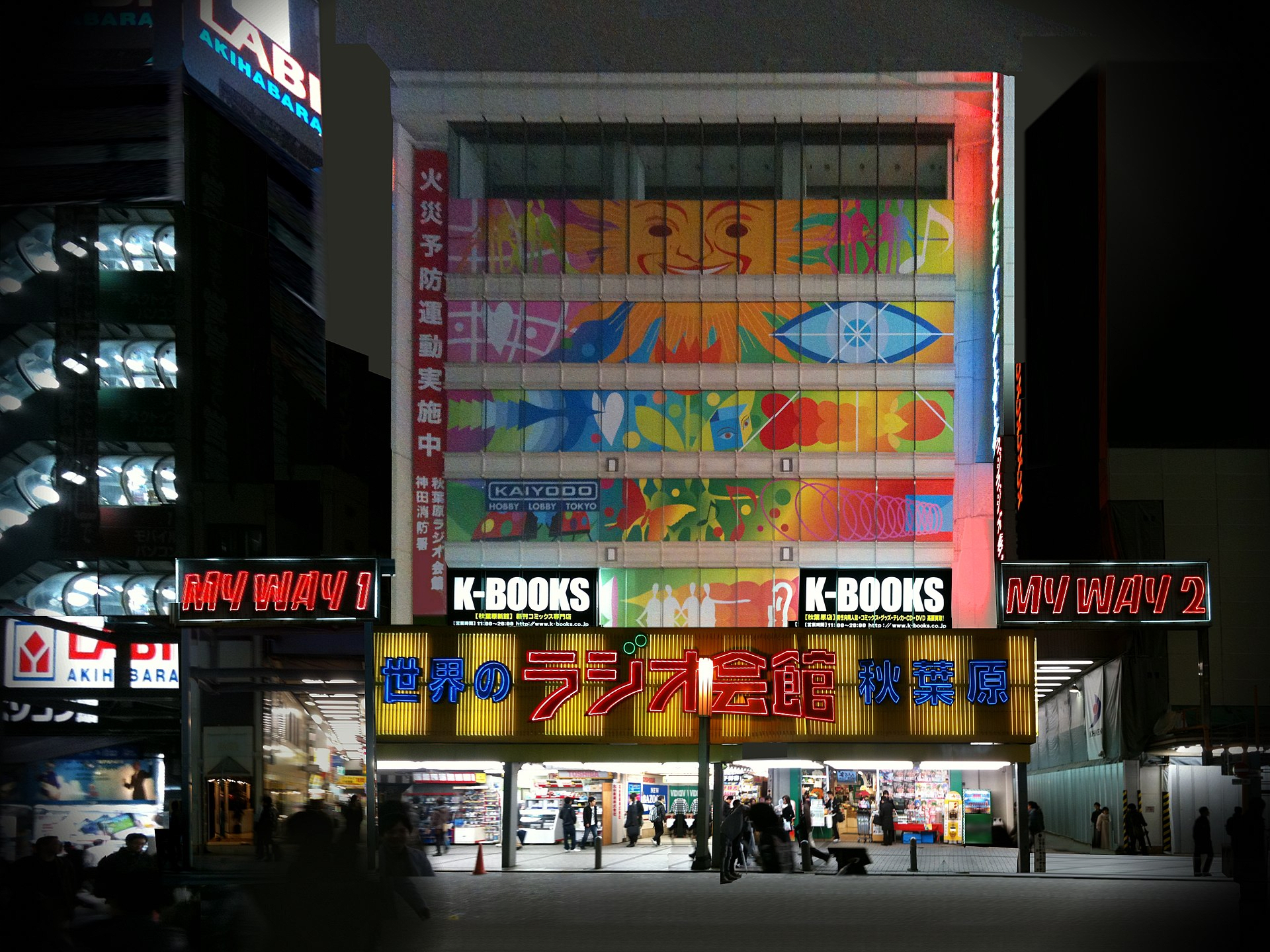
"Akihabara Radio Kaikan" is a facility where specialty stores for anime, figures, plastic models, games, and more gather. It is also called a sacred place of Otaku Culture, where you can find treasures from standard items to maniac items.
At the beer restaurant inside the facility, you can enjoy meals and beer in a retro interior where you can feel old-fashioned Japan.
<Information>
Address: 1-15-16 Soto-Kanda, Chiyoda-ku
Business hours: Varies by store
Closed: Varies by store
Phone number: Varies by store
Official website: https://akihabara-radiokaikan.co.jp/#
ANIMATE
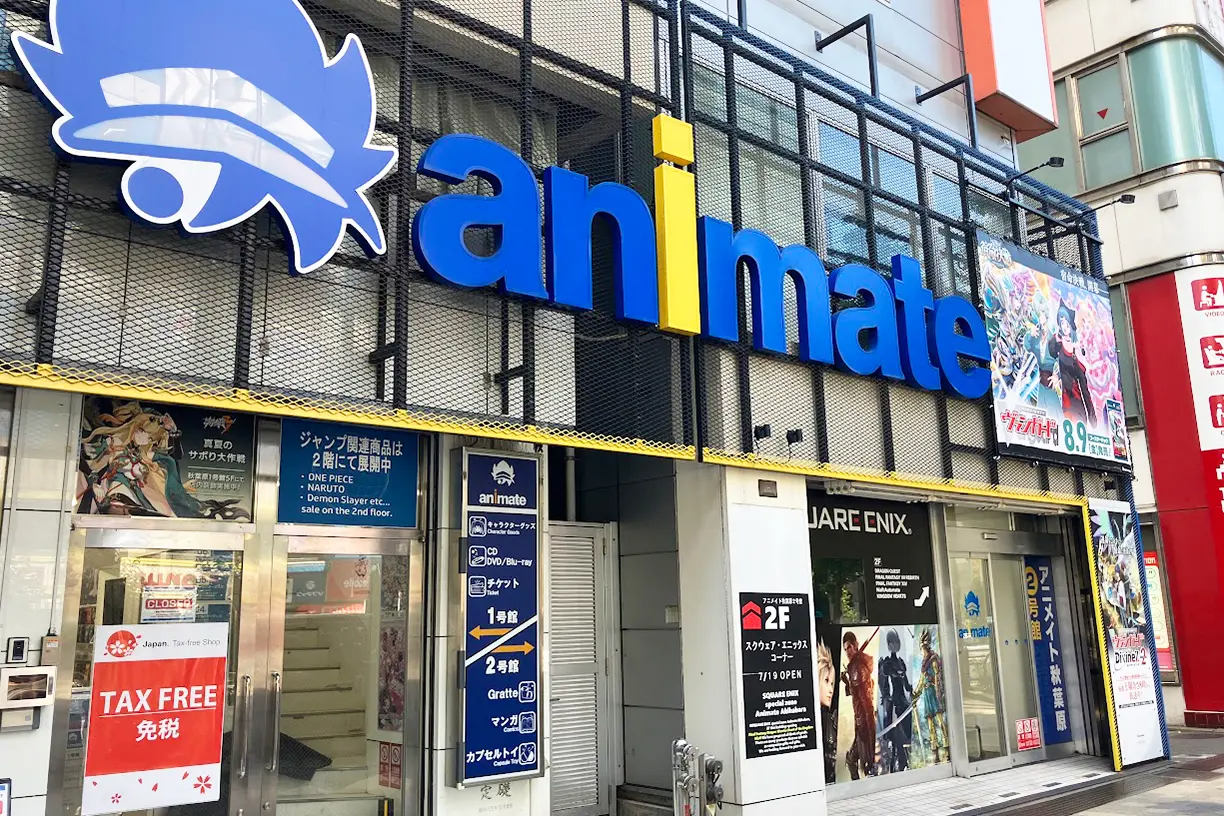
"animate" is a specialty store for manga, anime, games, character goods, and more. The appeal of the Akihabara store, which is divided into Building 1 and Building 2, is above all its extensive product selection.
Events are also abundant, such as voice actor talk shows and autograph sessions, and cafes collaborating with anime characters. This is a recommended spot that anime and game lovers must visit.
<Information>
Access: 4-minute walk from JR Yamanote Line "Akihabara Station"
Business hours: 10:00-21:00
Closed: Irregular holidays
Phone number: 03-5209-3330
Official website: https://www.animate.co.jp/shop/akihabara/
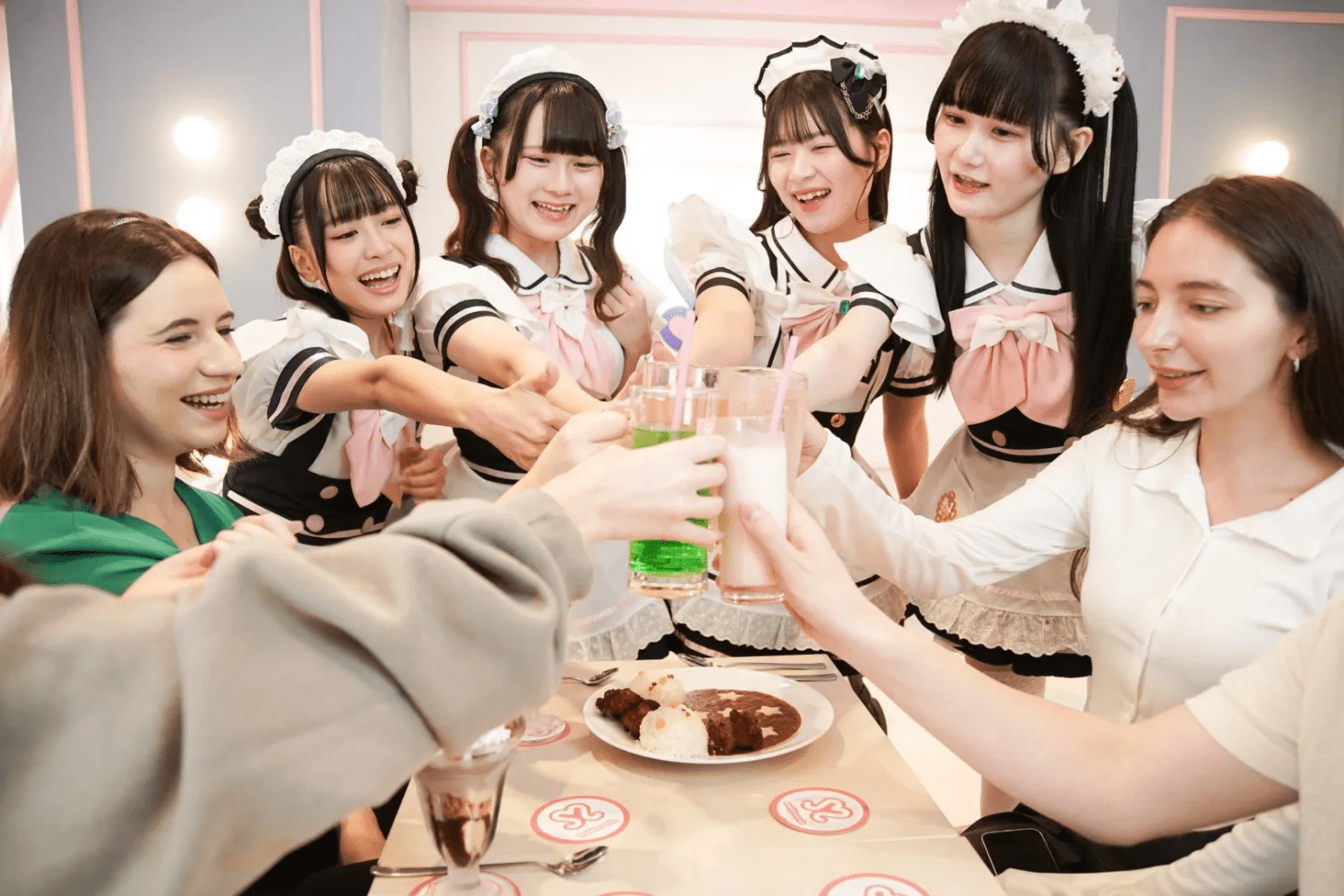
If you want to experience Otaku Culture even more deeply, why not join this guided tour? You can enjoy the charm of Akihabara to the fullest.
My recommended point is the maid cafe experience. Even at a maid cafe, which can be a little confusing for first-timers, you can enjoy 100% with a guide. Don't be shy and jump into the Otaku world that Japan is proud of.
Another pleasant point is that there are many indoor activities, so you can enjoy it regardless of the weather.
<Information>
Meeting point: Akihabara Station
Tour area: Akihabara area
Start time: 14:00
Similar District like Akihabara
Ikebukuro
While Akihabara gets all the attention, Ikebukuro offers an equally vibrant anime and manga scene with a more relaxed atmosphere.
This bustling district features massive stores like Animate, countless manga cafes, and the iconic Sunshine City complex with its Pokémon Center.
Known as a haven for female otaku culture, Ikebukuro boasts excellent cosplay shops, themed cafes, and BL (Boys' Love) specialty stores. With fewer crowds than Akihabara but the same passionate energy, Ikebukuro provides an authentic dive into Japanese pop culture that many tourists overlook.
Tokyo Station: A Convenient Place to Buy Various Souvenirs
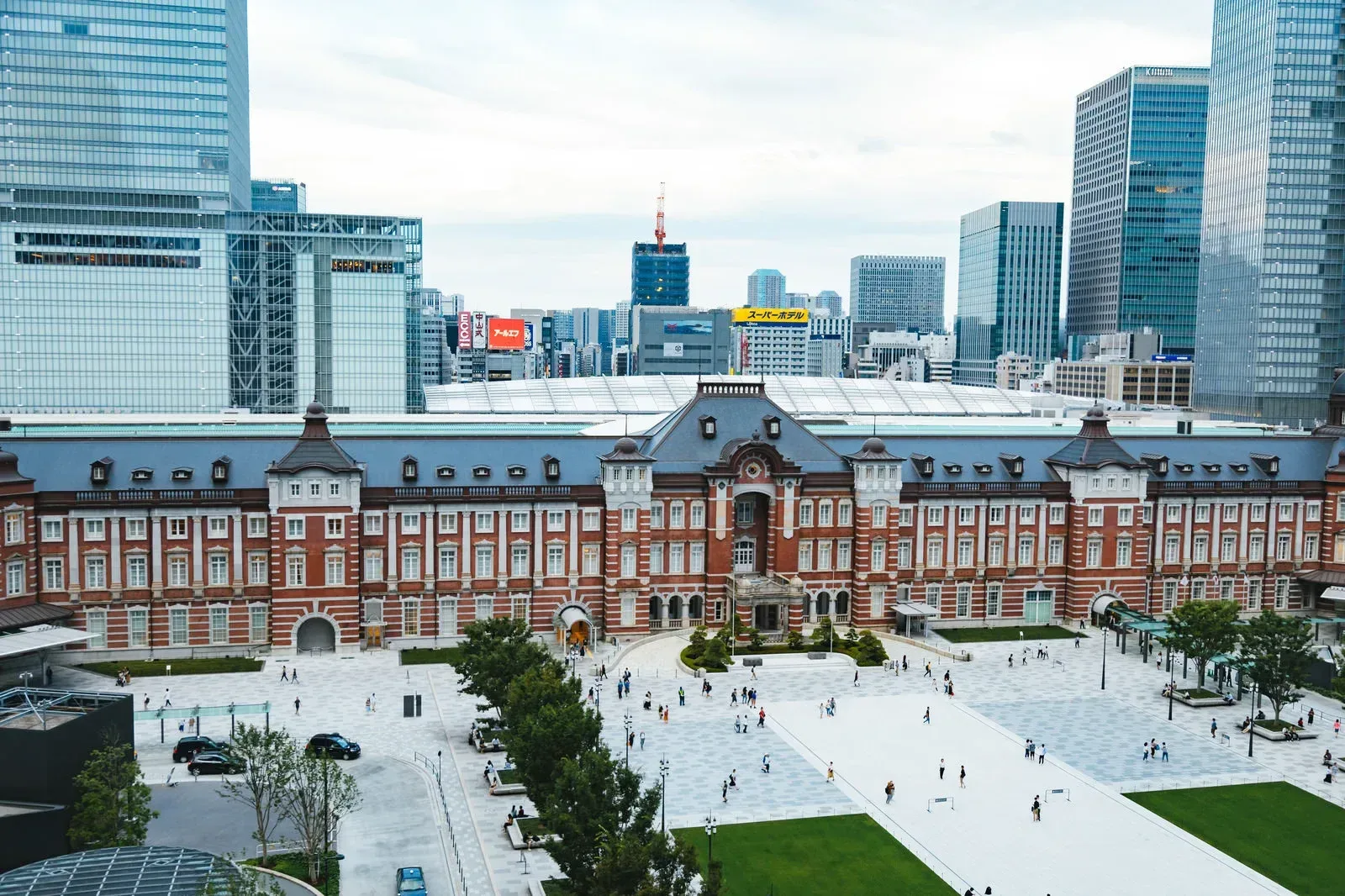
Tokyo Station has evolved beyond a mere transportation hub into a comprehensive shopping spot. As a terminal for Shinkansen bullet trains, it's a place where many travelers pass through. I often use it as a last-minute shopping opportunity.
Inside the station, there are plenty of souvenir specialty stores like "Tokyo Okashi Land." Station-limited confectioneries, especially the popular "Tokyo Banana," are reliable, high-quality souvenirs.
At the underground "Tokyo Character Street," you can see popular Japanese character goods like Pokemon and Hello Kitty all at once. It's a place where you can efficiently select souvenirs even if you have limited time.
The station building "GranSta" houses a wide variety of stores, from long-established Japanese confectionery shops to the latest sweets shops. It also offers a good selection of bento boxes and side dishes representative of Japanese food culture, making it convenient for meals on the go.
Insider Tips for Foreigners Visit Tokyo Station
Since Tokyo Station has a complex layout, it helps to check in advance which of the three areas, inside the ticket gates, outside the ticket gates (Yaesu side), or outside the ticket gates (Marunouchi side), your destination is located in, so you can get there without getting lost. For example, GRANSTA TOKYO is located inside the ticket gates, while First Avenue Tokyo Station is outside the ticket gates on the Yaesu side.
Tokyo Station is a highlight on any Tokyo Shopping 2026 itinerary, and conveniently, the station also has baggage storage services and coin lockers available, so even those traveling with a lot of luggage can enjoy browsing for souvenirs with ease.
GRANSTA TOKYO
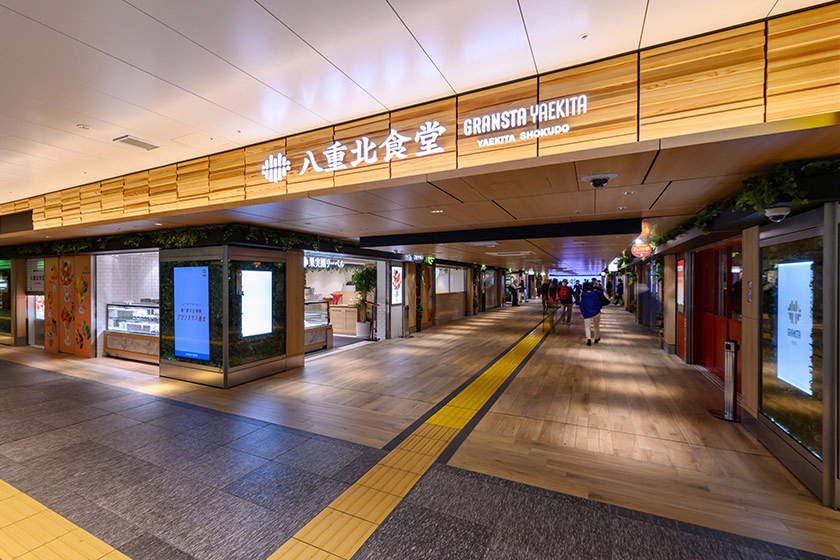
"GRANSTA TOKYO" is a commercial facility inside the ticket gates of Tokyo Station. It's no exaggeration to say "everything you need for Tokyo souvenirs can be found here." Limited sweets and bento boxes that can only be bought here are also popular.
There are many restaurants with diverse variations and takeout food options, so whether you visit for breakfast, lunch, dinner, or drinks time, you'll surely find something you want to eat.
<Information>
Access: Inside JR Tokyo Station ticket gates
Business hours: Varies by store and day of the week
Regular holidays: Irregular holidays
Phone number: Varies by store
Official website: https://www.gransta.jp/en/
First Avenue Tokyo Station
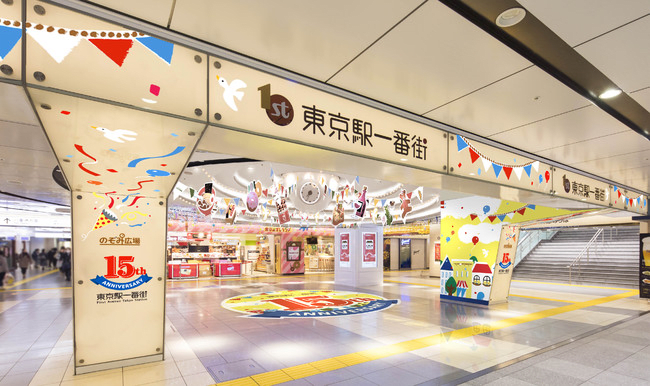
"First Avenue Tokyo Station," directly connected to Tokyo Station's ticket gates, is a shopping street with a variety of shops. There are also many popular character shops including Hello Kitty, Ghibli, Pokemon, and Dragon Ball.
At "Tokyo Ramen Street," you can enjoy ramen from various popular restaurants, which is a delightful point.
<Information>
Access: Right from JR "Tokyo Station" Yaesu Underground Central Exit ticket gate
Business hours: Varies by store
Regular holidays: Irregular holidays
Phone number: Varies by store
Official website: https://www.tokyoeki-1bangai.co.jp/en/
Yaechika (Yaesu Shopping Mall)
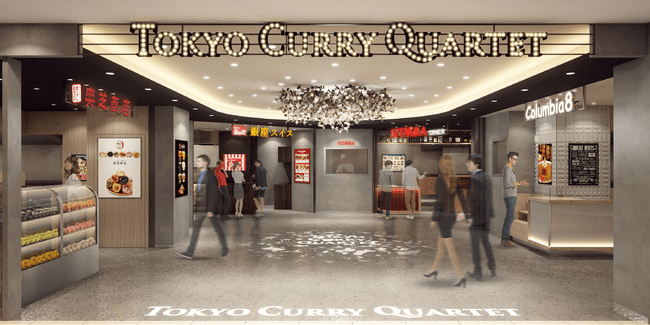
"Yaesu Shopping Mall" is a vast shopping facility in the basement of Tokyo Station. There are areas specializing in popular food genres such as ramen and curry, as well as casual izakaya (Japanese pubs) that busy businesspeople often visit.
There are also Uniqlo and drugstores, making it convenient to buy things you need during your travels.
<Information>
Access: Directly connected to JR Tokyo Station Yaesu Underground Central Exit
Business hours: Varies by store
Regular holidays: Irregular holidays
Phone number: Varies by store
Official website: https://www-yaechika-com-e.athp.transer.com/
Shimokitazawa: Tokyo's Representative Vintage Clothes District
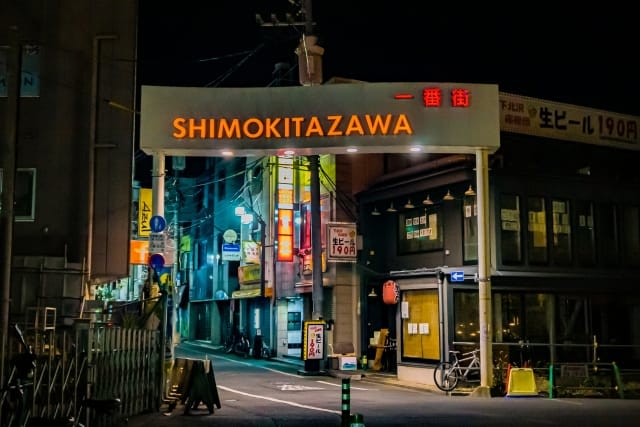
Shimokitazawa, located about 4 minutes by subway from Shibuya, is a town where unique artistic culture gathers. Affectionately known as "SHIMOKITA," it's also known as a vintage clothes district in this Tokyo Shopping Guide.
SHIMOKITA's Highlights:
- Trend-incorporating large vintage clothing stores
- Theaters and live houses where young artists gather
- Cozy small cafes and restaurants
- Specialized restaurants such as curry specialty shops and medicinal cuisine
- Retro yet stylish back alleys
Shimokitazawa has over 150 vintage clothing stores, including large chain stores. Many products are reasonably priced, and there are many shops that are easy for beginners to use, which is an attractive point.
It's also known as a competitive curry district, and a curry festival is held every October.
For those interested in a deeper side of Tokyo that's different from the cutting-edge trends of Shinjuku and Shibuya, please take a stroll through the streets of SHIMOKITA!
Insider Tips for Foreigners Visit Shimokitazawa
Shimokitazawa is made up of six shopping streets, with around 760 stores lining the area — from vintage clothing shops to restaurants.
In particular, the two main streets, Shimokitazawa South Exit Shopping Street and SHIMOKITA ICHIBANGAI, are packed with uniquely characterful shops, and when I visited for the first time, I found myself spoiled for choice about which store to walk into first.
With that in mind, before heading to Shimokitazawa as part of your Tokyo Shopping 2026 itinerary, it is worth browsing the official websites of both main streets in advance to get a preview of what shops are available, so you do not miss any of the places you want to visit.
Shimokitazawa South Exit Shopping Street: https://shimokitazawa.org/
SHIMOKITA ICHIBANGAI: https://shimokita1ban.com/
Koenji: A District Where Tokyo's Top-Class Subculture is Rooted
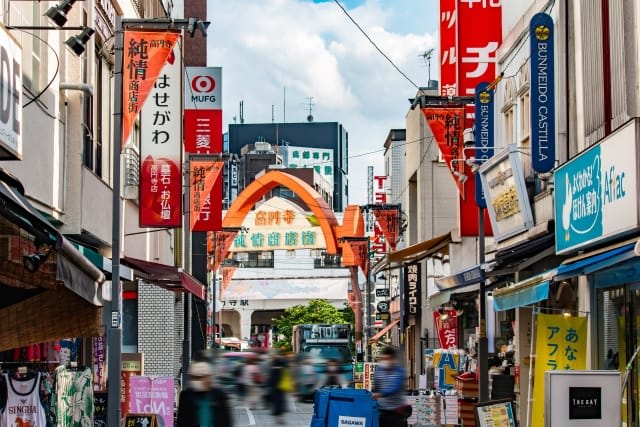
Koenji, located about 10 minutes by train from Shinjuku, has a unique subculture rooted in it. My personal impression is that it has a slightly calmer, more mature atmosphere compared to Shimokitazawa.
Koenji's Highlights:
- Niche and unique vintage clothing stores
- Deep subculture that mixes old and new
- Unique live houses
- "Koenji Awa-Odori," one of Tokyo's representative summer festivals
Koenji has many niche vintage clothing stores, and you can sometimes find expensive one-of-a-kind vintage items. For those who have decided on their preferred taste or target genre, Koenji's vintage clothing stores are recommended.
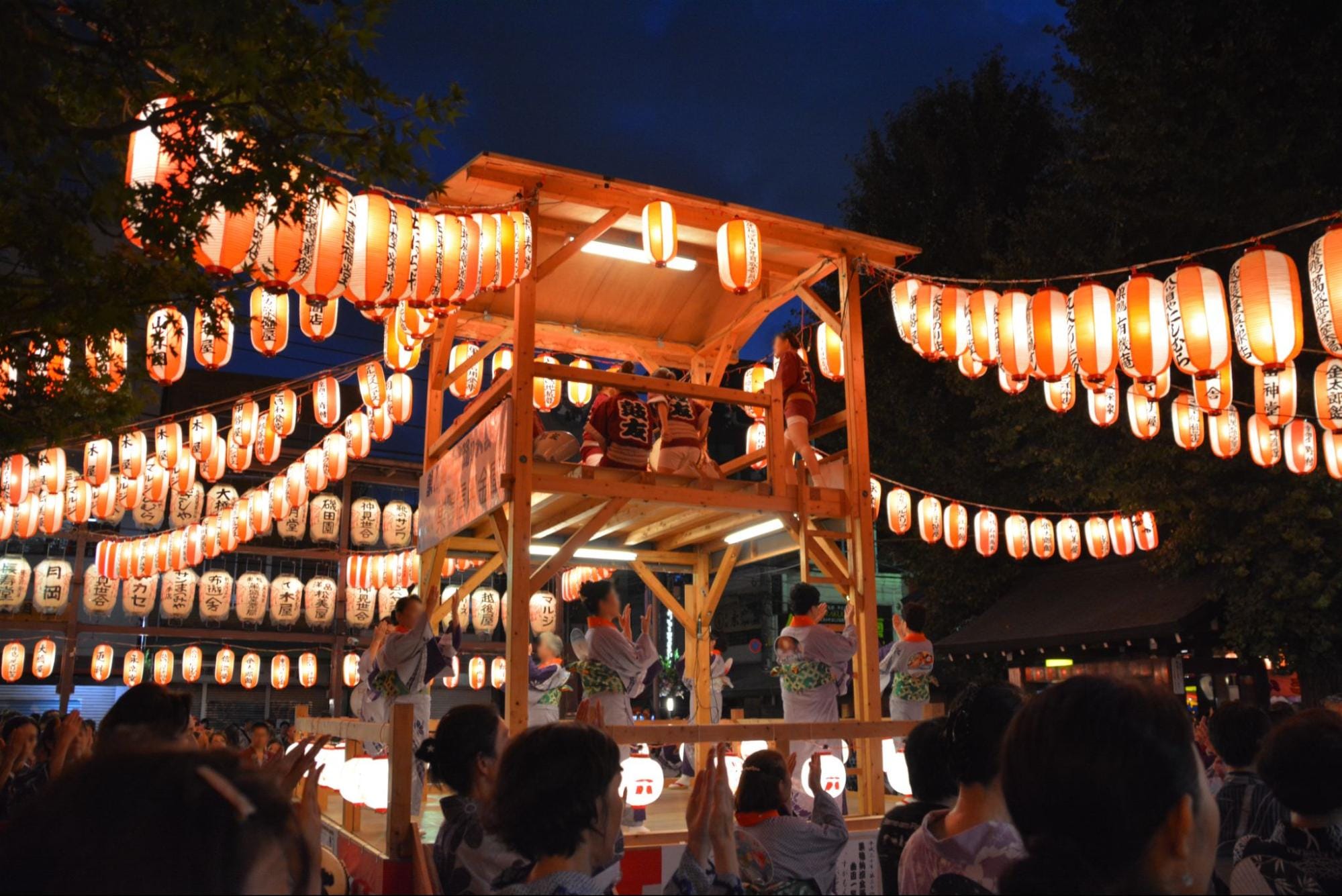
"Koenji Awa-Odori," held every August, is one of Tokyo's representative summer festivals that has continued since 1957. It's based on the traditional culture of Tokushima Prefecture, "Awa Odori," with urban originality added.
For those who want to enjoy a highly local atmosphere that's not found at standard tourist spots, please visit Koenji!
Insider Tips for Foreigners Visit Koenji
Since many stores in Koenji are small and may only accept cash, it is recommended to carry plenty of cash, particularly 1,000-yen bills and coins. Also keep in mind that individually owned shops often do not offer tax-free services.
For Tokyo Shopping 2026 visitors, Koenji is also famous for the "Koenji Awa-Odori," a festival held every summer where you can enjoy traditional Japanese dancing. If you are visiting in summer, be sure to experience the charming festival atmosphere alongside your shopping.
[Official Website of Koenji Awa-Odori]
Daikanyama: A Sophisticated District with Excellent Access from Shibuya
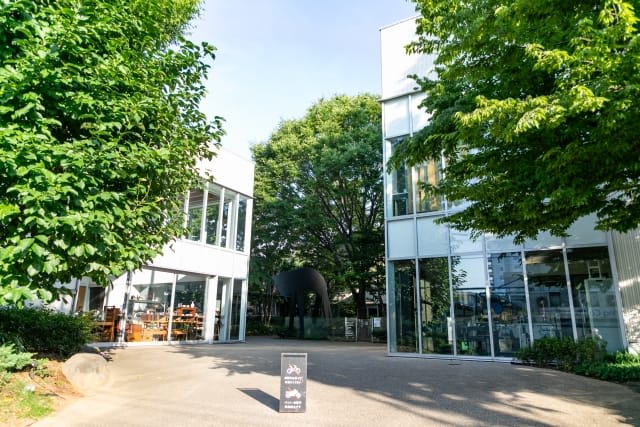
Daikanyama is about 2 minutes by train from Shibuya. Even if you walk leisurely, it takes about 20 minutes to arrive, so on nice weather days, walking the Shibuya-Daikanyama course is my favorite. Just by moving a little from the bustling Shibuya, the atmosphere changes to a calm district.
Daikanyama's Highlights:
- Sophisticated and calm atmosphere
- Relaxing tree-lined streets
- Select shops with stylish fashion items
- Fusion of historic Japanese-style architecture and modern architecture
- Hidden gem restaurants and cafes
My recommendation is the long-established bookstore's "Daikanyama T-site." Centered around a large bookstore, there are lifestyle-focused facilities such as a grocery store, cafe, lounge, and clinic. The attractive points are the stylish building design and the relaxed atmosphere flowing through the premises.
For those who want to enjoy strolling, shopping, and dining in a stylish and calm atmosphere, Daikanyama is recommended!
Insider Tips for Foreigners Visit Daikanyama
Some of the smaller select shops and general goods stores in Daikanyama have yet to adopt cashless payment, so it is a good idea to have some cash on hand just to be safe.
Daikanyama is also known as a "cafe town," with many sophisticated cafes where you can take a break while enjoying views of the stylish streetscape and greenery. After a long day of walking and shopping, be sure to stop in at one of these charming cafes and treat yourself to a relaxing teatime.
3 One-Day Tokyo Shopping Model Courses Curated by Locals
When it comes to Tokyo Shopping 2026, the golden rule for making the most of the city's shopping areas is to group destinations with similar purposes together. Using the JR lines or the subway, major areas are only about 5 to 15 minutes apart, making it entirely feasible to cover two or three shopping districts in a single day.
Below, we introduce three recommended Tokyo shopping itineraries handpicked by locals.
An itinerary exploring Shibuya, Harajuku and Omotesando
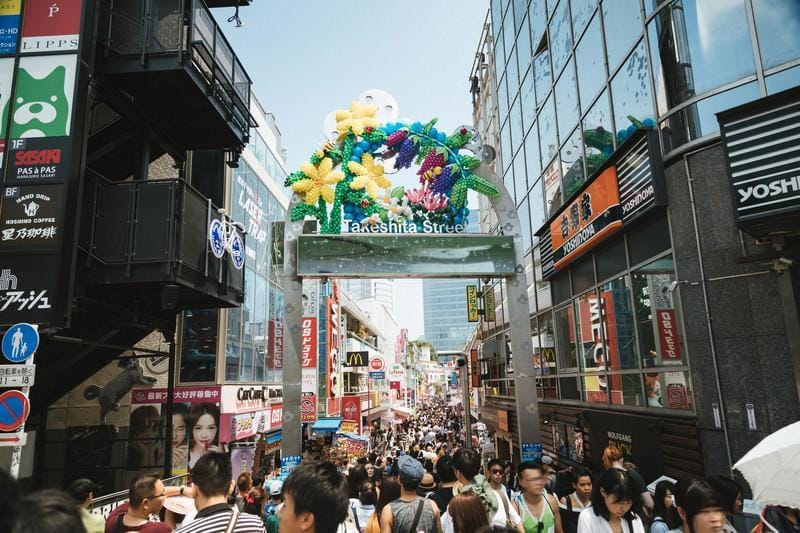
For those interested in Japan's latest fashion and sophisticated street culture, a course covering Shibuya, Harajuku, and Omotesando is highly recommended.
Start your morning in Harajuku, where Takeshita Street and Cat Street take center stage. Enjoy shopping while soaking up kawaii culture and Japan's cutting-edge trends. From distinctive fashion and character merchandise to colorful, photogenic food, it is a vibrant taste of Japanese street culture at its liveliest.
In the afternoon, make your way to Omotesando, about a 15-minute walk from Harajuku. Stroll along the zelkova tree-lined avenue and take your time exploring the refined space filled with high-end boutiques. Omotesando is also home to numerous museums and galleries, so you can effortlessly weave a touch of art into your Tokyo Shopping 2026 experience.
As evening approaches, head to Shibuya — roughly two minutes by train or about 15 minutes on foot from Omotesando. After shopping at the commercial facilities, we recommend transitioning seamlessly into bar-hopping. Shibuya has no shortage of nightlife spots, so make the most of both the shopping and the night activities in one smooth outing.
An itinerary exploring Asakusa, Akihabara and Tokyo Station
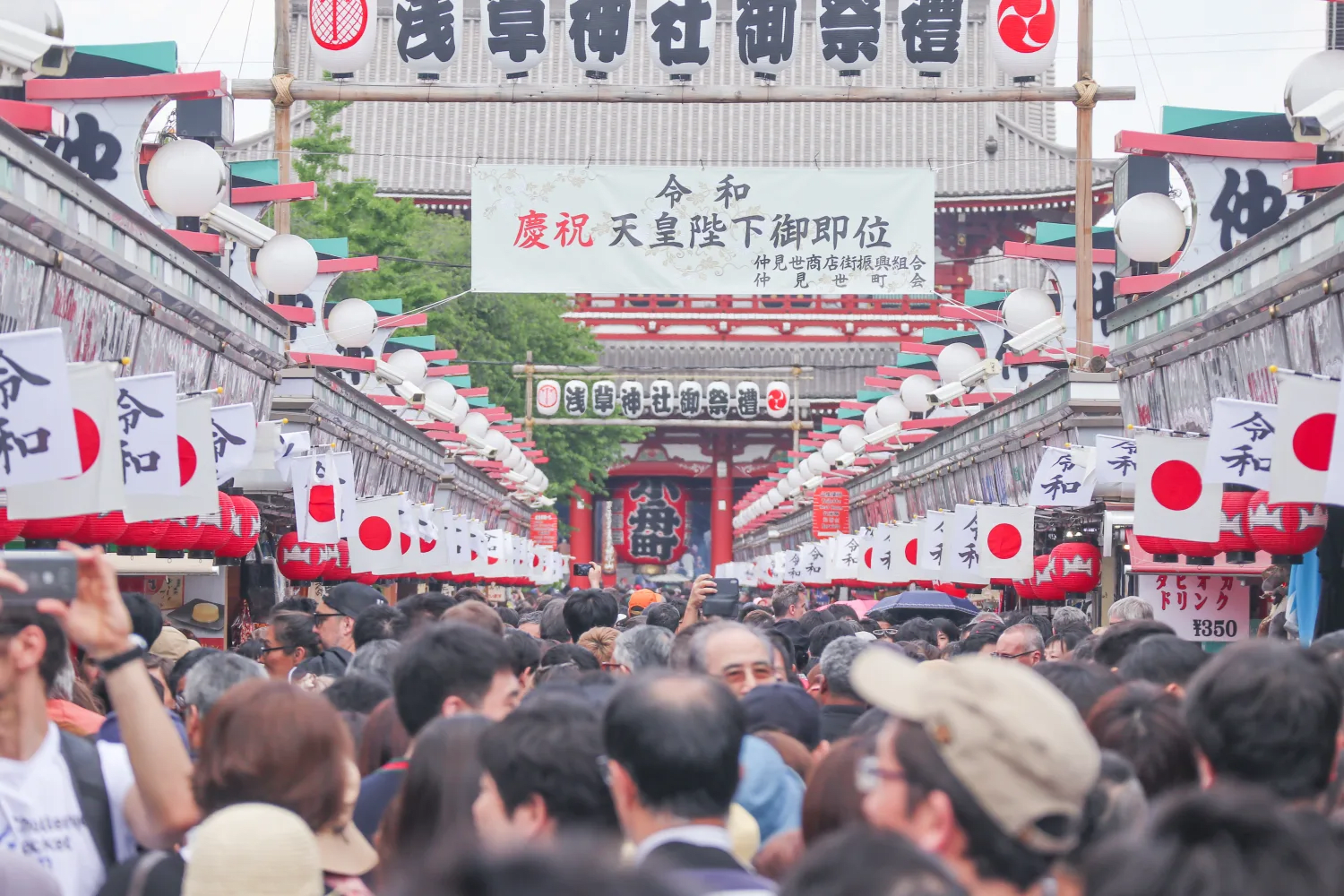
For those looking for anime and character merchandise, Japanese miscellaneous goods, and other souvenirs as part of their Tokyo Shopping 2026 trip, a course covering Asakusa, Akihabara, and Tokyo Station is a perfect fit.
Start your morning in Asakusa, strolling around Nakamise Street at Senso-ji Temple and the area around Kaminari-mon Gate to pick up uniquely Japanese souvenirs such as Japanese miscellaneous goods, wagashi sweets, and traditional crafts. A stop at Kappabashi Dougu Street will also turn up food samples and Japanese tableware as great souvenir options.
In the afternoon, take the train to Akihabara — about 15 minutes away — and enjoy shopping for the latest electronics, retro game consoles, and more in one of Japan's premier electronics districts. In Akihabara, a true pilgrimage site for Japanese subculture, figurines, manga, and anime-related goods are available in abundance, making it well worth exploring even if you are simply browsing.
In the evening, head to Tokyo Station, about five minutes by train. After picking up character goods and confectionery souvenirs, you can head straight to dinner at one of the restaurant areas inside the station. If you are keen to try authentic sushi or wagyu beef, consider extending your evening to the neighboring areas of Ginza or Nihonbashi to savor the genuine taste of Japan at a well-known restaurant.
An itinerary exploring Ginza and Shinjuku
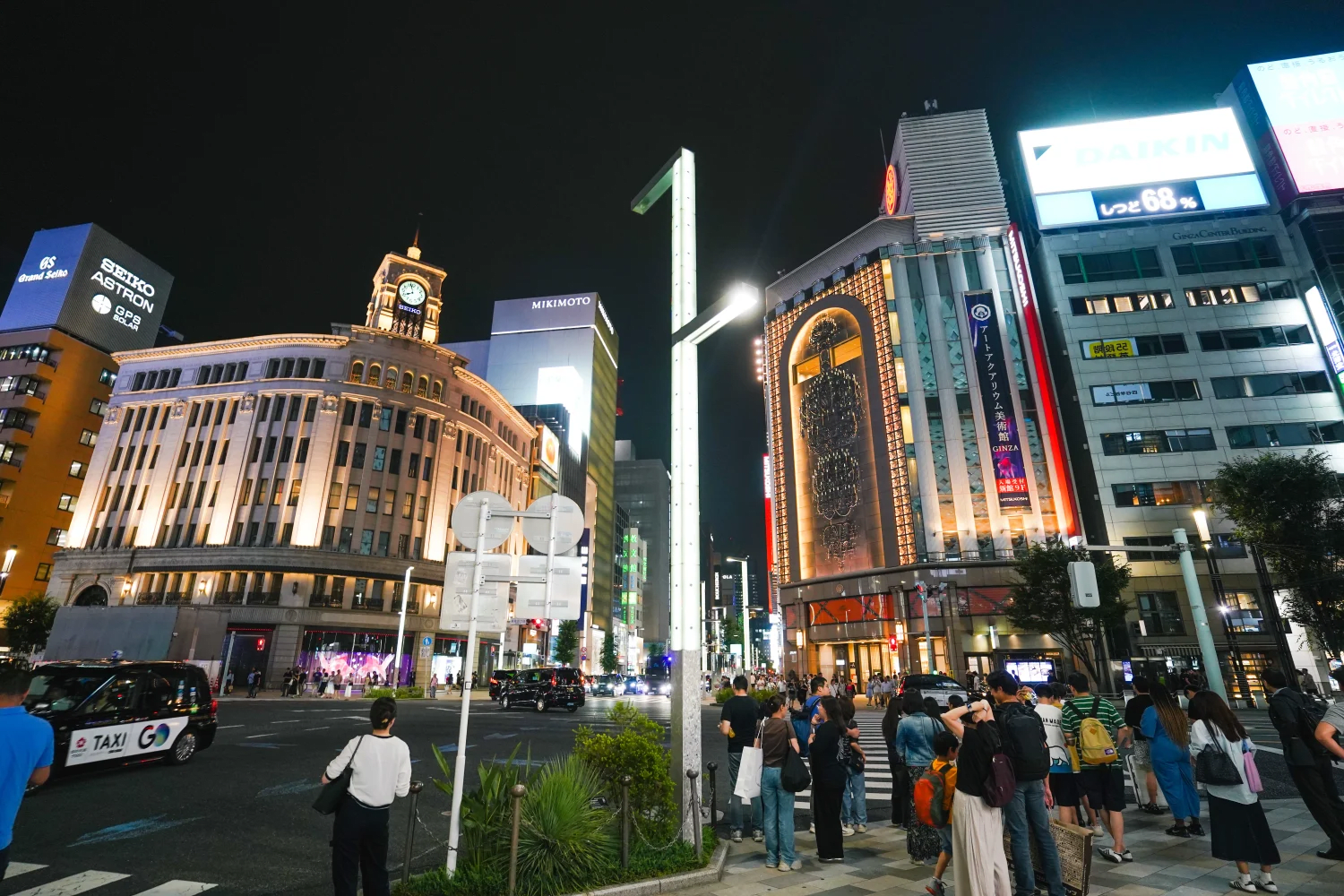
For those who want to experience high-end brand boutiques, flagship stores of Japan's major casual brands, and large department stores, a route covering Ginza and Shinjuku is the way to go.
Begin your morning in Ginza, Tokyo's premier luxury shopping district, and take your time browsing department stores and street-level brand boutiques as you search for that one truly special find. In Ginza, Tokyo Shopping 2026 reaches its most refined expression — a sophisticated atmosphere where contemporary streets lined with luxury boutiques blend seamlessly with traditional architecture.
In the afternoon, take the subway to Shinjuku — about 20 minutes away — and enjoy shopping at department stores such as Mitsukoshi Isetan Shinjuku Store and Shinjuku Takashimaya. The atmosphere of the department stores in Ginza and Shinjuku differs quite a bit, so you may well discover a piece in Shinjuku that you could not find in Ginza.
After fully indulging in shopping in Shinjuku, why not dive straight into bar-hopping? Explore the distinctive and contrasting areas of Kabukicho — one of Japan's most famous entertainment districts — the retro-tinged Omoide Yokocho, and Shinjuku Golden Gai, long beloved by artists and intellectuals, for a bar crawl unlike any other.
Tips for Shopping in Tokyo
Finally, I'd like to share some helpful information for shopping in Tokyo.
Tax Exemption Information for Travelers
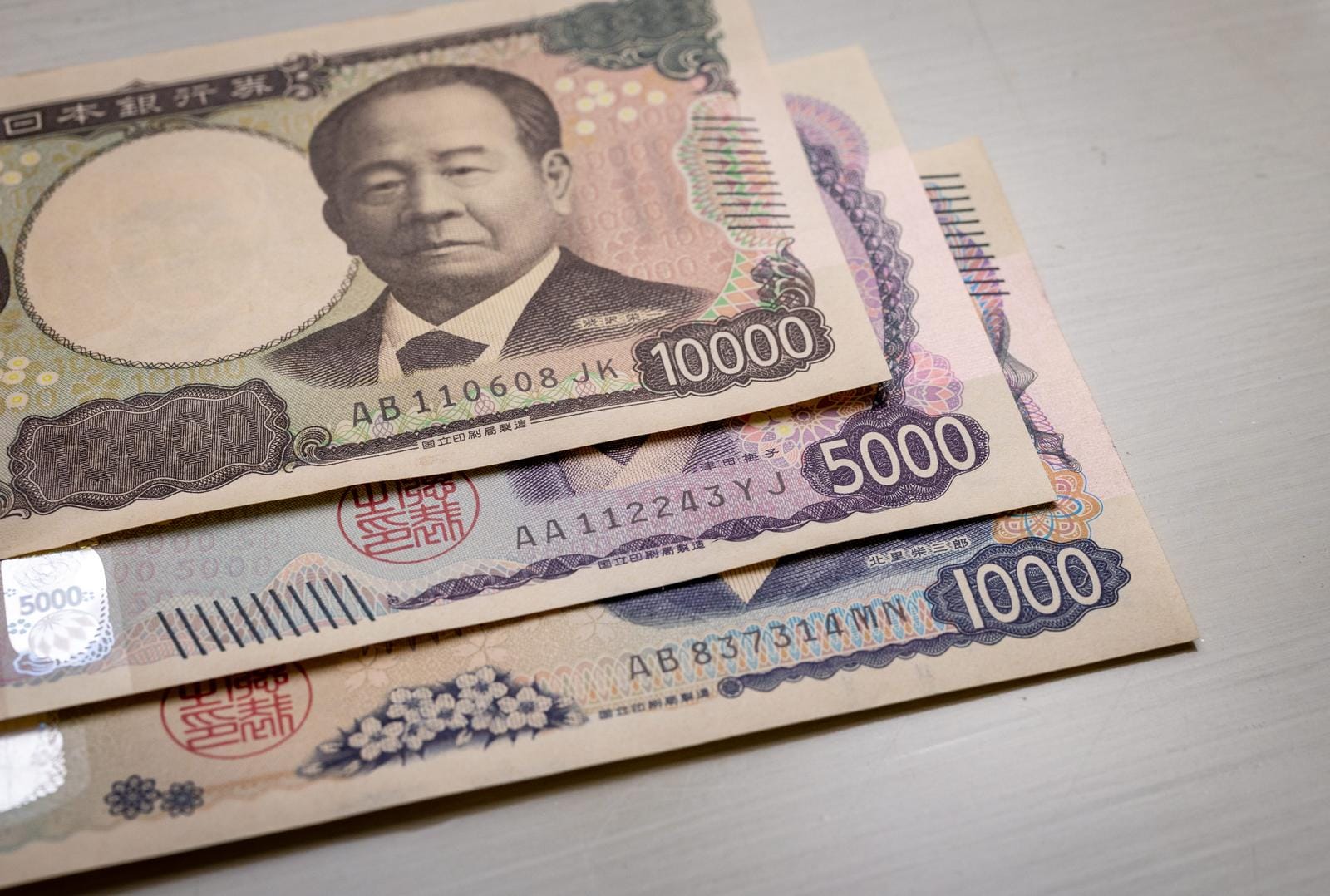
When I guide my friends from abroad, the most common question I receive is about tax exemption. Here are the key points summarized.
By simply presenting your passport, you can complete tax exemption procedures at many department stores and large retailers. Especially for clothing, accessories, and cosmetics, purchases above a certain amount are eligible for tax exemption. The procedure is usually done at the tax-free counter on each floor or the general tax-free counter on the first floor.
In recent years, many stores have English-speaking staff available to support smooth tax exemption procedures. However, the process may take time during busy periods, so I recommend planning with extra time.
Popular Souvenir Items in Tokyo
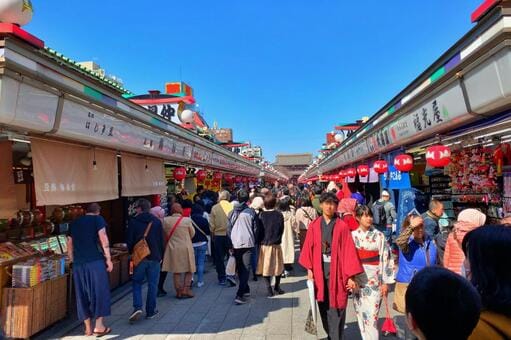
Based on my years of experience, I'll introduce souvenirs that are particularly popular among foreign tourists.
For confectioneries, Tokyo Banana and Tokyo-limited Kit Kats are staples. While Japanese sweets are delicious, they have short expiration dates, so be careful when purchasing them.
Among traditional crafts, Edo Kiriko glassware and ukiyo-e postcards are popular. Edo Kiriko, in particular, is highly regarded as a craft representing the skills of Japanese artisans.
Kimonos and traditional Japanese clothing items can be purchased at specialty stores in Asakusa and Ginza. Fans and furoshiki wrapping cloths are recommended as practical items that still convey a sense of Japanese style.
Anime and game-related merchandise is widely available in Akihabara and Harajuku. There are many limited-edition and Japan-exclusive items that are also popular among collectors.
Matcha-related items are also very popular among foreign tourists. Various products are sold, from matcha-flavored sweets and drinks to authentic tea ceremony utensils.
Bargaining Is Not Common
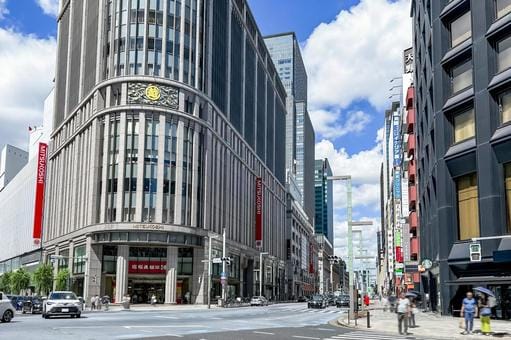
As a characteristic of Japanese shopping culture, I'd like you to keep in mind that bargaining is not common. In Tokyo and throughout Japan, retail stores generally sell at fixed prices.
Recently, most product prices are displayed including tax, so there are rarely any additional costs. You can purchase with confidence at the displayed price.
Tokyo's shopping scene has a unique charm that beautifully harmonizes tradition and cutting-edge trends. Each area has different characteristics, and by choosing the right one for your purpose, you can have a more fulfilling shopping experience.
Whether it's finding the latest trends in Shinjuku and Shibuya, experiencing pop culture in Harajuku, indulging in luxury shopping in Ginza, exploring technology and subculture in Akihabara, or traditional shopping in Asakusa, Tokyo offers a wide range of options.
As a local, I recommend visiting on weekdays to avoid weekend crowds and enjoying shopping in the morning or after evening. By understanding the characteristics of each area and efficiently making your way around, you can have a more satisfying shopping experience in Tokyo.
I hope you can feel the diverse faces of Tokyo through shopping!
Frequently Asked Questions About Tokyo Shopping District
What is the best shopping district in Tokyo?
Shinjuku is widely considered the best all-around shopping district in Tokyo, offering the widest variety of stores across every price range — from the luxury department store Isetan to budget electronics at Yodobashi Camera and discount variety shops.
It's the safest choice if you're visiting only one area and want to cover all your shopping needs in a single trip.
That said, the "best" district ultimately depends on your interests. Harajuku/Omotesando is the top pick for fashion, Akihabara for electronics and anime merchandise, and Shimokitazawa for vintage clothing and indie boutiques with a more local atmosphere.
Where is the biggest shopping area in Tokyo?
Shinjuku holds the title as Tokyo's largest shopping area. The district is home to one of the world's busiest train stations surrounded by an enormous network of department stores, underground shopping malls, and retail streets.
Takashimaya Times Square, Lumine, and Marui are just a few of the major complexes here. The sheer scale means you could easily spend an entire day exploring without seeing everything — wearing comfortable shoes is strongly recommended.
Is Tokyo cheaper to shop than in the US?
In many categories, yes. Clothing, cosmetics, electronics, and food tend to be noticeably cheaper than in the US, especially given the currently favorable exchange rate for US dollar holders.
Japanese drugstore brands like Shiseido, Hada Labo, and SK-II cost significantly less than buying the same products abroad.
However, imported goods, international luxury brands, and some electronics may be similarly priced or even more expensive.
One important tip: look for stores offering tax-free shopping for foreign visitors — most major retailers participate, allowing you to save an additional 10% on purchases over ¥5,000.
What is the most expensive shopping district in Tokyo?
Ginza is Tokyo's most prestigious and expensive shopping district, often compared to Fifth Avenue in New York or the Champs-Élysées in Paris. It's home to flagship stores for Chanel, Louis Vuitton, Hermès, and virtually every major luxury brand.
Omotesando runs a close second, with high-end boutiques lining a tree-shaded boulevard sometimes called Tokyo's Champs-Élysées.
That said, both areas also have mid-range and affordable options mixed in, so window shopping and dining here is accessible to everyone.
Is Shibuya or Shinjuku better for shopping?
Shinjuku is the better choice for most visitors, offering greater variety across department stores, electronics, and a wider price range all within one area. It's the stronger all-round destination, especially if you're short on time and want to cover multiple categories in a single trip.
Shibuya is the better pick if you're specifically into current Japanese youth fashion and pop culture — Shibuya 109 is iconic for trendy street fashion, and newer complexes like Scramble Square and Hikarie offer a more contemporary experience.
Choose Shibuya for fashion-focused shopping; choose Shinjuku for everything else.
What is the famous shopping district in Tokyo for anime?
Akihabara is Tokyo's most famous district for anime, manga, and otaku culture. Entire multi-story buildings are dedicated to figures, trading cards, doujinshi (self-published comics), retro video games, and character merchandise. Key spots include Yodobashi Akiba, Animate, and the many specialty shops tucked into the back streets.
Nakano Broadway, a short train ride away, is a great secondary destination that's less touristy and often has rarer collectibles at better prices. For fans of specific franchises, it's worth researching beforehand, as individual shops specialize in very particular genres or series.
Where can I buy cheap souvenirs in Tokyo?
Asakusa is the best neighborhood for affordable, traditional souvenirs. Nakamise Shopping Street, leading up to Senso-ji Temple, is lined with vendors selling keychains, tenugui (hand towels), fans, and snacks at very reasonable prices.
For everyday Japanese goods that make great gifts, 100-yen shops like Daiso, Seria, and Can Do are treasure troves.
Don Quijote, with locations throughout Tokyo, is another budget-friendly favorite for snacks, cosmetics, and quirky Japanese novelties. Avoid buying souvenirs at airport shops — prices are typically 20–30% higher than in the city.
When is the best time to go shopping in Tokyo?
Weekday mornings are the best time to go shopping in Tokyo. Most stores open around 10:00–11:00 AM, and crowds are lightest during this window, giving you space to browse and more attentive service from staff.
For the best deals, the two major seasonal sale periods are ideal:
- Winter sale: Starts in early January
- Summer sale: Begins in late June to early July
Department stores also sell Fukubukuro — "lucky bags" packed with mystery items at a fraction of their retail value — on New Year's Day. It's a fun and uniquely Japanese shopping tradition worth experiencing if you're visiting in early January.