15+ Things to Do in Ueno, Tokyo 2026 Local Guide to Park, Zoo, Ameyoko & Hidden Gems
Key Points of This Article
・Ueno is a multifaceted district home to Tokyo’s most famous zoo, Ueno Zoo, the Tokyo National Museum - one of the city’s cultural hubsv- and Ameyoko, a lively drinking and shopping area beloved by locals
・The author’s recommended ways to enjoy Ueno
-Ueno Park: Immerse yourself in nature as it changes with the seasons
-Ueno Zoo: Take your time observing a wide variety of animals and unwind at a relaxed pace
-Ameyoko: Go bar-hopping while sampling small portions of Japanese dishes and soul foods from around the world
・Seasonal natural highlights of Ueno Park
-Spring: The author’s top recommendation, when beautiful cherry blossoms color the entire park
-Summer: Lush greenery fills the park, with the lotus flowers at Shinobazu Pond as a standout sight
-Autumn: A vivid, photogenic landscape often described as a carpet of autumn leaves
-Winter: The quiet beauty of bare tree branches, resting and gathering strength for the next season.
Ueno is one of my favorite neighborhoods in Tokyo, where I always enjoy bar hopping whenever I visit Tokyo. I updated this article in January 2026 to incorporate my findings from the experience, along with the latest information for 2026.
Another reason for updating the article is the growing interest in tours that allow visitors to safely and deeply experience Ueno's nightlife. With countless izakaya (Japanese pubs) packed into Ueno, tourists visiting for the first time find it extremely difficult to discover the truly excellent spots beloved by locals.
This is why food tours led by knowledgeable local guides who know Ueno inside and out have been gaining popularity, as they take visitors through Ueno's maze of izakaya establishments.
In fact, Magical Trip's tour, which ranked #1 among all tours on Tripadvisor, has been receiving numerous applications.

If you want to experience truly local-favorite izakayas in Ueno, one of Tokyo's premier drinking districts, join the "All-You-Can-Drink Bar Hopping Tour in Ueno." Not only will you discover hidden gems that tourists rarely find, but you'll also experience the Japanese culture of "shime" (end-of-night ritual).
For those who love retro neighborhoods, we also recommend the "Yanaka Historical Walking Tour in Tokyo's Old Town," which takes you through Yanaka, Ueno's neighboring district, with a local guide. It's an efficient and immersive way to enjoy this deeply traditional and historic area of Yanaka.
We hope you'll have a wonderful time experiencing everything Ueno has to offer by joining a Magical Trip tour!
Introduction
Ueno is a lush green oasis amidst the hustle and bustle of Tokyo.
When I first visited this area, I was amazed by its diversity. While it's a cultural hub with world-class museums and art galleries lined up, the vast park boasts seasonal flowers in bloom, and the vibrant shopping streets are filled with a multicultural atmosphere.
Ueno is truly a "microcosm of Tokyo," where history inherited from the Edo period beautifully blends with modern Tokyo. It's a tourist destination packed with attractions that can be enjoyed all day long, from beautiful cherry blossom avenues and adorable pandas to multicultural stalls in Ameyoko.
In this article, I'll introduce the charms of Ueno in detail, drawing from my own experiences. The allure of Ueno lies in its ability to offer a luxurious time where you can immerse yourself in culture, enjoy nature, and savor delicious cuisine.
So, let's explore the charms of Ueno together!
Table of Contents
・3 Reasons Why Ueno is Popular Among Tourists
・Access to Ueno from Major Spots
・Must-See Spots in the Ueno Area
・Various Ways to Enjoy Ueno
・Seasonal Attractions of Ueno
・Spots to Visit Along with Ueno
・Tours to Fully Enjoy Ueno
・Tips for Ueno Sightseeing
If you're interested in "Ueno Food Guide", Check the article below.
・Ueno Restaurant Guide: Must-try Foods From Street Eats to Global Treats
If you're interested in "Ueno Night Views, Check the article below.
・Ueno Night at Night 2026! Enjoy Ueno Park Nightwalk & Tokyo's Night View
3 Reasons Why Ueno is Must-Visit in Tokyo
Cultural Facilities and Nature in One Place, Ueno Park
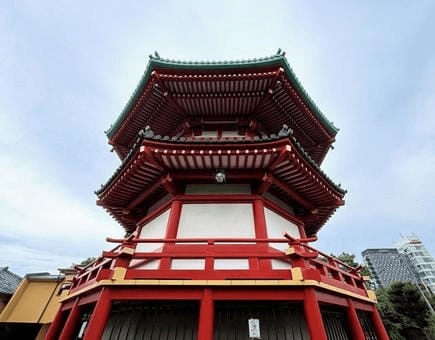
The first charm of Ueno is the perfect harmony between abundant cultural facilities and nature.
With world-class museums and art galleries concentrated in the area, such as the Tokyo National Museum and the National Museum of Western Art, there are plenty of opportunities to experience art and history. When I first visited the Tokyo National Museum, I was overwhelmed by its scale and the quality of its exhibitions.
On the other hand, the vast green space of Ueno Park provides a space to relax away from the hustle and bustle of the city. The park, which shows different faces with each season, is particularly beautiful during cherry blossom season in spring and autumn foliage season, attracting many people.
Furthermore, cultural heritage sites such as Kan'ei-ji Temple and the five-story pagoda, which have continued since the Edo period about 400 years ago, also enhance the charm of Ueno. Looking up at these historical buildings, you feel as if you've time-slipped to the distant past while in modern Tokyo.
Another feature of Ueno is that you can enjoy nature experiences that you wouldn't expect in the city center, such as boating and bird watching at Shinobazu Pond. Walking by the pond and feeling the slow passage of time is a special experience.
This unique landscape where culture and nature blend continues to fascinate visitors to Ueno.
More Detailed Information About "Temples and Shrines in Ueno" ・8 Best Temples & Shrines around Ueno - 2026 Edition
Shopping and Food at Ameyoko Market
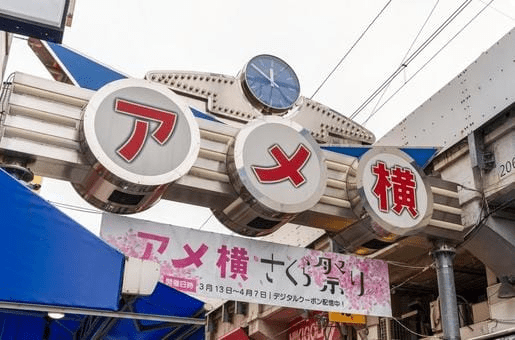
The second charm of Ueno is that you can enjoy diverse shopping and food experiences. At the center of this is the lively Ameyoko shopping street. This shopping street, which developed from a black market after World War II, is popular as a shopping spot with a down-to-earth atmosphere.
Walking through Ameyoko, you'll quickly realize that it's a treasure trove of ingredients, from fresh seafood and fruits to dried foods. Every time I visit, I enjoy looking for seasonal fruits and unusual dried foods.
Food hopping is also a big attraction in Ueno. In Ameyoko, in addition to popular Tokyo street foods like yakitori and takoyaki, there are plenty of multinational stalls and restaurants offering Chinese cuisine and more.
Ueno also has large commercial facilities like department stores, where you can enjoy a wide range of shopping from luxury brands to daily necessities. These facilities are recommended for those who want to enjoy shopping in a different atmosphere from Ameyoko.
Thus, the charm of Ueno is that you can enjoy diverse shopping experiences from popular shopping streets to high-end department stores. And in the process, you can also experience Japanese food culture.
More Detailed Information About "Shopping in Ueno" ・10 BEST Shopping Spots in Ueno! Lists of Places to Go
More Detailed Information About "Ameyoko" ・The Ultimate Guide to Ameya Yokocho: Tokyo's Vibrant Shopping Street
Excellent Access to Nearby Areas like Asakusa & Akihabara
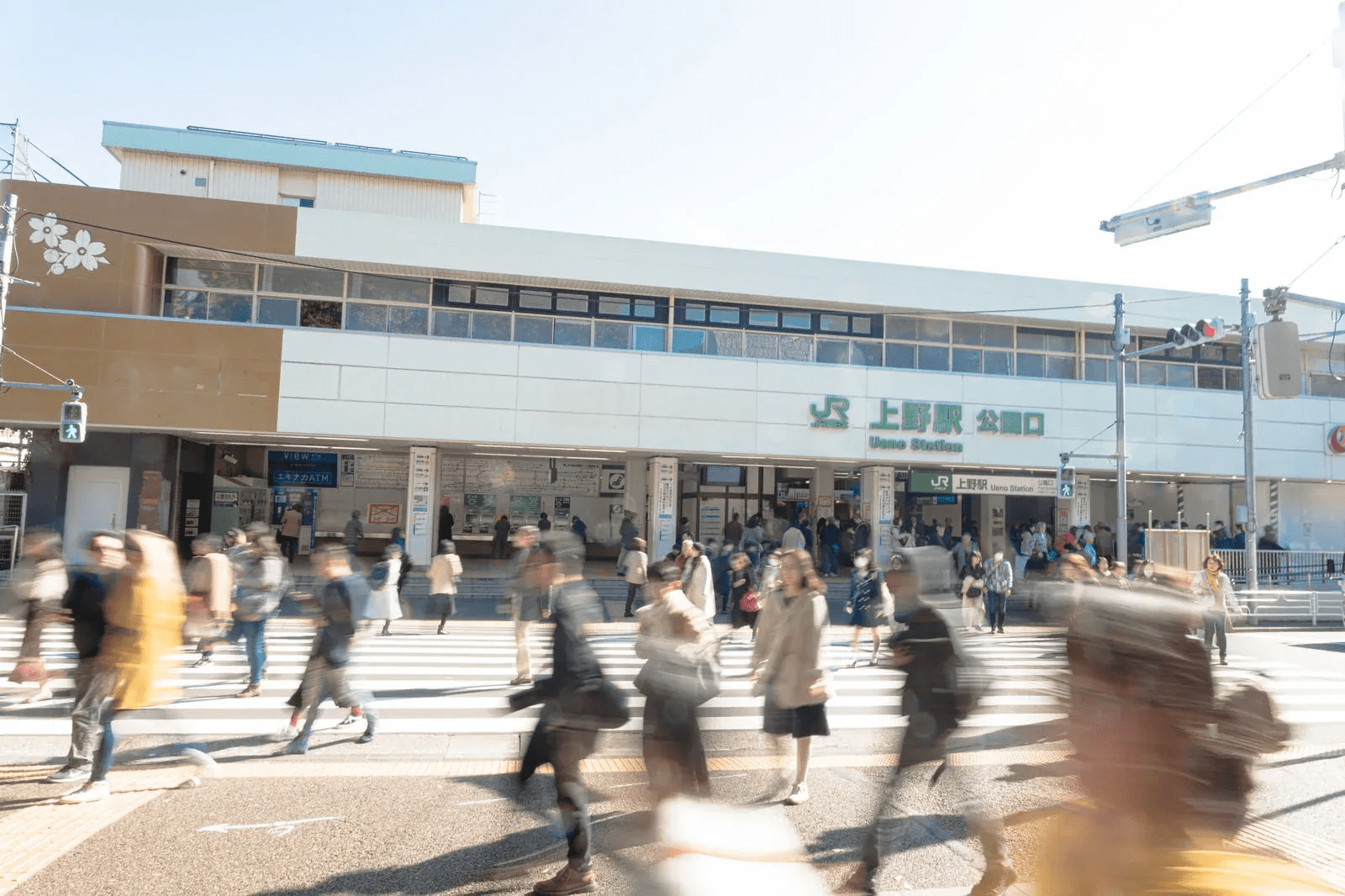
The third reason why Ueno is popular among tourists is its excellent access and diverse tourist spots. Ueno is one of Tokyo's main transportation hubs, with JR, Tokyo Metro, and Keisei Electric Railway all serving the area.
When I visited Tokyo from Osaka recently, I made Ueno my base, which allowed me to easily access various places in the city.
What's particularly noteworthy is the good access from Narita Airport and Haneda Airport. It takes about an hour from Narita Airport via the Keisei Skyliner, and about an hour from Haneda Airport by changing trains. For this reason, many people choose Ueno as their first stop right after arriving in Tokyo or as their last sightseeing spot before returning home.
Ueno itself is blessed with diverse tourist spots. Panda viewing at Ueno Zoo is especially popular with families. When I visited, many people were captivated by the adorable sight of the pandas. But the charm of Ueno isn't limited to just the zoo.
Within walking distance, there are tourist spots where you can experience the atmosphere of old Tokyo, such as Yanaka Ginza and Nezu Shrine. Walking around these places, you can feel the atmosphere of old Tokyo.
Moreover, access to other popular tourist spots like Akihabara and Asakusa is very convenient. For example, it's just one station by train to Akihabara, famous for its electric town, and a few stations to Asakusa.
Thus, by making Ueno your base, you can efficiently enjoy various faces of Tokyo.
Access to Ueno from Major Spots
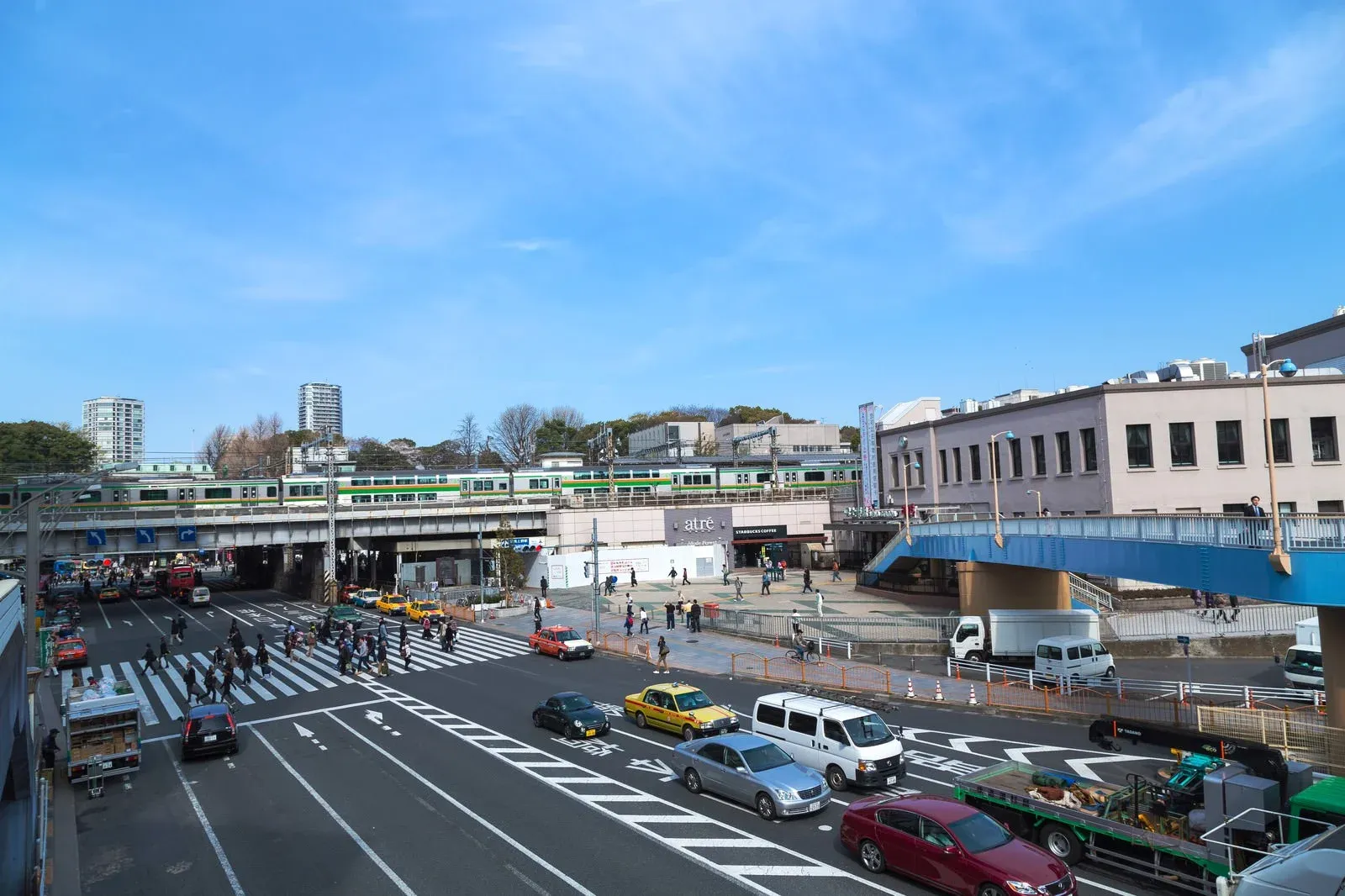
Ueno is one of Tokyo's main transportation hubs, and its easy accessibility from various places is a major attraction. Here, I'll introduce how to access Ueno from major spots. Through my many visits to Ueno, I've come to appreciate its convenience.
From Tokyo Station to Ueno
From Tokyo Station, the gateway to Tokyo, to Ueno, access is very easy. It takes about 8 minutes on the JR Yamanote Line or about 7 minutes on the JR Keihin-Tohoku Line.
From Asakusa to Ueno
Asakusa is a popular tourist spot near Ueno. From Asakusa to Ueno, it takes about 5 minutes using the Tokyo Metro Ginza Line. You can also walk there in about 30 minutes, which I recommend for enjoying the sights along the way.
Once, I walked from Sensoji Temple to Ueno Park, and the stroll while enjoying the downtown atmosphere became a very good memory.
From Haneda Airport to Ueno
From Haneda Airport, which also serves international flights, to Ueno, take the Keikyu Line to Shinagawa and then transfer to JR, arriving in about 50 minutes.
From Narita Airport to Ueno
From Narita Airport to Ueno, it takes about 1 hour using the Keisei Skyliner. The charm of this line is that you can spend a comfortable time in the car despite the long-distance travel.
From Shinjuku/Shibuya to Ueno
From popular spots in Tokyo like Shinjuku and Shibuya, you can reach Ueno in about 25-35 minutes using the JR Yamanote Line.
These convenient access methods make Ueno an ideal base for sightseeing in Tokyo.
You can visit from various places in a short time, and also extend your trip from Ueno to other tourist spots. Why not enjoy efficient and fulfilling Tokyo sightseeing with Ueno as your starting point?
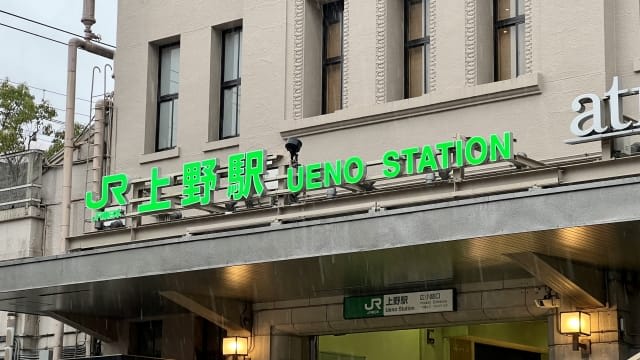
More Detailed Information About "Ueno Station" ・Ueno Station Guide 2026: Recommended Places for Photo, Shopping etc
How Many Hours Do You Need in Ueno? 3 Ueno Walking Routes & Plan
Half-Day Itinerary (3-4 Hours Plan)
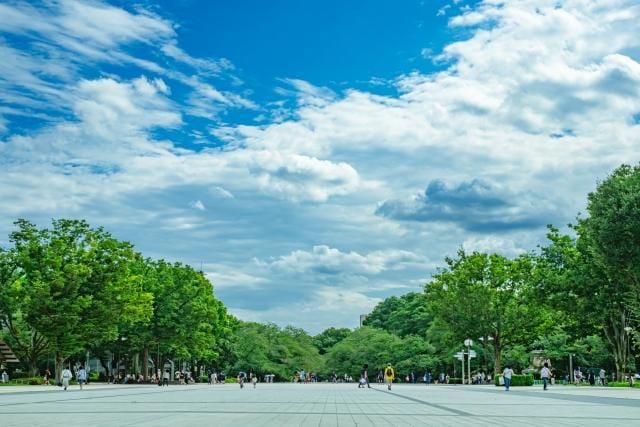
If you want to make the most of Ueno in just half a day, we recommend focusing on two spots: Ueno Park and Ameyoko Shopping Street.
Ueno Park, covering approximately 540,000 square meters, is the central highlight of this Ueno Guide 2026, where you can stroll and enjoy the scenery through all four seasons — from the greenery around Shinobazu Pond to the cherry blossoms in spring. The park is also dotted with historical sites such as Ueno Toshogu Shrine, and one of my personal favorites is taking a leisurely walk through the grounds with a coffee in hand.
Ameyoko Shopping Street, located about a 7–8 minute walk from Ueno Park, is a bustling shopping destination lined with more than 400 stores. You can enjoy street food such as Menchi Katsu (Minced Meat Cutlet) and Japanese sweets as you stroll, making it a great spot for lunch as well.
Ueno Park tends to be relatively uncrowded in the early morning before the museums and zoo open, and again in the evening after closing time. If you are visiting Ueno in the morning, we recommend starting with Ueno Park; if you are visiting in the afternoon, save Ueno Park for the latter half of your itinerary — either way, you will find it easier to enjoy the park without the crowds.
Full-Day Itinerary (6-8 Hours Plan)
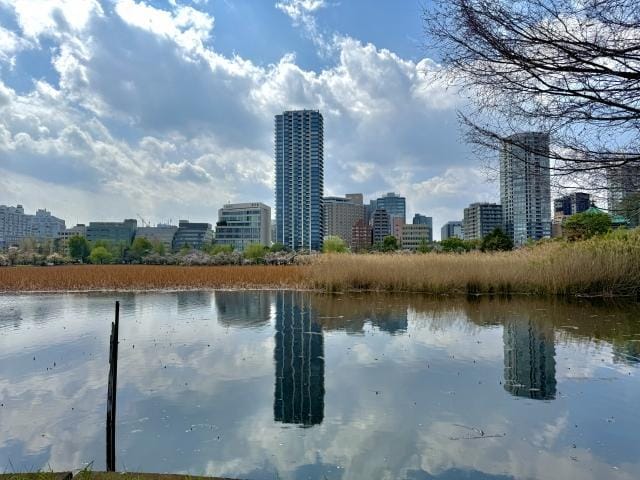
If you have a full day to spend in Ueno, we recommend using Ueno Park and Ameyoko Shopping Street as your two anchor points and building your itinerary around your own interests from there.
In the morning, take your time exploring Ueno Park, then mix in some of the following museums, galleries, or the zoo inside the park based on your preferences.
[Major Cultural Facilities Inside Ueno Park]
- Tokyo National Museum:
Japan's oldest museum, housing a collection of approximately 120,000 artworks, historical materials, and archaeological artifacts.
- National Museum of Nature and Science:
Japan's only national museum dedicated to natural history and the history of science and technology. It exhibits specimens and materials related to space, the geology of Japan, and the natural world.
- Ueno Zoo:
Japan's first zoo, opened in 1882. It is home to approximately 300 species of animals, from species native to Japan to rare animals from around the world.
In addition to the impressive permanent exhibitions at the art and natural history museums, the special exhibitions — which bring together artworks and specimens from around the world that are rarely seen elsewhere — are well worth a visit. Ueno Zoo is also a popular destination for families with children. Restaurants are available inside the grounds, so you can take a break and enjoy a relaxed visit.
In the afternoon, head over to Ameyoko Shopping Street for street food and shopping. Many izakayas (Japanese bars) are open from lunchtime onward, so if you enjoy a drink, we highly recommend trying some bar-hopping while it is still light out.
Ueno + Nearby Areas Itinerary (1.5-2 Days Plan)
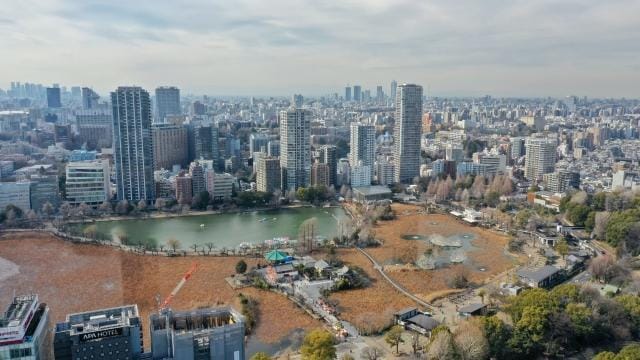
If you have a day and a half to two days to spare, using Ueno as your base and extending your trip to nearby areas such as Akihabara, Asakusa, and Yanaka will allow you to experience a wide variety of Tokyo neighborhoods and cultures all in one trip. Each of these areas has its own distinct character and appeal, so choose the ones that best match your interests and schedule.
[What Makes Akihabara, Asakusa, and Yanaka Each Unique]
- Akihabara (approx. 3 minutes from Ueno by train):
A world-famous electronics district and the heart of Japanese subculture. Recommended for anyone interested in Japanese pop culture, including anime, manga, and video games.
- Asakusa (approx. 5 minutes from Ueno by train):
Home to Senso-ji Temple and Nakamise Shopping Street, this area exudes the atmosphere of traditional Japan. Also recommended for those looking to pick up distinctly Japanese souvenirs such as Japanese-style miscellaneous goods and food samples.
- Yanaka (approx. 3 minutes from Ueno by train):
An area characterized by a calm, relaxed atmosphere and retro streetscapes that still retain the look of old Tokyo. Recommended for those who want to stroll through nostalgic streets, visit historic shrines, and enjoy food as they walk.
A typical approach to exploring Ueno over two days is to dedicate one day each to Ueno Park and Ameyoko Shopping Street, and the other to surrounding neighborhoods. Use this Ueno Guide 2026 model itinerary as a starting point, and customize your stops and timing to make the most of your visit.
[2-Day Itinerary Around Ueno and Its Surrounding Areas]
- Day 1 Morning: Take a stroll through Ueno Park, then choose one of the area's museums, art museums, or the zoo to visit.
- Day 1 Afternoon: Enjoy food stalls and shopping along Ameyoko Shopping Street.
- Day 1 Evening: Head to an izakaya near Ameyoko Shopping Street for a fun bar-hopping session.
- Day 2 Morning: Explore Yanaka Ginza shopping street and Nezu Shrine.
- Day 2 Afternoon: Make your way to Asakusa or Akihabara and enjoy sightseeing and shopping in whichever area you choose.
*Locations to visit on Day 1 are marked in red, and locations to visit on Day 2 are marked in blue.
Must-See Spots in the Ueno Area
The Ueno area has many attractive spots where culture, nature, and the bustle of everyday life coexist. I'll introduce places that never bore me no matter how many times I visit, where the charms of Ueno are concentrated.
The main attractions in this area are Ueno Park and Ameyoko, but each has its unique charm that continues to fascinate visitors.
Ueno Park: Tokyo's Cultural Heart
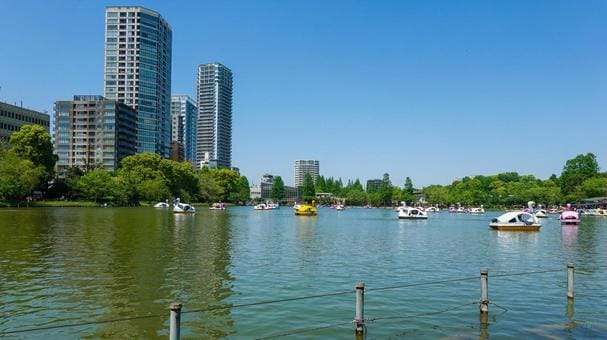
Ueno Park is the central presence in the Ueno area, a place where culture and nature are in perfect harmony. While it's known as one of Tokyo's top cherry blossom viewing spots with about 1,000 cherry trees in full bloom, that's not all.
The first time I visited Ueno Park was during cherry blossom season. Walking under the fully bloomed cherry blossoms felt like being in a tunnel of cherry blossoms, and I was breathless at its beauty.
However, the charm of Ueno Park isn't limited to spring. The park shows different faces with each season and can be enjoyed throughout the year.
Within the park, world-class cultural facilities like the Tokyo National Museum and Ueno no Mori Art Museum are scattered. By visiting these facilities, you can gain a wide range of knowledge from Tokyo's traditional culture to world art. I particularly like the Tokyo National Museum and visit it every time to deepen my understanding of Tokyo's history and culture.
Ueno Park also has Kan'ei-ji Temple and its five-story pagoda, which were the family temple of the Tokugawa family. Looking up at these historical buildings makes you feel as if you've time-slipped to the Edo period. The five-story pagoda, in particular, has a solemnity different from modern skyscrapers and fascinates viewers.
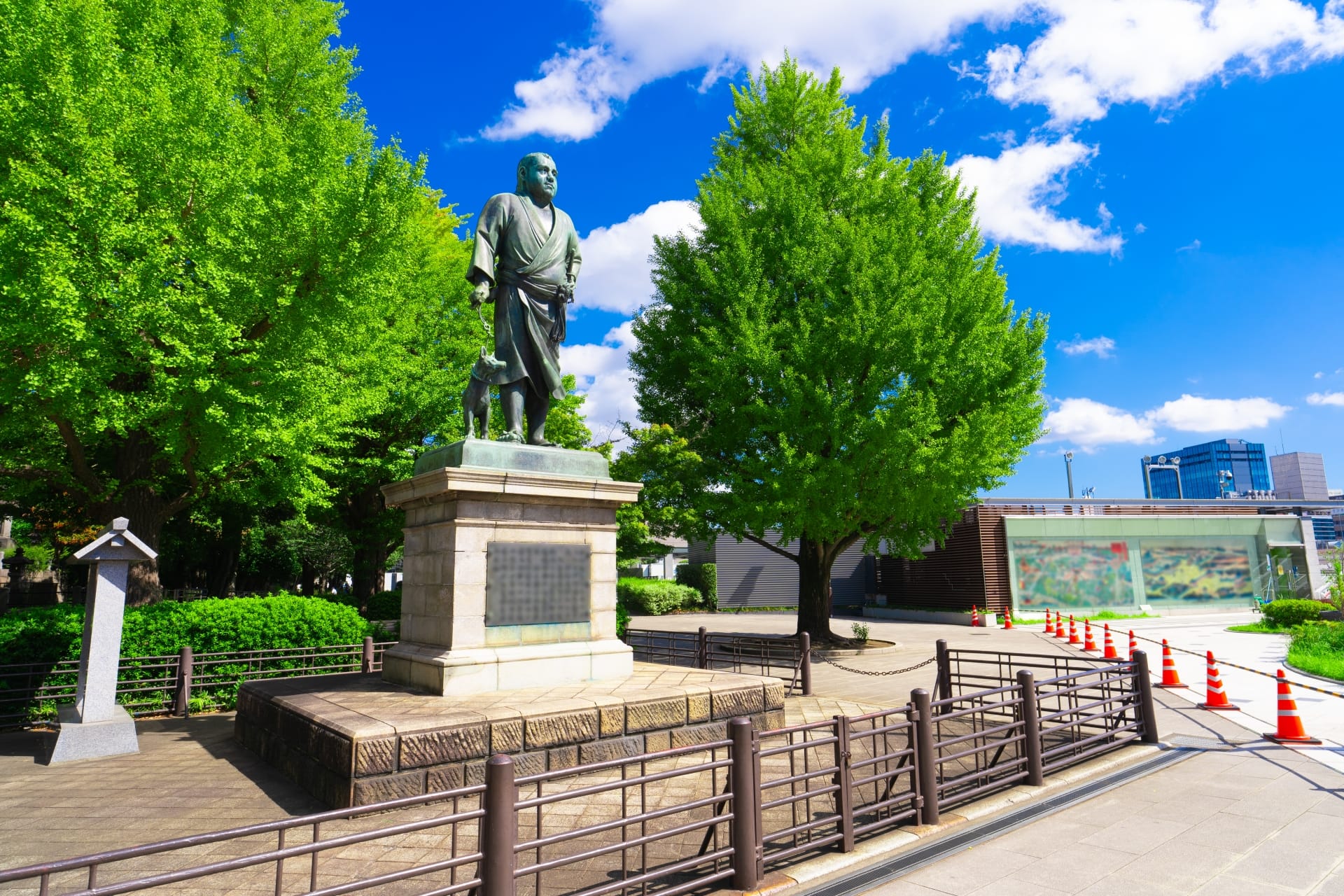
As you walk through the park, you'll also encounter bronze statues that evoke history, such as the statue of Saigo Takamori and the Great Buddha. These statues are important presences that tell the story of Tokyo's modernization process.
Ueno Park is also a space where you can relax away from the hustle and bustle of the city. Walking through the spacious lawns and between the trees, you can feel your heart calm down.
More Detailed Information About "Ueno Park"
・Ultimate Ueno Park Tokyo Guide: Entrance Fee, Free Entry Area, Must-See Spots & Visitor Tips
Ueno Zoo: Home of the Giant Pandas
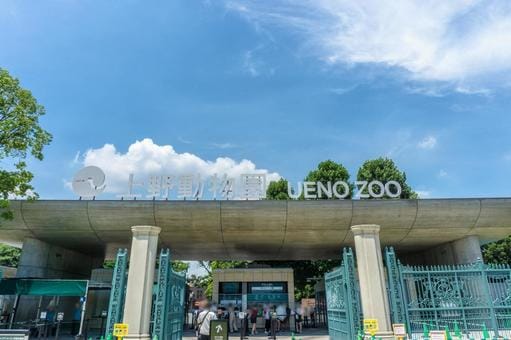
Ueno Zoo, located within Ueno Park, is Japan's oldest zoo. Since its opening in 1882, it has been loved by many people.
The most popular attraction in the zoo is undoubtedly the pandas. Watching the adorable pandas eating bamboo, you might forget about time. I've visited several times, but each time I'm drawn in by the charm of the pandas.
However, the charm of Ueno Zoo isn't limited to pandas. Animals from around the world live here, including gorillas, lions, and penguins. The environment is set up to suit the ecology of each animal, allowing you to observe the animals in their natural state.
What was particularly impressive to me was the nighttime zoo. In August, an event called "Midsummer Night's Zoo" is held, where you can see the animals in a different state than usual.
When I participated, I was surprised to see nocturnal animals actively moving around. It was a fresh experience to enjoy a completely different atmosphere of the zoo from daytime.
Ueno Zoo, which can be enjoyed by children and adults alike, is a spot you should definitely visit when in the Ueno area. The encounters with the animals will surely become unforgettable memories.
Website: https://www.tokyo-zoo.net/zoo/ueno/
More Detailed Information About "Ueno Zoo"
・Ueno Zoological Gardens (Ueno Zoo) Famous for Cute Panda
Ameyoko Market: Street Food, Bar Hopping & Bargain Shopping
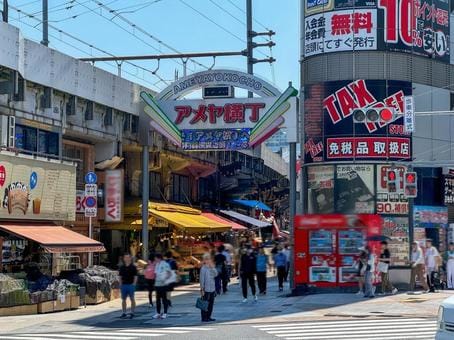
Ameyoko Shopping Street is a lively shopping street located on the west side of Ueno Station. Its official name is "Ameya Yokocho," but it's affectionately called "Ameyoko." This shopping street, which developed from a black market after World War II, has now become an iconic presence in Ueno.
When I first visited Ameyoko, I was overwhelmed by its energy and bustle. About 400 shops line up along the approximately 500-meter street, and its liveliness is something you can't experience in other areas of Tokyo.
One of the charms of Ameyoko is the abundance of fresh ingredients like seafood, fruits, and dried foods. I once experienced Ameyoko at the end of the year, and I can't forget its heat.
Ameyoko also has many shops dealing with various goods such as clothing, accessories, and cosmetics. Military goods stores are particularly popular among foreign tourists.
The charm of Ameyoko also lies in its food diversity. Various stores coexist, from traditional Tokyo meals to multinational stalls. This diversity creates Ameyoko's unique atmosphere.
Ameyoko is a place you should definitely visit when you come to Ueno. Its energy and diversity will surely fascinate you.
You can enjoy shopping, food hopping, or simply savoring the atmosphere.
Website: https://www.ameyoko.net/
More Detailed Information About "Ameyoko"
・The Ultimate Guide to Ameya Yokocho: Tokyo's Vibrant Shopping Street
5 Ways to Enjoy Ueno Like a Local
The appeal of Ueno extends far beyond the usual highlights covered in any Ueno Guide 2026 — Ueno Park, the museums, and the zoo. Since you are making the trip, why not go beyond the tourist trail and discover the side of Ueno that rarely makes it into guidebooks: the izakayas tucked away in back alleys, the long-established restaurants beloved by locals for generations, and the lively street food stalls of the shopping arcades.
Here, we introduce ways to enjoy the lesser-known charms of Ueno that only locals know about.
Immerse Yourself in Nature
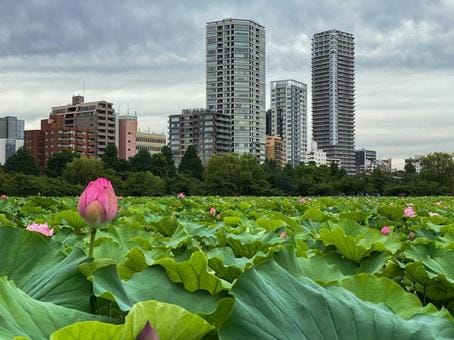
Ueno Park is an urban oasis with vast nature despite being in the city center. Immersing yourself in nature in this park is one of the most attractive ways to enjoy Ueno.
What I particularly like is Ueno Park in the early morning. When you stroll through the park at a time when there are still few people, you can hear the chirping of birds and the rustling of trees, making you forget that you're in the city.
The park's appearance changes greatly with the seasons.
The cherry blossom season from late March to April is when Ueno Park's charm is maximized. The sight of about 1,000 cherry trees in full bloom is breathtaking, and it's crowded with many flower viewers every year. I visit during this season every year, and every time I walk under the tunnel of cherry blossoms, I'm captivated by its beauty.
Autumn is also a season when Ueno Park's charm stands out. In November, the autumn leaves reach their peak, and the entire park is dyed in red and yellow. The autumn leaves around Shinobazu Pond, in particular, reflect on the water surface, creating a picturesque beauty.
When enjoying nature in Ueno Park, I recommend walking slowly. The wind blowing through the trees, the flowers blooming in each season, the small animals you occasionally see - these small discoveries enrich your experience in Ueno Park.
Boating on Shinobazu Pond is also a wonderful way to enjoy nature in Ueno. The view of the park from the pond has a different charm from the ground, making for a fresh experience.
Museum Hopping in Ueno Park
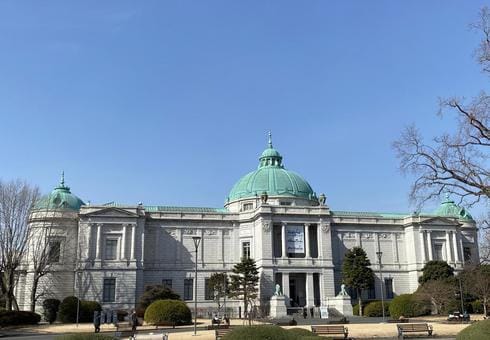
Ueno is a place where you can deeply feel Japanese culture and history. Within Ueno Park, various cultural facilities are concentrated, including the Tokyo National Museum, the National Museum of Nature and Science, and the Tokyo Metropolitan Art Museum. By visiting these facilities, you can learn deeply about Tokyo's art, science, and history.
What I particularly recommend is the Tokyo National Museum. As Japan's oldest and largest museum, it's a treasure trove of Japanese art and archaeological artifacts. When I first visited, I was overwhelmed by its scale and the quality of its exhibitions. The opportunity to see national treasure-level works up close is a valuable experience for understanding Tokyo's culture.
There are also many historical temples and shrines in Ueno, such as Kan'ei-ji Temple and Ueno Toshogu Shrine. These structures have a history dating back to the Edo period nearly 400 years ago, and their majestic appearance fascinates viewers.
I often visit these temples and shrines between museum visits, reflecting on Japanese history in the silence.
Ueno Zoo is not just a zoo, but a place where you can feel the history of Tokyo's modernization. As Japan's oldest zoo opened in 1882, its history continues from the Meiji era.
The charm of the Ueno area is that you can spend a whole day just visiting these facilities. If you have time to spare, I recommend taking your time to view the exhibits at each facility.
More Detailed Information About "Museums in Ueno"
・Ueno Best Museum Guide 2026! 10 Must-see Ueno Museums
Street Food Walking Tour in Ameyoko
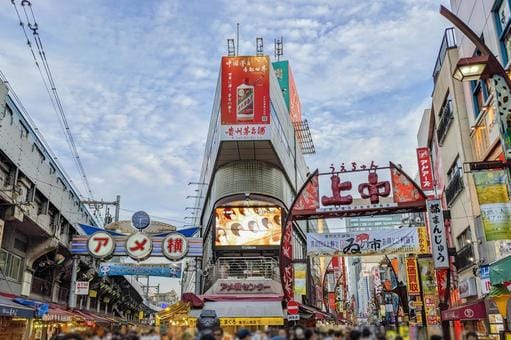
One of the charms of Ueno is its diverse food culture. Especially around Ameyoko, you can enjoy cuisines from various countries. From traditional Japanese cuisine in Tokyo to Chinese cuisine, Korean cuisine, and even ethnic cuisines from various countries, you can experience a world culinary tour - that's the charm of Ueno.
What I particularly like is food hopping in Ameyoko. As I walk down the street, my heart leaps at the various scents and colors of food that catch my eye one after another.
You can easily enjoy popular foods from various countries, such as yakitori, takoyaki, Chinese steamed buns, and Korean-style chijimi.
Also, in the Okachimachi area known as Chinatown, you can enjoy authentic Chinese cuisine. In particular, regional Chinese dishes such as xiaolongbao and dan dan noodles are reputed to offer authentic flavors. I've visited several times, and each time I'm moved by the authentic taste.
Korean cuisine is also popular in Ueno, with many Korean barbecue restaurants. Korean barbecue, where you grill fresh meat yourself and enjoy it with traditional Korean side dishes like kimchi, is perfect for meals with friends or family.
The multinational gourmet experience in Ueno will surely enrich your trip. There might be some unfamiliar foods, but please approach various cuisines with curiosity and fully enjoy the charm of Ueno's food culture.
More Detailed Information About "Restaurants in Ueno"
・Ueno Restaurant Guide: Must-try Foods From Street Eats to Global Treats
More Detailed Information About "Street Food in Ueno"
・Best Street Food at Ueno 2026: 5 Must-Try Spots in Ameyoko Market
Hidden Alley Exploration (Bars & Izakaya)
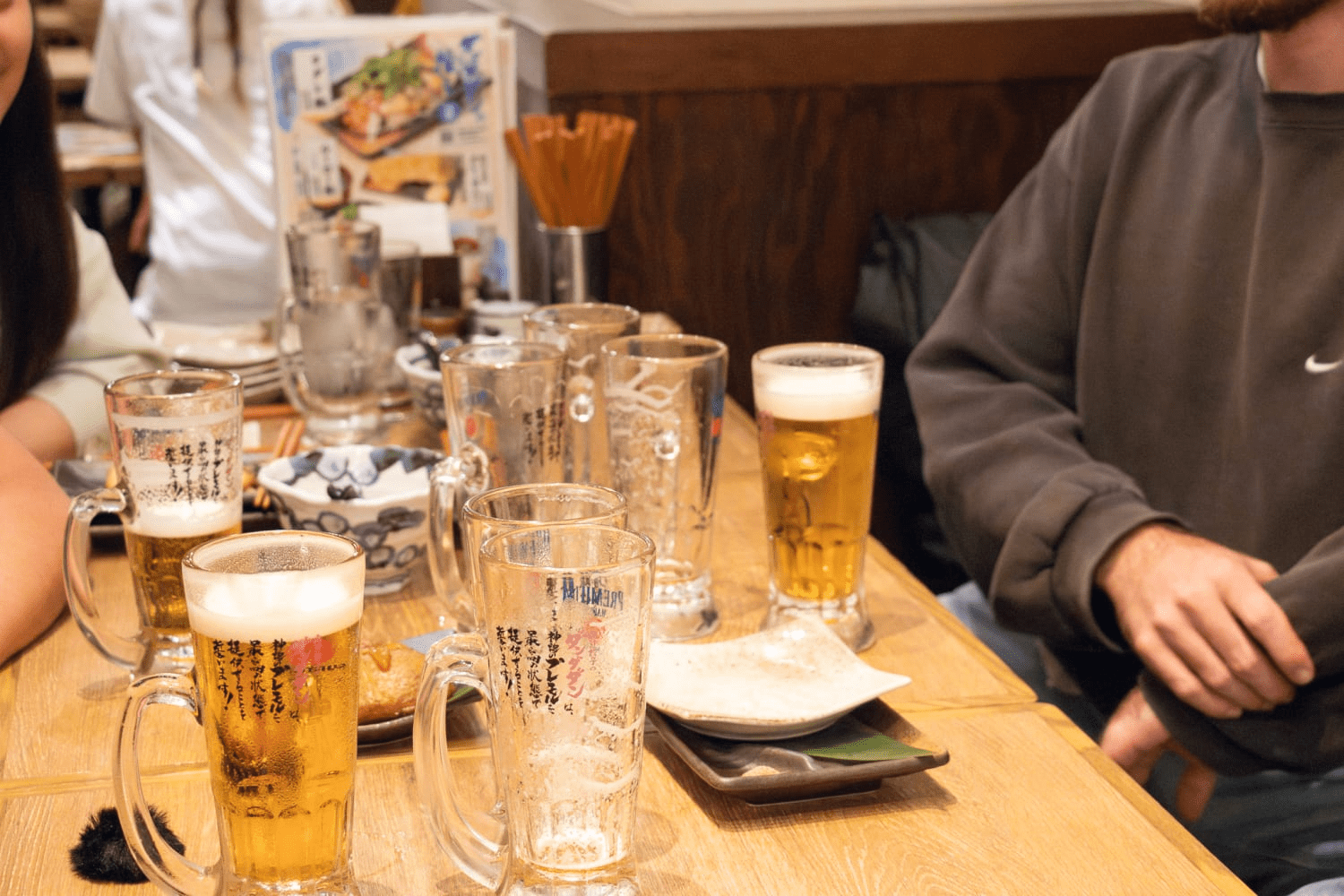
Most tourists are satisfied with a visit to Ameyoko Shopping Street and head home from there — but the spot where local drinking enthusiasts actually gather is the back alley running just behind it.
In the area beneath the elevated train tracks between Ueno Station and Okachimachi Station, you'll find many spots where you can experience Japan's traditional drinking culture: standing bars with nothing but counter seats, and izakayas where drinks are enjoyed at makeshift tables stacked from beer crates. With drinks running around 500 yen a glass and bar snacks just a few hundred yen each, the atmosphere is perfectly suited for local regulars and office workers stopping in after a long day.
What I personally love about the charming izakayas tucked into these back alleys is the warm, intimate feel — the kind of place where you can easily strike up a conversation with the person sitting next to you, even if you've never met. Some of these hidden-gem establishments have easy-to-miss signage, so as you explore, be sure to look around carefully and find your own favorite spot.
Exploring Historic Restaurants and Cafés Beloved by Locals
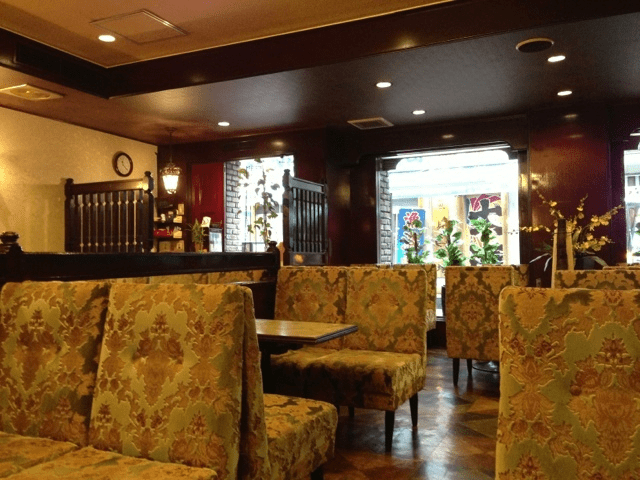
In this Ueno Guide 2026, another experience popular among locals is making the rounds of long-established restaurants and cafes where the old-fashioned atmosphere of Ueno still lives on. These places are often visited by neighborhood regulars looking to enjoy a leisurely conversation or a quiet read, and that glimpse into everyday Ueno life is something I highly recommend.
Among them, one place locals unanimously say you can't leave Ueno without visiting is Coffee Ojo, a kissaten — Japan's own style of retro cafe. Set in a glamorous, retro space adorned with glittering chandeliers, it serves authentic coffee alongside kissaten staples like Napolitan (ketchup-based spaghetti).
Also not to be missed is Kurofune Tei, a Western-style Japanese restaurant that has been cherished by locals for over 100 years. Here you can savor yoshoku — Western-influenced dishes with Japanese origins — including Omuraisu (omelet rice) and Hayashiraisu (hashed beef rice).
Take your time over a meal or a rest, experience the flavors of Ueno's long-beloved restaurants and cafes, and let yourself fully soak in the charm of this neighborhood.
Best Street Food in Ameyoko What to Eat & Prices
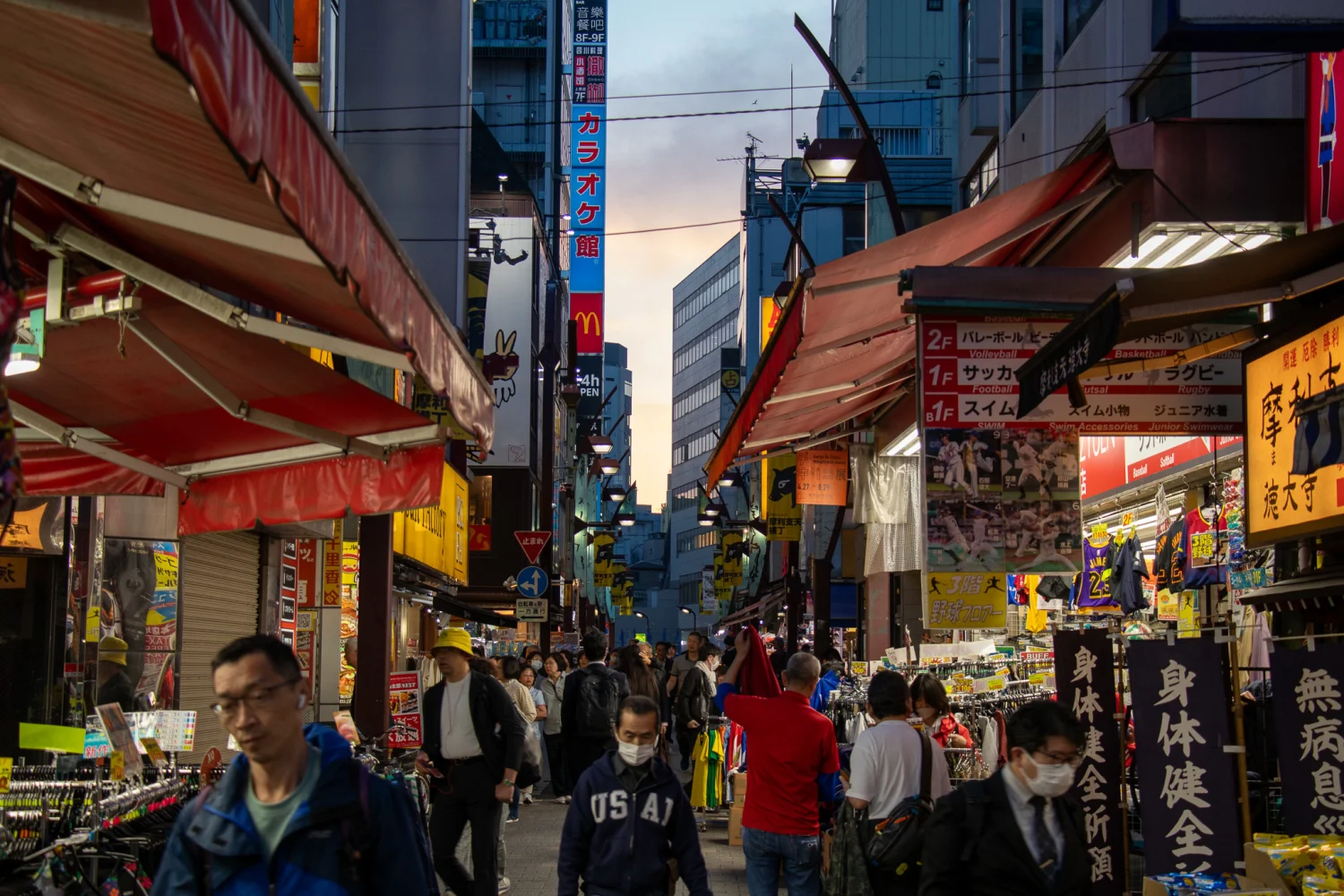
The signature dish of Ameyoko Shopping Street is the Menchi Katsu from "Niku no Ohyama." Made by a wholesale butcher using high-quality beef and pork, this Menchi Katsu delivers a juicy, flavor-packed bite full of meaty richness. Starting from just 150 yen per piece, it is an affordable way to sample the street food scene in Ueno.
Another must-try for food lovers strolling through Ameyoko Shopping Street is the takoyaki from "Minatoya." Priced from 300 yen for four pieces, each ball offers a satisfying contrast between a crispy exterior and a creamy center.
For those who enjoy a drink, my personal recommendation is to experience Japanese drinking culture firsthand with the Senbero Set (1,300 yen) at the tempura izakaya "Kacchan." The set includes up to four drinks and an assortment of tempura. Pull up a seat alongside the local regulars and enjoy some sake paired with tempura, one of Japan's most iconic dishes.
Ueno on a Budget Free & Cheap Things to Do
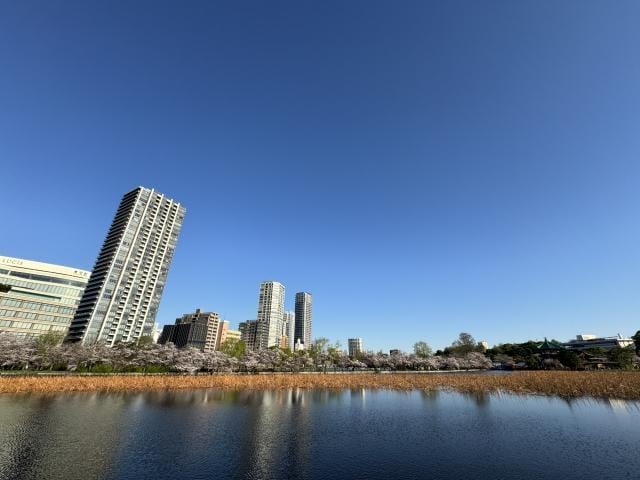
Ueno is packed with spots where you can have a thoroughly enjoyable time without spending a lot of money.
Among the best free options are Ueno Park — the central base for sightseeing in this Ueno Guide 2026 — Shinobazu Pond within the park, and a stroll along Yanaka Ginza Shopping Street. The park offers a chance to connect with nature across all four seasons, while simply walking through the atmospheric shopping street is enough to soak up an unmistakably Japanese ambiance.
The public facilities inside Ueno Park are also easy on the budget. Admission fees for the main facilities are 600 yen per adult for Ueno Zoo and 630 yen for the National Museum of Nature and Science.
On the other hand, there are experiences in Ueno that are genuinely worth the extra cost: special exhibitions at world-class institutions such as the Tokyo National Museum and the National Museum of Western Art, long-established Tonkatsu (Pork Cutlet) restaurants, and Michelin-listed dining spots. Make the most of Ueno on a budget where you can, and when the occasion calls for it, do not hesitate to invest a little more — the deeper rewards are well worth it.
Seasonal Attractions of Ueno
Ueno is a charming place that shows different faces with each season. I've visited Ueno many times, but each time I encounter different seasonal charms. Here, I'll introduce the seasonal attractions of Ueno.
More Detailed Information About "A Year-Round Attractions of Ueno"
・Ueno Seasons: A Year-Round Guide to Tokyo's Cultural Hub
More Detailed Information About "Ueno Events"
・Ueno Event 2026: Complete Guide to Festivals in Park, Cultural Celebrations & Events
Ueno in Spring The Most Recommended Season When Cherry Blossoms are Beautiful
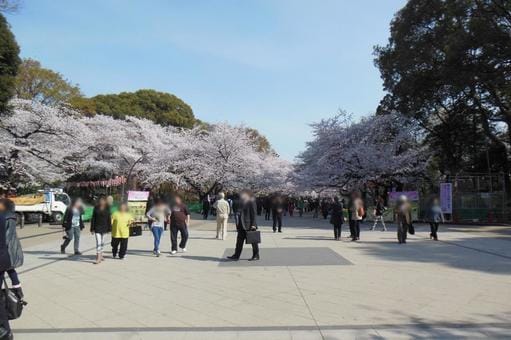
When it comes to spring in Ueno, it's all about the cherry blossoms. Ueno Park is known as one of Tokyo's best cherry blossom spots, with about 1,000 cherry trees in full bloom. Its beauty is breathtaking, and I can't help but visit every year during this season.
The best time to see the cherry blossoms varies depending on the climate of that year, but it's usually from late March to early April.
If you visit Ueno Park, you can enjoy beautiful cherry blossom avenues. Walking under the tunnel of cherry blossoms makes you feel as if you've entered a different world. The sight of pale pink petals dancing in the wind can be said to be a symbol of spring in Tokyo.
I recommend early morning cherry blossom viewing. If you visit when there are still few people, you can enjoy the cherry blossoms in a quiet environment. The cherry blossoms illuminated by the morning sun are exceptional, and I recommend this to photography enthusiasts as well.
Night cherry blossom viewing is also attractive. The cherry blossoms lit up at night create a fantastical atmosphere different from daytime.
I also recommend buying a bento box in front of the station and enjoying it in the park. You can experience Tokyo's traditional "hanami" style. Hanami is a traditional event where people enjoy cherry blossoms while eating and drinking under the trees. You can enjoy it like having a picnic under the cherry blossoms with friends or family.
However, Ueno Park gets very crowded during the cherry blossom season, so if you want to enjoy it leisurely, I recommend visiting on weekdays. It's also important to secure a good spot early. Every year, I go to the park early in the morning to secure a good spot.
In spring, Ueno allows you to enjoy not only cherry blossoms but also other spring flowers. For example, you can enjoy beautiful peonies at the Ueno Toshogu Shrine's peony garden. Also, at Ueno Zoo, there's a chance to meet baby animals born in spring.
As you can see, spring in Ueno is full of various attractions centered around cherry blossoms.
More Detailed Information About "Ueno Attractions in Spring"
・Explore Ueno in Spring: Cherry Blossom Paradise
Ueno in Autumn A Carpet of Autumn Leaves
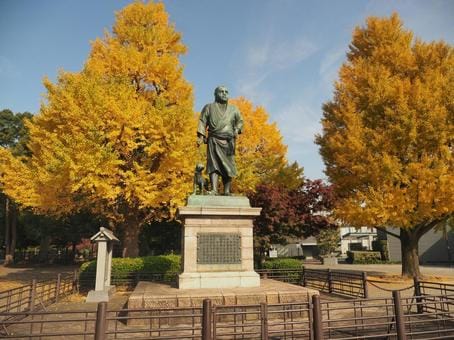
The next most recommended season after spring is autumn. Ueno Park is also known as a famous spot for autumn leaves, and in autumn, the entire park is dyed in red and yellow.
The best time to see autumn leaves is usually from mid-November to early December. The autumn leaves around Shinobazu Pond are particularly spectacular. The sight of trees colored in red and yellow reflecting on the water surface is so beautiful that you can't help but stop and stare.
I recommend an evening stroll. The autumn leaves illuminated by the setting sun shine even more vividly.
Also, this season has comfortable temperatures, making it ideal for leisurely strolling around Ueno. It's less crowded than spring, allowing you to enjoy Ueno's charms in a more relaxed atmosphere.
More Detailed Information About "Ueno Attractions in Autumn"
・Ueno in Autumn: A Tapestry of Color and Culture
Ueno in Summer Take a Break in Cool Cultural Facilities
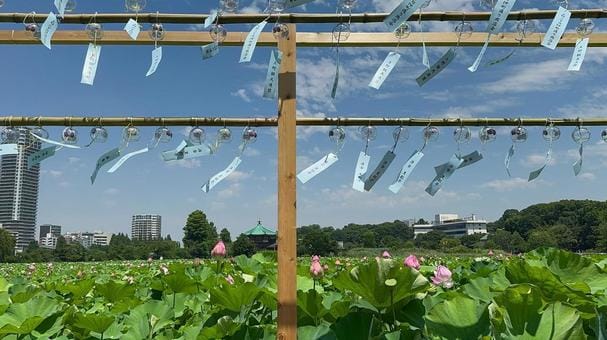
Tokyo's summer can be harsh, but Ueno has many places where you can stay cool. In particular, the cultural facilities within Ueno Park are air-conditioned, making them safe and comfortable spots to enjoy Tokyo sightseeing during this season.
What I particularly like about Ueno in summer is visiting museums and art galleries. Cultural facilities such as the Tokyo National Museum, the National Museum of Nature and Science, and the Tokyo Metropolitan Art Museum not only allow you to escape the hot outside air and stay cool, but also enjoy interesting exhibitions.
During the summer vacation period in August, special exhibitions are often held, providing chances to see precious works that are not usually on display.
Also, in August, Ueno Zoo sometimes holds a Night Zoo event.
This event allows you to observe animals from evening to night, avoiding the daytime heat. I participated once, and it was a very fresh experience to see the animals in a completely different state from daytime. The sight of nocturnal animals actively moving around was particularly impressive.
As you can see, summer in Ueno can be considered a hidden gem season where you can enjoy cultural facilities and various events while avoiding the heat. Why not discover the unique charms of Ueno's summer while spending time in cool places?
More Detailed Information About "Ueno Attractions in Summer"
・Summer in Ueno: A Cultural Oasis of Cool Retreats and Festive Treats
Ueno in Winter Enjoyable with Less Crowds
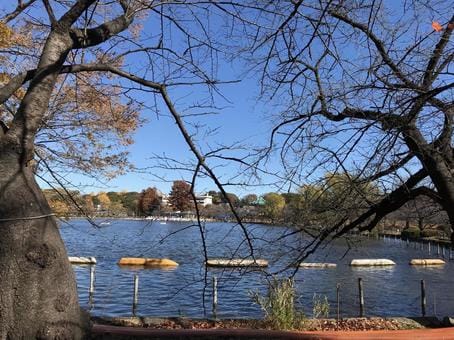
In winter, Ueno has fewer tourists compared to other seasons, allowing you to enjoy the Ueno area at a leisurely pace. Rediscovering Ueno's charms in a quiet environment is a characteristic of winter in Ueno.
First, the landscape of Ueno Park in winter has a unique beauty. The sight of leafless tree branches stretching towards the sky has a completely different charm from summer. Although it's not frequent, Ueno Park on a day with snow accumulation is very fantastical.
Winter is the ideal season for visiting museums and art galleries. As it's less crowded compared to other seasons, you can enjoy the exhibitions at a leisurely pace. At the Tokyo National Museum and the National Museum of Nature and Science, winter special exhibitions are often held, allowing you to enjoy precious works and exhibits that you can't usually see.
Also, meals are one of the pleasures of winter in Ueno. You can enjoy warm dishes unique to the cold season. For example, there are shops in Ameyoko that sell hot "oden," allowing you to enjoy food that warms you from the core.
As you can see, winter in Ueno is a season where you can deeply savor Ueno's charms in a quiet and relaxed atmosphere. For those who want to enjoy Ueno leisurely while avoiding crowds, I recommend visiting in winter.
More Detailed Information About "Ueno Attractions in Winter"
・Ueno in Winter: A Serene Escape in the Heart of Tokyo
Nighttime Attractions in Ueno Park
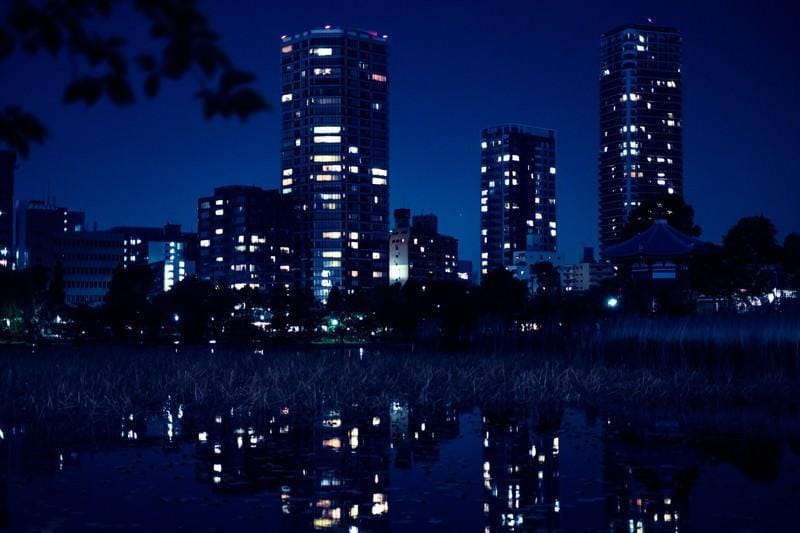
Ueno Park is widely known as a daytime cultural destination, home to a zoo and a cluster of world-class museums, but after dark, it transforms into an entirely different world. Illuminated historical buildings, city lights reflected on still water, and ethereal cherry blossoms in spring all combine to create an atmosphere that could not feel more different from the daytime experience.
With both Japanese and international visitors drawn to the park after sunset, it makes for a perfect evening stroll whether you're on a date or exploring solo.
In Front of the Grand Fountain
Located at the entrance of the Tokyo National Museum, the Grand Fountain Plaza comes alive at night with warm illumination that bathes both the fountain and the museum facade in a soft, dramatic glow.
From December through January, colorful ice tulips bloom across the plaza, bringing a surprising burst of spring-like color to the cold winter nights. Since the atmosphere shifts so dramatically between day and night, it's well worth visiting at both times to capture the contrast in photos.
Shinobazu Pond
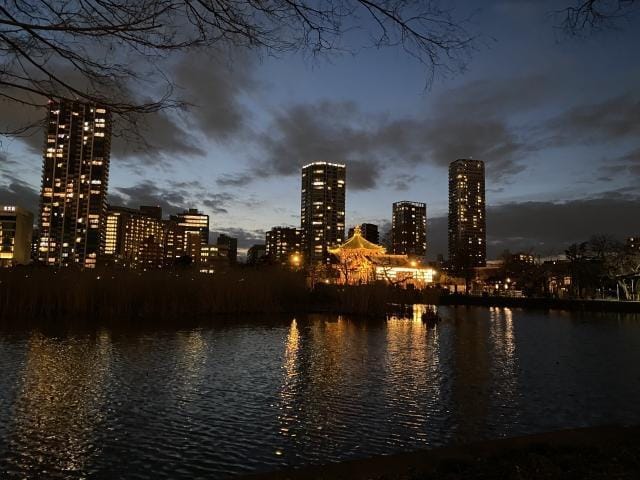
Known as the oasis of Ueno, Shinobazu Pond takes on a magical quality after dark, as the lights of surrounding buildings reflect across the water's surface in a seamless blend of urban energy and natural calm. During cherry blossom season, the nighttime illumination of the sakura trees creates one of the most breathtaking scenes in all of Tokyo — the blossoms and high-rise buildings mirrored together in the still water below.
Note that eating and drinking are not permitted along the pond's edge, so take your time and enjoy the view on a leisurely walk. The pond is about a 6-minute walk from the Shinobazuguchi exit of JR Ueno Station.
Kiyomizu Kannon-do
Nestled just before Shinobazu Pond, Kiyomizu Kannon-do is a small temple modeled after the famous Kiyomizu-dera in Kyoto, and is considered the oldest surviving structure in the Ueno area with a confirmed construction date.
At night, the temple settles into a quiet, solemn atmosphere that makes it easy to imagine the Edo period coming back to life around you. During the spring cherry blossom season, the combination of nighttime illumination and blooming sakura framing the main hall is truly a sight not to be missed.
The Former Sogakudo Concert Hall & Art Walk
Deeper into Ueno Park in the direction of Ueno Zoo stands the Former Tokyo Music School Sogakudo, Japan's oldest Western-style concert hall. When photographed at a slight upward angle, the illuminated building takes on a dignified, almost cinematic presence.
Just in front of it lies the Art Walk, an outdoor exhibition space featuring works by students of Tokyo University of the Arts. While it feels like a pleasant, dog-walker-friendly path during the day, the area becomes eerily quiet at night — the strikingly lifelike sculptures seem almost ready to move, giving the whole stretch an uncanny, spine-tingling atmosphere.
Among locals, it has a reputation as one of Ueno's more thrillingly unusual after-dark destinations.
Nighttime Attractions in Ameyoko
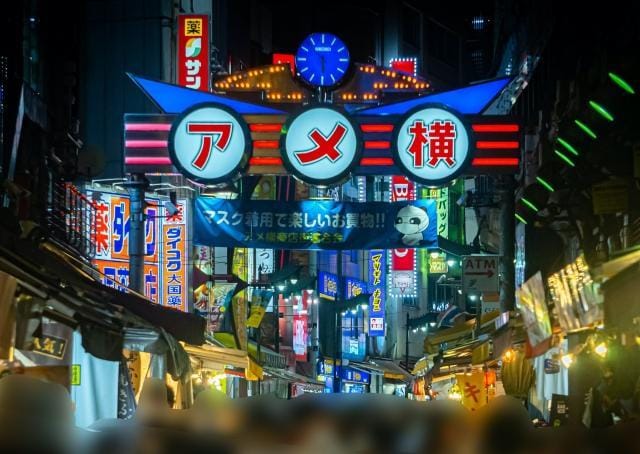
Ameyoko, which traces its roots back to the black markets of the postwar era, has a nighttime character that is entirely its own — distinct from even its daytime self. The greatest appeal of Ameyoko at night is the way old-school shitamachi (downtown Tokyo) nostalgia and a vibrant izakaya culture coexist side by side.
The vibe here is a world away from the neon-lit entertainment districts of Shibuya or Shinjuku. It's unpretentious, warmly retro, and refreshingly down-to-earth, the kind of place where locals and tourists mix naturally without any fuss. Add to that the fact that food and drink are generally far more affordable here than elsewhere in Tokyo, and Ameyoko becomes one of the city's most compelling spots for a night out.
The Ultimate Bar-Hopping Destination
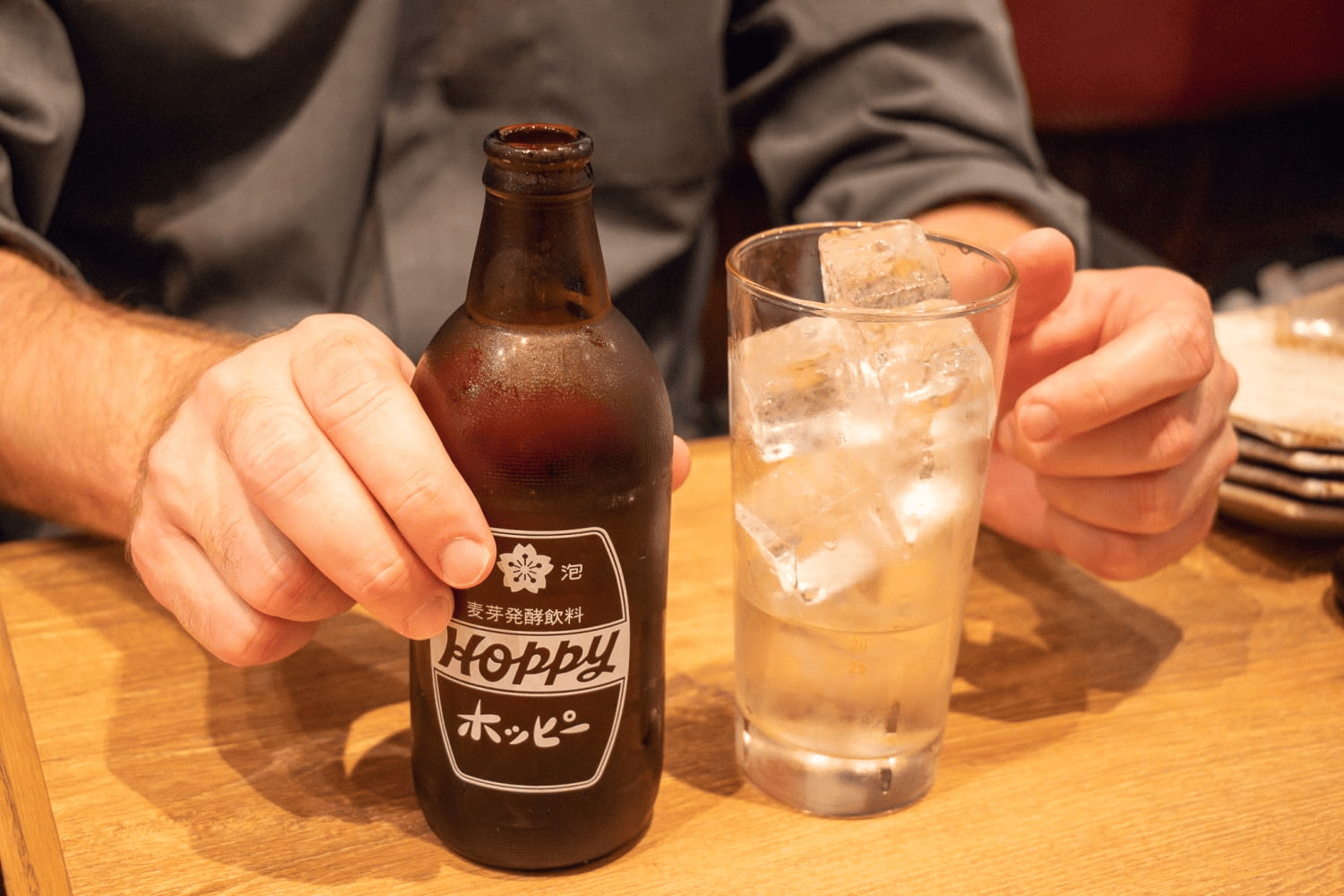
Ameyoko and the streets surrounding it are packed with izakayas within easy walking distance of one another, making it one of Tokyo's most natural environments for hashigo-zake; the beloved Japanese tradition of hopping from bar to bar over the course of a night. The elevated railway tracks create a "Gaadoshita" (under the girder) area lined with affordable izakayas that start filling up from the afternoon onward.
Options range from long-established institutions like Motsuyaki Daitoryo, a veteran izakaya with over 70 years of history, famous for grilled offal skewers and horse meat stew, to lively seafood stalls serving fresh catches paired with the classic low-alcohol Hoppy drink.
Standing whisky bars stocked with over 100 varieties and quirky canned food bars round out the scene, giving the area a surprisingly diverse range of drinking styles to explore.
Wandering the Back Alleys Toward Yushima
Venture a little further from the main Ameyoko strip toward Yushima, and you'll find a side of Ueno's nightlife that most tourists never discover. The narrow backstreets running from Yushima Tenmangu Shrine down toward Ameyoko are lined with small bars and snack establishments that cater almost exclusively to locals — an ideal destination for anyone looking to experience the quieter, more authentic depths of Ueno after dark.
Ending the Night with Ramen
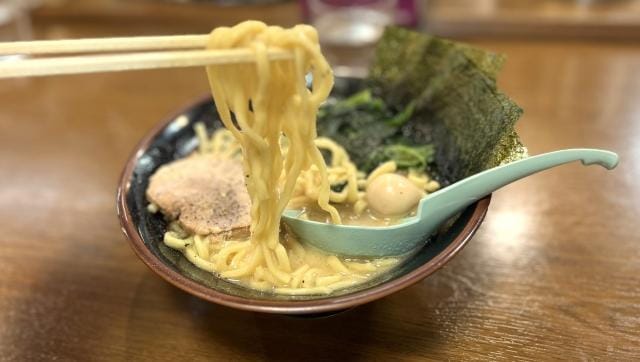
No night out in Japan is complete without shime — the ritual of finishing off an evening of drinking with a final, satisfying meal, most commonly a bowl of ramen. Ueno is no exception, with a solid selection of ramen shops scattered throughout the Ameyoko area that stay open well into the night.
Slurping down a hot bowl in the small hours, still glowing from the evening's drinks, is as fitting a way as any to bring a night in Ueno to a close.
Spots to Visit Along with Ueno
While Ueno is an attractive tourist destination, there are many unmissable spots in its surroundings as well. By visiting these places along with Ueno, you can enjoy a more fulfilling Tokyo sightseeing experience.
Personally, every time I visit Ueno, I look forward to touring these surrounding spots as well. Each place has its unique charm, allowing you to enjoy different faces of Tokyo from Ueno.
Yanaka Ginza Shopping Street Enjoy Old Tokyo Townscape
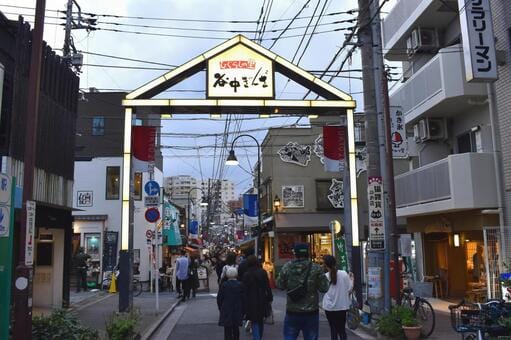
Yanaka Ginza Shopping Street is a roughly 170-meter shopping street filled with downtown atmosphere, where you can enjoy a unique atmosphere that blends old-fashioned charm with modern elements. When I first visited this shopping street, I was captivated by its energy and nostalgia.
About 80 shops line this shopping street, ranging from long-established Japanese confectionery shops and butcher shops to new cafes and galleries.
One of the charms of Yanaka Ginza is its abundance of food-hopping gourmet options. Also, at long-established Japanese confectionery shops, you can enjoy seasonal Japanese sweets, experiencing traditional Tokyo flavors.
The typical access from Ueno Station is to take the JR Yamanote Line, get off at the next stop "Nippori Station," and walk from there.
However, I recommend the route of walking from Ueno Station. It's about a 20-25 minute walk, but you can enjoy the downtown area of Ueno along the way. In particular, the old townscape of the Yanesen (Yanaka, Nezu, Sendagi) area is an enjoyable experience just to stroll through.
Website: https://www.yanakaginza.com/
More Detailed Information About "Yanaka Ginza"
・Half-Day Itinerary at Yanaka Ginza: A Quick Tour of Traditional Tokyo & A Cat Town
Nezu Shrine A Hidden Gem with Red Gates in a Row
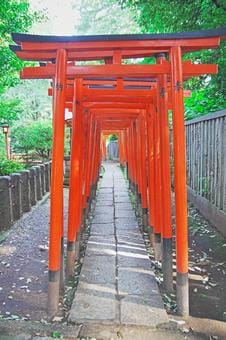
Nezu Shrine is a hidden gem located a bit away from Ueno. The main shrine building was built in 1705, and it's said that its founding dates back to ancient times, making it a shrine with a long history.
The biggest attraction of Nezu Shrine is its "thousand torii gates," similar to famous shrines in Kyoto. The sight of red torii gates in a row is breathtaking, making you feel as if you've wandered into a different world. As you pass through the torii gates and proceed along the approach, you'll strangely feel your heart calming down.
Nezu Shrine is also known as a famous spot for azaleas. Around May, about 3,000 azalea plants bloom, coloring the shrine grounds with a variety of flowers. I visit every year during the azalea season, and I'm always moved by its beauty.
The charm of Nezu Shrine also lies in its quietness. In contrast to the hustle and bustle of Ueno and Yanaka Ginza, Nezu Shrine is enveloped in a calm atmosphere. You can spend time slowly while strolling around the shrine grounds.
Nezu Shrine is within walking distance from Yanaka Ginza, so I recommend visiting both together. Enjoy sightseeing in Ueno, stroll through Yanaka Ginza, and finally spend quiet time at Nezu Shrine. Such a day's itinerary would be a wonderful experience where you can enjoy various faces of Tokyo at once.
Website: https://nedujinja.or.jp/
More Detailed Information About "Nezu Shrine"
・Shrines and Temples in Yanesen Area – “Nezu Shrine”
Yushima Tenmangu Shrine Enshrining the God of Learning
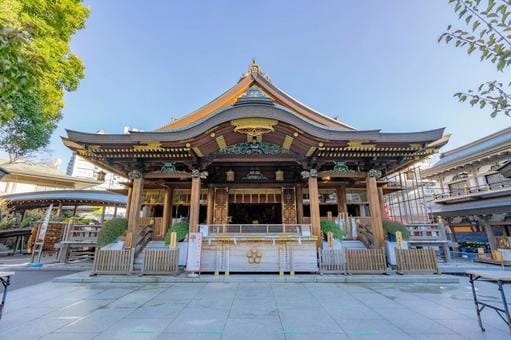
Yushima Tenmangu Shrine is a shrine that enshrines Sugawara no Michizane, known as the god of learning. Located about a 15-minute walk from Ueno Station, it's a popular spot that attracts many worshippers due to its historical and cultural importance.
The greatest charm of Yushima Tenmangu lies in the harmony between its spiritual significance and beautiful scenery. As you step into the shrine grounds, you'll feel separated from the hustle and bustle of the city, enveloped in a quiet and solemn atmosphere.
Yushima Tenmangu is also known as a famous spot for plum blossoms. In February, the "Plum Festival" is held, where you can enjoy about 300 plum trees blooming in the shrine grounds. I look forward to visiting during this season every year, enjoying a stroll surrounded by the scent of plum blossoms.
Also, the area surrounding Yushima Tenmangu is called "Bunkyo Ward," an academic town where many universities and research institutions are gathered. After visiting the shrine, if you stroll around this area, you can feel the atmosphere of Tokyo's academic center.
You can access it in about 15 minutes on foot from Ueno Station.
Website: https://www.yushimatenjin.or.jp/pc/index.htm
More Detailed Information About "Yushima Tenmangu"
・Yushima Tenmangu Shrine: Must-see Things and Access Guide 2026
Asakusa A Famous Tokyo Spot Easily Accessible from Ueno
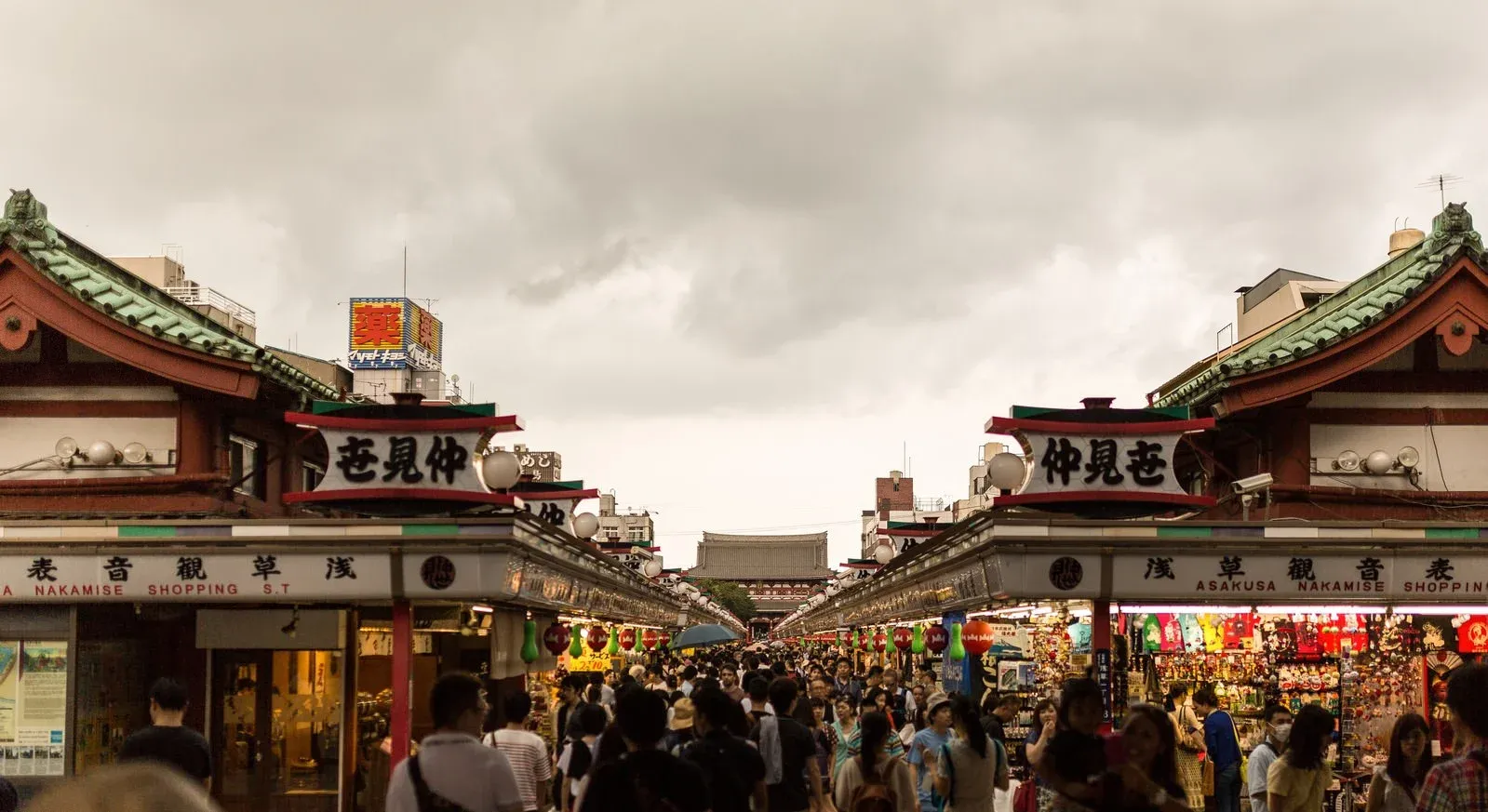
Asakusa is very close to Ueno and is one of Tokyo's representative tourist spots. Every time I visit Ueno, I always extend my trip to Asakusa.
At the center of Asakusa is Sensoji Temple. Known as the oldest temple in Tokyo, it attracts many tourists from both within Japan and abroad.
When I first visited Sensoji Temple, I was overwhelmed by its solemnity and energy. What was particularly impressive was the Kaminarimon (Thunder Gate). This symbolic entrance to Sensoji Temple is characterized by its giant lantern. Taking a commemorative photo under this lantern has become a standard part of Asakusa sightseeing.
Nakamise Street, which leads to Sensoji Temple, is also one of Asakusa's big attractions. Various shops line up along this approximately 250-meter street. Products that let you feel Tokyo's culture, such as Japanese sweets, traditional crafts, and souvenirs, are abundantly displayed.
My recommendation is "Ningyo-yaki". These are cute-shaped baked sweets, and they're most delicious when eaten hot.
The charm of Asakusa isn't limited to its traditional atmosphere. In recent years, with the opening of Tokyo Skytree, modern elements have been added. When you view Tokyo Skytree from Sensoji Temple grounds, you can symbolically feel the coexistence of Tokyo's tradition and modernity.
Access from Ueno to Asakusa is very convenient. Using the Tokyo Metro Ginza Line, you can reach Asakusa Station from Ueno Station in about 5 minutes. You can also walk there in about 30 minutes, which can be an enjoyable experience of strolling through the downtown area between Ueno and Asakusa.
More Detailed Information About "Asakusa"
・Exploring Asakusa: Your Essential Guide to Tokyo's Most Traditional Neighborhood
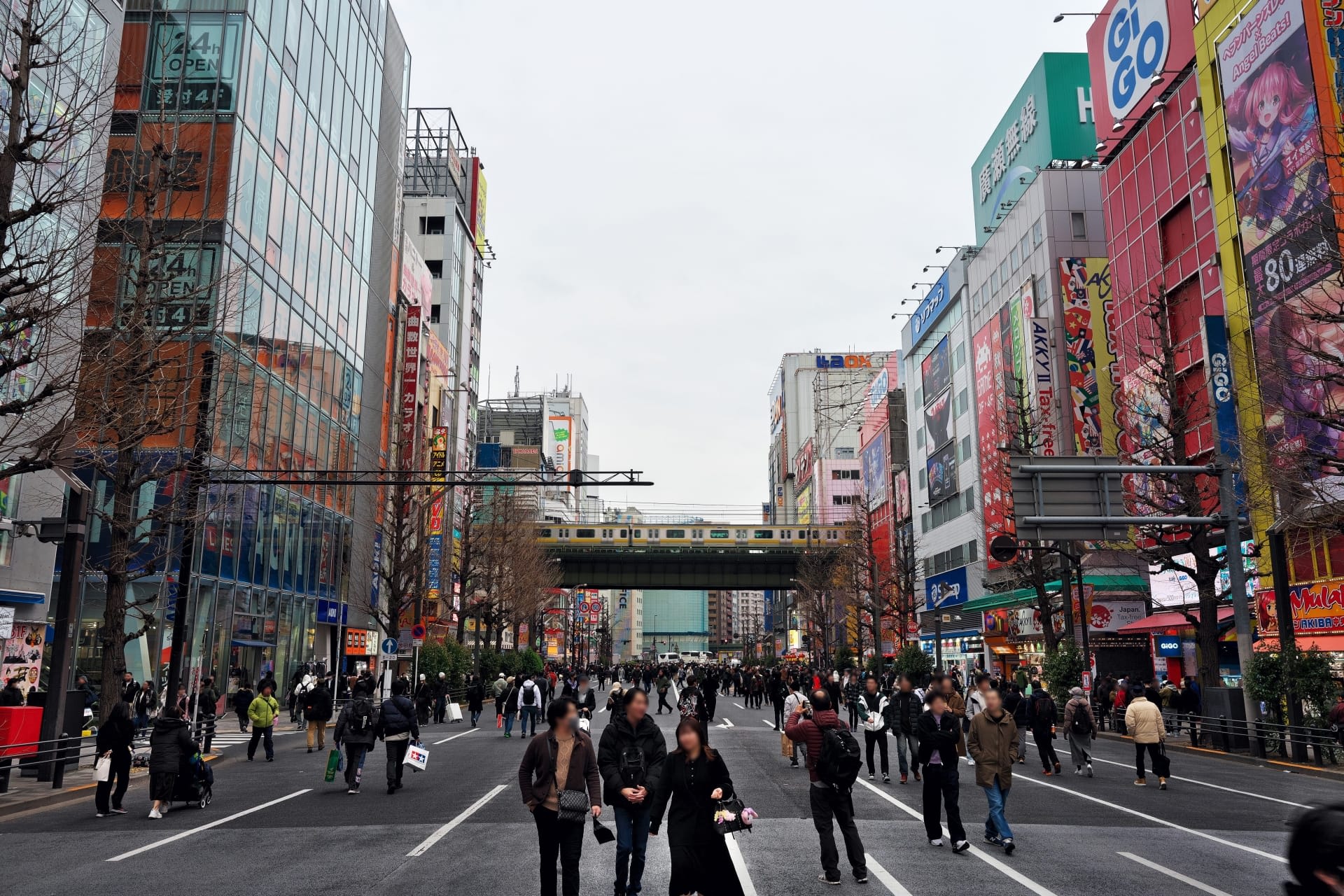
Akihabara Electric Town Indulge in "Otaku" Culture
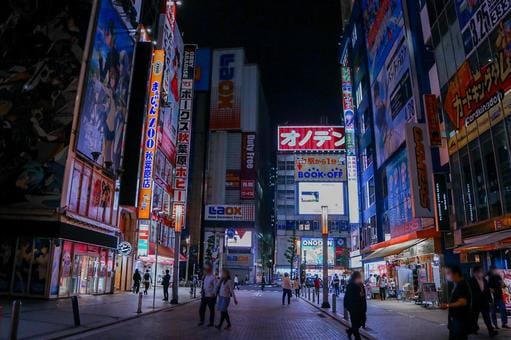
Akihabara, commonly known as "Akiba," is a world-famous electric town very close to Ueno. As I work in the IT industry and have an interest in new gadgets and electronic devices, I always make sure to visit Akihabara when I'm in Ueno.
Akihabara is not just an electric town, but also known as a mecca for pop culture such as anime, manga, and games. Large anime shops have an abundance of merchandise and limited-edition items from popular works.
One of Akihabara's charms is its unique subculture experiences. For example, maid cafes are one of Akihabara's specialties. Staff dressed in cute costumes provide service as if they've jumped out of an anime world.
I tried it once, and while surprised by its unique atmosphere, I found it an interesting experience to glimpse a side of Tokyo's subculture.
Access from Ueno to Akihabara is very convenient. Using the JR Yamanote Line or Keihin-Tohoku Line, you can reach Akihabara Station from Ueno Station in just one stop.
Website: https://akiba.or.jp/
More Detailed Information About "Akihabara"
・One Day Trip to Akihabara: Complete Itinerary Guide for Anime & Electronics Paradise
Tours to Fully Enjoy Ueno
I'd like to introduce two recommended tours that allow you to experience Ueno more deeply and enjoyably. Let's create unforgettable memories with these tours that let you fully savor the charms of Ueno during the day and night.
"All-You-Can-Drink Bar Hopping Tour in Ueno" by Magical Trip

The night bar hopping tour in Ueno that we at Magical Trip confidently recommend allows you to enjoy Ueno's night to the fullest. The charm of this tour is that all drinks and meals are included. In other words, you can casually participate in the tour without bringing anything.
The price setting of about 102 USD for 3.5 hours is very reasonable for fully enjoying Ueno's night. The experience of walking around Ueno's hidden gems and popular spots with a local guide will surely become a memorable part of travelers' trips!
I especially recommend participating in this night tour after enjoying the museums and art galleries introduced in this article. After savoring the culture and history of Ueno during the day, you can fully enjoy the energy and charm of Ueno at night.
Click here for more details: All-You-Can-Drink Bar Hopping Tour in Ueno
"Ueno & Tokyo National Museum Tour" by True Japan Tour
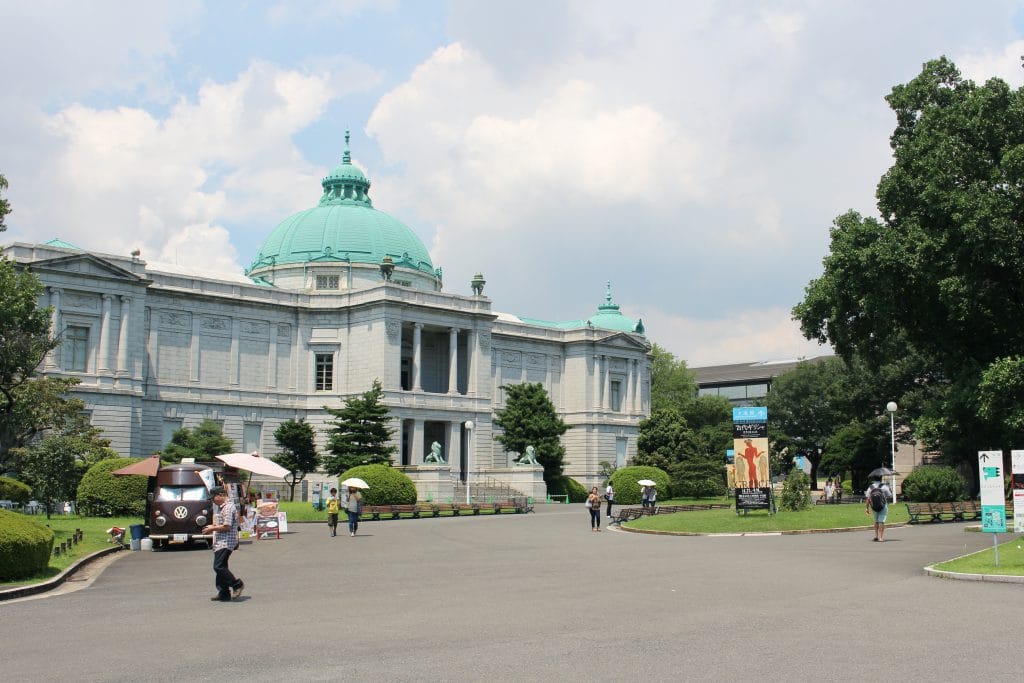
This approximately 4-hour tour covering Ueno Park and the Tokyo National Museum is perfect for those who want to deeply experience the culture and history of Ueno.
The price is about 6,000 yen per person, and while it doesn't include food and drink expenses, I feel it's very reasonable to be able to efficiently enjoy the entire Ueno area at this price. Another big attraction of this tour is that the guides are knowledgeable, allowing you to learn in detail about the history and culture of Ueno.
I recommend this tour for those who want to experience the charms of Ueno to the fullest.
Click here for more details: Ueno & Tokyo National Museum Tour
Tips for Ueno Sightseeing
While Ueno is a tourist spot with diverse charms, there are some tips for a more fulfilling experience. Based on my own experiences from visiting Ueno many times, I'd like to introduce tips for enjoying Ueno more.
Avoid Crowds by Visiting in the Morning
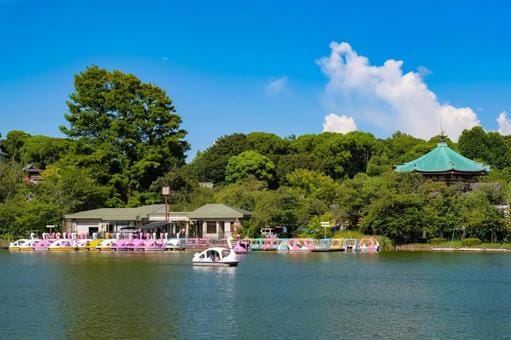
The biggest tip for enjoying Ueno is to visit early in the morning. I've visited Ueno in the early morning many times, and each time I'm captivated by its quiet and beautiful atmosphere.
Ueno Park is particularly quiet and beautiful in the early morning. I sometimes choose Ueno Park as my morning jogging course, and each time I can start my day with a fresh feeling.
Cultural facilities like the Tokyo National Museum are also less crowded right after opening, allowing for leisurely appreciation. The early morning is also recommended for Ueno Zoo. It's easier to observe the animals moving actively, and the pandas are also easier to see.
Ameyoko is also quiet right after opening, allowing for leisurely shopping and food hopping.
By visiting in the morning, you can not only enjoy the quiet side of Ueno but also avoid the afternoon crowds. Especially on weekends and holidays, it gets crowded in the afternoon, so I recommend visiting the main spots in the morning.
However, when visiting early in the morning, it's important to check the opening times of each facility in advance.
Many facilities open at 9:00 AM or 9:30 AM, but this can change depending on the season or day of the week. Also, as cafes and restaurants may open late, it's better to have breakfast in advance or use cafes inside the station.
More Detailed Information About "Ueno Area Morning Guide"
・Ueno Area Morning Guide 2026! Enjoy Tokyo Early Morning
Utilize the Cultural Facilities Common Pass
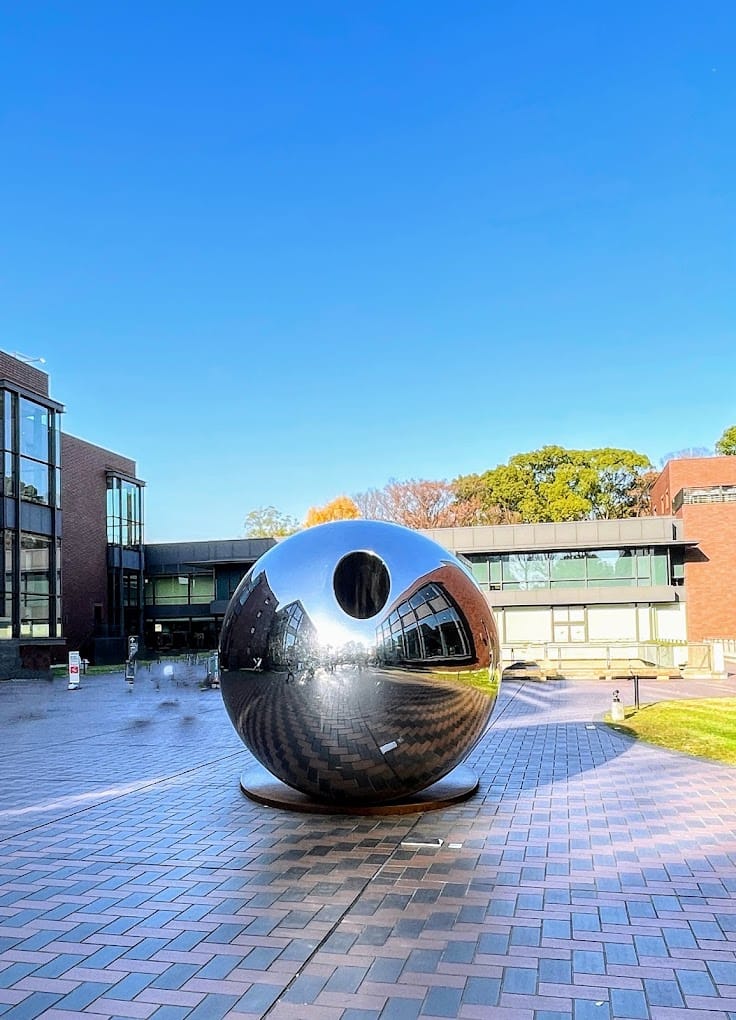
Ueno has a concentration of world-class museums and art galleries, but to enjoy these efficiently, I recommend using the "UENO WELCOME PASSPORT". I myself have had a more fulfilling experience touring Ueno's cultural facilities using this passport.
The "UENO WELCOME PASSPORT" is a pass that allows you to visit multiple cultural facilities at a discounted price. It covers facilities like the Tokyo National Museum, National Museum of Nature and Science, and National Museum of Western Art, allowing you to visit these facilities at a discounted rate. When I first used this passport, I was surprised by its convenience and economy.
When purchasing the passport, don't forget to check the closed days of each facility. Many facilities are closed on Mondays, so be careful. Also, for special exhibitions, there may be additional fees, so it's good to check in advance.
Website: https://www.tnm.jp/modules/r_free_page/index.php?id=1986&lang=en
Plan According to the Season
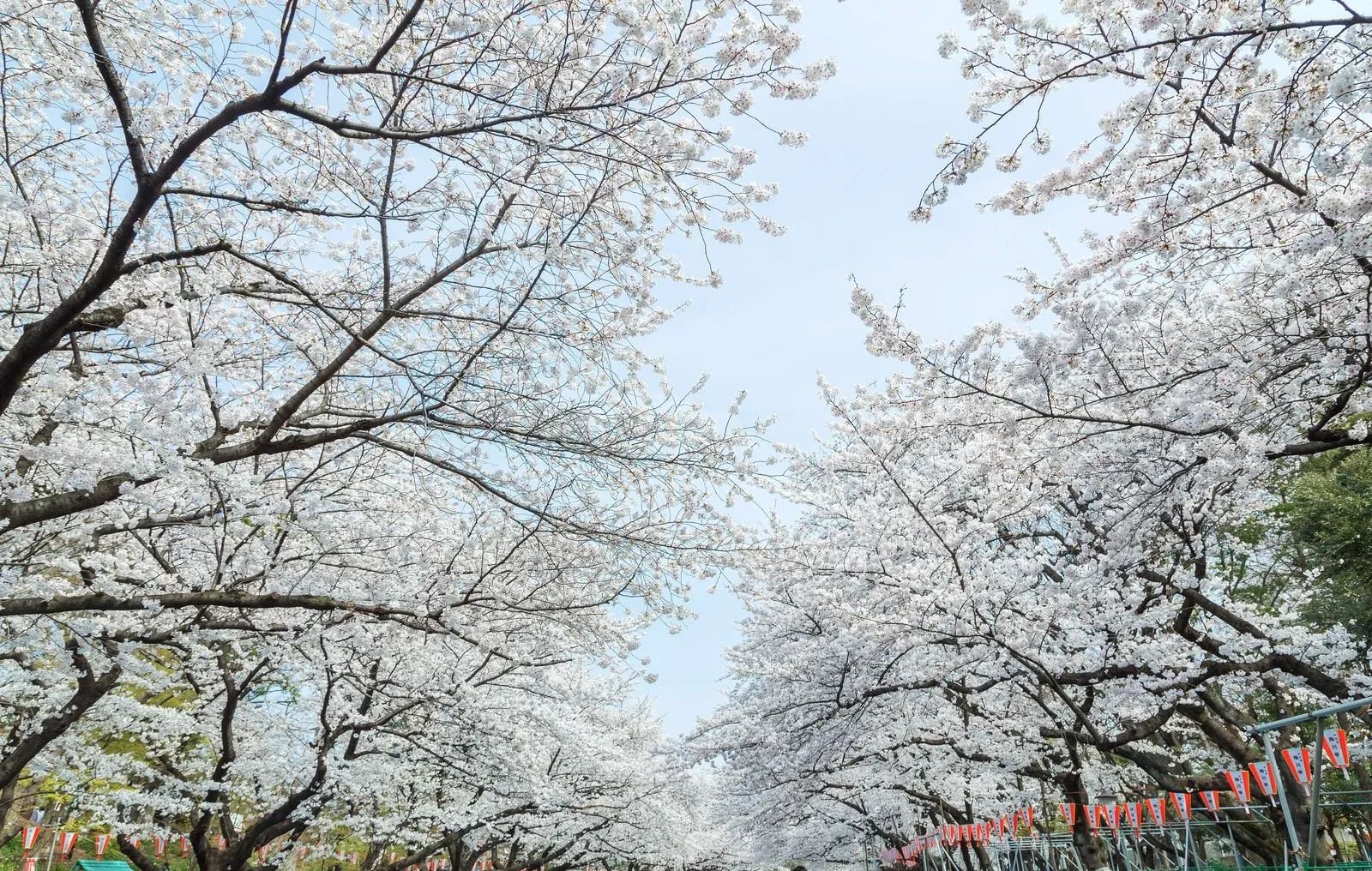
To fully enjoy the charms of Ueno, it's important to make plans according to the season. Through my visits to Ueno in different seasons, I've realized that there are unique ways to enjoy each season.
Ueno Park in spring is particularly famous as a cherry blossom viewing spot. The sight of about 1,000 cherry trees in full bloom is breathtaking and fascinates many people every year.
In summer, the lotus flowers in Shinobazu Pond reach their peak. If you visit early in the morning, you'll be captivated by the beauty of lotus flowers blooming on the quiet pond.
Also, museums and art galleries are cool and comfortable in summer. I recommend touring cultural facilities to avoid the hot outdoors. I particularly look forward to the summer special exhibitions at the National Museum of Nature and Science.
Ueno in autumn is beautiful with autumn leaves, especially around the five-story pagoda of Kan'ei-ji Temple, which is photogenic. I highly recommend this spot for photography enthusiasts.
In winter, I especially recommend museum and art gallery tours in Ueno. You can leisurely enjoy the exhibitions while avoiding the cold outdoors.
Appropriate clothing and preparation according to the season are also important. In spring and autumn, the temperature changes significantly, so I recommend clothing that's easy to put on and take off. Don't forget sun protection and hydration in summer, and warm clothing in winter.
More Detailed Information About "Seasonal Attractions in Ueno"
・Ueno Seasons: A Year-Round Guide to Tokyo's Cultural Hub
More Detailed Information About "Shinobazu Pond"
・Ueno's Shinobazu Pond: Enjoy Tokyo's Oasis Rich in Nature
As introduced in this article, Ueno can be said to be a representative tourist spot in Tokyo where traditional culture and modern urban life are perfectly blended.
Rich nature centered on Ueno Park, a cultural hub where world-class museums and art galleries gather, and the lively Ameyoko shopping street. It's because these elements are concentrated that Ueno is called a "microcosm of Tokyo".
I hope you'll visit Ueno after reading this article and fully enjoy its diverse charms. I hope that your experience in Ueno will make your Tokyo trip wonderful!
Frequently Asked Questions About Ueno
Is Ueno worth visiting in Tokyo?
Absolutely. Ueno offers some of the best value in Tokyo, combining world-class museums, one of the city's largest parks, and the lively Ameyoko shopping street all within walking distance. It's an ideal destination for travelers who want to experience culture, history, and local food without crossing the city.
How many hours do you need in Ueno?
Set aside at least 3 to 4 hours, or a full day if you plan to visit museums. The park and Ameyoko can be covered in around 2 hours, but major institutions like the Tokyo National Museum or the National Museum of Western Art each deserve 2 to 3 hours on their own. It's worth deciding your priorities before you go.
What is Ueno famous for?
Ueno is one of Tokyo's most celebrated cherry blossom spots each spring, and is also known as Japan's museum district, home to the Tokyo National Museum, the National Museum of Nature and Science, and the National Museum of Western Art. Its Ameyoko shopping street, which grew from a post-war black market, remains a draw for its bustling atmosphere and diverse street food.
Is Ueno Park free to enter?
Entry to the park itself is free. However, the major facilities within the grounds — including the Tokyo National Museum, the National Museum of Western Art, and Ueno Zoo — each charge a separate admission fee. During cherry blossom season, the area gets extremely crowded, so an early morning visit is strongly recommended.
What food should I try in Ueno and Ameyoko?
Don't miss the fresh seafood stalls in Ameyoko, where you can eat sea urchin and crab right on the street — a hands-on experience you won't easily find elsewhere in Tokyo. The market also has a stretch of Indian, Middle Eastern, and African eateries that give the area an unexpectedly international flavor.
Head toward Okachimachi and you'll find an authentic Korean food scene, with restaurants serving Korean BBQ and homestyle dishes at very accessible prices.