Shinjuku Events December 2026: Ultimate Guide to Winter Illuminations, Christmas Markets & New Year Countdown
Tokyo is home to countless spots, from bustling entertainment districts like Shibuya and Harajuku, to neighborhoods that come alive at night like Shinjuku and Roppongi, to areas that preserve traditional old-town charm like Asakusa and Kanda.
While Tokyo is a city packed with appeal, it's also true that increasing tourism development has made it harder for visitors to experience the "real Tokyo." In other words, instead of enjoying Tokyo like a local, tourists are often limited to experiencing only the touristy side of the city.
That's exactly why I want you to explore the city with locals who know the real Tokyo. With tours from Magical Trip—winner of Tripadvisor's The Best of The Best in both 2024 and 2025—you can make that happen.

The Tokyo Bar Hopping Night Tour in Shinjuku, a back-to-back winner of The Best of The Best for two consecutive years, lets you safely enjoy spots beloved by locals in famous Shinjuku areas like Kabukicho and Omoide Yokocho.
If you want to enjoy outstanding Japanese cuisine in Shinjuku, join the “Tokyo Night Foodie Tour in Shinjuku,” where a local guide will take you to savor top-quality yakiniku and sushi.
If you’d like to stroll through Shinjuku’s beautiful nighttime cityscape and capture it in photos, choose the “Tokyo by Night Photography Tour,” led by a local guide who is also a professional photographer.
If you want to create your own itinerary and explore Tokyo deeply and efficiently, choose Customized Private Tours of Japan with MagicalTrip's Top Guides, where you can craft a special itinerary tailored just for you with a local guide.
Introduction
Shinjuku is the most crowded place in Japan. High-rise buildings such as office buildings and commercial buildings line the streets, and many people come and go through the city.
On the other hand, there are also large parks and temples and shrines where you can enjoy nature and tradition. Furthermore, there are entertainment districts such as Kabukicho that are bustling with people until late at night, so you can enjoy it 24 hours a day, 365 days a year.
This time, we will introduce events you can enjoy in Shinjuku in December 2026. The always lively Shinjuku becomes even more vibrant with events. Visiting events is one of the secrets to enjoying Shinjuku 100%.
2026 Year-round Event Schedule in Shinjuku↓
Shinjuku: List of Events & Festivals for 2026
 sena kanda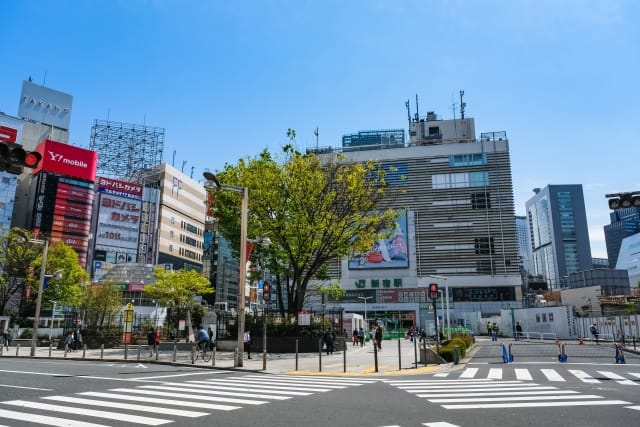
Table of Contents
-Illumination & Gourmet Events You Can Enjoy Around Shinjuku in December
-Numerous Christmas Events are Held Around Shinjuku
-Two Events Other Than Illuminations to Enjoy in Shinjuku
-Three Recommended Shrines and Temples for New Year's Eve in Tokyo
Illumination & Gourmet Events You Can Enjoy Around Shinjuku in December
Nishi-Shinjuku Illumination Market
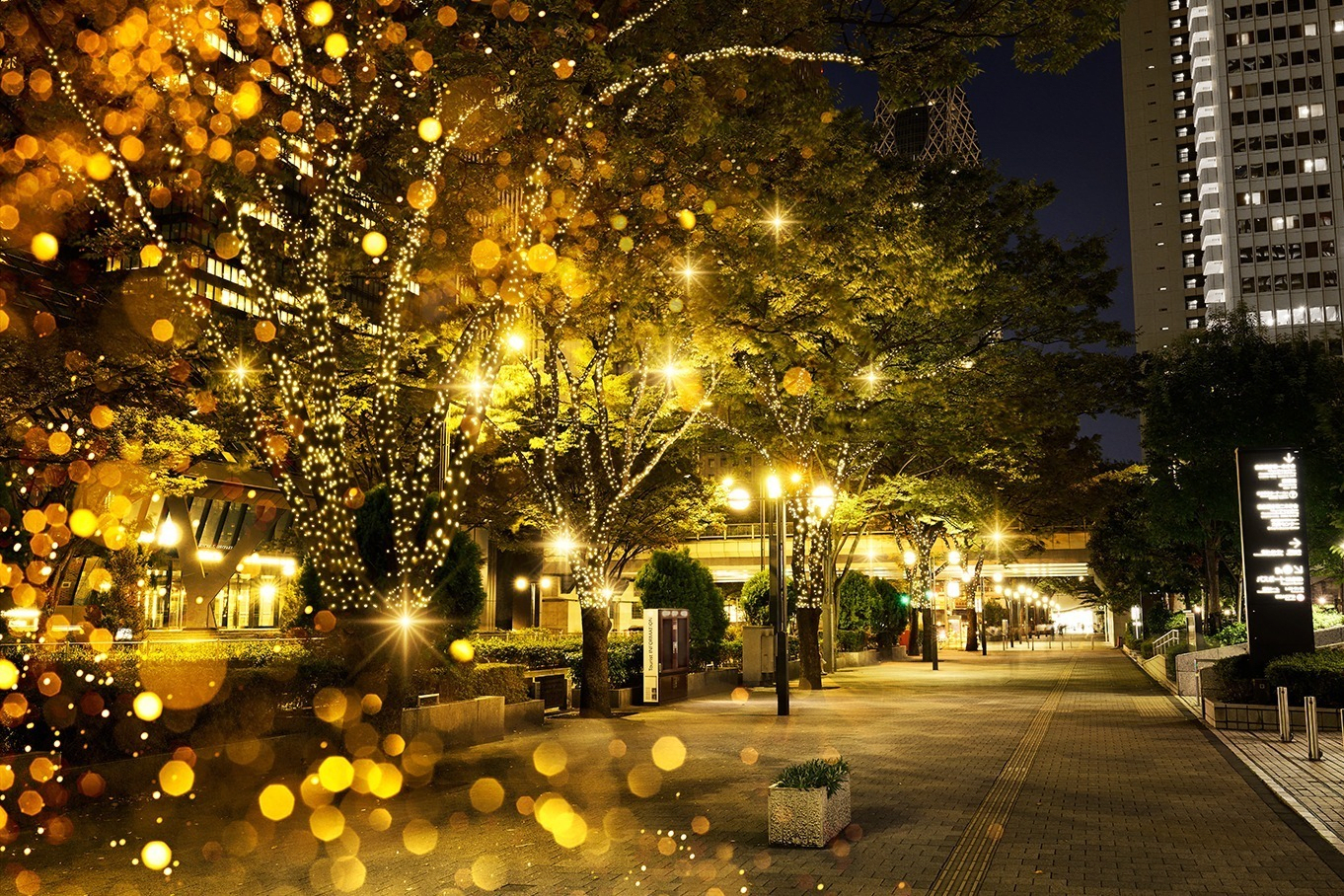
At the Nishi-Shinjuku Illumination Market, the streets of Nishi-Shinjuku are illuminated by approximately 200,000 LED lights. When you exit the west exit of Shinjuku Station, you can see the street trees on both sides of the approximately 200-meter road radiating a champagne gold glow.
LED lights are densely attached from the trunks to the branches, making it bright enough to feel dazzling. Walking through the vivid and dazzling light makes you feel very happy.
Also, during the Nishi-Shinjuku Illumination Market period, food trucks and markets are also open. You can casually taste Japanese food such as sushi and soba, and purchase miscellaneous goods and accessories that give you a sense of Japanese culture.
The sight of the entire street shining in golden color is a spectacular view that you cannot see much in other places.
<Information>
Schedule: Late November 2026 – Early January 2027
- Access:
10-minute walk from Shinjuku Station (JR Lines)
10-minute walk from Nishi-shinjuku Station (Tokyo Metro Marunouchi Line)
1-minute walk from Tochomae Station (Toei Oedo Line)
Admission: Free
Belgian Beer Weekend
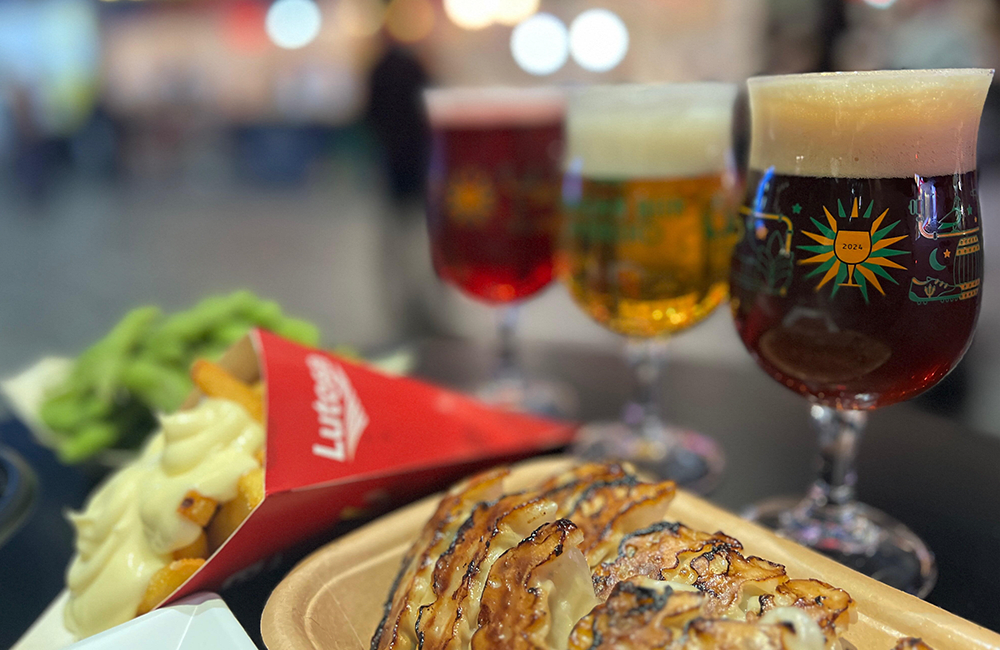
Belgian Beer Weekend is an event where you can enjoy Belgian beer, which has been registered as a UNESCO Intangible Cultural Heritage.
Belgium produces more than 1,600 varieties of beer. At the venue, you can sample around 15 types and 69 or more varieties of beer, including classics, rotating daily selections featuring a variety of spices, and high-alcohol beers available only in winter.
You can also enjoy food pairings perfectly suited to beer, such as chocolate, cheese, and potatoes. Lutosa potatoes, one of Belgium's most iconic brands, are a must-try alongside a cold beer when you visit the event.
At the venue, brewery staff talk shows and live performances by a musical ensemble are held, making it even more enjoyable to savor Belgian beer while soaking in an authentic local atmosphere. Come and experience Belgian beer with over 1,000 years of tradition and a rich cultural heritage.
<Information>
- Schedule: December 2-6, 2026
- Venue:Shinjuku Sumitomo Bldg. - Sankaku Hiroba
- Access: Directly connected to "Tocho-mae Station" A6 Exit (Oedo Line)
- Admission: From JPY 2,700 (including beer; based on 2025 information)”
- Website: https://belgianbeerweekend.jp/en
- Instagram:https://www.instagram.com/bbwjapan/?hl=ja
Shinjuku Park Tower Winter Illumination
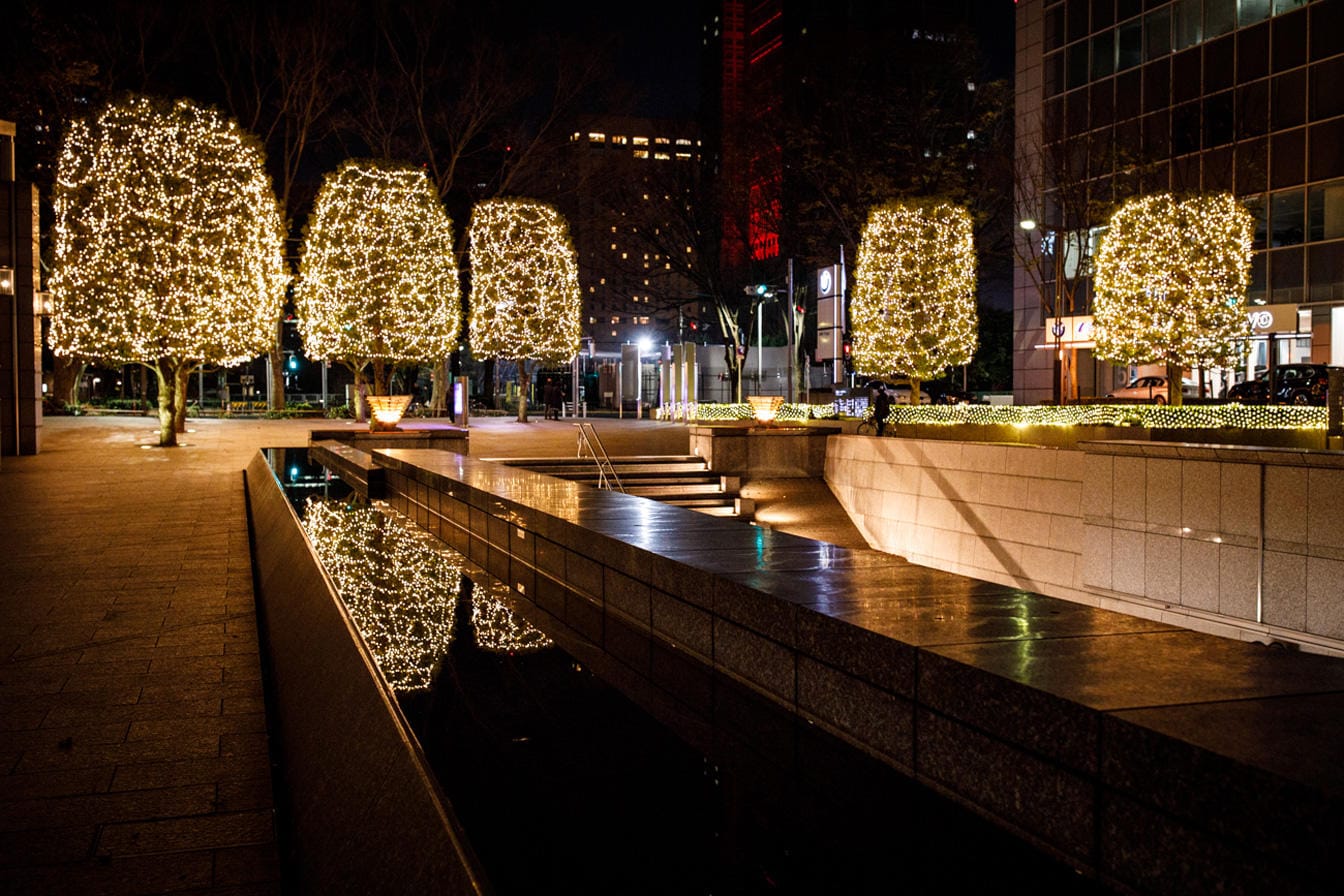
At Shinjuku Park Tower, the fountain plaza is illuminated with approximately 60,000 LED lights. It is unified in warm colors, and you can enjoy a peaceful and beautiful scenery. Also, the sight of the illumination lights reflecting on the fountain and the illumination floating in the darkness of the background are very calming.
In contrast to the bright and exciting atmosphere of the Nishi-Shinjuku Illumination Market I introduced earlier, this illumination spot is attractive because you can enjoy a mature and relaxed atmosphere. It's the perfect place to spend time leisurely while viewing the beautiful scenery.
I really enjoy talking with family and friends while looking at the illumination at Shinjuku Park Tower. I also sometimes think about various things slowly by myself.
<Information>
Schedule: Early November 2026 – Mid February 2027
Access: JR Line: About 12 minutes walk from Shinjuku Station South Exit
Admission: Free
Website: https://www.shinjukuparktower.com/en/
Shinjuku Kabukicho Kuyakusho-Dori Illumination
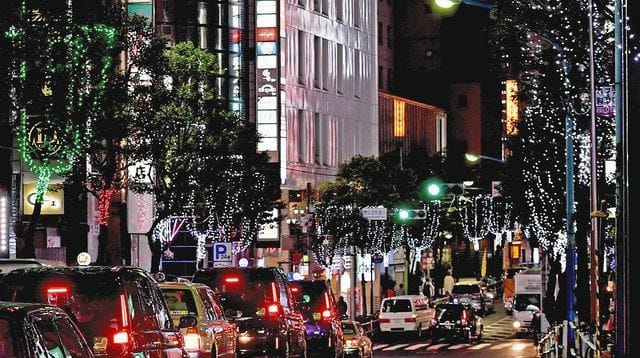
In Kabukicho, one of Japan's leading entertainment districts, you can enjoy illuminations with a wine motif. Approximately 90 trees on Kuyakusho-Dori Ave are decorated so that the trunks look like the stems of wine glasses and the spreading branches look like the glass portion. The sight of wine glasses appearing to line up all the way down the street is very characteristic of Kabukicho, an entertainment district.
Kuyakusho-Dori Ave, where you can see the illuminations, is an area with good security within Kabukicho. When I visited around 9 PM last year, I didn't have any particularly scary experiences, so I think women and children can safely visit at early hours. Also, since the nightlife-rich area of Kabukicho is right nearby, I also recommend it for people who want to enjoy nightlife in Kabukicho.
<Information>
Schedule: Early November 2026 – Late February 2027
Access: 3 minutes walk from JR Shinjuku Station
Admission: Free
Website: https://city-shinjuku.j-server.com/LUCAISHINJ/ns/tl.cgi/https://www.city.shinjuku.lg.jp/whatsnew/pub/2023/1101-02.html?SLANG=ja&TLANG=en&XMODE=0&XCHARSET=utf-8&XJSID=0
(*Information is from 2025)
Candle Night at Shinjuku East Square
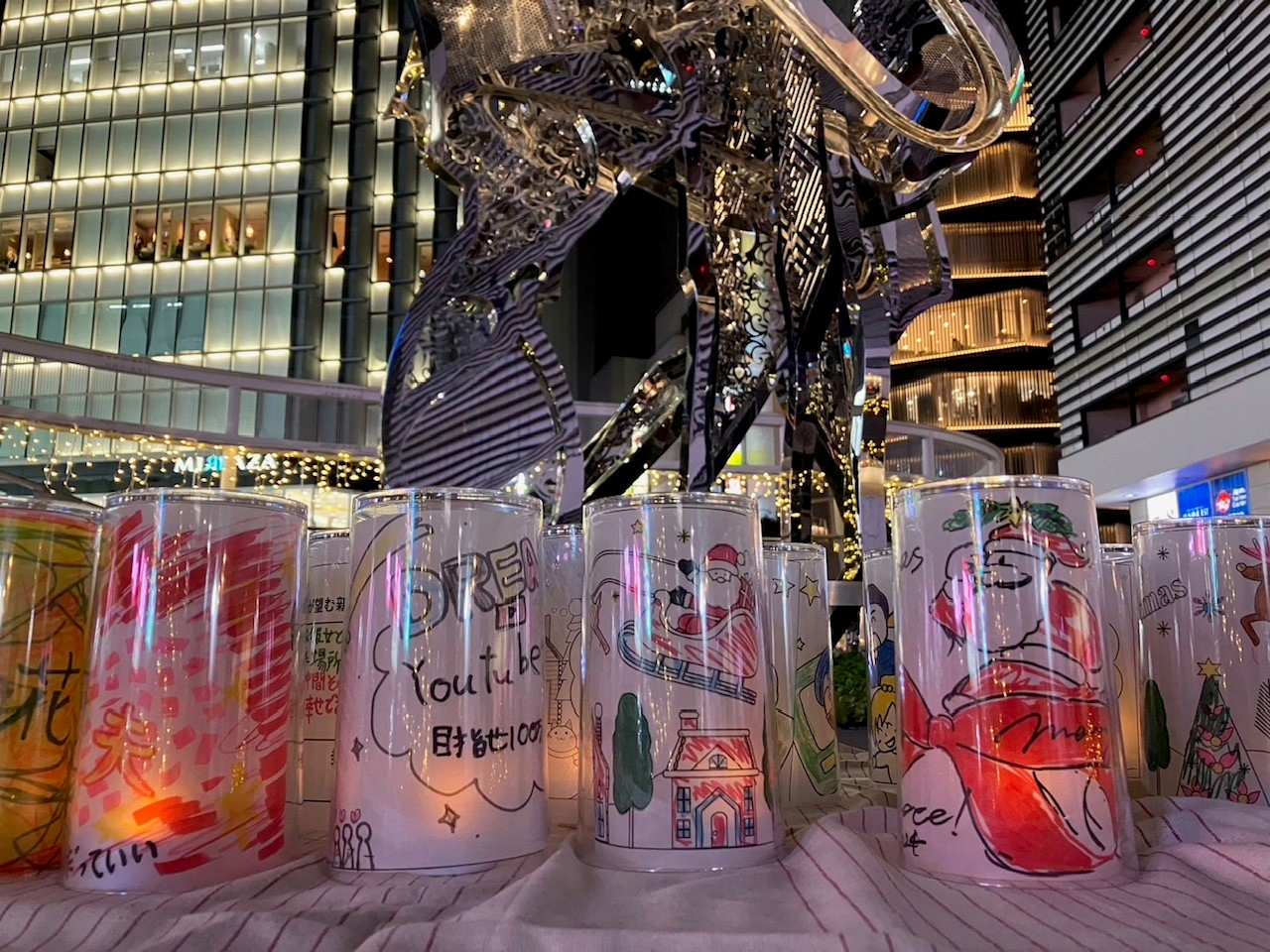
At Shinjuku Station East Exit Plaza, a Candle Night event is held, where charming candles illuminate the plaza.
The highlight of the event is the chance to create your own original candle by coloring in an illustration prepared at the venue and writing a personal message on it. Each candle displayed at the venue carries an individual message, and you can feel a sense of warmth from every single one.
Local students also put on art and music performances at the venue, filling the space with a lively atmosphere. Families enjoying the coloring activity can be spotted throughout, and it truly feels like an event that everyone can enjoy.
In between shopping and sightseeing, take a moment to color in a candle illustration, create your very own original candle, and add your own touch to the Shinjuku Event December 2026 atmosphere at the venue.
<Information> - Dates: December 2026 (TBA) - Venue: Shinjuku Station East Exit Plaza - Access: 6-minute walk from Shinjuku Station (JR Lines)
- Admission: Free - Website: https://x.com/cn_shinjuku
In Addition to Illuminations, You Can Enjoy Numerous Excellent Foods in Shinjuku!
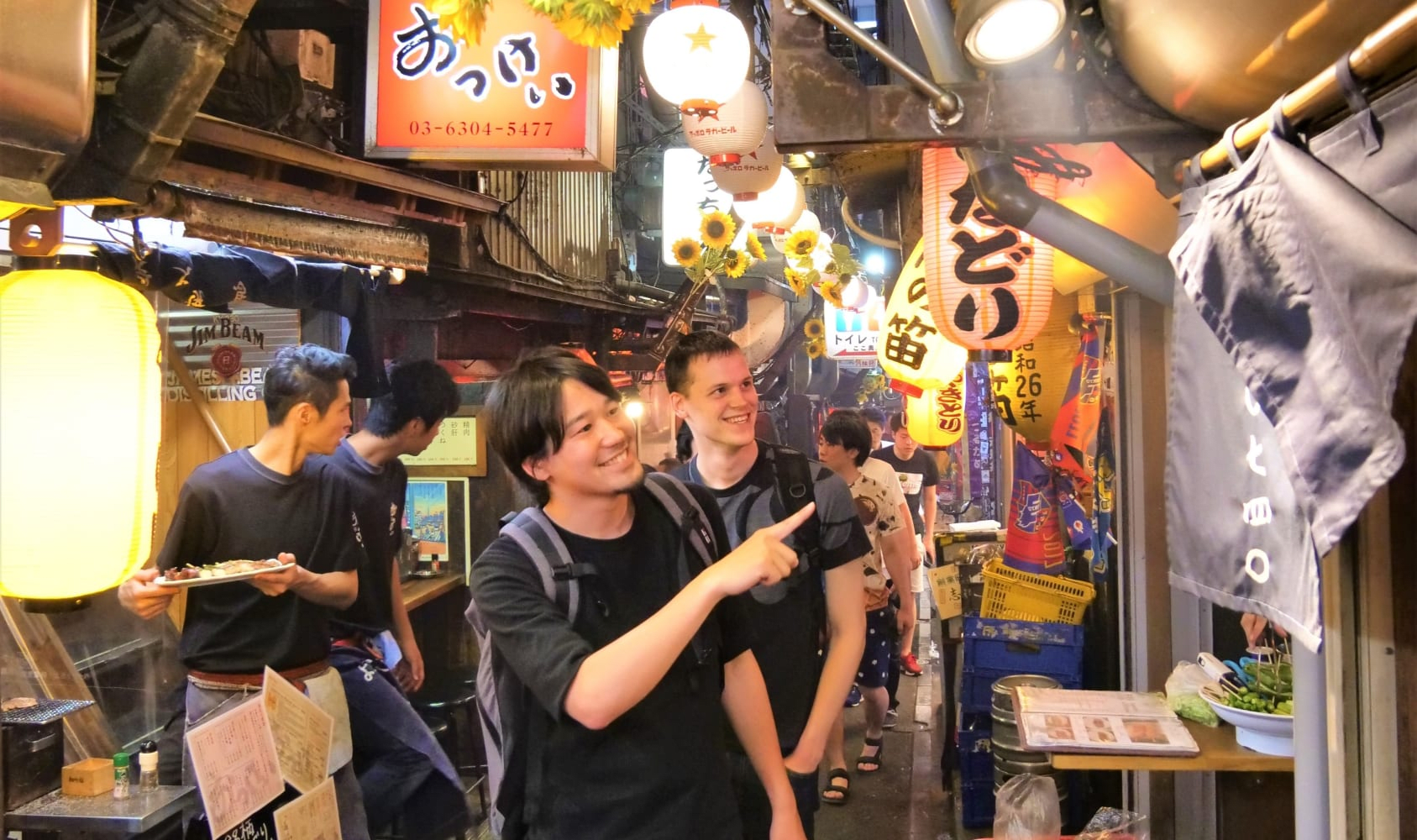
Shinjuku is also famous as a gourmet city. I will introduce two tours that are perfect for enjoying Shinjuku gourmet food.
First, the Tokyo Bar Hopping Night Tour in Shinjuku allows you to visit three Japanese-style bars while savoring alcoholic drinks and classic local foods that are standard at drinking parties. It is recommended for people who are interested in Japanese drinking culture or who like alcohol.
Next, the Tokyo Night Foodie Tour in Shinjuku allows you to enjoy traditional classic Japanese food such as sushi, wagyu beef, and Japanese sweets. It is recommended for people who want to eat authentic Japanese cuisine.
The common point of the two tours is that they are guided by local tour guides. The attractive point is that they take you to hidden gem spots that only locals know about. Also, the reason I recommend these two tours is that you can not only just eat Japanese food, but also learn knowledge about Japanese food itself and Japanese food culture.
<Tokyo Bar Hopping Night Tour in Shinjuku>
Meeting point: In front of black pillar (Next to Uniqlo Shinjuku Nishiguchi shop)
Tour area: Shinjuku
Start time: 17:00, 17:30, 18:00, 18:30, 19:00
<Tokyo Night Foodie Tour in Shinjuku>
Meeting point: In front of black pillar (Next to Uniqlo Shinjuku Nishiguchi shop)
Tour area: Shinjuku
Start time: 17:00, 18:00, 19:00
Numerous Christmas Events are Held Around Shinjuku
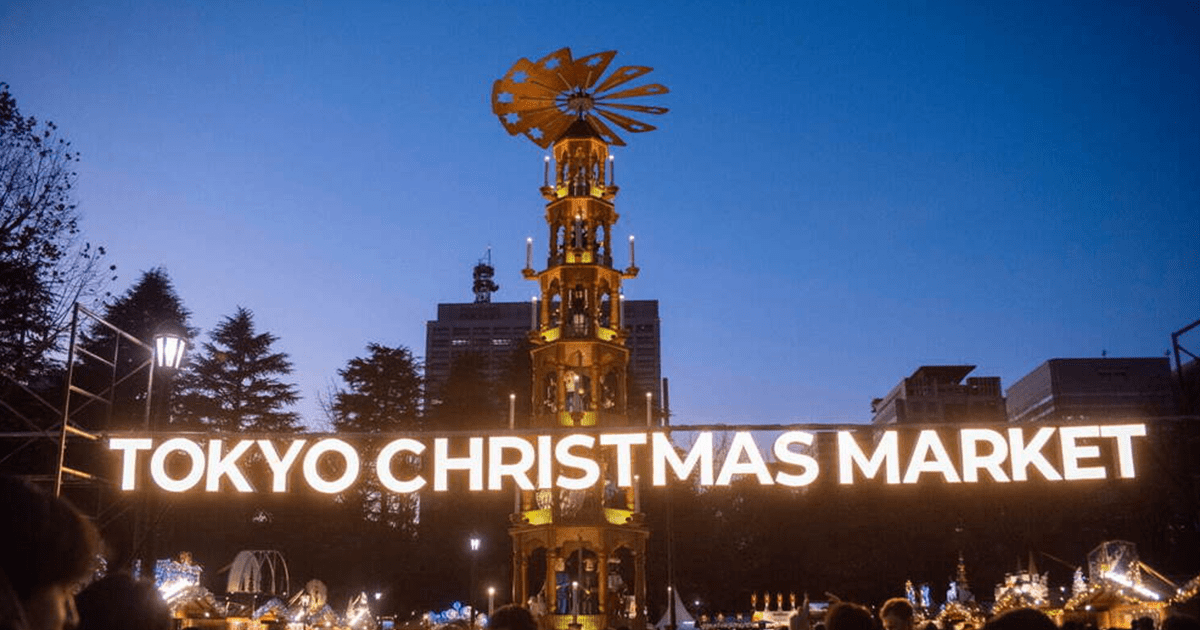
As Christmas approaches, various Christmas events take place not only in Shinjuku but throughout the area. My top recommendation is the Tokyo Christmas Market in Jingu garden. The impressive large Christmas pyramid that stands as a symbol is particularly striking. Hot wine, Christmas sweets, and Christmas goods are sold there. It's an enjoyable event where you can truly feel the Christmas atmosphere.
There are also many other Christmas events packed with excitement, such as the charity event Santa Parade Tokyo, where participants walk in parade formation dressed as Santa Claus, and Broadway CHRISTMAS WONDERLAND, a Christmas show featuring non-stop performances including singing, dancing, skating shows, and performances by Santa Claus.
Please experience Japanese Christmas culture for yourself.
Tokyo Christmas Market in Jingu gaien - Dates: Late November – December 25, 2026
- Venue: Jingu Gaien
- Access: 10-minute walk from Aoyama-itchome Station (Tokyo Metro Hanzomon Line / Toei Oedo Line)
- Admission (Based on 2025 information):
- - Nov 21 – Dec 19: Adults JPY 1,000 (weekdays) / JPY 1,500 (weekends & holidays), Children JPY 500, Preschool children Free
- - Dec 20 – Dec 25: Adults JPY 2,000, Children JPY 1,000, Preschool children Free
- Website: https://tokyochristmas.net/
Santa Parade Tokyo
- Date: November 2026
- Venue: Yoyogi Park
- Access: 3-minute walk from Harajuku Station (JR Yamanote Line)
- Admission (Based on 2025 information): Adults JPY 3,300, High school & university students JPY 2,200, Junior high school students and younger JPY 1,100
- Website: https://santarun.jp/en
Broadway CHRISTMAS WONDERLAND - Dates: December 2026
- Venue: Tokyu Theatre Orb (Shibuya Hikarie 11F)
- Access: Directly connected to Shibuya Station (JR Lines / Keio Inokashira Line) via the 2nd-floor connecting passage
- Admission (based on 2025 information): S seats JPY 11,800, A seats JPY 7,800
- Website: https://bcw-japan.jp/
Two Events Other Than Illuminations to Enjoy in Shinjuku
Anahachimanguu Winter Solstice Festival
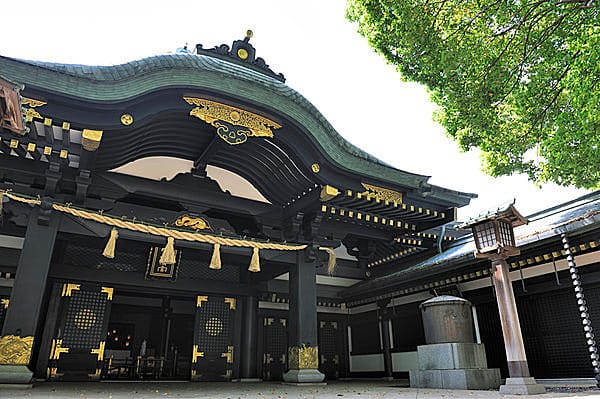
The winter solstice is the shortest day of the year, which falls on December 22, 2026. Days gradually become shorter leading up to the winter solstice, but after the solstice, days slowly become longer, and it is believed that things move in a positive direction.
From December 22, 2026 (the winter solstice) through February 3, 2026, a special amulet called Ichiyo Raifuku Omamori is distributed at Anahachimanguu. The Ichiyo Raifuku Omamori is an amulet that carries wishes for money to circulate without shortage or excess.
Actually, the Ichiyo Raifuku Omamori works by being attached to your home. Moreover, there are various rules about where to attach it, what time to attach it, how to attach it, how to remove it, and so on, and it won't be effective unless you follow all the rules. It may seem a bit challenging, but carefully checking the rules and actually carrying them out is highly recommended as it connects you to Japanese faith and beliefs.
<Information>
Date: December 22, 2026
Access: 5-minute walk from Exit 3B of Tokyo Metro Tozai Line "Waseda Station"
Admission: Free
Website: https://www.anahachimanguu.jp/ichiyouraifuku/
Joya no Kane (New Year's Eve Bell Ringing)
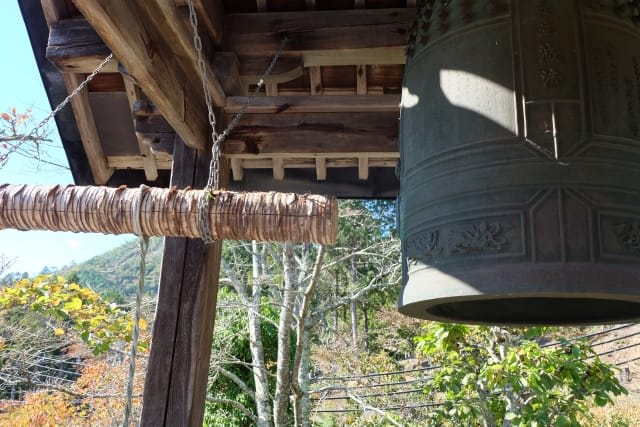
Joya no Kane refers to the custom practiced at temples throughout Japan of ringing a bell 108 times on the night of December 31. It is believed that humans have 108 earthly desires (bonnou), meaning emotions such as greed, anger, and complaints that cause us suffering. By ringing the bell 108 times, the Joya no Kane carries the wish to eliminate these desires one by one at the end of the year so that the next year can be spent happily.
Below, I'll introduce two temples in Shinjuku where you can enjoy Joya no Kane.
Shojuin
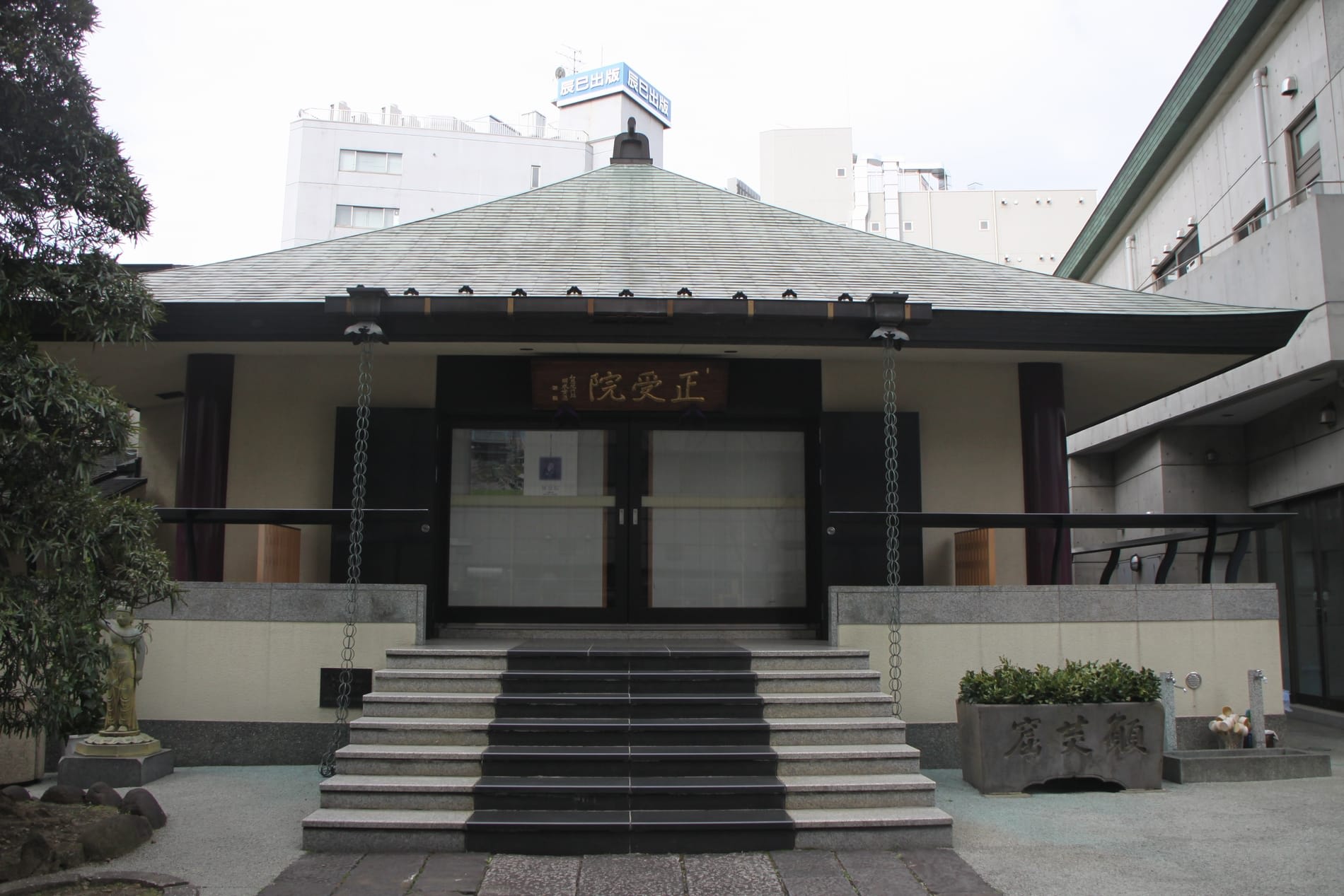
Shojuin is a temple cherished by local people as a place that provides memorial services for deceased fetuses and babies.
Joya no Kane is also performed at Shojuin. The recommended point about Shojuin is that general tourists can also ring the bell. I had the opportunity to ring it myself. The rope was heavier than I expected, and when I rang the bell, a surprisingly large impact resonated through my body. By feeling the sound of the bell with my whole body, memories of the past year came back to me, and I felt hope for the coming year.
By actually experiencing the solemn atmosphere and the weight of the bell's sound, you can reflect on both the current year and the coming year, which I highly recommend.
<Information>
Date: December 31 annually
Access: 5-minute walk from Shinjuku-gyoemmae Station Exit 3
Admission: Free
Website: https://www.kanko-shinjuku.jp/spot/-/article_371.html
Tenryu-ji Temple
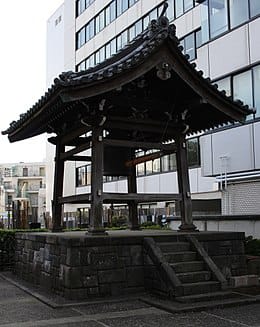
Tenryu-ji Temple is famous for its Bell of time. The Bell of time was used from the late 17th century to the 19th century to inform common people of the time when clocks were not yet widespread among the general public.
Today, with the widespread use of clocks, the Bell of time is rarely active. The Joya no Kane on December 31 is the one chance per year to hear the beautiful sound of the Bell of time. Doesn't it feel romantic to hear the same sound as hundreds of years ago, just once a year? While reflecting on the past year, please also think about the lives of people in the era when there were no clocks.
<Information>
Date: December 31 annually
Access: 3-minute walk from Toei Subway Shinjuku Line Shinjuku-sanchome Station
Admission: Free
Website: https://www.kanko-shinjuku.jp/spot/-/article_373.html
If You're Spending the Year-End and New Year Period in Shinjuku, Join the Countdown Event at Hanazono Jinja!
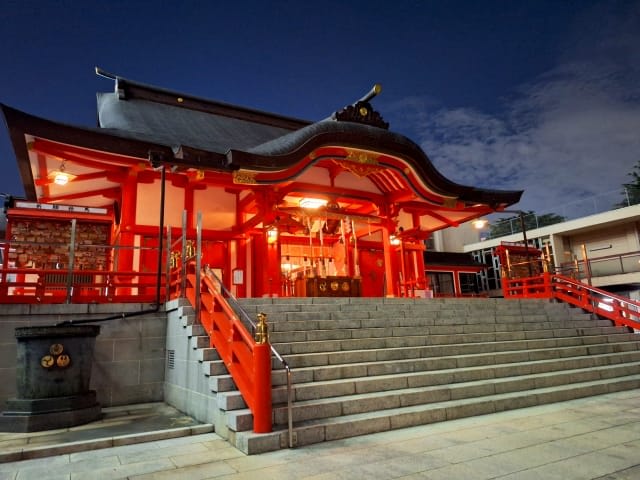
Hanazono Jinja is a verdant shrine that serves as an oasis in the metropolis of Shinjuku.
At Hanazono Jinja, a countdown is held at the moment the year changes. When everyone gathers in the shrine grounds and counts down loudly together, you can feel a sense of unity throughout the entire shrine, which is very enjoyable. The countdown at Hanazono Jinja is so enthusiastic that it attracts coverage from nationally broadcast television stations.
Additionally, Japan has a culture called "Hatsumode," which involves visiting a shrine at the beginning of the year. I recommend participating in the countdown at Hanazono Jinja and then doing your Hatsumode right there at Hanazono Jinja. You can spend an exciting time enjoying traditional Japanese performing arts including Japanese instrument performances and experiencing shrine worship.
<Information>
Dates: December 31 - January 1 annually
Access: 0-minute walk from Tokyo Metro Marunouchi Line/Fukutoshin Line/Toei Shinjuku Line "Shinjuku-sanchome Station" Exit E2
Website: http://hanazono-jinja.or.jp/ceremony/
Three Recommended Shrines and Temples for New Year's Eve in Tokyo
Sensoji
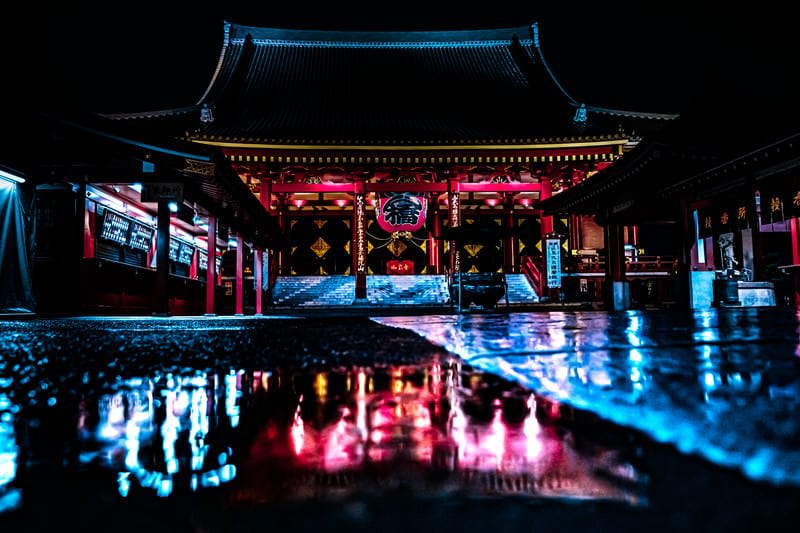
Sensoji, a famous tourist destination known for Kaminarimon, is also recommended for New Year's Eve. You can enjoy all the activities introduced so far: ringing the temple bell on New Year's Eve, New Year's countdown, and Hatsumode (first shrine visit of the year).
What makes Sensoji's New Year's Eve attractive is that you can enjoy food stall cuisine. You can eat various things such as candy sculptures, charcoal-grilled sweetfish, fried manju (sweet buns), and tonjiru (miso soup containing pork, vegetables, konjac, and more).
At Sensoji, many tourists and locals gather together to ring in the New Year in a lively and fun atmosphere. When I celebrate New Year's Eve with my group of friends from my student days, I often choose Sensoji.
<Information>
Schedule: Every year from December 31st to January 1st of the following year
Access: 5-minute walk from Asakusa Station on Tobu Skytree Line
Admission: Free
Website: https://www.senso-ji.jp/
Meiji Jingu Shrine
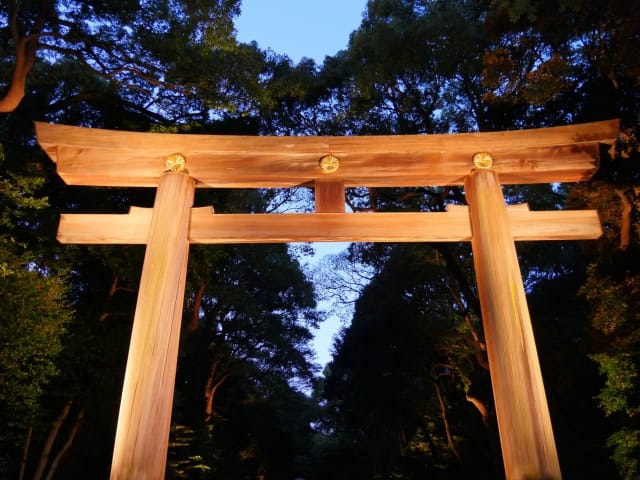
Meiji Jingu Shrine is a shrine where the emperor and empress from four generations ago are enshrined. The number of Hatsumode visitors is among the highest in the nation, with over 3 million people visiting every year.
Meiji Jingu Shrine is also a perfect place to spend the moment of the New Year. A huge monitor is installed in a position visible from the worship line, where you can watch live broadcasts of Shinto rituals. The attractive point of Meiji Jingu Shrine is that you can feel tradition and formality.
I often choose Meiji Jingu Shrine for New Year's Eve when celebrating with my family. It's recommended for people who want to welcome the new year with a solemn feeling while getting excited about the New Year.
<Information>
Schedule: Every year December 31st
Access: 9-minute walk from the exit of Sangubashi Station on Odakyu Odawara Line to the main hall
Admission: Free
Website: https://www.meijijingu.or.jp/
Tokyo Daijingu Shrine
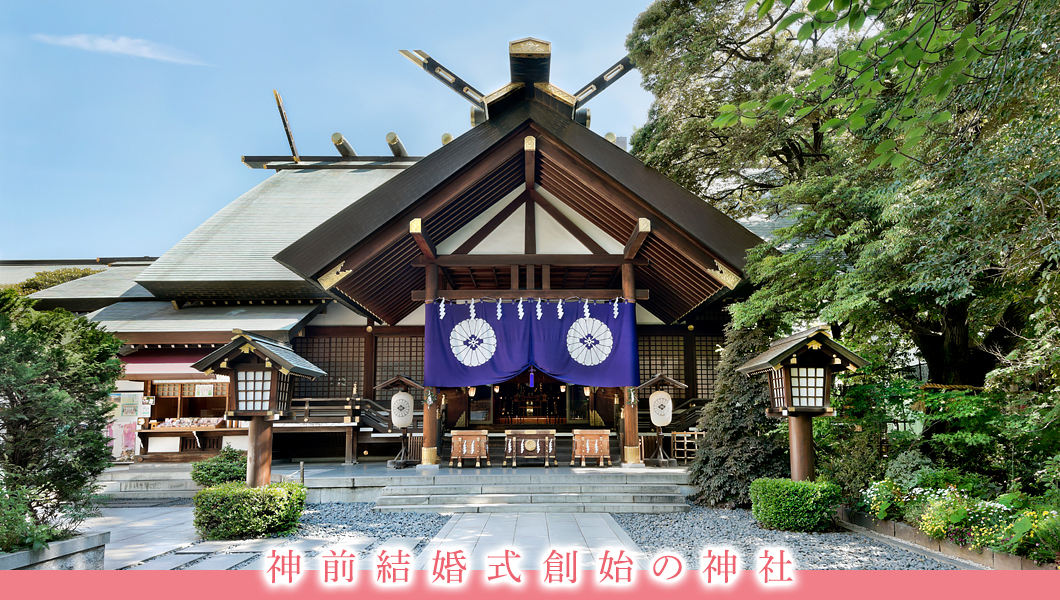
Tokyo Daijingu Shrine is a shrine visited by about 50,000 people for Hatsumode. Compared to Sensoji and Meiji Jingu Shrine introduced earlier, it has fewer crowds and you can ring in the New Year in a relatively calm and homely atmosphere.
Tokyo Daijingu Shrine is also a shrine famous for its deity of Enmusubi (building good relationships between people, including romance). Therefore, it's a shrine particularly popular with young women, and many people with romantic wishes they want to come true or those who want to get married visit.
It's a perfect place for people who want to build wonderful relationships throughout the year and spend time happily with their loved ones.
<Information>
Schedule: Every year December 31st
Access: About 5-minute walk from Iidabashi Station
Admission: Free
Website: https://www.tokyodaijingu.or.jp/
If You're Interested in Japanese Tradition and Culture, Walk Through Historical Streets with a Local Guide!
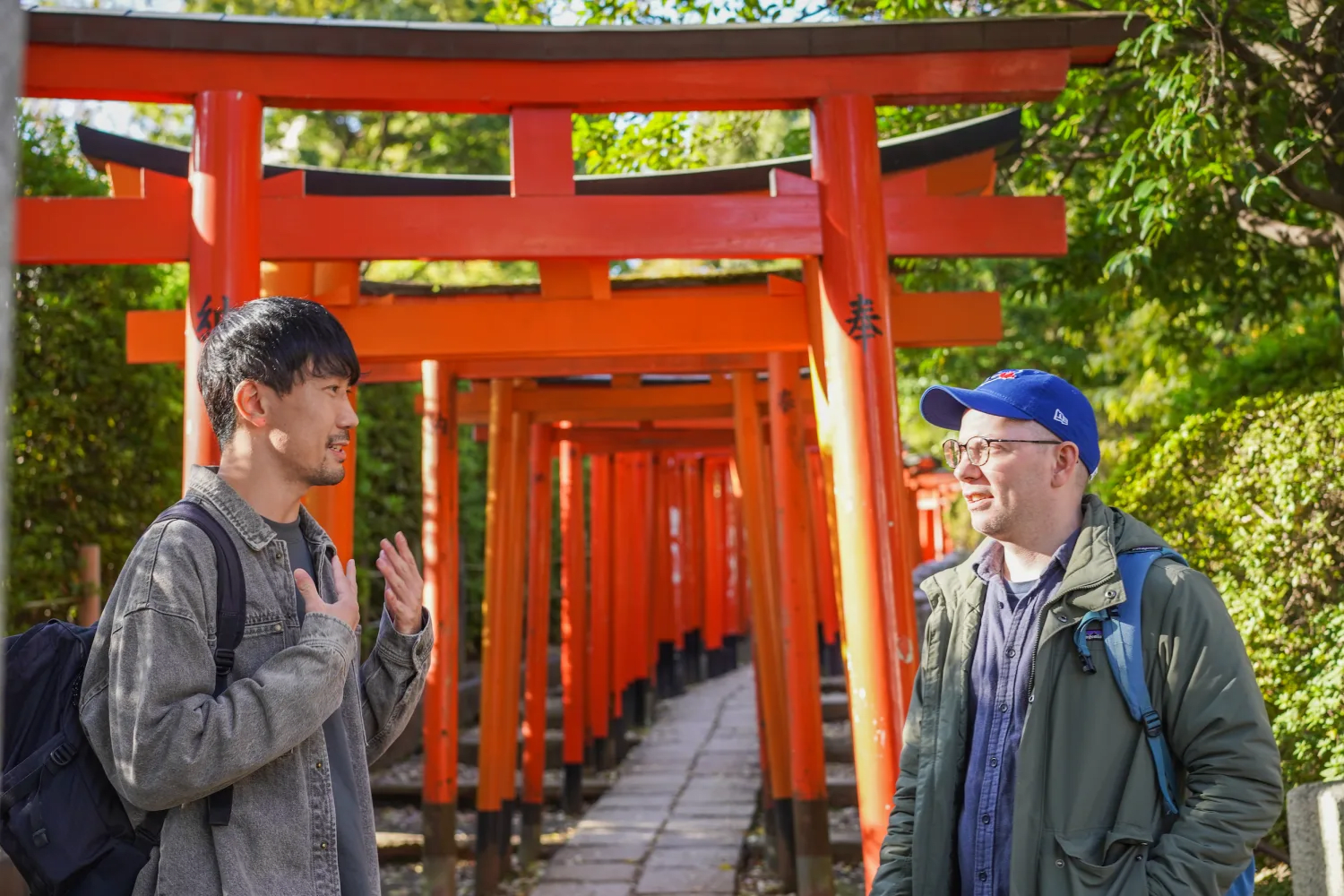
Finally, I'll introduce tours where you can experience Japanese tradition and culture while walking through the streets.
First, the Asakusa Cultural Walk & Matcha Making Tour not only takes you around popular Asakusa spots like Sensoji mentioned earlier, but also includes matcha experiences and exposure to local lifestyles.
The Yanaka Historical Walking Tour in Tokyo's Old Town takes you around Yanaka, an area that preserves Japan's old townscape. You'll enjoy Yanaka from corner to corner, visiting Tokyo's oldest shrine and experiencing painting lucky cat statues.
Both tours are guided by local guides. With their abundant knowledge, they'll resolve our questions and teach us how to enjoy Asakusa and Yanaka.
And above all, the experience of walking through the streets while talking with locals is sure to be unforgettable.
<Information>
Asakusa Cultural Walk & Matcha Making Tour
Meeting point: In front of Kaminarimon Police Box, Senso-ji
Tour area: Asakusa
Meeting time: 11:00
Yanaka Historical Walking Tour in Tokyo's Old Town
Meeting point: Outside of Tokyo Metro Nezu Station Exit 1
Tour area: Yanaka
Meeting time: 13:30