25 Kyoto Festivals & Events 2026: Complete Monthly Calendar & Guide by Locals
Kyoto, Japan's third most popular tourist destination that attracted over 12 million international visitors in 2023, inspired me to create this article based on a simple wish: "It would be really helpful to have a guide to events happening in Kyoto."
I've updated this article, which was originally published in October, to introduce international visitors to even more exciting events, including newly announced ones.
However, many foreign visitors leave Kyoto without fully experiencing its tourist attractions and beautiful Japanese culture. At Magical Trip, we offer tours with the hope that visitors can understand the culture and traditions like locals do, and fully appreciate what each tourist spot has to offer.
Our "Kyoto Night Foodie Tour" (ranked #6 among all TripAdvisor tours in 2024) and "Fushimi Inari Hidden Hiking Tour" (ranked #3 among all TripAdvisor tours in 2024) are particularly highly-rated Kyoto tours. When visiting Kyoto, we encourage you to make the most of your experience by joining Magical Trip tours.

If you’d like to compare different tours, be sure to check the Kyoto tour page or articles that compare Kyoto tours. By reviewing the tour details and highlights in advance, you’ll be able to enjoy Osaka sightseeing on a much deeper level through a local tour.
Introduction
The ancient capital of Kyoto, with its rich history and culture, hosts various traditional events and festivals throughout the year. 2026 is no exception.
From New Year's shrine visits to New Year's Eve bell ringing, there's a lineup of events that allow you to fully experience the charms of Kyoto's four seasons.
In this article, I'll introduce the main events to be held in Kyoto in 2026, organized by season. You can enjoy everything from traditional festivals to modern events, experiencing the diverse faces of Kyoto.
I've also included events to enjoy natural beauty such as cherry blossoms and autumn leaves.
Please use this event calendar as a reference when planning your trip and as a guide to deepen your understanding of Kyoto's culture.
Now, let me guide you through the world of captivating events unfolding in Kyoto in 2026!
Table of Contents
・Kyoto's 2026 Event Table
・New Year and Winter Events in Kyoto 2026 (January to February)
・Spring Events in Kyoto 2026 (March to Spring)
・Summer Events in Kyoto 2026 (June to August)
・Autumn Events in Kyoto 2026 (September to November)
・Year-end Winter Events in Kyoto 2026 (December)
If you're interested in "Pontocho Area", Check the article below.
・The Ultimate Guide to Pontocho: Kyoto's Most Enchanting Alley
If you're interested in "Gion Area", Check the article below.
・Kyoto Gion Guide: Things to Do and Travel Guide of Kyoto's Traditional neighborhood
Kyoto's 2026 Event (Annual Festivals) Table
Top 10 Must-See Kyoto Festival Ranking in 2026
| Event | Date | Overview |
|---|---|---|
| Gion Festival | July 1–31, 2026 Pre-Festival Float Procession: July 17 Pre-Festival・Yoiya: July 14–16 Post-Festival Float Procession: July 24 Post-Festival・Yoiya: July 21–23 | Kyoto’s most famous summer festival, featuring massive decorated floats parading through downtown and lively street celebrations. |
| Aoi Matsuri | May 15, 2026 | An elegant imperial-style procession with participants dressed in Heian-period court costumes, traveling from the Imperial Palace to Shimogamo and Kamigamo Shrines. |
| Jidai Matsuri | October 22, 2026 | A historical parade showcasing over 1,000 years of Kyoto history, with costumes representing different eras from samurai to court nobles. |
| Cherry Blossom Event in Temples & Shrines | Late March to early April 2026 | Seasonal spring events held at famous temples and shrines, where visitors can enjoy cherry blossoms with special night illuminations and cultural programs. |
| Miyako Odori | April 1–30, 2026 | A traditional dance performance by Kyoto’s geiko and maiko, celebrating the arrival of spring with elegant choreography and live music. |
| Gozan no Okuribi | August 16, 2026 | A dramatic summer ritual where giant bonfire characters are lit on surrounding mountains to send ancestral spirits back to the other world. |
| Yabusame at Shimogamo Shrine | May 3, 2026 | A Shinto horseback archery ritual in which archers shoot arrows at targets while riding at full speed, preserving ancient samurai traditions. |
| Moon Viewing (Kangetsu) | Around September 25, 2026 | An autumn cultural event where visitors admire the full moon in temple gardens, often accompanied by traditional music and tea ceremonies. |
| Arashiyama Momiji Festival | Around November 8, 2026 | A riverside autumn festival celebrating fall foliage with boat performances, traditional music, and seasonal scenery in the Arashiyama area. |
| "Kitano Festival" Shinko-sai and Kanko-sai | October 1–5, 2026 Shinko Festival: October 1 Kanko Festival: October 4 | Shinko-sai and Kanko-sai A two-day shrine festival featuring portable shrines, ritual processions, and cultural performances dedicated to the deity of learning and scholarship. |
Locals’ Picks: Kyoto’s Seasonal Highlights & Must-See Spots
Spring: A Beautiful Collaboration Between Cherry Blossoms and Shrines and Temples That Feels Distinctly Japanese
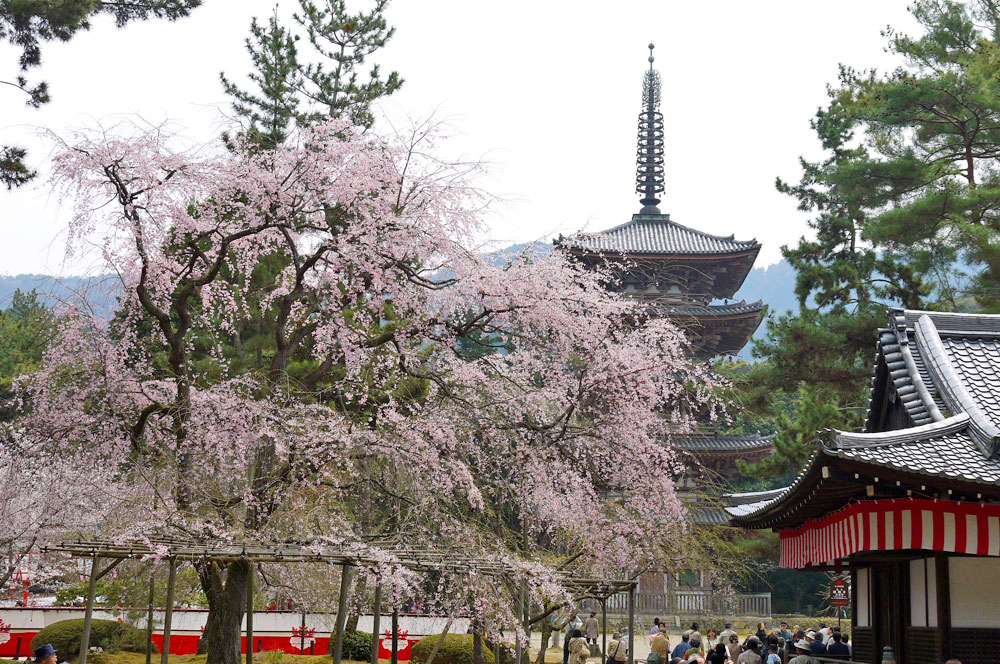
Kyoto is home to many famous cherry blossom spots, and simply walking through the city is enough to feel the arrival of spring.
That said, the place I most want to recommend is the cherry blossoms at Daigo-ji Temple, a UNESCO World Heritage Site. Within the temple grounds, different varieties of cherry trees bloom one after another over a period of about three weeks, allowing visitors to enjoy hanami for an extended time. The view of the five-story pagoda framed by cherry blossoms is the very symbol of a Japanese spring.
However, Daigo-ji is one of the most popular cherry blossom destinations in all of Kyoto, and the grounds get quite crowded during peak bloom.
That's why I make a point of targeting the early-morning exclusive viewing sessions every year. These sessions offer access at hours outside the normal visiting times, and occasionally allow entry into areas that are otherwise closed to the public. There is something truly special about taking in the cherry blossoms in the grounds before the crowds arrive.
Summer: A Series of Breathtaking Festivals That Define Kyoto's Summer
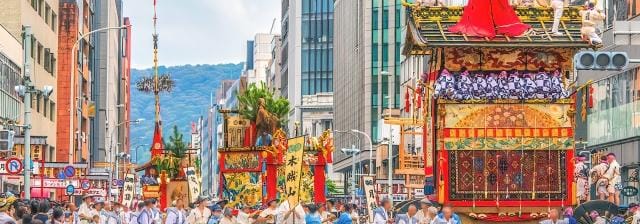
When it comes to festivals that define summer in Kyoto, nothing compares to the Gion Matsuri, held throughout the entire month of July. For many locals, summer doesn't feel like it has truly begun until they've experienced it — that's how central it is to life in Kyoto.
My personal recommendations are the festivals held at Shimogamo Shrine and Mibu-dera Temple.
The Mitarashi Festival, held at Shimogamo Shrine in late July, is a Shinto ritual in which participants wade into the cool waters of the Mitarashi Pond to pray for good health and freedom from illness. It is a summer tradition deeply woven into everyday life, one that locals return to year after year as a matter of course.
Also not to be missed is the Mibu Rokusai Nembutsu, held at Mibu-dera Temple in August. This is a powerful and dynamic form of folk performing art in which performers dance while beating drums and gongs, and it has been designated as an Important Intangible Folk Cultural Property by the national government. In the local community, it continues to be passed down as an important observance held during the Obon season.
Autumn: Autumn Foliage and Spectacular Illuminations at Arashiyama and Shrines and Temples
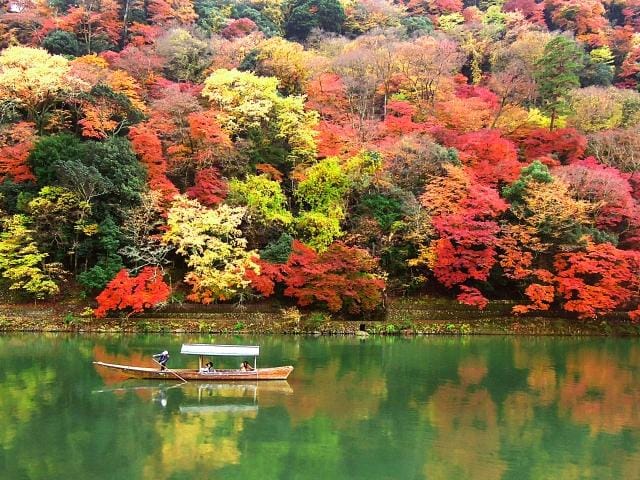
In Arashiyama, celebrated as one of Kyoto's premier autumn foliage destinations, the area around Togetsukyo Bridge and the surrounding temples and shrines are transformed into rich shades of red and orange, creating a landscape that is uniquely autumnal.
On the Sagano Scenic Railway's trolley train, visitors can enjoy a magical journey gazing out the window at illuminated mountainsides and the Hozu River below.
Beyond Arashiyama, Eikan-do is widely recognized as another outstanding spot for autumn foliage. The maple trees blanketing the temple grounds, combined with the special evening viewing sessions, make for an impressive experience, and the temple is a beloved autumn staple even among locals.
Tofuku-ji, a temple cherished by locals, offers a breathtaking view of autumn foliage spreading out from Tsuten-kyo Bridge. For many people in Kyoto, it is a place that holds fond memories of school field trips and family outings, making it a spot that is deeply etched into the hearts of the city's residents.
Winter: A Rich Lineup of Cultural Events for Experiencing Japanese Tradition at Its Deepest
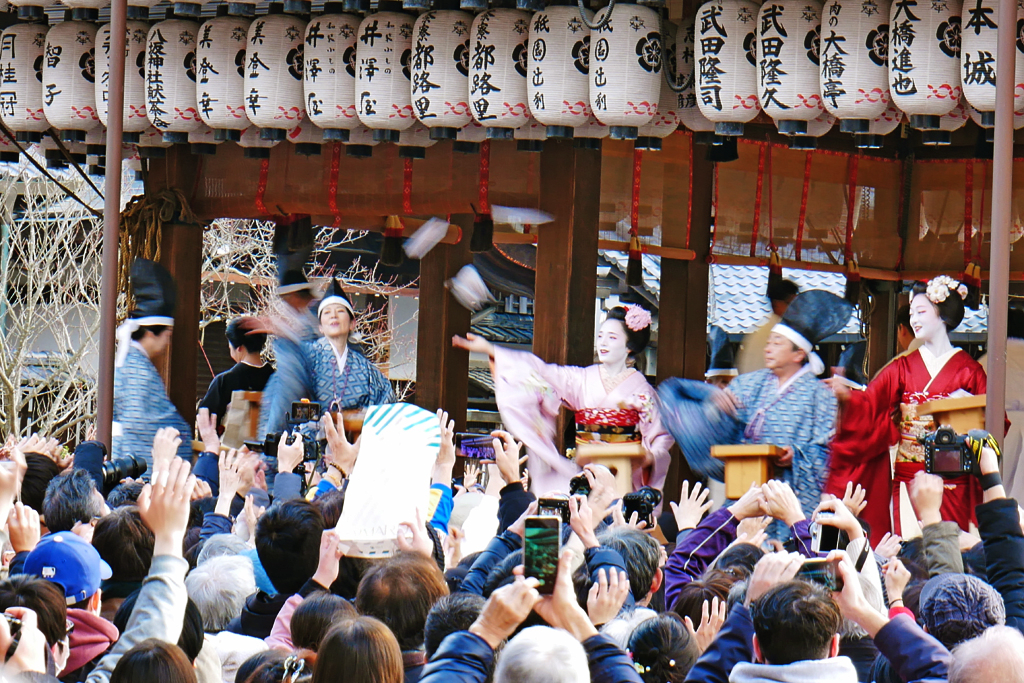
Winter in Kyoto is filled with cultural observances that offer a profound sense of Japanese tradition. These include New Year's Shinto rituals and the ringing of temple bells on New Year's Eve, as well as Setsubun purification rites — a succession of events that mark important turning points in the year.
One cultural event I find to be especially representative of Kyoto is the Setsubun Festival at Yasaka Shrine. This is one of the standout Kyoto Events 2026 that should not be missed by any visitor with an interest in authentic local tradition.
At the Setsubun Festival, geiko and maiko perform dedicated dances in the shrine's dance hall, after which the bean-throwing ceremony takes place.
The sight of elegant dance and purification ritual unfolding side by side is something that conveys the genuine, living traditions of Kyoto — a world apart from any tourist-oriented event.
Summer Events in Kyoto 2026 (June to August)
Kyoto's summers are harsh in terms of heat, but they're packed with events to compensate.
In particular, the Gion Festival is a major event representing Kyoto's summer, enveloping the entire city in a festive mood. You can also fully enjoy the charms of Kyoto's summer with summer-specific experiences like riverside dining and night walks.
Join a guided tour and spend a memorable summer time in Kyoto!
・Ultimate Kyoto Tours Guide 2026: Best Seasonal Experiences for Spring Cherry Blossoms, Summer Festivals, Autumn Foliage & Snowy Landscape
Notable Events in June 2026
June is the rainy season, with more frequent rainfall. However, the scenery of rain-soaked stone pavements and gardens has a unique Kyoto-like atmosphere and charm.
Also, during this time, hydrangeas reach their peak, beautifully coloring the gardens of temples and shrines.
June is centered around traditional events preparing for the arrival of summer. The heat isn't too severe yet, so I think it's a good time to leisurely experience Kyoto's culture.
Nagoshi no Harae (June 30, 2026)
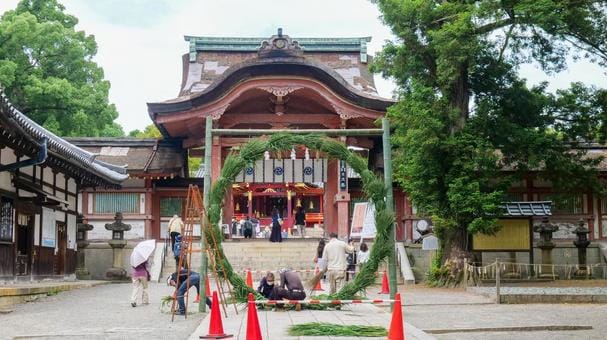
Nagoshi no Harae is a traditional event to purify the sins and impurities of the past half year and spend the remaining half year in purity.
Many shrines perform "Chinowa kuguri", where people pass through a large ring made of cogon grass (chigaya). Passing through this ring is believed to purify body and mind.
It's held at many shrines including Kamigamo Shrine, Yasaka Shrine, and Kitano Tenmangu Shrine, but note that it's not held at temples.
Kamigamo Shrine
Yasaka Shrine
Kitano Tenmangu Shrine
More Detailed Information About "Shrines where the Nagoshi no Harae takes place"
・Yasaka Jinja Shrine: A Comprehensive Guide
・Top 9 Best Temples and Shrines; Must-Visit for First-Timers!
Hydrangea Garden Open at Mimurotoji Temple (From late May to early July 2026)
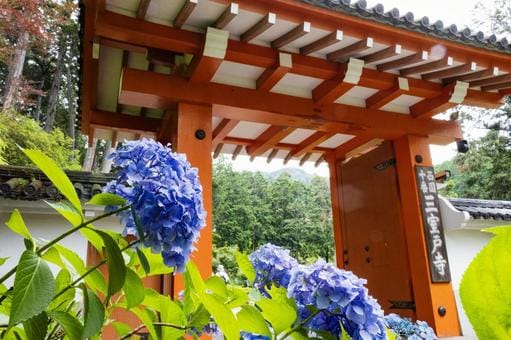
Mimurotoji Temple in Uji is famous for its hydrangeas, and every June it overflows with beautiful hydrangea flowers. About 20,000 hydrangea plants color the garden.
At night, it's also illuminated, allowing you to enjoy a completely different, fantastical atmosphere from daytime. I always make sure to visit both during the day and at night to experience the contrasting beauty.
Related Article
・Kyoto in June 2026: Highlights, Events & Festivals
In June, Kyoto hosts many powerful traditional events leading up to the peak of summer. Check out this article and enjoy these impressive events that will blow away the summer heat in Kyoto!
June is the perfect time to fully experience the traditions of Kyoto, a city renowned for its historical significance. If you want to dive deeper into Kyoto's traditions, we recommend booking a Magical Trip tour in advance.
On these tours, knowledgeable guides who are experts in Kyoto's culture will show you the highlights and must-see events.
Plus, by gaining a deeper understanding of Kyoto's traditions and culture during the tour, you'll be able to appreciate the rest of your time in Kyoto even more.
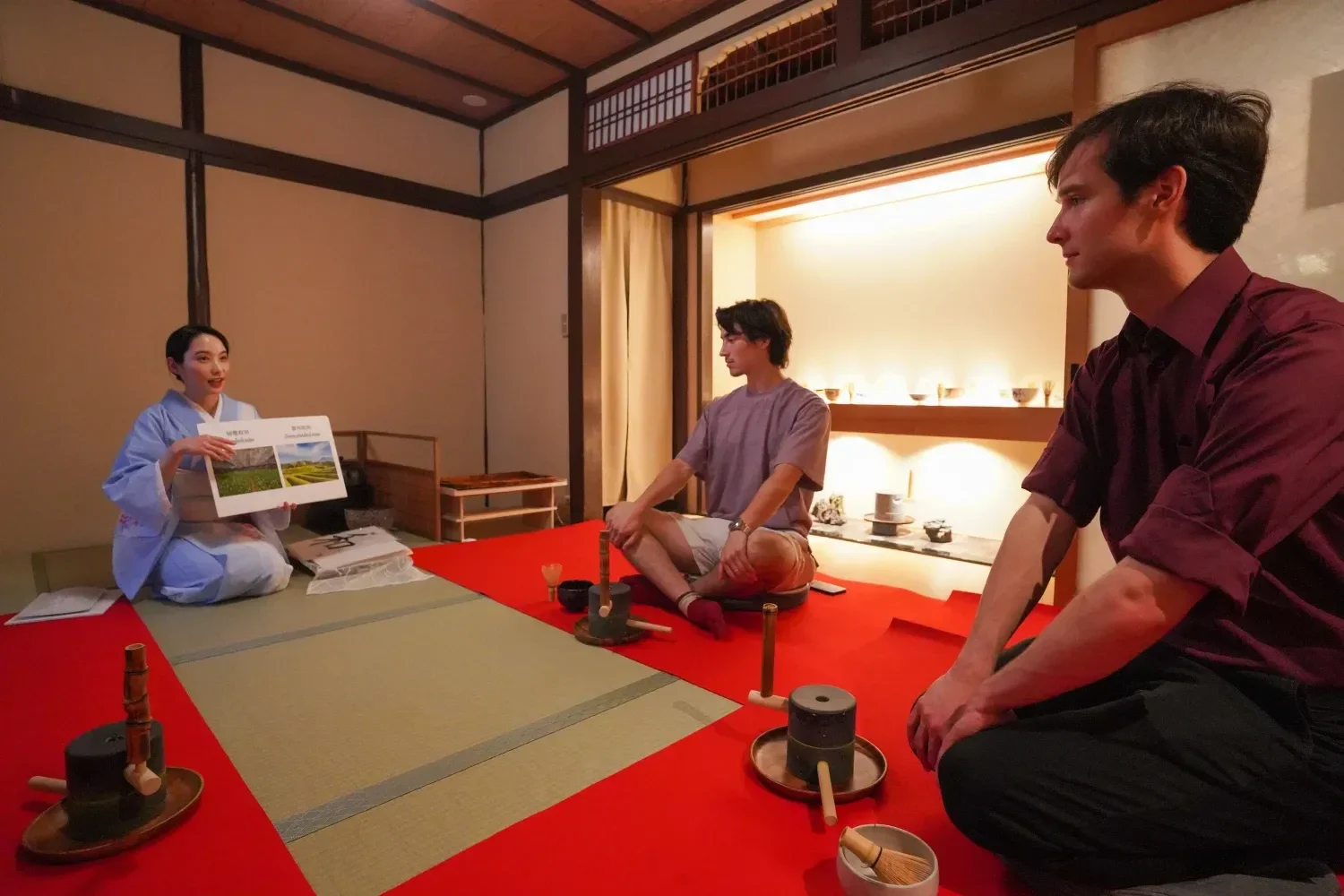
・Kyoto Tea Ceremony & Kiyomizu-dera Temple Walking Tour
・Kyoto Gion Tea ceremony & Wabi-sabi Walking Tour
Notable Events in July 2026
July marks the full arrival of summer, and it's the season of festivals. Among them, the Gion Festival is a major event representing Kyoto's summer, enveloping the entire city in a festive mood.
As the heat becomes intense, make sure to take precautions against heat exhaustion while enjoying the events.
Gion Festival (July 1-30, 2026)
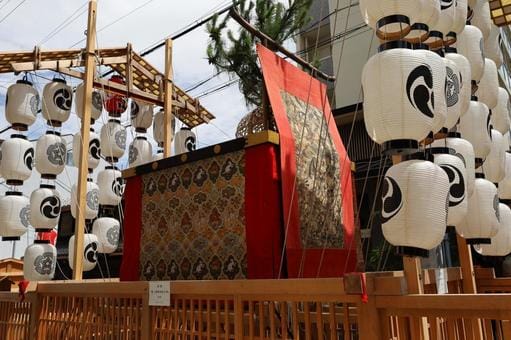
The Gion Festival, held at Yasaka Shrine, is one of Japan's largest festivals, lasting for a month from July 1st to July 31st every year.
Particularly on July 17th, there's a parade of "Yamahoko" floats, when the city is at its most lively. The sight of giant floats parading through the city is spectacular, and once you see it, you'll never forget the impact. I always make sure to secure a good viewing spot early in the day.
More Detailed Information About "The Gion Festival"
・Kyoto Gion Festival in July: Highlights
More Detailed Information About "Yasaka Shrine"
 sena kanda
Local's Insider Tips for Gion Festival
If you want to watch the yamahoko procession, Shinmachi Street is the place to be. It's not part of the official parade route, but the floats always pass through Shinmachi Street on their way back to their home neighborhoods after the procession.
You'll get much closer to the floats here than on the main boulevard. The lively festival music fills the air, and watching these enormous floats slowly make their way through the narrow street is an incredible sight.
You can also get a close-up look at the intricate decorations and fine craftsmanship.
Uji River Cormorant Fishing (July 1 - September 30, 2026)
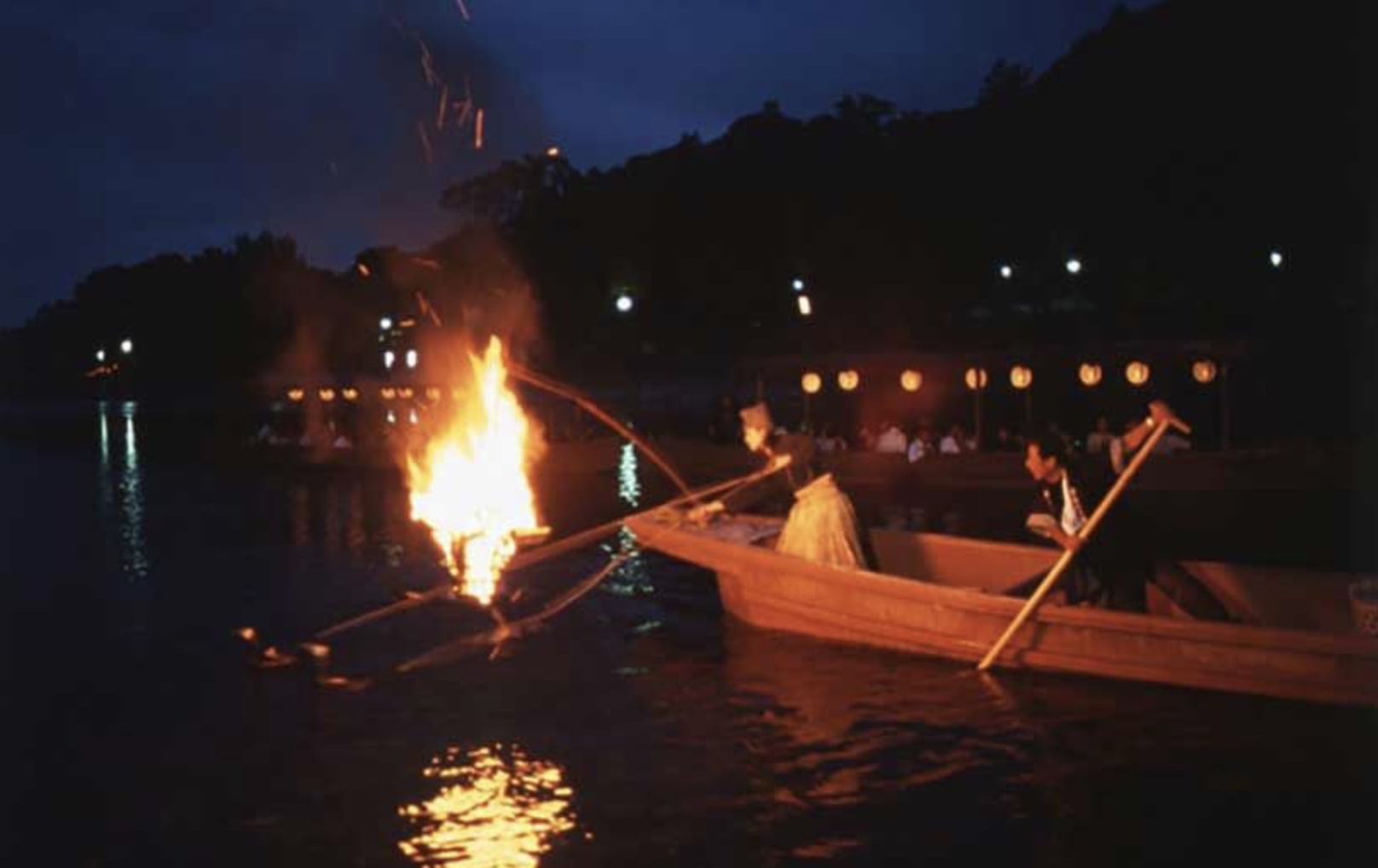
Uji River cormorant fishing (Ukai) is one of Kyoto's summer traditions. Fishermen called "usho" demonstrate a traditional fishing method using cormorant birds to catch fish like ayu (sweetfish).
It's held in Uji from June to September every year, typically operating from evening to night. Viewing boats operate to watch the cormorant fishing up close, allowing you to enjoy the spectacle from the boat. I've experienced it myself, and it's truly a unique and fascinating Kyoto summer experience.
More Detailed Information About "Uji River"
・Uji Perfect Guide: Immerse in Kyoto's History, Nature, and Tea Culture
Related Article
・Kyoto in July 2026: Highlights, Events & Festivals
July is when Kyoto truly comes alive. If you're planning to visit Kyoto in July, be sure to check out this article that covers the highlights and how to enjoy various events, including the famous Gion Festival, so you can fully experience this traditional city.
Since Kyoto has some of the highest summer temperatures in Japan, spending consecutive days visiting tourist spots in July can be extremely exhausting.
However, this makes the evenings all the more enjoyable, and exploring Kyoto at night while feeling the pleasant breeze is one of my favorite experiences.
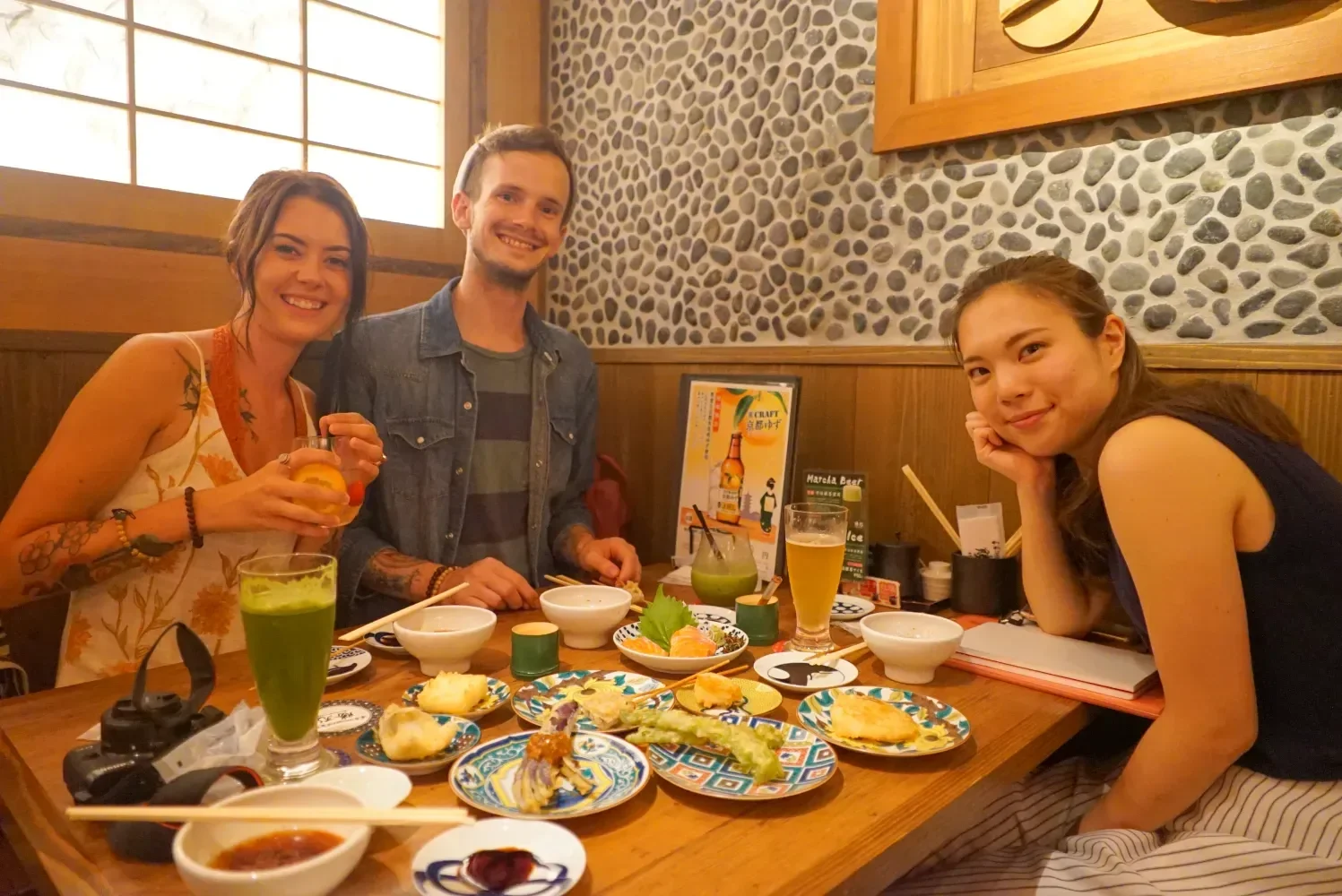
If you're visiting Kyoto during the hot month of July, I highly recommend joining Magical Trip's food tour to fully experience Kyoto's nightlife. You can thoroughly enjoy Kyoto's traditional food culture in comfortable weather conditions.
・Kyoto Bar Hopping Nightlife Tour in Pontocho
Notable Events in August 2026
In August, many traditional events related to "Obon", a period for honoring ancestral spirits, are held. Obon is typically from August 13th to 16th every year, and Kyoto's events are concentrated during this period.
As in July, it's important to note that it's a very hot season.
For other events such as the "Kitano Tanabata Festival" and "Arashiyama Toro Nagashi", please check the "August 2026 Event Article".
Gozan no Okuribi (August 16, 2026)
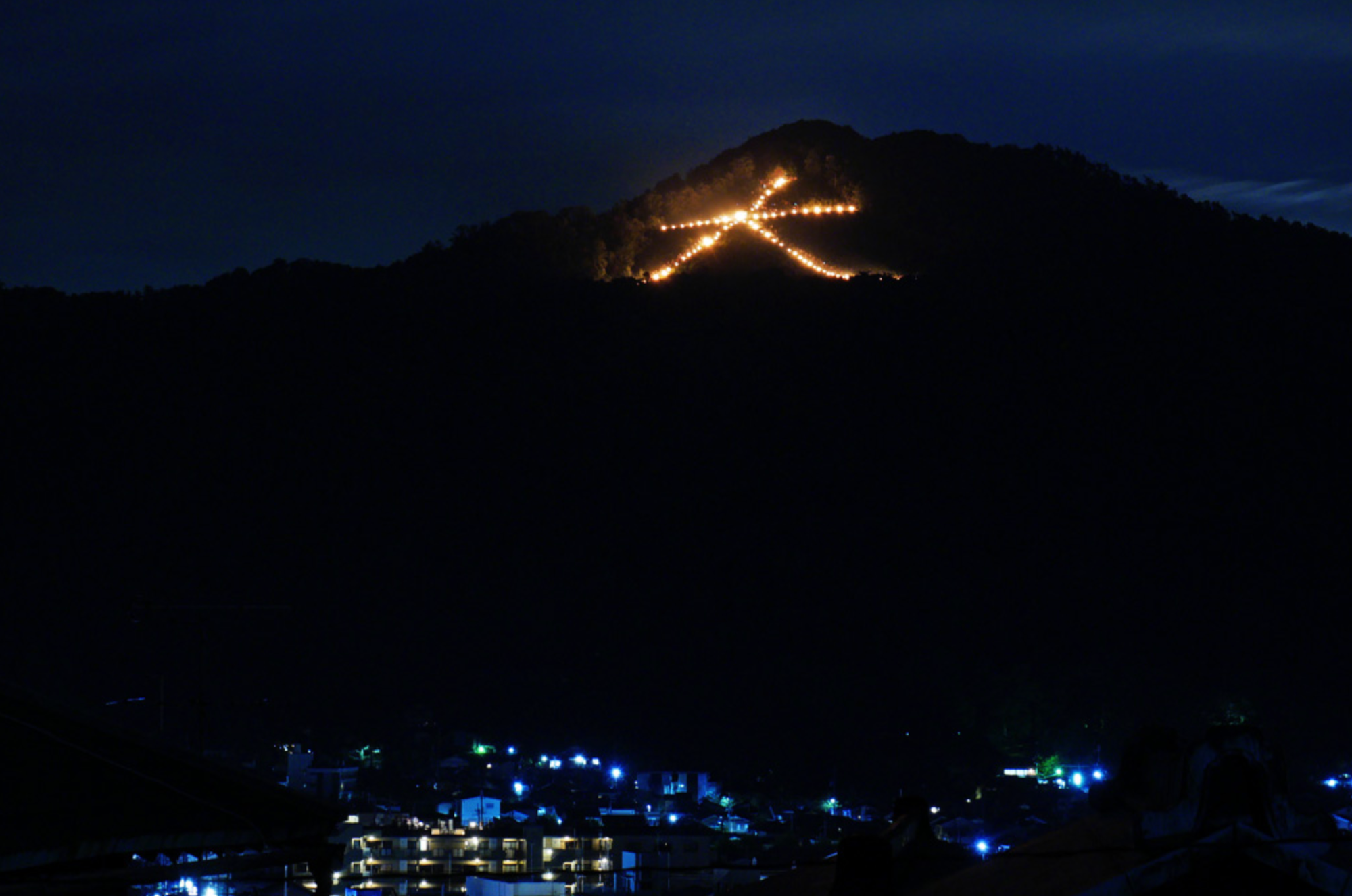
Gozan no Okuribi is a summer tradition in Kyoto held every year on August 16th. To send off the ancestral spirits welcomed during Obon, giant characters of fire are lit on five mountains in Kyoto City. For me, this spectacle symbolizes the end of Kyoto's summer.
The bonfires are lit in order from around 8:00 PM and continue burning for about 30 minutes. As the lighting time is slightly different for each mountain, it's possible to see multiple bonfires by staggering your viewing times.
More Detailed Information About "Traditional Events in Kyoto"
・Kyoto's 5 Most Spectacular Traditional Matsuri in 2026!
Local's Insider Tips for Gozan no Okuribi
Locals don't necessarily try to see all five mountain fires. Many simply face the mountain visible from their home or neighborhood and quietly press their hands together in prayer.
Every year, I watch Funagata (the boat-shaped mountain fire) and Daimonji (the character "大") from Kamikamo Bridge. It's relatively uncrowded, and you can take in the view at a calm, unhurried pace.
From this spot, you can also catch the moment when the fires are lit one by one, watching the characters and shapes gradually emerge from the darkness — something that makes this location especially special.
Arashiyama Toro Nagashi (August 16, 2026)
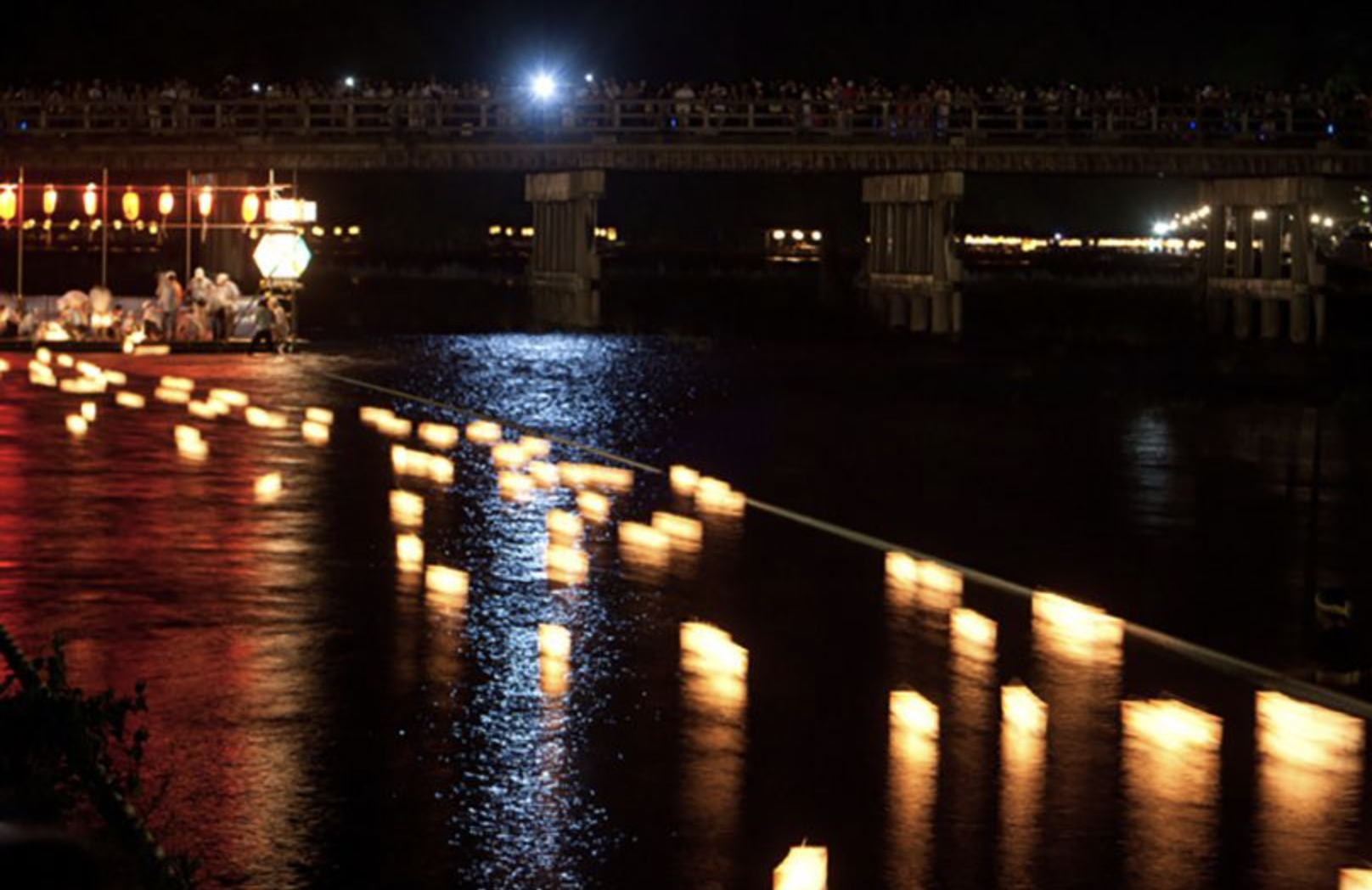
Arashiyama Toro Nagashi is a beautiful traditional event to honor ancestral spirits. Paper or wooden lanterns are lit and floated down the river to pay respects to ancestral spirits. In Arashiyama, it's usually held on August 16th, and I look forward to this fantastic spectacle every year.
As dusk falls, many people begin to gather on Togetsukyo Bridge and along the riverbank. When it gets dark, lanterns are gradually floated down the river. The numerous lights swaying on the river surface are incredibly beautiful and soothe the hearts of those who see them.
More Detailed Information About "Arashiyama Guide"
・Kyoto Arashiyama Perfect Guide: Famous Spots, Hidden Gems, and Restaurants
Related Article
・Kyoto: Events & Festivals in August 2026
In Kyoto in August, you can enjoy various events celebrating Japanese traditions. This article compiles only the "events truly worth attending" that take place in Kyoto during August, organized by category.
During the sweltering summer heat, enjoy Kyoto's nighttime food activities.
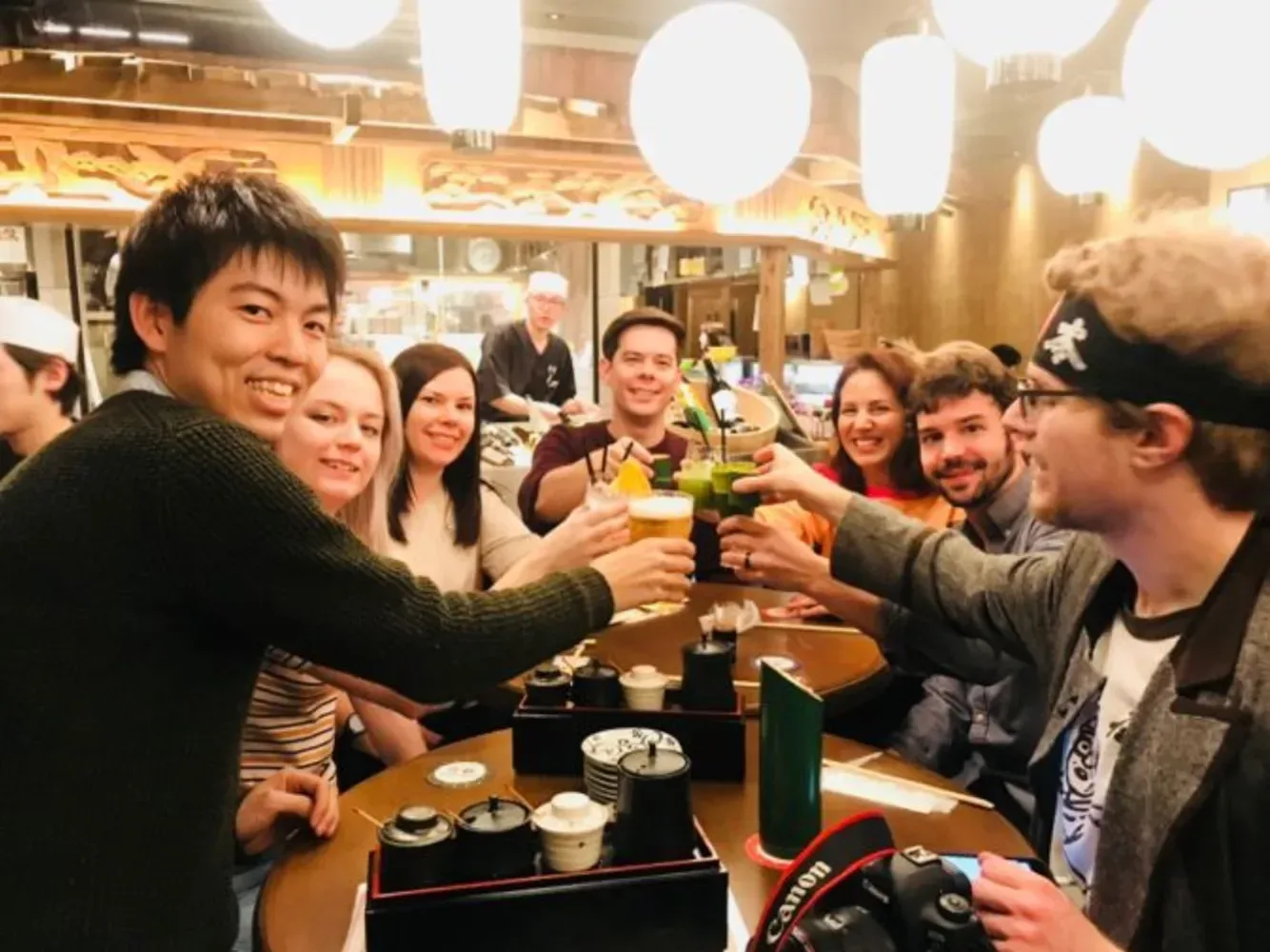
Magical Trip offers tours where you can experience traditional Kyoto cuisine and exceptional drinks at local izakaya at night. By exploring Kyoto with a guide who knows the city inside and out, you'll be able to fully immerse yourself in not only Kyoto's rich traditions but also its amazing food culture, creating even deeper and more memorable travel experiences.
・Kyoto Bar Hopping Nightlife Tour in Pontocho
Autumn Events in Kyoto 2026 (September to November)
Kyoto's autumn is when the heat subsides, becoming the most comfortable season. While September can still have some hot days, it gradually cools down from October, and by November, we enter the autumn foliage season.
If you want to experience the unique taste of autumn in Kyoto, ask a local guide to show you around!
・Ultimate Kyoto Tours Guide 2026: Best Seasonal Experiences for Spring Cherry Blossoms, Summer Festivals, Autumn Foliage & Snowy Landscape
Notable Events in September 2026
September is a transitional season when the heat starts to ease. While there aren't as many notable events as in October or November, there are some wonderful events that make you feel the arrival of autumn.
The following two are recommended events where you can enjoy the unique charms of Kyoto during this season.
Moon Viewing (Kangetsu) (Mid-September 2026)
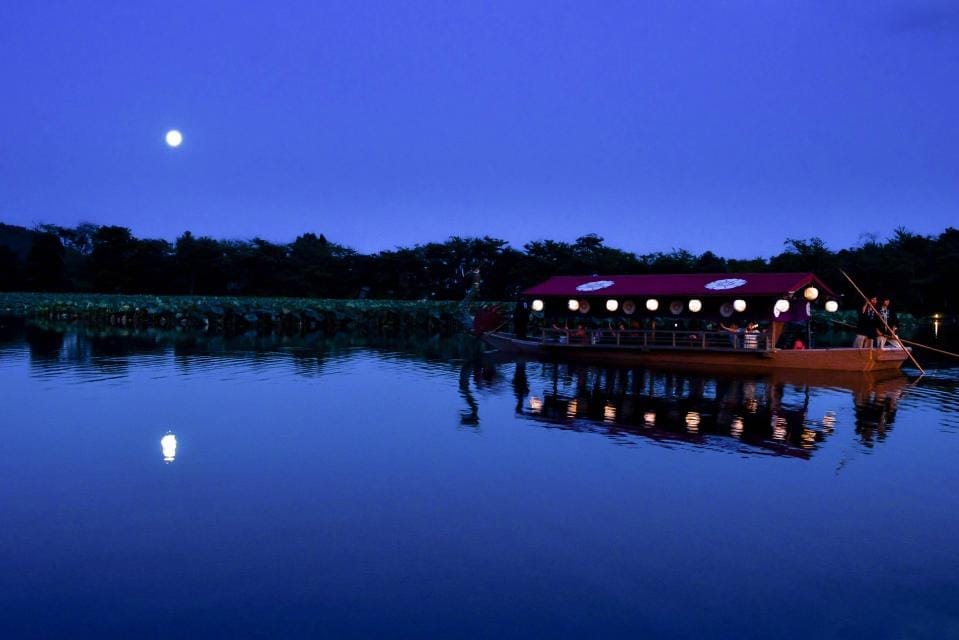
Kangetsu is a traditional moon-viewing event held around mid-September, coinciding with what's called the "harvest moon". In Kyoto, many temples and shrines hold moon-viewing events during this time.
Moon-viewing events are held at various spots including Yasaka Shrine, Koudaiji Temple, and Daikakuji Temple. Each place offers its own unique atmosphere and specially planned events. For example, at Kodaiji Temple, the garden is illuminated, allowing you to enjoy the contrast between the moon and autumn leaves.
Yasaka Shrine
Kodaiji Temple
More Detailed Information About "Yasaka Shrine"
sena kandaLocal's Insider Tips for Moon Viewing (Kangetsu)
Moon-viewing events follow the lunar calendar, so the date changes every year. At popular temples, numbered tickets or advance reservations may be required.
One thing worth knowing: in Kyoto, there's a cherished tradition of appreciating not just the harvest moon, but also the "Nochi no Tsuki" (the Thirteenth Night Moon), which falls about a month later. It's not a full moon, but there's something quietly beautiful about gazing at a moon that's just slightly less than whole.
If the timing works out, I'd encourage you to take a moment to look up at the Nochi no Tsuki as well.
Seimei Festival (September 22-23, 2026)
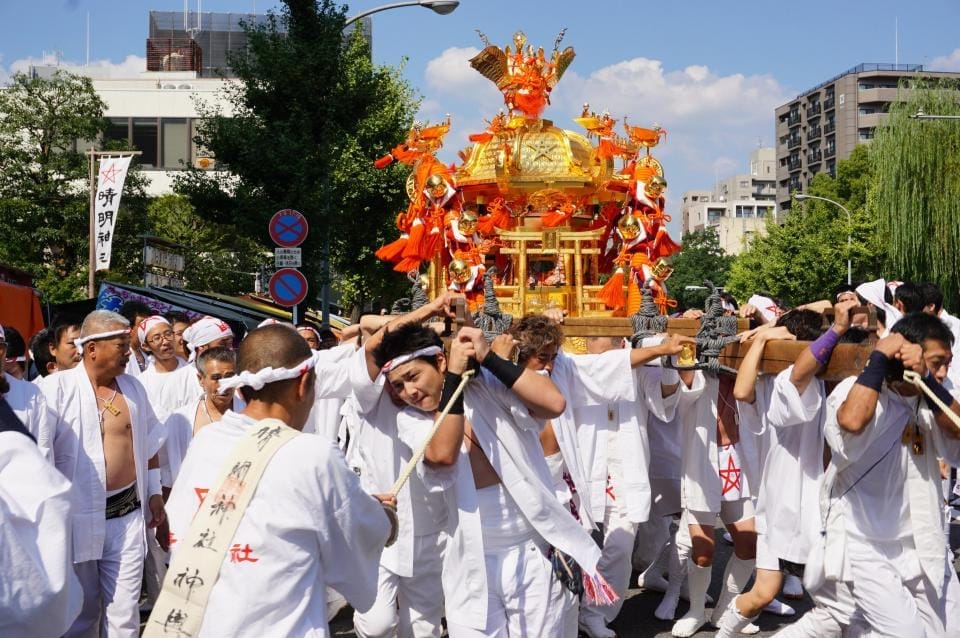
The Seimei Festival is held annually in September at , which enshrines Abe no Seimei, an onmyoji (yin-yang master) from the Heian period. Abe no Seimei is a famous onmyoji in Japanese history, literature, and performing arts, known as the protagonist of many legends and stories.
This festival is an event to remember the virtues of Abe no Seimei and pray for good health and safety.
In the afternoon of the second day, three portable shrines carrying the deity parade through the streets of Kyoto.
The procession includes performances by young drummers and flute players, as well as children dressed in unique and beautiful costumes, creating a colorful and grand spectacle. I always make sure to catch a glimpse of this impressive parade.
More Detailed Information About "Kyoto Events in September"
・Kyoto September 2026: Complete Guide to Autumn Outdoor Dining, Blue Dragon Festival & Traditional Events
sena kanda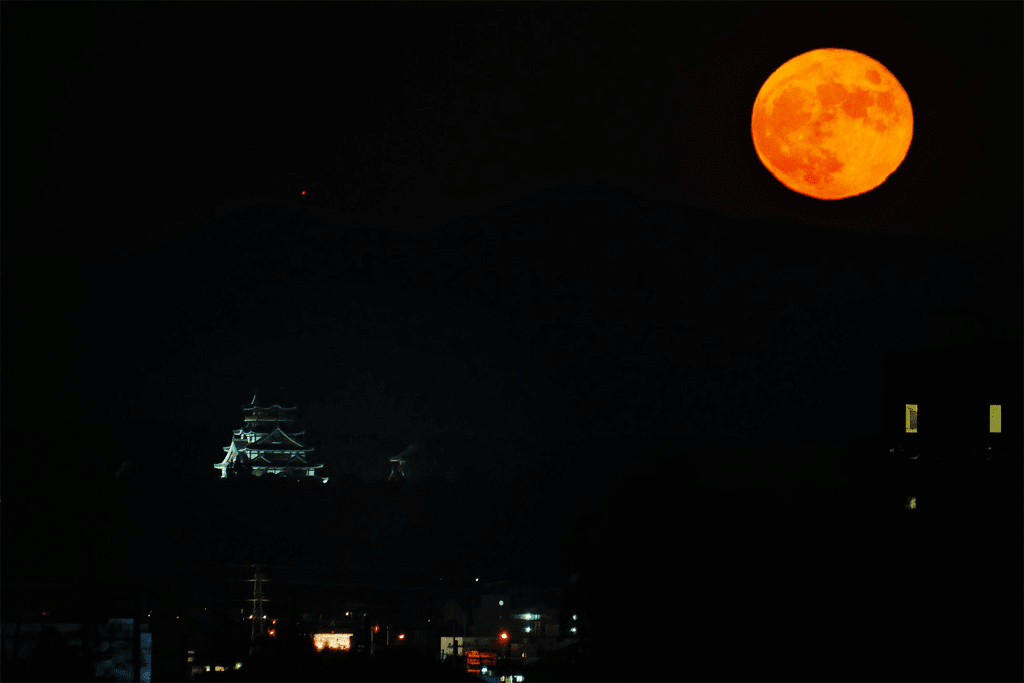
Notable Events in October 2026
October is when autumn in Kyoto truly begins. The cool climate and clear air make Kyoto's streets even more beautiful. During this time, many cultural events are held in Kyoto, providing increased opportunities to deeply experience Kyoto's traditional culture.
Here are two notable events you should experience in Kyoto in October. These events will provide valuable opportunities to feel the history and culture of Kyoto firsthand.
Jidai Matsuri (October 22, 2026)
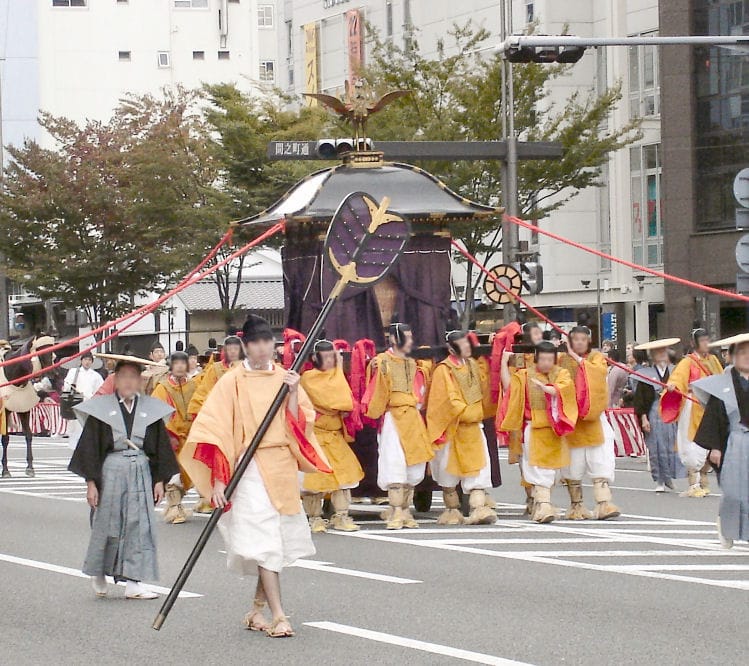
The Jidai Matsuri is a grand festival where a thousand years of Kyoto's history comes to life.
Every year on October 22nd, a historical pageant from the Heian to Meiji eras unfolds in the streets of Kyoto. Counted as one of Kyoto's three major festivals, this festival stirs the hearts of viewers with its overwhelming scale and splendor.
About 2,000 participants, dressed in costumes symbolizing each era, solemnly proceed along the route from Kyoto Imperial Palace to Heian Shrine.
Their appearance gives you the sensation of time-traveling through Kyoto's history. I'm always in awe of the meticulous attention to historical detail in the costumes and procession.
Local's Insider Tips for Jidai Matsuri
The procession runs for over two hours. If you're not deeply familiar with Japanese history, watching it all the way through might feel a bit long. One option is to skip the paid seating and instead pick out the highlights you most want to see and watch from the roadside.
My recommendation is the area near the paid viewing seats on the western side of Oike Street, where the road is wide and you can get close to the procession.
Performances take place in front of the paid seating, so watching from nearby means you can also enjoy the festival music and entertainment.
More Detailed Information About "Kyoto Events in October"
・Ultimate Kyoto Events October 2026 Guide: Jidai Matsuri, Kurama Fire Festival & Complete Festival Calendar
"Kitano Festival" Shinko-sai and Kanko-sai
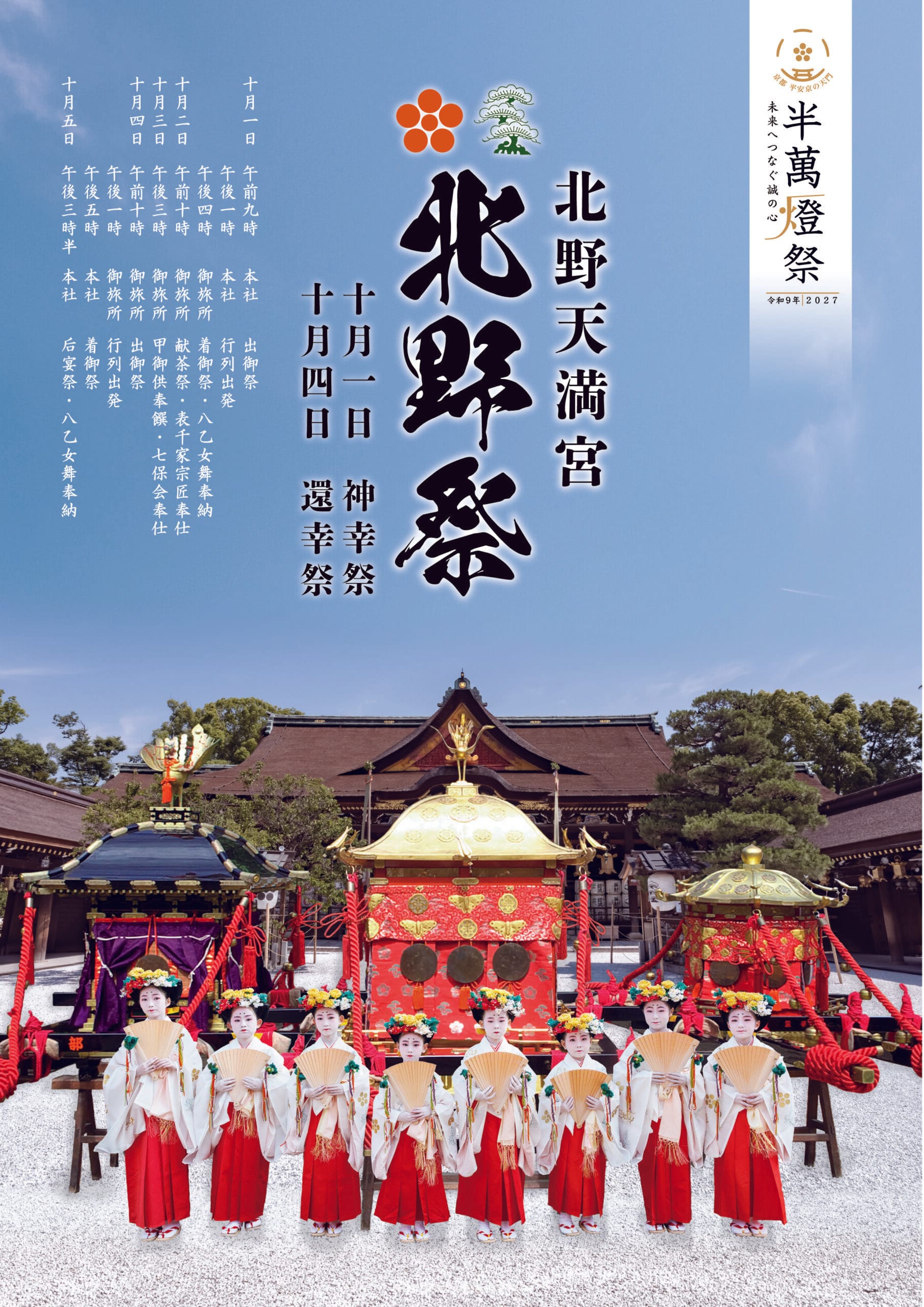
The Kitano Festival is one of Kyoto's representative autumn festivals held at Kitano Tenmangu Shrine. This Kyoto Event 2026 is said to be a combination of a ritual honoring the statue of Sugawara no Michizane (a scholar from approximately 1000 years ago, renowned for his extensive knowledge) enshrined at Kitano Tenmangu, and a celebration of the autumn harvest.
The parade, which carries the spirit of the deity in a portable shrine (mikoshi) back and forth between Kitano Tenmangu and the御旅所 (Otabisho temporary shrine), is beautifully traditional. You can witness the magnificent and ornate mikoshi, flower umbrellas, and processions of children dressed in gorgeous costumes.
The "Yaotome-mai" dance is also one of the highlights. The sight of shrine maidens serving the gods, performing dances in formal attire including crowns, long white robes, and scarlet hakama, is solemn and captivating to viewers.
In addition to these, there are various events over four days, including a tea ceremony offering by tea ceremony masters and rituals where gods and people share meals together. Why not visit the Kitano Festival, an autumn tradition in Kyoto, and travel back in time to the capital of 1000 years ago?
Information
-Schedule: October 1-5, 2026 ⁑
-Location:
- Kitano Tenmangu Shrine (Kitano Tenmangu, Bakurocho, Kamigyo-ku, Kyoto City)
- Nishinokyo Otabisho (6 Nishino-kyo Mikoshioka-cho, Nakagyo-ku, Kyoto City)
-Access:
- Kitano Tenmangu Shrine: Right at the "Kitano Tenmangu-mae" city bus stop
- Nishinokyo Otabisho: 5-minute walk from the "Kitano Chugaku-mae" city bus stop
-Admission: Free
-Official Website: https://kitanotenmangu.or.jp/event/
Local's Insider Tips for "Kitano Festival" Shinko-sai and Kanko-sai
I love watching the Kanko-sai procession from the Kamishichiken Geisha District, just near Kitano Tenmangu Shrine.
It's a spot where the three horen (sacred palanquins) and the Zuiki Mikoshi (a portable shrine decorated with taro stalks) always pass through, and there's something deeply and distinctly Japanese about watching a festival procession wind its way along cobblestone streets.
The lively calls of the mikoshi carriers fill the air, while along the roadside, you'll see people quietly pressing their hands together in prayer.
In that contrast — the energy of movement and the stillness of devotion — you can sense a faith that is woven into the fabric of this community.
Related Article
・Kyoto Events October 2026: Ultimate Guide to Jidai Matsuri, Kurama Fire Festival & Special Temple Openings
sena kanda
October is one of the most pleasant months of the year, with such comfortable weather that many Japanese people consider it their favorite month.
In Japan, autumn is known as the "Season of Art" and "Season of Appetite." Since October offers perfect weather for outdoor activities, we invite you to join a Magical Trip tour where you can fully experience Japanese culture and cuisines.
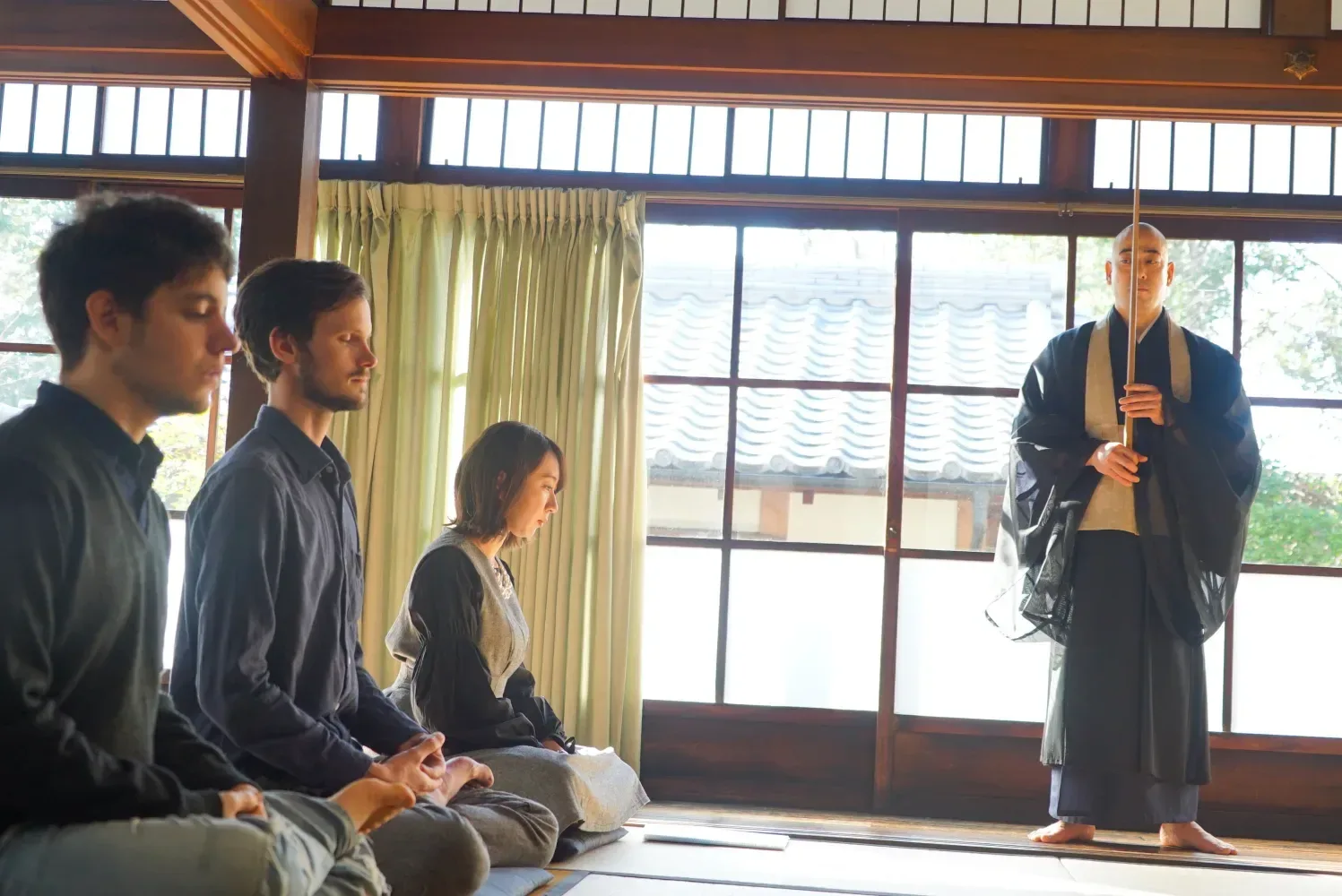
・Kyoto Zen Meditation & Garden Tour at a Zen Temple with traditional Sho-jin lunch
Notable Events in November 2026
November is when autumn in Kyoto deepens the most. Typically, many places reach their peak autumn foliage viewing from mid-November, and Kyoto is painted in red and yellow colors.
There are numerous events related to autumn leaves, including illuminations, allowing you to fully enjoy the beauty of Kyoto's autumn both day and night.
Autumn Leaves Illuminations (Early November to Early December 2026)
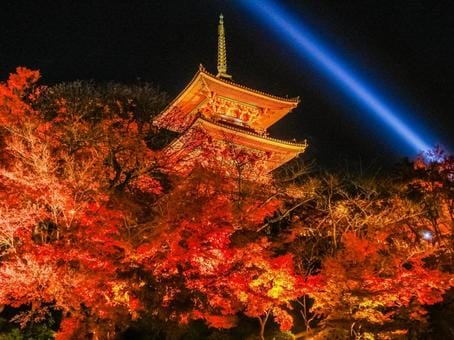
Kyoto's autumn leaves show different faces during the day and night. While the vibrant colors during the day are wonderful, the illuminated autumn leaves at night create a fantastical world of beauty.
Special night viewings require an admission fee, but they provide emotions and memories worth the cost.
The beauty of autumn leaves created by light and shadow truly symbolizes Kyoto's autumn and is a special event worth experiencing at least once. I always make sure to visit both during the day and at night to fully appreciate the contrasting beauty.
More Detailed Information About "Autumn Leaves in Kyoto"
・Autumn Leaves in Kyoto: 10 Best Fall Foliage Spots 2026
Arashiyama Momiji Festival (November 9, 2026)
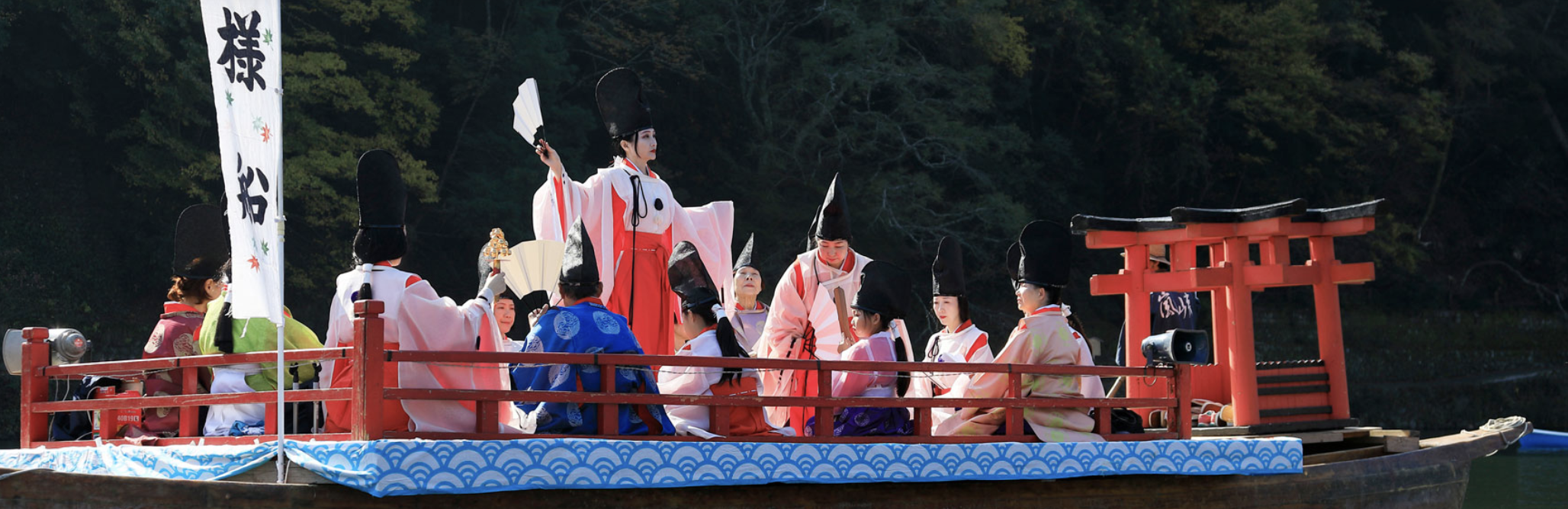
The Arashiyama Momiji Festival is one of Kyoto's traditional autumn events, reviving the elegant boat excursions of the Heian period in modern times.
People in colorful costumes perform traditional arts on boats, recreating the elegant atmosphere of over 1000 years ago.
Visitors can also dress in Heian-period costumes and enjoy a boat trip that transcends time, providing an unparalleled cultural experience. I've participated in this event before, and it truly feels like stepping back in time to the Heian period.
More Detailed Information About "Around Arashiyama"
・Kyoto Arashiyama Perfect Guide: Famous Spots, Hidden Gems, and Restaurants
Local's Insider Tips for Arashiyama Momiji Festival
The area around Togetsukyo Bridge and the heart of Arashiyama gets very crowded on the day of the festival. The boat procession begins around 10:30 AM, but if you want a good spot, try to arrive by 9:00 AM to stake out your place.
The grassy riverbank on the south side of Togetsukyo Bridge is a bit of a hidden gem — relatively easy to find space there.
November can be quite cold, so every year I bundle up well and bring a picnic sheet and something warm to drink.
Shinsen-en Dainenbutsu Kyogen
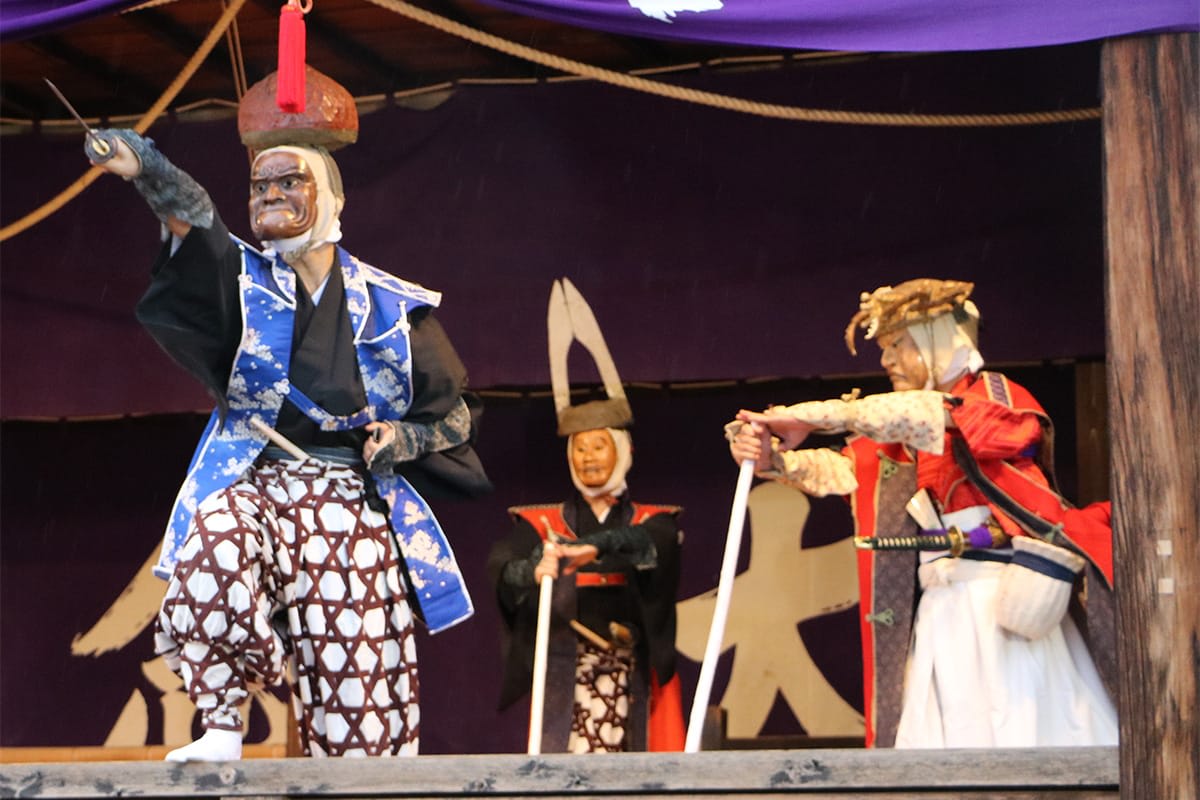
Shinsen-en is a garden created 1100 years ago for the Emperor. At Shinsen-en's Kyogen Hall, the "Dainenbutsu Kyogen" is performed every year. Its roots go back to the Kamakura period (approximately 800 years ago).
The monk Engaku explained Buddhism gently through gestures so that even people who couldn't understand the language could comprehend it. Therefore, even today, Shinsen-en Dainenbutsu Kyogen has no Japanese dialogue, making it an accessible traditional performing art for everyone coming from overseas.
This kyogen is performed outdoors. Accompanied by the sounds of drums and flutes, there are comical gestures, exaggerated facial expressions, powerful action scenes, and sometimes even performances where long threads are thrown into the audience. Please watch while imagining what kind of story it might be.
In Kyoto, kyogen is one of the familiar entertainments. This Kyoto Event 2026 should be easy to understand and enjoyable for guests from overseas as well. Since it is located very close to Nijo Castle, please do visit.
Information
-Schedule: November 1-2, 2026
-Time: 13:00-17:30
-Location:Shinsen-en (166 Monzen-cho, Nakagyo-ku, Kyoto City)
-Access:
- 10-minute walk from Hankyu "Shijo-Omiya Station" or JR "Nijo Station"
- 2-minute walk from Subway Tozai Line "Nijojo-mae Station"
-Admission: Free
-Official Website: https://kitanotenmangu.or.jp/event/
Related Article
・Kyoto Events & Festivals November 2026: Autumn Foliage, Gion Odori & Special Openings
sena kanda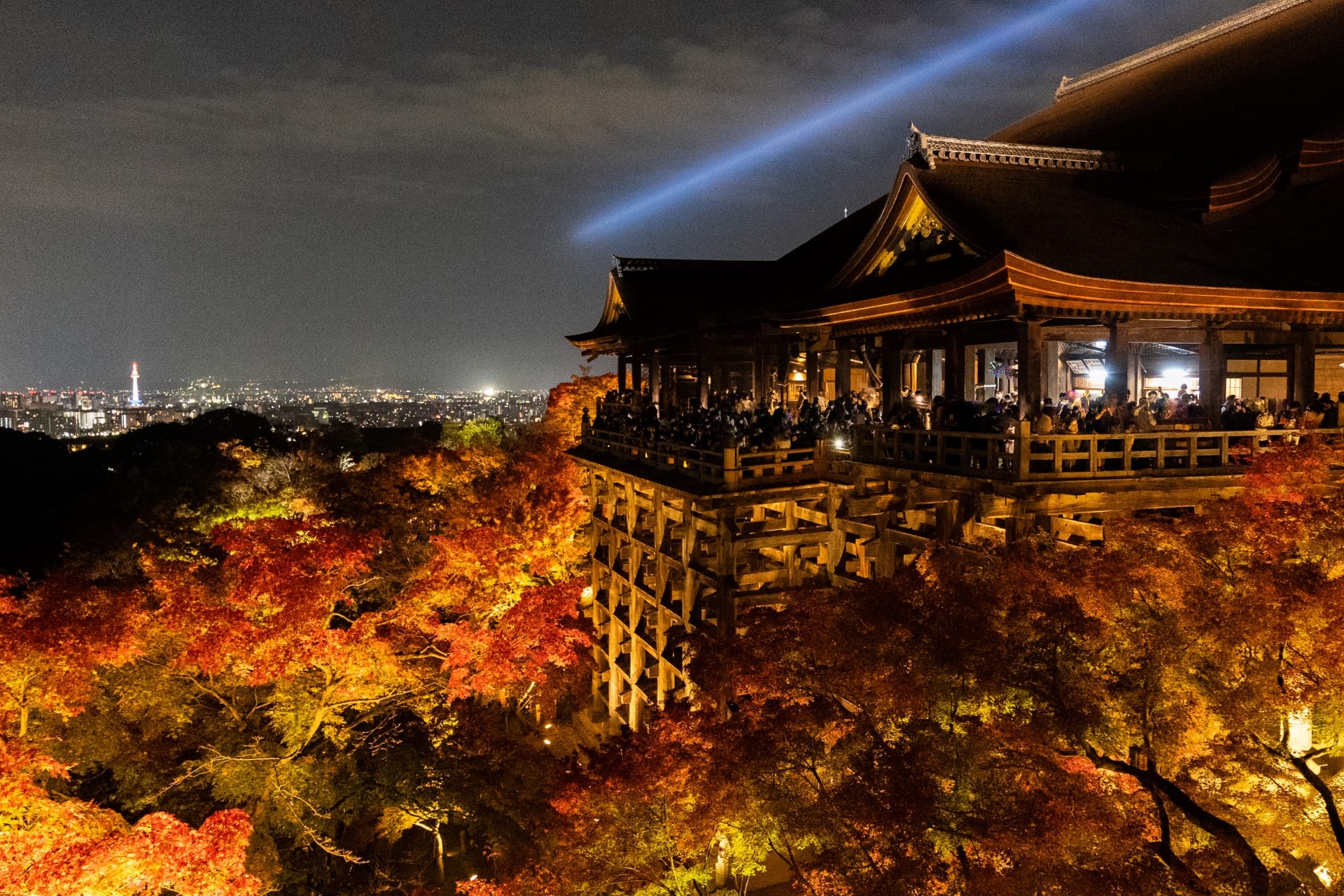
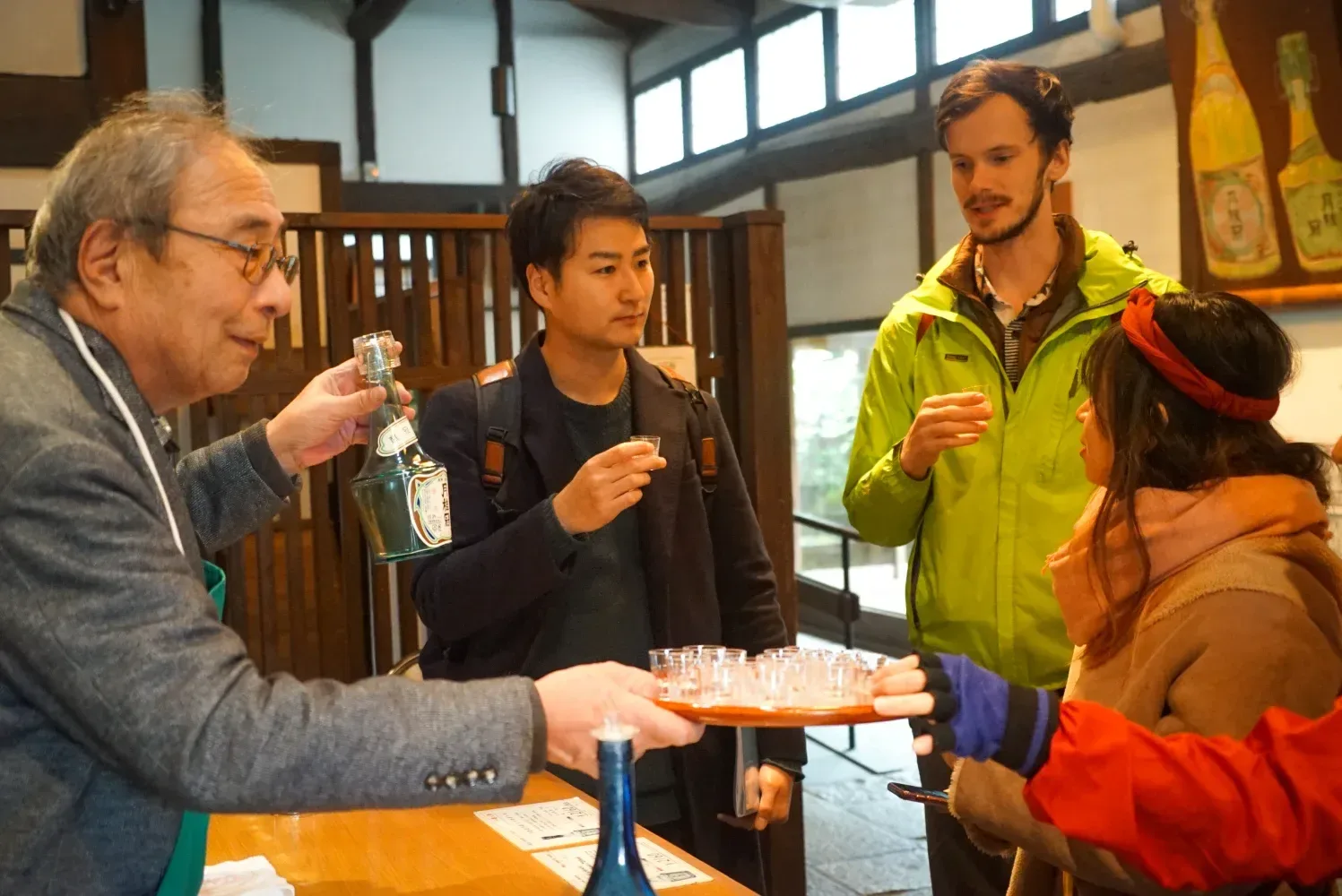
If you're visiting Kyoto in winter, you absolutely must try some sake (Japanese rice wine). What many people don't know is that November through February is when freshly pressed sake becomes available, making it the best time of year to enjoy this traditional drink.
In particular, Fushimi, which ranks among Japan's top three sake-producing regions, offers some of Kyoto's finest sake. At Magical Trip, we offer tours where you can sample some of Fushimi's most prestigious sake brands.
・Kyoto Sake Brewery & Tasting Tour in Fushimi
Year-end Winter Events in Kyoto 2026 (December)
As December begins, Kyoto starts to don its winter attire. While temperatures drop, we'll have to wait until January and February for full-fledged snow scenes. December is still relatively mild, marking the entrance to winter.
Winter has fewer events, but that means you can enjoy Kyoto with slightly less crowding.
With a guided tour, you can find the serene atmosphere of Kyoto in winter.
Check the tours below if you're interested.
・Ultimate Kyoto Tours Guide 2026: Best Seasonal Experiences for Spring Cherry Blossoms, Summer Festivals, Autumn Foliage & Snowy Landscape
Shimai Tenjin at Kitano Tenmangu Shrine (December 25, 2026)
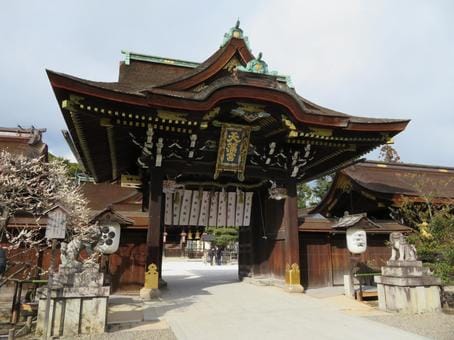
The "Shimai Tenjin" at Kitano Tenmangu Shrine is the last Tenjin market of the year, held on December 25th. It's larger in scale than regular Tenjin markets and is crowded with many worshippers.
Stalls line the shrine grounds, selling food, miscellaneous goods, antiques, and especially New Year's decorations and good luck charms. Admission is free, and it's most lively during the daytime.
I always make sure to visit to pick up some unique New Year's decorations and enjoy the festive atmosphere.
New Year's Eve Bell Ringing at Chion-in Temple (December 31, 2026)
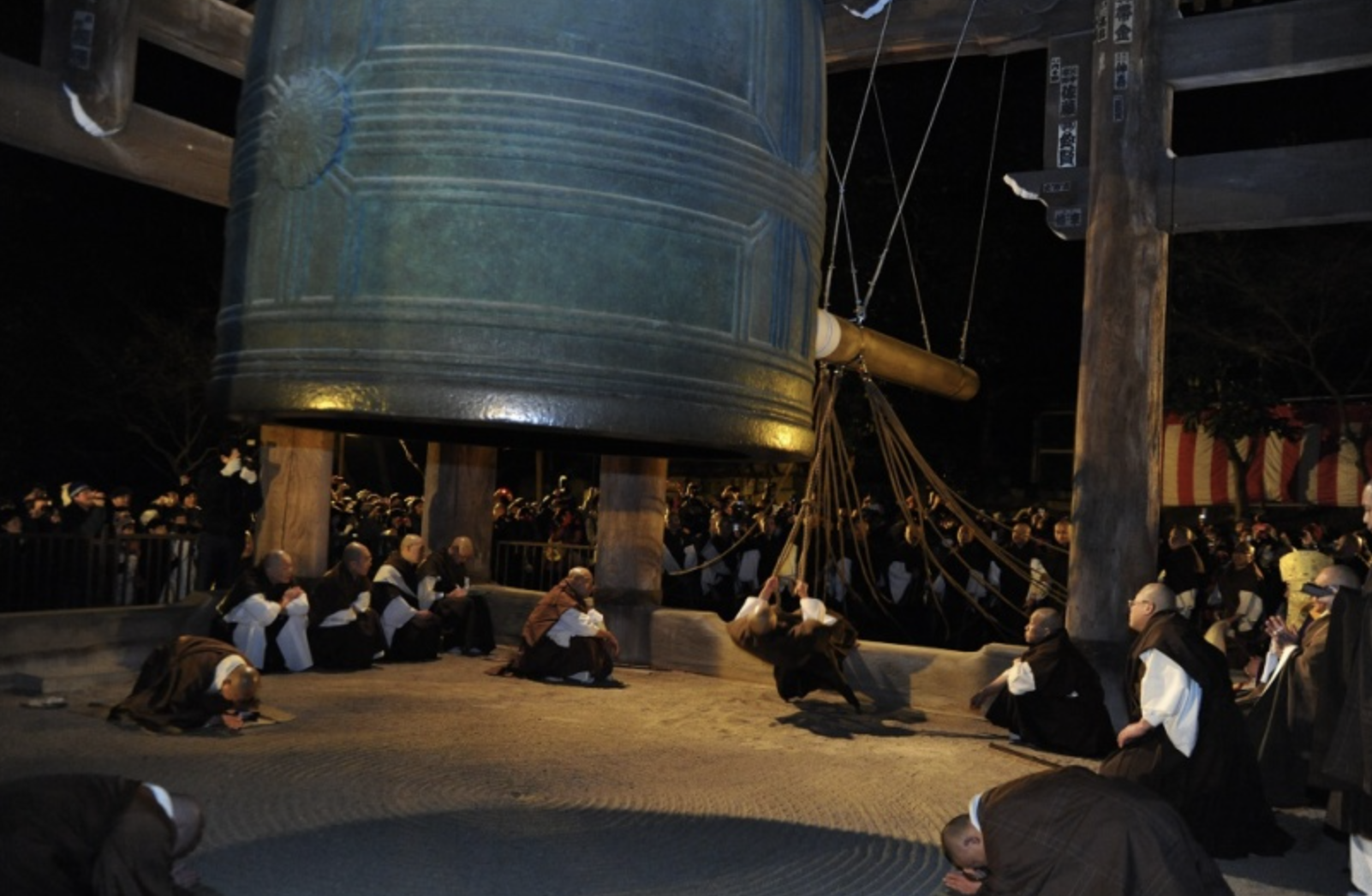
The New Year's Eve bell ringing at Chion-in Temple is a traditional Japanese New Year's Eve event held on the night of December 31st. The 108 bell strikes, said to cleanse the 108 worldly desires, are performed by 17 monks, and the powerful sound echoes through the night sky of Kyoto.
Known as one of Japan's three great temple bells, the sound of Chion-in's bell creates a moment to reflect on the passing year and hold hope for the new year.
I've attended this event several times, and the deep, resonant sound of the bell always fills me with a sense of renewal and anticipation for the coming year.
Related Article
・Kyoto December 2026 Events Guide: Traditional Year-End Festivals, New Year Celebrations & Cultural Experiences
sena kanda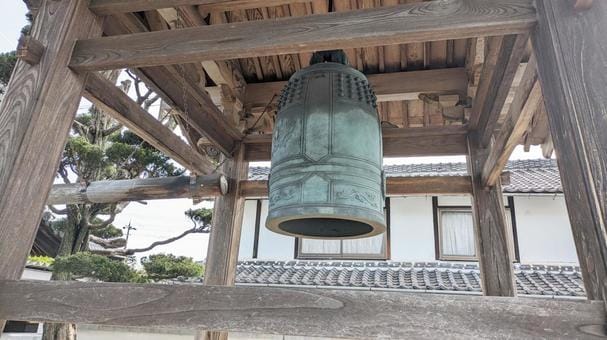
New Year and Winter Events in Kyoto 2026 (January to February)
Kyoto's winters are wrapped in harsh cold, but there are plenty of heartwarming events to celebrate the New Year and traditional events. In January and February, there's a possibility of enjoying fantastic snow scenery when it snows.
You can check the details such as access for each event in the respective monthly event articles. Here, I'll introduce some notable events to help you make the most of winter in Kyoto.
If you're interested in the traditional New Year in Kyoto, I recommend the guided tours below.
・Ultimate Kyoto Tours Guide 2026: Best Seasonal Experiences for Spring Cherry Blossoms, Summer Festivals, Autumn Foliage & Snowy Landscape
Notable Events in January 2026
January is particularly rich in traditional events celebrating the New Year, offering an excellent opportunity to experience Kyoto's culture firsthand.
If you're spending the New Year in Kyoto, you absolutely can't miss the first shrine visit of the year. I also go out for the first shrine visit every year with my family and friends to pray for happiness in the New Year.
Besides the ones mentioned below, there are other interesting events such as the "Miyako Shichifukujin Meguri (Seven Lucky Gods pilgrimage in Kyoto)" at Rokuharamitsuji Temple and "Obuku-cha" at Rokuharamitsuji Temple. Check out the "January 2026 article" for details.
Hatsumode (First Shrine Visit of the Year) (January 1-7, 2026)
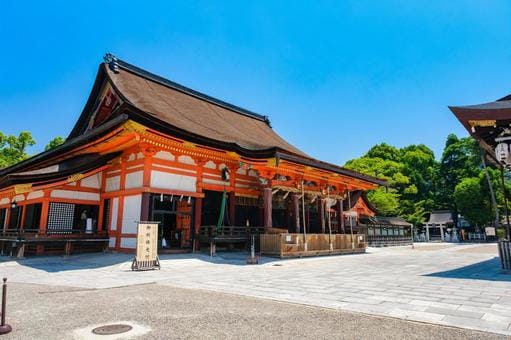
Hatsumode is a traditional custom of visiting a shrine or temple for the first time in the New Year to pray for safety and peace for the year. While some people visit temples, it's more common to go to shrines.
In Kyoto, you can do Hatsumode at any shrine, such as Yasaka Shrine or Fushimi Inari Taisha. My recommendation is Yasaka Shrine. Its beautiful vermilion torii gate and lively atmosphere are perfect for the New Year.
There's no strict rule about the timing, but typically, you can visit from 12:00 AM on January 1st.
Yasaka Shrine
Fushimi Inari Shrine
More Detailed Information About "Hatsumode Spots in Kyoto"
・Yasaka Jinja Shrine: A Comprehensive Guide
・Fushimi Inari Shrine Highlight and History! Discover Hidden Gems Surrounding Fushimi Inari Taisha
Musha Shinji at Kamigamo Shrine (January 16, 2026)
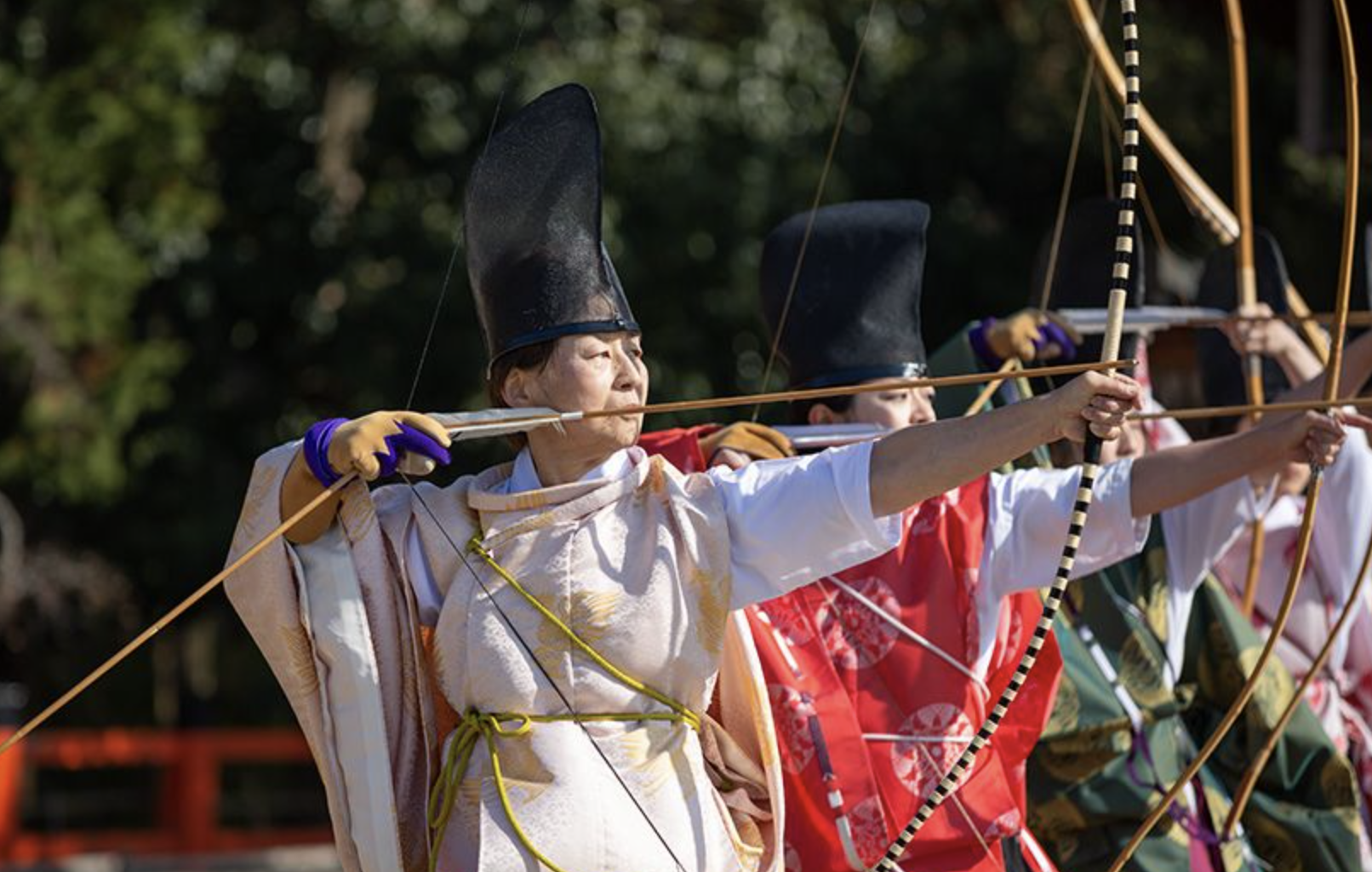
The Musha Shinji at Kamigamo Shrine is a traditional ritual held annually on January 16th at Kamigamo Shrine in Kyoto City. It's a ceremony of shooting arrows to ward off evil and pray for a good harvest, offering a valuable opportunity to experience martial arts culture.
The archery ceremony conducted in a solemn atmosphere allows you to feel the spirit of Kyoto's martial arts firsthand.
Related Article
・Kyoto in January 2026: New Year's Highlights, Events & Festivals
Kyoto in January offers many other traditional events beyond those introduced here. If you're making the trip to Kyoto, make sure to experience these other famous January events in addition to the two mentioned above.
Notable Events in February 2026
February is a very cold period, and snow may accumulate. The sight of Kyoto's temples and shrines covered in snow is truly picturesque. During this time, many traditional events related to Setsubun are held.
In the latter half of February, some places start to enjoy plum blossoms, marking the beginning of spring. Every year, I enjoy the scent of plum blossoms while feeling the end of winter and the beginning of spring.
For other attractions such as the "Hatsuuma Taisai at Fushimi Inari Taisha" and snow scenery, please check the "February 2026 Event Article".
Setsubun Festival at Yasaka Shrine (February 2-3, 2026)
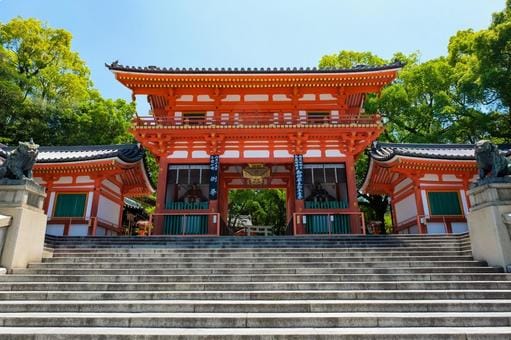
Setsubun is a traditional event to ward off evil spirits at the change of seasons and pray for health and happiness in the new season. The Setsubun Festival at Yasaka Shrine is one of the most lively Setsubun events in Kyoto and attracts many people every year.
Usually, around noon on February 2nd and 3rd, there are dance performances by geisha and maiko, followed by bean throwing.
More Detailed Information About "Yasaka Shrine"
・Yasaka Jinja Shrine: A Comprehensive Guide
Weeping Plum Blossoms at Jonangu Shrine (Mid-February 2026)
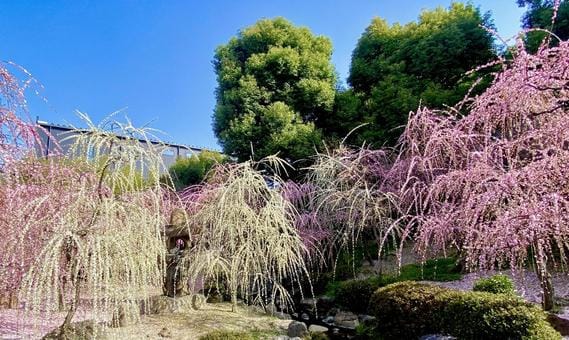
Kyoto's plum blossom season starts around mid-February. Jonangu Shrine is famous for its "weeping plum blossoms," and it's one of the places I visit every year. Walking amidst the fragrance of plum blossoms is truly a moment when I feel the arrival of spring.
The "Weeping Plum and Camellia Festival" is usually held for about a month from mid-February. It's a flower paradise where you can enjoy over 150 plum trees and 400 camellia trees.
Related Article
・Kyoto in February 2026: Winter Highlights, Events & Festivals
February in Kyoto is notable not only for its traditional events, but also for events that showcase natural beauty. If you're visiting Kyoto in February, you won't want to miss the stunning collaboration between Kyoto's traditional shrines and temples and the beautiful plum blossoms.
Spring Events in Kyoto 2026 (Already Ended)
Spring is the best time to visit Kyoto. When cherry blossoms reach their peak, the entire city is enveloped in a pale pink color, creating a spectacular view. However, the full bloom period is short, lasting only 1-2 weeks in April, so timing is crucial.
The weather becomes warm and it's ideal for sightseeing, but be aware that it's unavoidably crowded from March to April.
You can check the details such as access for each event in the respective monthly event articles, but here I'll introduce some notable events to help you make the most of spring in Kyoto.
If you want to visit "Sakura Hidden Spots in Kyoto", take a local guided tour!
・Ultimate Kyoto Tours Guide 2026: Best Seasonal Experiences for Spring Cherry Blossoms, Summer Festivals, Autumn Foliage & Snowy Landscape
Notable Events in March 2026
March is the season when the cold starts to ease, and you begin to feel the arrival of spring in Kyoto. It's a bit early for the cherry blossom season, but depending on the weather, they might be in full bloom in late March. I start checking the cherry blossom status from late March every year.
Weeping cherry blossoms, in particular, tend to bloom earlier, so there's a high possibility of enjoying them at the end of March. Also, this time of year has traditional events related to the "Doll Festival," offering an excellent opportunity to experience Kyoto's culture.
For information on "Rain Prayer Festivals" and popular spots for relatively early-blooming cherry blossoms, please refer to the "Kyoto in March 2026 article".
Nagashi-bina at Shimogamo Shrine (March 3, 2026)
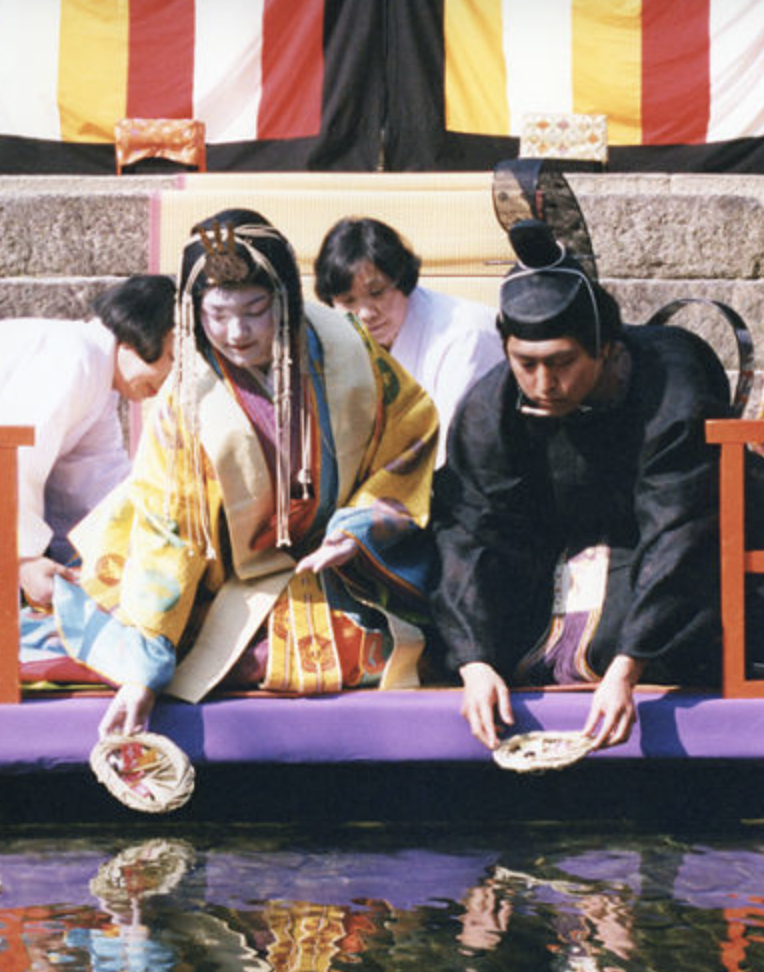
The Nagashi-bina at Shimogamo Shrine is an event associated with the traditional "Doll Festival" celebration. The Doll Festival is a traditional Japanese event held on March 3rd to pray for the healthy growth of girls.
"Nagashi-bina" is a traditional event where paper dolls are floated down a river to ward off misfortune. At Shimogamo Shrine, a man and woman selected from the general public perform the Nagashi-bina ritual. You can feel a sense of refreshment as if misfortunes are being washed away with the arrival of the new season.
More Detailed Information About "Traditional Events in Kyoto"
・Kyoto's 5 Most Spectacular Traditional Matsuri in 2026!
Kodaiji Temple Spring Special Exhibition (Mid-March to Early May 2026)
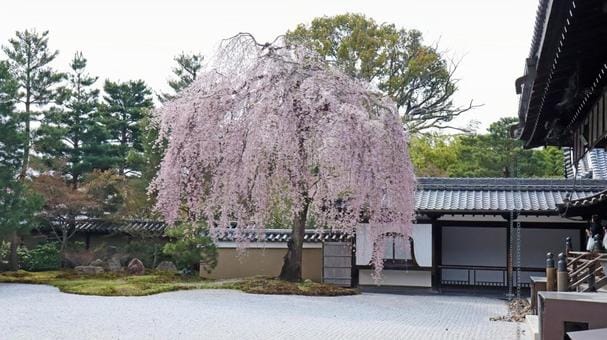
Kodaiji Temple is known as a famous spot for weeping cherry blossoms, and it's crowded with many tourists every spring. As it's a weeping cherry tree, it's a spot where blossoms tend to open relatively early.
From mid-March, special night viewings are held, allowing you to enjoy illuminated cherry blossoms. Usually, the illumination starts around 5:00 PM.
Related Article
・Kyoto in March 2026: Early Spring Highlights, Events & Festivals
Takashi Nakadomari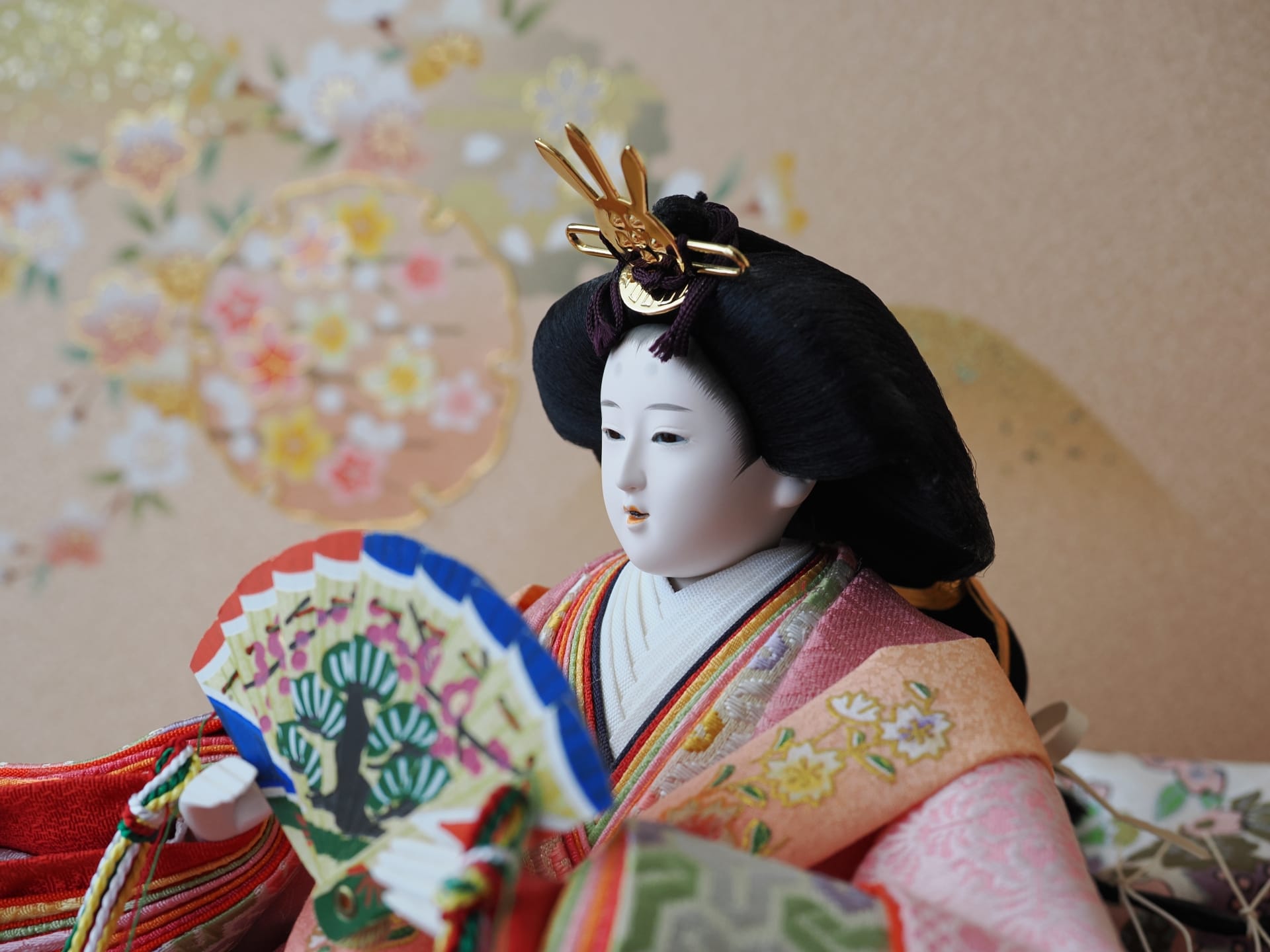
Notable Events in April 2026
In April, cherry blossoms typically start blooming in early April and reach full bloom around mid-April in many places. The whole of Kyoto is dyed in cherry blossom colors, making it arguably the most beautiful time of the year.
Cherry blossom illumination events held at various temples and shrines are particularly popular. You can enjoy a fantastical atmosphere different from daytime, which captivates many people.
Cherry Blossom Illuminations (Throughout April 2026)
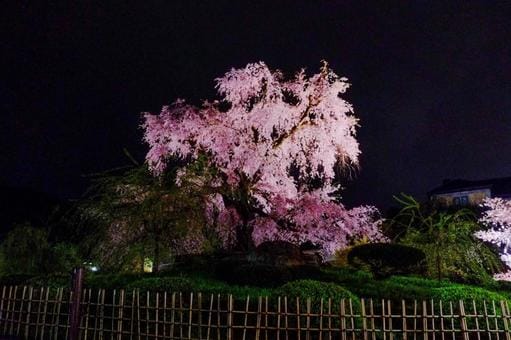
Kyoto's cherry blossom illuminations are one of the best ways to enjoy spring nights. You can enjoy cherry blossom illuminations in various areas from evening onwards.
In addition to famous spots like Kiyomizu-dera Temple and Gion Shirakawa, it's also held at Kodaiji Temple, which I mentioned in the March section.
However, keep in mind that cherry blossoms aren't in bloom throughout the entire illumination period, so I recommend checking Google for cherry blossom news and the blooming status of each spot before visiting.
Kiyomizu dera Temple
Gion Shirakawa
Kodaiji Temple
More Detailed Information About "Cherry Blossom Illumination Spots in Kyoto"
・Enjoy Kiyomizu Dera Temple! Highlights, Best Photo Spots, and More...
・Kyoto Gion Guide: Things to Do and Travel Guide of Kyoto's Traditional neighborhood
Local's Insider Tips for Cherry Blossom Event in Temples & Shrines
The nighttime illuminations of the cherry blossoms are especially popular, with the biggest crowds arriving right after sunset.
For special evening admission at temples, arriving about an hour before closing tends to be the sweet spot — the flow of visitors settles down and you can enjoy the view at your own pace.
Shrines, on the other hand, are often open around the clock, and visiting late at night can reward you with a quieter, more serene atmosphere.
Even in spring, nights can get chilly, so it's a good idea to bring a light jacket.
If you're looking for spots with beautiful cherry blossoms, please check out this article as well. Create lifetime memories at locations where you can enjoy the stunning collaboration between Kyoto's beautiful cherry blossoms and elegant traditional architecture!
Kyoto's Cherry Blossoms: 10 Best Sakura Spots 2026
 sena kanda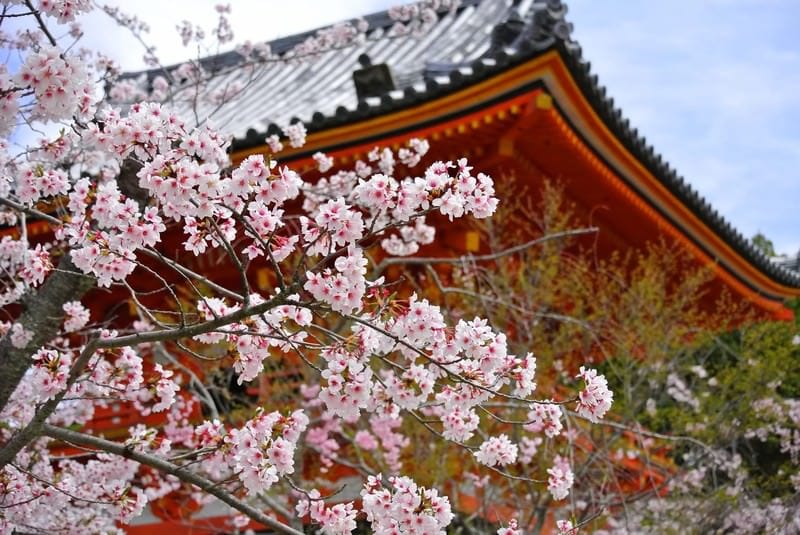
I introduce 10 must-visit spots, focusing on famous locations known for their cherry blossoms. We also explain three spots where you can see beautiful collaborations between Kyoto's traditional buildings and stunning cherry blossoms.
Miyako Odori (Throughout April 2026)
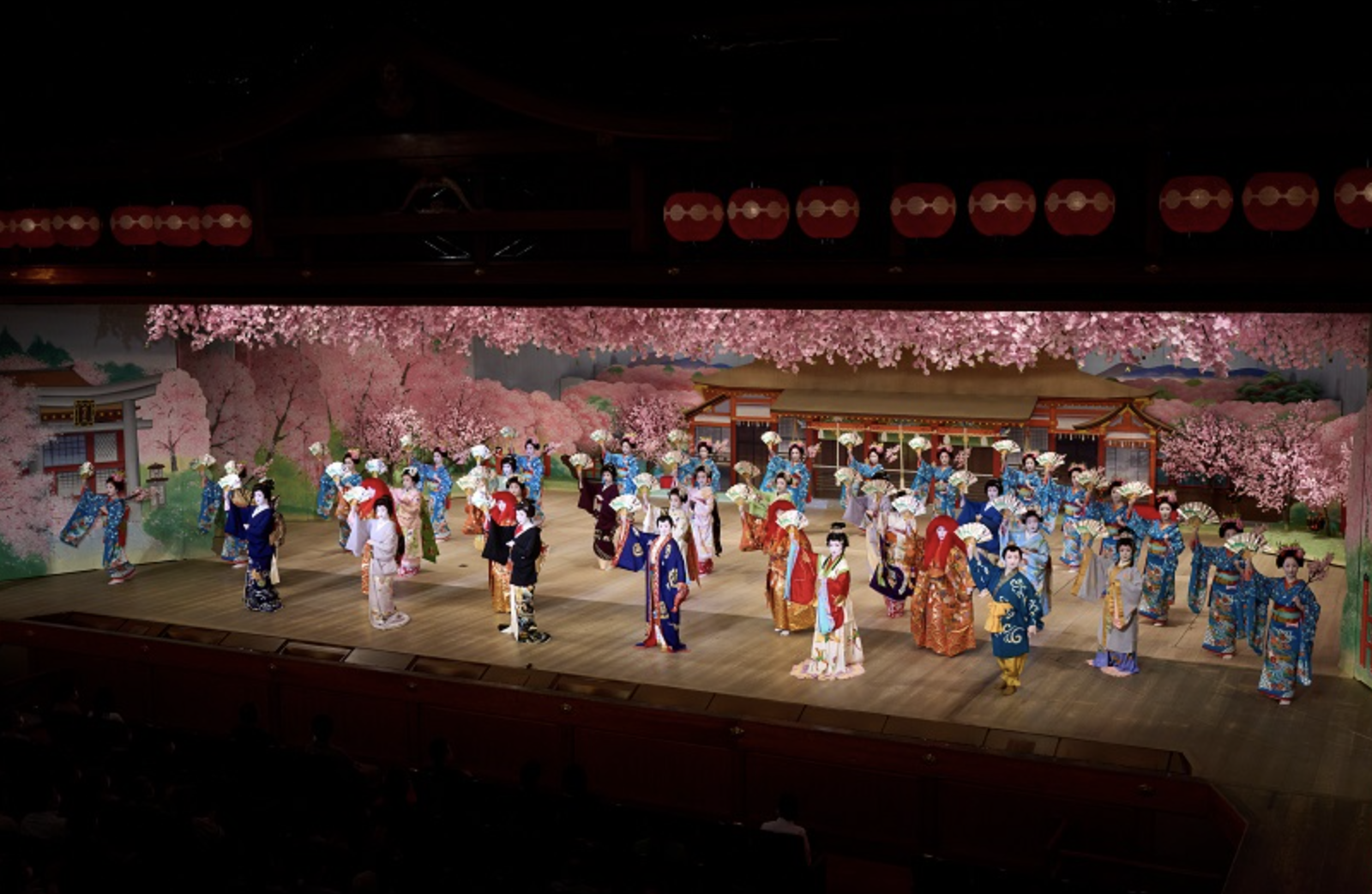
Miyako Odori is a dance drama that incorporates elements of Kabuki, Noh, and Kyogen, richly incorporating traditional Kyoto culture. I've watched it several times, and each time I'm captivated by its beauty and elegance.
Held every April, it's a popular event heralding the arrival of spring. The world created by the elegant dance of maiko and geiko, along with traditional music, truly embodies the spring of Kyoto.
April is one of the most pleasant months in Japan, with wonderful spring weather. Even at night, you can comfortably go out wearing just a light jacket.
Local's Insider Tips for Miyako Odori
Tickets that include matcha and sweets are especially popular. The tea ceremony begins an hour before the performance, so arrive a little early and take your time enjoying it.
Maiko and geiko will prepare the tea for you. Don't worry about getting the etiquette exactly right — just sit back and enjoy the sweets and tea.
The plate your sweets are served on is yours to take home as a souvenir. Many Kyoto households have collected a few of these plates over the years, and I use mine regularly at home.
Related Article
・Kyoto in April 2026: Cherry Blossoms, Traditional Festivals & Hidden Temple Openings
sena kanda
Notable Events in May 2026
By May, the cherry blossoms have fallen, but it's the time when fresh greenery is at its most beautiful. Kyoto's temples and shrines surrounded by vibrant green exude a different charm.
The climate is mild, making it comfortable for sightseeing. Also, many traditional events are held, such as the Aoi Matsuri, making it an ideal time to experience Kyoto's culture.
Yabusame at Shimogamo Shrine (May 3, 2026)
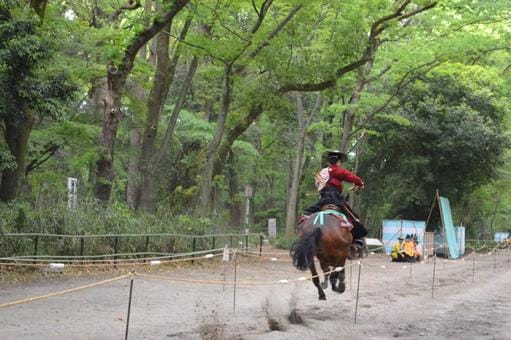
The Yabusame at Shimogamo Shrine is a traditional event held every year on May 3rd. Yabusame is a martial art where archers shoot targets while riding on horseback, with origins dating back to the Heian period.
This event is held to pray for the safe conduct of the "Aoi Matsuri" that follows. Although it's outside the cherry blossom season, it captivates many people as one of Kyoto's representative spring events.
Local's Insider Tips for Yabusame at Shimogamo Shrine
When a rider successfully hits the target with an arrow, that target becomes a lucky charm called an "Atarimato." It's said to bring good fortune when displayed in your home.
That said, you never know how many will be available on the day, and the supply is limited. They also vary in size and shape.
Since they're a popular item, check in advance where they'll be sold if you're hoping to get one. When a target is hit, head to the sales booth quickly.
Aoi Matsuri (May 15, 2026)
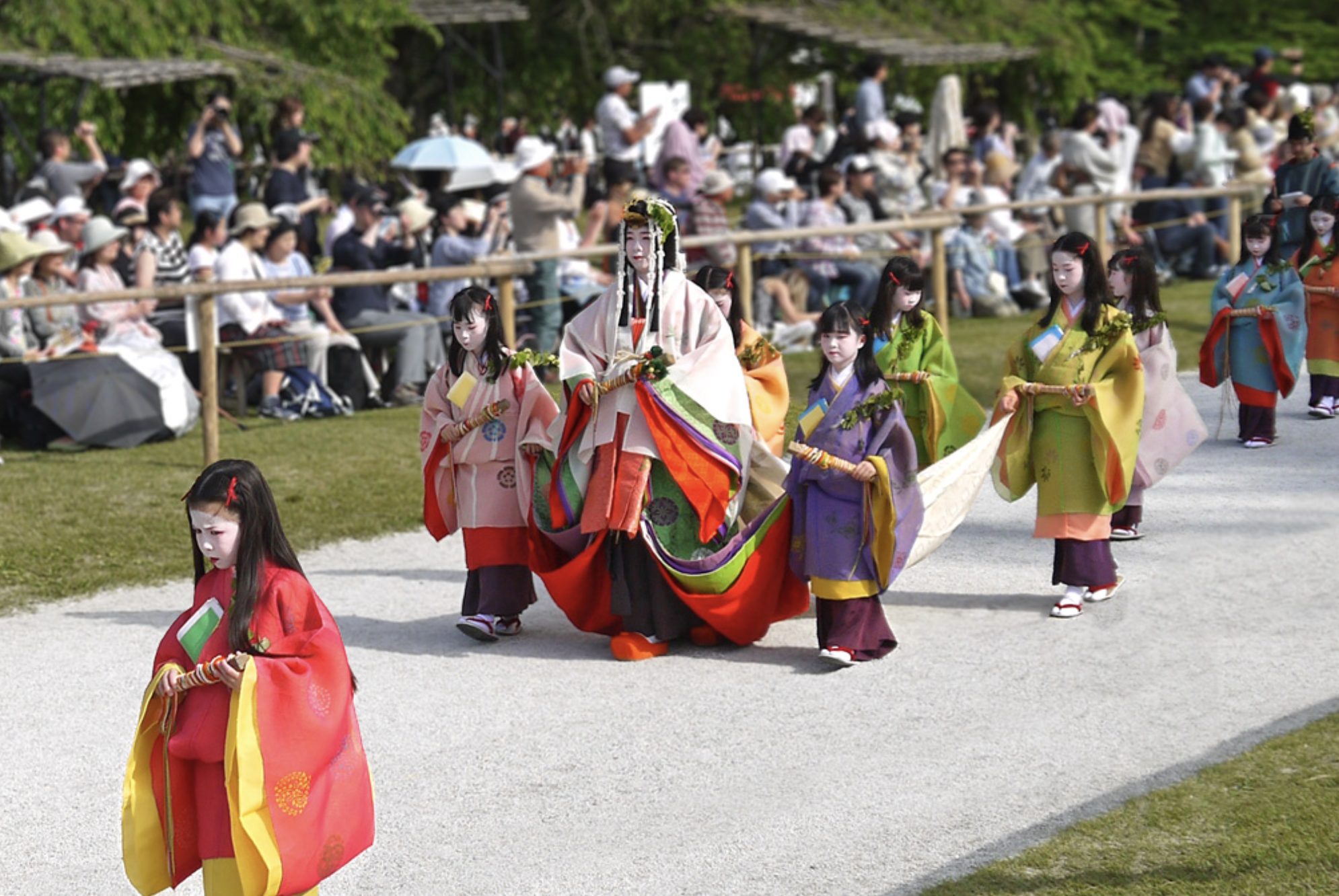
The Aoi Matsuri is one of Kyoto's three major festivals and is where you can feel the history and traditions of Kyoto most strongly. It's held annually on May 15th at Kamigamo Shrine and Shimogamo Shrine, and its grandeur and beauty overwhelm spectators.
In particular, the parade of over 500 people in traditional costumes proceeding along the approximately 8-kilometer route from Kyoto Imperial Palace to Shimogamo Shrine and then to Kamigamo Shrine gives you a sense of stepping back in time to the Heian period.
I find it truly breathtaking every time I witness it.
More Detailed Information About "Temples and Shrines in Kyoto"
・Top 9 Best Temples and Shrines; Must-Visit for First-Timers!
Related Article
・Kyoto in May 2026: Highlights, Events & Festivals
The events held in Kyoto during May are unique and fascinating, even among traditional events. In this article, I provide detailed information about my favorite events, including the Uesaku Festival and the Kamo Horse Racing Ceremony.
Local's Insider Tips for Aoi Matsuri
Purchasing a paid viewing seat lets you watch the procession at a relaxed pace and is a great option if you want a guaranteed spot.
Keep in mind, though, that the seating is set up in direct sunlight, so you'll need to be well prepared for the heat.
Since the procession moves along public streets, you can still watch without a paid seat. My personal recommendation is along Kamo Kaido Street, where there's plenty of shade from the trees.
It's relatively less crowded, and from the riverbank on the opposite side, you can take in a sweeping view of the entire procession.
Related Article
・Kyoto in May 2026: 17 Best Events, Festivals & Seasonal Highlights
sena kanda
Two Recommended Tours to Fully Experience Kyoto
Here are two special tours from MagicalTrip, highly rated on TripAdvisor, that will help you enjoy a deeper Kyoto experience.
Kyoto Night Foodie Tour
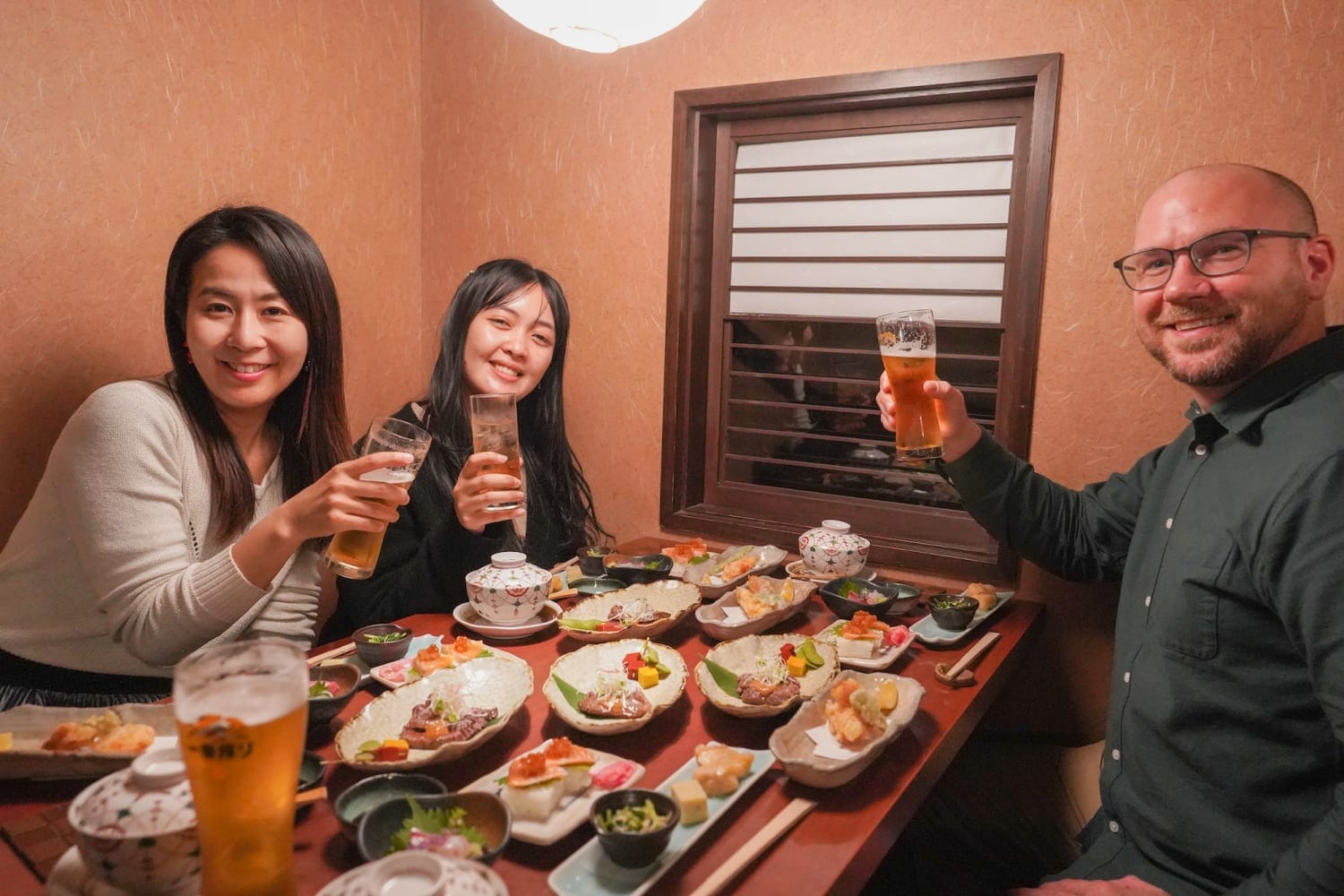
This is a genuine 3-hour dining tour through the Pontocho and Gion districts. Ranked 6th among all TripAdvisor tours in 2024, it's priced at $136.80 (approximately ¥20,000).
You'll visit three carefully selected establishments to enjoy traditional Kyoto cuisine, from Kyo-yasai (Kyoto vegetables) and yuba (tofu skin) to desserts. The tour includes a sake tasting experience with three types of local sake at each venue, with soft drinks available for guests under 20 years old.
While strolling through Gion's streets lined with traditional machiya buildings, you might have a chance encounter with maiko (apprentice geisha). An English-speaking guide will provide detailed explanations about the cuisine and sake, and photos taken during the tour will be emailed to you later.
Vegetarian options are available (though dashi stock contains seafood), but vegan and gluten-free options are not accommodated. Please notify about any dietary restrictions at least one day in advance. Free cancellation is available up to 24 hours before, and additional orders are possible at the final venue.
For more details: Kyoto Night Foodie Tour
Fushimi Inari Hidden Hiking Tour
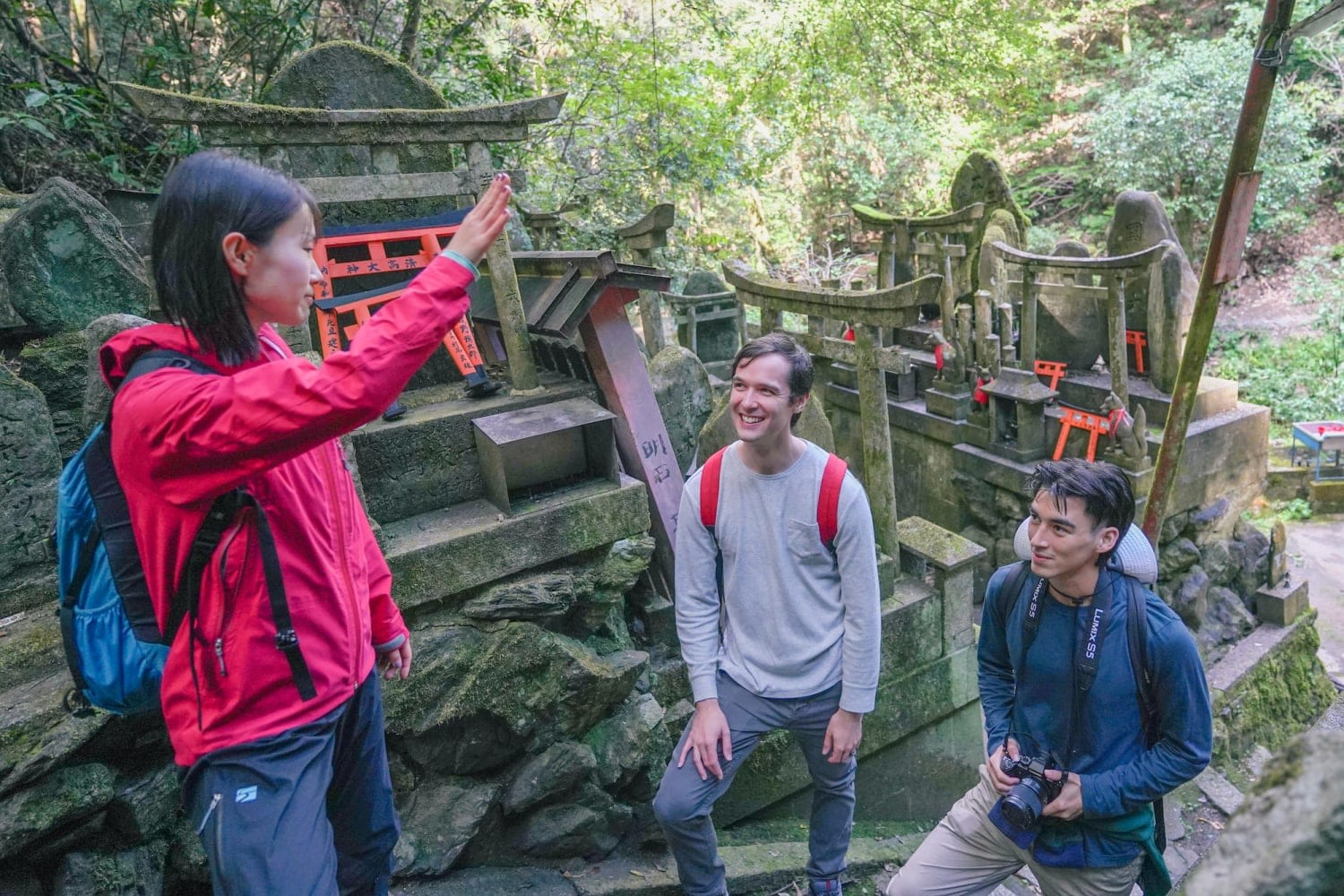
This is a 3-hour hiking tour of Fushimi Inari that takes you through lesser-known backroads. Ranked 3rd on TripAdvisor's 2024 rankings, it costs $64.84 (approximately ¥9,500).
The tour allows you to enjoy hidden bamboo groves and nature while avoiding crowds, with plenty of time for photography. Starting from Tofukuji Station, you'll traverse local residential areas and small shrines before heading into the mountain paths. The approximately 7km course isn't designed for advanced hikers but requires moderate fitness.
The small-group format creates a friendly atmosphere suitable for solo travelers and families alike. However, it's not recommended for pregnant women, children under 8, or those with mobility concerns.
During summer, hats and sunglasses are recommended, and long sleeves and pants are advised for insect protection. Free cancellation is available up to 24 hours before, with full refunds provided for weather-related cancellations (such as typhoons) announced by the previous day.
For more details: Fushimi Inari Hidden Hiking Tour
These two tours offer distinct experiences: exploring food culture in the evening entertainment district and discovering Fushimi Inari through hidden mountain paths. Both tours come with English-speaking guides for a comfortable experience and flexible cancellation policies, making them ideal programs for creating memorable experiences during your Kyoto trip.
Frequently Asked Questions About Kyoto Event 2026
What are the most popular festivals in Kyoto in 2026?
Kyoto's most iconic festivals include Gion Matsuri (July), Aoi Matsuri (May), and Jidai Matsuri (October), collectively known as Kyoto's three great festivals. Beyond these, Daimonji Gozan Okuribi (August) draws massive crowds each year.
For 2026, dates for most events are expected to follow their traditional calendar, though it's always worth checking official sources closer to your visit as scheduling can occasionally shift.
When is the best time to visit Kyoto for festivals?
July is the peak festival month thanks to Gion Matsuri, which runs throughout the entire month with the grand Yamaboko Junko processions on July 17 and 24.
However, if crowds and summer heat are a concern, May offers a gentler experience — Aoi Matsuri takes place mid-month, and the weather is far more comfortable for walking between venues.
October is another strong choice, combining the colorful start of autumn foliage with Jidai Matsuri's elaborate historical procession.
What is Gion Matsuri and when does it take place in 2026?
Gion Matsuri is Kyoto's most famous festival and one of Japan's three greatest festivals, held annually throughout the entire month of July at and around Yasaka Shrine in the Gion district. Its origins date back over 1,100 years to a ritual purification ceremony meant to ward off plague.
The highlight is the Yamaboko Junko, a grand procession of elaborately decorated wooden floats (yamaboko) that winds through central Kyoto — the Saki Matsuri procession takes place on July 17 and the Ato Matsuri on July 24.
In the evenings leading up to each procession (July 14–16 and July 21–23), the downtown streets around Shijo and Karasuma transform into a lively pedestrian festival known as Yoiyama, lined with food stalls and illuminated floats that are open for close-up viewing.
Where can I see Setsubun celebrations in Kyoto?
The best places to see Setsubun celebrations in Kyoto are Yoshida Shrine, Heian Shrine, and Mibudera Temple, each offering a distinct experience on February 3.
Yoshida Shrine near Kyoto University hosts one of the largest Setsubun festivals in Japan, culminating in a massive bonfire ceremony on the night of February 2–3.
Heian Shrine is known for its elegant bean-throwing (mamemaki) ceremonies in a grand shrine setting. Mibudera Temple in Nakagyo Ward offers traditional Setsubun kyogen, comic ritual plays unique to Kyoto that are rarely seen elsewhere.
Arriving early is strongly recommended at all venues, especially Yoshida Shrine, as crowds grow very large after dark.
Are Kyoto festivals free to attend?
Many of Kyoto's festivals are free to watch from public streets and spaces. The Gion Matsuri processions, Aoi Matsuri parade route, and most shrine ceremonies can be viewed at no cost if you find a spot along the public road.
However, some events charge for reserved seating, for example, bleacher seats along the Yamaboko Junko route typically sell out months in advance and cost several thousand yen. Entering certain shrine or temple grounds during special festival events may also require a small admission fee (usually ¥500–¥1,000).
Food and vendor stalls at festival grounds are of course paid separately. For the best experience without spending much, arriving early to claim a good standing spot along the parade route is the most popular strategy among budget-conscious visitors.
Summary
In 2026, Kyoto will host various traditional events, festivals, and nature-enjoying events throughout the year, from New Year's shrine visits to New Year's Eve bell ringing.
When visiting Kyoto, I recommend planning your trip based on these event schedules, considering your interests and the timing of your stay. Also, as popular events are likely to be crowded, be sure to gather information in advance and prepare early to enjoy them!
I hope you have a wonderful time experiencing the rich culture and beautiful seasons of Kyoto through these events.