Kyoto Events & Festivals November 2026: Autumn Foliage, Gion Odori & Special Openings
Kyoto is often described as the city with the deepest history and richest cultural heritage in Japan. Packed with places where you can truly feel the essence of Japan, it is one of the must-visit destinations for anyone traveling in the country.
However, I have seen many of my foreign friends visit Kyoto and leave without fully enjoying it. In reality, Kyoto’s profound history and traditions can be difficult to grasp, and many people come away thinking, “It feels amazing somehow, but I don’t really understand what makes it special.”
That’s why I recommend exploring the city with locals who truly know the real Kyoto. With tours from Magical Trip—winner of Tripadvisor’s The Best of the Best in both 2024 and 2025—you’ll be able to leave Kyoto with unforgettable memories.

Start by checking out the tours that interest you most. Magical Trip offers exciting and authentic experiences that even many Japanese people have never tried.
-Kyoto Gion Tea ceremony & Wabi-sabi Walking Tour
-Kyoto Zen Meditation & Garden Tour at a Zen Temple with traditional Sho-jin lunch
-Dinner with Maiko in a Traditional Kyoto Style Restaurant Tour
If you’re interested in Kyoto’s food culture, the “Kyoto Night Foodie Tour,” where you can enjoy traditional Kyoto home-style dishes known as obanzai, is highly recommended.
If you love drinking, choose the “Kyoto Bar Hopping Nightlife Tour in Pontocho,” where you can savor delicious food and drinks in one of Kyoto’s most traditional areas.
Introduction
Kyoto is Japan's premier tourist destination, where the beauty of four seasons and living history and culture come alive. Among all seasons, autumn is particularly popular throughout the year. In the crisp air and mild climate, shrine and temple grounds are adorned with autumn foliage, and traditional events befitting the ancient capital are held throughout the region.
In this article, I'll introduce autumn in Kyoto as recommended by someone born and raised in Kyoto. I've compiled autumn foliage spots, special events, and cultural experiences, so please use this as a reference for your travels. These Kyoto Event November 2026 celebrations represent some of the most authentic traditional experiences you can have in Japan's former capital.
2026 Year-round Event Schedule in Kyoto↓
・Kyoto Festivals 2026: Traditional Events, Seasonal Celebrations, and More
 Takashi Nakadomari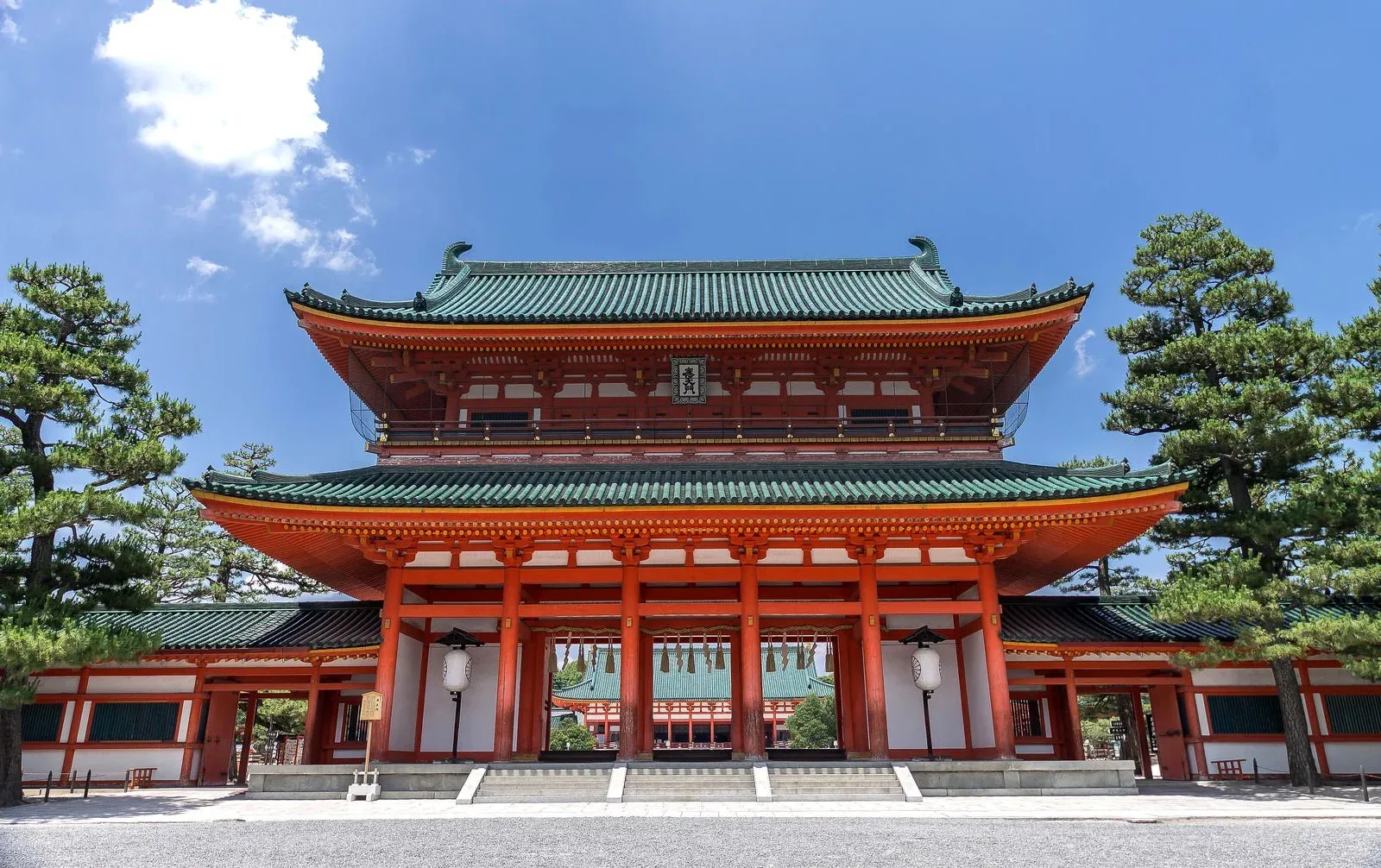
Traditional Events at Kyoto's Temples and Shrines in November 2026 - Explained by Area
In November, when autumn foliage reaches its peak in Kyoto, traditional ceremonies thanking for autumn's harvest are held at temples and shrines throughout the region. Here, I'll introduce representative Kyoto Event November 2026 celebrations that I particularly recommend by area.
Fushimi Inari Taisha - Hitaki-sai Fire Festival
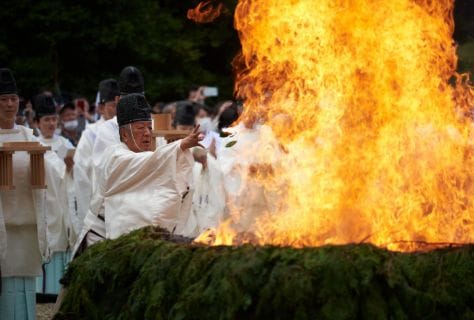
The Hitaki-sai Fire Festival is one of the most important autumn festivals at Fushimi Inari Taisha. Hundreds of thousands of "Hitaki-gushi" collected from across the nation are burned all at once, with the rising flames carrying prayers for abundant harvests and freedom from illness. Hitaki-gushi are special wooden pieces inscribed with wishes that deliver prayers to heaven along with the flames.
I also wrote my wishes on Hitaki-gushi and offered it, praying while being bathed in the vigorously burning flames and smoke. Surrounded by the flickering flames and the sound of ritual prayers, I truly felt the weight of faith that has continued since ancient times.
This fire festival, praised as having the largest scale in the nation, is spectacular, and you can experience the contrast between quiet prayers and powerful flames. If you visit Kyoto in autumn, this is definitely a sacred ritual you should participate in as part of your Kyoto Event November 2026 experience.
Information:
- Date: November 8, 2026
- Access: Immediately upon exiting JR Nara Line "Inari Station"
5-minute walk from Keihan Main Line "Fushimi-Inari Station"
- Admission: Free
- Website: https://inari.jp/rite/?month=11月#394
Arashiyama Momiji Festival
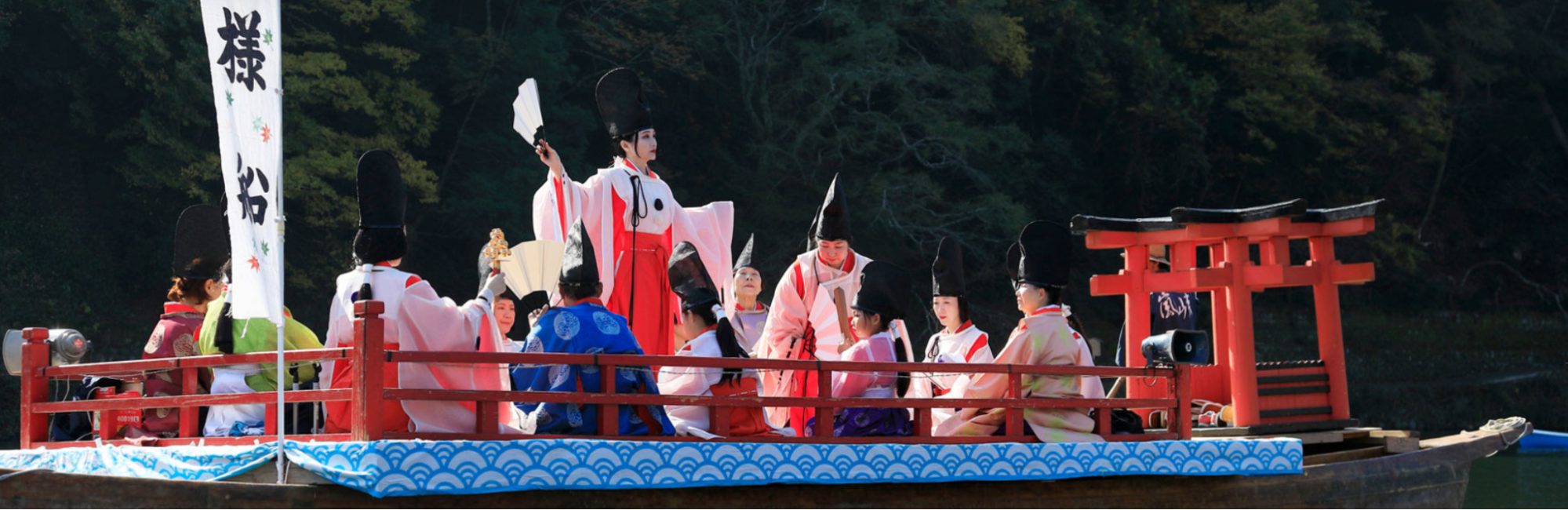
The Arashiyama Momiji Festival is an elegant autumn festival unique to Kyoto that recreates the graceful boat excursions of bygone eras. The stage for this festival, Arashiyama, has been a place where nobles enjoyed boat excursions since over a thousand years ago when Kyoto flourished as Japan's center during the Heian Period (794-1185).
This event recreates the refined culture of that era. On the day of the festival, elaborately decorated boats float on the river, featuring traditional music, dance, and classical drama performances. The performers dressed in period costumes move with grace, and combined with the autumn foliage in the background, it creates a scene like a picture scroll.
You can enjoy scenes that make you feel as if you've time-traveled to Heian Period Japan, making this recommended for those interested in Japanese history and culture. This Kyoto Event November 2026 celebration offers a unique glimpse into Japan's imperial past.
Information:
- Date: November 8, 2026
- Access: Immediately upon exiting Randen (Keifuku Electric Railroad) Arashiyama Line "Arashiyama Station"
10-minute walk from JR Sagano Line "Saga-Arashiyama Station"
5-minute walk from Hankyu Railway Arashiyama Line "Arashiyama Station"
- Admission: Free
- Website: https://www.arashiyamahoshokai.com/event/arashiyama-momiji-matsuri
Kitano Tenmangu Shrine - Ocha-tsubo Hōkensai (Tea Jar Procession)
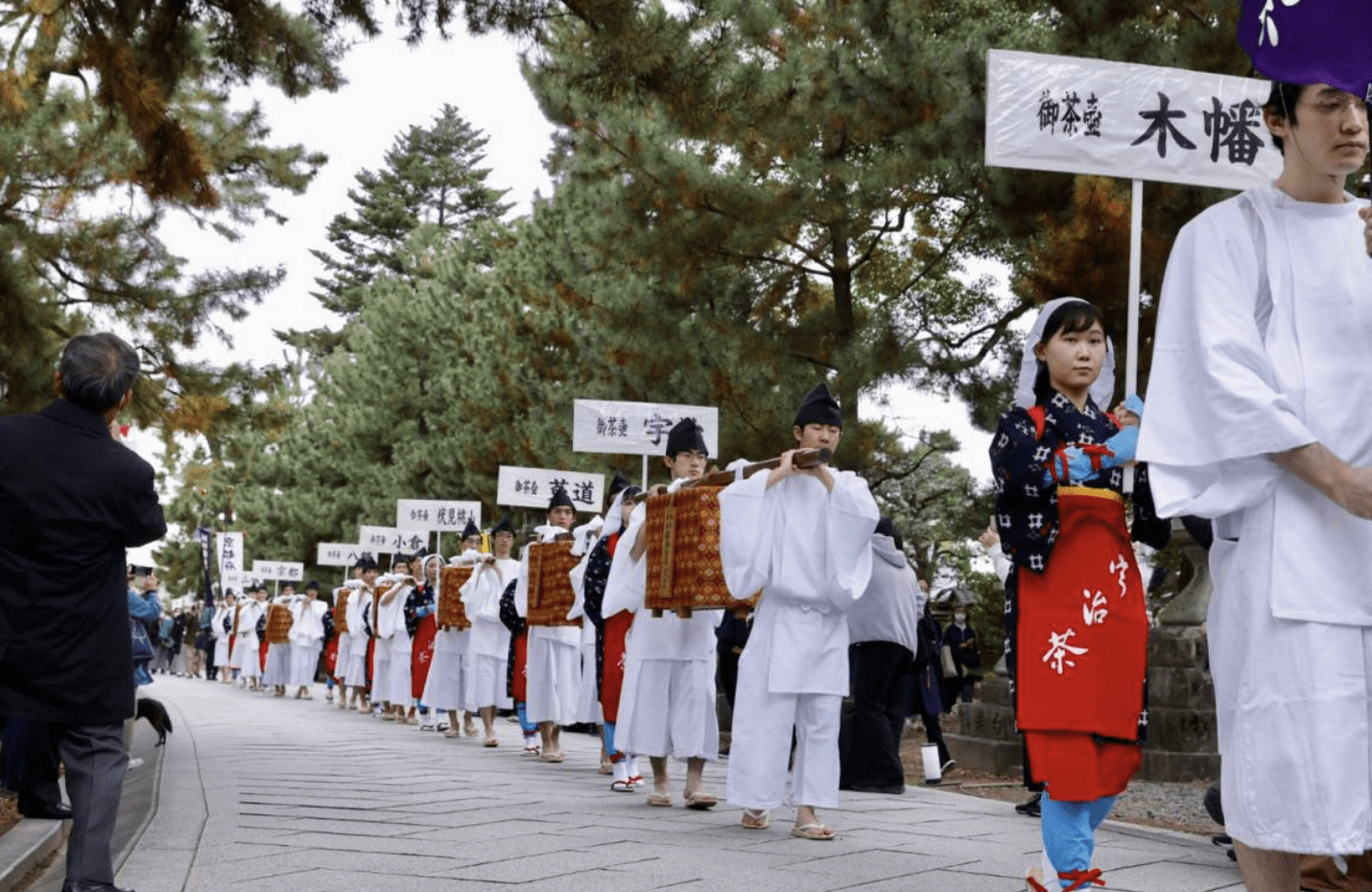
The Ocha-tsubo Hōkensai (Tea Jar Procession) held at Kitano Tenmangu Shrine is a traditional ceremony that offers Uji Tea to the divine presence. Uji Tea has been known as the highest quality tea for hundreds of years and was presented to shoguns and nobles.
The procession carrying tea jars is dressed in ancient ceremonial attire and proceeds solemnly through the shrine grounds. From their appearance, you can feel the "gratitude for nature's blessings" and "caring heart for others" that Japanese people have cherished through tea.
I study Japanese Tea Ceremony, and my teacher taught me that "a single cup of tea contains feelings for others." When I experienced the solemn atmosphere of the Ocha-tsubo Hōkensai, those words came to mind and I felt deep emotion.
While not a flashy festival, this is an ideal ceremony for those who want to spend a quiet, dignified autumn day. This refined Kyoto Event November 2026 celebration embodies the spiritual essence of Japanese tea culture.
Information:
- Date: November 26, 2026
- Access: Immediately upon exiting at "Kitano-tenmangu-mae" stop on Kyoto City Bus Route 50 from JR Kyoto Station
5-minute walk from Keifuku Electric Railway "Kitano-hakubaicho Station"
- Admission: Free
- Website: https://kitanotenmangu.or.jp/en/
Detailed Event Info: https://kitanotenmangu.or.jp/news/11月26日-御茶壺奉献奉告祭・口切式のご案内/
Fude-kuyo (Calligraphy Brush Memorial Service)
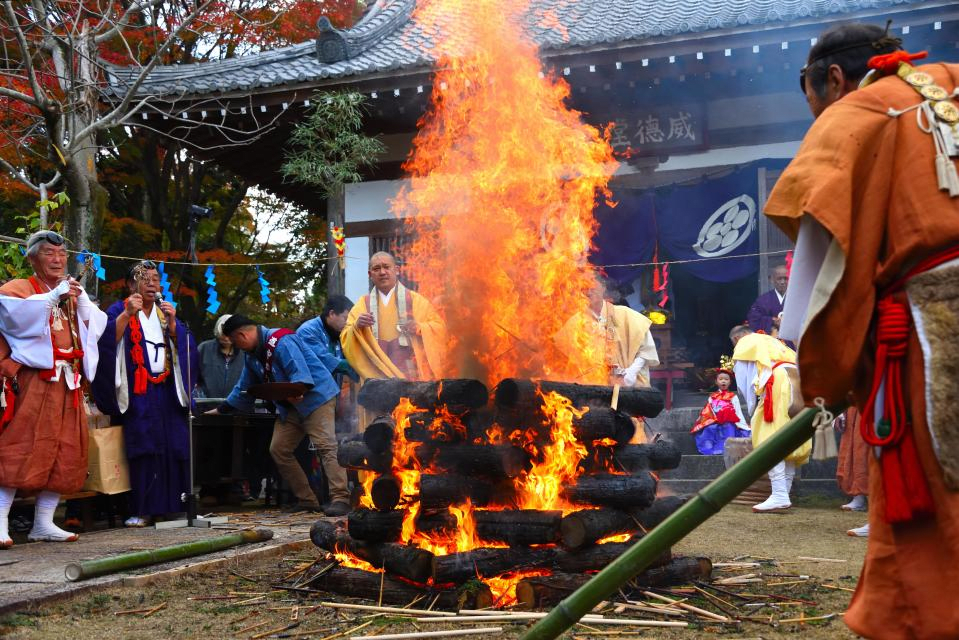
Fude-kuyo is a ceremony held to express gratitude for old, worn-out brushes. At Shogakuan, it takes place every year on November 23.
During Fude-kuyo, a Mikoshi (portable shrine) decorated with old brushes is paraded through the temple grounds and the surrounding neighborhood, and brushes along with other writing implements are ceremonially burned as a way of giving thanks to the brushes.
I once had a pencil I used during my university entrance exams burned in this ceremony. After the exams, I remember expressing my gratitude to my parents and teachers, but for a long time I had completely forgotten about the pencil that had faced the test alongside me. For me, Fude-kuyo became a day that reminded me to feel grateful for the objects around me in everyday life.
It is also said that bathing in the smoke from the ceremonial burning will improve your handwriting. In an age where digitalization has advanced so much and writing by hand has decreased considerably, it was a day that made me want to cherish the act of writing letters once again.
〈Details〉
- Date: November 23, 2026
- Venue: Shogakuan, a sub-temple of Tofukuji
- Address: 15-808 Honmachi, Higashiyama-ku, Kyoto
- Access: Approximately 12-minute walk from "Tofukuji Station" on the JR Nara Line / Keihan Main Line
- Admission: Free
- Website: http://shogakuan.web.fc2.com/fude.html
Inoko-sai (Boar Day Festival)
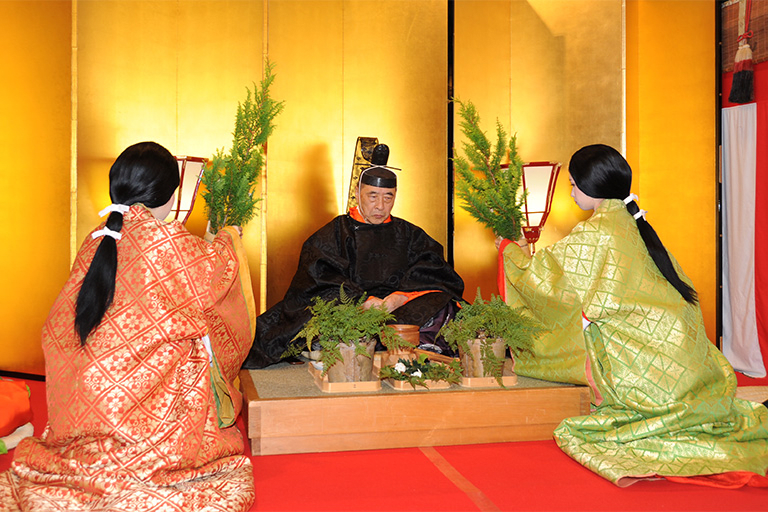
The Annual Inoko-sai (Boar Day Festival) is a re-enactment of an event called "Gogencho," which was held as a court event in Japan approximately 1,000 years ago.
The Annual Inoko-sai recreates the sacred ritual of making Inoko mochi (rice cakes) that was practiced around 1,000 years ago, as well as the procession held to offer these rice cakes to the Kyoto Imperial Palace.
Watching people dressed in traditional costumes and hairstyles solemnly carry out the rituals feels as though you have traveled back in time, and it is truly fascinating. Each individual movement — standing up, walking, turning around — is performed with great deliberateness and refinement, and I found myself naturally drawn in and unable to look away.
It is a fond memory of mine, returning to the hotel with a calm and contented heart, sighing to myself, "That was truly wonderful."
〈Details〉
- Date: November 11, 2026
- Venue: Goo Jinja (Go-o Shrine)
- Address: Sakurazuruenmachi 385, Karasuma-dori Shimocho-sagaru, Kamigyo-ku, Kyoto
- Access: Approximately 7-minute walk from Marutamachi Station
- Admission: Free
- Website: http://www.gooujinja.or.jp/annai/saiji.html
Tanukidani-san Fudō-in Temple - Autumn Festival

Tanukidani-san Fudō-in Temple is known as a training ground for "Shugendō," a uniquely Japanese faith that regards mountains as sacred places for spiritual practice. The highlight of this festival is "Otsunagari Sanpai."
In "Otsunagari Sanpai," a special ritual is performed where worshippers touch cloth extending from the sword of the principal Buddhist deity, Fudō Myō-ō (Acala), directly forming a connection with the divine. When I also placed my hand on the cloth and prayed, I felt as though I could directly convey my wishes to Fudō Myō-ō, and felt my heart become calm.
This festival, where you can experience historic prayers, is recommended for those who want to connect with Japanese culture and faith. Please definitely experience the solemn atmosphere in person. This unique Kyoto Event November 2026 celebration offers deep spiritual immersion.
Information:
- Date: November 3, 2026
- Access: 10-minute walk from "Ichijoji-sagarimatsucho" stop on Kyoto City Bus Route 5 from JR Kyoto Station
15-minute walk from Eizan Electric Railway "Ichijoji" Station
- Admission: 500 yen
- Website: https://www.tanukidani.com/event/autumn_fes/
To Deeply Understand Kyoto's Traditions, Explore the City While Listening to Local Guide Explanations

If you want to deeply understand Kyoto's traditions, tours with local guides are recommended. With Magical Trip, you can not only visit famous tourist spots but also learn about historical and cultural backgrounds, allowing you to discover Kyoto's charms that you wouldn't notice on your own.
For example, you can walk through Gion and Ponto-chō while learning about the history of geisha districts and Geiko and Maiko culture, or experience tasting seasonal ingredients and Obanzai (Kyoto's traditional home-style dishes) at Nishiki Market.
Furthermore, they'll guide you to small restaurants and alleyways known only to locals, providing discoveries you wouldn't encounter through regular tourism alone.
These memorable tours are perfect for those who want to connect with Kyoto's traditions beyond just sightseeing, making them ideal companions for your Kyoto Event November 2026 cultural journey.
If you're interested in more about the guided tours in autumn, check the article below.
・Ultimate Kyoto Tours Guide 2026: Best Seasonal Experiences for Spring Cherry Blossoms, Summer Festivals, Autumn Foliage & Snowy Landscape
Cultural Events to Enjoy in Kyoto in November
In addition to traditional festivals, Kyoto in November offers diverse cultural events including dance performances by geiko and maiko, and ceremonies honoring historical figures. This presents an excellent opportunity for travelers interested in Japanese culture to experience deep fascination. Let me introduce the events I particularly recommend as part of your Kyoto Event November 2026 experience.
Gion Odori
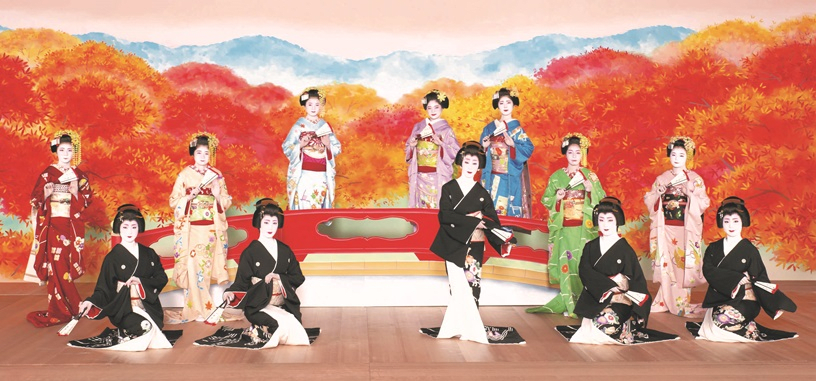
"Gion Odori" is an annual autumn dance performance by Geiko and Maiko from the Gion Higashi district. Dressed in colorful kimono, they present elegant and gorgeous performances one after another. Audiences are enveloped in the world of traditional Japanese performing arts and can experience the unique atmosphere of Kyoto firsthand.
While appreciating the artistry is attractive, what I particularly recommend is the Tea Ceremony Seat. You can watch a Geiko gracefully prepare tea right in front of you while enjoying matcha and traditional sweets as you observe this elegant scene.
The plates for the traditional sweets served here can be taken home. Since these are special vessels only available at this venue, please take them home as a memorable souvenir of your trip.
By experiencing both the stage performance and Tea Ceremony Seat together, this will surely become an unforgettable time that imprints Kyoto's beauty and tradition in your heart.
<Information>
- Dates: typically held November 1–10
- Access: 10-minute walk from Keihan Main Line "Gion-Shijo Station"
15-minute walk from Hankyu Kyoto Line "Kyoto-Kawaramachi Station"
10-minute walk from Kyoto Municipal Subway Tozai Line "Higashiyama - Station"
- Admission: Special viewing ticket with tea ceremony seat: 7,000 yen
Viewing ticket: 6,000 yen
- Website: https://www.gionhigashi.com/gion.html
Shinsen'en Dai-Nembutsu Kyogen
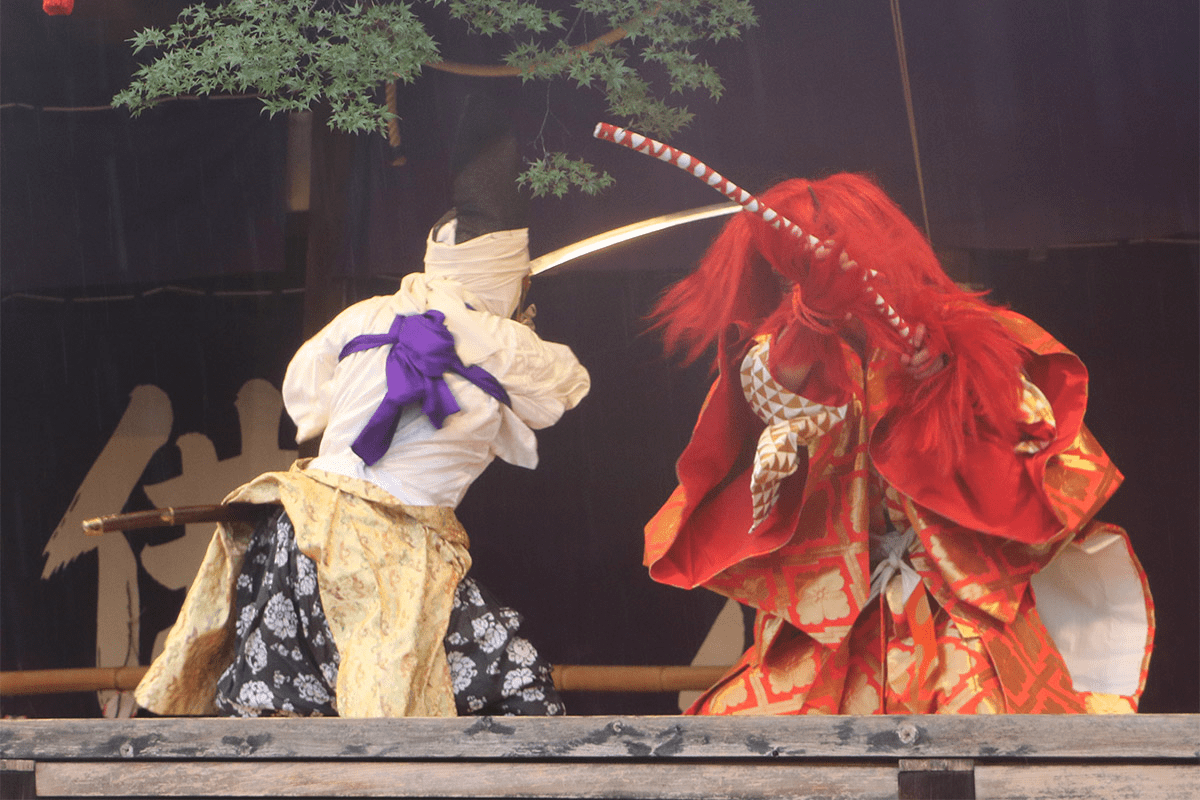
The Shinsen'en Dai-Nembutsu Kyogen is one of Japan's traditional performing arts, with origins dating back to around 1300. It is said to have begun when a monk named Engaku conveyed Nembutsu (Buddhist invocations) and worldly truths not through words, but through gesture alone.
The performers move in a distinctive rhythm to the accompaniment of traditional Japanese gongs, drums, and flutes. Whenever I watch the Shinsen'en Dai-Nembutsu Kyogen, I always find myself feeling a sense of wonder. The music, the rhythm, and the way of moving are all entirely unlike anything I have encountered before. And yet, watching it also stirs a feeling of nostalgic familiarity, as though I could watch it forever.
Because the Shinsen'en Dai-Nembutsu Kyogen is performed entirely in silence, one of its most appealing features is that people who do not understand Japanese can enjoy it just as much as Japanese audiences.
〈Details〉
- Date: Not yet announced for 2026 (typically held on the first Saturday and Sunday of November)
- Venue: Shinsen'en
- Address: 166 Monzenmachi, Oike-dori Shinsen'en-cho Higashiiru, Nakagyo-ku, Kyoto
- Access: Directly accessible from "Nijo-jo-mae" Station on the Subway Tozai Line
- Admission: By donation (free-will offering)
- Website: https://www.shinsenen.org/kyougen.html
Yūgiri Festival
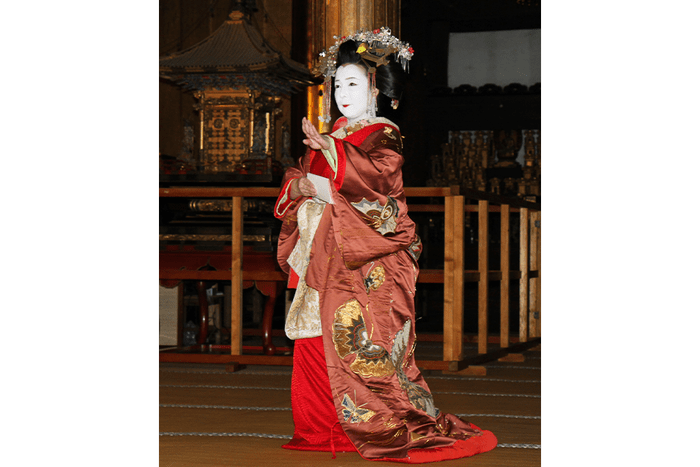
The Yūgiri Festival is a ceremony to honor Yūgiri Tayū (courtesan Yugiri), who was famous during the Edo Period (1603-1868). Yūgiri Tayū was a Tayū (high-ranking courtesan) who flourished in the pleasure quarter called Shimabara, beloved by people for her beauty and high level of artistry, and her story continues to be passed down today.
After a memorial service at the temple, current Tayū present a procession called "Tayū Dōchū" in gorgeous costumes. The Tayū wear large wooden clogs and proceed slowly, step by step, drawing figure-eights inward with their toes.
When I saw the Tayū up close, I was overwhelmed by the beauty of their costumes and movements. This is truly an impact that cannot be fully conveyed through photos or videos. If you're interested in traditional Japanese culture or the world of geisha, please make sure to visit.
Information:
- Date: Second Sunday of November
- Access: 2-minute walk from Kyoto City Bus or Kyoto Bus "Saga-Shakado-mae"
15-minute walk from JR Sagano Line "Saga-Arashiyama Station"
15-minute walk from Randen Arashiyama Main Line "Arashiyama Station"
20-minute walk from Hankyu Arashiyama Line "Arashiyama Station"
- Admission: 500 yen
- Website: http://seiryoji.or.jp/
Temples and Shrines with Beautiful Autumn Foliage in Kyoto in November
Kiyomizu-dera Temple
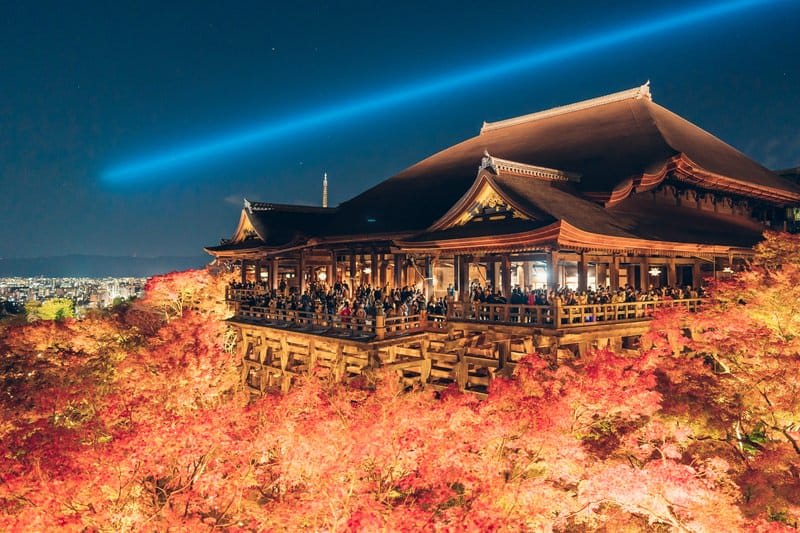
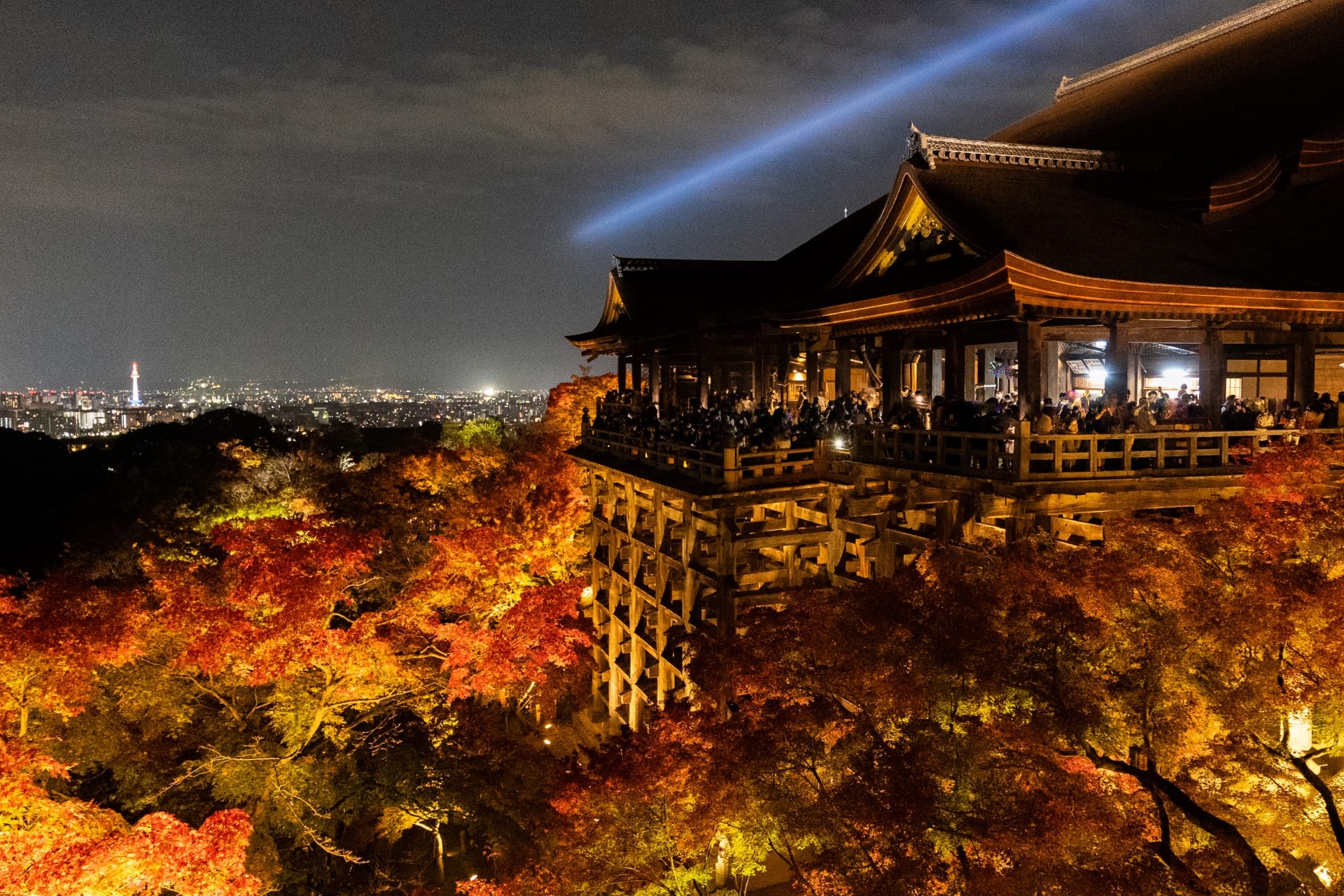
Kiyomizu-dera Temple is a representative UNESCO World Heritage Site of Kyoto, bustling with many tourists as a famous autumn foliage spot. The autumn leaves typically begin to change color from mid-November, reaching their peak from late November to early December.
The autumn foliage throughout the Kiinun Valley as viewed from the "Kiyomizu Stage" is particularly spectacular, and the contrast between the Main Hall and Three-story Pagoda with the vibrant autumn leaves creates one of Kyoto's finest scenic views.
My favorite spot is the view from Oku-no-in Hall located on the north side of Kiyomizu Stage. This is a classic scenic spot often used in posters and tourist brochures, where the contrast between the stage and autumn foliage is exceptionally beautiful.
Since it gets crowded during the day, I recommend visiting early in the morning.
Information:
- Dates: Mid-November to early December
- Access: Take Kyoto City Bus routes 206 or 100 to "Gojozaka," then 10-minute walk
25-minute walk from Keihan Electric Railway "Kiyomizu-Gojo Station"
- Admission: 500 yen
- Website: https://www.kiyomizudera.or.jp/
Kōdai-ji Temple
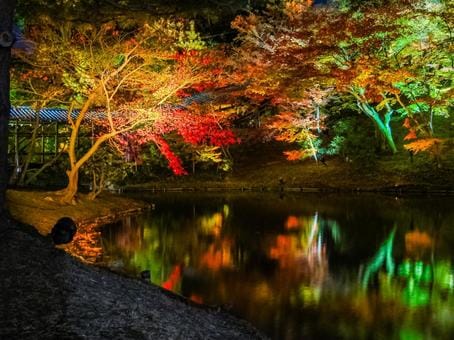
Kōdai-ji Temple is a temple built by Nene, the wife of Toyotomi Hideyoshi (the leader who ended the era when warlords across Japan fought each other in the 16th century and unified Japan), to mourn her husband. In autumn, it's known as one of Kyoto's representative autumn foliage spots.
The temple grounds contain many highlights including Garyō Pond and Founder's Hall, and the scenery where autumn foliage and temple buildings become one is as beautiful as a painting.
Among these, I particularly recommend visiting this temple during the nighttime illumination period. While the vivid autumn foliage during the day is also attractive, the sight of vermillion leaves floating in darkness alongside the historic temple buildings is breathtaking.
The autumn leaves typically begin to change color from mid-November, reaching their peak from late November to early December. You can enjoy different expressions of autumn foliage day and night along with the historical background.
Information:
- Dates: Mid-November to early December
- Access: 5-minute walk from Kyoto City Bus route 206 "Higashiyama-Yasui"
15-minute walk from Keihan Electric Railway "Gion-Shijo Station"
20-minute walk from Hankyu Electric Railway "Kyoto-Kawaramachi Station"
- Admission: 600 yen
- Website: https://www.kodaiji.com/
Eikandō Autumn Temple Treasures Exhibition
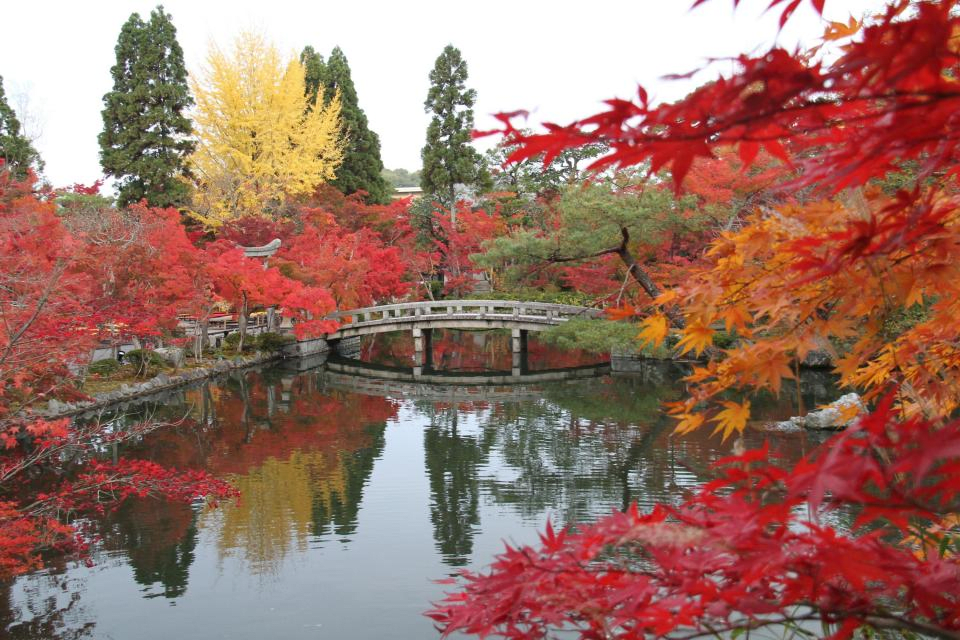
Zenrin-ji Temple, known as "Eikandō, Temple of Autumn Leaves," is one of Kyoto's premier autumn foliage spots. In autumn, approximately 300 maple trees color the temple grounds.
Every autumn, the Autumn Temple Treasures Exhibition is held, where you can specially view precious Cultural Properties that are usually not open to the public. Since you can observe elegant and delicate sliding door paintings and Buddhist sculpture up close in a truly Japanese manner, I look forward to this time every year.
When you step into the temple grounds, vibrant autumn foliage spreads out with Hōjō Pond and Tahōtō Pagoda as the backdrop. The maple leaves reflected on the water surface are particularly fantastical and beautiful enough to make you stand transfixed.
I recommend this place for those who want to experience both the beauty of cultural properties and natural beauty at once. The autumn leaves begin to change color in mid-November, with peak viewing in late November.
Information:
- Dates: November 11 - December 10
- Access: 3-minute walk from Kyoto City Bus route 5 "Nanzenji-Eikando-michi"
From Subway Karasuma Line "Kyoto Station," transfer at "Karasuma-Oike" to "Keage," then 15-minute walk
From Keihan Electric Railway "Sanjo Station," take Kyoto City Bus route 5 to "Nanzenji-Eikando-michi," then 3-minute walk
- Admission: 1,000 yen
- Website: https://www.eikando.or.jp/osirase.html
Beautiful Gardens with Special Autumn Openings During the Foliage Season
Kitano Tenmangu Shrine — Special Opening of the Historic Odoi Earthworks
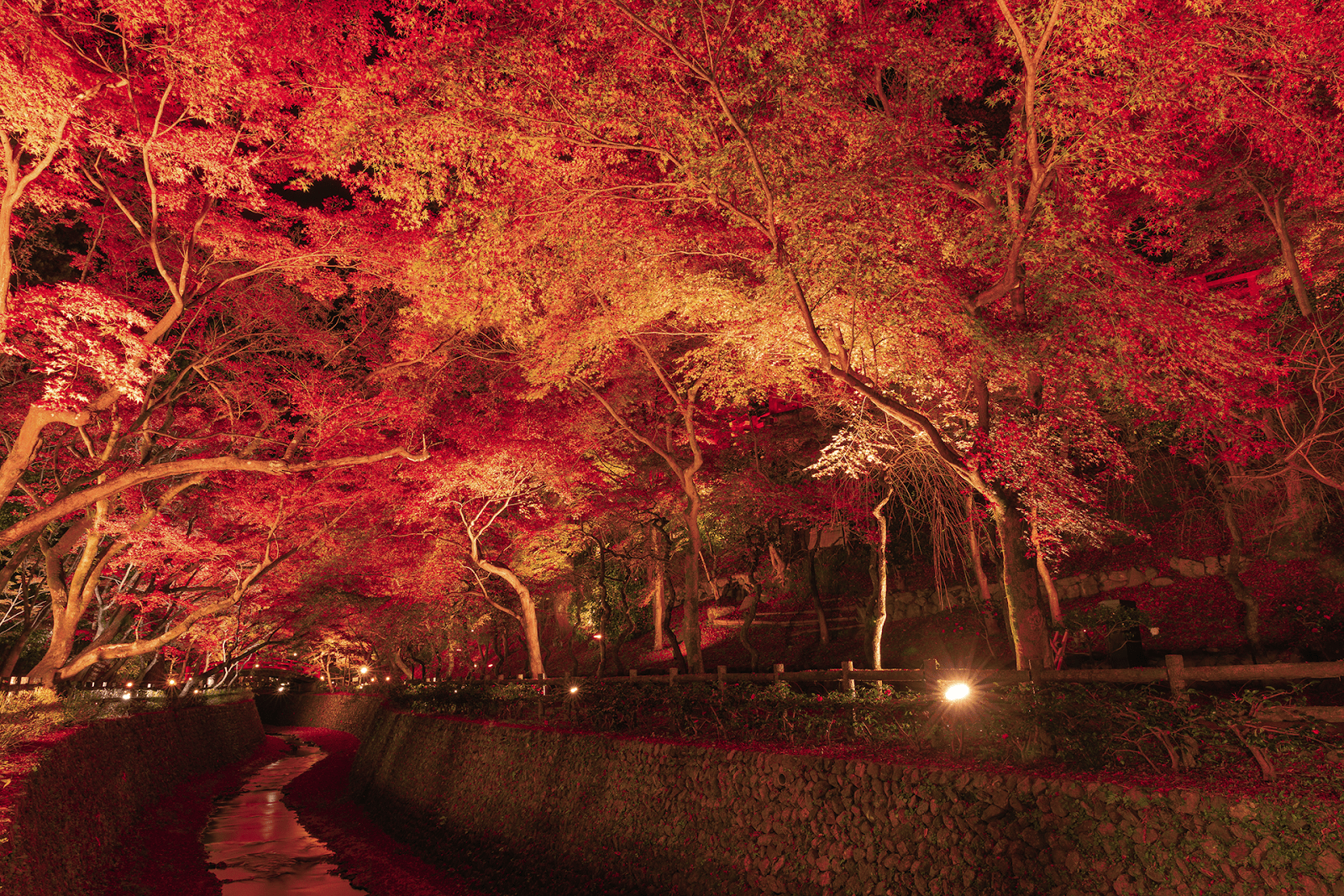
Kitano Tenmangu is a renowned spot for autumn foliage, where approximately 350 maple trees can be admired. Visitors can stroll through the garden and fully enjoy the beautiful maples.
One of the most appealing features of this garden is the way its layout allows you to appreciate the foliage from a variety of angles.
For example, you can gaze up at the maples from below, look down upon them from above, enjoy the contrast of their colors against the railings of a traditional Japanese bridge, or simply lose yourself in the reflection of the leaves shimmering on the water's surface.
The garden is also illuminated at night, and a nighttime visit is highly recommended. The lit-up maple trees create an incredibly enchanting atmosphere. While the daytime foliage gives a bright and vibrant impression, the nighttime display feels beautiful and serene — a truly different experience altogether.
Come and enjoy a magical evening stroll, as though you have wandered into an unknown and dreamlike world.
〈Details〉
- Date: Typically late October to early December
- Venue: Kitano Tenmangu Shrine
- Address: Bakuro-cho, Kamigyo-ku, Kyoto
- Access: 2-minute walk from the Kitano Tenmangu-mae bus stop
- Admission: Adults ¥1,200, Children ¥600
- Website: https://kitanotenmangu.or.jp/
Former Mitsui Family Shimogamo Villa — Special Autumn Opening
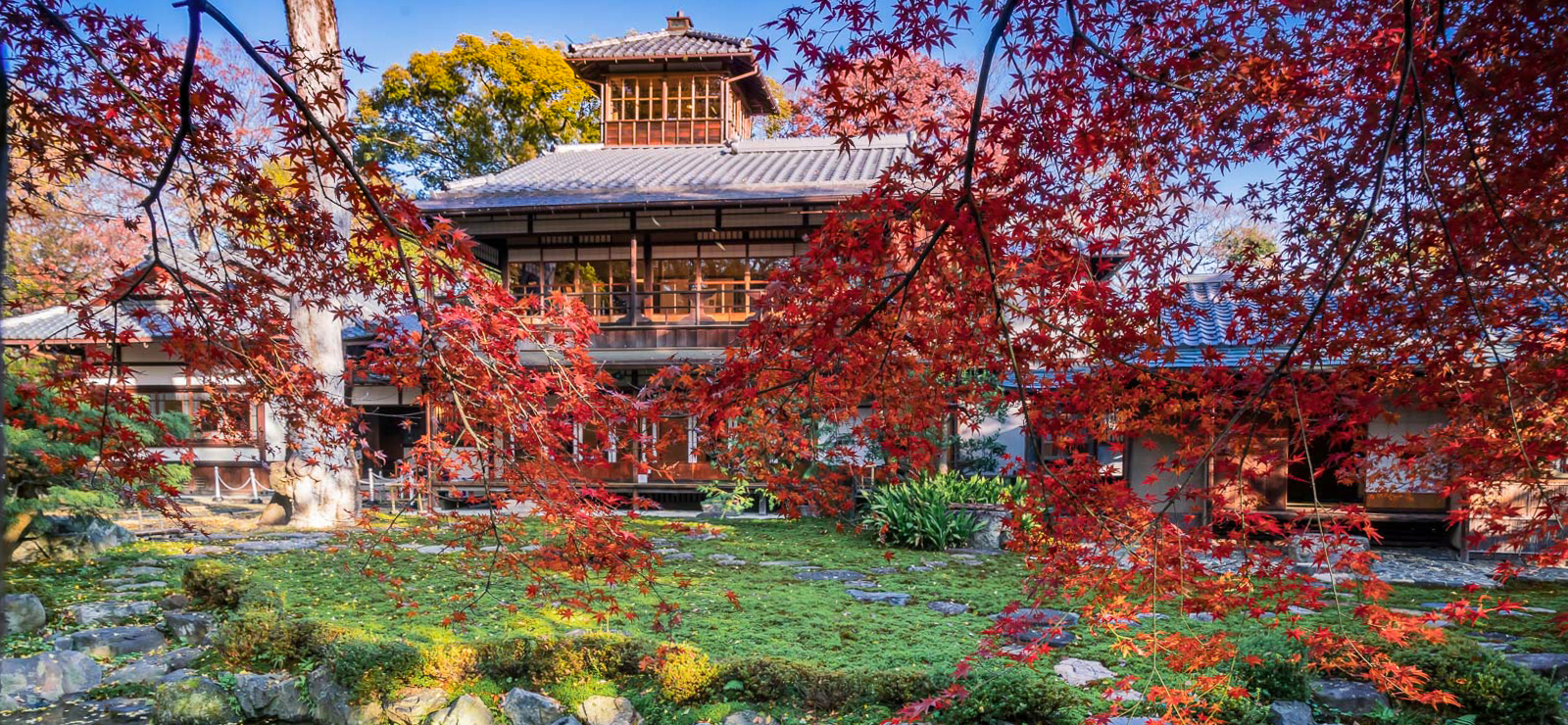
Many visitors to Kyoto are moved by the city's history stretching back over 1,000 years. However, one place not to be overlooked is the Former Mitsui Family Shimogamo Villa, built in 1925.
Rather than being a structure from an unimaginably distant past, this building dates back to roughly the era of a great-grandparent's generation — and it is precisely that sense of familiarity and nostalgia that makes the scenery here feel so warmly approachable and beautiful.
The highlight of the Former Mitsui Family Shimogamo Villa is the stunning garden viewed from the third floor, which is surrounded by glass on all four sides. Being able to gaze upon the autumn foliage while feeling completely at ease, as though relaxing in someone's home, is one of its greatest charms.
Imagining yourself born into a wealthy family centuries ago as you look out over the maple trees is a delightful way to let your imagination run free — and one that is warmly recommended.
〈Details〉
- Date: To be confirmed for 2026 (In 2025, it was held from November 20 to December 7)
- Venue: Former Mitsui Family Shimogamo Villa
- Address: 58-2 Shimogamo Miyakawa-cho, Sakyo-ku, Kyoto
- Access: Approximately 5-minute walk from Demachiyanagi Station
- Admission: ¥1,100
- Official Facebook: https://www.facebook.com/mitsuike.kyokanko/
Autumn Foliage Special Evening Illumination: Twilight Garden Party
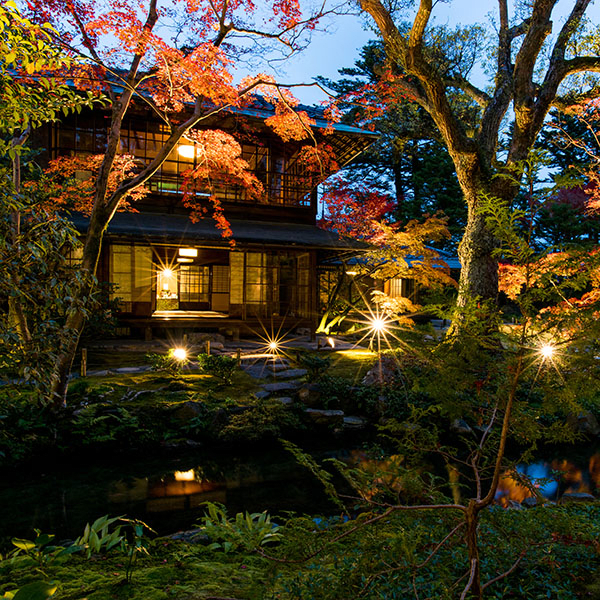
One of the most special experiences you can have during autumn in Kyoto is the "Autumn Foliage Special Evening Illumination: Twilight Garden Party" held at Murinan Garden. This Kyoto Event November 2026 features an advance reservation system with limited capacity and complete turnover, allowing you to fully enjoy Kyoto's autumn without being bothered by crowds even during peak foliage season.
The highlights include detailed explanations by garden concierges and the mystical autumn foliage illuminated by lighting effects. Furthermore, at the garden café, you can enjoy matcha, sparkling wine, and sweets for a truly special evening.
The autumn leaves typically begin to change color in mid-November and reach their peak in late November. This is recommended for those who want gorgeous presentations and experiences, and for those who wish to enjoy romantic evening strolls.
Information:
- Dates: TBA (November 15, 16, 22, 23, 24, 2025)
- Access: 10-minute walk from Kyoto City Bus "Jingu-michi" or "Okazaki Park・Museum・Heian Shrine" stops
7-minute walk from Kyoto Municipal Subway Tozai Line "Keage Station"
- Admission: 4,500 yen
- Website: https://murin-an.jp/events/event-20251115-24/
Tōfuku-ji Temple Special Autumn Viewing
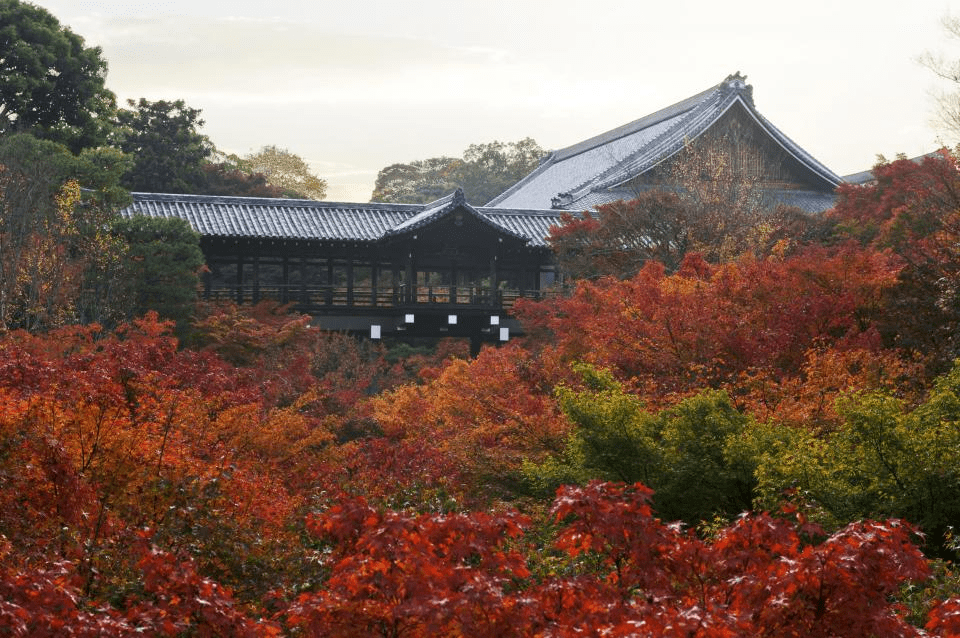
Tōfuku-ji Temple, known for its Tsūten-kyō Bridge, holds Special Autumn Viewing where normally closed areas are opened to the public. The autumn foliage viewed from Tsūten-kyō Bridge overlooking the valley is as beautiful as a brocade painting, with the entire valley wrapped in gradations of red and orange. Approximately 2,000 maple trees are planted within the temple grounds.
Large crowds gather every year right after opening. What I would like to recommend is the "Special Early Morning Private Viewing in Autumn." While it requires advance registration and a fee, you can enjoy the autumn foliage in the quiet temple grounds with fewer people. The leaves begin changing color in mid-November, with peak viewing in late November. This is the perfect spot for those who want to thoroughly enjoy large-scale autumn foliage scenery.
Information:
- Dates: TBD (typically November to early December annually)
- Access: 10-minute walk from JR Nara Line "Tōfuku-ji Station"
10-minute walk from Keihan Main Line "Tōfuku-ji Station"
- Admission: 1,800 yen (Special Early Morning Private Viewing in Autumn)
- Website: https://tofukuji.jp/event/#event
Chorakuji Temple: Special Autumn Opening
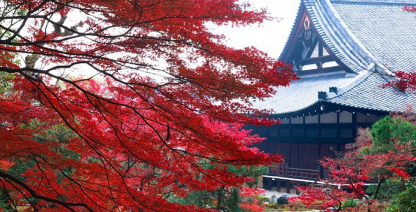
Chōraku-ji Temple, located on the heights of Kyoto's Higashiyama, is a hidden gem spot for autumn foliage that remains relatively uncrowded. From the temple grounds, you can overlook Kyoto city and simultaneously enjoy both the red and golden autumn foliage and the city views.
Furthermore, in 2026, a Special Night Viewing commemorating the completion of the Tea House is scheduled for November 23 to December 7. The illuminated autumn foliage will surely show a mystical appearance different from daytime viewing.
Additionally, Shogunzuka, located at the summit of the mountain behind Chōraku-ji Temple, is famous as a Kyoto night view spot. Having visited many times myself, the panoramic view of the city lights is always memorable. I recommend enjoying both autumn foliage and night views during this opportunity when Special Night Viewing is being held. This is a recommended hidden famous spot for those who want to avoid crowds and leisurely enjoy autumn foliage.
〈Details〉
- Date: Not yet announced for 2026 (in 2025: November 1 – December 14)
- Venue: Chorakuji Temple
- Address: 626 Maruyama-cho, Higashiyama-ku, Kyoto (enter east from the Yasaka Shrine torii gate)
- Access: Approximately 20-minute walk from "Gion-Shijo" Station on the Keihan Kyoto Line, heading toward Yasaka Shrine and through Maruyama Park
- Admission: 1,000 yen
- Website: https://www.chorakuji.or.jp/
Jojuin Temple: Special Viewing
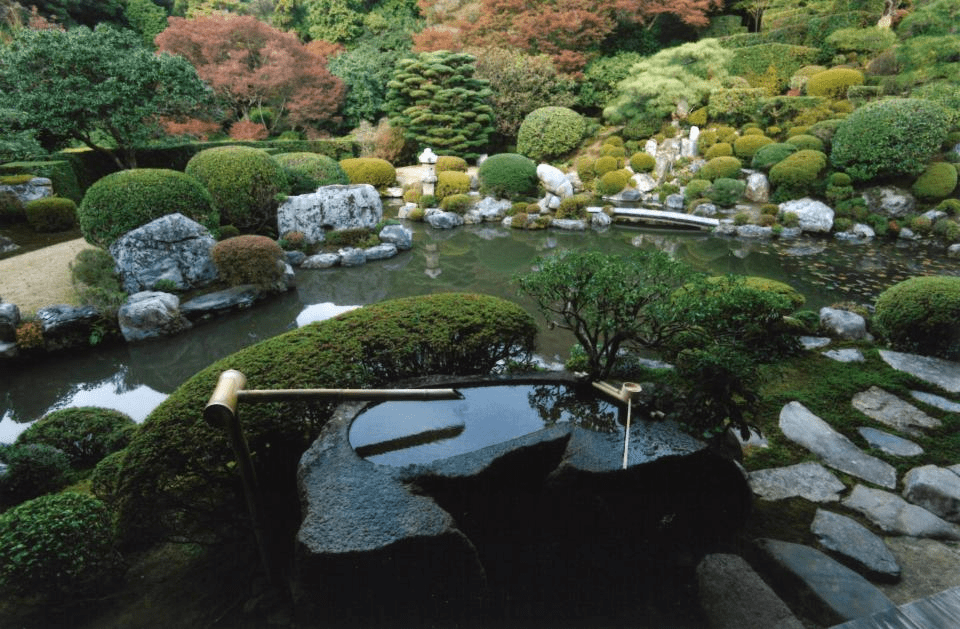
Jojuin Garden is a celebrated garden also known as the "Moon Garden." The name comes from the breathtaking way moonlight reflects off the surface of the pond.
I myself was drawn in by that nickname — the "Moon Garden" — and decided to visit Jojuin Garden. Naturally, I went at night. Just as I had hoped, the moonlight shimmering on the calm water was truly magical.
What exceeded my expectations was how the moonlight itself seemed to sway along with the movement of the water's surface and the passing clouds. The scenery created by nature — the wind, the clouds, forces beyond human control — was both beautiful and fleeting.
I am someone who loves to talk, and there is rarely a waking moment when I am quiet. Yet in the garden of Jojuin, I was so captivated by the view that I forgot to speak. Even now, a year and a half after my visit, I can clearly recall the faint sound of the trees rustling in the breeze across that serene garden.
〈Details〉
- Date: November 21 – November 30
- Venue: Kiyomizudera Temple
- Address: 1-294 Kiyomizu, Higashiyama-ku, Kyoto
- Access: Take the city bus and get off at Gojo-zaka, then walk 10 minutes
- Admission: Adults 500 yen / Junior high and elementary school students 200 yen
- Website: https://www.kiyomizudera.or.jp/en/
Shoden Eigenin: Special Autumn Garden Opening and Temple Treasure Exhibition
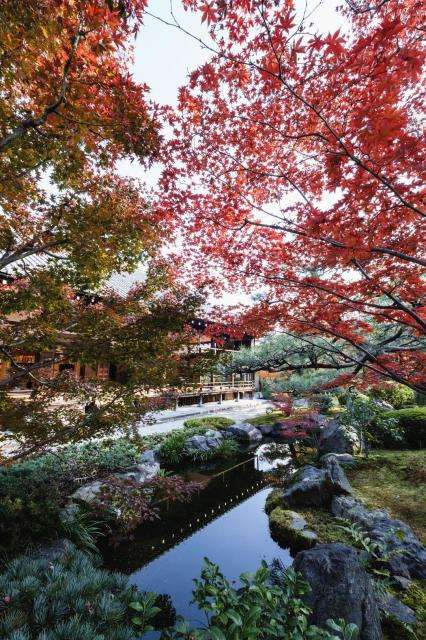
Shoden Eigenin is a remarkable place where visitors can enjoy not only stunning autumn foliage, but also a restored tea-ceremony house.
Traditional Japanese tea ceremony was never just about the tea — it was equally about appreciating the scenery. For this reason, the view from the tea-ceremony house is nothing short of spectacular. The combination of the autumn maple leaves set against Japanese architectural elements such as tatami floors, aged pillars, and handrails is also truly beautiful.
For me, the happiest moments were spent walking along the corridors. The warmth of the Japanese building beneath my feet, the breathtaking view of the maple leaves before my eyes, and the feeling of the nature-rich breeze washing over my entire body — it was a joy unlike any other.
In addition, artworks including murals and sliding door paintings are displayed at the same time. This place seems to contain everything that makes Kyoto wonderful — nature, ancient Japanese architecture, and art — all in one. There is simply no reason not to visit.
〈Details〉
- Date: Not yet announced for 2026 (in 2025: November 22 – December 7)
- Venue: Shoden Eigenin, a sub-temple of Kenninji Temple
- Address: 586 Komatsu-cho, 4-chome, Yamato Oji-dori Shijo Sagaru, Higashiyama-ku, Kyoto
- Access: 5-minute walk east from Exit 1 of "Gion-Shijo" Station on the Keihan Electric Railway
- Admission: Adults 1,000 yen / Junior and senior high school students 600 yen / Elementary school students 300 yen / Children under elementary school age free
- Website: https://www.shoden-eigenin.com/