Hiroshima Attractions 2026: 20+ Best Things to Do Day & Night - Must-visit Spots, Local Food & Hidden Gems
Hiroshima is one of the few cities in the world to have experienced an atomic bombing. While that fact often draws the most attention, the city has many other attractions as well.
I personally visit Hiroshima at least once a year, and each time I explore its shrines and temples and enjoy its outstanding local cuisine, discovering something new with every visit.
If you want to make your upcoming trip to Hiroshima even more memorable, I recommend being guided by a local. Hiroshima is home to many fascinating spots known mainly to residents.
In addition, places related to peace and history—such as the city’s peace memorial sites and its centuries-old shrines and temples—can be far more meaningful when explored with explanations from a local guide.
That's exactly why I want you to explore the city with locals who know the real Hiroshima. With tours from Magical Trip—winner of Tripadvisor's The Best of The Best in both 2024 and 2025—you can make that happen.

For those interested in Hiroshima’s peace-related sites, the “Hiroshima Peace (Heiwa) Walking Tour at World Heritage Sites” is highly recommended. Listening to a local guide makes visits to the Atomic Bomb Dome and Peace Memorial Park much more meaningful.
If you plan to explore Miyajima, another symbol of Hiroshima, choose the “Miyajima Half-day Trip Historical Walking Tour.” To fully appreciate sights such as Itsukushima Shrine, which offers scenery found nowhere else in Japan, having a local guide is a big plus.
And of course, Hiroshima’s local food should not be missed. If you want to enjoy Hiroshima cuisine—just as appealing as Osaka’s—at restaurants loved by locals, the “Hiroshima Bar Hopping Food Tour” is an excellent choice.
Introduction
Hiroshima is a city located in western Japan, known as the city where the atomic bomb was dropped during World War II. Despite its heavy past, the city has now achieved remarkable reconstruction, with a lively urban landscape spreading throughout.
Hiroshima has mountain ranges in the north and faces the sea in the south, making it an area where you can experience abundant nature. The region is blessed with ingredients such as seafood and vegetables, allowing visitors to enjoy a wide variety of cuisine.
Additionally, there are numerous shrines where you can feel a spiritual atmosphere, such as Itsukushima Shrine, which is registered as a World Heritage Site.
In Hiroshima, you can enjoy sightseeing that allows you to reflect on peace, savor delicious food, and feel history firsthand. This time, we will feature "things you should experience when visiting Hiroshima." Please read to the end and find something you would like to do.
Table of Contents
-Top Recommended Hiroshima Attraction 2026! Must-do & see Things
-Hiroshima Attraction & Things to Do in Night Time
-Attraction & Things to Do in Hiroshima's Each City
Top Recommended Hiroshima Attraction 2026! Must-do & see Things
From here, we will introduce the top recommended Hiroshima Attraction 2026 spots. These are all places I confidently recommend as someone who loves Hiroshima, so please use them as a reference when planning your itinerary.
Sightseeing spots related to peace:
- Atomic Bomb Dome
- Hiroshima Peace Memorial Museum and Park
- Hiroshima Orizuru Tower
Visiting historical spots:
- Hiroshima Castle
- Shukkeien Garden
- Miyajima
Savoring exquisite local food:
- Hiroshima style Okonomiyaki
- Oyster
- Conger eel
- Mazemen
Enjoying nightlife:
- Nagaregawa area
- Hatchobori area
- Kamiyacho, Hondori, Fukuromachi area
- Ekinishi area
Exploring nearby towns:
- Onomichi
- Kure
- Fukuyama
Visiting Sightseeing Spots Related to Peace
On August 6, 1945, an atomic bomb was dropped on Hiroshima. Hiroshima City suffered devastating damage, many people were killed or injured, and the beautiful cityscape with its flowing rivers was reduced to ruins.
Nevertheless, Hiroshima achieved a remarkable recovery over time. Please walk around and visit the spots where you can feel the tragedy of war and the wish for peace, while thinking about what kind of feelings the people of Hiroshima had as they rebuilt their city.
Atomic Bomb Dome
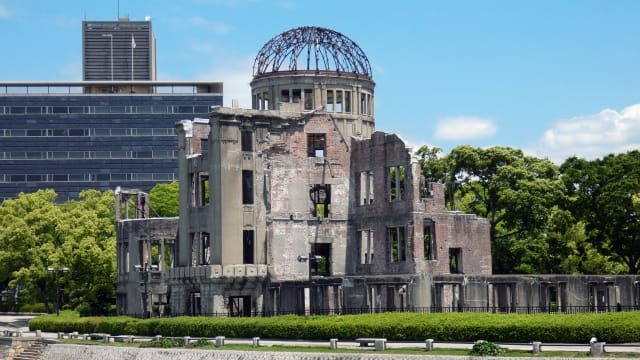
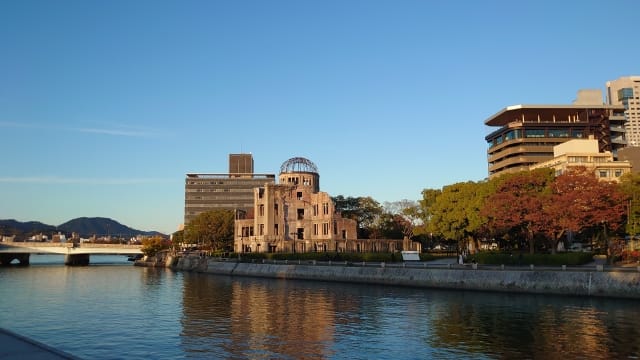
In the center of Hiroshima City, few prewar buildings remain. The Atomic Bomb Dome was only 160 meters from the hypocenter, yet it remains standing today without having completely collapsed.
At that time, it was a building that served as a museum and art gallery for selling local products, featuring a beautiful Western-style exterior. The building was severely damaged by the blast and heat rays, but because the blast moved vertically, the framework remained intact. Its appearance tells the story of the horrors of war.
Today, it is preserved as a symbol of nuclear weapons abolition and world peace, and is registered as a UNESCO World Heritage Site as a building that conveys the devastation caused by nuclear weapons.
<Information>
Address: 1-10 Otemachi, Naka-ku, Hiroshima City, Hiroshima Prefecture
Operating hours: Open 24 hours
Closed: None
Phone number: 082-504-2900
Official website: https://www.city.hiroshima.lg.jp/english/peace/1029869/index.html
Hiroshima Peace Memorial Park
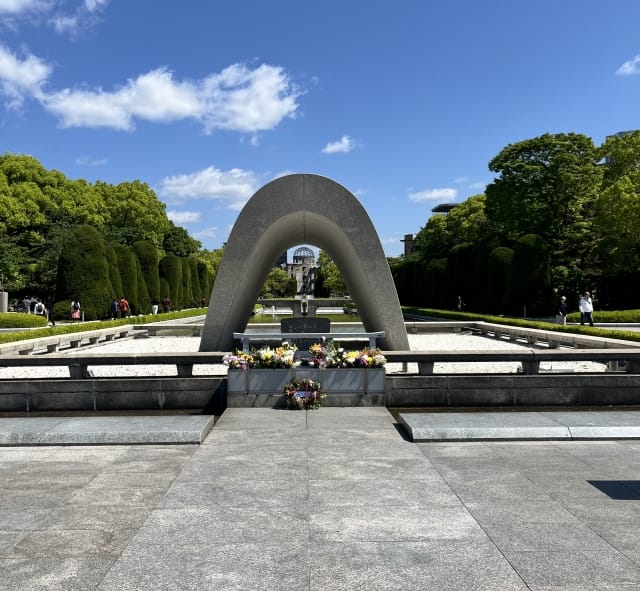
Hiroshima Peace Memorial Park is a park created with the hope for lasting world peace. Today, it is known as a place that conveys the tragedy of war and the wish for world peace, featuring the Atomic Bomb Dome and the Hiroshima Peace Memorial.
The area where this park now stands was once a bustling commercial district with cafes and movie theaters, filled with the daily lives of people.
Now it is a quiet park with green lawns and blue skies, and as you walk through the park, you will see many monuments such as the Peace Bell and the Children's Peace Monument.
Each monument contains a wish for peace. Please stop in front of each monument and think about what peace means to you.
<Information>
Address: Nakajima-cho, Naka-ku, Hiroshima City, Hiroshima Prefecture
Operating hours: Open 24 hours
Closed: None
Phone number: 082-504-2390
Official website: https://www.city.hiroshima.lg.jp/living/park-green/1005983/1026353/1003127.html
Hiroshima Peace Memorial Museum
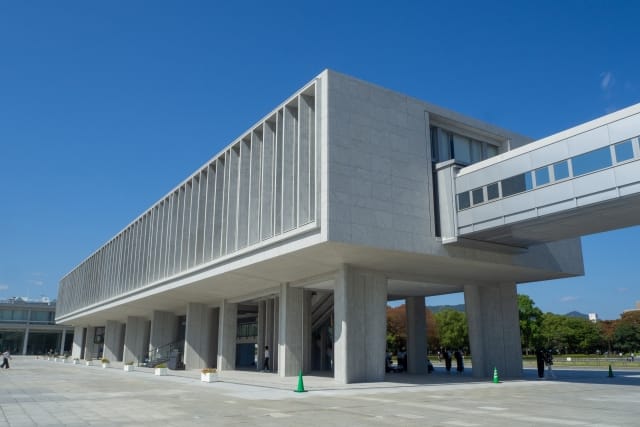
The Hiroshima Peace Memorial Museum is a museum that conveys the reality of the damage caused by the atomic bomb and the importance of peace.
Inside the museum, in addition to photographs and video materials, personal belongings of those who died in the blast and the clothing they were wearing at the time are displayed, conveying the tragedy.
The corner that impressed me the most was the exhibition called "Cries of the Soul," where you can hear the voices of individual atomic bomb survivors. Although much of the content is difficult to look at, I felt it was a precious exhibition that allows visitors to connect with the voices of those who lived through that time.
After seeing this exhibition, I engraved in my heart that war must never happen again.
For those who want to take their time thinking about peace, I recommend scheduling plenty of time for visiting the Hiroshima Peace Memorial Museum.
<Information>
Address: 1-2 Nakajima-cho, Naka-ku, Hiroshima City, Hiroshima Prefecture
Opening hours: March–July 7:30–19:00 / August 7:30–20:00 (Closes at 21:00 on the 5th and 6th) / September–November 7:30–19:00 / December–February 7:30–18:00
Closed: December 30, 31, mid-February
Phone number: 082-241-4004
Official website: https://hpmmuseum.jp/?lang=eng
Hiroshima Orizuru Tower
As you walk through Hiroshima Peace Memorial, you will see Orizuru (paper cranes folded from origami) everywhere. Orizuru is now cherished as a symbol of peace, but behind it is the story of a young girl who was exposed to radiation during the war and continued folding paper cranes while wishing to live.
She continued folding paper cranes, hoping for her recovery. Although she passed away at the young age of 12, even today, many paper cranes are donated from around the world, continuing to pass on the hope for peace.
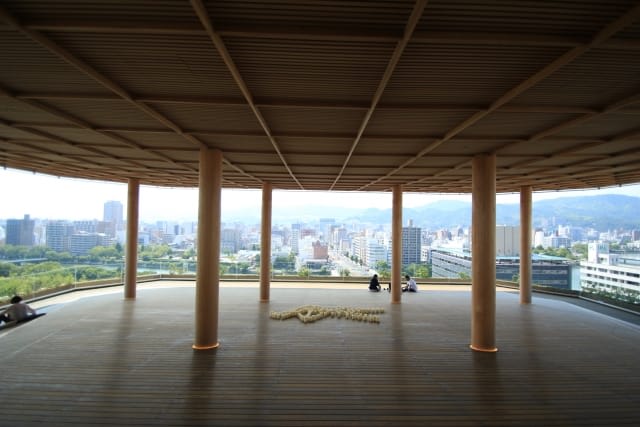
Orizuru Tower is a spot where visitors can fold paper cranes and offer prayers for peace. From the rooftop of the tower, you can see the peaceful everyday scenery of present-day Hiroshima. You will strongly feel the resilience of the people of Hiroshima.
<Information>
Address: 1-2-1 Otemachi, Naka-ku, Hiroshima City, Hiroshima Prefecture
Operating hours: 10:00–18:00
Closed: Irregular holidays
Phone number: 082-569-6803
Official website: https://www.orizurutower.jp/en/
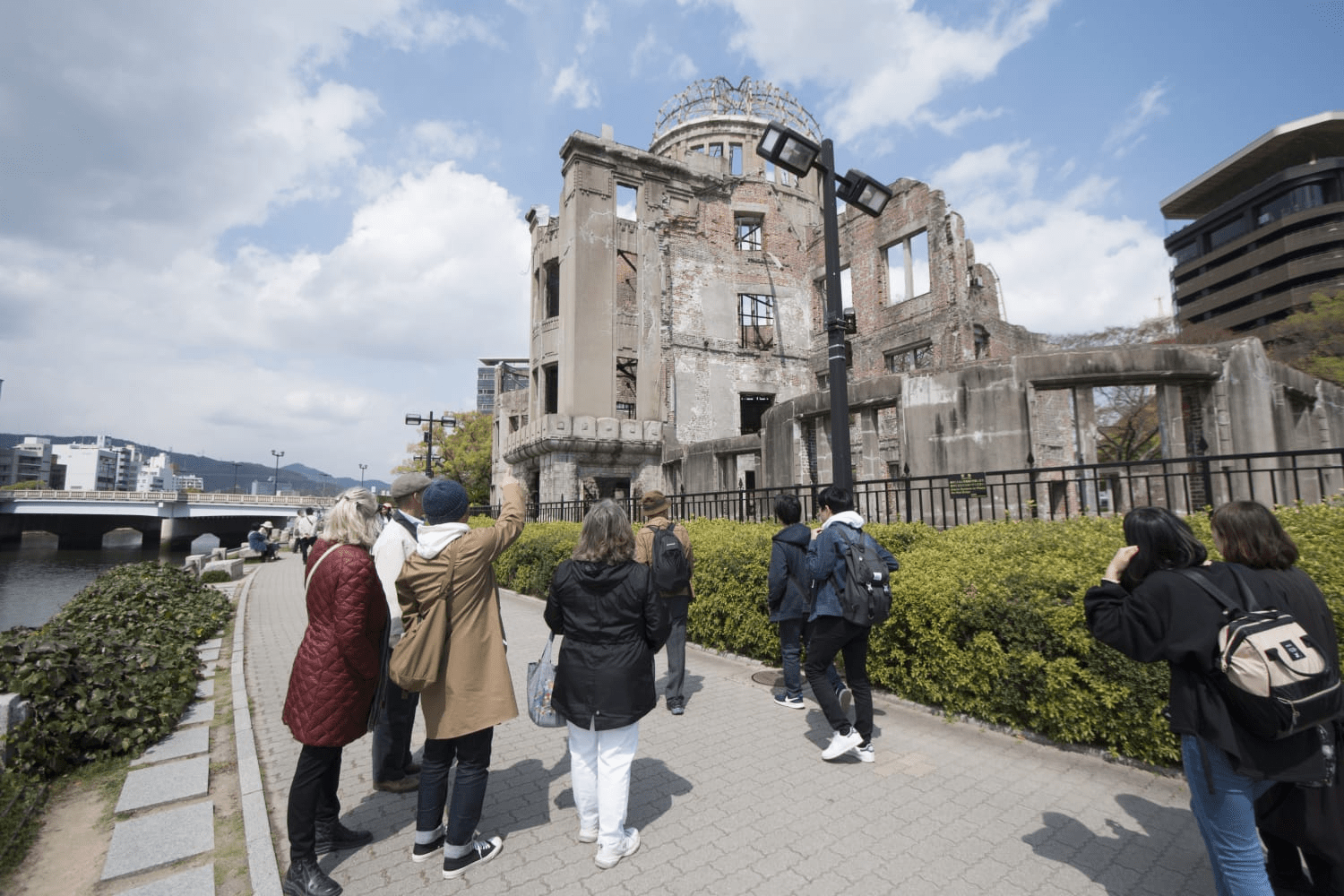
Magical Trip offers tours that visit essential spots for understanding Hiroshima's history, such as Hiroshima Peace Memorial and Atomic Bomb Dome, together with local guides.
Some exhibitions, such as the Human Shadow Etched in Stone at Sumitomo Bank and the displays at Hiroshima Peace Memorial, may be quite shocking when visiting on your own. On the tour, you will explore while hearing the positive stories of how the people of Hiroshima faced their challenges and reclaimed their daily lives.
At the end of the tour, you will visit Hiroshima Orizuru Tower to pray for future peace. The view from the top of the tower is beautiful, and the tour content allows you to truly feel the resilience and charm of Hiroshima, which has achieved such remarkable reconstruction.
<Information>
Meeting point: In front of the mont-bell store near Nishi Kamiyacho Station
Tour area: Hiroshima City
Start time: 10:00
Hiroshima Peace (Heiwa) Walking Tour at World Heritage Sites
Visiting Sightseeing Spots Where You Can Feel Hiroshima's Long History
Hiroshima has many spots where you can feel the progress of its long history, including Itsukushima Shrine, which is registered as a World Heritage Site.
However, many of these places have been severely damaged by disasters and war, yet have achieved restoration. Walking through these historical spots, you will truly feel the path the people of Hiroshima have walked and their resilience.
Hiroshima Castle
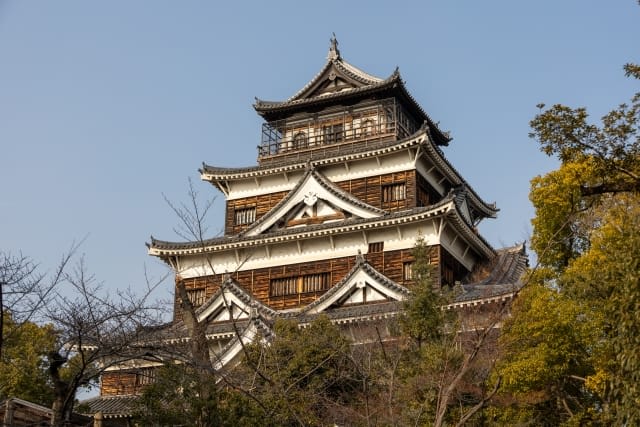
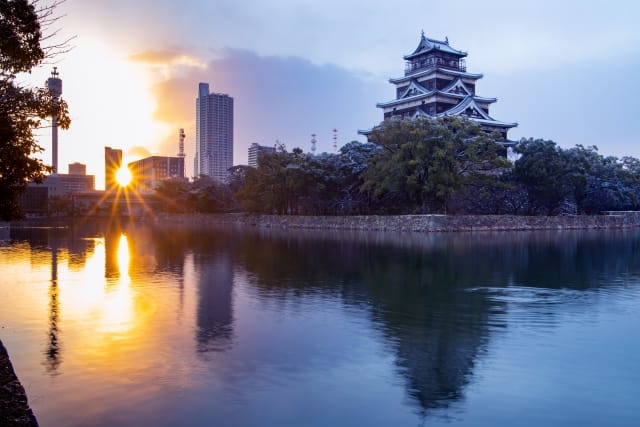
Hiroshima Castle is a castle built by Mori Terumoto, a military commander of the Sengoku era. The castle town of that time remains the foundation of present-day Hiroshima City.
During World War II, Hiroshima was a military city, and Hiroshima Castle served as a military base. It was destroyed by the atomic bomb, and the current main tower was reconstructed in 1958.
Inside the castle is a museum where you can see actual swords and armor, as well as materials that show what the castle town was like at that time. From the top floor, you can enjoy a panoramic view of Hiroshima.
Hiroshima Castle will close on March 22, 2026, due to aging. You can still enjoy viewing it from outside after that date, but if you want to go inside, I recommend planning your trip before that day.
<Information>
Address: 21-1 Motomachi, Naka-ku, Hiroshima City, Hiroshima Prefecture
Operating Hours: March–November 9:00–18:00 / December–February 9:00–17:00
Closed: December 29–January 2 (irregular holidays may apply)
Phone Number: 082-221-7512
Official Homepage: https://www.rijo-castle.jp/
Shukkeien Garden
Source:Tripadvisor
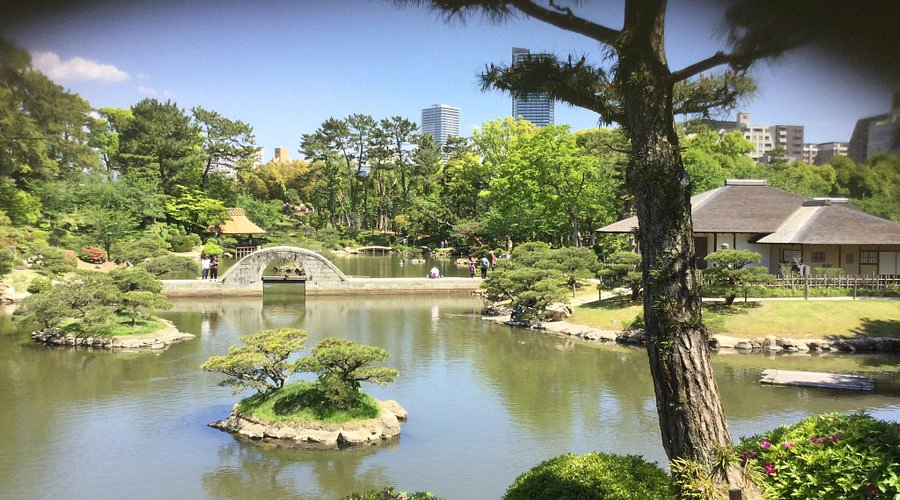
Shukkeien Garden is a Japanese garden that was created in 1620. It was originally developed as a private garden for a Daimyo (a powerful lord of that era). Although it suffered significant damage during World War II, it was restored after the war and is now beloved by locals as a beautiful garden.
The garden features a pond-centered strolling design and is said to have been modeled after West Lake in Hangzhou, a scenic area in China. You can enjoy walking through the picturesque scenery with bridges, rocks, and pavilions.
Despite being located in the city center, it is a spot where you can enjoy nature throughout the four seasons. It is famous as a place for cherry blossoms in spring and autumn foliage in fall. This is a recommended spot for those who want to experience nature up close in Hiroshima City.
<Information>
Address: 2-11 Kaminobori-cho, Naka-ku, Hiroshima city, Hiroshima Prefecture
Operating hours: March 16–September 15 9:00–18:00 / September 16–March 15 9:00–17:00
Closed: December 29–31
Phone number: 082-221-3620
Official website: https://shukkeien.jp/
Miyajima
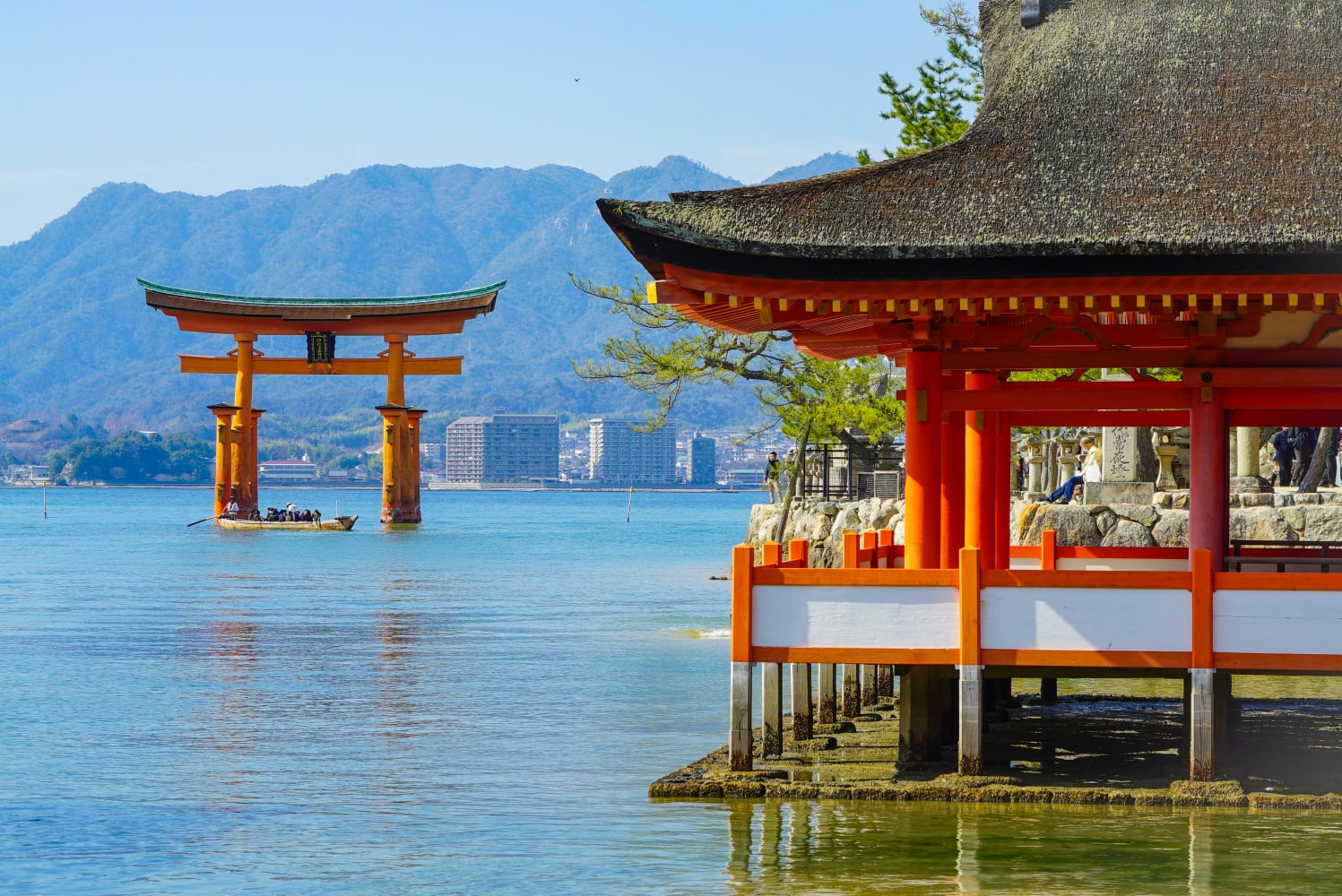
Miyajima has long been known as the "Island Where Gods Dwell," and the entire island has been an object of worship. Itsukushima Shrine, which is registered as a World Heritage Site, was built in 593 and has developed into its current form while suffering damage from fires and floods throughout its long history.
In addition to Itsukushima Shrine, Miyajima has many spots where you can feel a spiritual atmosphere, such as shrines and temples with over 1,000 years of history and Mt. Misen.
Miyajima also has a shopping street where you can enjoy eating local specialties like "Momiji Manju" (maple leaf-shaped cakes) and oysters while walking around. You can casually enjoy food during your worship and sightseeing.
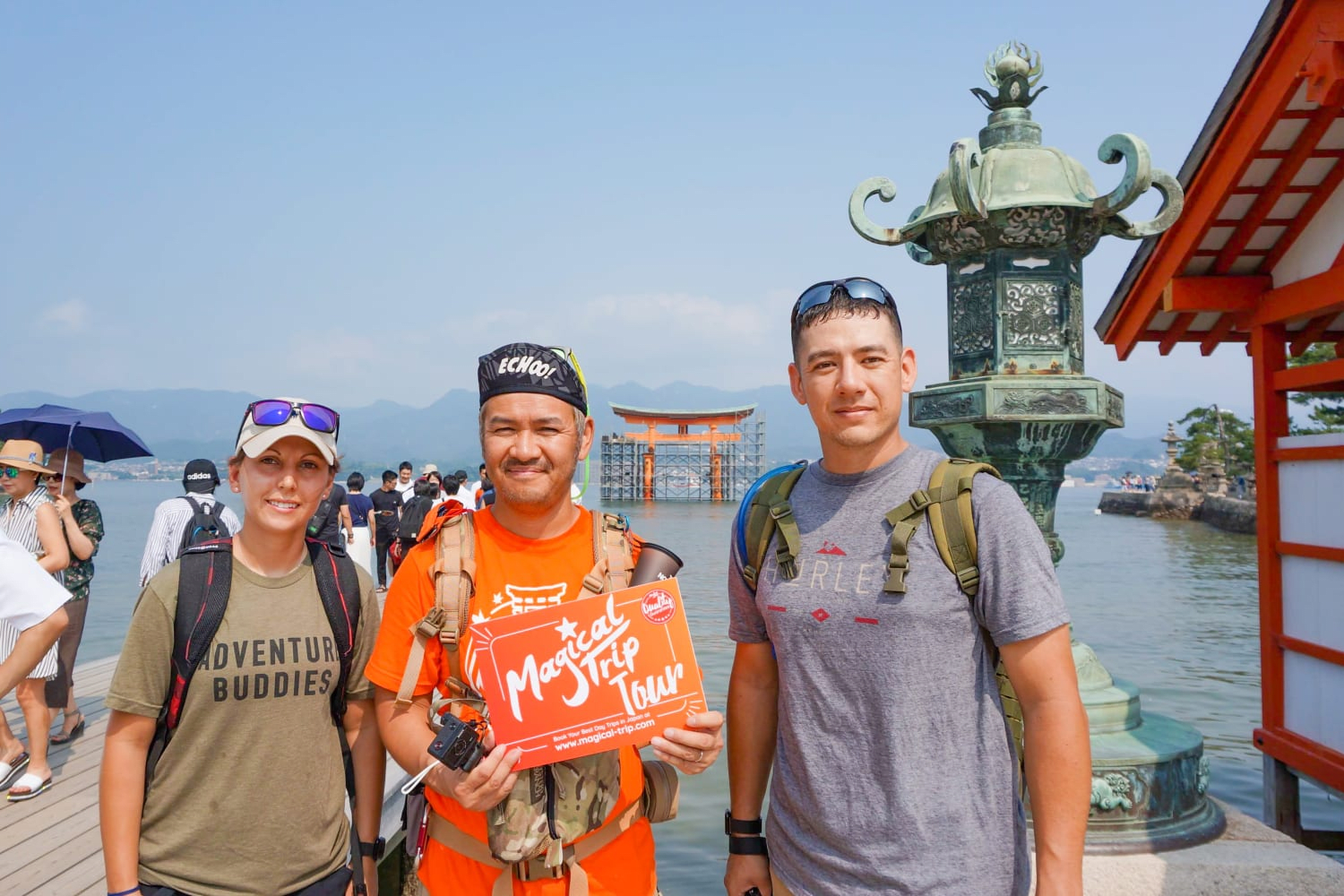
Miyajima has so many highlights that many visitors may feel "it seems difficult to see everything in one day." Magical Trip offers a half-day tour that picks up the essential spots for sightseeing in Miyajima.
The tour visits historic power spots, including Itsukushima Shrine and Daisho-in, the oldest temple on Miyajima. You will be able to feel firsthand the Japanese approach to shrines and temples, as well as the atmosphere of their faith.
The tour also includes a hilltop with beautiful scenic views and lunch where you can savor local gourmet food, making it a tour where you can fully experience the charm of Miyajima in just half a day.
<Information>
Meeting point: In front of Coin Operated Locker at outside of JR Miyajimaguchi Station
Tour area: Miyajima
Start time: 9:30
Miyajima Half-day Trip Historical Walking Tour
Savor Hiroshima's Exquisite Food
Hiroshima faces the calm Seto Inland Sea and is a treasure trove of seafood raised in these gentle waters, including oysters. The city has also developed its own unique food culture, offering numerous local gourmet dishes such as "Hiroshima Style Okonomiyaki" and "Gansu."
Here, I will introduce restaurants where you can taste exquisite local gourmet food that even I, as a food lover, highly recommend. This is a must-try Hiroshima attraction 2026 visitors should not miss.
Nagataya (Hiroshima Okonomiyaki)
Source:Tabelog
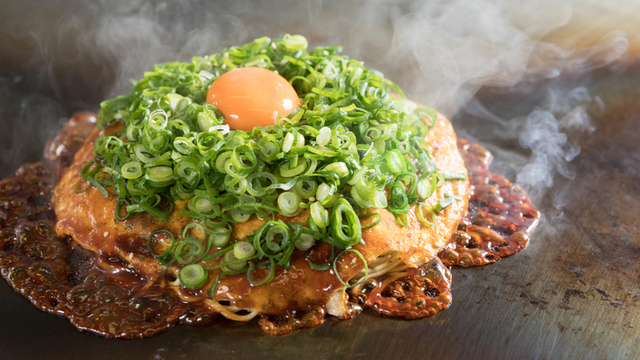
Okonomiyaki is beloved as Osaka's soul food, but it has also undergone its own unique evolution in Hiroshima.
Osaka-style Okonomiyaki is made by mixing your favorite ingredients before grilling, but Hiroshima Style Okonomiyaki is made by spreading the batter thin and placing cabbage and other ingredients on top before cooking. The most distinctive feature is the addition of stir-fried noodles similar to Yakisoba.
Nagataya's Okonomiyaki is characterized by the use of fresh noodles. By stir-frying thick, firm noodles in a pork bone-based broth, the umami of the noodles themselves is enhanced, adding depth to the overall flavor.
The sauce is a special sweet and spicy sauce made with plenty of tomatoes, and the aroma wafting through the restaurant will whet your appetite.
Please enjoy Nagataya's Hiroshima style okonomiyaki to your heart's content, featuring a crispy surface and chewy interior.
<Information>
Address: 1-7-19 Otemachi, Naka-ku, Hiroshima City, Hiroshima Prefecture
Business hours: 11:00–20:30 (Last order 20:00)
Closed: Tuesdays (Irregular holidays, please check the official website)
Phone number: 082-247-0787
Official website: http://nagataya-okonomi.com/en/
Ekohiiki (Oyster Dishes, Uni Houren, Gansu)
Source:[Official website](http://ekohiiki.com/
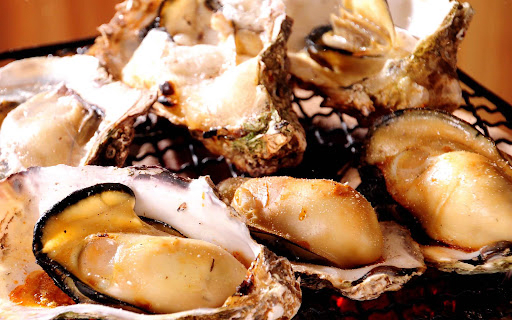
If you want to fully enjoy Hiroshima's local gourmet food including oysters, why not visit Ekohiiki?
At Ekohiiki, you can enjoy various oyster dishes, including oysters grilled in their shells, sautéed in butter and soy sauce, or prepared as tempura.
Another attraction is the chance to discover hidden local dishes such as "Gansu," a cutlet-like dish made from fish paste coated in batter and deep-fried, and "Uni and Spinach," where sea urchin is placed on top of spinach sautéed in butter and soy sauce.
Every dish pairs perfectly with Hiroshima's local sake. Please try the pairing and fully enjoy the flavors of Hiroshima.
<Information>
Address: 1-7-20 Otemachi, Naka-ku, Hiroshima City, Hiroshima Prefecture
Business Hours: 11:00–14:00 / 17:00–22:00
Closed: Mondays (If Monday is a holiday, closed the following day), First Tuesday of the month, Year-end and New Year holidays
Phone Number: 082-545-3655
Official Homepage: http://ekohiiki.com/
Yakigaki No Hayashi (Oyster Dishes)
Source:Official website
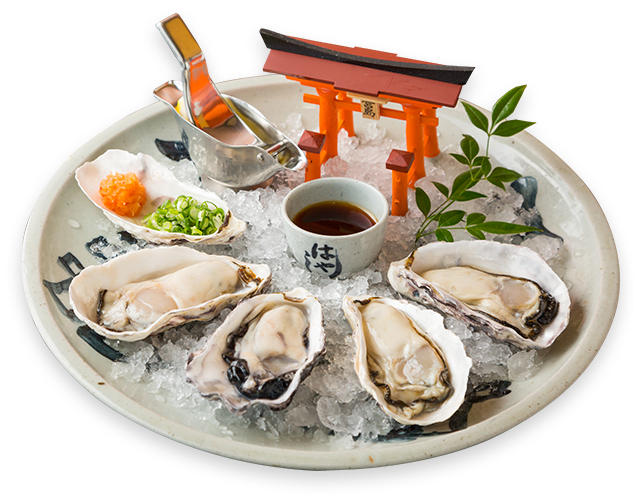
Founded in 1948, Yakigaki No Hayashi is the birthplace of grilled oysters, being the first restaurant in Japan to serve grilled oysters to customers.
The charm of grilled oysters lies in steam-grilling them together with their shells, which locks in the umami and allows you to taste the concentrated flavor of the oysters. The steaming liquid that collects in the shell is also exquisite, and when you take a sip, a rich broth spreads throughout your mouth.
Hayashi is particular about its ingredients, using only large oysters cultivated in the Seto Inland Sea. The large, creamy-tasting oysters are also perfect for eating raw.
Freshness is crucial for oysters, and they cannot be enjoyed raw unless they are in a fresh state. Being able to enjoy raw oysters year-round is a unique Hiroshima attraction 2026 visitors can experience. Please enjoy the deep flavors of oysters by trying both "grilled" and "raw."
<Information>
Address: 505-1 Miyajima-cho, Hatsukaichi city, Hiroshima prefecture
Business Hours: 10:00–17:00
Closed: Wednesdays
Phone Number: 0829-44-0335
Official Homepage: https://www.yakigaki-no-hayashi.co.jp/shopinfo.html
Tsuki Akari (Conger Eel Rice Bowl)
Source:Official website
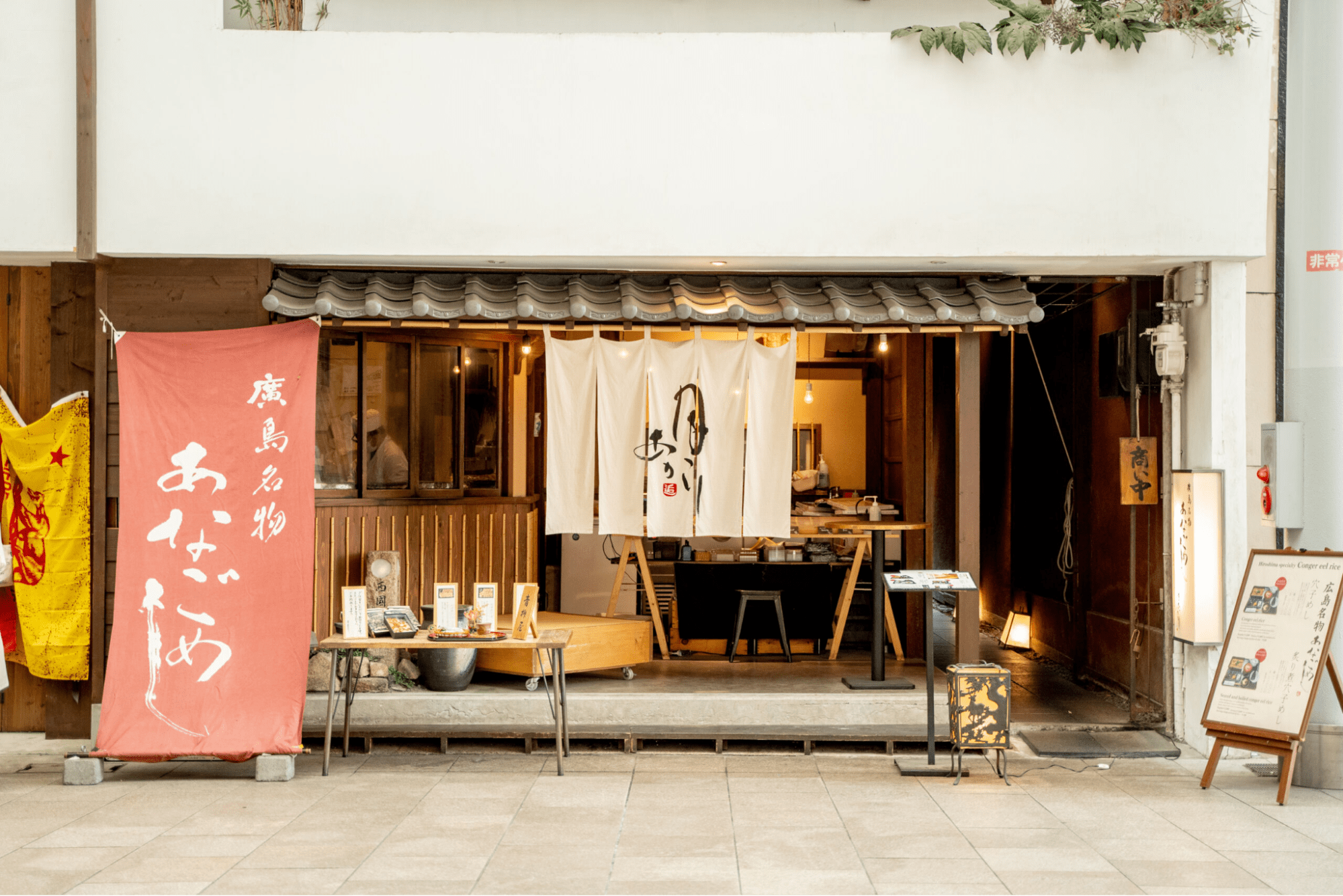
Hiroshima is also famous for its conger eel catch. Conger eel is a fish similar to eel, but unlike eel, it spends its entire life in the sea.
Conger eel has lower fat content than eel, offering a delicate and light flavor. Tsuki Akari is a specialty restaurant for conger eel, where you can enjoy various conger eel dishes that pair well with sake, such as tempura and sashimi.
The Conger Eel Rice Bowl, eaten with a sweet sauce, is one of the restaurant's signature dishes. By mixing it with dashi broth along with the accompanying wasabi and yuzu kosho (a spice made with fragrant citrus), you can enjoy a refreshing taste until the very last bite.
This restaurant is also recommended for those who want to enjoy sake and cuisine in a calm, elegant Japanese-style space.
<Information>
Address: 1-8-9 Otemachi, Naka-ku, Hiroshima City, Hiroshima Prefecture
Operating Hours: Tue–Thu, Sun / 11:30–22:00 (Last order 21:00),Fri, Sat / 11:30–23:00 (Last order 22:00)
Closed: Mondays
Phone Number: 082-545-7777
Official Homepage: https://tsukiakari-hiroshima.owst.jp/
Okkundou Mazemen
Source:Tabelog
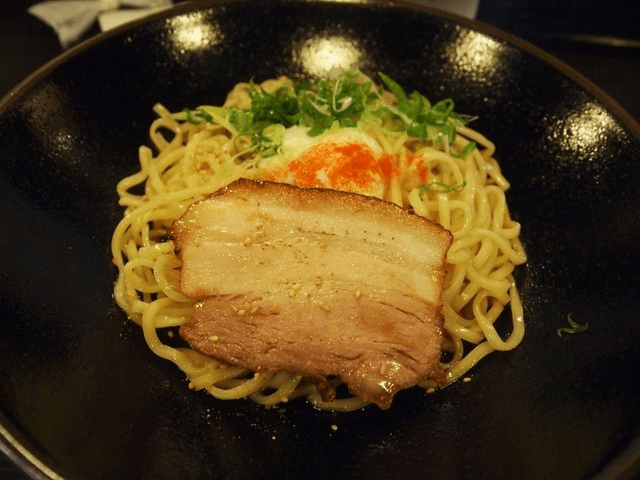
Okkundou Mazemen is a specialty restaurant for "mazemen," noodles eaten with a small amount of soup. While similar noodle dishes can be found throughout Japan, Okkundou's distinguishing feature is that you can adjust the spiciness yourself.
You can choose from 8 levels of spiciness, but "No.2," which brings out the original umami of the soup, is the most recommended spiciness level. The topped juicy chashu is also exquisite, melting in your mouth together with the soup.
The restaurant also has an extensive selection of sake and small dishes that go well with sake, making it perfect for the last stop of bar hopping. Enjoying mazemen with a highball (whisky and soda) is my recommended way to enjoy it. If you love sake, please give it a try.
There is also mazemen made with vegetable-based broth without using meat or fish, making this restaurant recommended for health-conscious visitors as well.
<Information>
Address: 3-3-3 Otemachi, Naka-ku, Hiroshima City, Hiroshima Prefecture
Business Hours: 11:00–22:00 (Last order 21:30)
Closed: Wednesdays
Phone Number: 082-246-1377
Official Homepage: https://okkundo-mazemen.com/
Hiroshima Attraction & Things to Do in Night Time
Hiroshima city is filled with night spots, making it a perfect destination for those who want to enjoy nightlife. In addition to izakaya (Japanese-style pubs) and bars, there are also plenty of establishments where you can experience Japan's unique nightlife culture, including clubs and snack bars where you can enjoy conversation.
Bar Hopping with Hiroshima's Local Food and Sake
Hiroshima is rich in local food and seafood, with many establishments where you can enjoy drinks while savoring delicious cuisine. Among these, areas with concentrated night spots are particularly well-equipped with izakaya, making it easy to enjoy casual bar hopping.
Hiroshima city's nightlife areas are mainly divided into four districts. The atmosphere varies significantly depending on the area, so we encourage you to explore and compare them to find your favorite spot.
Nagaregawa Area: The Largest Entertainment District in the Chugoku-Shikoku Region
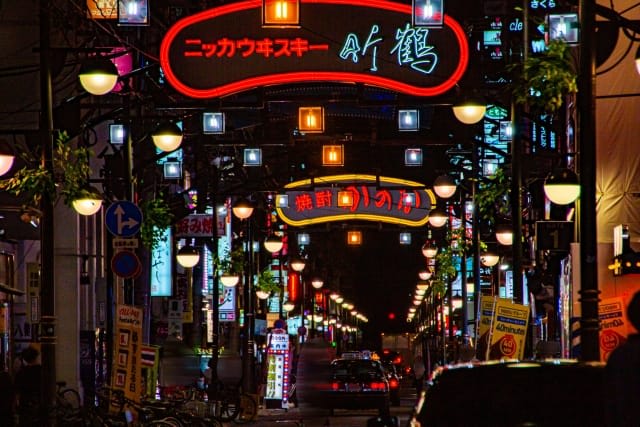
Nagaregawa area is the largest entertainment district in Hiroshima. Lined with izakaya, bars, and nightclubs, it becomes even more lively at night.
One characteristic of this area is that multiple night spot establishments are housed within a single building, and walking through the streets bathed in neon lights is sure to lift your spirits.
When I first visited, I was overwhelmed by the sheer number of establishments and the vibrant atmosphere, but since there are many tourists, I found every place easy to enter. Simply walking through the streets lets you experience Hiroshima's nightlife, so I recommend exploring this area at the beginning of your trip.
Hatchobori Area: Beloved by Locals with Many Favorite Spots
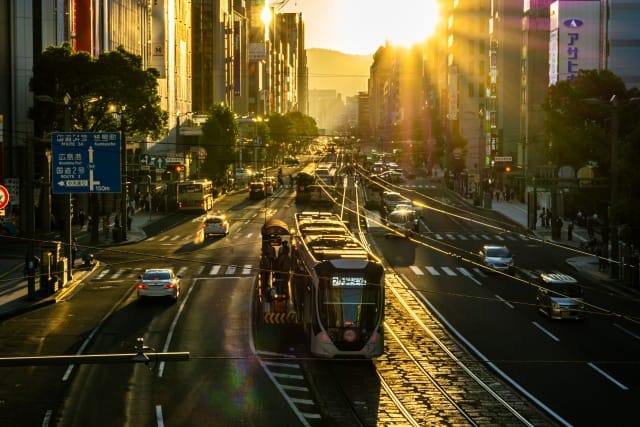
Hatchobori area is one of Hiroshima's representative downtown districts. With many department stores and offices, it has an urban atmosphere bustling with office workers and shoppers during the day.
Since many people gather here, there are also many restaurants, and at night, the lights of izakaya, cafes, and bars stand out. One feature of this area is that there are many casual establishments and places where you can see inside from the outside, making them easy to visit whether you're traveling solo or in a group.
Located along major streets with plenty of streetlights and pedestrian traffic, this area is safe and comfortable for those unfamiliar with nightlife or women's groups.
Kamiyacho, Hondori, and Fukuromachi Area: A Restaurant District Rivaling Hatchobori and Nagaregawa
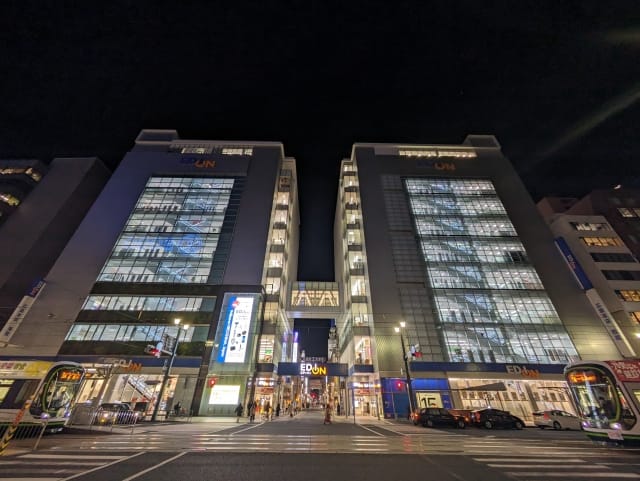
Kamiyacho, Hondori, and Fukuromachi area is a district where shops gather, bustling mainly with shoppers.
The nighttime streetscape is relatively calm, with many independently-owned shops reflecting the owners' personal touch and relaxed dining bars, allowing you to enjoy drinks in a peaceful atmosphere.
In particular, the back streets of Fukuromachi, affectionately known as "Urabukuro," are lined with stylish cafes and bars.
Many establishments have terrace seating, and spending time talking with friends on these terraces is one of my favorite moments. If you want to enjoy drinks and conversation in a relaxed atmosphere, please visit this area.
EKINISHI: Excellent Access on the South Side of Hiroshima Station
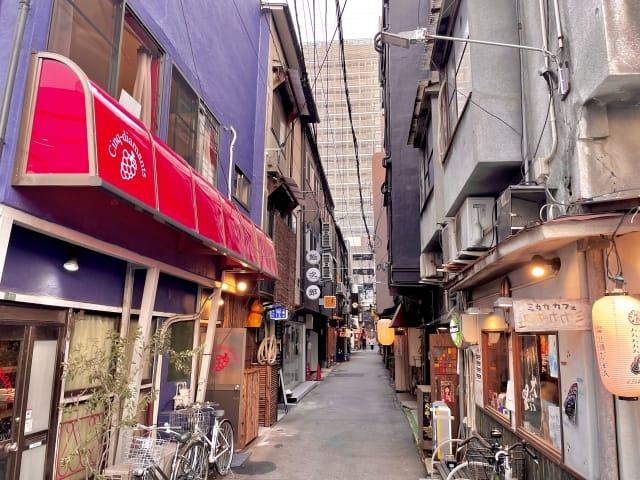
Ekinishi area is an izakaya district spread across the southwestern part of JR Hiroshima Station. This area has been beloved as a drinking district since the post-war era and is one of the most retro-feeling night spots in Hiroshima.
The streetscape of old houses lit by Chochin (Japanese lanterns) has a warm feeling, and you can still strongly sense the atmosphere of those times. While the area is popular with office workers and long-time regular customers, the recent retro boom has brought an increase in younger visitors.
Close to the station, this area is recommended for those who want to enjoy drinks while experiencing the local atmosphere.
When You Come to Hiroshima, Enjoy Authentic Hiroshima Food at Shops Beloved by Locals!
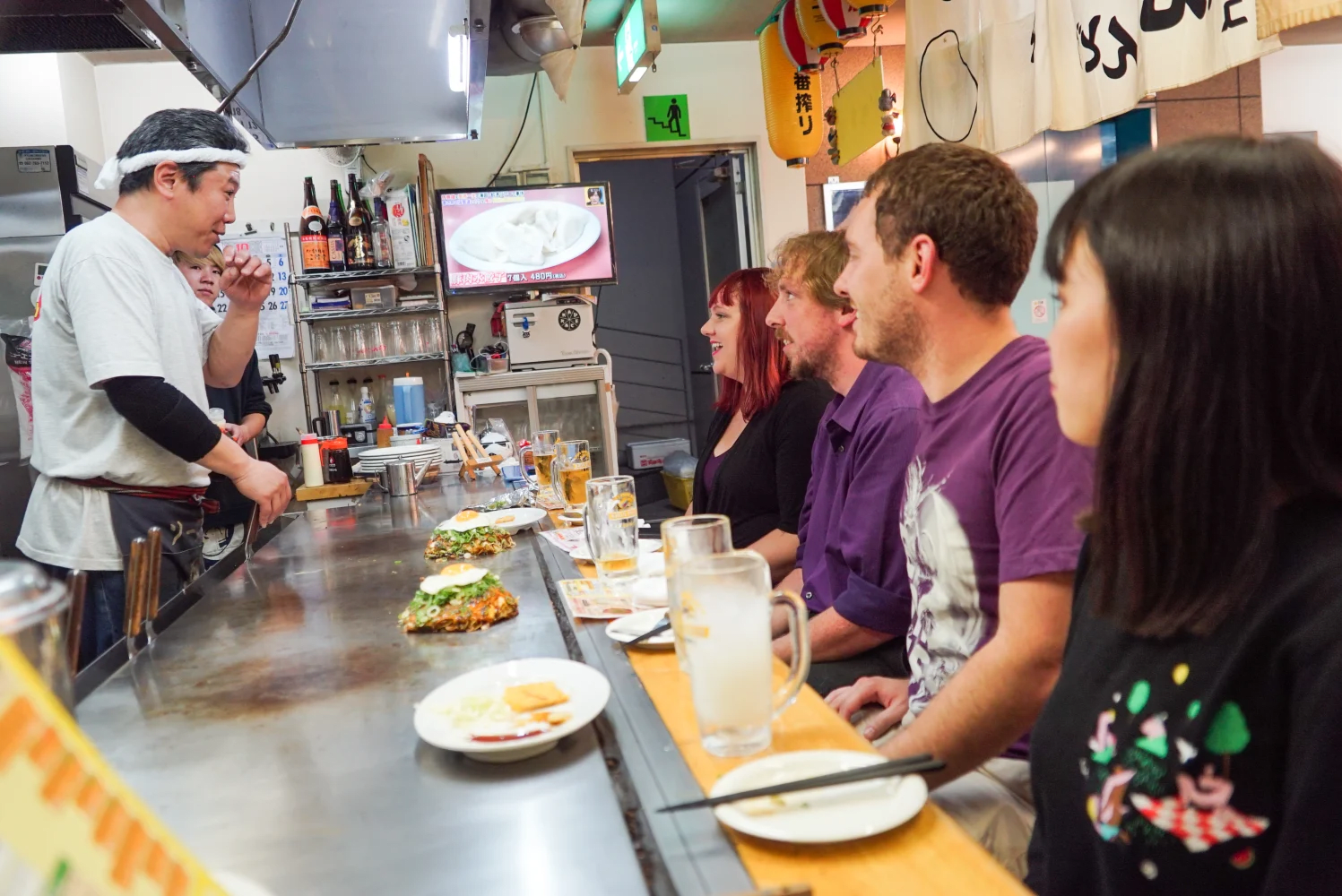
Hiroshima city is overflowing with an astonishing number of restaurants. Magical Trip's "Hiroshima Bar Hopping Food Tour" takes you to three izakaya recommended by local guides in Nagaregawa, one of Hiroshima's premier night spots.
On the tour, you can fully enjoy Hiroshima's local gourmet offerings, including oysters and Hiroshima-style okonomiyaki as introduced in this article, along with local sake from Hiroshima, which is also known for its sake breweries.
Since tours are held in small groups, you'll be close to the guide and other guests, allowing you to enjoy the tour as if you were bar hopping with friends.
<Information>
Meeting point: In front of the Gucci display outside Hiroshima Fukuya dept. store, near Hatchobori station
Tour area: Hiroshima city
Start time: 19:00
Attraction & Things to Do in Hiroshima's Each City
There are still many more highlights in Hiroshima. If you venture a little further, you can discover areas with different charms from Hiroshima city, such as towns where you can enjoy spectacular ocean views from mountaintops, towns where you can experience the history of Hiroshima as a military city, and towns where historical streetscapes remain.
Here, I will introduce three areas I recommend and three spots you should visit along with them. These destinations represent some of the best Hiroshima Attraction 2026 has to offer for visitors seeking authentic experiences beyond the city center.
Onomichi Area
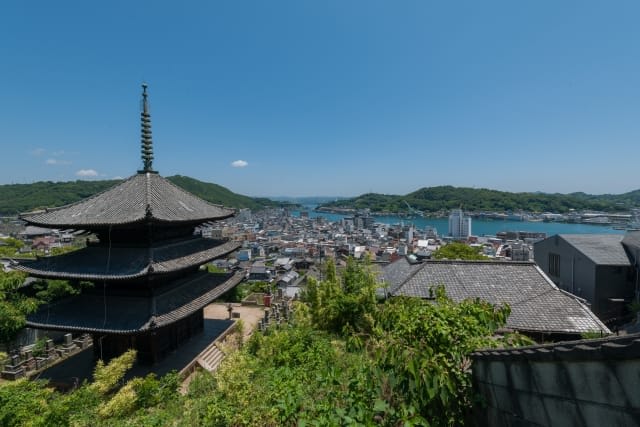
Onomichi city, famous as the starting point of the Shimanami Kaido, is an area where you can feel the air of both mountains and sea at once. The hilly townscape is also distinctive, and the view from the mountaintop is exceptional.
Mt. Senkoji & Ropeway
This ropeway offers views overlooking the Seto Inland Sea and the townscape of Onomichi city. From the mountaintop, you can access Senkoji Temple by walking along a charming path. The vermillion-lacquered temple built on rocky terrain is beautiful yet powerful.
Cat Alley
This is a path of about 200 meters leading to the mountain behind Ushitora Shrine. Hidden cafe-like establishments and variety shops in renovated old houses are scattered throughout, and you may occasionally spot cats. This area offers a quiet atmosphere that feels removed from everyday life.
Shimanami Kaido
This is a sea route of approximately 60km connecting Onomichi city to the Shikoku district. A cycling course is maintained for enjoying the scenery while riding, and it is beloved as a "cyclist's sanctuary." After cycling, we also recommend trying the famous Onomichi Ramen.
Kure City

Kure city, facing the Seto Inland Sea, developed as a naval port during the Meiji era (1868–1912). The city flourished with a shipbuilding industry that constructed warships, and you can still feel the traces of this history today.
Yamato Museum
This museum is where you can learn about the "Yamato," which was the world's largest battleship during World War II. The 1/10 scale model of the Yamato on display is truly impressive.
- Note: Yamato Museum is closed until March 2026 for renovation. During this period, some exhibits can be viewed at the nearby facility "VIEW PORT KURE."
JMSDF Kure Museum
This museum is where you can learn about the history and activities of the Japan Maritime Self-Defense Force. You can also enter a submarine that was previously in active service and experience what life was like for the crew.
Kure Port Seaside Walk
Kure Port, where Japan Maritime Self-Defense Force vessels are moored, has been used as a filming location for numerous movies. At dusk, the orange sunlight spreads across the sea, and you can enjoy strolling while taking in the beautiful scenery.
Fukuyama City
Source:Google Maps
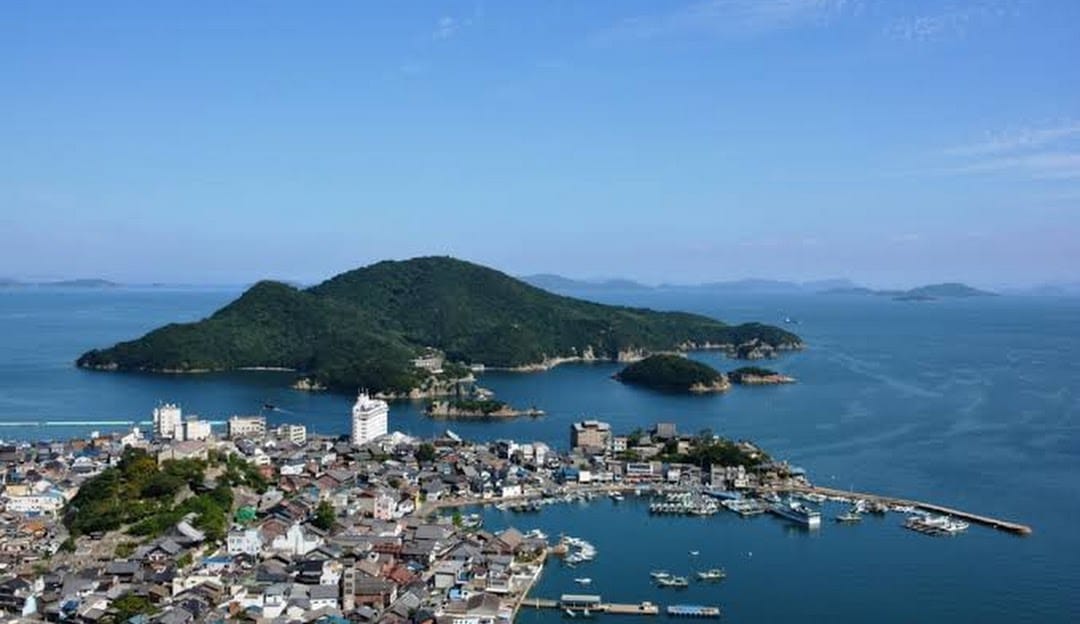
Fukuyama, which prospered as a castle town, has developed as the second-largest city in Hiroshima. There are many temples where you can feel history, and in spring and autumn, rose flowers add color to the city.
Fukuyama Castle
The current castle tower is a 1966 reconstruction of a castle originally built over 400 years ago. It is now open to the public as a museum. It was renovated in 2022, and you can now enjoy exhibits and experiences using video technology.
Rose Park
This park features approximately 670 varieties and 7,000 rose bushes in bloom. May is especially beautiful when the garden is enveloped in gorgeous scenery, and the "Fukuyama Rose Festival" is grandly held to coincide with the blooming season.
Tomonoura
"Tomonoura" was ideal for ships waiting for favorable tidal currents, and has been beloved as a "tide-waiting port" since the Edo era (1603–1868). The charming quiet townscape has served as the setting for various films, including Studio Ghibli's anime "Ponyo on the Cliff by the Sea."