Tokyo in January 2026: Highlights, Events & Festivals
While I personally visit Tokyo shrines with friends every New Year, I've noticed a growing number of international visitors joining in these shrine celebrations. That's why I decided to write this article - to help more international visitors discover the best shrines for New Year's celebrations.
Another reason for writing this is to introduce the increasingly popular Magical Trip tours. For those interested in shrines, I highly recommend the "Asakusa Cultural Walk & Matcha Making Tour." Other than that, Magical trip has tours which ranked #1 among all TripAdvisor tours in 2024.
For those who would like to check more tour options for Tokyo, please visit the tours listing page.

Japanese culture and traditions can be challenging to understand on your own, but with a local guide's explanation, you can learn about them in an enjoyable way.
When you explore these spots with a deeper understanding of their cultural and traditional significance, you're likely to appreciate them even more.
Introduction
Tokyo, Japan's capital, is a metropolis that combines modern skyscrapers and entertainment facilities while preserving historical buildings and natural spots.
January in Tokyo is particularly cold, with average daytime temperatures around 5.4°C and nighttime temperatures dropping to about 1.2°C. While many days are sunny, it can be windy, so wearing thick outerwear along with scarves and gloves is recommended.
January marks the New Year, and the entire city embraces a celebratory atmosphere. In Japan, New Year's celebrations are more significant than Christmas, with numerous events held to commemorate the occasion, particularly centered around shrines and temples. This article will introduce the highlights, basic information, timing, and access details for various events.
2026 Year-round Event Schedule in Tokyo↓
・Tokyo: List of Events & Festivals for 2026
 Yasuhiro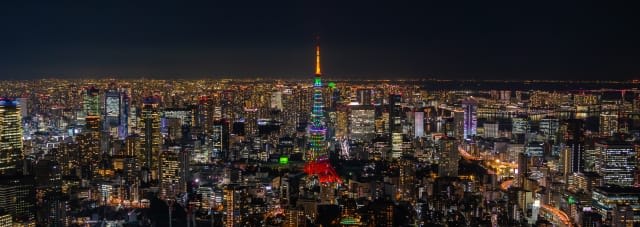
Table of Contents
- Various Events in Tokyo January 2026, Centered Around "Hatsumode"
- Ueno Toshogu Winter Peony Exhibition (Tokyo Event January 2026)
Various Events in Tokyo January 2026, Centered Around "Hatsumode"
January 2026 brings numerous exciting events to Tokyo. Various traditional Japanese events are held throughout the city, primarily centered around "Hatsumode," the first shrine or temple visit of the year.
January is a lively time not only at religious sites but also at shopping facilities. Many stores hold New Year sales, offering various items at special prices. Furthermore, "Fukubukuro" (lucky bags) - mystery bags filled with assorted products - represent a unique Japanese New Year tradition only available during this period.
Hatsumode
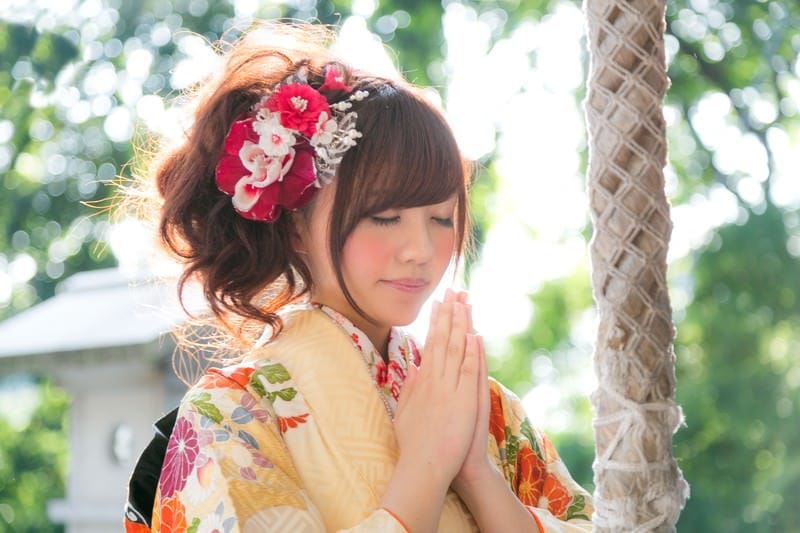
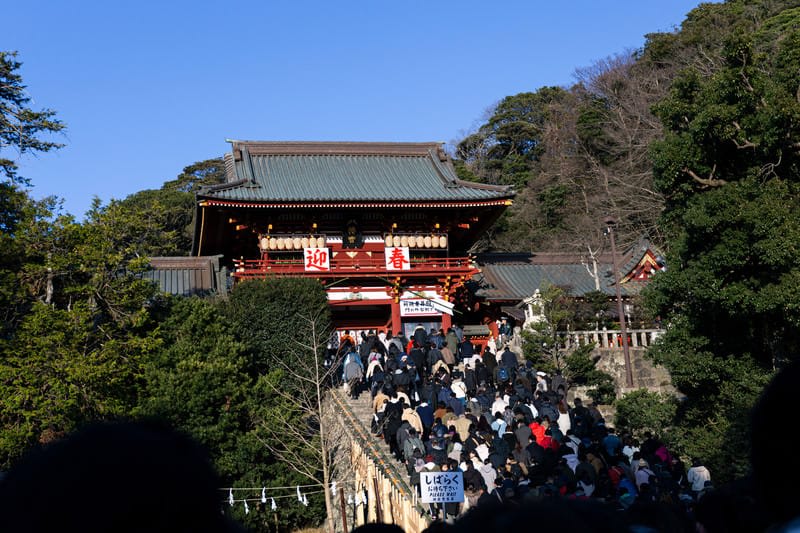
Hatsumode is a traditional Japanese New Year's custom of making the first shrine or temple visit of the year. The first three days of January (1st-3rd) are particularly crowded as many people perform their Hatsumode during this period.
The purpose of Hatsumode is to express gratitude for the previous year and pray for happiness and safety in the new year. When visiting shrines, people make wishes and can purchase good luck charms called "omamori."
How to Pay Respects:
1. Choose a shrine
2. Line up for worship
3. Put money in the offering box (5 or 10 yen coins are common)
4. Perform "ni-rei ni-hakushu ichi-rei":
Worship method: Two bows → Two claps → One final bow
5. Make a wish in your heart
6. Purchase omamori or omikuji (fortune slips)
Senso-ji Temple
Source: Official website
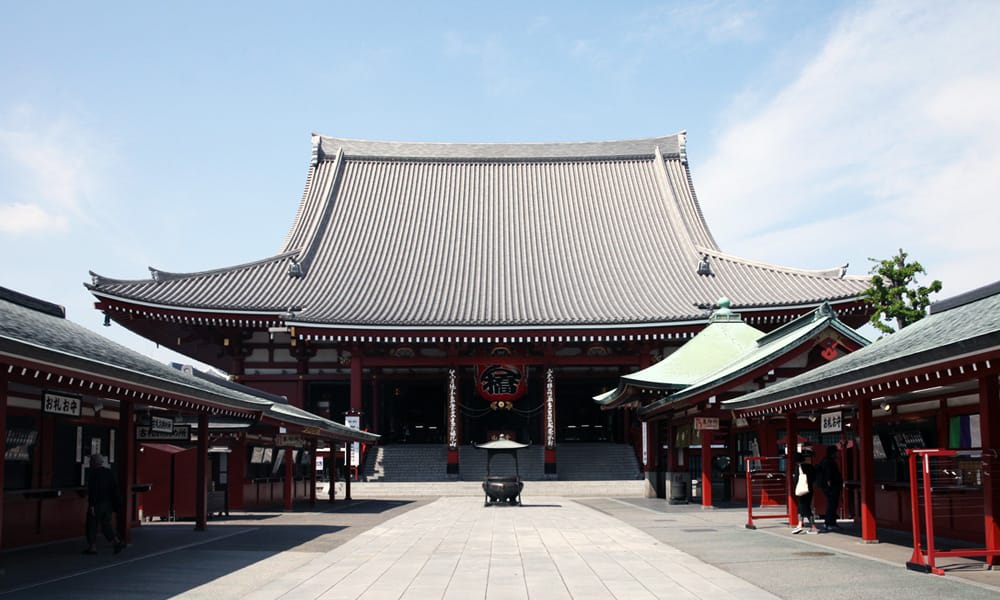
Senso-ji, built in 628, is Tokyo's oldest temple. It welcomes approximately 30 million visitors annually, with about 10% of these visitors coming during the first three days of January for the New Year's prayers. As one of the most anticipated Tokyo Events January 2026, Senso-ji's New Year celebration begins when the massive "Joya no Kane" bell rings across the new year, accompanied by visitors' cheers.
A major highlight is the Nakamise Street in front of Senso-ji, decorated with auspicious goods. While bustling throughout the year, it becomes even more lively during the New Year season. Visitors can purchase lucky items along Nakamise Street.
Due to its popularity, expect long queues during daytime hours. For shorter wait times, visit early morning or after evening. This temple is recommended for those who want to experience the New Year celebrations with all five senses.
<Information>
Date: Generally January 1–7
Access: 1-minute walk from Exit A4 of Asakusa Station on Tokyo Metro Ginza Line
Admission: Free
Website: https://www.senso-ji.jp/
Meiji Shrine
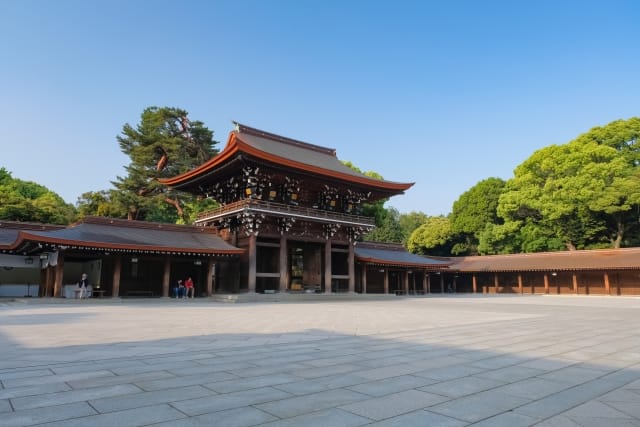
Built in 1920, Meiji Shrine is known for its spiritual power for matchmaking and marital harmony. Despite its urban location, it's often called an urban oasis, surrounded by approximately 100,000 trees collected from across Japan.
Meiji Shrine receives the highest number of New Year visitors in Japan, with about 3 million people visiting from January 1-3. It's perfect for those wanting to purchase unique Japanese lucky charms and ema (wooden plates for writing wishes).
The shrine features Japan's largest wooden torii gate, measuring 12 meters high and 17.1 meters wide. Don't miss this quintessentially Japanese architectural feature during your visit.
<Information>
Date: January 1–31, 2026
Access: 1-minute walk from JR Harajuku Station (Yamanote Line) or Meiji-jingumae Station (Tokyo Metro Chiyoda and Fukutoshin Lines)
Admission: Free
Website: https://www.meijijingu.or.jp/
Kanda Myojin
Source: visit-chiyoda.tokyo
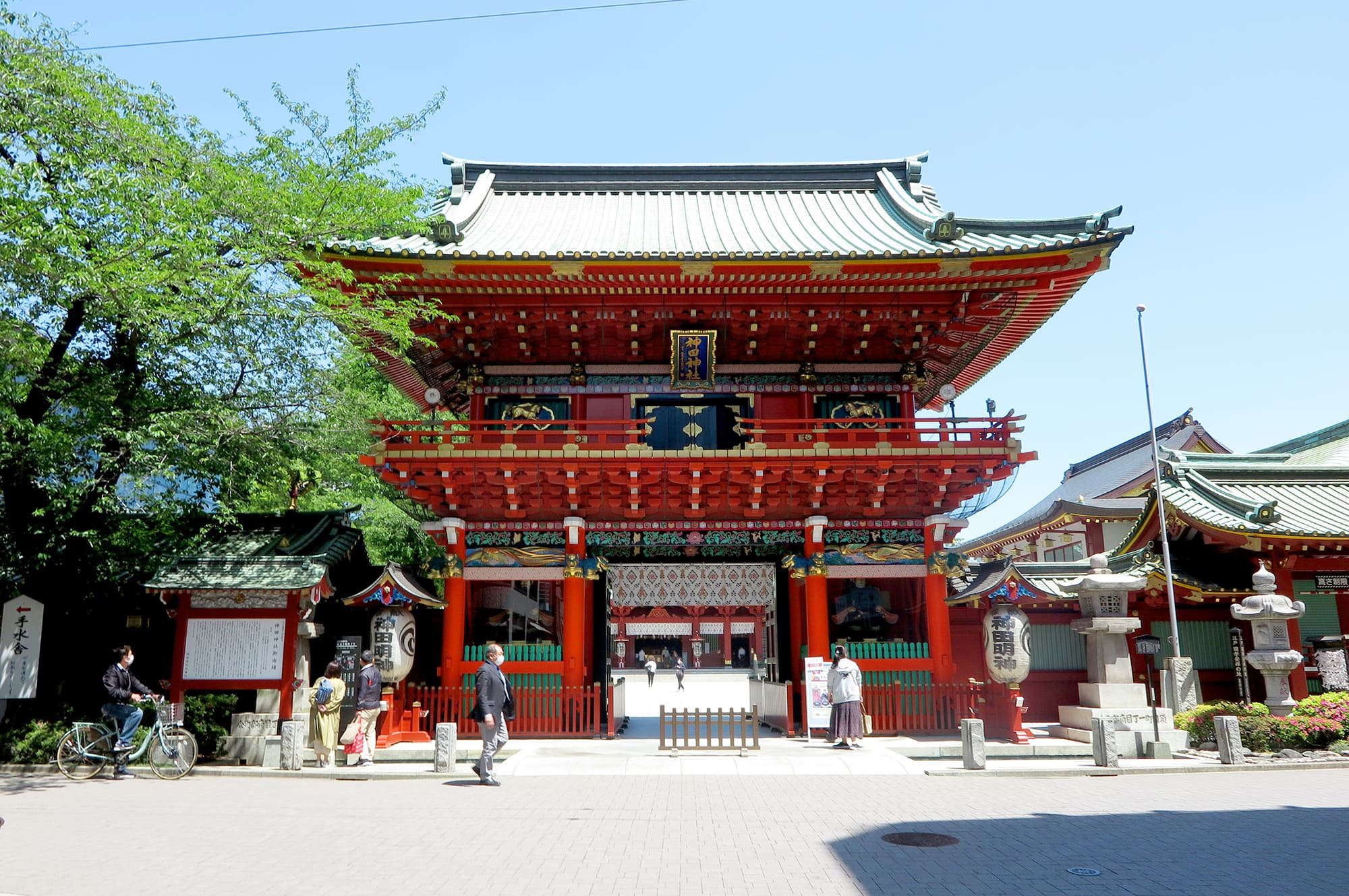
Kanda Myojin, built over 1,300 years ago, is the guardian shrine of the Kanda, Akihabara, and Nihonbashi areas. It's especially popular among business owners and entrepreneurs as its deities are associated with business prosperity and financial fortune.
During New Year visits, street food stalls create a festival atmosphere. The shrine is notable for its unique fortune slips and ema. Being close to Akihabara, the anime district, you can find rare ema decorated with anime illustrations.
The shrine gets crowded, so check the official website's live crowd monitoring system before visiting.
<Information>
Date: January 1–7, 2026
Access: 5-minute walk from Ochanomizu Station (JR Chuo/Sobu Line), 7-minute walk from Akihabara Station (Electric Town Exit)
Admission: Free
Website: https://www.kandamyoujin.or.jp/access/
If you're interested in the background of temples&shrines, take a tour with a local guide.
・Ultimate Tokyo Seasonal Tours Guide 2026: Best Times to Experience Cherry Blossoms, Summer Festivals, Autumn Leaves & Winter Scenely
Zojoji Temple
Source: Official website
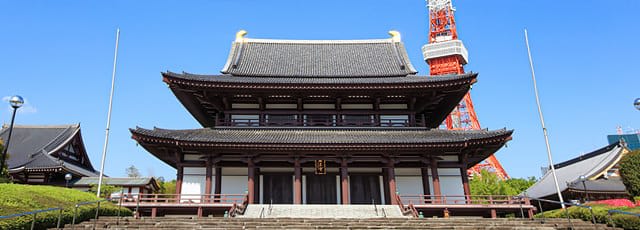
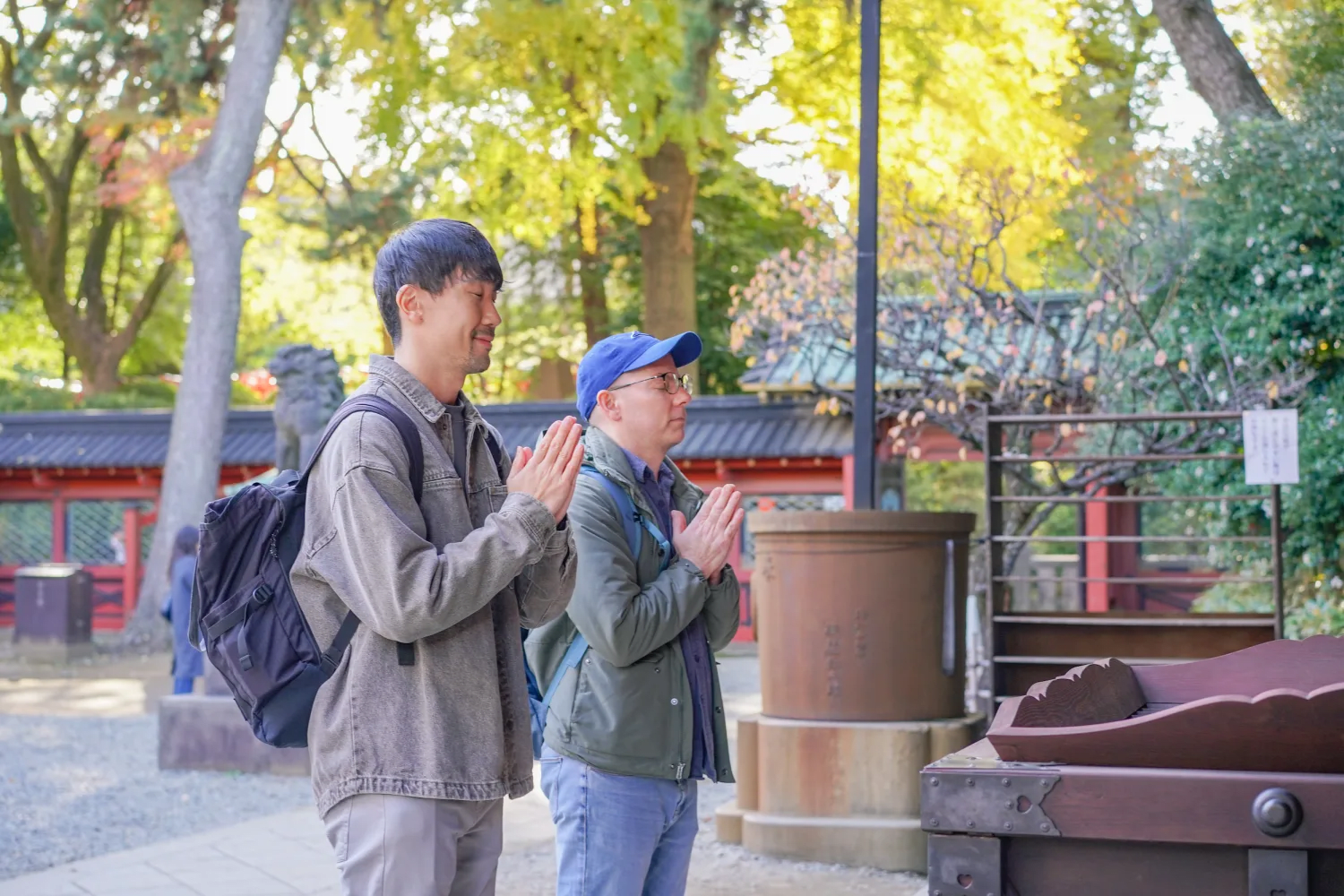
Zojoji Temple is a spiritual site with approximately 630 years of history, known for its power related to good fortune. In the spiritual world, Zojoji is considered a power spot where the celestial energy from Tokyo Tower (standing behind the temple) converges with the marine energy from the nearby Tokyo Bay.
Many people visit Zojoji as a photography spot, where the majestic atmosphere of the temple combined with the towering red Tokyo Tower creates a spectacular view.
As a traditional event for January 2026, at midnight on January 1st, the temple bell is rung 108 times to purify the soul, after which the New Year's visit (Hatsumode) begins. For those who want to experience an authentic Japanese New Year celebration alongside locals, Zojoji is highly recommended.
<Information>
Date: January 1–7, 2025
Access: 10-minute walk from JR Line/Tokyo Monorail Hamamatsucho Station
Admission: Free
Website: https://www.zojoji.or.jp/
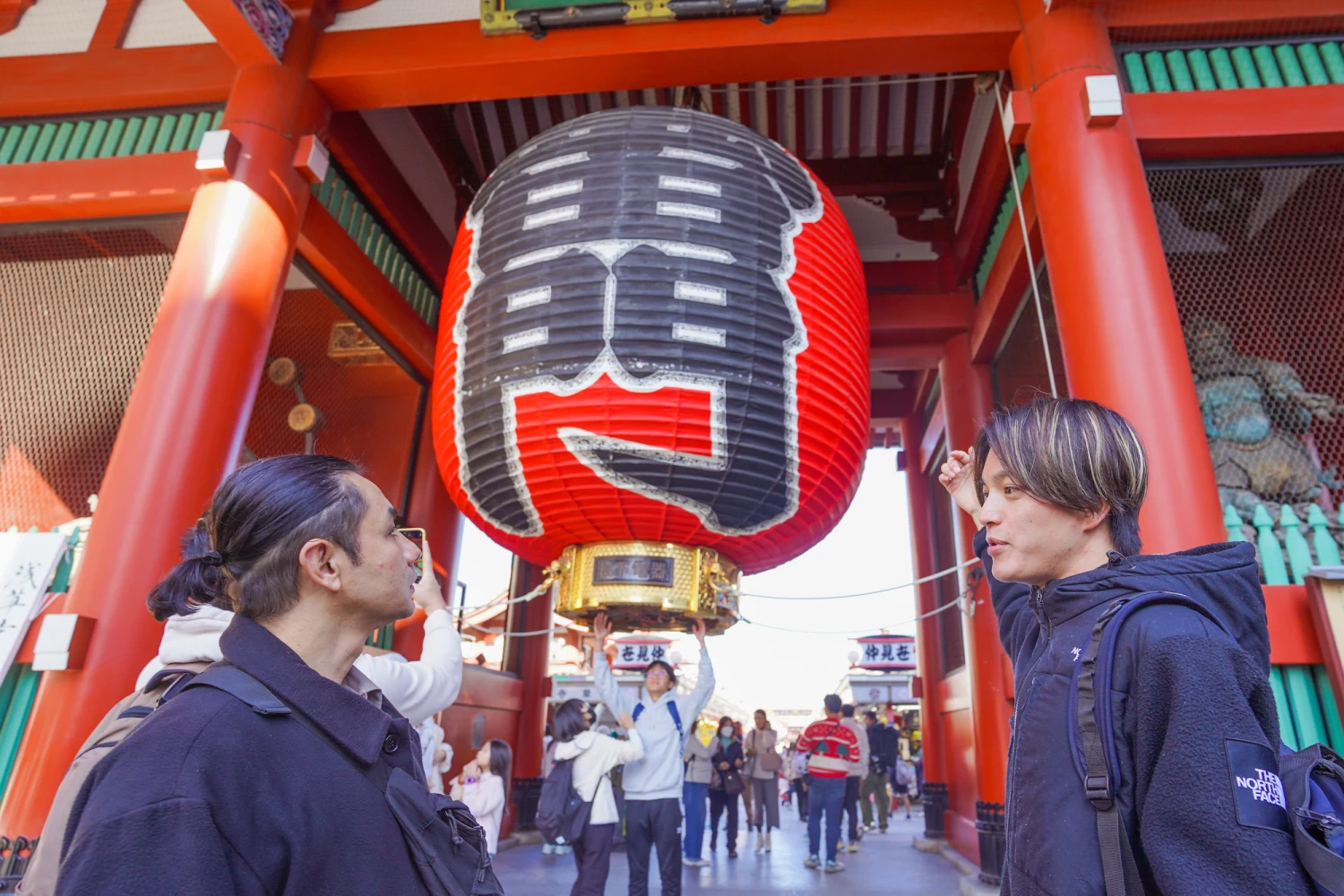
If you are interested in Japanese culture and traditions, let a local guide well-versed in these subjects take you around neighborhoods with a traditional atmosphere. Magical Trip offers tours in Tokyo where you can experience traditional Japanese culture and stroll through historic streets.
In Asakusa, you can not only walk through the old townscape but also visit a tranquil Tea Room and enjoy the finest Matcha.
On the Yanaka tour, where old townscapes remain, the guide's historical explanations of the Temples make it possible to learn about Japanese culture more deeply than on an individual trip—a truly attractive point.
If you want to enjoy Tokyo more deeply, be sure to join these tours.
Asakusa Cultural Walk & Matcha Making
Meeting Point: In front of Kaminarimon Koban (police box)
Tour Area: Asakusa
Start Time: 11:00
Asakusa Cultural Walk & Matcha Making Tour
Yanaka Historical Walking Tour in Tokyo's Old
Meeting Point: Tokyo Metro Nezu Station Exit 1
Tour Area: Yanaka
Start Time: 13:30
Yasukuni Shrine
Source: Official website
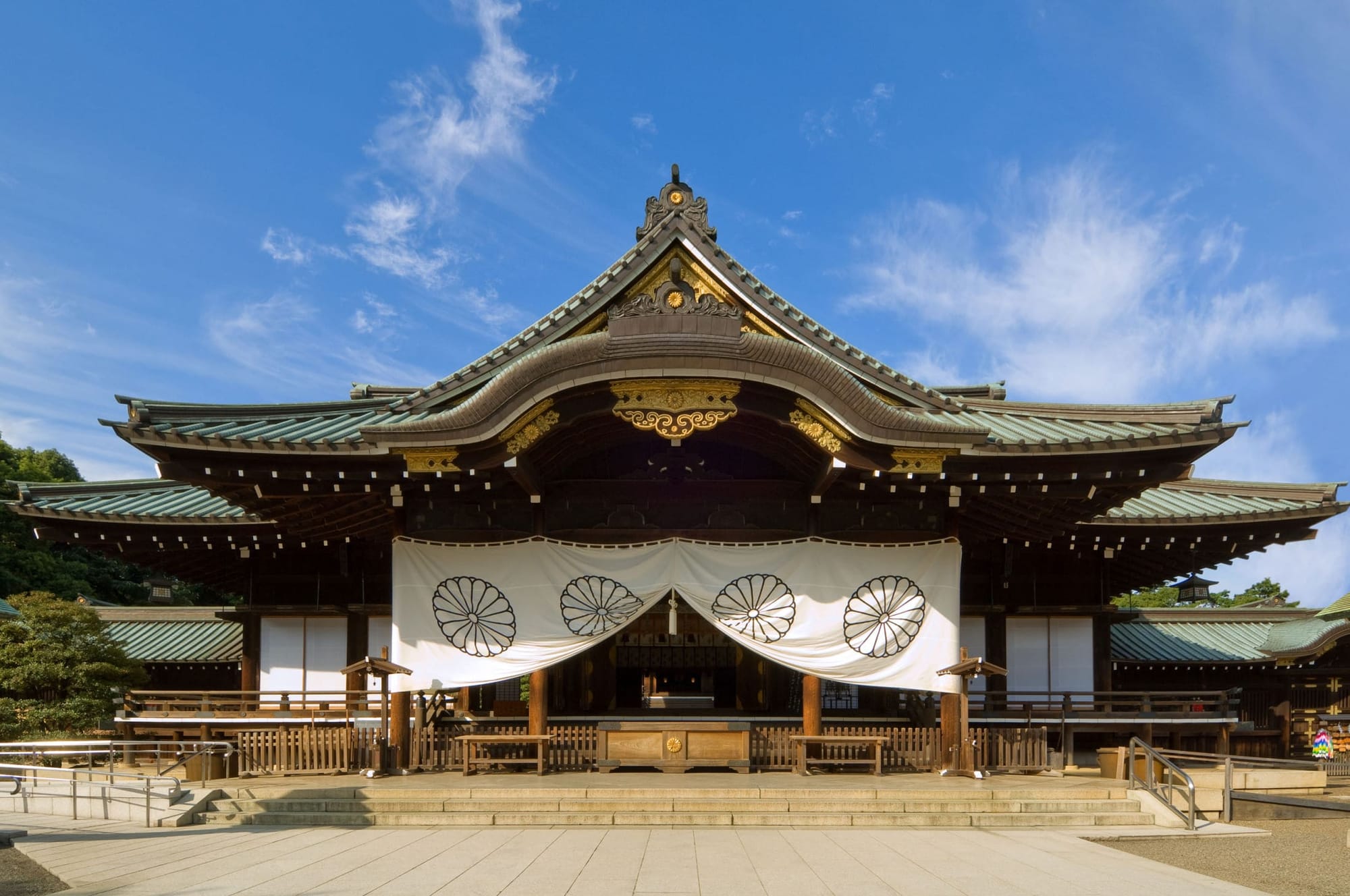
Yasukuni Shrine, built in 1869, is dedicated to the spirits of those who sacrificed their lives for the country. It is said to possess power related to household safety, ward off evil, and ensure traffic safety.
The shrine is famous for displaying a massive ema (votive tablet) measuring 2.19 meters in height and 2.76 meters in width during the New Year's visit. This tradition has continued for over 40 years, with a new design featuring the Chinese zodiac animal of the year.
During the New Year's visit, various Japanese cultural events are held. A highlight is the "Shinsyun Yumehajime" (New Year's Archery Ceremony), where people wearing traditional costumes compete by shooting arrows at targets. The sight of archers shooting in this solemn atmosphere is truly spectacular.
Recommended for those who want to enjoy traditional Japanese New Year decorations and ceremonies.
<Information>
Date: January 3, 2026
Access: 10-minute walk from JR Chuo/Sobu Line Iidabashi Station West Exit
Admission: Free
Website: https://www.yasukuni.or.jp/
Usokae no Shinji (Gojoten Shrine)
Source: TAITO Odekake Navi
![[1200_1200]_20240530202327_五條天神社 社殿 (1).jpeg](https://res-4.cloudinary.com/dbm1qiew0/image/upload/q_auto/v1/blog-images/-1200_1200-_20240530202327_----------1-.jpg)
At Gojoten Shrine in Ueno Park, Taito Ward, a traditional ceremony called "Usokae no Shinji" is held annually on January 25th. This ritual cleanses the previous year's misfortunes as "lies" (uso) and welcomes good fortune for the new year.
The word "uso" derives from a bird called "uso," which shares the same pronunciation as the Japanese word for "lie." Participants return their palm-sized wooden uso birds from the previous year and receive new ones. It's particularly auspicious to receive a "gold uso" with gold paper attached to its head. Even first-time visitors without previous uso birds can receive new ones.
Distribution begins at 9 AM, and quantities are limited. It's recommended to arrive and line up before the start if you really want to obtain one. This event is perfect for those seeking special Japanese cultural items.
<Information>
Date: January 24–25, 2026
Access: 5-minute walk from JR Ueno Station, 5-minute walk from Tokyo Metro Ueno Station, 3-minute walk from Keisei Ueno Station
Admission: Free
Website: https://www.gojoutenjinsha.com/
Ueno Toshogu Winter Peony Exhibition (Tokyo Event January 2026)
Source: Official website
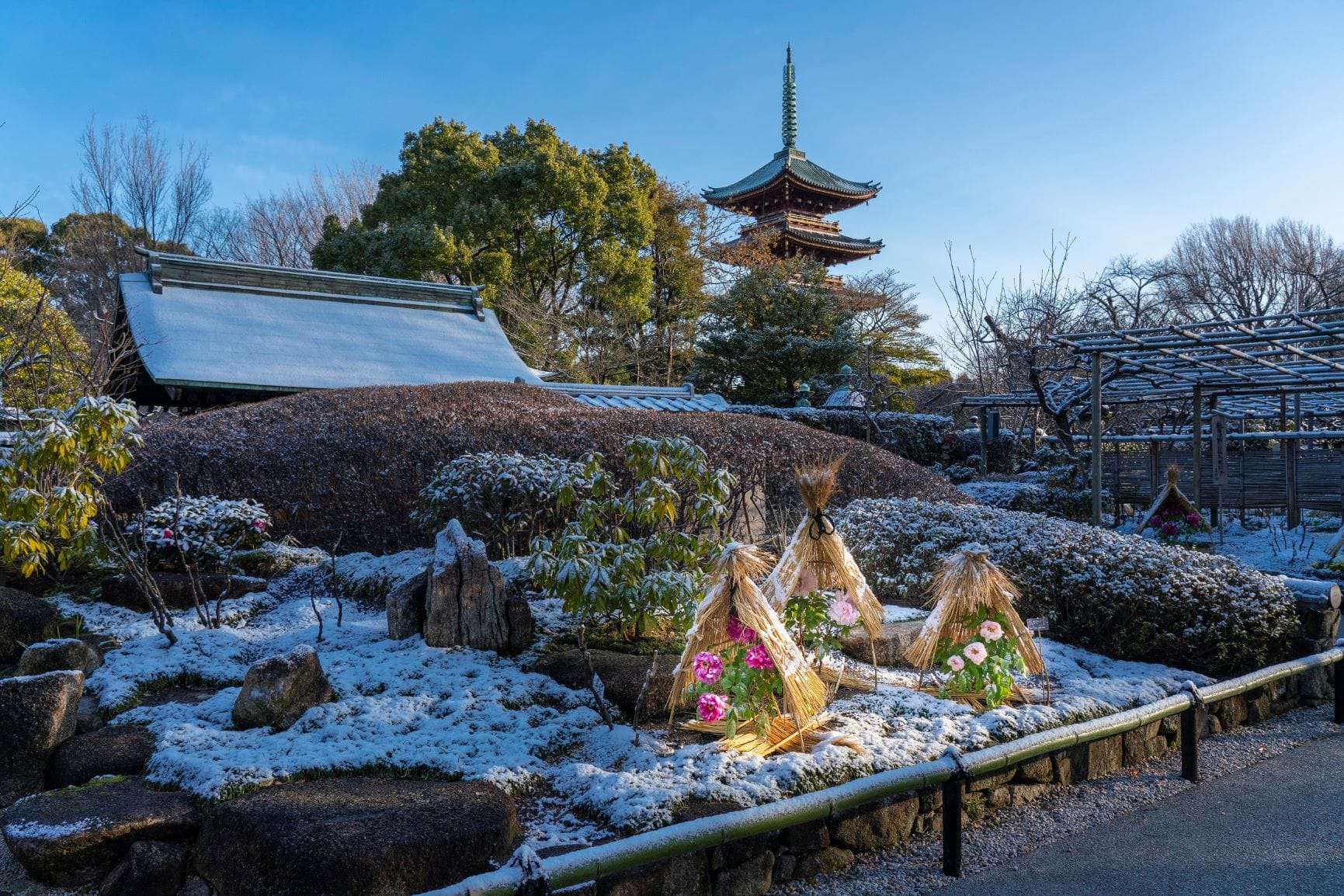
Ueno Toshogu, located in Ueno Park, is one of Japan's three major Toshogu shrines. The shrine features a "Peony Garden" where visitors can appreciate various types of peonies alongside historically significant buildings.
Among the peonies, "Winter Peonies" can be viewed from January 1st to mid-February. These special flowers are cultivated using advanced techniques to bloom during winter when flowers are scarce, making them auspicious for the New Year. Visitors can enjoy the Kanto region's largest collection of winter peonies, featuring 40 varieties and 160 plants. Another highlight is the opportunity to view these winter peonies alongside plum blossoms and early-blooming cherry blossoms.
The combination of Toshogu Shrine and the magnificent peonies creates a refined atmosphere. This uniquely Japanese scenery, only visible during the New Year period, is highly recommended for visitors.
<Information>
Date: January 1–Late February, 2026
Address: 9-88 Ueno Park, Taito-ku, Tokyo
Access: 5-minute walk from Ueno Station Park Exit or 5-minute walk from Keisei Ueno Station Ikenohata Exit
Admission: 700 yen
Website: https://uenobotanen.com/schedule/winter/
Torikoe Shrine Dondoyaki
Source: Event checker
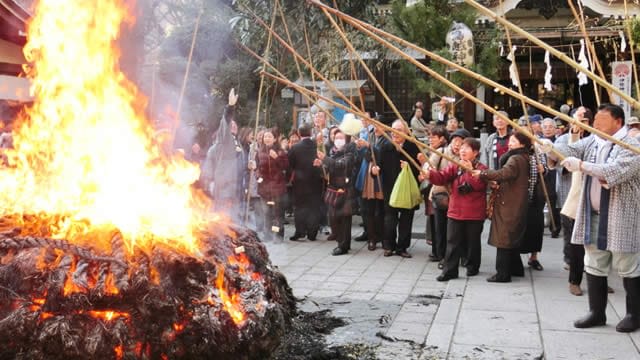
Torikoe Shrine Dondoyaki is a traditional New Year event held annually at Torikoe Shrine in Taito Ward. "Dondoyaki" is a Japanese traditional ceremony where old talismans and used lucky items are piled up and burned to send them back to the heavens along with the New Year's deities.
This event is held nationwide under different names (at Torikoe Shrine, it's called "Dondoyaki").
It's said that if you're exposed to the smoke during the burning, you'll stay healthy throughout the year.
A highlight is watching children run around the fire chanting "Don-do, Don-do" while the flames burn vigorously. The heat of the fire and the excitement of the atmosphere create an energetic experience.
For those interested in experiencing Japanese culture, this traditional New Year event is highly recommended.
<Information>
Date: Every year on January 8 from 13:00
Access: 5-minute walk from Kuramae Station on Toei Asakusa Line, 6-minute walk from Kuramae Station on Toei Oedo Line, 8-minute walk from JR Asakusabashi Station on Sobu Line
Admission: Free
Website: https://www.city.taito.lg.jp/event/kanko/tondo-yaki.html
Daikoku Matsuri
Source:Visit Chiyoda
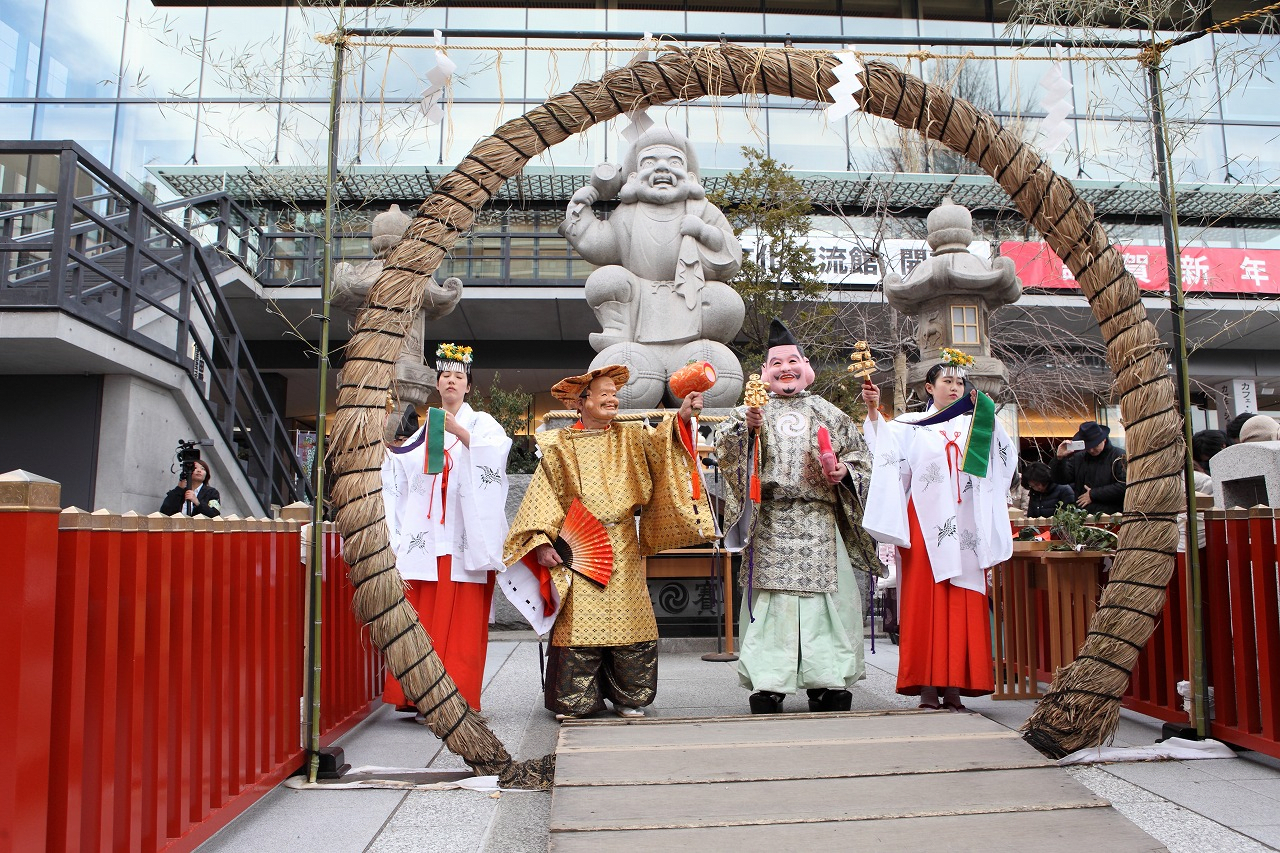
Daikoku Matsuri is a festival held every January at Kanda Shrine. On the day of the festival, many people visit Kanda Shrine to pray for various wishes such as family safety, business prosperity, and good matchmaking.
On the festival day, Daikokuten, known as the god who brings good fortune, appears, and a ceremony is held to pray for good luck to come to the worshippers.
Another famous ritual is the Misogi Purification, where young men brave the extreme cold and pour cold water over themselves to purify their bodies.
Watching them douse themselves with cold water in the middle of winter might make you shiver just looking at it, but pouring water over oneself is a form of Shinto training that prays for health and world peace.
If you want to see a traditional ceremony that has been passed down in Japan since ancient times, be sure to visit this Tokyo event in January 2026.
<Information>
Date: January 17–19, 2026
Access: 5-minute walk from JR Ochanomizu Station, 7-minute walk from JR Akihabara Station
Admission: Free
Website: https://www.kandamyoujin.or.jp/
Ome Daruma Market
Source:Ootama Reien
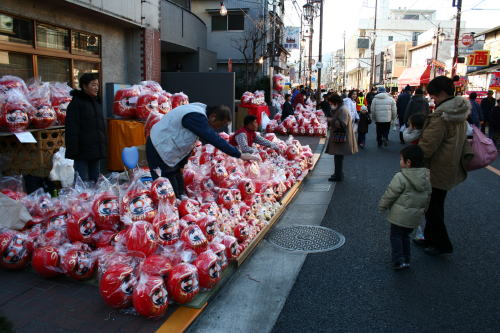
The Ome Daruma Market, held in Ome City, Tokyo, is an event with over 500 years of history that takes place every January. Originally a market selling textiles, it became established as a market selling Daruma dolls after they began being sold as good luck charms about 190 years ago.
Daruma is a doll that has been beloved in Japan since ancient times. Because it is a doll that continues to stand back up on its own even when knocked down, it is cherished as a good luck charm. Therefore, every year around the end of the year and New Year, many people purchase Daruma dolls as bringers of good fortune.
Daruma dolls come in various sizes from large to small, and the smaller sizes are recommended for purchasing as souvenirs. I have also visited this Daruma Market and purchased a Daruma doll to bring good luck.
<Information>
Date: January 12, 2026
Access: 5-minute walk from JR Ome Line Ome Station
Admission: Free
Website: None
Goma Fire Ritual (Ogoma Kito)
Source:Official website
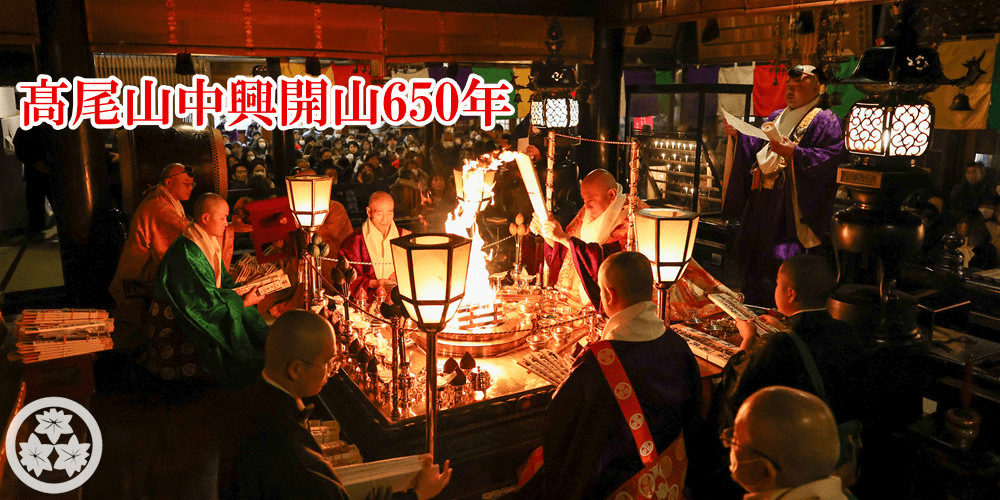
If you want to witness a traditional ceremony at a Japanese Temple with your own eyes, head to Yakuoin on Mount Takao. At Yakuoin, you can observe the Goma Fire Ritual up close—a ceremony where prayers are offered before blazing flames to purify oneself.
The Goma Fire Ritual is a traditional ceremony of Shingon Buddhism. It is said that by throwing wooden tablets with wishes written on them into the flames and praying, good fortune will come to you.
Wooden tablets can be purchased from 3,000 yen each. If you write your wish on the tablet, a Monk will throw the tablet with your wish into the flames during the Goma Fire Ritual and offer prayers to the fire in a loud voice for good luck to come to you. The sight of a Monk praying desperately with an intense expression before the blazing flames is breathtakingly powerful.
<Information>
Date: Held daily (9:30 AM, 11:00 AM, 12:30 PM, 2:00 PM, 3:30 PM)
Access: 20-minute walk from Takaosan Station on the Takao Tozan Railway Cable Car, 30-minute walk from Echo Lift Summit Station
Admission: From 3,000 yen
Website: https://www.takaosan.or.jp/sanpai/ogoma.html
Tokyo Events in January 2026 Related to Japanese Culture and Traditions
Grand Sumo Tournament
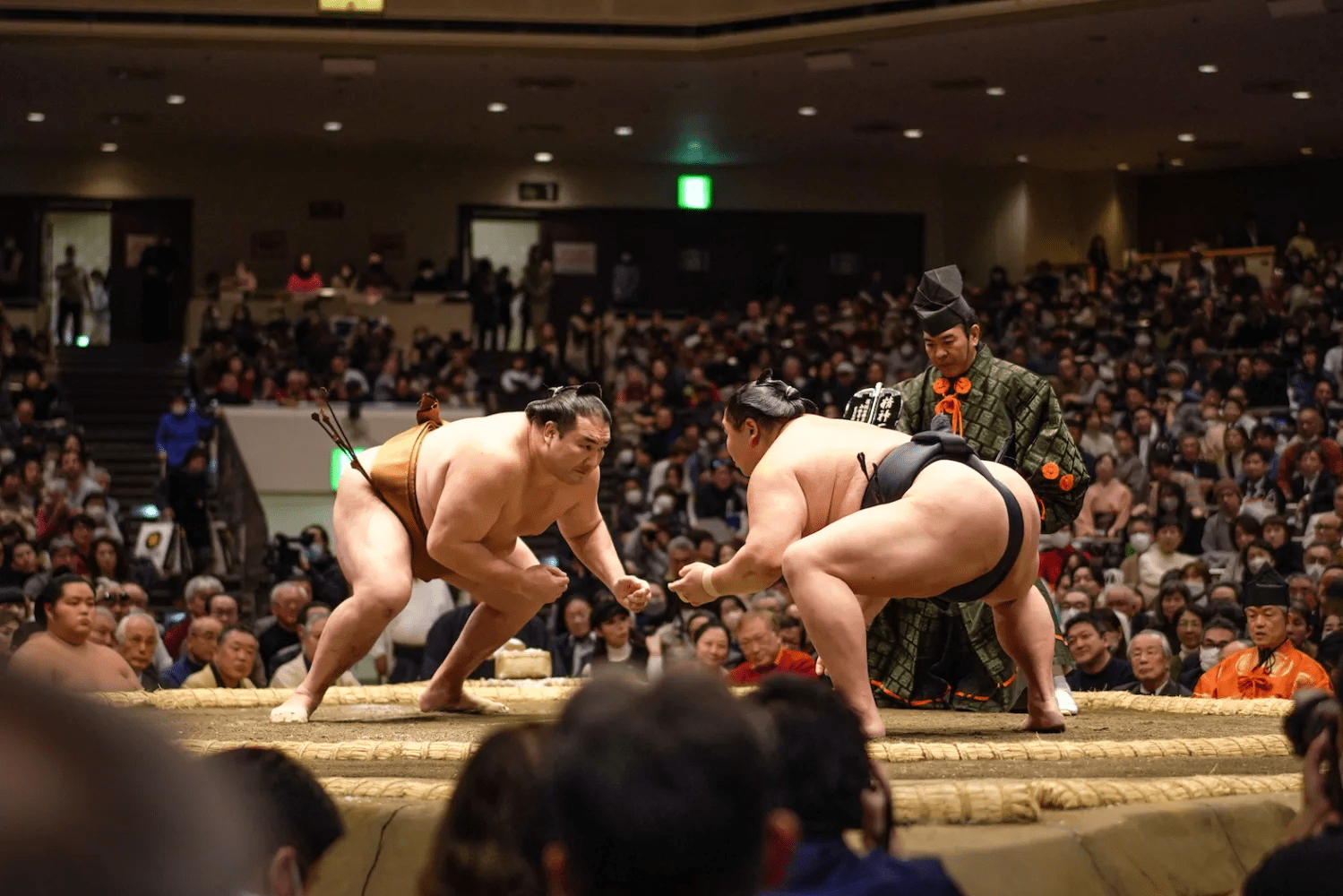
The Grand Sumo Tournament is held in January at Ryogoku Kokugikan in Ryogoku. The tournament features intense matches by Sumo Wrestlers over 15 days, captivating spectators with excitement and enthusiasm.
Sumo is a martial art originating in Japan where two Sumo Wrestlers wearing Mawashi compete on a stage called a Dohyo. The appeal of Sumo lies in the powerful impact when wrestlers collide, the beauty of the ritualistic movements called Shikiri, and the simple rules where a wrestler loses if they exit the Dohyo first or fall down.
The seating is divided into two types: Masu Seats and Chair Seats. Masu Seats allow spectators to watch while sitting on cushions laid on the floor. Chair Seats are located on the second floor and above, and are available at lower prices than Masu Seats.
Tickets may sell out early, so if you want to watch, make sure to book in advance.
<Information>
Date: January 11 – January 25, 2026
Access: 1-minute walk from JR Ryogoku Station
Admission: From 2,500 yen
Website: https://www.sumo.or.jp/
Visit a Sumo Stable in Advance to Enjoy the Sumo Grand Tournament Even More!

If you want to fully enjoy the Sumo Grand Tournament, visiting a Sumo Stable where Sumo Wrestlers live their daily lives and train beforehand will help you appreciate Sumo even more.
By visiting a Sumo Stable, you can not only see Sumo Wrestlers up close but also experience the powerful collisions right before your eyes.
Magical Trip offers a tour where you can observe actual training at a Sumo Stable in Ryogoku, recommended for those who want to enjoy Sumo from an even closer distance.
On the tour, you will visit an actual Sumo Stable and observe the intense morning practice. During the visit, materials summarizing Sumo rules and customs will be distributed, so even first-time Sumo viewers can feel at ease.
The guides are knowledgeable about Sumo history and culture, so they can answer any questions you may have.
<Information>
Meeting Point: In front of JR Ryogoku Station
Tour Area: Ryogoku
Start Time: 8:00
Setagaya Boro Ichi (Antique Market)
Source:Tripadvisor
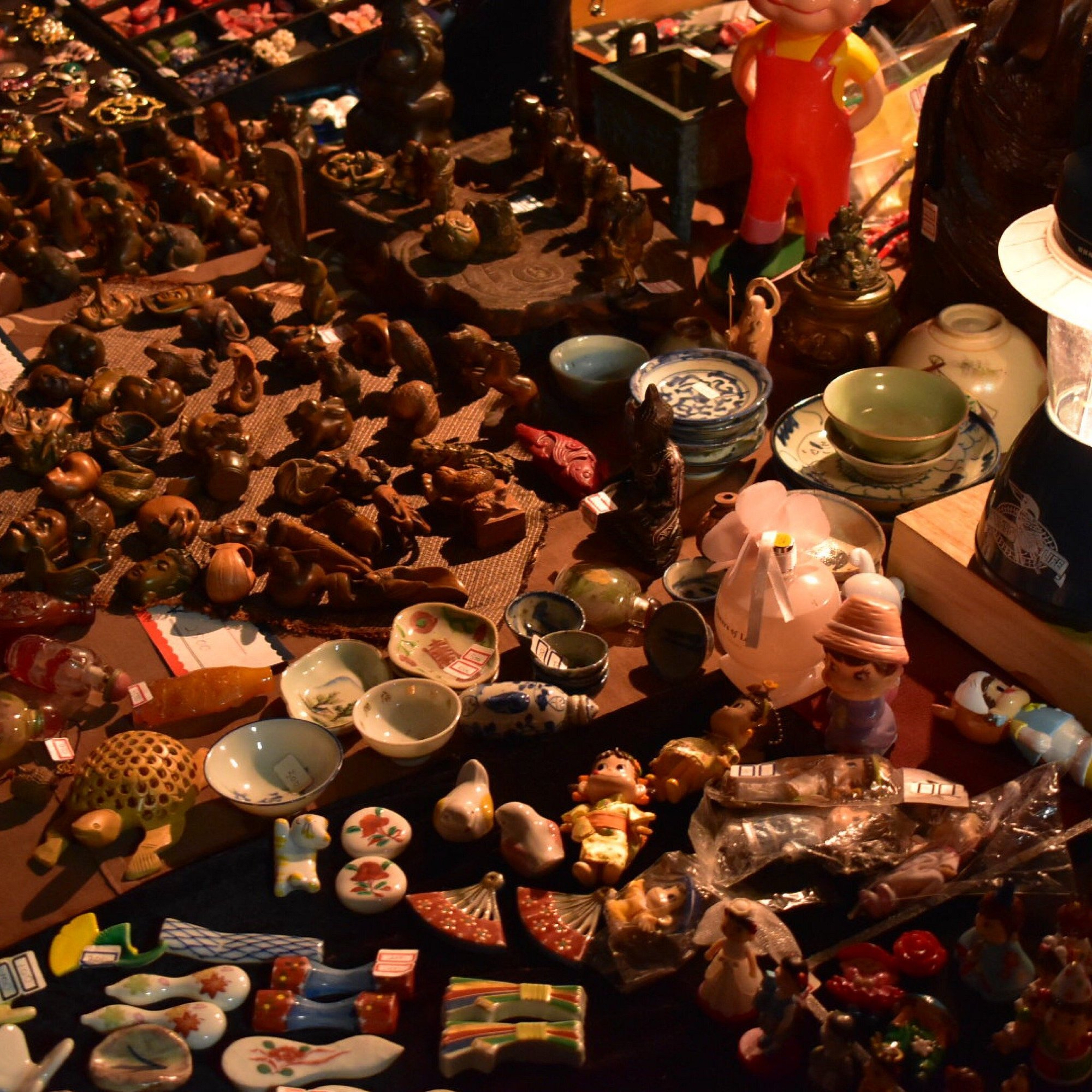
Setagaya Boro Ichi is the largest Antique Market in Setagaya Ward, held every January and December.
This representative Tokyo Event in January 2026 boasts approximately 400 years of history. In the past, old and worn-out clothes and tools were sold here, which is why it came to be called Boro Ichi, with "Boro" meaning "ruined" in English. On the day of Boro Ichi, approximately 700 shops set up along the streets, bustling with crowds of people.
Items for sale include vintage clothing, accessories, used books, and retro-looking tableware, among various other things. The selection varies by shop, but as you explore around, you may discover unexpected treasures.
Many items perfect for souvenirs are also sold here, making it recommended for those who want to enjoy shopping.
<Information>
Date: January 15 and 16, 2026
Access: 3-minute walk from Setagaya Station or Kamimachi Station on the Tokyu Setagaya Line
Admission: Free
Website: None
The 20th Yanaka Antique Market
Source:Official website
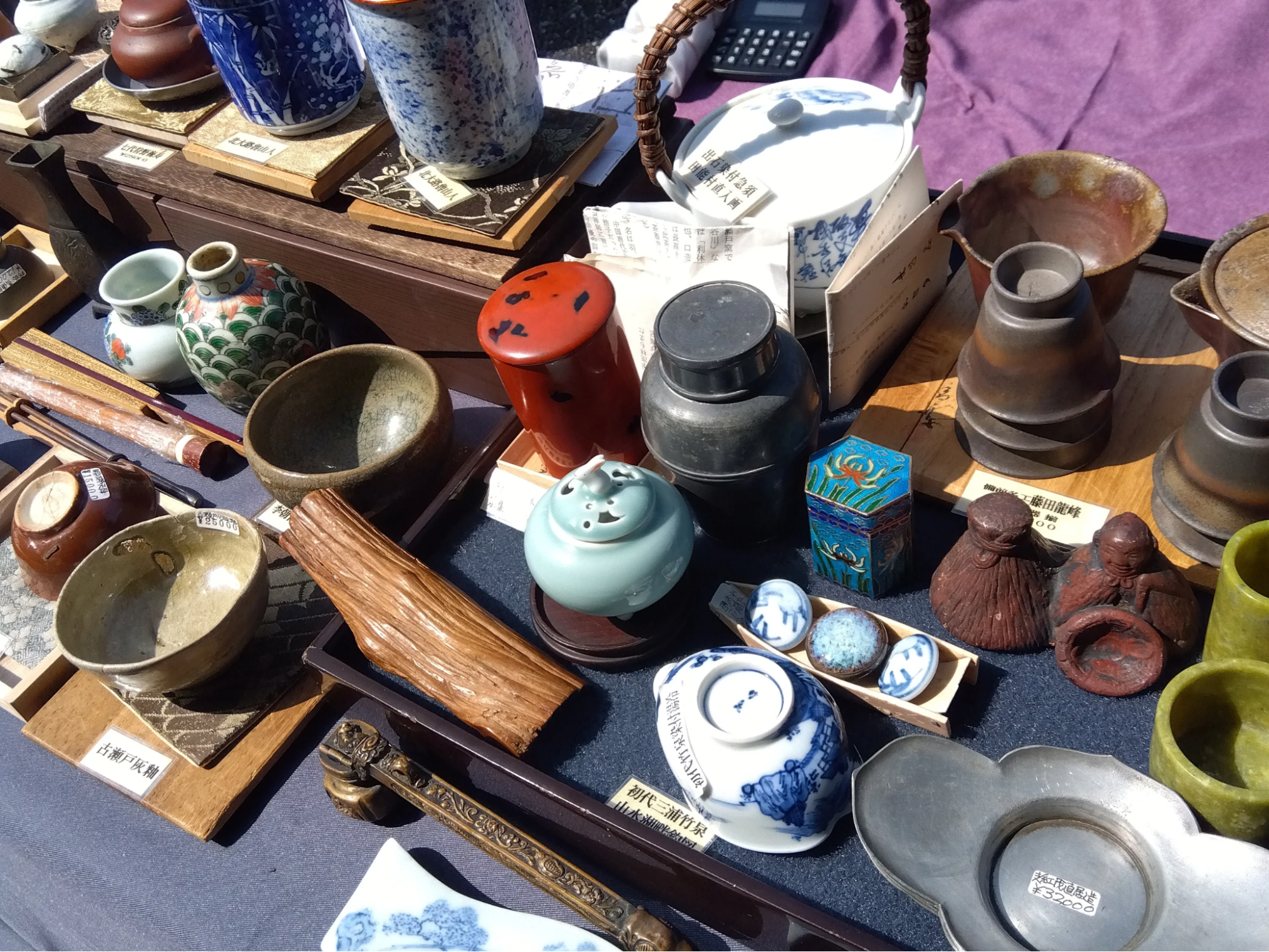
The Yanaka Antique Market is an Antique Market held in the charming old town of Yanaka. The venue is Enmeiin Temple, which features a giant tree estimated to be 600 years old. On the day of the event, numerous shops selling Antique Goods set up at this location.
Since this Antique Market is held at a Temple, the items for sale are mainly Japanese-style Antiques. Additionally, as Yanaka is known as a town of cats, many cat-related Antiques are also available.
Many Antiques can be purchased at reasonable prices, making them great souvenirs to commemorate your visit to Tokyo. If you explore the Market with the feeling of going on a treasure hunt, you are sure to find wonderful items.
<Information>
Date: January 10 and 11, 2026
Access: 3-minute walk from the west exit of JR Nippori Station, 10-minute walk from Exit 2 of Sendagi Station on the Tokyo Metro Chiyoda Line
Admission: Free
Website: https://www.yanaka-antique-market.com/
If You Want to Deeply Enjoy the Charm of Tokyo's Old Downtown Atmosphere, Let a Local Guide Show You Around!
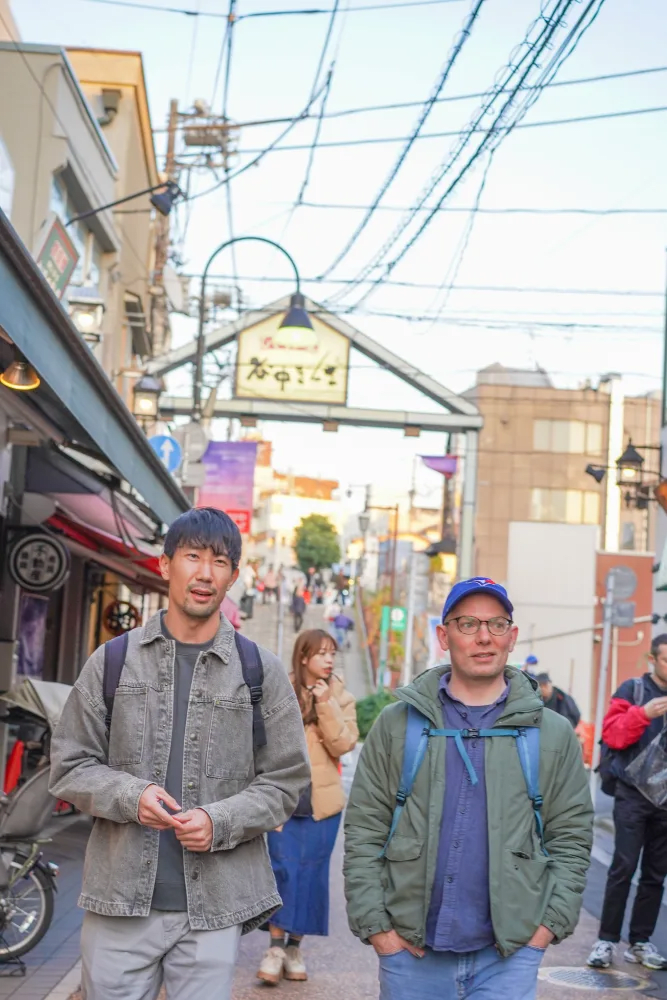
On this tour, you can enjoy strolling through Yanaka, a charming area with old-fashioned streetscapes, while observing the daily lives of local residents. During the tour, visit Nezu Shrine, famous as Tokyo's oldest Shrine, and traditional old house Cafes to fully experience the nostalgic atmosphere of Tokyo.
At the old house Cafe, you can freely paint a Beckoning Cat and take it home as a souvenir. Afterward, visit Antique Shops and local restaurants serving Japanese cuisine to savor delicious Japanese food.
If you want to experience a different side of Tokyo from Shinjuku and get a taste of everyday life of Japanese people living in the old downtown area, be sure to join this tour. This is a perfect Tokyo Event in January 2026 for cultural immersion.
<Information>
Meeting Point: Nezu Station on the Tokyo Metro Chiyoda Line
Tour Area: Yanaka, Negishi
Start Time: 13:30
Exciting Entertainment Events to Enjoy in Tokyo in January 2026
Yomiuri Land Fireworks Event
Source:PR TIMES
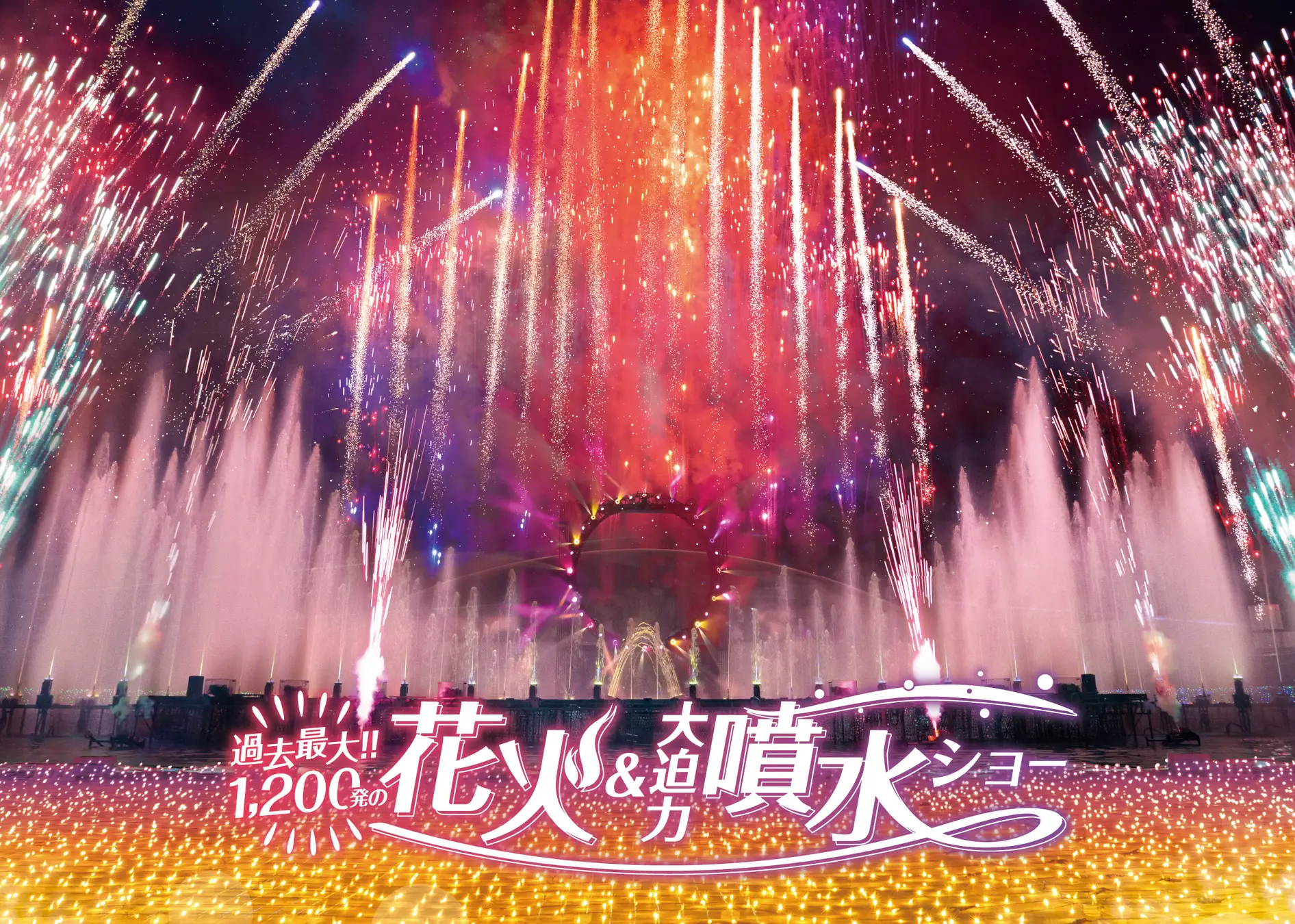
Yomiuri Land, a popular amusement park in western Tokyo, will host La Fontaine, a spectacular show combining fireworks and large-scale fountains, for five days only in January 2026. This captivating show features approximately 1,500 fireworks merging with colorful fountains to brilliantly illuminate the winter night sky.
In addition to this Tokyo event in January 2026, Yomiuri Land simultaneously hosts Jewellumination, an illumination event that transforms the entire park into a stunning display of colorful lights.
All the rides in the park light up after dark. Since Yomiuri Land is situated on a hill, you can enjoy a magical view where Tokyo's urban skyline harmonizes with the vibrant illuminations.
I visit Yomiuri Land every winter and am always captivated by the beauty of the illuminations.
<Information>
Dates: January 17, 24, 31, February 7, 14, 2026
Access: Approximately 10 minutes by gondola from Keio Yomiuriland Station on the Keio Sagamihara Line
Admission: From 1,800 yen
Website: https://www.yomiuriland.com/jewellumination/fountain/
Tokyo Mega Illumi
Source:Official website
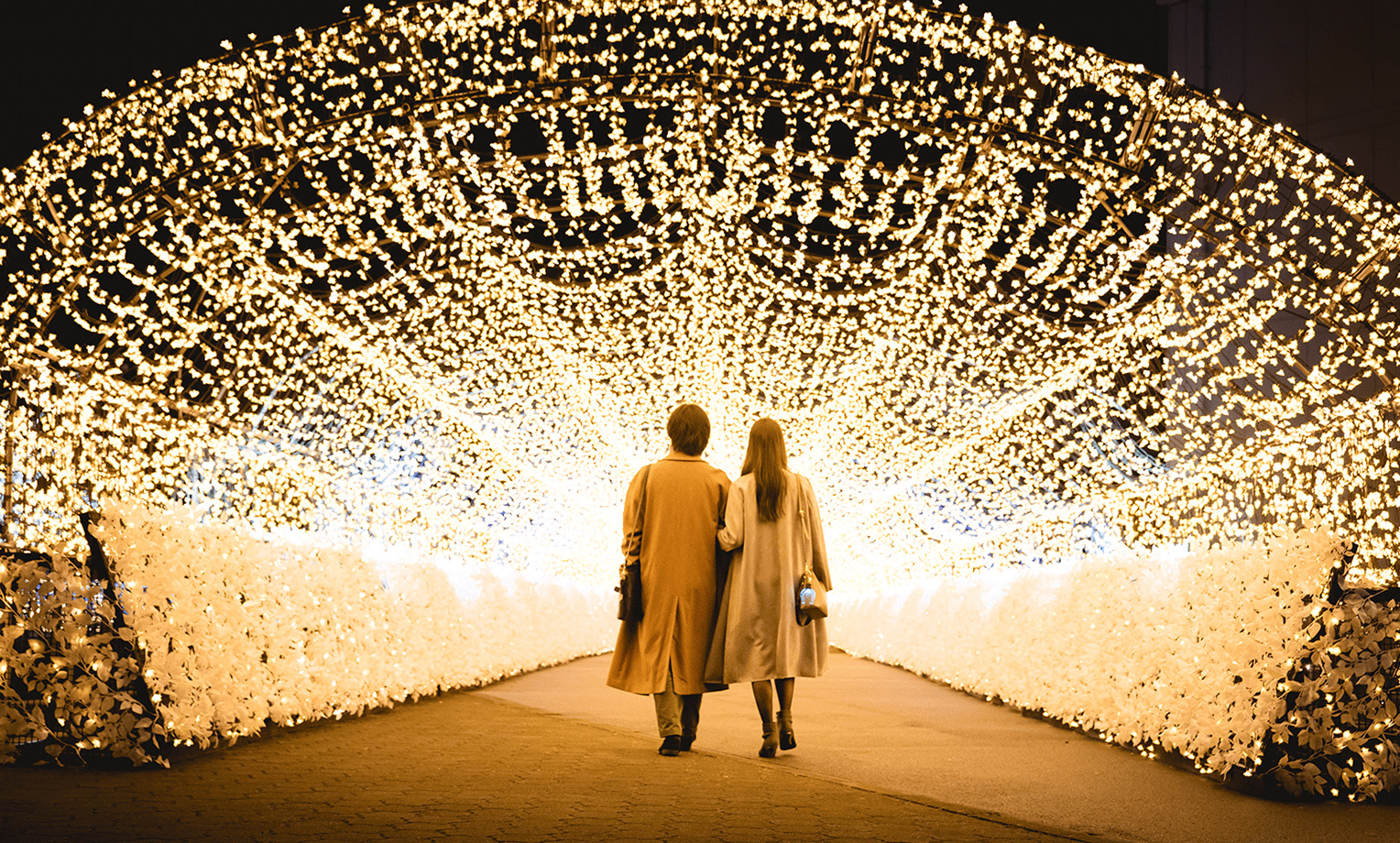
Oi Racecourse, known as one of Japan's premier racecourses, hosts Tokyo Mega Illumi annually from November to January. This event features enchanting illuminations including rainbow-colored fountains, aurora displays, and a beautiful 100-meter-long tunnel.
As this Tokyo event in January 2026 takes place at a racecourse, horses appear on the grounds daily, and visitors are free to take photos with them. The food shops at the racecourse are also open during the event, offering casual gourmet options to enjoy.
Tickets can be purchased online, and admission dates must be reserved in advance. I visit this event every year and enjoy the illuminations while savoring delicious food.
<Information>
Dates: January 2–11, 2026
Access: 2-minute walk from Oi Keibajo-mae Station on the Tokyo Monorail
Admission: 1,000 yen on weekdays / 1,600 yen on January 2 and weekends
Website: https://www.tokyomegaillumi.jp/index.html
Must-Try Food Events in Tokyo This Winter in January 2026
Local Sake & Local Cuisine 2026 in Yoyogi
Source:Shibuya Keizai Shimbun
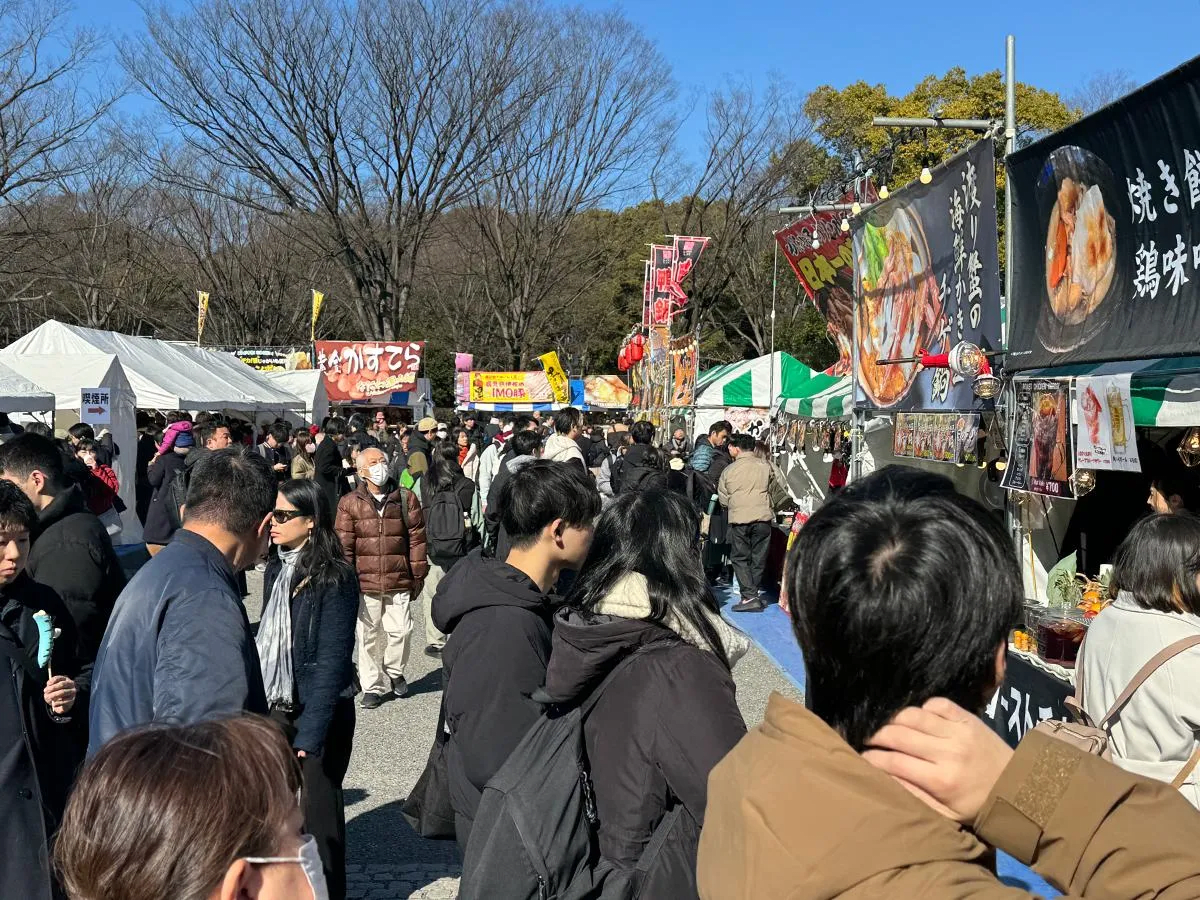
Yoyogi Park hosts Fuyumatsuri Local Sake & Local Dish every January. This beloved winter event at Yoyogi Park allows visitors to enjoy local sake and regional dishes from across Japan to their heart's content.
Shops offering winter delicacies and local sake from regions spanning Hokkaido to Kyushu set up at the venue, filling the air with the aromas and steam of warm dishes. A Local Hot Pot Festival is also held simultaneously, where you can enjoy hot pot dishes made with fresh ingredients from all over Japan.
I visited this Tokyo event last year and thoroughly enjoyed local sake while savoring dishes that paired perfectly with it. If you want to experience winter flavors in Japan, this is a must-visit event.
<Information>
Dates: January 23–25, 2026
Access: 8-minute walk from JR Harajuku Station, or 8-minute walk from Meiji-Jingumae Station on the Tokyo Metro Chiyoda and Fukutoshin Lines
Admission: Free
Website: https://fuyumatsuri-japan.com/
Oden & Jizake Festival 2026
Source:Official website
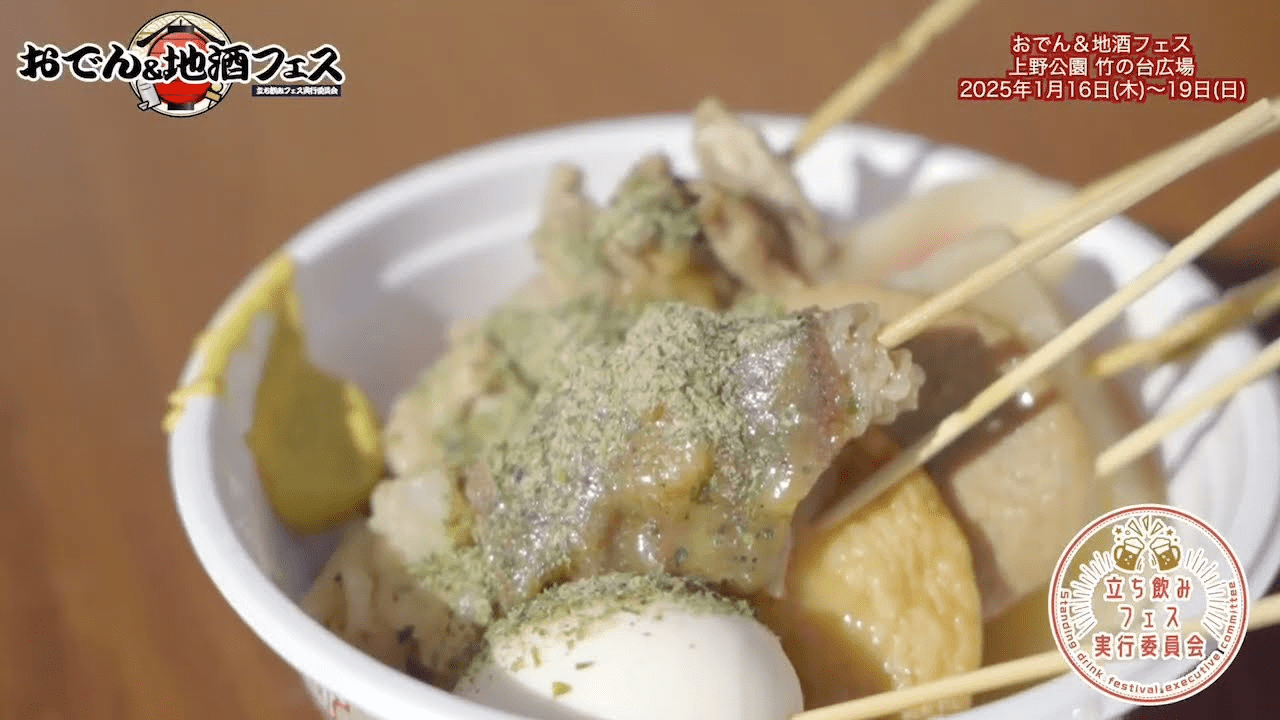
If you want to taste oden, one of Japan's most beloved winter dishes, we recommend attending the Oden & Jizake Festival. This annual event at Ueno Park brings together delicious oden and sake from all over Japan for visitors to enjoy to their heart's content.
Warm, simmered oden is perfect for warming your body during the cold winter months. Pairing it with sake warms you up even more, making this event ideal for those looking to escape the winter chill.
Besides oden, various other vendors set up shop, creating an izakaya-like atmosphere that adds to the event's charm. Games and activities are also available on the event days, making it enjoyable for families as well.
<Information>
Dates: February 19–23, 2026
Access: 2-minute walk from the Park Exit of JR Ueno Station
Admission: Free
Website: https://oden-jizakefes.com/ueno/
Enjoy Bar Hopping to Your Heart's Content in Tokyo When Japanese Sake Is at Its Best in January 2026
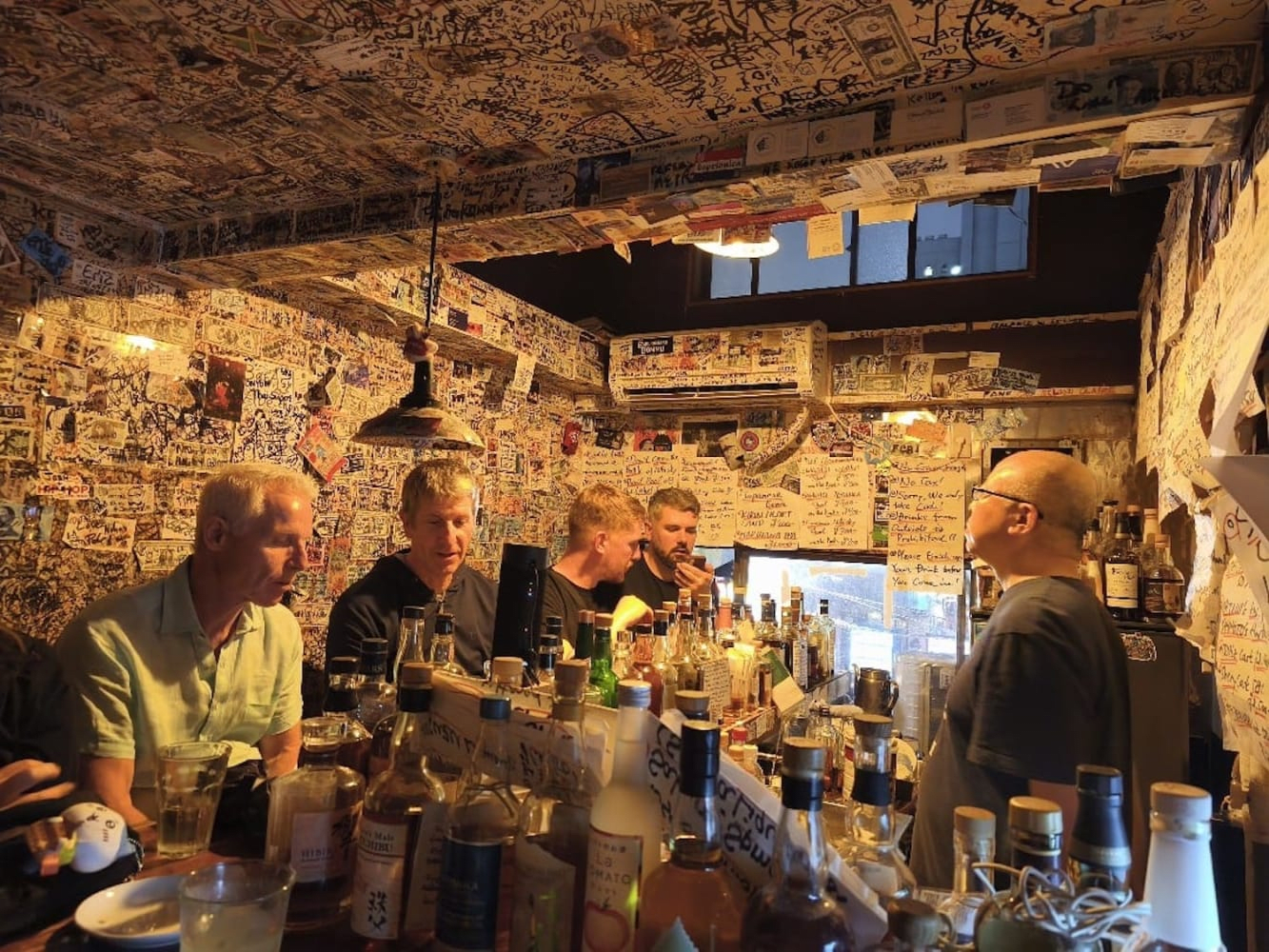

If you're visiting Tokyo in January when sake is at its most delicious, consider joining a bar hopping tour. Magical Trip offers various tours where you can enjoy izakayas and bars, perfect for those who want to make their Tokyo nights even more memorable.
January is known as the season when new sake, made from rice harvested in autumn, becomes widely available in the market.
Many izakayas in Tokyo offer new sake during this time, so joining a bar hopping tour is the best way to enjoy fresh new sake during this Tokyo event season in January 2026.
The most popular option is the Tokyo Bar Hopping Night Tour, which lets you enjoy bar hopping in Shinjuku. Tours are also available in Shibuya and Ueno, and they are extremely popular among tourists.
These tours are highly recommended for making the most of Tokyo's nightlife, so be sure to book as early as possible.
Tokyo Bar Hopping Night Tour in Shinjuku
Meeting Point: Next to the black pillar beside Uniqlo Shinjuku West Exit Store
Tour Area: Shinjuku
Start Times: 17:00, 18:00, 18:30, 19:00
Tokyo Bar Hopping Night Tour in Shinjuku
Shibuya Meltdown Nightlife Tour: All-You-Can-Drink Bar
Meeting Point: In front of Shibuya Tsutaya near the Hachiko Statue
Tour Area: Shibuya
Start Times: 18:00, 19:00
Shibuya Meltdown Nightlife Tour: All-You-Can-Drink Bar Hopping
All-You-Can-Drink Bar Hopping Tour in Ueno
Meeting Point: In front of the "UENO" monument right outside JR Ueno Station Hirokoji Exit
Tour Area: Ueno
Start Time: 18:00
All-You-Can-Drink Bar Hopping Tour in Ueno
Recommended Tours to Fully Experience Tokyo
Tokyo is a captivating city where tradition and modernity beautifully merge. Experience the essence of Tokyo with all your senses through MagicalTrip's special tour that deeply explores the Asakusa area.
Asakusa Cultural Walk & Matcha Making Tour
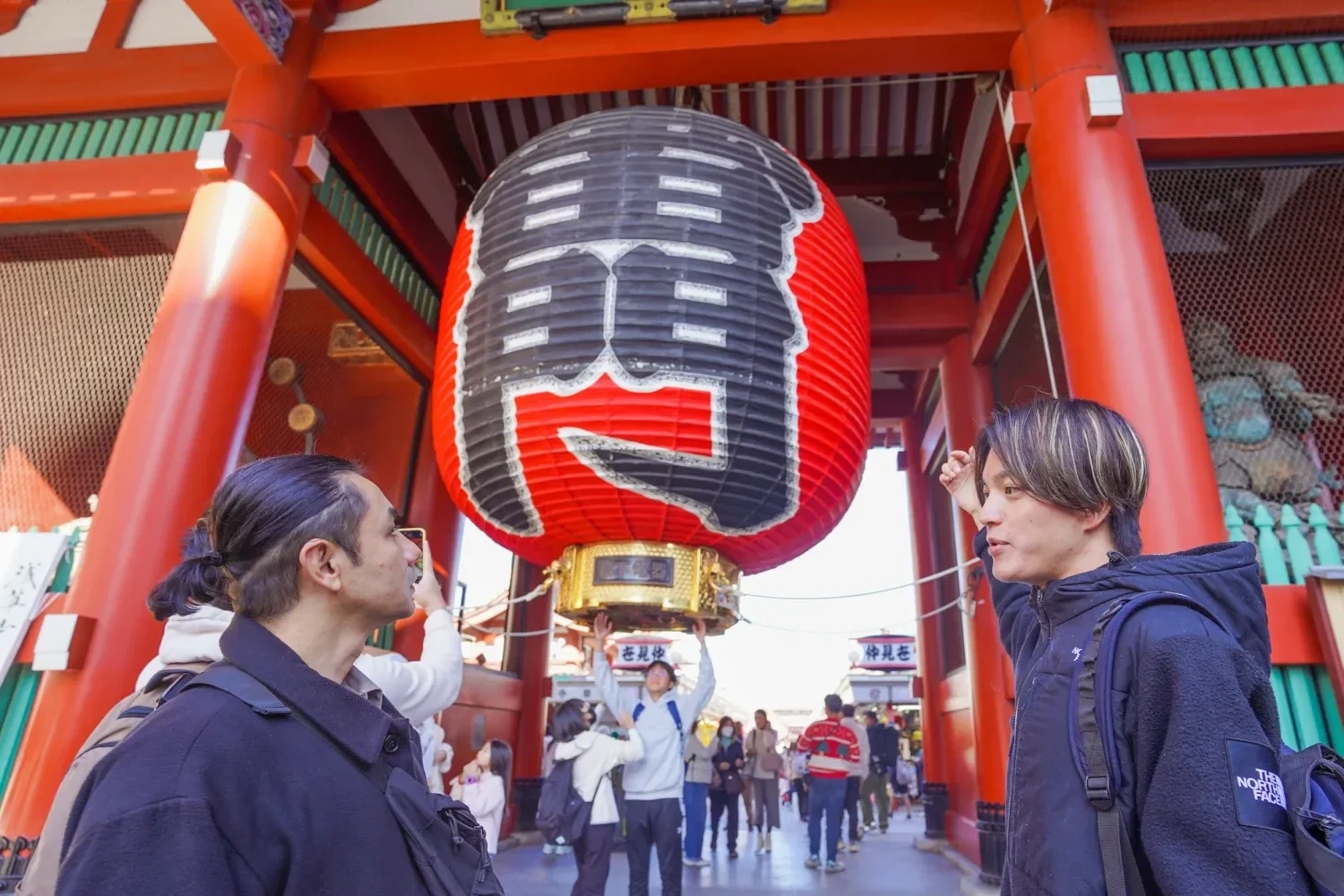
This is a special 3-hour tour that allows you to fully immerse yourself in the charms of Asakusa. With a small group limit of 8 participants, a local guide who has lived in Asakusa for over 7 years will show you the authentic Asakusa beyond typical tourist routes.
The tour is priced at 82.63 USD (approximately 12,000 yen) and runs from 11 AM to 2 PM. At Nakamise Street, you'll taste traditional snacks, and at Asakusa Temple, you'll learn about Japanese Buddhist culture.
The highlight of the tour is the matcha-making experience in a tranquil tea room. You'll prepare the highest-quality matcha while exploring the profound world of tea ceremony.
In the back alleys of Hoppy Street, you can enjoy a Monjayaki or Okonomiyaki cooking experience (vegetarian options available). The tour includes one complimentary drink, allowing you to savor the true taste of Tokyo.
Suitable for families, friends, couples, and solo travelers alike. Photos taken during the tour will be emailed to you afterward.
More details here: Asakusa Cultural Walk & Matcha Making Tour
Enjoy the New Year like a Japanese with a local guide!
Check the article below.
・Ultimate Tokyo Seasonal Tours Guide 2026: Best Times to Experience Cherry Blossoms, Summer Festivals, Autumn Leaves & Winter Scenely