Kyoto in March 2026: Early Spring Highlights, Events & Festivals
Since its publication in August, this article has served as a guide for many international visitors planning their trips to Kyoto. Travelers considering a January visit have been using this article to incorporate events into their itineraries and explore tour options through Magical Trip.
I updated this article because a lot of new information has been released in preparation for the March event. This article summarizes the latest information as of January 2026.
I've also included highlights of various locations and events in Kyoto based on my extensive exploration of Kyoto's tourist attractions from August to October, when I thoroughly investigated the city.
Kyoto is a city where complex layers of culture and history intertwine, making it challenging for tourists to fully appreciate its historical sites and culture on their own.
At the end of the article, I'll also share my experiences with two tours I took during my visit to Kyoto between August and October: the "Kyoto Night Foodie Tour" (Ranked #6 among all tours on TripAdvisor in 2024) and the "4.5-hour Kyoto Historical Highlights Bike Tour with UNESCO Zen Temples," including their highlights and key features!

Introduction
March in Kyoto marks the turning point of the seasons, heralding the arrival of spring. In March 2026, Kyoto will host various traditional festivals and events.
While it's often a bit early for full cherry blossom blooms, there's a chance to enjoy early-blooming varieties and specific spots.
In this article, I'll introduce you to the diverse charms of early spring in Kyoto, from traditional events like the spring doll exhibition at Hokyoji Temple, the Nagashibina ceremony at Shimogamo Shrine, and the rain prayer festival at Kifune Shrine, to viewing early-blooming cherry blossoms at Kodaiji Temple and Maruyama Park.
I'll share how to enjoy this precious time when you can experience Kyoto's unique spring traditions while anticipating the arrival of the cherry blossom front.
At the time of writing this article, many events have not yet been announced, so I plan to update this article regularly. If you're planning to visit Kyoto in March 2026, I encourage you to bookmark this page.
2026 Year-round Event Schedule in Kyoto↓
・Kyoto: List of Events & Festivals for 2026
 Takashi Nakadomari
Table of Contents
・Traditional Events in Kyoto in March 2026
・Natural Highlights in Kyoto in March 2026
UZUMASA KYOTO VILLAGE Will Reopen on March 28, 2026
Source:FASHION PRESS
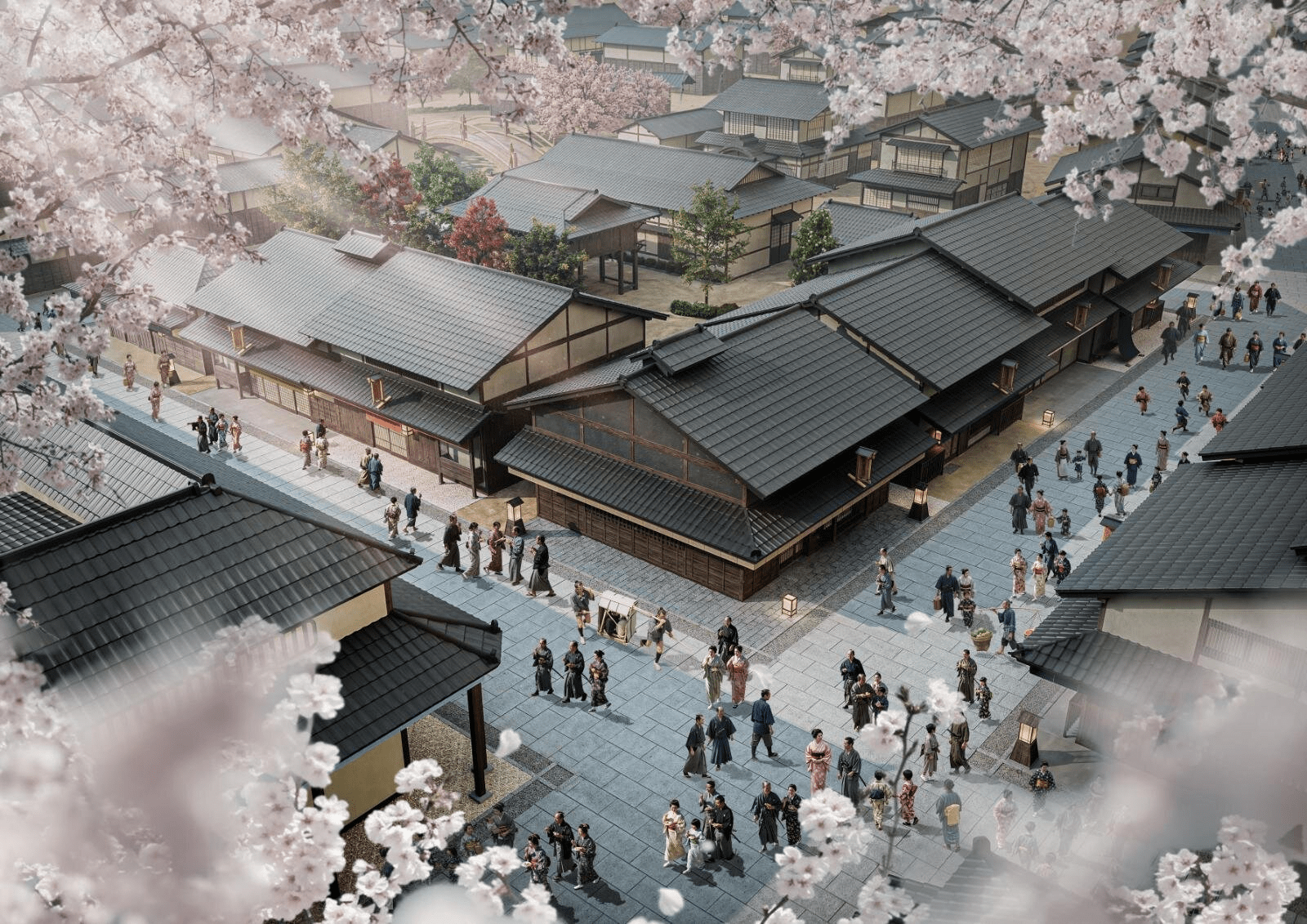
On March 28, 2026, UZUMASA KYOTO VILLAGE in Uzumasa, Kyoto will reopen after a complete renovation.
This is a place where many Japanese period drama films were once shot, making it a special area deeply connected to Japan's visual culture.
It is gaining attention as a new spot for those who want to "experience" Japanese culture during their Kyoto sightseeing. This is one of the most anticipated Kyoto events in March 2026.
What is UZUMASA KYOTO VILLAGE?
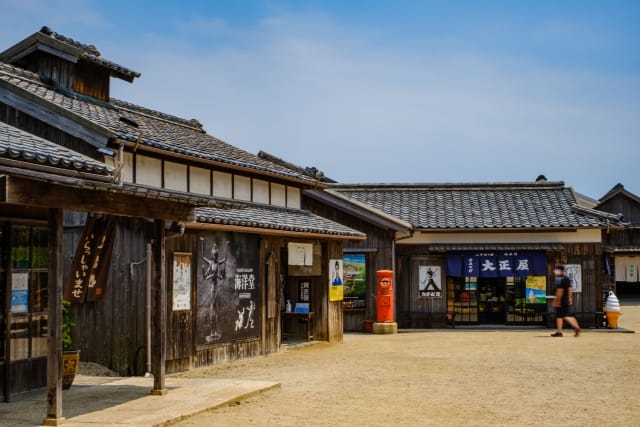
UZUMASA KYOTO VILLAGE is a movie theme park located in Uzumasa, Kyoto.
Uzumasa has been the filming location for many samurai movies and period dramas set in Japan from approximately 1600 to 1868.
Within the park, there are movie sets recreating the townscapes of that era, including wooden shops, alleys, and gates. Simply walking through makes you feel as if you have stepped into a scene from a movie.
It is the perfect spot for those who want to not just see, but "experience" Japanese history and visual culture.
How Will UZUMASA KYOTO VILLAGE Change After the Reopening?
With this renovation, UZUMASA KYOTO VILLAGE will transform significantly from "a place to see period drama sets" to "a place to experience Japan during the Edo period (1600–1868)."
After the reopening, visitors will not only be able to "walk through and see" the movie set townscapes, but also enjoy enhanced experiential content such as dynamic immersive live shows, cultural experiences including the tea ceremony, Noh theater, and Kyogen comedy, as well as ninja attractions.
Furthermore, with evening operations, events will be held that allow visitors to enjoy the unique atmosphere and sense of immersion that only nighttime can offer, set against the illuminated Edo townscape.
While Kyoto is a tourist city, it has long been said that "there are few places to enjoy at night." UZUMASA KYOTO VILLAGE is attracting attention as a new option to fill this "nighttime gap."
Hinamatsuri-Related Events Held in Kyoto in March 2026
Hinamatsuri on March 3rd is a traditional Japanese event that celebrates the healthy growth of girls.
During Hinamatsuri, dolls dressed in the attire worn by nobility during the Heian period (794–1185) are displayed, and families pray for the happiness of their children.
In Kyoto during this season, special exhibitions of hina dolls and festivals at shrines and temples unique to the ancient capital are held throughout the city.
Here, we introduce recommended Hinamatsuri events you can enjoy in Kyoto in March—a wonderful Kyoto event in March 2026 for experiencing traditional Japanese culture.
Spring Doll Exhibition at Hokyoji Temple (Early March to Early April 2026)
Source: Soda Kyoto Ikou
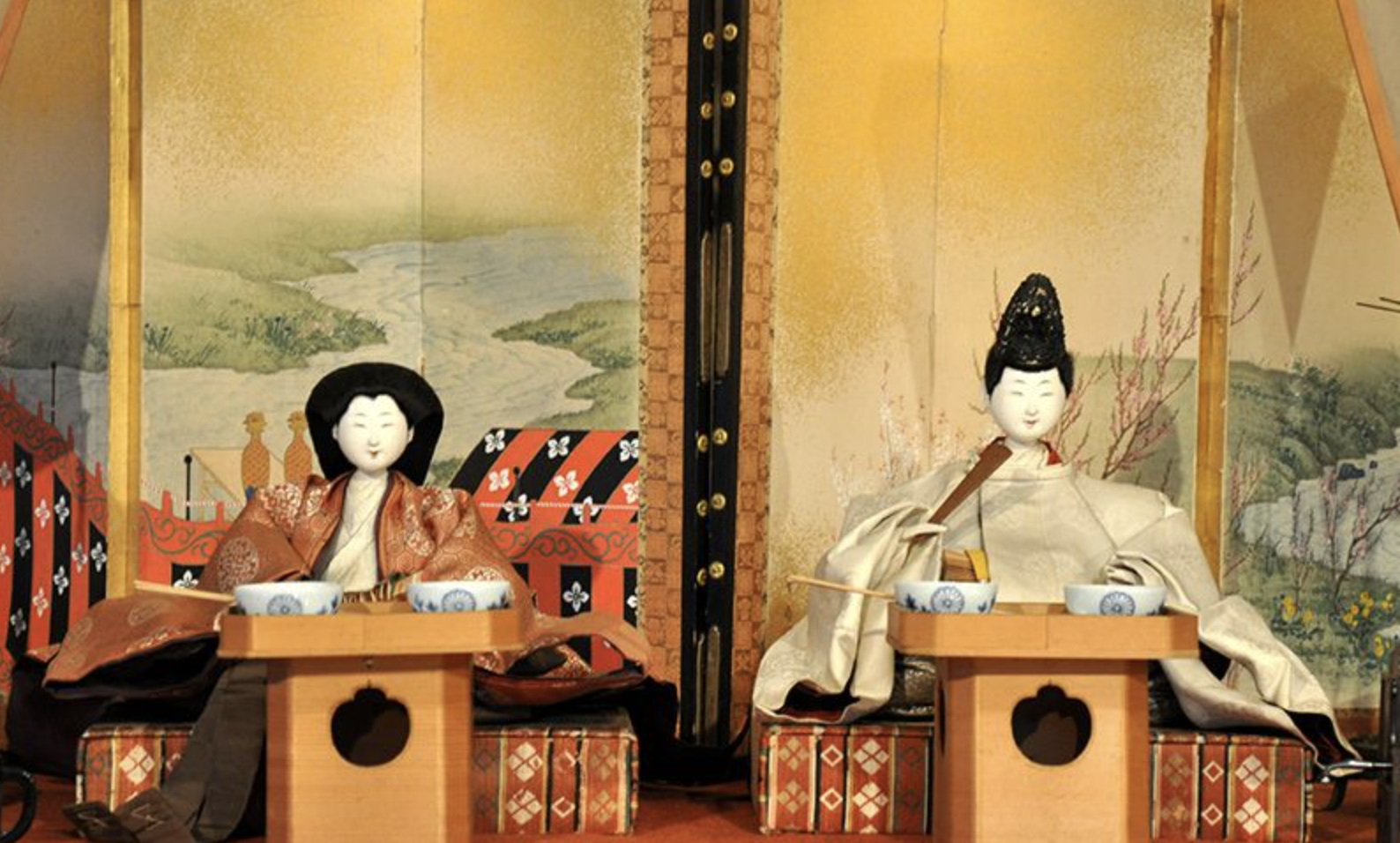
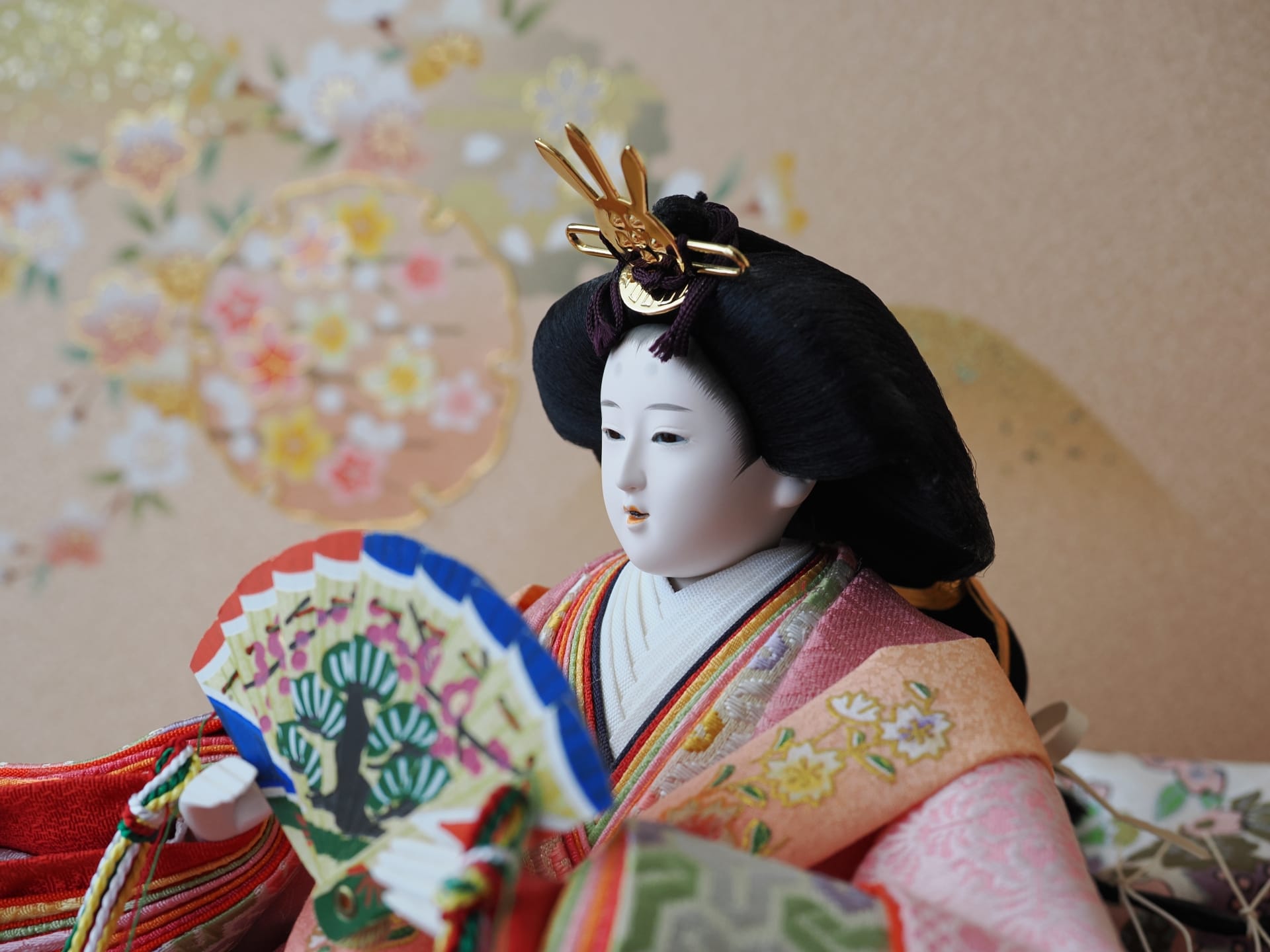
Hokyoji Temple, known as the "Doll Temple," is a historic temple that hosts a spring doll exhibition annually from March to April.
This exhibition showcases elaborate dolls related to the traditional event "Hinamatsuri." Hinamatsuri is a festival held on March 3rd to pray for the healthy growth of girls, and during this time, many households display Hina dolls.
On the opening day, there's an opening event where traditional Japanese musical instruments are played as an offering, allowing you to enjoy the beauty of Kyoto's traditional music.
The doll exhibition at Hokyoji Temple is a precious opportunity to experience the magnificence of Kyoto's traditional crafts. I encourage you to take a close look at the meticulously crafted facial expressions of the dolls and each piece of their splendid attire. The admission fee is 600 yen.
<Information>
Date: March 1 – April 3, 2026
Access: About 5 minutes walk from "Horikawa Teranochi" bus stop on Kyoto City Bus, or about 15 minutes walk from "Imadegawa Station" on the Karasuma Subway Line
Admission Fee: 600 yen
Website
Nagashibina Ceremony at Shimogamo Shrine (March 3, 2026)
Source: Soda Kyoto Ikou
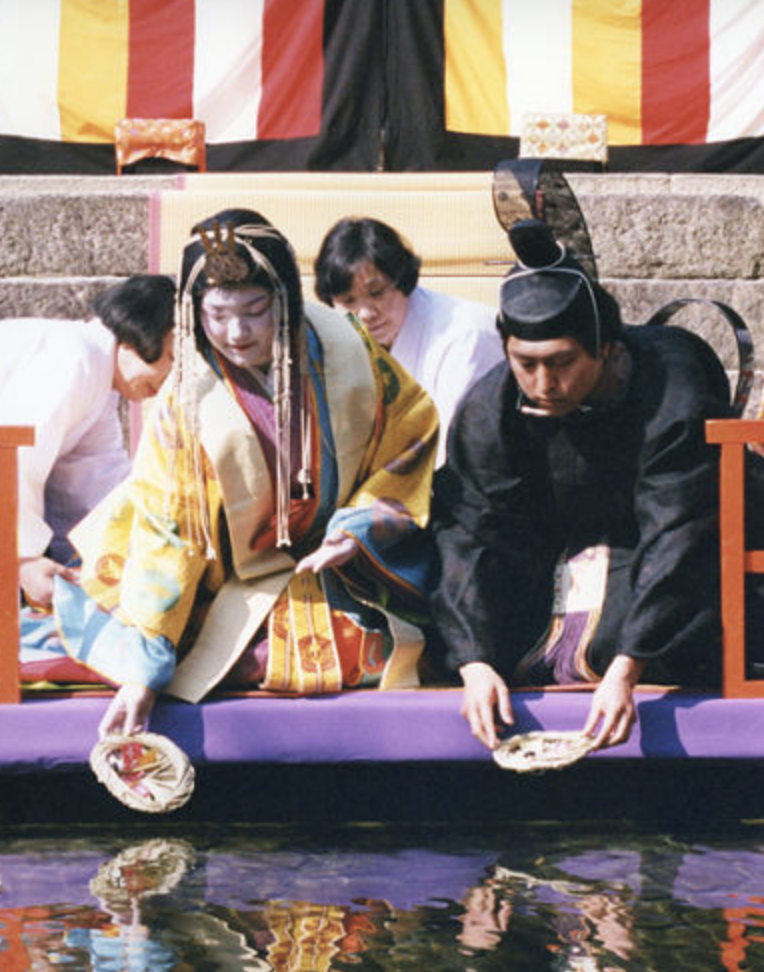
The "Nagashibina" ceremony held at Shimogamo Shrine is one of the harbingers of spring in Kyoto. This traditional event involves floating paper dolls down a river to ward off misfortune.
This ritual, which takes place every year on March 3rd, is one of the most impressive events in Kyoto's traditional culture.
When I participated last year, I was deeply moved by the sight of selected men and women performing the ceremony. The participants, dressed in traditional costumes, floating the dolls down the river in a solemn atmosphere, seemed to symbolize the beauty and depth of Kyoto's traditional culture.
By observing the Nagashibina ceremony, I believe you can tangibly feel Kyoto's sense of harmony with nature and the sensibility that cherishes the changing of seasons.
Admission is free, and anyone can easily watch the ceremony.
<Information>
Date: March 3, 2026
Access: About 10 minutes walk from "Demachiyanagi Station" on the Keihan Main Line
Admission Fee: Free
Website
Hiina Matsuri at Ichihime Shrine
Source:Souda Kyoto Ikou
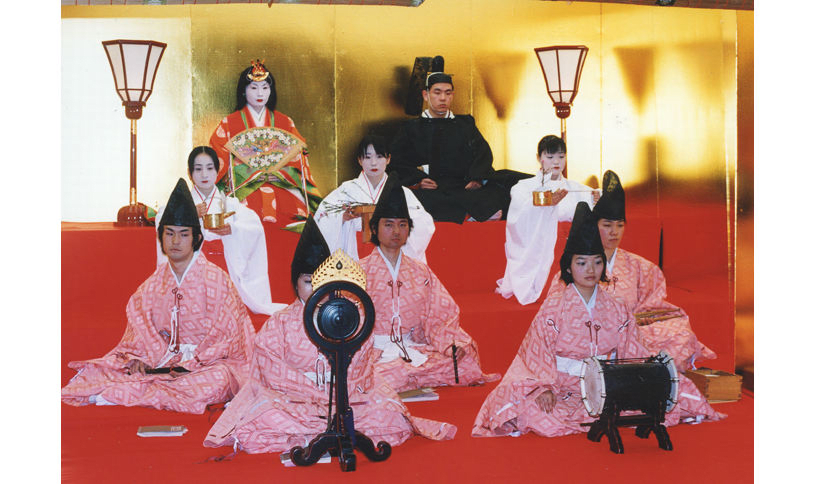
Ichihime Shrine is an extremely rare shrine in Kyoto where all five enshrined deities are goddesses. For this reason, it has long been worshipped as a guardian of women and has received prayers related to various aspects of women's lives.
What makes the "Hiina Matsuri" held at this shrine special is that instead of viewing hina dolls, visitors can experience "becoming a hina doll themselves."
In front of a large staircase, a demonstration is performed of dressing in junihitoe, the formal attire of noble women during the Heian period (794–1185), which involves layering many layers of kimono.
At the venue, Gagaku, the oldest form of Japanese court music, is performed, and elegant dances are presented in harmony with its melodies.
This event is recommended for those who want to experience the atmosphere of the Heian period and the world connected to the roots of Hinamatsuri right before their eyes.
<Information>
Date: March 3, 2026
Access: 5-minute walk from Keihan "Gojo" Station
Admission: 3,000 yen
Website: https://www.ichihime.net/index.html
Shuntoue at Sanjūsangen-dō Temple
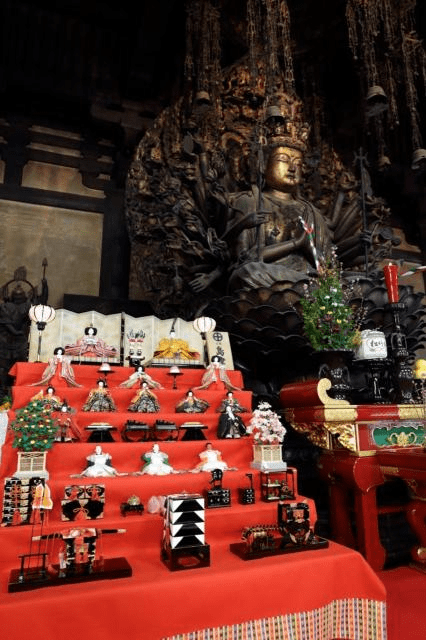
At Sanjūsangen-dō Temple, Momo no Hōe is held on March 3rd.
Inside the hall, hina decorations are arranged beside the central and largest Thousand-Armed Avalokiteshvara statue, and peach blossoms decorate the temple space, creating a unique scene found only here.
On this day, a special walkway is set up that allows visitors to overlook the Bodhisattva Kannon from a higher vantage point than usual, enabling them to feel the dynamic presence of the 1,001 Bodhisattva Kannon statues more three-dimensionally.
The moment I looked down from this walkway, I was breathless at the sight of the Bodhisattva Kannon filling my entire field of vision.
This is recommended for those who want to experience a special day where Buddhist art and Japanese seasonal events come together.
<Information>
Date: March 3, 2026
Access: 15-minute walk from JR "Kyoto" Station
Admission: Free
Website: https://www.sanjusangendo.jp/news/1191/
Tōka Shinto Ritual at Kamigamo Shrine
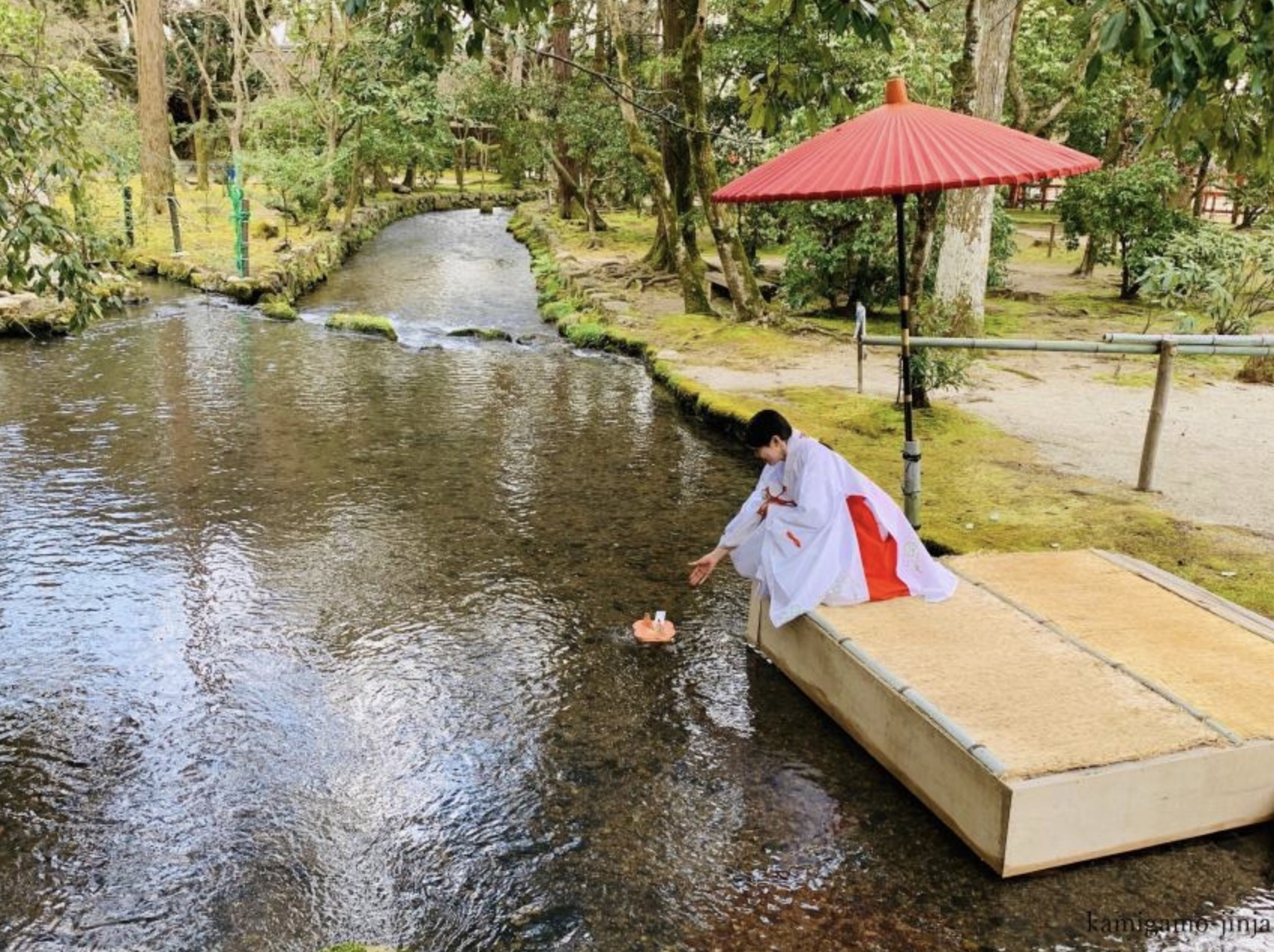
The Tōka Shinto ritual at Kamigamo Shrine is a spring ritual where peach blossoms and other offerings are presented before the deities to pray for good health and freedom from illness.
Tourists can also participate in this ritual and observe up close as Shinto priests carry offerings and recite norito (a Shinto prayer) according to ancient traditions.
After the ceremony, Hina-nagashi (floating dolls ritual) is held at "Nara-no-Ogawa," a stream that flows through the shrine grounds. During Hina-nagashi, visitors write their names and wishes on strips of paper placed inside small hina dolls and float them down the stream together with the dolls.
Every year, it is my custom to write my wishes and float them here.
This is recommended not only for those who want to "participate in" seasonal events in spring in Kyoto, but also for those who want to experience the atmosphere of a Shinto ritual that is rarely seen up close. This Kyoto event in March 2026 offers a rare opportunity to immerse yourself in authentic Japanese traditions.
<Information>
Date: March 3, 2026
Access: Get off at Kyoto City Bus No. 4 or 46 "Kamigamo Jinja-mae" stop, immediate access
Admission: Tōka Shinto Ritual 1,000 yen / Hina-nagashi 500 yen
Website: https://www.kamigamojinja.jp/hitotose/
We, Magical Trip, welcome more guests in March with tours that include visiting tourist attractions and enjoying hiking activities.
If you're visiting Kyoto in March, we invite you to join one of the following tours to fully enjoy Kyoto's beautiful cityscape and pleasant climate.
・Fushimi Inari Hidden Hiking Tour(No.3 Tour in all tours in Tripadvisor 2024)
・Kyoto Arashiyama Bamboo forest & Garden Half-Day Walking Tour
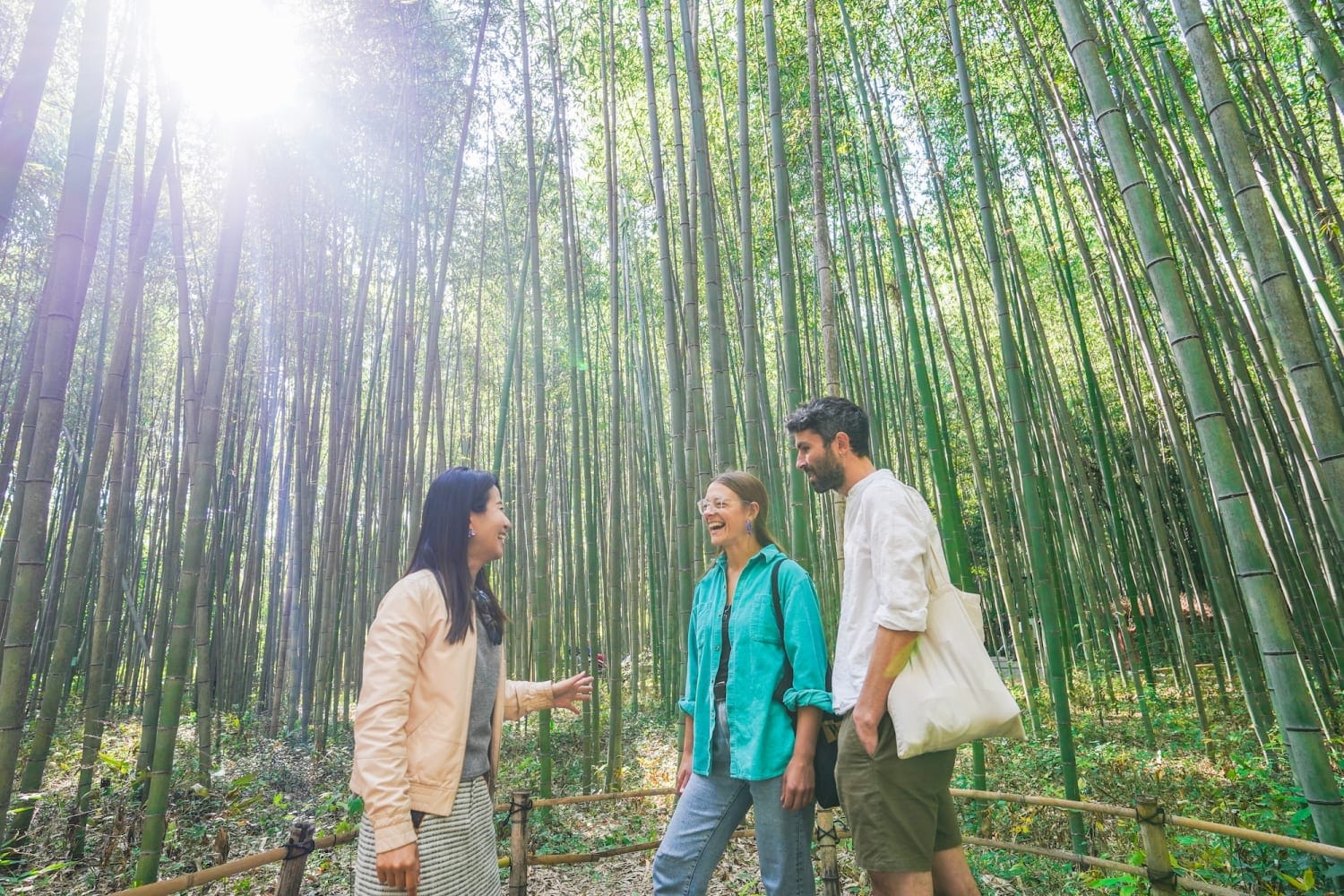
If you take a guided tour, you can visit Kyoto's beautiful hidden gems in spring!
・Ultimate Kyoto Tours Guide 2026: Best Seasonal Experiences for Spring Cherry Blossoms, Summer Festivals, Autumn Foliage & Snowy Landscape
Traditional Events in Kyoto Event March 2026
Rain Prayer Festival (Amagoi Sai) at Kifune Shrine (March 9, 2026)
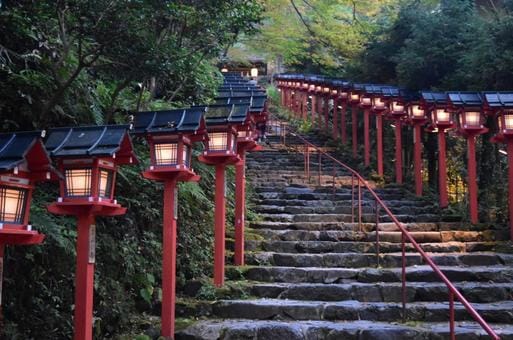
The Rain Prayer Festival at Kifune Shrine is a traditional event to pray for favorable weather, blessings of water, and a bountiful harvest for the year. This festival, held around 10:00 AM on March 9th every year, offers a rare opportunity to experience unique rituals deeply connected to agricultural culture.
When I participated last year, what impressed me the most was the ritual of sprinkling water towards the sky while chanting unique calls.
The charm of the Rain Prayer Festival lies not only in its mystical atmosphere but also in the beautiful natural environment surrounding Kifune Shrine. The landscape created by the surrounding mountains and clear streams is the very essence of Kyoto's original scenery.
Admission and viewing are free. If you're in Kyoto in March, I highly recommend experiencing this sacred event at the shrine.
<Information>
Date: March 9, 2026
Access: Take the Keihan Electric Railway to the last stop "Demachiyanagi Station," then transfer to the Eizan Electric Railway Kurama Line and ride for about 30 minutes to "Kibuneguchi Station"
Admission Fee: Free
Website
If you are interested in Kibune Area, check the article below! I summarized Hike in Kibune Area I recommend and how I felt.
 sena kanda
Seiryu-e at Kiyomizu-dera Temple
Source:Official website
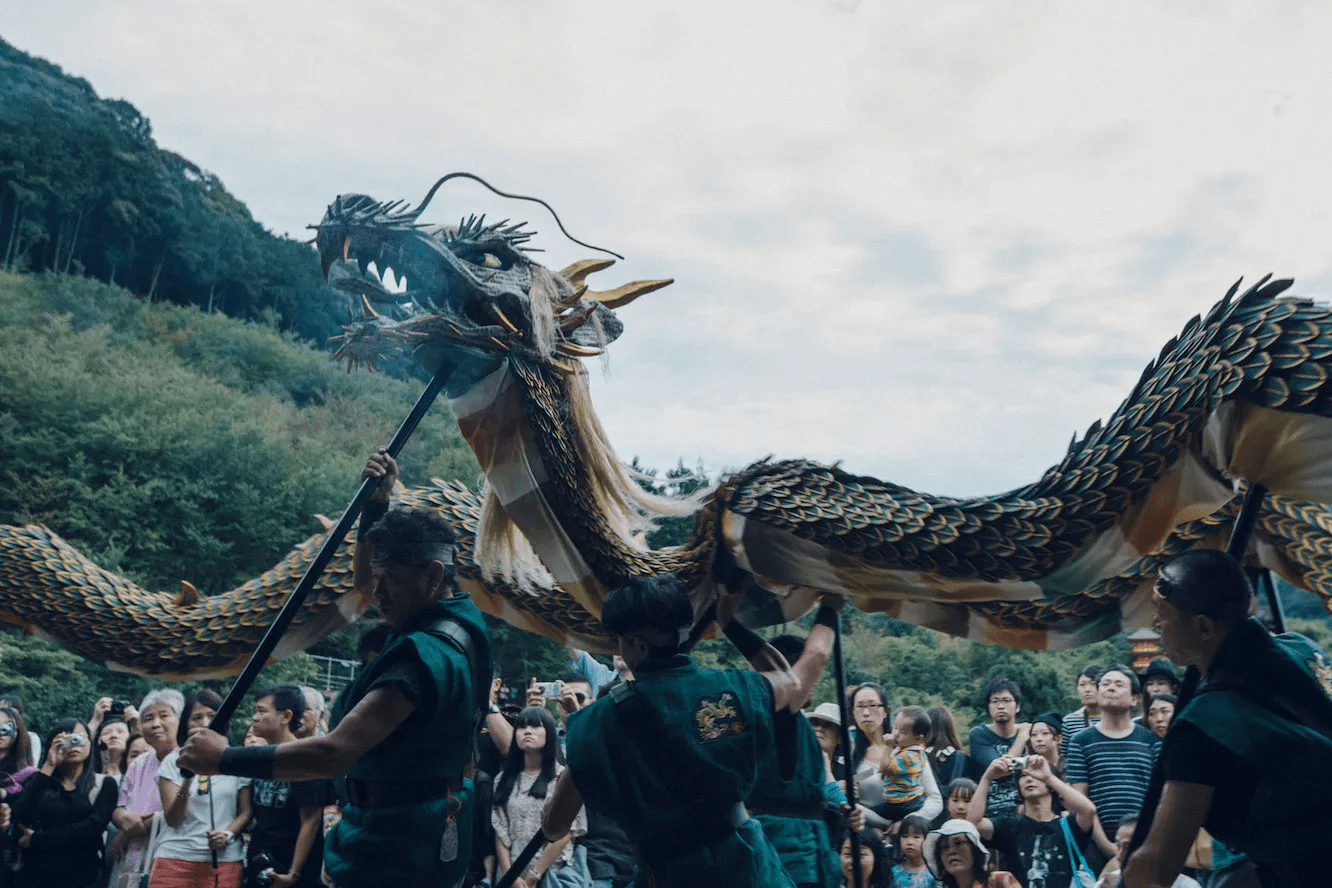
Seiryu-e at Kiyomizu-dera Temple is a magnificent event where a giant Seiryū (Blue Dragon), approximately 18 meters long, parades from the temple grounds through the monzen-machi (temple town) to pray for regional protection, ward off evil, and bring peace and safety.
Seiryū is believed to be an incarnation of Kannon (the Bodhisattva of Compassion). The dragon is made from hemp cloth and washi paper, with approximately 8,000 scales covering its body, each inscribed with words from Buddhist sutras.
The procession passes right in front of spectators, allowing you to witness its powerful presence up close. When I saw it for the first time, the Seiryū approached a storefront with vigorous chanting, and I instinctively stepped back due to its overwhelming presence.
The intensity and excitement experienced at such close range cannot be conveyed through photos or videos alone. Please come to Kiyomizu-dera Temple in spring and feel the energy of Seiryū for yourself.
<Information>
Date: March 15 & April 3, 2026
Access: 10-minute walk from Kyoto City Bus 206 "Kiyomizu-michi" stop
Admission: Free
Website: https://www.kiyomizudera.or.jp/event/seiryu_e.php
Nehan-e at Tōfuku-ji Temple
Source:Official website
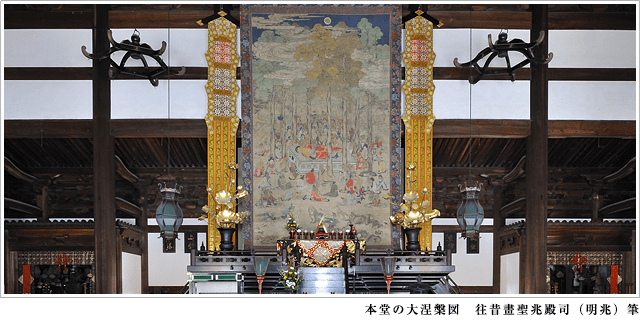
Nehan-e at Tōfuku-ji Temple is a memorial service commemorating the day Shakyamuni Buddha, the founder of Buddhism, entered nirvana.
On this day, a massive "Great Nirvana Painting" measuring approximately 12 meters tall and 6 meters wide, counted among the Three Great Nirvana Paintings of Kyoto, is specially displayed in the main hall.
Since this painting is normally not open to the public, seeing it displayed during the actual memorial service is a major highlight.
When I first saw this Great Nirvana Painting, I was overwhelmed by a sense of tension completely different from viewing artwork in a museum. The scene of the painting being used as an "object of worship" while sutras echo through the hall will surely leave a lasting impression on your heart.
If you want to experience Japanese religious culture and art as one, please visit Tōfuku-ji Temple.
<Information>
Date: March 14–16, 2026
Access: 10-minute walk from JR Nara Line "Tōfuku-ji" Station
Admission: Free
Website: https://tofukuji.jp/special_event/nehan-e/
Hanezu Odori and Plum Viewing at Zuishin-in Temple
Source:PR TIMES
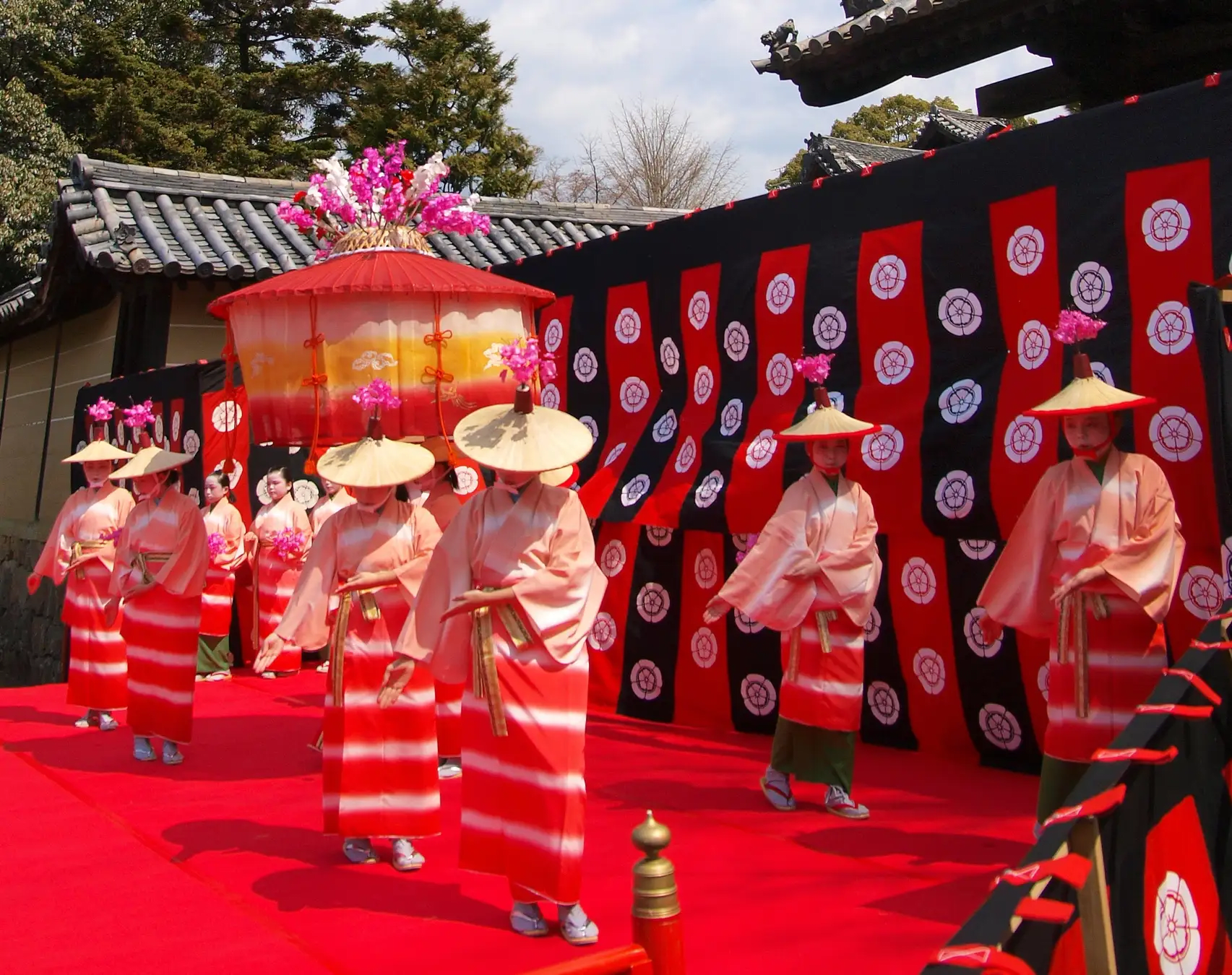
"Hanezu Odori (Hanezu dance)" held at Zuishin-in Temple is a spring event that takes place during plum blossom season.
"Hanezu" is an old word meaning a pale pink color like plum blossoms.
On the day of the event, local elementary school girls from 4th to 6th grade perform a graceful dance on the temple grounds.
The sight of the girls wearing flower hats and Hanezu-colored kosode (a traditional Japanese kimono with short sleeves, worn before modern kimono styles), holding plum branches, is so charmingly spring-like that you will want to capture it in photos.
Every year when I see Hanezu Odori, I feel that the long winter has finally ended and spring has arrived in Kyoto.
About 200 plum trees bloom in full glory on the temple grounds, allowing you to enjoy both the dance and plum viewing at the same time.
This is a recommended experience for those who want to enjoy seasonal events in Kyoto, as you can savor a spring scenery unique to this day when dance and plum blossoms come together.
<Information>
Date: March 29, 2026
Access: 5-minute walk from Kyoto Municipal Subway Tozai Line "Ono" Station
Admission: 1,000 yen
Website: https://www.zuishinin.or.jp/hanezuodori/
Kitano Odori at Kamishichiken Kaburenjo
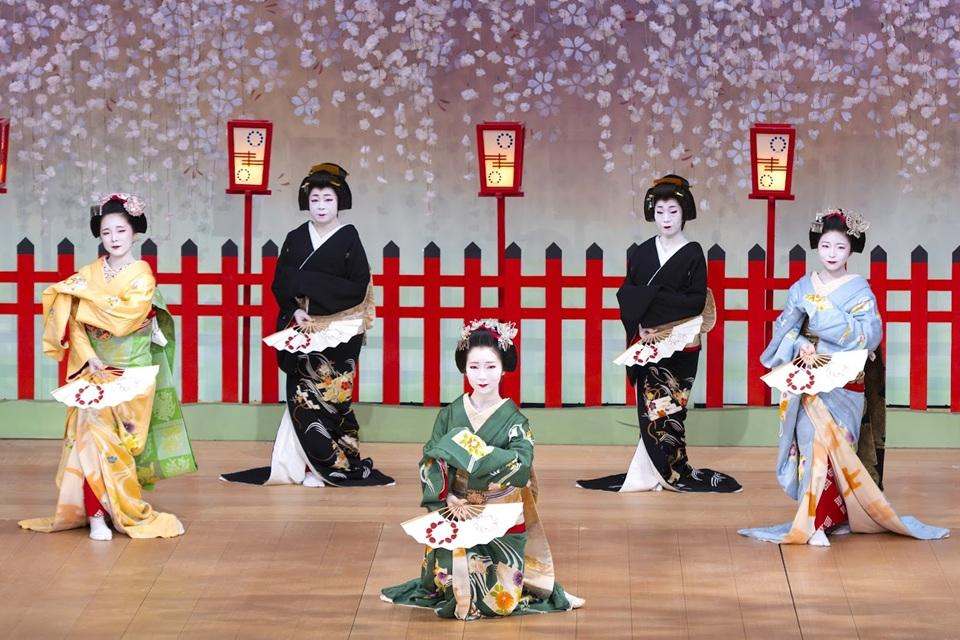
Kitano Odori is a spring performance tradition featuring geiko and maiko from Kamishichiken, Kyoto's oldest geisha district.
The stage consists of narrative dance dramas and gorgeous dances depicting seasonal scenes, captivating audiences with the beauty of coordinated movements and the colors of fans and costumes.
The venue, Kamishichiken Kaburenjo (traditional theater for geiko and maiko performances), is a purely Japanese-style theater and a special place not usually open to the general public.
There is also a tea ceremony area, allowing you to experience the essence of Japan and Kyoto not only from the performance but from the entire space.
Opportunities to encounter geiko and maiko outside of performances are rare. That is precisely why this stage is perfect as a highlight of your trip.
Experience the splendor of Kamishichiken in Kyoto this spring.
<Information>
Date: March 20 – April 2, 2026
Access: 3-minute walk from Kyoto City Bus 50, 51, 55, 203 "Kitano Tenmangu-mae" stop
Admission: Ticket with tea ceremony seat 7,000 yen / Performance ticket 6,000 yen (tax included)
Website: https://www.maiko3.com/
Natural Highlights in Kyoto in March 2026
Late March marks the prime cherry blossom viewing season. For 2026, we've created a complete guide to Kyoto's cherry blossoms to help more tourists fully enjoy the highlights!
Kyoto's Cherry Blossoms: 10 Best Sakura Spots 2026
sena kanda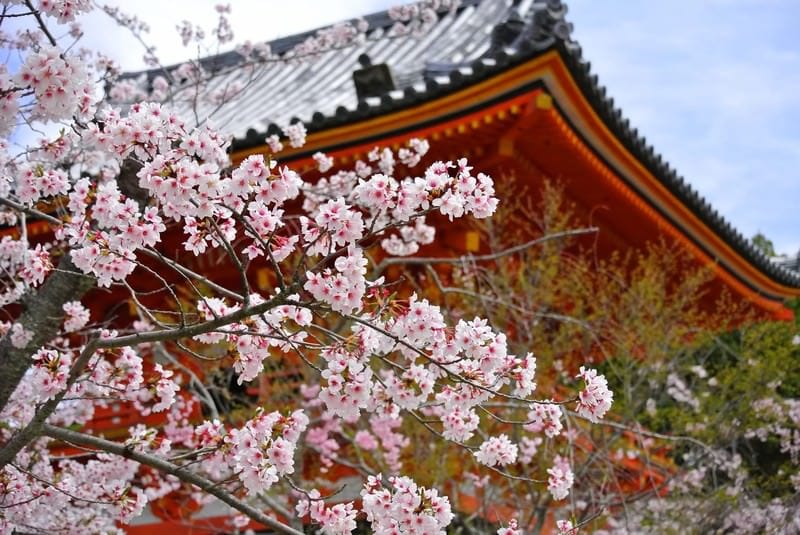
I introduce 10 must-visit spots, focusing on famous locations known for their cherry blossoms. We also explain three spots where you can see beautiful collaborations between Kyoto's traditional buildings and stunning cherry blossoms.
Can You See Cherry Blossoms in March?
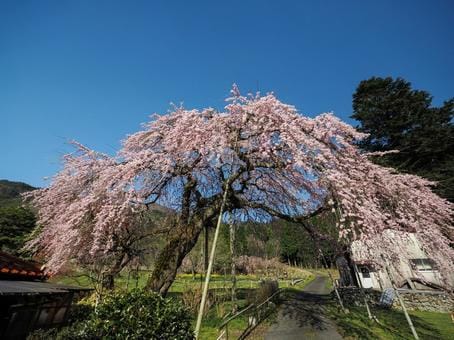
Most cherry blossoms in Kyoto typically reach their peak from early to mid-April. However, this can vary greatly depending on the climate of the year, and sometimes they may reach full bloom in late March. Especially weeping cherry trees tend to bloom earlier than other cherry varieties.
In my experience, when I visited Kyoto in late March, I was able to enjoy early-blooming cherry blossoms at several locations. Particularly if you visit weeping cherry blossom spots, there's a good chance you'll be able to enjoy the blossoms.
However, as the cherry blossom blooming time varies from year to year, I recommend checking the latest blooming information before your visit.
The joy of finding early-blooming cherry blossoms is exceptional and offers a precious experience of feeling the earliest arrival of spring.
Kodaiji Temple Spring Special Exhibition (Mid-March to Early May 2026)
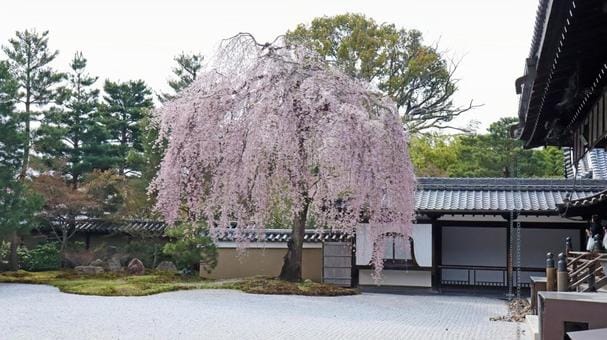
Kodaiji Temple, located in the Higashiyama area of Kyoto, is a historic temple known especially for its weeping cherry trees. The spring special exhibition held annually from mid-March to early May is one of the best events to enjoy the cherry blossom season.
When I visited last year, the cherry blossom illumination I saw during the special evening viewing was breathtaking. The pale pink weeping cherry blossoms, illuminated by soft light, created a fantastical atmosphere. I remember being captivated by the beauty of the night cherry blossoms, which was completely different from their daytime appearance.
The illumination usually starts around 5:00 PM. I recommend visiting from dusk to enjoy the change in the cherry blossoms' appearance from day to night. The admission fee is 600 yen.
<Information>
Date: Mid-March to Early May 2026
Access: 15-20 minutes walk from "Gion-Shijo Station" on the Keihan Electric Railway or "Kawaramachi Station" on the Hankyu Railway. It's on the way to Kiyomizu Temple, so I recommend visiting both together
Admission Fee: 600 yen
Website
Weeping Cherry Blossom at Maruyama Park (Late March to Early April 2026)
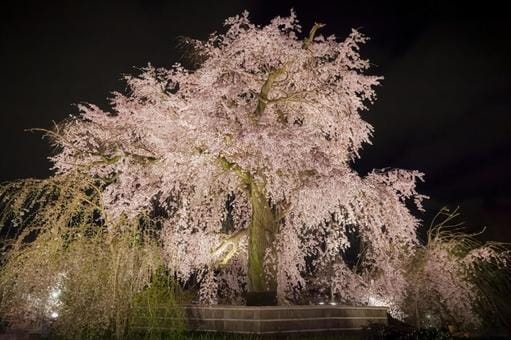
Maruyama Park, located next to Yasaka Shrine, is one of Kyoto's representative parks. It's particularly famous for its approximately 90-year-old weeping cherry tree. This cherry tree, known as the "Gion Weeping Cherry," has become a symbol of spring in Kyoto.
When I visited last year, I was breathless at the overwhelming beauty of this weeping cherry tree. The cherry blossoms blooming from the elegantly drooping branches gave me an indescribable sense of awe.
Besides this weeping cherry tree, Maruyama Park has several other types of cherry trees planted, allowing you to enjoy various cherry blossom expressions by visiting at slightly different times.
Typically, illumination is held from around 6:00 PM from late March to mid-April. While the daytime cherry blossoms are wonderful, the illuminated cherry blossoms at night create a fantastical atmosphere, allowing you to experience a completely different charm.
<Information>
Date: Late March to Early April 2026
Access: About 5-10 minutes walk from "Gion-Shijo Station" on the Keihan Electric Railway. About 10-15 minutes walk from "Kawaramachi Station" on the Hankyu Railway
Admission Fee: Free
Website
"Sakigake" Cherry Blossoms at Hirano Shrine
Source:Official website
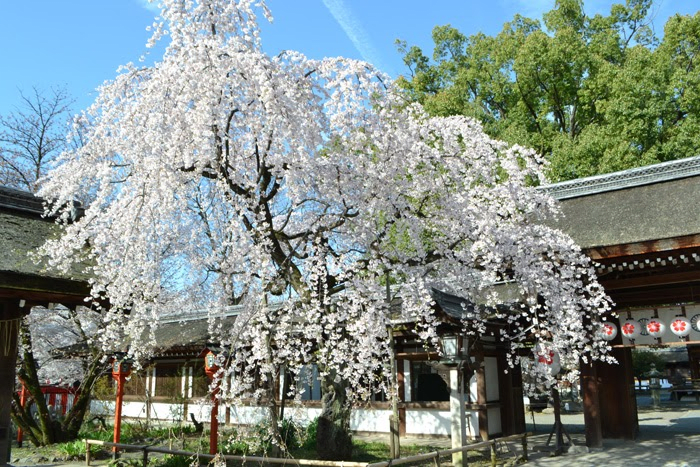
"Sakigake" at Hirano Shrine is an early-blooming cherry blossom known for being the first to bloom on the shrine grounds.
Each blossom is rather small, appearing more modest and understated than showy. The characteristic of this cherry tree is its quiet presence that gently announces the beginning of spring.
When these flowers open, cherry blossoms throughout Kyoto begin blooming all at once, marking the start of the hanami (cherry blossom viewing) season.
The grounds and cherry blossom garden of Hirano Shrine are home to approximately 400 cherry trees of about 60 different varieties beyond "Sakigake."
With rare varieties and late-blooming cherries opening in succession, the viewing season extends for about one month.
My recommended time to visit is at night. The sight of numerous cherry trees illuminated and floating against the darkness is absolutely worth seeing.
This is a place I highly recommend for those who want to savor a tranquil cherry blossom experience, or for those who want to leave their hearts with a "Kyoto-like spring" even during a short stay.
<Information>
Date: Mid to late March 2026
Access: 3-minute walk from Kyoto City Bus 205 or 50 "Kinugasa-kō-mae" stop from JR "Kyoto" Station
Admission: Free
Website: https://www.hiranojinja.com/home
Cherry Blossoms at Seimei Shrine & Ichijō Modori-bashi Bridge
Source:Yahoo! News
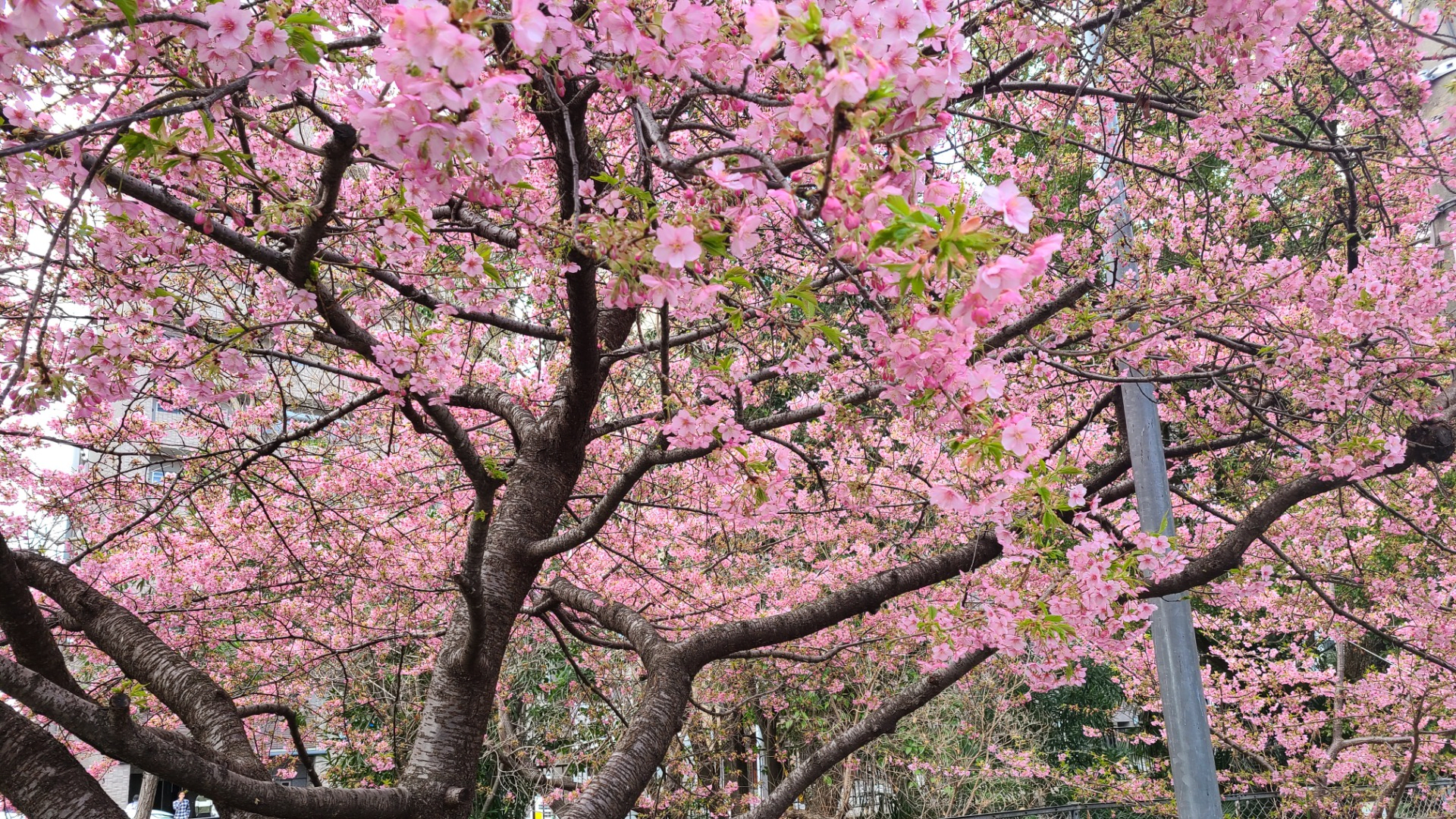
If you want to enjoy cherry blossoms in Kyoto in March, the areas around Seimei Shrine and Ichijō Modori-bashi Bridge are must-visit destinations.
Seimei Shrine is one of Kyoto's most renowned power spots, known for its blessings of warding off evil and protection against misfortune.
Within the shrine grounds, early-blooming Kawazu-zakura typically reach their peak from late February to March, displaying deep, vivid pink blossoms.
Capturing a photo of Seimei Shrine's Pentagram together with the cherry blossoms creates a uniquely springtime shot that can only be taken at this location.
Every year when I visit here, I feel as though I receive a positive energy as the atmosphere of spiritual purification overlaps with the arrival of spring.
About a 5-minute walk from the shrine grounds, Kawazu-zakura trees also line the area around Ichijō Modori-bashi Bridge, and if you're lucky, you may even spot Japanese white-eyes flitting among the blossoms.
This is a recommended walking route for those who want to experience an early taste of spring in Kyoto—a wonderful Kyoto Event March 2026 has to offer.
<Seimei Shrine>
Date: Early March to early April, 2026
Access: Take Kyoto City Bus Route 9 from JR Kyoto Station and get off at "Ichijō Modoribashi / Seimei Jinja-mae" bus stop
Admission: Free
Website: https://www.seimeijinja.jp/
<Ichijō Modori-bashi Bridge>
Date: Early March to early April, 2026
Access: Take Kyoto City Bus Route 9 from JR Kyoto Station and get off at "Ichijō Modoribashi / Seimei Jinja-mae" bus stop
Admission: Free
Website: None
Cherry Blossoms at Kyoto Prefectural Botanical Garden
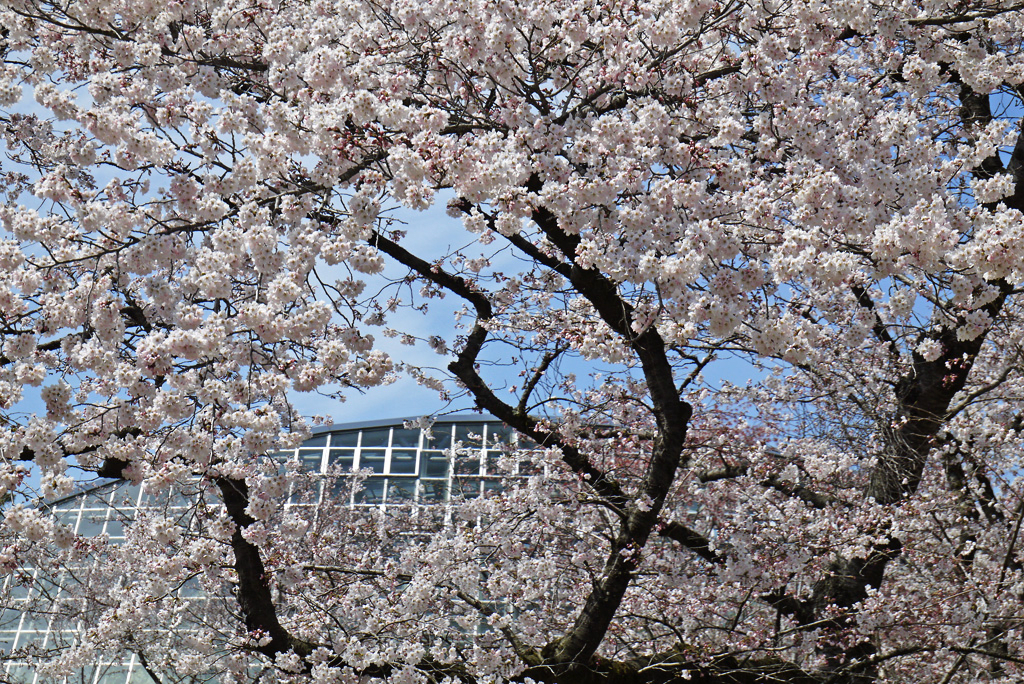
Kyoto Prefectural Botanical Garden is a relaxing retreat for Kyoto residents where visitors can appreciate plants from all four seasons.
With approximately 500 cherry trees of around 180 varieties, the garden boasts one of the largest collections in the city, allowing visitors to enjoy hanami from early-blooming varieties in early March through late-blooming ones in late April.
The highlights include the scenery of cherry blossom groves with the Kitayama mountain range as a borrowed landscape backdrop, and the springtime contrast of cherry blossoms alongside red tulips in the flower beds.
Among the many famous cherry blossom spots in Kyoto, this location ranks among my top five favorites.
From late March to early April, evening cherry blossom illuminations are also held, where approximately 300 cherry trees are bathed in soft light—another exceptional Kyoto Event March 2026 visitors should not miss.
The spacious grounds mean it's less crowded than central Kyoto's famous spots, allowing you to leisurely appreciate the cherry blossoms in a relaxed atmosphere.
<Information>
Date: Early March to late April, 2026
Access: Directly accessible from Exit 3 of Kitayama Station on the Kyoto Municipal Subway
Admission: 200 yen for adults
Website: https://www.kyotobotanicalgardens.jp/
Two Recommended Tours to Fully Experience Kyoto
Discover two enchanting tours by MagicalTrip to explore Kyoto, a city where tradition and culture thrive - one through its nighttime culinary scene and another through its daytime historical landmarks.
Kyoto Night Foodie Tour
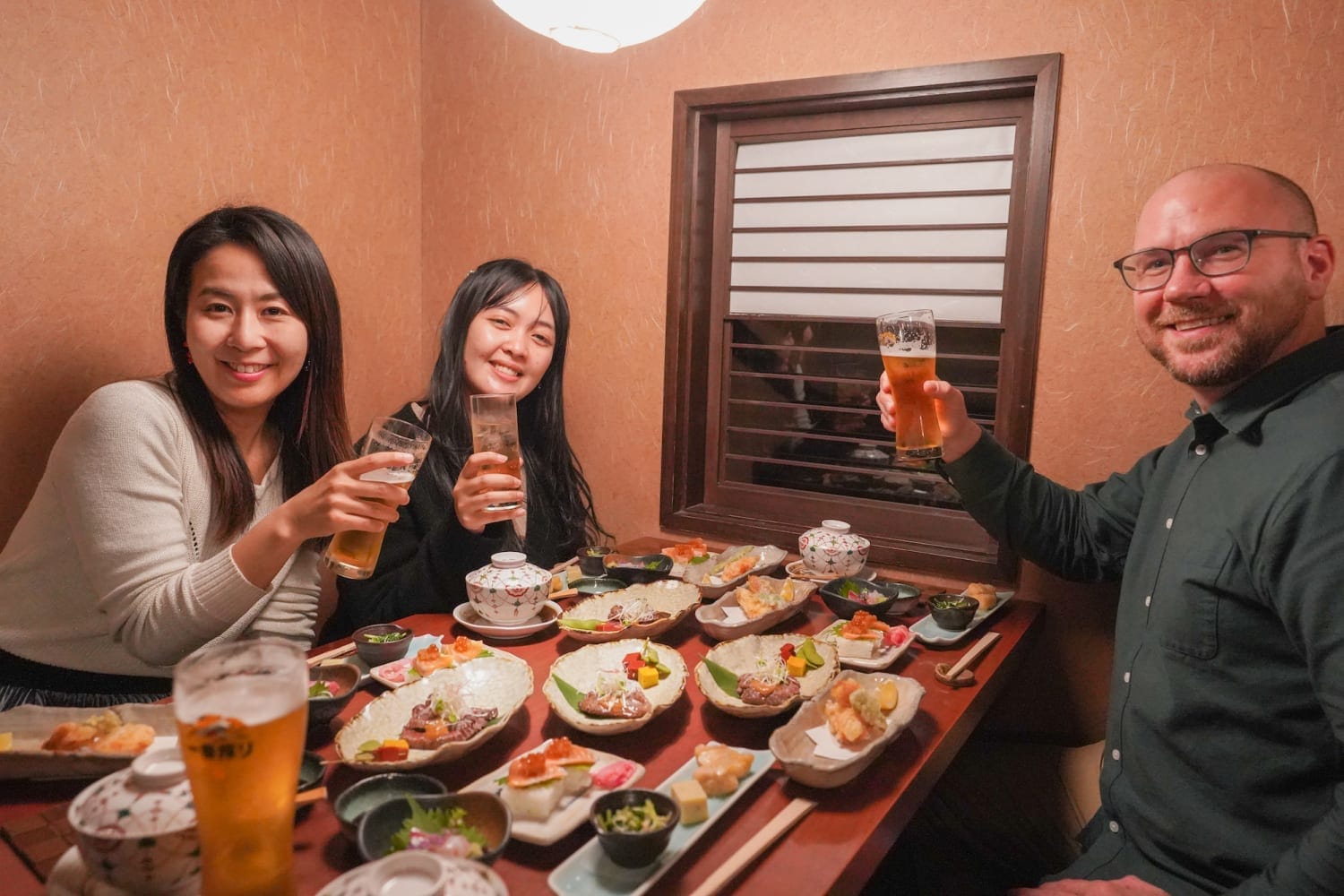
This three-hour gourmet tour through Pontocho and Gion districts ranked 6th in TripAdvisor's 2024 overall tour rankings. Priced at $136.80, you'll visit three carefully selected establishments to immerse yourself in Kyoto's food culture.
Enjoy a full-course dining experience from traditional dishes featuring Kyoto vegetables and yuba (tofu skin) to desserts. Each venue offers a sake tasting experience with three local varieties (non-alcoholic options available for under 20s). While strolling through the historic tea house districts with their traditional machiya architecture, you might encounter maiko (apprentice geisha).
Vegetarian options are available (dashi stock contains seafood), but vegan and gluten-free options are not accommodated.
Please notify of any dietary restrictions one day in advance. An English-speaking guide provides detailed explanations about the dishes and sake. Tour photos will be emailed later, and free cancellation is available up to 24 hours before the tour.
Details here: Kyoto Night Foodie Tour
4.5-hour Kyoto Historical Highlights Bike Tour with UNESCO Zen Temples
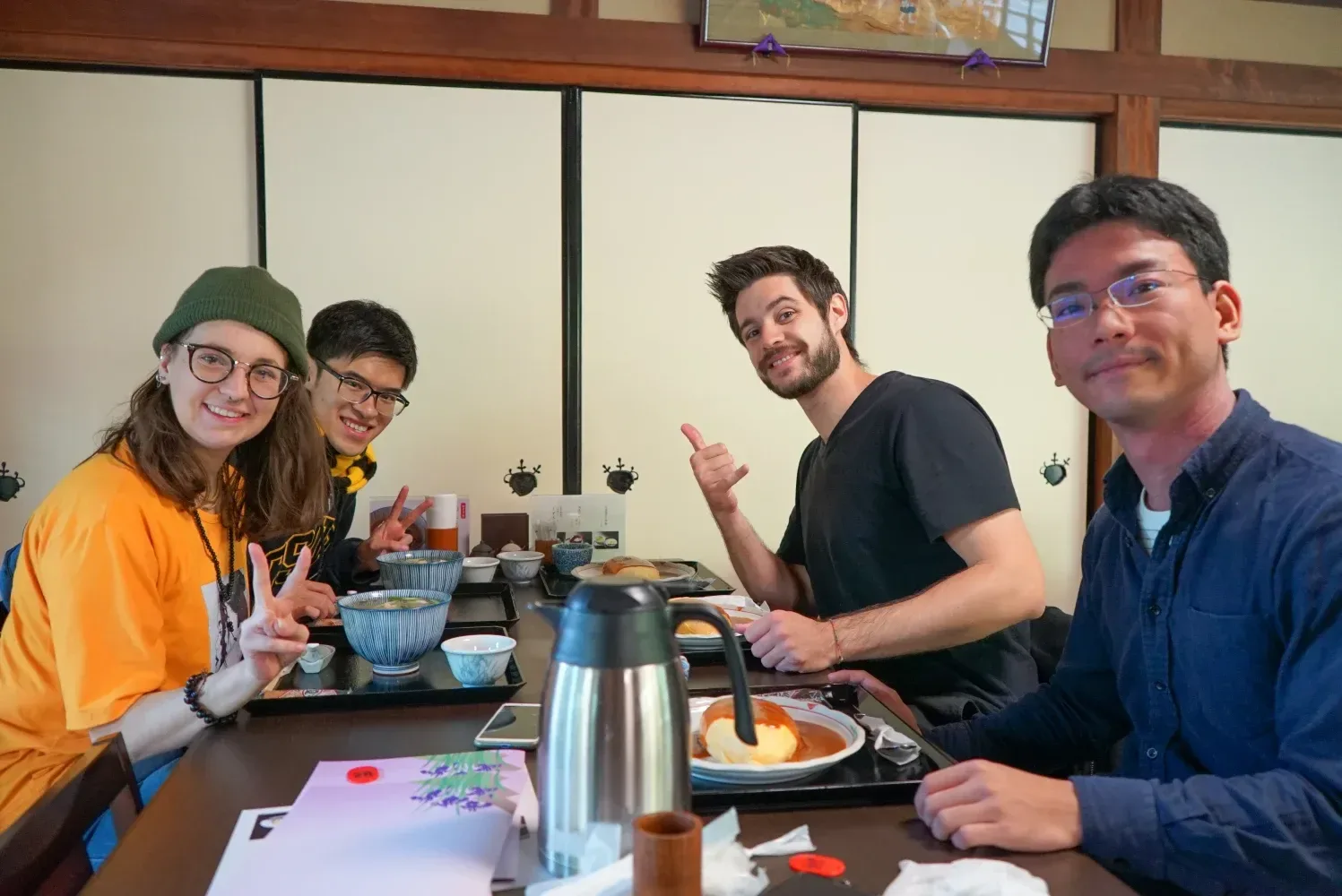
This 4.5-hour bicycle tour is available for $82.08. It's a small-group tour with an English-speaking guide, including rental bikes, helmets, and insurance. Anyone over 150cm tall can participate, even cycling beginners.
Experience the rock gardens and Zen atmosphere at the UNESCO World Heritage site Kennin-ji Temple, and visit other major temples like Nanzen-ji. Lunch is provided at a traditional Japanese house, with vegetarian options available (advance notice required, fish-based dashi used).
The 12.6km course includes local favorites like cycling along the Kamo River. Reach places inaccessible to tourist buses efficiently. Tour photos will be emailed afterward, and full refunds are available for cancellations made 24 hours in advance.
Details here: 4.5-hour Kyoto Historical Highlights Bike Tour with UNESCO Zen Temples
These two tours offer comprehensive programs showcasing Kyoto's day and night attractions. Join experienced English-speaking guides for an unforgettable Kyoto adventure.
March 2026 in Kyoto is a wonderful time when traditional events and natural beauty merge. Traditional events such as the doll exhibition at Hokyoji Temple, the Nagashibina ceremony at Shimogamo Shrine, and the rain prayer festival at Kifune Shrine offer precious opportunities to experience the depth of Kyoto's culture and history.
On the other hand, early-blooming cherry blossoms at Kodaiji Temple and Maruyama Park provide excellent opportunities to enjoy the natural beauty heralding the arrival of spring.
I highly encourage you to fully savor the charm of Kyoto woven by tradition and nature in early spring Kyoto, and create memorable experiences that will stay in your heart!
Join the local guided tours and enjoy the early spring in Kyoto!
・Ultimate Kyoto Tours Guide 2026: Best Seasonal Experiences for Spring Cherry Blossoms, Summer Festivals, Autumn Foliage & Snowy Landscape