Is Kabukicho Safe? 21 Things to Do & Nightlife Guide by Local 2026
Tokyo is home to countless spots, from bustling entertainment districts like Shibuya and Harajuku, to neighborhoods that come alive at night like Shinjuku and Roppongi, to areas that preserve traditional old-town charm like Asakusa and Kanda.
While Tokyo is a city packed with appeal, it's also true that increasing tourism development has made it harder for visitors to experience the "real Tokyo." In other words, instead of enjoying Tokyo like a local, tourists are often limited to experiencing only the touristy side of the city.
That's exactly why I want you to explore the city with locals who know the real Tokyo. With tours from Magical Trip—winner of Tripadvisor's The Best of The Best in both 2024 and 2025—you can make that happen.
The Tokyo Bar Hopping Night Tour in Shinjuku, a back-to-back winner of The Best of The Best for two consecutive years, lets you safely enjoy spots beloved by locals in famous Shinjuku areas like Kabukicho and Omoide Yokocho.
If you want to enjoy outstanding Japanese cuisine in Shinjuku, join the “Tokyo Night Foodie Tour in Shinjuku,” where a local guide will take you to savor top-quality yakiniku and sushi.
If you’d like to stroll through Shinjuku’s beautiful nighttime cityscape and capture it in photos, choose the “Tokyo by Night Photography Tour,” led by a local guide who is also a professional photographer.
If you want to create your own itinerary and explore Tokyo deeply and efficiently, choose Customized Private Tours of Japan with MagicalTrip's Top Guides, where you can craft a special itinerary tailored just for you with a local guide.
Introduction
Shinjuku area, boasting the world's highest passenger traffic, is one of the streets where you can feel Tokyo's vibrancy the most. Within it, I believe that Kabukicho, "the sleepless town," is the most intriguing yet challenging place for foreign tourists.
I didn't properly explore Kabukicho until I became a university student. I still remember feeling a fresh surprise at the neon-lit streetscape, restaurants open until late at night, and the unique atmosphere with some dubious areas, even though I was born and raised in Tokyo.
While Kabukicho certainly has various attractions, there are language barriers, complex store systems, and sometimes situations or areas that require caution.
Even as a Japanese person who has frequented Kabukicho since I was young, I've been involved in trouble, and it's not a place I can casually recommend for nighttime visits to tourists unfamiliar with Kabukicho.
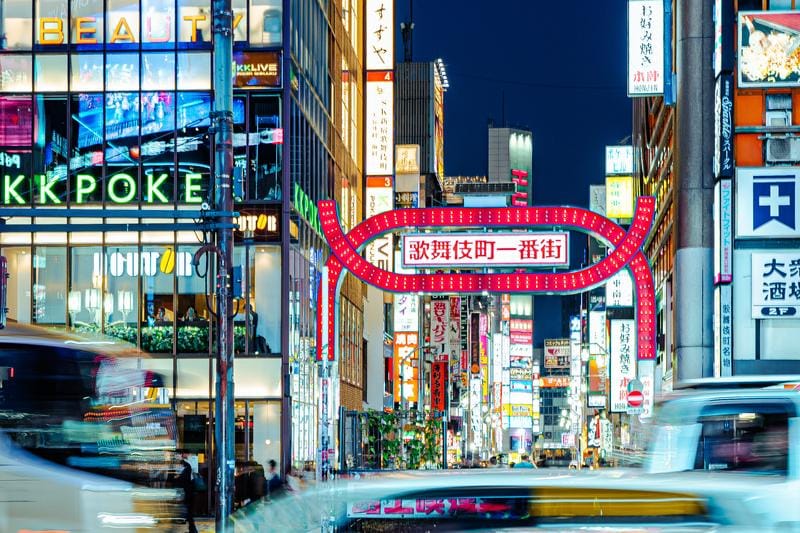
However, with recent redevelopment, the entire area seems to have brightened up, and it feels like it has become a safe place even for families during the daytime. Honestly, by Japanese standards of top-notch safety, I still get the impression that there are many strange people even during the day, but I think Kabukicho has become a place that foreign tourists can sufficiently enjoy during the daytime.
On the other hand, if you're visiting at night, there are many points to be careful about in this area.
In this article, I'll share the attractions of Kabukicho and points to be careful about from a Tokyo local's perspective. It's packed with information for foreign visitors to safely and fully enjoy this area.
Now, let's set out to explore Kabukicho, Tokyo's nighttime face!
If you want to know about the nightlife in the entire Shinjuku area, please check out the Shinjuku Nightlife Guide, and if you want tourist information for the entire Shinjuku area including daytime, please see the Shinjuku Guide.
Also, if you want to enjoy Kabukicho safely, I recommend using a guided tour like the Tokyo Bar Hopping Night Tour in Shinjuku.
Table of Contents
-What is Kabukicho
-Kabukicho Zone Map
-How to Access Kabukicho
-21 Things to Enjoy in Kabukicho
-Things to be Careful About in Kabukicho
If you're interested in "sightseeing spots in Kabukicho", Check the article below.
・10 Things to Do in Kabukicho Tower; Shinjuku’s New Landmark!
If you're interested in "safety tips", Check the article below.
・Kabukicho: Tokyo Shinjuku's Red-light District & Never Sleep Area Guide
What is Kabukicho
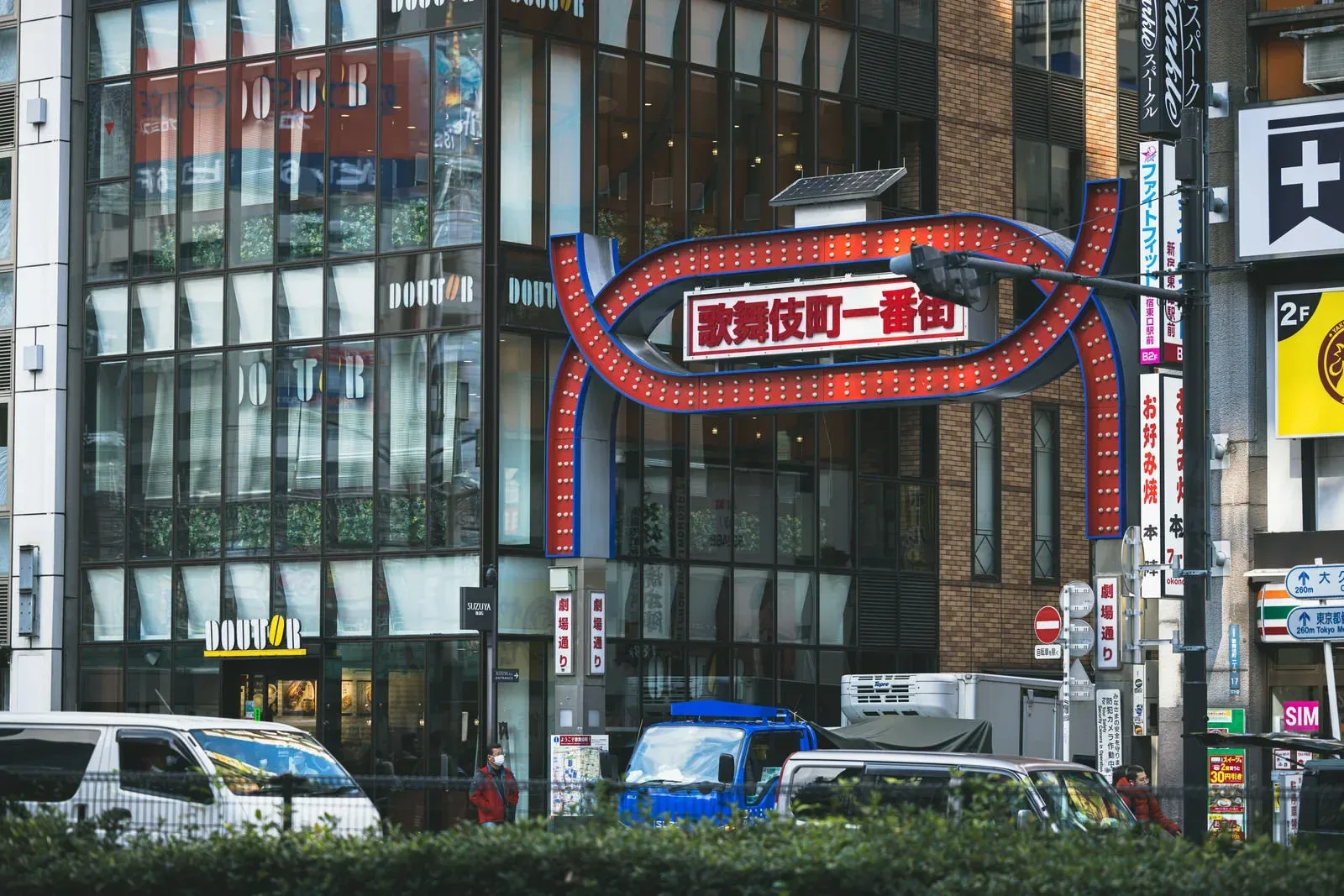
Kabukicho is Japan's largest entertainment district located in Shinjuku, central Tokyo. This small area is packed with over 1,000 restaurants and entertainment facilities. It's famous as a 24/7 sleepless town, full of energy day and night.
When I first visited Kabukicho, I was overwhelmed by its unique atmosphere. It's relatively quiet during the day, but at night, the whole area comes alive, and neon signs start to shine. Recently, its aspect as a tourist destination has strengthened, and I've noticed more foreign tourists.
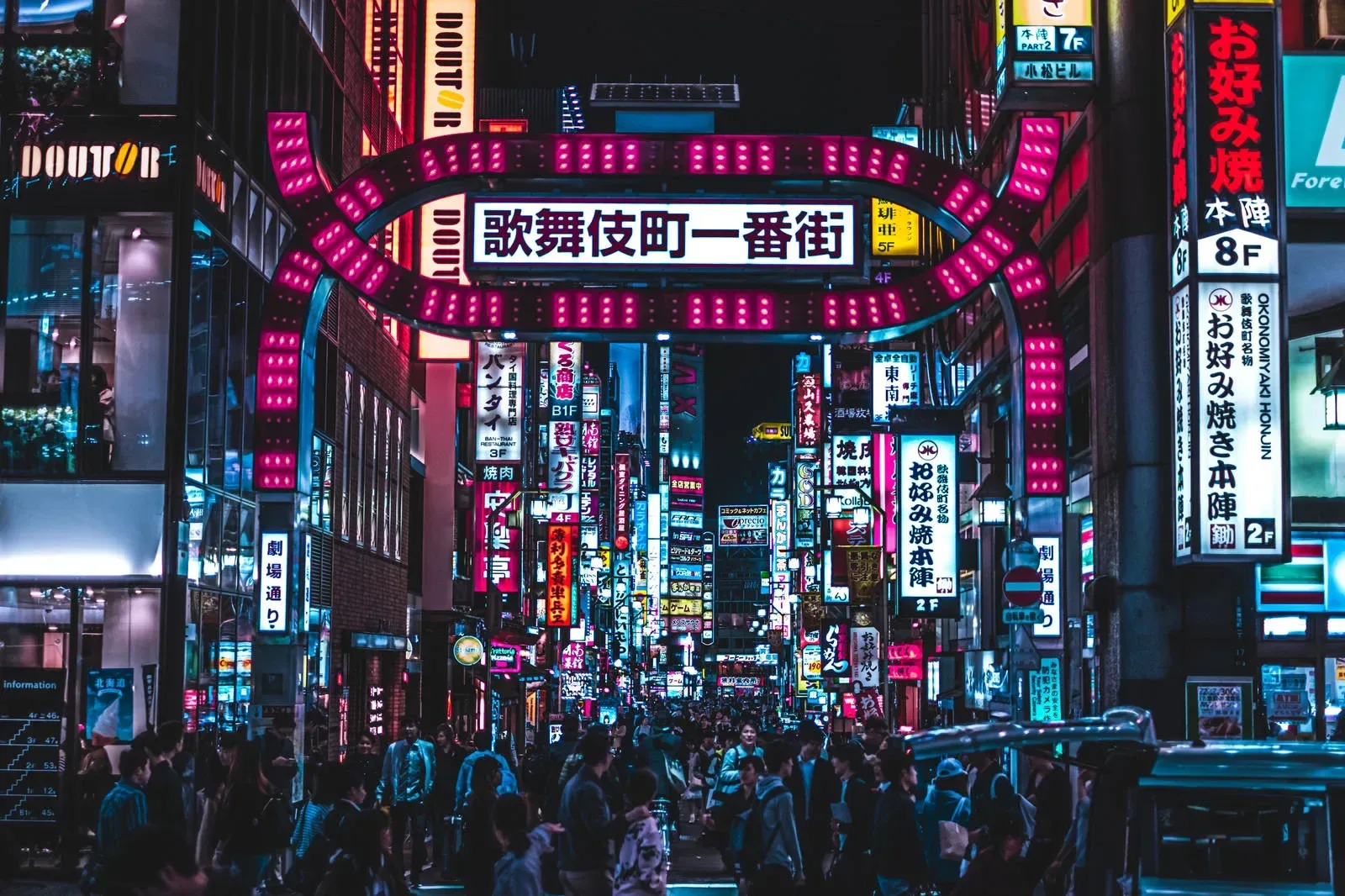
The charm of Kabukicho lies in its diversity. From restaurants to casual izakayas, various eateries line the streets. There are also plenty of entertainment facilities like movie theaters, karaoke boxes, and game centers. At night, nightlife establishments like cabaret clubs and host clubs start operating, enveloping the entire area in a glamorous atmosphere.
However, to enjoy this area's charm, you need to be aware of a few precautions. From my experience, I can say that having prior information allows you to enjoy Kabukicho more safely and enjoyably.
Real Budget Breakdown for Kabukicho
Before diving into Kabukicho, it helps to know what things actually cost. I've spent countless nights here with friends, so let me share a realistic breakdown based on my experience.
| Things to Do | Budget | Overview |
|---|---|---|
| Game Center | ¥1,000〜¥3,000 |
Classic Japanese arcades where you can enjoy claw machines, rhythm games, and retro titles. Most games cost ¥100–200 per play, making it an easy and affordable way to spend time in Kabukicho without committing to nightlife. |
| Karaoke | ¥1,000〜¥4,000 |
Private-room karaoke is extremely popular and ranges from cheap daytime plans to late-night packages with drinks. Prices depend on time of day and whether drinks are included, but it’s a fun and social option for groups. |
| Bar Hopping | ¥3,000〜¥10,000 (per 1 place) |
Kabukicho offers everything from casual standing bars to themed pubs and tiny counter bars. Costs vary widely by venue and number of drinks, and cover charges are common in some areas, especially late at night. |
| Night Club | ¥2,000〜¥10,000 |
Large clubs feature DJs, dance floors, and late-night parties.
Entry fees usually apply, with higher prices on weekends or for special events. Expect a lively atmosphere and a younger crowd after midnight. |
| Cabaret Club & Host Club | ¥10,000〜 |
Entertainment venues where you drink and chat with hosts or hostesses. Prices rise quickly due to seating fees, drink charges, and service costs, so this is the most expensive way to spend a night in Kabukicho and not recommended without understanding the system. |
| Entertainment Facility | ¥3,000〜 |
Multi-purpose venues such as themed attractions, indoor amusement centers, or live performance spaces. Prices depend on the attraction but usually include a fixed admission fee, making them predictable and easy to budget for. |
Budget-Friendly (Under ¥3,000)
If you're watching your wallet, Kabukicho is surprisingly accessible. Game centers charge around ¥100-200 per play, and you can easily spend an hour for under ¥1,000.
Karaoke during daytime runs as low as ¥300-500 per 30 minutes. For bar hopping, budget izakayas like Hanbey offer drinks & yakitori from around ¥100 each. A satisfying evening of arcade games, karaoke, and cheap eats can be done for around ¥2,000-3,000.
Mid-Range (¥5,000-10,000)
This is where most tourists land. Expect to pay ¥1,000-2,500 for club entry at places like T2 Shinjuku, with drinks around ¥1,200 each. Nighttime karaoke with drinks runs ¥2,000-3,000 for a few hours.
A proper izakaya dinner with drinks typically costs ¥3,000-5,000 per person. Golden Gai bars charge ¥500-1,000 cover plus ¥500-1,000 per drink.
High-End (¥10,000+)
Cabaret clubs and host clubs can quickly spiral into tens of thousands of yen. I've seen friends shocked by bills exceeding ¥30,000 for what they thought would be a casual experience. Unless you fully understand the pricing system, I'd recommend avoiding these establishments.
My advice: bring cash, set a budget before you go out, and stick to it.
Best Times to Visit (Crowd Levels)
Kabukicho transforms dramatically depending on when you visit. Having explored this area at all hours, I can tell you the experience varies significantly between day and night.
Daytime (Before 6 PM)
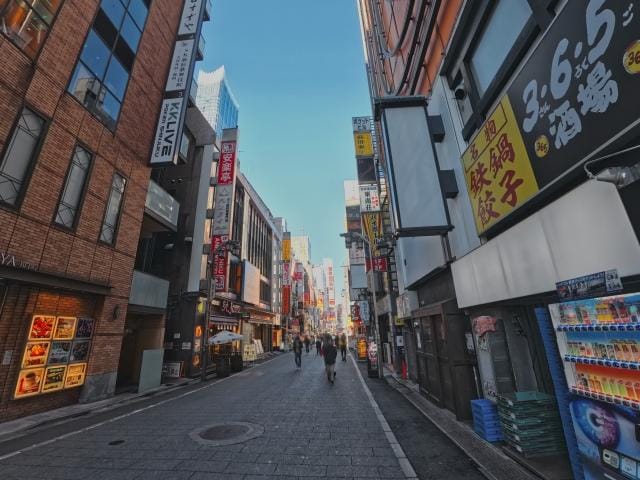
During the day, Kabukicho feels almost like a different place. The streets are relatively quiet, and you can explore comfortably without aggressive touts. Recent redevelopments have made the area bright and family-friendly during these hours.
However, you'll miss the iconic neon-lit atmosphere, and many bars in Golden Gai remain closed until evening. If you want to take photos of the Godzilla Head or visit Kabukicho Tower attractions, daytime is ideal.
Evening (7 PM - 11 PM)
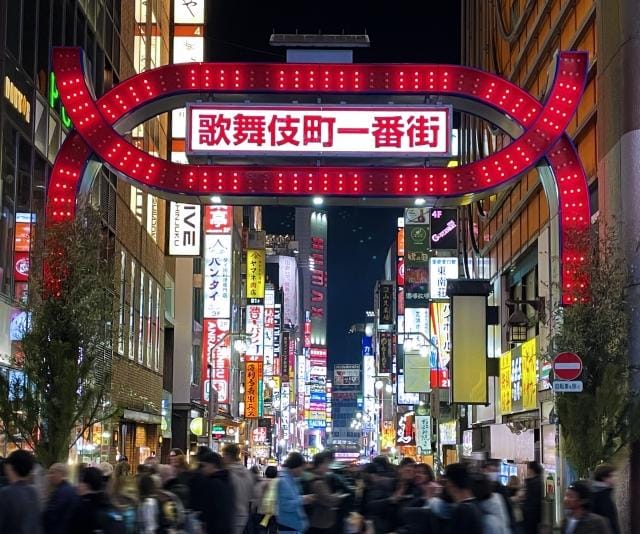
This is my recommended time for first-time visitors. The neon signs illuminate the streets, restaurants and bars open their doors, and the energy of Kabukicho truly comes alive.
You get the full visual experience while crowds remain manageable. Most izakayas and entertainment venues are operating, yet it's still early enough to feel relatively safe.
Late Night (After 11 PM)
Clubs reach peak activity, and the area buzzes with intense energy.
However, touts become more persistent, and navigating requires more caution.
If you stay this late, remember the last train from Shinjuku Station leaves around 12:30 AM.
Weekdays vs. Weekends
Weekdays offer a calmer experience, while weekends bring larger crowds and more vibrant atmosphere.However, with the recent increase in tourists, Kabukicho is often crowded even on weekdays.
If you want to check current crowd levels before visiting, search for "Kabukicho Live Camera" on YouTube. Several 24-hour livestreams broadcast real-time footage of major streets, helping you gauge how busy the area is.
Tokyo Shinjuku Kabukicho Live:
Kabukicho Live Channel II:
Tokyo Shinjuku Kabukicho Live Camera:
Kabukicho Zone Map
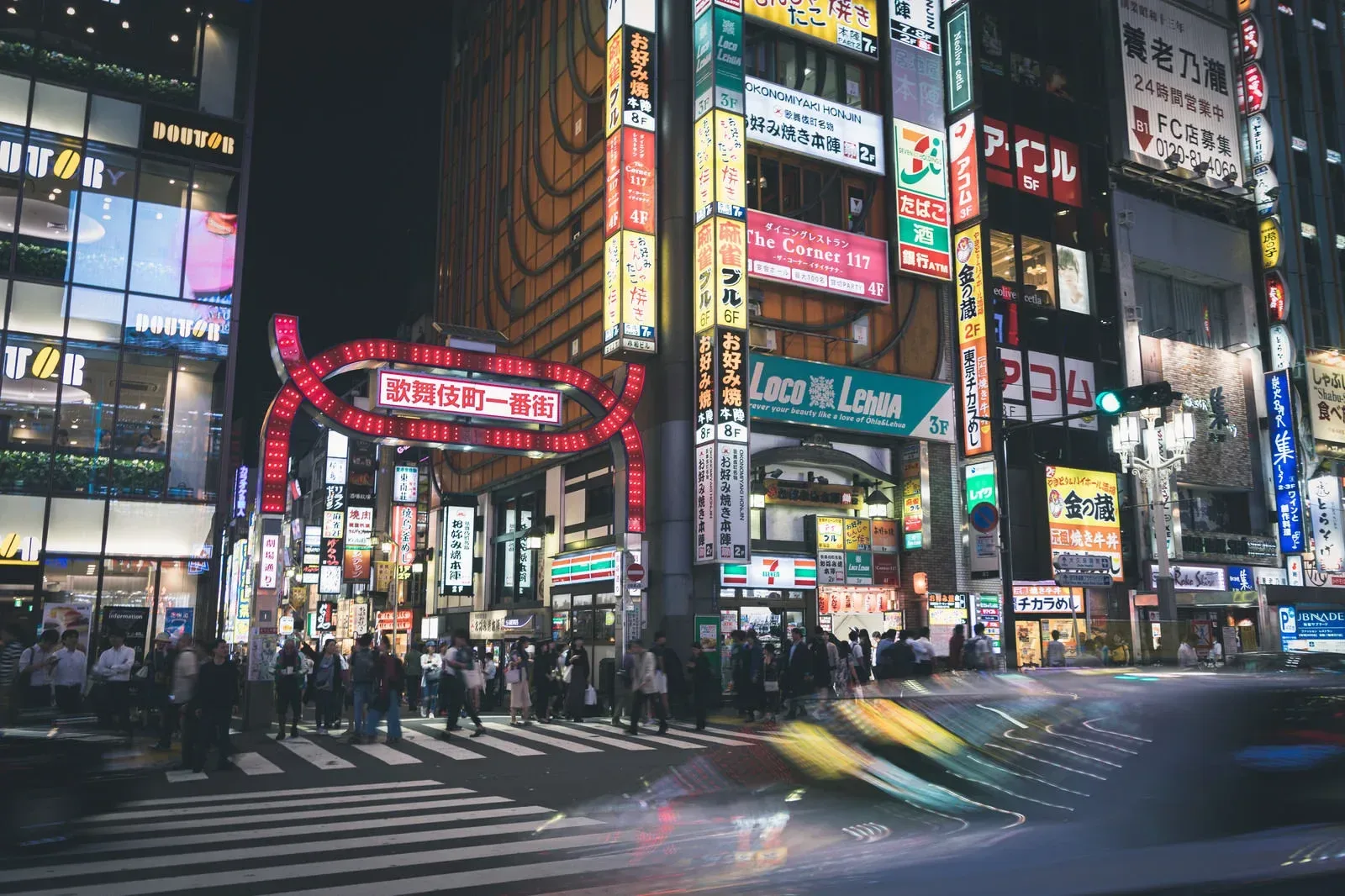
At first glance, Kabukicho might seem like a maze, but it actually has clear zoning. I was also confused at first, but after visiting several times, I started to understand the characteristics of each area. Here, I'll share important points for enjoying safely.
First, the main street around the Godzilla Head on the Toho Building is generally safe. This area has many tourists and a bright atmosphere. However, as you go deeper, the overall danger level increases.
The area from Yasukuni Street south of the Godzilla Head to around the Toho Building is relatively safe, but caution is needed in other areas. Especially, the area from behind the Toho Building to Shokuan Street transforms its atmosphere at night. I once got lost in this area late at night and had quite a scary experience.
Hanamichi Street and Sakura Street have many touts, with a risk of being ripped off. On Azuma Street, you need to be careful of solicitation for illegal products. Behind Hanamichi Street, there are many "love hotels" lined up.
Shokuan Street is particularly dangerous at night. One of my friends almost got involved in a fight in this area once. You might also see suspicious people who seem to be on drugs, so it's better to avoid if possible.
Omoide no Nukedoori is not as famous as Golden Gai, but it's a very deep place that strongly retains the atmosphere of Kabukicho. It has a suspicious atmosphere, but surprisingly, there aren't many rip-offs.
Golden Gai is adjacent to Kabukicho, but this is a relatively safe area as it has good self-governance. I often go drinking with friends here, and it's a recommended spot where you can enjoy a unique atmosphere.
However, Kabukicho generally has many people from or connected to the underworld, so it's not possible to say anywhere is entirely safe. It's a diverse area with people of various nationalities. It's important to always be aware of your surroundings and quickly leave the area if you sense danger.
In the next chapter, I'll explain in more detail about the points to be especially careful about in Kabukicho.
Red Zone: One Of The More Trouble-Prone Areas In Kabukicho
The red zone covers the heart of Kabukicho, stretching from the northern boundary along Route 302 down through the main grid of streets, including the areas around Sanban-dori and Kuyakusho-Dori Avenue. This is where Kabukicho's nightlife scene is most concentrated — and most intense.
While the area is undeniably exciting and worth experiencing, it does come with a higher risk of tourist-targeted scams and unsolicited approaches. Visitors should be cautious of touts outside bars and clubs, overpriced "companion" establishments (known as bottakuri bars), and aggressive recruitment by staff outside entertainment venues. Traveling alone at night, particularly in the narrower back streets, is where most incidents tend to occur.
That said, it is generally not physically dangerous if you stay alert and firmly decline any unsolicited offers.
Blue Zone: The Safe & Visitor-Friendly Area
The blue zone covers the area along Central Road and the surrounding blocks near the Shinjuku Toho Building (home to the iconic Godzilla Head). This stretch is significantly busier with foot traffic throughout the day and into the evening, and attracts a broad mix of tourists, families, and locals.
With major landmarks, cinemas, shopping options, and well-lit streets, this area is highly recommended for first-time visitors and those exploring Kabukicho without a local guide. The density of mainstream businesses and the visibility of the area act as a natural deterrent to the kinds of solicitation more common in the red zone.
International tourists can comfortably walk, sightsee, dine, and take photos here with minimal concern.
How to Access Kabukicho
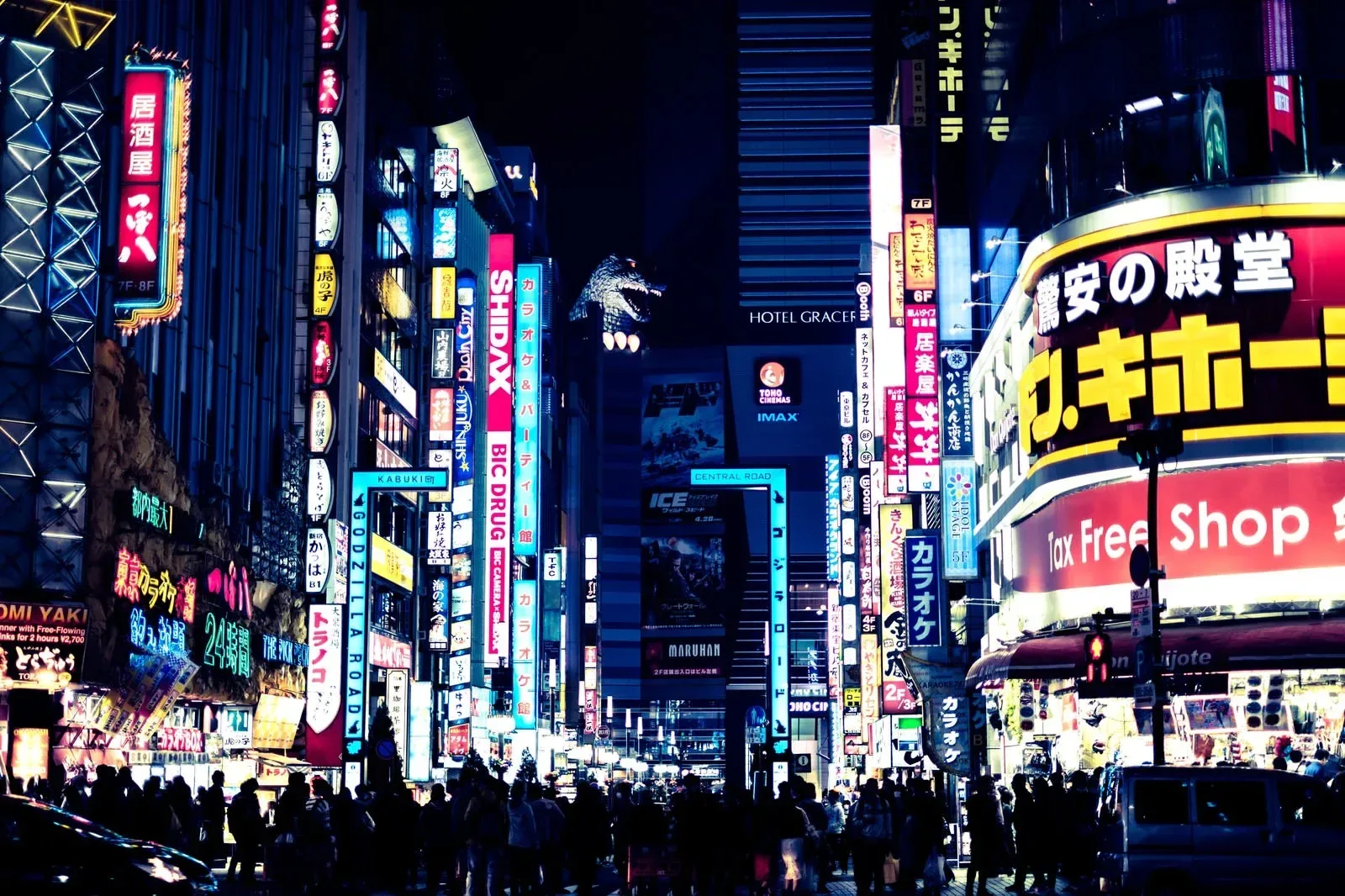
Kabukicho is within walking distance from several stations, including Shinjuku Station, which is a major transportation hub in Tokyo. I'll introduce the routes I often use when guiding friends and tourists.
First, the most recommended route is from the East Exit of JR Shinjuku Station. Shinjuku Station is one of Tokyo's main stations, with many lines running through it. Even if you're coming from Shibuya or Tokyo Station, it's convenient to get off at Shinjuku Station. From the East Exit, walk along the large street, and you'll reach Kabukicho in about 5 minutes. Even first-timers shouldn't get lost.
Also, it's just a 1-minute walk from Seibu-Shinjuku Station. From Shinjuku-sanchome Station on the Tokyo Metro and Toei Subway lines, it's about a 5-minute walk. From Higashi-Shinjuku Station on the Toei Subway, it's also about a 5-minute walk to Kabukicho.
From my experience, I recommend the route from the East Exit of JR Shinjuku Station for first-time visitors. It's safe as you walk along a large street, and you can gradually feel the atmosphere of Kabukicho as you approach. Also, JR lines have late last trains, which is an advantage when returning late at night.
Whichever route you choose, access to Kabukicho is very convenient. You can easily visit from other areas of Tokyo, so please drop by when you're sightseeing in Tokyo!
For a Safe and Enjoyable Kabukicho Experience, Let a Kabukicho Guide Who Knows Shinjuku Inside Out Show You Around
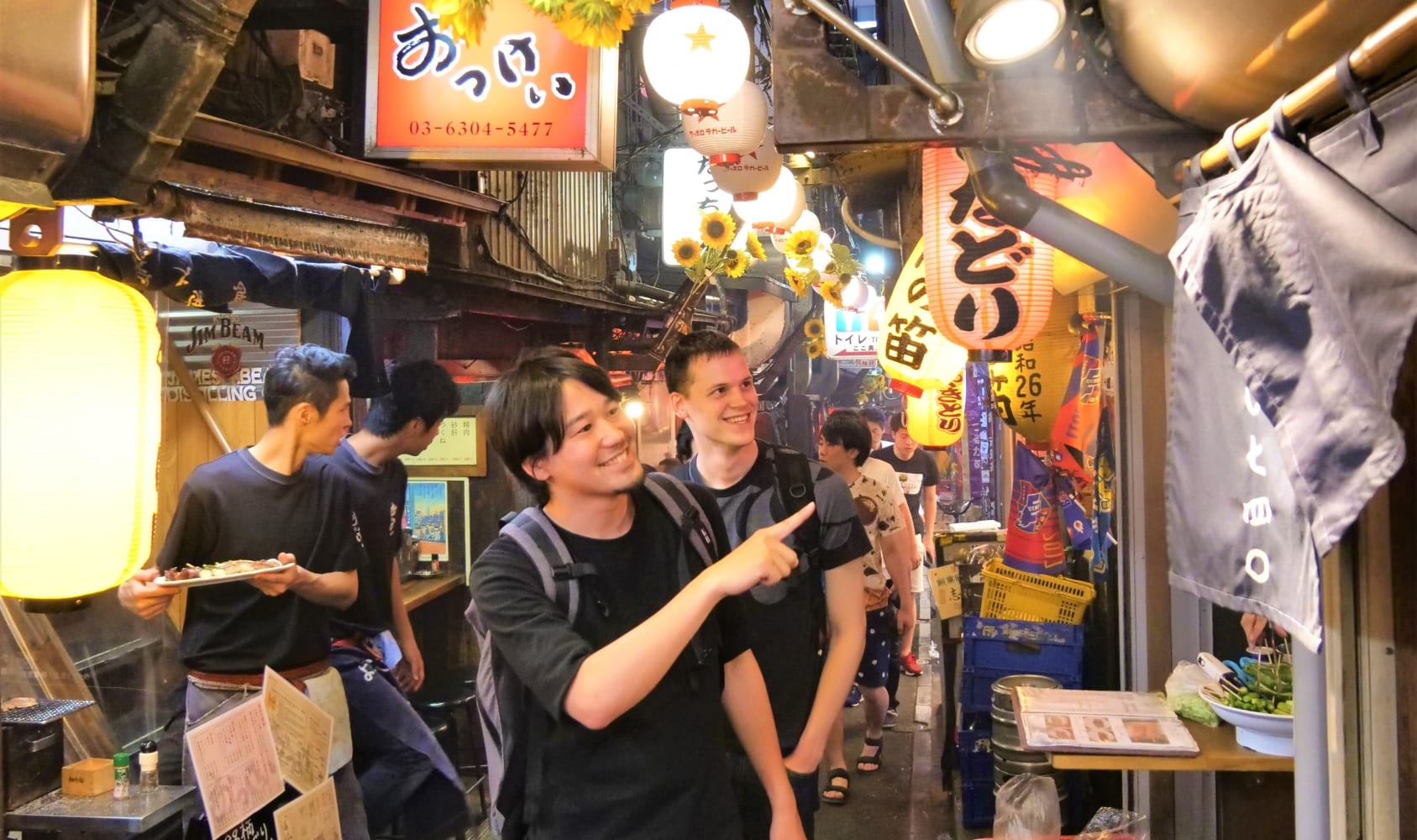
If you want to safely enjoy Kabukicho at night, joining a guided tour is highly recommended. With a local kabukicho guide leading the way, you can explore with peace of mind and enjoy authentic local experiences at spots that are difficult for tourists to visit on their own.
In addition to Kabukicho, the tour also takes you through various angles of the Shinjuku neighborhood, including the drinking establishments of "Omoide Yokocho Alley," where a nostalgic, retro atmosphere lingers. Enjoy the relaxed atmosphere bustling with locals and people heading home from work.
The tour price includes all-you-can-drink beverages and food at izakayas, so you don't have to worry about being overcharged. Be sure to check out the tour details and map your adventure!
<Information>
Meeting point: Black pillar next to Uniqlo Shinjuku Nishiguchi shop
Tour area: Shinjuku (Kabukicho / Omoide Yokocho Alley, etc.)
Start times: 17:00 / 18:00 / 18:30 / 19:00
21 Things to Enjoy in Kabukicho
| Things to Do | Time of the Day | Overview |
|---|---|---|
| Tokyu Kabukicho Tower | Daytime to Night | A massive entertainment complex with cinemas, live music venues, arcades, and restaurants, serving as the new landmark of Kabukicho for both daytime and nightlife activities. |
| Godzilla Head | An iconic giant Godzilla statue peeking out from a hotel terrace, perfect for photos and symbolic of Kabukicho’s pop-culture atmosphere. | |
| Hanazono Shrine | A peaceful Shinto shrine just steps from the neon streets, offering a quiet contrast to Kabukicho’s nightlife and a glimpse of local religious culture. | |
| Samurai Museum (Currently Closed) | A small museum showcasing samurai armor and history, popular with foreign visitors for its displays and live demonstrations (currently closed). | |
| Ninja Trick House in Tokyo | An interactive attraction where visitors can experience ninja-themed puzzles, tricks, and illusions in a playful, hands-on setting. | |
| Shinjuku Kabuki Hall (Kabuki Tower 2F) | Nighttime | A food hall and bar area inspired by retro Japanese streets, combining casual dining with nightlife vibes in one indoor space. |
| Golden Gai (Bar Hopping) | A famous alley packed with tiny, character-filled bars, ideal for bar hopping and meeting both locals and international travelers. | |
| Kabukicho's Red Noren Alley (Bar Hopping) | A row of casual izakaya-style bars marked by red lanterns, offering affordable drinks and a traditional pub atmosphere. | |
| Hakuri Tabai Hanbey (Izakaya Gourmet) | A nostalgic-themed izakaya serving cheap skewers and drinks, styled after postwar Japan and popular with budget-conscious travelers. | |
| Warayakiya Shinjuku (Izakaya Gourmet) | A lively restaurant specializing in straw-grilled dishes, especially bonito, known for dramatic flame cooking and strong smoky flavors. | |
| Shinjuku Kamiya (Izakaya Gourmet) | A long-established izakaya famous for beef stew and simple Japanese comfort food at reasonable prices. | |
| T2 SHINJUKU (Night Club) | From night until early the next morning | A popular nightclub with international DJs and themed events, attracting young crowds late into the night. |
| ZEROTOKYO (Night Club) | A large, modern club inside Tokyu Kabukicho Tower, featuring multiple music genres and high-end sound and lighting systems. | |
| Karaoke | Private-room singing venues where groups can enjoy music, drinks, and snacks, open late and widely available throughout Kabukicho. | |
| 24-Hour Shopping | Late-night retail options such as discount stores and convenience shops, allowing visitors to shop even after midnight. | |
| Cabaret Clubs (Kyabakura) | Nighttime | Entertainment venues where guests drink and talk with hostesses, known for flashy interiors and higher-than-average prices. |
| Host Clubs | Clubs where male hosts entertain female customers through conversation and drinks, forming a unique part of Kabukicho’s nightlife culture. | |
| Guided Night Tours to Enjoy Kabukicho | Organized walking and bar-hopping tours led by local guides, designed to help visitors explore safely and understand the area’s culture. | |
| Omoide Yokocho (Bar Hopping) | A narrow alley lined with tiny yakitori shops and bars, offering a nostalgic, old-Tokyo drinking experience near Kabukicho. | |
| Ryu no Miyako Inshokugai (Bar Hopping) | A compact nightlife street filled with bars and eateries, popular for casual pub hopping and late-night dining. | |
| Shinjuku Ni-chome (Bar Hopping) | Tokyo’s most famous LGBTQ+ district, known for its diverse range of bars, clubs, and inclusive nightlife atmosphere. |
Daytime Activities
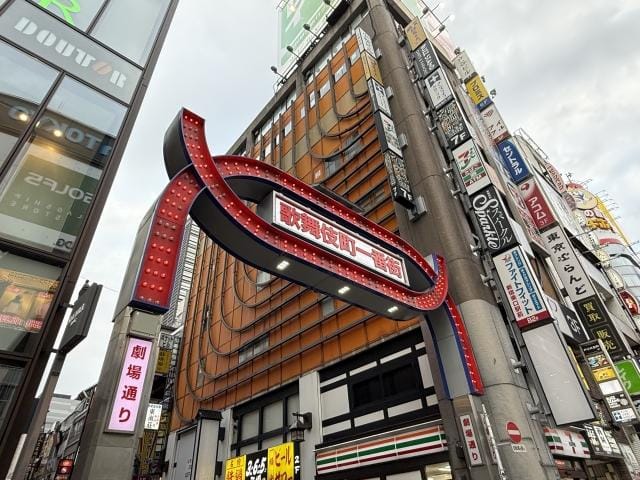
Kabukicho is best known for its nightlife, but there are actually plenty of places to enjoy during the daytime as well. Experiencing Kabukicho in a completely different atmosphere from the night scene can also become a memorable part of your trip.
If you’re planning to spend a full day in Shinjuku, it’s fun to visit Kabukicho both during the day and at night and compare the two moods. I often stop by Kabukicho in the daytime myself to enjoy its unique vibe.
namco TOKYO (Tokyu Kabuki Tower 3F)
Source:PR TIMES
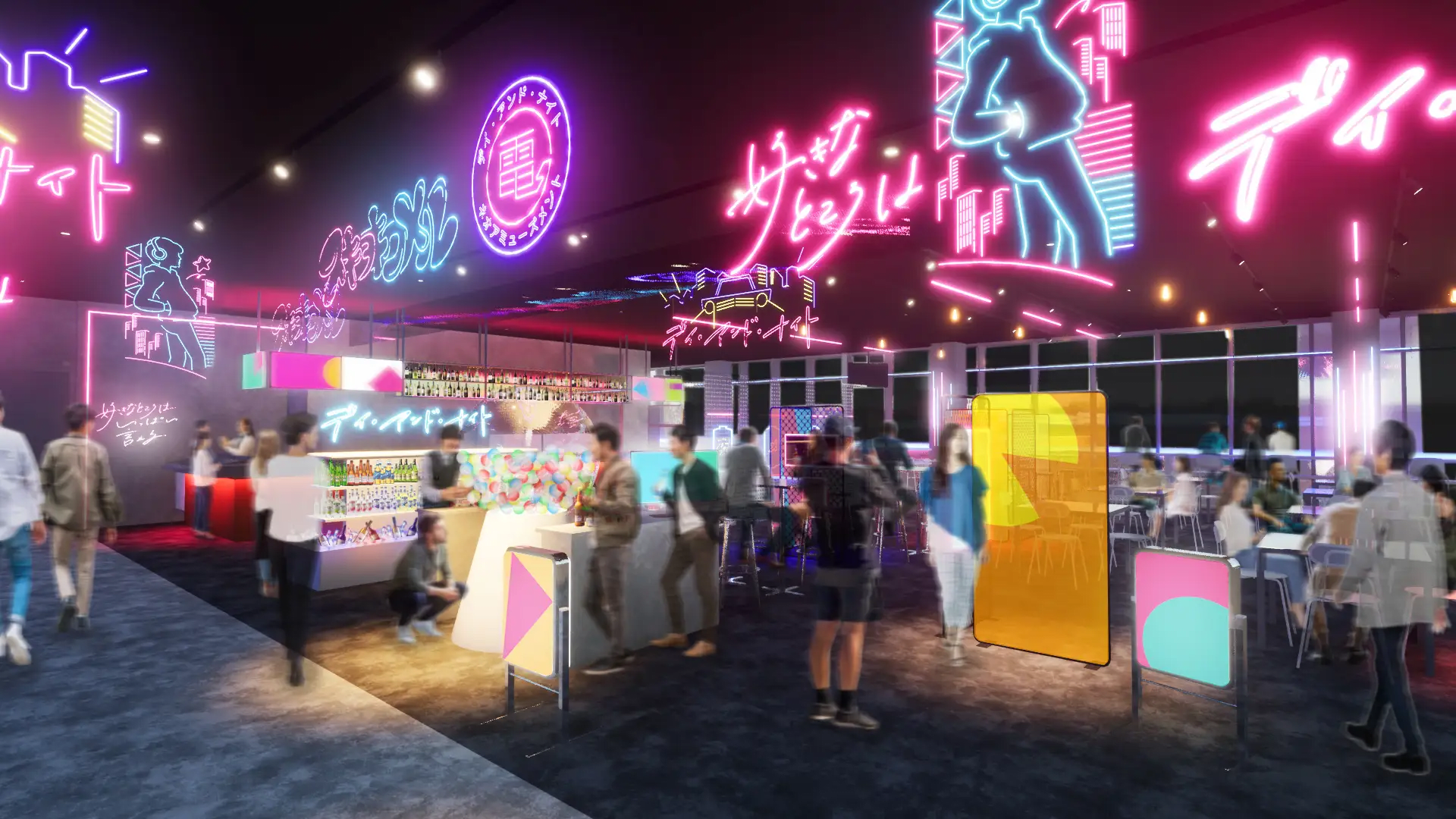
"namco Tokyo" is an entertainment facility based on the concept of "eat, drink, and play." The interior, glittering with neon lights reminiscent of Kabukicho, is designed with a "Neo-Tokyo" image, offering an urban atmosphere that sets it apart from typical game centers—a true highlight of the neighborhood.
My recommended area is "MUSIC & PLAY LOUNGE ASOBINOTE," where you can enjoy music, drinks, and food. Over 100 varieties of drinks and snacks are available, and you can take them to other areas within the facility. With events like AI DJ performances, you can experience cutting-edge entertainment.
<Information>
Access: 1-minute walk from "Seibu-Shinjuku Station" on the Seibu Shinjuku Line
Hours: Monday–Thursday 11:00–23:00 / Friday–Sunday & Holidays 11:00–1:00 (next day)
Closed: None
Phone: 03-6302-1311
Official website: https://bandainamco-am.co.jp/en/namco_tokyo/
Godzilla Head
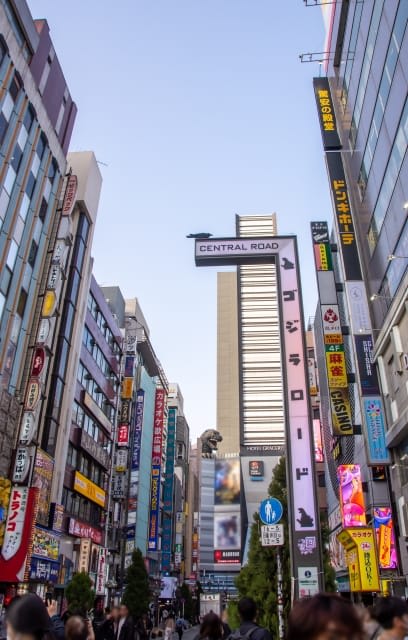
Perched on the 8th-floor terrace of the Toho Shinjuku Building, the iconic Godzilla Head has become one of Kabukicho's most recognizable landmarks. Built in 2015 to mark Godzilla's 60th anniversary, the 12-meter statue sits 40 meters above street level — giving the unmistakable impression that the monster is looming over the city below.
Godzilla itself is the legendary kaiju from Toho's long-running film franchise, which debuted in 1954 and has since grown to 30 installments. Across the series, the monster shifts between villain and unlikely hero, but always leaves an impression of raw, unstoppable power.
That same energy comes through in person. Standing beneath the statue, you get an eerie sense that it's watching you — and every hour between 12 PM and 8 PM, the illusion intensifies: Godzilla's roar, complete with the sounds of crumbling buildings and thundering footsteps, echoes across Kabukicho. It's an experience that stops even the most seasoned traveler in their tracks.
Hanazono Shrine
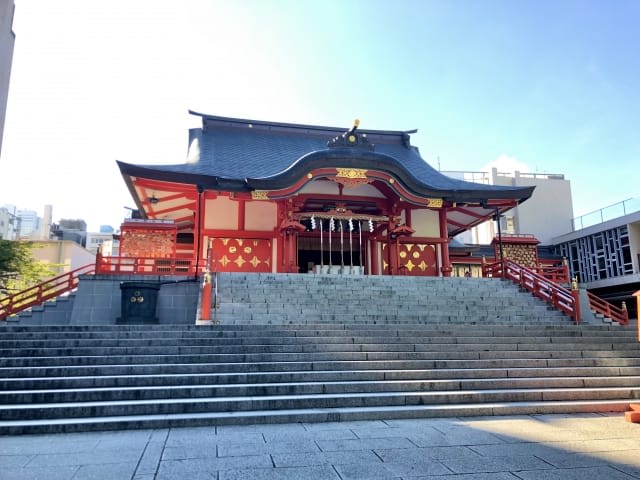
Tucked behind the high-rises lining Yasukuni Dori, Hanazono Shrine has served as Shinjuku's guardian shrine since at least 1590 — predating the Edo period (1603–1868) itself, making it one of the oldest surviving landmarks in what is now one of Tokyo's busiest districts. Its name, meaning "flower garden," traces back to the wildflower-covered grounds it was relocated to in the early 1600s, land that had once belonged to the Owari Tokugawa clan — one of the most powerful feudal families of the era.
The shrine follows the Shinto tradition — Japan's indigenous religion centered on nature and ancestral spirits — and is dedicated to Inari, the deity of business success and fertility. It draws a steady stream of merchants, entrepreneurs, and performers seeking good fortune.
Within the grounds, the Geino Asama Shrine (geino meaning "the performing arts") is particularly well-known among actors and musicians who come to pray before important performances — a tradition that speaks to the area's long ties with entertainment culture.
What makes Hanazono worth a stop isn't just its history — it's the contrast. Step through the torii gate (the iconic vermilion archway that marks the entrance to a Shinto shrine) and the noise of Kabukicho — Shinjuku's sprawling nightlife and entertainment district — fades almost immediately.
The compact grounds include a photogenic row of small red torii gates leading to the Itoku Inari sub-shrine, and on most Sundays, an antique market fills the space with vendors and local regulars. For a free, unhurried break in the middle of Shinjuku sightseeing, it's hard to beat.
<Information>
Access: 5-17-3 Shinjuku, Shinjuku-ku, Tokyo. 1-minute walk from Shinjuku-Sanchome Station (Exit E2)
Hours: 24 hours (grounds). Shrine office hours: 9:00–20:00
*Amulets, charms, and other items are available only during shrine office hours.
Closed: Never
Phone: 03-3209-5265
Official website: http://hanazono-jinja.or.jp
SAMURAI & NINJA MUSEUM with EXPERIENCE SHINJUKU
Source:Official website
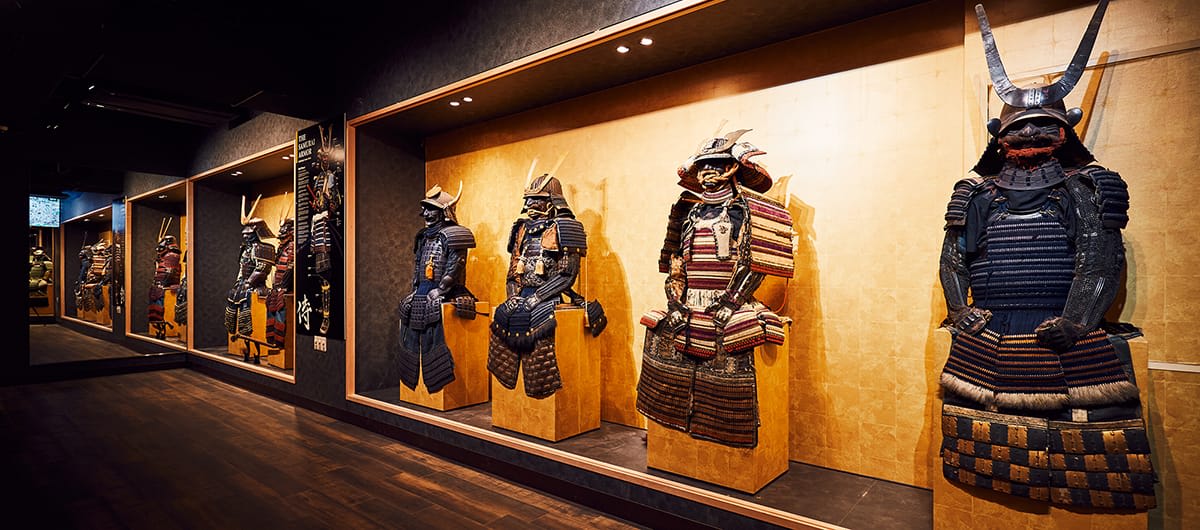
Opened on December 20, 2025, right next to Hanazono Shrine, SAMURAI & NINJA MUSEUM with EXPERIENCE SHINJUKU is the area's newest cultural attraction — and one that pairs naturally with a visit to the shrine itself.
The museum covers the history of samurai and ninja from the Heian period (794–1185) through to the fall of the Tokugawa shogunate — Japan's last feudal military government, which ruled until 1868 — with a collection of authentic armor and weapons that visitors can get up close to, rather than view from behind glass.
Where samurai were the ruling warrior class who fought openly on the battlefield, ninja were covert agents and spies who operated in the shadows, carrying out espionage and surprise attacks that were considered beneath the honor of the samurai.
The museum treats both traditions with equal depth, and the contrast between the two makes for a more layered experience than a straight samurai exhibit alone.
The experience leans decidedly hands-on. Guided tours run every 15 minutes in English, live sword and ninja performances take place throughout the day, and the basic ticket includes trying on samurai armor and shuriken (ninja throwing star) practice.
Those who want to go further can upgrade to a ninja training course — covering stealth movement, sword-dodging, and blowgun use — or opt for a private swordsmanship lesson, the kind of activities that are hard to find this accessible anywhere else in central Tokyo.
Its location beside Hanazono Shrine makes for an easy half-day combination: the quiet of the shrine grounds followed by something considerably more action-packed just steps away. Popular time slots sell out quickly, so advance booking is recommended.
<Information>
Access: Oriental Wave Building (1F/2F/4F), 5-17-13 Shinjuku, Shinjuku-ku, Tokyo 160-0022 (Next to Hanazono Shrine)
-2-minute walk from Shinjuku-Sanchome Station
-7-minute walk from Shinjuku Station (East Exit)
Hours: 9:00AM - 7:00PM
Closed: —
Phone: 03-6273-8550
Official website: https://mai-ko.com/samurai/
Ninja Trick House in Tokyo
Source:Tripadvisor
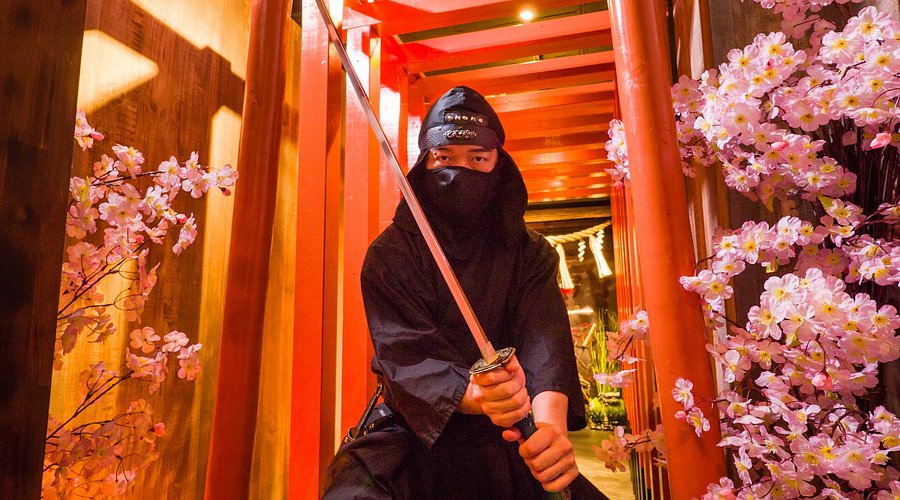
"Ninja Trick House Tokyo" is an interactive attraction where you can experience being a ninja right in the heart of Kabukicho. As you climb the stairs of the hideaway-like building, you'll find red torii gates that give you an enchanting feeling of traveling back in time to old Japan.
During the approximately 40-minute experience tour, an English-speaking guide will teach you ninja manners and secrets. A highlight is being able to actually move your body and have fun with activities like throwing shuriken and practicing swordsmanship with replica swords. Enjoy photo sessions with costumes and props as well.
Since you can enjoy everything within an hour, it's also great for filling a bit of spare time on your neighborhood exploration.
<Information>
Access: 5-minute walk from the North Exit of "Seibu-Shinjuku Station" on the Seibu Shinjuku Line
Hours: 10:00–17:00 (last admission 16:00)
Closed: Tuesdays & Wednesdays
Phone: 03-6457-3337
Official website: https://ninja-trick-house.com/en/
Bar Hopping
Shinjuku Kabuki Hall (Kabuki Tower 2F)
Source:Official website
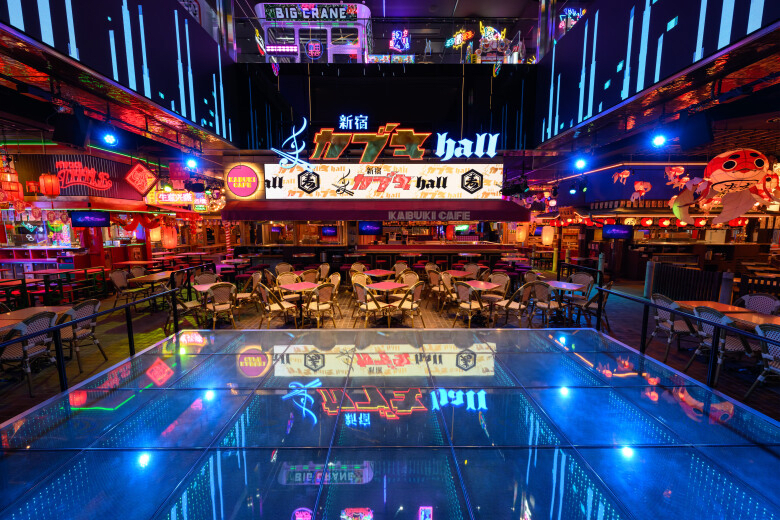
"Shinjuku Kabuki Hall," glittering with neon signs, is a dining facility where you can taste soul food and local sake from all over Japan. Open nearly 24 hours, this facility is designed with a Japanese festival image and is always brimming with energy whenever you visit.
Among the 10 restaurants, my recommendation is the Hokkaido shop where you can enjoy seafood rice bowls, miso ramen, pork rice bowls, and more. The wine and cheese platter from Hokkaido was also exquisite. The shop featuring Kinki region specialties like kushikatsu (Osaka) and obanzai (Kyoto) is also popular—a real neighborhood highlight.
You can also enjoy daily events on the stage!
<Information>
Access: 1-minute walk from "Seibu-Shinjuku Station" on the Seibu Shinjuku Line
Hours: 6:00–5:00 (next day)
Closed: None
Phone: Varies by shop
Official website: https://kabukihall.com/?lang=en
Golden Gai
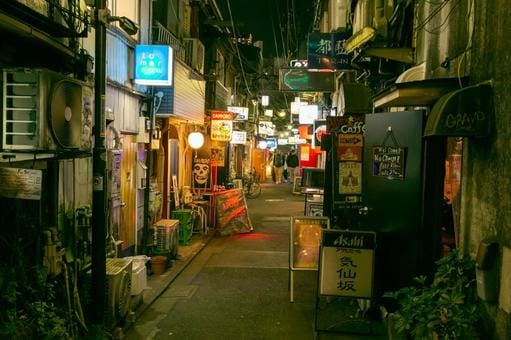
Golden Gai is a small drinking area located east of Kabukicho. The charm of this place is undoubtedly the unique landscape of small bars densely packed together.
However, many bars in Golden Gai don't welcome first-time visitors, so you need to check when entering. I recommend choosing bars with English signs that welcome foreign customers. Also, if you become friendly with locals, they might introduce you to hidden gems.
Related Article
・Golden Gai: A Complete Guide to Shinjuku's Hidden Bar Paradise for Foreign Visitors
Discover Shinjuku's Golden Gai, a historic district with over 200 tiny bars tucked in narrow alleys. This comprehensive guide by a Tokyo local reveals the best bars, essential etiquette, and insider tips for navigating this unique cultural treasure that once attracted Murakami and Kurosawa.
Kabukicho's Red Noren Alley
Source:Official website
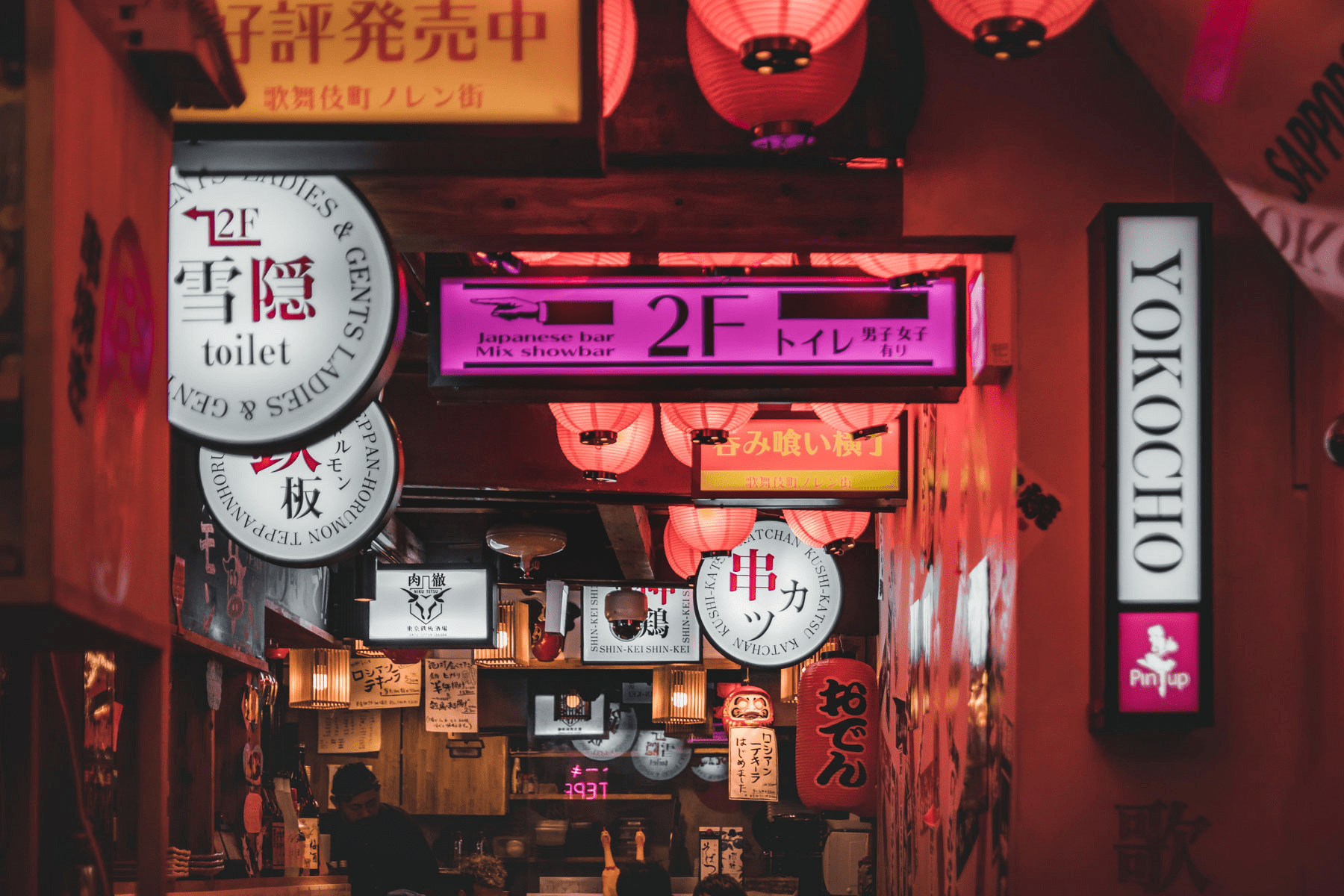
"Red Noren Alley" is one of my favorite spots. It's a retro dining street where you can enjoy the atmosphere of old Japan, offering a calm ambiance despite being in the bustling Kabukicho neighborhood. About 7 establishments line the narrow alley, with a diverse lineup where you can enjoy both food and drinks, including beef tongue cuisine, seafood izakaya, yakitori, kushikatsu, and bars.
My recommendation is "Gyutan Iroha," where you can savor thick-cut, juicy beef tongue. Please enjoy it with their signature salted lemon sour.
The old-fashioned yokocho lined with red lanterns offers a different taste of Shinjuku from the neon-lit main streets—use this kabukicho guide to map out your evening!
<Information>
Access: 5-minute walk from JR "Shinjuku Station" East Exit
Hours: Varies by shop
Closed: Varies by shop
Phone: Varies by shop
Official website: https://www.kabukicho-red-norengai.com/
Izakaya Gourmet
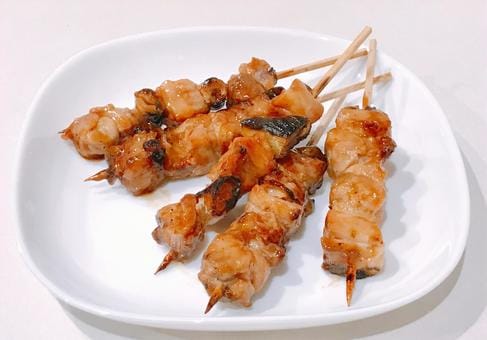
One of the charms of Kabukicho is the gathering of diverse restaurants. What I especially recommend are shops where you can experience Tokyo's izakaya culture. It's exceptional to enjoy Japanese food with sake or beer in hand. My favorites are fresh sashimi, yakitori, and seasonal tempura.
Also, late-night ramen is one of the delights of Kabukicho. Eating hot ramen as a finisher after drinking is part of Tokyo's night culture. I often stop by my regular ramen shop with friends after drinking. I want foreign visitors to experience this "finishing ramen" culture too.
Related Article
・12 Best Izakaya in Shinjuku: Locals Recommended Restaurants List 2026
Looking for authentic izakaya experiences in Shinjuku? Discover our curated 2026 guide featuring 12 local-favorite Japanese pubs across different Shinjuku areas. From fishing for your dinner to Kyoto-style cuisine and award-winning bar hopping tours, experience Tokyo's vibrant nightlife like a local!
・What is Izakaya Dishes? Shinjuku Izakaya Foods & Izakaya Guide 2026
Hakuri Tabai Hanbey
Source:Hot Pepper Gourmet
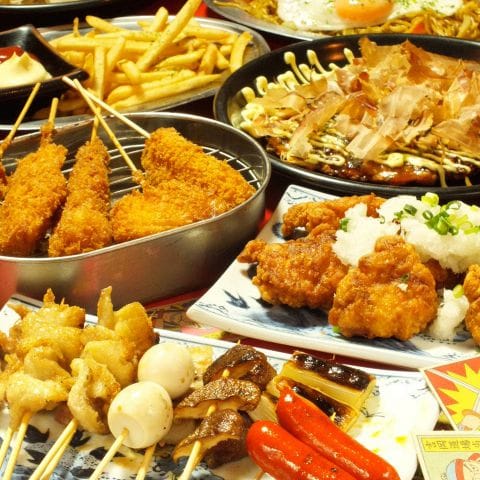
"Hakuri Tabai Hanbey" is a casual izakaya where I often stop by with friends. You can enjoy Japanese izakaya culture at surprisingly reasonable prices, with drinks starting from 80 yen and yakitori from 99 yen per skewer. The nostalgic atmosphere, designed to evoke old Tokyo, is also a highlight for me.
My top recommendations—daikon oden soaked in dashi broth (99 yen) and crispy ham cutlet (362 yen)—are must-try items. With a wide variety of drinks available, you're sure to find your favorite.
If you want to enjoy a local atmosphere at a casual and affordable izakaya in this neighborhood, definitely give it a try!
<Information>
Access: 3-minute walk from JR "Shinjuku Station" East Exit
Hours: 17:00–0:00
Closed: None
Phone: 03-6861-3555
Official website: https://hakuritabai-hanbey.com/en/
Warayakiya Shinjuku
Source:Tabelog
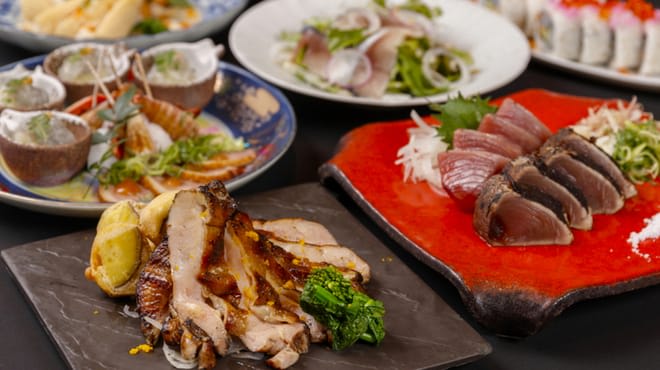
At "Warayakiya Shinjuku," you can enjoy local cuisine from the Tosa region of Kochi Prefecture prepared with "warayaki" (straw-grilling). "Warayaki" is a traditional cooking method from the Tosa region where bonito or meat is grilled over flames from burning straw.
By searing only the surface quickly, the umami of the ingredients is sealed in, leaving the inside with a moist texture. The fragrant aroma of the straw further enhances the deliciousness of the fish and meat.
My usual orders are the signature menu item "straw-grilled bonito with salt tataki" and straw-grilled local chicken and duck. They pair perfectly with the dry sake that the restaurant exclusively offers! Please enjoy them together—it's a true highlight of the Shinjuku neighborhood.
<Information>
Access: 5-minute walk from JR "Shinjuku Station" East Exit
Hours: Monday–Friday 17:00–23:00 / Saturday, Sunday & Holidays 15:00–23:00
Closed: None
Phone: 03-5362-3137
Official website: https://www.dd-holdings.jp/shops/warayakiya/shinjyuku
Shinjuku Kamiya
Source:Tripadvisor
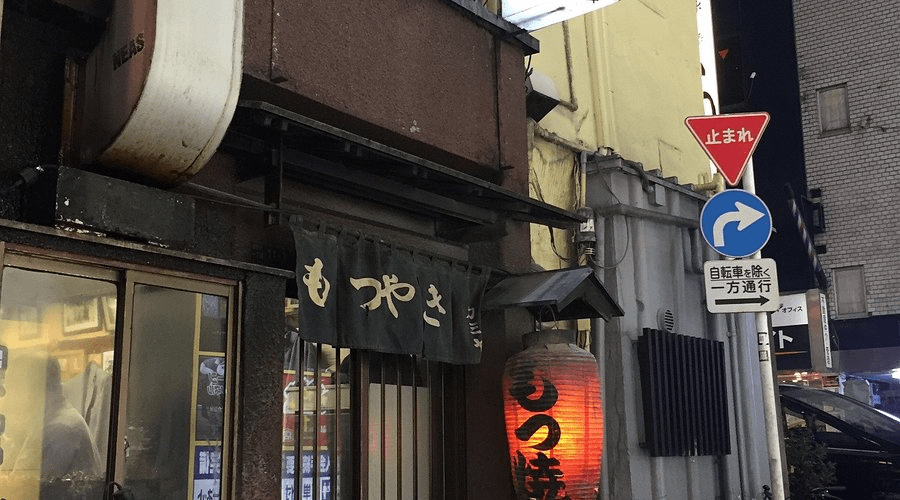
For an affordable casual izakaya experience, "Shinjuku Kamiya" is also recommended. Once you step inside, the savory smoky aroma will get you excited.
The restaurant's specialty, motsuyaki (grilled offal), is a popular menu item ordered by almost every customer. The pork offal, procured directly from the meat market every morning, is extremely fresh and pairs perfectly with cold beer. If it's your first time, the motsuyaki assortment set is recommended.
The side dishes are also excellent, and "plain-grilled liver" eaten with garlic and sesame oil is my favorite. If you want to experience the local vibe on your neighborhood map adventure, definitely check it out!
<Information>
Access: 5-minute walk from JR "Shinjuku Station" East Exit
Hours: Monday–Friday 17:00–0:00 / Saturday 17:00–23:00
Closed: Sundays & Holidays
Phone: 03-3200-9718
Official website: https://www.instagram.com/kamiya_shinjyuku/
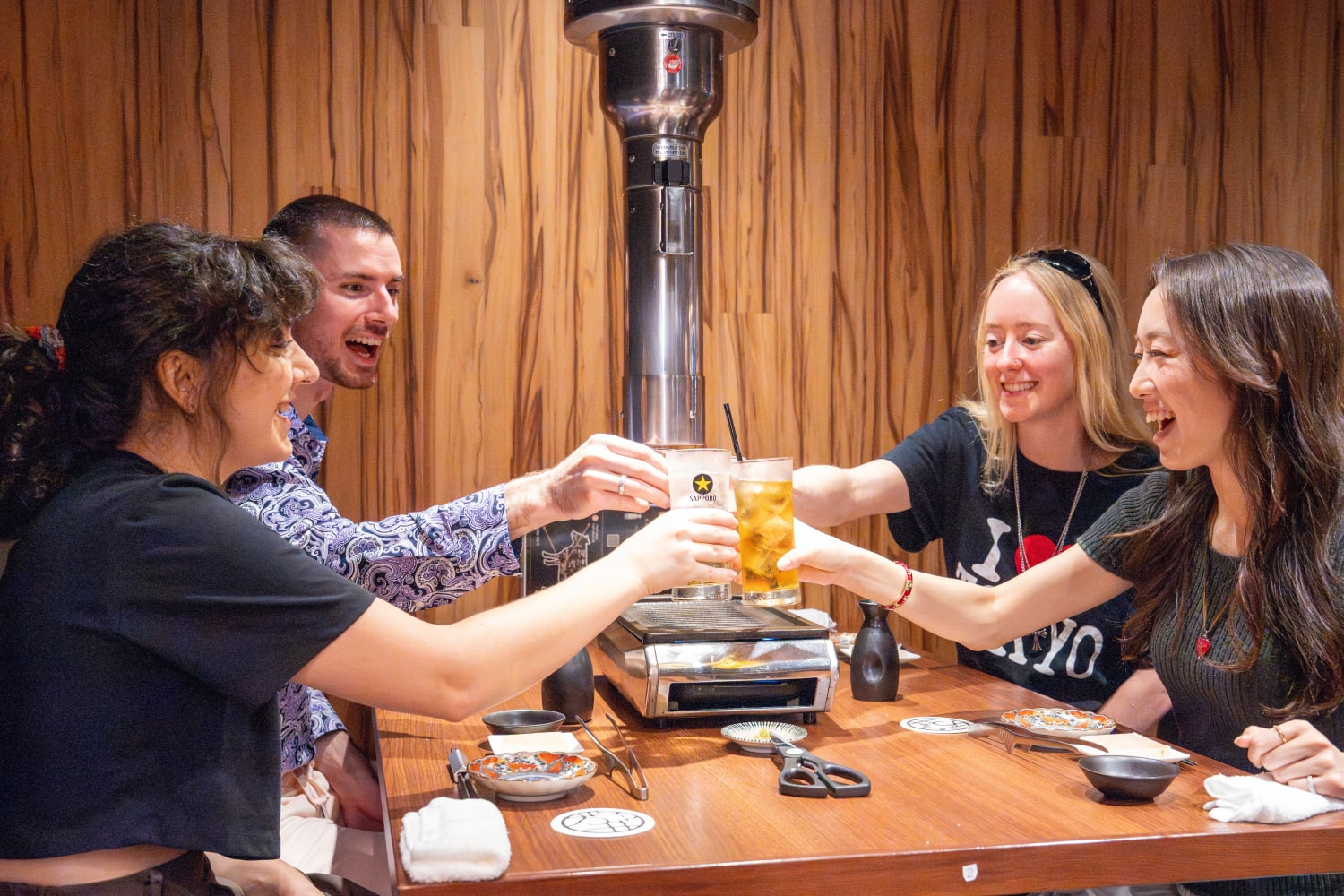
Shinjuku is a neighborhood filled with attractive restaurants, and you may find it difficult to choose where to eat. In such cases, why not join a guided tour? Enjoy authentic Japanese cuisine at restaurants carefully selected by local guides who know Shinjuku inside out. This is the highlight of exploring the area with a Kabukicho guide.
On this tour, you can savor both sushi and Yakiniku (Japanese BBQ), which are popular among foreign visitors. At the first stop, a sushi restaurant, please enjoy a special course featuring seasonal ingredients carefully selected by the chef.
After fully enjoying sushi, indulge in premium wagyu beef Yakiniku style. Feel free to ask your guide anything about delicious ways to eat it or tips for grilling it perfectly.
After your meal, take a stroll through the lively streets of Shinjuku and enjoy Japanese sweets for dessert. Use the neighborhood map to explore further highlights of the area.
<Information>
Meeting point: Uniqlo Shinjuku Nishiguchi Shop
Tour area: Shinjuku area
Start time: 17:00 / 18:00
Clubs and Bars
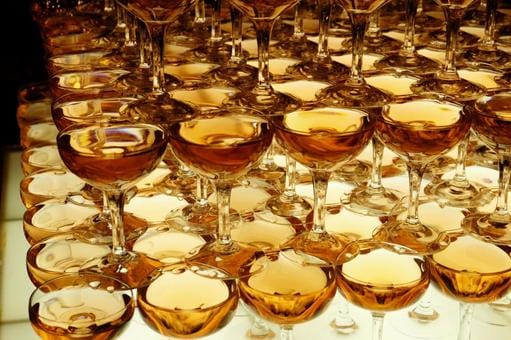
When it comes to nightlife in Kabukicho, you can't miss the clubs and bars. There are various types of establishments here, including clubs, host clubs, cabaret clubs, and girls' bars.
However, there's a high possibility of getting involved in trouble at these establishments, so caution is necessary. From my experience, it's important to act with trusted companions and be careful not to drink too much.
T2 SHINJUKU
Source:Official website
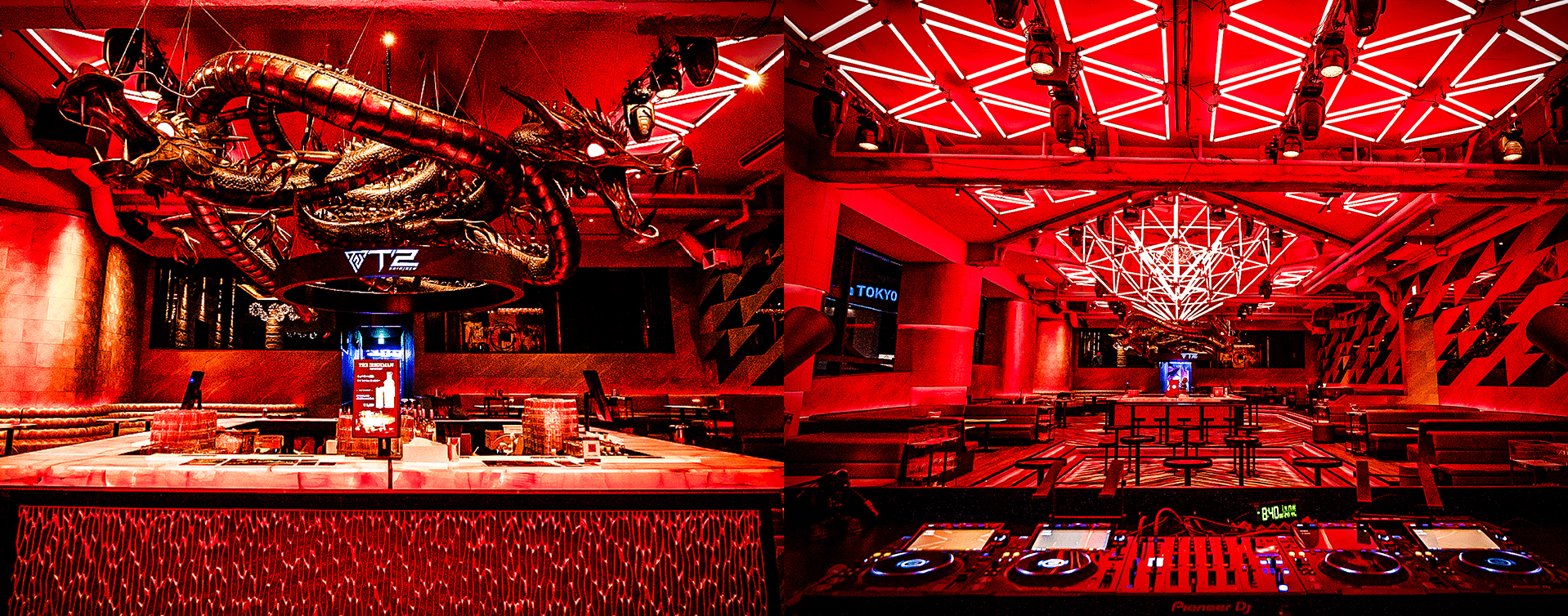
If you want to experience the quintessential Shinjuku nightlife, T2 SHINJUKU is a must-visit. This nightclub, one of the largest in Japan, can accommodate approximately 2,000 people on a single floor. The spacious venue with ceilings approximately 7 meters high offers an exceptional sense of openness.
Another attractive highlight is that you can enjoy various genres of music regardless of style, including R&B, hip-hop, and K-POP. With state-of-the-art sound equipment, you can experience an extraordinary immersive atmosphere.
From the bar counter to the private VIP rooms, every corner exudes a gorgeous and luxurious Tokyo-style ambiance. If you want to fully enjoy a hot night in Shinjuku, you absolutely must visit!
<Information>
Access: 3-minute walk from JR Shinjuku Station West Exit
Business hours: 22:00 - 4:30 (next day)
Closed: None
Phone number: 03-5497-8913
Official website: https://t2-shinjuku.com/
ZEROTOKYO (Tokyu Kabuki Tower)
Source:Official website
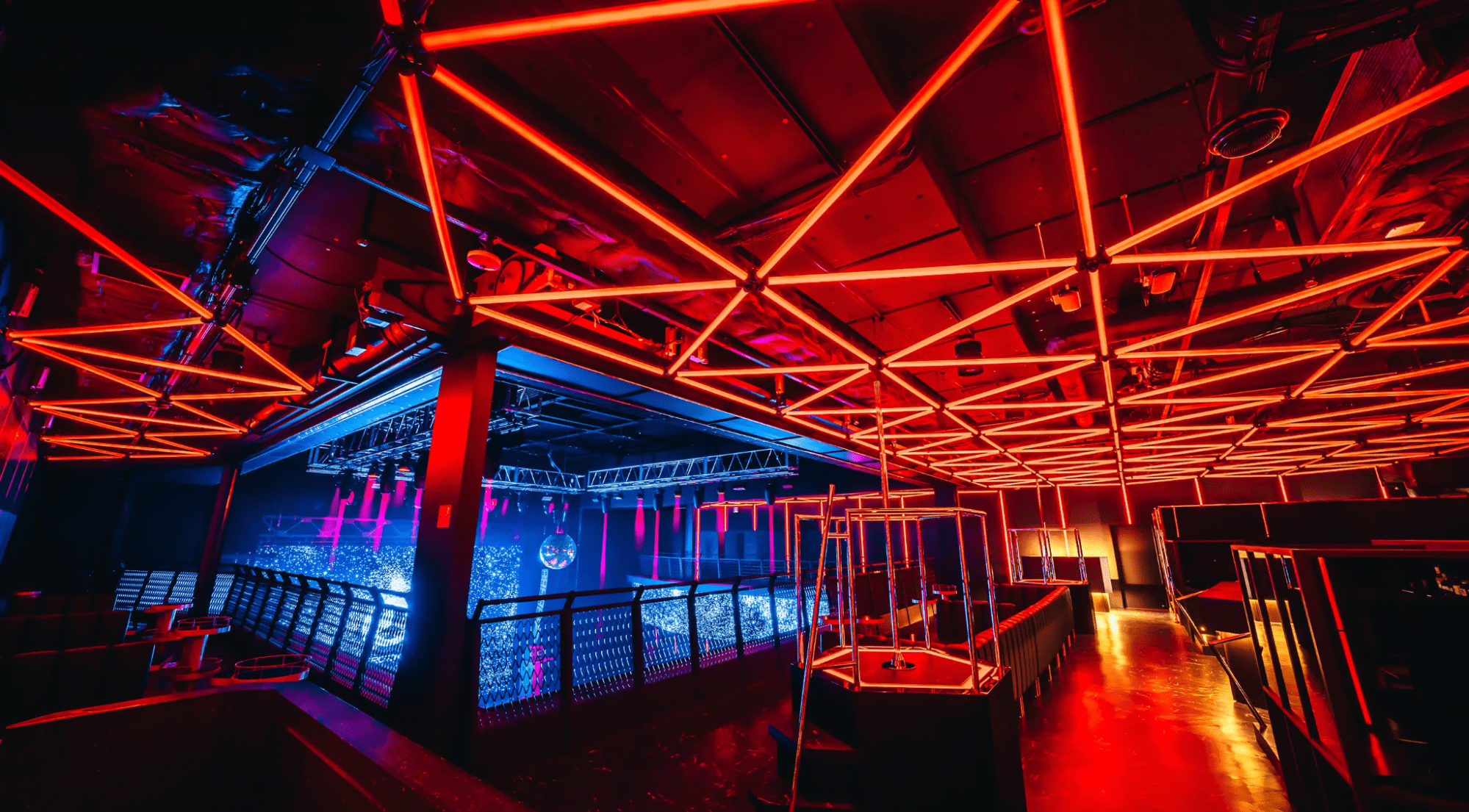
Alongside T2 SHINJUKU, ZEROTOKYO boasts one of the largest scales in Japan. Spanning from basement floor 1 to the 4th floor of Tokyu Kabuki Tower, it consists of 5 different areas where you can enjoy various genres of music including hip-hop, house, and techno.
Events featuring famous artists and DJs from Japan and abroad are frequently held here, guaranteeing you a special night that can only be experienced at this venue. The luxurious interior, including VIP rooms, is also an attractive highlight.
Enjoy the quintessential Shinjuku nightlife at ZEROTOKYO, which has become a new landmark in the Kabukicho neighborhood!
<Information>
Access: 1-minute walk from Seibu Shinjuku Station on the Seibu Shinjuku Line
Business hours: 23:00 - 4:30 (next day)
Closed: Mondays and Tuesdays
Phone number: None
Official website: https://zerotokyo.jp/en/
Karaoke (Pasela Shinjuku Honten)
Source:Official website
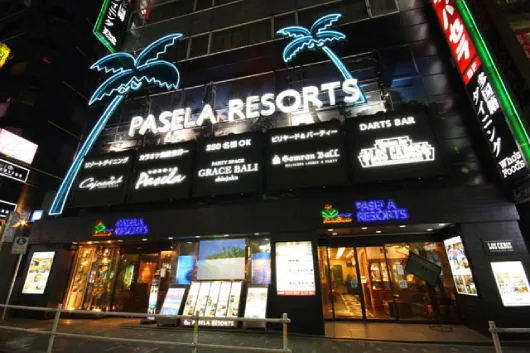
If you want to enjoy karaoke in Shinjuku, "PASELA Shinjuku Honten" is highly recommended. The luxurious private rooms, designed with a Southeast Asian resort image, offer a relaxing atmosphere in every room.
A highlight for me is the extensive authentic food menu. You can choose from a rich lineup including snacks like french fries, noodles like ramen and pasta, steaks, meat sushi, full-course Japanese cuisine, and Thai food. The signature menu item is "Hani-toh (Honey Toast)"—a whole loaf of bread baked and drizzled generously with honey.
If you want to enjoy delicious food while singing karaoke, definitely check it out!
<Information>
Access: 5-minute walk from JR "Shinjuku Station" East Exit
Hours: 24 hours
Closed: None
Phone: 0120-706-733
Official website: https://en.pasela.co.jp/shop/language/shinjuku/
24-Hour Shopping
Source: Google Map by Red October65
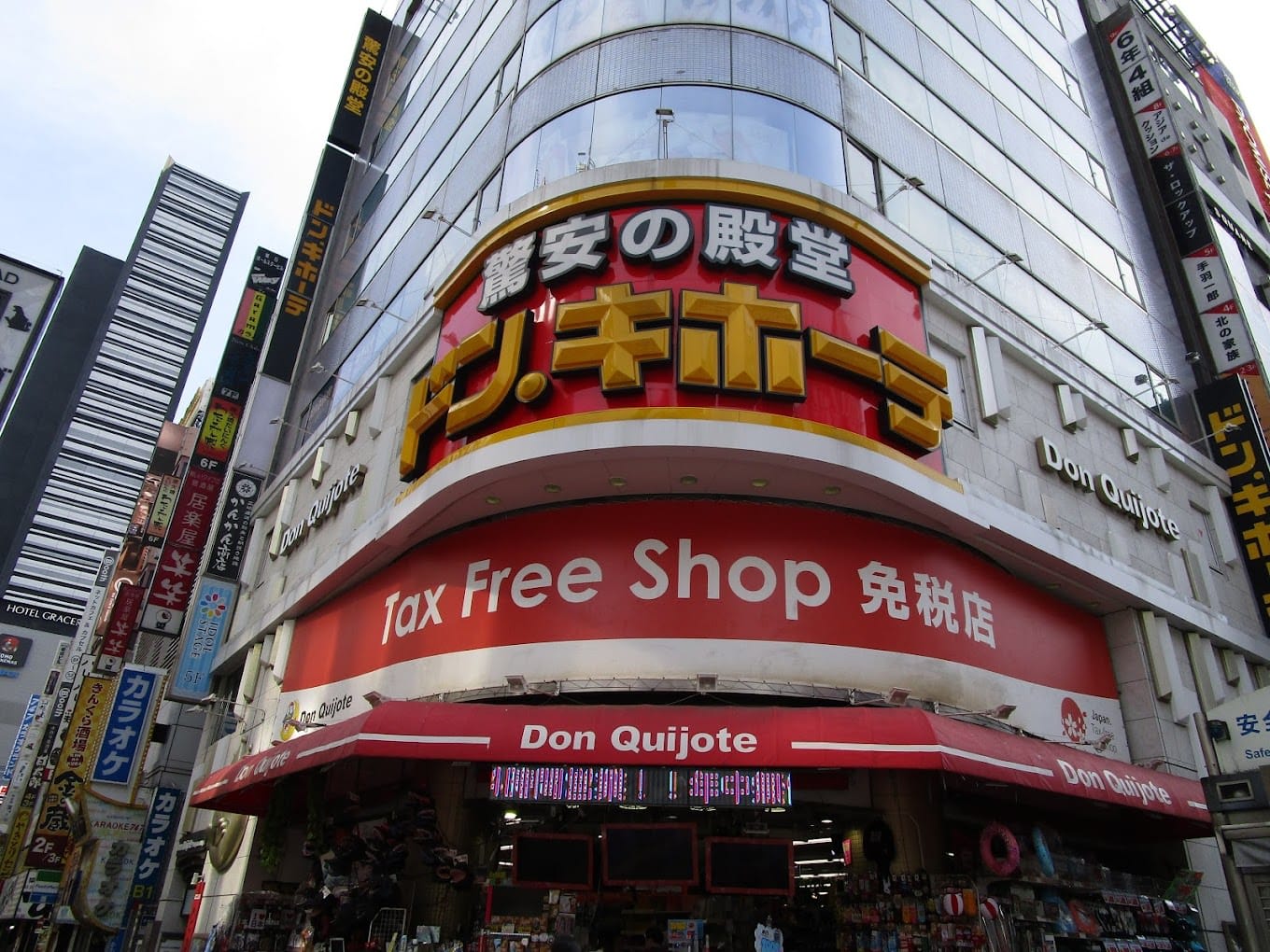
One of the charms of Kabukicho is the 24-hour shopping facilities. Especially, Don Quijote is a very popular spot among foreign tourists. I often go there to buy things I suddenly need in the middle of the night.
At Don Quijote, you can find a wide range of products at low prices, from cosmetics and daily necessities to food and home appliances. Particularly, they have a rich selection of unique Japanese products and items perfect for souvenirs.
My recommendations are Japanese snacks, condiments, and beauty products. These are uniquely Japanese products that are hard to find overseas, and I think they would be appreciated as souvenirs for friends and family.
Website: https://www.donki.com/store/shop_detail.php?shop_id=29
What are "Cabaret Clubs and Host Clubs" in Kabukicho?
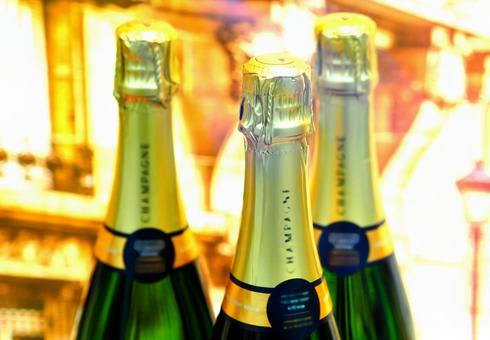
When talking about Kabukicho, we can't ignore the existence of "cabaret clubs" and "host clubs." These establishments represent the nighttime culture of Kabukicho and are places where you can experience Japan's unique customer service culture.
Cabaret clubs are short for "cabaret clubs," where female staff provide service. On the other hand, host clubs have male staff providing service. Both are known as places to enjoy conversations and games while drinking.
In these establishments, you can enjoy a different experience from regular restaurants, such as enjoying conversation with staff or getting excited with karaoke.
Can Tourists Enjoy Cabaret Clubs and Host Clubs?
To be honest, these establishments have a high hurdle for tourists. The fee system is complicated, and it can become more expensive than expected. Also, communication is mainly in Japanese, so the language barrier is significant.
Therefore, while cabaret clubs and host clubs are famous in Kabukicho, I find it difficult to recommend them to tourists. If you're interested, I recommend visiting with a Japanese acquaintance, with sufficient preparation and understanding.
Next, let's look at the characteristics of cabaret clubs and host clubs in a bit more detail.
Characteristics of Cabaret Clubs
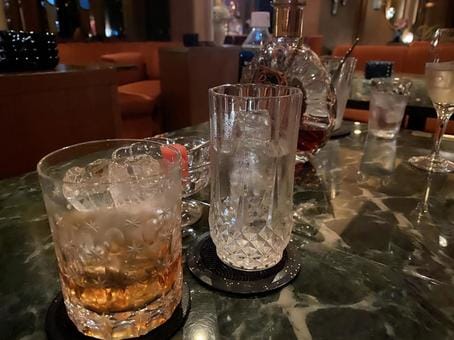
In cabaret clubs, female staff in glamorous costumes provide service. Table charges and drink prices are often expensive, and a time-based fee system is common.
The charm of cabaret clubs is that you can enjoy conversations and karaoke with beautiful women. However, don't forget that it's still a service industry. Among my friends, some have had painful experiences by confusing reality and fantasy.
Related Article
・Shinjuku Cabaret Clubs: Unveiling Tokyo's Vivid Nightlife Experience
Curious about Tokyo's unique cabaret clubs? Our comprehensive guide explores Shinjuku's kyabakura scene, explaining this distinctly Japanese nightlife experience where hostesses provide conversation and drinks in glamorous settings. Learn about pricing, etiquette, and common misconceptions before experiencing this fascinating aspect of Tokyo's nightlife.
Characteristics of Host Clubs

Host clubs are establishments where male staff in suits provide service. Some of my female friends used to frequent host clubs, and they described the appeal as "a special experience that can't be tasted in everyday life."
A feature of host clubs is the nomination system. You can talk with your favorite host. Also, flashy performances like champagne towers are popular. In Kabukicho, there are many large establishments where famous hosts work.
I understand. I'll continue with the translation of the article, maintaining the requested style and format.
Guided Night Tours to Enjoy Kabukicho
For those who want to experience the charm of Kabukicho safely and deeply, I recommend guided night tours. Here, I'll introduce two attractive tours to enjoy the night in Shinjuku, including Kabukicho.
Experience Kabukicho's Food Culture: Magical Trip's "Tokyo Bar Hopping Night Tour in Shinjuku"
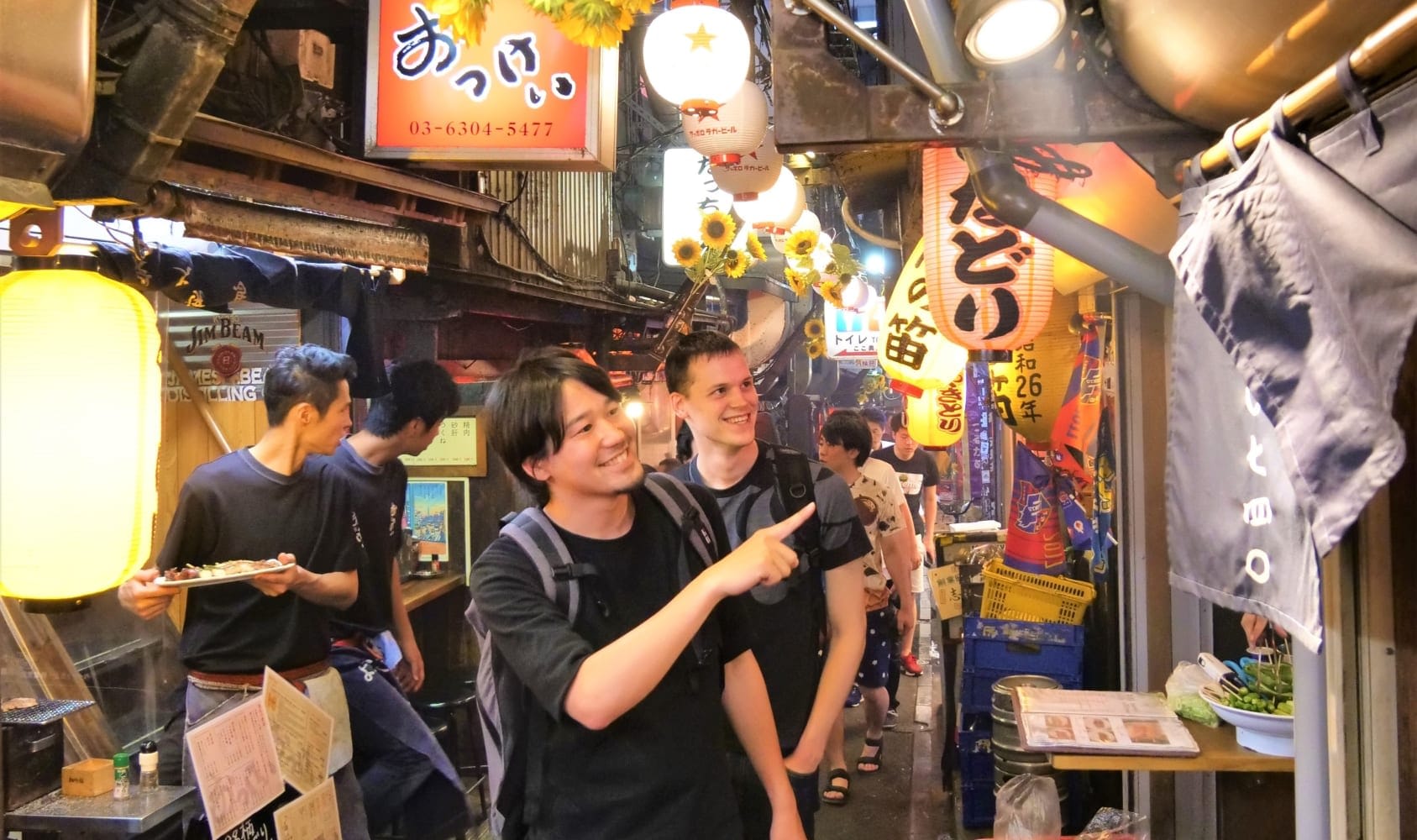
For those who want to experience the food and drink culture of Kabukicho, the "Tokyo Bar Hopping Night Tour in Shinjuku" offered by us at Magical Trip is perfect. This tour takes you to hidden gems in and around Kabukicho over 3.5 hours.
With a local guide, you'll visit three bars and deeply experience the unique izakaya culture of Kabukicho. You can enjoy standard menu items like yakitori, gyoza, and fried tofu, as well as sake and beer. It's an all-in-one package, so you don't need to worry about food and drinks.
Moreover, a big advantage of this tour is that you can safely enjoy Kabukicho at night. Since it's a guided tour, even first-timers can enjoy the night in Kabukicho with peace of mind.
I recommend this tour for those interested in Japanese drinking culture and those who want to enjoy delicious food and drinks.
Click here for more details: Tokyo Bar Hopping Night Tour in Shinjuku
Related Article
・3 Reasons Why MagicalTrip's Tokyo Bar Hopping Night Tour is Popular!
Learn why MagicalTrip's Shinjuku Bar Hopping Tour earned Tripadvisor's "Best of the Best" 2024 award. Follow local guides to hidden izakayas, experience authentic Japanese drinking culture, and enjoy delicious food in Tokyo's vibrant nightlife district.
Immerse in the Atmosphere of Kabukicho: Tokyo Localized's "Shinjuku Night Free Walking Tour"
Source: Tokyo Localized
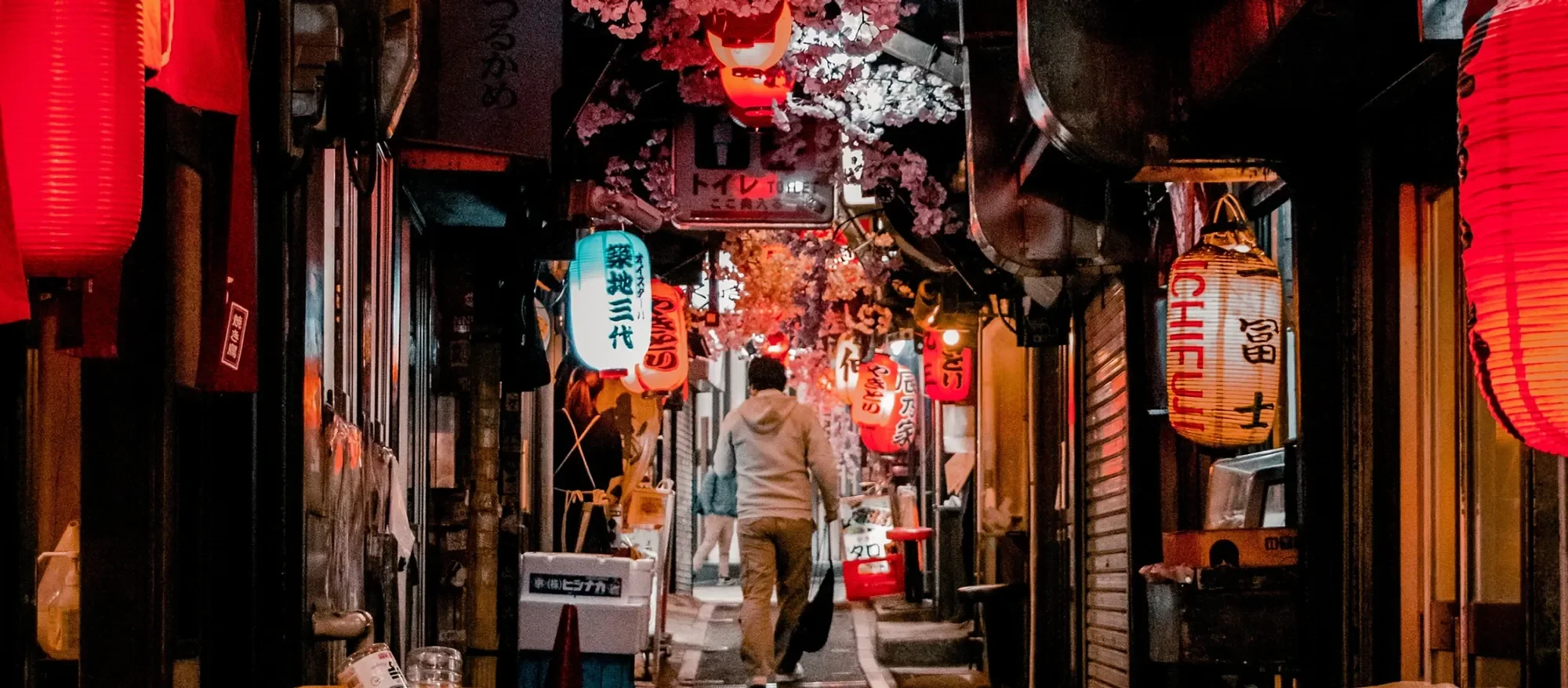
For those who want to thoroughly enjoy the streetscape and atmosphere of Kabukicho, I recommend the "Shinjuku Night Free Walking Tour" offered by Tokyo Localized. This 2-hour walking tour takes you to the main spots of Kabukicho with an English-speaking guide.
The tour visits Godzilla Road, famous signboards, and iconic buildings of Kabukicho. The guide provides detailed explanations about the history, culture, and current state of Kabukicho, allowing you to deepen your understanding of this area.
It's tip-based, so you can participate without worrying about your budget. After the tour, you have free time in Golden Gai, so you can enjoy the atmosphere of Shinjuku's night at your own pace.
Click here for more details: Shinjuku Night Free Walking Tour
Nightlife Spots in Shinjuku to Visit Along with Kabukicho
After fully enjoying the charm of Kabukicho, why not visit other nightlife spots in Shinjuku? When I guide friends or visitors from overseas, I often combine visits to the spots below. Each has a unique atmosphere, and I'm sure you'll be able to experience the diverse faces of Shinjuku.
Omoide Yokocho
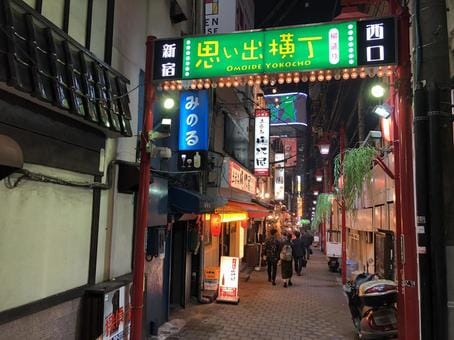
Omoide Yokocho is a retro-atmosphere food street near the west exit of Shinjuku Station. The sight of small izakayas and yakitori shops lined up gives you a feeling of traveling back in time.
This is a popular bar-hopping spot for tourists and has a down-to-earth atmosphere. The numerous shops crowded in narrow alleys evoke Tokyo's Showa era.
I recommend enjoying fresh sashimi or yakitori at a standing-style izakaya. The experience of drinking beer or sake shoulder to shoulder with locals will surely become an unforgettable memory.
Website: https://shinjuku-omoide.com/
Related Article
・Omoide Yokocho aka Piss Alley: A Nostalgic Journey Through Tokyo's Hidden Gourmet Alley w/map
Discover Omoide Yokocho, a nostalgic alley just one minute from Shinjuku Station. This retro drinking district offers affordable authentic Japanese cuisine in a charming old Tokyo atmosphere. Enjoy yakitori, motsuyaki and eel at small traditional shops while experiencing a piece of post-war history that locals love.
Ryu no Miyako Inshokugai
Source:Official website
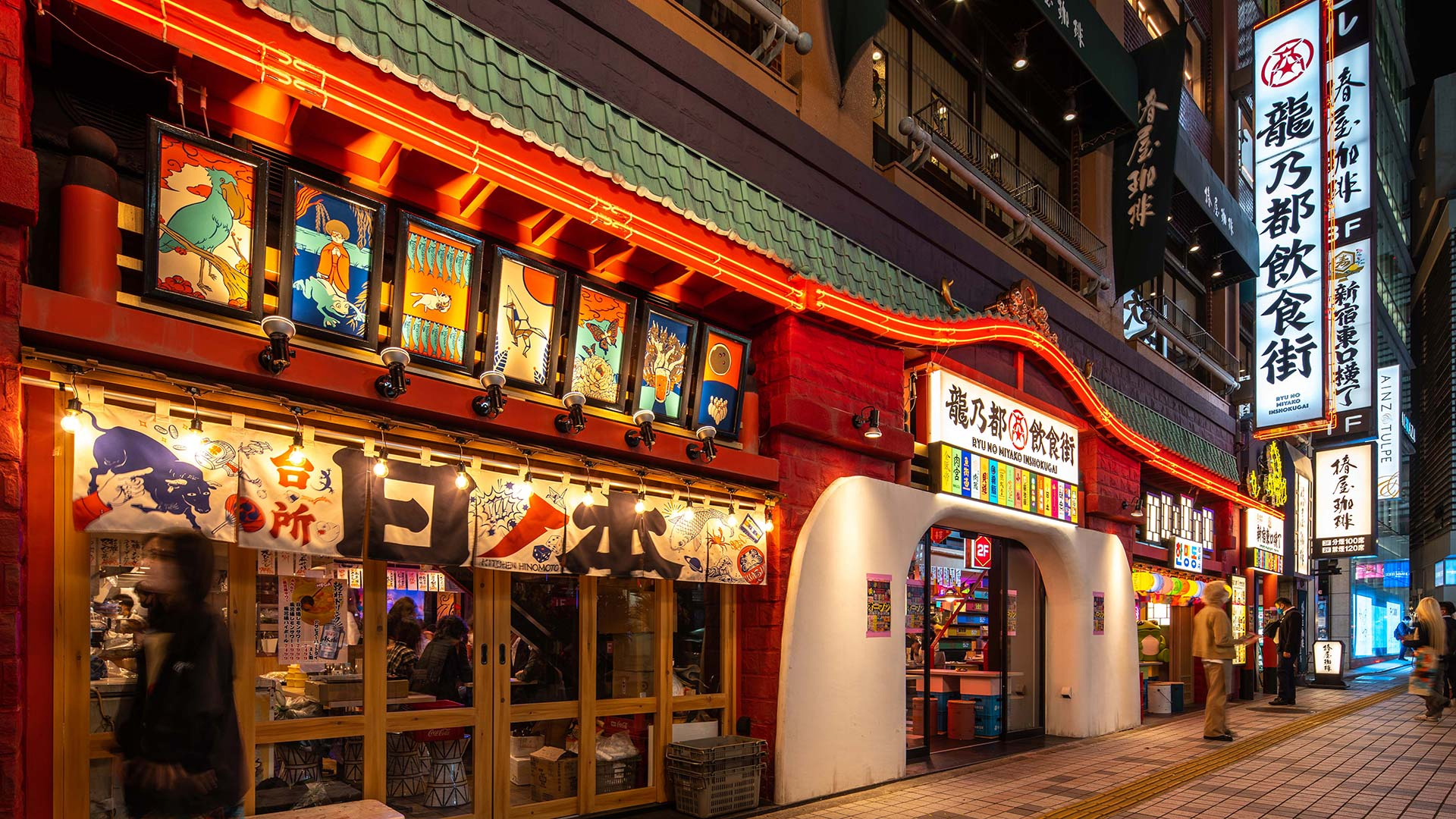
Ryu no Miyako Inshokugai is a dining district inspired by Asian street food stalls and theme parks. You can enjoy various Asian cuisines and drinks from countries such as Japan, Korea, and Thailand. Every corner of this insta-worthy space allows you to fully immerse yourself in a unique atmosphere that can only be experienced here. This is a highlight for any Kabukicho guide tour.
DJ events combining music and visuals are also held here, making it attractive for its high entertainment value beyond just dining.
The 1st and 2nd floors are open 24 hours. My favorite point is that no matter when you visit, the moment you step inside, you can feel the distinctive atmosphere of Shinjuku and the Kabukicho neighborhood. Check the map to find this spot easily.
<Information>
Access: 2-minute walk from JR Shinjuku Station East Exit
Business hours: 1F & 2F open 24 hours / Basement 12:00 - 8:00 (next day)
Closed: None
Phone number: 03-6380-0556 (main)
Official website: https://ryunomiyako.com/
Shinjuku Ni-chome

Shinjuku Ni-chome is known as Japan's largest LGBTQ+ friendly area. This area, where over 300 gay bars and clubs are concentrated, is within walking distance from Kabukicho and forms its own unique culture.
Although I'm heterosexual, I have visited with LGBTQ+ friends and was impressed by its open and diverse atmosphere.
The charm of Shinjuku Ni-chome lies in its diversity and inclusivity. Unique events like drag queen shows are frequently held. The drag show I saw was overwhelming in its glamour and artistry. One characteristic of this area is its open atmosphere that can be enjoyed by people outside the LGBTQ community as well.
However, when visiting, it's important to observe manners. Especially, try to refrain from taking photos. I always try to respect the lives and culture of minority groups.
Related Article
・Shinjuku 2-chome: Your Complete Guide to Tokyo's Largest Gay Town and LGBTQ+ Hub w/map
Explore Tokyo's vibrant Shinjuku 2-chome, Japan's largest LGBTQ+ hub, in our comprehensive guide. Discover 300+ bars and clubs, get insider tips from a local perspective, and learn how to experience this unique neighborhood that celebrates diversity and self-expression in the heart of Tokyo.
Tips for Visiting These Spots
By visiting these spots along with Kabukicho, you can experience the diverse faces of Shinjuku.
I recommend starting the night in Kabukicho, then enjoying the down-to-earth atmosphere of Golden Gai or Omoide Yokocho. If you have time and energy to spare, finishing the nightlife in Shinjuku Ni-chome is also a good idea.
However, as many of these places have relatively small shops, it's important to observe manners and respect the local culture. Also, if you're drinking, don't forget to check the last train times or your accommodation. It's also reassuring to consider using taxis.
The charm of Shinjuku's nightlife is its atmosphere full of diversity and energy. By enjoying moderately while being mindful of safety, you can create unforgettable memories of Tokyo's night.
Things to be Careful About in Kabukicho
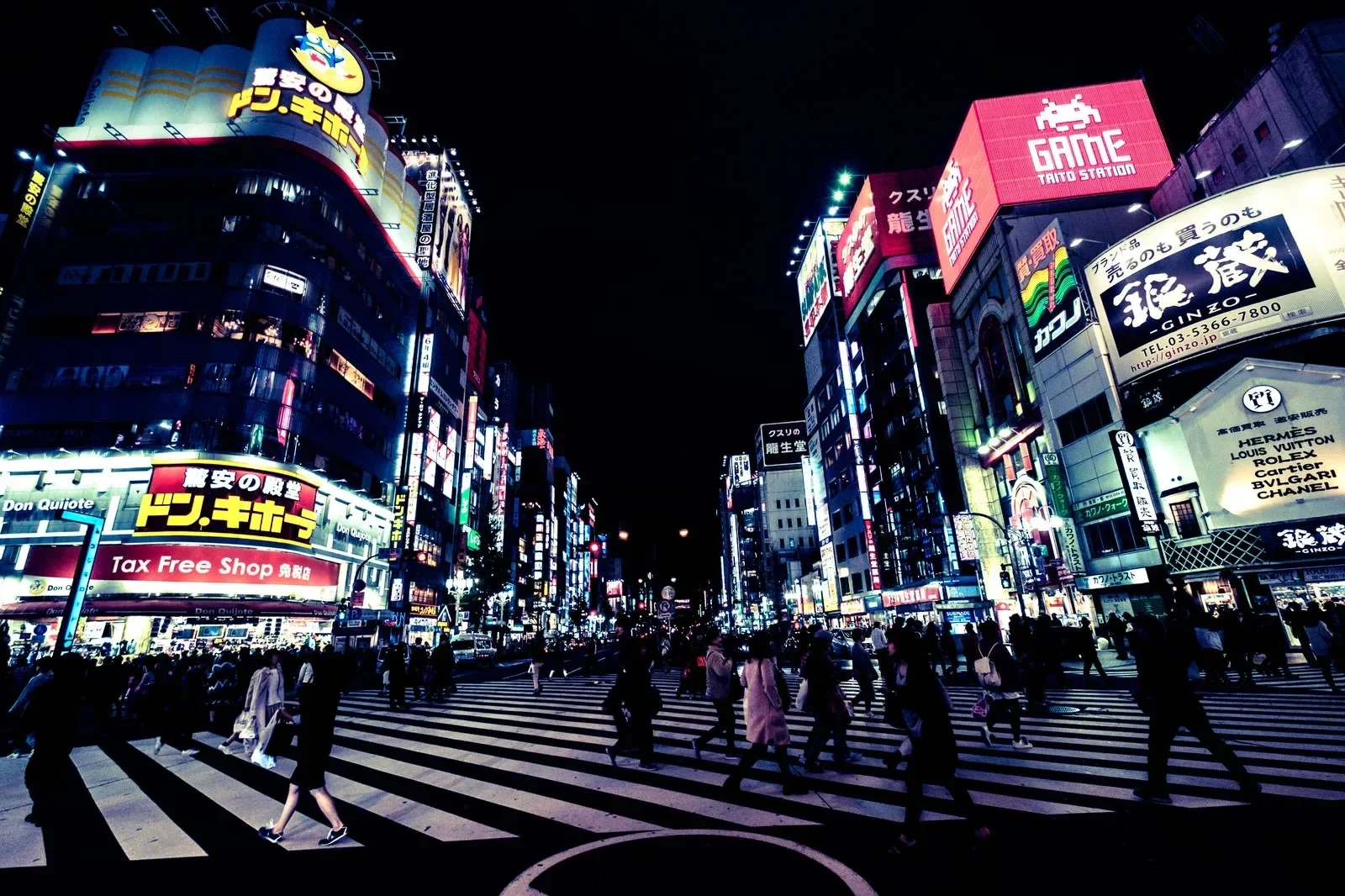
Kabukicho is an attractive place, but at the same time, it's an area that requires caution. From my own experiences of almost getting into dangerous situations several times, I consider the following points particularly important.
Don't Follow Touts / Prevention of Rip-offs
The most important thing to be careful about in Kabukicho is not to follow touts. As you walk down the street, you might hear people saying, "Hey bro, I know a good place" or "There's a cheap and fun place." One of my friends once followed such a tout and was charged an exorbitant fee.
There are clear rip-offs, but there are also many shops that provide low-quality services at slightly higher prices, what you might call "mini rip-offs." To avoid these, I recommend checking reviews on Google Maps before entering a shop.
Be especially wary of offers that sound too good to be true, like "All-you-can-drink for 2,000 yen per hour." In my experience, such shops almost always have some kind of trap.
More Detailed Information About "prevention of rip-off scam"
・How to Avoid Rip-off Scam? 5 Tips for Preventing Troubles
Leave Immediately if You Feel the Shop is Suspicious
If you enter a shop and feel that the atmosphere is somehow suspicious, I recommend leaving immediately. Be especially careful of shops in multi-tenant buildings that are on higher floors and have few customers.
Once, when I went to a shop with a friend, we were about to be charged a fee that wasn't written on the menu. At that time, we clearly refused and left the shop immediately. It's important to firmly refuse even if the staff strongly tries to stop you.
Don't Make a Fuss on the Street or Provoke Others
In Kabukicho, you should absolutely avoid making a fuss on the street or behaving in a way that provokes others. Such behavior often leads to fights.
I have an acquaintance who, in a drunken state, provoked a passerby and was almost attacked by a group. Even if the other party seems to be just a few people, accomplices can appear from nowhere and attack you as a group.
Don't Get Too Close to Shokuan Street or the Area Near Okubo Park
As I mentioned earlier, Shokuan Street and the area near Okubo Park require special caution. This area is currently facing issues of deteriorating public safety.
You might see people who seem to be on drugs, but Japan has very strict laws against drugs. Be careful not to get involved accidentally, as you might get caught up in unnecessary police trouble.
There are also people engaging in prostitution, but you should absolutely not engage with them. Besides the risk of diseases, there's also a possibility of getting into trouble by being demanded exorbitant amounts of money.
If you follow these precautions, you should be able to make your experience in Kabukicho safer and more enjoyable. In the next chapter, I'll explain in detail how to access Kabukicho.
If you want to avoid danger and enjoy Kabukicho safely, see also below. You can also let Magical Trip's local guides show you around Kabukicho and enjoy some of the best restaurants in Kabukicho that the locals love.
More Detailed Information About "Okubo park"
・Shinjuku Okubo Park: Must-see Spots,Event Schedule, and Access Guide 2026
Tips for Visiting These Spots
Costs can escalate significantly at host and hostess clubs, where a single evening can run into tens of thousands of yen. As a general rule: always check that prices are displayed before you sit down. Any venue that avoids showing a menu upfront is best avoided.
Frequently Asked Questions About Kabukicho
Is Kabukicho safe at night?
Kabukicho is safe for tourists at night. The area is brightly lit, heavily foot-trafficked, and patrolled by police even in the early hours, making it one of Tokyo's more visible and monitored entertainment districts.
The main risk is aggressive touts outside hostess clubs and unlicensed bars; walk past them confidently and avoid any establishment that doesn't display prices upfront. Solo female travelers should take extra care on quieter back streets after midnight.
What is Kabukicho famous for?
Kabukicho is Tokyo's largest and most famous entertainment district, known for its dazzling neon signs, nightclubs, bars, karaoke parlors, arcades, and host and hostess clubs. It's also home to iconic spots like the Godzilla head atop the Gracery Shinjuku hotel, Toho Cinemas, and the newly opened Kabukicho Tower, a massive complex housing restaurants, a theater, hotel, and entertainment venues.
The district comes alive after dark and is one of the most visually striking neighborhoods in all of Japan.
Is Kabukicho a red-light district?
Kabukicho is partly a red-light district, but it is far more than that. Adult entertainment venues are concentrated mainly in the area known as Kabukicho 2-chome, while the majority of the district is filled with mainstream restaurants, bars, cinemas, arcades, and entertainment venues that are welcoming to all visitors.
Think of it as a dense urban entertainment hub where adult venues coexist alongside family-friendly attractions — similar in nature to Amsterdam's Leidseplein or Las Vegas's Fremont Street.
What are the best bars in Kabukicho?
The best bars near Kabukicho include the tiny atmospheric venues of Golden Gai, the themed cocktail bars inside Kabukicho Tower, and the izakayas lining Omoide Yokocho (Memory Lane).
Golden Gai in particular is a must-visit, a labyrinth of over 200 micro-bars, each seating only 5 to 8 guests, offering one of Tokyo's most intimate and unique drinking experiences. Most Golden Gai bars welcome tourists, though some are regulars-only. Look for an English sign or a welcoming open door.
How late is Kabukicho open?
Kabukicho truly never sleeps. Many bars, clubs, and entertainment venues stay open until 5:00 AM or operate 24 hours. Convenience stores, fast food restaurants, and some ramen shops are also open around the clock.
Even if you arrive at 3:00 AM, you'll find the streets busy and most venues in full swing. This makes it a popular last stop on a long Tokyo night out.
Is Kabukicho worth visiting?
Yes, especially if you want to experience a side of Tokyo that is raw, electric, and unlike anything found in more polished tourist areas. Even a short evening stroll through the neon-lit streets, a stop at Golden Gai, and a bowl of late-night ramen makes for an unforgettable experience.
It won't be for everyone, but for travelers curious about modern Japanese urban culture, nightlife, and the city's more unfiltered energy, Kabukicho is absolutely worth a visit.
Is Kabukicho expensive?
Kabukicho can be very affordable, with ramen and izakaya meals typically costing ¥800 to ¥1,500 and karaoke sessions running around ¥500 to ¥1,000 per hour. Mid-range bars are also reasonably priced by Tokyo standards.
Costs can escalate significantly at host and hostess clubs, where a single evening can run into tens of thousands of yen. As a general rule: always check that prices are displayed before you sit down. Any venue that avoids showing a menu upfront is best avoided.
Kabukicho is a town that has glamour and complex aspects at the same time. The neon-lit streetscape, diverse restaurants, and unique 24-hour sleepless atmosphere reflect a side of Tokyo that can't be experienced elsewhere.
However, to safely enjoy its charm, you need to keep in mind some precautions. It's important to act with basic self-defense in mind, such as not responding to touts, avoiding dangerous areas and deserted alleys late at night, and being careful not to drink too much.
Please use this article as a reference to find your own way of enjoying Kabukicho. I hope you can safely and fully enjoy the night in Shinjuku and Kabukicho!