How to Create the Perfect Tokyo Itinerary: A Local's 5-Step Guide 2026
Tokyo is home to countless spots, from bustling entertainment districts like Shibuya and Harajuku, to neighborhoods that come alive at night like Shinjuku and Roppongi, to areas that preserve traditional old-town charm like Asakusa and Kanda.
While Tokyo is a city packed with appeal, it's also true that increasing tourism development has made it harder for visitors to experience the "real Tokyo." In other words, instead of enjoying Tokyo like a local, tourists are often limited to experiencing only the touristy side of the city.
That's exactly why I want you to explore the city with locals who know the real Tokyo. With tours from Magical Trip—winner of Tripadvisor's The Best of The Best in both 2024 and 2025—you can make that happen.

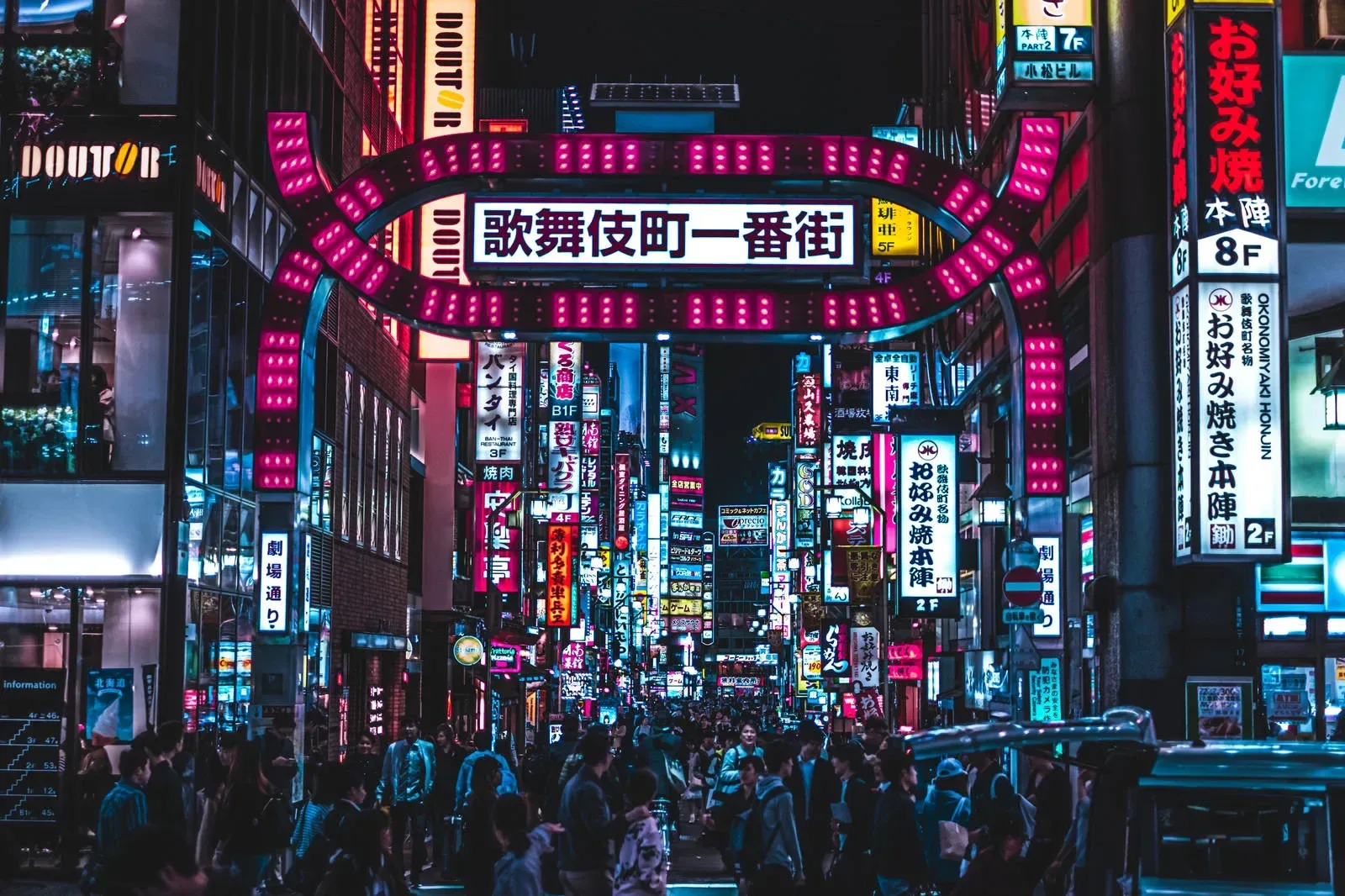
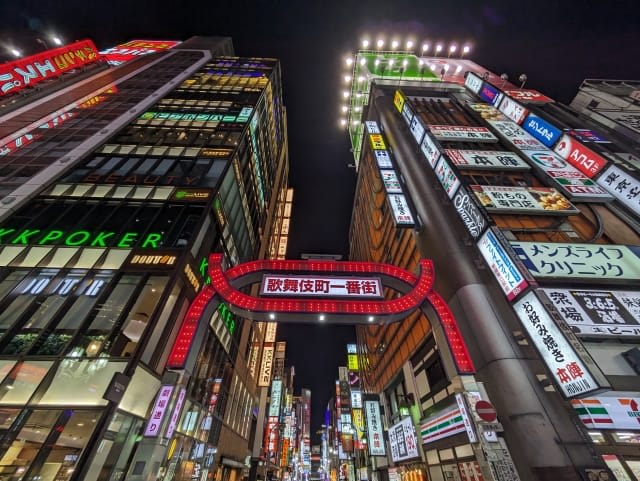
The Tokyo Bar Hopping Night Tour in Shinjuku, a back-to-back winner of The Best of The Best for two consecutive years, lets you safely enjoy spots beloved by locals in famous Shinjuku areas like Kabukicho and Omoide Yokocho.
If you're interested in Japanese culture, I recommend the Tokyo Sumo Morning Practice Tour in Ryogoku, where you can visit a sumo stable—something even most Japanese people have never experienced—or the Asakusa Cultural Walk & Matcha Making Tour, where you can stroll through Asakusa while learning about Japanese culture from your guide.
If you want to create your own itinerary and explore Tokyo deeply and efficiently, choose Customized Private Tours of Japan with MagicalTrip's Top Guides, where you can craft a special itinerary tailored just for you with a local guide.
Introduction
Tokyo is a fascinating metropolis where traditional culture and innovative culture intersect.
To fully enjoy the diverse cultures and attractions that Tokyo has to offer, it is important to create a well-planned itinerary.
This time, we will introduce step by step how to make the perfect itinerary for Tokyo sightseeing. The author, who lives in Tokyo, will provide detailed tips for getting closer to your ideal itinerary and explain common mistakes to avoid.
If you are thinking about creating an itinerary for Tokyo sightseeing, please use this as a reference.
Why It Is Difficult to Create an Itinerary for Tokyo Sightseeing
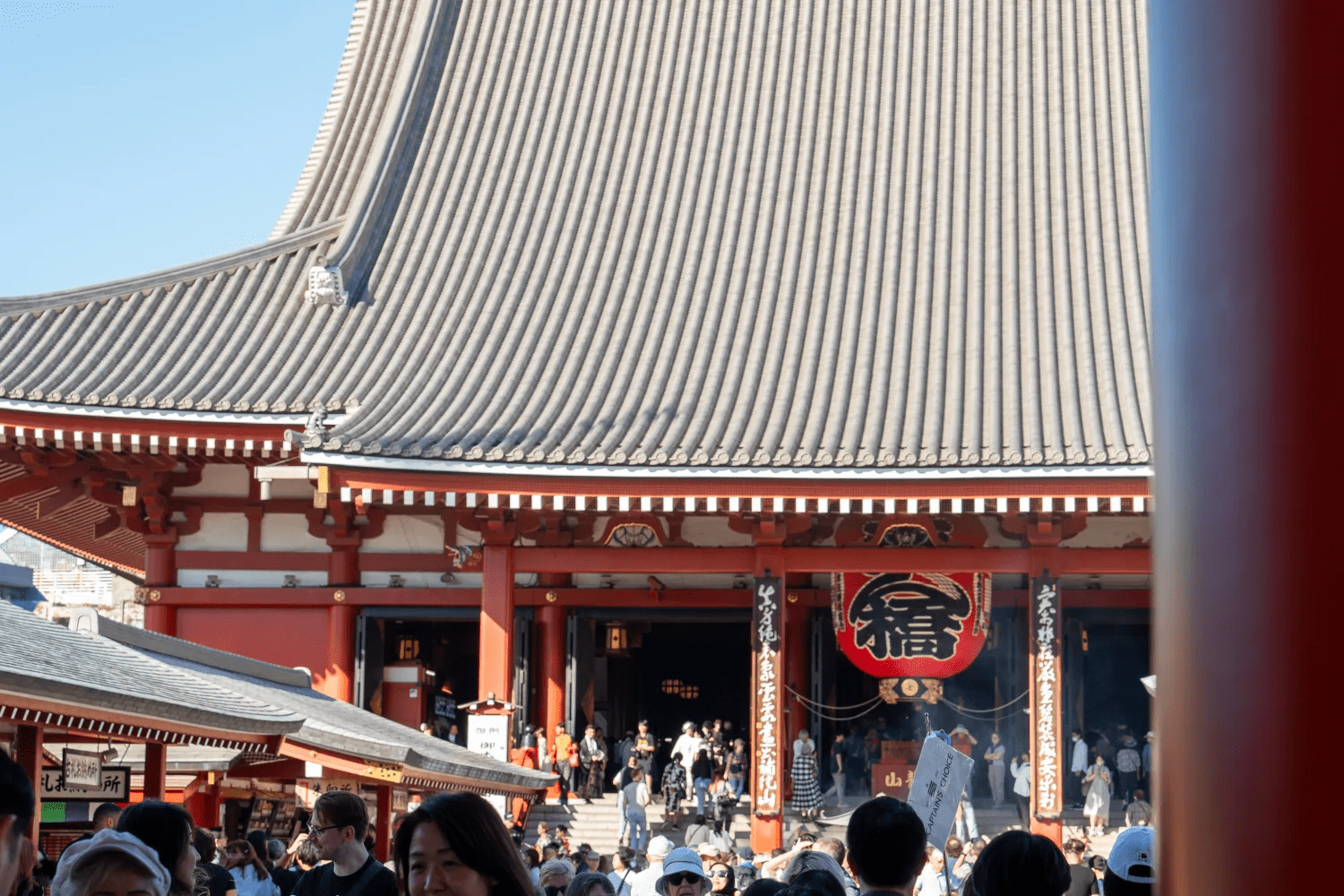
Tokyo, with its many attractive tourist spots, is also a city where creating a good itinerary can be challenging.
First, Tokyo's tourist spots are scattered across a large metropolitan area. It is important to create an efficient itinerary that covers the highlights and execute it smoothly. However, this can be quite difficult if you are not familiar with Tokyo.
Tokyo's transportation system is highly developed and convenient, but it is also famously complex.
Tokyo has JR lines as the main railway lines, along with subways and many other lines intricately spread throughout the city, making it difficult for first-time visitors to navigate for sightseeing purposes.
Additionally, because Tokyo has a high population density, you need to be strategic about the time of day and day of the week to avoid crowds. To fully enjoy the tourist spots, you also need a deep understanding of Japanese culture and history.
To Enjoy Tokyo Efficiently and Deeply, It Is Best to Utilize the Knowledge of Local Guides
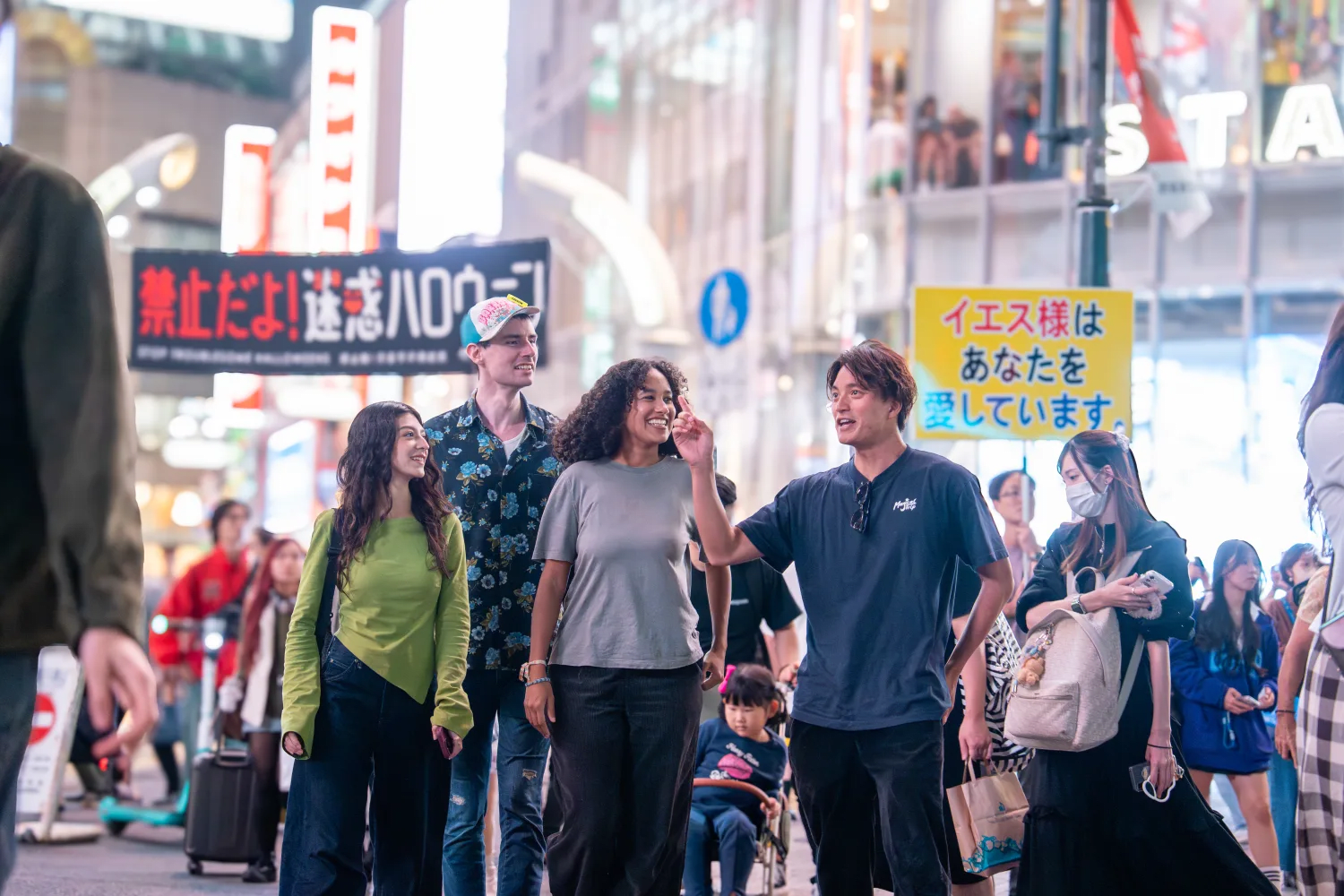
If you want to make your Tokyo sightseeing perfect, the best approach is to utilize the knowledge of local guides who know the city well. By participating in local tours and listening to the advice of local guides, you can significantly improve the quality of your itinerary.
They can provide advice from the perspective of locals who live in the city every day, including recommended spots, things to enjoy in each area of Tokyo, less crowded times, and easier access routes.
Also, including this article, Magical Trip media articles are full of recommended spots and sightseeing information from local guides. We also introduce many tips to make your sightseeing smoother and more enjoyable.
By gathering information from articles that feature these local voices and referring to the tips, you can get closer to your ideal itinerary.
5 Steps to Create the Perfect Itinerary for Tokyo Sightseeing

Now, let us explain the specific steps to create the perfect itinerary for Tokyo sightseeing.
1. Clarify the Total Amount of Time Available for Sightseeing
First, clarify the total amount of time you have available for sightseeing. How many days can you stay in Tokyo during your entire trip to Japan?
Also, try to put into numbers not just the number of days, but how many hours you can dedicate to sightseeing on each day.
When thinking about how many hours you can be active in a day, it is important to consider your own or your group's physical stamina and allow for extra time. To ensure a satisfying stay, we recommend securing proper rest time in the evening and morning.
2. Prioritize Your Interests
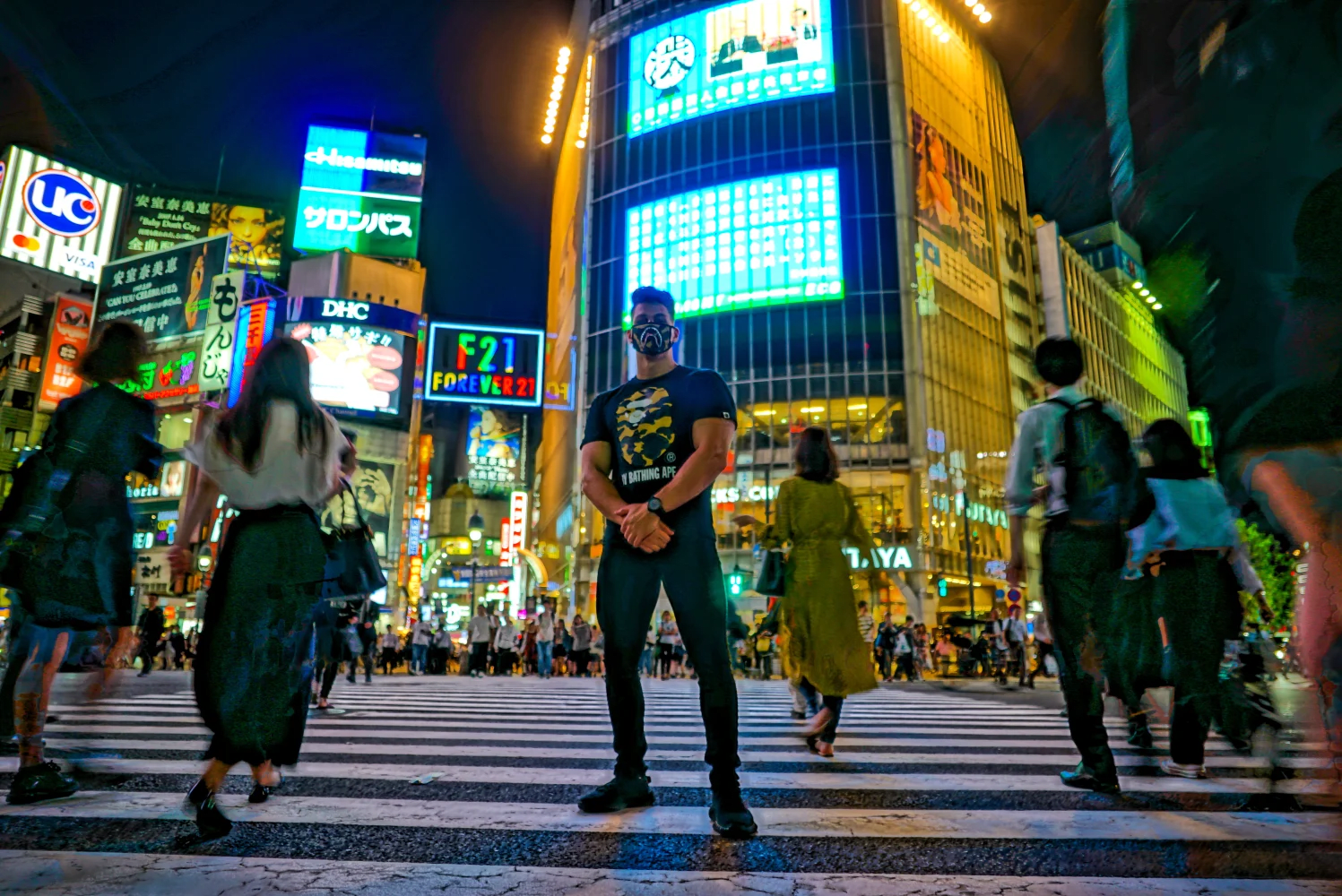
Next, try to prioritize your interests in Tokyo.
Tokyo is a city overflowing with fascinating culture and has many attractive tourist spots. However, within limited stay time, you may not be able to cover all the spots you want to visit.
If you try to force yourself to visit too many spots, your trip will be one where you are always rushing and cannot properly enjoy each spot or culture.
By setting priorities and clarifying the purpose of your Tokyo sightseeing trip, you can make your stay more satisfying.
First, list the things you or your group are interested in and want to try. Then prioritize them and build your itinerary centered around spots related to your highest priorities.
3. Connect Your Interests with the Neighborhoods You Visit
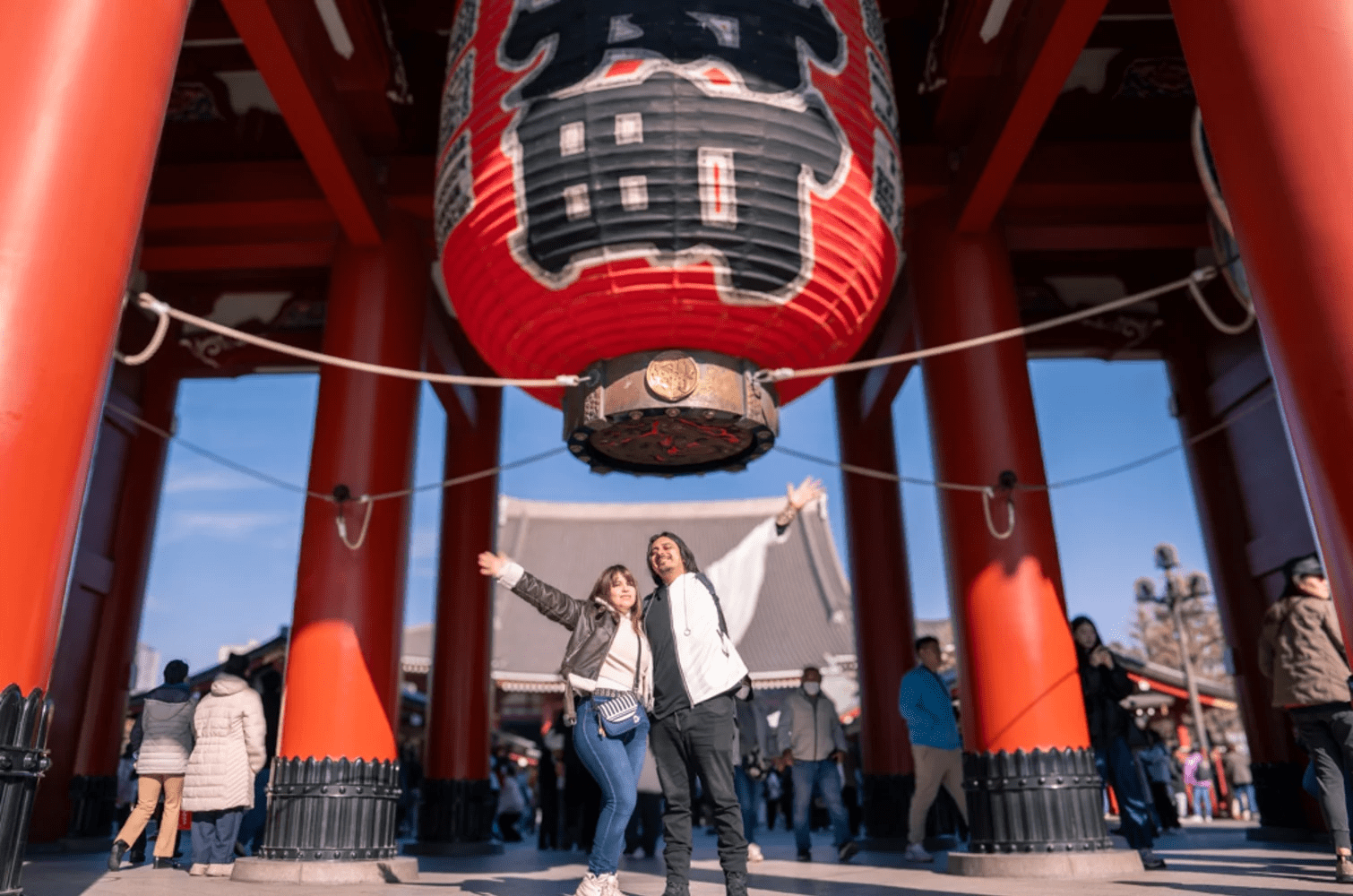
Once you know your interests and priorities, the next step is to decide on the places to visit.
To decide where to visit, try connecting your interests with Tokyo's neighborhoods. For example, if you are interested in Tokyo's history and traditional culture, the downtown areas such as Asakusa, around the Sumida River, and Yanaka are recommended.
If you are interested in Sumo, the traditional Japanese sport, visit Ryogoku, known as the Sumo town.
If you want to shop for fashion, Ginza and Omotesando with their boutiques are recommended, and if you particularly like vintage clothing, Shimokitazawa is also a great choice.
If you like anime, games, and manga, you might want to consider Akihabara, Ikebukuro, Nakano, and Odaiba where large anime events are held.
If you want to learn about the culture and atmosphere of each neighborhood in Tokyo, please refer to Magical Trip media articles.
Also Consider What Time of Day You Want to Visit Each Neighborhood
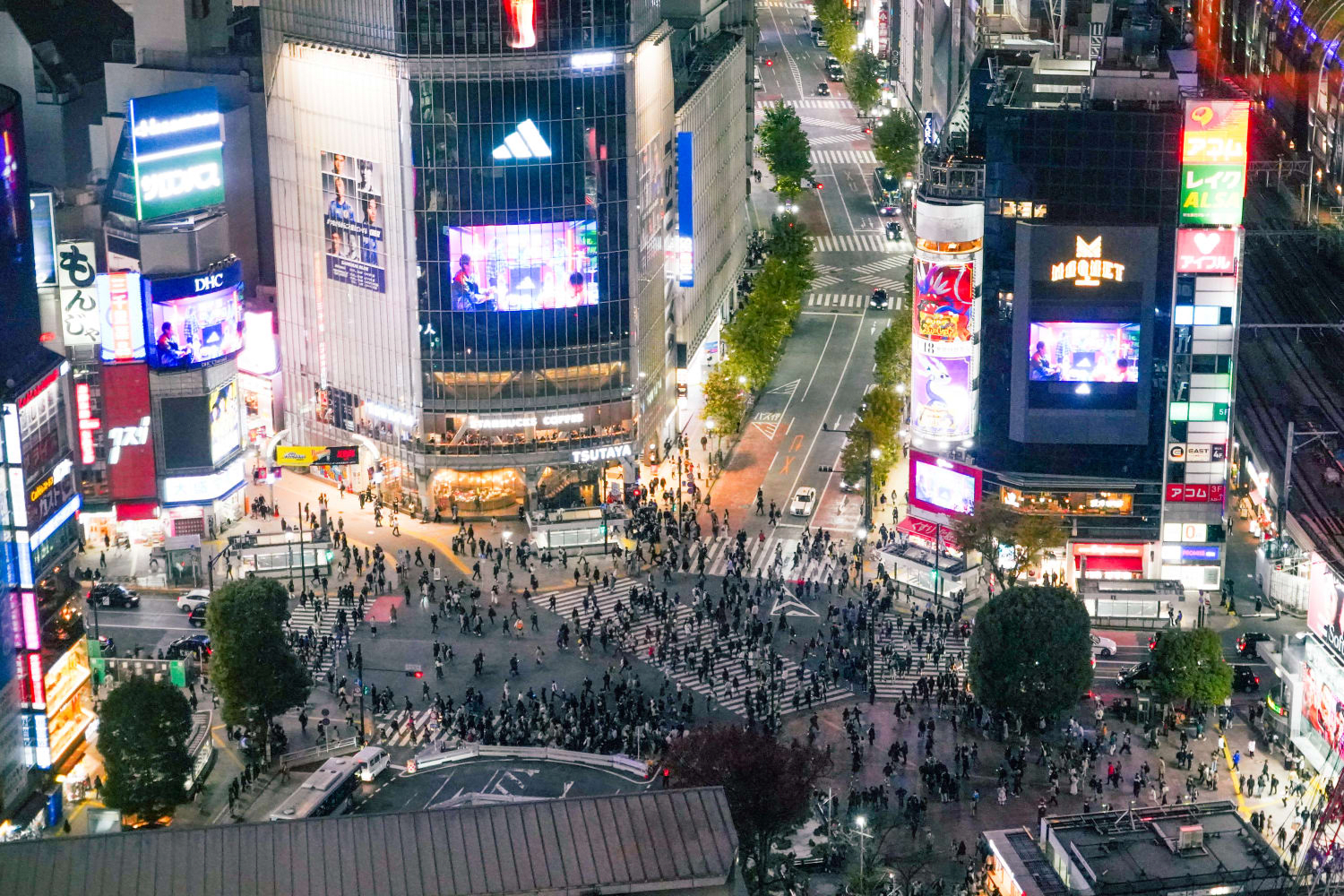
Once you have an idea of which neighborhoods you want to visit, also think about what time of day you want to visit each one. Every neighborhood has scenery and atmosphere that can only be experienced at certain times.
For example, Shibuya's famous Scramble intersection becomes even more impressive at night when the neon lights of surrounding buildings and car lights shine brightly. If you like alcohol and want to go bar hopping, visit Shinjuku at night when the izakaya comes alive.
On the other hand, traditional areas like Asakusa close their shops early in the evening, so it is recommended to visit in the morning or during the day.
4. Understand the Locations of the Areas You Want to Visit on a Map
Once you have decided on the areas and spots you want to visit, understand their relative locations on a map.
By using a map app to visually confirm the places you want to visit, you can get a sense of travel times and the scope of your activities. My personal recommendation is Google Maps, which has the most comprehensive information and allows you to check details on even small shops.
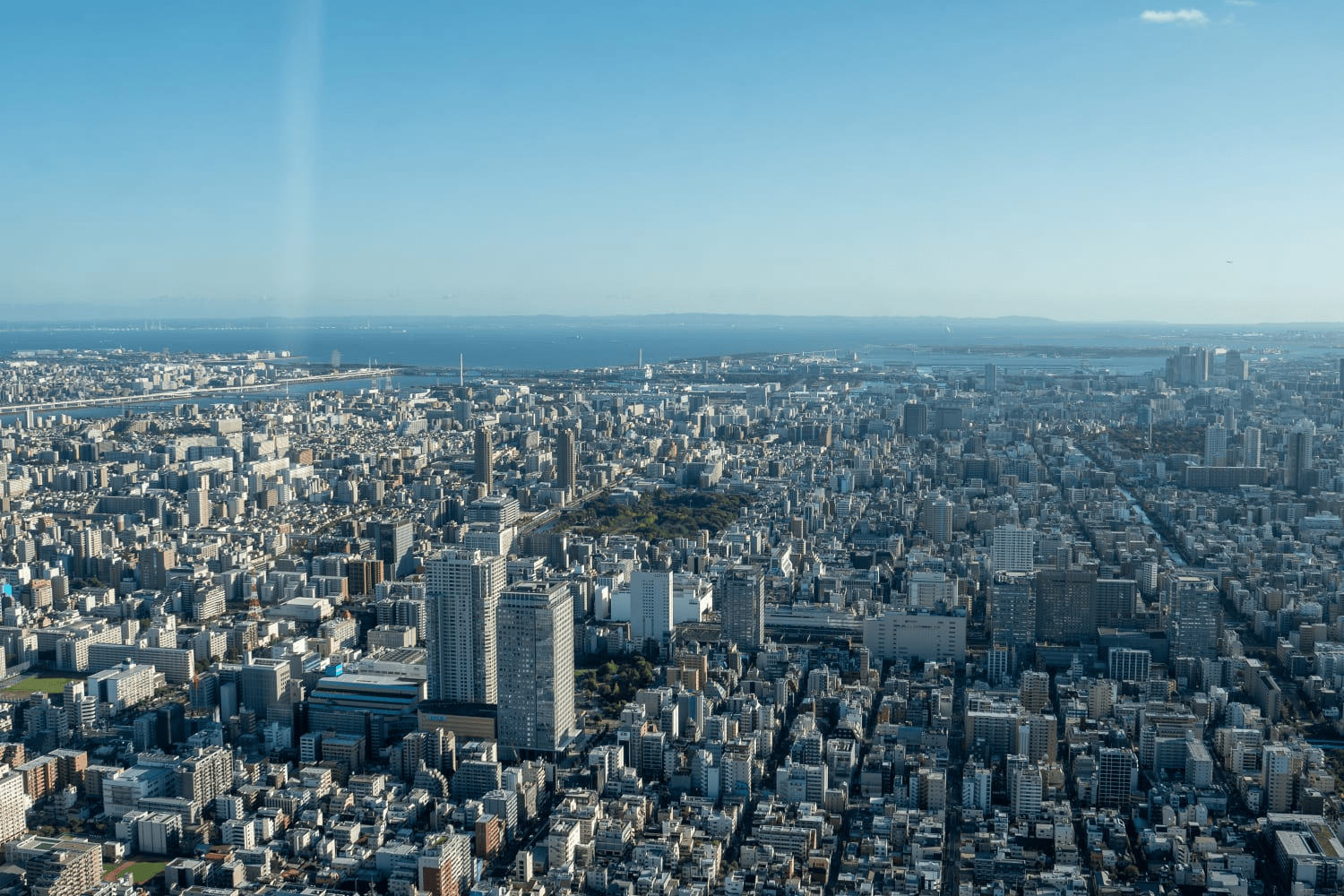
Tokyo is a city that stretches from east to west. If the spots you want to visit are scattered across both the western and eastern parts of Tokyo, you cannot visit both areas in a single day. Be sure to carefully check this point on the map as well.
Also, roughly check the train route information, which is essential for Tokyo sightseeing. Even if locations are geographically close, access can take time if they are on different train lines or there is no direct bus service.
5. Create Your Actual Itinerary Based on the Relative Locations of Your Destinations

Once you have confirmed the areas you want to visit, the times you want to visit them, and their relative locations, research the actual travel routes and required times to create your itinerary.
After confirming locations on the map, it is recommended to group the places you want to visit by area. For example, nearby spots like Shinjuku-Harajuku-Shibuya can be considered as one group and can be visited on the same day.
Even within Tokyo, tourist destinations that are somewhat far apart and in different areas, such as Asakusa and Shinjuku, take time to access, reducing the time available for sightseeing.
The key is to avoid including groups with inconvenient access to each other in the same day's itinerary.
In crowded Tokyo, moving to different areas using the complex train system consumes more time and energy than you might expect.
Not only is it inefficient in terms of time, but also in terms of physical energy, so try to avoid planning your itinerary this way as much as possible.
Deciding on Dining Spots First Makes It Easier to Create an Ideal Itinerary
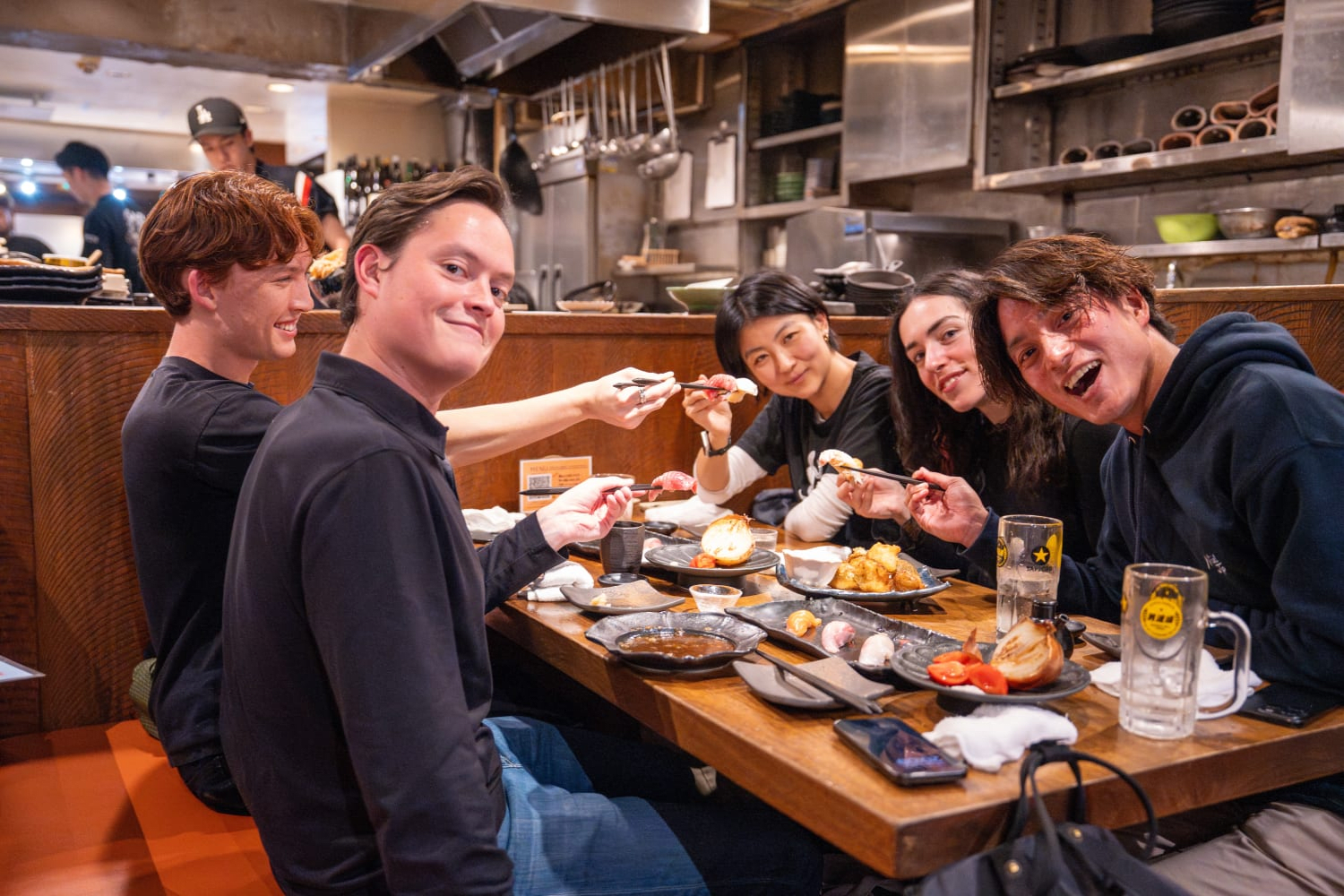
When creating your itinerary, deciding on dining spots first makes it easier to create an ideal itinerary.
By deciding on dining spots first, you can plan the rest of your day's schedule around those locations and times. Since your locations for lunch and dinner are fixed, you can naturally create a reasonable schedule by deciding on the places to visit in between.
Another benefit of deciding on meals first is that having time constraints helps you plan efficient routes and the order of your activities.
Your itinerary will become even more efficient if you research tourist spots near your dining locations and incorporate them into your plans. When deciding on dining spots, be sure to check the restaurant's or facility's operating hours, closure days, and whether reservations are required.
As I will mention later, for smooth activities, it is recommended to make reservations at Tokyo restaurants whenever possible.
Note That Some Places in Tokyo Can Be Difficult to Access Even If They Are Close
Be aware that Tokyo has many spots that appear close on a map but are actually difficult to access.
In Tokyo, where the train system is highly developed, trains and subways are the main means of transportation.
Tokyo's railway network is extremely intricate, so even places that are close in terms of straight-line distance on a map may require transferring to different lines, making access complicated.
Tokyo is always crowded, and stations where multiple lines converge are especially crowded, large, and easy to get lost in.
Remember that spots requiring transfers to multiple lines take more time and effort than expected and are difficult to access.
Although it costs more than trains, taking a taxi is recommended when a location is difficult to access by train.
Must-Check Before You Go! A Tokyo Native Explains Common Mistakes When Creating an Itinerary
From here, I will introduce points where foreign visitors often make mistakes when creating itineraries. By checking these common mistakes in advance, you can significantly reduce the possibility of failure when planning. Along with the content covered so far, check these points before creating your itinerary.
Understanding these tips is essential when learning how to make the perfect itinerary for Tokyo.
Tourist Spots Are Crowded, and It Takes Longer Than Expected to Get Around
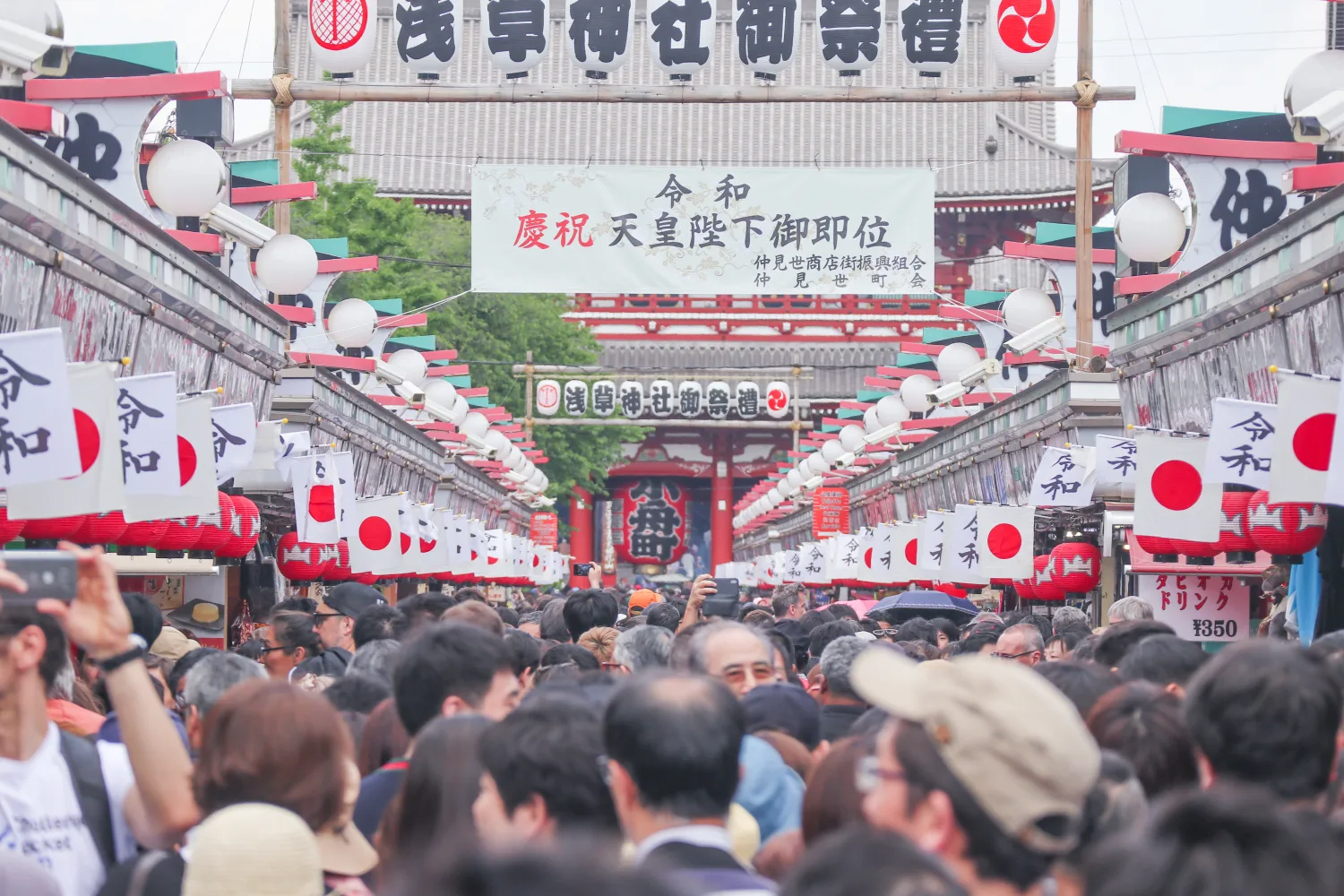
In Tokyo, every tourist spot is extremely crowded, and it takes longer than expected to stay at one spot or visit multiple ones.
Tokyo is originally a city with many people and high population density. Furthermore, the number of travelers from overseas has increased dramatically in recent years.
Major entertainment districts like Shibuya and Harajuku, as well as popular tourist spots like Asakusa, become astonishingly crowded on weekends and during holiday seasons.
It is common for crowds to be so dense that you can only move forward slowly, and sightseeing and shopping take time. Consider this when planning your itinerary by adjusting the times and days you visit.
When visiting popular tourist spots, weekdays are highly recommended. As a Tokyo resident, I avoid shopping in Shibuya or Shinjuku on weekend afternoons as much as possible.
The times when entertainment districts are relatively less crowded and comfortable are weekday mornings through evenings and Sunday nights.
However, recently, proportional to the increase in inbound tourism, there are often many people in the city even on weekdays. Create a schedule with extra time, anticipating that sightseeing will take longer than the estimated time.
The Train Lines Are Complex, and Taking the Wrong One Can Prevent You from Reaching Your Destination
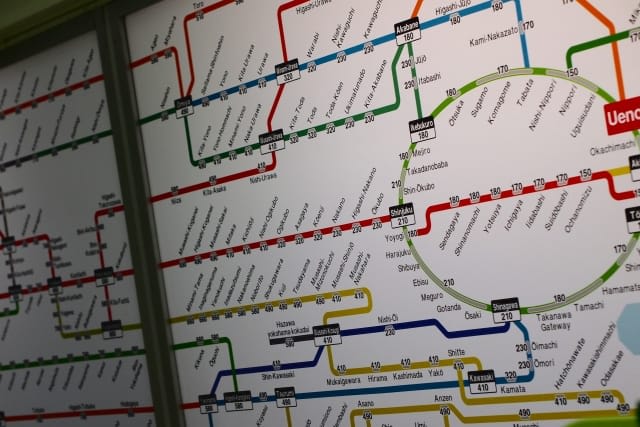
As I mentioned earlier, Tokyo's railway network is extremely complex, and taking the wrong train can prevent you from reaching your destination.
Once you take the wrong train, you may end up on a different line, or if you accidentally board a rapid train, you may have to go back several stations.
This results in significant consumption of time and energy, and it may take longer than expected to reach your destination, or you may not be able to reach it at all.
Additionally, stations like Shinjuku Station, Shibuya Station, and Tokyo Station have complex structures inside, and you may not even be able to reach the platform for the line you need.
When creating your itinerary, it is safest to avoid routes that require multiple transfers. It is recommended to choose routes with fewer transfers, even if they take longer.
Also, if all routes require multiple transfers, consider taking a taxi. This can help you avoid the possibility of not reaching your desired destination and significantly reducing your overall satisfaction with your trip.
Not Making Advance Reservations and Being Unable to Enter the Spots You Wanted to Visit
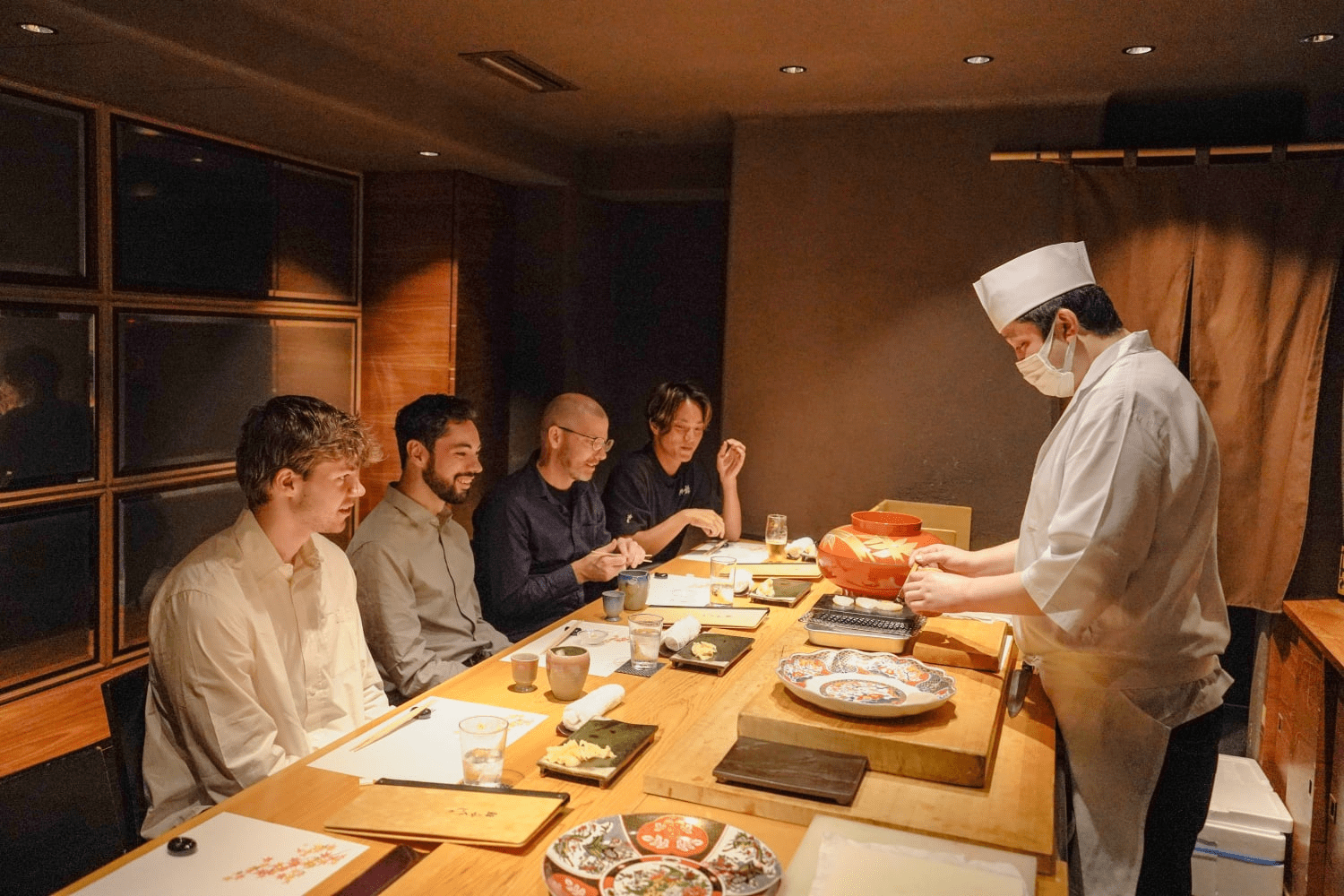
Many facilities and restaurants in Tokyo are always crowded, so advance reservations are strongly recommended. If you neglect to make reservations, you may find yourself unable to enter the spots you wanted to visit, causing your itinerary to be significantly disrupted.
In Japan, reservations are recommended at many facilities and restaurants to avoid crowds and ensure smooth entry.
Tourist and cultural facilities often have advance tickets available, and purchasing them often results in discounted prices.
I always check for advance tickets when planning leisure activities. Please take advantage of them.
In most cases, you can purchase advance electronic tickets or make entry reservations through each facility's official website.
Once you have created your itinerary and clarified the places you want to visit, check each restaurant's and facility's official website for reservation and advance ticket information.
Packing Too Many Plans and Not Being Able to Fully Enjoy Each Sightseeing Spot
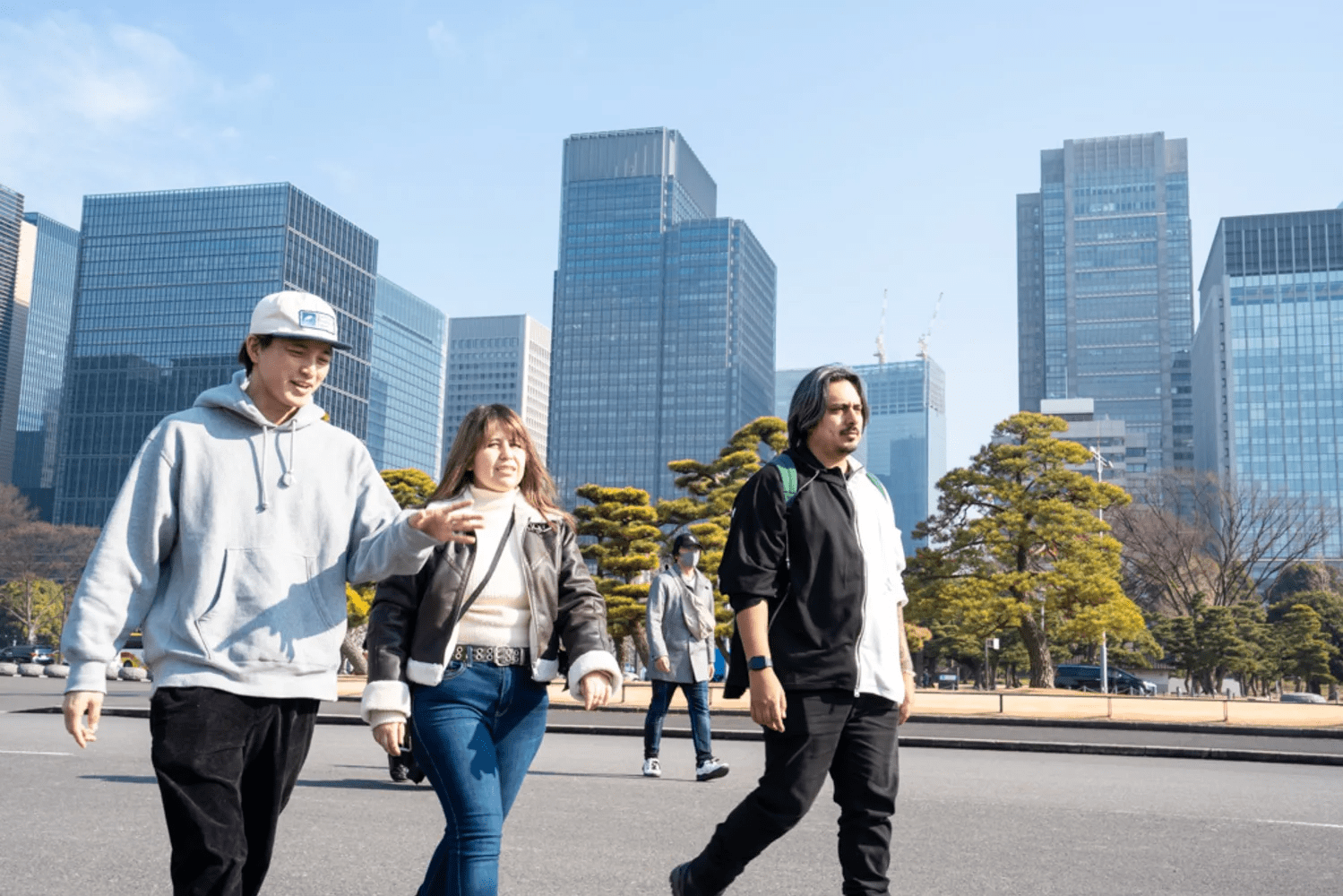
A common mistake when sightseeing in Tokyo is packing too many plans into your schedule, which prevents you from fully enjoying each destination.
If you cram too many activities into a single day's itinerary, your time at each sightseeing spot becomes shorter, and you'll have to move on to the next location without fully experiencing its charm. When this happens, you won't have memorable experiences to look back on, resulting in an unsatisfying trip.
While sightseeing, unexpected things can happen—the weather might turn bad and accessing your destination takes longer than expected, or transfers between trains might be more confusing than you anticipated.
If your schedule is too packed, when such troubles occur and throw off your plans, you may have to cut sightseeing spots you had planned to visit.
Avoid cramming too many activities into a single day and make sure to leave some buffer time. My recommendation is to allow 20 to 30 minutes of buffer time between sightseeing spots.
Not Securing Rest Time and Being Too Exhausted to Complete the Itinerary
When enjoying shopping and strolling around Tokyo, rest time is absolutely essential. Walking around crowded streets consumes more energy than you might think. Even I need to take a break at a café or on a bench after about 2 to 3 hours of shopping in crowded Shibuya.
Additionally, Tokyo is a vast city. When visiting multiple spots throughout the day, you'll end up walking a considerable distance, including moving through stations.
If you don't secure adequate rest time when creating your itinerary, you may become too fatigued to complete your planned schedule.
When creating your itinerary, make sure to allocate rest time and identify cafés and parks where you can take breaks.
The key to avoiding this mistake is to incorporate spots where you can rest while sightseeing, such as Yoyogi Park, Shinjuku Gyoen, Hamarikyu Gardens, or the Imperial Palace.
Local Knowledge Can Help Prevent Itinerary Planning Mistakes When Sightseeing in Tokyo!
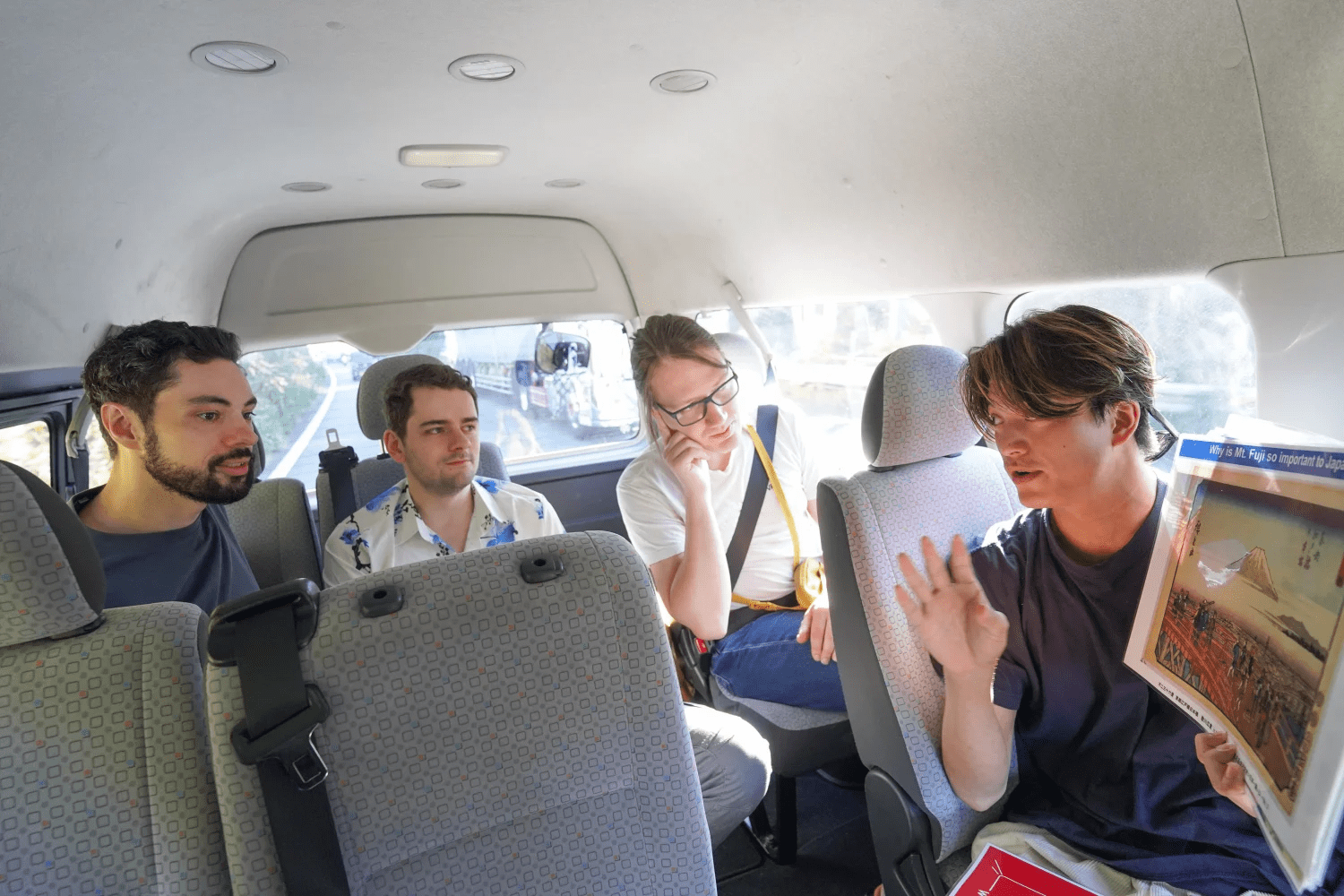
As introduced so far, there are several key points you need to keep in mind to avoid mistakes when planning your Tokyo sightseeing itinerary.
To cover all these points, the best approach is to get advice from locals who know Tokyo well.
Locals know which neighborhoods offer interesting cultural experiences and recommended spots, the easiest ways to access each area, and the least crowded times to visit.
Among locals, try to find opportunities to get itinerary advice from local guides if possible. Local guides who are both residents and have expertise in tourism and travel understand well the common mistakes first-time visitors to Tokyo tend to make.
Local guides are thoroughly familiar with the history of tourist destinations and the culture and traditions rooted there. Even just getting a little advice can remarkably polish the itinerary you've created yourself.
Two Ways to Get Help from Locals Who Know the Sightseeing Spots Inside Out
Join a Local Tour and Get Advice on Your Itinerary
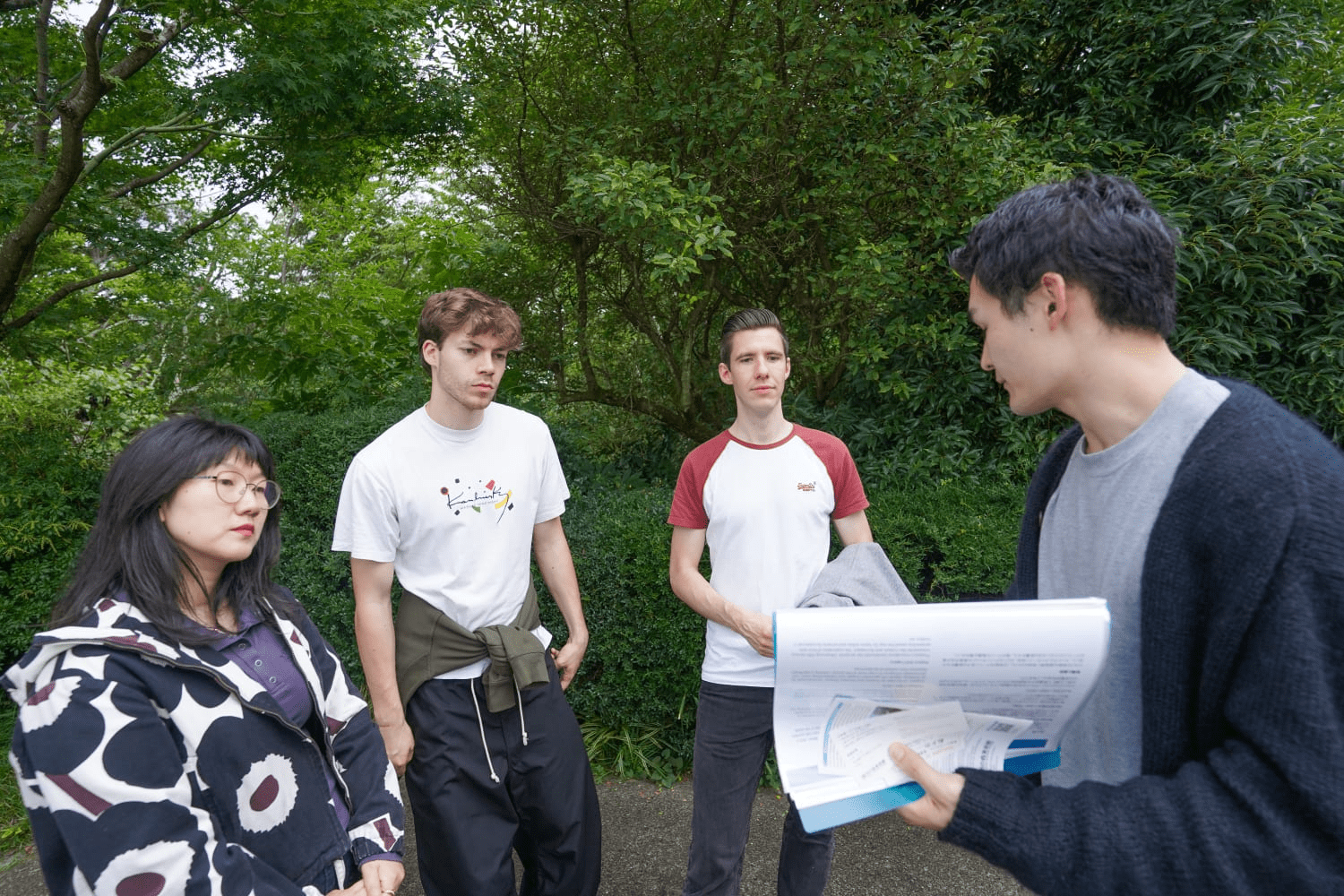
There are two ways to get help from local guides when creating your itinerary.
The first is to participate in local tours held in various neighborhoods of Tokyo and get advice on your itinerary.
Magical Trip offers a variety of half-day and full-day local tours in Tokyo's Shinjuku, Shibuya, Harajuku, Ueno, Ginza, and other areas.
By joining these tours and meeting local guides, you can consult with them about your Tokyo sightseeing itinerary. Local guides are happy to offer advice on your plans beyond the tour itself, providing insights from both a professional and local perspective.
Each tour guide is not only familiar with the tourist spots in their designated area but also knows the history, culture, and traditions rooted there. If you ask questions, you're sure to receive answers that are deeper than you ever expected.
Join a Local Tour That Matches Your Interests

Magical Trip offers various types of local tours. Not just to meet local guides, but to enjoy your Tokyo stay by joining tours that match your interests.
For food lovers and those who enjoy drinks, try the Tokyo Bar Hopping Night Tour in Shinjuku to experience Tokyo's food culture. You can also join bar hopping tours in other distinctive nightlife areas such as Shibuya and Ueno.
If you're interested in sumo, the Tokyo Sumo Morning Practice Tour in Ryogoku is recommended, where you can get special access to watch sumo wrestlers' valuable morning practice sessions.
If you want to take memorable photos in Tokyo, check out the Tokyo by Night Photography Tour.
-Tokyo Bar Hopping Night Tour in Shinjuku
https://www.magical-trip.com/product/59afbefb-b0d9-4e10-9273-b6c59b81e345
-Tokyo Sumo Morning Practice Tour in Ryogoku
https://www.magical-trip.com/product/152592f3-9507-430b-a717-7483840a59d9
-Tokyo by Night Photography Tour
https://www.magical-trip.com/product/9f0a5d04-fa70-4a25-82e5-36eca32ec5d5
Use a Private Guided Tour to Have an Itinerary Created Just for You
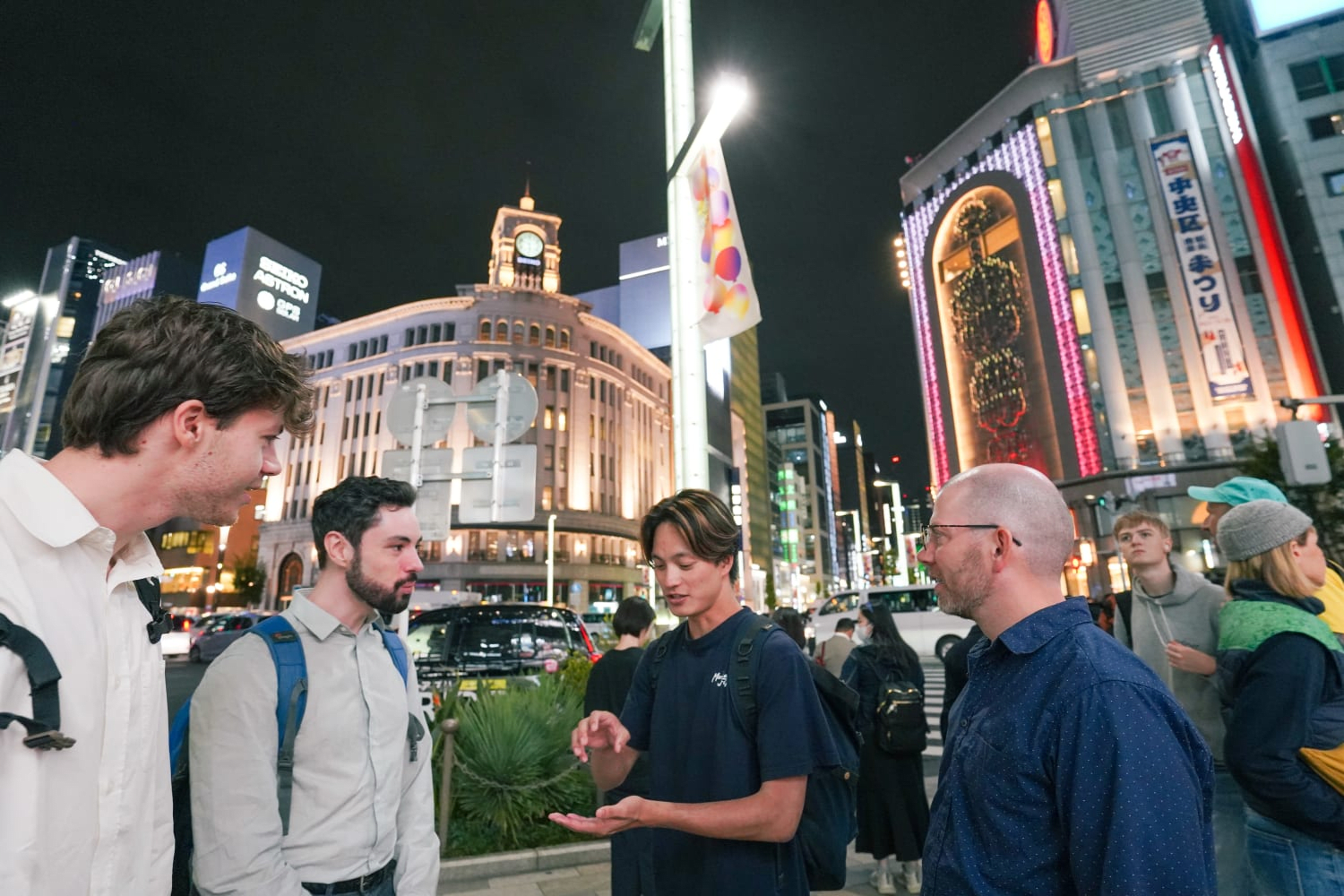
An even better recommendation is to sign up for a Private Guided Tour and have a local guide create the perfect itinerary tailored to you.
With a Private Guided Tour, you can have guides or tour companies create a custom-made itinerary based on your interests, preferences, and places you want to visit. This is recommended for those who don't have time to plan their own itinerary or those who want to leave the creation of the perfect itinerary to professionals.
Private Guided Tours also offer the option of securing a private hire car in addition to a private guide. Having a car will make your Tokyo sightseeing much more efficient.
Because guides with deep local knowledge create your schedule, they may suggest sightseeing spots that best match your needs—places you might never have known about otherwise.
Guides Who Know the Sightseeing Spots Inside Out Will Create a Personalized Itinerary Through Detailed Consultation!
When booking a Private Guided Tour, it's important to choose a company that provides thorough consultation.
On Magical Trip's dedicated Private Guided Tour website, you can answer questions about your interests in a questionnaire form, and they will immediately create an itinerary covering recommended spots. Feel free to start by filling it out.
After you submit your detailed answers to the questionnaire, Magical Trip will contact you and directly propose the optimal itinerary. Furthermore, they provide thorough consultation, allowing you to perfect an itinerary that fulfills all your wishes.
For example, let's say you mention that you want to enjoy neighborhoods with a traditional downtown atmosphere and request Senso-ji Temple and the Sumida River area.
Of course, they may create a schedule to help you enjoy these sightseeing spots to the fullest, but depending on your needs, they may also introduce you to neighborhoods rich in traditional downtown charm that are difficult for tourists to discover on their own—such as Yanaka, Kanda, and Jimbocho—along with their unique attractions.
Even after your itinerary is finalized, you can freely consult with guides who know the sightseeing spots inside out about your itinerary and Tokyo sightseeing in general. If you're considering a Private Guided Tour, please consider Magical Trip, where consultation is thorough and easy.