Kawaguchiko at Night 2026: A Local's Guide to Night Views, Bars & Hidden Spots
Key Points of This Article
Mount Fuji, a symbol of Japan, attracts countless tourists who visit Japan specifically to witness its majestic presence. However, given Mount Fuji's massive size and the numerous tourist attractions scattered around its vicinity, we've created this guide to help you explore the Mount Fuji area efficiently.
Additionally, Magical Trip, which won the #1 spot for all tours on Tripadvisor in 2024, has recently launched the Mount Fuji tours.

The "Mt. Fuji Full-day Nature Guided Tour with a Private Chartered Car & Guide" offers a stress-free experience exploring the Mount Fuji area, complete with private car transportation from Tokyo.
Even if you have limited time to explore the Mount Fuji region, this tour allows you to visit all the must-see spots with detailed guidance from your tour guide.
If you're interested in efficiently experiencing the essential locations while gaining deep insights from a knowledgeable local guide who knows the area inside and out, we highly recommend joining the "Mt. Fuji Full-day Nature Guided Tour with a Private Chartered Car & Guide."
We hope you'll have a wonderful time experiencing everything Ueno has to offer by joining a Magical Trip tour!
Introduction
I'll share the nighttime charms of the Mt. Fuji area based on my 10 years of frequent visits.
While Mt. Fuji, a World Heritage site, is famous for its daytime appearance, its nighttime expression holds a hidden allure. From the five-storied pagoda at Arakurayama Sengen Park to the lights reflected on Lake Kawaguchi's surface, there are numerous night view spots scattered around. Especially, the silhouette of Mt. Fuji illuminated by moonlight reveals a mystical appearance that can't be seen during the day.
It's true that most tourists concentrate during the daytime, and there are challenges with limited public transportation at night. However, that's precisely why the night offers a special time to encounter Mt. Fuji's true form in tranquility. In the Nishiura area, where locals gather, you can experience the charm of Fujiyoshida in its authentic state, untouched by tourism, in the backstreets that retain traces of old Japan.
In this article, I'll introduce every aspect of Mt. Fuji's nighttime appeal, from night view points to the hidden gem of the Nishiura district.
Table of Contents ・Night View Spots in the Fuji Five Lakes Area ・The Charm of Nightlife in the Nishiura Area ・Seasonal Night Events in the Mt. Fuji Area ・Frequently Asked Questions About Mt. Fuji Area's Nightlife
How Locals Always Spend Time in Kawaguchiko?
Many facilities around Lake Kawaguchi close in the evening, and many people may feel there's nothing to do at night. However, there are numerous spots around Lake Kawaguchi where you can have experiences that are only possible after dark.
Examples of Night Activities you can enjoy around Lake Kawaguchi:
• Enjoying the nighttime appearance of tourist attractions, which differs from daytime Tourist attractions around Mount Fuji at night show a completely different face from their daytime appearance. Be sure to capture photos of the interplay between city lights and Mount Fuji, as well as the beautifully illuminated tourist sites.
• Enjoying exquisite local ingredients and drinks around Mount Fuji There are also retro izakaya districts around Mount Fuji. Visiting spots where you can enjoy drinks alongside exceptional cuisine made from ingredients sourced around Mount Fuji will make your nightlife in the Mount Fuji area even more enjoyable. (Taking a taxi is recommended)
• Enjoying seasonal events Many cultural and nature-related events are held around Mount Fuji. Participating in light-up Event of Sakura and Autumn Folige, traditional Japanese summer festivals or famous fireworks displays that are held not only in summer but also in winter should make your nightlife more enjoyable.
We will explain each of these in detail below.
What to Do in Kawaguchiko at Night?
Sunset Hour: Enjoy The “Magic” Begins (4:00 PM - 6:00 PM)
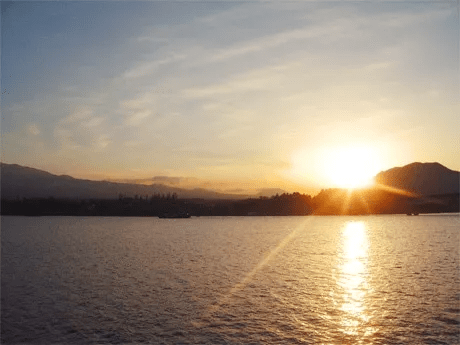
Evening at Kawaguchiko is a special time when the scenery changes more dramatically than at any other point in the day.
As the sun begins to tilt, Mt. Fuji shifts from blue to orange, then to a reddish purple. Those colors reflect on the surface of the lake, spreading a landscape that looks just like a painting.
Especially from autumn through winter, when the air is particularly clear, the outline of the mountain stands in sharp relief — a breathtaking sight.
I love walking slowly along the lakeshore during this time of day, watching the ever-changing contrast of colors between Mt. Fuji and the sky.
It is also the hour when tourists begin to gradually head home, and in the quiet atmosphere, you can encounter the true face of Mt. Fuji.
Sunset at Oishi Park: A Red-Tinged Mount Fuji and Lavender Fields (Seasonal Only)
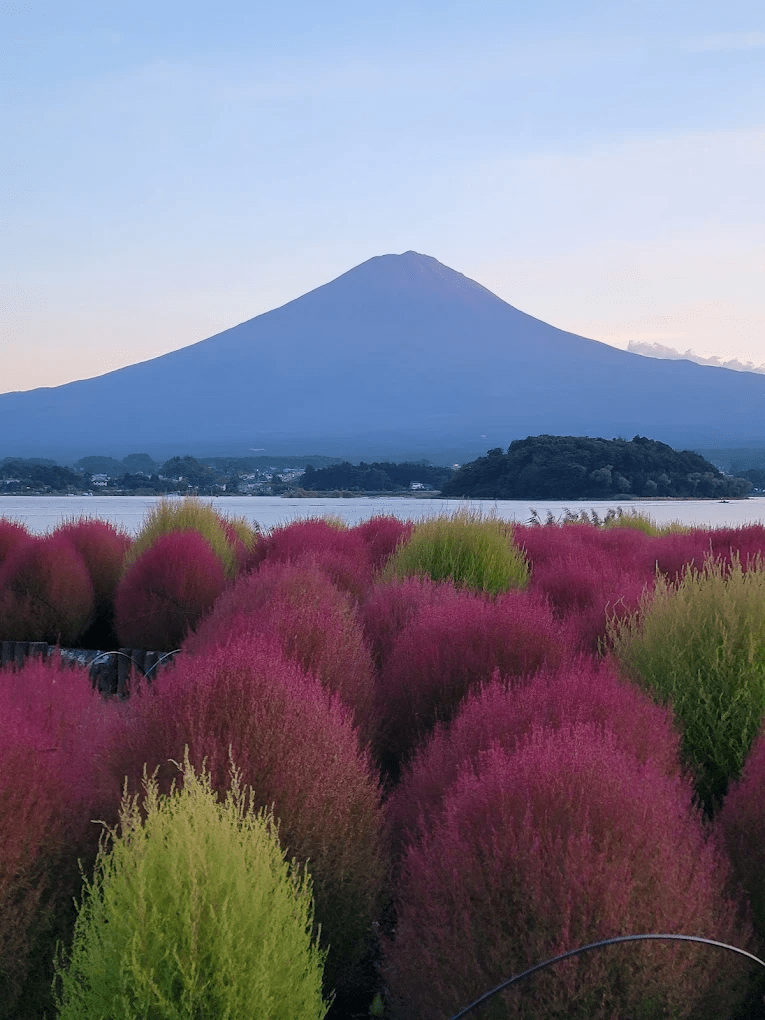
Oishi Park is a spectacular viewpoint where you can take in both Lake Kawaguchiko and lavender against the backdrop of Mt. Fuji.
The expansive grounds are filled with approximately 3,000 lavender plants in full bloom, creating a landscape that resembles a purple carpet. Lavender comes in early-blooming and late-blooming varieties — the early bloomers reach their peak in late June, while the late bloomers come into season from early July.
At dusk, the red-tinted Mt. Fuji and the purple flower fields overlap, enveloping the scene in a dreamlike glow.
The park is also extremely popular as a photography spot, as you can capture Mt. Fuji and the flower fields in a single frame, resulting in vibrant, seasonally rich photos.
Sunset at Lake Yamanakako: A Chance to See Diamond Fuji—A Once-in-a-Lifetime Sight (Winter Only)
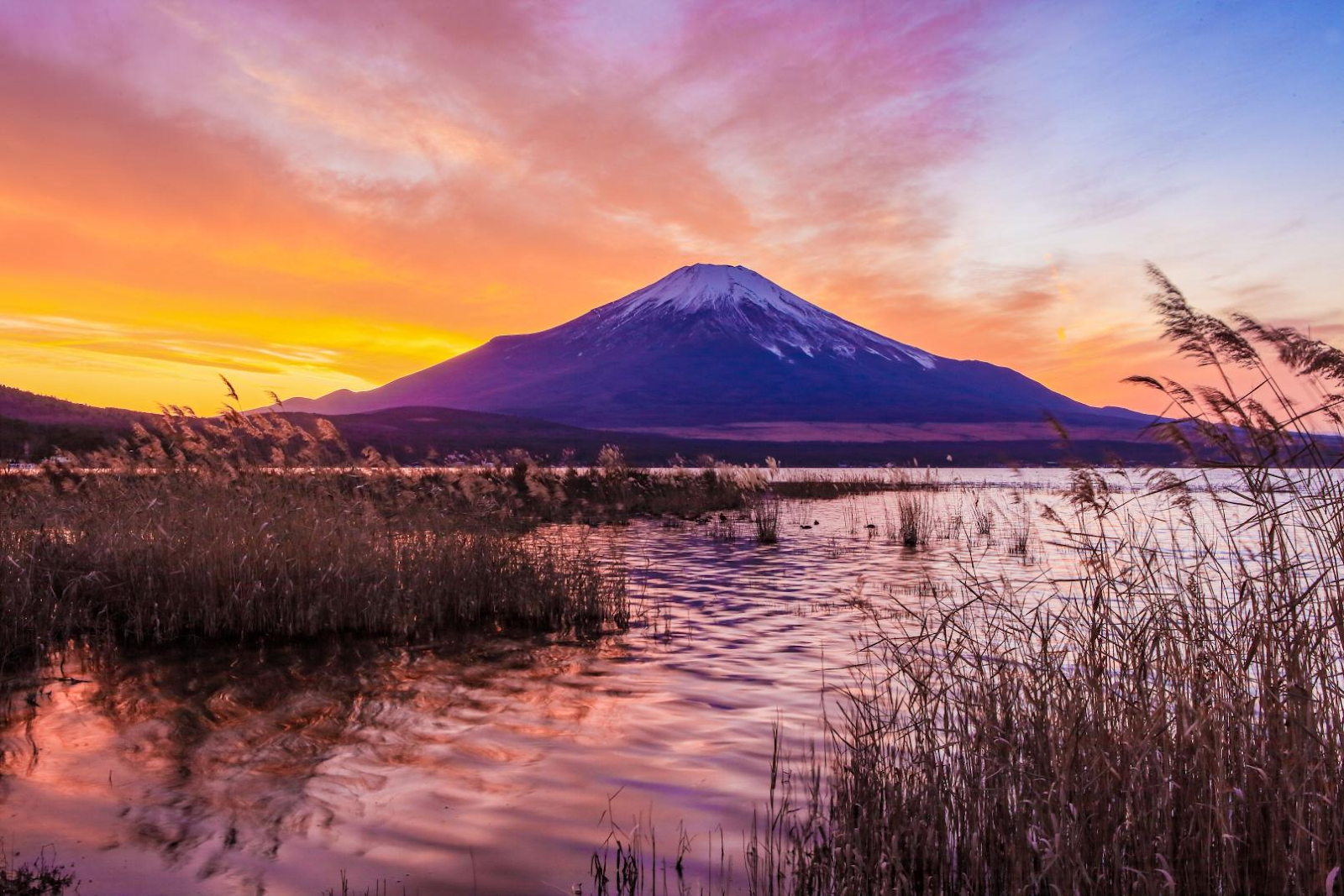
At Lake Yamanakako, from mid-October through around the end of February, a phenomenon known as "Diamond Fuji" can be witnessed. It is the moment when the sun aligns perfectly with the summit of Mt. Fuji, shining like a precious gemstone.
Furthermore, on clear, windless days when the lake surface is calm, "Sakasa Fuji" (an upside-down reflection of Mt. Fuji on the water) appears, and when conditions align perfectly, "Double Diamond Fuji" — in which the sun is reflected on the lake surface as well — can be seen.
However, from around October through December, the weather is often unstable, and catching a truly beautiful Diamond Fuji is no easy feat.
I have yet to encounter Double Diamond Fuji myself, but I hold onto the hope of witnessing that miraculous moment someday.
Nighttime: Enjoy Kawaguchiko Nightlife & Unique Night Activities (6:00 PM - Late)
At night, experience a side of Kawaguchiko that is entirely different from the daytime.
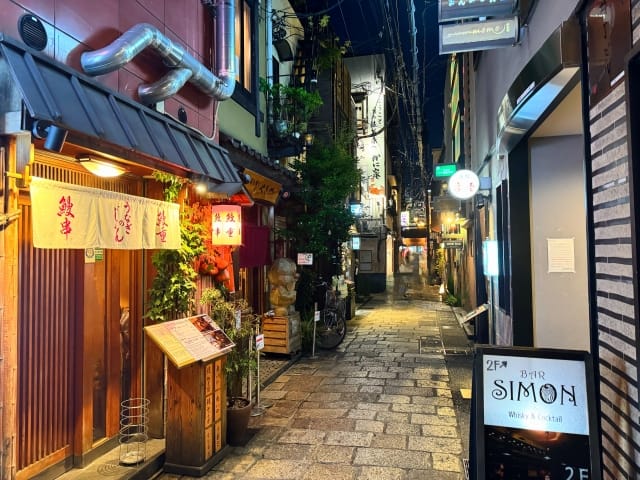
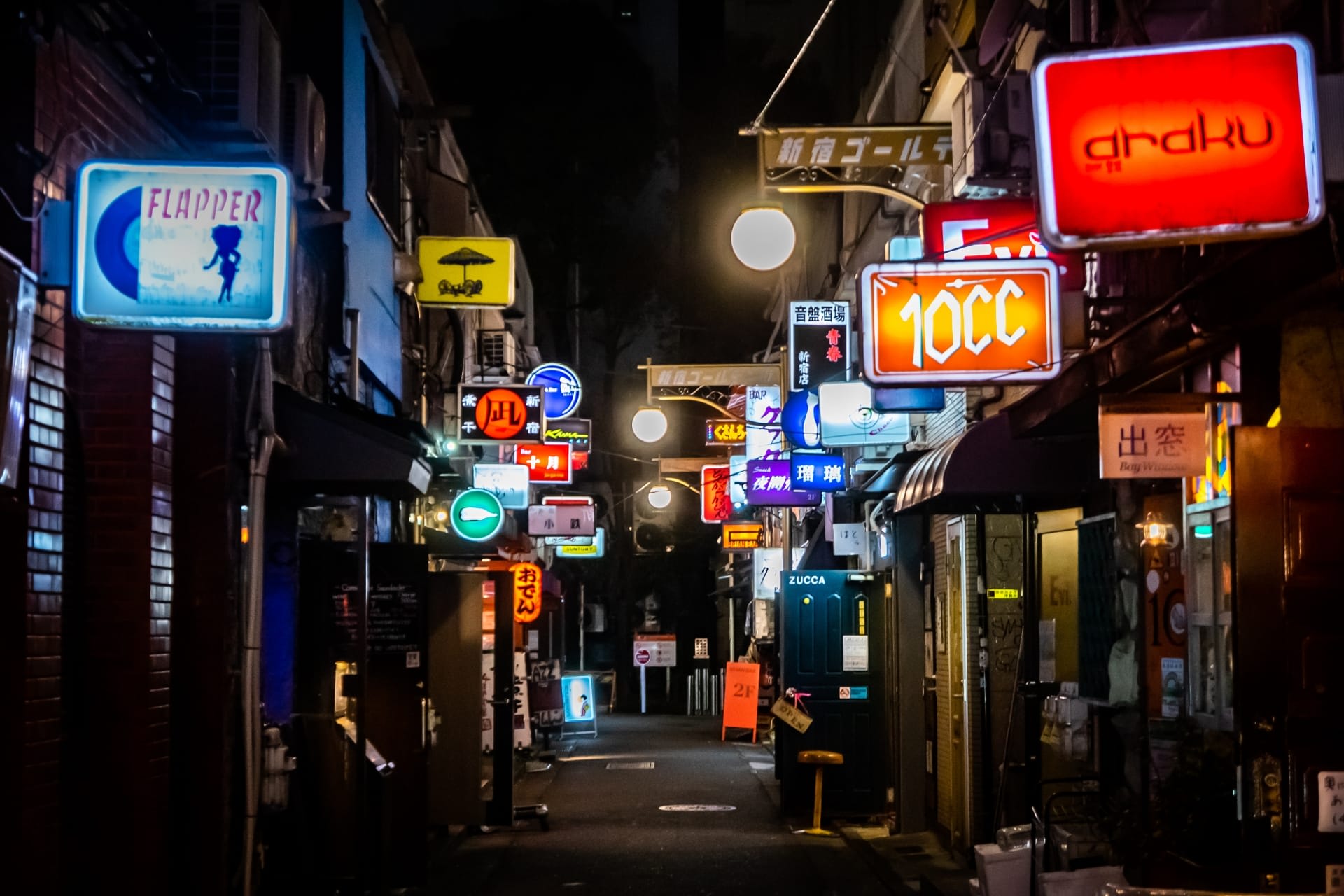
Around Kawaguchiko Station, there is a retro bar district that retains the atmosphere of the Showa era, where you can enjoy Yamanashi specialties and local sake at small izakayas frequented by locals. Rather than a touristy feel, a simple and warm ambiance fills the air, and one of its charms is the casual conversation you can strike up with shop owners and regulars.
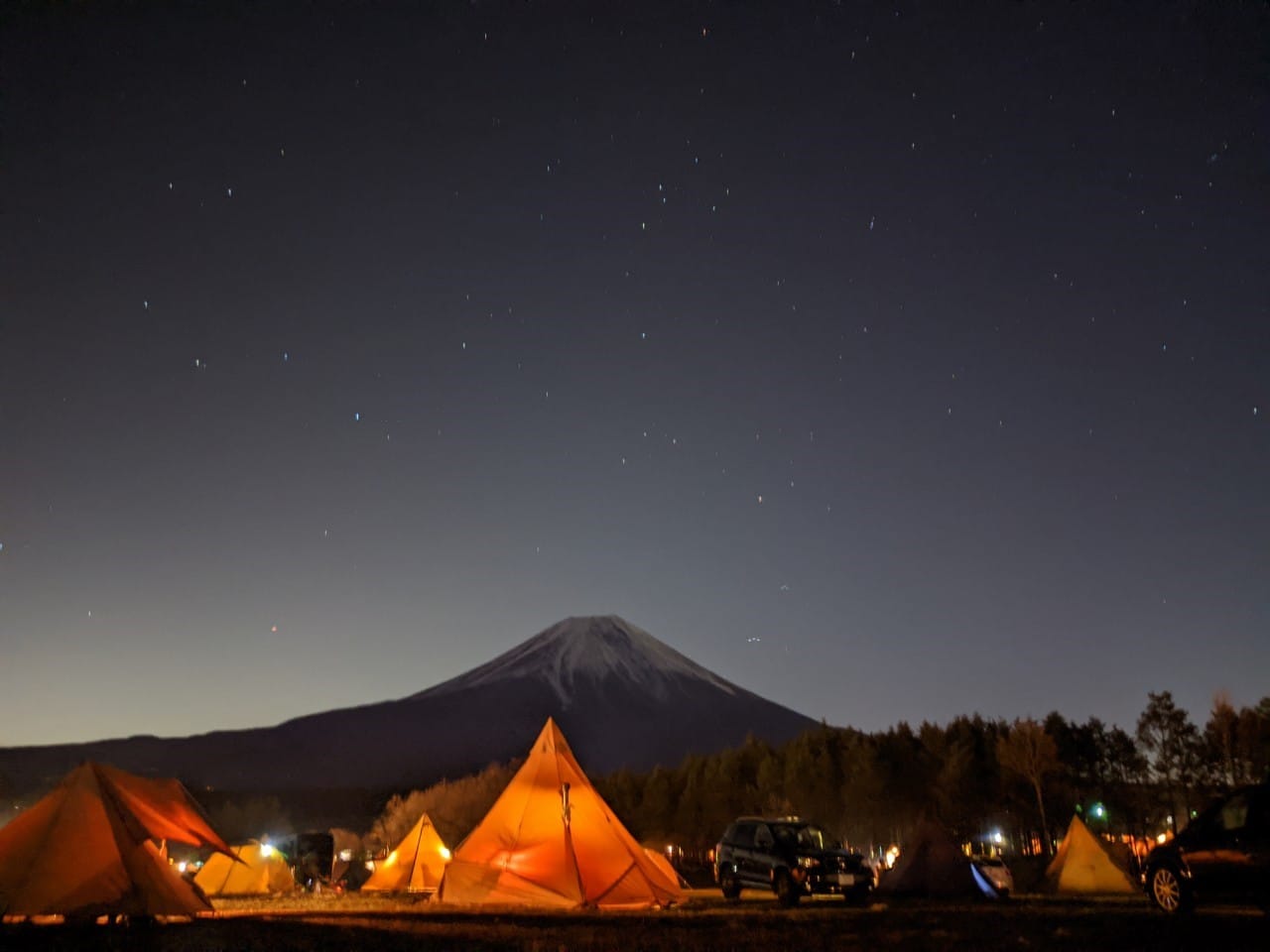
In addition, at the foot of Mt. Fuji where city lights are sparse, gazing slowly at a sky full of stars is highly recommended. On clear nights, the Milky Way is sometimes visible to the naked eye.
Finish the day with a soak in a hot spring. Kawaguchiko is actually well known for its onsen as well. Hot spring facilities are dotted along the lakeshore, where you can enjoy waters with different mineral compositions.
Night view from Mt Tenjo: Nighttime Ropeway Rides and Stargazing (Seasonal Only)
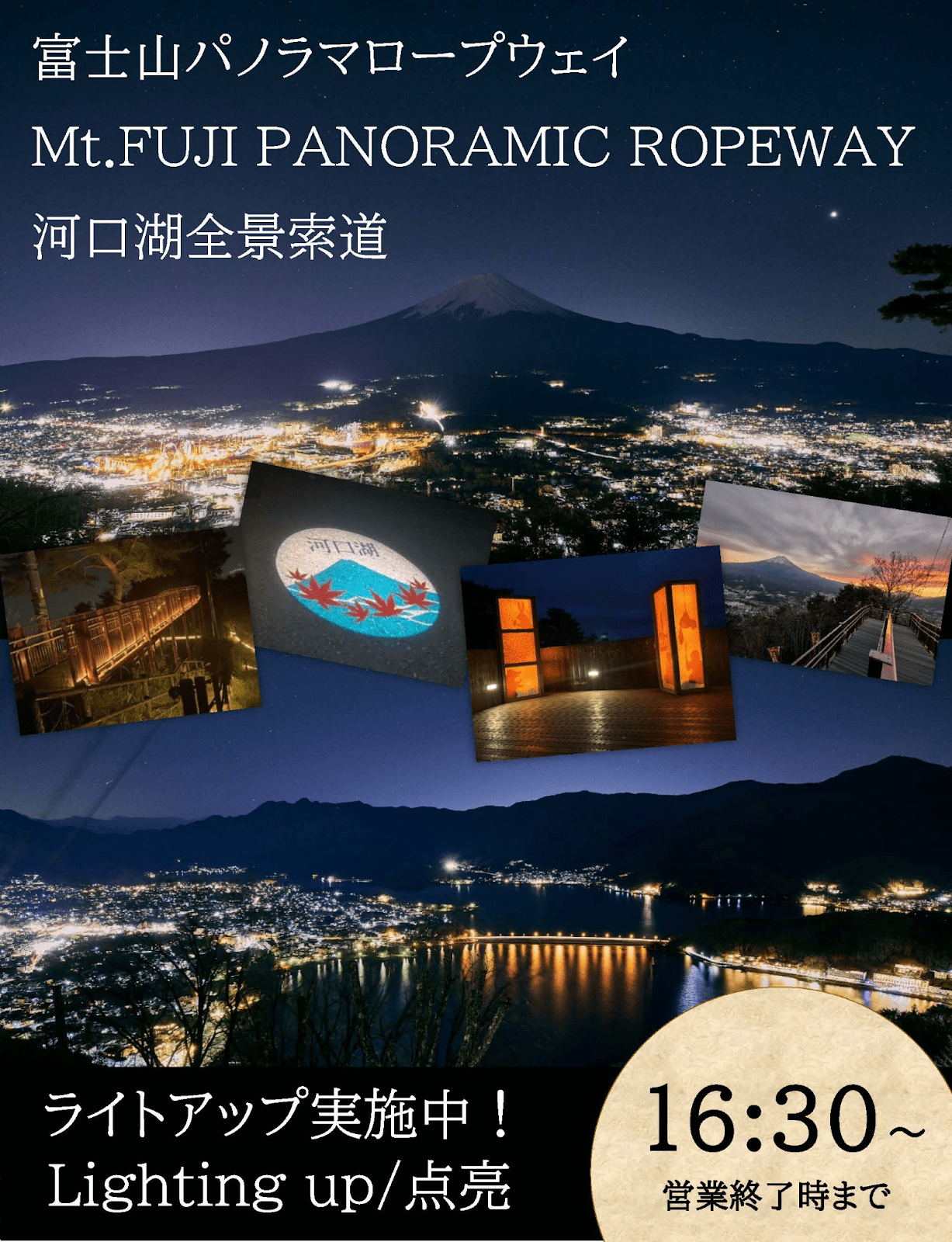
Mt. Fuji Panoramic Ropeway does not normally operate at night, but it occasionally runs special services to coincide with events held in winter.
In the clear air of early winter, the view of Mt. Fuji dyed in the colors of sunset gradually transitioning into a nighttime panorama is truly exceptional.
From the observation deck, you can enjoy views in two directions — the night scenery toward Fujiyoshida with Mt. Fuji as a backdrop, and the spread of lights toward Kawaguchiko.
In particular, the silhouette of Mt. Fuji emerging in the moonlight is extraordinarily fantastical.
On a clear winter night, a sky packed with stars spreads out like a planetarium overhead.
Seasonal Events: Summer & Winter Fireworks, Illuminations, and Ice Festivals
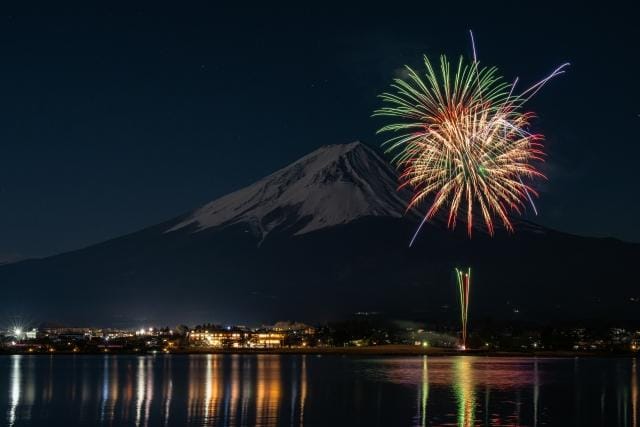
Around Kawaguchiko, seasonal nighttime events are held throughout the year.
- Mt. Fuji / Kawaguchiko Mountain Opening Festival Fireworks (early July) — Lake fireworks that herald the start of summer
- Kawaguchiko Lake Festival (August 5) — A large-scale fireworks display whose thunderous sound echoes through the surrounding mountains
- Kawaguchiko Winter Fireworks (January–February) — Crisp, crystal-clear winter fireworks enjoyed in clean air
- Twilight Illumination (January) — A fantastical nighttime display in which a European-style garden is wrapped in light
- Saiko Ice Festival (late January) — A natural art installation of rime ice lit up in glowing illumination
Even at the same lake, the night scenery changes completely with the seasons. Tailor your visit to the time of your trip and experience a special night that is uniquely that season's own.
Night View Spots in the Fuji Five Lakes Area
Through my 10 years of photography experience, I've discovered that special night view spots are scattered throughout the Fuji Five Lakes area. Each spot has different expressions depending on the season and weather, offering new discoveries even after multiple visits.
Arakurayama Sengen Park
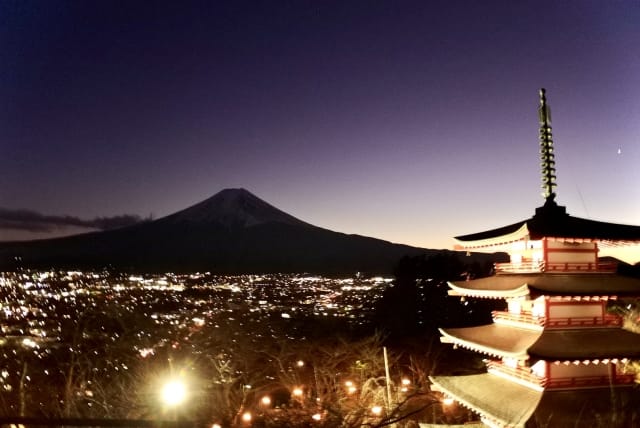
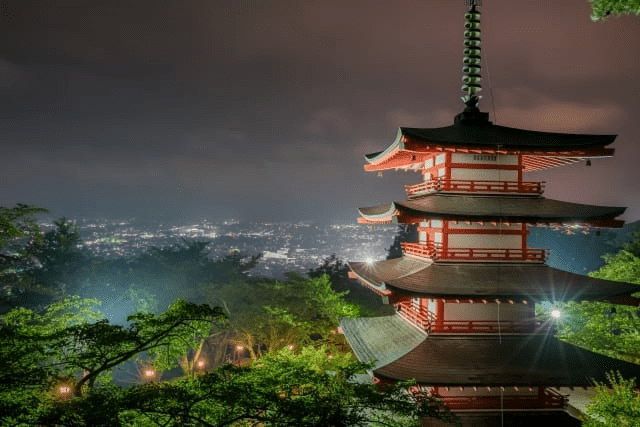
One of my most beloved night view spots is Arakurayama Sengen Park, selected as one of Japan's top 100 night views. I have countless memories here, but the most impressive was when I photographed the five-storied pagoda and Mt. Fuji on a full moon night.
The illumination, which continues until 10:00 PM, highlights the elegant figure of the five-storied pagoda, with the majestic silhouette of Mt. Fuji spreading in the background.
My favorite shooting point is the observation deck, from where you can also view the night scenery of the city. In spring, you can enjoy the luxurious composition of cherry blossoms, the five-storied pagoda, and Mt. Fuji. However, please note that tripod use may be prohibited on the observation deck depending on the season and time of day, so be sure to check the signs about photography on site.
I learned a photography tip from a local: visiting at dusk on a day with little wind provides the most beautiful view of the silhouettes of the five-storied pagoda and Mt. Fuji. I've also discovered that nights with thin clouds are better suited for illumination than perfectly clear nights.
How to get there at night:
- 10-minute walk from Shimoyoshida Station
- About 10 minutes by car from Fujiyoshida Nishikatsura Smart IC on the Chuo Expressway
Lake Kawaguchi Area (Photo Shooting)
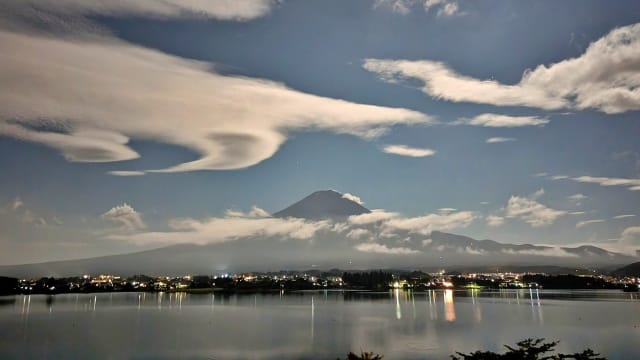
The Lake Kawaguchi area is where I've spent the most time shooting. Particularly impressive is the sight of the lights from the 500-meter-long bridge reflecting on the lake's surface. On cold winter nights, setting up a tripod by the lakeside reveals a fantastical landscape where a band of light seems to cross the lake surface.
The lights from hotels and inns lining the lakeside also enhance the charm of Lake Kawaguchi at night. My favorite is the view from Oishi Park. Here, Mt. Fuji illuminated by moonlight is easy to photograph, and I highly recommend it.
How to get there at night:
- Lake Kawaguchi itself is accessible within a 15-minute walk from Kawaguchiko Station
- Oishi Park is about 20 minutes by car from Kawaguchiko IC on the Chuo Expressway, or about 30 minutes by bus from Kawaguchiko Station on the Fujikyu Line
Mt. Tenjo Park
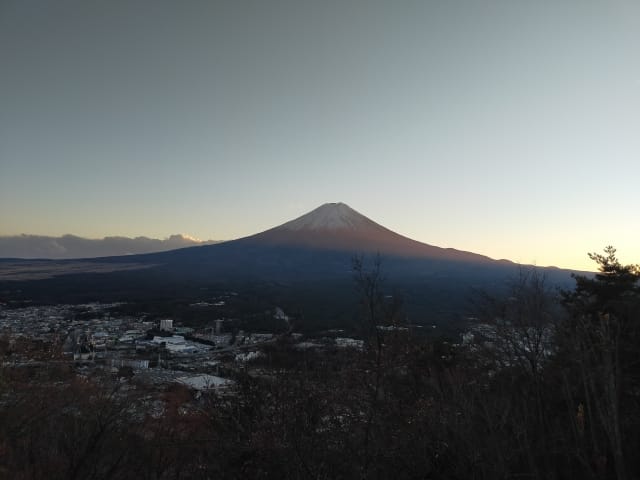
Mt. Tenjo Park is a hidden gem for enjoying a panoramic night view of Fujiyoshida City. I discovered the charm of this place when a local photographer told me about it. From the summit observation deck, which has a maintained hiking course, you can see a magnificent view known as the setting for the old tale "Kachi Kachi Yama".
At night, there are few people, and you can have the contrast between Mt. Fuji and the cityscape all to yourself in the quiet observation deck. My recommendation is the "magic hour" right after sunset, when the city lights gradually increase in brightness, which is breathtaking. The night view in the clear winter air is particularly beautiful, and I can't help but point my camera at it.
How to get there at night:
- The ropeway ends operation in the 5:00 PM range (in the 6:00 PM range from late July to August)
- At night, only the hiking course from Kawaguchiko Station is available (about 40 minutes)
- The path to the summit observation deck is well-maintained
Nijumagari Pass
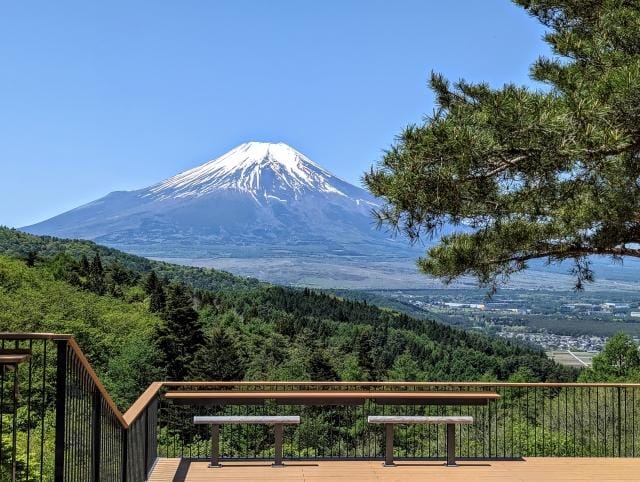
Nijumagari Pass is a scenic viewpoint located at an elevation of approximately 1,150 meters.
Situated on a highland plateau, the air is crisp and clear, and on cloudless nights the sky above is blanketed with stars. With no large towns nearby, light pollution is minimal, and the Milky Way and seasonal constellations are sometimes visible.
From here, you can see Mt. Fuji head-on, and its perfectly symmetrical silhouette is one of the defining features of this spot. As a result, it is popular among photography enthusiasts as a location where you can capture Mt. Fuji and the starry sky together in a single frame.
In 2022, the Nijumagari Pass Observation Terrace - SORA no IRO was developed, and visitors can now take their time admiring Mt. Fuji's silhouette and the night sky from a spacious wooden deck.
Note that power lines run above the shooting point, so be mindful of them appearing in wide-angle shots.
The Charm of Nightlife in the Nishiura Area
The Nishiura area, which has developed along with the textile industry since the 1920s, is my hidden gem for Mt. Fuji tourism. By visiting this district, I encountered the true meaning of "local Fujiyoshida".
Streets with a Retro Atmosphere
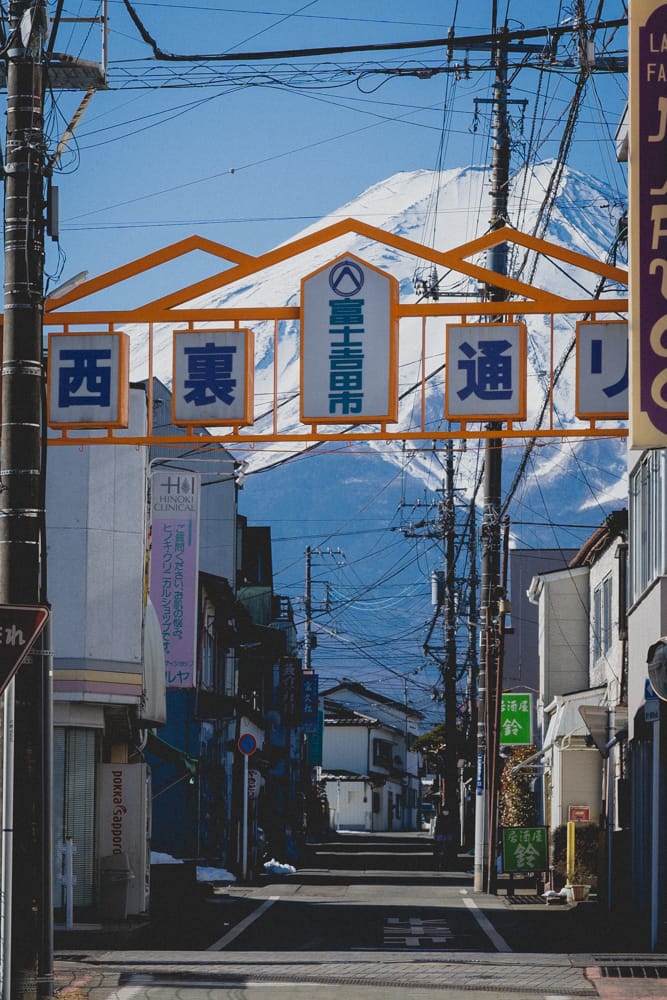
The Nishiura area, once known as one of the leading entertainment districts in the Kanto region with over 200 shops lined up, still retains traces of that bustle.
Eight unique streets run vertically and horizontally, each showing a different face. Since 10 years ago, there has been an increase in new stores opened by younger generations, creating a unique streetscape where retro architecture and modern shops coexist in perfect balance.
What I particularly like is the atmosphere from dusk to late night. The retro lights illuminating the alleys and the silhouettes of old buildings emerging create a scene like something out of an old movie.
Website: https://nishiura.info/
How to Enjoy at Night
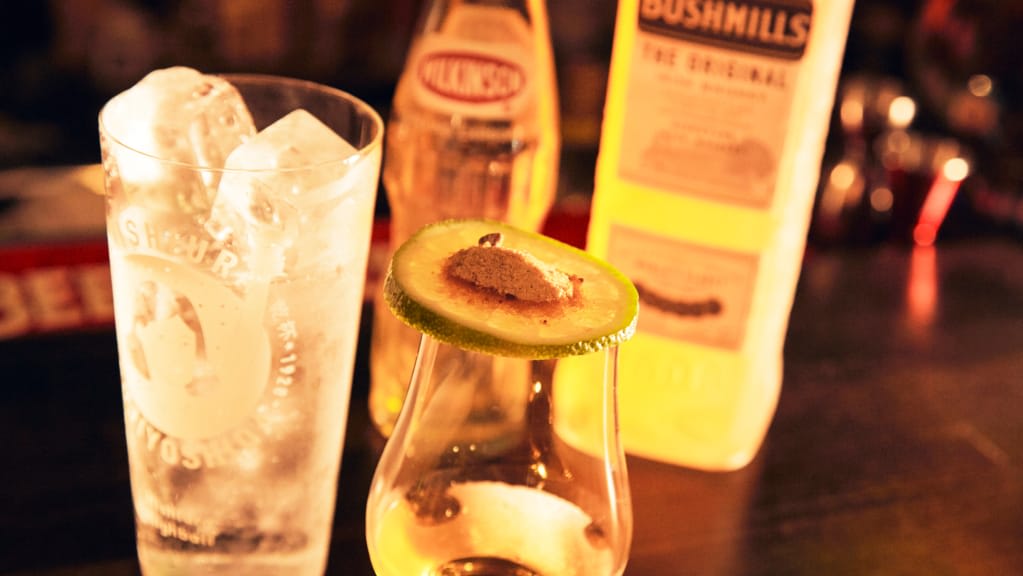
Spending the night in the Nishiura area is truly an "adult exploration". I make new discoveries every time I visit, and even after 10 years, the enjoyment never ends.
Bar hopping while exploring the back alleys is a unique way to enjoy this district. I recommend foreign tourists to interact with locals using translation apps or gestures. The locals are very kind to foreign tourists, and it's not uncommon for heartwarming interactions that transcend language barriers to occur.
The retro streetscape with Mt. Fuji in the background is an excellent spot for photography. Especially from dusk to night, you can capture the unique atmosphere created by the interplay of lights from old buildings and modern shops.
Characteristics of Each Street
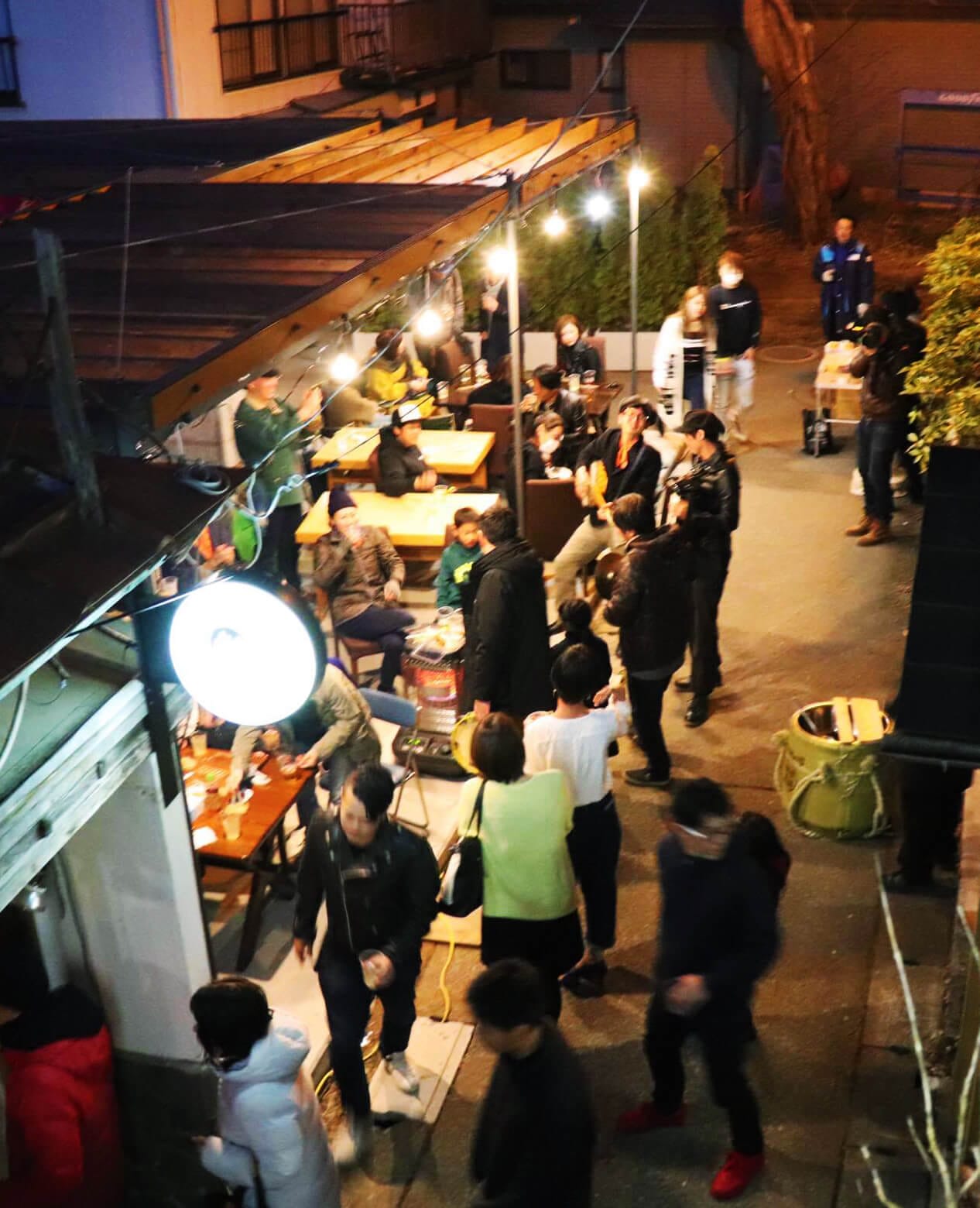
Through 10 years of coverage, I've come to know the individuality of each street deeply.
Nishiura Street, as the main street, is lined with many long-established restaurants where you can enjoy local flavors.
Nenokamidori Street is dotted with local shrines and old-fashioned snack bars, strongly retaining the atmosphere of old Japan.
Shinsekai Kampai Street has recently seen a concentration of new restaurants run by young entrepreneurs, attracting attention as a place where old and new cultures merge.
West King & Queen Street is lined with unique bars and clubs, bustling until late at night.
Million Street and Ipponsugi Street are the streets where the retro atmosphere remains most concentrated, and you can feel the prosperity of the past from old buildings and signs.
Access
The convenience of being just a 3-minute walk from Tsukigotera Station on the Fujikyu Line is also one of the charms of the Nishiura area. It's also easily accessible by taxi from Fujisan Station or Kawaguchiko Station, making it convenient to stop by during sightseeing. I especially recommend having a drink while interacting with locals in this district after getting tired from Mt. Fuji sightseeing.
Enjoy the Nightlife around Mount Fuji! Discover 7 Izakayas and Bars Beloved by Locals in the Nishiura Area
| Izakaya/ Bar | Budget | Attraction |
|---|---|---|
| Toiro Nishiura | ¥2,000~¥2,999 | Toiro Nishiura is a casual neighborhood izakaya beloved by locals for its braised dishes and yakitori. Don't miss the tansashi, a house favorite with a fresh, chewy texture and rich umami flavor. |
| Yakitori Megumi | ¥2,000~¥2,999 | Yakitori Megumi serves smoky binchotan-grilled yakitori, flavorful sides, and seasonal fish—perfect with cold beer or sake. |
| Tobari | ¥2,000~3,000 | Sumibi Yakitori Tobari offers expertly charcoal-grilled yakitori in a chic, bar-like setting. Don't miss the potato galette—especially the mentaiko version. |
| Kagishippo | ¥1,000~2,000 | Kagishippo serves Italian cuisine in a charming renovated nagaya in Nishiura, featuring local ingredients and Yamanashi wines near Mt. Fuji. |
| Pink De Flamingos | ¥1,000~2,999 | Pink De Flamingos is a chic Nishiura bar with a striking pink exterior, cozy ambiance, impressive drinks, house-made tofu, and ramen for a perfect nightcap. |
| Jazz House Now | ¥1,000~2,000 | A Nishiura jazz bar where the second-generation female owner picks records to match your mood. The warm atmosphere quickly puts first-timers at ease—coffee-only visitors welcome too. |
Toiro Nishiura
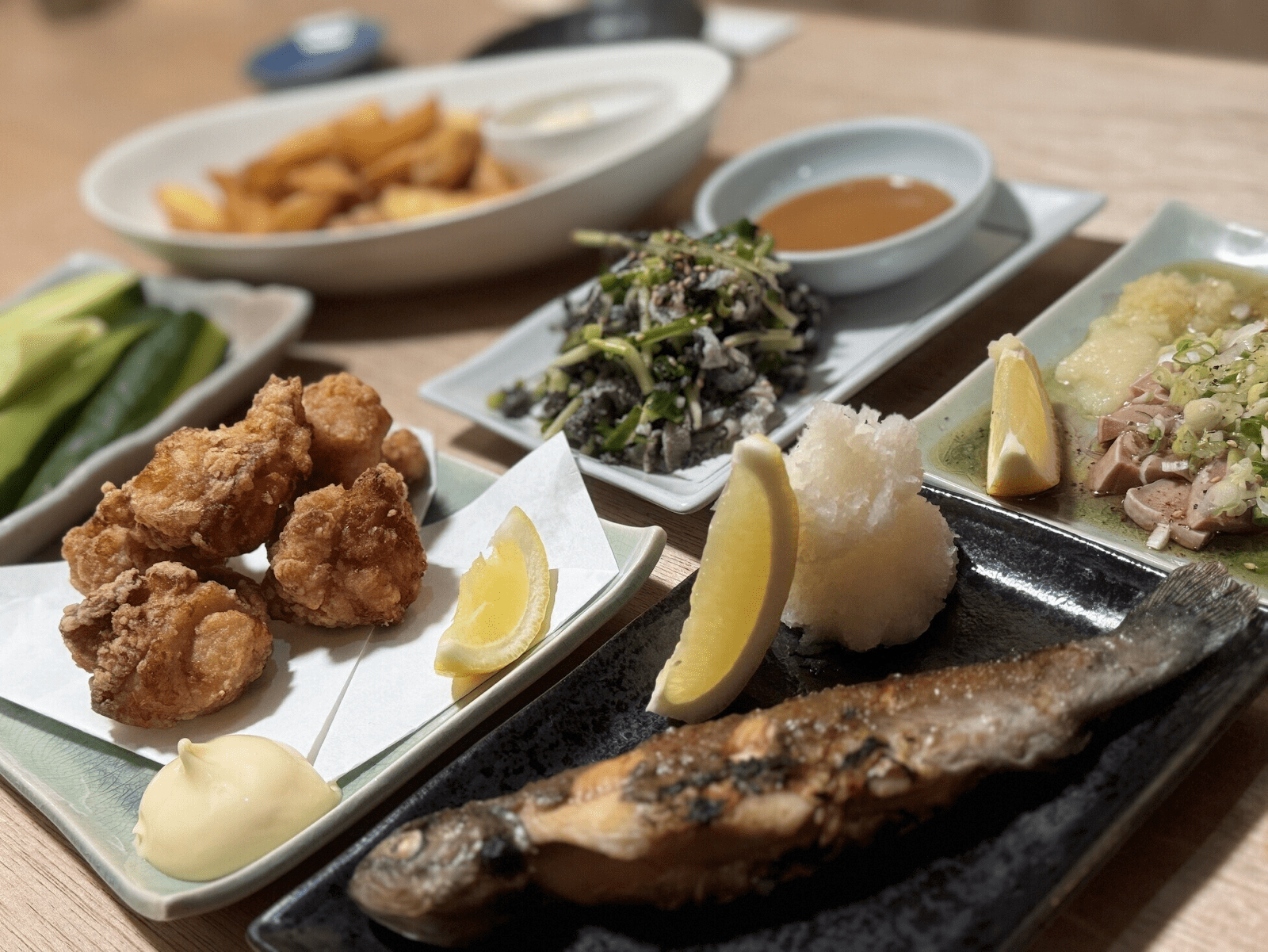
Toiro Nishiura is a local, down-to-earth izakaya centered around simmered dishes and yakitori. Rather than catering to tourists, this is an authentic local restaurant where regular Japanese customers gather, and the interior has a warm, homey atmosphere.
The daily specials change depending on what's available, but the most popular item is "Tansashi (Raw beef tongue sashimi)." It's a crowd favorite that almost every customer orders — and one I always get whenever I visit.
The Tansashi is fresh with just the right amount of chewiness, and the umami deepens with every bite. It pairs exceptionally well with green onion sesame oil, garlic, and lemon.
The yakitori is also grilled carefully, skewer by skewer, bringing out the juicy, natural flavors of the ingredients — you really can't go wrong with any order.
This is the perfect spot for those who want an experience that blends naturally into the everyday lives of locals.
Yakitori Megumi
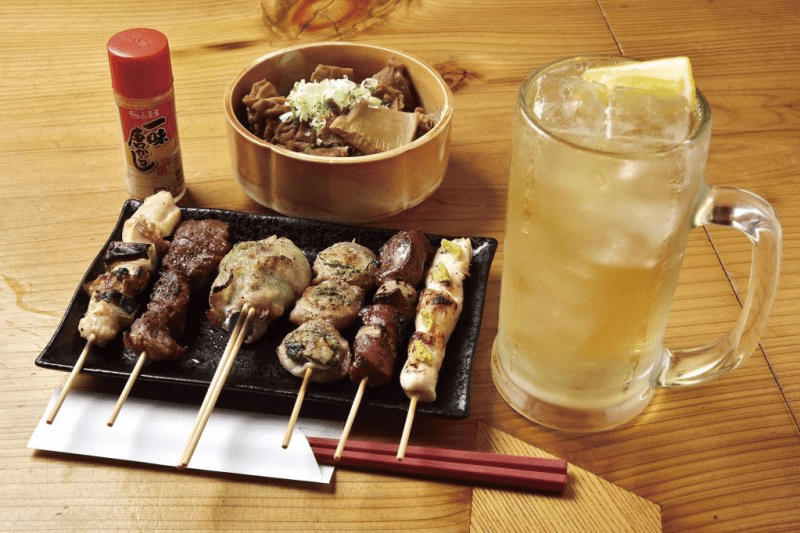
Sumibi Yakitori Megumi is a go-to spot for locals craving quality charcoal-grilled chicken skewers in a relaxed, welcoming setting. Each skewer is carefully prepared over binchotan charcoal, giving the meat an irresistible smoky aroma and perfectly juicy texture.
The menu features an impressive selection of yakitori covering various cuts of chicken, so there's always something new to try.
Beyond the skewers, you'll find plenty of tasty sides to round out your meal—think fresh salads, creamy cheese dishes, and crispy fried chicken bites. For those who want to venture beyond poultry, the seasonal fish dishes here are surprisingly excellent and well worth ordering.
Pairing freshly grilled skewers with cold beer or sake is the quintessential izakaya experience, and this Mount Fuji-area gem delivers exactly that authentic local vibe.
<Information>
Address: 3-16-22 Shimoyoshida, Fujiyoshida City, Yamanashi Prefecture
Hours:
Mon–Thu & Sun: 5:00 PM – 11:30 PM (Last order: Food 10:30 PM / Drinks 11:00 PM)
Fri–Sat: 5:00 PM – 1:30 AM (Last order: Food 12:30 AM / Drinks 1:00 AM)
Closed: Open daily
Phone: 0555-24-5523
Official Website: None
Tobari
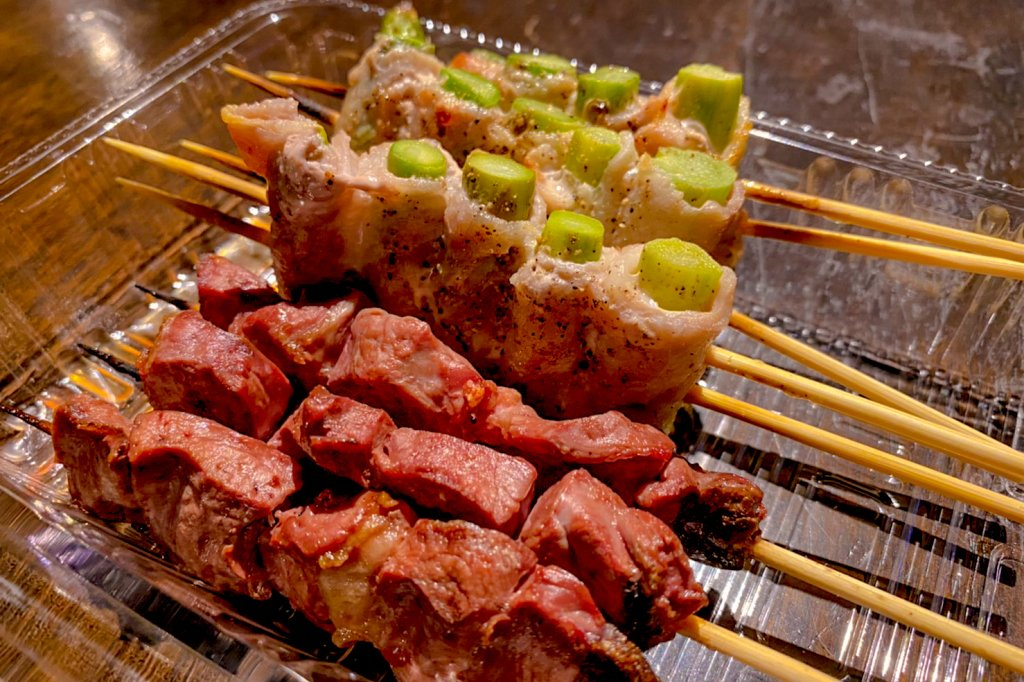
For a sophisticated evening out in the Nishiura area, Sumibi Yakitori Tobari delivers expertly crafted charcoal-grilled yakitori in an intimate setting. Each skewer receives careful attention as it's slowly cooked over glowing charcoal to perfection.
While the yakitori alone makes this spot worth visiting, locals know that the impressive selection of side dishes is equally compelling. The standout choice? The potato galette, available in three delicious varieties: classic salt and butter, tangy tomato sauce, or mentaiko (spicy pollock roe). For a distinctly Japanese twist, I highly recommend trying the mentaiko version.
The interior exudes a chic, bar-like ambiance with thoughtful design touches throughout—including unique lampshades crafted from dried flower arrangements. With an extensive drink menu to complement your meal, this is the perfect place to unwind and savor the night.
<Information>
Address: 3-12-56 Shimoyoshida, Fujiyoshida City, Yamanashi Prefecture
Hours:
Tue–Thu: 6:00 PM – 12:00 AM (L.O. 11:30 PM)
Fri–Sat: 6:00 PM – 2:00 AM (L.O. 1:30 AM)
Closed: Mondays
Phone: 0555-75-0445
Official Website: None
Kagishippo
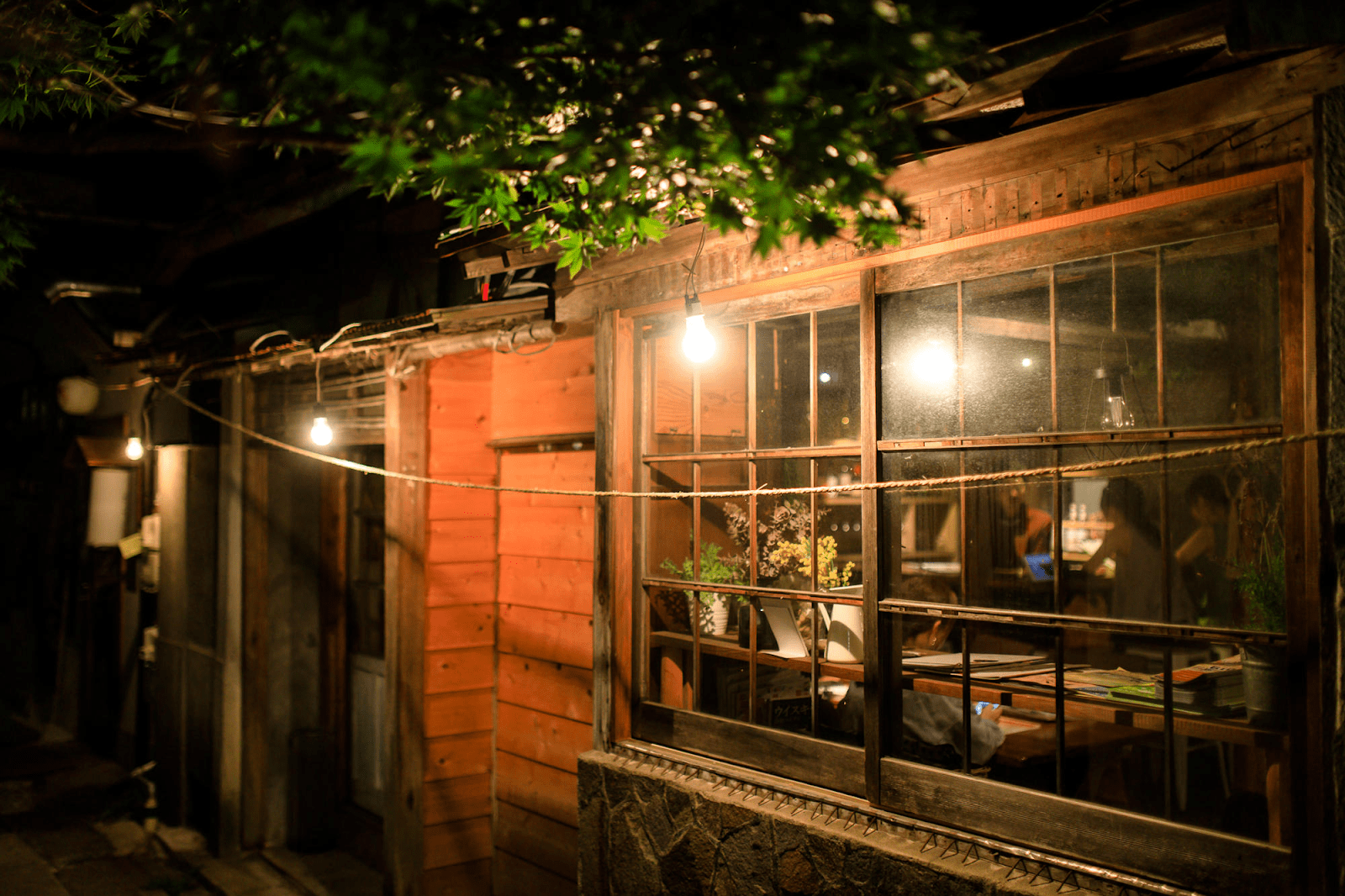
Tucked away in the nostalgic streets of Nishiura, Kagishippo offers a delightful twist on the typical local nightlife scene with its authentic Italian cuisine. The space occupies a renovated nagaya—a traditional Japanese row house built over half a century ago—where vintage Japanese architectural charm meets modern design sensibilities.
The owner, a former Tokyo restaurant professional, was drawn to this area by its stunning natural surroundings and decided to put down roots here. The menu features handcrafted pizzas, pastas, and other Italian dishes showcasing the best of local ingredients.
While the food alone is worth the visit, what truly elevates the experience is the selection of locally produced wines.
Yamanashi Prefecture has long been celebrated for its thriving grape cultivation and acclaimed winemaking tradition. Savoring these regional wines alongside expertly prepared Italian fare creates an unforgettable pairing that captures the spirit of this unique corner of the Mt. Fuji area.
<Information>
Address: 3-12-69 Shimoyoshida, Fujiyoshida City, Yamanashi Prefecture
Hours:
Lunch: 11:30 AM – 2:00 PM (L.O. 1:30 PM)
Dinner: 6:00 PM – 10:00 PM (L.O. 9:30 PM)
Closed:
Lunch→Sundays & Mondays
Dinner→Sundays
Phone: 0555-73-8858
Official Website: https://www.kagishippo-fujiyoshida.com/
Pink De Flamingos
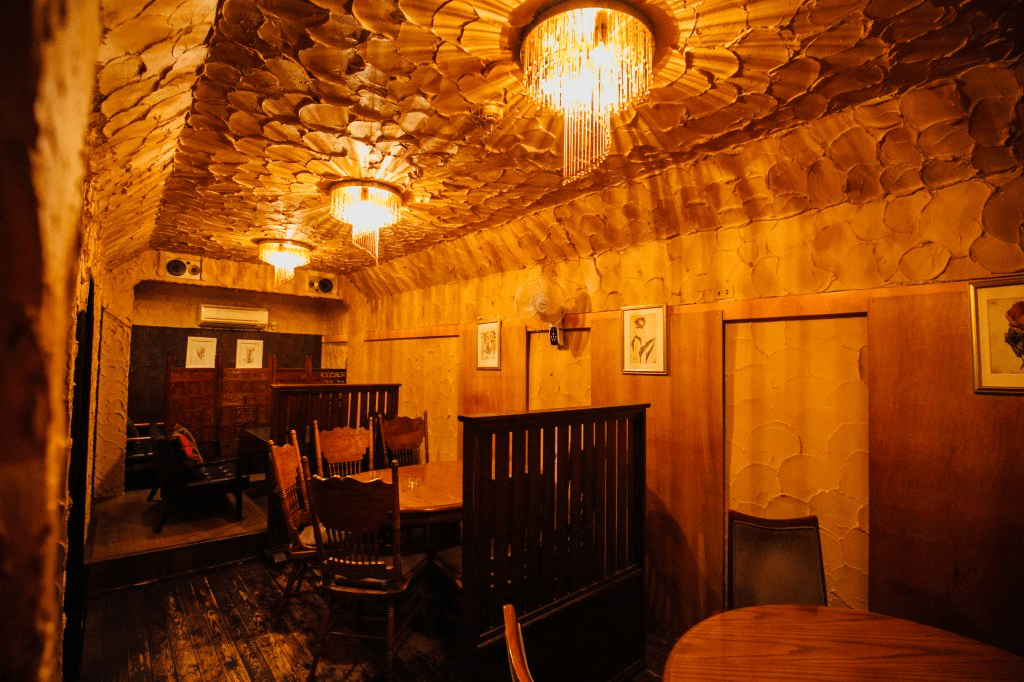
Among the drinking spots in Nishiura, Pink De Flamingos stands out as a uniquely stylish bar with unmistakable character. You can't miss it—just look for the eye-catching pink exterior. Step inside, and you'll find yourself in a cozy space where soft lighting plays off textured, plaster-style walls, creating an inviting atmosphere perfect for unwinding.
While the bar boasts an impressive drink selection as you'd expect, what sets it apart is the variety of food offerings. A must-try is the house-made tofu, crafted using mineral-rich underground spring water from the famous Oshino Hakkai ponds. It delivers the pure, delicate flavor of soybeans and makes for a light, guilt-free bite even late into the night.
Another pleasant surprise? They serve ramen here—an ideal way to cap off your evening after a few drinks.
<Information>
Address: 3-14-8 Shimoyoshida, Fujiyoshida City, Yamanashi Prefecture
Hours: 7:00 PM – 2:00 AM (Last order: 1:00 AM)
Closed: Tuesdays
Phone: 0555-24-5385
Official Website: None
Jazz House Now
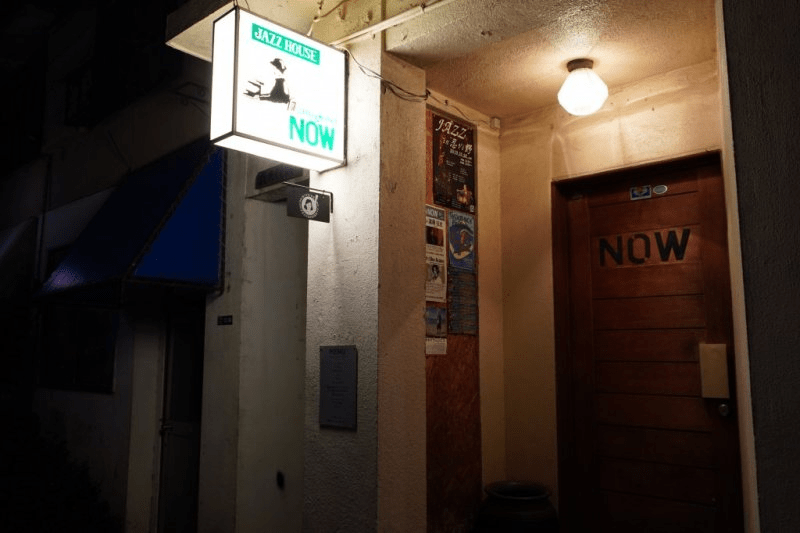
Jazz House Now is a long-established jazz bar located in the Nishiura area.
Rich jazz music flows from large speakers and fills the entire space, creating a calm, sophisticated atmosphere where time moves at a relaxed adult pace.
Music selection is handled by the second-generation female owner, who will play records suited to your preferences if you make a request.
You might think a jazz bar sounds intimidating, but it's also perfectly fine to enjoy it as a "jazz cafe" — sipping coffee and soaking in the music without any alcohol.
I was a little nervous on my first visit, too, but the owner's warm presence and the soothing sound of the music quickly put me at ease.
Spending a quiet night surrounded by authentic jazz is sure to become one of your most special memories of Kawaguchiko Nightlife.
Please note that smoking is permitted inside, so those sensitive to cigarette smoke should be aware before visiting.
We Also Recommend Soothing Your Tired Body At A Hot Spring Near Mt. Fuji!
Around Mt. Fuji, there are numerous hot spring facilities scattered throughout the area where you can relax and rejuvenate your body while taking in the breathtaking scenery.
After a day of hiking or sightseeing on foot, warming yourself in an onsen is one of the most indulgent pleasures this area has to offer.
Many facilities have their own distinctive character — some offer outdoor baths with a direct view of Mt. Fuji, others feature gentle alkaline water or even cave-style baths — and each location has its own unique appeal.
Here, we introduce some recommended hot springs to visit in between your Kawaguchiko Nightlife sightseeing around Mt. Fuji.
| Onsen | Attraction |
|---|---|
| Fuji Chobo no Yu Yurari | Yurari, a hot spring at Mt. Fuji's base, offers 16 baths with stunning mountain views, a unique cave bath, and private rental options. |
| Yamanakako Onsen Benifuji | Benifuji no Yu is a scenic hot spring near Mt. Fuji offering open-air and indoor baths with seasonal views and skin-smoothing alkaline waters. |
| Mt. Fuji Yogan no Yu Sensui | Relax in mineral-rich baths with stunning Mt. Fuji views at Sensui—perfect for rejuvenation after sightseeing. |
| Fujiyama Onsen | Near Fuji-Q Highland, Fujiyama Onsen offers traditional ambiance and carbonated baths perfect for post-adventure relaxation. |
| Mt. Fuji Onsen Hotel Kaneyamaen | Kaneyamaen offers vast Japanese gardens, traditional cultural experiences like taiko and tea ceremonies, and a stunning three-tiered rooftop open-air bath with panoramic Mt. Fuji views. |
| Fuji Kawaguchiko Onsengo Konanso | Konanso is a traditional inn with stunning Mt. Fuji and Lake Kawaguchi views, offering kaiseki cuisine, private baths, and a scenic rooftop foot bath. |
Fuji Chobo no Yu Yurari
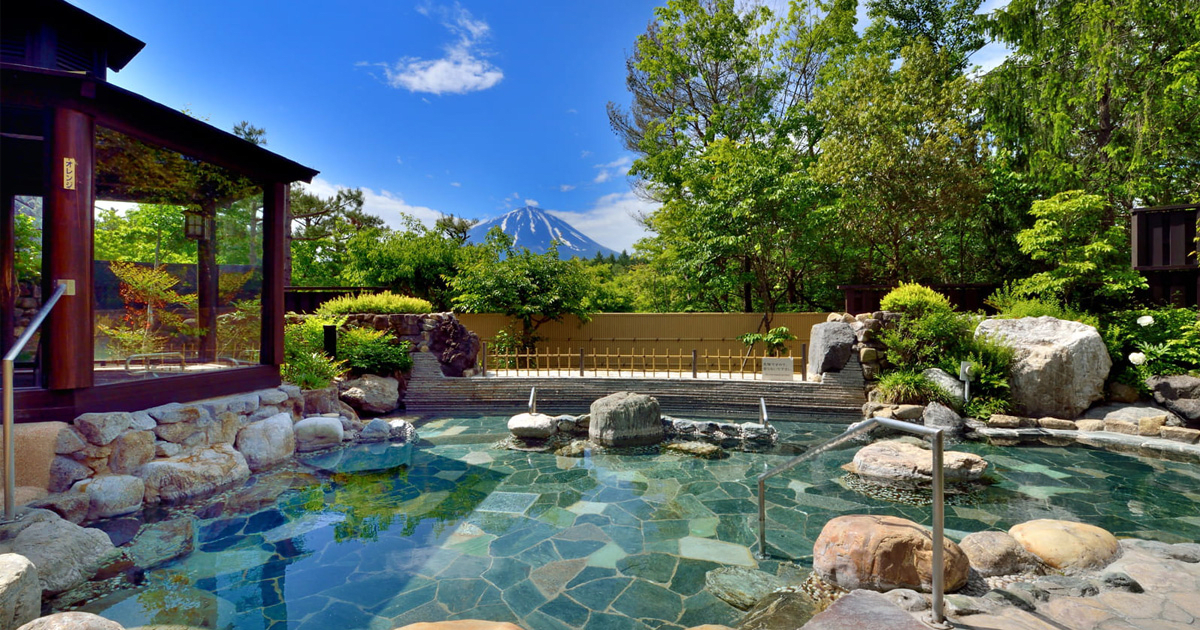
After a day of exploring the Mt. Fuji area, Fuji Chobo no Yu Yurari offers the perfect way to unwind. Nestled at the base of Mt. Fuji, this hot spring retreat features an impressive collection of 16 different baths to help you relax and recharge.
What sets Yurari apart is the chance to soak while enjoying breathtaking seasonal scenery. The open-air baths provide particularly stunning views of Mt. Fuji towering beyond lush greenery. For something unique, the "Cave Bath" recreates the mysterious atmosphere of the mountain's volcanic caverns.
If you prefer a more private setting, the facility offers seven rental baths where you can enjoy some peaceful downtime. These are available on a same-day reservation basis only, so be sure to book your time slot when you arrive.
With the freedom to hop between all 16 baths at your leisure, Yurari is a fantastic choice for hot spring lovers eager to experience a variety of bathing styles in one visit.
<Information>
Address: 8532-5 Narusawa, Minamitsuru District, Yamanashi
Hours: Weekdays 10:00–21:00 (last entry 20:00); Weekends & holidays 10:00–22:00 (last entry 21:00)
Closed: Open year-round
Phone: 0555-85-3126
Official Website: https://www.fuji-yurari.jp/
Yamanakako Onsen Benifuji
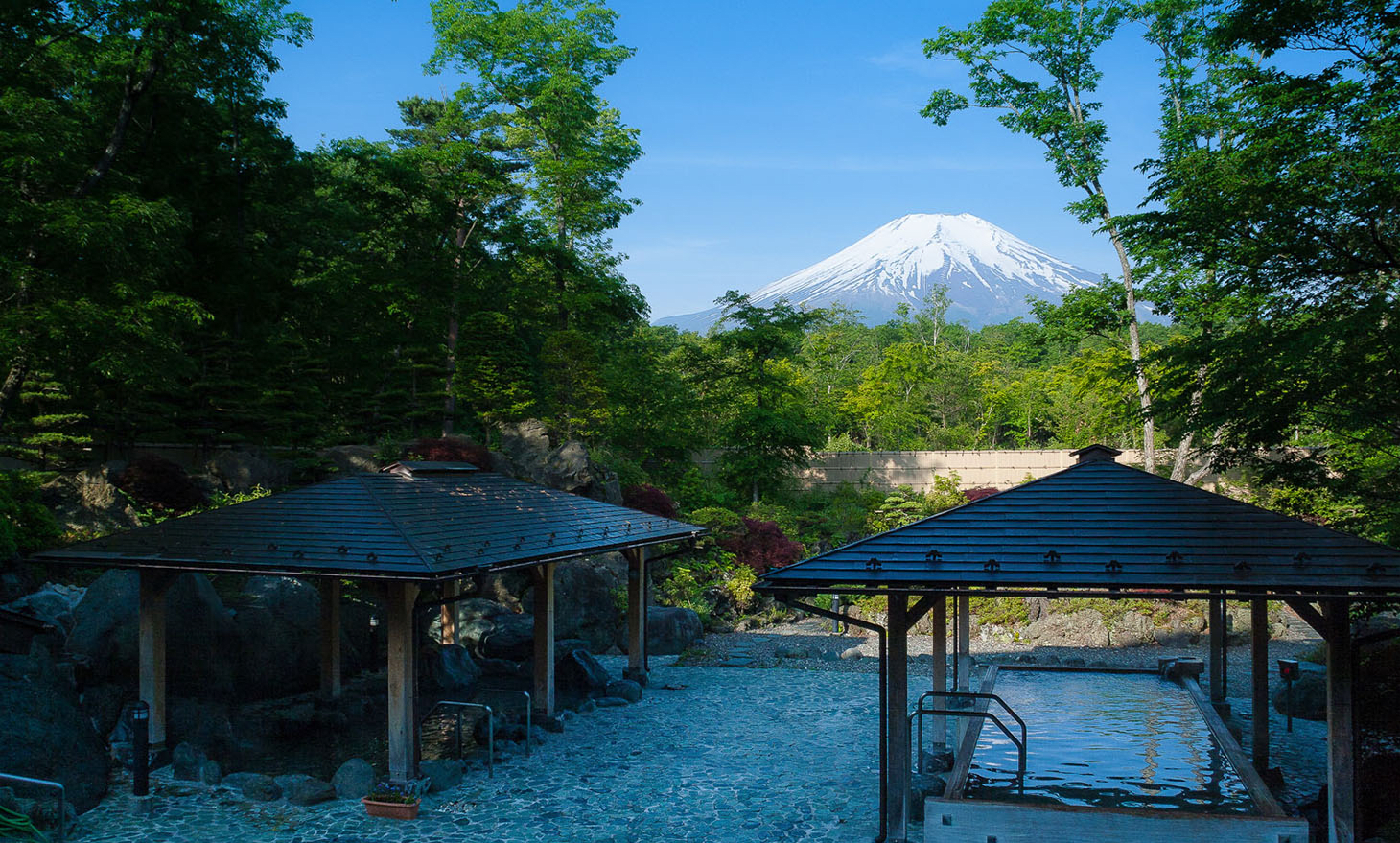
After a day of exploring the Mt. Fuji area, why not unwind at Yamanakako Onsen Benifuji no Yu? This hot spring facility offers the perfect setting to relax, nestled in the scenic natural landscape surrounding Japan's iconic mountain.
The baths here are enveloped by trees, providing a different atmosphere with each season—lush greenery in spring and summer, vibrant foliage in autumn, and during winter months, the chance to witness the stunning "Benifuji" phenomenon, when the rising sun bathes Mt. Fuji in a gorgeous red glow.
Guests can choose between open-air baths where you can breathe in the fresh mountain air, or spacious indoor bathing areas for a comfortable soak regardless of the weather. The water has alkaline properties known to gently cleanse the skin and remove dead cells—I can personally attest that my skin felt noticeably smoother after bathing here.
If you're looking to soak away your fatigue while taking in views of forested hillsides and Mt. Fuji, Benifuji no Yu is an excellent choice.
<Information>
Address: 865-776 Yamanaka, Yamanakako-mura, Minamitsuru-gun, Yamanashi
Hours: Weekdays 11:00–19:00 (last entry 18:15) / Weekends & holidays 11:00–20:00 (last entry 19:15)
Closed: Tuesdays
Phone: 0555-20-2700
Official Website: https://www.benifuji.co.jp/ Opus 4.5拡張
Mt. Fuji Yogan no Yu Sensui
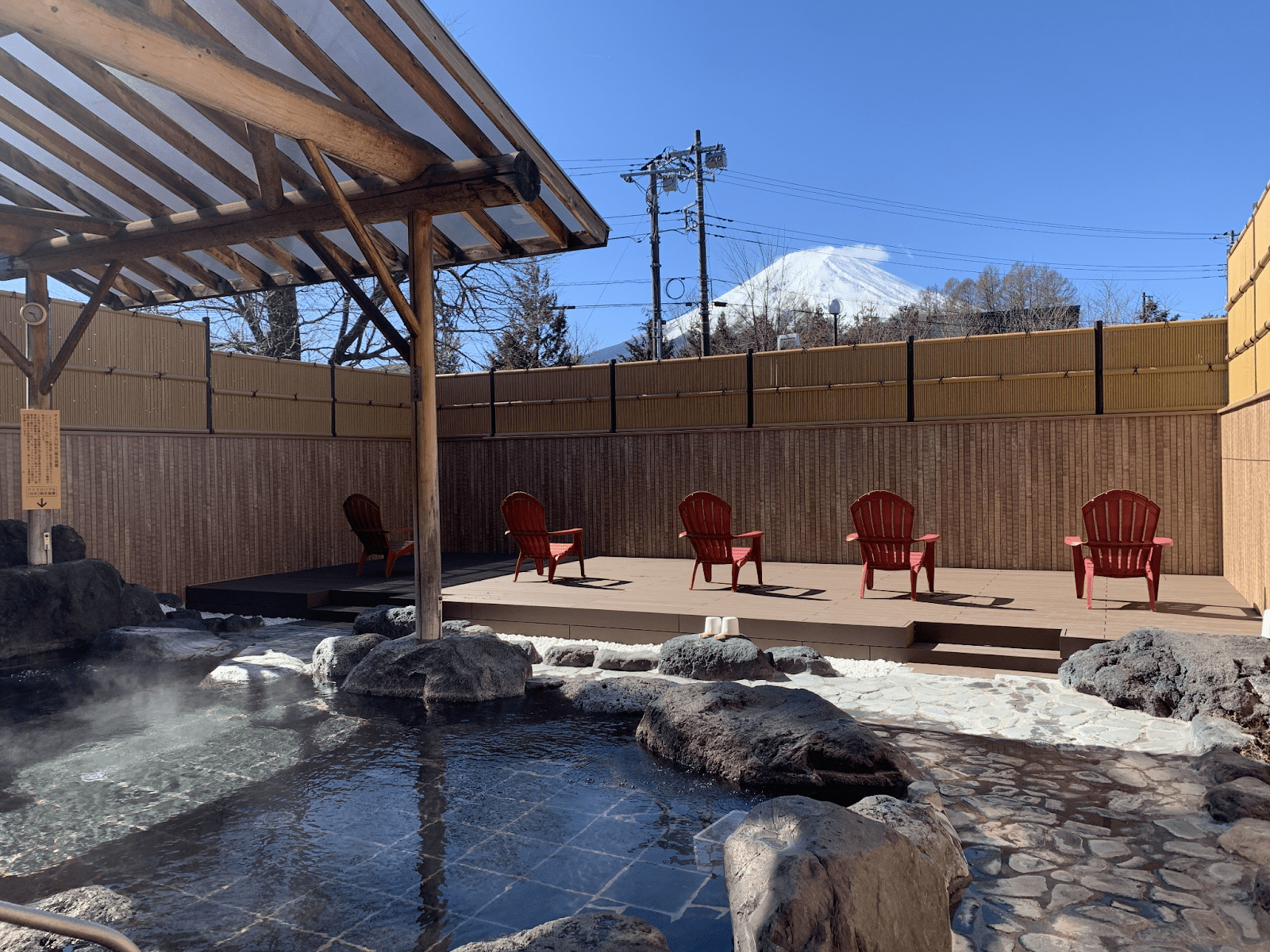
For a rejuvenating soak after your Mt. Fuji adventures, head to Mt. Fuji Yogan no Yu Sensui—a hot spring facility blessed with stunning views of the iconic peak and waters rich in skin-enhancing and health-boosting minerals.
The highlight here is the outdoor bath lined with authentic Mt. Fuji volcanic rock. As you soak in the steaming waters, you can gaze out at the mountain itself, creating an immersive experience that feels like bathing in the heart of nature.
What makes Sensui's waters special is their high concentration of minerals derived from Mt. Fuji, known for promoting healthy, glowing skin. The facility also features microbubble baths designed to improve circulation and relieve fatigue—exactly what you need after a day of sightseeing.
If you're looking to unwind while feeling connected to Mt. Fuji's natural energy, this hot spring is the perfect place to restore both body and spirit.
<Information>
Address: 4261 Kamiyoshida, Fujiyoshida City, Yamanashi Prefecture
Hours: 10:00–23:00 (last entry at 22:30)
Closed: Open year-round
Phone: 0555-24-2438
Official Website: https://www.fuji-sensui.jp/
Fujiyama Onsen
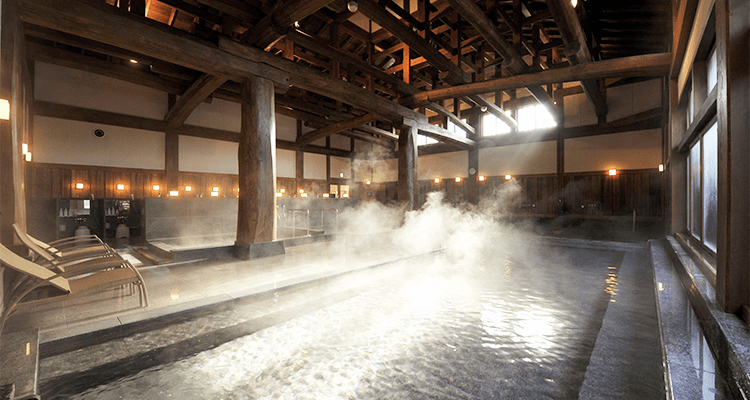
Fujiyama Onsen offers the perfect way to unwind after a day of adventure near Mt. Fuji. Located just steps from Fuji-Q Highland, this hot spring facility charms visitors with its nostalgic, traditional design.
The interior draws inspiration from historic architecture found in Hida Takayama, creating an atmosphere steeped in Japanese heritage. As you soak in the warm waters, you'll feel as though you've been transported to a bygone era.
The baths feature carbonated spring water known for its skin-smoothing properties. With seven different types of baths available in the main bathing area, you can take your time exploring each one to find your favorite.
If you've visited Fuji-Q Highland or the Fujiyama Museum, be sure to take advantage of the special discounts offered to guests of these attractions.
While there's no view of Mt. Fuji from inside the facility, Fujiyama Onsen is an excellent choice for anyone seeking an authentic Japanese hot spring experience or simply looking to fully relax and rejuvenate.
<Information>
Address: 4-17-1 Shinnishihara, Fujiyoshida City
Hours: 10:00–23:00 (last entry 22:00); Morning bath 6:30–9:00 (last entry 8:30)
Closed: Irregular holidays
Phone: 0555-22-1126
Official Website: https://www.fujiyamaonsen.jp/
Mt. Fuji Onsen Hotel Kaneyamaen
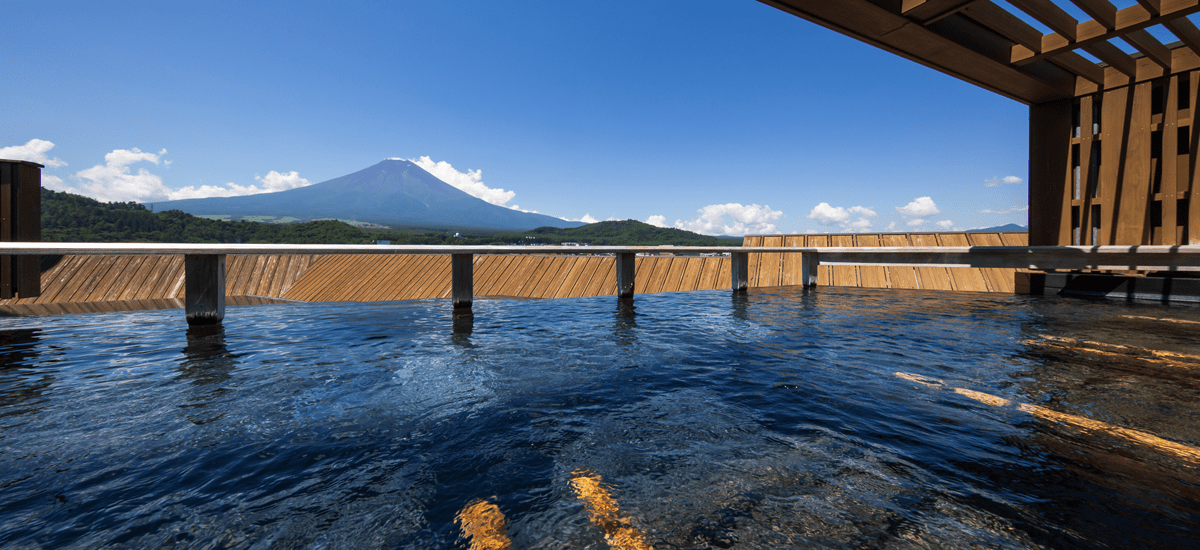
Mt. Fuji Onsen Hotel Kaneyamaen offers the perfect retreat for weary travelers, featuring expansive grounds spanning approximately 20,000 tsubo (about 66,000 square meters) with beautifully landscaped Japanese gardens and stunning views of Mt. Fuji.
Beyond its relaxing hot springs, the hotel provides wonderful opportunities to immerse yourself in traditional Japanese culture, from taiko drum performances to a charming tea house nestled beside the garden.
The highlight is undoubtedly the spacious open-air bath located on the 10th-floor rooftop. Here, three cascading tiers of baths allow you to soak in the warm waters while gazing at the magnificent panorama of Mt. Fuji.
The uppermost tier, where you can recline and bathe while lying down, is particularly blissful—ideal for melting away fatigue and finding true relaxation for both body and soul.
This is an excellent choice for visitors seeking authentic Japanese cultural experiences alongside breathtaking hot spring views.
<Information>
Address: 6283 Kamiyoshida, Fujiyoshida City, Yamanashi
Hours: (Hot Spring) Morning 5:10–10:00 (last entry 9:30), Evening 15:00–19:00 (last entry 18:30)
Closed: Open year-round
Phone: 0555-22-3168
Official Website: https://www.kaneyamaen.com/
Fuji Kawaguchiko Onsengo Konanso
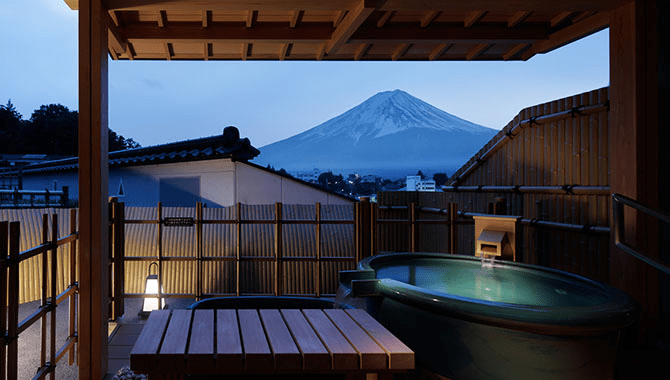
Fuji Kawaguchiko Onsengo Konanso is a traditional Japanese inn perfectly positioned for breathtaking views of both Mt. Fuji and Lake Kawaguchi—an ideal retreat after a day of exploring the area.
The inn offers guest rooms featuring private open-air hot spring baths, along with accommodations boasting spectacular scenery. For dinner, guests can indulge in kaiseki, a traditional multi-course Japanese meal showcasing a variety of seasonal dishes.
When it comes to bathing options, Konanso features three distinct experiences: a spacious public bath, private reserved baths, and a rooftop foot bath. The rooftop foot bath is a personal favorite—there's something truly special about soaking your tired feet while gazing at Mt. Fuji and Lake Kawaguchi.
During the day, you can unwind with a gentle breeze, while evenings transform the space into an enchanting atmosphere with soft lighting.
This ryokan is especially recommended for travelers interested in trying a foot bath experience, or for those who want to enjoy exceptional cuisine alongside their hot spring visit.
<Information>
Address: 4020-2 Funatsu, Fujikawaguchiko-machi, Minamitsuru-gun, Yamanashi
Hours:
Public Bath: 3:00 PM–1:00 AM, 5:00 AM–10:00 AM
Private Bath: 3:00 PM–12:00 AM, 7:00 AM–10:00 AM
Foot Bath: 3:00 PM–10:00 PM, 6:00 AM–10:00 AM
Closed: Open year-round
Phone: 0555-73-1844
Official Website: https://www.konansou.com/
Local’s Pick! Seasonal Night Events Calendar 2026
Winter: Kawaguchiko Fireworks & Ice Festivals
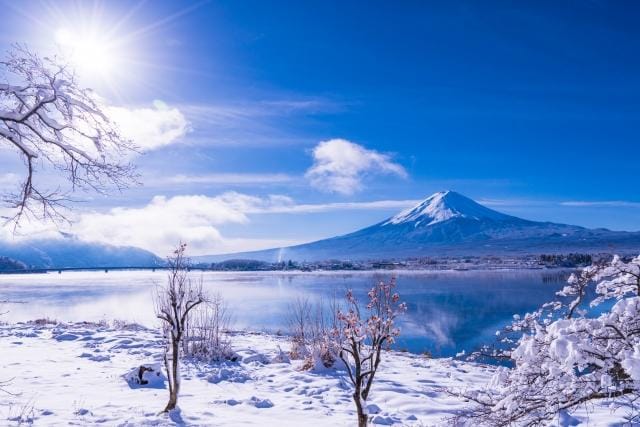
Winter in Kawaguchiko offers special nighttime events to enjoy in the crisp, clear air — a perfect introduction to Kawaguchiko Nightlife.
One of the most iconic is the Kawaguchiko Fireworks. Held on weekends from January through February, the fireworks launched from the quiet lakeside beautifully illuminate both the night sky and the lake's surface.
My personal recommendation is to watch from the opposite shore at a relaxed pace. Oishi Park, Ubuyagasaki, and the promenade along the north shore of Lake Kawaguchi tend to be less crowded, allowing you to enjoy the fireworks in peace.
On calm nights, the fireworks reflect clearly on the surface of the lake, and you can witness the breathtaking sight of fireworks overlapping with snow-capped Mt. Fuji.
At Lake Saiko, the Saiko Ice Festival is held from late January to early February, and in the evenings, frost-covered trees formed by natural cold are lit up in a magical display.
Sunset falls around 5:15 PM, so arriving at around 5:00 PM lets you enjoy both the sunset and the transition into a beautiful night view.
In the clear winter air and the quiet atmosphere of the lakeside, you can experience a mystical evening unique to the season.
Autumn: Momiji Corridor Illumination
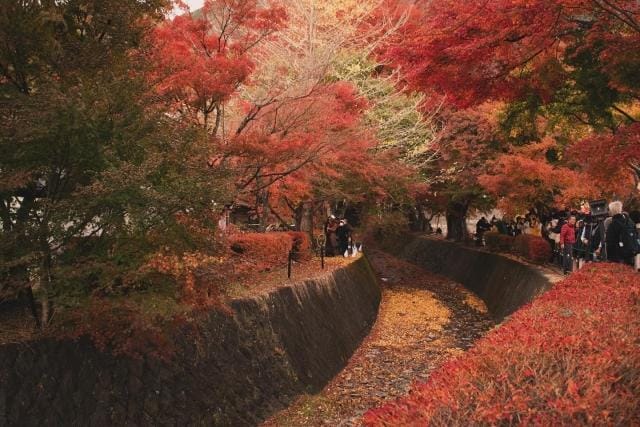
In autumn, one of the most popular highlights of Kawaguchiko Nightlife is the Momiji Corridor Illumination.
Located along the famous autumn foliage spot on the north shore of Lake Kawaguchi, the leaves typically begin to change color in mid-October and reach their peak in mid-November.
The illumination runs from around 4:30 PM to 9:30 PM, with the maple trees bathed in soft light floating against the night sky.
The venue is filled with great photo spots, and around the small arched bridge where maple branches form a canopy overhead, you can capture stunning shots of an illuminated tunnel of autumn leaves.
My recommendation is to visit just before sunset. In the glow of the evening sky, you can enjoy the spectacular view of Mt. Fuji's silhouette rising beyond the illuminated autumn foliage.
During the same period, the Fuji Kawaguchiko Autumn Leaves Festival is also held, where you can stroll through the foliage while enjoying food stalls and local cuisine.
Summer: Fuji Five Lakes Fireworks
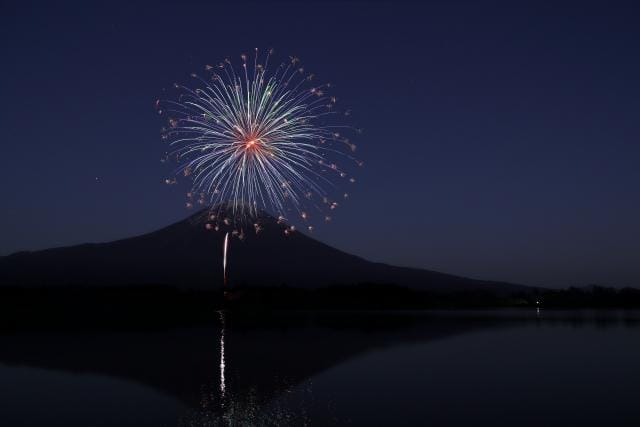
The Fuji Five Lakes Fireworks is a beloved summer tradition held annually from August 1st to 5th, with displays taking place in sequence at Lake Yamanaka, Lake Saiko, Lake Motosu, Lake Shoji, and Lake Kawaguchi.
- Lake Yamanaka Hoko Festival Fireworks (8/1): The opening event of the series, with fireworks launched from various areas around Lake Yamanaka.
- Lake Saiko Ryugu Festival Fireworks (8/2): Enjoy the fireworks in a fantastical atmosphere as lanterns float across the lake's surface.
- Lake Motosu Shinko Festival Fireworks (8/3): Surrounded by mountains on three sides, the terrain creates an immersive experience where the sound of fireworks echoes dramatically.
- Lake Shoji Ryoko Festival Fireworks (8/4): Because the lake is small, you are remarkably close to the fireworks, making for an especially powerful and impactful display.
- Lake Kawaguchi Kojo Festival Fireworks (8/5): The grand finale of the series — and the largest event — featuring approximately 9,000 fireworks launched into the sky.
My top recommendation is, without a doubt, the Lake Kawaguchi Kojo Festival. The fireworks launched over the lake spread across the night sky and reflect beautifully on the surface of Lake Kawaguchi.
Stargazing Near Mt Fuji is also Recommended! Where are the Best Dark Sky Spots?
The area around Mt. Fuji is known as one of Japan's finest spots for stargazing.
The high elevation keeps the air clear, and its distance from urban centers means minimal light pollution — two key reasons why this region is so exceptional.
In particular, the area around the Fuji Five Lakes offers a quiet environment surrounded by lakes and mountains, where you can gaze up at a sky full of stars. On clear nights, the Milky Way is sometimes visible with the naked eye.
Here are some of the locally popular stargazing spots worth visiting.
Shojiko North Shore
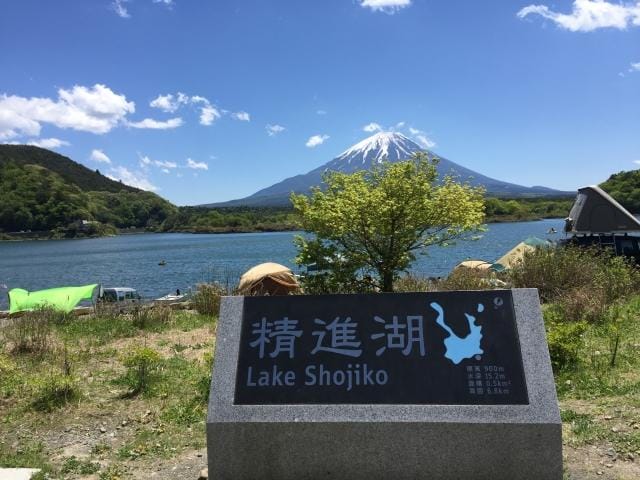
Shojiko North Shore is known as one of the best spots for stargazing among the Fuji Five Lakes. It remains one of the darkest locations in the area, with few streetlights or tourist facilities, resulting in almost no light pollution.
The view of Mt. Fuji from here is called "Kodate Fuji" (Child-Carrying Fuji), as the small Omuro Mountain appears nestled in front of the larger peak — and it is regarded as one of the most beautiful views in the Fuji Five Lakes region. With this stunning scenery as a backdrop and a sky full of stars overhead, it is extremely popular for both stargazing and astrophotography.
My personal favorite is the moment when Mt. Fuji and the starry sky spread across the lake's surface. Gazing at the stars along the quiet lakeshore, it's easy to lose all sense of time.
Motosuko Observatory
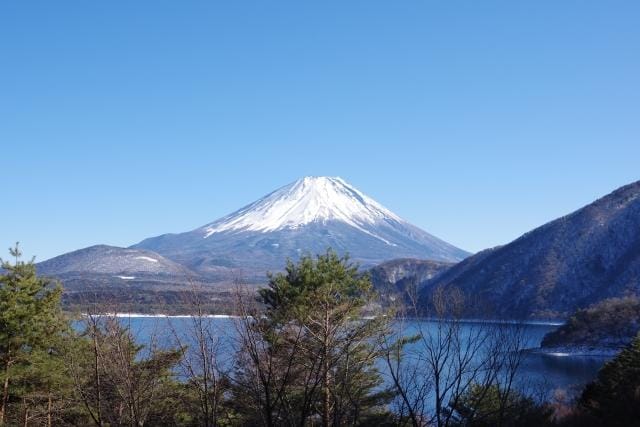
Motosuko Observatory overlooks both Mt. Fuji and Lake Motosu from an elevated vantage point, making it an outstanding hilltop stargazing destination.
With a wide, open view and clear air, you can take in stars spanning the entire sky. There are no large towns nearby, so light pollution is minimal, and on clear nights, the Milky Way and constellations like Orion can be seen distinctly.
What I love most is the sense of vastness you feel when you look up from the observation area. With almost nothing obstructing the view, stars fill the entire sky above you — making it one of the most dramatic stargazing experiences in the Fuji Five Lakes region.
Locals often say, "If you want to see the stars, this is the place."
Nijumagari Pass
Nijumagari Pass is a scenic viewpoint located at an elevation of approximately 1,150 meters.
Situated on a highland plateau, the air is crisp and clear, and on cloudless nights the sky above is blanketed with stars. With no large towns nearby, light pollution is minimal, and the Milky Way and seasonal constellations are sometimes visible.
From here, you can see Mt. Fuji head-on, and its perfectly symmetrical silhouette is one of the defining features of this spot. As a result, it is popular among photography enthusiasts as a location where you can capture Mt. Fuji and the starry sky together in a single frame.
In 2022, the Nijumagari Pass Observation Terrace - SORA no IRO was developed, and visitors can now take their time admiring Mt. Fuji's silhouette and the night sky from a spacious wooden deck.
Note that power lines run above the shooting point, so be mindful of them appearing in wide-angle shots.
Kawaguchiko Oishi Park
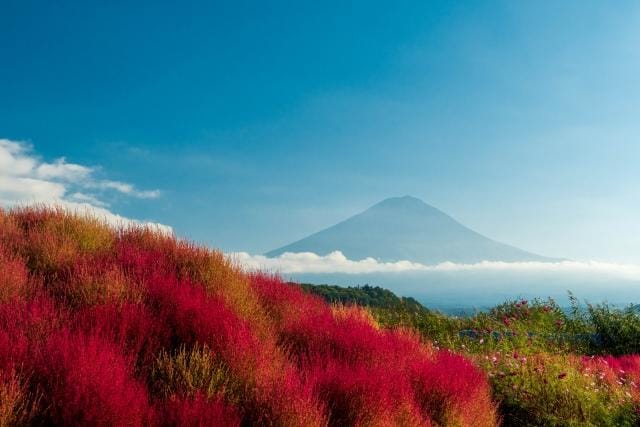
Oishi Park is a stargazing spot situated on the north shore of Lake Kawaguchi. Positioned right on the lakeside, the view is open and expansive, allowing you to enjoy Mt. Fuji, Lake Kawaguchi, and the night sky all at once.
There are some streetlights in the surrounding area, so rather than offering a completely dark sky full of stars, it is better known as a spot where you can capture a well-balanced composition of the starry sky and Mt. Fuji together.
On windless nights, you can sometimes witness the beautiful reflection of Mt. Fuji and the stars mirrored in the lake's surface. In winter especially, the air is exceptionally clear, and the striking sight of Orion glittering above the snow-dusted summit of Mt. Fuji is particularly memorable.
- The park features benches, so you can sit and take your time gazing up at the stars.
The surrounding area also has many hot spring facilities, and I personally love stopping by an onsen after a session of stargazing. After soaking in a sky full of stars, warming up in a hot bath is a truly luxurious way to spend the evening.
Perfect Day-to-Night Itinerary in Kawaguchiko
Here, we’ll also share a recommended one-day itinerary for visitors to Lake Kawaguchi. If you want to enjoy everything the area has to offer from morning to night—not just the nightlife—be sure to use this as a reference.
Daytime: Setting Up for a Perfect Night (9:00 AM - 4:00 PM)
How you spend your daytime hours plays an important role in making the most of Kawaguchiko Nightlife. Start your morning with a walk or cycling session along the lakeshore, breathing in the natural surroundings and taking in views of Mt. Fuji as you ease into the day.
At lunch, treat yourself to local cuisine from the Mt. Fuji area, and in the afternoon, visit some of the most popular scenic spots in the region. Returning to your accommodation in the early evening for a short rest will help you enjoy the sunset and the night ahead at a relaxed pace.
Morning: Cycle along Lake Kawaguchiko's North Shore
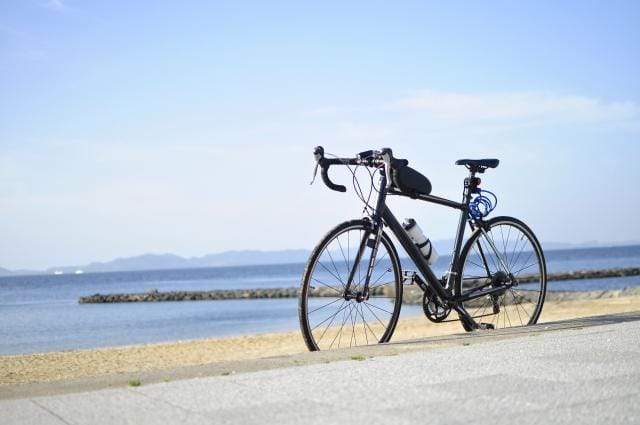
Morning is when the air in Kawaguchiko is at its clearest, and the view of Mt. Fuji is at its most beautiful. The north shore of Lake Kawaguchiko is especially well known as a scenic cycling route with Mt. Fuji directly in front of you, and a well-maintained cycling path runs along the lakeshore. Personally, I love renting a bike and taking my time riding along while gazing out at the lake.
Riding along with the calm surface of the lake and the majestic Mt. Fuji in view is truly refreshing, and getting your body moving in the crisp morning air is a wonderful way to start the day. Along the route you will find plenty of photo spots where you can capture both Mt. Fuji and the lake together in a single frame.
The scenery in the soft light of the morning is something special, and you can fully enjoy the quiet atmosphere before the crowds begin to arrive.
Mt. Fuji Panoramic Ropeway for Daytime is also Recommended!
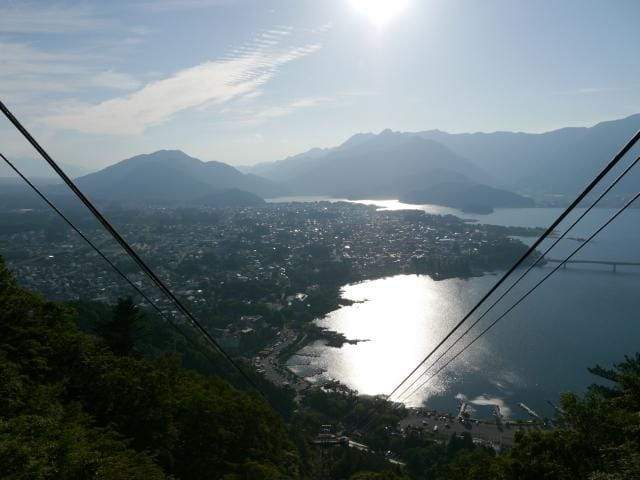
If you are visiting Kawaguchiko, make sure to stop by the Mt. Fuji Panoramic Ropeway as well. From the lakeshore, you can reach the observation deck at the top of Mt. Tenjoyama in about three minutes, where a sweeping view of both Lake Kawaguchiko and Mt. Fuji awaits.
During the daytime, the skies are clear and open, letting you enjoy the deep blue of the lake and the grandeur of Mt. Fuji all at once. The observation deck also has multiple photo spots, and you will often see visitors posing for commemorative photos with Mt. Fuji as the backdrop.
The period I find particularly breathtaking is from mid-July to early August, when the colorful hydrangeas and the summer Mt. Fuji come into view together. If your timing lines up, this is a seasonal panorama you absolutely should not miss.
Lunch: Enjoy The Rich Food Culture Around Mt. Fuji
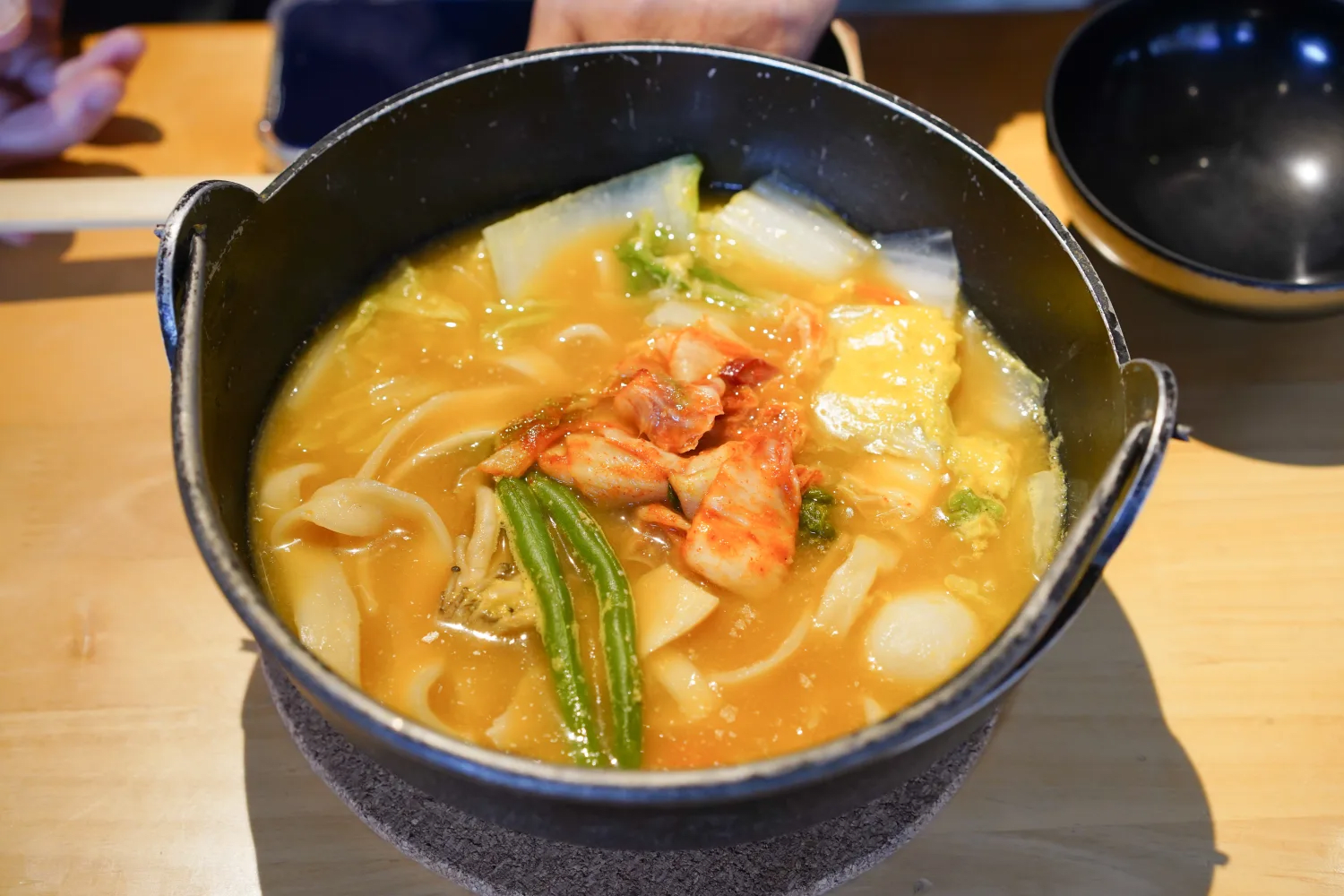
The area around Mt. Fuji is home to a distinctive and characterful food culture unique to this region.
The first dish you should try is Hoto, a traditional local cuisine of Yamanashi. It is a hearty stew made with flat noodles, pumpkin, and vegetables simmered in a miso-based broth, known for its gentle, warming flavor. I still remember being surprised the first time I tasted it — the natural sweetness of the vegetables comes through in a wonderfully humble way.
Also popular is Yoshida Udon, a specialty of Fujiyoshida. It features exceptionally firm, chewy noodles and a bold, rich seasoning that has been beloved by locals for generations.
Beyond these, the region is also known for wasabi grown in its pure, clean water, as well as fresh vegetables nurtured by the natural environment surrounding Mt. Fuji.
Pairing your meal with Yamanashi sake or local wine makes for an even deeper taste of what this region has to offer.
Afternoon: Visit Scenic Spots Around Lake Kawaguchi Where You Can Take In Breathtaking Views
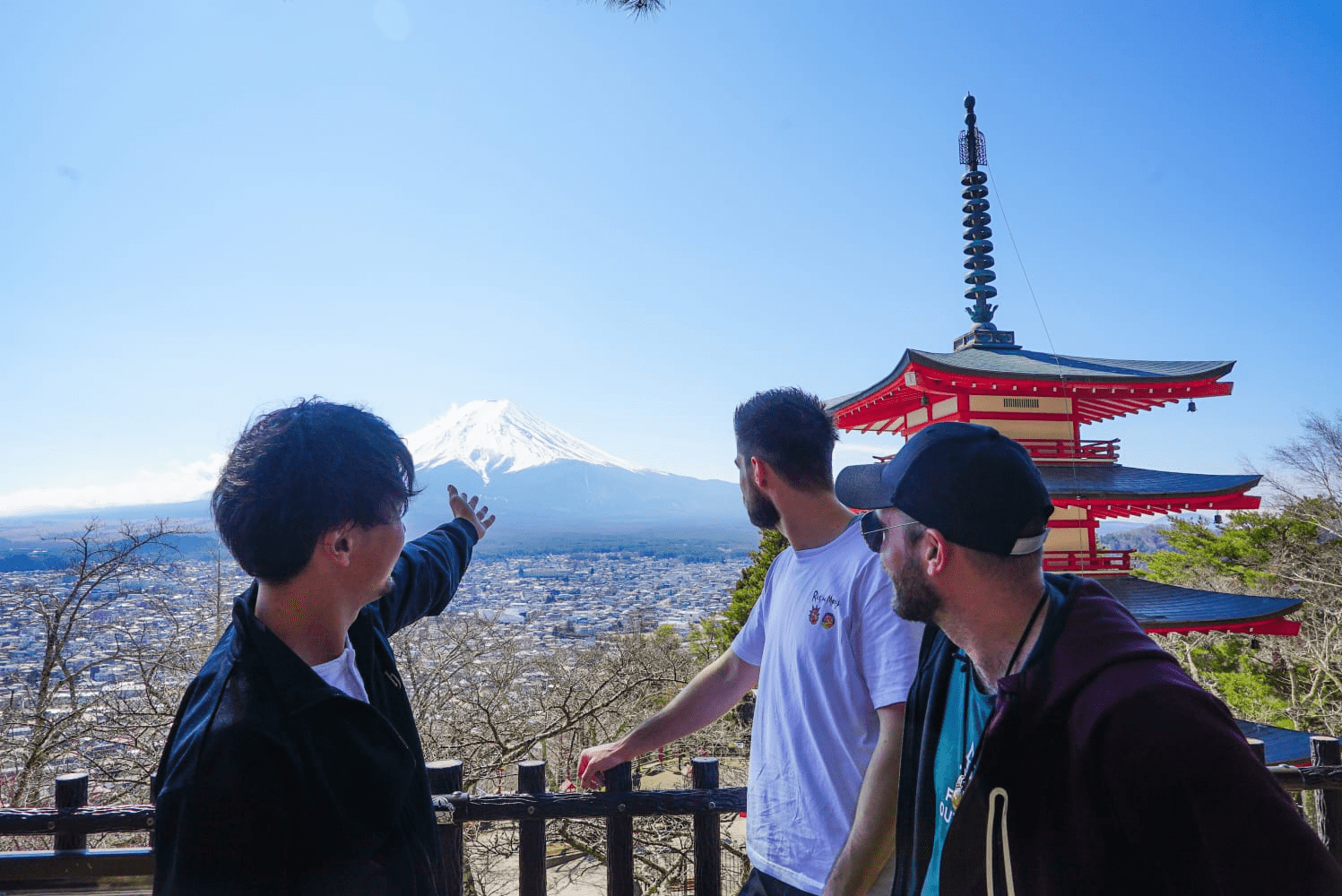
In the afternoon, take your time exploring some of the most scenic spots where you can soak in the stunning views of Mt. Fuji.
There are many wonderful vantage points to enjoy Mt. Fuji, but here are three places I especially recommend:
- Oshino Hakkai
- Arakurayama Sengen Park
- Mt. Fuji 5th Station
The first place to visit is Oshino Hakkai. Crystal-clear ponds fed by snowmelt from Mt. Fuji, formed over many centuries, are scattered throughout this serene area, creating a breathtaking harmony between the pristine water and the iconic mountain scenery.
Arakurayama Sengen Park is also highly recommended. From here, you can admire both a five-story pagoda and Mt. Fuji at the same time — a view that has become world-famous as one of the most iconic symbols of Japan.
If you have extra time, it's well worth making the trip up to the Mt. Fuji 5th Station. Located at an elevation of approximately 2,300 meters, you'll be treated to a mystical panorama of the Fuji Five Lakes below, and on clear days, a breathtaking sea of clouds stretching out beneath you.
The 5th Station is also lined with souvenir shops and restaurants unique to Mt. Fuji, so you can enjoy some local Mt. Fuji cuisine as well.
Pre-sunset: Return to Ryokan or Hotel for a Rest
After enjoying your afternoon sightseeing, we recommend heading back to your ryokan or hotel for a short rest before sunset.
There are many accommodations around Lake Kawaguchi that offer hot spring baths, and some even allow you to gaze at Mt. Fuji from an outdoor bath. Soaking slowly in the onsen will ease the fatigue from the day and leave you feeling refreshed and calm.
Taking a little time to recover your energy will make the sunset and night views you head out to enjoy afterwards all the more comfortable and memorable.
Use this time to check the exact sunset time in advance and plan your strategy so you can find the perfect spot to watch the evening glow.
Enjoy Sunset & Nightlife around Mt. Fuji & Kawaguchiko
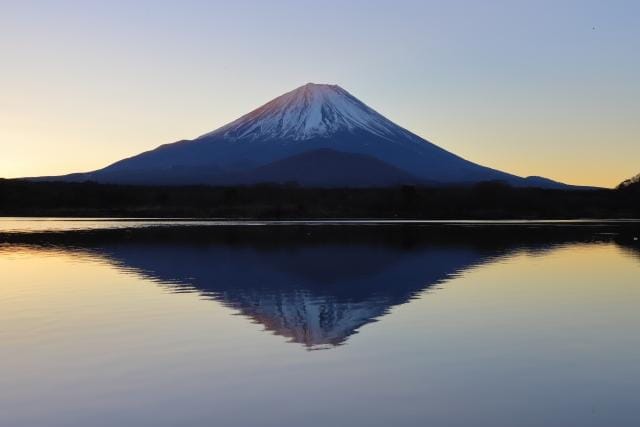
After your rest, head out to witness the sunset over Mt. Fuji and Lake Kawaguchi.
As dusk approaches, the silhouette of Mt. Fuji rises against an orange sky, while soft, golden light shimmers and reflects across the surface of the lake.
The view of Mt. Fuji at sunset as seen from the lakeshore is especially beautiful, and on a clear day, you may even be treated to the breathtaking sight of a "Reverse Fuji" — Mt. Fuji perfectly mirrored in the water — bathed in the warm hues of the setting sun.
After sunset, the sky gradually darkens and stars begin to appear one by one. Stargazing, or spending a relaxed evening at a local izakaya or bar, is all part of the Kawaguchiko Nightlife — a side of this destination that is just as rewarding as its daytime scenery.
Frequently Asked Questions About Mt. Fuji Area's Nightlife
Based on my 10 years of reporting experience, I've compiled frequently asked questions and their answers. I'll explain in detail to help overseas travelers enjoy Mt. Fuji's nights with peace of mind.
Is there anything to do in Kawaguchiko at night?
Yes — Kawaguchiko offers stargazing, lakeside night walks, bar hopping, outdoor hot spring baths (rotenburo), and seasonal illumination events. It is not a nightlife destination in the conventional sense, but the experiences available at night are among the most memorable in the region.
The highlight for most visitors is the night sky: with minimal light pollution compared to Tokyo, the area around Mt. Fuji offers exceptional stargazing, especially from the northern lakeshore.
Many ryokan and resort hotels feature open-air baths where you can soak while gazing at Mt. Fuji under the stars, a quintessential Japanese experience. A handful of local izakayas and restaurants stay open until around 10–11 PM, offering regional sake and hearty mountain cuisine.
The area winds down early, and that tranquility is very much part of the charm.
Is Kawaguchiko worth visiting?
Yes, Kawaguchiko is widely considered the best base for experiencing Mt. Fuji up close, offering iconic lake reflections, fresh mountain air, traditional hot spring accommodations, and a well-rounded mix of nature, culture, and cuisine.
That said, it's worth setting realistic expectations. Kawaguchiko is a nature and relaxation destination, not a city. If you're seeking vibrant urban energy, you'll want to combine it with a night in Tokyo or Osaka.
But if you want to slow down and wake up to a view of Mt. Fuji from your window, it's absolutely worth the trip.
How many days do you need in Kawaguchiko?
One to two nights is the sweet spot for most visitors. One full day gives you time to explore the lake, visit the Chureito Pagoda, and enjoy a leisurely dinner, but spending a second night lets you catch
Mt. Fuji at both sunset and sunrise, which can make a dramatic difference depending on clouds and weather.
If you plan to climb Mt. Fuji (available July–early September), budget at least two nights: one to rest and prepare, and one to recover after the climb. For travelers who want to explore neighboring lakes like Saiko or Motosu, or take a day trip to Fujinomiya, three days is comfortable.
Pro tip: Mt. Fuji is notoriously shy — clouds often obscure the summit by mid-morning. The earlier you're there, the better your chances of a clear view, which is another reason overnight stays are highly recommended over day trips.
What food is Kawaguchiko famous for?
Kawaguchiko is most famous for hōtō, a hearty miso-based stew with thick flat noodles and seasonal vegetables, the undisputed local specialty. The region is also known for freshwater fish dishes, Yoshida udon, and a variety of Mt. Fuji-themed sweets.
Here are the must-tries in more detail:
- Hōtō : A rich miso stew with thick, flat udon-like noodles, pumpkin, and mountain vegetables. Served piping hot and perfect for cool evenings — don't leave without trying it.
- Freshwater fish dishes: Smelt (wakasagi) tempura and trout (masu) dishes sourced from the local lakes are widely available and excellent.
- Yoshida Udon: A regional style from nearby Fujiyoshida — notably thick and chewy, served with a soy-based broth. A rustic, locals-favorite alternative to typical udon.
- Fujisan-themed sweets: From Mt. Fuji-shaped mochi to matcha soft-serve, the area's shops and cafés offer plenty of photo-worthy treats.
Most restaurants are clustered around the northern shore of the lake and the main shopping street near Kawaguchiko Station.
Is Kawaguchiko better than Hakone for seeing Mt. Fuji?
For views of Mt. Fuji specifically, Kawaguchiko is generally the better choice. The lake sits directly at the northern base of Mt. Fuji, and on a clear day the iconic lakeside reflection is simply unmatched.
Hakone offers Mt. Fuji views from a greater distance, beautiful, but less dramatic and more weather-dependent.
Here's a quick comparison to help you decide:
- If Mt. Fuji is the main reason for your trip, Kawaguchiko is the better choice.
- If you want a more polished hot spring resort experience with good (but not guaranteed) Fuji views as a bonus, Hakone delivers.
Many travelers with enough time choose to visit both — they're easily combinable into a multi-day itinerary.
Is It Safe to Sightsee at Night?
The Mt. Fuji area is well-maintained as a major tourist destination in Japan, and public safety is excellent. I myself have visited many times alone for night photography and have never felt uneasy. The main night view spots are equipped with street lights.
What's the Budget Guideline?
For dining in the Nishiura area, plan on about 5,000 to 10,000 yen per person. My recommendation is to start with a light drink at a local izakaya (about 3,000 yen), then have a proper meal at a local cuisine restaurant (about 5,000 yen).
Taxi fares between major spots range from 2,000 to 5,000 yen. Entrance fees for night view spots are relatively reasonable, ranging from free to about 500 yen. Hot spring facility fees are 1,500 to 2,000 yen, but staying at a hot spring inn will cost more.
Are Reservations Necessary?
Izakayas and bars in the Nishiura area generally don't require reservations. However, I recommend early reservations for private rooms with special night views and hot springs. From my experience, it's best to book 1 month to 2 weeks in advance, especially for weekends and holidays.
The nights around Mt. Fuji are full of charms different from the daytime.
Looking up at Mt. Fuji in the moonlight from quiet night view spots, interacting with locals in the vibrant Nishiura area, experiencing nighttime events that change with the seasons - these experiences will surely add a special touch to your Japan trip memories.
I hope you'll experience the nighttime charms of Mt. Fuji that I've discovered over 10 years!