5 Tokyo Itinerary Mistakes That Ruin Your Trip (And How to Avoid Them)
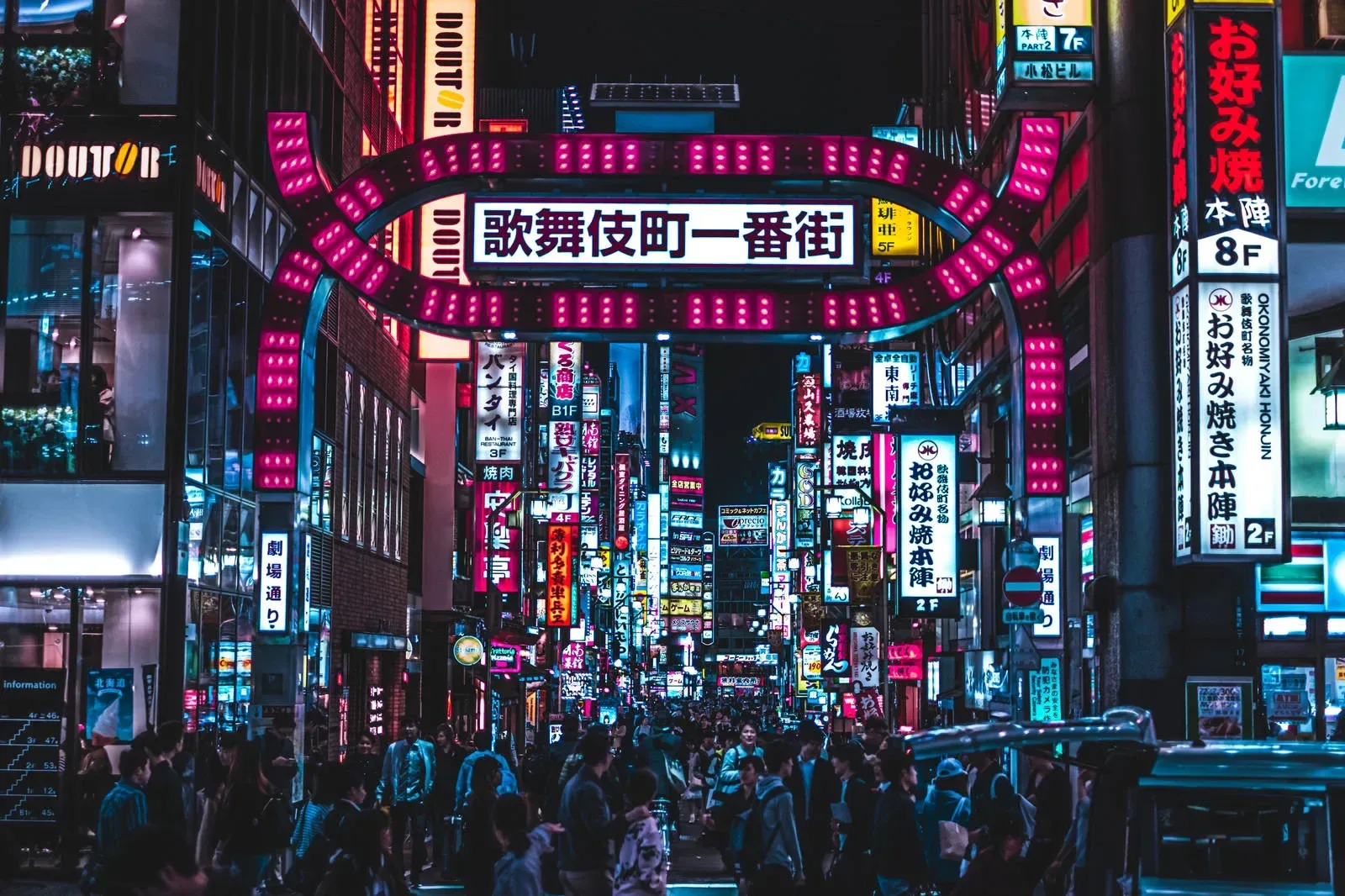
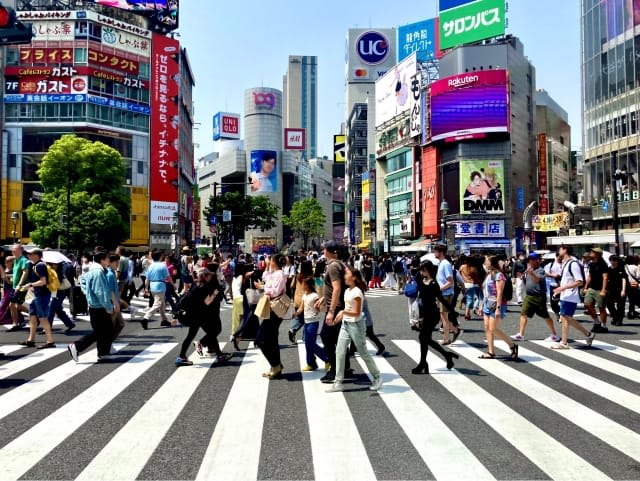
Tokyo is home to countless spots, from bustling entertainment districts like Shibuya and Harajuku, to neighborhoods that come alive at night like Shinjuku and Roppongi, to areas that preserve traditional old-town charm like Asakusa and Kanda.
While Tokyo is a city packed with appeal, it's also true that increasing tourism development has made it harder for visitors to experience the "real Tokyo." In other words, instead of enjoying Tokyo like a local, tourists are often limited to experiencing only the touristy side of the city.
That's exactly why I want you to explore the city with locals who know the real Tokyo. With tours from Magical Trip—winner of Tripadvisor's The Best of The Best in both 2024 and 2025—you can make that happen.
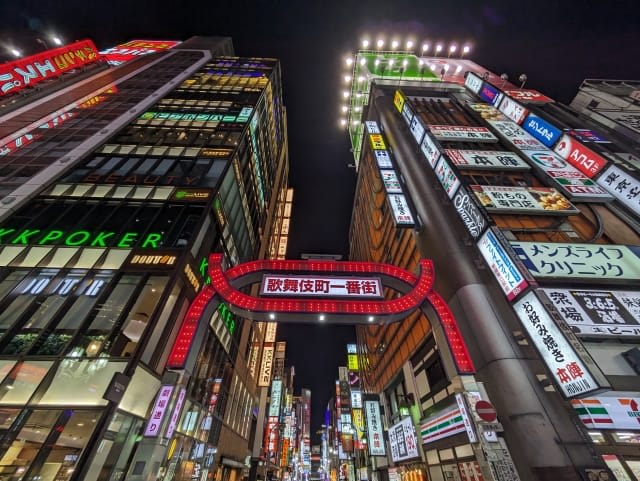
The Tokyo Bar Hopping Night Tour in Shinjuku, a back-to-back winner of The Best of The Best for two consecutive years, lets you safely enjoy spots beloved by locals in famous Shinjuku areas like Kabukicho and Omoide Yokocho.
If you're interested in Japanese culture, I recommend the Tokyo Sumo Morning Practice Tour in Ryogoku, where you can visit a sumo stable—something even most Japanese people have never experienced—or the Asakusa Cultural Walk & Matcha Making Tour, where you can stroll through Asakusa while learning about Japanese culture from your guide.
If you want to create your own itinerary and explore Tokyo deeply and efficiently, choose Customized Private Tours of Japan with MagicalTrip's Top Guides, where you can craft a special itinerary tailored just for you with a local guide.
Introduction
Tokyo is the cultural and economic center of Japan, a city visited by countless travelers from around the world.
While Tokyo is filled with attractive tourist spots and entertainment, it is also a complex and vast metropolis, and many people who try to create their own itinerary often end up failing.
In fact, even among my Japanese friends, there are countless stories of people who failed in their planning and couldn't fully enjoy their Tokyo sightseeing.
Whenever I hear such stories, I always regret thinking, "If only they had asked me beforehand!"
In this article, I will introduce the common points where many people fail when creating itineraries for Tokyo travel, as well as ways to avoid these failures.
If you're looking for the most efficient way to explore Tokyo, or if you want to create your own itinerary, please use this as a reference.
Creating a Tokyo Sightseeing Itinerary Has Many Points Where Mistakes Occur
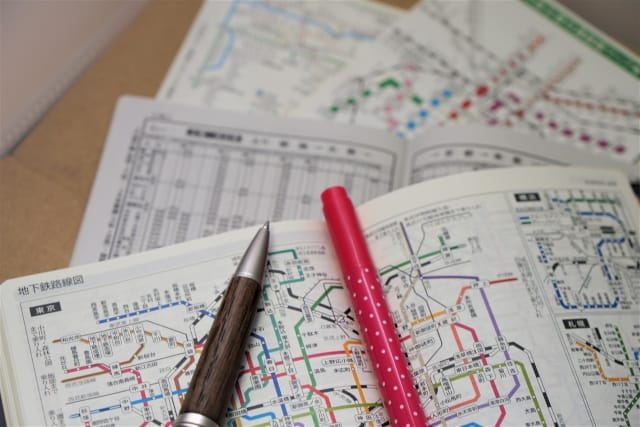
There are many points where mistakes can happen when creating a Tokyo sightseeing itinerary.
Tokyo is a densely populated metropolis with a complex transportation system. Additionally, the city is much larger than tourists imagine, and attractive tourist spots are scattered across a vast area.
Furthermore, Tokyo is overflowing with interesting things, so there are often so many highlights that people become confused about which cultural aspects or spots to focus on.
Creating an itinerary to enjoy sightseeing within a limited time in such a city is a challenging task for anyone.
Why Many Foreign Tourists Fail When Planning Their Tokyo Sightseeing Itinerary
The specific reasons why many people fail when planning their Tokyo sightseeing itinerary are as follows.
First, people fail because they don't understand Tokyo's geography and complex transportation system. Tokyo is a much larger city than first-time visitors expect.
Also, while the train and other transportation systems are famous for their accuracy and convenience, they are simultaneously very complex and can be quite challenging for first-time users.
When trying to use the transportation system to visit tourist spots scattered throughout this vast Tokyo, it often takes more time and effort than expected, and it frequently happens that people cannot sightsee according to their itinerary.
Additionally, Japan's unique reservation systems used by various facilities can cause many people to fail during their actual sightseeing if they don't understand them.
To Enjoy Tokyo Efficiently and Deeply, It's Best to Utilize Local Guide Knowledge
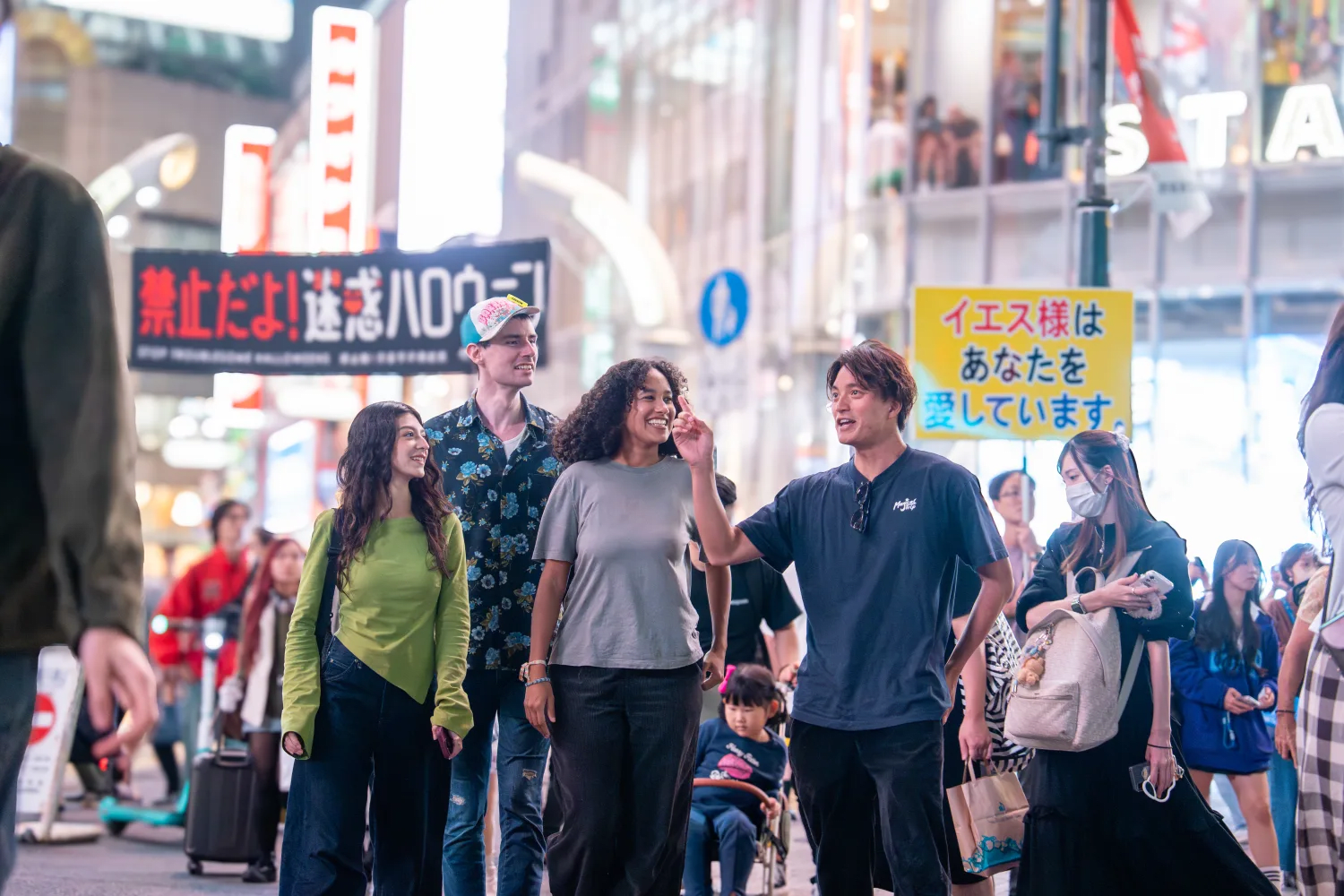
If you want to enjoy sightseeing in Tokyo efficiently and deeply, and if you want to make your Tokyo sightseeing perfect, there are two recommended methods.
The first is to learn about actual failed examples of Tokyo travel before creating your itinerary, minimizing risks. I will explain in detail the common mistakes travelers make in Tokyo, so check these points before creating your itinerary.
An even more recommended method is to utilize the knowledge of local guides. If you have a local guide who was born in or lives in Tokyo show you around or give you advice using their local knowledge and experience, your sightseeing efficiency will be dramatically better than exploring on your own.
For those who are too busy to create their own itinerary, or those with limited time who prioritize efficiency, please consider borrowing the power of a professional guide.
Failed Examples of Tokyo Travel 1: Scheduling Sightseeing on Both the East and West Sides of Tokyo on the Same Day
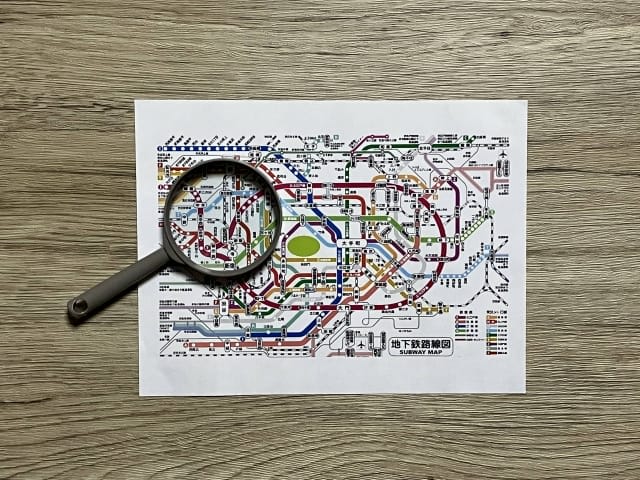
One very common failure in Tokyo sightseeing is creating an itinerary that includes both the east and west sides of Tokyo on the same day.
Tokyo is elongated from east to west, with an east-west length of approximately 1,900 km. The central area known as Tokyo 23 Wards is broadly located in the eastern area of Tokyo.
The western area of Tokyo includes residential areas called Tama, the nature-rich Okutama area, and Mount Takao. Additionally, the Ghibli Museum, popular among international travelers, is also in the western area.
For example, from Tokyo Station to Ghibli Museum takes about 50 minutes one way by train, and to Okutama takes about 2 hours. If you include spots from both the eastern and western areas of Tokyo in the same day's itinerary, you'll spend a significant amount of time on round-trip travel.
"Organize Your Itinerary by Area" Is the Key to Successfully Touring Tokyo
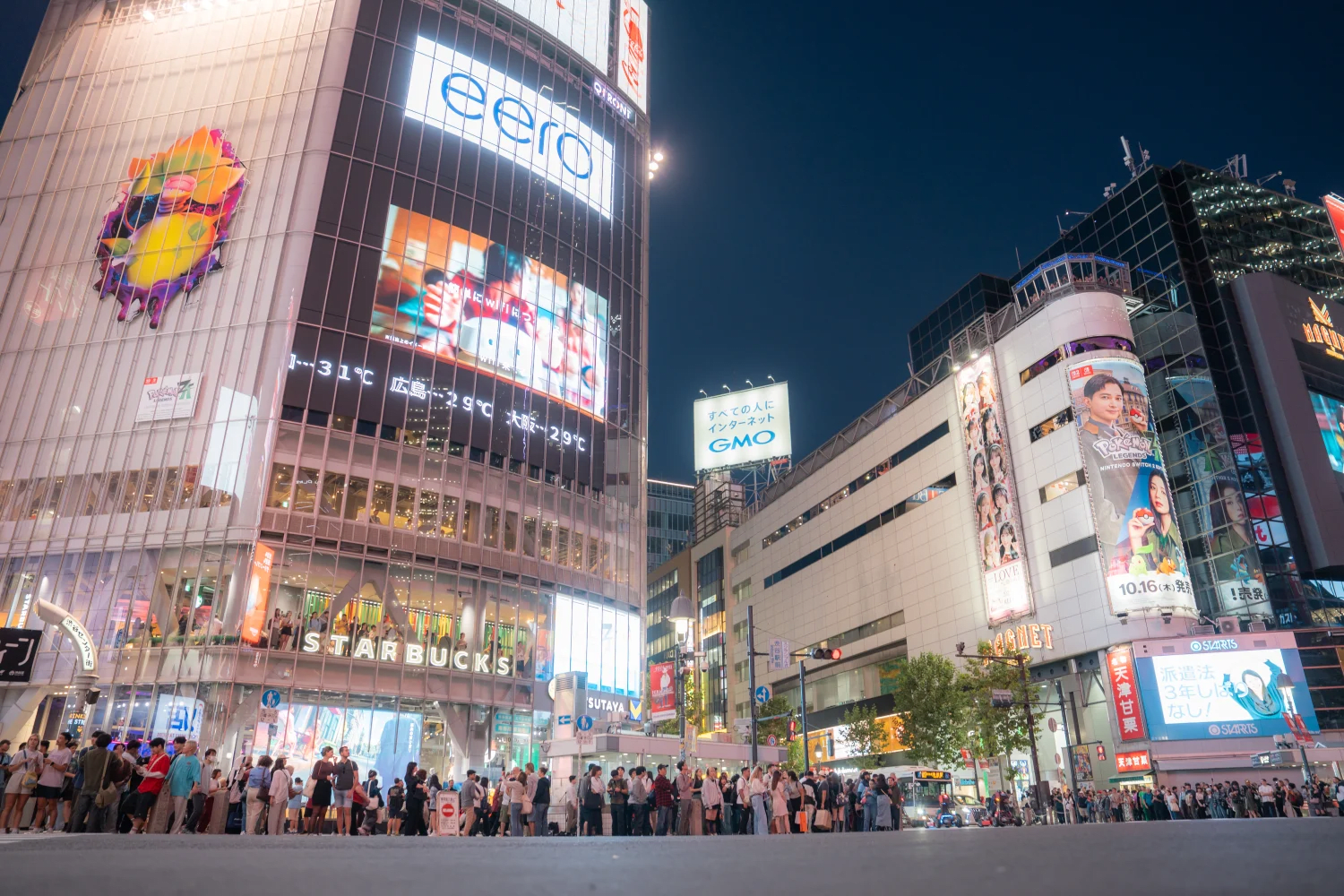
To tour Tokyo successfully, first and foremost, thoroughly implement "organizing your itinerary by area." In Tokyo sightseeing, Tokyo can be divided into several areas. Not only the east and west areas mentioned earlier, but areas within the Tokyo 23 Wards can also be divided more finely.
For example, "Shibuya-Harajuku-Shinjuku" can be considered as one area, and it's a range that can be toured together on the same day. "Asakusa - Tokyo Skytree" and "Tsukiji-Toyosu-Ginza" can similarly each be considered as one area.
When crossing between areas, in most cases you'll need to transfer to different train lines. Stations where multiple lines converge in Tokyo are extremely large, wide, and complex, and should feel like a labyrinth to travelers.
If you want to cross different areas of Tokyo in one day, such as "Shibuya-Harajuku-Tsukiji," I strongly recommend using a private car tour. If you prioritize efficiency, private car tours are the best option.
Failed Examples of Tokyo Travel 2: Sightseeing in Asakusa, Shibuya, Shinjuku, Harajuku, etc. Takes More Energy and Time Than Expected
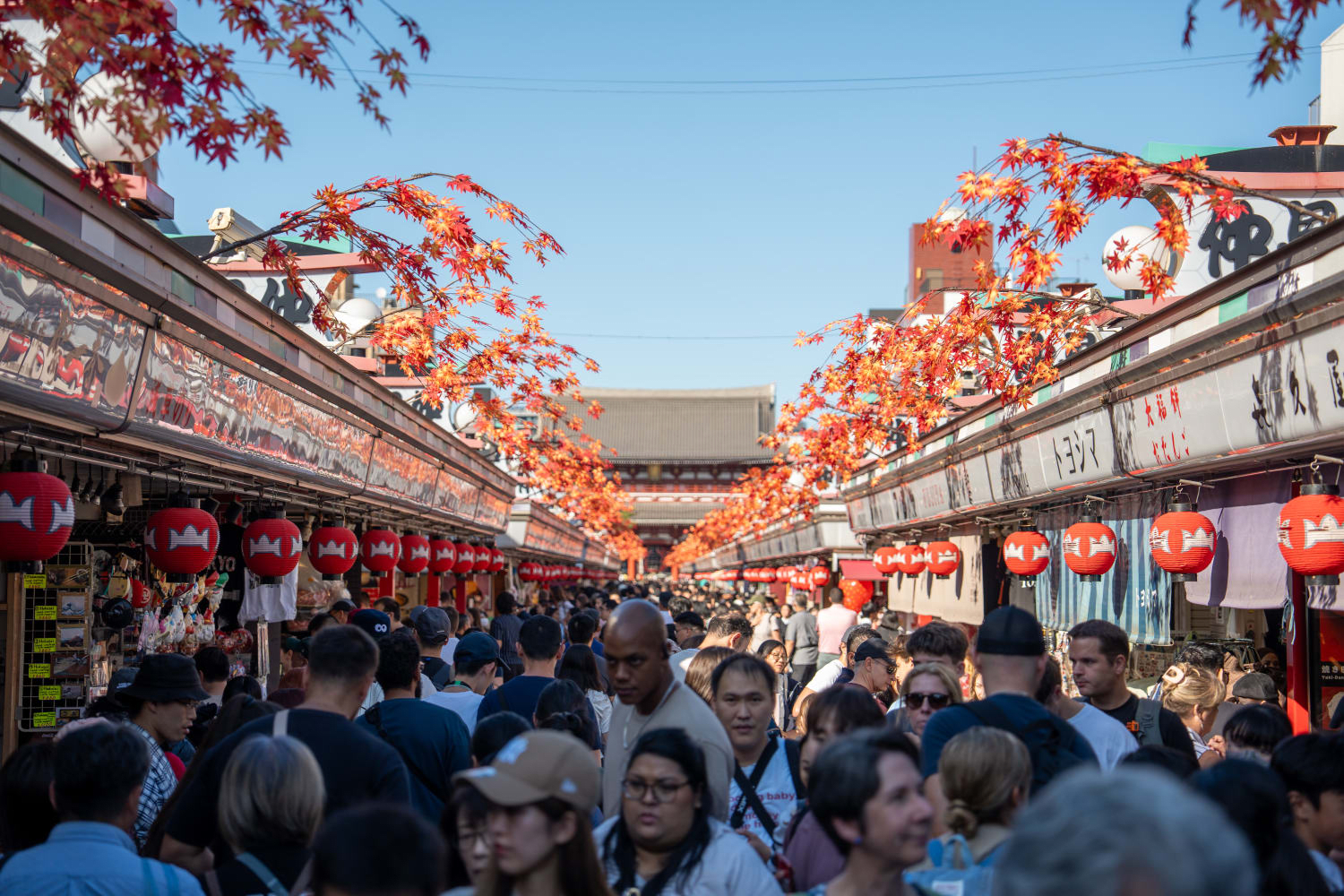
Sightseeing in particularly crowded areas such as Asakusa, Shibuya, Harajuku, and Shinjuku consumes more energy and time than you might think.
Shibuya, Harajuku, and Shinjuku, which are among Tokyo's largest entertainment districts, become overwhelmingly crowded on weekends.
In areas where so many people gather, simply walking around consumes considerable energy. Due to the high population density, you cannot walk very quickly on the streets or in stations.
Also, something I have felt acutely in recent years is the congestion in Asakusa. As it is an extremely popular spot among international travelers, the streets become packed with people during holiday seasons. Since it is a historic area with many narrow streets, you can only move forward very slowly during peak times.
While none of these areas are particularly large in terms of physical size, keep in mind that walking around them requires considerable stamina and time.
Allow Extra Time When Visiting Popular Tourist Spots
When including these popular tourist destinations in your itinerary, I recommend allowing extra time for your visit.
At popular restaurants and shopping spots in Shibuya and Harajuku, it is common to have to wait in line for several tens of minutes.
Shibuya Station and Shinjuku Station, which are often used for train transfers, are so crowded that simply moving from one platform to another takes time and does not go smoothly.
In my experience, when shopping and sightseeing in Tokyo's crowded entertainment districts, most people need to take breaks from time to time. It is better to plan your itinerary with rest time in mind.
I also recommend scheduling activities during earlier hours when you have more energy, or avoiding the most crowded times such as weekends and afternoons to evenings.
Failed Examples of Tokyo Travel 3: Not Making Reservations for Sumo, High-End Restaurants, Observation Decks, etc., and Being Unable to Use Them
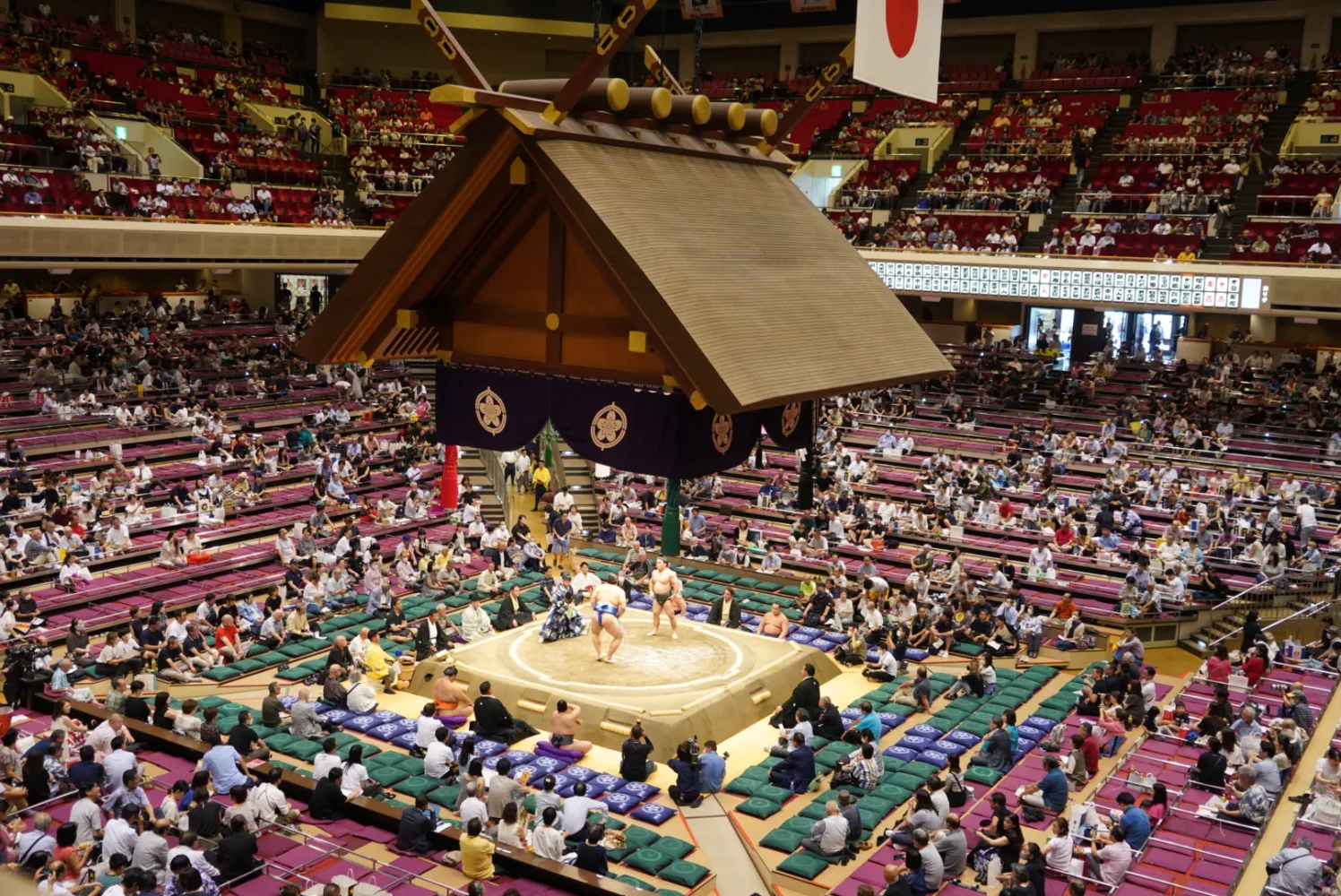
One common mistake on Tokyo trips is not making reservations for events, facilities, and restaurants such as Sumo, high-end restaurants, and observation decks, and then being unable to use them on the day.
In Japan, many tourist facilities, entertainment venues, and events have reservation systems or advance ticket systems, and using them is generally recommended.
For popular facilities and events, reservations are practically essential. A prime example is Grand Sumo Tournament, the official sumo matches.
Even at facilities that offer same-day tickets for purchase on-site, depending on the day's crowd conditions, you may not be able to purchase them.
Whether a restaurant requires reservations depends on the restaurant's level, but most high-end and popular restaurants in Tokyo require reservations.
Without a reservation, you may have to wait for several tens of minutes, or in the case of high-end restaurants, you may not be allowed entry even if there are empty seats.
Make Advance Reservations a Priority and Do Not Rely on Same-Day Tickets or Walk-In Availability
For Tokyo trips, I recommend making advance reservations a priority for any spot or facility you plan to visit.
For example, as mentioned earlier, Grand Sumo Tournament does sell same-day tickets, but the competition is so fierce that you need to line up for several hours starting early in the morning to obtain them, making it practically impossible for tourists to get them.
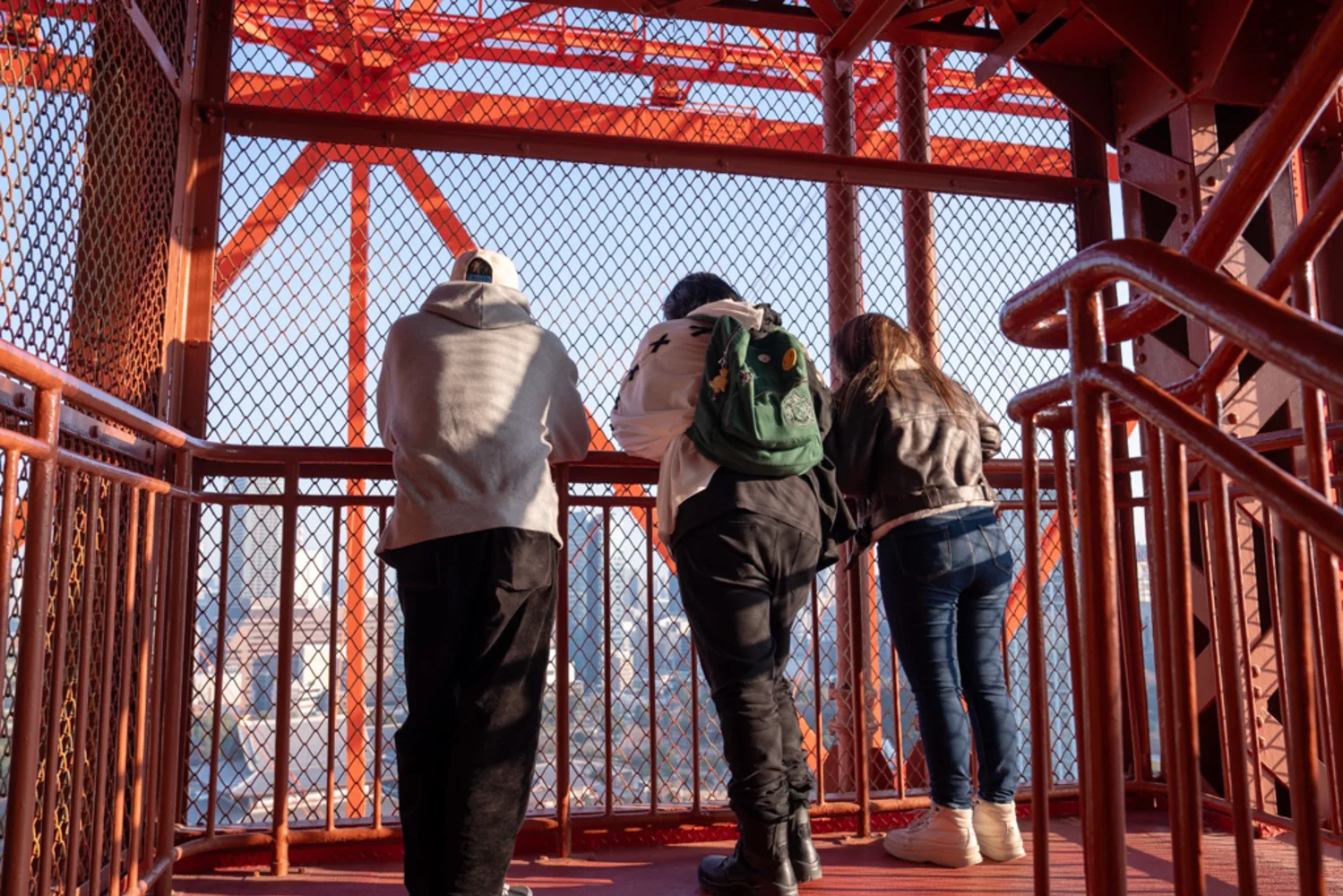
Also, SHIBUYA SKY, located in Shibuya, is a popular observation facility known for its spectacular views. When booking SHIBUYA SKY, you can purchase tickets with designated entry times. If you want to see the sunset or night views, select and purchase a time slot from late afternoon onward.
SHIBUYA SKY also sells same-day tickets, but depending on crowd conditions, they may sell out quickly. Since it is always crowded, same-day tickets are often unavailable, so visitors should definitely make reservations in advance.
Failed Examples of Tokyo Travel 4: Visiting Asakusa or Ginza First and Ending Up with Too Much Luggage, Making Sightseeing More Tiring

Another common mistake on Tokyo trips is visiting shopping areas like Asakusa or Ginza early in your itinerary and accumulating too much luggage from shopping.
Asakusa is a spot where you can find many souvenirs perfect for a Japan trip, including miscellaneous goods and sweets. From towels, postcards, and keychains to chopsticks, kanzashi (hair ornaments), and sensu (folding fans), browsing through Japanese-style goods will likely leave your bag completely full by the end.
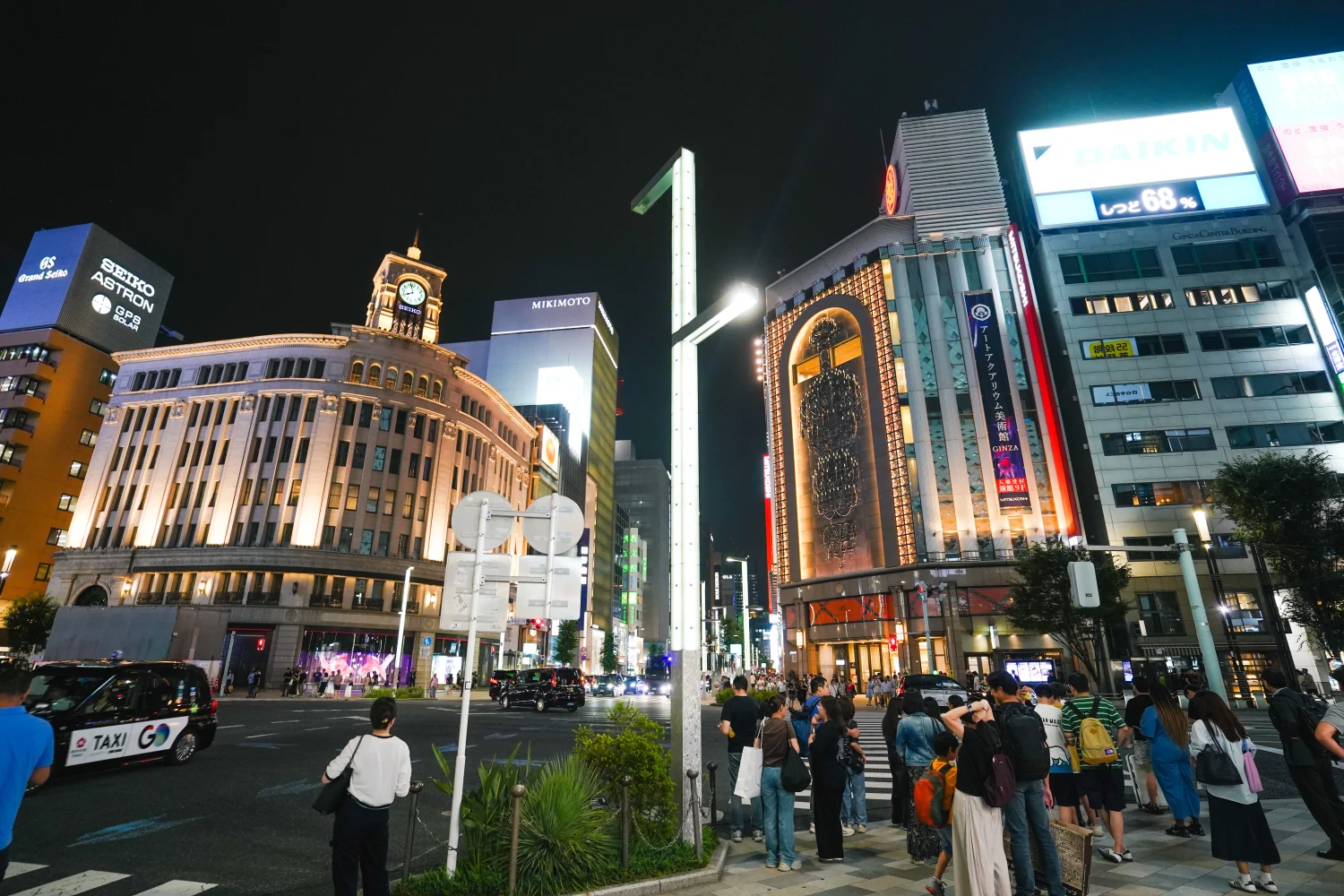
Also, Ginza is home to luxury boutiques and long-established department stores, making it the perfect place for fashion shopping. After visiting several stores and purchasing clothing, you will quickly end up with a lot of luggage.
Carrying shopping bags while sightseeing in crowded Tokyo will make you extra tired and prevent you from fully enjoying your sightseeing.
Save Shopping Areas and Other Souvenir Spots for Later in the Day
I recommend going to shopping areas later in the day rather than early in the morning. Alternatively, plan your schedule so you can return to your hotel to drop off your luggage.
For example, if you want to do fashion shopping in Tokyo, save your visits to areas with concentrated boutiques like Ginza or Omotesando for later in your itinerary.
Also, if you want to buy anime goods, figures, or games in Akihabara, plan with your luggage in mind. Anime and game merchandise is often bulky, and if you buy rare figures, you should be careful when carrying them and avoid sightseeing in crowded places.
For those who want to shop at Tokyo Station, which sells many attractive sweets and deli items, I recommend going later in the day or returning to your hotel once to have time to drop off or consume your purchases.
Failed Examples of Tokyo Travel 5: Accessing Places Outside the Central Area Like Toyosu and Skytree Takes More Time Than Expected
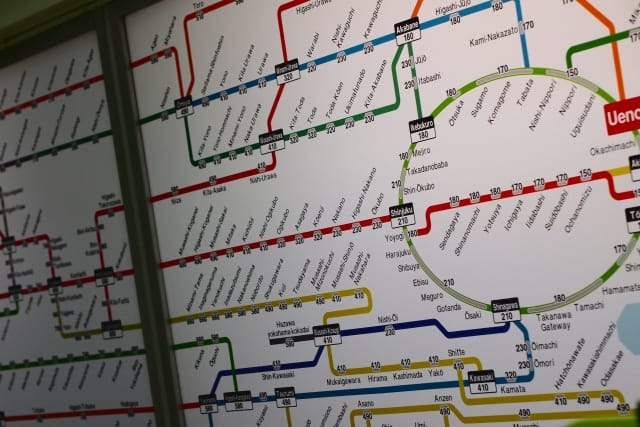
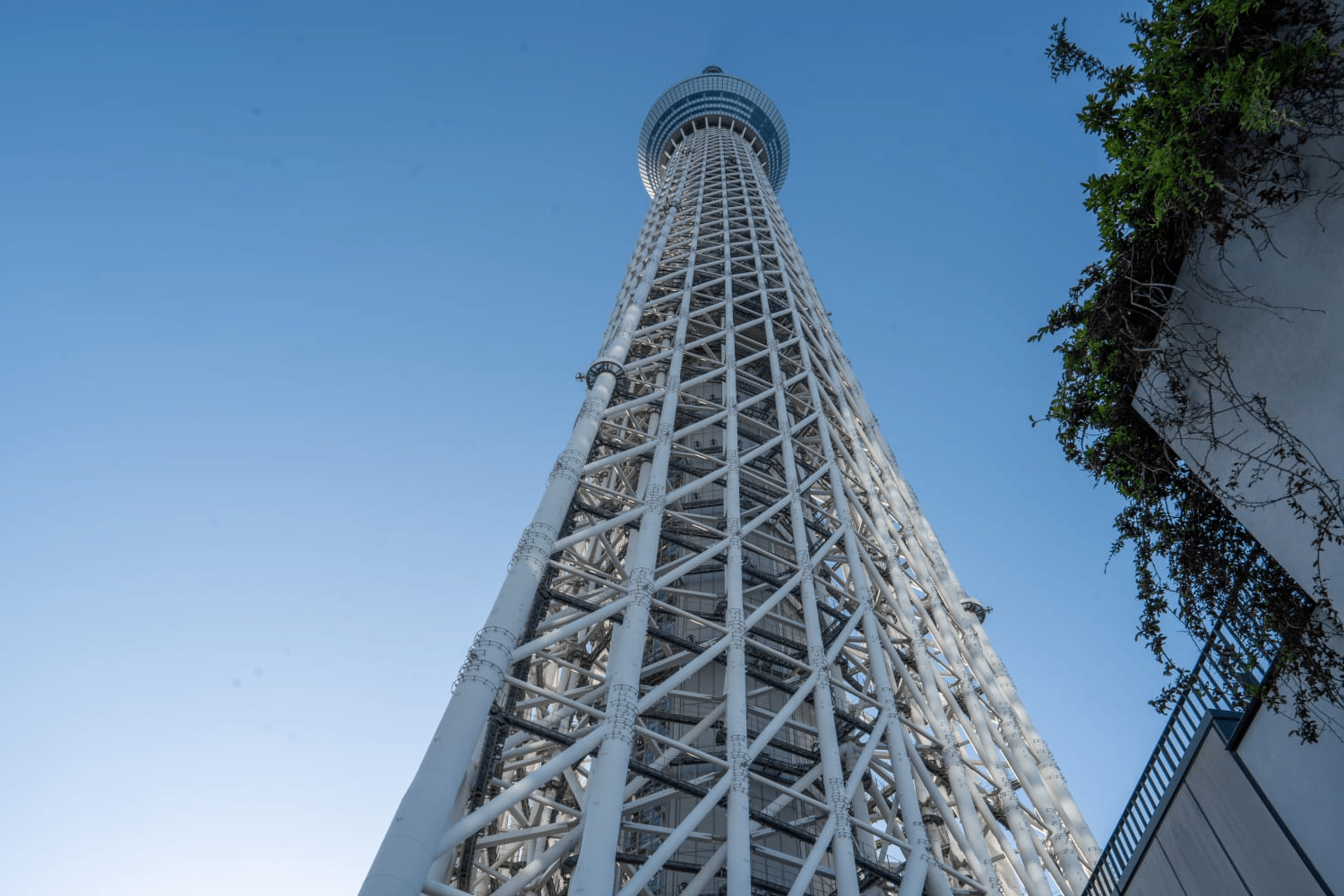
Popular tourist spots such as Toyosu and Tokyo Skytree are actually located slightly outside of Tokyo's central area, beyond the JR Yamanote Line, which runs in a circular loop around central Tokyo.
To reach Tokyo Skytree, Tokyo's iconic tower, from Shinjuku takes about 30 minutes by train and requires transferring between multiple lines. Toyosu, home to the famous fish market, is located in a reclaimed land area and takes about 40 minutes by train from Shinjuku, plus an additional walk from the station.
Walking through Tokyo's urban streets can be quite exhausting even for just 10 minutes, especially under the scorching summer sun.
As you can see, attractive tourist spots are scattered throughout Tokyo, and many are located outside the central area.
Make Efficient Itineraries by Utilizing Taxis and Private Car Tours

Spots like Tokyo Skytree and Toyosu require at least half a day to explore leisurely, including travel time. If you want to visit these places, plan your itinerary carefully accounting for travel time, or make good use of taxis in addition to trains.
Shinjuku Station and Tokyo Station are famously large and complex—even locals get lost in them. When sightseeing in Tokyo, it's best to avoid using these stations as transfer points if possible.
When using trains, they are relatively easy to navigate if no line transfers are required. You can travel more comfortably by taking a taxi to a train station, or by taking a train to a station that doesn't require transfers and then switching to a taxi to reach your destination.
Alternatively, using a private car tour that allows you to travel freely with a dedicated driver is also recommended.
If You Don't Want to Fail at Tokyo Sightseeing, Make Good Use of Local Tours
As mentioned at the beginning, the most effective way to avoid failing at Tokyo sightseeing is to make good use of tours with local guides.
Consider using tours where local guides who know Tokyo well can show you around specific neighborhoods, or private custom tours tailored to your preferences.
Joining Local Tours Lets You Enjoy the City More Deeply and Get Advice on Your Itinerary
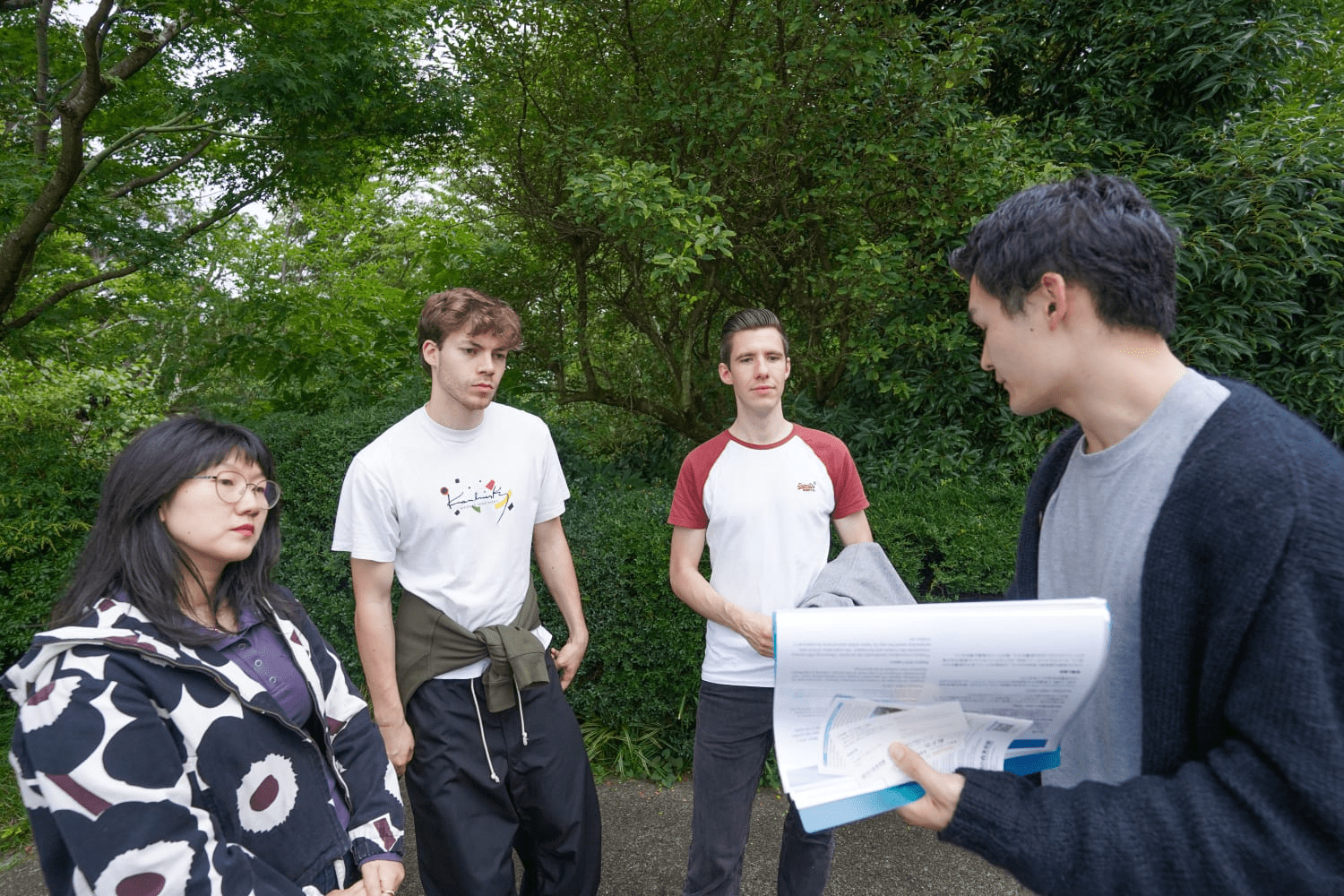
Participating in local tours where local guides show you around Tokyo offers many benefits.
First, you can enjoy the city at a much deeper level than sightseeing on your own. Tokyo is a vast metropolis rich in history. Each area within Tokyo has its own unique culture and history, with a wide variety of spots worth visiting.
Researching and covering all the highlights of every area on your own is challenging. Local guides who know the city inside and out can take you from must-see spots to hidden gems while providing fascinating commentary.
Furthermore, guides who are also Tokyo tourism professionals will often give you helpful advice about your itinerary if you ask. Feel free to consult them about places to visit next, transportation options, and recommended order of sightseeing.
Using a Private Guided Tour Allows You to Have a Custom-Made Itinerary Created for You
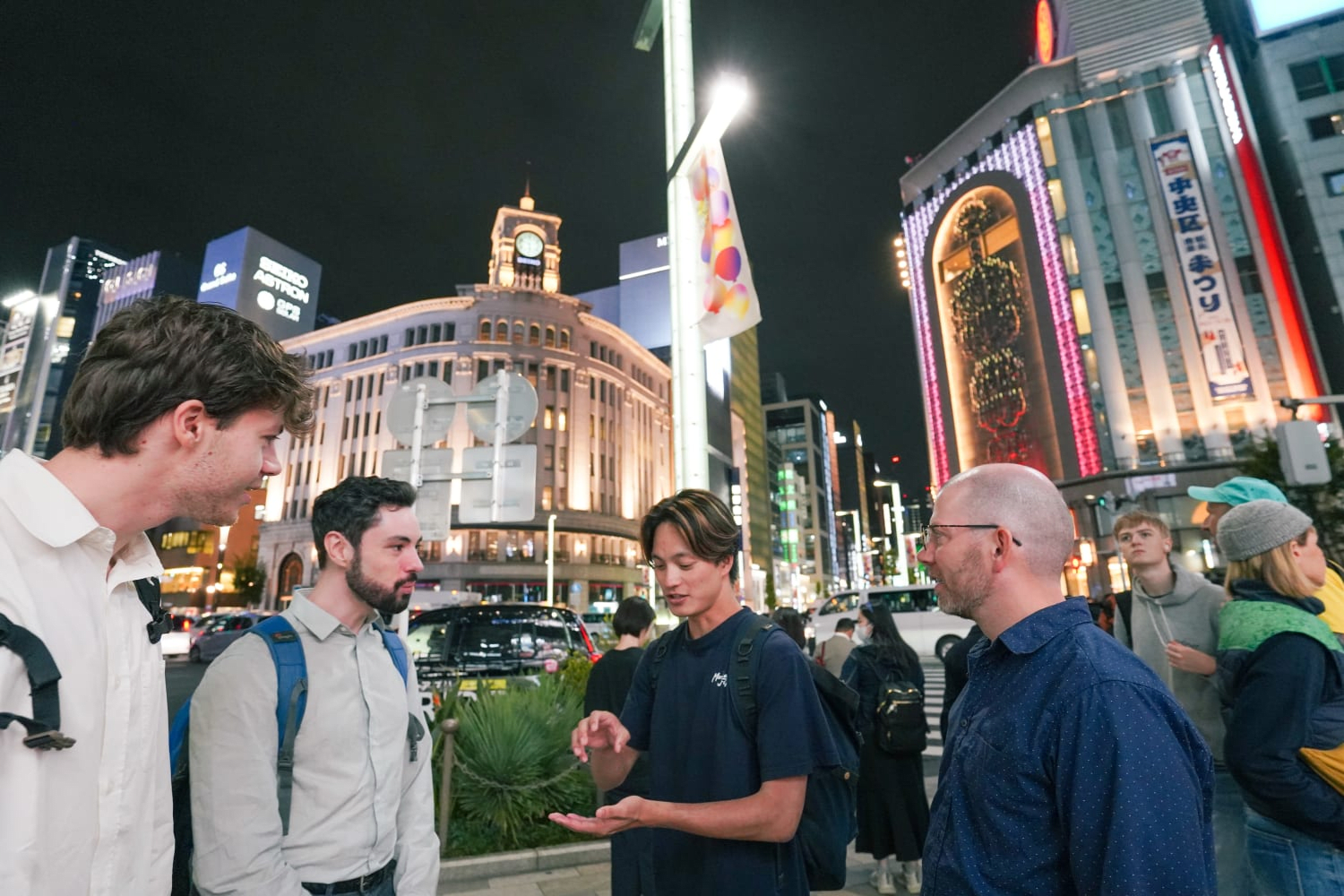
For those who absolutely don't want to fail at Tokyo sightseeing, Private Guided Tours are highly recommended.
With a Private Guided Tour, where a dedicated guide accompanies you or your group, you can freely customize your destinations and itinerary.
If you communicate your requests, they can create a custom-made itinerary that covers all the places you want to go and things you want to experience, with your preferred style of transportation.
When choosing a tour company, select one that carefully listens to your group's ages, number of people, and transportation preferences. At Magical Trip, we create fully customized local tours through detailed and thorough consultations.
Of course, you can also choose a plan with a dedicated private car for the most efficient and comfortable experience. If you want to make your Tokyo trip one without regrets and with high satisfaction, please consider Magical Trip.