Yanaka January 2026: 10+ Must-See Events, Temples & Hidden Local Festivals
Tokyo is home to countless spots, from bustling entertainment districts like Shibuya and Harajuku, to neighborhoods that come alive at night like Shinjuku and Roppongi, to areas that preserve traditional old-town charm like Asakusa and Kanda.
While Tokyo is a city packed with appeal, it's also true that increasing tourism development has made it harder for visitors to experience the "real Tokyo." In other words, instead of enjoying Tokyo like a local, tourists are often limited to experiencing only the touristy side of the city.
That's exactly why I want you to explore the city with locals who know the real Tokyo. With tours from Magical Trip—winner of Tripadvisor's The Best of The Best in both 2024 and 2025—you can make that happen.

Yanaka has preserved its traditional streetscape, but without some knowledge of Japanese culture and traditions, it can be hard to fully appreciate everything this neighborhood has to offer. If you want to experience Yanaka to the fullest—including its living traditions and culture—be sure to join the "Yanaka Historical Walking Tour in Tokyo's Old Town" with local guides.
If you're interested in Japanese culture, I also recommend the Tokyo Sumo Morning Practice Tour in Ryogoku, where you can visit a sumo stable—something even most Japanese people have never experienced—or the Asakusa Cultural Walk & Matcha Making Tour, where you can stroll through Asakusa while learning about Japanese culture from your guide.
If you want to create your own itinerary and explore Tokyo deeply and efficiently, choose Customized Private Tours of Japan with MagicalTrip's Top Guides, where you can craft a special itinerary tailored just for you with a local guide.
Introduction
Yanaka developed as a temple town (a town where temples gather) during the Edo period. Because it suffered little damage from earthquakes and war, it is still known today as a town with many historic temples.
The area retains much of its old-world atmosphere and is renowned for its charming scenery.
Along with the neighboring areas of Nezu and Sendagi, Yanaka is called "Yanesen," where visitors can experience the traditional shitamachi (downtown) atmosphere, and many tourists enjoy strolling through these neighborhoods.
This article introduces the Yanaka Event January 2026 highlights, including what to see, when events are held, and how to access the venues.
Table of Contents
-Traditional Annual Events Will Be Held in Yanaka in January 2026
-3 Shrines and Temples Recommended by the Author for Enjoying Hatsumode in the Yanaka Area
-3 Recommended Yanaka Event January 2026: Top Picks in Easily Accessible Tokyo Neighborhoods
Traditional Annual Events Will Be Held in Yanaka in January 2026
Yanaka Antique Market
Source:Official website
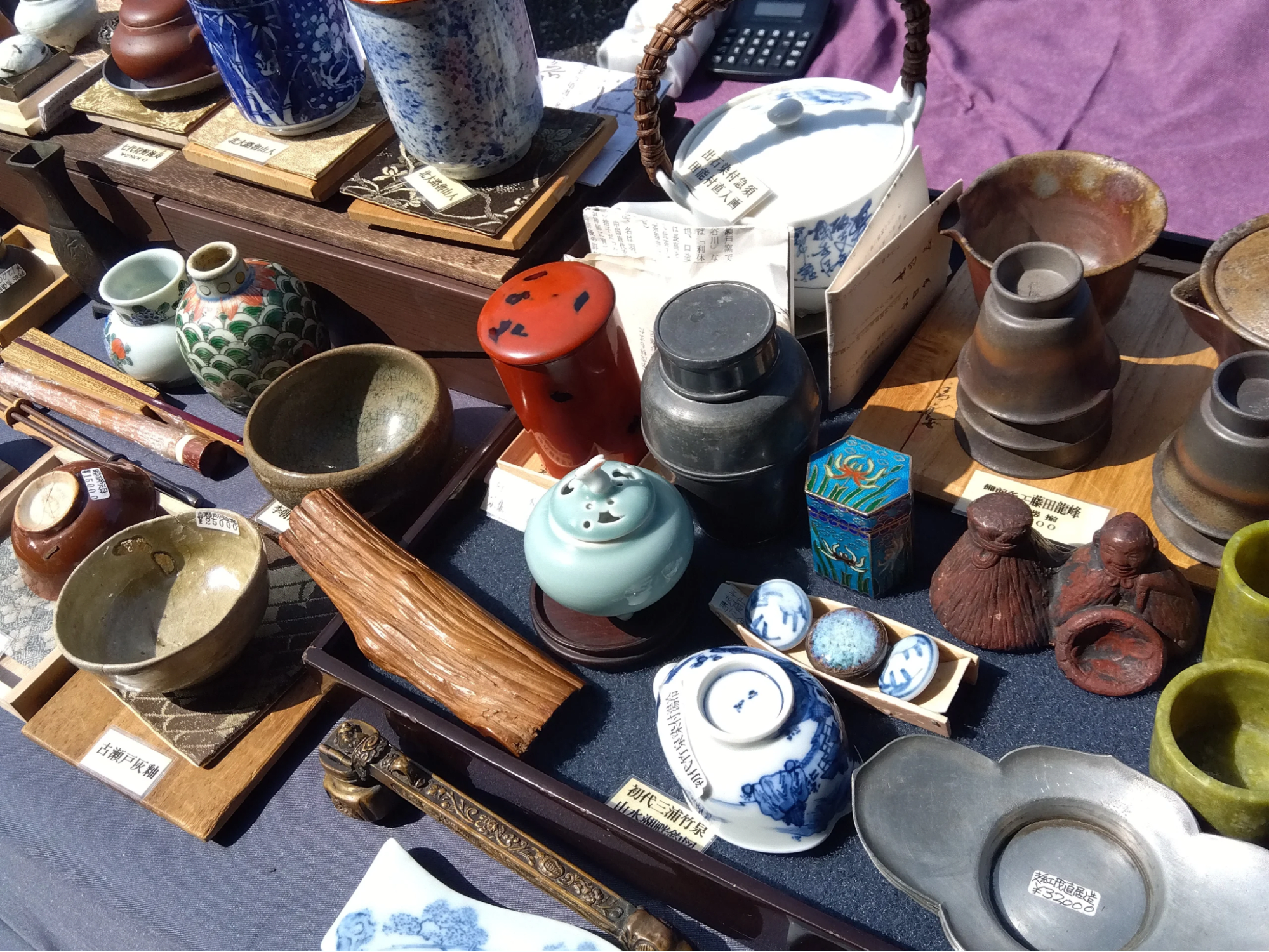
The Yanaka Antique Market is held in the parking lot of Enmeiin Temple, which was founded during the Edo period. In Yanaka, known for its charming old townscape, this market is popular for offering wonderful vintage items such as ceramics, Japanese miscellaneous goods, and vintage accessories.
The venue is packed with attractive items that evoke a sense of history, and I felt as though I was on a treasure hunt. The vintage accessory I bought at first sight features a unique design, and it has become a piece that often receives compliments when I wear it.
Within walking distance of Enmeiin Temple, you can find Yanaka Ginza, historic temples, and stylish cafes scattered around, so after enjoying the Antique Market, I also recommend taking a stroll through the area.
<Information>
Date: January 10-11, 2026
Access: 3-minute walk from Nippori Station
Admission: Free
Website: https://www.yanaka-antique-market.com/
Yanaka Seven Lucky Gods Pilgrimage
Source:Toukakuji
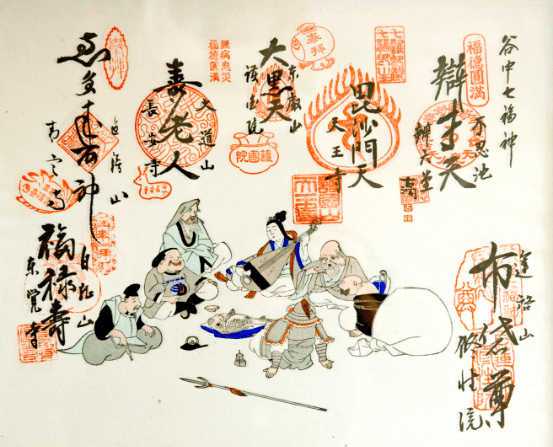
The Seven Lucky Gods Pilgrimage is a traditional Japanese event where participants visit shrines and temples enshrining the seven deities—Ebisu, Daikokuten, Bishamonten, Benzaiten, Hotei, Fukurokuju, and Jurōjin—to pray for escape from seven misfortunes and to receive seven blessings and good fortune.
The Yanaka Seven Lucky Gods Pilgrimage has a long history and is said to be the oldest in Edo.
While there is no fixed route for the pilgrimage, here is an efficient order to visit:
Togakuji Temple (Fukurokuju)
↓
Seiunji Temple (Ebisu)
↓
Shushoin Temple (Hotei)
↓
Choanji Temple (Fukurokuju)
↓
Tennoji Temple (Bishamonten)
↓
Gokokuin Temple (Daikokuten)
↓
Benten-do at Shinobazu Pond (Benzaiten)
This route goes from Tabata Station toward Ueno Station, covering approximately 6km over about 3 hours. Along the way, I recommend stopping by Yanaka Ginza to take a break and enjoy some local gourmet food.
<Information>
Date: January 1-10, 2026
Access: Varies by shrine/temple
Admission: Free
Website: None
Yanaka Ginza Shopping Street Stroll
Source:Official website
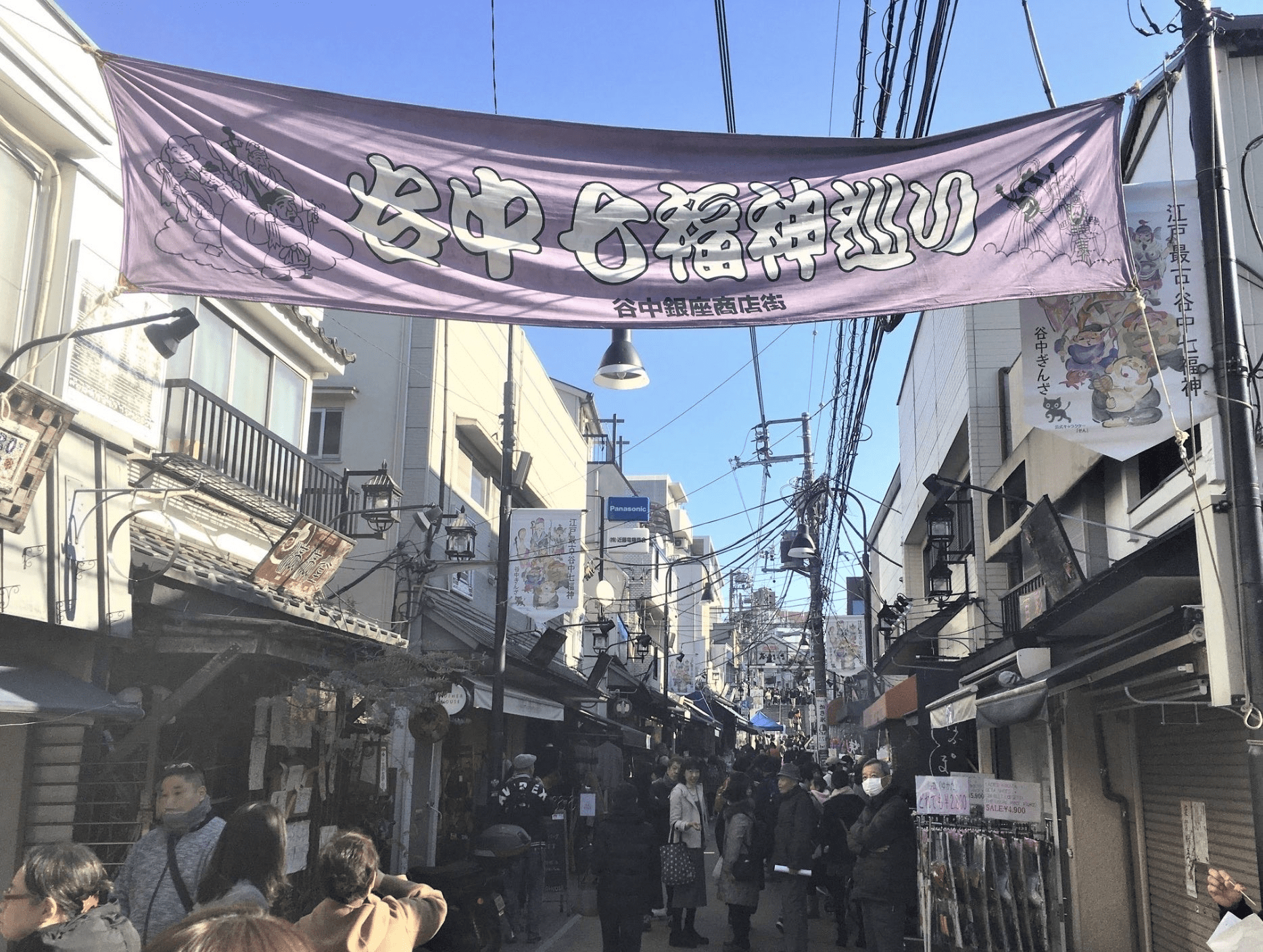
If you participate in the Yanaka Seven Lucky Gods Pilgrimage, be sure to also join the simultaneously held Yanaka Ginza Shopping Street Stroll.
The shopping street hosts festivities perfect for celebrating the New Year, including the New Year Lucky Draw Event and the New Year Mochi-Making Event, attracting large crowds every year.
<Information>
Date: January 4-5, 2026
Access: 5-minute walk from Nippori Station
Admission: Free
Website: https://www.yanakaginza.com/
What is Yanaka Ginza Shopping Street?
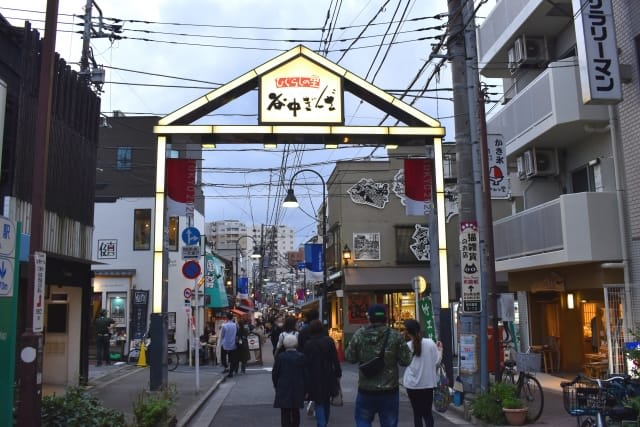
Yanaka Ginza Shopping Street is a shopping district with approximately 70 shops lining a short street of about 170 meters, offering sweets, prepared foods, fashion items, and miscellaneous goods.
Many specialty shops have been operating here for generations, giving the area a nostalgic atmosphere.
The shopping street is filled with foods perfect for eating while walking, such as croquettes, minced meat cutlets, donuts, and ice cream. My recommendation is the freshly fried croquettes. Enjoy strolling through the shopping street while eating delicious snacks!
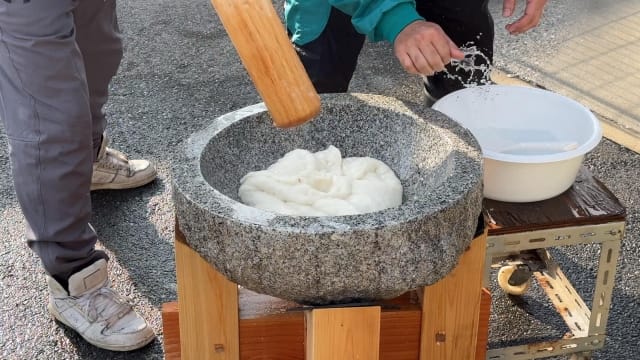
New Year Mochi-Making Event Where You Can Eat Freshly Pounded Mochi
Source:Official website
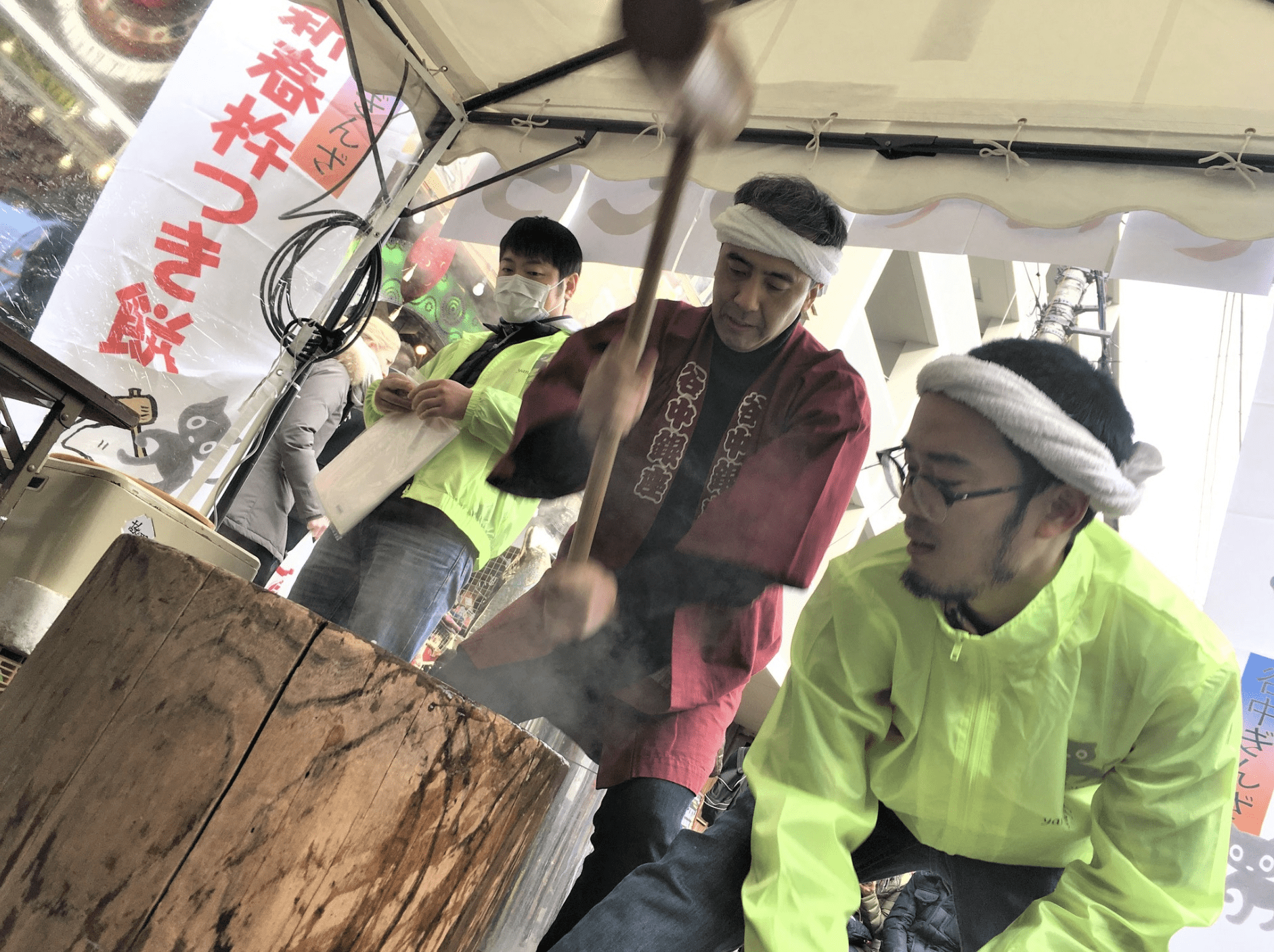
The New Year Mochi-Making Event is where you can enjoy freshly pounded mochi for free. Mochi-pounding is a traditional Japanese New Year event, and watching people pound the mochi with a large wooden mallet while shouting loudly is truly impressive!
The freshly pounded mochi is flavored with anko (sweet red bean paste), kinako (roasted soybean flour), the shopping street's original Edo miso, walnut miso, and more.
As someone who loves sweets, I had the anko mochi. The combination of the soft, freshly pounded mochi and the gently sweet anko was absolutely perfect—I wanted to have seconds.
The event ends once the mochi runs out, so make sure to visit before late afternoon.
New Year Lucky Draw Event Where You Can Enjoy Traditional Japanese Entertainment
Source:Official website
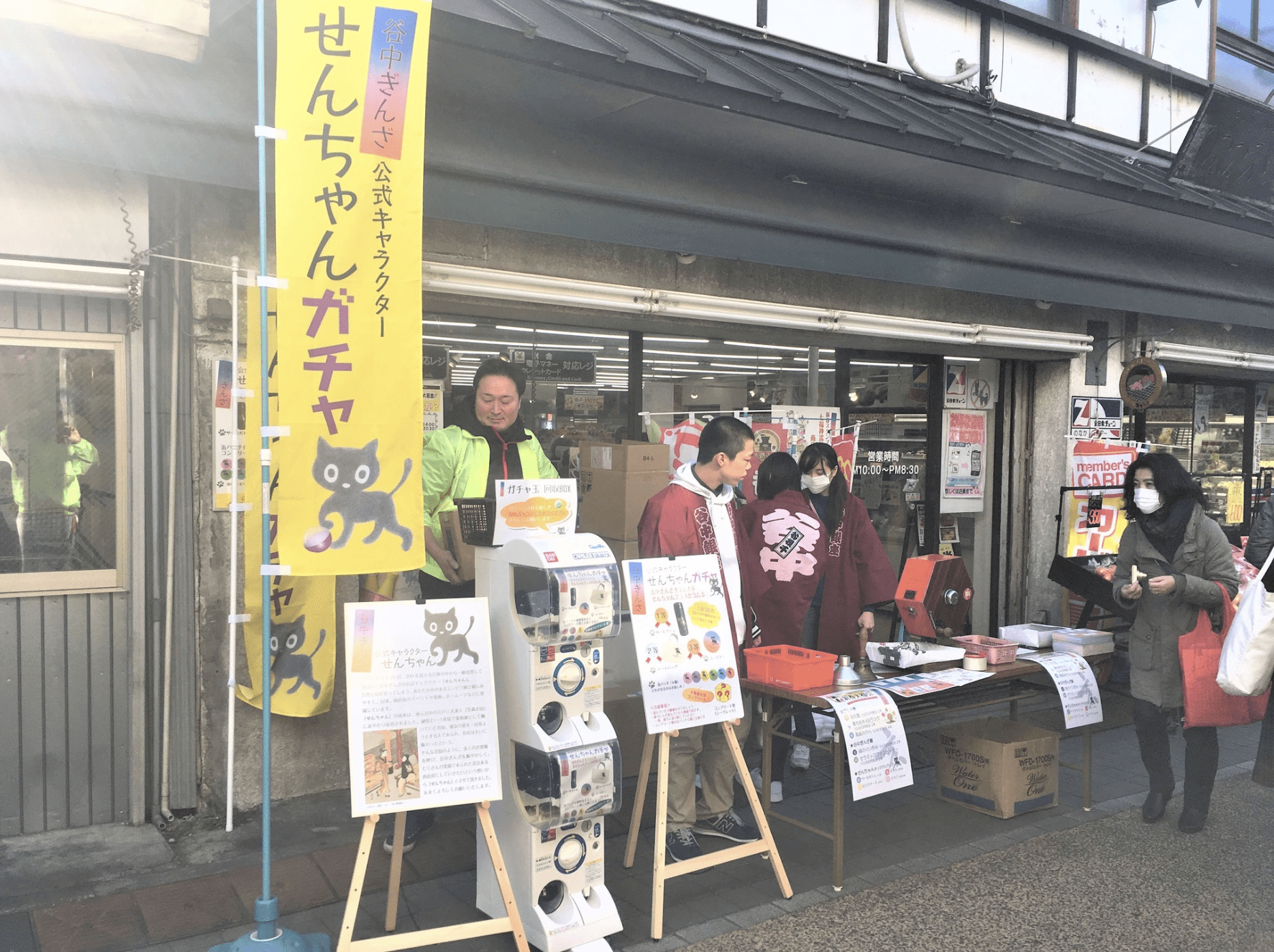
At the New Year Lucky Draw Event, you can participate in the lucky draw based on the number of stamps you collect by stamping papers distributed in the shopping street at temples.
Fukubiki is a lottery where you can win prizes, and it is a beloved traditional Japanese New Year entertainment.
I also participated in the lucky draw, but unfortunately, I did not win. However, at the New Year Lucky Draw Event, even if you lose, you receive dagashi (traditional Japanese penny candy), so it still made me feel happy at the start of the New Year.
Why not collect stamps during the Yanaka Seven Lucky Gods Pilgrimage and try your luck at the lucky draw event?
3 Shrines and Temples Recommended by the Author for Enjoying Hatsumode in the Yanaka Area
Among the traditional Yanaka events in January 2026, my top recommendation is "Hatsumode." Hatsumode is a long-standing Japanese custom where people visit shrines or temples at the beginning of the new year to express gratitude for the past year and pray for safety and good fortune in the year ahead.
Hatsumode is typically observed on New Year's Day (January 1st) or during the first three days of the year (January 1st-3rd), and should be completed by Matsu no Uchi at the latest (January 7th in the Kanto region, January 15th in the Kansai region).
From here, I will introduce three shrines and temples recommended by the author where you can enjoy Hatsumode in the Yanaka area.
Nezu Shrine
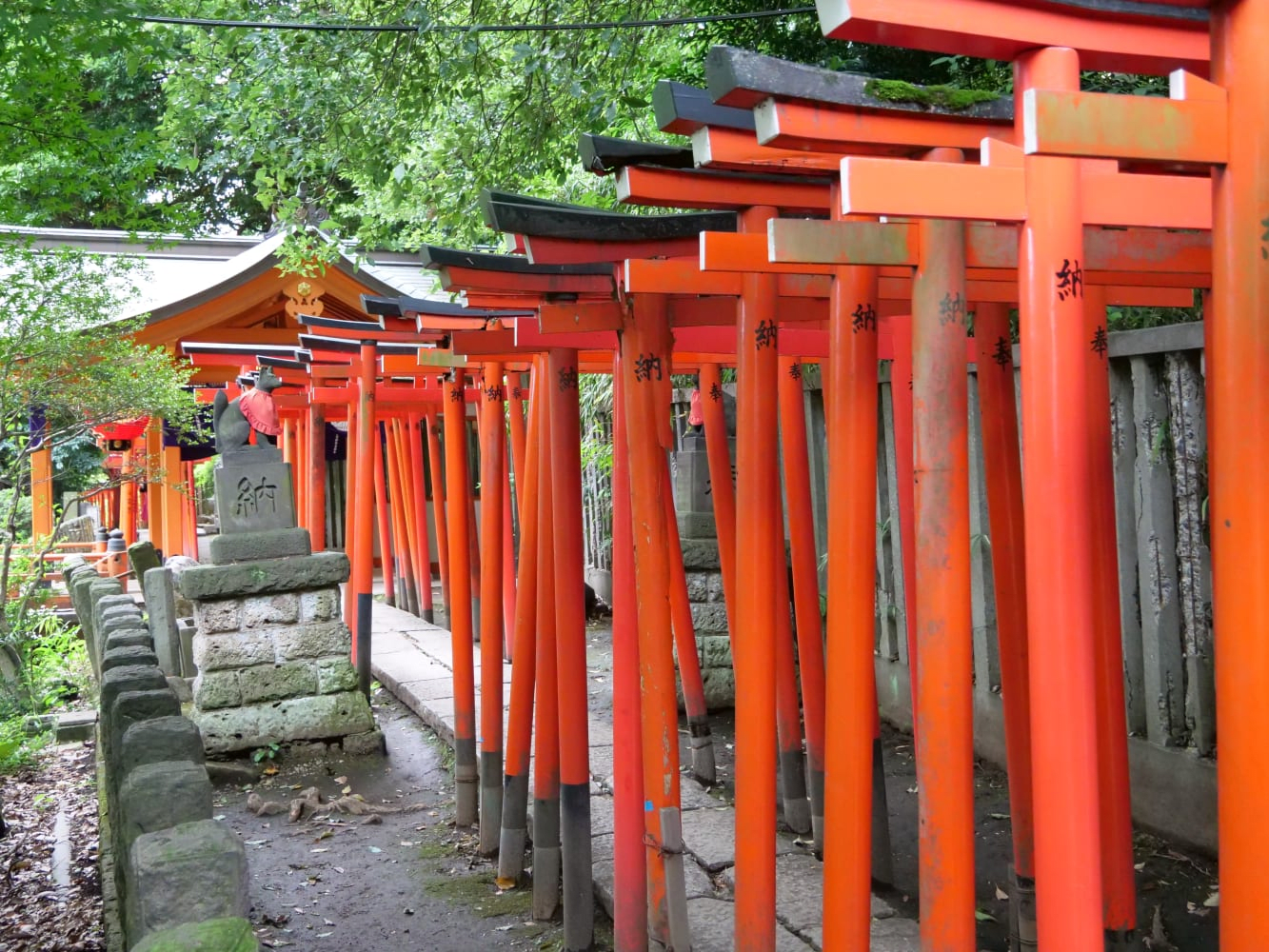
Nezu Shrine is a historic shrine established over 1,900 years ago and has been selected as one of "The Ten Shrines of Tokyo," among the most prestigious shrines in the capital.
The seven buildings within the shrine grounds retain their original appearance from the Edo period and are designated as Important Cultural Properties of Japan.
The Senbon Torii (a pathway of numerous torii gates) with its bright red gates forming a tunnel-like passage is renowned for being photogenic and attracts tourists on both weekdays and weekends.
As a popular tourist spot, Hatsumode here can be crowded, but experiencing the New Year's first shrine visit at this beautiful shrine that preserves the atmosphere of the Edo period is sure to create an unforgettable memory.
<Information>
Address: 1-28-9 Nezu, Bunkyo-ku, Tokyo
Access: 5-minute walk from Nezu Station
Phone: 03-3822-0753
Website: https://nedujinja.or.jp/
Explore Traditional Spots More Deeply with a Guide Who Knows Yanaka Inside Out
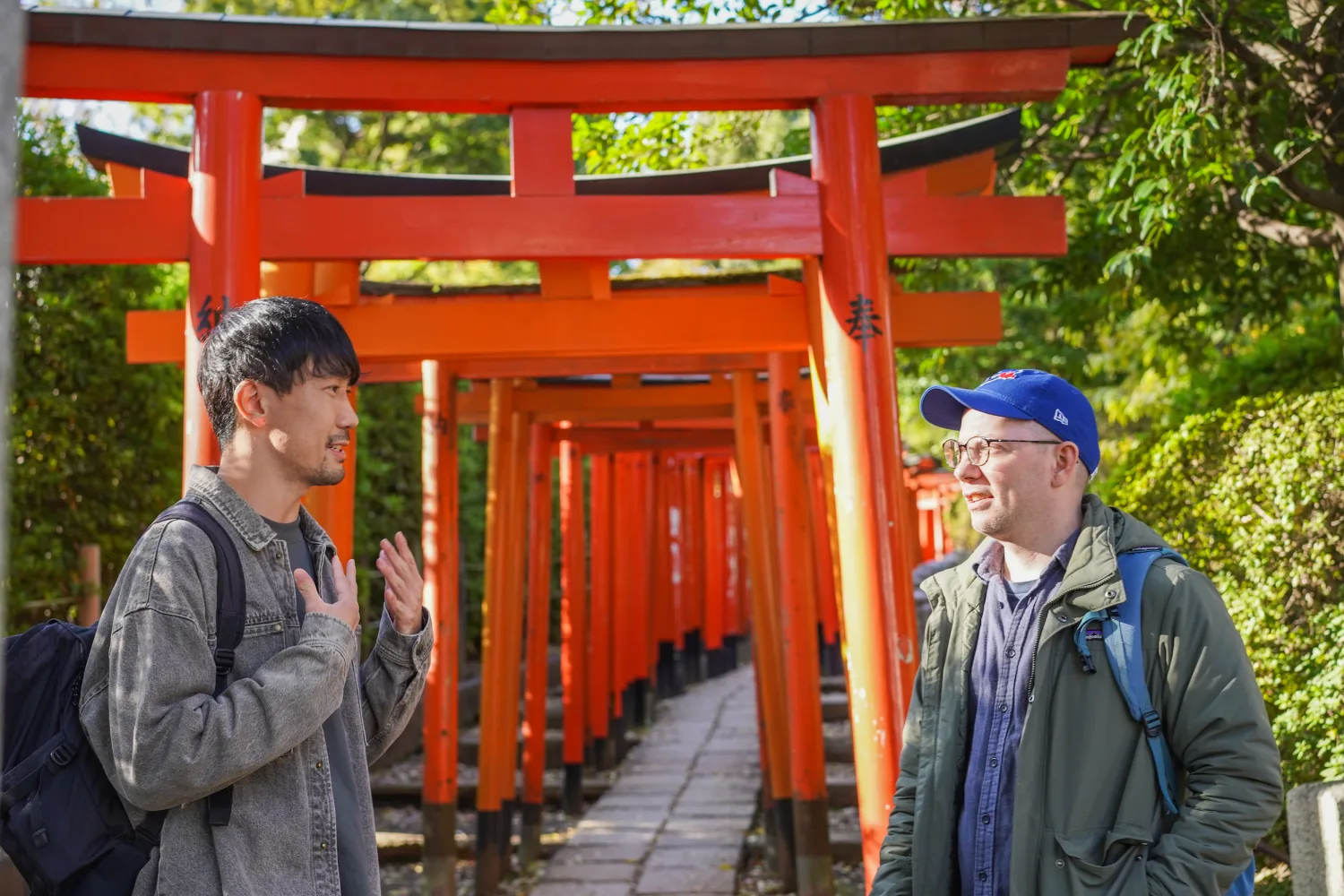
As introduced above, Yanaka is a town with deep-rooted Japanese traditions and rich history. However, because of this, many foreign visitors return home without fully understanding or enjoying Japanese traditions and culture.
By exploring with a guide who knows Yanaka inside out, you can enjoy traditional spots more deeply. The Yanaka Historical Walking Tour in Tokyo's Old Town allows you to stroll through the Yanaka area and savor the charm of old Japan's streetscapes.
On the tour, after visiting the popular tourist spot Nezu Shrine with explanations from the guide, you will head to an atmospheric café renovated from a traditional Japanese house.
At the café, while enjoying drinks and sweets, you will experience painting a Maneki-neko (a Japanese lucky charm believed to bring happiness). Finally, you will explore Yanaka Ginza Shopping Street, which features a variety of specialty shops selling food and miscellaneous goods, while enjoying street food snacks.
By joining the tour, you can fully experience the charm of Yanaka through sightseeing, hands-on experiences, and food.
<Information>
Meeting Point: Nezu Station
Area: Yanaka
Meeting Time: 13:30
Suwa Shrine
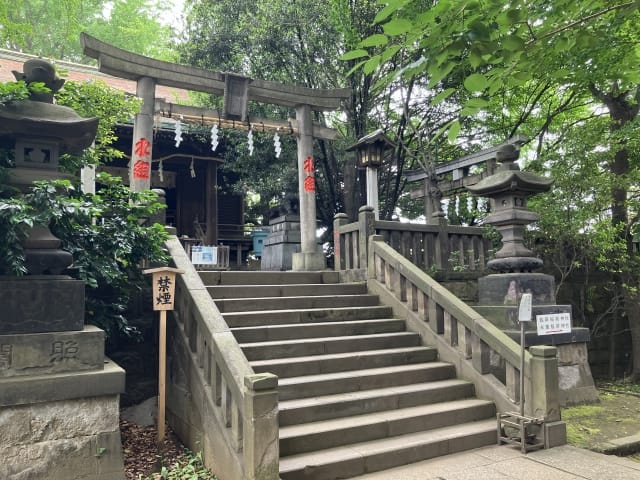
Suwa Shrine is a shrine founded during the Kamakura period and is affectionately called "Osuwasama" by locals. The shrine grounds feature many trees, including a large ginkgo tree with an overwhelming presence, and it is known for providing a peaceful atmosphere for worship.
The shrine also houses a "Chozubachi" (a basin for rinsing hands and mouth to purify oneself before worship) designated as a Tangible Cultural Property of Arakawa Ward, as well as a "Gakuhai" (a framed artwork displayed high above the worship hall) painted by the famous Japanese-style painter Yokoyama Taikan, making it a place full of highlights.
Be sure to check out these precious cultural properties along with your Hatsumode visit.
<Information>
Address: 3-4-8 Nishi-Nippori, Arakawa-ku, Tokyo
Access: 6-minute walk from Ueno Station
Phone: 03-3821-4275
Website: https://suwajinja.r-cms.jp/
Kanei-ji Temple
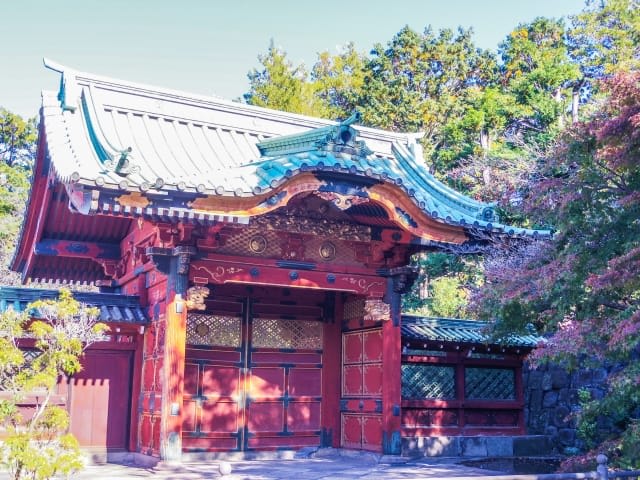
Kanei-ji Temple is a temple founded in 1625 with prayers for the stability of the Tokugawa shogunate and the peace of its citizens.
A distinctive feature of Hatsumode at Kanei-ji Temple is the Ninenmairi (a style of Hatsumode where you visit a shrine or temple from the night of December 31st through midnight into January 1st) at Shinobazu Pond Bentendo, attracting many visitors during the New Year's Eve transition.
Joya no Kane (a traditional Japanese New Year's Eve event where bells are rung from New Year's Eve to New Year's Day to purify the heart) can be participated in by the general public at Kanei-ji Temple with advance reservation.
The opportunity to ring the Joya no Kane bell is rare, and even among Japanese people, very few have experienced it. Why not give it a try along with your Hatsumode visit?
<Information>
Address: 1-14-11 Ueno Sakuragi, Taito-ku, Tokyo
Access: 6-minute walk from Ueno Station
Phone: 03-3821-4440
Website: https://kaneiji.jp/#gsc.tab=0
Hatsumode at Senso-ji Temple in Neighboring Asakusa is Also Recommended
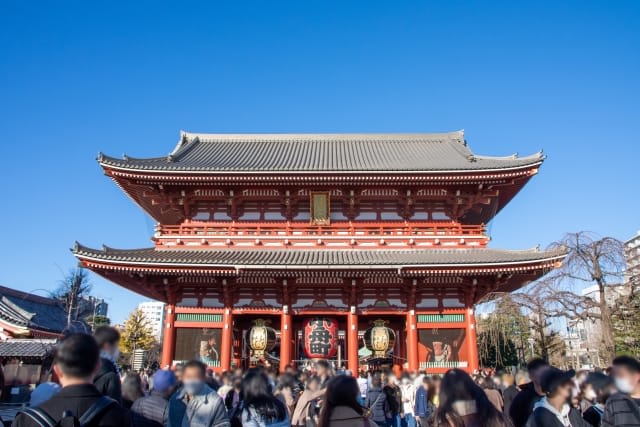
Hatsumode at Senso-ji Temple in neighboring Asakusa is also recommended. Senso-ji Temple, the oldest temple in Tokyo, is always bustling with tourists, but during Hatsumode to celebrate the new year, numerous food stalls are set up and even more people visit than usual.
Hatsumode at Senso-ji Temple is said to have one of the largest turnouts in Japan, with approximately 3 million worshippers visiting between January 1st and 3rd.
It gets so crowded during the day that traffic restrictions are put in place, so the best times to visit are early morning on New Year's Day (around 4-8 AM) or early morning (around 6:30-8 AM) or evening on January 2nd or 3rd when it is relatively less crowded.
Compared to Senso-ji Temple, Hatsumode in Yanaka has fewer visitors, so you can enjoy your first shrine visit of the year in a more relaxed atmosphere. This makes Yanaka events in January 2026 an excellent choice for tourists seeking a more authentic and peaceful experience.
<Information>
Address: 2-3-1 Asakusa, Taito-ku, Tokyo
Access: 6-minute walk from Ueno Station
Phone: 03-3842-0181
Website: https://www.senso-ji.jp/
3 Recommended Yanaka Event January 2026: Top Picks in Easily Accessible Tokyo Neighborhoods
Grand Sumo Tournament
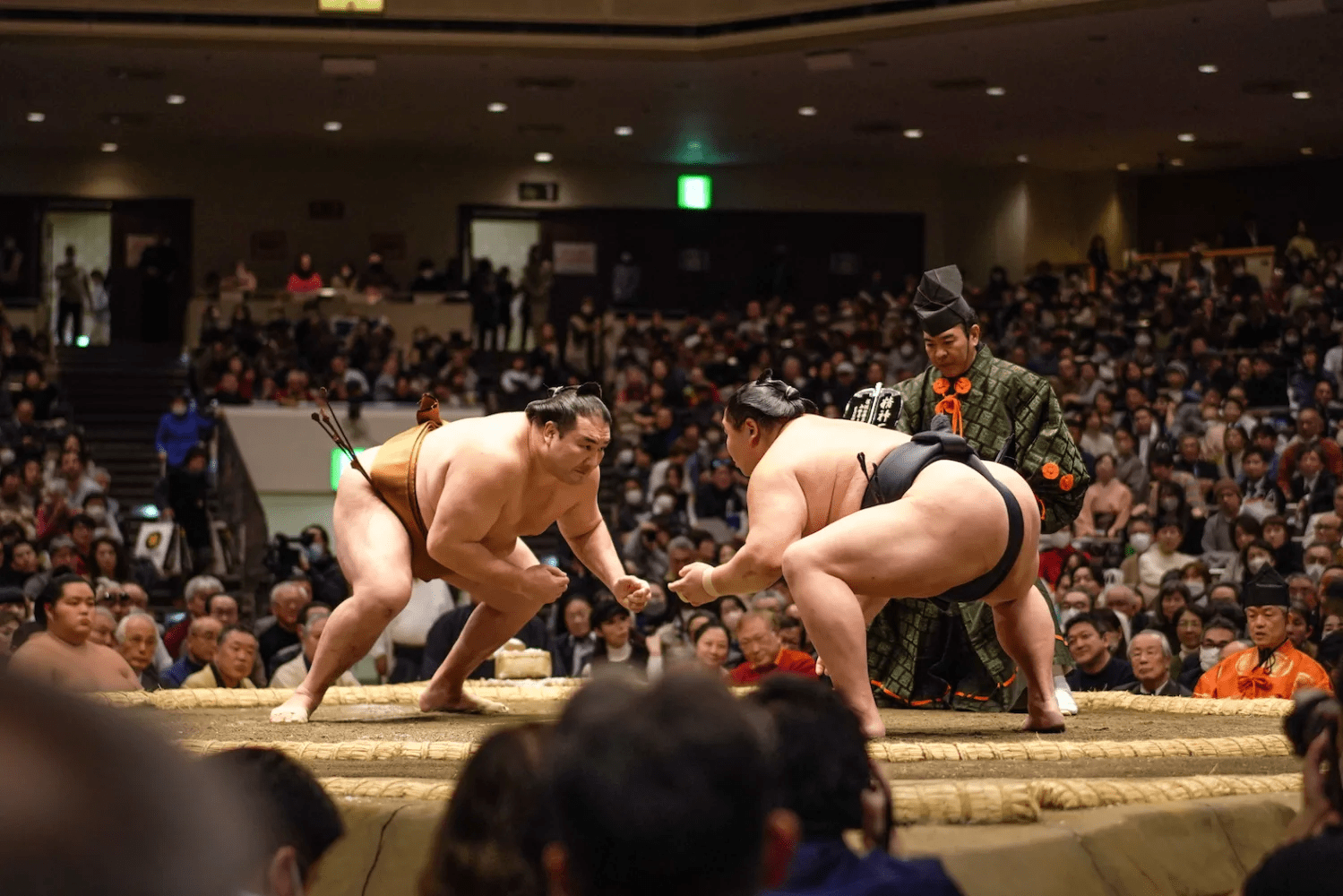
The Grand Sumo Tournament is an official sumo competition hosted by the Japan Sumo Association, held six times a year. The venues rotate among four locations: Tokyo, Osaka, Nagoya, and Fukuoka.
The January Tournament takes place at Ryogoku Kokugikan, which is easily accessible from Yanaka.
At the Grand Sumo Tournament, wrestlers compete over 15 consecutive days, with their win-loss record determining their ranking for the next tournament. This creates an intense atmosphere as you watch the wrestlers give their all.
I've had the chance to attend myself, and from start to finish, I couldn't take my eyes off the serious bouts unfolding right before me!
The venue also has shops selling original sumo merchandise, so why not pick up some souvenirs?
<Information>
Date: January 11–25, 2026
Access: 6-minute walk from Ueno Station
Admission: Free
Website: https://www.sumo.or.jp/
Visit a Sumo Stable Beforehand to Enhance Your Grand Sumo Tournament Experience!

Sumo wrestlers live in Sumo Stables, secluded places set apart from the everyday world, which gives them an air of mystery.
By visiting a Sumo Stable beforehand, you can enjoy the Grand Sumo Tournament even more. The Tokyo Sumo Morning Practice Tour in Ryogoku allows you to observe wrestlers' morning training sessions at a Sumo Stable with a guide.
During the tour, your guide will teach you about sumo rules, history, and the daily life of wrestlers as you make your way to the Sumo Stable.
Once you arrive at the Sumo Stable, you'll observe training sessions that are rarely open to the public. Watching the rigorous practice up close is powerful and awe-inspiring.
Visiting a Sumo Stable on your own is difficult, and even Japanese people rarely get the opportunity, making this a truly valuable experience.
If the timing is right, you might even get a chance to take photos with the wrestlers after practice. A photo with a sumo wrestler is sure to impress your family and friends!
<Information>
Meeting Point: In front of RERAKU, East Exit of Ryogoku Station
Area: Ryogoku
Meeting Time: 8:00
Oden & Local Sake Festival 2026
Source:Official website
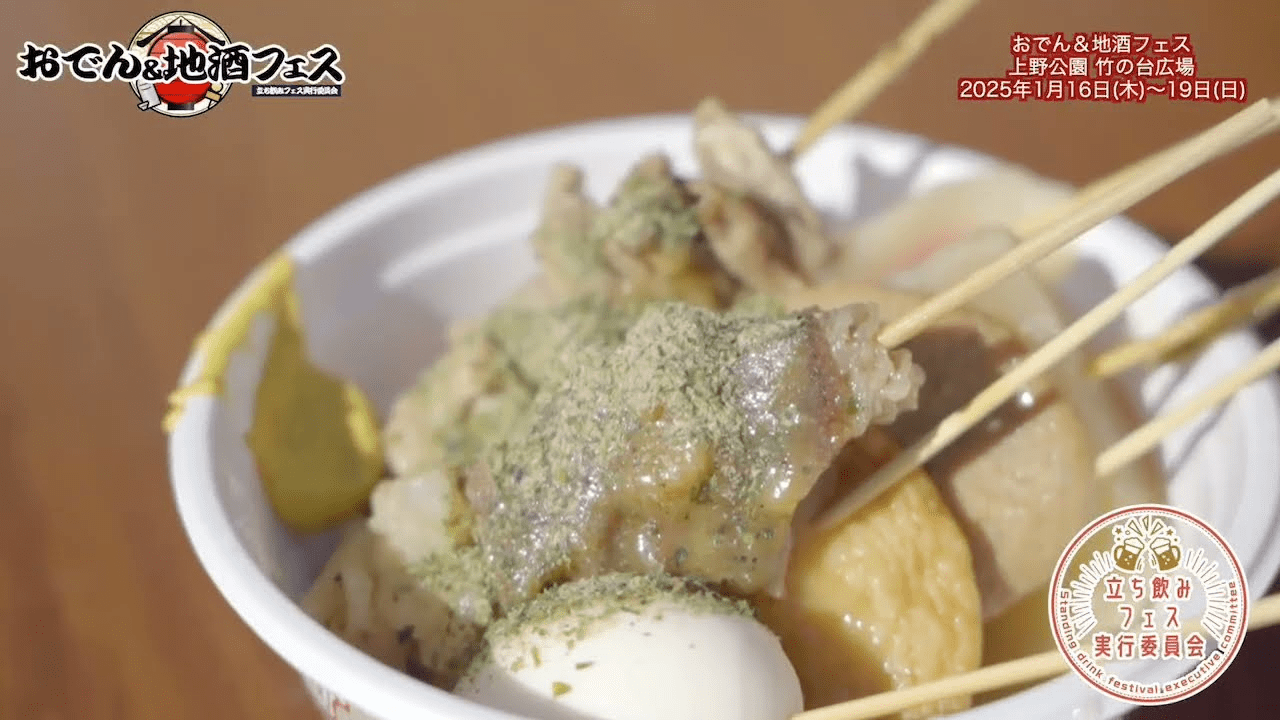
The Oden & Local Sake Festival is an event held at Ueno Park, conveniently located for combining with a visit to Yanaka, where you can enjoy oden and local sake from all across Japan.
Oden is a traditional Japanese dish of simmered ingredients such as daikon radish, eggs, and fish cakes. The flavors soak deeply into each ingredient, making it the perfect accompaniment to sake.
Oden varies in flavor by region, so I enjoyed comparing many different types.
My favorite was the snow crab oden from Hokkaido. The oden, packed with the rich umami of crab, was exquisite, and I found myself drinking more and more sake!
The venue also features stage shows where you can experience Japanese culture, such as traditional Japanese instrument performances and Yosakoi dancing, as well as booths with games like shooting galleries and ring toss. Why not enjoy the festival while savoring delicious warm oden and local sake?
<Information>
Date: February 19–23, 2026
Access: 6-minute walk from Ueno Station
Admission: Free
Website: https://oden-jizakefes.com/ueno/
Daikoku Festival
Source:Visit Chiyoda
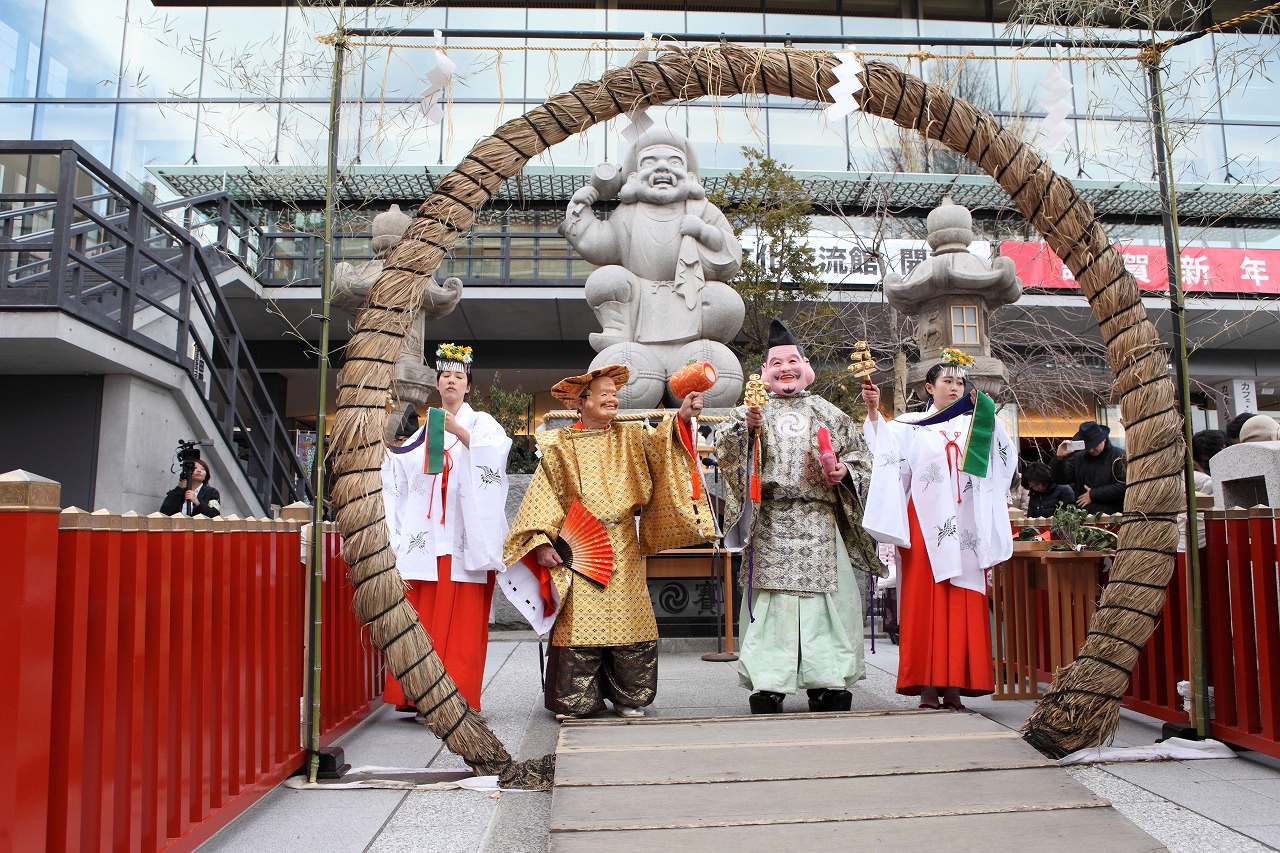
The Daikoku Festival is held at Kanda Myojin, located close to Yanaka, in honor of Daikoku, the god of fortune. Participating in the festival is said to bring blessings such as family harmony, matchmaking, and business prosperity.
During the festival, you can witness traditional Japanese ceremonies up close, such as the Cold-Weather Purification Endurance Ritual, where participants—mainly new adults—purify themselves by pouring cold water over their bodies at a purification site with ice pillars, and the Shijō-ryū Hōchō Ceremony, a court ritual dating back to the Heian period where fish is prepared using only a knife and chopsticks without touching it by hand.
A special fukuzasa (a lucky bamboo branch for good fortune) is sold only during the Daikoku Festival period, and purchasing one entitles you to a lucky draw with guaranteed prizes—why not buy one as a souvenir?
<Information>
Date: Mid-January 2026
Access: 5-minute walk from Ochanomizu Station
Admission: Free
Website: https://www.kandamyoujin.or.jp/
Have a Local Create an Itinerary to Efficiently and Deeply Enjoy Traditional Spots Across Tokyo!
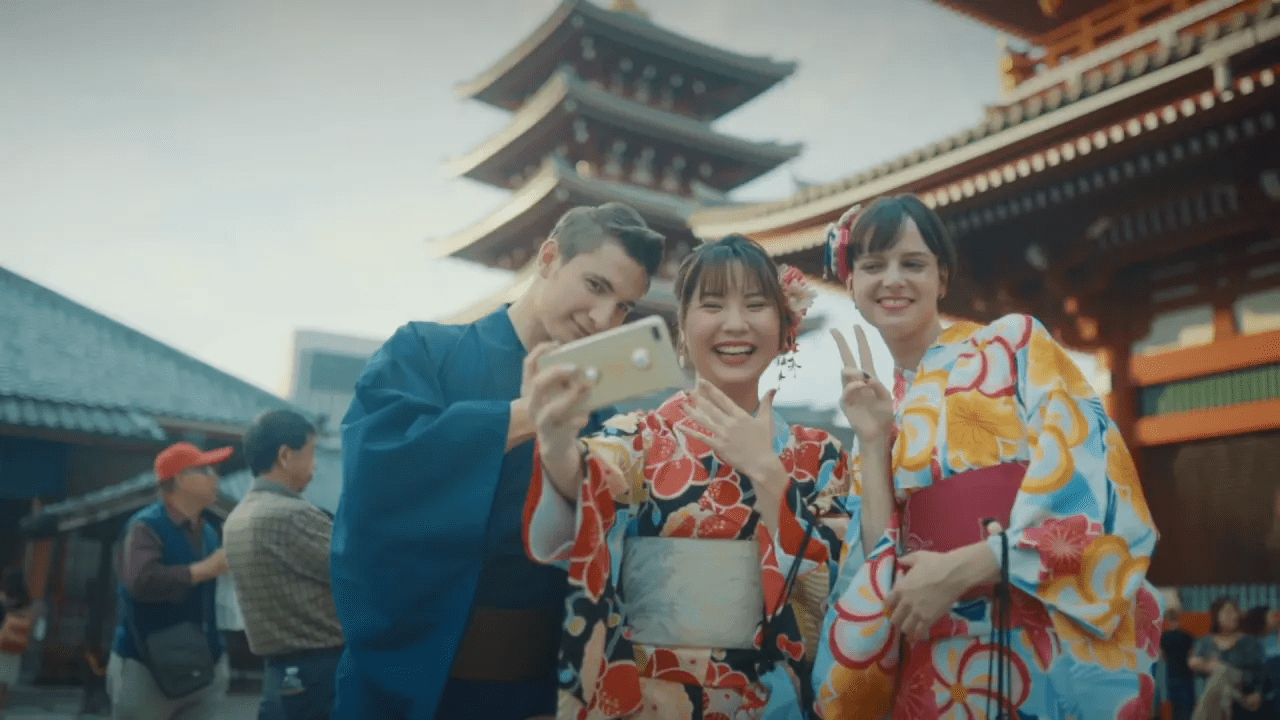
Tokyo is packed with attractions, but have you ever struggled to plan an itinerary because the highlights are spread out across the city? When planning your Tokyo sightseeing itinerary, why not ask a local who knows Tokyo well? This way, you can efficiently and deeply enjoy traditional spots throughout Tokyo.
Magical Trip has many local guides on staff, and you can consult with your guide beforehand, so they can propose a personalized tour tailored to your interests and goals!
On the tour, you'll learn insider tips that only local guides familiar with the sights would know, and be taken to hidden gems popular among locals—experiences you simply can't get traveling on your own.
Join your very own original tour, and you're sure to fall in love with Japan!