Yanaka November 2026: Complete Guide to 10 Must-See Events, Antique Market & Autumn Festivals in Tokyo
Tokyo is home to countless spots, from bustling entertainment districts like Shibuya and Harajuku, to neighborhoods that come alive at night like Shinjuku and Roppongi, to areas that preserve traditional old-town charm like Asakusa and Kanda.
While Tokyo is a city packed with appeal, it's also true that increasing tourism development has made it harder for visitors to experience the "real Tokyo." In other words, instead of enjoying Tokyo like a local, tourists are often limited to experiencing only the touristy side of the city.
That's exactly why I want you to explore the city with locals who know the real Tokyo. With tours from Magical Trip—winner of Tripadvisor's The Best of The Best in both 2024 and 2025—you can make that happen.

Yanaka has preserved its traditional streetscape, but without some knowledge of Japanese culture and traditions, it can be hard to fully appreciate everything this neighborhood has to offer. If you want to experience Yanaka to the fullest—including its living traditions and culture—be sure to join the "Yanaka Historical Walking Tour in Tokyo's Old Town" with local guides.
If you're interested in Japanese culture, I also recommend the Tokyo Sumo Morning Practice Tour in Ryogoku, where you can visit a sumo stable—something even most Japanese people have never experienced—or the Asakusa Cultural Walk & Matcha Making Tour, where you can stroll through Asakusa while learning about Japanese culture from your guide.
If you want to create your own itinerary and explore Tokyo deeply and efficiently, choose Customized Private Tours of Japan with MagicalTrip's Top Guides, where you can craft a special itinerary tailored just for you with a local guide.
Introduction
Yanaka is an area that developed as a temple town (monzenmachi - a town formed around influential temples and shrines) during the Edo period, where many temples gathered.
Since it suffered minimal damage from earthquakes and war disasters, narrow alleys and wooden houses built long ago still exist today, making it famous for preserving streetscapes that vividly retain the atmosphere of old times.
Yanaka, together with neighboring Nezu and Sendagi, is called "yanesen" and attracts foreign tourists for its retro atmosphere. This article will introduce events you can enjoy in and around the Yanaka area, including highlights, event schedules, and access information to venues.¥
2026 Year-round Event Schedule in Yanaka↓
・Yanaka: List of Events & Festivals for 2026
 sena kanda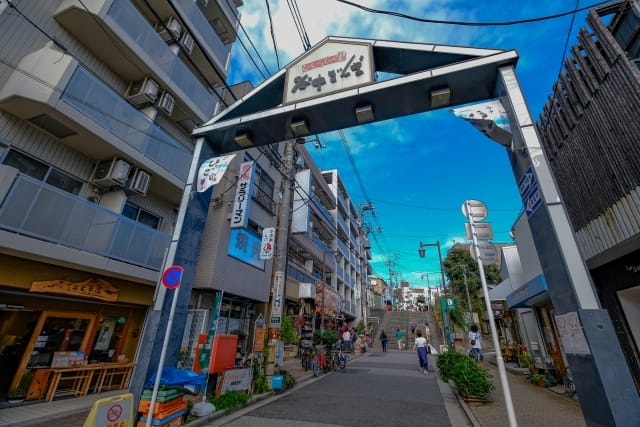
November in Yanaka Features the Autumn Tradition: "Yanaka Antique Market"
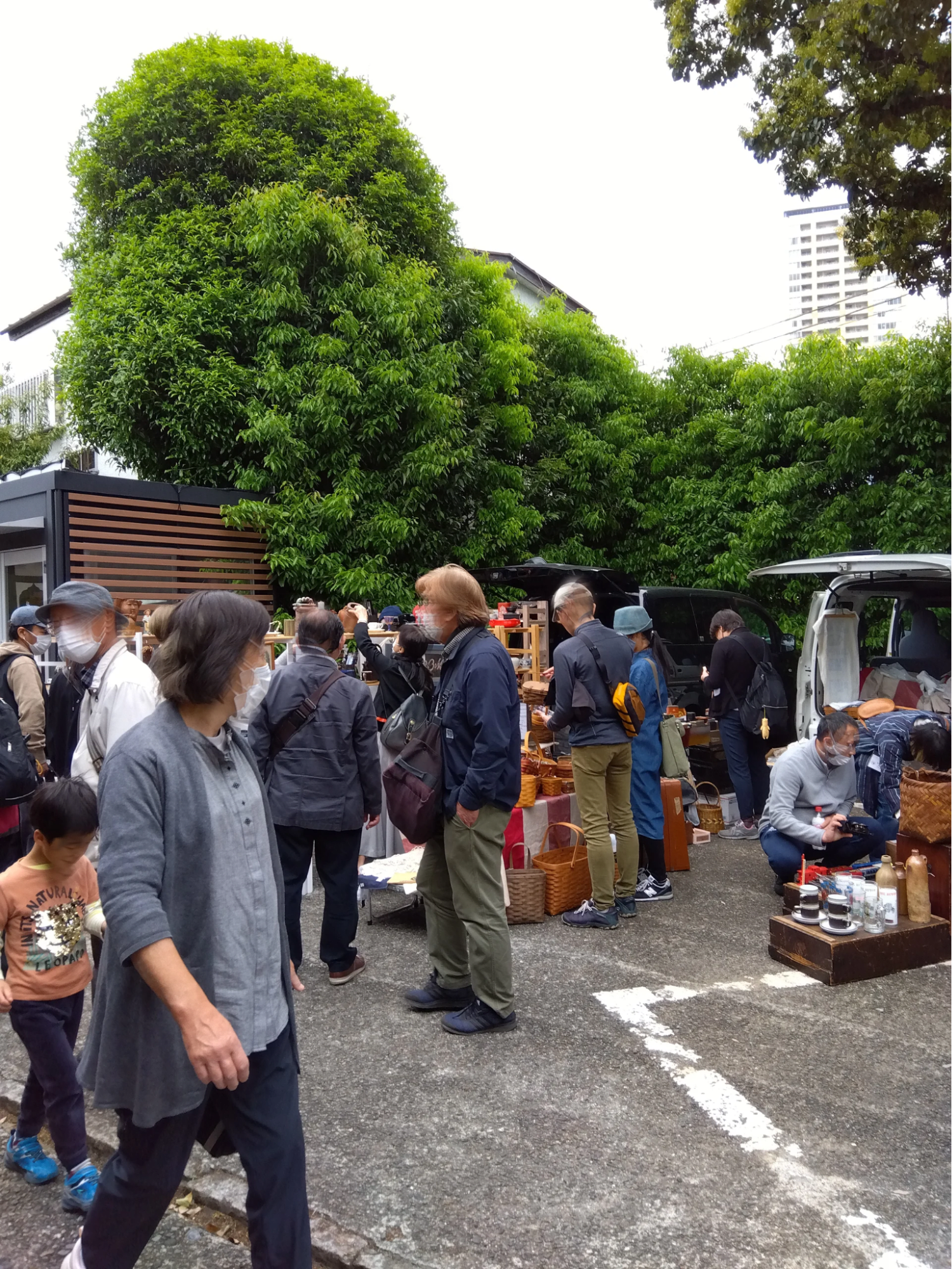
In November, Yanaka hosts the autumn tradition known as the "Yanaka Antique Market." Antique products that harmonize with Yanaka's charming old streetscape gather here, offering visitors the joy of discovering wonderful vintage items.
After strolling through the antique market, why not explore the surrounding area? The vicinity is dotted with attractions such as Yanaka Ginza, historic temples, and stylish cafes, allowing you to fully enjoy the Yanaka area throughout an entire day.
What is the Yanaka Antique Market?
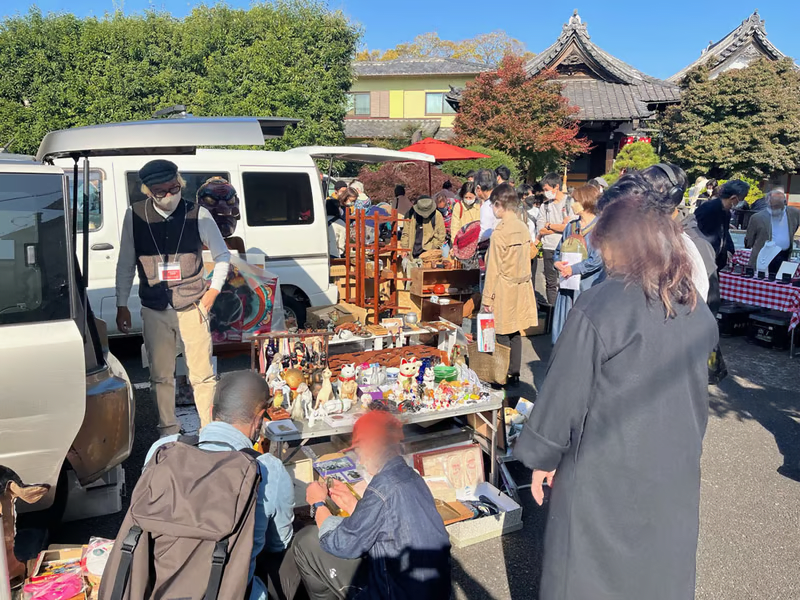
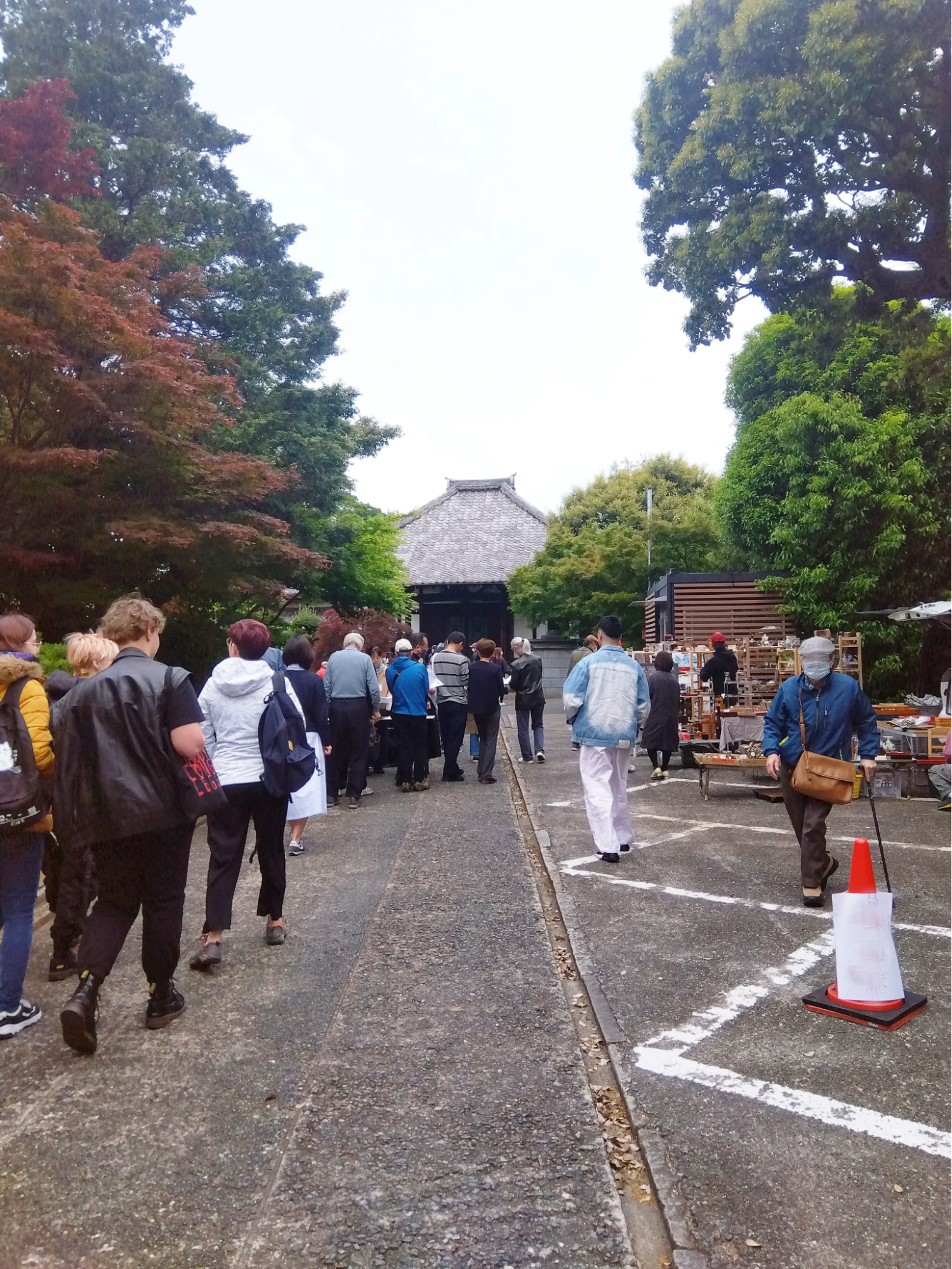
The Yanaka Antique Market is an antique market held several times a year in the parking lot of Enmei-in Temple, which has continued in Yanaka since the Edo period.
The venue is packed with a diverse array of products including Japanese and Western antiques, cats that symbolize Yanaka, and retro miscellaneous goods - it's enjoyable just to browse. I have visited the antique market many times, and each time I enjoy the sensation of treasure hunting while searching for items.
Admission is free, so please feel free to visit.
Yanaka Antique Market Schedule
The schedule for the Yanaka Antique Market in November 2026 has not yet been announced. Information will be updated as it becomes available, so be sure to check the following link for the latest details.
Official website: https://www.yanaka-antique-market.com/
The Appeal of Yanaka Antique Market and Three Reasons I Recommend It
Here, I'll explain the appeal of the Yanaka Antique Market and three reasons why I recommend it.
Discover Rare Antique Items from Various Japanese Eras
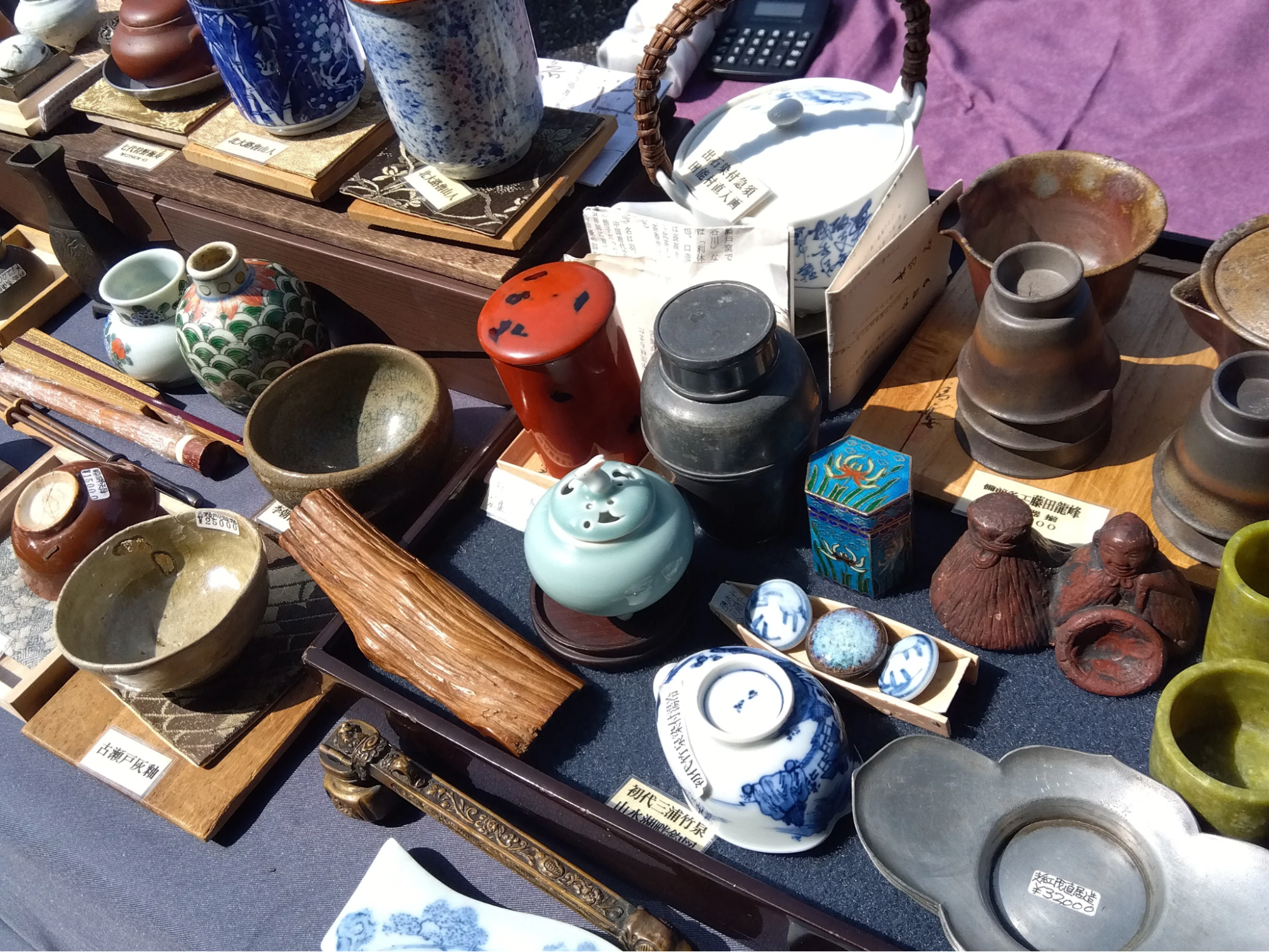
The first reason is that you can find rare antique goods made during various Japanese eras. Various antique items from as far back as the Edo, Taisho, and Showa periods are displayed, so walking around the venue feels like strolling through a museum.
Many items are one-of-a-kind or hidden gems, so I recommend visiting right after opening or in the morning. Arrive early at the venue to get your hands on precious items!
Not Only Japanese Items, But Also Numerous Rare Western Antiques
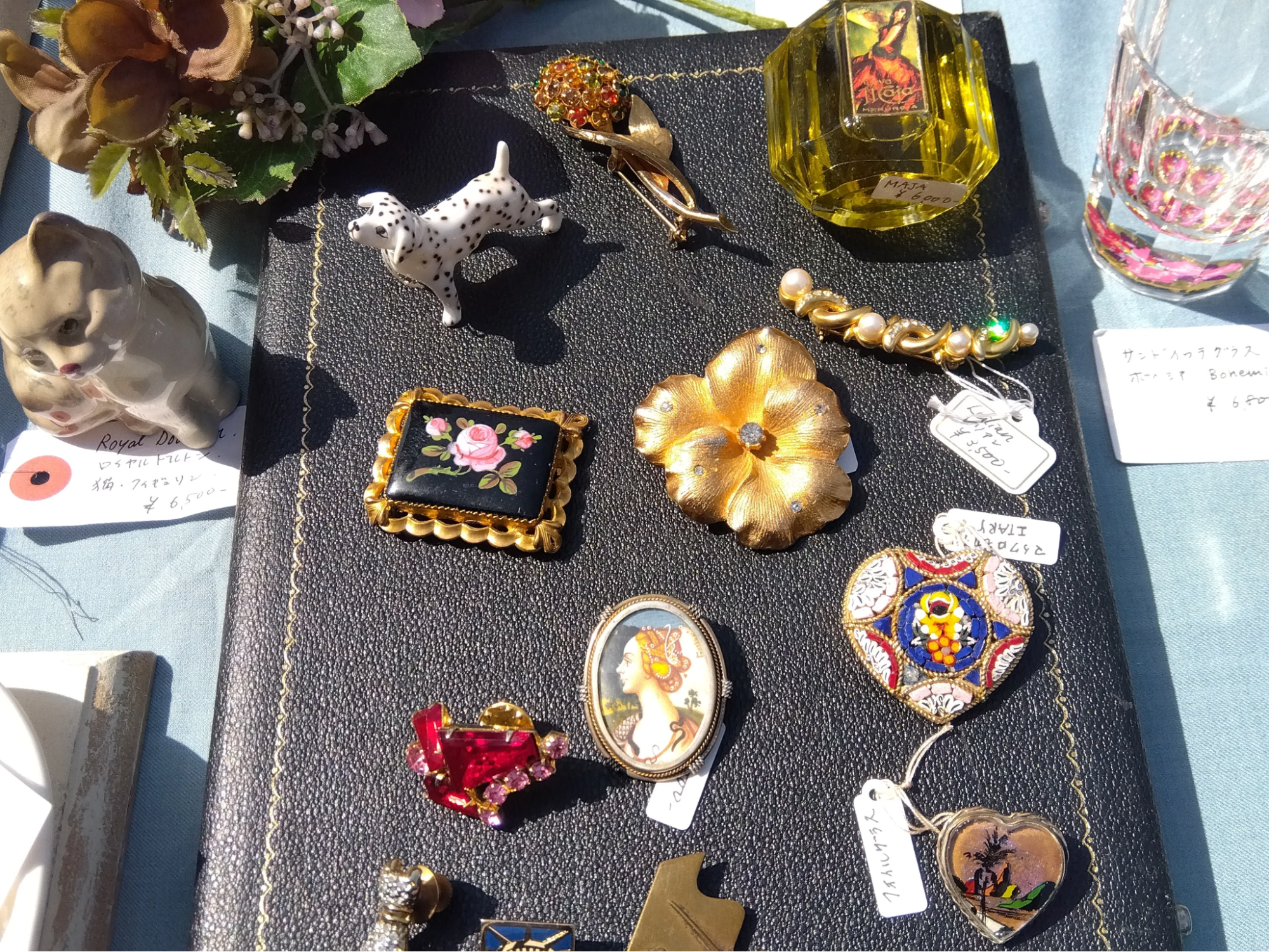
The second reason is that not only Japanese items but also numerous rare Western antiques are exhibited.
The venue sells various items including Western pottery, accessories, and antique toys. My niece, who visited the Yanaka Antique Market with me, purchased a gorgeous hair accessory like one a princess would wear. The hair accessory embedded with pearls and colorful stones was glamorous and felt worth more than its price.
Western antiques often have a glamorous impression and offer charm different from Japanese items!
Obtain Cat-Related Antiques Characteristic of Yanaka, Known as Cat Town
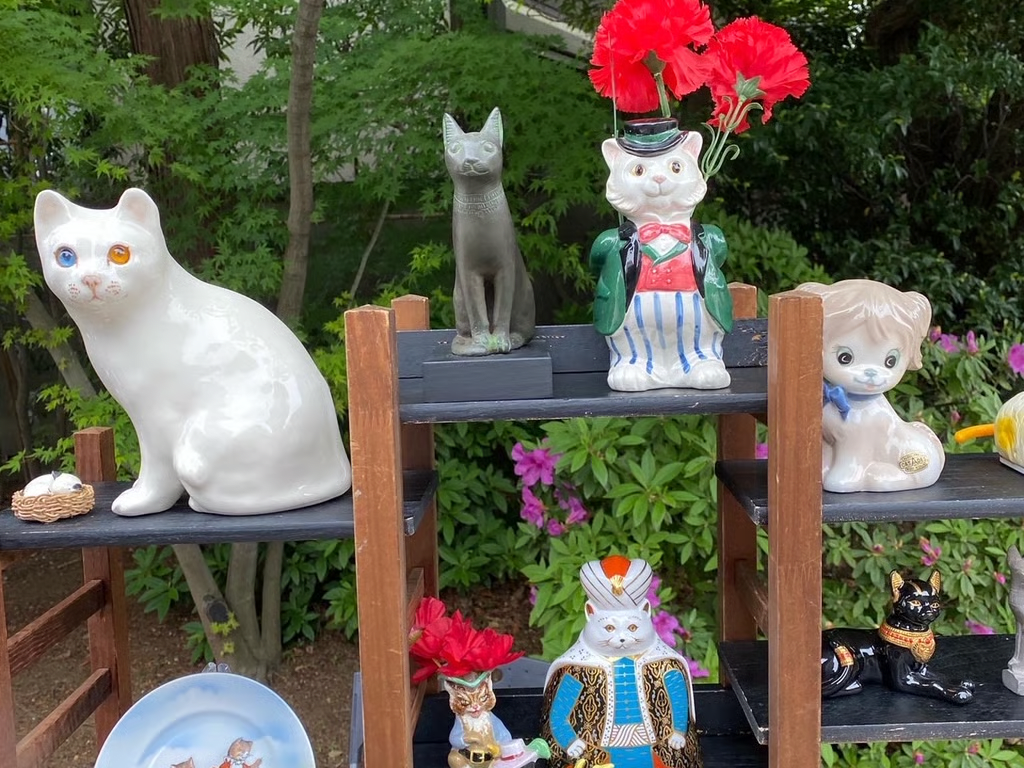
The third reason is that you can obtain cat-related antiques characteristic of Yanaka, known as Cat Town. During the Edo period, the Yanaka area became a place where cats could be seen throughout the town after shrines gathered cats for the purpose of rat control. Along with this, shops with cat concepts increased, and it became known as Cat Town.
The cat goods sold at the venue include various items such as maneki-neko (lucky cat figurines for business prosperity), cat figurines, and tableware. I once fell in love at first sight with a maneki-neko that was the only one being sold and bought it on the spot. I still display it at home, and I'm healed every time I see its adorable face.
Since this is a valuable opportunity where many cat antiques are available, cat lovers should definitely visit.
Basic Information & Access for Yanaka Antique Market
〈Details〉
- Date: Fall 2026 schedule not yet announced
- Venue: Nichiren Sect Hōjuzan Enmei-in Temple Parking Lot
- Address: 3-10-1 Nishinippori, Arakawa-ku, Tokyo
- Access: 3-minute walk from Nippori Station (multiple lines), 10-minute walk from Sendagi Station (multiple lines)
- Admission: Free
- Website: https://www.yanaka-antique-market.com/
To Deeply Enjoy One of Tokyo's Premier Local Towns, Local Guide Assistance is Essential!
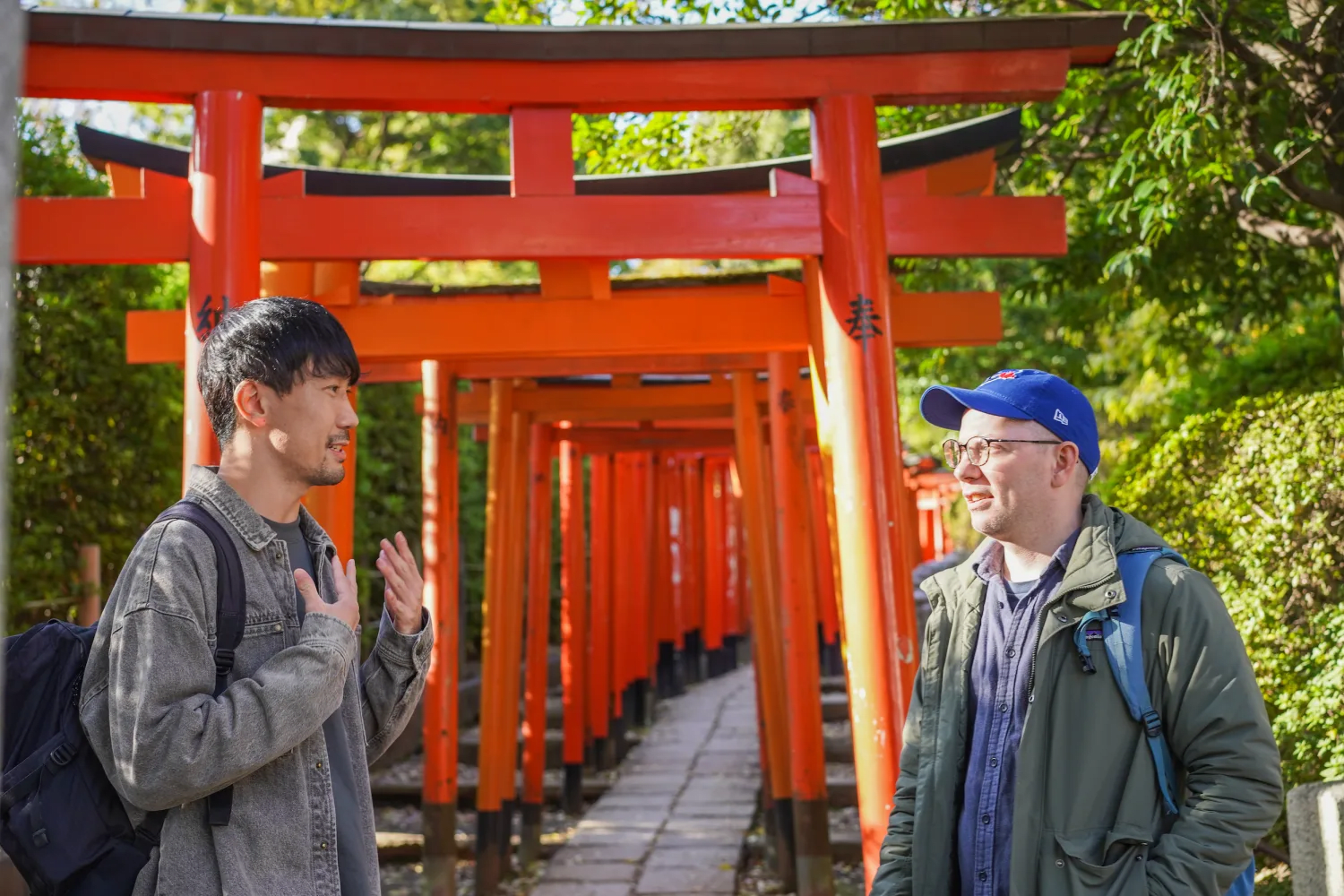
To deeply enjoy one of Tokyo's premier local towns, local guide assistance is essential. The Yanaka Historical Walking Tour in Tokyo's Old Town is a tour where you can learn history while strolling through Yanaka, which has gained popularity for its retro streetscape. The tour visits five tourist spots:
・Nezu Shrine
・Snake road (winding alleyways that curve like a snake)
・Local gallery
・Maneki-neko (beckoning cat) painting experience
・Yanaka Ginza
During the tour, you can fully enjoy Yanaka's charms through activities like exploring historic shrines, experiencing maneki-neko painting (one of Japan's traditional cultures), and tasting local cuisine at Yanaka Ginza.
Please join the tour to experience the emotionally rich Tokyo that you won't find in Shibuya or Shinjuku.
Information:
- Meeting place: Nezu Station
- Area: Yanaka
- Meeting time: 1:30 PM
2 Recommended Events the Author Wants to Enjoy in Yanaka in November 2026
Mochi Pounding Festival

The Yanaka Hatsushi Chokai Mochi Pounding Festival is an event where you can experience making mochi using traditional Japanese methods. You can also enjoy freshly made mochi with various toppings such as nori (seaweed), kinako (roasted soybean flour), Mitarashi (a sweet and savory sauce made from sugar and soy sauce), and anko (sweet red bean paste).
It is a very friendly and welcoming event where local familiar faces gather, and at the same time, tourists who drop in spontaneously are more than welcome to join.
〈Details〉
- Date: 2026 TBD (usually late November to December; in 2025, it was held on Sunday, November 30)
- Venue: Taito City Hatsune Children's Playground
- Address: 3-6-5 Yanaka, Taito-ku, Tokyo
- Access: 5-minute walk from Sendagi Station
- Admission: Free
- Website: https://www.yanakahatsu4.tokyo/
What is "Mochi Pounding" Culture?
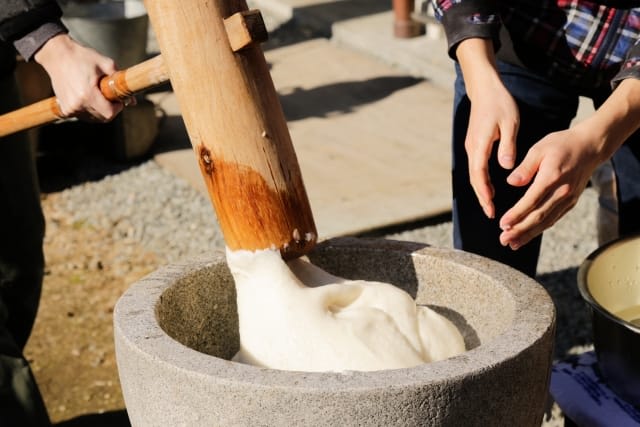
Mochi pounding is the traditional Japanese method of making mochi and is one of the iconic seasonal traditions of winter in Japan. It is a custom passed down for over 1,000 years, in which steamed glutinous rice is pounded using an Usu (mortar) and Kine (pestle) to make mochi.
Mochi pounding is typically carried out by a pair of two people. One person is in charge of pounding the mochi with the Kine, while the other is responsible for turning the mochi over.
Mochi pounding is also considered an auspicious activity. It carries the meaning of praying for the gift of new life, the prosperity of the family, and the flourishing of future generations.
Highlights of the Yanaka Mochi Pounding Festival
The greatest appeal of the Yanaka Hatsushi Chokai Mochi Pounding Festival is, without a doubt, the opportunity to actually experience traditional Japanese culture firsthand.
When you see mochi pounding on TV or social media, it may look rhythmic and as though the mochi is being made at a very fast pace, but in reality, it requires a great deal of skilled technique.
When I tried it myself, the Kine weighed anywhere from 2 to 10 kilograms, and just lifting it was quite a challenge. As a complete amateur, I found it very difficult to bring the Kine down exactly where I intended.
Being able to truly feel firsthand the remarkable skill that has been passed down through generations in Japan is one of the reasons I recommend trying mochi pounding yourself.
Above all, there is no doubt that actually experiencing a culture you had never known before, or had only seen in videos, will become a wonderful and memorable experience.
Nezu Shrine Shichi-Go-San Blessing Ceremony
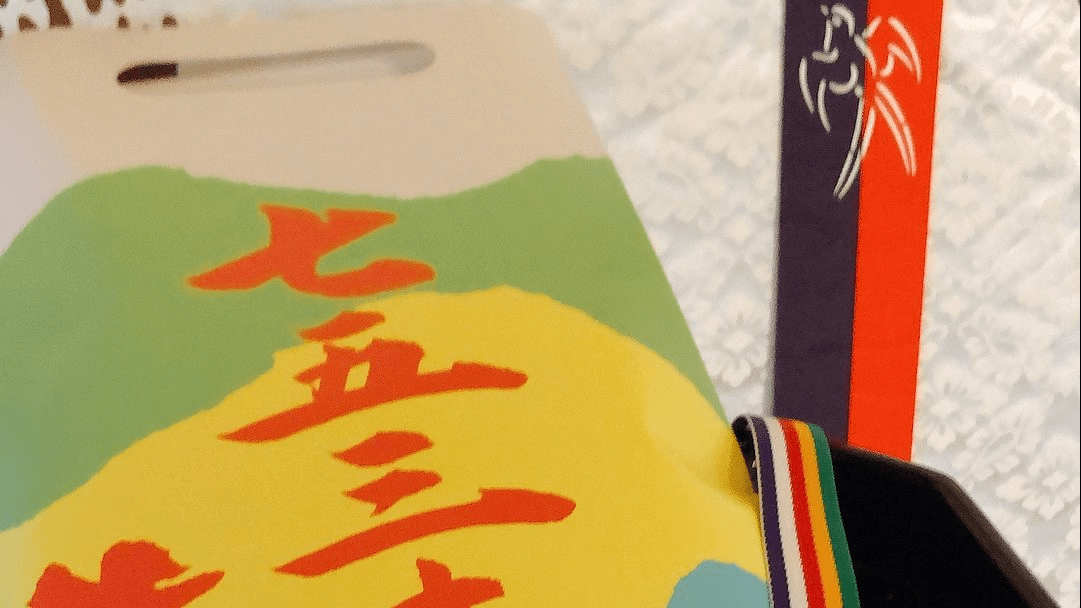
During the Shichi-Go-San (Seven-Five-Three Festival) season, families visiting Nezu Shrine with children aged 3, 5, and 7 take part in a Shinto blessing ceremony to celebrate their children's growth and express gratitude to the gods for raising them safely.
For Shichi-Go-San, children are dressed up in kimono. As such, taking commemorative photos in their finest attire within the lush, nature-rich grounds of Nezu Shrine is one of the cherished traditions of Shichi-Go-San.
〈Details〉
- Date: Traditionally November 15 (flexible scheduling to accommodate family circumstances is also possible)
- Venue: Nezu Shrine
- Address: 1-28-9 Nezu, Bunkyo-ku, Tokyo
- Access: 5-minute walk from "Nezu Station" or "Sendagi Station" on the Tokyo Metro Chiyoda Line
- Admission: Free
- Website: https://nedujinja.or.jp/
What is Nezu Shrine?
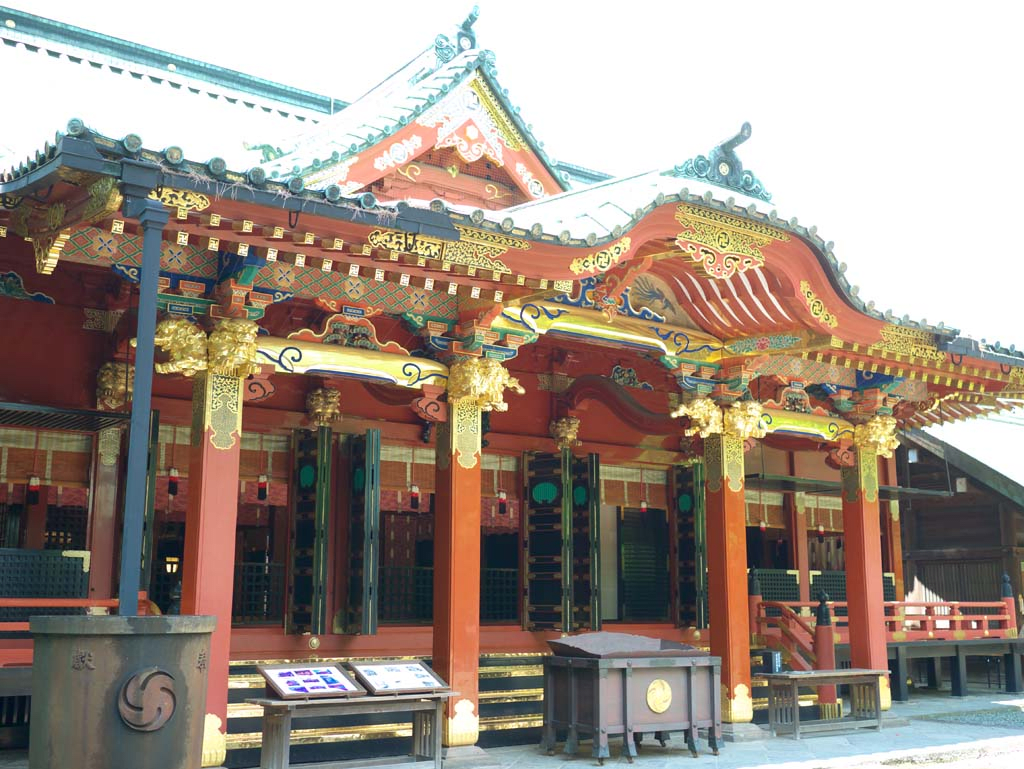
Nezu Shrine is a venerable and distinguished shrine said to have a history of over 1,900 years.
In Tokyo, many old buildings were lost to earthquakes and wartime fires. However, at Nezu Shrine, many structures built in 1706 — including the main hall (the central building of the shrine) — still survive to this day, making it a place where you can feel a deep and profound sense of history.
Nezu Shrine is sometimes described as an "urban oasis." Despite being located in an area close to the heart of the city, it is a place so rich in nature that an azalea festival is held there every spring.
Today, it is also popular as a place where visitors can escape the hustle and bustle of the city.
What is Shichi-Go-San?
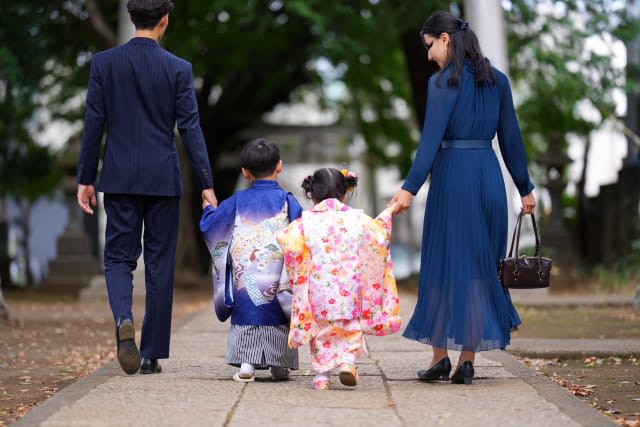
Shichi-Go-San is a celebratory event for children aged 3, 5, and 7 and their families to celebrate the children's growth. The children dress in traditional Japanese attire and receive a Shinto blessing ceremony at a shrine.
The history of Shichi-Go-San is said to date back to 1681. In the past, it was carried out strictly as a religious ritual, but today, based on the idea that "what matters most is celebrating and giving thanks for a child's growth," it has evolved into a flexible event adapted to the circumstances and values of each individual family.
For example, while the date for Shichi-Go-San is set as November 15, in practice many families choose to shift the date to a different day.
The age requirements are also flexible. Since my younger sister and I are 3 years apart, when my sister was 3 and I was 6, we celebrated her Shichi-Go-San at age 3 and mine at age 5 at the same time.
Why We Recommend the Shichi-Go-San Blessing Ceremony at Nezu Shrine
There are two reasons why we recommend the Shichi-Go-San Shinto blessing ceremony at Nezu Shrine.
First, Nezu Shrine offers the Shichi-Go-San Shinto blessing ceremony year-round. Some shrines have restrictions, such as only on November 15 or only on weekends in November. The fact that you can incorporate it into your travel itinerary at any time is a wonderful advantage.
The second reason is that you can take commemorative photos within the nature-rich grounds of Nezu Shrine. The combination of kimono with traditional architecture, as well as kimono with the autumn foliage and surrounding nature, is simply outstanding.
Being able to capture photos from your child's special day — a day that will never come again as they grow so quickly — against such a beautiful backdrop is something truly special.
I also had my Shichi-Go-San photos taken when I was a child. My parents loved the photos so much that, even now, years after I became an adult, they still have them displayed in the most prominent spot at the entrance of our family home.
Please do take that one special photo at Nezu Shrine for yourself and your family.
5 Must-See Events to Enjoy in the Yanaka Area in November 2026
Asakusa Tori-no-Ichi (Rooster Fair)
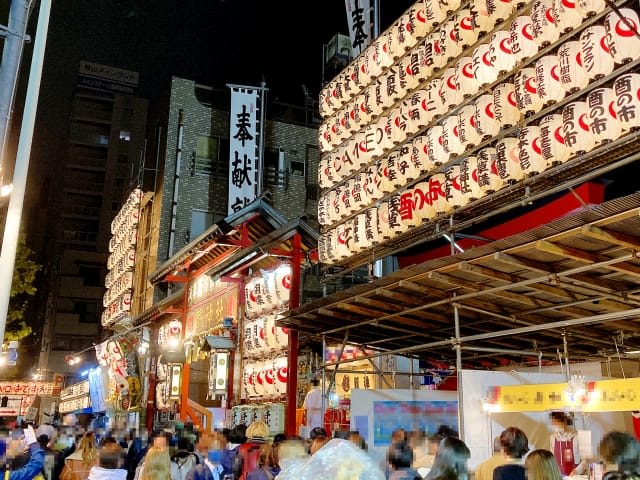
Asakusa Tori-no-ichi Fair is a traditional event held every November on the days of the Rooster (the 10th sign of the Chinese zodiac, occurring every 12 days) at Otori Shrine and Chokokuji, where people pray for business prosperity and good fortune.
At the venue, "engi-kumade" (lucky rakes - tools with many curved prongs attached in a bear-paw shape at the end of a long handle) are sold with the meaning of "raking in good fortune," and food stalls also set up shop, bustling with many people. Over 100 kumade merchants set up stalls in the shrine grounds and surrounding areas, selling various designs of "engi-kumade," so try to find your favorite one.
Various sizes are available from small to large, so why not purchase a smaller, easy-to-carry size as a souvenir memento?
- Date: Saturday, November 7 & Thursday, November 19, 2026
- Access: 8-minute walk from Iriya Station (Hibiya Line), 11-minute walk from Asakusa Station (various lines)
- Admission: Free
- Website: https://torinoichi.jp/
Bunkyo Chrysanthemum Festival
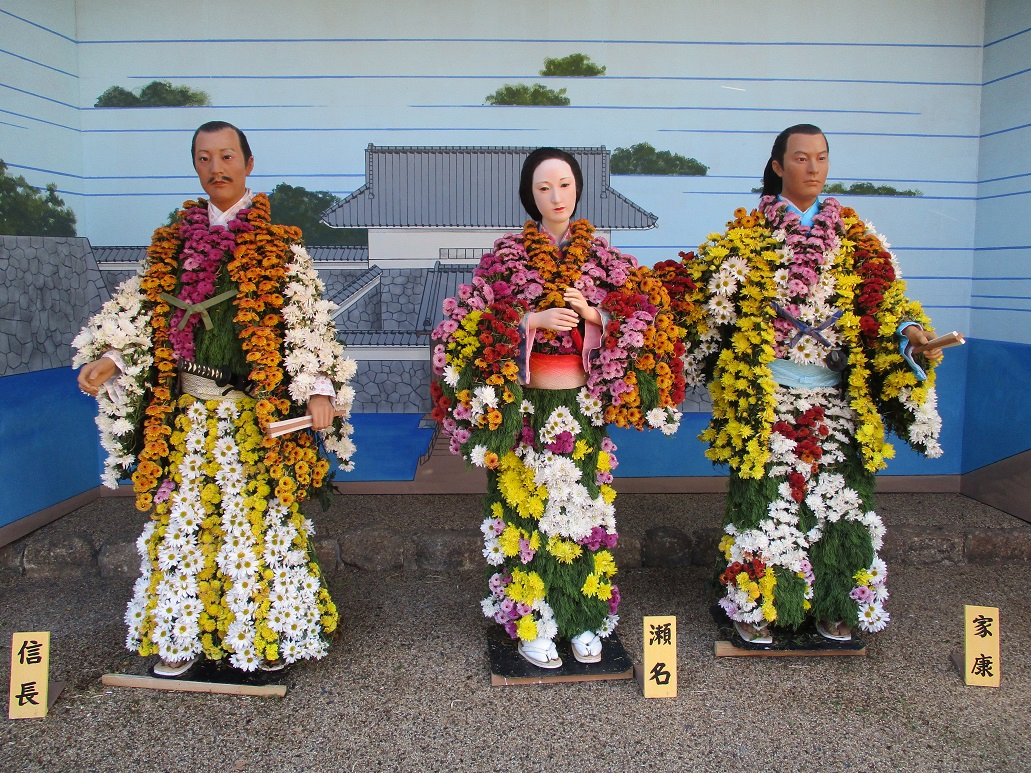
Bunkyo Chrysanthemum Festival is one of the "Five Major Flower Festivals of Bunkyo," an event where you can see about 2,000 chrysanthemum works including chrysanthemum dolls (human figures expressed with chrysanthemum flowers) and senrinzaki (blooming numerous flowers from one stock) at Yushima Tenmangu Shrine.
The chrysanthemums displayed at the venue, colored in yellow, pink, white and other hues, are spectacular to see, and I ended up spending more time than expected thoroughly enjoying the festival.
During the event period, besides the chrysanthemum displays, chrysanthemum sales, cultivation consultation corners for beginners, and sales of Bunkyo Ward original goods are also held. Free workshops and photo spots allow children to enjoy together too, making it recommended for families with children.
- Date: TBA (November 1-23, 2025)
- Access: 2-minute walk from Yushima Station (Chiyoda Line), 5-minute walk from Ueno-hirokoji Station (Ginza Line), 5-minute walk from Ueno-okachimachi Station (Oedo Line)
- Admission: Free
- Website: https://www.city.bunkyo.lg.jp/b014/p007619.html (2024 site)
KAKUUCHI (Liquor Store Stand) Festival
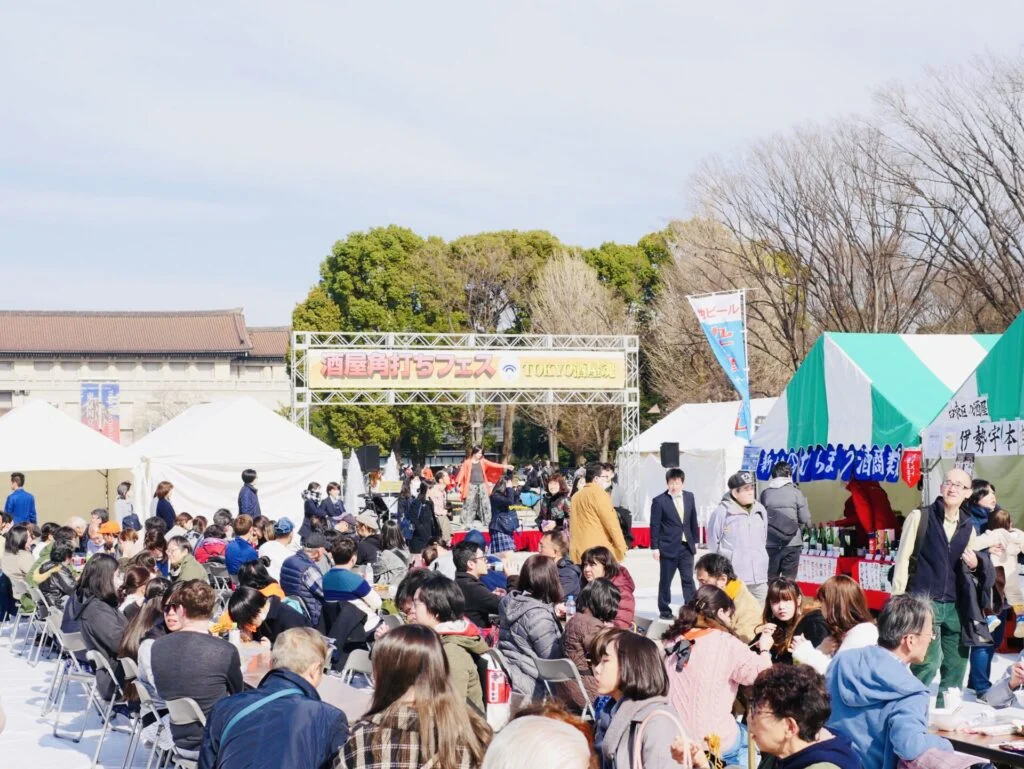
The "KAKUUCHI" (liquor store Stand) Festival is an event where historic liquor stores gather to serve Japanese sake, shochu, wine, beer, and other alcoholic beverages in "kakuuchi (standing drinking)" style. At the venue, visitors can enjoy not only professionally selected alcoholic beverages but also snacks that pair perfectly with drinks and stage shows, allowing them to fully experience "alcohol, food, and entertainment."
My recommendation is the "sake tasting experience" where you can learn about the varieties and characteristics of Tokyo's local sake. During sake tasting, you taste multiple alcoholic beverages while examining their "color, aroma, and flavor" to identify the brands. This experience booth has a reputation for helping people rediscover the charm of alcoholic beverages through sake tasting. With an admission ticket, you can experience it for free, so please try participating.
Why not occasionally enjoy pairing drinks with meals from lunchtime and savor alcohol to your heart's content?
- Schedule: TBA (November 14-16, 2025)
- Access: Just from JR Ueno Station, 5 minutes on foot from Tokyo Metro Ueno Station and Keisei Main Line Keisei Ueno Station
- Admission: 500 yen (includes free 2-type sake tasting experience)
- Website: https://kakufes.com/
Yamanashi Nouveau Festival
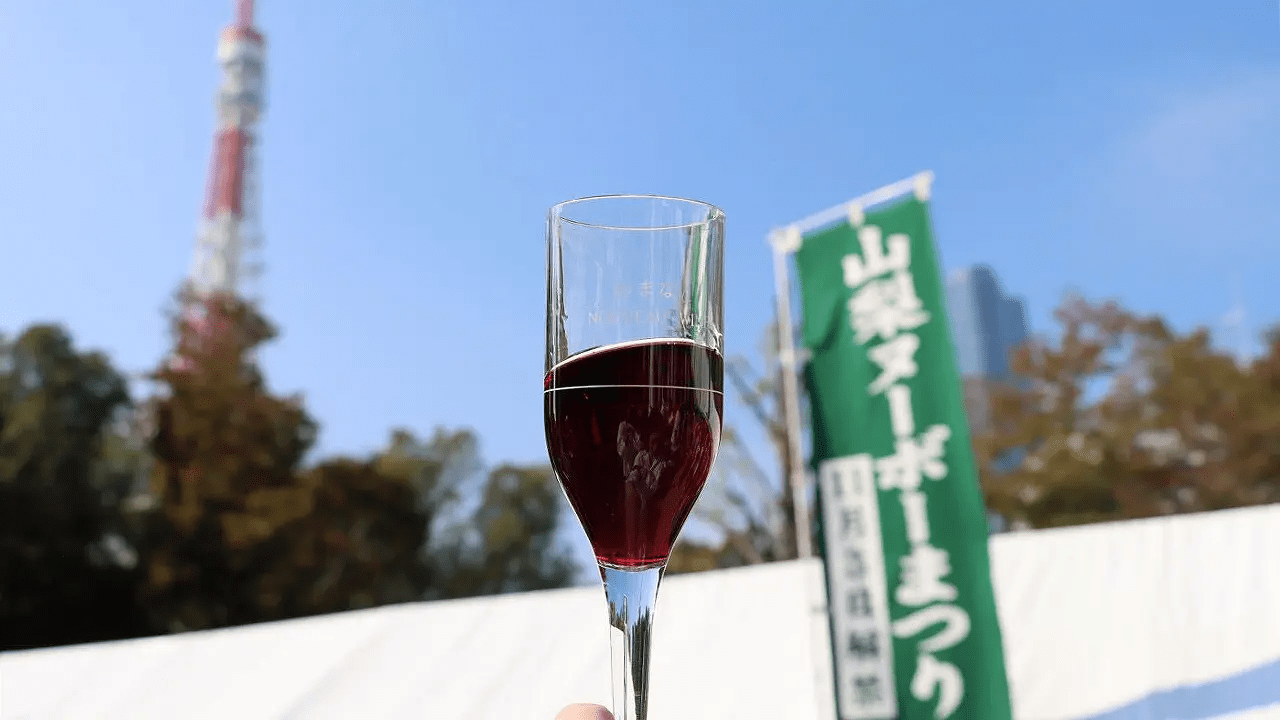
The Yamanashi Nouveau Festival is an event held annually on November 3rd to celebrate the release date of the new wine "Yamanashi Nouveau," where wineries throughout Yamanashi Prefecture conduct tastings and sales of new wines. At the venue, you can taste over 60 varieties of new wine brewed using grapes "Koshu" and "Muscat Bailey A" from Yamanashi Prefecture.
I have participated in the event myself, and I received a wine glass and tasting tickets at the entrance and enjoyed various wines. The new wines are all fresh and light in taste, making them easy to drink, and you'll find yourself drinking more and more!
The flavors range from sweet to dry, including cloudy wines in a diverse lineup, so please find a brand that suits your taste!
- Schedule: Typically November 3, 2026
- Access: 2 minutes on foot from Mita Line Onarimon Station
- Admission: 3,500 yen
- Website: https://nouveau.wine.or.jp/
Fire-walking Ritual (Akiba Shrine)
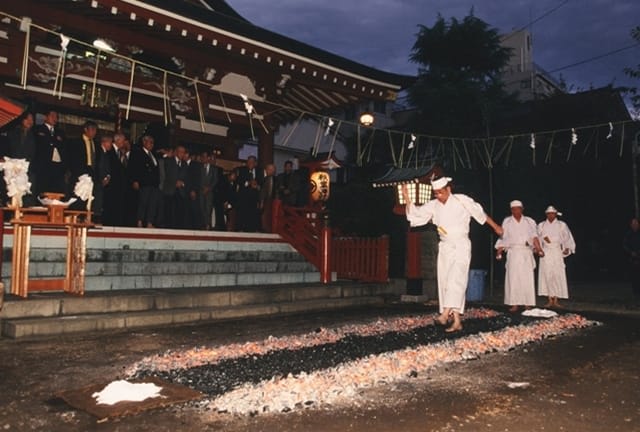
The fire-walking ritual (Akiba Shrine) is an event held at Akiba Shrine where people walk barefoot over a fire bed made of charcoal to pray for good health and fire prevention.
At the event, first the shrine priests (people who perform festivals and purification ceremonies at shrines) perform fire-walking with the meaning of purification, followed by local participants, and then general worshippers can also challenge it.
I have also tried fire-walking. Before crossing, I was scared that I might burn the soles of my feet, but when I actually walked barefoot, it wasn't as hot as it looked, and following the advice of experienced people, I could cross without getting burned by walking quickly.
There are few places in Tokyo where you can do fire-walking, so if you're interested, please try challenging it.
- Schedule: TBA (November 6, 2025)
- Access: 5 minutes on foot from Hibiya Line Iriya Station
- Admission: Free
- Website: https://www.city.taito.lg.jp/event/kanko/hiwatarinoshinzi.html
When You Come to Tokyo, Enjoy Exquisite Food at Shops Loved by Locals!
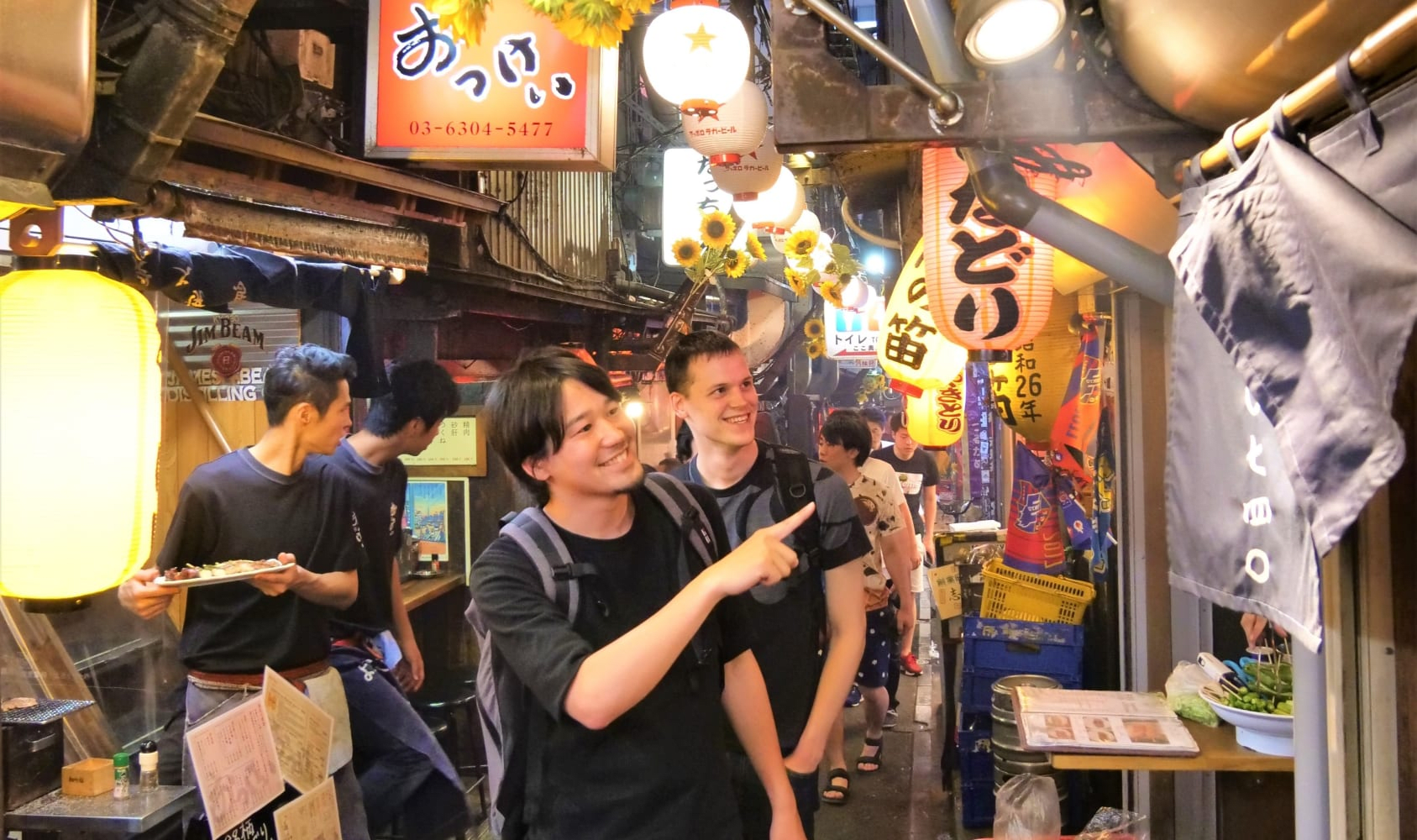
The Tokyo Bar Hopping Night Tour in Shinjuku allows you to visit three bars and pubs in Shinjuku, one of Tokyo's premier entertainment districts, that locals confidently recommend.
The tour visits "Omoide Yokocho," "Kabukicho," and "Shinjuku 3-chome" within Shinjuku, where many restaurants gather, and you can taste Japanese cuisine such as yakitori, gyoza, and agedashi tofu that pair well with alcohol. During meals, you can enjoy quizzes and local games with friendly guides, so even solo travelers can participate without hesitation.
Since all the shops are crowded with locals, why not enjoy Tokyo's nightlife like a local?
〈Information〉
- Meeting point: Next to the black pillar beside Uniqlo Shinjuku West Exit Store
- Area: Shinjuku
- Meeting times: 17:00, 18:00, 18:30, 19:00