The Complete Guide to Yakiniku in Japan: Insider Tips & Best Restaurants in Tokyo, Kyoto & Osaka
The reason for updating the article is the growing interest in tours that allow visitors to enjoy Japanese food culture and delicious dishes. As these tours gain popularity, Magical Trip's tour, which ranked #1 among all tours on Tripadvisor, has been receiving numerous applications.

For those interested in traditional Japanese cuisine, join the "Finest Quality Sushi & Tempura Dining Experience in Ginza," where a knowledgeable local guide will take you to their highly recommended Japanese restaurants. While enjoying sushi, tempura, and sake, your local guide will teach you proper dining etiquette and the best ways to savor each dish.
If you want to experience local cuisine beloved by residents in Japan's top culinary destinations, we recommend these two tours:
Kyoto and Osaka are premier culinary destinations, second only to Tokyo in the number of Michelin-starred restaurants. Take the opportunity to fully immerse yourself in each city's unique food culture while enjoying their exquisite local specialties.
We hope you'll have a wonderful time experiencing everything Ueno has to offer by joining a Magical Trip tour!
Introduction
"Yakiniku" refers to Japanese-style BBQ food.
Yakiniku is also a soul food representing Japanese food culture. But it's actually a bit different from Korean barbecue. For example, Japanese yakiniku often uses thinly sliced meat, while thick cuts are more common in Korea. There are also differences in sauce flavors, and it's interesting to learn about these differences even though they're both called yakiniku.
I think the charm of yakiniku lies in the experience of grilling it yourself. Watching the meat cook on the grill is sure to stimulate your appetite. It's fun to adjust the cooking time and add sauce to create your own perfect dish. The moment of gathering around delicious meat with everyone is truly blissful.
In this article, I want to share the appeal of yakiniku, from basic knowledge for fully enjoying yakiniku to the characteristics of different cuts and types of restaurants where you can eat yakiniku.
I hope that by including my own experiences, this will inspire readers considering a trip to Japan to become interested in yakiniku!
If you are interested in Japanese cuisine, you will definitely regret not enjoying authentic sushi in Ginza, home to some of the best restaurants in Japan!
Please refer to the following article, which introduces a selection of the best sushi restaurants in the real “Japan” that you should try at least once while you are alive, and enjoy the best sushi in Tokyo.
 Yasuhiro
What is Yakiniku?
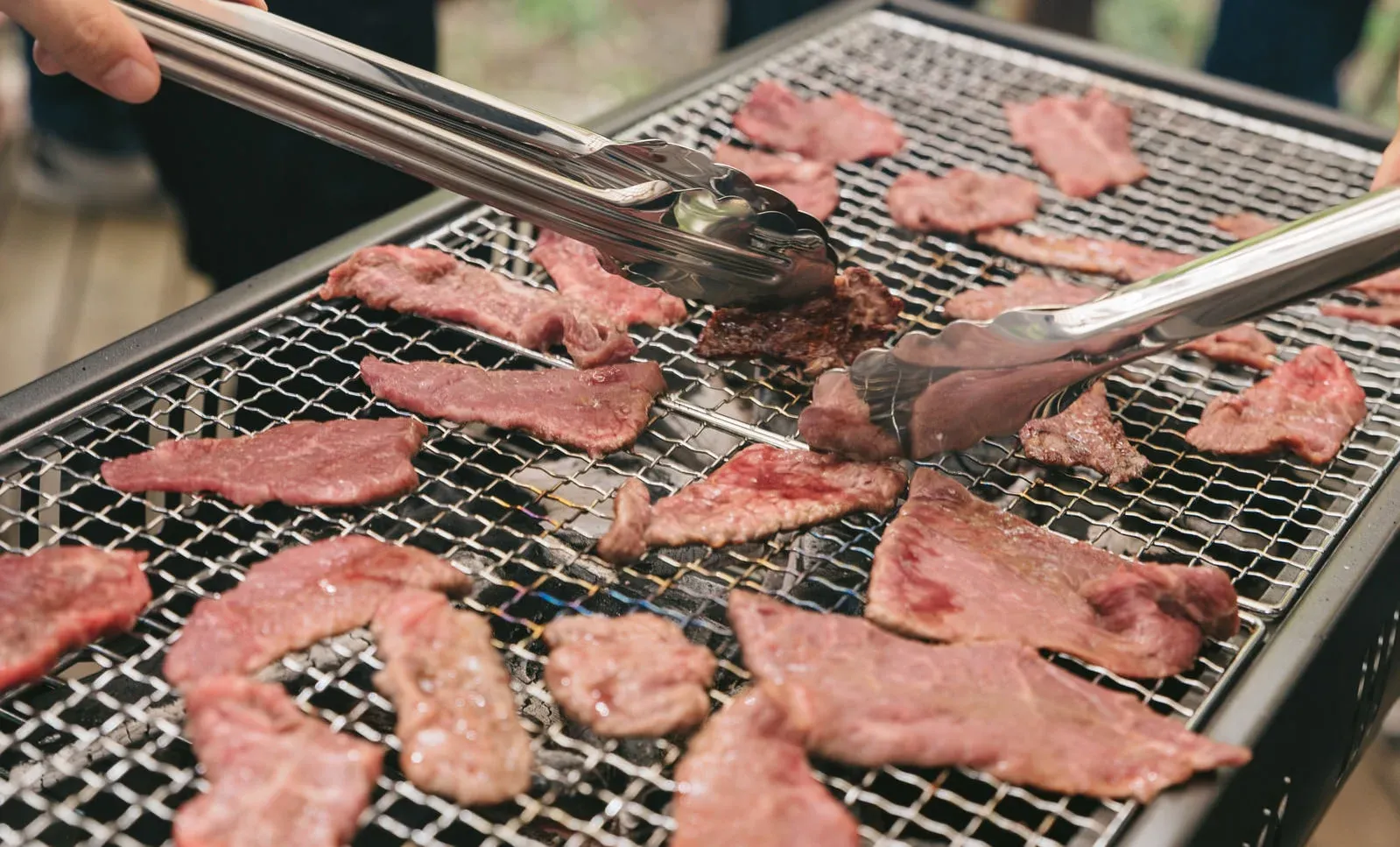
Yakiniku is one of the most popular dishes in Japan. The basic style of yakiniku is to thinly slice various meats such as beef, pork, and chicken, and grill them on a grill or iron plate. In addition to grilled meat, it's common to grill vegetables and mushrooms together.
One characteristic of yakiniku is that it's often enjoyed with family and friends. Gathering around delicious meat, enjoying conversation while eating - yakiniku is perfect for such enjoyable times.
I also love going to eat yakiniku with friends and family. While grilling meat together, we share recent news and joke around. Conversation naturally flows. I hope foreign visitors can also experience this.
The History of How Yakiniku Became Established as Japanese Cuisine
Yakiniku (Japanese barbecue) began to be eaten in Japan in the late 1940s after World War II, when Korean residents living in Japan started opening Korean barbecue restaurants.
From the 1950s to the 1960s, during the postwar economic growth period, yakiniku gained popularity nationwide. The way meat was cut, the flavor and application of sauces were refined, and Japanese-style yakiniku became established.
In particular, when major food manufacturers began selling sauces that could replicate restaurant-quality flavors at home, yakiniku became established in ordinary households as a delicious and easy-to-make home-cooked dish.
From the 1990s onward, nationwide chain restaurants emerged where you could enjoy yakiniku at very reasonable prices, making yakiniku more accessible as a casual dining option. Today, there is a wide variety of restaurants, from budget-friendly establishments to high-end restaurants specializing in wagyu beef, as well as stylish venues where you can dine without worrying about smoke or odors.
Characteristics of Unique Japanese Yakiniku BBQ
Source: Wikipedia
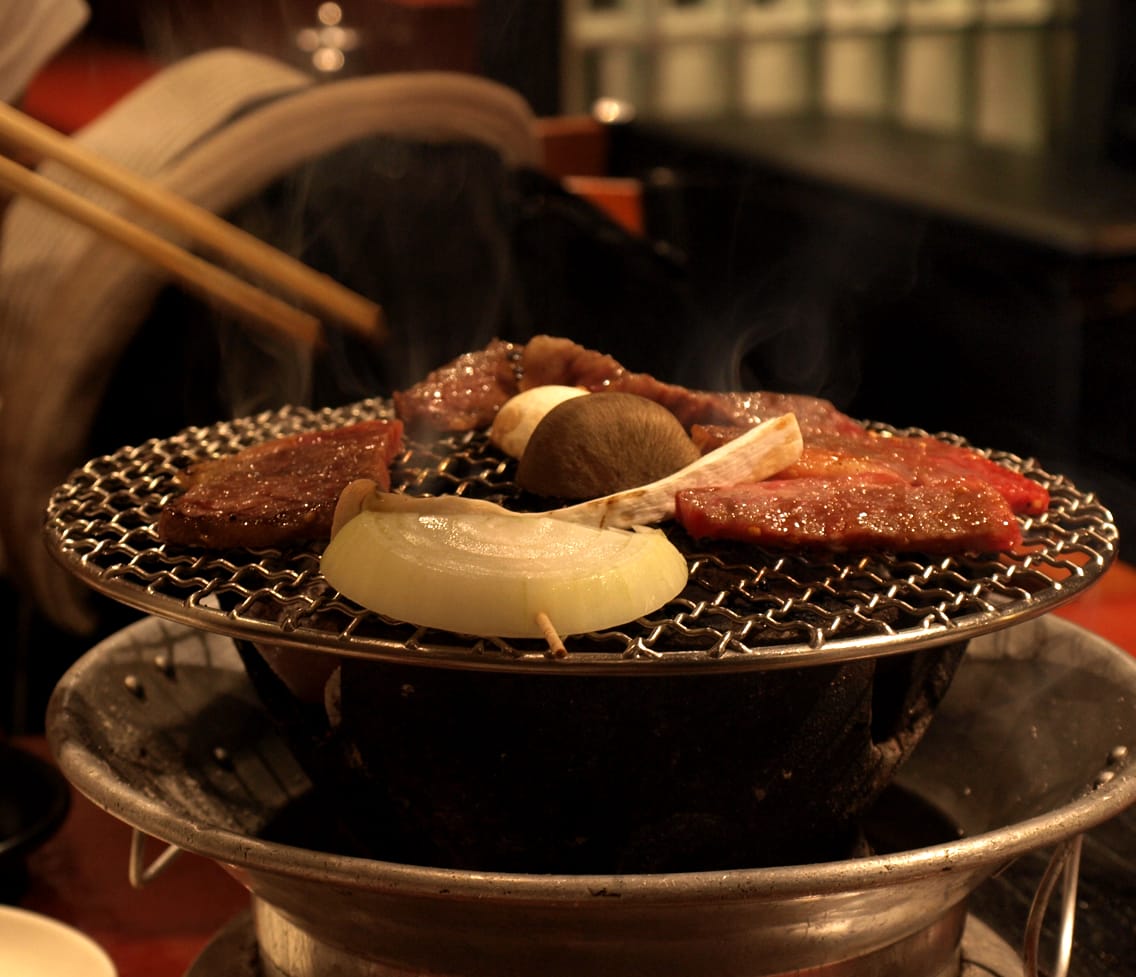
You might have thought, "Isn't this just like BBQ?" from the explanation so far. So, what are the unique characteristics of Japanese yakiniku?
First, it often uses thinly sliced meat. This is a technique to bring out the umami of the meat and make it easier to eat. The thinness allows you to bite through the meat fibers easily in one bite.
Also, Japanese yakiniku tends to emphasize the quality and freshness of the meat. There are many shops that offer high-grade meat like A5 rank Wagyu beef. Being able to taste carefully selected meat is a unique charm of Japanese yakiniku.
The sauce is also one of the characteristics of Japanese yakiniku. It's characterized by a rich variety of flavors, from sweet to spicy. My favorite is a sweet and savory sauce with a sesame flavor. It enhances the umami of the meat.
The vegetable and mushroom sides are also not to be missed. It's nice to be able to eat vegetables in balance with the meat. I love grilling fresh, crispy vegetables together with the meat.
Another characteristic of Japanese yakiniku is the popularity of all-you-can-eat restaurants. It's attractive that you can eat as much meat as you want for a fixed price. I recommend going with a large group and comparing different cuts.
Why Do Japanese People Love Yakiniku?
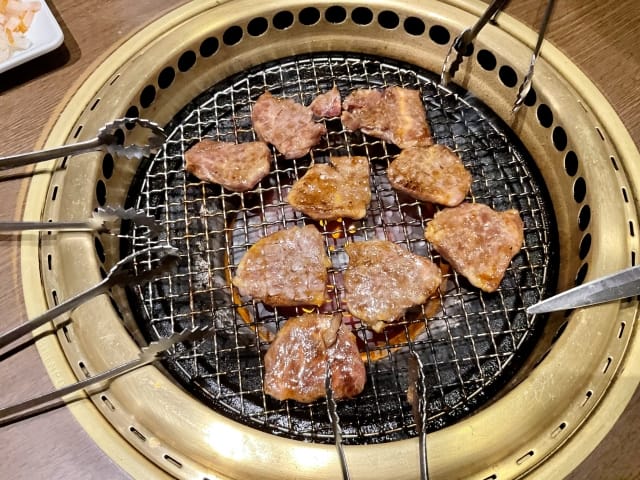
I'll introduce the reasons why yakiniku is loved by Japanese people. First, Japanese people tend to prefer fresh, high-quality meat. At yakiniku restaurants, you can grill and taste such fresh meat yourself.
Also, as I mentioned earlier, yakiniku is popular as a place for communication with family and friends. Gathering around the table and eating the same dish - this is one of the values that Japanese people cherish.
Another attraction is that you can enjoy a variety of cuts in small portions. The taste and texture differ depending on the cut, so comparing different cuts is part of the enjoyment. This might be a way of enjoying food that tickles Japanese people's curiosity about food.
Moreover, it's nice that you can choose yakiniku restaurants to suit various budgets and preferences. There's a wide range from high-end restaurants to casual ones, so you can enjoy yakiniku in your own style.
I often go to reasonably priced all-you-can-eat yakiniku restaurants. They're a grateful existence since my student days because you can eat your fill cheaply.
Even now, we sometimes gather and eat yakiniku, reminiscing about those days. I feel that the good thing about yakiniku is that everyone can eat delicious food together even with limited budget and time.
How Do You Eat Yakiniku?
Source: Wikipedia
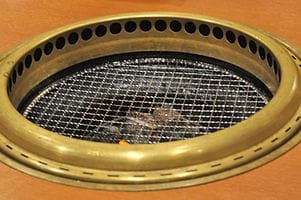
Next, I'll introduce how to eat yakiniku. Basically, it's common to grill and eat the meat yourself. First, preheat the grill or iron plate sufficiently. This is the key to grilling deliciously.
When grilling meat, be careful not to burn it. It's important to judge the right degree of doneness because overcooking will make the meat tough. I prefer it when it's just slightly browned.
You eat the grilled meat with sauce according to your preference. I recommend first tasting the meat without anything to enjoy its flavor. Then, it's good to enjoy the change in taste by adding sauce.
It's delicious to eat rice with the meat, but I like rice the best. I think the true pleasure of yakiniku is to savor rice soaked with the umami of the meat.
Also, I recommend eating it with fermented foods like namul or kimchi. The balance between the umami of the meat and the acidity of fermented foods is exquisite.
I think everyone has their own way of enjoying yakiniku, but finding your own delicious way to eat is part of the fun. Please try various ways.
Differences from Korean Barbecue
Korea has a similar barbecue culture to Japan, so the differences might not be apparent at first glance.
In this section, I'll introduce the differences between Japanese and Korean barbecue.
How the Meat is Cut
Source: Wikipedia
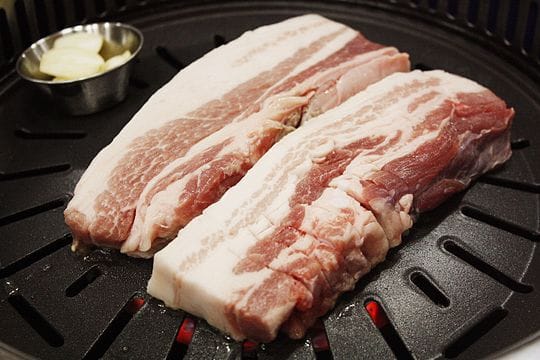
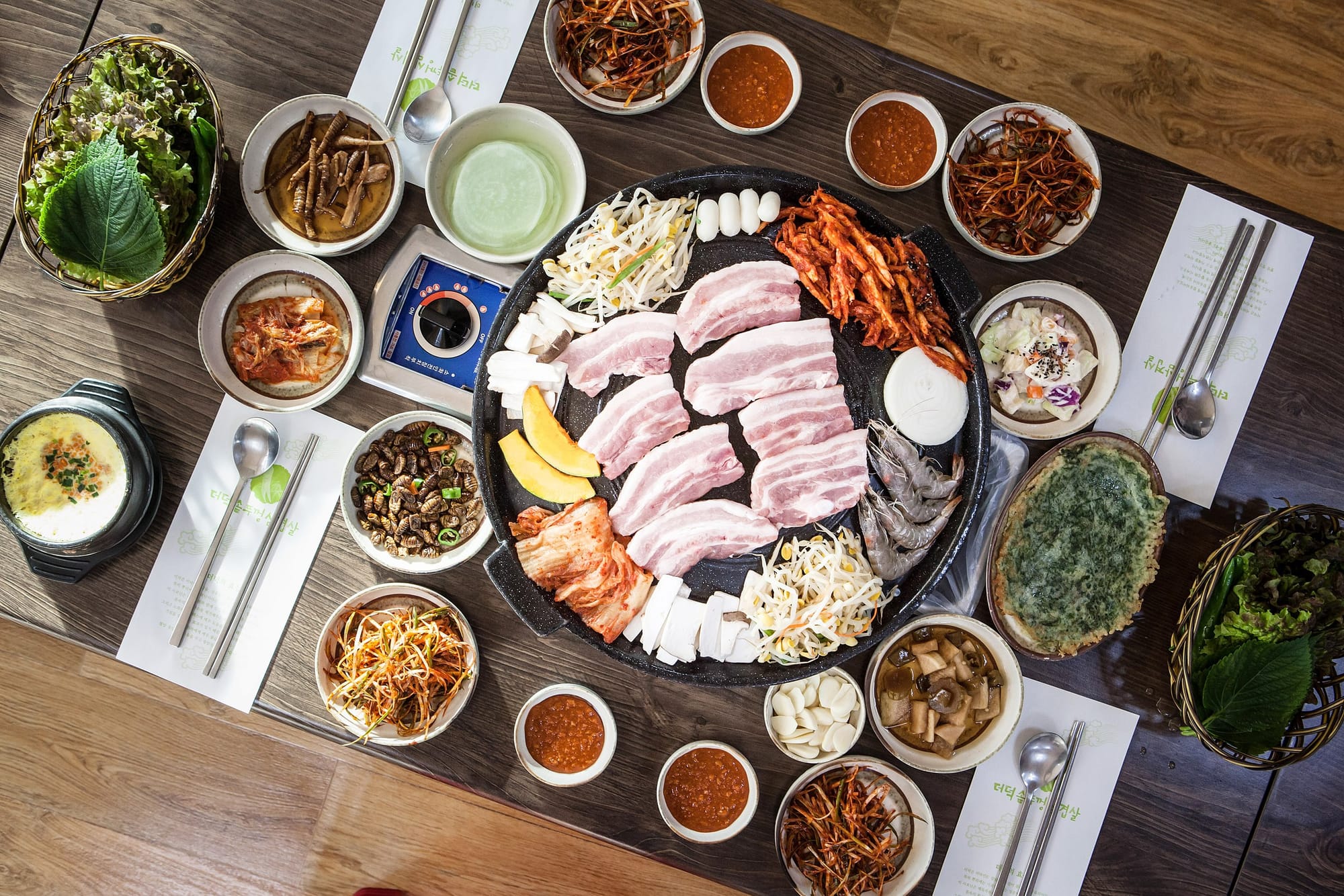
The biggest difference between Japanese yakiniku and Korean barbecue might be how the meat is cut. In Korea, thick-cut meat is often used. Samgyeopsal is a representative example. The charm is that you can fully enjoy thick slices of pork belly.
On the other hand, thin-sliced meat is mainstream in Japanese yakiniku. As I mentioned earlier, thin-sliced meat is easy to eat and brings out the umami of the meat.
Sauce Flavoring
Source: Wikipedia
There are also differences in sauce flavoring. Korean barbecue is characterized by spicy sauce based on gochujang. It's spicy and addictively delicious.
In contrast, Japanese yakiniku sauce comes in many varieties, from sweet to spicy. Many are soy sauce-based, but there are also miso-based sauces. I recommend changing the sauce depending on the cut of meat. I think sweet sauce goes well with fatty cuts, while spicy sauce suits lean meat.
Eating Style
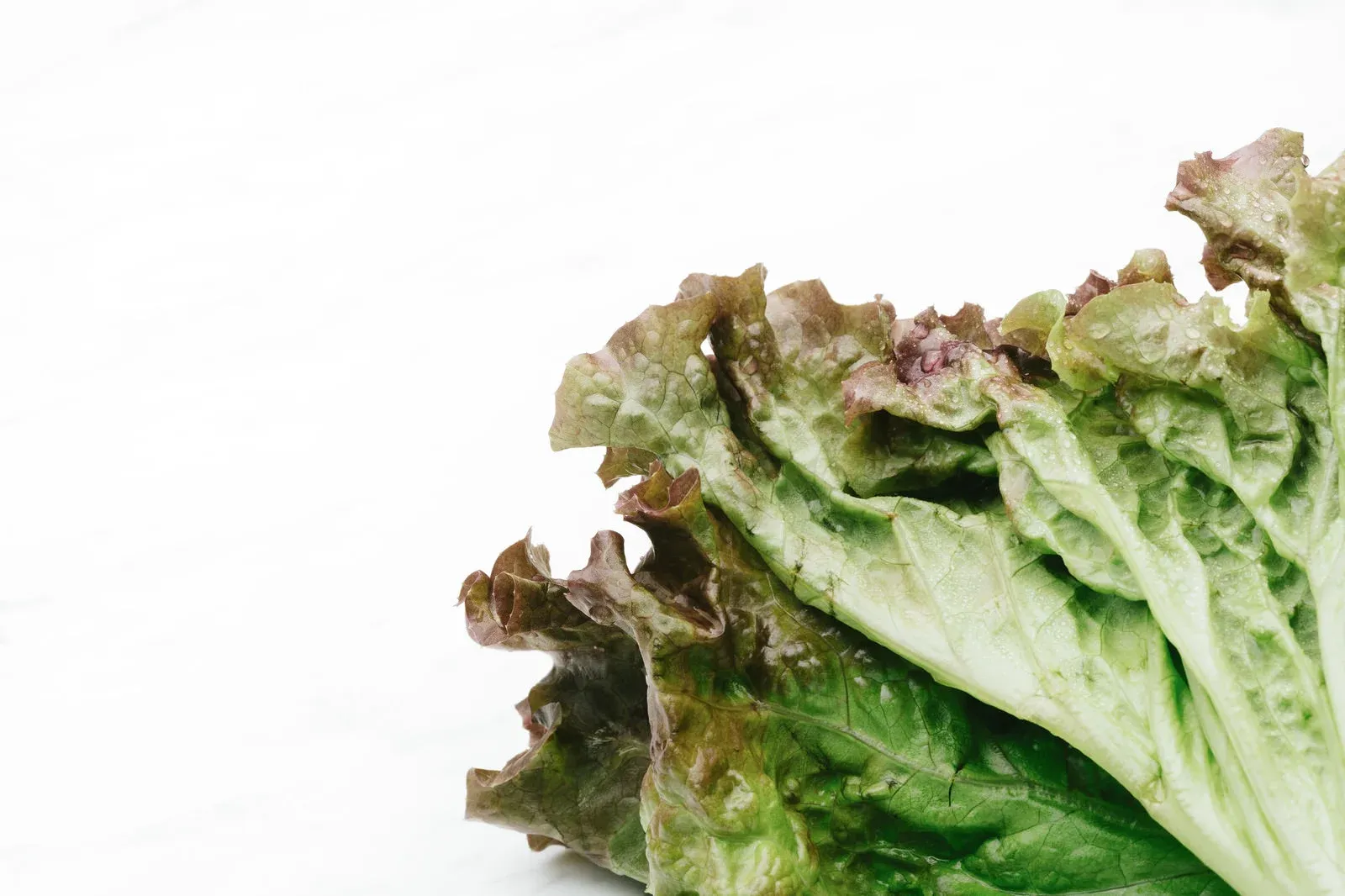
There are also differences in eating style. In Korea, it's common to wrap the meat in leafy vegetables called ssam. It's delicious to wrap it together with garlic and kimchi.
On the other hand, Japanese yakiniku is often eaten with rice. I'm also a rice faction. It's especially delicious when the sauce mixes with the rice.
Side Dishes
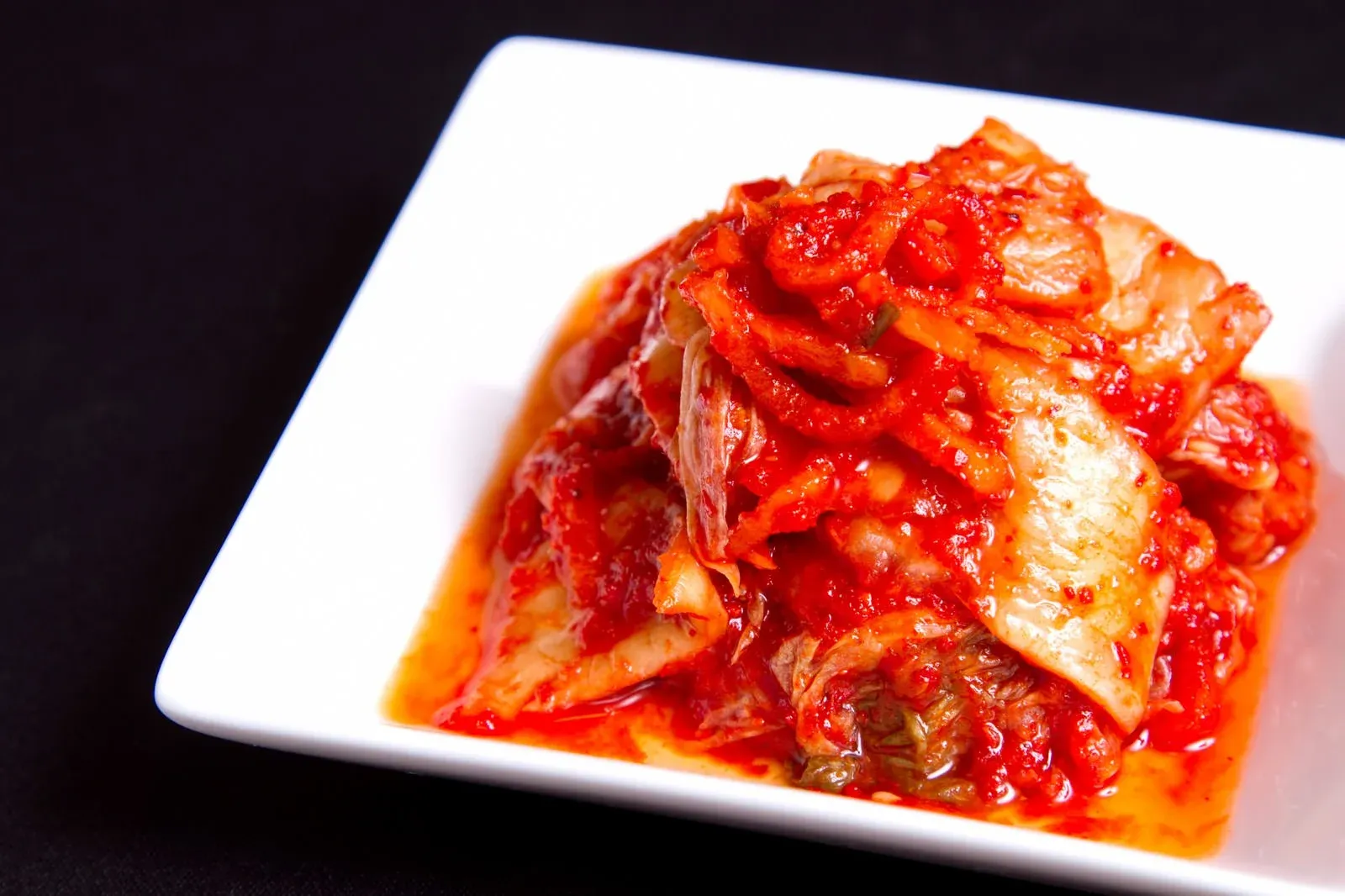
There are also differences in side dishes. In Korea, fermented foods like kimchi are essential. However, kimchi is also a popular side dish in Japan.
In Japanese yakiniku, besides fermented foods, there's a rich variety of vegetables. Various vegetables like pumpkin, bell peppers, and king oyster mushrooms are prepared. One of my favorite ways to eat is grilling vegetables together with meat.
As you can see, there are many differences between Japanese and Korean barbecue. But both are undoubtedly delicious. If you have the chance, it might be interesting to compare both types of barbecue.
For the Best Way to Savor Japanese Yakiniku, We Recommend Enjoying It with a Guide
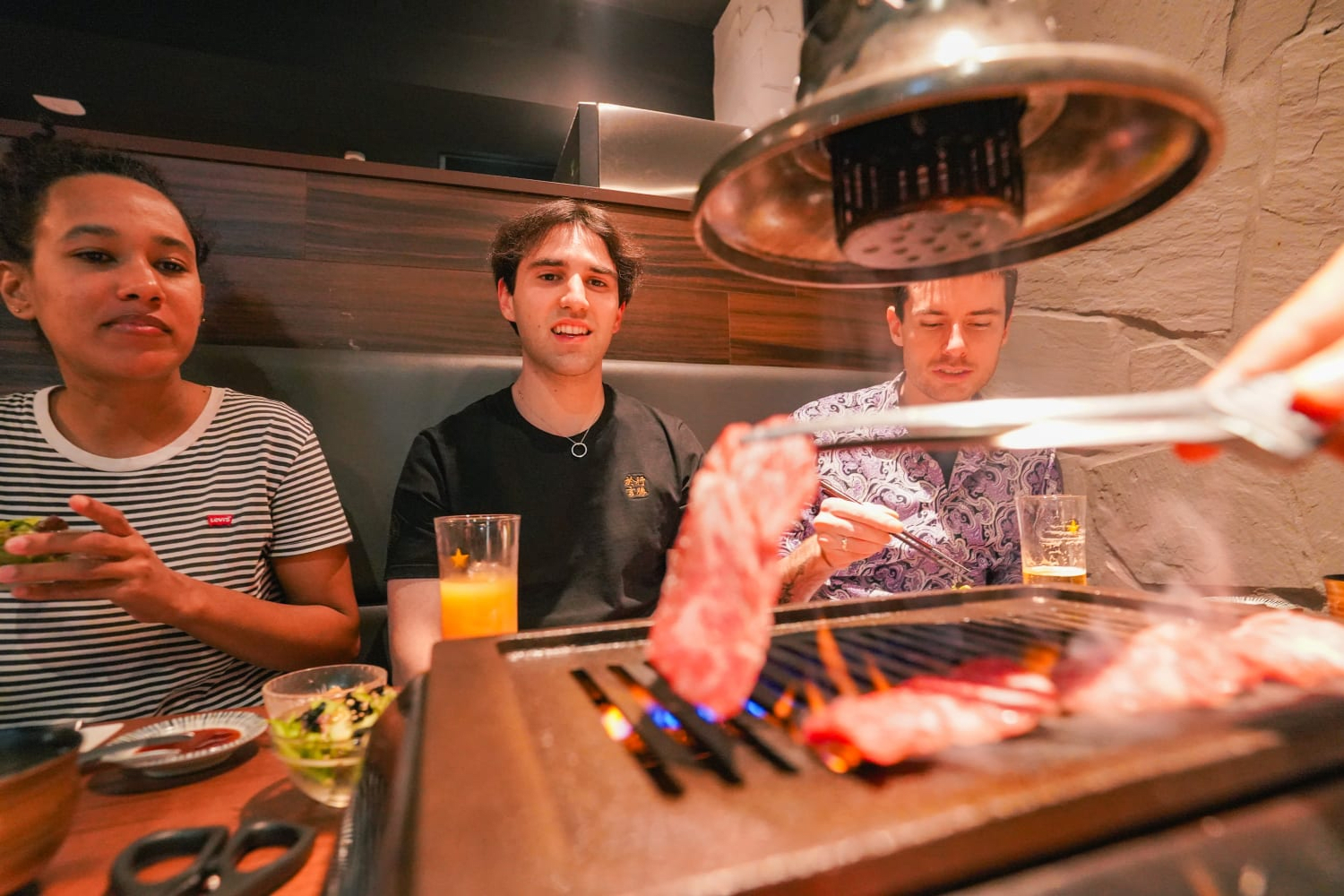
To experience Japanese yakiniku in the most delicious way possible, we recommend joining a tour where a local guide provides instruction. This yakiniku guide experience will enhance your appreciation of the cuisine.
The Tokyo Night Foodie Tour in Shinjuku is a tour where you can enjoy Japanese cuisine together with a local guide who is knowledgeable about Japanese food culture. You will visit a special sushi restaurant in Shinjuku, as well as a wagyu yakiniku restaurant.
As introduced in this article, yakiniku is a dish where you grill the meat yourself and choose your own sauces, and there are tricks to eating it deliciously. A friendly yakiniku guide will teach you the delicious ways to eat Japanese yakiniku in an enjoyable manner.
Learn properly about the order of grilling, the degree of doneness, the characteristics of different meat cuts, and the types of sauces, so you can enjoy yakiniku even more.
- Meeting point: In front of black pillar (Next to Uniqlo Shinjuku Nishiguchi shop)
- Tour area: Shinjuku
- Start times: 17:00, 18:00
Types of Yakiniku Restaurants in Japan
When you come to Japan to eat yakiniku, knowing a few types of restaurants will make it easier to choose where to eat. Here, I'll introduce four representative types.
Yakiniku Specialty Restaurants
Source: Wikipedia
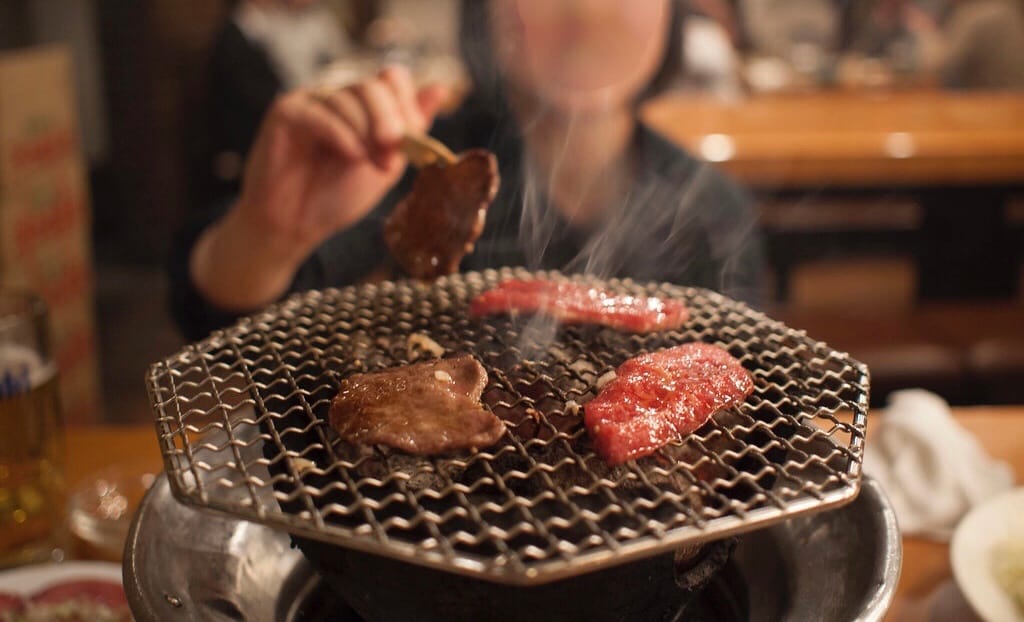
In Japan, there are many restaurants specializing in yakiniku. There are various types of yakiniku specialty restaurants, from high-end to casual.
High-end yakiniku restaurants are characterized by their commitment to high-quality meat. You can taste the highest grade meat like A5 rank Wagyu beef. The atmosphere is also calm, perfect for special occasion dinners.
Of course, I also recommend casual yakiniku specialty restaurants. The charm is that you can eat delicious yakiniku at reasonable prices. The shop I often went to during my student days was cheap and delicious, and I still go there occasionally.
Yakiniku specialty restaurants have various types of seating, from private rooms to table seats. I recommend private rooms when going with a large group. You can enjoy yakiniku leisurely in a private space.
Some shops have course menus. These are recommended even for yakiniku beginners because you can taste various cuts in small portions.
All-You-Can-Eat Restaurants
Source: Wikipedia
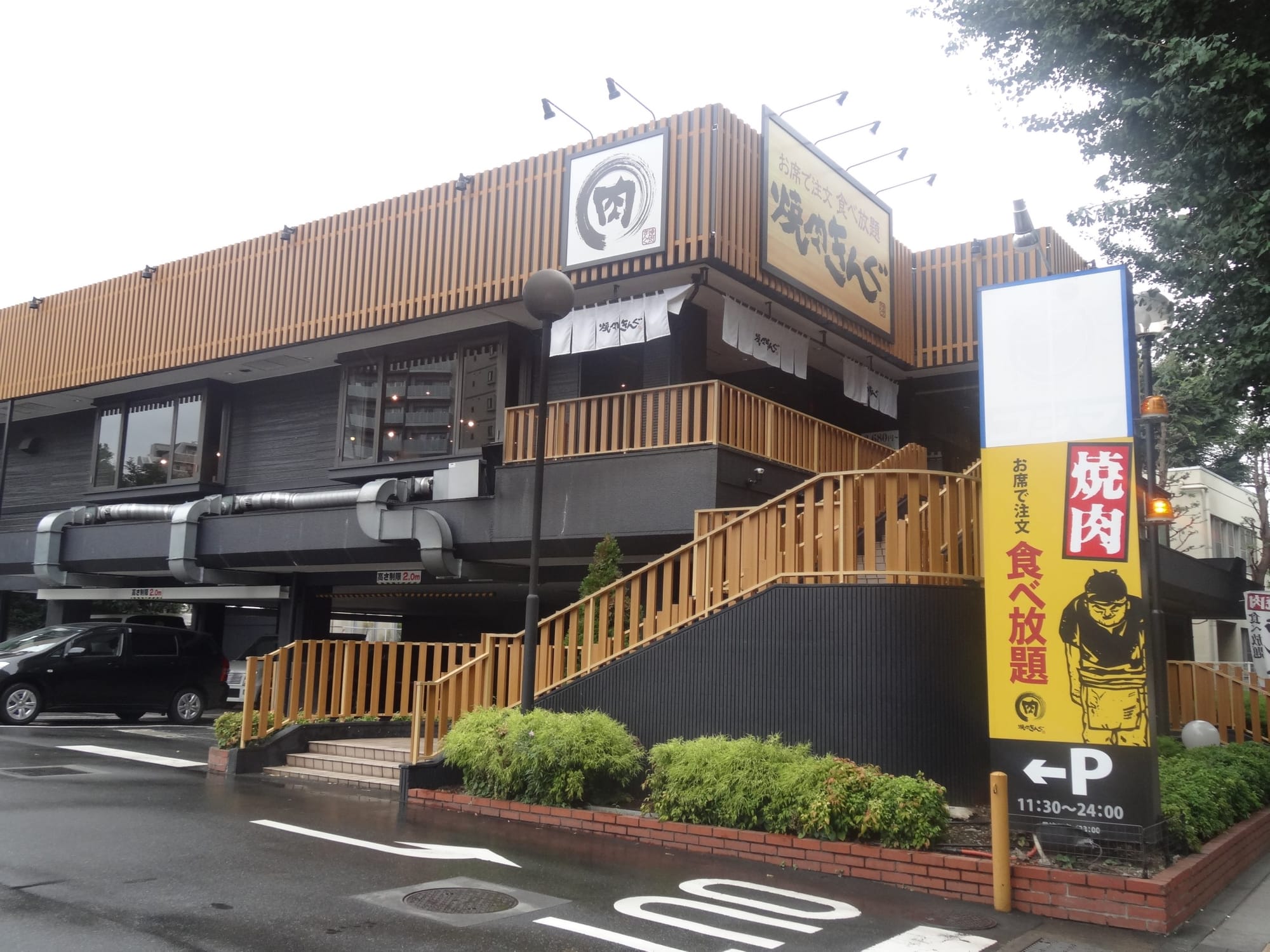
Next, I'll introduce all-you-can-eat restaurants. The biggest attraction of all-you-can-eat is that you can eat as much yakiniku as you like within a certain time limit. You can fully enjoy meat to your heart's content.
A nice point about all-you-can-eat restaurants is their reasonable pricing. During my student days, I often went to all-you-can-eat restaurants with friends. I have fond memories of enjoying eating our fill while chatting noisily with everyone.
The types and quality of meat vary depending on the restaurant in all-you-can-eat places. Some restaurants offer high-quality meat, while others offer more common meat.
All-you-can-eat restaurants are also attractive for their abundant side menus and desserts. Some restaurants offer all-you-can-eat Korean dishes like kimchi and namul. Some plans also include desserts like soft serve ice cream and fruits, so you can enjoy until the end.
All-you-can-eat is especially popular for families and large groups. Everyone can eat as much as they like of what they like, so the satisfaction level is high.
I recommend all-you-can-eat restaurants for foreign travelers as well. You can enjoy yakiniku at reasonable prices, making it perfect for experiencing Japanese food culture. Please give it a try.
Horumon Specialty Restaurants
Source: Wikipedia
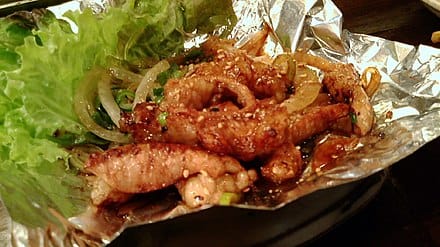
Next, I'll introduce horumon specialty restaurants. Horumon refers to the internal organs of cattle or pigs. Liver, heart, and tripe are representative examples.
The attraction of horumon specialty restaurants is that you can taste fresh horumon. Some shops even offer rare or unusual cuts. These shops are irresistible for horumon lovers.
Horumon is characterized by its unique texture and rich taste, which some people might find strong.
Another charm of horumon specialty restaurants is that many have a common people's atmosphere. It's fun to sit at the counter and eat yakiniku while chatting with the chef. Some shops are bustling with salarymen, while others are filled with local regulars.
The best drinks to go with horumon are beer and highballs. Eating horumon while drinking alcohol - it's the height of happiness, isn't it?
While it might be unfamiliar food for foreigners, I recommend trying regular yakiniku first, and then challenging horumon. You should be able to experience Japan's common people's food culture.
Izakaya-Style Yakiniku Restaurants
Source: Google Map
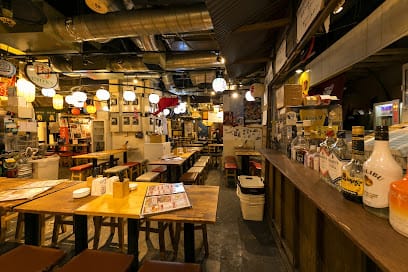
Lastly, I'll talk about izakaya-style yakiniku restaurants. Izakaya refers to Japan's common people's drinking establishments. Izakaya-style yakiniku restaurants are places where you can eat yakiniku in such izakayas.
The charm of izakaya-style yakiniku restaurants is that you can casually enjoy yakiniku with alcohol. You can savor delicious meat and alcohol in a casual atmosphere. Japanese people use them in various scenarios, like dropping by with colleagues after work or eating while drinking with friends.
Izakaya-style yakiniku restaurants are characterized by having a rich menu besides yakiniku. They offer plenty of izakaya menu items like yakitori, salads, and side dishes.
I recommend pairing popular menu items with alcohol. Juicy pork karubi with beer, or refreshing tongue with a highball is the best.
These yakiniku restaurants are recommended for those who want to experience Japan's common people's food culture in a local atmosphere.
Chain Stores Where You Can Easily Enjoy Yakiniku
While local shops might be difficult to enter or require reservations, chain stores are recommended as you can easily drop by even during your travels.
Here, I'll introduce three chain stores where you can enjoy yakiniku throughout Japan.
Gyukaku
Source: Wikipedia
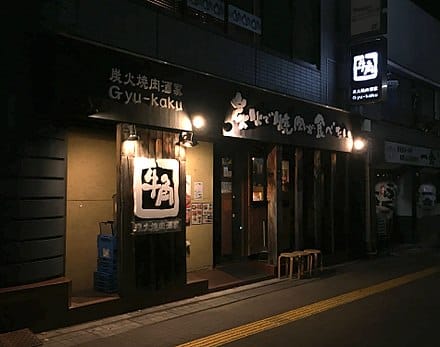
First, I'll introduce Gyukaku. Gyukaku is a yakiniku chain store originating from Japan, now expanding overseas as well.
The charm of Gyukaku is, above all, its all-you-can-eat option. You can enjoy yakiniku to your heart's content within a 90 or 120-minute time limit. There's also a wide variety of meat types, with popular cuts like harami and karubi lined up. It's great that you can eat so many varieties in an all-you-can-eat setting.
Gyukaku is also sensitive to trends, sometimes offering menus in collaboration with anime or movies. Campaigns collaborating with popular anime like "Demon Slayer" are very popular with fans.
I recommend Gyukaku, loved by locals, to tourists as well. You can easily experience Japanese yakiniku culture, so please give it a try.
Website: https://www.gyukaku.ne.jp/
Anan
Source: Tabelog by Kurakuranahibi
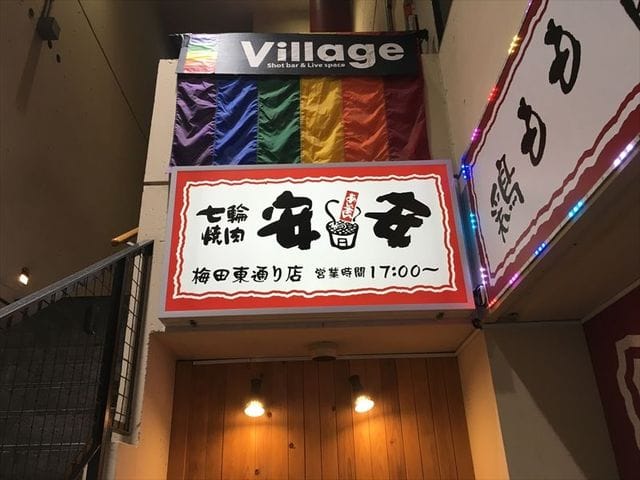
Next is Anan. Anan is a nationwide chain characterized by authentic yakiniku style using shichirin (small charcoal grill).
Yakiniku grilled on shichirin enhances the taste of the meat with the aroma of charcoal. You can spend a relaxing time, slowly grilling meat while enjoying conversation. This is the charm of Anan.
Anan offers not only à la carte menus but also all-you-can-eat menus. It's nice that you can eat yakiniku to your fill at reasonable prices. Popular cuts like karubi, harami, and horumon are all available.
Website: https://anan.fuji-tatsu.co.jp/
Jojoen
Source: Tabelog by N.Gaku
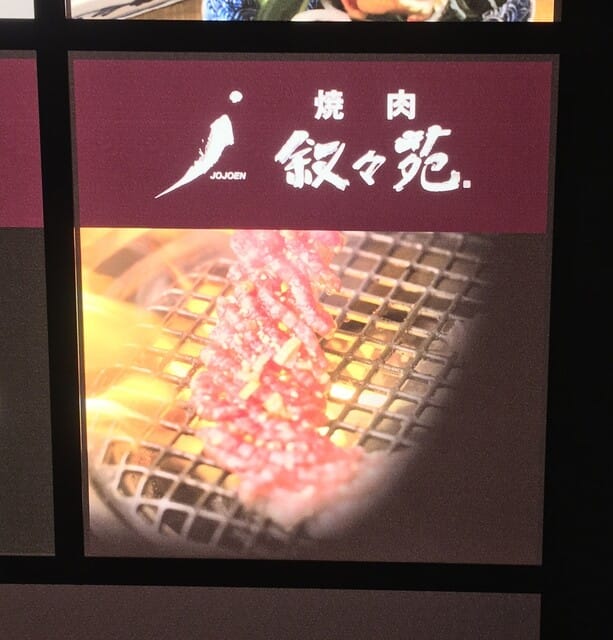
Lastly, I'll introduce Jojoen. Jojoen is the most high-class among yakiniku chain stores. The charm is that you can taste high-quality meat in an elegant interior.
I recommend Jojoen if you want to eat delicious yakiniku on your trip but want to go to a slightly higher-grade restaurant. You should be able to encounter truly delicious yakiniku that won't disappoint.
The price range is about 3,000 yen per person for lunch and about 10,000 yen for dinner. It's certainly not cheap, but I think the taste is worth the price. It's perfect for special occasion meals.
It's appreciated that Jojoen accepts walk-ins. You can casually enjoy high-quality yakiniku even during your trip. The service is also polite, and you can spend a comfortable time.
Website: https://www.jojoen.co.jp/en/
Introducing Recommended Yakiniku Restaurants Across Japan with Their Unique Features
Now, let us introduce recommended yakiniku restaurants from various regions across Japan. We have picked three restaurants each from various areas of Tokyo, as well as Kyoto and Osaka, that we highly recommend visiting during your trip to Japan.
Shinjuku
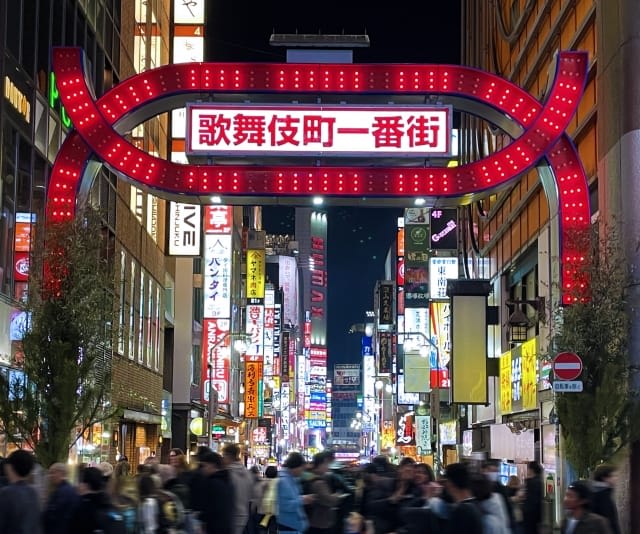
Rokkasen
This is a famous yakiniku restaurant with exquisite cuisine that has received high ratings on TripAdvisor. Staff dressed in Japanese kimono provide high-quality service. You can also enjoy other Japanese meat dishes such as shabu-shabu and sukiyaki.
<Information>
- Address: 110 Building 10F, 1-10-2 Nishi-Shinjuku, Shinjuku-ku, Tokyo
Business Hours: 11:00 23:00
- Closed: None
- Phone Number: 03-3348-8676
- Official Website: https://rokkasen.co.jp/?utm_source=google&utm_medium=map
- Official Instagram: https://www.instagram.com/rokkasen__official/
Hinomaru
This is a popular yakiniku restaurant where you can enjoy diverse menus ranging from luxury courses to reasonably priced all-you-can-eat courses. There is also an abundant variety of wagyu beef available, including Kobe beef and Kagoshima Black Beef.
<Information>
- Address: Hashimoto Building B1F, 1-6-6 Kabukicho, Shinjuku-ku, Tokyo
- Business Hours: 11:30 05:00 (L.O. Food 04:00, Drinks 04:30)
- Closed: New Year's holidays
- Phone Number: 03-5761-9997
Yakiniku Kanau
This is a yakiniku restaurant open until 5 AM in Shinjuku, known as the city that never sleeps. You can enjoy high-quality meat such as thick-cut beef tongue in a luxurious and refined completely private room setting.
<Information>
- Address: J・GOLD Building 1F, 1-22-9 Kabukicho, Shinjuku-ku, Tokyo
- Business Hours: 17:00 05:00
- Closed: Open year-round
- Phone Number: 03-3208-1239
- Official Website: https://www.kanau-gropu.com/yakiniku-kanau
- Official Instagram: https://www.instagram.com/yakiniku.kanau/
Shibuya
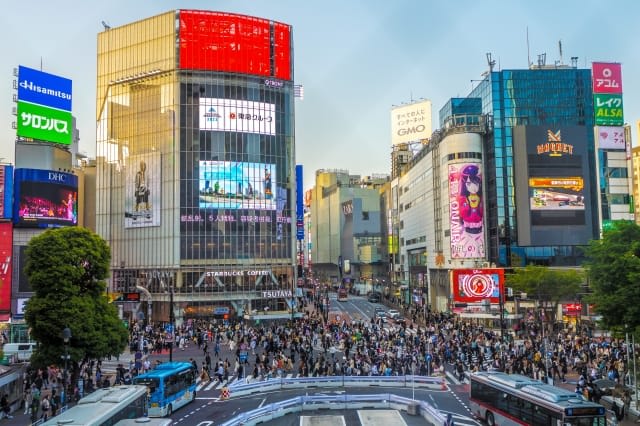
Shibuya Yakiniku Kongoen
Shibuya Yakiniku Kongoen is a restaurant where you can enjoy high-quality A5-rank wagyu yakiniku at reasonable prices. The generous portions of horumon (offal) and fresh harami (skirt steak) are highly recommended. The restaurant has a stylish atmosphere and is popular for dates.
<Information>
- Address: 2F Plaza Dogenzaka, 2-25-7 Dogenzaka, Shibuya-ku, Tokyo
- Closed: Open year-round
- Phone: 050-5869-3974
- Hours: 17:00-4:00
- Official Website: https://kongoen-shibuya.tokyo/
- Official Instagram: https://www.instagram.com/kongoen_shibuya/
Yakiniku Kuroda
This is a restaurant where you can enjoy high-quality yakiniku in a quiet, hidden gem atmosphere. You can savor carefully selected lean meat with their exquisite homemade sauce.
<Information>
- Address: 1F-2F Shibumaru-kan, 1-16 Maruyama-cho, Shibuya-ku, Tokyo
- Closed: None
- Phone: 03-6455-2600
- Hours: 17:00-23:30 (Last order for food 22:30, drinks 23:00)
- Official Website: https://kuroda-shibuya.owst.jp/
Yakiniku Yokocho Shibuya
This is a yakiniku restaurant located in Shibuya Meat Alley, where 28 restaurants are gathered. It is recommended for those who want to enjoy cheap and delicious yakiniku with drinks in a lively Shibuya-like atmosphere.
<Information>
- Address: 2F Chitose Kaikan, 13-8 Udagawa-cho, Shibuya-ku, Tokyo
- Closed: None
- Phone: 090-7628-5262
- Hours: Monday, Tuesday, Thursday to Sunday: 17:00 0:30 / Wednesday: 17:00 0:00 / Public holidays and the day before public holidays: 17:00 0:30
- Official Website: https://nikuyokocho.jp/shop/yakinikuyokocho/
Ginza
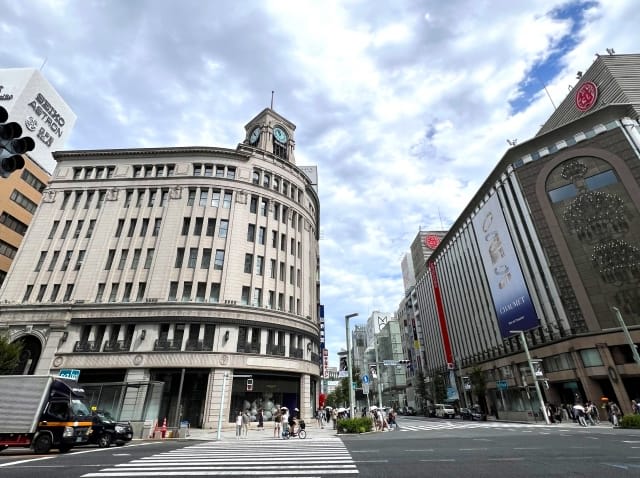
Ginza Yamashina
This is a high-end yakiniku restaurant where a dedicated chef grills the yakiniku for you in a completely private room setting. In addition to kuroge wagyu (Japanese black cattle) yakiniku, their katsu sandwich made with Châteaubriand is extremely popular. This restaurant is recommended for those who want to enjoy a premium yakiniku dinner at a first-class establishment befitting Ginza.
<Information>
- Address: 7F-8F, 6-4-3 Ginza, Chuo-ku
- Business Hours: 12:00-15:00, 17:00-23:00
- Closed: New Year's holidays
- Phone: 03-3289-0298
- Official Website: https://ginza-yamashina.jp/
Ginza Kobau
This is a yakiniku restaurant that uses exclusively female kuroge wagyu beef, characterized by its exceptional tenderness. With an extensive drink menu, you can enjoy high-quality wagyu yakiniku paired with fine beverages.
<Information>
- Address: Chuo-ku, Ginza 6-6-5-5F
- Business Hours: Weekdays 17:00-23:30, Weekends/Holidays 12:00-23:00
- Closed: Irregular holidays
- Phone Number: 03-5568-5510
- Official Website: https://www.zaikon.co.jp/
Ginza Chikamitsu
This is a restaurant where you can enjoy yakiniku made with various brand wagyu beef from all over Japan in a luxurious completely private room setting. They particularly specialize in rare fillet meat, and you can enjoy various dishes featuring fillet.
<Information>
- Address: Chuo-ku, Ginza 7-13-2
- Business Hours: 17:00-23:30
- Closed: Irregular holidays
- Phone Number: 03-6264-2294
- Official Website: https://ginza-chikamitsu.com/
Ueno
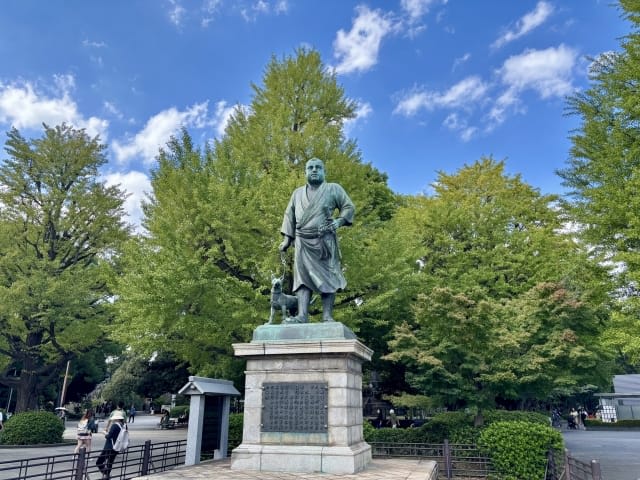
Yakiniku Kokokara
This yakiniku restaurant boasts high popularity in Ueno, a fiercely competitive area for yakiniku. You can enjoy generous portions of yakiniku including thick-cut tongue and luxurious assorted meat platters. Experience bold-style yakiniku in a lively atmosphere.
<Information>
- Address: 2-5-8 Ueno, Taito-ku, Tokyo
- Closed: New Year's holidays
- Phone: 050-5596-4134
- Hours: Mon-Sat 17:00 05:00; Sun, Holidays 17:00 23:00
- Official Website: https://issei-kokokara.com/
Yakiniku Bouya Horumonkan
This yakiniku restaurant is known for purchasing and serving an entire head of Japanese Black Wagyu. The restaurant has a traditional downtown atmosphere and is recommended for those who want to enjoy various cuts of wagyu at reasonable prices.
<Information>
- Address: 1-2F Kominato Building, 6-6-6 Ueno, Taito-ku, Tokyo
- Closed: None
- Phone: 050-5589-7336
- Hours: Mon-Fri 17:00 23:15/ Sat, Sun, Holidays 12:00 23:15/ Lunch hours (Saturdays, Sundays, and holidays) 12:00-14:00
- Official Website: https://www.bou-ya.com/information/176.html
Wagyu Yakiniku Panga
This restaurant is located about a 20-minute walk from Ueno. As a halal-certified establishment, Muslim visitors can enjoy wagyu yakiniku with peace of mind. Savor A5-rank wagyu yakiniku and beef bone soup here.
<Information>
- Address: 3-27-9 Taito, Taito-ku, Tokyo
- Closed: None
- Phone: 03-3839-8929
- Hours: Mon-Sat 11:30 14:00, 17:00 22:30; Sun, Holidays 17:00 22:00
- Official Website: https://www.wagyu-panga.jp/
Akihabara

Yakiniku Motoyama Akihabara Ten
This yakiniku restaurant offers rare cuts of premium Japanese wagyu. They carefully select wagyu that meets strict standards. You can enjoy rare wagyu that cannot be found elsewhere, such as the prized Chateau Misuji cut.
<Information>
- Address: 3-34-3 Kanda-Sakumacho, Chiyoda-ku, Tokyo
- Closed: None
- Phone: 03-5829-5486
- Hours: 16:00-23:00 (Last order 22:30)
- Official website: https://www.yakiniku-motoyama.com/akihabara
Nikuya Yokocho Akihabara
Just a 1-minute walk from Akihabara Station, this restaurant offers a 100-minute all-you-can-eat wagyu course. It is recommended for those who want to enjoy plenty of wagyu yakiniku at reasonable prices.
<Information>
- Address: BiTO AKIBA 3F, 1-18-19 Sotokanda, Chiyoda-ku, Tokyo
- Regular holidays: Irregular
- Phone number: 03-3525-4629
- Business hours: (Yakiniku) Weekdays: 12:00 22:00 (Last Entry: 20:00)/ - Weekends and Holidays: 11:30 22:00 PM (Last Entry: 20:00)
- Official website: https://nikuyayokocho.jp/shoplist/akihabara/
Yakiniku Shou Akihabara Honten
This restaurant serves yakiniku featuring Sendai beef, one of Japan's famous brand cattle. The stylish interior features both table seating and counter seats, making it easy for solo diners to casually enter and enjoy yakiniku.
<Information>
- Address: 3F, 2-11-1 Kanda-Sakumacho, Chiyoda-ku, Tokyo
- Regular holidays: None
- Phone number: 03-5809-1506
- Business hours: Mon 16:00~23:00/ Tuesday Thursday 11:30 23:00 /Fridays and days before holidays 11:30 0:00 /Saturdays, Sundays, and holidays 11:30-22:00
- Official website: https://yakinikushou.owst.jp/en/
Kyoto
Kyoto Yakiniku Dokoro Renzou
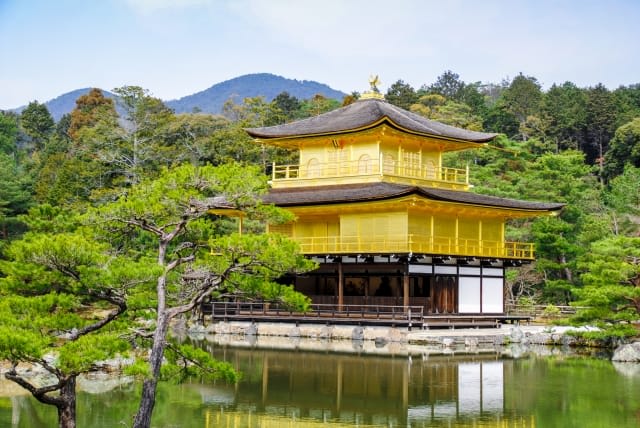
This refined restaurant is located in a renovated traditional Kyoto townhouse in the heart of Kyoto. You can enjoy high-quality courses featuring rare cuts and wagyu at relatively reasonable prices, accompanied by generous appetizers.
<Information>
- Address: 690 Osaka Zaimoku-cho, Nakagyo-ku, Kyoto
- Closed: None
- Phone: 050-5488-3638
- Hours: Weekdays 17:00-23:00/Saturdays, Sundays, and Holidays 11:30-14:00, 16:00-23:00
- Website: https://keg0600.gorp.jp/
Pontocho Yakiniku Yamakawa Main Store
This yakiniku restaurant is located in Pontocho, a popular dining district in Kyoto. You can enjoy generous portions of wagyu yakiniku at reasonable prices. The modern, bar-like atmosphere is attractive, and you can order from a tablet while viewing menus with photos.
<Information>
- Address: 137-7 Wakamatsucho, Nakagyo-ku, Kyoto
- Closed: None
- Phone: 075-746-2906
- Hours: 11:30 14:00/ 17:00 23:00
- Website: https://kobebeef-org.jp/p-441/
Wagyu Yakiniku Waya
This hidden gem yakiniku restaurant is located near Gion. Be sure to try their beef tongue yakiniku, which has an excellent reputation. The restaurant offers a homey and friendly service. As it is a small establishment, reservations are recommended.
<Information>
- Address: 60-1 Kameicho, Higashiyama-ku, Kyoto
- Closed: Wednesdays
- Phone: 075-741-7329
- Hours: 17:00 22:00
- Official Website (Official Instagram): https://www.instagram.com/wagyuyakiniku_waya/
Osaka

Matsusaka Beef Yakiniku M Hozenji Yokocho Branch
This restaurant offers Matsusaka beef, a premium brand cattle that is the pride of western Japan, at reasonable prices. Located near Kuromon Market in Namba, a popular tourist spot, it is extremely popular among tourists from overseas.
<Information>
- Address: 1-1-19 Namba, Chuo-ku, Osaka
- Business Hours: 12:00 15:00/ 17:00 23:00
- Closed: Irregular holidays
- Phone: 06-6211-2917
- Official Website: https://matsusaka-projects.com/shop/houzenji/
Ka-den Umeda Chayamachi
This Japanese restaurant serves Omi beef, a wagyu known for its elegant and delicate flavor. It is recommended for those who want to enjoy the taste of historic wagyu unique to western Japan.
<Information>
- Address: Hankyu Kappa Yokocho 2F, 1-7-2 Shibata, Kita-ku, Osaka
- Business Hours: 11:30-15:00/ 17:00-22:00
- Closed: Irregular holidays
- Phone: 050-5486-7911
- Website: https://k447408.gorp.jp/
Nikusho Nakata Main Store
This upscale meat restaurant in Dotonbori features a Japanese modern atmosphere. Their exquisite courses that include various Japanese meat dishes such as shabu-shabu and sukiyaki, in addition to yakiniku, are popular.
<Information>
- Address: Gendai Koisan Building 5F, 1-7-16 Namba, Chuo-ku, Osaka
- Business Hours: 17:00-23:00
- Closed: Every Monday, New Year's holidays
- Phone: 06-6214-8989
- Official Website: https://nikusyo-nakata.jp/nanba_honten.html
Enjoy Wagyu Teppanyaki in Ginza, Where Japan's Finest Cuisine Gathers
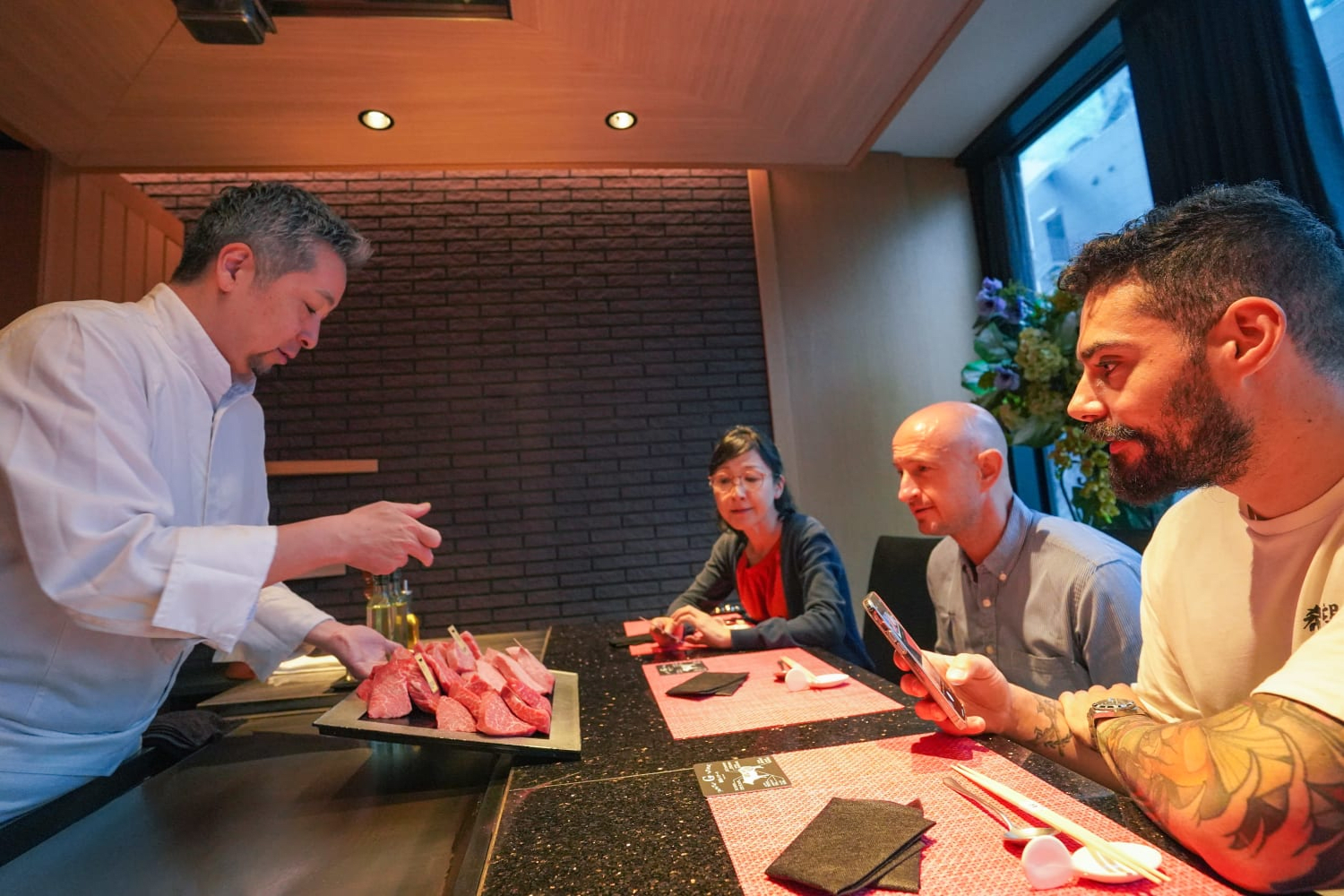
Among all the districts in Japan, Ginza is a town where Japan's finest cuisine gathers. In addition to the delicious yakiniku restaurants introduced in this yakiniku guide, top-class teppanyaki restaurants also congregate in Ginza.
The Wagyu Beef & Sake Pairing Foodie Tour in Ginza is a tour where you visit one of the top-class luxury teppanyaki restaurants handling wagyu in Ginza, accompanied by a local guide. You will also visit a sake specialty bar where you can taste sake that pairs perfectly with wagyu.
Wagyu varies in flavor and preparation methods depending on its origin and brand. Join this tour and have a local guide well-versed in food culture explain the deep world of wagyu to you.
You will not only enjoy teppanyaki but also enhance your yakiniku experience during your stay in Japan.
<Information>
- Meeting point: JR Shimbashi Station North Exit, in front of black pillar near SAZA Coffee in Ecute Edition Shimbashi
- Tour area: Shimbashi, Ginza
- Start time: 17:00
Types of Yakiniku Japanese People Like
There are many types of yakiniku, but here I'll introduce the types of meat that Japanese people especially like.
I'll also explain how to order at yakiniku restaurants.
How to Order Yakiniku
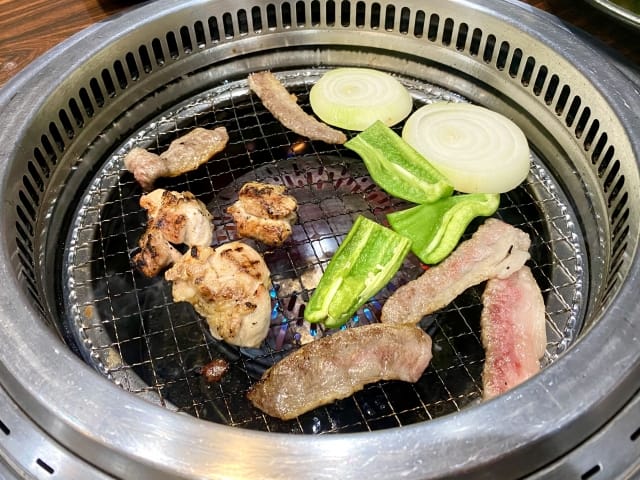
Well, you might wonder what to order once you enter a yakiniku restaurant. I'll share some points about ordering yakiniku.
Basically, I recommend ordering the cuts you like. Tell the staff your favorite cuts like karubi, rosu, or tan. If you're not sure, it's good to ask the staff. They should tell you their recommended cuts.
The key is to check the guideline for one serving when ordering the quantity. One serving is typically 100g, but it can vary depending on the restaurant.
It's also important to check the thickness and size of the meat. Whether it's thick-cut or thin-cut, large pieces or small pieces. Please check as you can choose according to your preference.
I recommend set menus for travelers. They often include small portions of various cuts, so you can enjoy many different tastes at once. It's nice that they're often reasonably priced, making them easy to order.
Karubi (Short Rib)
Source: Wikipedia
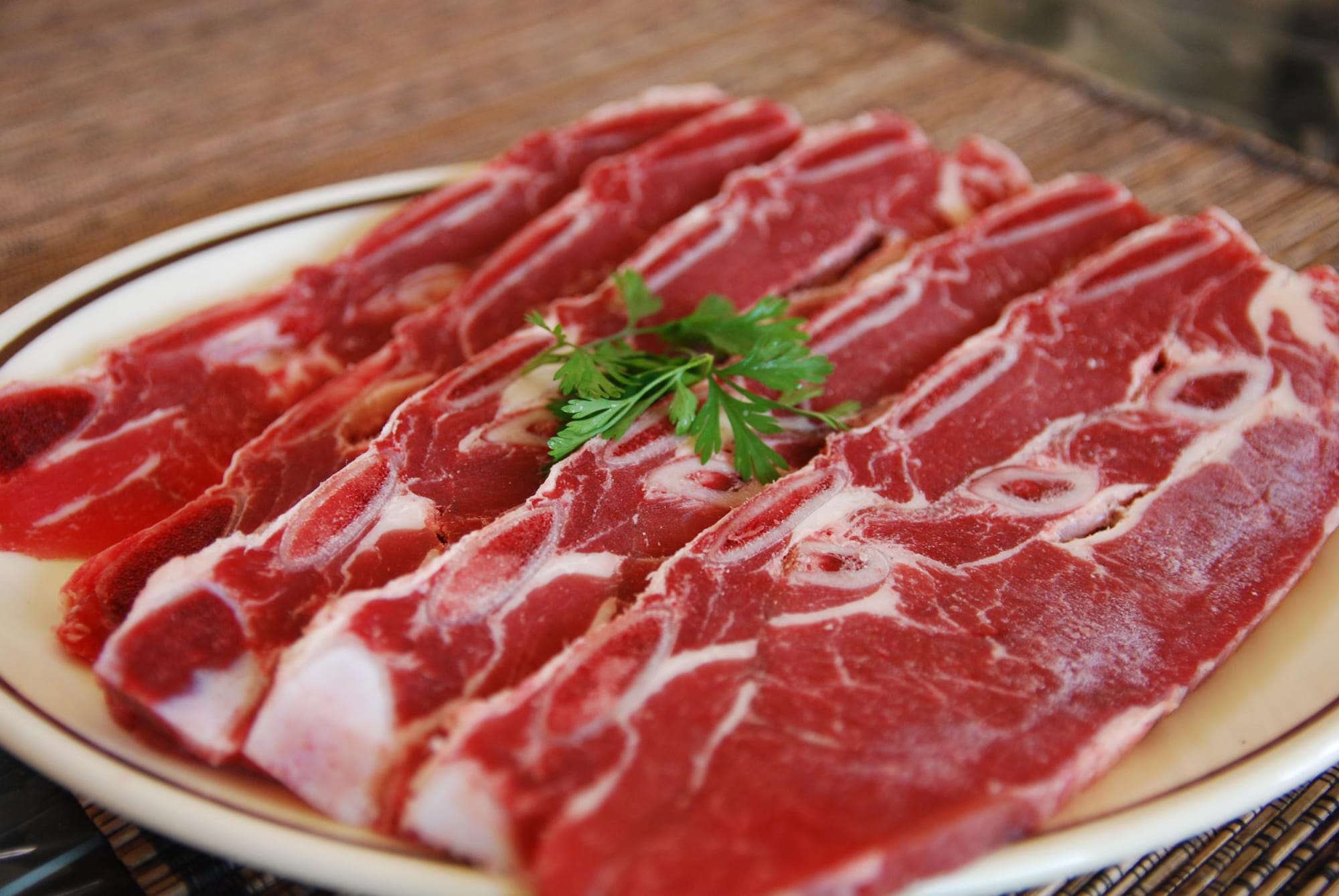
"Karubi," the short rib of beef, is a classic yakiniku menu item. Its charm is the juicy taste with plenty of marbled fat.
It's characterized by an appropriate amount of fat, which melts when grilled, releasing a sweet flavor. This fat enhances the umami of the meat.
Karubi is often cut thickly. Therefore, when grilling, it's necessary to be careful not to burn the surface. I recommend grilling it slowly over low heat.
Karubi goes exceptionally well with sweet and savory sauce. It's delicious to eat it thoroughly coated with sauce. Putting it on rice is also exceptional.
Karubi is the No.1 popular cut in yakiniku. It's an essential dish that I'd recommend even to those eating yakiniku for the first time.
Rosu (Chuck Roll, Rib Roast)
Source: Wikipedia
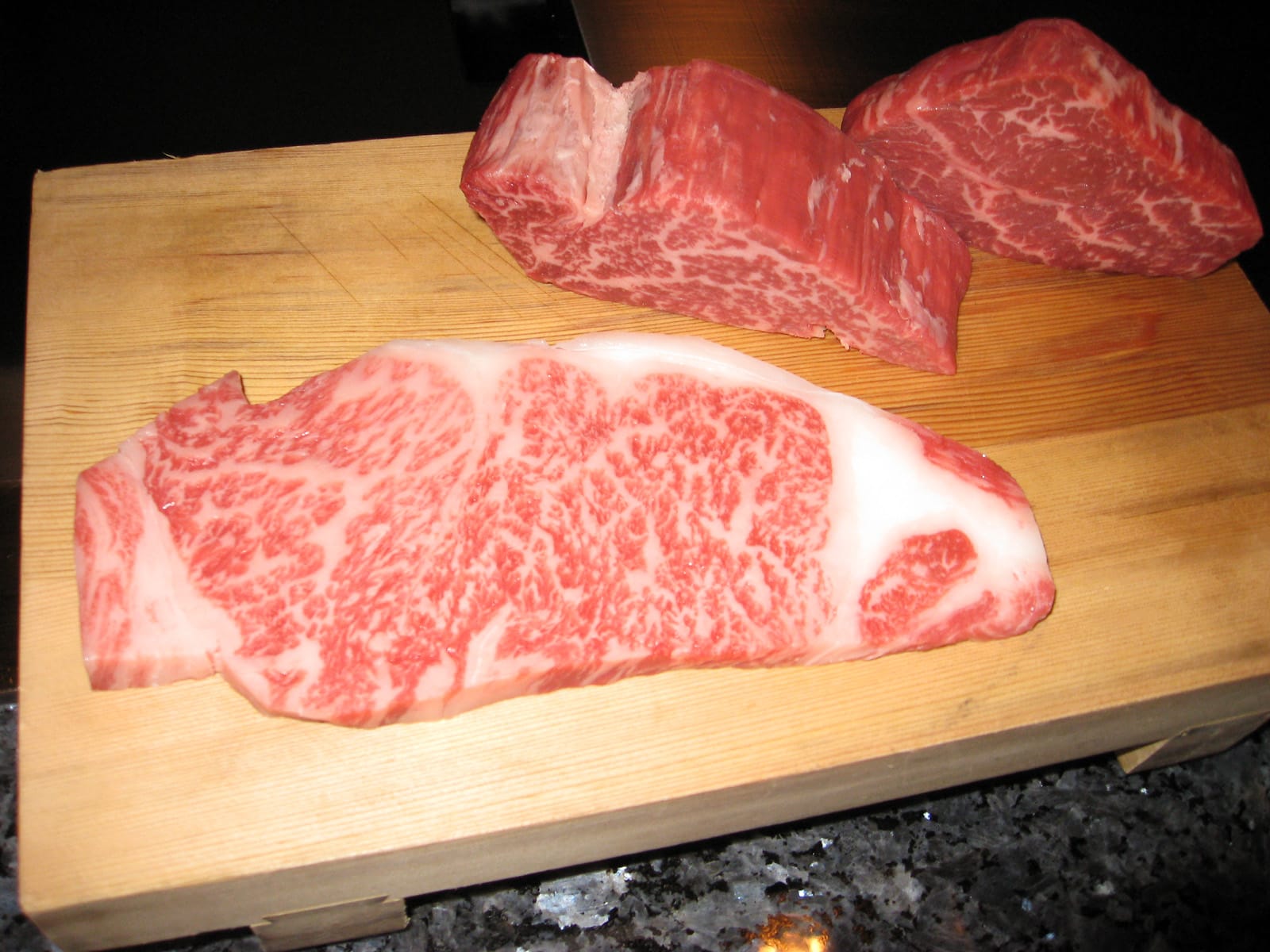
The next recommendation is rosu meat. There are varieties like chuck roll and rib roast. Rosu meat is characterized by its light taste with less fat. It's nice that it's healthier.
The soft meat quality is also attractive about rosu meat. It has no peculiar taste and is easy for anyone to eat. It's often cut thinly, so it's OK to grill it quickly. Be careful not to overcook it.
Rosu meat goes exceptionally well with salt-based sauce. You can fully enjoy the umami of the meat with simple seasoning.
Rosu meat is perfect for those who want to enjoy yakiniku healthily. It's a satisfying dish with a light taste.
Tan (Beef Tongue)
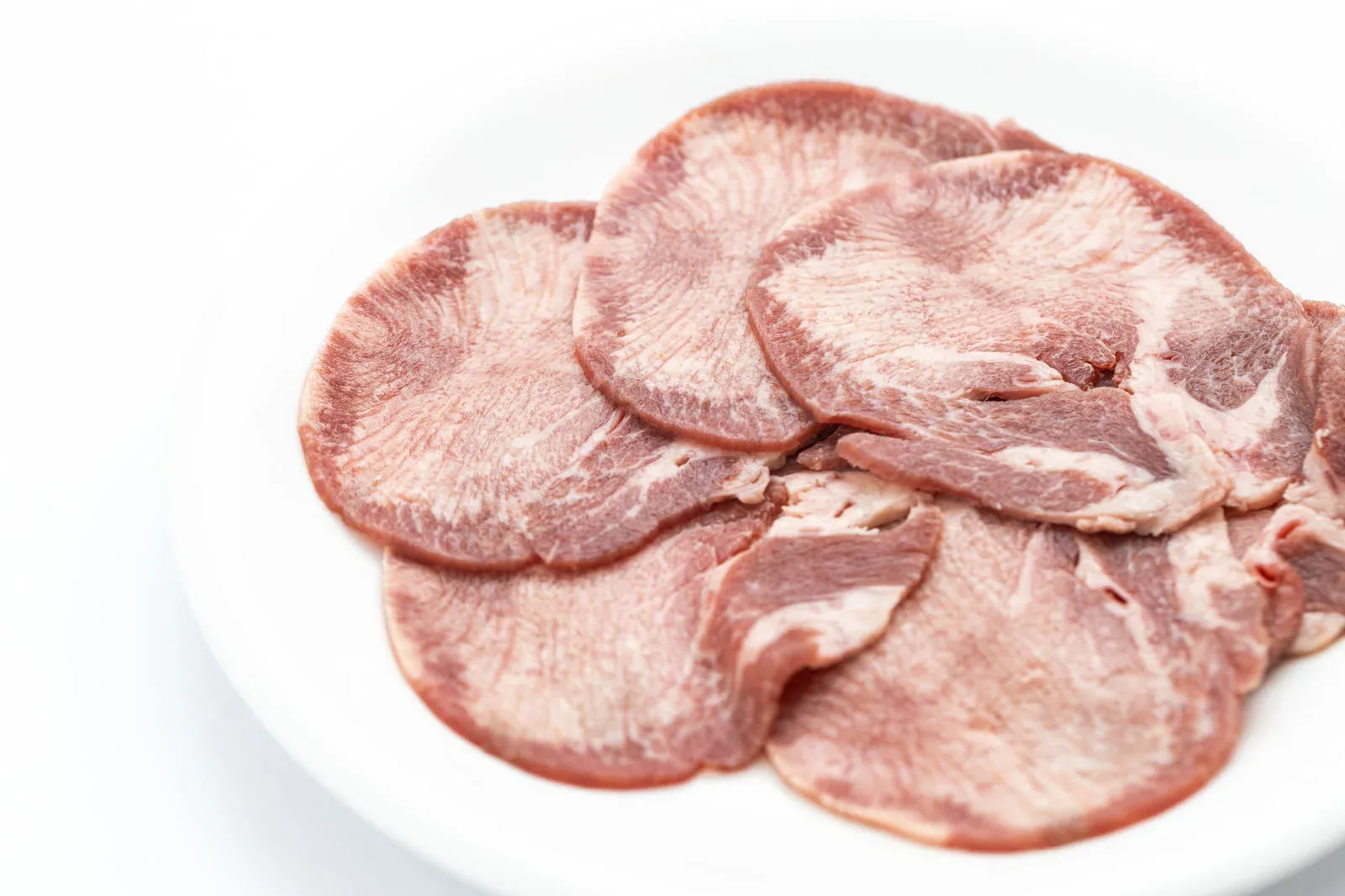
Beef tongue, or "tan," is attractive for its unique texture and flavor among yakiniku dishes. Tan refers to the tongue of the cow.
Beef tongue is characterized by its chewy texture. It has a firm chewiness, making it very satisfying to eat. Its unique flavor is also one of its charms. It has a distinctive taste, so people either love it or hate it, but I love it.
Beef tongue is generally thinly sliced, so I recommend grilling it quickly. If you overcook it, it becomes hard, so it's best when it's just slightly browned.
Lemon sauce goes best with beef tongue. It's a cut that's unique but delicious, so please give it a try.
Harami (Skirt Steak)
Source: Wikipedia
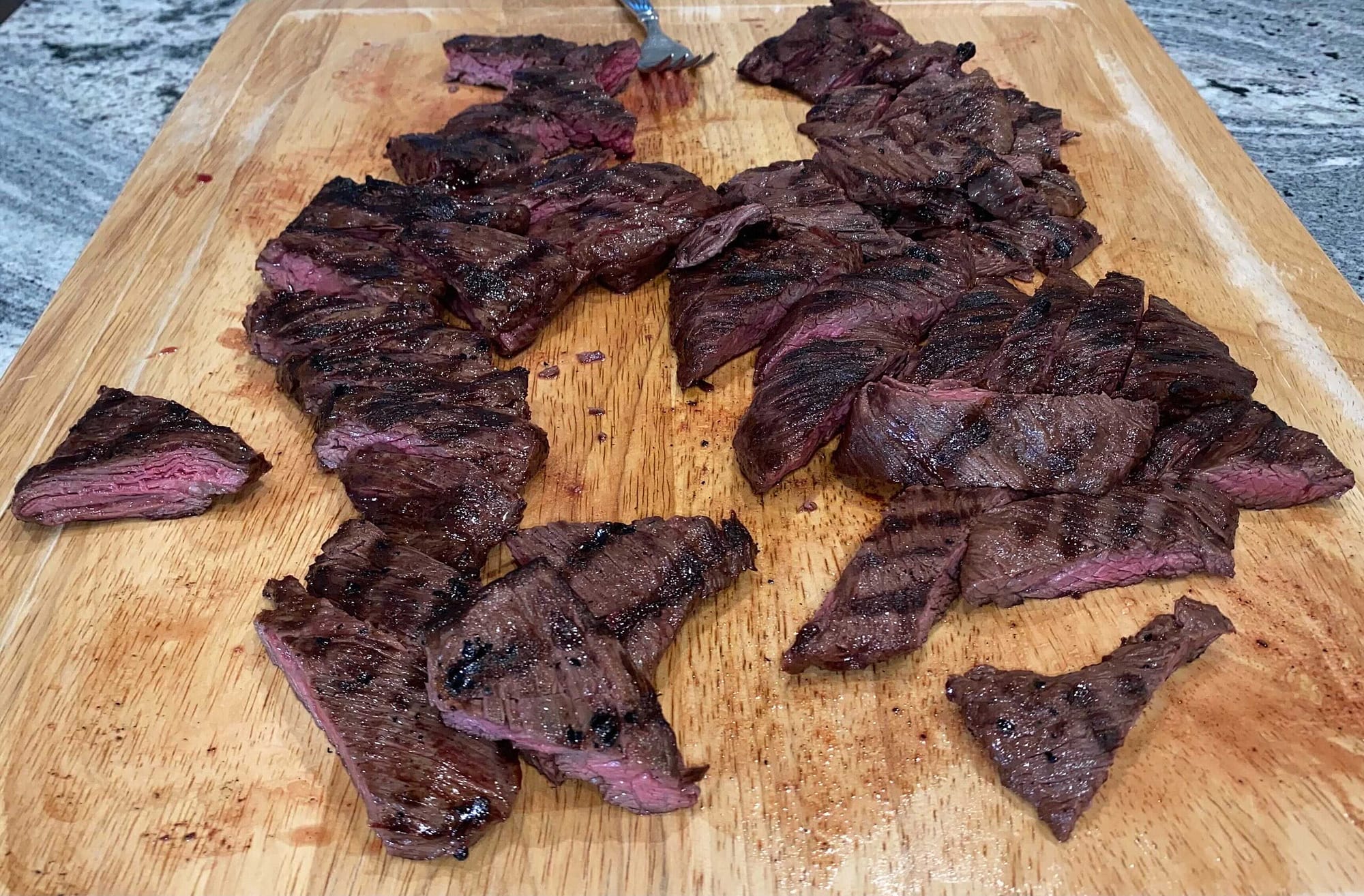
Harami is the diaphragm part of the cow. It's characterized by its rich taste and chewy texture.
Harami is characterized by its harder texture due to having more tendons. But because of this, it's packed with umami. Grilling it for a longer time brings out this umami.
Another characteristic of harami is that stronger seasoning is recommended. It's delicious to eat it coated with a strong-flavored sauce. It also goes great with beer or highballs.
This harami is recommended when you want to eat hearty meat. It's a very satisfying dish.
Horumon (Offal)
Source: Wikipedia
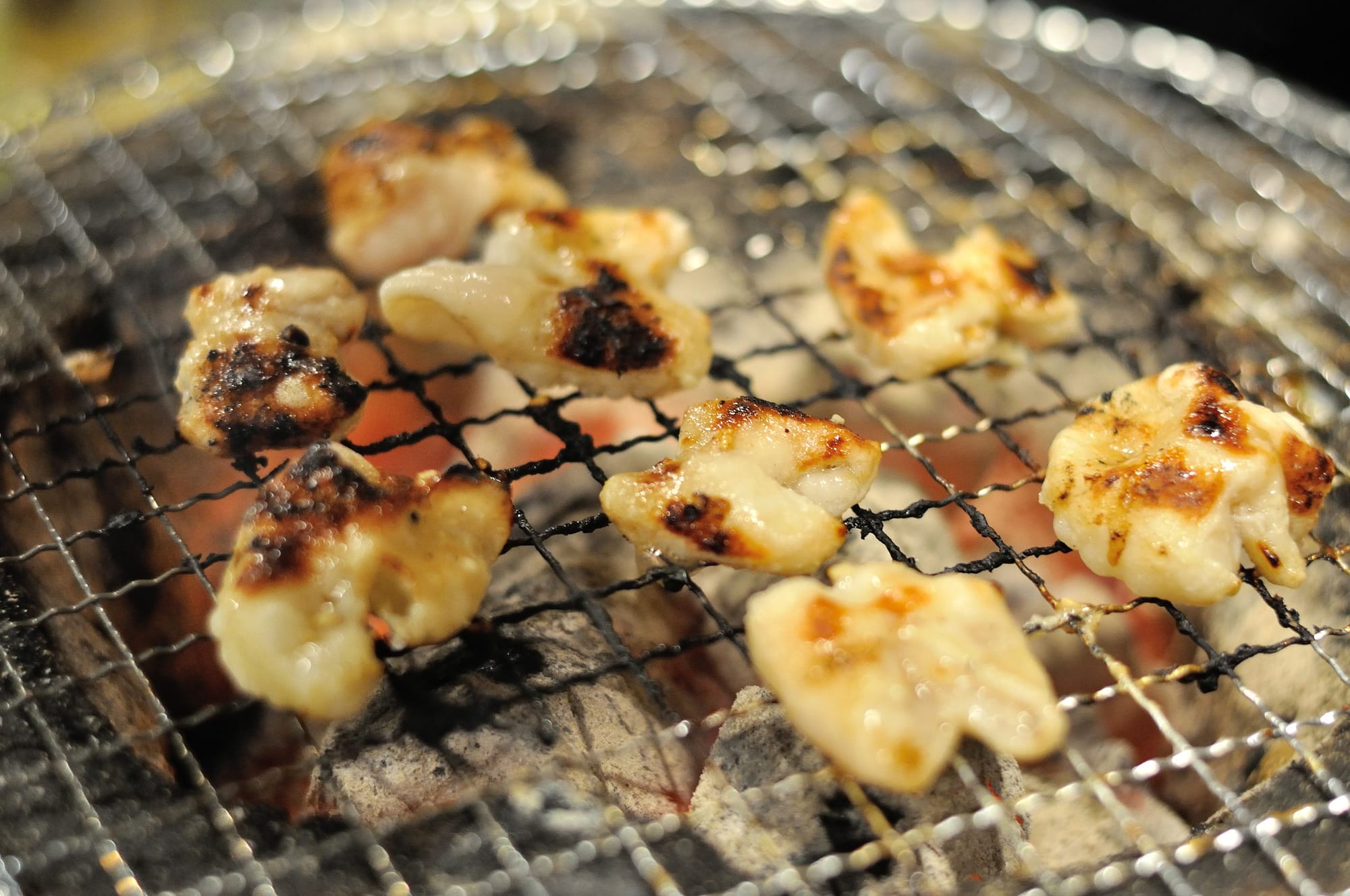
Horumon is a general term for internal organ parts like liver, heart, and tripe.
Horumon is especially loved by Japanese people for its good pairing with alcohol, but it's characterized by its strong taste. However, its unique flavor becomes addictive. Its rich umami and unique texture - many people get hooked once they eat it.
Horumon is OK to grill quickly. As it becomes hard if overcooked, it's recommended to grill it just until it's slightly cooked. It's common to eat it coated with sauce.
It might be challenging for foreigners, but if it's on the menu at a yakiniku restaurant, I encourage those who are interested to give it a try.
Pork Belly
Source: Wikipedia
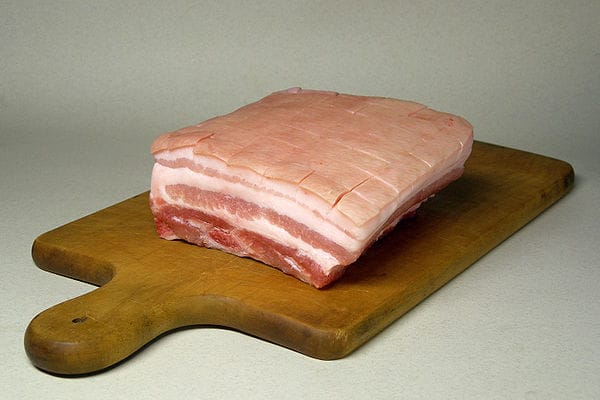
It's not just beef, pork is also a popular cut in yakiniku. Especially recommended is pork belly.
Pork belly is characterized by its sweet and delicious marbled fat. When grilled, the fat melts, spreading a juicy taste throughout your mouth.
Pork belly is often cut thickly. Therefore, the key is to grill it well to let the fat drip off. The contrast between the crispy grilled surface and the melty fat is the best.
I recommend eating pork belly with sesame oil or salt. You can fully enjoy the sweetness of pork with simple seasoning. It's also delicious wrapped in ssam (lettuce).
Chicken (Thigh Meat)
Source: Wikipedia
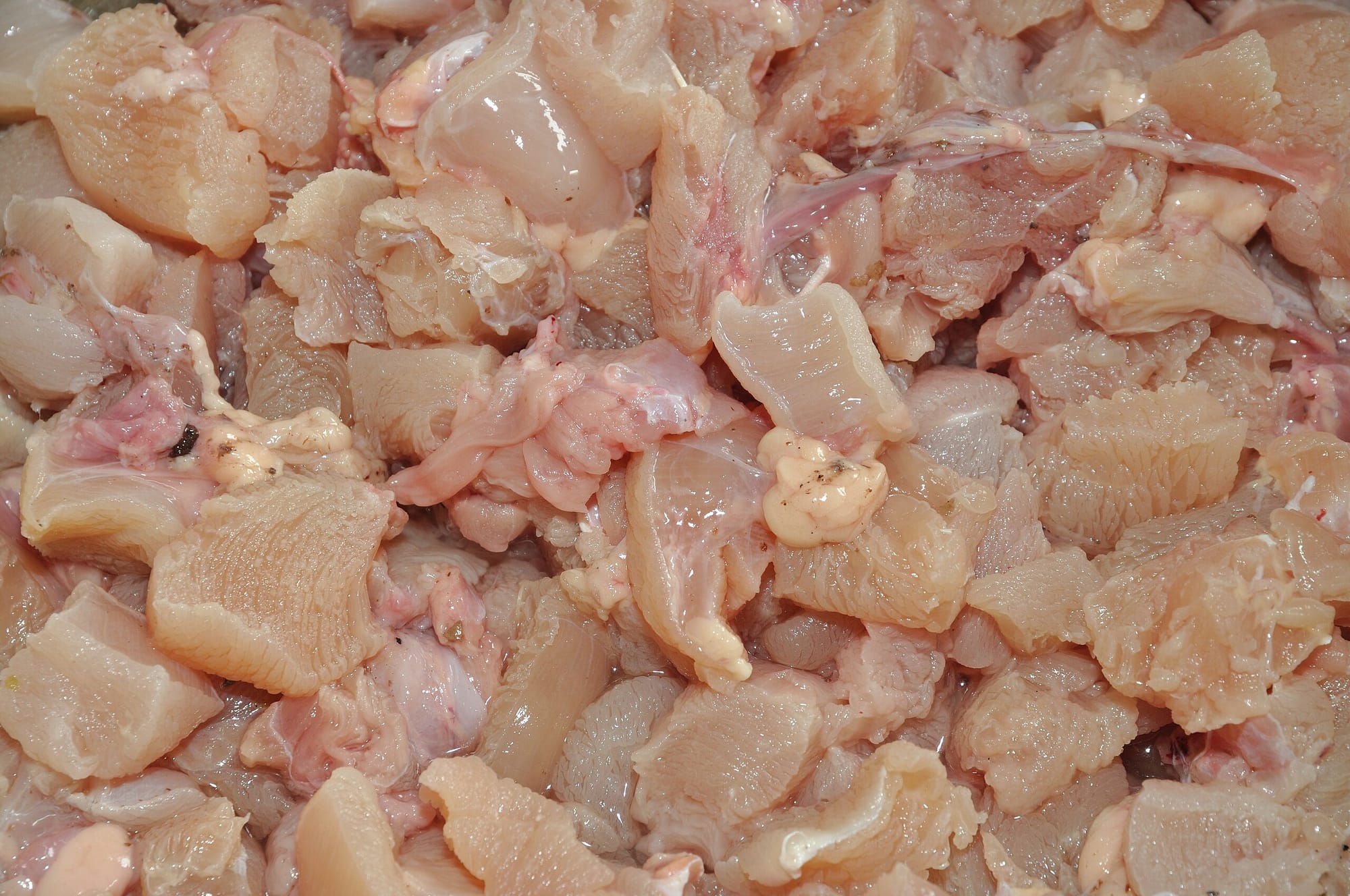
Chicken is also popular at yakiniku restaurants. Among chicken cuts, I especially recommend thigh meat.
It's nice that chicken thigh is low-calorie and healthy. It's light and easy for anyone to eat.
Chicken thigh needs to be thoroughly cooked. There's a risk of food poisoning if it's undercooked, so be careful. However, it becomes dry if overcooked, so the cooking temperature is important. I recommend checking if it's cooked through by cutting it once when it's browned.
Chicken thigh is delicious with salt-based sauce, regular sauce, or pepper. The key is to enjoy the umami of chicken with simple seasoning.
Frequently Asked Questions About Japanese Yakiniku
Finally, I'll answer some points that you might be curious about regarding Japanese yakiniku.
What Drinks Go Well with Yakiniku?
Yakiniku goes well with any alcohol, but the standards are beer and shochu. They help wash down the fattiness of the meat.
Red wine also pairs well with yakiniku. It enhances the umami of the meat, allowing you to enjoy the meat's taste more deeply.
Also, I recommend sake or white wine. I think they pair especially well with lighter meats. They don't interfere with the delicate taste of the meat, so you can enjoy the original taste of the meat.
Actually, a wide range of drinks go well with yakiniku, including cocktails and plum wine. I think finding your favorite drink is one of the points of enjoying yakiniku.
Is Eating Too Much Yakiniku Bad for Your Health?
It's necessary to be careful about eating too much yakiniku. Eating too much meat tends to be high in calories. Especially cuts with a lot of fat can lead to stomach discomfort if overeaten.
It's also necessary to be careful about excessive salt intake. Sauces contain a lot of salt, so be careful not to use too much.
Personally, I recommend ordering vegetables and salads to avoid overeating meat.
What's the Author's Recommended Cut for Yakiniku?
I think everyone has their own recommended yakiniku cuts, but my recommendations are karubi and rosu.
The charm of karubi is its juicy fat. It goes exceptionally well with sweet and savory sauce and makes you want to eat more rice. It's a standard yakiniku cut, so it's a must-try.
Rosu is light and has no peculiar taste, so it's an easy-to-eat cut for anyone.
While I like horumon, many foreigners might not like it, so please try karubi or rosu first.
I've introduced Japanese yakiniku from various perspectives.
Japanese yakiniku is characterized by using thinly sliced meat and seasoning with various sauces.
To enjoy yakiniku, I recommend various types of restaurants such as yakiniku specialty shops, horumon specialty shops, and all-you-can-eat restaurants. The key is to understand the characteristics of each and choose a restaurant that suits you.
Please read this guide and actually taste delicious yakiniku in Japan!