Tokyo Events February 2026: Setsubun, Food Festivals & Things to Do
This article was made by my own wish to find a comprehensive guide to events at travel destinations. I was born and raised in Shibuya. All the events I'm featuring here are ones that I personally recommend to international visitors, based on my own experience in Tokyo.
Since Tokyo has so many must-see spots that it can be overwhelming, you need to plan efficiently to cover all the attractive locations. That's why Magical Trip offers various Tokyo tours guided by locals.
In particular, our "Tokyo Bar Hopping Night Tour in Shinjuku" (Ranked #1 among all TripAdvisor tours in 2024 & 2025) and "Shibuya Bar Hopping Night Tour in Tokyo" take you to local favorites that tourists rarely discover on their own. When planning your Tokyo trip, include a Magical Trip tour in your itinerary.

Introduction
Tokyo, the vibrant capital of Japan, stands at the intersection of tradition and modernity. It’s a hub of politics, economics, and culture, known for its soaring skyscrapers and historical temples. As a city with countless attractions, even a week-long trip won't be enough to see everything it offers.
In February, Tokyo starts chilly, with temperatures requiring warm coats, but the latter half of the month introduces milder weather where a light jacket suffices. True to the Japanese saying “February flies away,” the month brings a sense of bustling energy as people dive into work and travel.
This guide introduces eight must-see events happening in February 2026—combining Tokyo’s rich cultural traditions with modern experiences. Let this article inspire your itinerary and make your Tokyo event in February 2026 truly unforgettable!
Year-round Event List in Tokyo 2026↓
・Tokyo: List of Events & Festivals for 2026
 Yasuhiro
Table of Contents
- Traditional Events in Tokyo, February 2026
- Tokyo’s Gourmet Events in February 2026
Traditional Events in Tokyo, February 2026
Setsubun Events
Setsubun is a traditional Japanese event held in early February to mark the transition from winter to spring.
Suitengu Shrine Setsubun Festival
Source: Chuo9 Tokyo
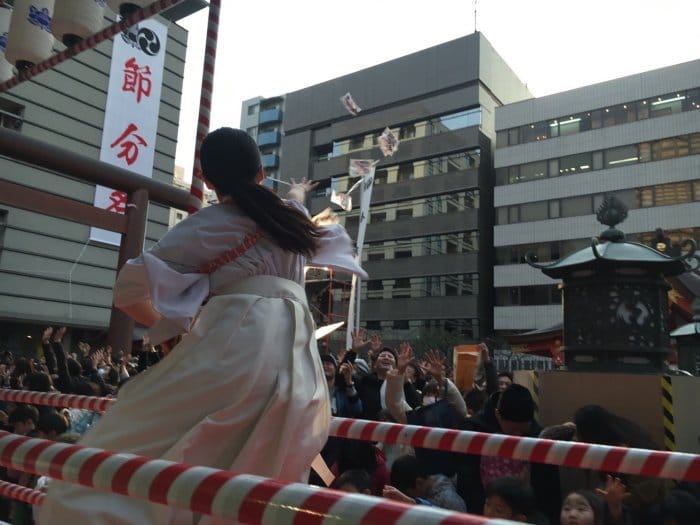
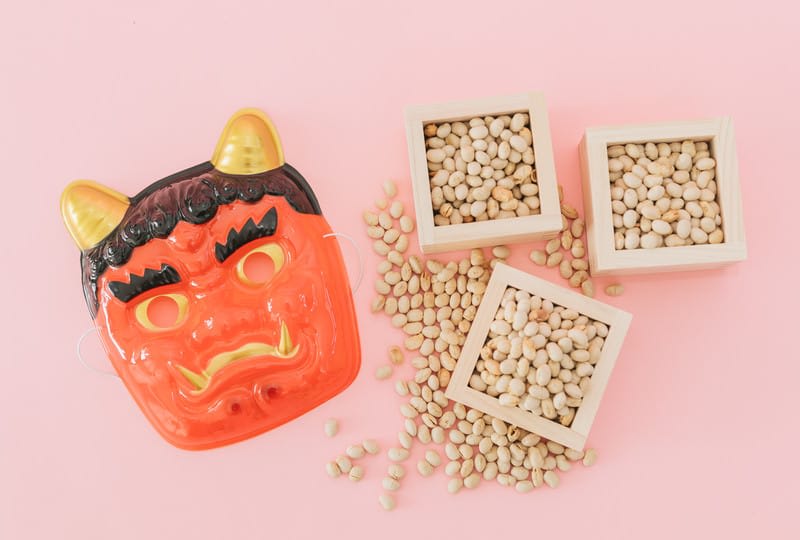
Setsubun, held annually around February 3rd, marks the symbolic cleansing of evil spirits and the welcoming of health and prosperity. The event’s highlight is the traditional bean-throwing ceremony, or *mame-maki*.
Participants chant “Oni wa soto, fuku wa uchi!” (Out with the demons, in with good fortune!) as they cast beans to drive away negativity and invite happiness.
At the Suitengu Shrine Setsubun Festival, visitors experience this age-old tradition alongside modern performances. Celebrities often join the event, throwing small bags of beans and candy from an elevated stage. Catching these gifts—perhaps tossed by someone famous—adds a layer of excitement!
In addition to the bean-tossing, enjoy live performances that showcase Japanese pop culture. Due to its popularity, participation in the bean-throwing segment may require a lottery draw.
Event Information
- Date: February 3, 2026
- Access:
- Tokyo Metro Hanzomon Line, Suitengumae Station (Exit 5) – 1 min walk
- Tokyo Metro Hibiya Line, Ningyocho Station (Exit A1) – 6 min walk
- Toei Asakusa Line, Ningyocho Station (Exit A3) – 8 min walk
- Toei Shinjuku Line, Hamacho Station (Exit A2) – 12 min walk
- 15 minutes by taxi from Tokyo Station (Yaesu Exit)
- Website: https://www.suitengu.or.jp/
Teppouzu Inari Shrine Setsubun Festival Tsuina Ceremony
Source: Chuo Kankou Kyokai
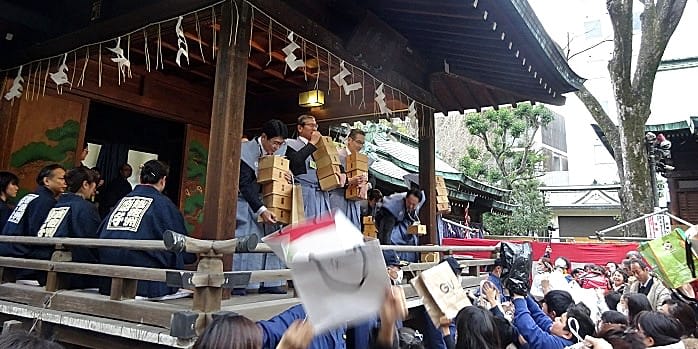
Another exciting Setsubun festival takes place at the Teppozu Inari Shrine, where the bean-throwing tradition comes with a twist—prizes! Some beans contain hidden prize tickets, redeemable for luxury items such as televisions or DVD players, adding a competitive thrill to the event.
What sets this festival apart is the use of Hayashi music, a lively ensemble of traditional Japanese instruments. The spirited rhythms make the experience both joyful and solemn, immersing visitors in authentic Japanese culture.
Since this festival runs until 7 PM, it’s a great option after a day of sightseeing or attending other events.
Event Information
- Date: February 3, 2026
- Access:
- JR Keiyo Line / Tokyo Metro Hibiya Line, Hatchobori Station – 5 min walk
- Tokyo Metro Yurakucho Line, Shintomicho Station – 10 min walk
- Toei Bus East 15 (Tokyo Station Yaesu Exit–Fukagawa Depot), get off at Teppozu – immediate access
- Chuo Community Bus (Edo Bus, South Route), get off at Stop 8 Teppozu
- Website:http://www.teppozujinja.or.jp/index.html
Zojoji Temple Setsubun Tsuina Ceremony
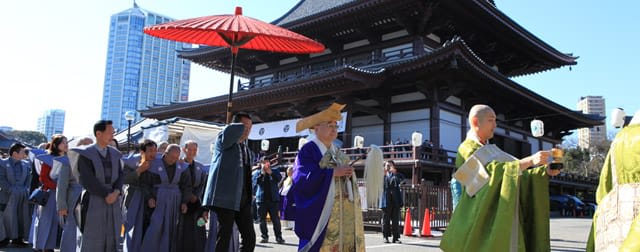
The Setsubun Tsuina Ceremony at Zojoji Temple is one of the most popular Setsubun events in Tokyo, attracting more than 4,000 visitors annually.
A unique feature of this event is the participation of numerous celebrities—including entertainers, sumo wrestlers, politicians, and athletes—as bean throwers. Sometimes, internationally renowned figures join the event, adding to its appeal. Check the event roster to see if any familiar names are involved!
There is also a designated family area, so parents with young children can enjoy the bean-throwing festivities without worrying about the crowd. Since the event can get quite lively, the family area offers a calmer space to participate.
In addition to the traditional bean-throwing ritual, Zojoji's Setsubun features parades of people in traditional costumes and Sumo Jinku performances—solo songs typically performed during sumo events. This event offers visitors a chance to immerse themselves in Japanese cultural traditions.
Event Information
- Date: February 3
- Access:
- JR Line / Tokyo Monorail: 10 min walk from Hamamatsucho Station
- Toei Mita Line: 3 min walk from Onarimon Station or Shiba-Koen Station
- Toei Asakusa & Oedo Lines: 5 min walk from Daimon Station
- Toei Oedo Line: 7 min walk from Akabanebashi Station
- Tokyo Metro Hibiya Line: 10 min walk from Kamiyacho Station
- Admission: Free
- Website: https://www.zojoji.or.jp/event/ev_setsubun.html
Sensoji Temple Setsubun Festival "Fukuju no Mai, Shichifukujin no Mai"
Source:Taito City Official Website
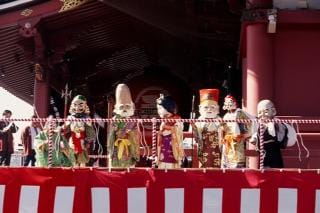
The Setsubun celebration at Sensoji Temple is famous for its "Fukujyu-no-Mai" (Seven Lucky Gods Dance), which takes place after the traditional bean-throwing.
This performance has roots in Kyogen, a form of traditional Japanese comedic theater that originated 150 years ago. Although the Kyogen tradition had faded over time, it was revived about 60 years ago as this dance event.
The performance centers around the Seven Lucky Gods (Shichifukujin), who are believed to bring happiness and fortune.
Life-sized figures of these gods make an appearance, and two of them dance to lively traditional music played on Japanese instruments. Watching their movements, synchronized with the cheerful rhythm, is both entertaining and captivating.
The Seven Lucky Gods are symbolic of various blessings, and witnessing this performance is a great way to experience the spiritual side of Japanese culture.
Event Information
- Date: February 3
- Access:
- Tokyo Metro Ginza Line: 5 min walk from Asakusa Station
- Tobu Skytree Line: 5 min walk from Asakusa Station
- Toei Asakusa Line: 7 min walk from Asakusa Station
- Tsukuba Express: 5 min walk from Asakusa Station
- Admission: Free
- Website:https://www.senso-ji.jp/annual_event/05.html
Hari-Kuyo (Needle Memorial Service) at Sensoji Temple
Source:Sensoji Official Website
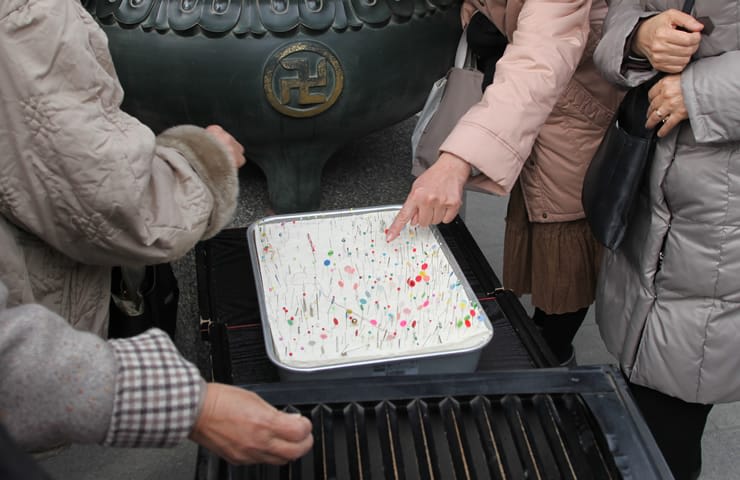
Hari-Kuyo, or the Needle Memorial Service, is an ancient Japanese tradition in which people express gratitude for sewing needles that are no longer usable. The ceremony offers a chance to reflect on these tools' service and pray for future success in needlework.
At Sensoji Temple, participants place their broken or worn-out needles into blocks of tofu as an offering, symbolizing respect and gratitude. If you have an old sewing kit with unusable needles, consider bringing them to this event for a meaningful farewell.
In addition to the ceremony, plum blossoms bloom beautifully across the temple grounds during this period, adding a touch of seasonal charm to your visit.
Event Information
- Date: February 8
- Access:
- Tokyo Metro Ginza Line: 5 min walk from Asakusa Station
- Tobu Skytree Line: 5 min walk from Asakusa Station
- Toei Asakusa Line: 7 min walk from Asakusa Station
- Tsukuba Express: 5 min walk from Asakusa Station
- Admission: Free
- Website: https://www.senso-ji.jp/annual_event/06.html
If you're interested in traditional events, it's a great idea to join Magical Trip's Tour before festivals and events. You'll be able to explore with local guides who are experts in Japanese traditions and festivals, so you can ask them about the highlights and key points of the festivals and events during the tour.
By joining the tours below, you'll deepen your understanding of Japanese traditions, making the events you attend twice as enjoyable.
・Asakusa Cultural Walk & Matcha Making Tour
・Yanaka Historical Walking Tour in Tokyo's Old Town
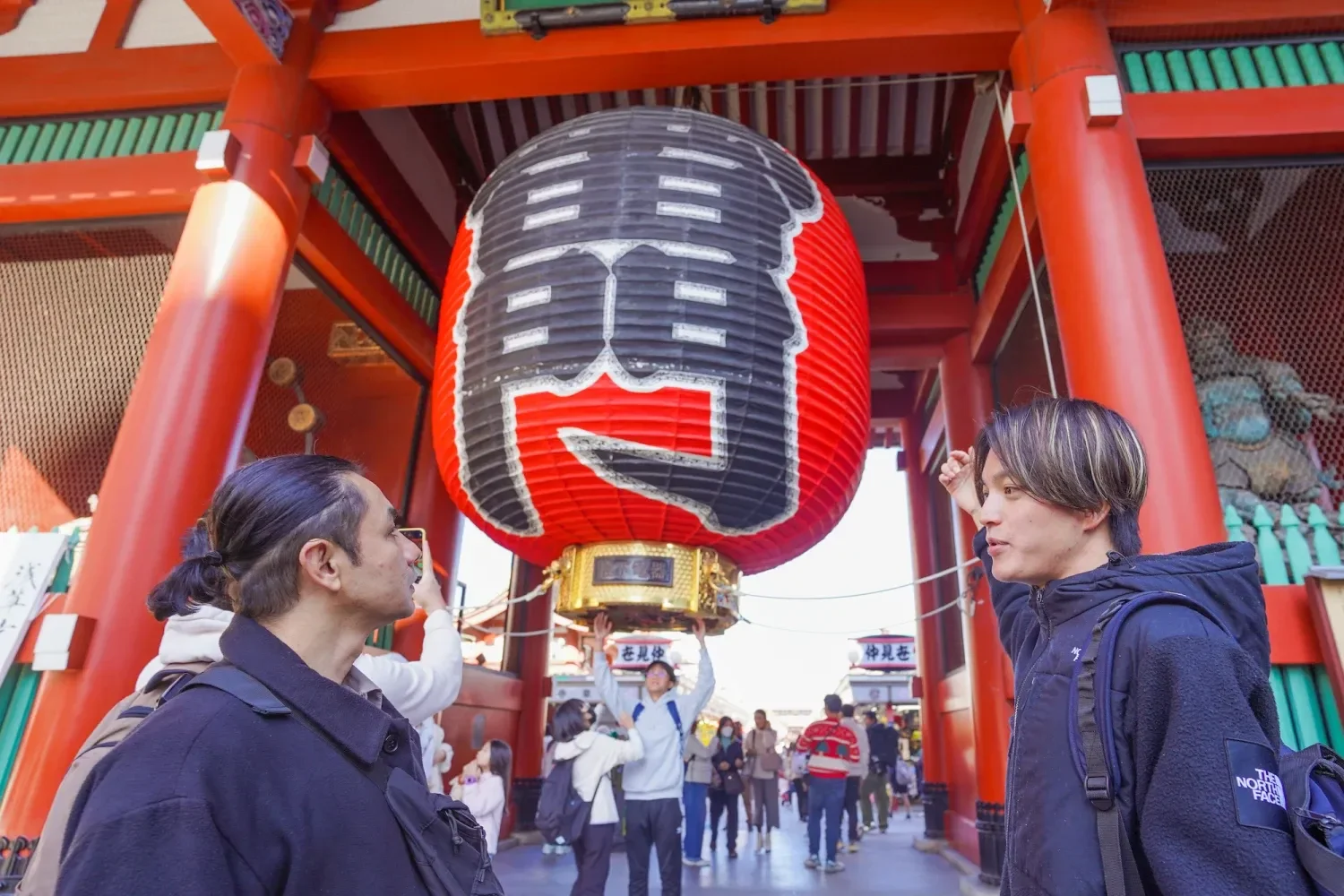
Take a tour with a local guide and dig deeper into Tokyo's history!
・Ultimate Tokyo Seasonal Tours Guide 2026: Best Times to Experience Cherry Blossoms, Summer Festivals, Autumn Leaves & Winter Scenely
Yushima Tenjin Plum Blossom Festival
Source:Tripadvisor
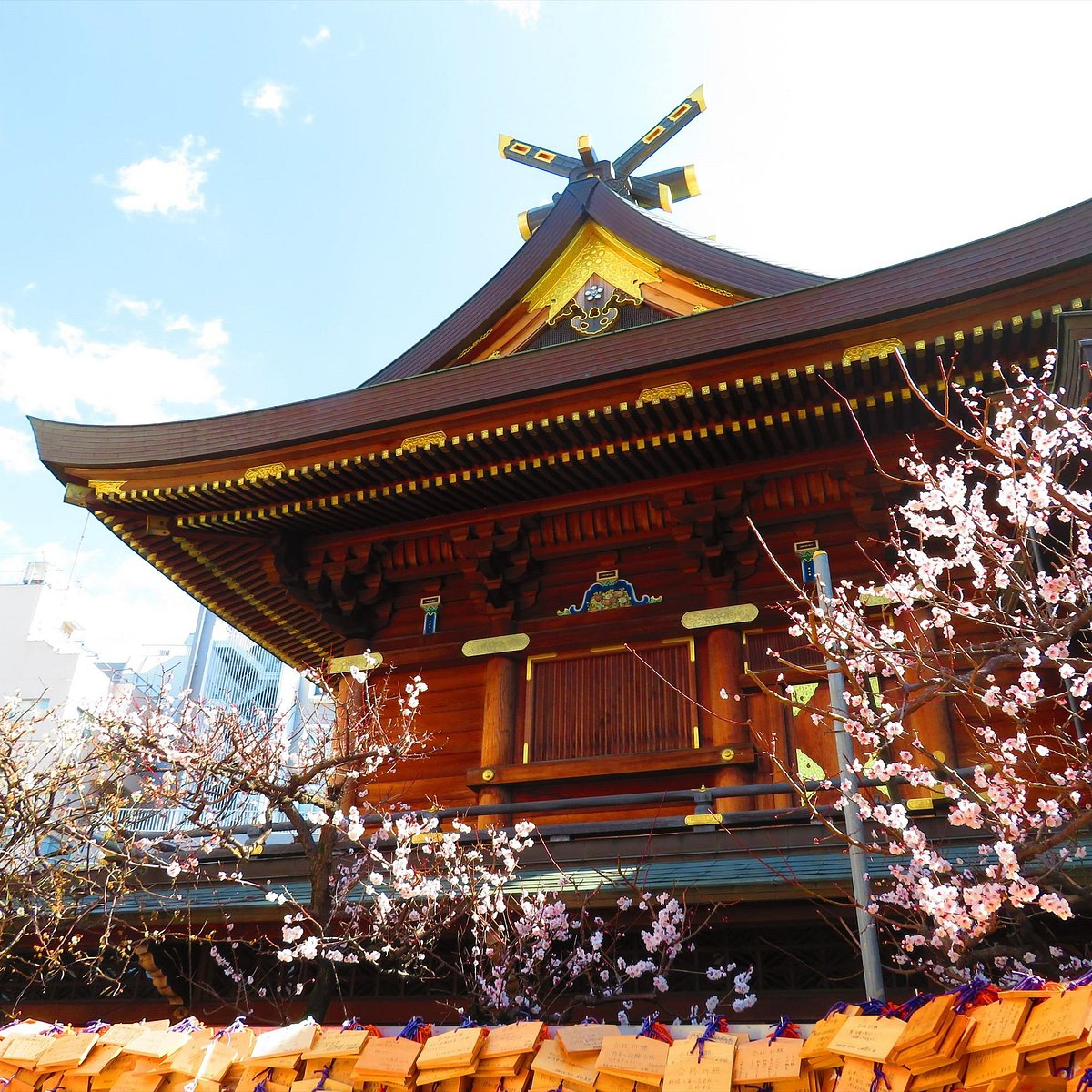
Yushima Tenjin Shrine is a shrine where Sugawara no Michizane, revered as the god of learning, is enshrined. Because Sugawara no Michizane loved plum blossoms, plum trees are planted as a symbol at Tenjin Shrines throughout Japan. Yushima Tenjin Shrine also has approximately 300 plum trees planted, and during the season, the Plum Blossom Festival is held.
At this Tokyo Event February 2026, visitors can enjoy tea service, traditional performing arts, local product exhibitions, and other events, allowing them to fully experience Japanese culture while admiring the plum blossoms.
<Information>
Date: February 8 – March 8, 2026
Access: 5-minute walk from "Yushima Station"( Tokyo Metro Chiyoda line )
Admission: Free
Website: https://www.city.bunkyo.lg.jp/b014/p003950.html
Hatsuuma Sai
Source:Go Tokyo
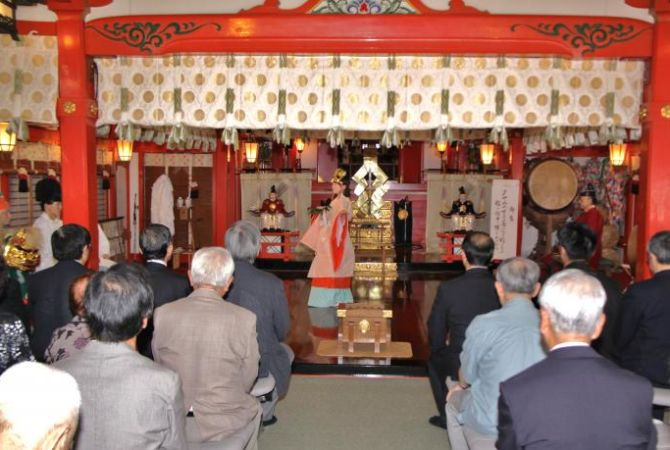
The Japanese calendar is assigned zodiac signs called eto. Eto is an indicator of direction and time that originated from China, represented by 12 animals.
Inari Shrines, symbolized by red torii (shrine gates) and fox statues, are shrines originating from blessings for abundant harvests.
Even today, on the first Uma no hi (Day of the Horse) in February, Hatsuuma Sai is held at Inari Shrines throughout Japan, featuring rituals praying for abundant harvests and family safety. This Tokyo Event February 2026 offers a wonderful opportunity to experience traditional Japanese religious customs.
[Higashi-Fushimi Inari Shrine]
This shrine enshrines the same deity as Fushimi Inari Shrine in Kyoto. Within the shrine grounds, numerous red torii gates are lined up in rows, creating a scene reminiscent of Fushimi Inari Shrine.
<Information>
Date: February 1, 2026
Access: 10-minute walk from "Seibu-Yagisawa Station" (Seibu Railway Seibu-Shinjuku Line )
Admission: Free
Website: http://www.higashifushimi-inari.jp/index.html
[Mabashi Inari Shrine]
At Hatsuuma Sai, mochi (rice cake) pounding performed while singing ceremonial songs is a beloved tradition. This mochi is distributed to worshippers.
Date: February 1, 2026
Access: 10-minute walk from "Asagaya Station" or "Koenji Station" (JR Chuo Line and Chuo-Sobu Line)
Admission: Free
Website: https://www.mabashiinari.org/
[Toyokawa Inari Betsuin Shrine]
This shrine is popular for blessings of financial fortune, good relationships, and warding off bad connections. During Hatsuuma Sai, food stalls line up, and tourism PR events related to Toyokawa Inari (Aichi Prefecture), the main shrine, are also held.
<Information>
Date: February 1, 2026
Access: 5-minute walk from "Akasaka-mitsuke Station" (Tokyo Metro Marunouchi Line and Ginza Line )
Admission: Free
Website: http://www.toyokawainari-tokyo.jp/english/
Oji Inari Shrine "Kaito Market"
Source:Tripadvisor
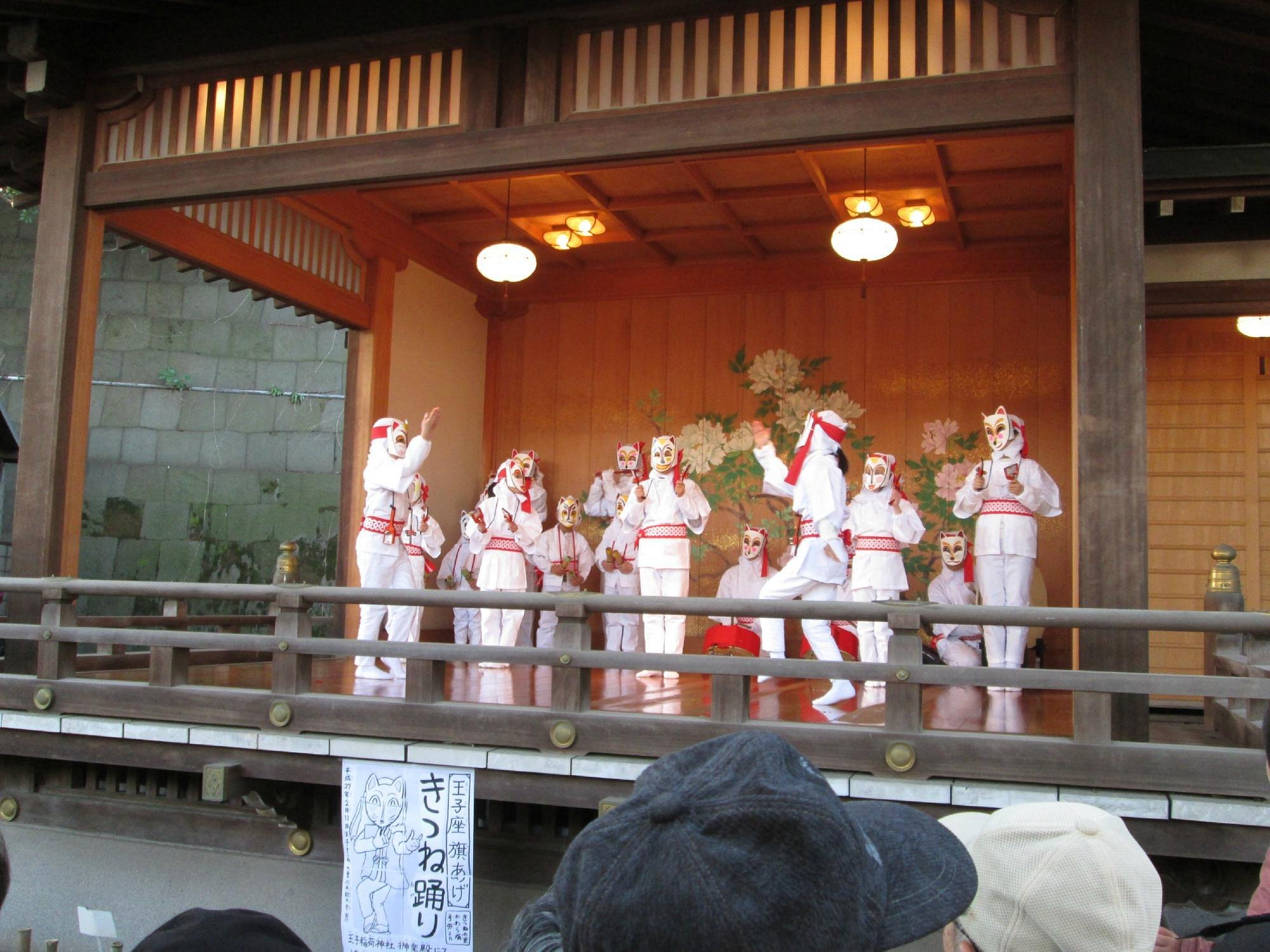
The Kaito Market at Oji Inari Shrine is a traditional event that has continued since the middle of the Edo era (1603–1868). At that time, fires were frequent in Tokyo, and a custom was born of giving "tako (kaito)" (kites) that rise high in the wind as protective charms against fire.
Kaito are cherished as lucky charms for good health and business prosperity, and even today, many worshippers visit the Kaito Market to purchase them.
On the day of this Tokyo Event February 2026, food stalls line up, and dances by people dressed as foxes and performances by children are held, allowing visitors to enjoy a lively festival atmosphere.
<Information>
Date: February 1, February 13, 2026
Access: 5-minute walk from "Oji Station" (JR Keihin-Tohoku Line and Tokyo Metro Namboku Line )
Admission: Free
Website: none
Nature-Related Tokyo Events in February 2026
Kasai Rinkai Park "Daffodil Festival"
Source:Official website
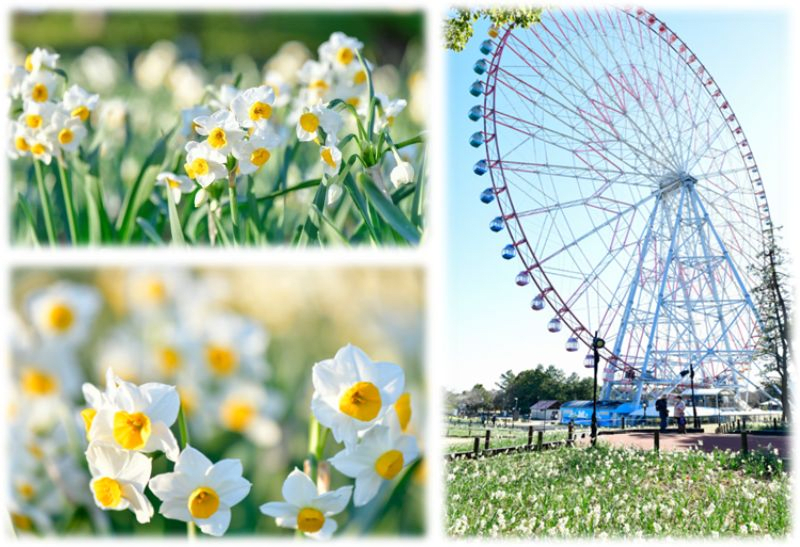
Kasai Rinkai Park is a family-friendly complex featuring an aquarium and a Ferris wheel.
The park is famous for its approximately 57,000 daffodil bulbs, and visitors can enjoy expansive flower fields during winter. The daffodils blooming in front of the Ferris wheel are highly photogenic, making this a popular photo spot.
Every February, the Daffodil Festival is held to celebrate the blooming flowers. The festival features sales of flowers and local products, allowing visitors to taste regional Japanese cuisine.
Additionally, pony riding experiences and animal interaction activities are offered. Concerts are held on the stage, allowing visitors to enjoy various events while admiring the flowers.
<Information>
Date: February 8 –9, 2026
Access: 10-minute walk from "Kasairinkai-koen Station" (JR Keiyo-Line)
Admission: Free
Website: https://www.tokyo-park.or.jp/park/kasairinkai/news/2025/2_8_9.html
Setagaya Plum Blossom Festival
Source:Setagaya City
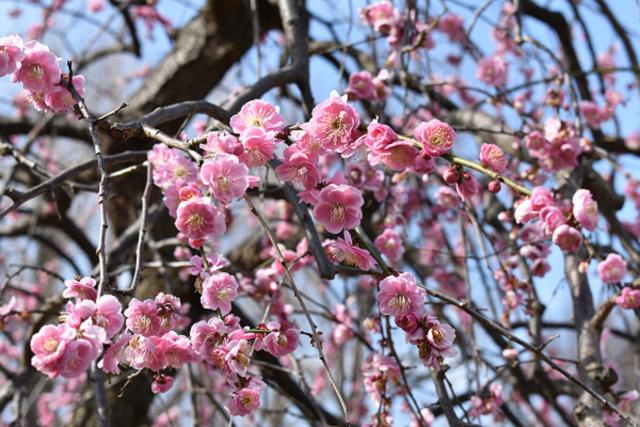
Plum blossoms are the flowers that signal the early arrival of spring. Throughout Tokyo, plum blossoms begin to bloom, and events are held to enhance the viewing experience.
The most representative of these is the "Setagaya Plum Blossom Festival" held at Hanegi Park. Approximately 650 plum trees are planted within the park, and the red and white blossoms captivate visitors' hearts.
During the festival period, different events are held each day, including complimentary matcha tea service and taiko drum performances. Food made with plums is also popular, and "Youkan" and "Daifuku" made with sweetly flavored plums are especially recommended.
Please take your time to feel the arrival of spring while surrounded by the refreshing fragrance of plum blossoms.
<Information>
Date: February 7 – March 1, 2026
Venue: Hanegi Park
Access: 5-minute walk from "Umegaoka Station" (Odakyu Odawara Line)
Admission: Free
Website: https://setagaya-umematsuri.com/
Koishikawa Plum Festival
Source:Official website
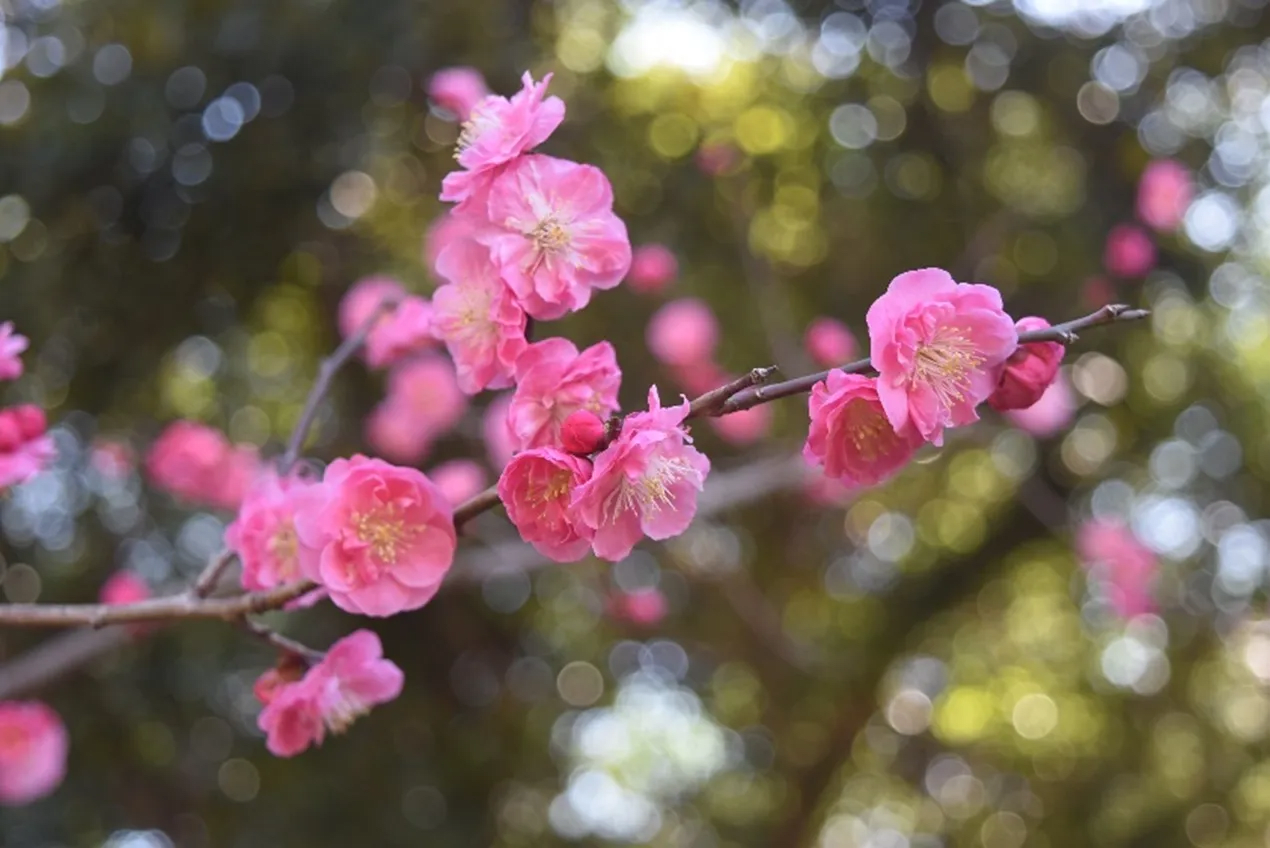
"Koishikawa Korakuen" is a tranquil Japanese garden surrounded by ponds and forests, despite being located in the city center. In February, approximately 150 plum trees bloom, allowing visitors to sense the arrival of spring.
During the event period, garden tours led by volunteer guides and sales of "Sanfuku Dango," a good luck charm treat, are also held. The savory flavor of walnut-infused miso is exceptional, so please be sure to try it.
What I look forward to is the stamp rally. By exploring the garden and collecting stamps, visitors can complete a character illustration themed around plum blossoms and take it home as a souvenir.
There are many amusement facilities nearby, making this a perfect spot for family visits. Please enjoy strolling through the Japanese garden while admiring the flowers in full bloom.
<Information>
Date: February 7 – March 1, 2026
Venue: koishikawa korakuen
Access: 2-minute walk from "Korakuen Station" (Tokyo Metro Namboku line )/5-minute walk from "Suidobashi Station" (JR Chuo Line and Chuo-Sobu Line)
Admission: 300 yen
website: none (Koishikawa Korakuen: https://www.tokyo-park.or.jp/park/koishikawakorakuen/index.html)
Fuchu City Local Forest Museum Plum Festival
Source:Fuchu Keizai Shimbun
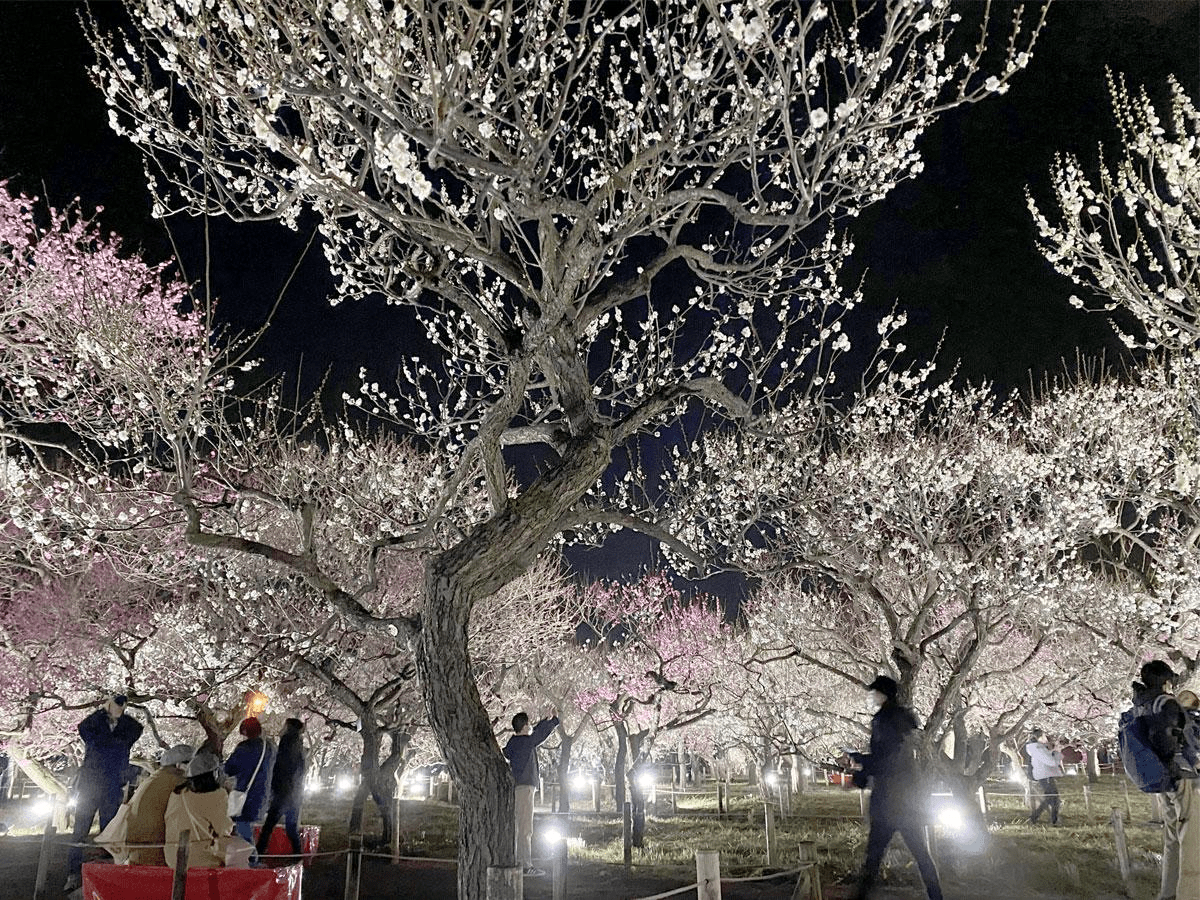
Fuchu City Local Forest Museum is a complex facility that combines a planetarium with a history museum of Fuchu City.
Approximately 1,200 plum trees are planted within the park grounds. The museum is also famous for its wax plum plantings, and as you walk along the paths, you can catch the sweet fragrance of these waxy-looking flowers.
During the Plum Festival, various events are held where visitors can enjoy Japanese traditions, such as savoring tea in a tea room while viewing the flowers, and experiencing "Amezaiku" (a traditional craft of shaping candy into animals and fish).
On weekends in late February, illumination events are also held, allowing visitors to enjoy a fantastical landscape different from daytime. Please come and experience the gentle beginning of spring in Japan.
<Information>
Date: January 31– March 8, 2026
Access: 20-minute walk from JR "Fuchu-Hommachi Station" ( JR Musashino Line / JR Nambu Line)
Admission: 300yen
Website: none
Fuchu City Local Forest Museum: https://www-fuchu--cpf-or-jp.translate.goog/museum/
Tokyo’s Gourmet Events in February 2026
Hokkaido Local Cheese Fair
Source: JAcom

The Hokkaido Local Cheese Fair is a much-anticipated annual event in February, celebrating Hokkaido’s renowned cheeses. Attendees can explore a variety of cheeses and learn how to pair them with wine or beer for the ultimate tasting experience.
One of the most popular activities is the Select 5 tasting challenge, where participants can sample five cheeses of their choice from 50 varieties. In 2024, the event also featured a market with over 300 types of cheeses, along with stage events offering tips on enjoying cheese to the fullest.
Details for 2026 are yet to be announced, so stay tuned for updates!
<Information>
Date: February 12 – 15, 2026
Venue: Omotesando Hills
Access: 5-minute walk from "Omotesando Station" (Tokyo Metro Chiyoda Line, Ginza Line and Hanzomon Line )/10-minute walk from "Harajuku Station" (JR Yamanote Line)
Admission: Free
Website: https://jicheese.com/
Atsujiru Festival (Hot Soup Festival)
Source: Hot Wire Group
The Atsujiru Festival is a two-day soup festival that draws around 4,000 visitors, offering a chance to enjoy delicious soups from around the world.
At this event, participants can sample two soups of their choice from 12 vendors (admission is 700 yen). Popular offerings in 2024 included soup curry, sundubu jjigae (Korean tofu stew), and crab soup. A highlight of the festival is savoring these warm, flavorful soups under the winter sky, a perfect way to beat the cold. Additional soups and bread are also available for purchase.
<Information>
Date: February 14 – 15, 2026
Venue: Koenji Station North Exit Square
Access: Direct access from "Koenji Station" (JR Chuo Line and Chuo-Sobu Line)
Admission: 700 yen
Website : https://www.hotwireshop.com/service/atsujiru/
Instagram: https://www.instagram.com/atsujirusai/
Koenji Engei Festival
Source: Suginami Namijanai
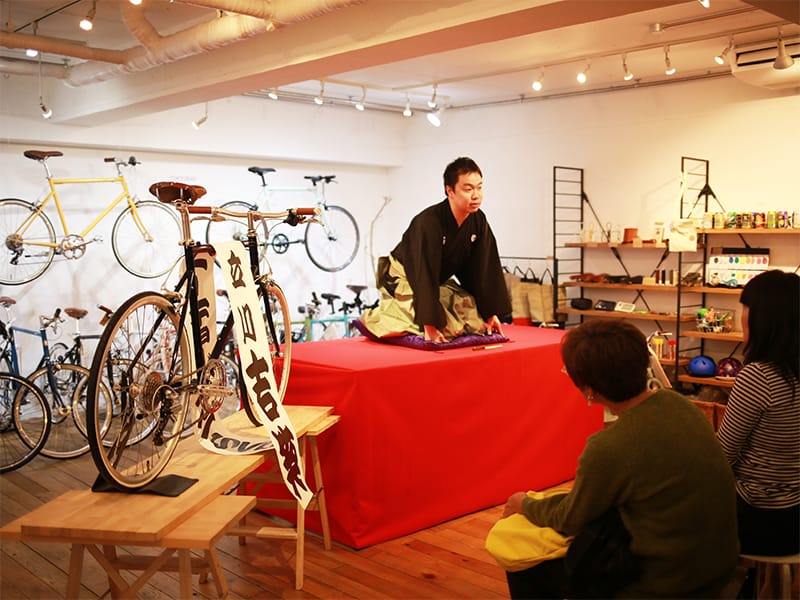
The Koenji Engei Festival takes place alongside the Atsujiru Festival and is one of the four major festivals in the Koenji area. During this event, various performances are held across Koenji, including traditional Japanese variety arts and street performances.
One of the must-see performances is Daikagura, a traditional Japanese juggling act. Performers display their skills by balancing objects—such as balls and tea kettles—on parasols or rods, providing entertainment that transcends language barriers.
<Information>
Date: February 6 – 15, 2026
Venue: Around JR Koenji Station
Access: A few minutes’ walk from "Koenji Station" (JR Chuo Line and Chuo-Sobu Line)
Admission: Varies by venue
Website : https://www.koenji-engei.com/
February is full of traditional events, so join a local guided tour!
Check out the article below, if you're interested.
・Ultimate Tokyo Seasonal Tours Guide 2026: Best Times to Experience Cherry Blossoms, Summer Festivals, Autumn Leaves & Winter Scenely
Valentine's Day-Related Events at Department Stores
February is Valentine's season. In Japan, many people purchase chocolate not only for friends and family but also as a treat for themselves.
At event venues, visitors can easily purchase a diverse selection of chocolates gathered from around the world. Please enjoy flavors from countries across the globe.
Salon Du Chocolat 2026
Source:Official website

"Salon Du Chocolat" is an event where chocolates from famous chocolatiers from Japan and abroad are sold.
Over 50 brands gather here, including "Pierre Marcolini" who is active in Belgium, "Sadaharu Aoki" a Japanese patissier active in France, and "Es Koyama" who is regarded as the pinnacle of Japanese chocolatiers.
The event is known for attracting many visitors seeking new releases and limited-edition items, often at higher prices than usual.
The venue offers a wide range of products from tablets and cookies to cakes, and simply walking around makes you feel luxurious. Please find your favorite piece here.
<Information>
Date: January 31 – February 4, 2026 / February 7 – February 15, 2026
Venue: Isetan Shinjuku store
Access: 5-minute walk from JR "Shinjuku Station"/Direct access from "Shinjuku-sanchome Station" (Tokyo Metro Marunouchi Line / Fukutoshin Line and the Toei Shinjuku Line)
Admission: Free
Website: https://www.mistore.jp/shopping/feature/foods_f3/salon_du_chocolat_f_15
Amour Du Chocolat 2026
Source:PR TIMES

Takashimaya store also hosts a chocolate festival where visitors can enjoy the creations of chocolatiers from Japan and abroad.
The appeal of "Amour Du Chocolat!" lies in enjoying talk shows by chocolatiers and watching sweets being made right before your eyes.
Please enjoy the unique charm of chocolate that can only be experienced on-site while savoring pairings with drinks.
The eat-in sweets corner with handheld treats is one of my favorites, and the soft serve ice cream with its rich chocolate flavor is a must-try for chocolate lovers.
While the content varies by venue, three venues are hosting this Tokyo event in February 2026, so please visit in conjunction with your sightseeing.
<Information>
【Takashimaya Nihombashi store】
Date: January 22–February 14, 2026
Access: 5-minute walk from JR "Tokyo Station"/Direct access from “Nihombashi Station” (Tokyo Metro Ginza Line / Tozai Line, Toei Asakusa Line)
Admission: Free
Website: https://www.takashimaya.co.jp/store/special/amour/
【Takashimaya Shinjuku store】
Date: January 22–February 14, 2026
Access: Direct access from JR "Shinjuku Station"
Admission: Free
Website: https://www.takashimaya.co.jp/store/special/amour/
【Takashimaya Tamagawa store】
Date: January 29–February 14, 2026
Access: 5-minute walk from "Futago-tamagawa Station" (Tokyu Denen-Toshi Line and Oimachi Line)
Admission: Free
Website: https://www.takashimaya.co.jp/store/special/amour/
Shibuya Chocolate Quest
Source:Official website
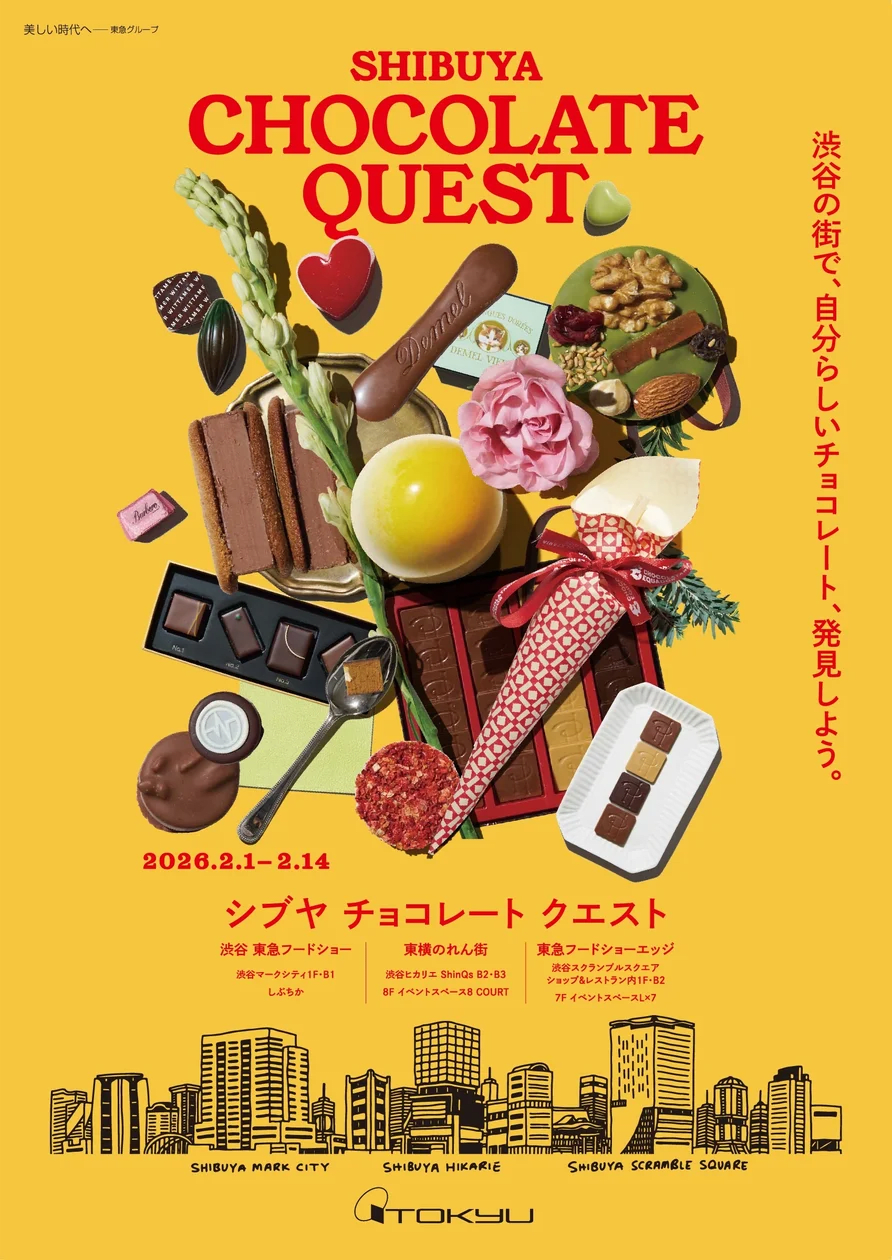
"Shibuya Chocolate Quest" is a chocolate event held at three buildings near Shibuya Station.
With over 150 shops gathered in total, visitors can purchase adorable chocolates specially made for the Valentine's season.
Among them, Hikarie's event venue "8/Court" has the most shops and is well worth seeing. All three venues are close to Shibuya Station, so please visit all three and fully enjoy the Chocolate Quest.
<Information>
Date: February 1 – February 14, 2026
Admission: Free
Website: https://www.tokyu-dept.co.jp/valentinesday/?srsltid=AfmBOoohLFh3jTCU_7yg0d8YAzcwXeZ4Y2RzH-HxP0331PoMdOvSFeWB
【Shibuya Mark City Shibuchika】
Access: Direct access from "Shibuya Station"
【Shibuya Scramble Square】
Access: Direct access from “Shibuya Station”
【Shibuya Hikarie】
Access: Direct access from “Shibuya Station”
Chocolate Market 2026
Source:Official website

Keio Department Store also hosts a chocolate event. The appeal lies in being able to purchase chocolates that showcase regional characteristics from areas like Kyushu and Kanazawa, as well as famous international brands.
Valentine's limited-edition designs featuring famous Japanese characters and chocolates in tins decorated with animal designs are also popular and make perfect souvenirs.
The venue also sells sweets made with chocolate that can be easily enjoyed on-site, such as crepes and soft serve ice cream. The store is directly connected to Shinjuku Station, so please feel free to stop by during your sightseeing or shopping.
<Information>
Date: January 23 – February 15, 2026
Venue: Keio Department Store, Shinjuku
Access: Direct access from JR "Shinjuku Station"
Admission: Free
Website: https://www.keionet.com/info/shinjuku/event/valentine_2026.html#
SAKANA & JAPAN FESTIVAL 2026
Source:Official website

Winter is not only the season to enjoy sweet chocolates but also a wonderful time to savor delicious fish. The "Sakana and Japan Festival," held at Yoyogi Park in February, is a food festival where fresh seafood from all over Japan gathers together.
This Tokyo event in February 2026 offers the chance to enjoy premium seafood such as Blackthroat seaperch, which is rarely available in Tokyo, as well as Sea urchin and Tuna, all fresh and at reasonable prices.
My recommendation is "Kanimiso-Kouyaki," a dish where crab innards are stuffed into the shell and grilled. The rich, briny aroma pairs perfectly with warm Japanese sake. Alcohol is also sold within the venue, so you can enjoy pairing drinks with your food.
Opportunities to taste such a diverse array of seafood dishes all at once are rare, so if you want to enjoy fresh seafood in Japan, I highly recommend visiting this festival.
<Information>
Date: February 20 –23, 2026
Venue: Yoyogi park
Access: 5-minute walk from "Harajuku Station" (JR Yamanote Line)/ 5-minute walk from "Yoyogi-koen Station" (Tokyo Metro Chiyoda Line)
Admission: Free
Website: https://37sakana.jp/sakanajapanfes/index.html
In Tokyo in February 2026, You Can Also Enjoy Illumination Events Continuing from January
One of the joys of Tokyo's winter nights is the illuminations. Many events begin around November and continue through February.
Although it is still a cold season, please enjoy the magical Tokyo nightscape that can only be experienced during this time.
Marunouchi Illumination
Source:Official website
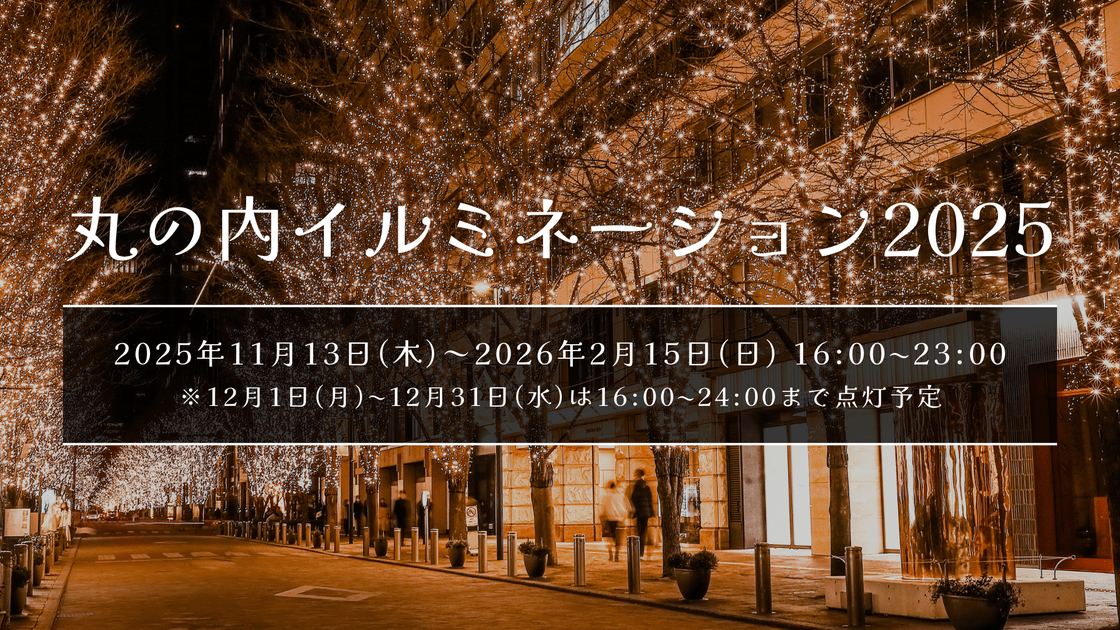
Marunouchi Illumination is a Tokyo winter tradition that has continued for 25 years. The street trees along the approximately 1.2 km route from Tokyo Station to the Imperial Palace are lit up, enveloping the city in champagne gold light.
This is one of my favorite illuminations as well. The sight of being wrapped in golden light creates a romantic atmosphere. Walking through the streets, you can hear the gentle conversations of office workers heading home and couples, which warms the heart.
Naka-dori Avenue is lined with cafes and bars, so enjoying a drink or coffee while gazing at the illuminations is also a recommended way to experience this Tokyo event in February 2026.
<Information>
Date: November 13, 2025 – February 15, 2026
Venue: Tokyo Station area and Marunouchi-Nakadori Ave.
Access: A short walk from the Marunouchi Exit of JR Tokyo Station
Admission: Free
Website: https://www.marunouchi.com/en/pickup/event/7982/
Tokyo Dome City Winter Illumination
Source:Official website
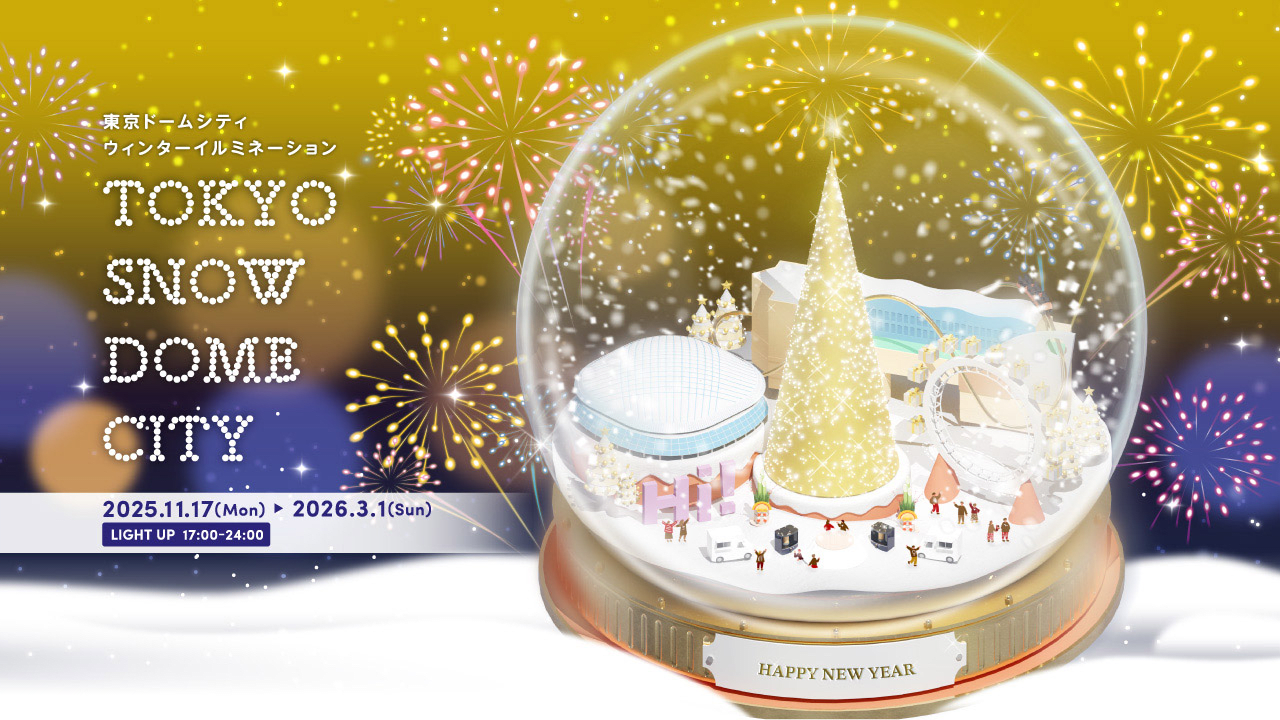
Tokyo Dome City is a complex facility combining an amusement park and shopping mall. At night, illuminations are held, beautifully lighting up the cityscape.
This year's illumination theme is "Snow Dome." The venue is illuminated with white lights, and simply walking through makes you feel as if you are strolling through a snow-covered town.
The Snow Dome, the symbol of this event, features a meticulously crafted diorama inside. Many visitors can be seen stopping to gaze at it, accompanied by the sound of bells echoing throughout the venue.
It is close to Koishikawa Korakuen introduced earlier, so visiting along with the Plum Festival is also a recommended way to enjoy this event.
<Information>
【Laqua Area】
Date: November 17, 2025 – March 1, 2026
Access: 2-minute walk from "Korakuen Station" (Tokyo Metro Namboku line)/2-Minute walk from "Kasuga Station" (Toei Mita Line and Toei Oedo Line)
Admission: Free
Website: https://www.tokyo-dome.co.jp/illumination/
【Central Park Area】
Date: November 17, 2025 – March 1, 2026
Access: 2-minute walk from "Suidobashi Station" (JR Chuo Line and Chuo-Sobu Line)/2-Minute walk from "Suidobashi Station" (Toei Mita Line)
Admission: Free
Website: https://www.tokyo-dome.co.jp/illumination/
Yomiuri Land Jewellmination
Source:Official website
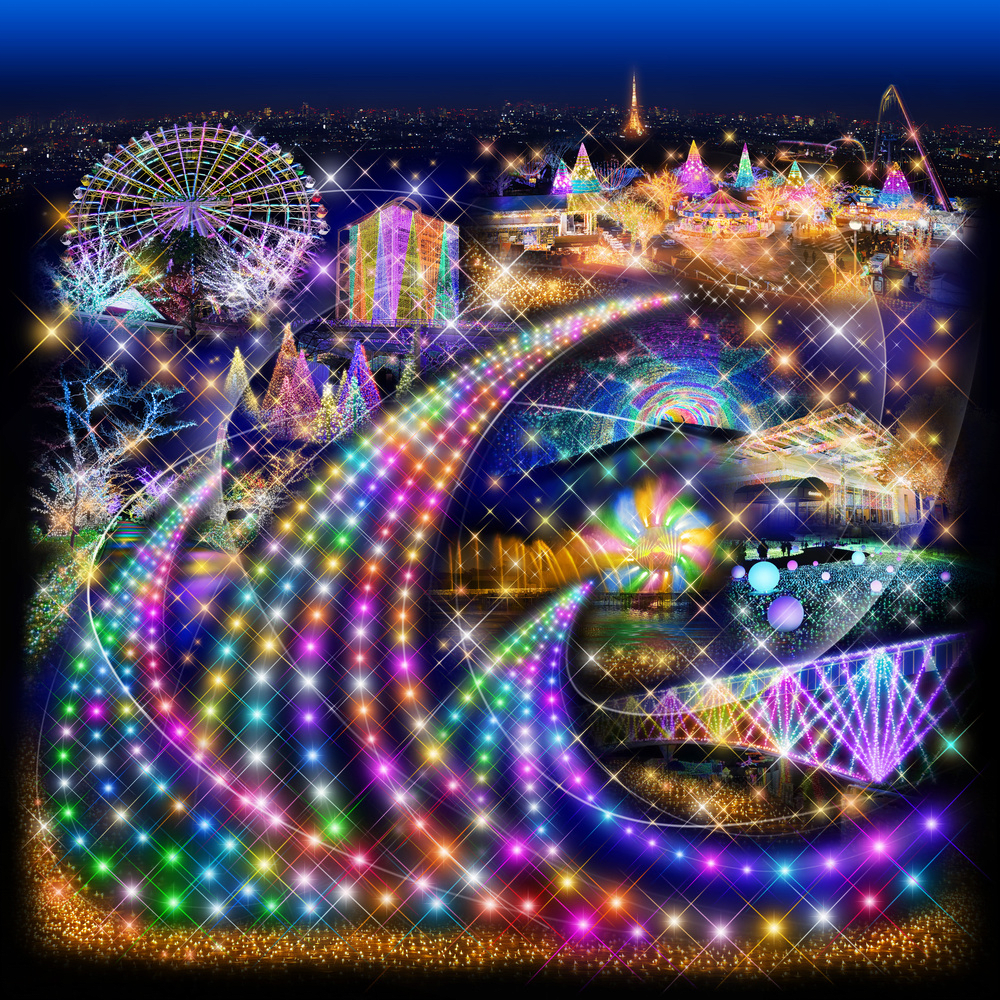
Yomiuri Land is one of Tokyo's leading amusement parks. It is also known as one of the most popular illumination spots in the country.
This year's illumination theme is "Jewellmination." The park is enveloped in rainbow-colored illumination lights, allowing visitors to enjoy different scenery in each area.
The fountain show held amid the lights is a highlight event that is highly popular among visitors. With approximately 270 fountains shooting up in sync with music, the venue buzzes with cheers and excitement.
Please enjoy the dynamic world of illuminations that can only be experienced at an amusement park during this Tokyo event in February 2026.
<Information>
Date: October 23, 2025 – April 5, 2026
Access: 20-minute walk from "Keio-Yomiuri-land Station" (Keio Sagamihara line)/A short Sky Shuttle gondola ride from Keio-Yomiuriland Station
Admission: From 1,800 yen
Website: https://www.yomiuriland.com/jewellumination/