Kyoto Gion Guide 2026: Things to Do and Travel Guide of Kyoto's Traditional neighborhood
Kyoto is Japan's representative ancient capital, a city we Japanese are proud of for its atmospheric townscape, historical buildings, and deeply rooted traditional culture.
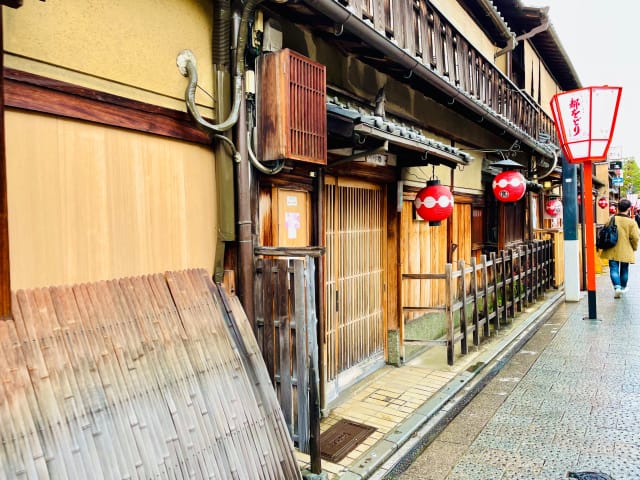
Within Kyoto, the Gion area is known as the center of maiko and geisha culture, a place that embodies traditional beauty.
I previously lived in Kyoto for two years. During that time, I visited Gion many times and was captivated by its uniquely formal atmosphere. Even now, when I go to Kyoto and walk those stone-paved alleys, I feel as if I've traveled back in time.
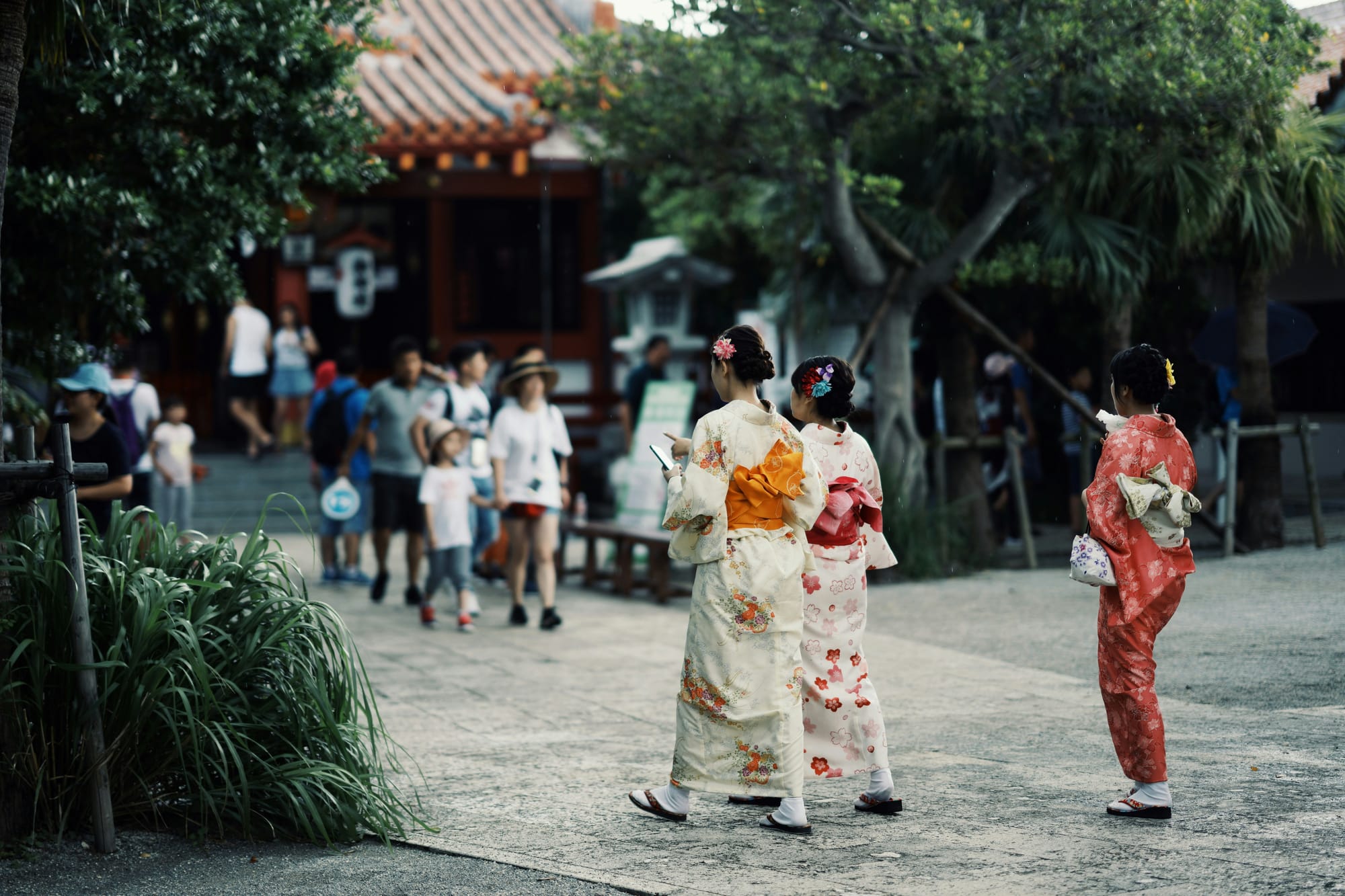
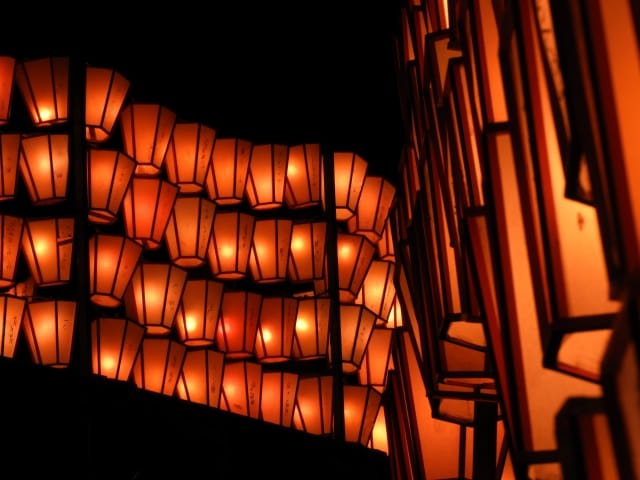
Old buildings and "ryotei" (traditional Japanese restaurants) line the streets, with lantern lights casting a magical glow on the townscape. Occasionally, I would catch glimpses of maiko or geiko (Kyoto dialect for geisha), and I couldn't help but be mesmerized by their beautiful kimono figures.
Gion also offers a wide range of dining options, with a rich food culture including obanzai (Kyoto-style side dishes), Kyoto cuisine, and Japanese-style sweets. If you go to Nishiki Market, you can also enjoy Kyoto's street food.
Through this article, I want foreign visitors to discover the charms of Gion. I'll provide content to help you understand and fully enjoy Gion, including its historical background, highlights, gourmet options, festivals, and tours.
To truly experience and efficiently explore the Gion area in depth, going with a local is the best way. Magical Trip offers a variety of Kyoto tours led by local guides.
One of our top recommendations is the "Dinner with Maiko in a Traditional Kyoto Style Restaurant Tour" in Gion, where you can dine with a geisha at a traditional Kyoto restaurant. Even among Japanese people, very few have had the opportunity to dine with a geisha. While you're in Kyoto, don't miss this rare chance to experience dinner with a geisha.

For those interested in Kyoto's shrines, temples, history, and traditions, we also recommend the "Fushimi Inari Hidden Hiking Tour," which ranked #3 on TripAdvisor's 2024 tours worldwide. Exploring the Fushimi area while listening to explanations from a local guide is another unique experience that you won't find elsewhere.
Gion is the essence of Kyoto culture. It's a place where you can rediscover the aesthetic sense that you might have forgotten in the modern urban world. I hope you'll explore this profound world with this guide in hand!
Table of Contents
・What is Gion?
・How to Get to Gion
・Highlights of Gion
・Where Can You Meet Maiko and Geisha?
・About the Gion Festival
・Kyoto Tourist Spots You Can Visit Along with Gion
・Gourmet Experiences in Gion
・Two Recommended Tours to Fully Experience Gion and Kyoto
・Frequently Asked Questions About Visiting Gion
What is Gion?
First, let me explain what kind of area Gion is.
Gion is located in the eastern part of Kyoto City and developed as a temple town in front of Yasaka Shrine. It's known as an area where geisha and maiko culture flourished since the Edo period, and that tradition remains strong even today.
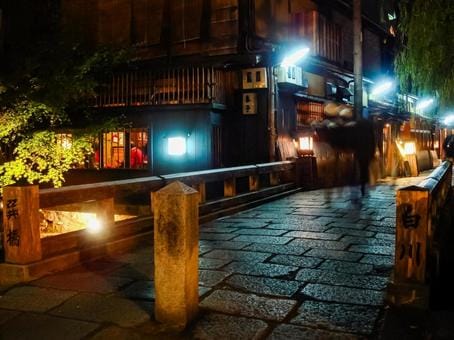
Stone-paved alleys lined with old buildings create an atmospheric scenery wherever you look. There are also many historical buildings, restaurants, and high-class ryotei scattered around, making it an area that truly encapsulates the essence of Kyoto.
This Gion area is a popular spot that attracts many tourists from both Japan and abroad. It's one of the representative areas for Kyoto sightseeing even for Japanese people. In other words, it's a place that no tourist should miss.
History of Gion
The history of Gion began centered around Yasaka Shrine.
Over 1,000 years ago, as the number of people gathering for the shrine's festivals increased, shops and inns appeared in the surrounding area. In this way, Gion developed as a town that welcomed worshippers.
As the flow of visitors became steady, services to support travelers also increased, including meals, souvenirs, and transportation arrangements.
One form that this culture developed into is the traditional performing arts by Geiko (Kyoto-style geisha) and Maiko (apprentice geisha). They entertained guests with dance, music, and the art of conversation, refining etiquette and aesthetic sensibilities.
Present-day Gion is a place where this old townscape and culture remain. Simply walking through the area allows you to experience Kyoto's traditions up close.
A Kyoto Gion Guide by Locals Who Know It Best
The charm of Gion lies in being able to experience Kyoto's atmosphere while strolling through the area.
Cobblestone streets and narrow alleys continue throughout, and there are many machiya (traditional wooden townhouses) with wooden lattices, so you can encounter picturesque scenery just by walking.
During the day, the streetscape is clearly visible and ideal for photography. After evening, the lanterns increase, and you can enjoy a calm atmosphere different from daytime.
The abundance of dining options is another characteristic of Gion.
While there are many restaurants where you can savor traditional Japanese cuisine, there are also relatively casual establishments. There are also shops where you can enjoy sweets and matcha, making this an area where it's easy to take a break during your stroll.
Depending on the timing, you may also catch a glimpse of Geiko and Maiko.
In Gion, please take your time walking through the alleys and enjoy the atmosphere of the town.
How to Get to Gion
Now, how can you get to Gion? Let me introduce the access methods.
If you're visiting Gion, aim for either Gion-Shijo Station on the Keihan Line or Kawaramachi Station on the Hankyu Line. From either station, you're just a short walk from the center of Gion.
If you're coming from Kyoto Station, I recommend taking the Karasuma Subway Line to Shijo Station, then transferring to the Hankyu Line and getting off at Kawaramachi Station.
Google Maps might suggest bus routes, but they can get quite crowded, so I don't recommend them. In my opinion, having lived in Kyoto, using the train is the smoothest way to reach Gion.
Highlights of Gion
Now, let me introduce the highlights of Gion.
The "Gion" You Imagine is "Hanami-koji"
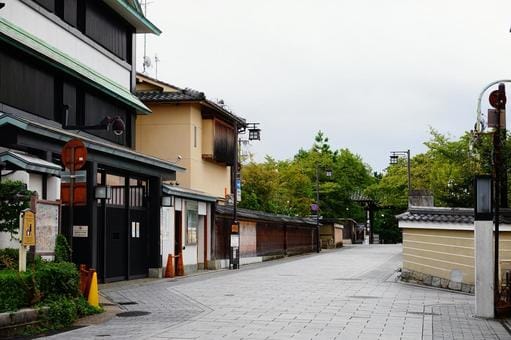
When you think of "Gion," you probably imagine scenic stone-paved alleys. The epitome of this is "Hanami-koji," located on the east side of Yasaka Shrine.
This street, lined with old buildings that retain the atmosphere of the Edo period, is truly a symbol of Gion. High-class ryotei restaurants stand side by side, and at night, lantern lights create a fantastical atmosphere. If you're lucky, you might even catch a glimpse of maiko or geiko.
However, due to issues with tourists' manners when taking photos of geisha and maiko, photography is now prohibited in this area. I recommend taking in the scenery with your eyes and savoring it slowly.
If you are interested in Gion Hanami-koji, check the article below! I summarized in more details and how I felt there.
 sena kanda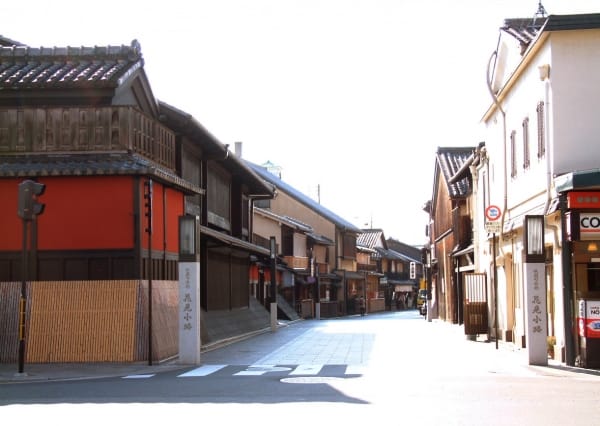
Yasaka Shrine
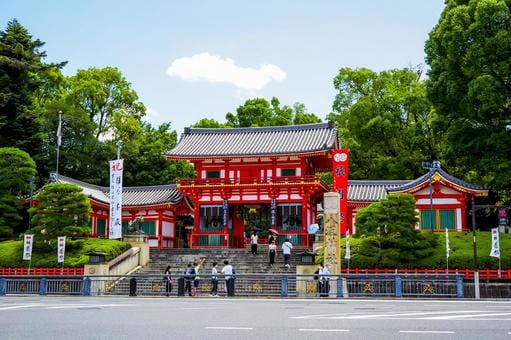
Yasaka Shrine, which can be called the symbol of Gion, is another must-see highlight. This shrine, which is also the stage for the Gion Festival, is a venerable ancient shrine founded over 1,000 years ago in the Heian period and is designated as a national important cultural property.
The architectural structures are beautiful, and their majestic appearance takes my breath away. It's a central spot for Gion sightseeing where you can feel the history of Kyoto.
Website: https://www.yasaka-jinja.or.jp/en/
Maruyama Park
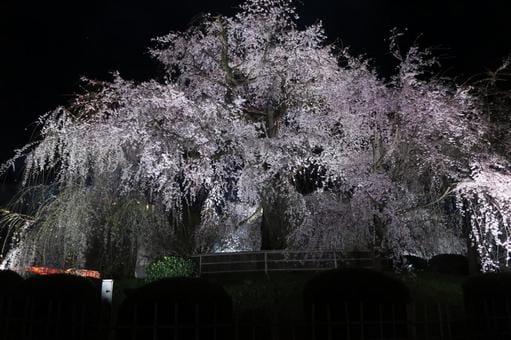
Maruyama Park, located right next to Yasaka Shrine, is another spot I'd like to visit during my Gion tour.
This park is known as a famous cherry blossom viewing spot, attracting many flower-viewing visitors in spring. The scenery is particularly breathtaking from late March to April. You could say it's a place that heralds the arrival of spring in Gion.
If you're visiting Gion in spring, I highly recommend stopping by.
Website: https://kyoto-maruyama-park.jp/
Pontocho
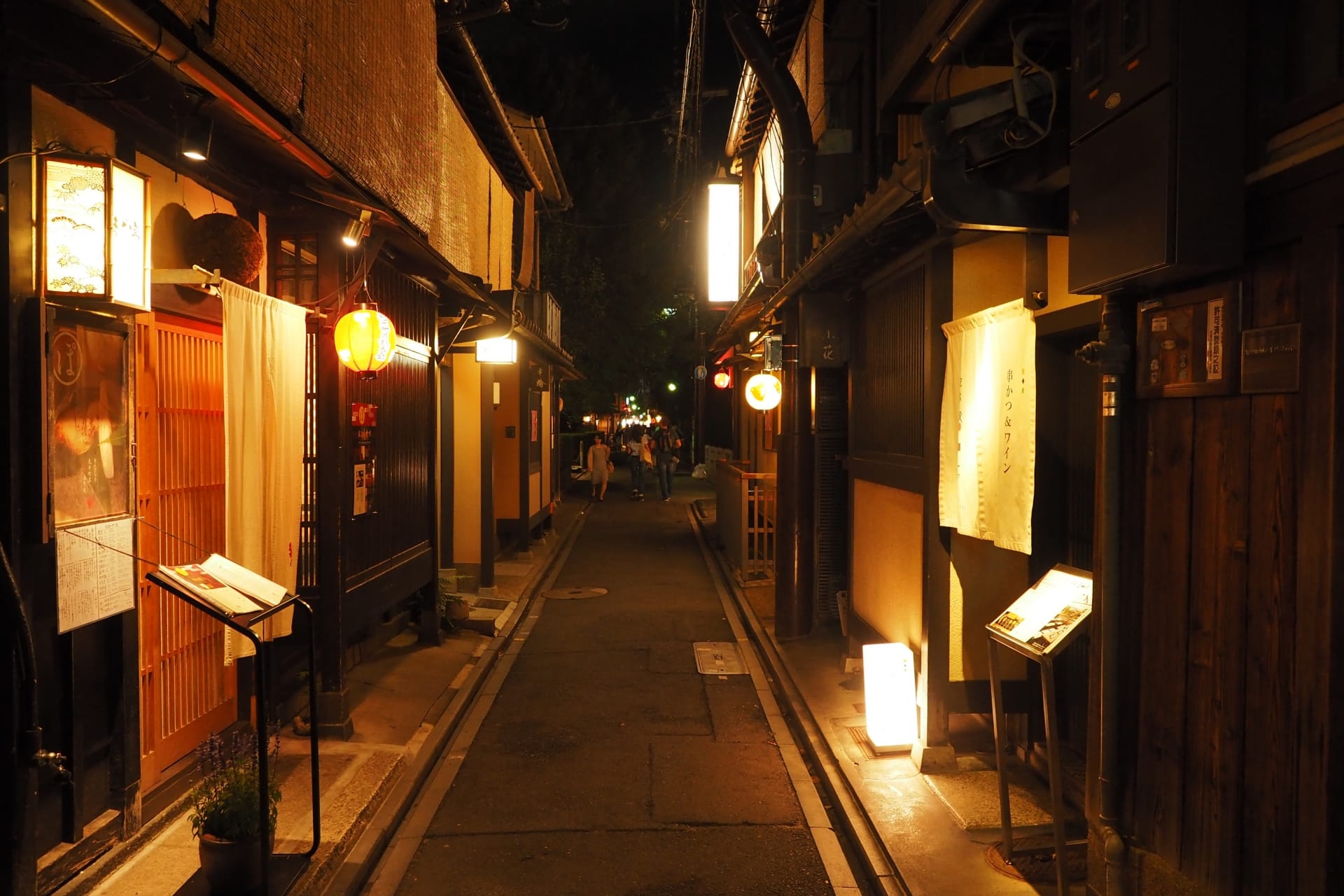
Pontocho, located on the north side of Hanami-koji, is another area you shouldn't miss when touring Gion. Known as a hanamachi (geisha district) since the Edo period, this street with its narrow stone-paved alleys lined with old teahouses and ryotei is truly a spot where you can feel the Kyoto-like atmosphere.
At night, it's illuminated by lanterns, creating an even more atmospheric ambiance. Here too, you might catch glimpses of maiko or geiko, but as I mentioned earlier, taking photos of them is prohibited.
One of the charms of Pontocho is the many buildings that exude history. I suggest you take a leisurely stroll on the stone pavement and enjoy this traditional atmosphere.
Website: https://www.ponto-chou.com/
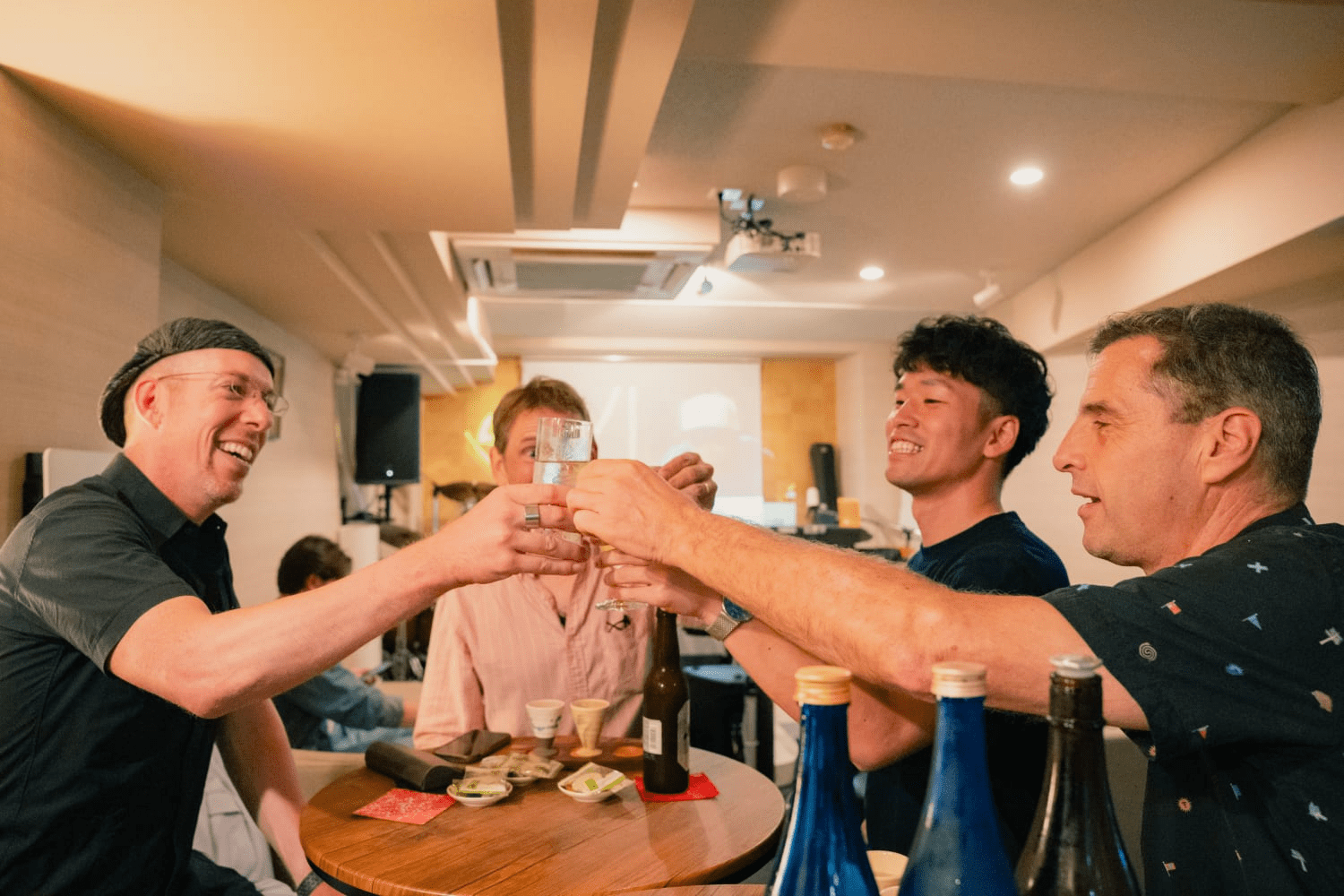
If you want to experience Kyoto's nightlife more deeply, we recommend the "Kyoto Bar Hopping Nightlife Tour in Pontocho," where you explore with a local guide who knows every back alley of Pontocho.
This tour takes you to three hidden izakaya in Pontocho and Kiyamachi, lit by aka-chochin (red paper lanterns), where you can enjoy small dishes popular with locals and drinks while immersing yourself in Kyoto's night culture.
The guide will introduce local information and restaurant etiquette, so you can enjoy Kyoto's nightlife without getting lost and with peace of mind.
- Meeting point: Gion Shijo Station, right outside of Exit 5, in front of Izumo no Okuni Statue
- Tour area: Pontocho, Gion, Kiyamachi area
- Start time: 17:30
Nishiki Market
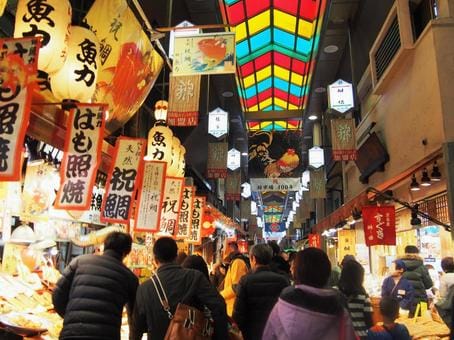
If you extend your walk a bit from Gion, you can reach Nishiki Market, Kyoto's largest market. Located about a 5-minute walk away, this market is lined with about 130 shops selling fresh fish, Kyoto vegetables, pickles, souvenirs, and more.
It's also known as a popular "food walk" spot for tourists, where you can get Kyoto-specific ingredients and miscellaneous goods. After experiencing the atmosphere of Gion, I recommend enjoying Kyoto gourmet food here.
Try to experience Kyoto's food culture while enjoying the lively atmosphere of the market.
Website: https://www.kyoto-nishiki.or.jp/en/
If you are interested in Nishiki Market, check the article below! I summarized how and where you can enjoy Nishiki Market as much as possible.
Takashi Nakadomari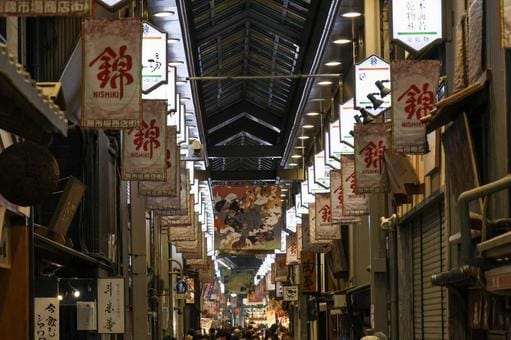
Where Can You Meet Maiko and Geisha?
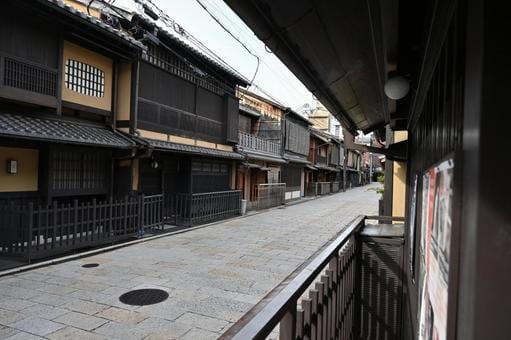
Many tourists visiting Gion wish to meet maiko and geisha. But how can you actually meet them?
If you're lucky, you might pass by maiko or geiko while walking through the alleys of Hanami-koji or Pontocho. However, it's important to note that they are on their way to work. This means that calling out to them or taking photos is disruptive to their work and against the rules.
Some high-class ryotei restaurants allow you to call maiko, but this is a high-hurdle experience even for Japanese people. For foreign travelers who don't know how to make reservations, it's quite difficult to actually meet them.
But don't worry. As I'll introduce later, using a tour can greatly increase your chances of meeting maiko. If you're interested, please check it out.
Click here for more details: Dinner with Maiko in a Traditional Kyoto Style Restaurant Tour
A local explains Gion’s seasonal charms
Spring: Beautiful Cherry Blossoms to Enjoy Around Maruyama Park and Yasaka Shrine
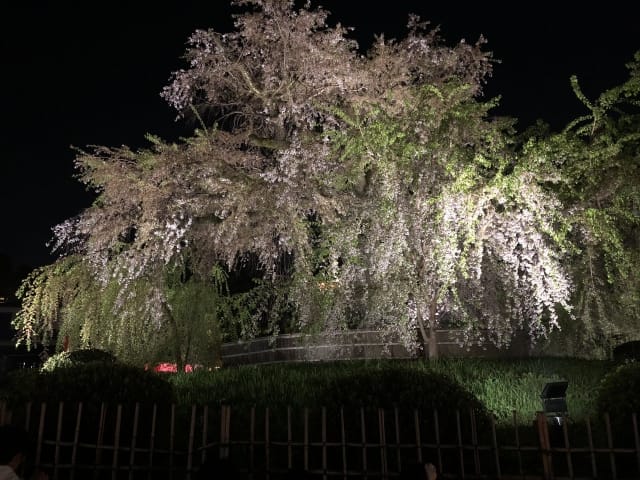
Spring in Gion is one of the most gorgeous seasons of the year.
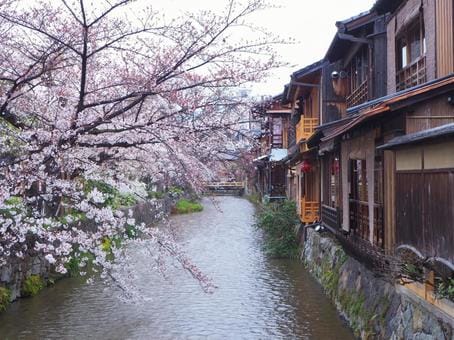
Many cherry blossoms bloom around Maruyama Park and Yasaka Shrine, and the entire town is enveloped in a bright atmosphere. The weeping cherry blossoms of Maruyama Park are particularly famous, and the nighttime illumination is a highlight as well as the daytime views.
Cherry blossoms are flowers that symbolize the beginning of spring for Japanese people. During the cherry blossom season, there is a custom called "hanami," where people enjoy the spring scenery while having meals under the cherry trees.
A distinctive feature of Gion's cherry blossoms is that you can enjoy them together with the townscape, not just nature alone. The cobblestone streets, machiya, and shrine buildings overlap with the cherry blossoms, creating a quintessentially Kyoto landscape.
Please enjoy Gion's streetscape that can only be experienced during the cherry blossom season.
Summer: The Gion Festival, one of Japan's Three Great Festivals
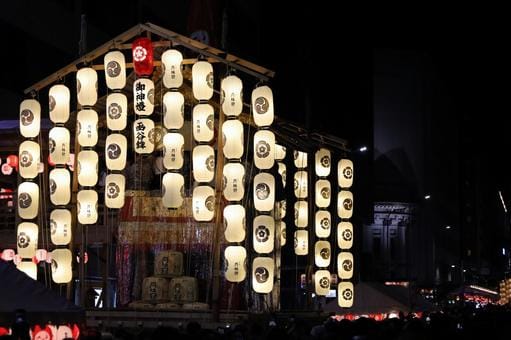
If you're considering a visit to Gion, one piece of information you should definitely know about is the "Gion Festival."
The Gion Festival is a festival of Yasaka Shrine and is known as one of Kyoto's three major festivals. It's held every July, and the most famous part is the "Yamahoko Junko" (float procession). The sight of elaborate objects called "yamahoko" parading through the streets is truly spectacular.
The festival is divided into the pre-festival (July 14-17) and the post-festival (July 21-24). During the pre-festival's yoiyama (July 14-16), you can see a fantastical sight of beautifully decorated yamahoko lined up throughout the town. On the 17th, about 20 yamahoko floats parade through the streets of Gion, filling the area.
During the post-festival, yamahoko are also erected during the yoiyama (July 21-23), and on the 24th, about 10 yamahoko floats parade, marking the climax of the festival.
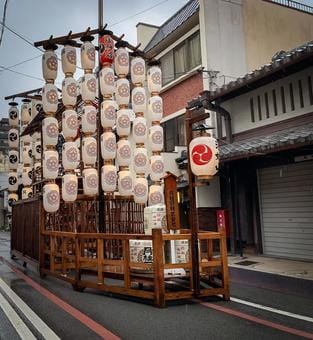
The Yamahoko Junko of the Gion Festival is a venerable festival that traces its origins back to the 9th century. It's said to have started as a prayer for the eradication of epidemics and has now become a world-renowned festival registered as a UNESCO Intangible Cultural Heritage.
During the festival period, the entire Gion area is filled with excitement and energy. You're also more likely to see maiko during this time. If you visit Gion during this period, I highly recommend experiencing the excitement of the Gion Festival firsthand.
Autumn: Vibrant Autumn Leaves to Enjoy at Kodai-ji Temple and More
Source:Google Maps
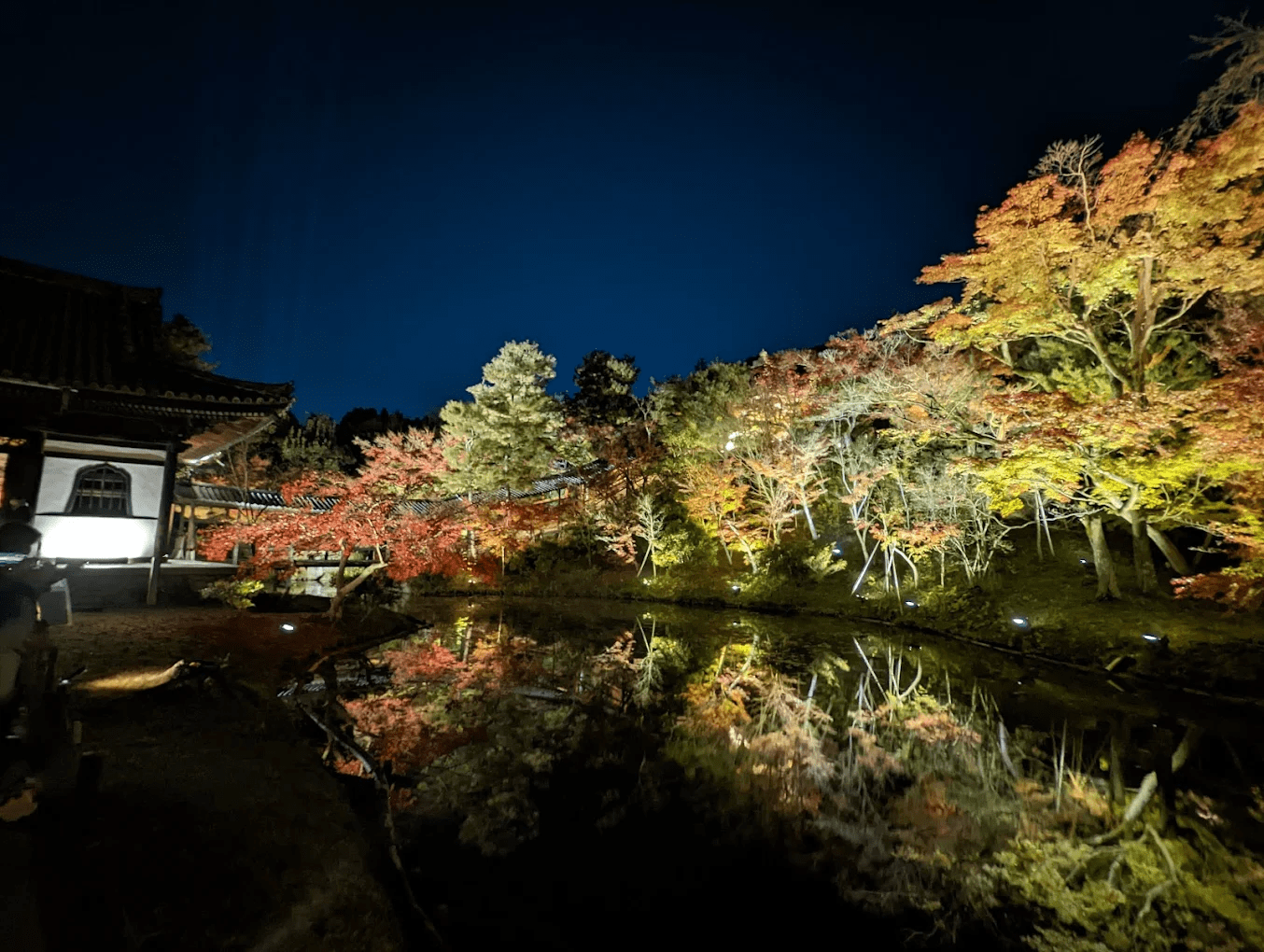
Autumn in Gion is a season when you can easily feel Kyoto's aesthetic sensibilities amid tranquility.
At Kodai-ji Temple and surrounding temples, the garden's autumn leaves reach their peak, and you can enjoy deep colors alongside the buildings and stone steps. The autumn leaves reflected on the water's surface and the expressions of fallen leaves on the cobblestones are also highlights.
The nighttime illumination is also impressive, with red and gold colors emerging against the dark background, creating a completely different scene from daytime.
On the other hand, during the autumn foliage season, the Gion area becomes extremely crowded. As someone who prefers a quiet atmosphere, I recommend choosing early morning hours if you want to walk leisurely.
Please also consider the time of day and enjoy the beautiful autumn leaves.
Winter: The Elegant Scenery of Snow-Covered Gion
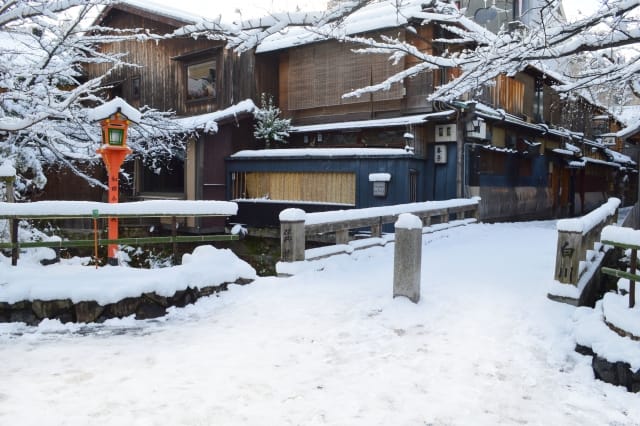
Winter in Gion is a season when the area shows its quietest expression throughout the year.
There are fewer tourists compared to other seasons, and the entire town takes on a calm atmosphere. While there aren't many days with snowfall, when snow does accumulate, Gion's scenery changes dramatically.
Snow covers the cobblestone streets, machiya roofs, and shrine lanterns, creating a quintessentially Kyoto landscape where white harmonizes with the colors of wood.
The silence that seems to absorb all sound is also a characteristic unique to this season. Walking through the less crowded alleys, you can encounter a different side of Gion.
In winter Gion, try walking while capturing the snow-covered townscape and the atmosphere of quiet alleys in photographs.
Experience the Deeper Charm of Gion with a Local Guide!
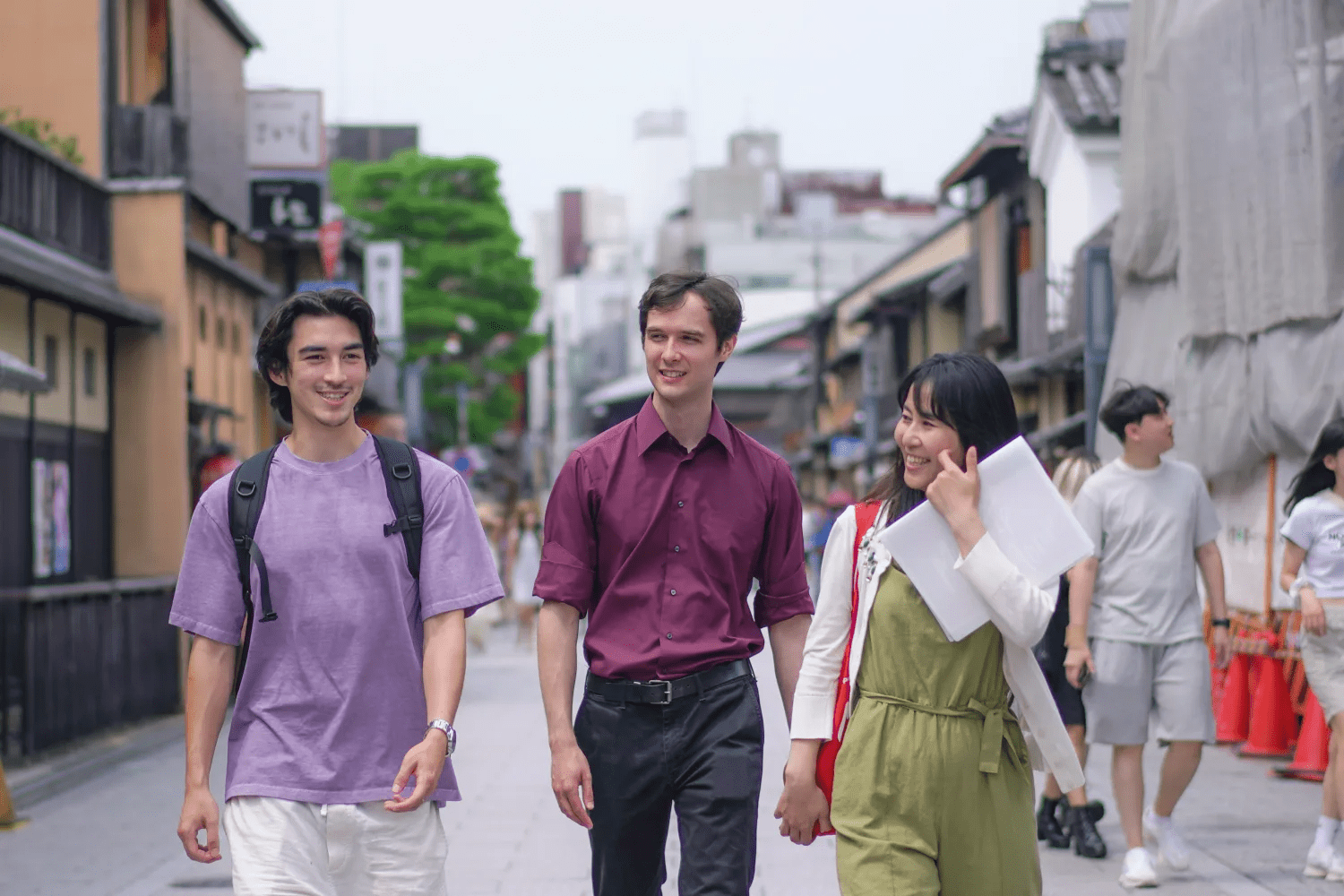
If you want to savor Gion's history and tea culture, join the "Kyoto Gion Tea Ceremony & Wabi-sabi Walking Tour."
Walk along the cobblestone streets of Gion with an English-speaking local guide and visit historic spots including long-established matcha shops, the oldest Zen temple, and specialty tea utensil stores.
The climax of this Kyoto Gion guide tour is an authentic tea ceremony experience where you can feel the spirit of "wabi-sabi."
While enjoying matcha with seasonal Japanese sweets, you can discover the profound depth of Japanese aesthetics.
Your guide will carefully explain the cultural background and highlights, so even first-time visitors to Kyoto can enjoy the experience with confidence.
This tour is very popular, so be sure to book early.
- Meeting point: In front of the Statue of Izumo-no-Okuni, right outside Exit 5 of Gion Shijo Station (Keihan Line)
- Tour area: Gion
- Start time: 9:30 / 13:30 / 14:30
Gourmet Experiences in Gion
One of the highlights of visiting Kyoto is enjoying delicious food. Gion is full of such gourmet spots.
Obanzai
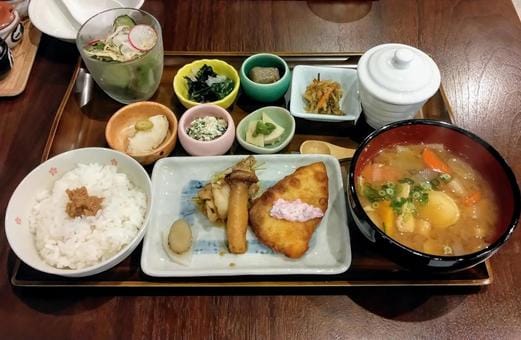
First, I recommend "Obanzai," the traditional home-style cooking of Kyoto. Its charm lies in the simple flavors using Kyoto vegetables, tofu, and fish.
Miyako Yasai Kamo Karasuma
Source: Tabelog by Miyako Yasai Kamo
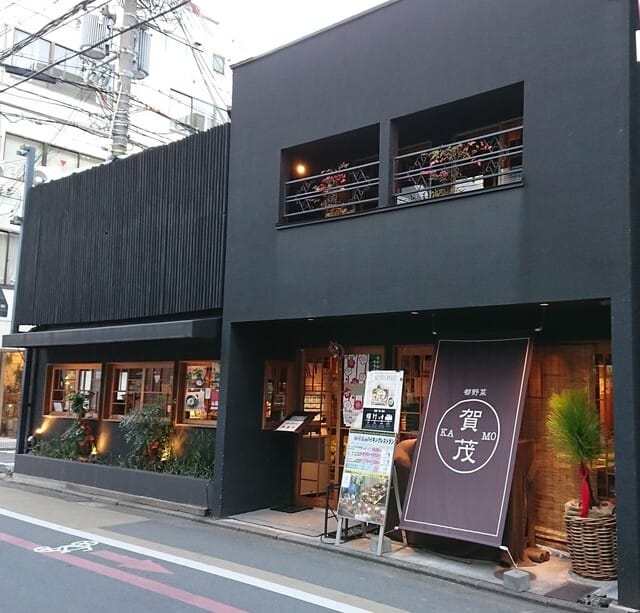
"Miyako Yasai Kamo Karasuma" is a restaurant that mainly serves fresh vegetables grown in Kyoto. Their healthy obanzai buffet using organic and low-pesticide vegetables is popular. It can be said to be a pioneer among obanzai specialty stores, with branches at Kyoto Station and JR Osaka Station.
The food here is really delicious, and I make sure to visit every time I go to Kyoto. I'm impressed by their cooking methods that bring out the best in vegetables.
<Store Information>
Address: 274 Ogisakayacho, Shimogyo Ward, Kyoto, 600-8095
Closed: None
Phone: 075-351-2732
Hours: 8 AM–9:15 AM, 10:30 AM–3:30 PM, 5 PM–9:30 PM
Website: https://nasukamo.net/
Recommended Obanzai Restaurant 2: Menami
Source: Tabelog by Julien
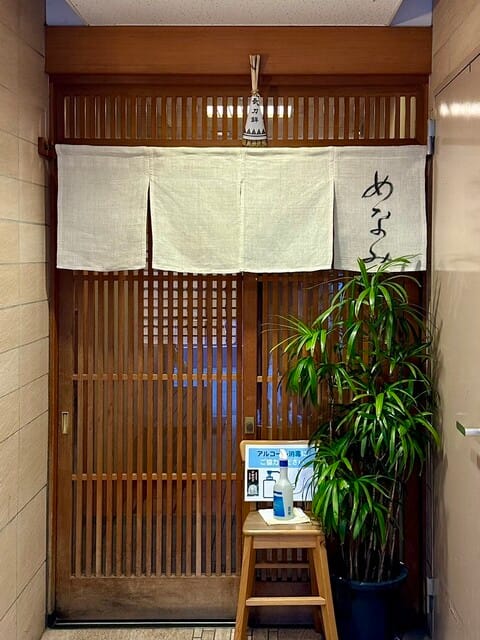
I also recommend "Menami," where you can enjoy obanzai and sake in a Kyoto-like atmosphere. An obanzai platter costs about 1,500 yen, which is affordable, and the sake pairings are excellent.
It's conveniently located about a 10-minute walk from Hankyu Kawaramachi Station or Gion-Shijo Station. I'm glad that it's easy to drop by during sightseeing. The interior has a very calm atmosphere, and I found myself lingering there.
<Store Information>
Address: 1F SANJO KIYAMACHI BLD. Ⅱ, 96 Nakajimacho, Nakagyo Ward, Kyoto 604-8004
Closed: Wednesdays
Phone: 075-231-1095
Hours: 3 PM–9:30 PM
Website: http://www.menami.jp/
Kyo Ryouri (Kyoto Cuisine)
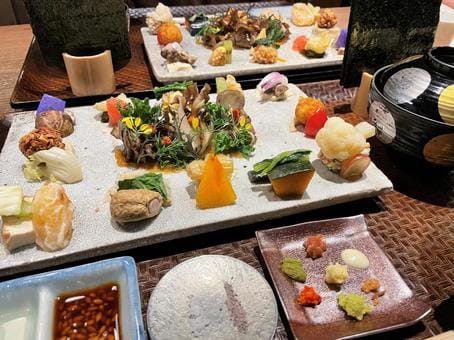
Next, I'd like to introduce "Kyo Ryouri (Kyoto Cuisine)." While it shares some ingredients with obanzai, this is a full-fledged cuisine eaten on special occasions like celebrations.
The delicate appearance and elegance are also big attractions of Kyo ryouri. It's often served at high-end restaurants like ryotei, and you can enjoy sophisticated flavors that make the most of seasonal ingredients.
The budget tends to be on the higher side, and many restaurants require reservations, but if you have the chance, I highly recommend trying this Kyoto gourmet experience.
However, making reservations might be challenging for foreign visitors. In that case, it's best to ask your hotel concierge for help or get assistance from a local Japanese friend.
Hassun
Source: Tabelog by Hiro45316
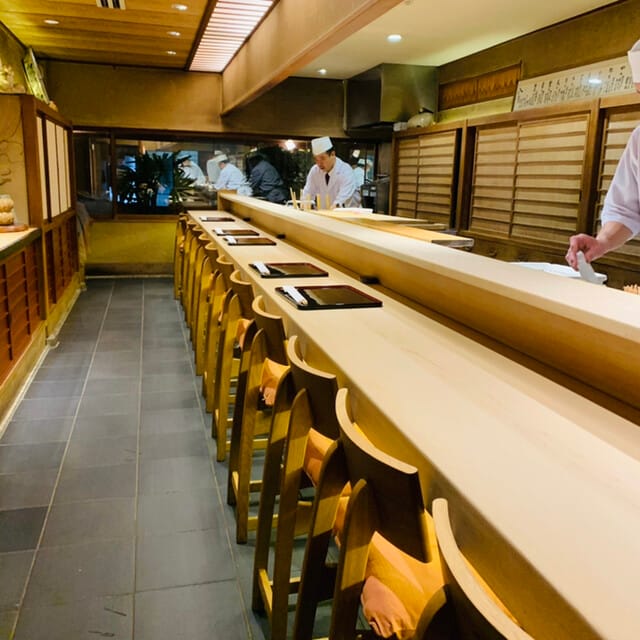
At the renowned Kyoto cuisine restaurant "Hassun," you can taste exquisite dishes that make the most of seasonal ingredients. The menu is omakase (chef's choice) only, offering dishes made with the best ingredients of the day.
The budget ranges from 10,000 to 15,000 yen for lunch and 20,000 to 30,000 yen for dinner. It's certainly a bit luxurious, but I think it's well worth the price.
Reservations are by phone only, which might be a bit challenging, but if you have a Japanese friend living in Kyoto, why not ask them for help?
By the way, it's located about a 5-minute walk from Gion-Shijo Station, so access is excellent. Despite being a high-class ryotei, the owner is friendly, making for a very enjoyable atmosphere.
<Store Information>
Address: 95-95-4 Sueyoshicho, Higashiyama Ward, Kyoto 605-0085
Closed: Sundays
Phone: 075-561-3984
Hours: 6 PM–9 PM
Website: https://tabelog.com/en/kyoto/A2601/A260301/26002259/
Yorozu-Enraku
Source: Tabelog by Yorozu-Enraku
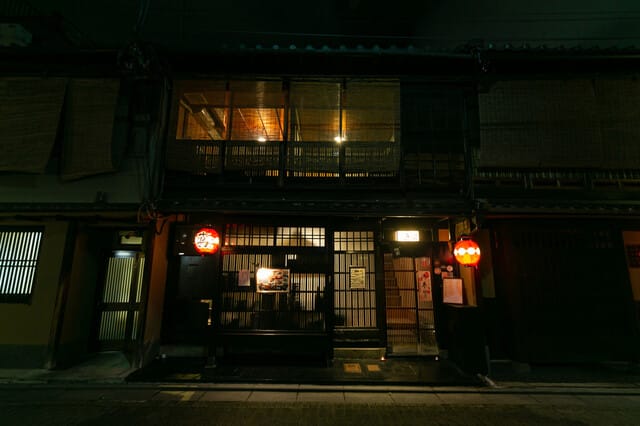
Enjoying Kyoto cuisine in a 120-year-old Kyoto-style house is truly special. The ryotei "Yorozu-Enraku" is treasured by Kyoto locals, and its classic appearance is worth seeing.
I hear you can also call for maiko, but this is quite a high-hurdle service not only for foreigners but even for Japanese. However, using the tour I'll introduce later, you can easily and surely meet maiko.
<Store Information>
Address: 570-143 Gionmachi Minamigawa, Higashiyama Ward, Kyoto, 605-0074
Closed: Sundays, Mondays
Phone: 075-533-1511
Hours: 5 PM–11 PM
Website: http://www.zuzu.jp/
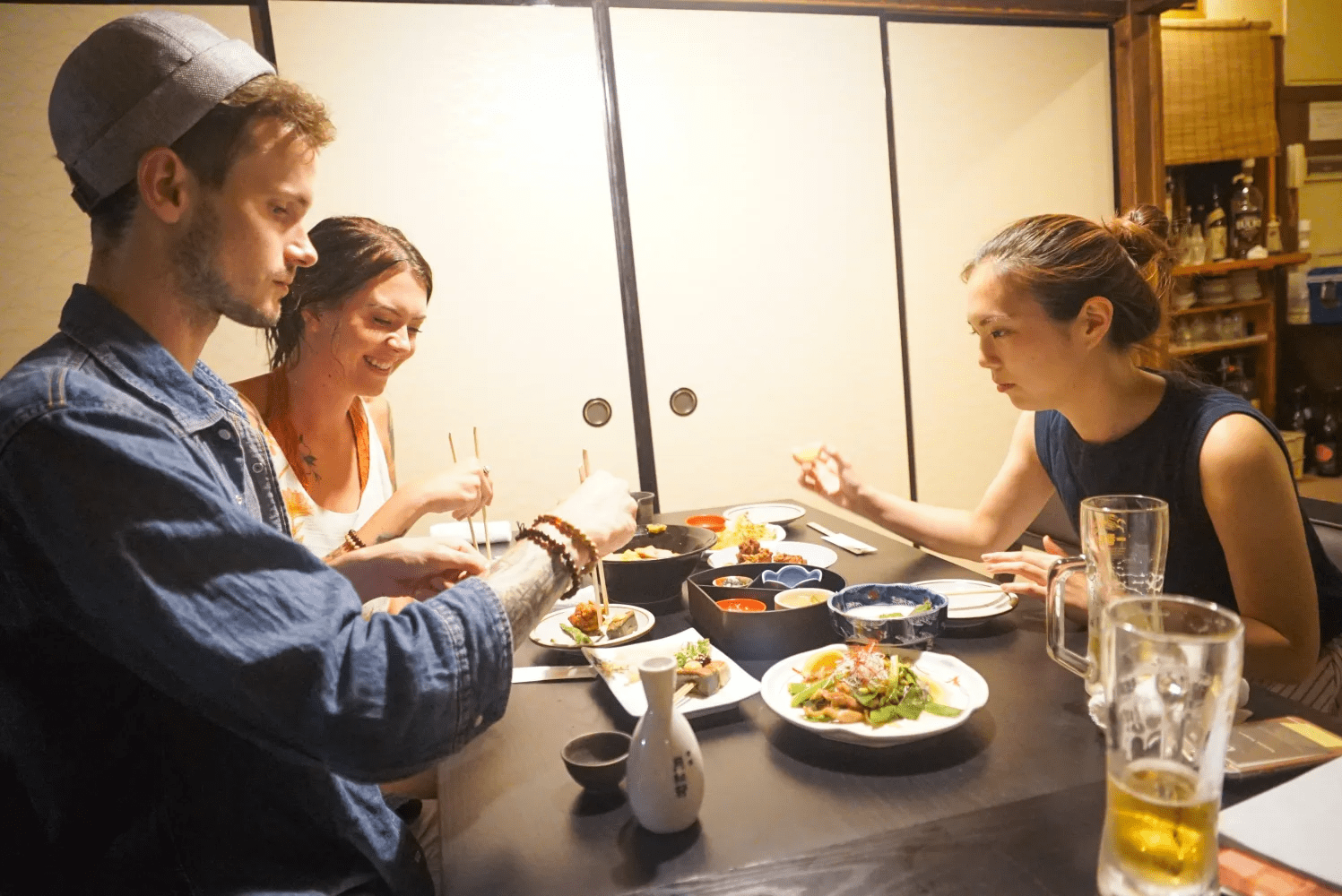
Experience the "Kyoto Night Foodie Tour," which once ranked No. 6 among all tours on Tripadvisor, and enjoy Kyoto cuisine at restaurants truly beloved by locals.
The "Kyoto Night Foodie Tour" is a popular evening gourmet experience that was selected as No. 6 in Tripadvisor's overall ranking.
Walk through the back alleys of Gion and Pontocho with an English-speaking local guide and visit three hidden Japanese restaurants that tourists alone would never find.
This Kyoto Gion guide experience includes over 16 different dishes featuring traditional cuisine such as Kyoto vegetables that bring out the natural flavors, oden, and yuba, with Kyoto sweets to finish.
Your guide will thoroughly explain the local food culture and how to enjoy Kyoto at night, so even first-time visitors can relax and enjoy the experience.
Savor the flavors truly loved by locals during your Kyoto night.
- Meeting point: In front of Izumo no Okuni Statue, right outside of Exit 5 of Gion Shijo Station (Keihan Line)
- Tour area: Gion / Pontocho
- Start time: 17:00 / 18:00
Sweets That Make You Feel Kyoto
Source: Tabelog by Goemon
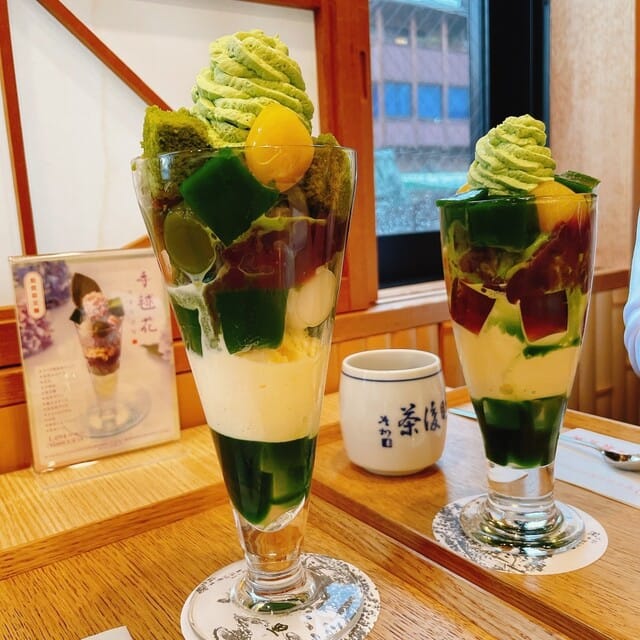
When in Gion, I definitely want to try Japanese sweets. Especially sweets using matcha and traditional sweets have a Kyoto-unique taste that fascinates many tourists. Among these, I particularly recommend the following two stores.
Saryo Tsujiri Tea House, Gion Main Shop
Source: Tabelog by Cafe Moca Otoko
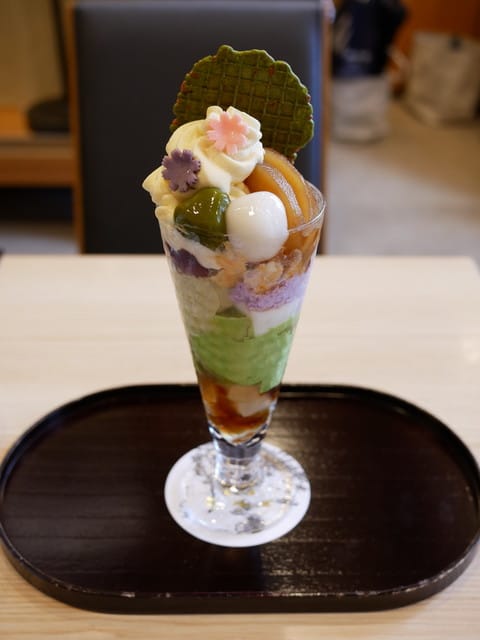
First is the "Saryo Tsujiri Tea House, Gion Main Shop," a cafe attached to the main store of "Tsujiri," a long-established tea shop in Kyoto. It 's especially famous for its parfaits and is known as a popular spot where people line up. It's no exaggeration to say that it's a representative store for matcha sweets.
If you want to conquer Kyoto's sweets, I recommend starting here. The matcha parfait, with its perfect balance of rich matcha flavor and sweetness, is a taste you won't forget once you've tried it.
<Store Information>
Address: 573-3 Gionmachi Minamigawa, Higashiyama Ward, Kyoto, 605-0074
Closed: None
Phone: 075-561-2257
Hours: 10:30 AM–7 PM
Website: https://www.giontsujiri.co.jp/
Shogoin Yatsuhashi Sohonten Takashimaya Kyoto Store
Source: Wikipedia

Another recommendation is the "Shogoin Yatsuhashi Sohonten" located in a department store in the Gion area. This is a long-established yatsuhashi shop with over 300 years of history, where you can enjoy flavors made with traditional methods.
Historically, the baked yatsuhashi was famous, but now the soft nama yatsuhashi is more popular. One of the joys is that the flavors change with the seasons, and the elegant Kyoto-like taste is irresistible.
There are many branch stores throughout Kyoto city, so you can buy them elsewhere, but there are also many similar products. Please refer to the symbol in the image and be sure to buy the traditional sweets of Shogoin.
Website: https://shogoin.co.jp/en/
Recommended for Dinner! 5 Restaurants Loved by Both Locals and Tourists in Gion
This Kyoto Gion guide introduces a wide range of dinner options in Gion, from restaurants perfect for special evenings to casual spots that are easy to visit while traveling.
Here, I introduce five restaurants that receive high praise for both taste and atmosphere, are supported by tourists and locals alike, and that I personally recommend in this Kyoto Gion guide.
Gion Katana
Source:Tabelog
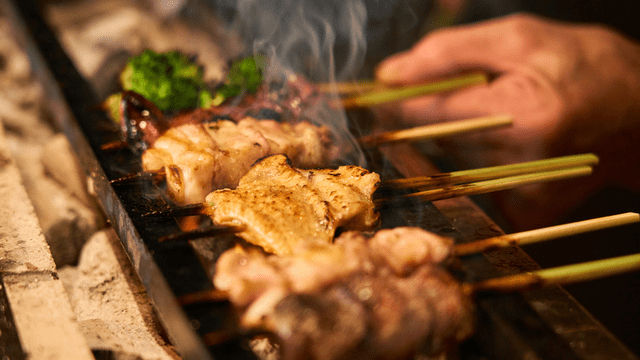
Gion Katana is a charcoal-grilled restaurant that combines Japanese tradition with modern stylishness.
The menu centers on course meals, with the owner selecting the finest ingredients of the day.
The yakitori (grilled chicken skewers) features a fragrant charcoal aroma and moist texture. The outside is lightly browned while the inside remains tender.
Seasonal vegetables and seafood are also grilled over charcoal, bringing out the natural sweetness and aroma of the ingredients.
What I especially recommend is the A5-rank Japanese Black Wagyu beef. The umami of the meat is sealed in with the charcoal aroma, and juicy meat juices spread the moment you cut into it.
They also offer wines and sake that pair perfectly with the ingredients, so please enjoy them alongside your meal.
If you want to experience Japanese charcoal-grilled cuisine in a calm atmosphere, this is the restaurant to choose.
- Address: 69-2 Motoyoshicho, Shinbashidori Yamatoji Higashi-iru, Higashiyama-ku, Kyoto, Kyoto Prefecture
- Hours: 12:00–16:00 / 17:00–23:00
- Closed: Open daily
- Phone: 050-5594-1729
- Official Website: https://www.gionkatana.jp/
KYOTO GION TEMPURA ENDO
Source:Official website
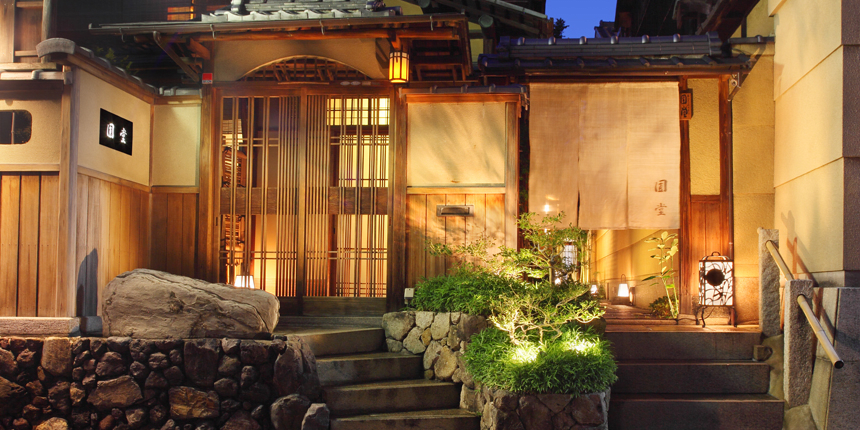
KYOTO GION TEMPURA ENDO is a traditional tempura restaurant that makes use of a building once called an "ochaya" (a traditional place where geiko and maiko entertained guests).
The prestigious space and attentive service still carry on the spirit of hospitality rooted in that culture. At the same time, the cuisine does not remain stuck in the past but features a refined style that incorporates new sensibilities.
The ingredients include seasonal Kyoto vegetables and wild plants, seafood from the Seto Inland Sea and Wakasa, river fish, and other materials unique to Kyoto.
When I ate the tempura at this restaurant, I was surprised by how little oiliness I felt and how directly the flavor of the ingredients came through.
This is a restaurant where you can slowly savor the craftsmanship of artisans and high-quality Japanese cuisine within a Kyoto-style atmosphere and hospitality.
- Address: 566 Komatsuchō, Yasaka-dori, Higashiyama-ku, Kyoto, Kyoto Prefecture
- Hours: 11:00–15:30 / 17:00–21:30
- Closed: Open daily
- Phone: 050-5868-2875
- Official Website: https://www.endo.kyoto/
Gion Karyo
Source:Official website
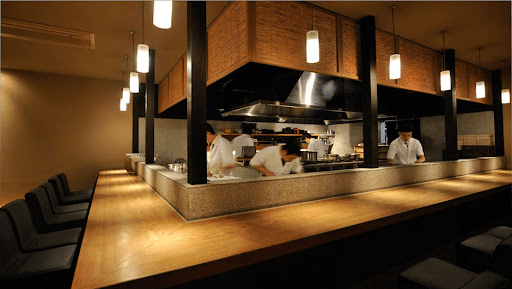
Gion Karyo is a kaiseki cuisine restaurant located on Hanamikoji Street in Gion.
Kaiseki cuisine is a Japanese course meal that uses seasonal ingredients and is enjoyed in order from appetizers to clear soup, grilled courses, and more. It is appreciated not only for its taste but also for its presentation, tableware, and the flow in which dishes are served.
The interior retains a historic atmosphere while being arranged in a modern way, creating a space that lets you feel "Kyoto."
The cuisine is based on delicate seasoning that brings out the flavor of the ingredients. The dashi aroma is gentle, and because the saltiness and sweetness are not overdone, the quality of the ingredients comes through directly.
I particularly felt a Japanese sensibility in the way seasonal ingredients and presentation convey the feeling of the season.
The delicately seasoned dishes also pair excellently with sake.
This Kyoto Gion guide recommends this restaurant for those who want a memorable Kyoto-style meal in Gion.
- Address: 570-235 Gionmachi Minamigawa, Higashiyama-ku, Kyoto, Kyoto Prefecture
- Hours: 18:00–22:00
- Closed: Wednesdays
- Phone: 075-532-0025
- Official Website: http://www.karyo-kyoto.jp/gion/
Tousuiro Gion
Source:Official website
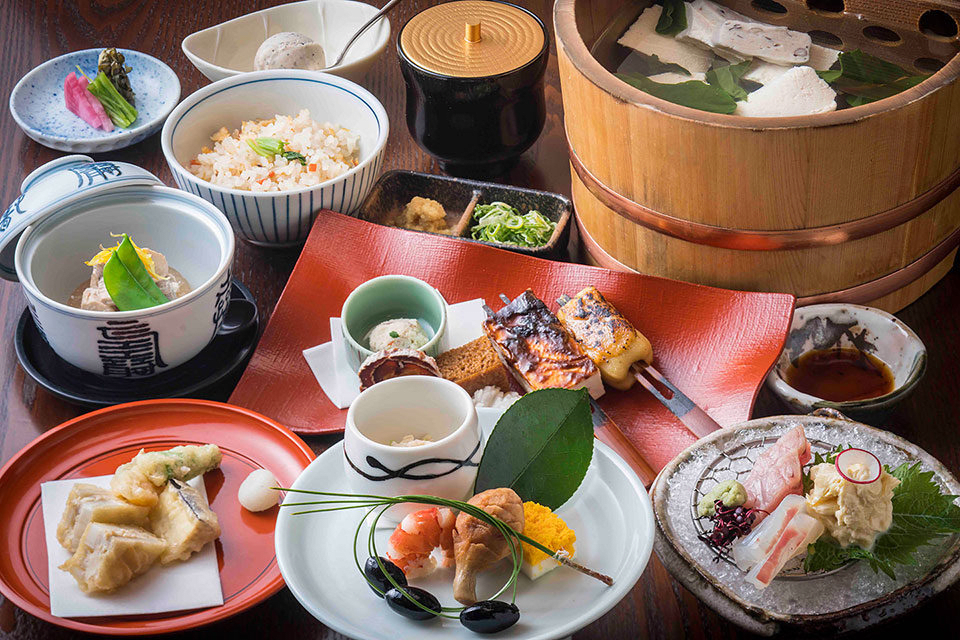
Tousuiro Gion is a restaurant specializing in tofu cuisine. The interior includes a space renovated from a storehouse that remained in a machiya, allowing you to feel the Kyoto atmosphere.
What I especially recommend at this restaurant is the course called "Rokuhara."
The dishes served in this course do not use any meat, seafood, eggs, or dairy products. In addition to tofu, they use a variety of soy-derived ingredients such as yuba and soy milk, creating variation in texture and flavor.
Some may think, "It might not be satisfying with only tofu," but each dish offers changes in texture and taste, and you will be amazed by the level of perfection.
I found it refreshing that I could be so satisfied with tofu alone, and I was very pleased until the very end.
This is a restaurant I would love to introduce to those who want to discover the depth of tofu and to vegetarians.
- Address: 38-1, 4-chome Bishamoncho, Higashioji Matsubara Agaru, Higashiyama-ku, Kyoto, Kyoto Prefecture
- Hours: 11:30–15:00 / 17:00–21:00
- Closed: Open daily
- Phone: 075-561-0035
- Official Website: https://tousuiro.com/
Gion Tanto
Source:Tabelog
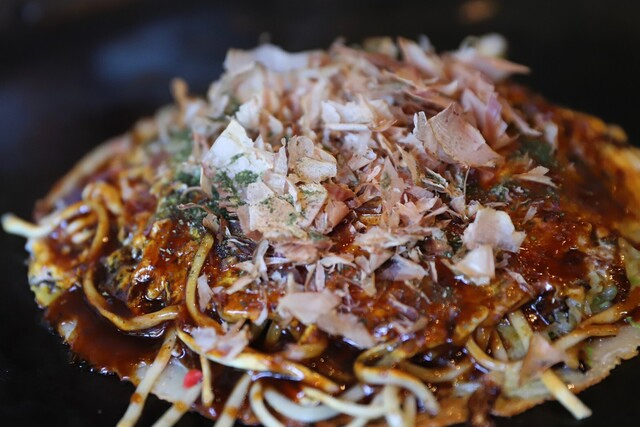
Gion Tanto is a rare find in Gion—a restaurant where you can enjoy teppanyaki and okonomiyaki (Japanese savory pancake) in a casual atmosphere. In an area with many formal establishments, it has been loved by locals for a long time.
The signature items are okonomiyaki and teppanyaki, cooked on a griddle right in front of you, so you can enjoy them fresh off the grill. The aroma of the sauce rises and stimulates the appetite.
My favorite at this restaurant is the "Okonomiyaki Special."
It is packed with ingredients such as pork, beef, squid, shrimp, scallops, and beef tendon, and topped with green onions and a raw egg.
Although it is filling, you can enjoy various flavors all at once in a single serving.
This Kyoto Gion guide recommends this restaurant for those who want to experience everyday Japanese food culture or enjoy dinner in a casual atmosphere.
- Address: 372 Kiyomotocho, Higashiyama-ku, Kyoto, Kyoto Prefecture
- Hours: 12:00–15:00 / 17:00–22:00
- Closed: Irregular holidays
- Phone: 075-525-6100
- Official Website: http://www.gion-tanto.com/
Two Recommended Tours to Fully Experience Gion and Kyoto
Here are two special tours by MagicalTrip where you can deeply experience Kyoto's traditional culture and history. One is a dinner tour offering a special evening with a maiko, and the other is a hiking tour exploring the hidden charms of Fushimi Inari.
Dinner with Maiko in a Traditional Kyoto Style Restaurant Tour
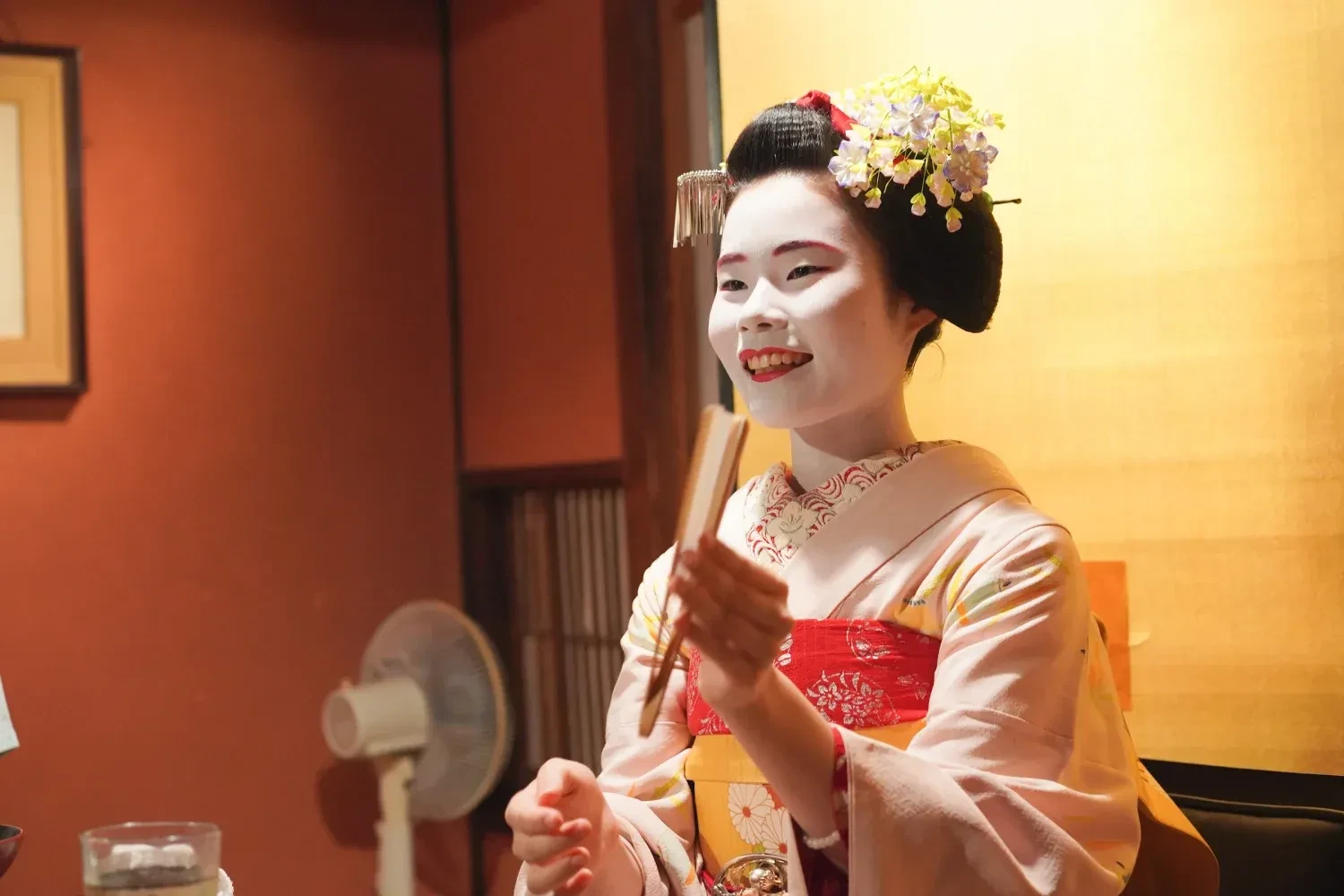
This 3.5-hour maiko cultural experience tour in Kyoto's Gion district costs $279.69 (approximately ¥42,000) and offers a special small-group experience with an English-speaking guide.
While exploring Gion with a local guide, you'll learn about the history and traditions of maiko and geiko culture. You can enjoy a course of authentic Kyoto cuisine at a 100-year-old machiya restaurant, with vegetarian options available.
The plan includes all-you-can-drink local Kyoto sake and special time with a maiko. After watching traditional dance performances, you can interact through ozashiki games and conversation, ending with commemorative photos.
Open to participants aged 15 and above, individual arrangements are recommended for those with mobility restrictions as some locations are difficult to access with wheelchairs or strollers.
Full refunds are available for cancellations up to 7 days in advance, but late arrivals cannot participate or receive refunds.
Details here: Dinner with Maiko in a Traditional Kyoto Style Restaurant Tour
Fushimi Inari Hidden Hiking Tour
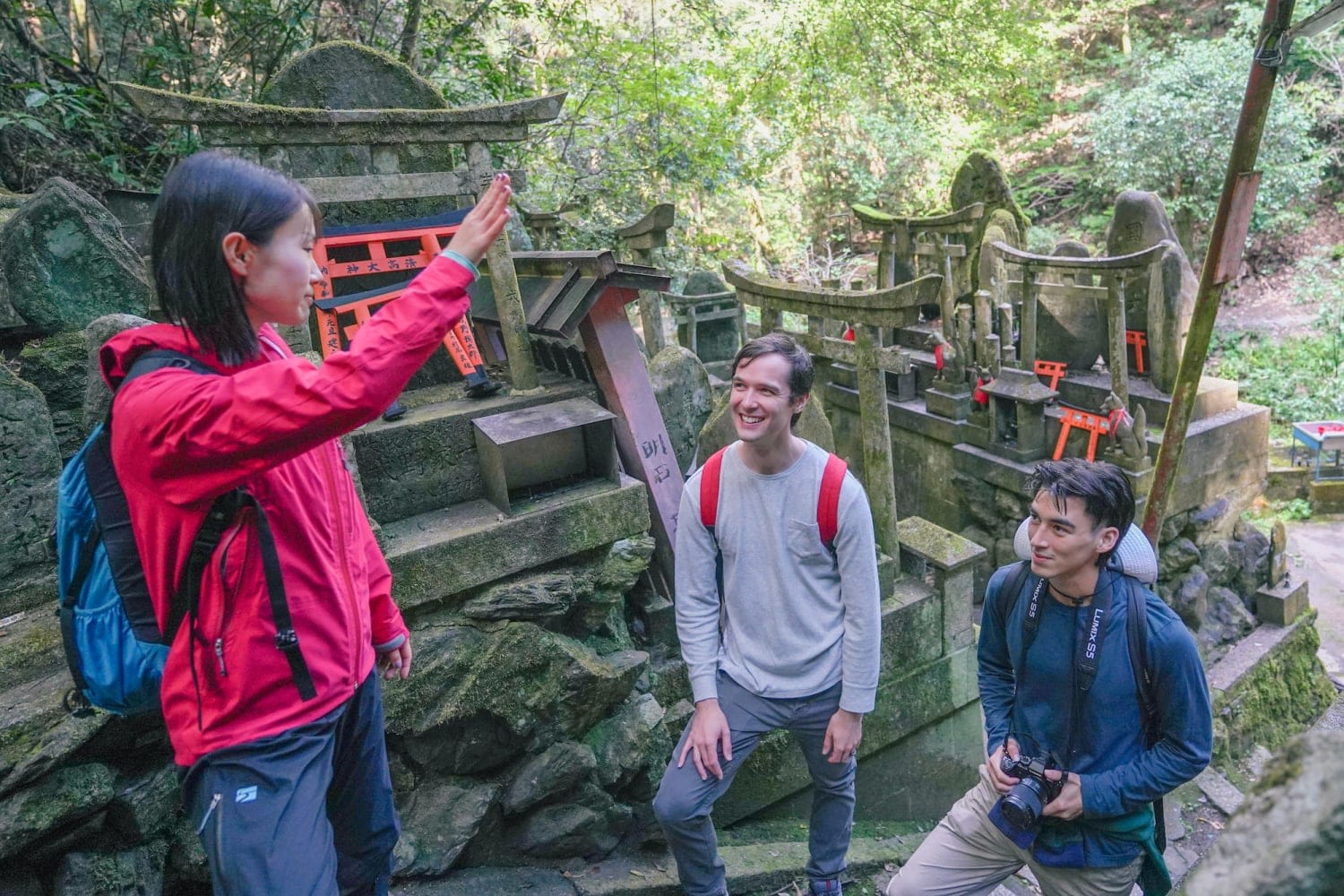
Ranked 3rd on TripAdvisor's 2024 tour rankings, this popular 3-hour hiking experience costs $64.84 (approximately ¥9,500). You can enjoy photography in a quiet environment, walking through hidden bamboo groves and nature areas less frequented by regular tourists.
Starting from Tofukuji Station, the approximately 7km course passes through local residential areas and small shrines before heading into mountain paths. While not designed for advanced hikers, it requires moderate fitness. Not recommended for pregnant women, children under 8, or those with mobility restrictions.
The small-group tour maintains a friendly atmosphere and accommodates various travelers. During summer, wearing hats, sunglasses, and long-sleeved shirts and pants is recommended. Free cancellation is available up to 24 hours before the tour starts, with full refunds in case of disasters.
Details here: Fushimi Inari Hidden Hiking Tour
These two tours offer special opportunities to deeply experience different aspects of Kyoto. Whether it's enjoying the luxury of maiko culture over dinner or exploring the hidden charms of Fushimi Inari on a hike, both provide authentic Kyoto experiences that can't be found in regular tourism.
Sightseeing Spots in Kyoto You Can Visit Along with Gion
Samurai Ninja Museum
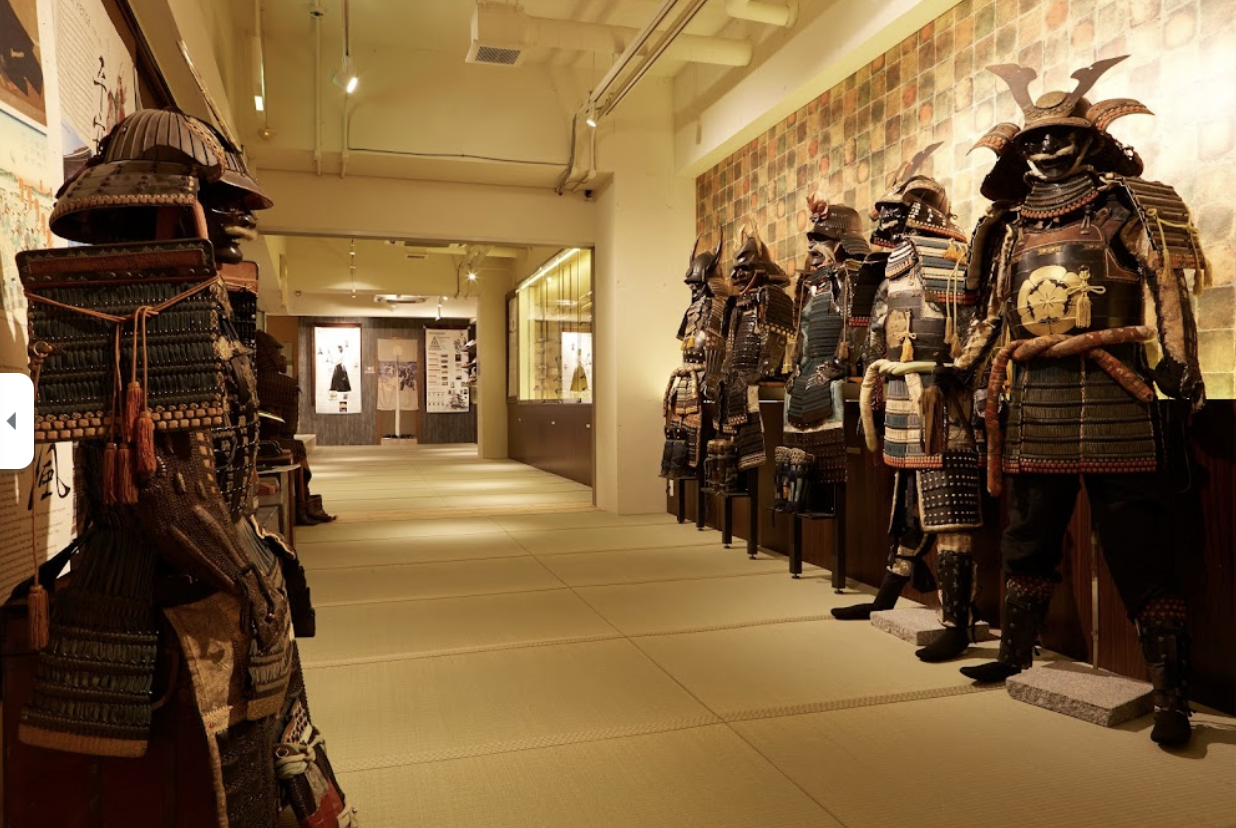
After enjoying the gourmet experiences, why not try some activities? At the "Samurai Ninja Museum," you can enjoy samurai and ninja culture up close.
Taking commemorative photos in actual samurai or ninja costumes is very popular here. There are also displays of samurai weapons and attractions like the "Ninja Shuriken Throwing Competition".
You can feel like you've stepped into a movie world, so I definitely recommend visiting.
Website: https://mai-ko.com/samurai/
Kiyomizu-dera Temple
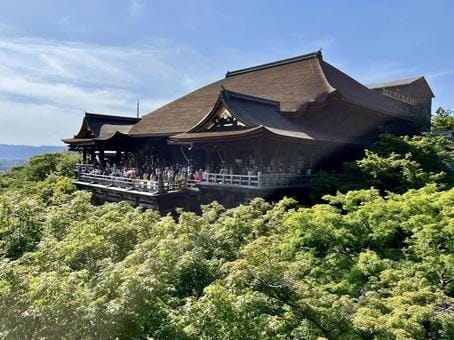
First on the list is the World Heritage site "Kiyomizu-dera Temple," about a 20-minute walk from Gion.
The view from the main hall's stage is truly spectacular. It's no exaggeration to say that it's a representative tourist spot in Kyoto. At Otowa Waterfall, you can experience wish-making, which is said to grant your wishes.
The approach to the temple is lined with souvenir shops and cafes, making it enjoyable to stroll around. It's a spot where you can feel a different charm of Kyoto compared to Gion.
Website: https://www.kiyomizudera.or.jp/en/
Get a Deeper, More Efficient Experience with a Local Guide Who Knows Kiyomizu-dera Temple and Kyoto's History Well!
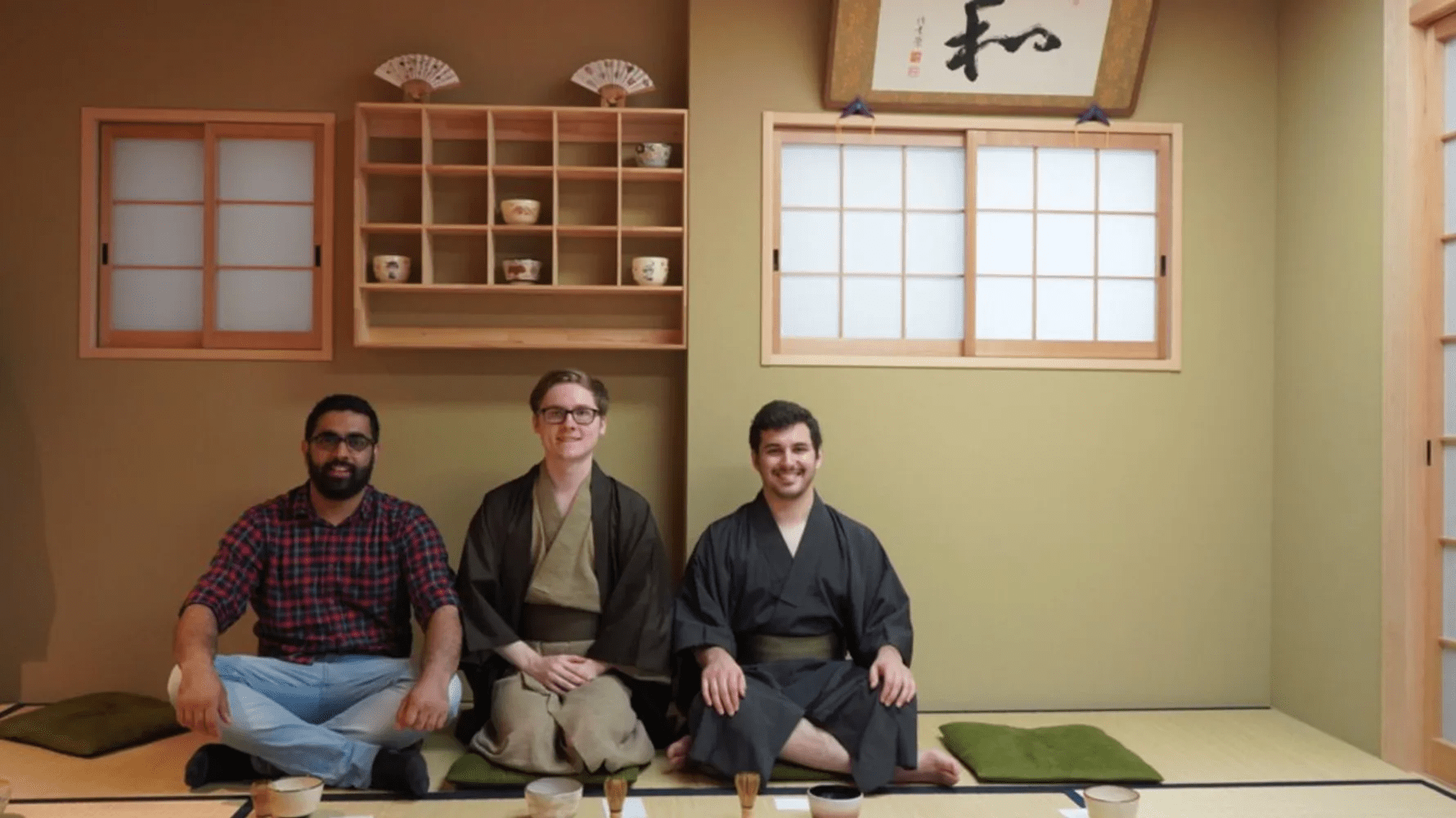
"Kyoto Tea Ceremony & Kiyomizu-dera Temple Walking Tour" is a popular tour where you can experience the charm of ancient Kyoto around Kiyomizu-dera Temple with an English-speaking local guide.
While walking through the historic streets of Kiyomizu-zaka, you can enjoy traditional Japanese sweets and local recommended snacks while visiting Kiyomizu-dera Temple, a UNESCO World Heritage Site.
The guide will carefully explain the history and proper ways to pray, allowing you to deepen your understanding of the rich historical background.
Furthermore, you can feel the spirit of "Wa" (Japanese harmony) while enjoying matcha and Japanese sweets.
This is perfect for those who want to enjoy Kyoto efficiently and deeply.
- Meeting point: In front of the stone statue, right outside the Nishiromon Gate of Yasaka Shrine
- Tour area: Around Kiyomizu-dera Temple
- Start time: 9:00
Kodai-ji Temple
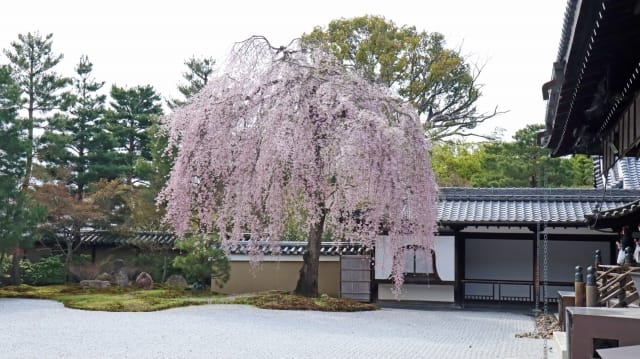
I also recommend "Kodai-ji Temple," about a 15-minute walk from Gion. This temple, opened by Nene, the lawful wife of Toyotomi Hideyoshi, is especially famous for its garden.
The weeping cherry blossoms in the garden are exceptionally beautiful, and many people visit in spring to admire these beautiful flowers. Among all the cherry blossoms I've seen at temples in Kyoto, those at Kodai-ji are my favorite.
Website: https://www.kodaiji.com/
Heian Shrine
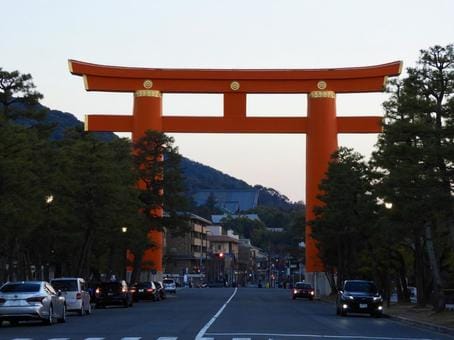
"Heian Shrine," about a 20-minute walk from Gion, is also not to be missed. This shrine, built in the Meiji era to commemorate the 1100th anniversary of the capital's relocation to Heian-kyo (present-day Kyoto), is characterized by its exterior with a large vermilion torii gate.
The shrine grounds also include a garden with beautiful weeping cherry blossoms. In spring, it's crowded with many flower-viewing visitors coming to see the full bloom of cherry blossoms. Why not enjoy a leisurely walk while experiencing the solemn atmosphere typical of Kyoto?
Website: https://www.heianjingu.or.jp/
Frequently Asked Questions About Visiting Gion
Lastly, I'll answer some common questions about visiting Gion.
How long does it take to tour Gion?
As I've introduced in this article, there are many attractions in the Gion area. If you include meals, you should plan for 3-4 hours.
If you're also visiting surrounding areas like Kiyomizu-dera, I recommend planning for 5-6 hours.
What should I wear when touring Gion?
Casual clothing is absolutely fine. However, if you're renting a kimono, I recommend comfortable footwear.
If you've managed to make a reservation at a high-class ryotei, I suggest smart casual attire.
I've thoroughly introduced the charms of Gion, a representative tourist area in Kyoto.
The Gion area is a must-visit spot for a Kyoto trip. Since there are many attractions, I hope you'll use this article as a reference to efficiently tour the famous places.
One of the wonderful things about Gion is that you can enjoy it differently in each season, such as the Gion Festival in summer and the cherry blossoms in Maruyama Park in spring. Please stroll through this area while reflecting on the history of Kyoto!
If you are interested in Kyoto Photo Spot, check the article below! I summarized how and where you can enjoy Kyoto Photo Spot as much as possible.
sena kanda