Shinjuku November 2026 Events: Local Expert's Guide to Tori-no-Ichi, Ramen Fests & Autumn Illuminations
Tokyo is home to countless spots, from bustling entertainment districts like Shibuya and Harajuku, to neighborhoods that come alive at night like Shinjuku and Roppongi, to areas that preserve traditional old-town charm like Asakusa and Kanda.
While Tokyo is a city packed with appeal, it's also true that increasing tourism development has made it harder for visitors to experience the "real Tokyo." In other words, instead of enjoying Tokyo like a local, tourists are often limited to experiencing only the touristy side of the city.
That's exactly why I want you to explore the city with locals who know the real Tokyo. With tours from Magical Trip—winner of Tripadvisor's The Best of The Best in both 2024 and 2025—you can make that happen.

The Tokyo Bar Hopping Night Tour in Shinjuku, a back-to-back winner of The Best of The Best for two consecutive years, lets you safely enjoy spots beloved by locals in famous Shinjuku areas like Kabukicho and Omoide Yokocho.
If you want to enjoy outstanding Japanese cuisine in Shinjuku, join the “Tokyo Night Foodie Tour in Shinjuku,” where a local guide will take you to savor top-quality yakiniku and sushi.
If you’d like to stroll through Shinjuku’s beautiful nighttime cityscape and capture it in photos, choose the “Tokyo by Night Photography Tour,” led by a local guide who is also a professional photographer.
If you want to create your own itinerary and explore Tokyo deeply and efficiently, choose Customized Private Tours of Japan with MagicalTrip's Top Guides, where you can craft a special itinerary tailored just for you with a local guide.
Introduction
Shinjuku is located in the heart of Tokyo and is the most crowded district in Japan. Shopping buildings and office buildings line the streets. Kabukicho, Japan's representative entertainment district, is also located in Shinjuku.
While Shinjuku is a modern city with high-rise buildings, it also preserves Japanese traditions and nature, including shrines and gardens. This time, we will introduce must-see events in Shinjuku in November, focusing on events where you can enjoy Japanese and Shinjuku traditions.
2026 Year-round Event Schedule in Shinjuku↓
Shinjuku: List of Events & Festivals for 2026
 sena kanda
November in Shinjuku hosts one of the year's most exciting events: "Tori-no-Ichi"
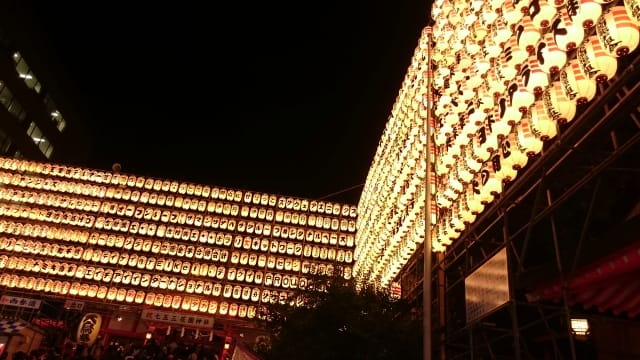
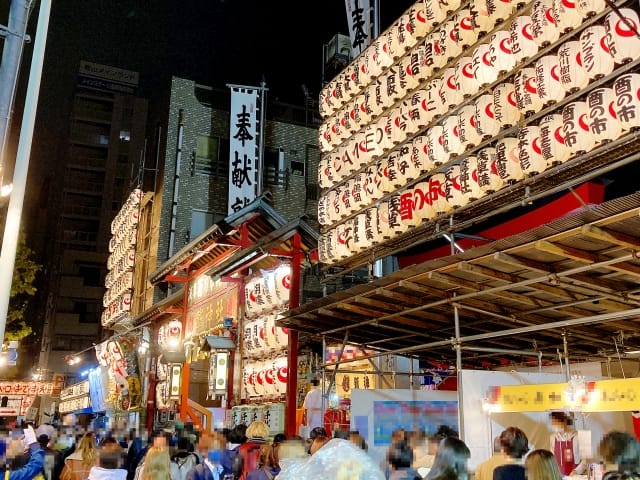
Shinjuku, which is always crowded and lively with many people, becomes even more vibrant on the days when the November event called Tori-no-Ichi is held. More than 600,000 people visit Hanazono Jinja where Tori-no-Ichi is held every year, creating crowds so dense that walking becomes difficult.
Tori-no-Ichi is one of Japan's traditional events and is highly recommended for those who want to enjoy Japanese culture. This time, as an author who loves Tori-no-Ichi, I will introduce its characteristics and highlights in detail.
<Information>
- Dates:
First Tori no Ichi: mid-November
Second Tori no Ichi: late November
- Access:
[Train]
Tokyo Metro Marunouchi Line, Fukutoshin Line, Toei Shinjuku Line "Shinjuku-sanchome Station" E2 Exit, 0 minutes on foot
JR, Odakyu Line, Keio Line "Shinjuku Station" East Exit, 7 minutes on foot
[Bus]
Toei Bus Route 97 bound for Shinjuku Nishiguchi "Shinjuku-sanchome" 3 minutes on foot
Toei Bus Route 77 bound for Waseda "Shinjuku Isetan-mae" 3 minutes on foot
- Admission: Basically free (some paid activities available)
- Website: http://hanazono-jinja.or.jp/about/
What is Tori-no-Ichi?
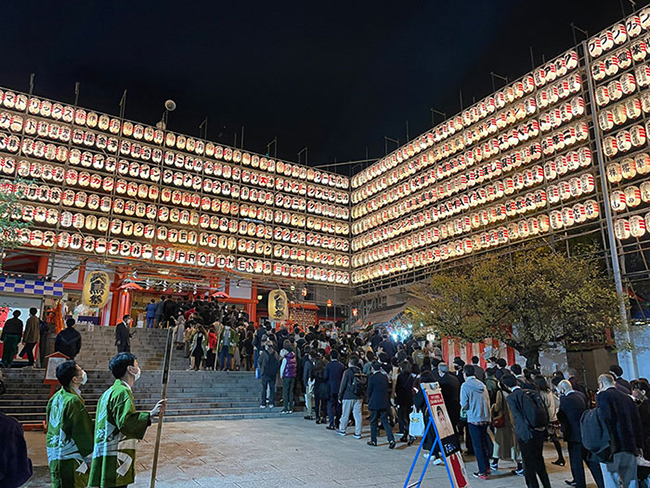
Tori-no-Ichi is a traditional Japanese festival. It is held with wishes for business prosperity and attracting (obtaining) good fortune. Therefore, it is very popular among merchants and businesspeople. Since it is an event that maintains traditional Japanese aspects, it is very enjoyable even if you visit for tourism purposes.
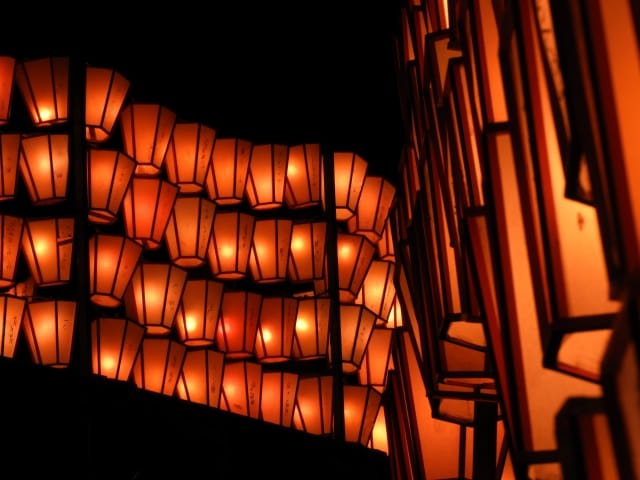
Actually, Tori-no-Ichi is an event held throughout Japan. The Tori-no-Ichi at Hanazono Jinja that I love features beautiful scenery with over 1,000 lanterns (Japanese-style lamps), about 300 food stalls, and traditional Japanese shows.
Origins and History of Tori-no-Ichi
Actually, Tori-no-Ichi is an event with such a long history that its clear origins are unknown. One of the various theories is that it began as a way to give thanks to Yamato Takeru no Mikoto, a deity enshrined at Hanazono Jinja.
In ancient Japan, a day-of-the-week-like system that cycled every 12 days was used. Yamato Takeru no Mikoto is said to have died on a Tori day in November according to Japan's ancient calendar. In commemoration of this, the event called Tori-no-Ichi is held on Tori days in November.
This time I introduced my favorite theory, but there are various other theories, so if you like Japanese folklore, I recommend researching them.
Explained by an author living in a town next to Shinjuku! How to enjoy Shinjuku's Tori-no-Ichi
Find and purchase your favorite "business prosperity kumade"
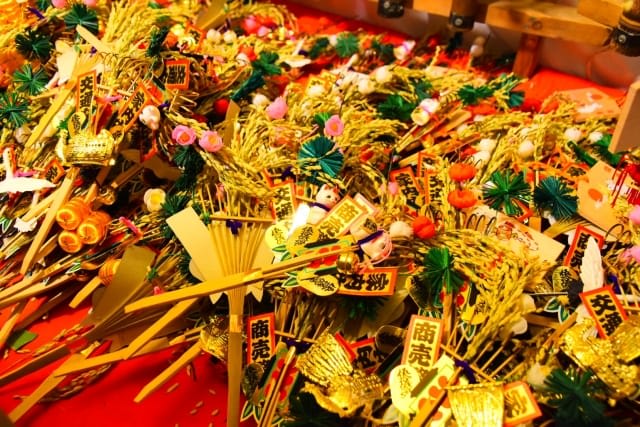
One of the major highlights of Tori-no-Ichi is the sale of kumade (Japanese-style rakes). Tori-no-Ichi kumade are lucky charms that have the meaning of gathering happiness. They have various Japanese-style decorations and are very gorgeous.
The interesting point is that different shops have different decorations, so please visit various shops to find a kumade that suits your taste. I also purchase a new kumade every year, wishing for happiness throughout the year.
Small ones can be purchased for about 1,000 yen, so I recommend buying one. If you purchase one, it is said that you can attract even more good fortune by carrying it in your hand without putting it in a bag when you go home.
Visit the specialty "misemono-goya" (freak show) of Tori-no-Ichi
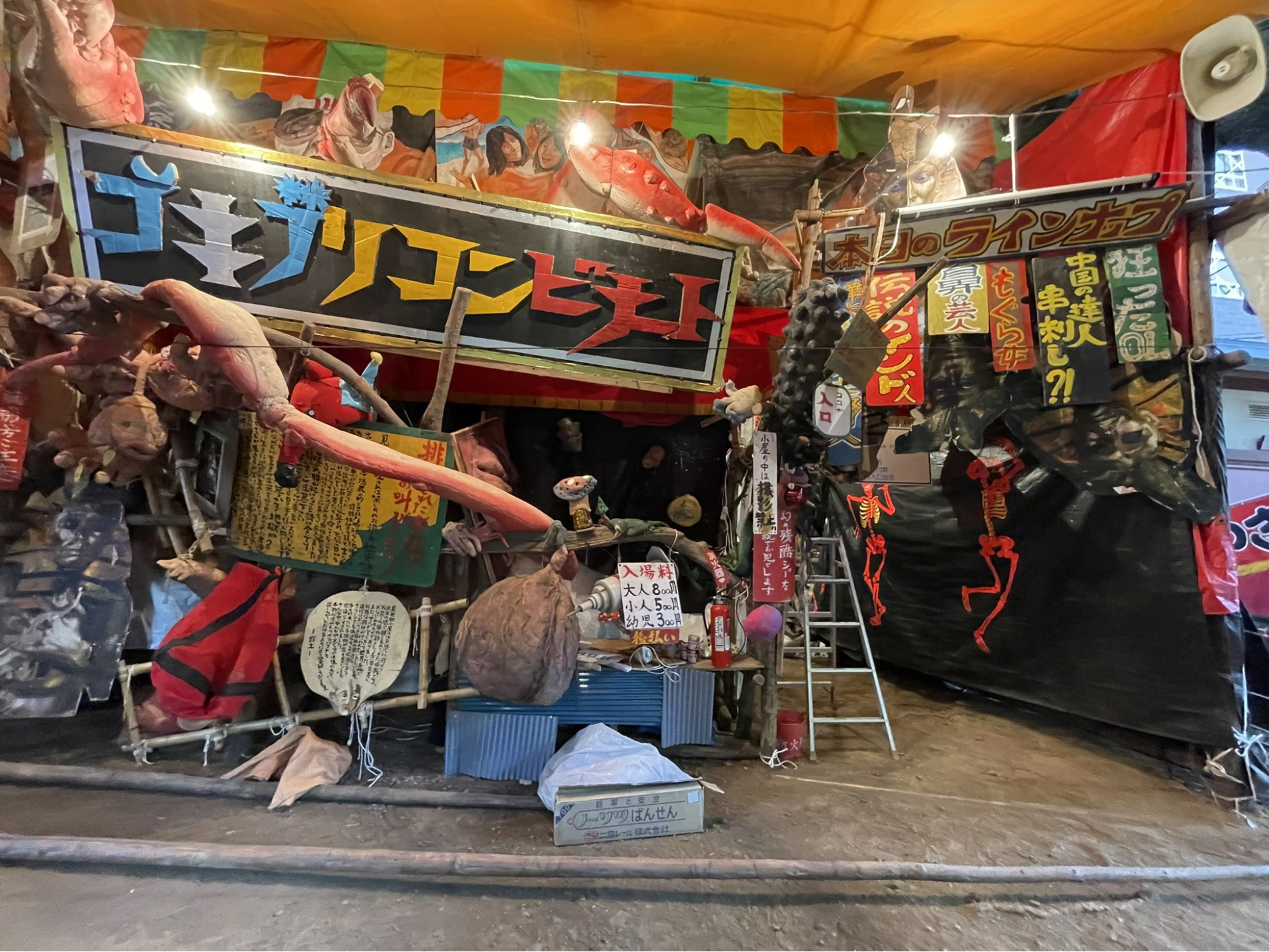
A unique highlight of Hanazono Jinja's Tori-no-Ichi is the misemono-goya. You can watch strange and thrilling shows that are like a cross between a circus and a haunted house.
The performances change from year to year, but you can see strange things like fire-breathing women and gecko women who eat caterpillars. There were so many things I had never seen before that I felt intense excitement and satisfaction.
Misemono-goya is one aspect of Japanese culture that has declined with the changing times. Hanazono Jinja's Tori-no-Ichi is one of the few chances to see a misemono-goya, so please be sure to visit.
Enjoy Japan's Popular Food of Matsuri at the food stalls
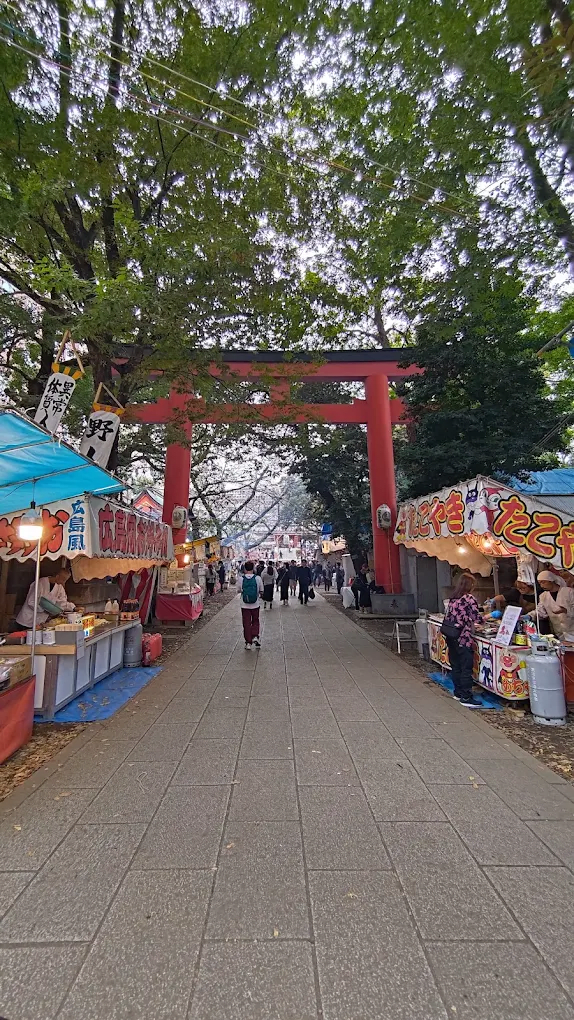
At Tori-no-Ichi, numerous food stalls line up. Walking in front of the stalls, you'll smell delicious aromas from various places that will whet your appetite.
This is an excellent chance to eat festival gourmet food that you often see in anime and manga, such as yakisoba, okonomiyaki, takoyaki, and grilled squid. Also, my top recommendation is to enjoy warm menu items unique to winter festivals. I especially recommend oden, which is a Japanese-style hot pot dish. Eating oden while cold winds blow feels like the warm soup permeates your entire body, making it taste better than eating it in a warm room.
About 200 shops are open, and they are all attractive, so please walk around and look for what you want to eat.
Receive limited Tori-no-Ichi goshuin
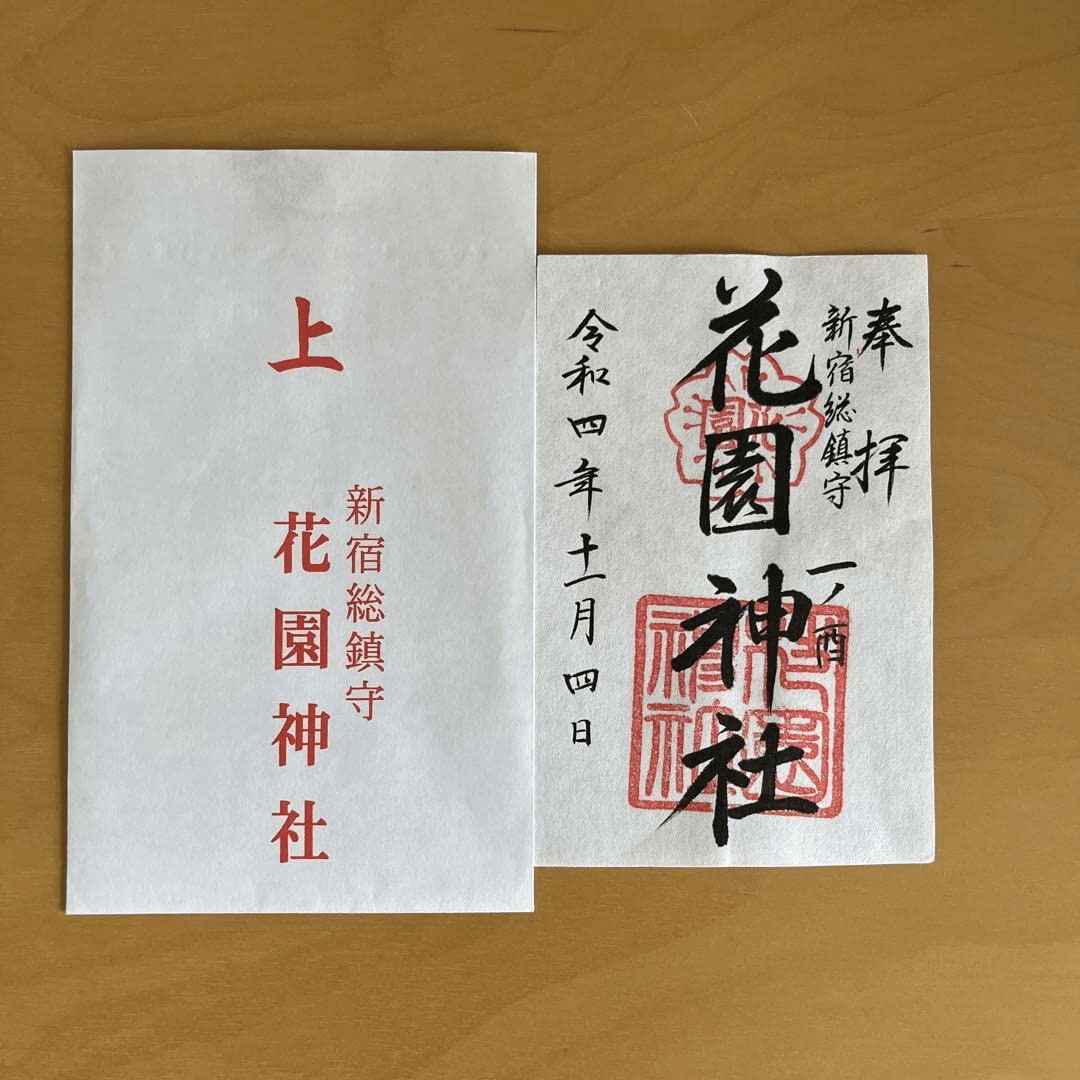
Goshuin consists of each shrine's original stamp and characters written in ink, such as the shrine's name and the date of your visit. Since you can get different goshuin from each shrine, there is a culture of collecting them like a stamp rally. Also, being able to keep a record of shrine visits is one of the reasons for its popularity.
Actually, at Hanazono Jinja, you can receive a special goshuin on Tori-no-Ichi days. In an era when many people digitally preserve travel memories with photos on their smartphones, why not try recording memories in an analog way with goshuin?
Enjoy Exquisite Food Safely Around Kabukicho at Night with Local Guides!
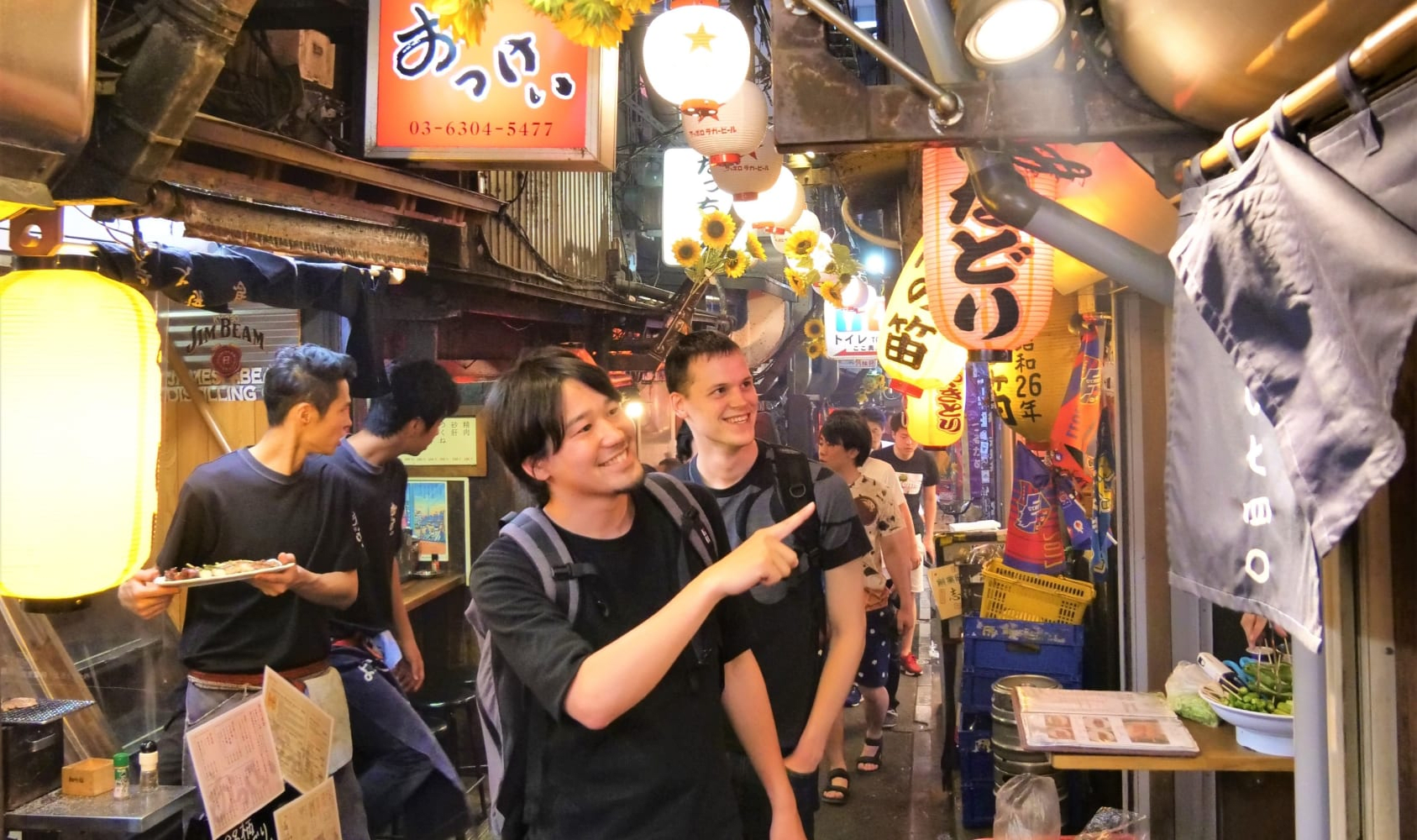
Tokyo Bar Hopping Night Tour in Shinjuku and Tokyo Night Foodie Tour in Shinjuku are night tours that visit 3 dining establishments.
Tokyo Bar Hopping Night Tour in Shinjuku allows you to enjoy Japanese drinking party cuisine while visiting 3 izakaya (Japanese-style bars). With all-you-can-drink options available, this is recommended for those who love alcohol.
Tokyo Night Foodie Tour in Shinjuku lets you taste Japanese gourmet foods such as sushi, wagyu beef, and Japanese sweets. Local guides will teach you dining etiquette, so you can dine with confidence even at high-end restaurants.
The attractive point of both tours is that you can gain knowledge not only about Japanese gourmet food, but also about Japanese food culture, dining manners, and cuisine.
Tour Details
Tokyo Bar Hopping Night Tour in Shinjuku
- Meeting point: In front of Black pillar (Next to Uniqlo Shinjuku Nishiguchi shop)
- Tour area: Shinjuku
- Start times: 17:00, 18:00, 18:30, 19:00
(https://www.magical-trip.com/product/59afbefb-b0d9-4e10-9273-b6c59b81e345)
Tokyo Night Foodie Tour in Shinjuku
- Meeting point: In front of black pillar (Next to Uniqlo Shinjuku Nishiguchi shop)
- Tour area: Shinjuku
- Start times: 17:00, 18:00
(https://www.magical-trip.com/product/e8a26b4b-898e-4e85-bdc2-1fd285dd06ff)
Don't Miss "Asakusa Tori no Ichi," Another One of Tokyo's Best Tori no Ichi Fairs!
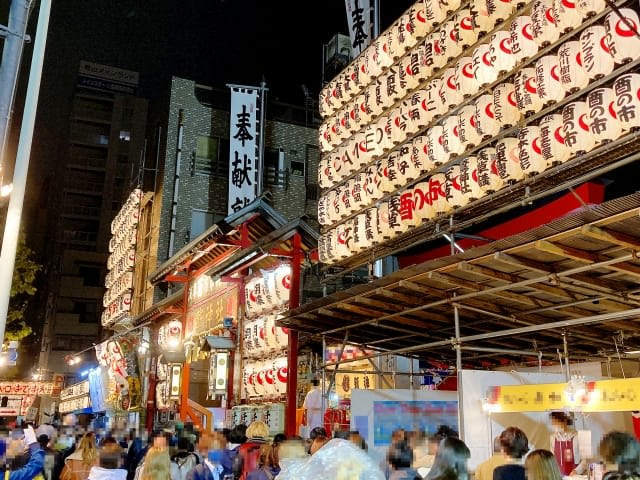
Among the Tori-no-Ichi festivals held throughout Japan, the one held in Asakusa boasts top-level attendance, with over 800,000 people visiting annually. In Asakusa as well, the main attraction of the festival is purchasing ornately decorated kumade (bamboo rakes). Approximately 150 kumade shops line up. Additionally, about 750 food stalls are set up, so you can naturally enjoy festival cuisine.
A characteristic feature of Asakusa's Tori-no-Ichi is that various foods with special powers are also popular. For example, foods that can make you wealthy or prevent catching colds. I ate the wealth-bringing mochi last year. While I didn't win the lottery and become incredibly rich, my savings have been progressing steadily over these past 10 months.
Also, since Tori-no-Ichi is jointly held by a shrine called Otorisama and Chokoku-ji temple, it's also a chance to simultaneously experience Shinto and Buddhism, Japan's ancient religions. You can visit both in sequence for prayers.
- Date: November 7 and 19, 2026
- Access: 7-minute walk from Exit 3 of Iriya Station on the Tokyo Metro, 9-minute walk from Minowa Station on the Tokyo Metro
- Admission: Free
- Website: https://torinoichi.jp/
Other Events to Enjoy in Shinjuku in November Besides Tori no Ichi
NIPPON Local Ramen General Election 2026
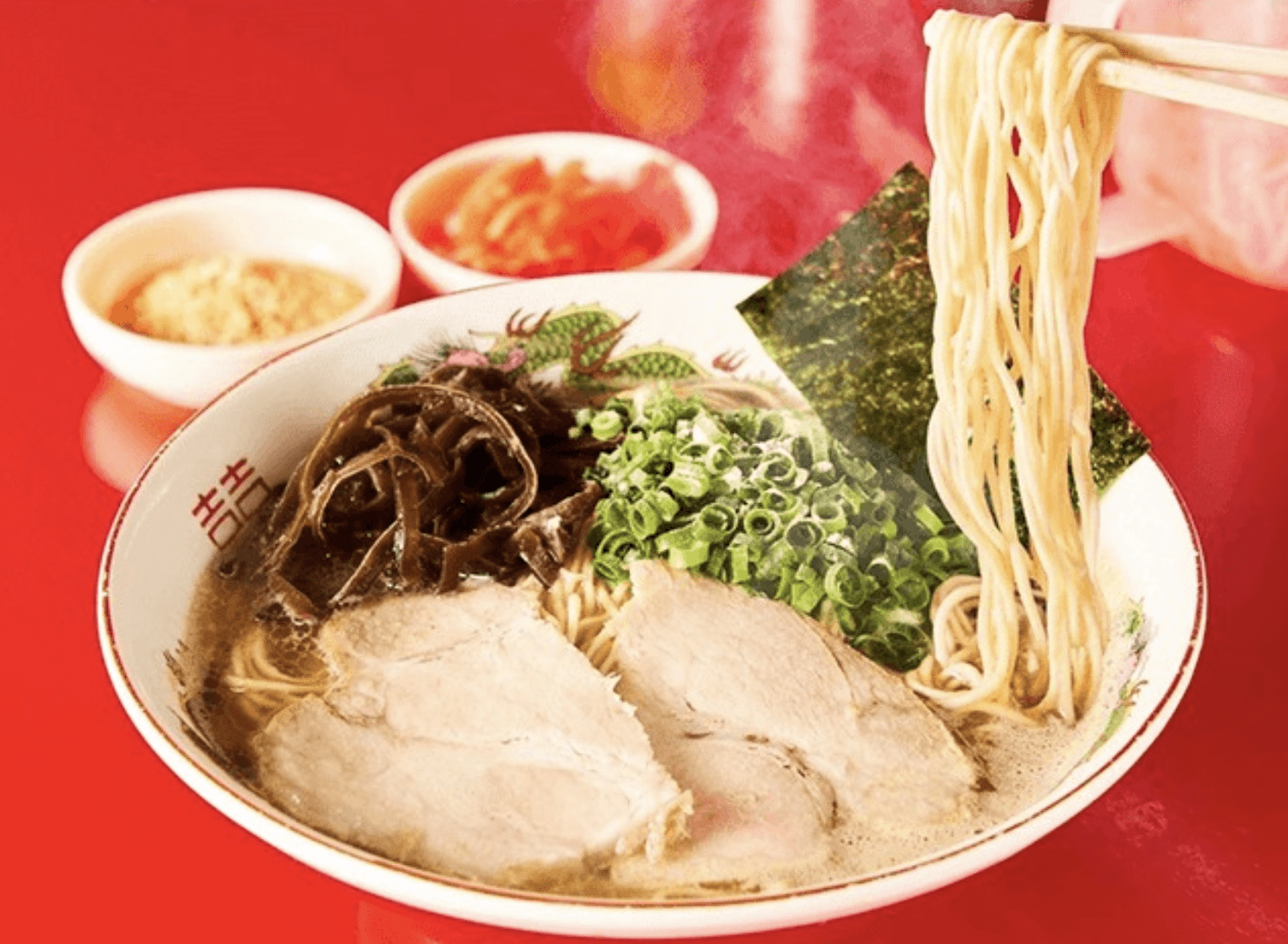
NIPPON Local Ramen General Election is a food festival where 185 varieties of ramen from across the country gather. In fact, Japan has hundreds, even thousands of different types of ramen with varying characteristics in soup, noodles, and toppings.
At NIPPON Local Ramen General Election, local ramen varieties that are deeply rooted in specific regions and form food culture are assembled. Some use local specialties as ingredients, allowing you to experience various regional food cultures through ramen.
When you come to NIPPON Local Ramen General Election, you can eat various ramen simultaneously in one place. The attractive point is being able to feel the differences in taste while comparing them. This Shinjuku Event November 2026 offers an incredible opportunity for tourists to explore Japan's diverse ramen culture.
Information
- Dates: TBA (November 26-30, 2025)
- Access:
About 2-minute walk from Seibu Railway Shinjuku Line "Seibu-Shinjuku" Station North Exit
About 8-minute walk from JR Yamanote Line "Shinjuku" Station
- Admission: Free (1,000 yen per bowl of ramen)
- Website: https://www.ramenshow.jp/gr/
Shinjuku Gyoen Chrysanthemum Festival
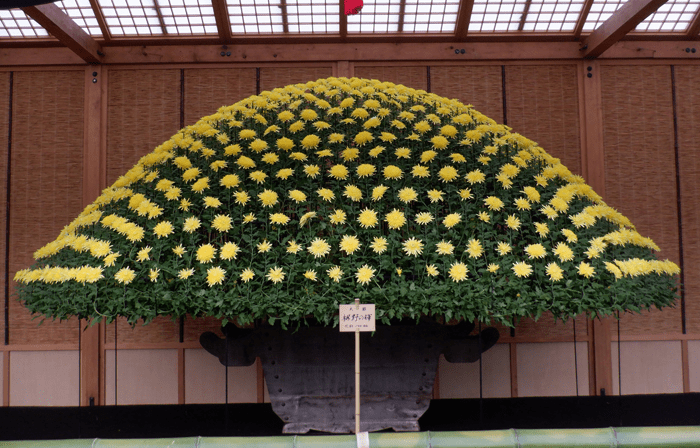
Every November, when chrysanthemums are in full bloom, Shinjuku Gyoen holds an event called the Chrysanthemum Festival. During the event period, covered flower beds called Upper Houses are set up throughout the garden, showcasing vivid and colorful chrysanthemums.
The chrysanthemums are planted with meticulous calculation to complement the surrounding scenery, making the precise horticultural techniques just as impressive as the beauty of the flowers themselves. The Large Flower Beds, where hundreds of blooms from a single plant are arranged in a semicircle, are equally stunning and captivate visitors with their artistic beauty.
I visit Shinjuku Gyoen every autumn and find myself enchanted by the beautiful chrysanthemums each time. If you want to experience Japan's remarkable horticultural artistry, this is a highly recommended event.
- Date: November 1 to November 15, 2026
- Access: 5-minute walk from Shinjuku-Gyoenmae Station on the Tokyo Metro Marunouchi Line
- Admission: 500 yen
- Website: https://fng.or.jp/shinjuku/
Autumn Leaves at Shinjuku Gyoen
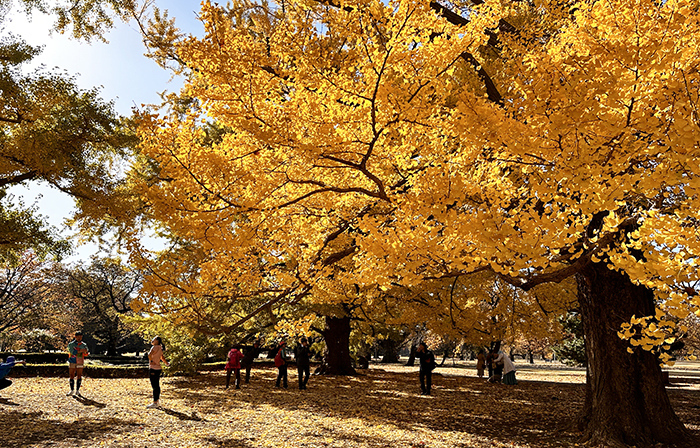
Shinjuku Gyoen National Garden is a massive garden with a 3.5km perimeter that was originally created as an imperial garden. In autumn, approximately 800 trees display colorful foliage in yellow, red, and orange hues. Various types of autumn scenery spread throughout different areas of the garden, allowing you to enjoy walking while feeling excited about what kind of scenery you'll encounter next.
For example, fallen ginkgo leaves create yellow carpets, beautiful combinations with large ponds, and perfect matches with Japanese gardens - the variety of scenery is diverse.
I love visiting Shinjuku Gyoen National Garden after purchasing light meals from convenience stores or bakeries. Eating while watching leaves fall right in front of you is amazing, and autumn provides the perfect temperature for outdoor dining.
Information
-Peak season is typically late November to mid-December each year
- Access: 10-minute walk from Shinjuku Station
- Admission: Adults 200 yen, Elementary/Middle school students 50 yen, Preschoolers free
Shinjuku Chuo Park Autumn Festival
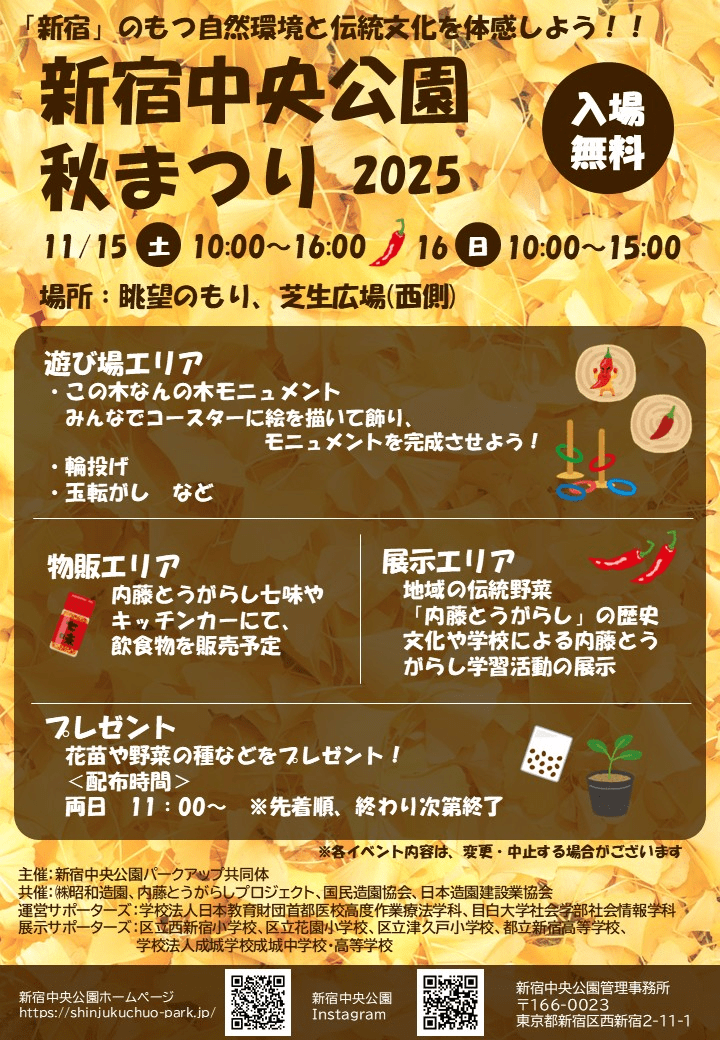
Every November, Shinjuku Chuo Park hosts an autumn festival centered around the concept of freely playing in nature. Highlights include ring toss, ball rolling games, and the chance to freely draw your own designs on wooden coasters.
At the merchandise area, products made with Naito Chili Pepper are sold. Naito Chili Pepper is a variety of chili pepper that was cultivated in Shinjuku during the Edo period and has recently attracted renewed attention after being revived. At the festival grounds, you can also view an exhibition introducing the history of Naito Chili Pepper.
Many food trucks also attend the event, so enjoy the festival while tasting a wide variety of foods. Since you can enjoy the festival while viewing the autumn foliage, this is a highly recommended event for anyone looking to fully experience a Japanese autumn.
- Date: Mid-November 2026
- Access: 1-minute walk from Tochomae Station on the Toei Oedo Line, 5-minute walk from Nishi-Shinjuku Station on the Tokyo Metro Marunouchi Line, 10-minute walk from JR Shinjuku Station
- Admission: Free
- Website: N/A
Shinjuku Chuo Park Flea Market
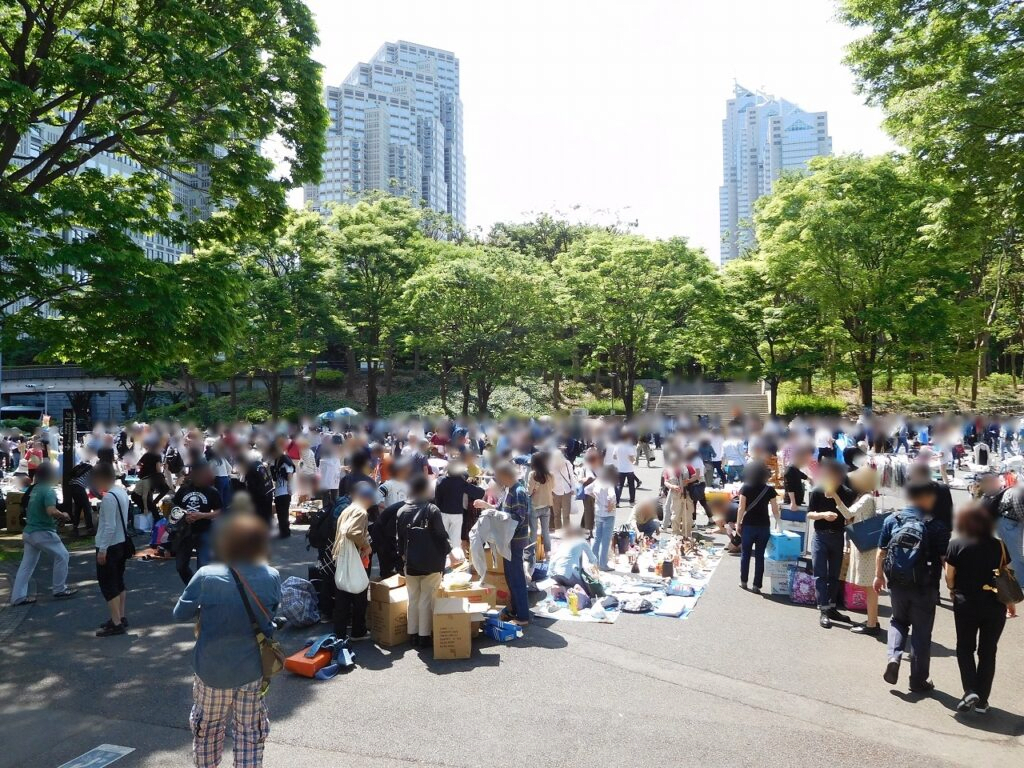
Shinjuku Chuo Park holds a Flea Market once every two months. Taking place at the Fountain Plaza, it is a large-scale event with approximately 150 vendors gathered in one place, where you can purchase a wide variety of items at bargain prices.
The market is packed with hidden gems such as vintage clothing, accessories, and miscellaneous goods, and many items with a traditional Japanese feel are also on sale. Located near hotels such as the Hilton and Hyatt in Shinjuku, this event also draws many international tourists visiting Japan.
I make it a point to visit every time the Flea Market is held, and I always enjoy browsing the venue in search of unique finds. If you are looking to pick up one-of-a-kind souvenirs in Japan, this event is highly recommended.
- Date: Mid-November 2026
- Access: 1-minute walk from Tochomae Station on the Toei Oedo Line, 5-minute walk from Nishi-Shinjuku Station on the Tokyo Metro Marunouchi Line, 10-minute walk from JR Shinjuku Station
- Admission: Free
- Website: N/A
Shinjuku Golden Gai Autumn Festival
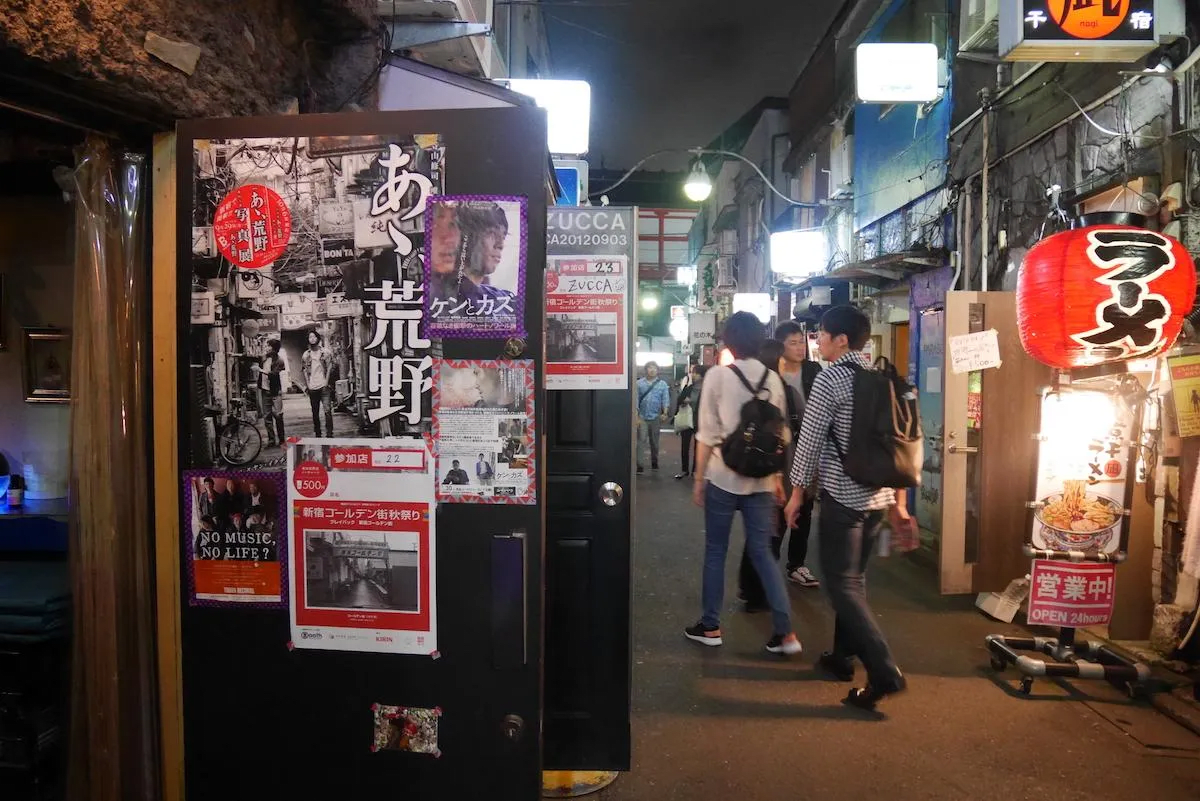
Shinjuku Golden Gai is a narrow alley area where approximately 300 bars and izakaya are densely packed together. As a place that preserves the atmosphere of Japan from 50-60 years ago, it attracts attention from people worldwide. Many renowned Japanese literary figures also favored this place. I visit frequently as well. It's enjoyable to bar-hop while imagining if my grandparents might have seen similar scenery.
What makes Shinjuku Golden Gai attractive is that each establishment has its own unique concept. Please enjoy various concepts while bar-hopping.
Shinjuku Golden Gai occasionally hosts bar-hopping events. On event days, you can receive great benefits by visiting 5-6 bars. During the 2024 autumn festival, completing 5 establishments allowed participation in a lottery for luxurious prizes.
Information
- Schedule: Early November 2026
- Access: 5-minute walk from JR Shinjuku Station Southeast Exit
- Admission: Free (food and drink costs required)
Long-Awaited by Locals! Shinjuku Illumination Events Starting in November
Shinjuku Central Park Candle Night
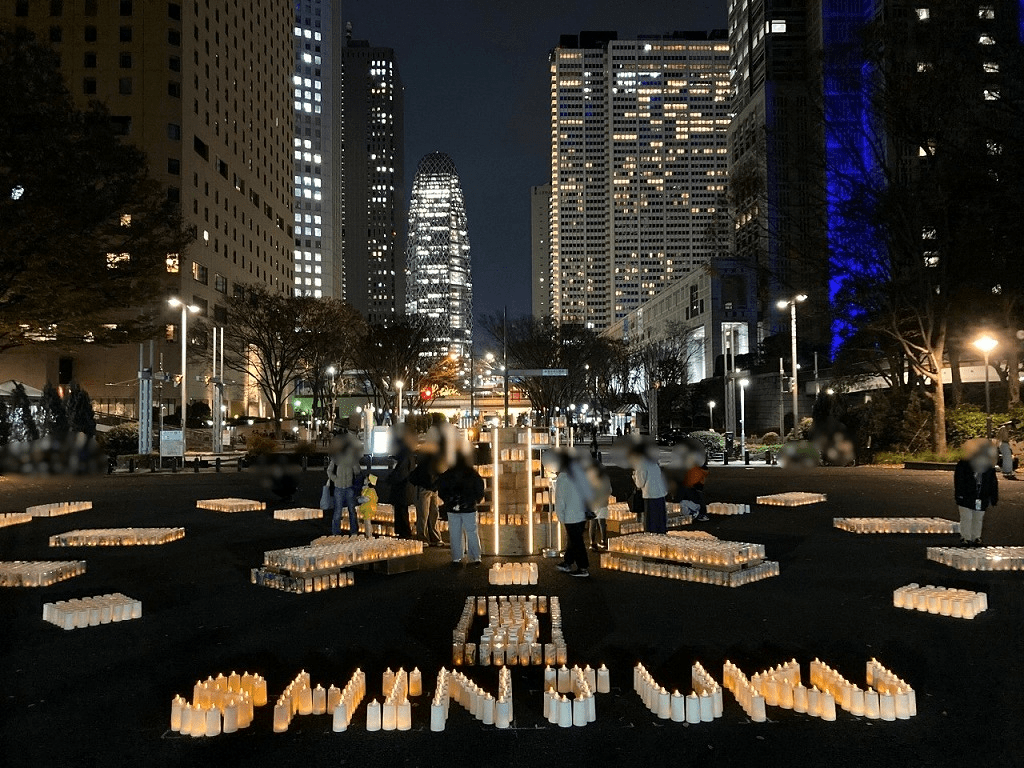
Shinjuku Candle Night is an event held annually in late November at Shinjuku Chuo Park. During the event, participants decorate candles with their own coloring designs and display them in the plaza, where they are lit to create a magical atmosphere.
Admission is free, and anyone from children to adults can participate. The combination of countless glowing candles lighting up the plaza and the nighttime skyline of Shinjuku's skyscrapers is nothing short of artistic beauty. You can freely write a wish on your candle, so feel free to write down whatever wish you'd like to come true.
In addition to the candle display, there is also a corner where you can make your own original bracelet using rope, and another corner where you can experience making a train-shaped paper craft. If you want to soak in the beautiful scenery of Shinjuku bathed in warm, glowing light, this is an event you won't want to miss. This is one of the most charming Shinjuku events in November through winter that continues to draw visitors season after season.
<Information>
- Date: Late November 2026
- Access: 1-minute walk from Tocho-mae Station (Toei Oedo Line), 5-minute walk from Nishi-Shinjuku Station (Tokyo Metro Marunouchi Line), 10-minute walk from Shinjuku Station (JR)
- Admission: Free
- Website: None
Shinjuku Park Tower Winter Illumination
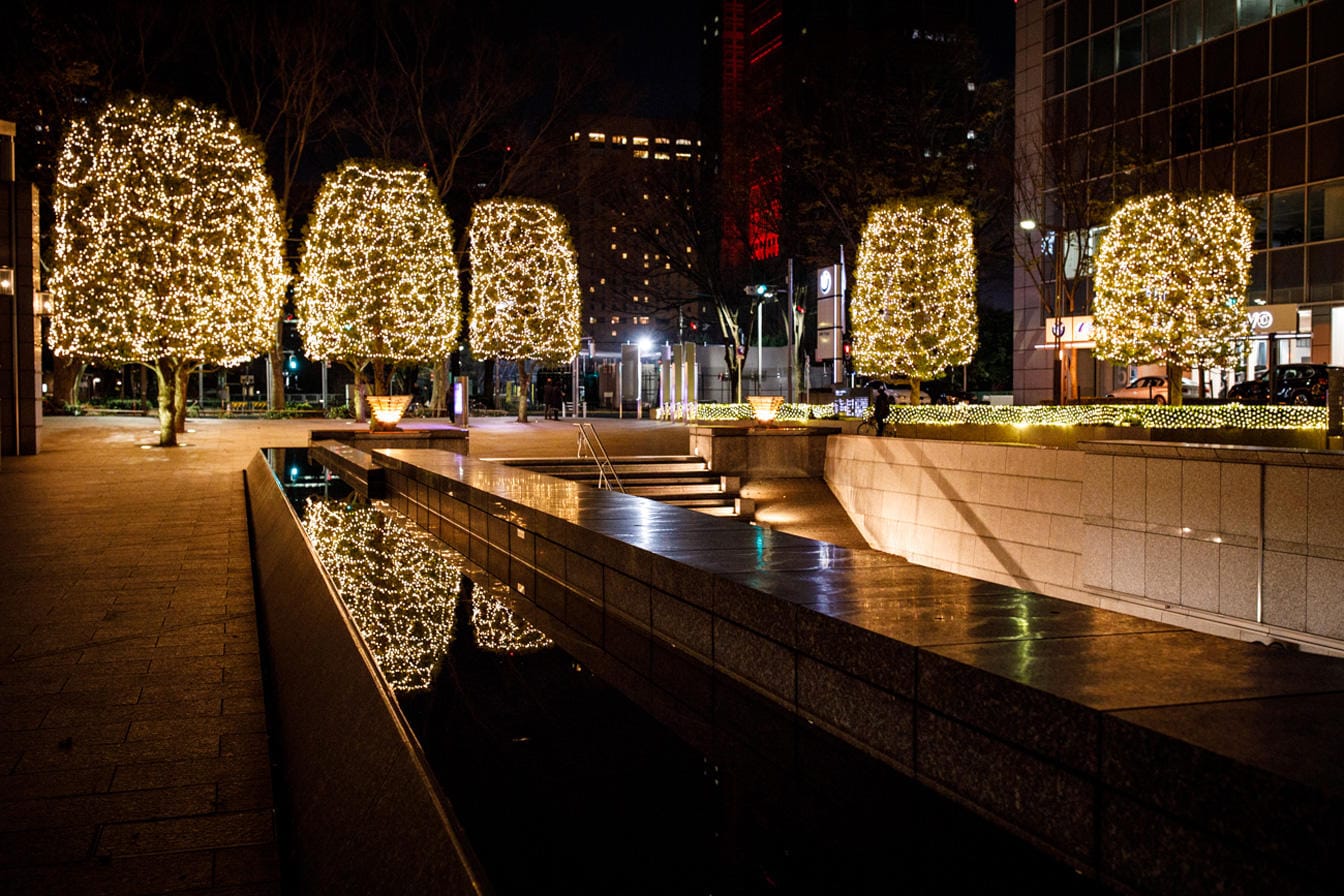
The Winter Illumination is an illumination event held annually at Shinjuku Park Tower. Centered around the first-floor lobby and the fountain plaza, visitors can enjoy a fantastical scene created by approximately 60,000 LED lights.
From mid-November through Christmas on December 25th, beautifully illuminated Christmas trees appear around the first-floor lobby to bring the festive holiday spirit to life. The stunning light display set against the backdrop of a high-rise skyscraper is a work of art in itself, and the sight of the crisp winter scenery glowing brightly under the lights is truly breathtaking.
One of its standout features compared to other illumination events is its extended lighting hours — the lights are on from 4:00 PM all the way until 4:00 AM the following morning. If you're looking to enjoy the beautiful scenery of Shinjuku's winter night sky, this is definitely a spot worth visiting.
<Information>
- Date: Mid-November 2026 – Mid-February 2027
- Access: 6-minute walk from Hatsudai Station (Keio New Line), 10-minute walk from Shinjuku Station (Toei Shinjuku Line), 12-minute walk from Shinjuku Station (JR)
- Admission: Free
- Website: https://www.shinjukuparktower.com/
Two Recommended Events Around Shinjuku in November That Authors Enjoy
In Tokyo, which has world-class transportation convenience, you can visit other areas and return within half a day. Therefore, let me introduce two events you can enjoy in areas around Shinjuku. Both are perfect for people interested in Japanese culture, making them ideal Shinjuku Events for November 2026.
Meiji Shrine Autumn Grand Festival
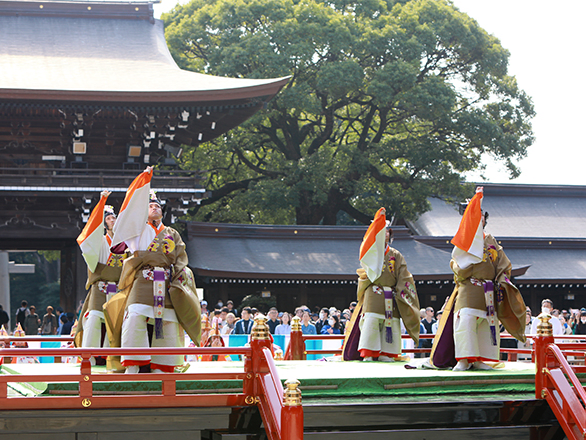
Aki no Taisai is a very important event held at Meiji Shrine, where imperial messengers dispatched by the Emperor also participate. You can have very precious experiences with various Shinto rituals performed, along with performances of traditional Japanese arts and traditional sports.
Examples of performances include Noh (theater performed with masks, dancing to singing and traditional Japanese instruments), traditional Japanese instrumental performances, and Japanese traditional dance. Each movement and sound is refined, and I felt a beauty that made me completely absorbed in watching.
The attractive point of Aki no Taisai is that you can experience Japanese tradition from various angles. Please feel the beauty, delicacy, and strength of Japanese culture.
Information
- Schedule: TBD for 2026 (annually November 1-3)
- Access: 1-minute walk from Harajuku Meijijingu-mae Station, 5-minute walk from Yoyogi Station, 3-minute walk from Sangubashi Station, 5-minute walk from Kita-sando Station
- Admission: Free
- Website: https://www.meijijingu.or.jp/en/
"Kakuuchi" (Standing Bar) Festival
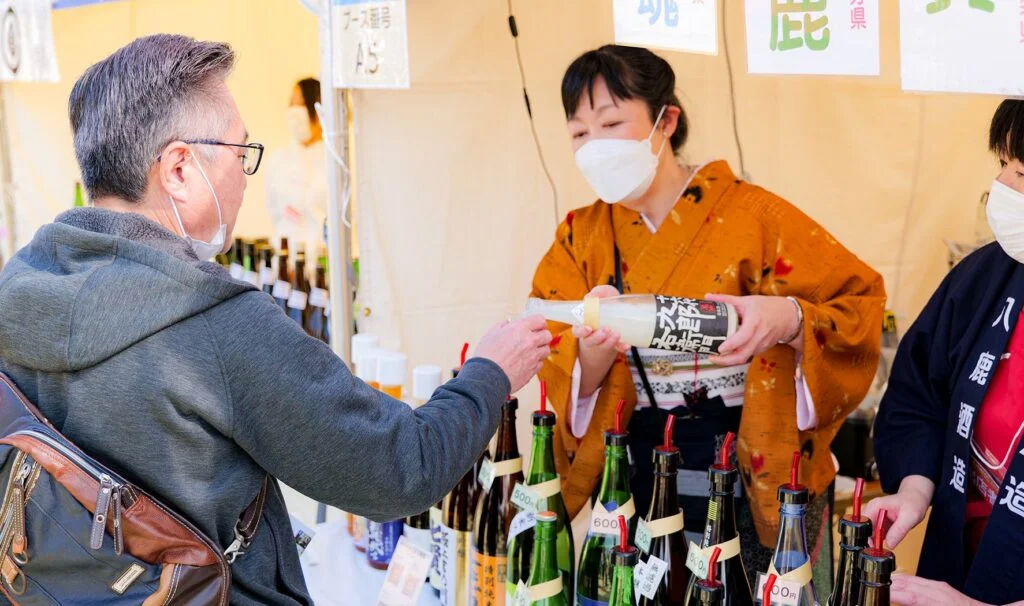
The "KAKUUCHI" Festival is a must-see event for alcohol enthusiasts, featuring sake tasting comparisons, gourmet pairings, and stage events. You can enjoy sake-centered alcoholic beverages gathered from various parts of Japan, mainly Tokyo, in the "KAKUUCHI" style - ordering one glass at a time. The attractive point is being able to compare various alcohols since you can drink small quantities.
Another pleasant point is that when you tell them your preferred alcohol type or types you're interested in - sweet, dry, refreshing, fruity, etc. - they'll introduce perfect alcoholic beverages for you. Since I like refreshing alcohol, I compared refreshing alcohols at various booths. It was enjoyable to feel how completely different the flavors were even among refreshing alcohols.
Please note that drinking alcohol is prohibited for those under 20 years old in Japan.
Information
- Schedule: TBA (November 14-16, 2025)
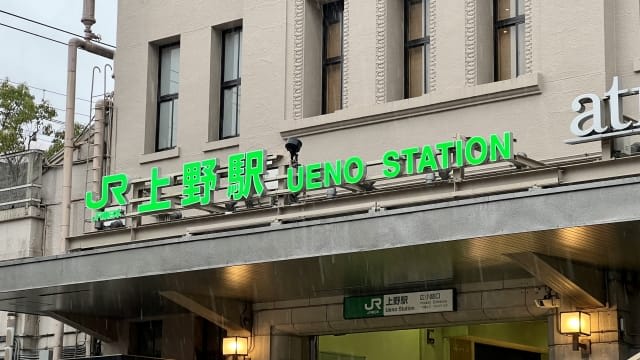
- Access: About 5 minutes from JR Ueno Station Park Exit
- Admission: 500 yen (includes sake tasting experience ticket) Free admission for those under 20
- Website: https://kakufes.com/