Shinjuku July 2026: Eisa, Best Summer Festivals, Bon Odori & Hidden Local Events
Since moving to a neighborhood adjacent to Shinjuku in 2024, I've been visiting Shinjuku almost daily to explore its appeal and discover spots I can recommend to tourists.
The reason for publishing this article is the growing interest in tours that allow visitors to safely and deeply experience Shinjuku's nightlife. As these tours gain popularity, Magical Trip's tour, which ranked #1 among all tours on Tripadvisor, has been receiving numerous applications.

If you want to enjoy Shinjuku's nightlife, I recommend the "Tokyo Bar Hopping Night Tour in Shinjuku," which ranked #1 on Tripadvisor. Our guides who know Shinjuku inside and out will take you bar hopping while avoiding dangerous areas, allowing you to fully enjoy Shinjuku at night.
I also recommend the "Tokyo Night Foodie Tour in Shinjuku," where you can enjoy premium wagyu beef barbecue and exceptional sushi. You'll learn from food-savvy tour guides about the best ways to grill your meat and proper sushi etiquette while enjoying exquisite Japanese cuisine.
I hope you can safely and thoroughly enjoy Shinjuku's nightlife with Magical Trip's tours!
Introduction
The maximum temperature in Tokyo in July rises to around 30 degrees Celsius, making short-sleeved shirts just right for the climate. Early July is the rainy season (a period of continuous rain and cloudy weather), so the weather is unstable, but once the rainy season ends, sunny days continue and many people go out to enjoy themselves.
Shinjuku is packed with long-established department stores, shopping buildings, and deep drinking districts, filled with charm that won't bore you even if you stay for a day. It's one of the top 1-2 bustling areas in Tokyo, characterized by crowds of people regardless of weekdays or weekends.
In July 2026, Shinjuku will host numerous unmissable events, including those with history and experiences unique to Shinjuku. This time, I'll introduce the highlights, basic information, timing, and access to these event venues.
2026 Year-round Event Schedule in Shinjuku↓
・Shinjuku: List of Events & Festivals for 2026
 sena kanda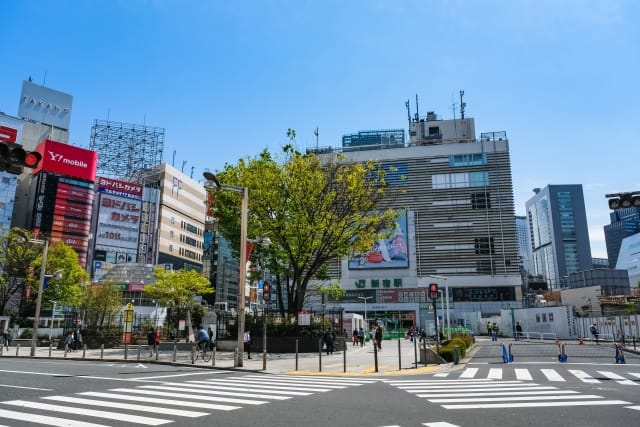
The biggest event in Shinjuku in July is the "Shinjuku Eisa Festival 2026"
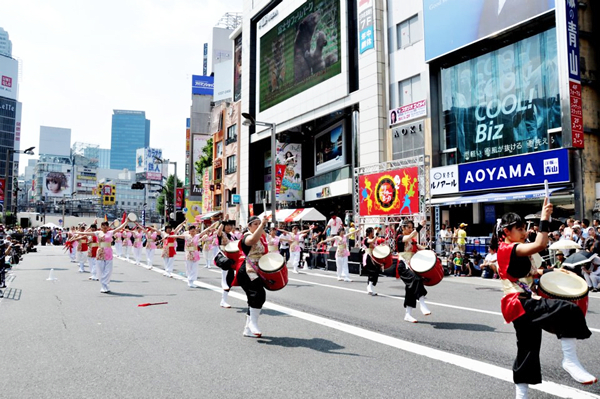
The biggest event in Shinjuku in July is the "Shinjuku Eisa Festival 2026." The Shinjuku Eisa Festival is an event where you can see Eisa, a traditional Okinawan performing art, in Shinjuku. Held annually on the last Saturday of July, this summer tradition in Shinjuku attracts many visitors who come to see the Eisa performances.
Eisa is performed at various locations throughout Shinjuku, and there are also opening ceremonies, stage events, Okinawa tourism booths, and Okinawa-related events at nearby facilities, coloring Shinjuku in Okinawan colors.
What is Eisa?
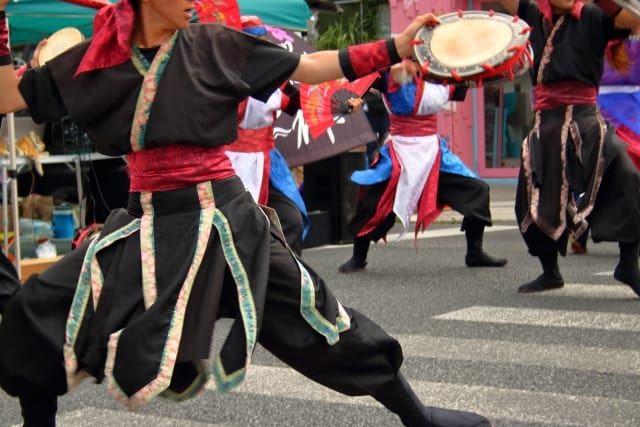
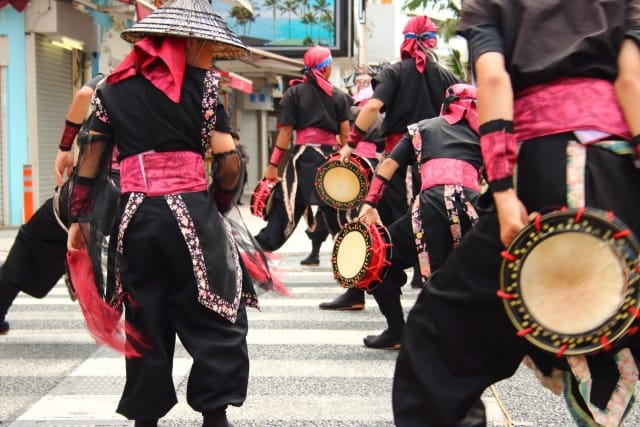
Eisa is one of Okinawa's traditional performing arts, a dance performed while beating drums to the accompaniment of Uta sanshin (a performance style of singing while playing the sanshin, a traditional Okinawan instrument) to honor ancestors.
The highlight is being able to watch young people dressed in gorgeous costumes performing powerful drum performances and rhythmical dances. The performers captivate the audience with their perfectly coordinated movements in each group. When I watched Eisa for the first time, I was captivated by its overwhelming performance.
If you watch the energy-filled Eisa performed by young people, you'll definitely experience a sense of exhilaration during this exciting Shinjuku event in July 2026.
History and origins of Eisa
There are various theories about the history of Eisa, but it is said to have started about 400-500 years ago.
It is said that when Okinawa was still the Ryukyu Kingdom, the Jodo sect was introduced, and people began to sing songs at funerals and memorial services to honor the deceased. In the Showa era, as entertainment elements were added to Eisa, people could enjoy not only traditional Eisa but also Eisa arranged in a modern style with unique performances. It was also around this time that women began to be active as dancers.
Now, Eisa is performed and attracts attention throughout Japan, even at events other than those where Eisa was traditionally performed.
What you should know to enjoy Eisa
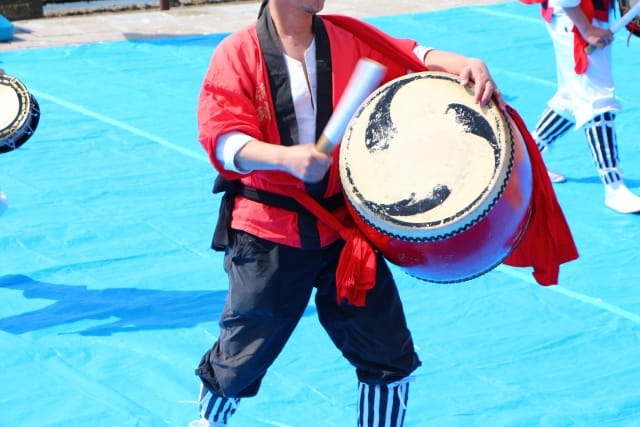
I'll explain the role assignments that make up Eisa, which you should know to enjoy it.
There are mainly 7 roles in Eisa:
- Large drum
- Small drum
- Jikata/Ji-ute (sanshin players and singers)
- Ikigamoi (male dancers)
- Inagumoi (female dancers)
- Flag leader (flag bearer)
- Choo-ndara (clowns who excite the audience)
In Eisa, led by the flag leader, powerful drums keep the tempo to the sanshin and songs of the jikata, while male and female dancers dance brilliantly. The white-painted choo-ndara encourages the dancers and interacts with the audience to liven up the atmosphere.
If you watch Eisa with attention to these roles, you'll be able to fully enjoy the charm of this traditional performance at the Shinjuku event in July 2026!
For Those Interested in Tradition and Japanese Culture, Tours with Locals are Recommended
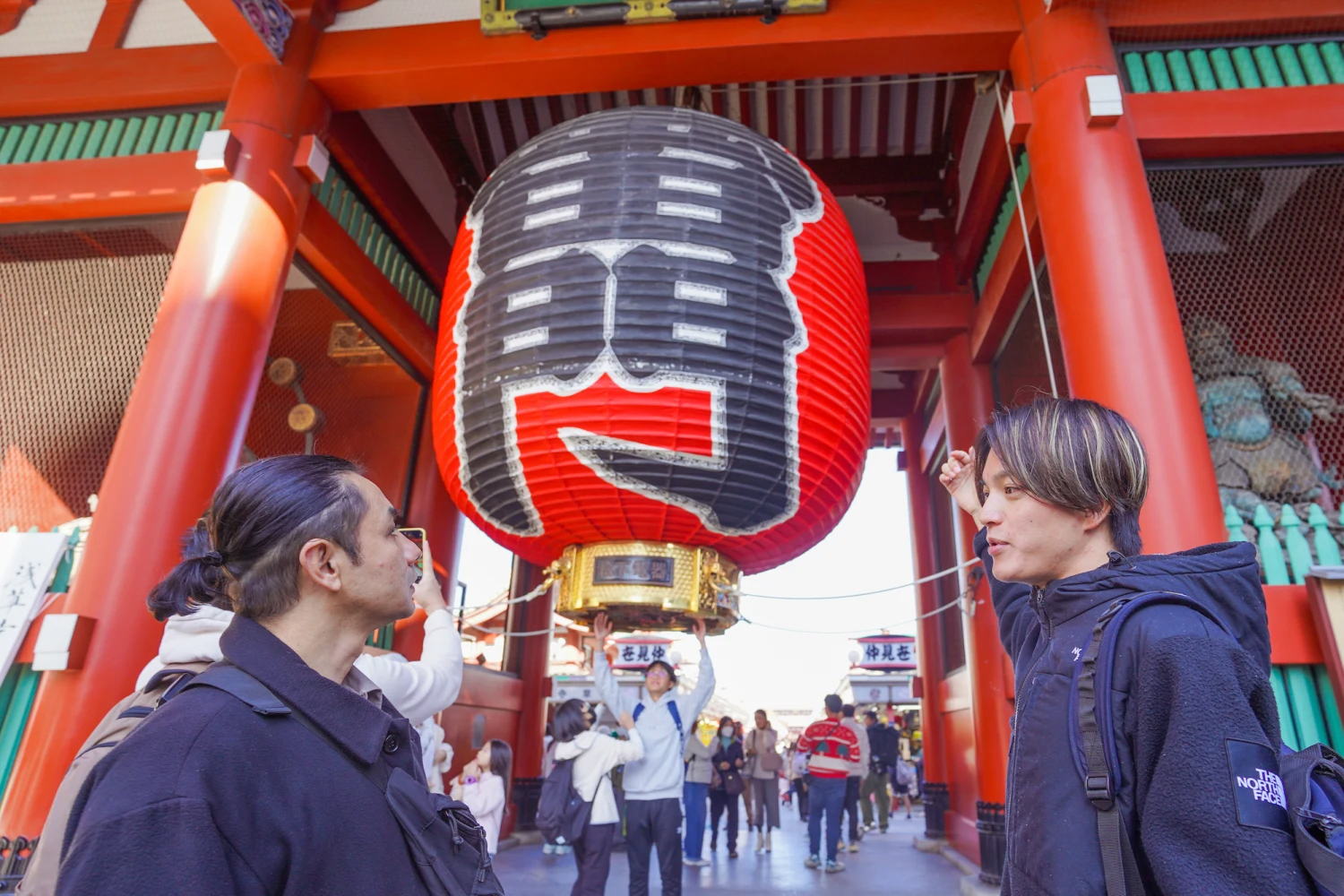
For those interested in tradition and Japanese culture, tours with locals are highly recommended.
The Asakusa Cultural Walk & Matcha Making Tour offers an experience that includes visiting Asakusa, a tourist spot that evokes Japanese history, along with experiencing the traditional Japanese culture of tea ceremony (serving tea to guests according to formal procedures). The tour visits 5 locations:
- Kaminarimon
- Nakamise Shopping Street
- Sensoji Temple
- Tea Ceremony Experience
- Hoppy Street (Monjayaki lunch)
On the tour, you can take photos at Kaminarimon, which is considered a symbol of Asakusa and is famous for its large red lantern, eat traditional Japanese sweets at Nakamise Shopping Street with its 300-year history, and learn about history from guides at Sensoji Temple.
Among these, my personal recommendation is the tea ceremony experience conducted in a Japanese tea room. In this quiet space that makes you forget you're in bustling Tokyo, preparing tea will release you from your busy daily life and allow you to relax deeply.
〈Meeting point〉
- Tour area: Asakusa
- Start time: 11:00
Special Experiences in Shinjuku for July 2026
Here, I'll introduce some special events you can experience in Shinjuku during July 2026.
Hanazono Shrine Antique Market
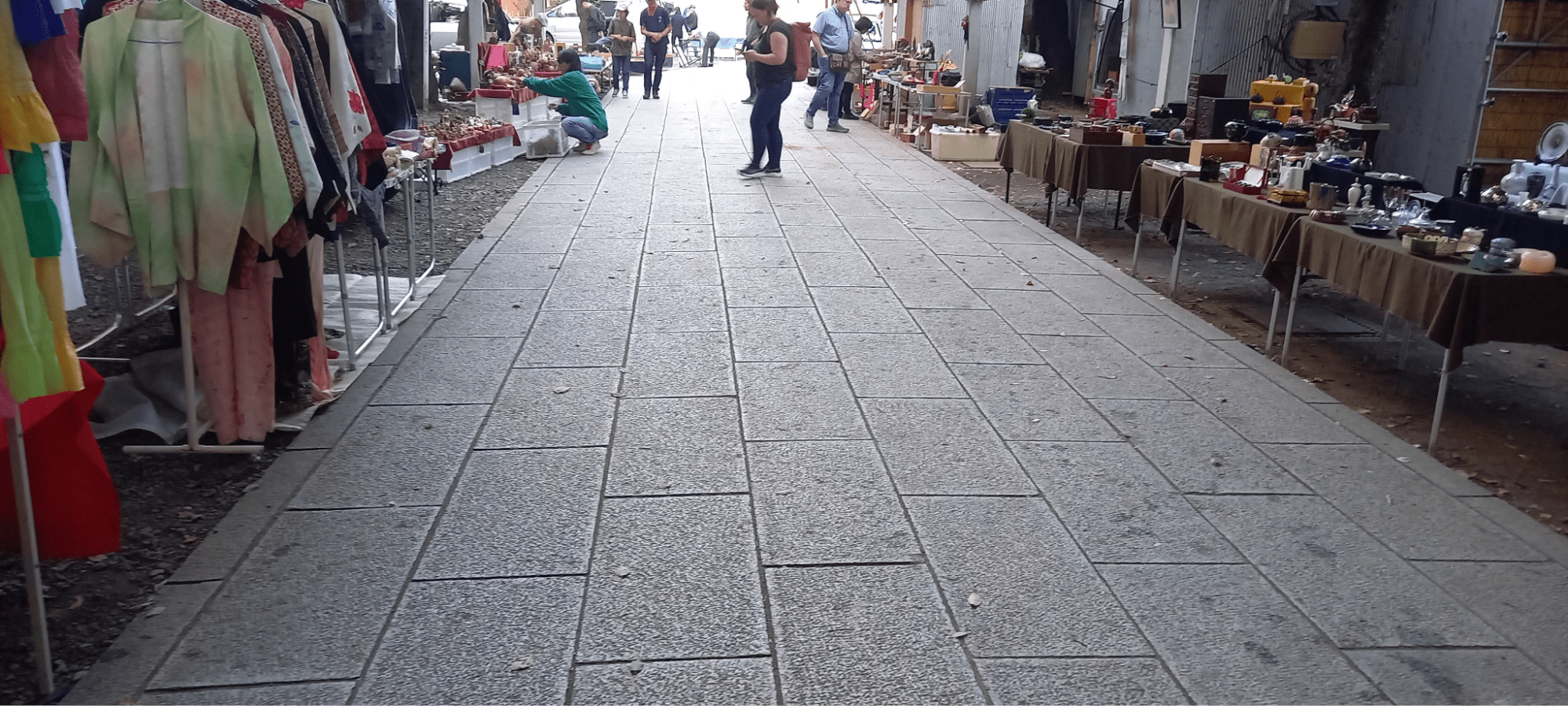
The Hanazono Shrine Antique Market is a flea market held at Hanazono Shrine, which has been beloved in Shinjuku since before the Edo period began. It takes place every Sunday from 6:30 until sunset, with about 40 vendors gathering. The market is packed with various items including pottery, retro goods, and paintings, making it enjoyable just to browse.
I once stopped by after visiting the shrine and fell in love at first sight with a small bowl perfect for everyday use. Although I'm not usually an impulse buyer, I felt destined to purchase this item that I couldn't find anywhere else.
The market is easily accessible from the busy downtown area, so please drop by while sightseeing.
<Information>
- Date: Every Sunday
- Access: Immediately from Shinjuku-sanchome Station on various lines, 7-minute walk from Shinjuku Station
- Admission: Free
- Website: http://kottou-ichi.jp/
Tokyo Night Market
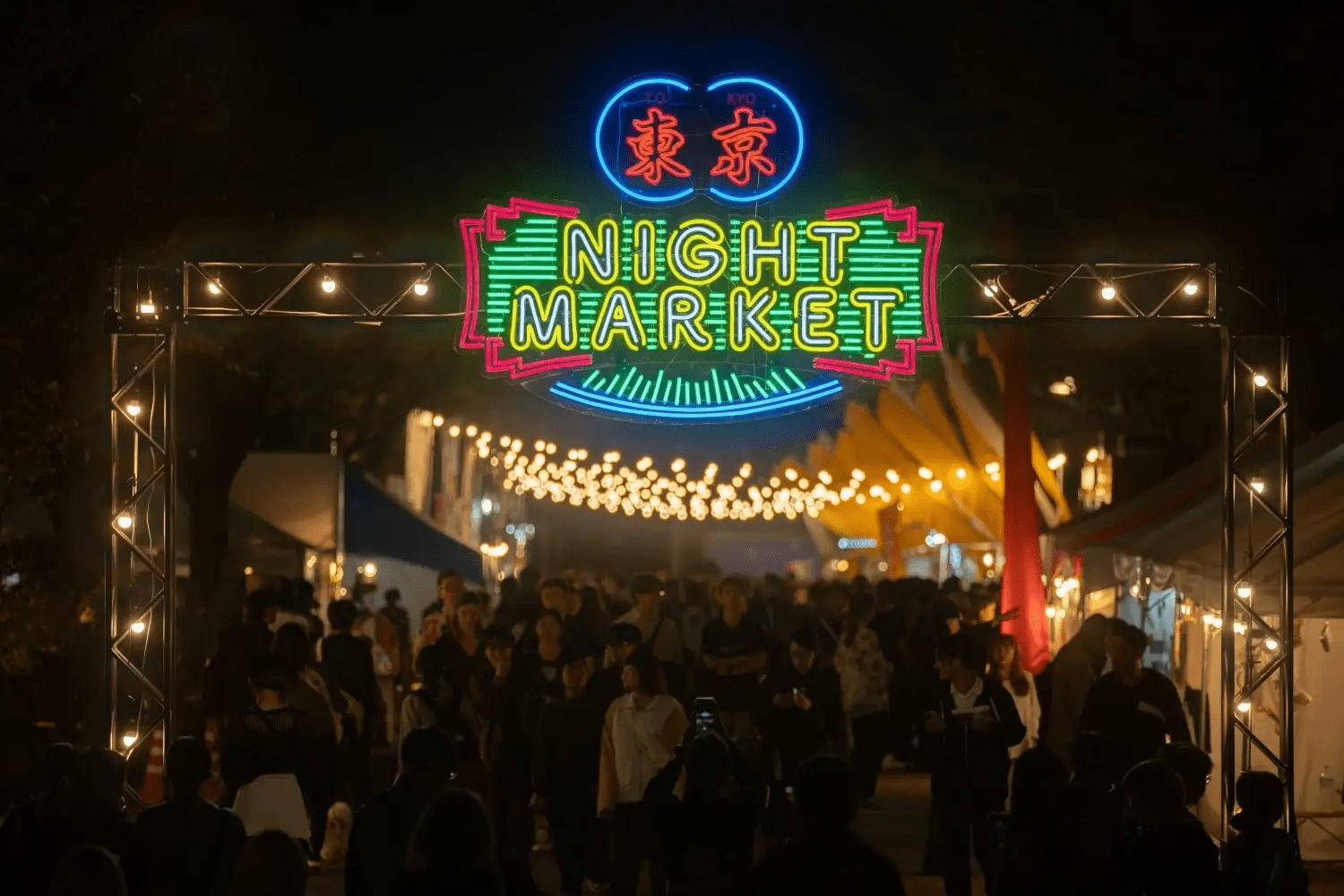
Tokyo Night Market 2026 is an event held at Yoyogi Park's Keyaki Avenue with the concept of "Enjoying Asian night markets in Tokyo."
I visited with a friend who loves Asian culture. When you step into the market, you'll hear music that makes you want to dance, instantly lifting your spirits!
At the venue, not only are there abundant food and drink menus, but you can also enjoy various performances and shopping at Asian goods stores. I entered when it opened at noon and was surprised to find it had gotten dark outside before I realized it. As night falls, the neon lights begin to shine, creating a different atmosphere from daytime, which is another attractive point.
The information desk offers English language support to make it easier for international tourists to participate. Why not join in and enjoy drinking, eating, and dancing in this lively venue until it closes at 10 PM?
<Information>
- Dates: TBD in July 2026
- Access: 9-minute walk from Harajuku Station on the Yamanote Line or Meiji-jingumae Station on the Chiyoda Line
- Admission: Free
- Website: https://tokyo-night-market.com/
Arabian Festival
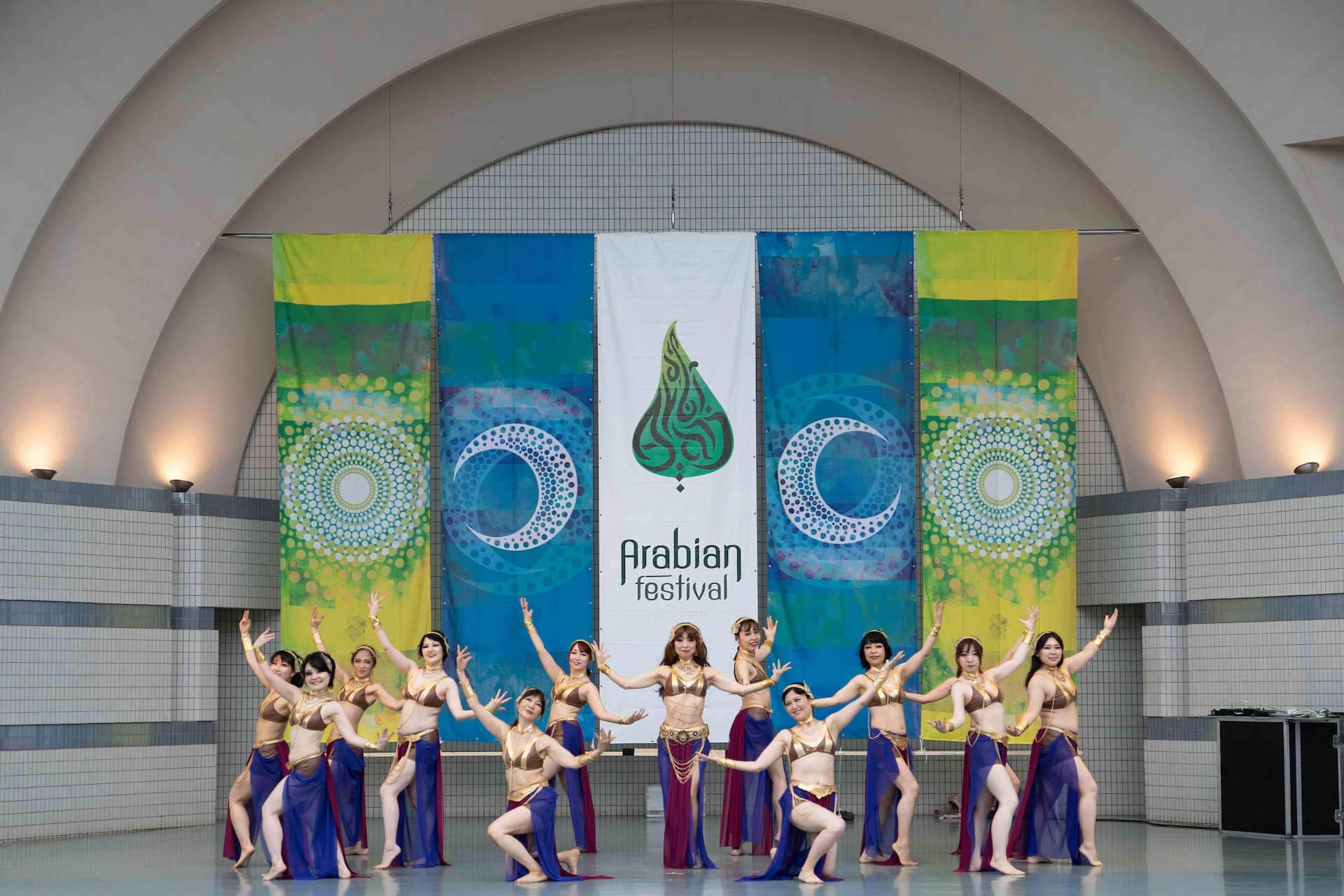
Arabian Festival 2026 is an outdoor festival event that mixes Middle Eastern and Tokyo cultures, held at the Keyaki tree-lined avenue in Yoyogi Park. At the main stage, you can enjoy belly dancing performances by women in gorgeous costumes, DJ live music, and in the market area, you can shop for Middle Eastern cuisine and goods.
The highlight is the Exotic Bon Dance (a fusion of freestyle Bon dance and belly dancing). Dancing this unprecedented blend of Japanese tradition and exotic culture is stimulating and will become a memorable experience. When I participated in the dance, it was impressive to see people of all backgrounds laughing and enjoying themselves together, regardless of race.
This July 2026, tourists visiting Shinjuku can make a special trip to this event that's just a short train ride away. The festival offers an accessible way to experience Middle Eastern culture through food and dance.
<Information>
- Date: TBD (held July 6–7 in 2025)
- Access: 9-minute walk from JR Yamanote Line Harajuku Station or Chiyoda Line Meiji-jingumae Station
- Admission: Free
- Website: https://arabian-fes.com/ (2024 site)
Local Summer Festivals to Enjoy Across Shinjuku-ku as a Shinjuku Event in July 2026
Kagurazaka Festival
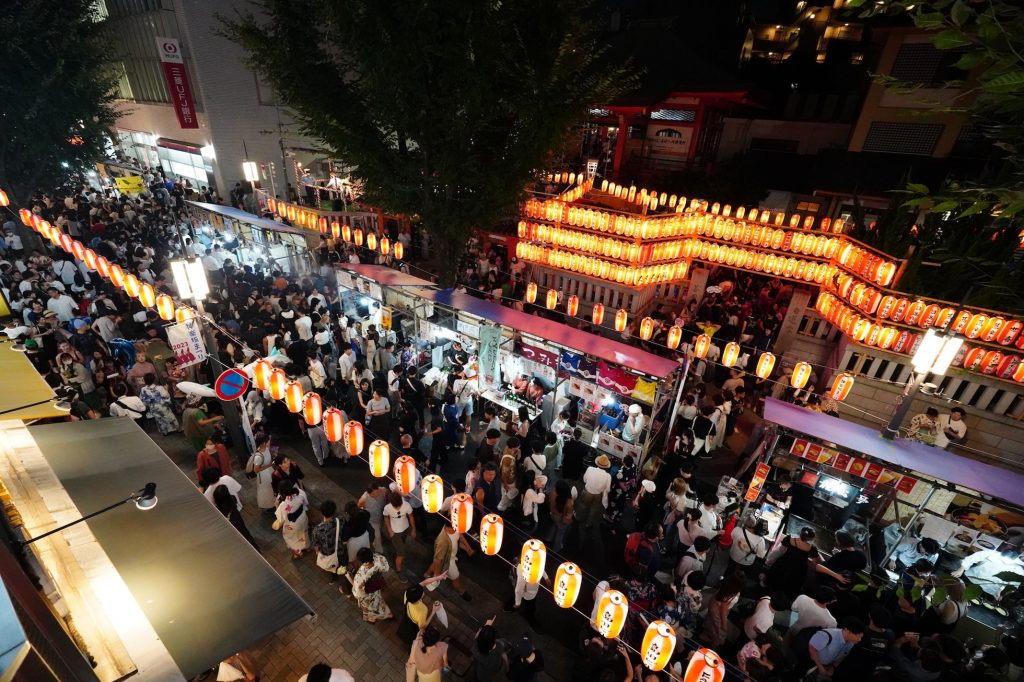
The Kagurazaka Festival takes place primarily at Bishamonten Zenkoku-ji Temple and is structured in two parts: the "Hōzuki Market" and the "Awa Odori Festival," offering visitors a rich taste of traditional Japanese summer festivals.
During the first part, the "Hōzuki Market," potted hōzuki (Chinese lantern plants) are sold, and visitors can enjoy Kagurazaka cuisine provided by local restaurants, as well as experience Hōroku moxibustion — a traditional ritual in which a dish with burning moxa is placed on the head to ward off summer heat and pray for good health.
In the Second Part of Kagurazaka Festival
In the second part, the "Awa Odori Festival," more than 20 groups perform Awa Odori — a traditional dance originating from Tokushima Prefecture — along Kagurazaka Street. I was so captivated by the dynamic performances, in which dancers use their entire bodies in rhythm with lively calls and chants, that I forgot to even talk to my friends.
Since the two halves of the festival offer very different experiences, we recommend visiting on both days if you have the time.
- Date: TBD in July 2026 (held July 23–26 in 2025)
- Address: Around Kagurazaka Street, from 1-chome Kagurazaka to Kagurazaka-ue, Shinjuku-ku
- Access: 2-minute walk from Iidabashi Station
- Admission: Free
- Website: https://www.kagurazaka.in/kagurazaka-festival/
Yotsuya Summer Bon Dance Festival
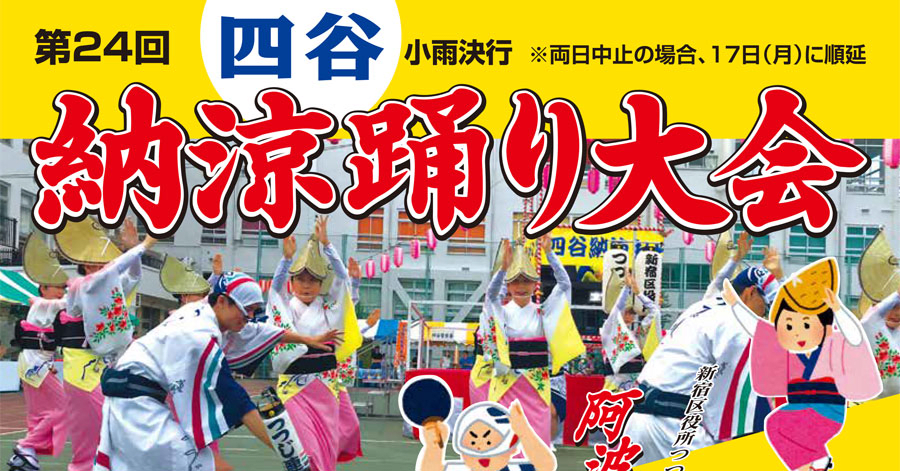
The Yotsuya Summer Bon Dance Festival is a community-rooted summer festival held at Yotsuya Plaza.
At the festival, visitors can watch authentic Awa Odori performances and hana-taiko drumming by local groups, as well as participate in bon odori (a dance traditionally performed in summer to honor ancestors) and an exciting raffle drawing, offering a wide variety of entertainment.
One of the highlights is "Zunpa Ondo," a unique take on bon odori that incorporates Zumba, the Latin-inspired dance fitness style. This modern and upbeat arrangement is particularly popular among younger visitors and creates a lively, energetic atmosphere.
Even if it's your first time, don't be shy — join in with clapping and a fan in hand!
This festival is highly recommended for anyone who wants to enjoy a one-of-a-kind, original bon odori experience you won't find anywhere else.
- Date: July 18–19, 2026 (held July 19–20 in 2025)
- Address: 4-20 Yotsuya, Shinjuku-ku, Tokyo
- Access: 5-minute walk from Yotsuya-sanchome Station
- Admission: Free
- Website: https://www.yotsuya3.jp/2025yotsuya-bon-odori/ (2025 site)
Kitashinjuku 4-chome Bon Odori Festival
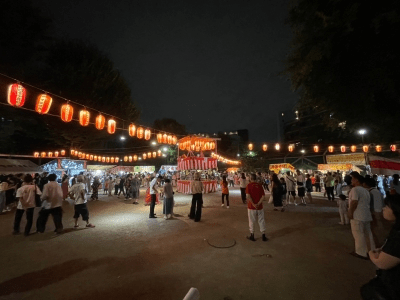
The Kitashinjuku 4-chome Bon Odori Festival is an annual summer celebration centered around bon odori, held at Kitakashiwagi Park.
In addition to bon odori dancing, the festival features food stalls, a Japanese taiko drum performance by an elementary school team, a games competition open to children in elementary school and below, and candy giveaways for young children, making it an event packed with activities for kids.
The Kitashinjuku 4-chome Bon Odori Festival is deeply rooted in the local community, drawing large numbers of residents — especially local children. I was particularly struck by how much fun my elementary school-aged nephew had, dancing in the bon odori and joining in the color-guessing game.
This festival is highly recommended for those who want to soak up the warm, welcoming atmosphere of a community-run event.
- Date: TBD in July 2026 (held July 25–27 in 2025)
- Address: Kitashinjuku, Shinjuku-ku, Tokyo
- Access: 10-minute walk from Higashi-Nakano Station
- Admission: Free
- Website: https://www.instagram.com/p/DLTjSrJzSNb/ (2025 site)
Shimo-Ochiai 4-chome Neighborhood Bon Odori Festival
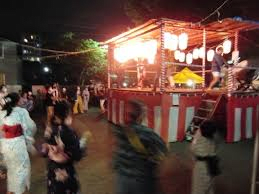
The Shimo-Ochiai 4-chome Neighborhood Bon Odori Festival is a community-focused summer festival held at Shimo Ochiaikouen Park. Food stalls serving summer festival staples such as yakisoba, shaved ice, and yakitori are set up on the grounds, allowing visitors to enjoy bon odori while eating.
The festival plays classic bon odori songs such as "Tokyo Ondo" and "Tankō Bushi," and is well known for offering an authentic, traditional bon odori experience. The upbeat rhythms of the music make you want to get up and dance — and I found myself joining in with the locals, attempting the bon odori moves as best I could.
The atmosphere is welcoming and easy for anyone to join, so why not try dancing bon odori as a memorable part of your trip?
- Date: TBD in July 2026 (held July 19–20 in 2025)
- Address: 4-18 Shimo-Ochiai, Shinjuku-ku, Tokyo
- Access: 15-minute walk from Shimo-Ochiai Station
- Admission: Free
- Website: https://www.facebook.com/siyonlovely/ (2025 site)
Tsurumaki Elementary School Bon Odori Festival
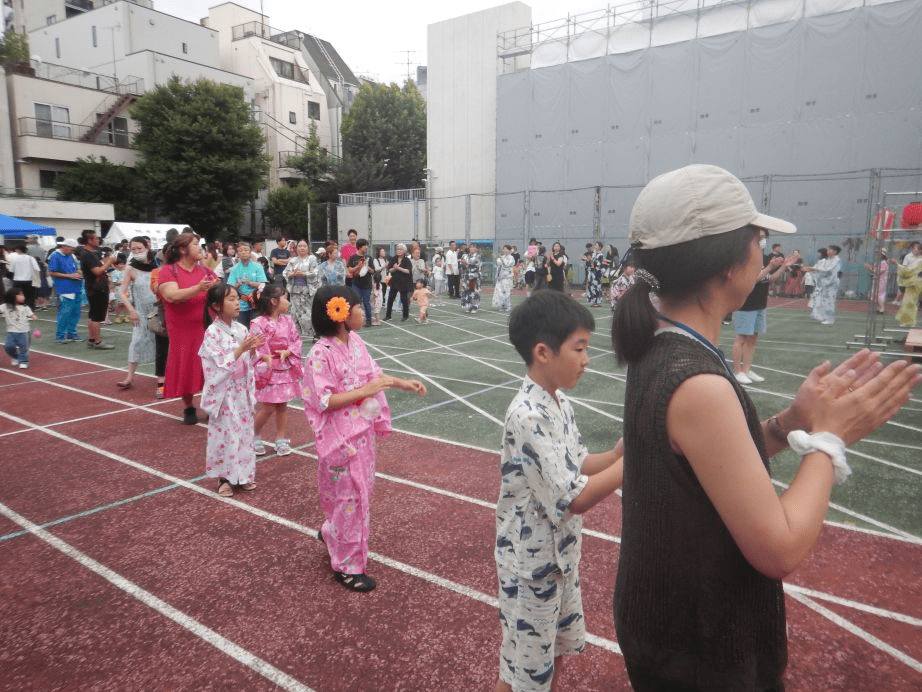
The Tsurumaki Elementary School Bon Odori Festival is a summer festival organized collaboratively by five neighboring neighborhood associations, held at Tsurumaki Elementary School.
The festival opens with an energetic children's taiko drum performance by local kids, instantly building excitement for the festivities ahead.
A highlight not to miss is the main event: the bon odori performed to an original song called "Tsurumaki Ondo," in which local residents dance in perfect harmony together.
Since the venue is an elementary school, many children attend, and watching the kids dance joyfully in the bon odori is sure to fill you with energy too.
Children aged 3 through elementary school age receive a gift voucher worth 300 yen, so families with children in that age range can enjoy the festival with a little extra treat.
- Date: TBD in July 2026 (held July 12 in 2025)
- Address: 140 Waseda Tsurumaki-cho, Shinjuku-ku, Tokyo
- Access: 5-minute walk from Waseda Station
- Admission: Free
- Website: None
In "Shibuya," Next to Shinjuku, You Can Also Enjoy Numerous Summer Events in July 2026
Just like Shinjuku, Shibuya is one of Tokyo's most prominent entertainment districts and is easily accessible from Shinjuku by public transportation, making it a great idea to visit both areas together as part of your sightseeing itinerary.
In Shibuya as well, a wide variety of events are held where you can fully enjoy a Japanese summer. Here, we will introduce the details of summer events taking place in Shibuya, along with access information.
Tenku no Natsu Matsuri (Summer Festival in the Sky)
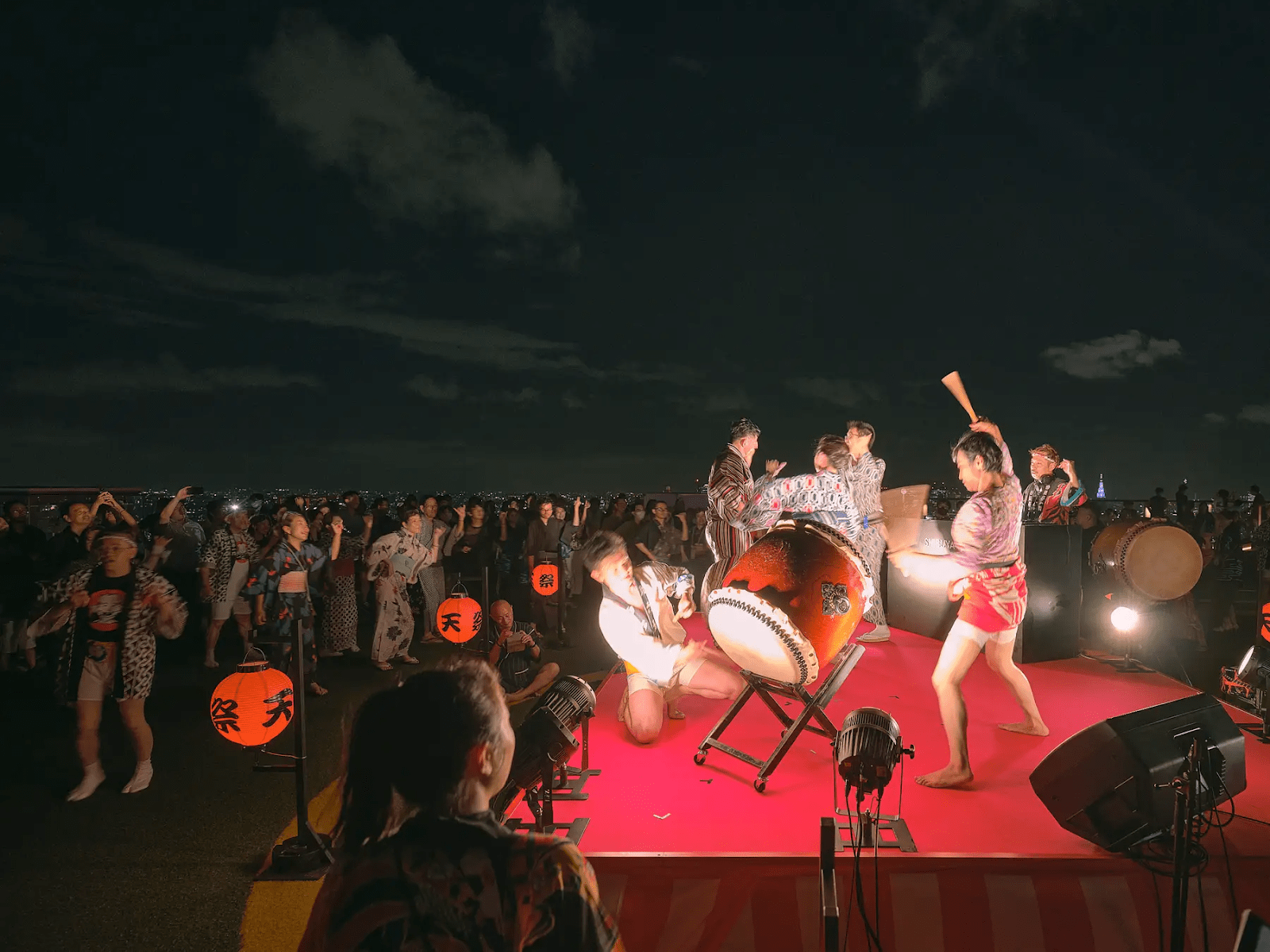
At Shibuya Scramble Square, a uniquely themed event is held every summer with a different concept each year.
In 2024, an exciting lineup of events was held under the theme of "Matsuri" (Festival)
- A Bon Odori dance event where you can enjoy light and sound in an open, airy space
- "Sky Lantern Corridor," where sky-blue chochin (traditional Japanese paper lanterns) are lit up along the indoor observation corridor "SKY GALLERY"
- Stargazing sessions limited to the Tanabata festival period
In 2025, summer-inspired content was planned under the theme "THIS IS ME."
- Art workshops
- A music event based on the concept of "intuition, sound, and forest"
At Shibuya Scramble Square, where trendy fashion, lifestyle goods, and dining options come together, why not enjoy some shopping and great food while also soaking up the summer festival atmosphere?
Information:
- Date: TBD in July 2026 (In 2025, held July 17 – August 31)
- Address: 2-24-12 Shibuya, Shibuya-ku, Tokyo
- Access: Directly connected to Shibuya Station
- Admission: Free
- Website: https://www.shibuya-scramble-square.com/2025_summer_scrambleparty/
Shibuya Sakura Stage's "Noryo Daikanshасai" (Summer Thanksgiving Festival)
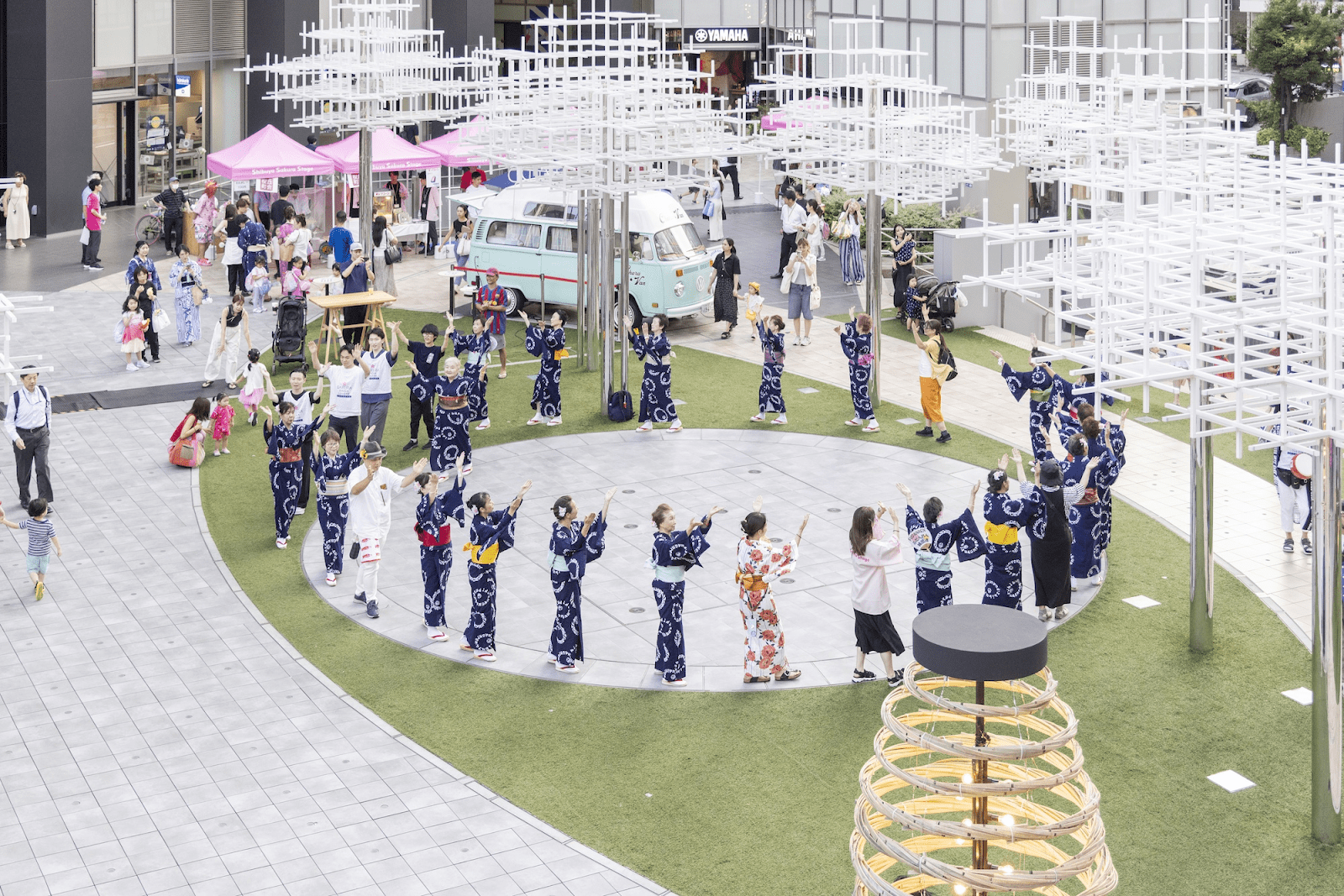
The Shibuya Sakura Stage Summer Thanksgiving Festival is a summer festival held to commemorate the first anniversary of Shibuya Sakura Stage's opening. Under the theme "Gratitude for a Full Year, Starting Here," a fantastic lineup of events was held to sweep away the summer heat.
At the festival, around 40 shops within Shibuya Sakura Stage participated in "Minna no Ennichi," where visitors could enjoy carnival-style games like shooting galleries and lottery draws. There was also "Sugoi Yatai Meshi," featuring street food-style menus perfect for eating while strolling around, as well as a karaoke competition, Bon Odori dancing, and much more — truly a fun-filled event for all ages, from children to adults.
It was an event where workers at Shibuya Sakura Stage, local residents, and visitors all came together and had a great time. I personally wandered through the entire venue and made the most of the various programs throughout the day.
Information:
- Date: TBD in July 2026 (In 2025, held July 12 – August 3)
- Address: 1-1 Sakuragaoka-cho, Shibuya-ku, Tokyo
- Access: 5-minute walk from Shibuya Station
- Admission: Free
- Website: https://www.shibuya-sakura-stage.com/eventtopics/detail/?cd=000192
Cool Down Park Street
Cool Down Park Street is an event held along Shibuya Koen-dori (Park Street), where commercial facilities and parks lining the street take part in "water sprinkling" — a traditional Japanese practice of sprinkling water on gardens and roads to lower the surrounding temperature — creating a refreshing escape from the heat.
"Water sprinkling" allows for spontaneous participation, so I gave it a try myself and experienced Japan's traditional way of cooling down. Since it simply involves sprinkling water, it's an easy and fun activity even for families with young children.
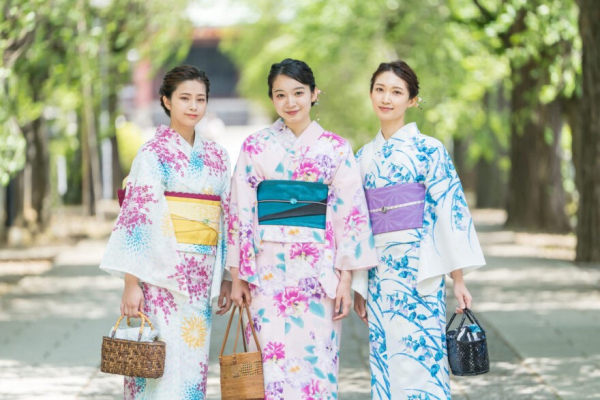
A special stage also hosts exciting events such as a "yukata fashion show" and live musical performances, and you can also enjoy food stalls run by local shopping street vendors.
Come enjoy the cool, refreshing atmosphere created by the water sprinkling, and experience traditional Japanese culture while interacting with local residents!
Information:
- Date: TBD in July 2026 (In 2025, held July 26)
- Address: Around 15-1 Udagawacho, Shibuya-ku, Tokyo
- Access: 5-minute walk from Shibuya Station
- Admission: Free
- Website: https://www.koen-dori.com/information/detail/?cd=000355&scd=000006
4 Must-Attend Events in Tokyo This July, Handpicked by Our Writer
Sumidagawa Fireworks Festival
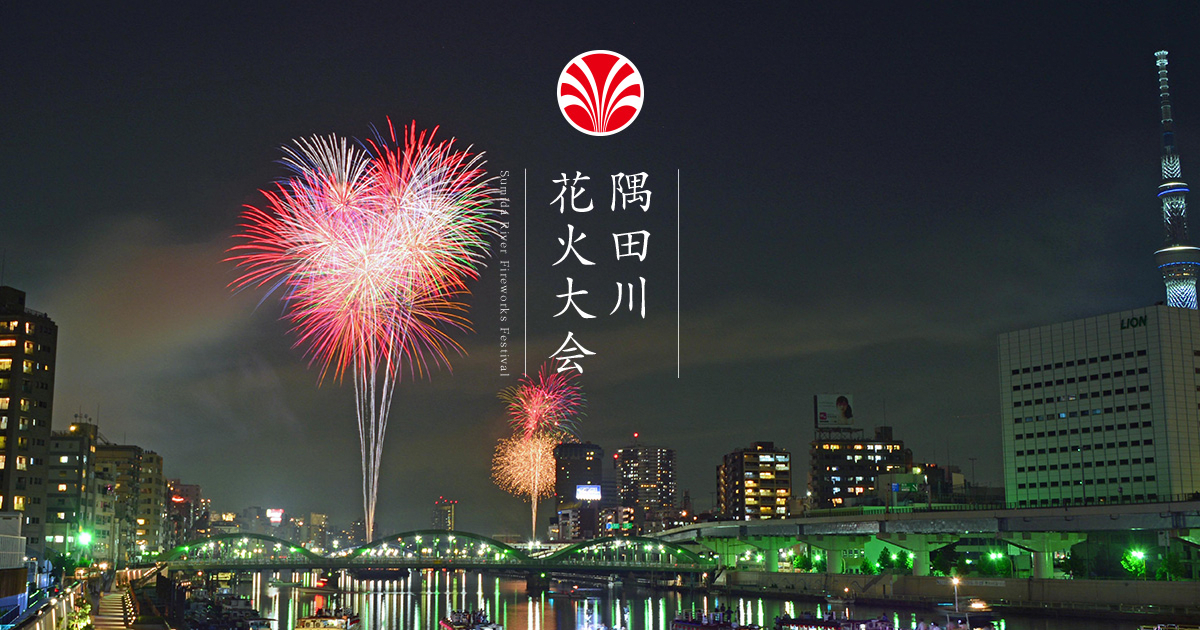
The Sumidagawa Fireworks Festival is a historic fireworks display that began in the mid-Edo period and is held along the Sumida River. Beloved as a summer tradition in Tokyo, approximately one million spectators gather each year to see the 20,000 fireworks.
The highlight is enjoying different fireworks displays at two venues. At the first venue, there is a fireworks competition featuring vendors who have achieved excellent results at Japan's leading fireworks festivals. At the second venue, creative fireworks and "starmines" (dozens to hundreds of fireworks launched consecutively) provide a powerful spectacle. During the festival, you can enjoy a feast of colorful lights adorning the night sky—I became so entranced by the fireworks that I forgot about the summer heat.
While staying near Shinjuku in July 2026, tourists should make time for this spectacular event. The Sumidagawa Fireworks Festival is large-scale, so you can view it for free from bridges, roads, and parks around the venue. However, for those wanting to avoid crowds or enjoy the fireworks in comfort, I recommend reserving paid seating in advance.
<Information>
- Date: July 25 or 26, 2026 (In 2025, held July 26)
- Access: 5-minute walk from Kuramae Station, 15-minute walk from Asakusa Station (25 minutes from Shinjuku at shortest)
- Admission: Free (paid seating available)
- Website: https://www.sumidagawa-hanabi.com/
Tokyo Racecourse Fireworks
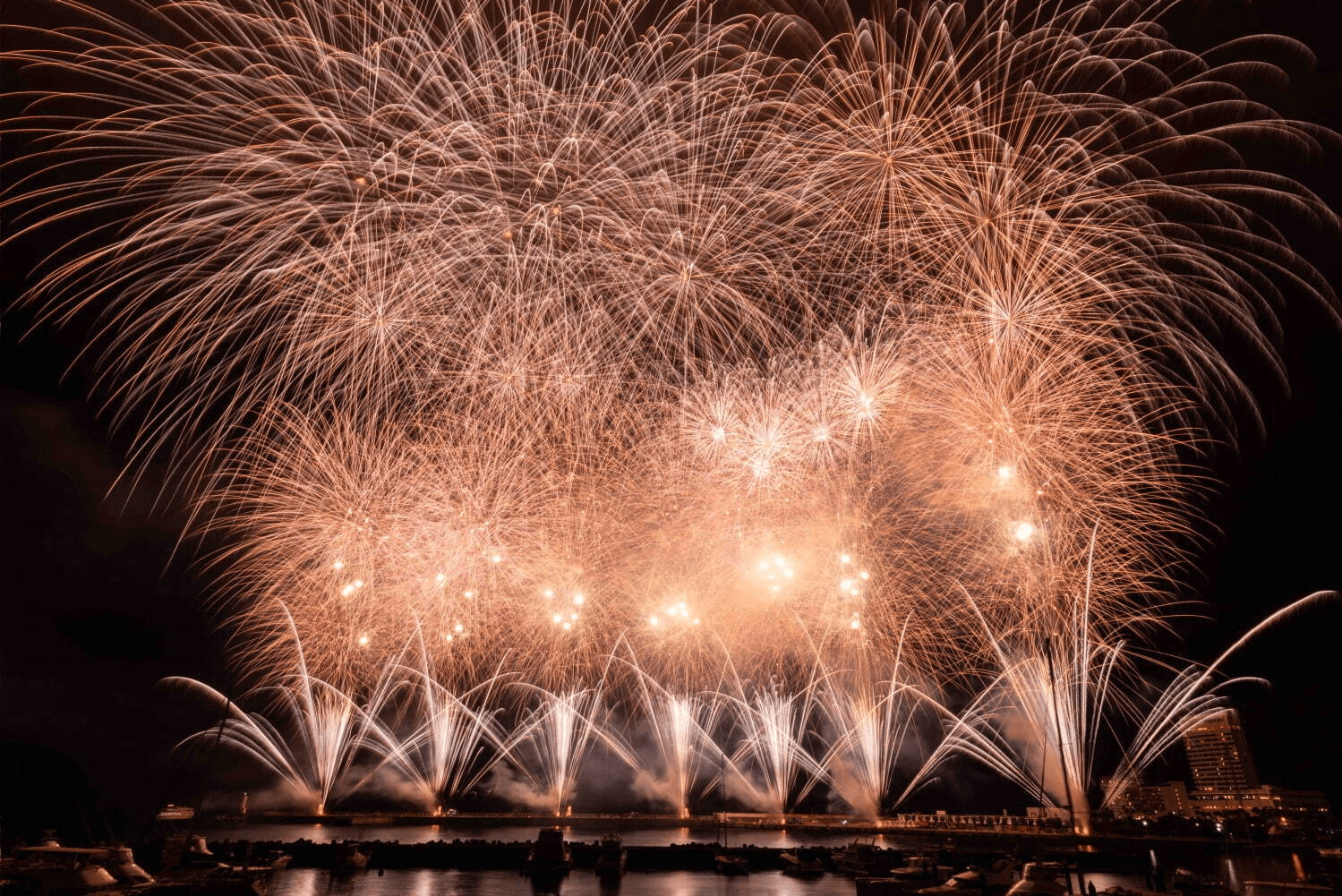
Tokyo Racecourse Fireworks is the earliest fireworks festival in Tokyo, held at the Tokyo Racecourse. Approximately 14,000 fireworks are launched, set to specially selected music that matches the theme determined for that year.
The highlight of the event is being able to watch the dynamic fireworks display — made possible by the spacious grounds of the racecourse — from just about 100 meters away from the launch site. Because the viewing area is so close to the launch point, you get the sensation of fireworks falling over your head like a shower of light. It was the most thrillingly immersive fireworks experience I have ever had.
While the fireworks can be seen for free from the area surrounding the venue, I personally recommend purchasing a paid seat to fully enjoy the spectacle. There are various seating options available, from standing spots to lawn areas where you can spread out a leisure sheet, to chair seating — so choose whichever suits your group size and preferences.
Information:
- Date: TBD in July 2026 (In 2025, held July 2)
- Address: 1-1 Yoshicho, Fuchu-shi, Tokyo
- Access: 2-minute walk from Fuchu-Keibajo-Seimongata Station
- Admission: From 7,150 yen
- Website: https://hanabitokyo.com/ (2025 site)
Shitamachi Tanabata Festival
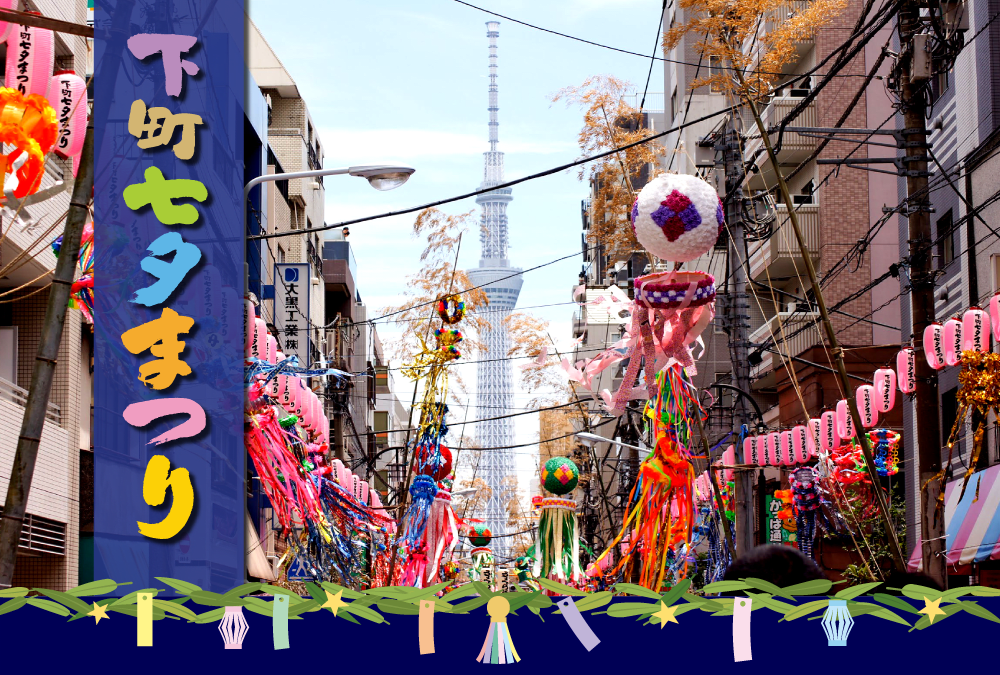
The Shitamachi Tanabata Festival is a Tanabata event held every July on Kappabashi Main Street in Asakusa. Tanabata refers to the special day when, according to the Tanabata legend, Orihime and Hikoboshi meet once a year on July 7th. It's said that if you write your wish on a tanzaku (a long, thin strip of paper used for attaching to objects) and hang it on bamboo, your wish will come true.
The street is lined with decorations and bamboo symbolizing Tanabata, creating a festive atmosphere. The event features local parades and street performances, making the venue lively and bustling. Food perfect for snacking is also available, so enjoy the festival while sampling various treats.
My recommendation is the traditional Tanabata custom of writing wishes on tanzaku and hanging them on bamboo at the venue. Anyone can participate, so experience Japanese traditional culture by decorating bamboo with your tanzaku. Tourists staying in Shinjuku during July 2026 will find this event offers a perfect opportunity to immerse themselves in authentic Japanese cultural traditions.
<Information>
- Date: TBA (In 2025, held July 4–8)
- Access: 3-minute walk from Asakusa Station, 5-minute walk from Hibiya Line Iriya Station, 5-minute walk from Ginza Line Tawaramachi/Inaricho Stations, 8-minute walk from JR Ueno/Uguisudani Stations (45 minutes from Shinjuku at shortest)
- Admission: Free
- Website: http://shitamachi-tanabata.com/ (2024 site)
Mitama Matsuri
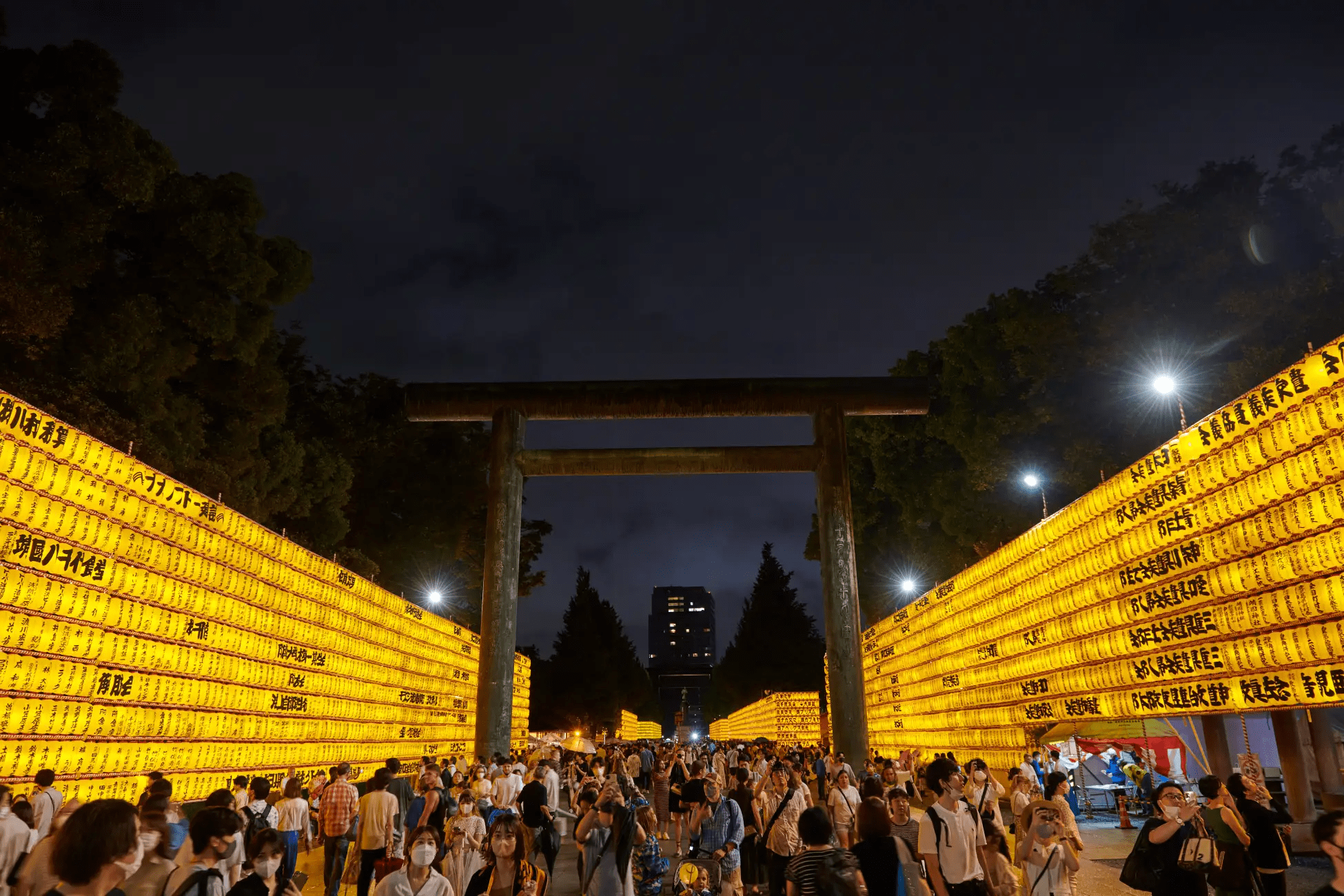
Mitama Matsuri is a festival held at Yasukuni Shrine during Obon (a summer traditional culture to honor ancestors) to console the spirits of those who sacrificed their lives for Japan.
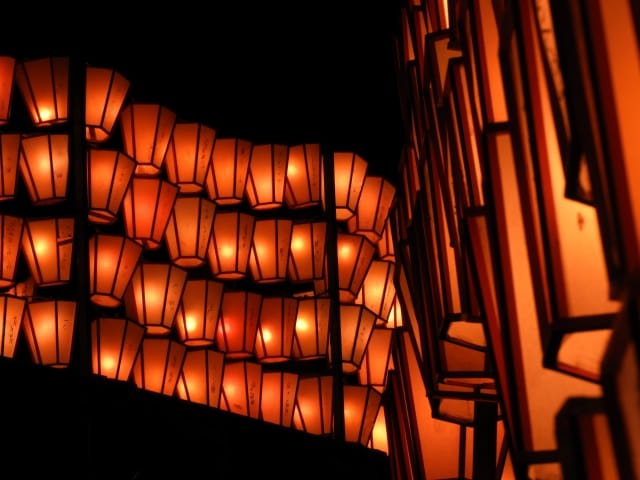
The highlight is over 30,000 donation lanterns, large and small, decorating both sides of the path. These lanterns (offered to shrines and temples as expressions of gratitude to ancestors) and hanging lanterns with calligraphy by famous people create a spectacular sight. As evening falls, they illuminate the night path with a brilliant glow, adding elegance to the festival.
When I visited the festival, powerful performances such as Aomori Nebuta (a summer festival attraction originating from Aomori Prefecture) and Awa Odori (a bon dance originating from Tokushima Prefecture) were also held, filling the venue with excitement.
Special Mitama Matsuri items such as tenugui (traditional Japanese flat-woven cloth) and fans are also available. Why not take some home as souvenirs?
<Information>
- Dates: TBA (In 2025, held July 13–16)
- Access: 5-minute walk from Kudanshita Station, 10-minute walk from Iidabashi/Ichigaya Stations (25 minutes at shortest from Shinjuku)
- Admission: Free
- Website: https://www.yasukuni.or.jp/news_detail.html?id=558 (2024 site)
For summer in Shinjuku, food hopping while enjoying the refreshing evening breeze is recommended
For summer in Shinjuku, I recommend food hopping while enjoying the refreshing evening breeze.
Tokyo Bar Hopping Night Tour in Shinjuku
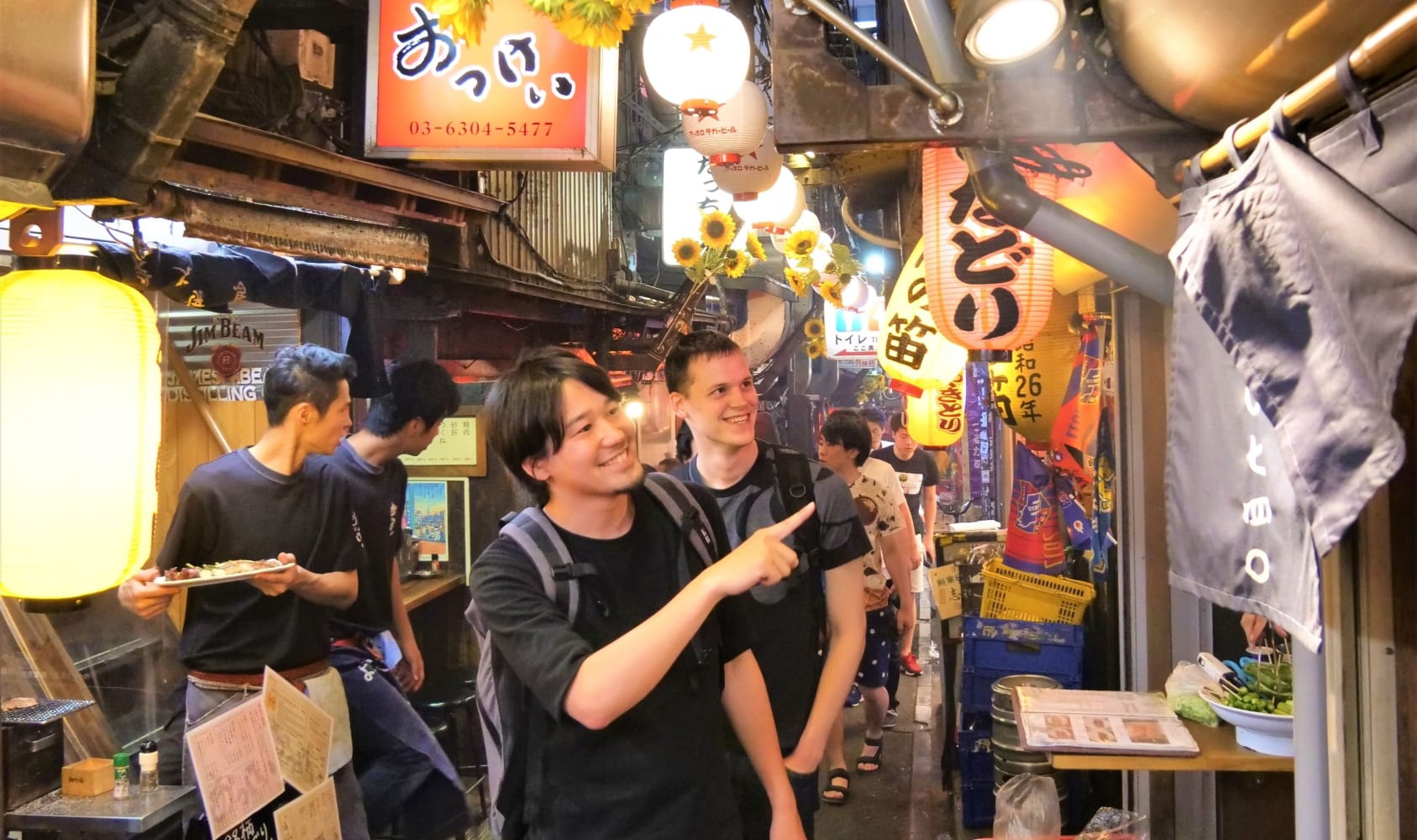
The Tokyo Bar Hopping Night Tour in Shinjuku allows you to visit three bars and pubs in Shinjuku recommended by local guides that only insiders know about.
The tour visits famous drinking districts in Shinjuku such as "Omoide Yokocho" and "Kabukicho," where you can enjoy yakitori, agedashi tofu, gyoza, and other snacks along with drinks, choosing from over 30 menu items. Since these are shops popular with locals, you can experience Japanese drinking culture among them.
Come enjoy Tokyo's nightlife in Shinjuku during your visit to this exciting July 2026 event!
<Meeting point>
- Tour area: Shinjuku
- Start times: Every 30 minutes from 17:00-19:00
Tokyo Night Foodie Tour in Shinjuku
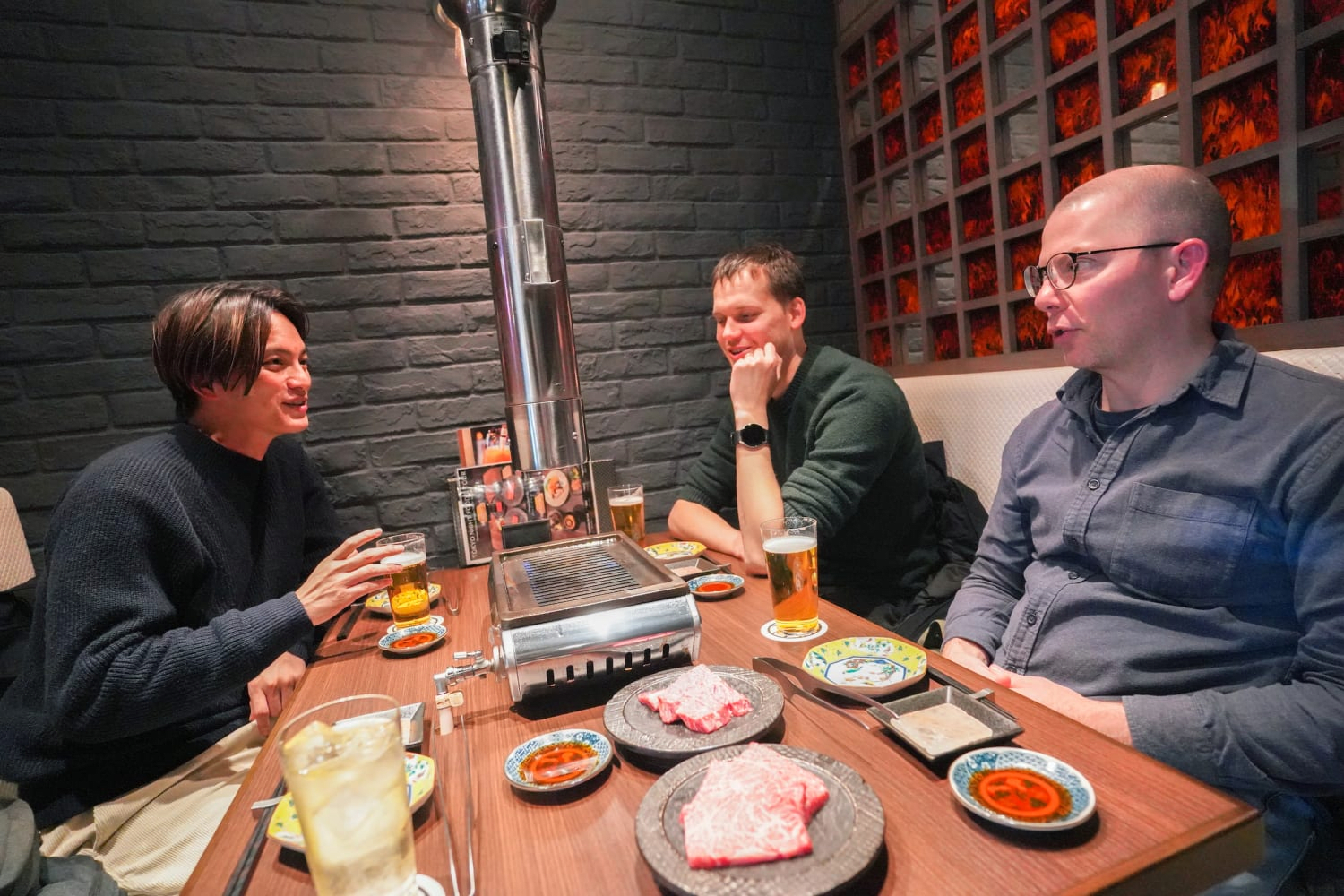
At the Tokyo Night Foodie Tour in Shinjuku, you can enjoy sushi and wagyu yakiniku, which are must-tries when visiting Tokyo.
At the first sushi restaurant, you can savor exquisite sushi while watching skilled sushi chefs prepare it right before your eyes. Next, at the yakiniku restaurant, you can grill world-renowned Japanese wagyu beef yourself on tabletop grills.
The charm of both restaurants is enjoying freshly made food. The deliciousness of these fresh dishes will surely make your drinks taste even better.
<Meeting point>
- Tour area: Shinjuku
- Start times: 17:00, 18:00, 19:00