Shinjuku Events January 2026: Happy New Year Tokyo 2026, Hatsumode Shrines, Winter Illuminations & Things to Do
Since moving to a neighborhood adjacent to Shinjuku in 2024, I've been visiting Shinjuku almost daily. What I've discovered is that the Shinjuku area is full of both historical spots and perfect places to spend the New Year. In fact, I'm planning to ring in 2026 there with my friends.
Shinjuku is a district that truly embodies Tokyo's diversity, where modern urban landscapes blend seamlessly with retro and historically rich locations. I'd like to introduce you to some carefully selected spots and events that are perfect for maximizing your Shinjuku experience in January.
However, it can be challenging for first-time visitors to fully appreciate this complex and culturally rich district of Shinjuku in just a few days. That's why guided tours that take you to tourist attractions and locally beloved izakayas (Japanese pubs) with knowledgeable guides who know Shinjuku inside and out have been gaining popularity.
Magical Trip offers many popular tours, and their high-quality "Tokyo Bar Hopping Night Tour in Shinjuku" was ranked number one among all tours on TripAdvisor in 2024.

To fully experience Shinjuku, I recommend not only the "Tokyo Bar Hopping Night Tour in Shinjuku" but also the "Tokyo Night Foodie Tour in Shinjuku," where you can enjoy sushi and yakiniku (Japanese BBQ). Make the most of Magical Trip's Shinjuku tours to ensure you don't miss out on anything Shinjuku has to offer this New Year!
Introduction
In peak winter January, Tokyo's city center can experience snowfall, with temperatures rarely reaching 10°C, requiring heavy coats. While the air is cold, its clarity makes for spectacular views from skyscrapers, night scenes, and illuminations that are exceptionally beautiful during this season.
Shinjuku embodies the image of a futuristic city with towering skyscrapers and neon-lit nightlife. While this dazzling world unfolds, it's also a fascinating area that preserves traditional shrines and temples that have protected the land for centuries, alongside down-to-earth downtown neighborhoods.
In this article, we'll introduce events where you can fully enjoy the Japanese New Year in Shinjuku, power spots to visit during the New Year, and city-wide festivals.
2026 Year-round Event Schedule in Shinjuku↓
・Shinjuku: List of Events & Festivals for 2026
 sena kanda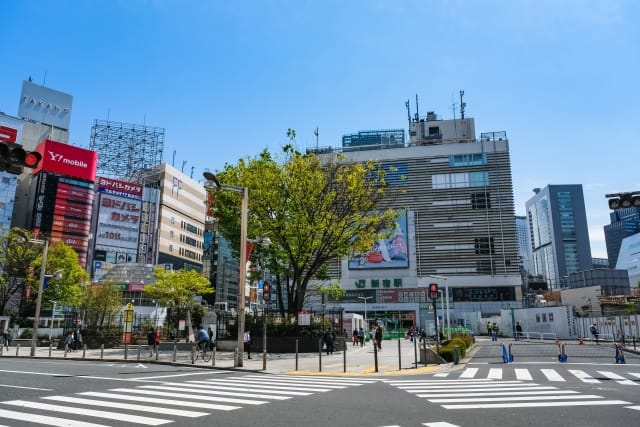
Table of Contents
-Welcome the New Year at "Happy New Year Tokyo 2026" in Shinjuku in January!
-Traditional Shinjuku Events in January 2026
-4 Illumination Events to Brighten Winter Nights in Shinjuku in January 2026
-3 Art and Culture Events to Enjoy in Shinjuku in January 2026
Welcome the New Year at "Happy New Year Tokyo 2026" in Shinjuku in January!
Source:Official website
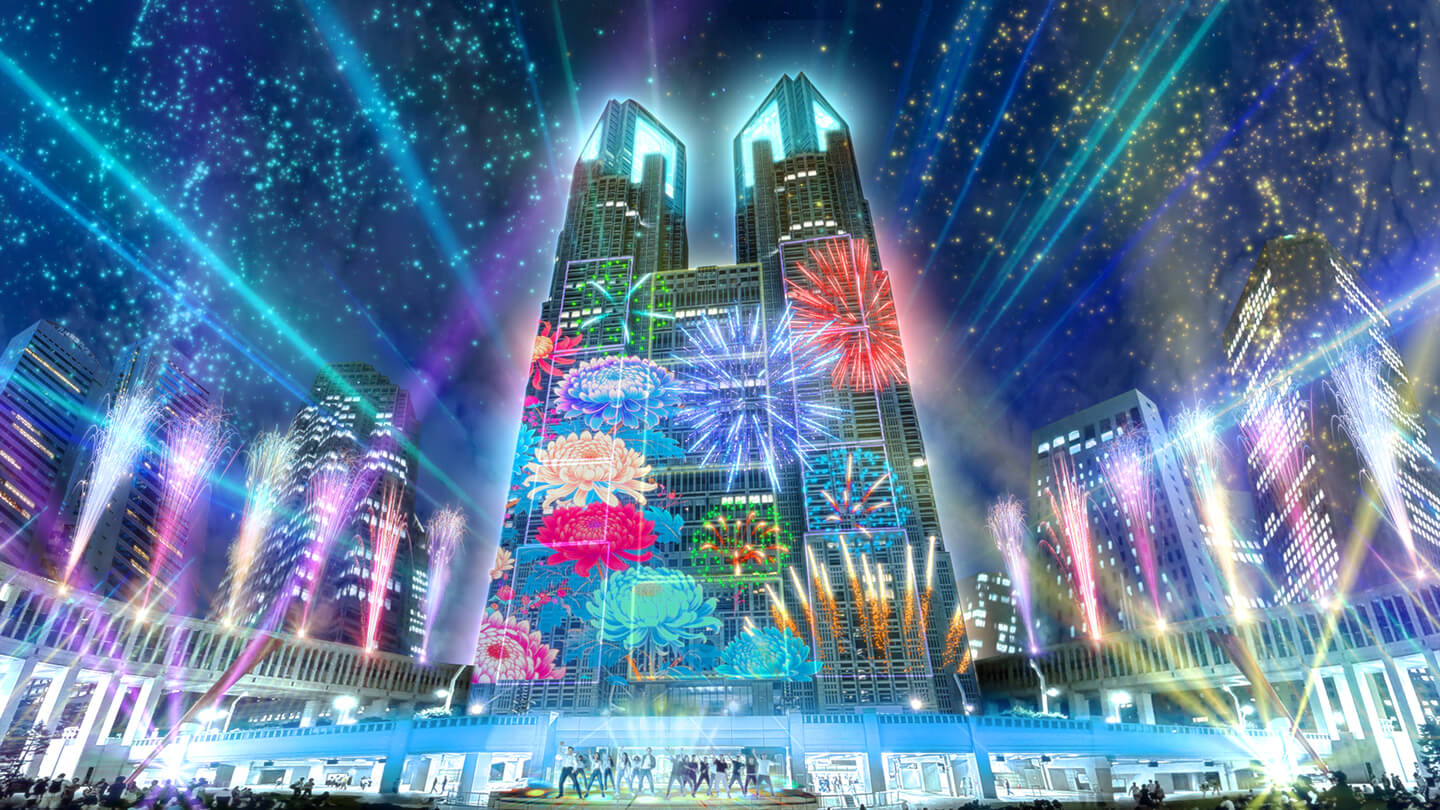
Around the Tokyo Metropolitan Government Building in Shinjuku, an event called "Happy New Year Tokyo 2026" will be held on December 31st. This Shinjuku event January 2026 celebration takes place at the plaza in front of the Metropolitan Government Building, where you can enjoy projection mapping and stage performances. Unfortunately, the viewing lottery has ended, but you can still see the projection mapping from the following locations:
- Keio Plaza Hotel area
- Tocho Street area
- Chuo Street area
You can experience a special moment in Tokyo to close out the year, so if you have the opportunity to visit Tokyo at the end of the year, be sure to check it out.
<Information>
Date: December 31, 2025
Access: 10-minute walk from JR Shinjuku Station West Exit, 10-minute walk from Tokyo Metro Marunouchi Line Nishi-Shinjuku Station, directly connected to Toei Oedo Line Tochomae Station
Admission: Free (December 31st requires advance lottery)
Website: https://tokyo-nighttime-project.jp/countdown/
Traditional Shinjuku Events in January 2026
Hatsumode (January 1-7, 2026)
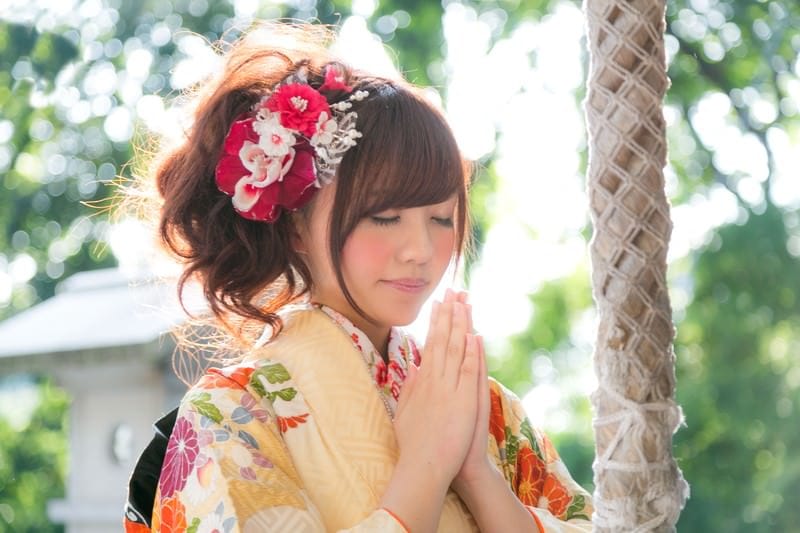
"Hatsumode" is a traditional Japanese New Year custom where people make their first shrine or temple visit of the year.
The purpose is to express gratitude for the past year and pray for good fortune in the new year. This tradition originates from "Toshigomori," where people historically stayed at shrines and temples from New Year's Eve until New Year's morning. Today, most people begin their visits at midnight on January 1st.
Modern celebrations involve visiting shrines with family and friends to celebrate the New Year's arrival, purchase lucky charms, and draw fortune slips (omikuji) to predict the year ahead. Festival stalls often appear, offering traditional street food.
Some temples ring the Joya bells on New Year's Eve, and the solemn sound echoing through the winter night sky fills visitors with anticipation for the new year.
Hanazono Shrine
Source: Wikipedia
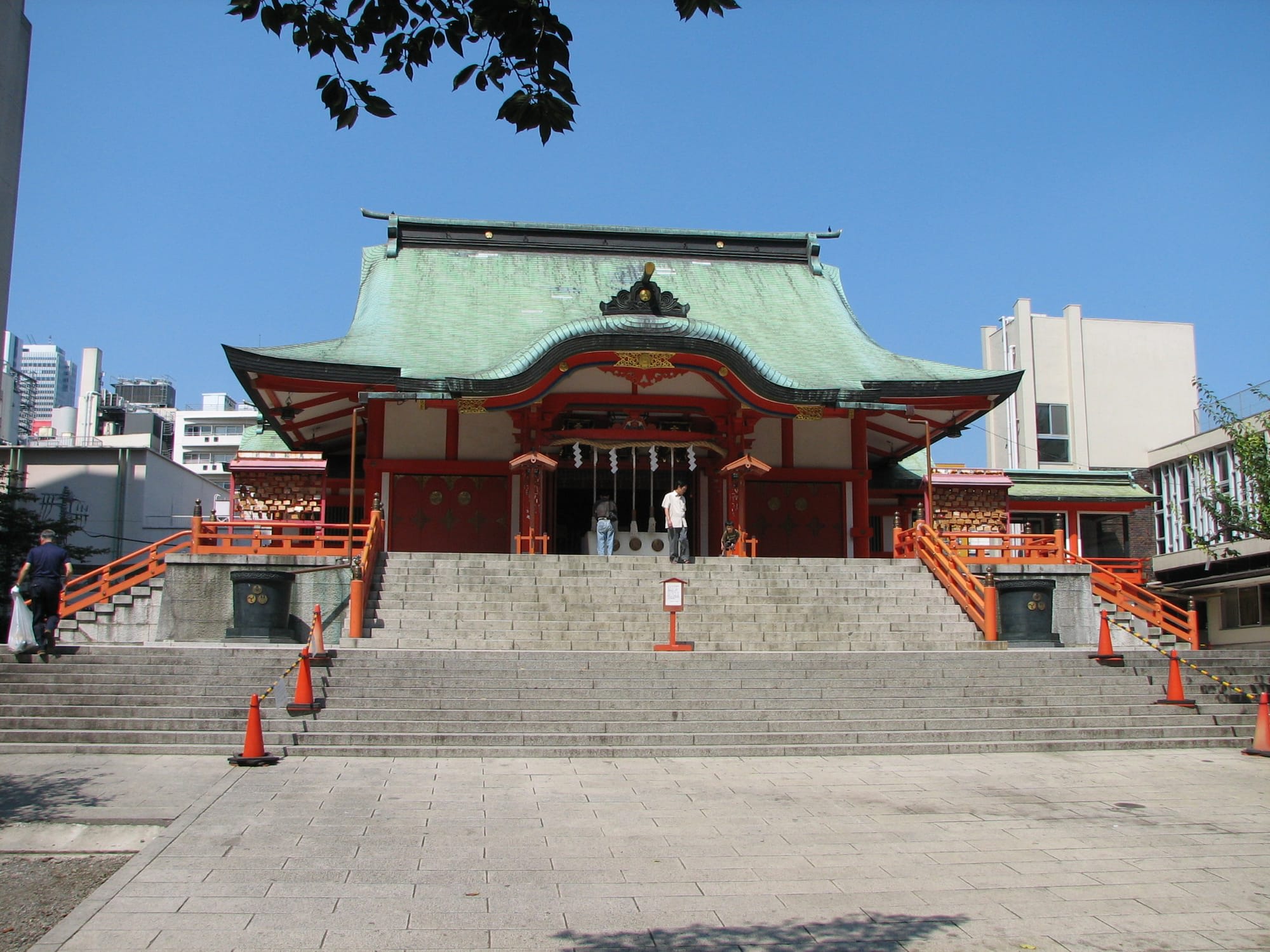
Hanazono Shrine is located within a 10-minute walk from Shinjuku Station, right in the heart of the metropolis. Serving as Shinjuku's guardian shrine since before 1603, it provides a serene sanctuary amidst the urban landscape. Despite being surrounded by buildings, its grounds offer a tranquil atmosphere that contrasts sharply with the city's bustle, providing a refreshing escape for local workers.
The shrine enshrines three deities: Ukanomitama-no-kami (god of agriculture), Yamato Takeru-no-mikoto (god of victory and success), and Ukemochi-no-kami (god of food).
With historical connections to theatrical performances and dance, the shrine is popular for its various blessings, including success in arts and matchmaking. The fox-themed fortune slips, representing the agricultural deity's messenger, make perfect souvenirs. Each terracotta piece features hand-painted expressions, creating charming keepsakes.
<Information>
Date: January 1, 2026
Access: Directly at Exit E2 of Shinjuku-sanchome Station on Tokyo Metro Marunouchi Line, Fukutoshin Line, and Toei Shinjuku Line. 7-minute walk from JR lines, Odakyu Line, and Keio Line at Shinjuku Station's East Exit
Admission: Free
Website: http://hanazono-jinja.or.jp/
Shinjuku Juniso Kumano Shrine
Source: Official website
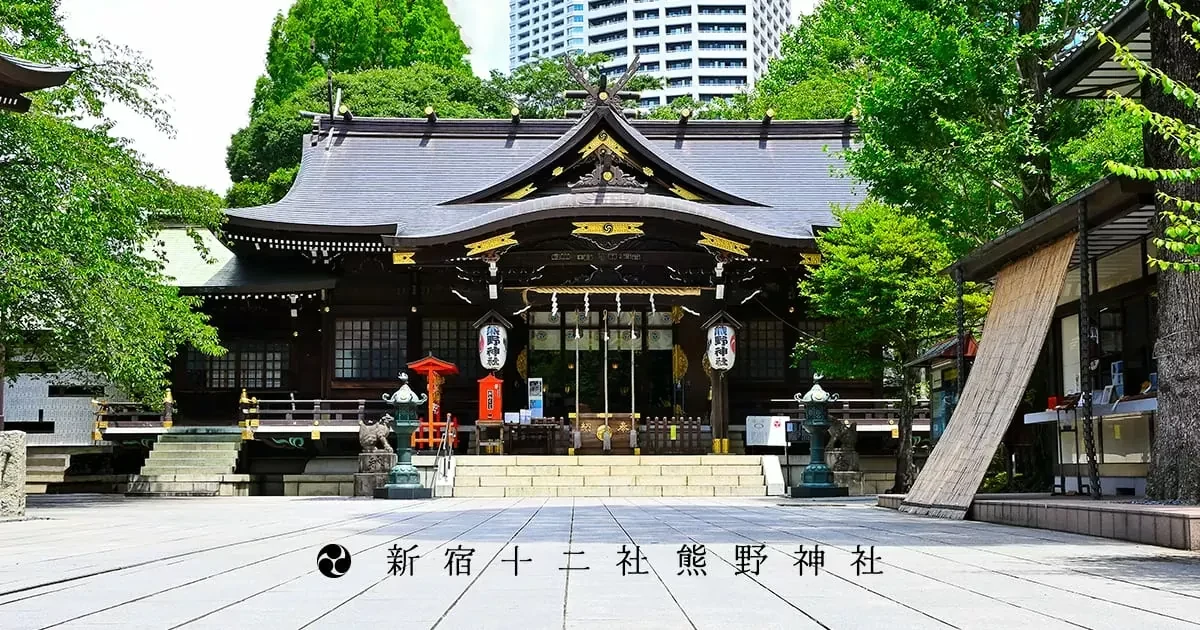
Branch shrines of the sacred Kumano Shrine (located in Wakayama Prefecture), which has long been supported by devoted worshippers, can be found throughout Japan. The "Shinjuku Juniso Kumano Shrine" is one of them. In the past, the shrine grounds were expansive, featuring beautiful ponds and waterfalls, making it a popular scenic spot. The shrine appeared in theatrical performances and ukiyoe (traditional Japanese woodblock prints), and it is said that the Shogun (military commander) often visited during falcon hunting (takagari), a hunting method favored by emperors, nobles, and warriors.
Currently located adjacent to Shinjuku Central Park, the entire area serves as a peaceful retreat. The shrine is known for various blessings, particularly as a power spot for financial fortune and success in competitions. A famous episode involves the Japanese women's national soccer team "Nadeshiko Japan," who visited the shrine to pray for victory before winning the World Cup in 2011.
<Information>
Date: January 1, 2026
Access: 10-minute walk from JR Shinjuku Station West Exit, or 4-minute walk from Tocho-mae Station (Oedo Line) Exit A5
Admission: Free
Website: https://www.12so-kumanojinja.or.jp/
Anahachimangu Shrine (Shinjuku City Nishiwaseda)
Source: Official website
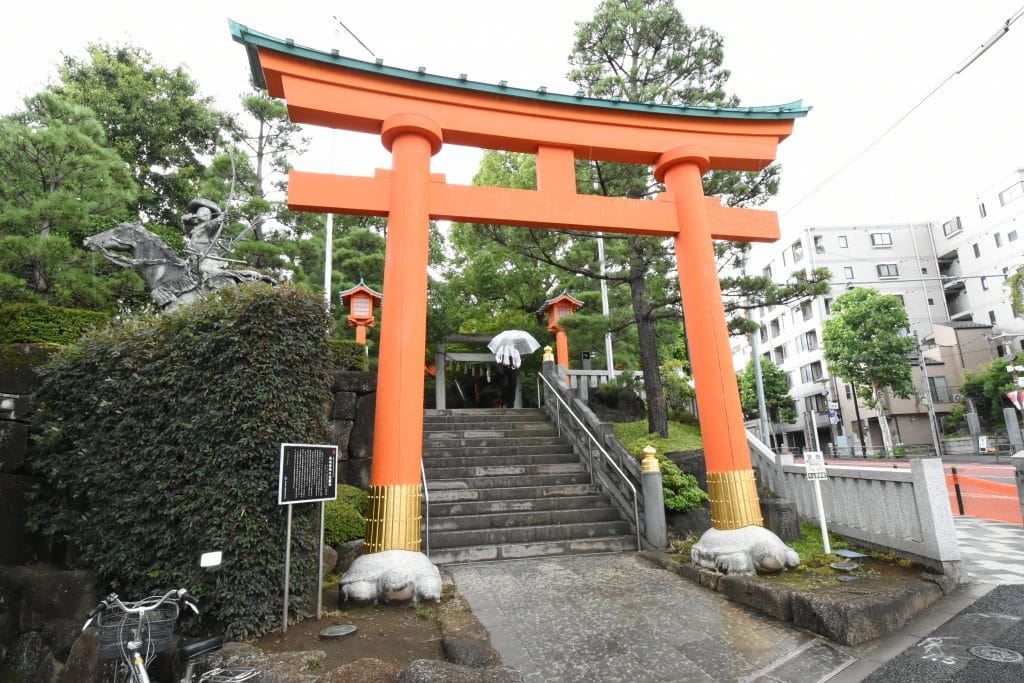
Founded in 1062, with grand shrine buildings established in 1703, Ana Hachimangu was one of the representative shrines of Edo (Tokyo's former name). Despite suffering multiple fires, the current shrine building was completed in 1989 and continues to stand today.
The shrine's specialty is the "Kinggin Yuzu" (Gold and Silver Circulation) and "Ichiyo Raifuku" lucky charms, believed to bring financial fortune and business prosperity. "Ichiyo Raifuku" means "fortune comes after hardship," with the crucial moment being exactly midnight (00:00) between December 31st and January 1st. Following tradition, the charm should be enshrined facing the year's lucky direction.
Why not try following this Japanese custom and enshrine an "Ichiyo Raifuku" charm after returning home?
<Information>
Date: December 31, 2025 - January 1, 2026
Access: 5-minute walk from Waseda Station (Tokyo Metro Tozai Line) Exit 3B
Admission: Free
Website: https://www.anahachimanguu.jp/guide/
Zenkoku-ji Temple (Shinjuku City Kagurazaka)
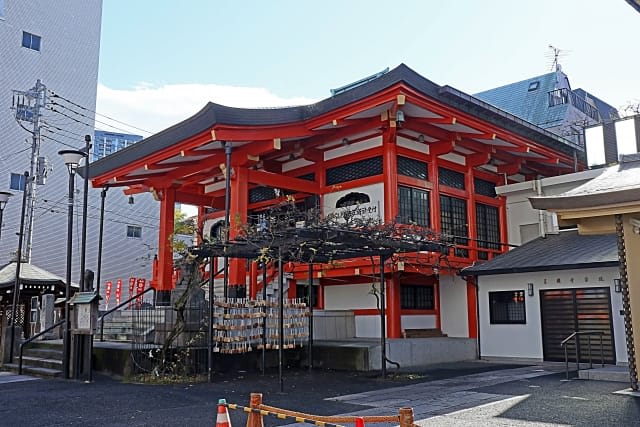
Zenkoku-ji Temple in Kagurazaka was founded in 1595 and is known for bringing good fortune and warding off evil. The most famous feature is the Bishamonten Statue enshrined in the main hall. While it is not usually open to the public, you can view it every year during the New Year period.
In Japan, the Seven Fortune Gods have been worshipped since ancient times as deities who bring happiness. Bishamonten is one of these gods, and it is said that visiting the temple during the New Year brings the blessing of steady happiness throughout the year.
If you wish to spend the new year in happiness, consider visiting Zenkoku-ji Temple for this Shinjuku event January 2026.
<Information>
Date: December 31, 2024 – January 1, 2025
Access: 5-minute walk from JR Iidabashi Station West Exit, 6-minute walk from Tokyo Metro Tozai Line Kagurazaka Station Exit A1, 6-minute walk from Toei Oedo Line Ushigome-Kagurazaka Station Exit A3
Admission: Free
Website: https://kagurazaka-bishamonten.com/
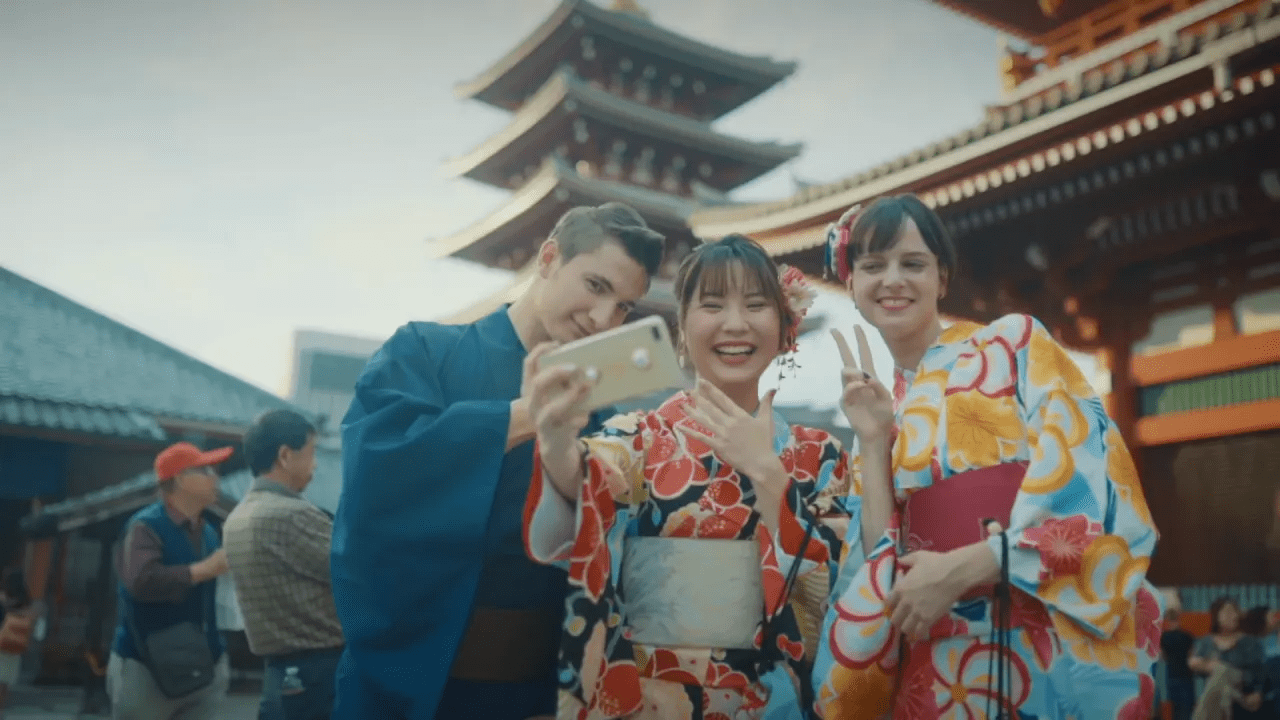
If you are interested in Japanese culture, we recommend creating an itinerary where you visit traditional spots during the day and explore Shinjuku at night, guided by a local → (Custom Tour Promotion)
If you want to fully enjoy Japanese culture in Tokyo, we recommend joining a custom tour where local guides will show you the most attractive spots. Magical Trip customizes itineraries according to your passions and interests, whether it be gourmet food, history, or family travel.
Tour itineraries can be freely created. For example, you could enjoy traditional spots like Asakusa during the day, then experience Izakaya in Shinjuku at night—schedules are proposed based on your preferences.
All guides have unique personalities and extensive knowledge about Tokyo. If you want to deeply enjoy sightseeing in Tokyo, please consider using Magical Trip's custom tours.
Shinjuku Yamanote Seven Lucky Gods Pilgrimage
Source: Official website
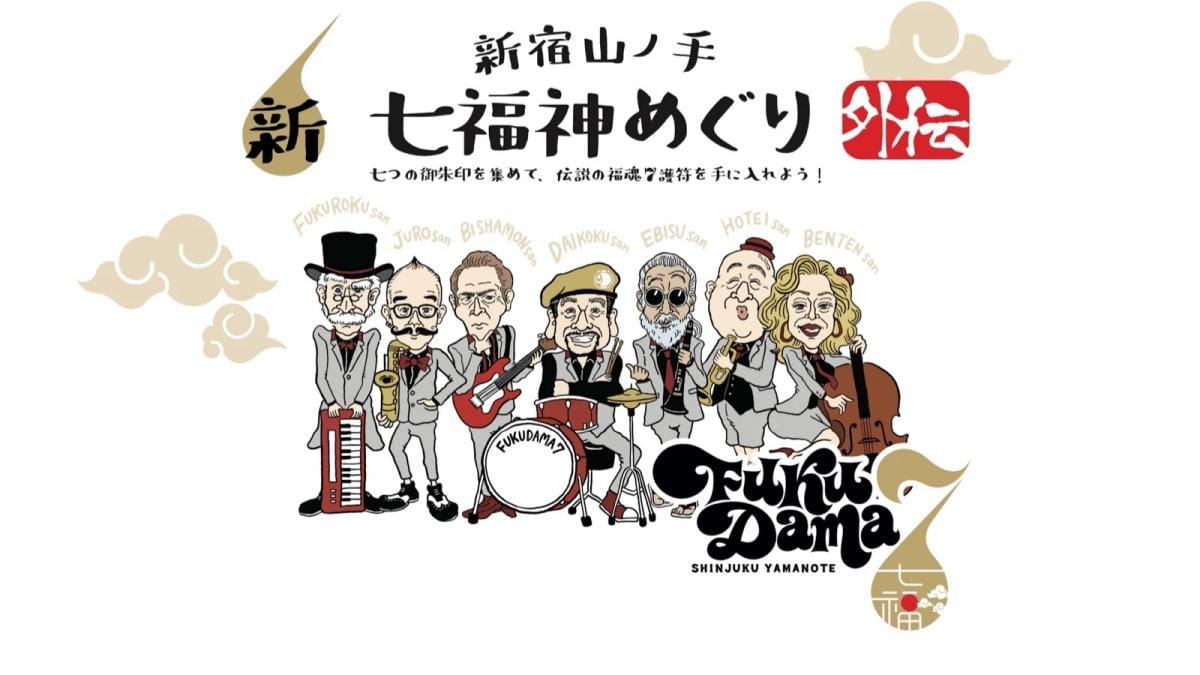
The Seven Lucky Gods (Shichifukujin), including Ebisu and Daikuten, are seven deities beloved in Japan since ancient times. These gods of fortune have been worshipped since the 14th century. The Seven Lucky Gods pilgrimage involves visiting temples and shrines dedicated to these deities to pray for good fortune.
While typically performed during New Year's, the Shinjuku Yamanote Seven Lucky Gods pilgrimage can be done year-round. The recommended walking course is 6.9km and takes about 2 hours.
The route begins at Taiso-ji Temple, home to Hotei-son (guardian of prosperous life and family harmony), continues to Inari Kio Shrine housing Ebisu (god of fishing, business prosperity, and fortune), then to Eifuku-ji Temple enshrining Fukurokuju (god of longevity), and includes Zenkoku-ji Temple with Bishamonten (god of business prosperity and victory), among others, covering all seven locations.
Collecting the unique goshuin (shrine/temple stamps) from each location adds to the enjoyment of the pilgrimage.
<Information>
Date: Year-round
Access: Area between JR Shinjuku Station and Iidabashi Station
Admission: Free
Website: https://www.kanko-shinjuku.jp/course/-/article_2809.html
Bisha Festival (Nakai Goryo Shrine & Kuzugaya Goryo Shrine)
Source: Shinjuku Historical Museum
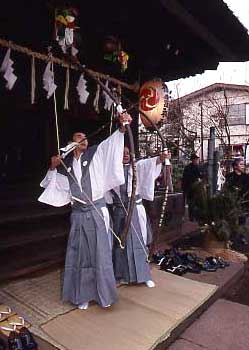
The "Bisha Festival" is a ceremony where arrows are shot from bows to divine the year's harvest by observing how the arrows fly and land, while also praying for abundant harvests and prosperity by warding off evil spirits. This ritual was once widely practiced in neighboring farming villages. Unfortunately, many traditional-style Bisha festivals have disappeared from Tokyo.
This festival, held annually at two locations - Nakai Goryo Shrine and Kuzugaya Goryo Shrine in Shinjuku - is a rare surviving example in central Tokyo and has been designated as an Intangible Folk Cultural Property of Shinjuku Ward.
Uniquely, the bowstrings used in the Bisha Festival are given as talismans for safe childbirth. As this New Year's event is held only on January 13th each year, don't miss the opportunity to witness it if you're in Shinjuku during this time.
<Information>
Date: January 13, 2026 ⁑
Access:
- Nakai Goryo Shrine: 10-minute walk from Nakai Station (Seibu Shinjuku Line/Toei Oedo Line)
- Kuzugaya Goryo Shrine: 11-minute walk from Ochiai-minami-nagasaki Station (Toei Oedo Line)
Admission: Free
Website: https://www.regasu-shinjuku.or.jp/rekihaku/collection/shinjuku-collection/intangible-folk-cultural-property/513/?doing_wp_cron=1628263615.0919849872589111328125
Yubana Ceremony
Source: X
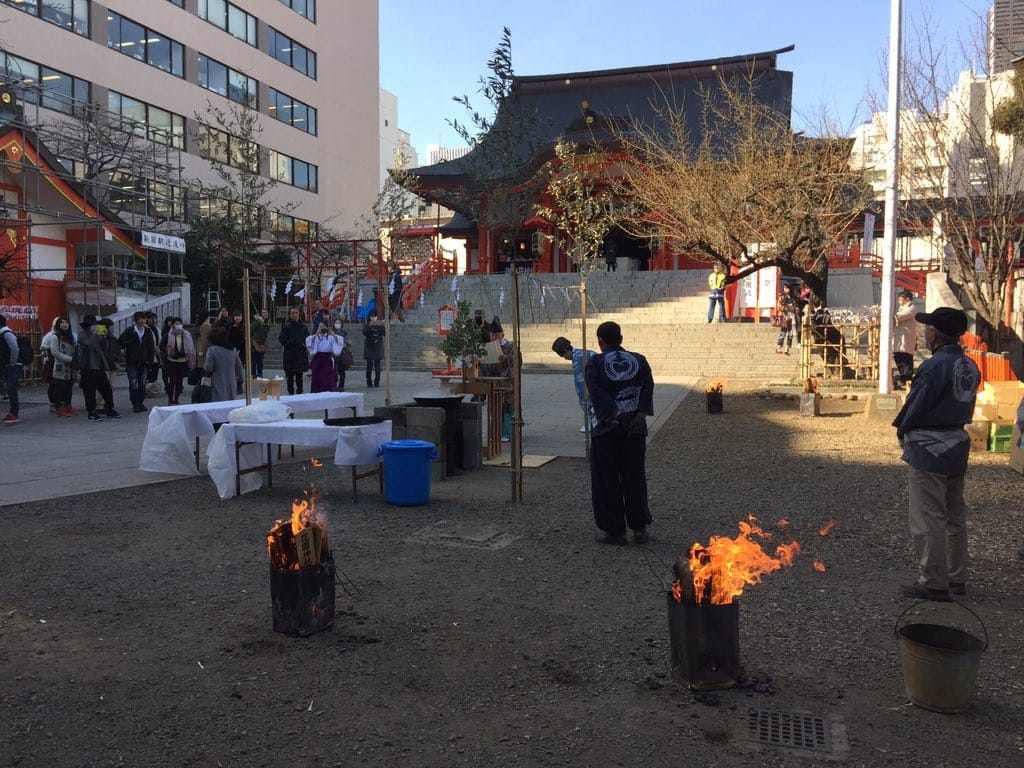
The "Yubana Ceremony" is a ritual where the shrine's chief priest purifies old talismans by burning them. This tradition originates from imperial court ceremonies held during New Year's between the 8th and 12th centuries.
The ceremony welcomes deities for the New Year and sends them back along with the old talismans. While similar ceremonies are commonly known as "Dondo-yaki" for burning New Year's decorations and talismans, at Hanazono Shrine it has traditionally been called "Yubana Ceremony" or "Yubana Festival."
Water heated by this sacred fire is offered to the deities, and amazake (sweet rice wine) made with the same water is served to visitors. Welcome the New Year with this warm amazake made from rice blessed by the deities.
<Information>
Date: January 16, 2026
Access: Directly at Exit E2 of Shinjuku-sanchome Station (Tokyo Metro Marunouchi/Fukutoshin Lines, Toei Shinjuku Line), or 7-minute walk from JR Shinjuku Station East Exit
Admission: Free
Website: http://hanazono-jinja.or.jp/
Emma-daio (King Enma) Public Viewing
Source: X
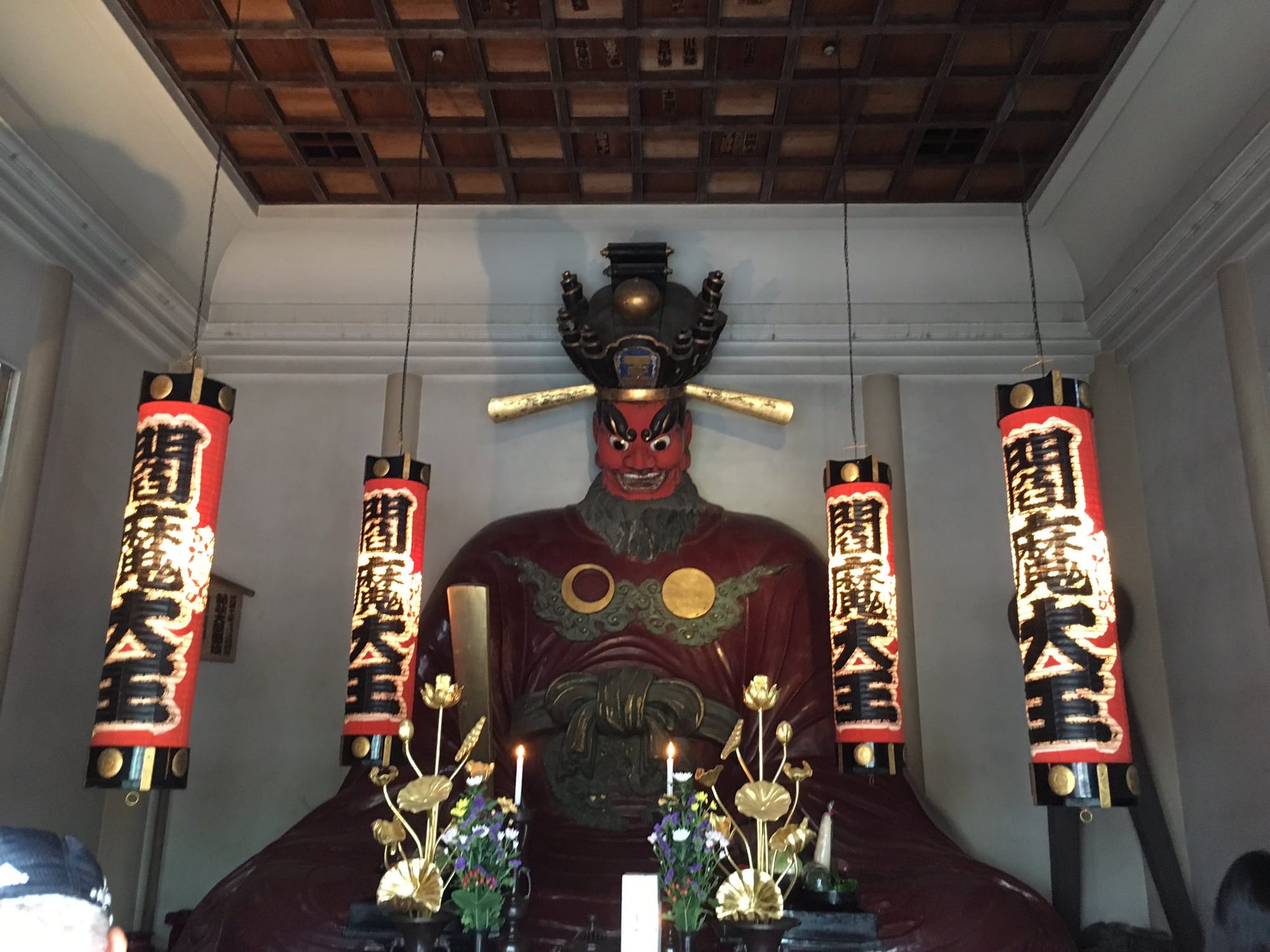
At Taisoji Temple, which is also part of the Seven Lucky Gods pilgrimage, there are special days when you can directly face Emma-daio (the Buddhist king of the underworld who judges the deceased based on their deeds). While the statue is usually viewed through the doors of the Emma Hall, it is fully revealed to the public around January 16th and July 16th each year.
The massive 5.5-meter-tall King Enma with his bright red face is quite intimidating, enough to make even adults nervous. King Enma is known to grant blessings for "preventing juvenile delinquency" and "rehabilitating troubled children." While he may be a frightening figure to children, he is also known as a powerful ally in protecting and disciplining them.
Start your new year with renewed determination by visiting King Enma!
<Information>
Date: January 16 & July 16, 2026
Access: 2-minute walk from Shinjuku-gyoenmae Station (Tokyo Metro Marunouchi Line)
Admission: Free
Website: https://www.kanko-shinjuku.jp/spot/c006/article_374.html
4 Illumination Events to Brighten Winter Nights in Shinjuku in January 2026
Shinjuku Neon Walk
Source:Official website
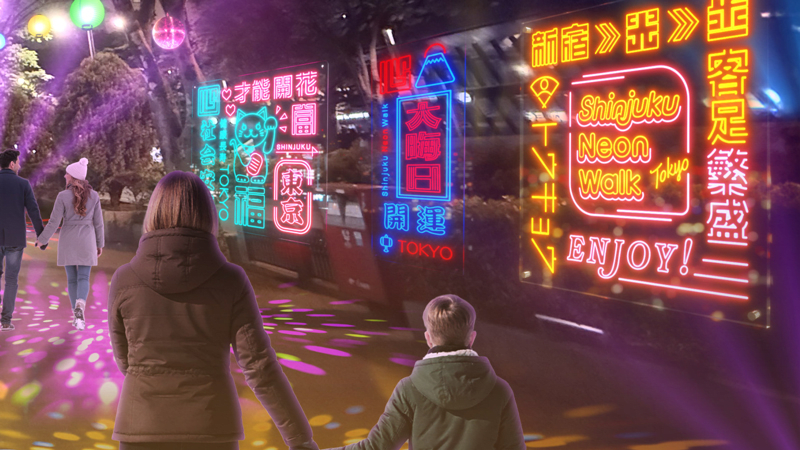
Shinjuku Neon Walk is an illumination event held on Shinjuku's Chuo Street from late November to early January. The event concept is to experience Tokyo's unique charm through all five senses, offering light performances that can only be experienced here.
The area is divided into three different zones where you can enjoy neon lights fused with music or have an experience as if you were inside a kaleidoscope. There are also illuminations featuring lucky words written in Japanese, making it a popular spot for Instagram-worthy photos.
Food trucks are also set up at the venue, offering a variety of gourmet options including sushi, kushiyaki, and crepes. I visit Shinjuku every year during this season and am always captivated by the light displays.
<Information>
Dates: November 27, 2025 – January 7, 2026
Access: 10-minute walk from JR Shinjuku Station West Exit, 10-minute walk from Tokyo Metro Marunouchi Line Nishi-Shinjuku Station, directly accessible from Toei Oedo Line Tochomae Station
Admission: Free
Official Website: https://tokyo-nighttime-project.jp/neonwalk/
Shinjuku Park Tower Winter Illumination
Source: Official website
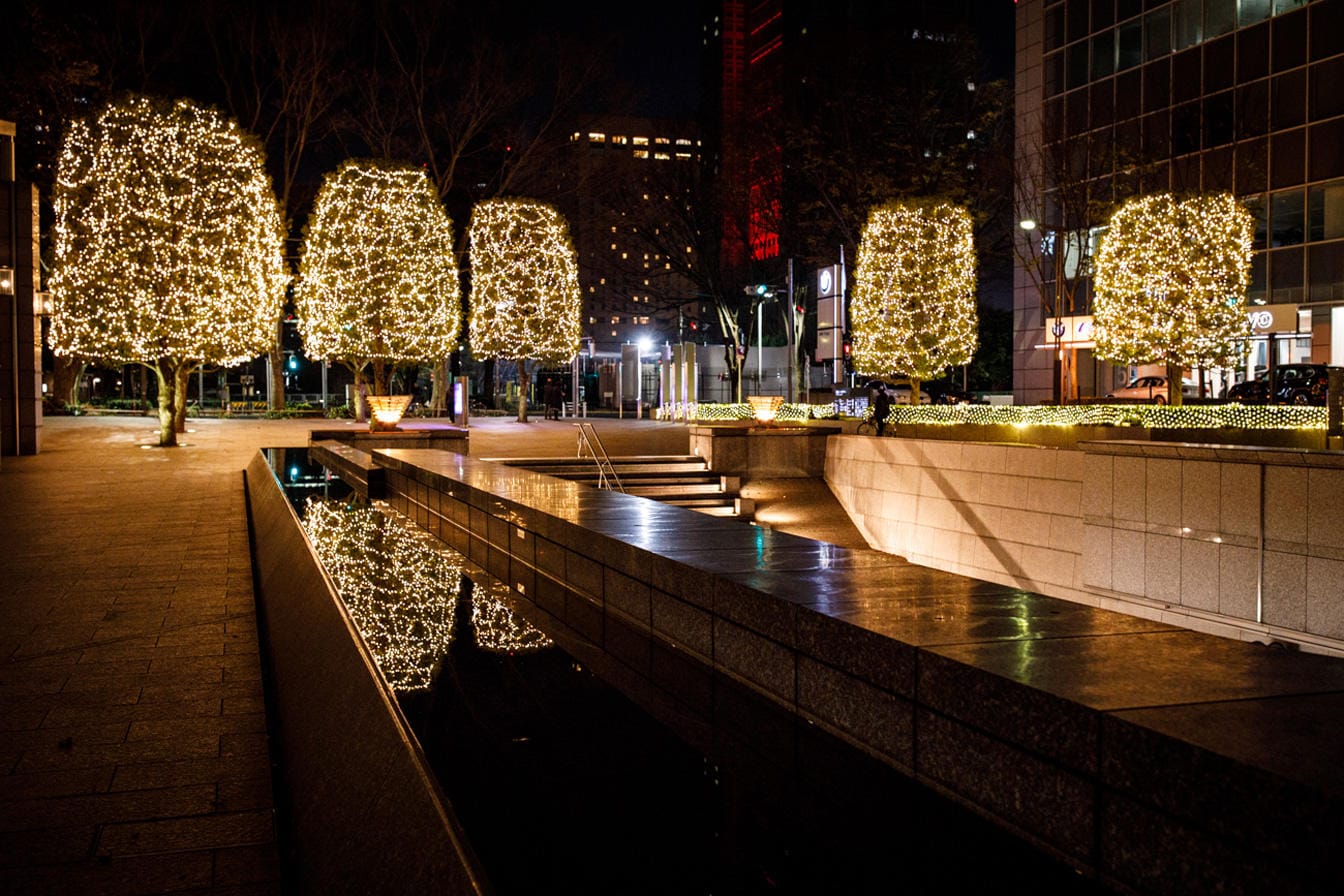
Located among the skyscrapers including the Tokyo Metropolitan Government Building, SHINJUKU PARK TOWER hosts its "Winter Illumination" using green energy (power generated from natural sources like wind, solar, and biomass). This winter tradition in Shinjuku runs from the Christmas season until mid-February. Around 60,000 lights decorate the trees around the fountain plaza, creating a fantastic display reminiscent of fireflies in the crisp winter air.
The serene space, complete with the sound of fountains and illuminations reflecting on the water surface, creates a sophisticated atmosphere perfect for romantic evening dates.
<Information>
Duration: November 11, 2025 - February 14, 2026
Access:
- 12 minutes walk from Shinjuku Station South Exit (JR Lines)
- 10 minutes walk from Shinjuku Station (Toei Subway Shinjuku Line/Keio Line)
- 6 minutes walk from Hatsudai Station (Keio Line)
- 8 minutes walk from Tochomae Station (Toei Oedo Line), Exit A4 or A5
- 10 minutes walk from Sangubashi Station (Odakyu Odawara Line)
Admission: Free
Website: https://www.shinjukuparktower.com/eyes/view/view-180115.html
Illumination TWINKLE PARK
Source:Official website
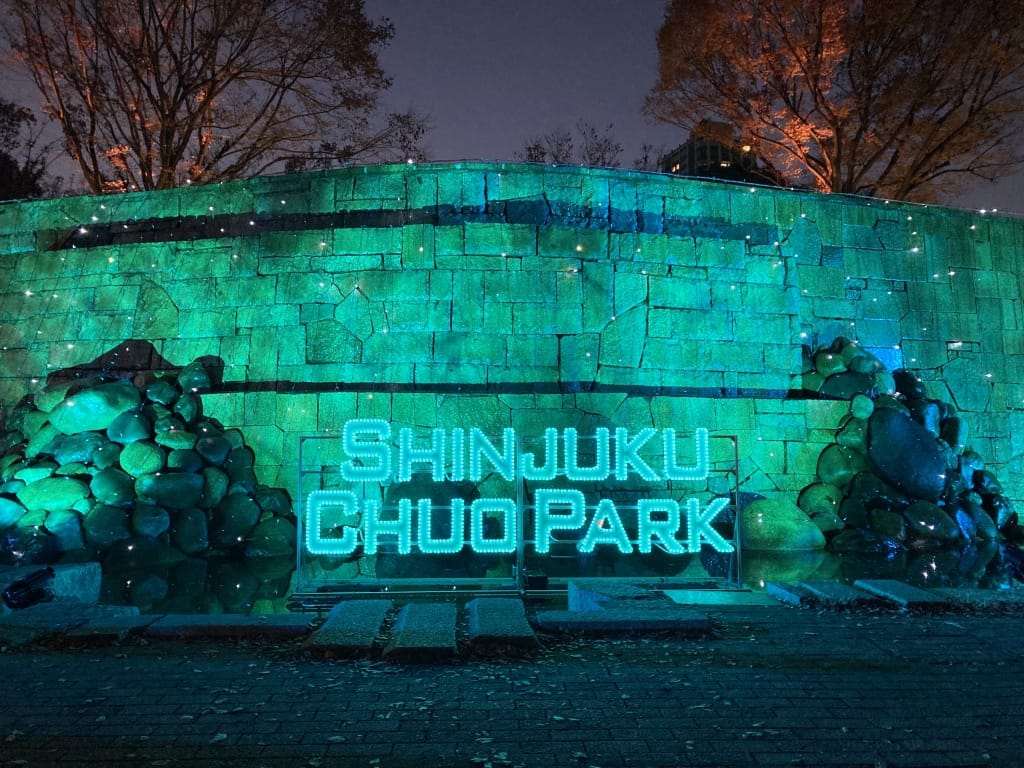
Shinjuku Chuo Park in Shinjuku hosts an illumination event every year starting in late November. Colorful lights are installed on the waterfalls, fountains, and trees throughout the park, transforming it into a fantastical world of light after dark.
The waterfall, known as the symbol of Shinjuku Chuo Park, features a popular display where the illumination colors change vividly. There are footprint marks in front of the waterfall, and when you stand on them, the waterfall changes to various colors accompanied by sound effects.
A stamp rally is also held during the illumination period, and by collecting all 10 stamps located throughout the park, you can receive limited-edition merchandise. This Shinjuku event January 2026 is filled with beautiful displays that can only be seen here, so be sure to visit when you come to Shinjuku.
<Information>
Dates: November 29, 2025 – January 12, 2026
Access: 10-minute walk from JR, Odakyu Line, or Keio Line Shinjuku Station; 5-minute walk from Tokyo Metro Marunouchi Line Nishi-Shinjuku Station; 1-minute walk from Toei Oedo Line Tochomae Station
Admission: Free
Official Website: https://shinjukuchuo-park.jp/
ISETAN Illumination
Source:Official website
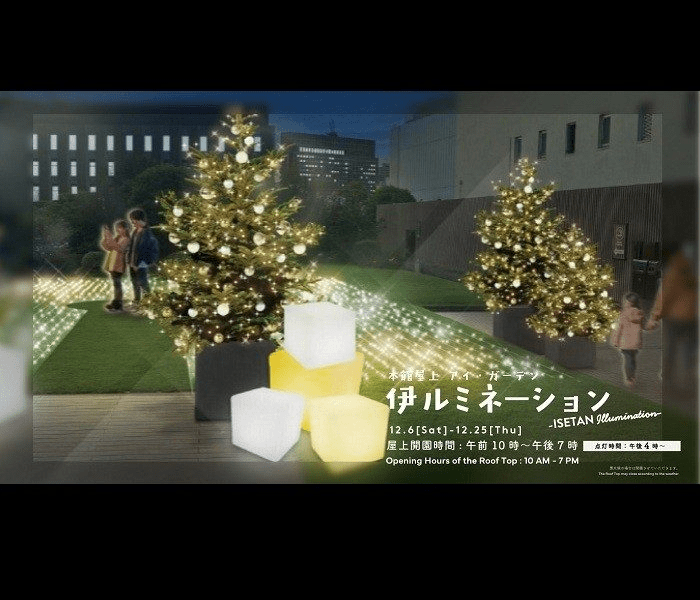
Isetan, known as one of Shinjuku's representative department stores, holds an illumination event on the rooftop of its main building every December. The display features designs that change throughout the evening, including starry sky-inspired presentations and Christmas-themed designs.
The rooftop is equipped with illuminated interior furnishings so visitors can take their time enjoying the lights. This is a relaxing space, making it the perfect spot for those who want to leisurely gaze at the starry sky and illuminations together.
The daily display hours are short, from 4:00 PM to 7:00 PM, so plan your visit to Isetan accordingly if you want to see the illuminations. Please note that since the rooftop has no roof covering, the illuminations will be canceled in rainy weather.
Additionally, the illuminations will not be held during the year-end and New Year period from December 26 to January 6. Isetan has many shops, so you can enjoy shopping to your heart's content. If you visit Isetan in December, be sure to head up to the rooftop between your shopping.
<Information>
Dates: December 6, 2025 – February 8, 2026
Access: 2-minute walk from Tokyo Metro Marunouchi Line/Fukutoshin Line Shinjuku-sanchome Station, 3-minute walk from Toei Shinjuku Line Shinjuku-sanchome Station
Admission: Free
Official Website: https://www.mistore.jp/store/shinjuku.html
If You Want to Enjoy Shinjuku at Night, Bar Hopping in Asia's Greatest Entertainment District is a Must!
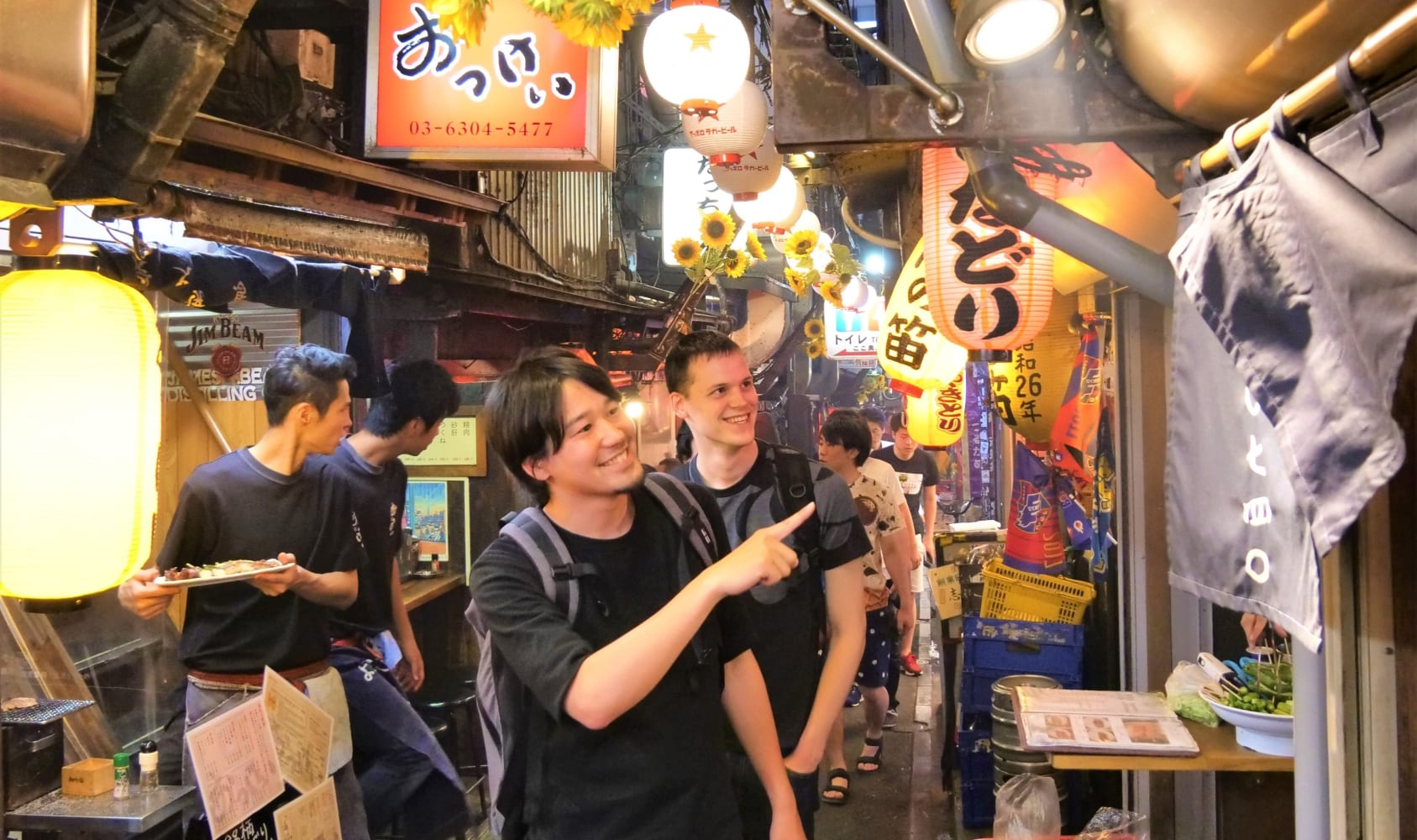

If you want to enjoy bar hopping in Shinjuku, known as Asia's greatest entertainment district, join a tour where you can explore hidden nightlife spots with a local guide. During the tour, you'll stroll through cozy back alleys while savoring authentic Japanese cuisine at izakayas and food stalls.
After enjoying the izakaya experience, explore Kabukicho and visit bars that serve delicious food and drinks. Since some areas of Kabukicho can be dangerous, many visitors may feel anxious about exploring on their own.
If you're worried about wandering through Kabukicho alone, joining a local tour allows you to enjoy Kabukicho safely and efficiently.
At the establishments you visit in Kabukicho, you'll enjoy drinks and interact with locals. By participating in this tour myself, I was able to discover hidden gem restaurants in Shinjuku that I never knew existed.
<Information>
Meeting Point: UNIQLO Shinjuku West Exit Store
Tour Area: Shinjuku
Start Times: 17:00 / 18:00 / 18:30 / 19:00
Special Experiences Only Available in Shinjuku in January 2026
Shinjuku Chuo Park Flea Market
Source:Official website
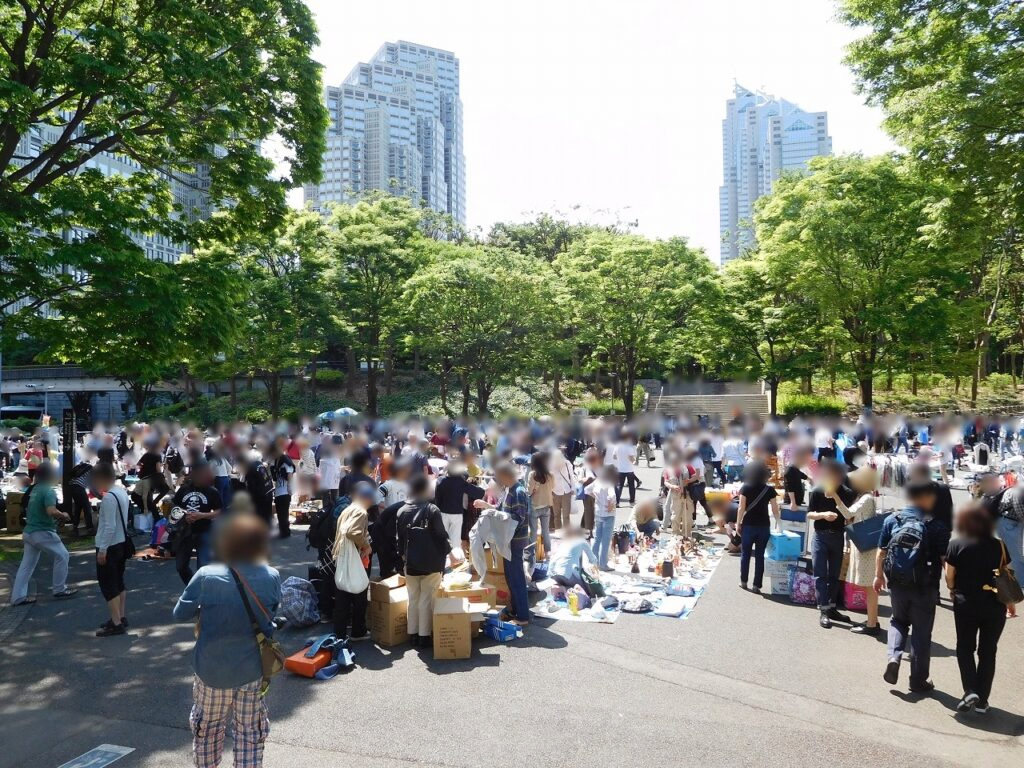
Shinjuku Chuo Park regularly hosts flea markets that attract large crowds every day. This Shinjuku event in January 2026 will also take place during the winter month, with approximately 150 vendors expected to set up shop selling vintage clothing, accessories, and retro-style trinkets.
The flea market is held at the "Water Plaza" located at the main entrance of the park, where you can enjoy leisurely shopping while taking in the beautiful greenery. Perhaps due to Shinjuku's unique character, many visitors are foreigners, and many of them purchase traditional Japanese-style items.
The open hours are from 9:00 AM to 3:00 PM, which is quite short, so if you want to enjoy shopping at a relaxed pace, we recommend arriving early. Also, the event will be canceled in case of rain, so if you're unsure about the weather, be sure to confirm whether it will be held before heading out.
<Information>
Date: January 17, 2026
Access: 10-minute walk from JR, Odakyu Line, or Keio Line Shinjuku Station; 5-minute walk from Tokyo Metro Marunouchi Line Nishi-Shinjuku Station; 1-minute walk from Toei Oedo Line Tochomae Station
Admission: Free
Official Website: None
Shinjuku City Half Marathon & Citizens' Health Marathon
Source: PR TIMES

The "Shinjuku City Half Marathon & Citizens' Health Marathon" is a sporting event established in 1987 by people who love Shinjuku.
Marathon events are popular throughout Japan, developing into international competitions. As a Japan Association of Athletics Federations certified course and event, it features both half-marathon and 10km races.
The Citizens' Health Marathon welcomes diverse runners regardless of age or disability, allowing participants to experience Shinjuku's cityscape while running.
In 2024, 10,000 runners raced through Shinjuku, with Olympic medalists' participation drawing significant attention. The event also features dance performances, live music, food trucks, and shopping corners. As a major city-wide event, January 2026 promises to be equally exciting.
3 Art and Culture Events to Enjoy in Shinjuku in January 2026
Natsume Soseki and Soseki Sanbo Part 3
Source:Official website
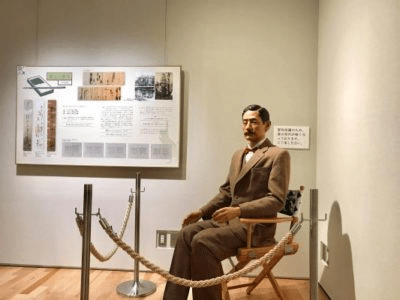
Soseki Museum in the Waseda District will hold an exhibition featuring representative materials related to Soseki Natsume, who is known as one of Japan's most celebrated novelists. Soseki Natsume is known as the author of "Botchan" and "I Am a Cat," and his portrait was once featured on the 1,000 yen bill.
The location of Soseki Museum is known as a place of significance where Soseki Natsume spent the last nine years of his life until his death. At the exhibition, you can view precious materials related to Soseki, including manuscripts in Soseki's own handwriting, first editions of his novels, and letters written to his wife.
The permanent exhibition displays items such as Soseki's upbringing, his study, and valuable manuscripts, making it highly recommended for those interested in Japanese literature and culture.
<Information>
Date: From December 13, 2025
Access: 10-minute walk from Exit 1 of Waseda Station on the Tokyo Metro Tozai Line
Admission: General 300 yen, Elementary and junior high school students 100 yen
Official Website: https://soseki-museum.jp/tenji/12640/
New Year Noh Theater Walk at Yarai Noh Theater 2026
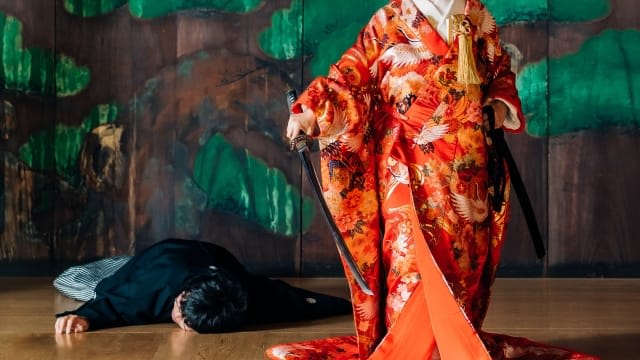
*Photo is for illustration purposes
Yarai Noh Theatre in Kagurazaka will host a New Year Open House event from January 17-18, 2026. Noh is a traditional Japanese theatrical performance where actors wear masks and perform dances accompanied by singing and musical instruments.
On the first day, January 17, a hands-on experience session will be held for first-time Noh viewers and foreign tourists. At this Shinjuku event in January 2026, participants can actually stand on the Noh stage and touch the masks and props used in Noh performances to experience its charm firsthand.
On the following day, January 18, you can watch an actual Noh performance and experience its allure up close. On that day, illustrated booklets will be distributed, and you can check the dialogue through a smartphone app, so even first-timers or those who don't understand Japanese can enjoy Noh with peace of mind.
<Information>
Date: January 18, 2026
Access: 2-minute walk from Exit 2 of Kagurazaka Station on the Tokyo Metro Tozai Line; 5-minute walk from Exit A1 of Ushigome-Kagurazaka Station on the Toei Oedo Line
Admission: General: 3,000 yen, Elementary/Junior high/High school students: 1,500 yen
Official Website: https://yarai-nohgakudo.com/archives/13040
RE:RE:MONCHHICHI Exhibition
Source:PR TIMES
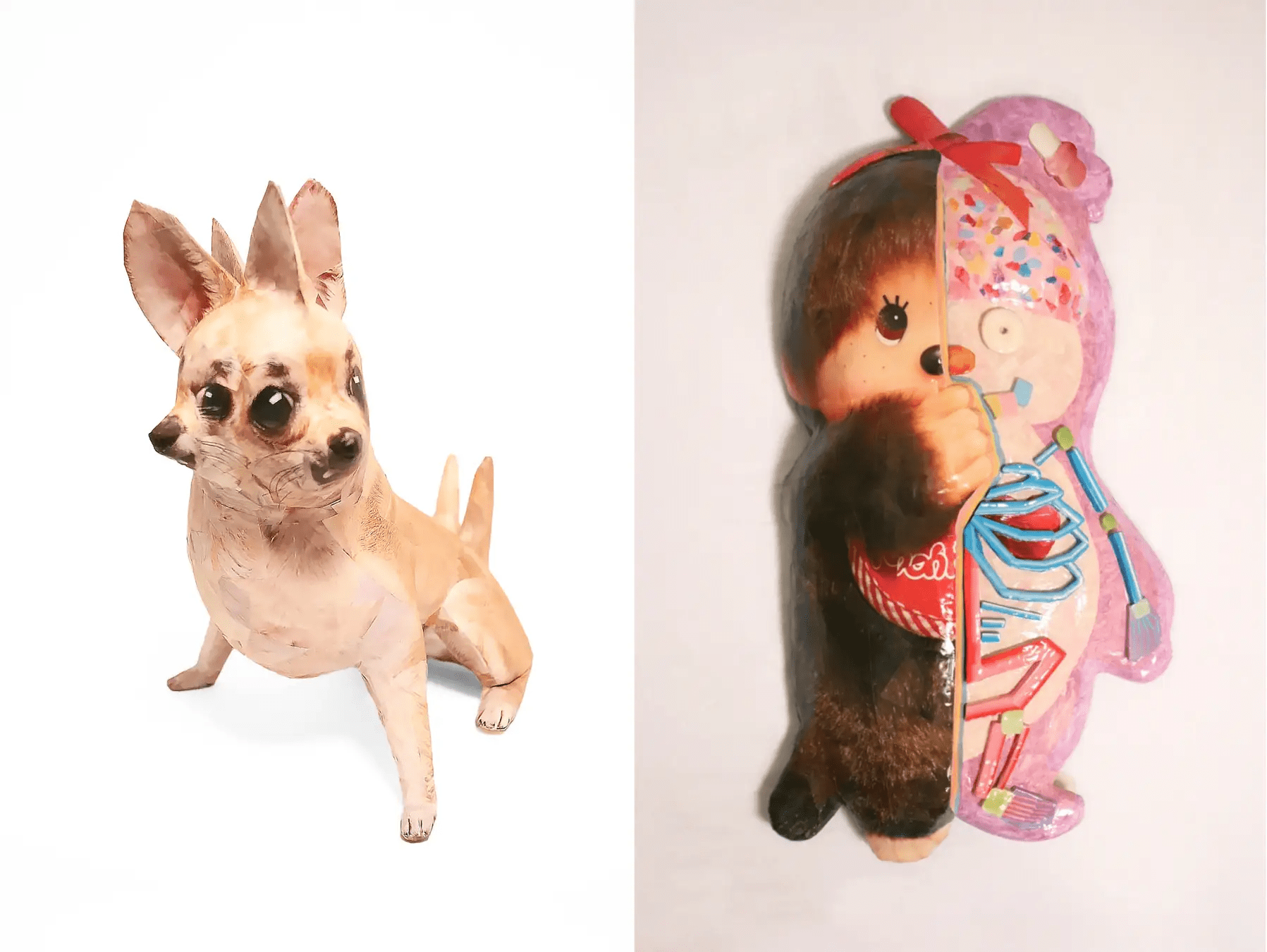
WALL_shinjuku, located in Lumine, a shopping mall known for being in front of Shinjuku Station, will host an exhibition called RE:RE:MONCHHICHI starting from November 2025. MONCHHICHI is a fairy character based on a monkey that has been beloved in Japan for nearly 50 years.
This exhibition displays works that reinterpret MONCHHICHI through the hands of contemporary artists. During the exhibition period, talk shows by artists and pop-up events are also scheduled to be held.
Additionally, a shop selling limited-edition items featuring MONCHHICHI will be open. These goods are also recommended as souvenirs to purchase, so when you visit Shinjuku, please be sure to stop by.
<Information>
Date: November 22, 2025 - Early February 2026
Access: Immediately adjacent to JR Shinjuku Station South Exit
Admission: Free
Official Website: https://avex.jp/wall/exhibition/707/
Fully Enjoy Shinjuku with Tours Featuring Local Cuisine and Photo Spots with Locals
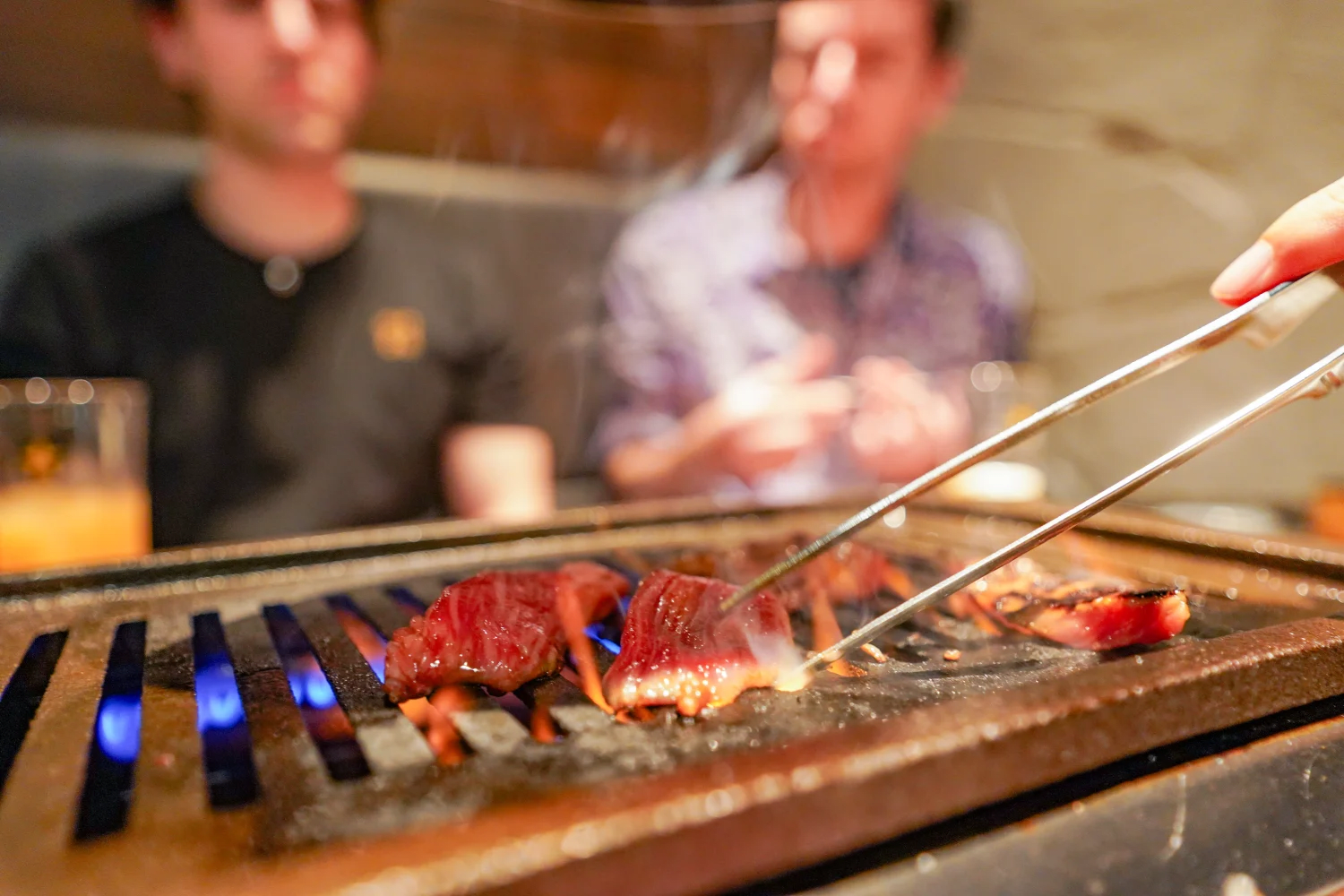
If you want to enjoy Shinjuku's nightlife, simply attending events isn't enough—join a Magical Trip tour.
Magical Trip tours offer not only bar hopping tours but also various activities tailored to your interests. Magical Trip has many tours that allow tourists to deeply enjoy Shinjuku, making it recommended for those who want to make their Shinjuku nights even more fulfilling.
One of the most popular is the Tokyo Night Foodie Tour, where you can savor authentic cuisine such as sushi and yakiniku while safely exploring the nightlife district centered around Kabukicho.
For those who love taking photos, the Tokyo by Night Photography tour is recommended. On this tour, you can enjoy photographing nighttime Shinjuku while receiving guidance from a professional photographer.
These tours are popular among those who want to fully enjoy Shinjuku's nightlife, so if you want to join, be sure to book as early as possible.
<Information>
Meeting Point: JR Shinjuku Station West Exit D1
Tour Area: Shinjuku
Start Time: 17:00, 18:00
Tokyo Night Foodie Tour in Shinjuku
Meeting Point: In front of the Lion Statue at Shinjuku Station East Exit
Tour Area: Shinjuku
Start Time: 17:30