Shibuya to Shinjuku: Best Way to Travel, Local’s Tips & Points to Be Careful
Tokyo is home to countless spots, from bustling entertainment districts like Shibuya and Harajuku, to neighborhoods that come alive at night like Shinjuku and Roppongi, to areas that preserve traditional old-town charm like Asakusa and Kanda.
While Tokyo is a city packed with appeal, it's also true that increasing tourism development has made it harder for visitors to experience the "real Tokyo." In other words, instead of enjoying Tokyo like a local, tourists are often limited to experiencing only the touristy side of the city.
That's exactly why I want you to explore the city with locals who know the real Tokyo. With tours from Magical Trip—winner of Tripadvisor's The Best of The Best in both 2024 and 2025—you can make that happen.

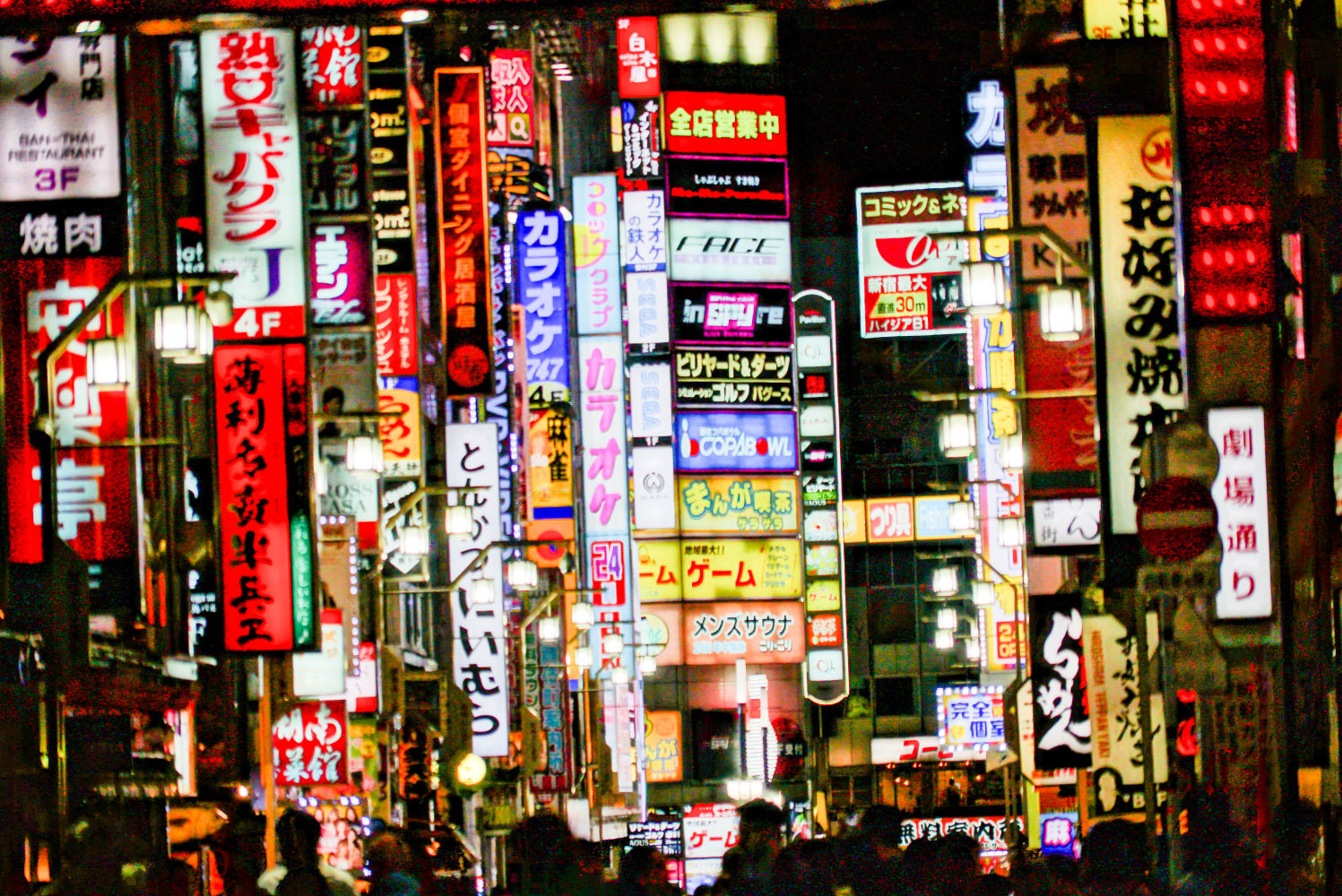
The Tokyo Bar Hopping Night Tour in Shinjuku, a back-to-back winner of The Best of The Best for two consecutive years, lets you safely enjoy spots beloved by locals in famous Shinjuku areas like Kabukicho and Omoide Yokocho.
If you're interested in Japanese culture, I recommend the Tokyo Sumo Morning Practice Tour in Ryogoku, where you can visit a sumo stable—something even most Japanese people have never experienced—or the Asakusa Cultural Walk & Matcha Making Tour, where you can stroll through Asakusa while learning about Japanese culture from your guide.
If you want to create your own itinerary and explore Tokyo deeply and efficiently, choose Customized Private Tours of Japan with MagicalTrip's Top Guides, where you can craft a special itinerary tailored just for you with a local guide.
Table of Contents
-If You're Going from Shibuya to Shinjuku, "Train" or "Taxi" is Recommended
-Access Information of Shibuya to Shinjuku
If You're Going from Shibuya to Shinjuku, "Train" or "Taxi" is Recommended
Shibuya and Shinjuku are both among Tokyo's most vibrant entertainment districts, separated by only about 4 kilometers. When traveling between them, "train" and "taxi" are the main options.
Note that both are among Japan's largest terminal stations, characterized by their maze-like station layouts. As a result, traveling by train may take longer than expected due to getting lost.
Therefore, if your budget allows, we recommend using a taxi.
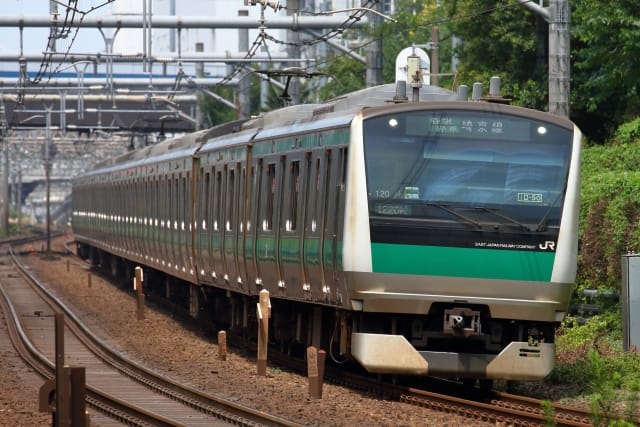
Train: Around 20 Minutes
- 2-minute walk from Shibuya Scramble Crossing to Shibuya Station
- About 7 minutes from Shibuya Station to Shinjuku Station on the Yamanote Line (outer loop)
- About 10-minute walk from Shinjuku Station to Kabukicho
Trains are a cost-effective option, but both Shibuya Station and Shinjuku Station are massive stations used by over 3 million people daily.
Shinjuku Station in particular is registered in the Guinness World Records as the world's busiest station, and if you exit from the wrong gate, you may end up walking an extra 10 minutes or more to your destination.
Therefore, traveling by train is best suited for those who have plenty of time or are accustomed to using public transportation.
- Travel time: About 20 minutes
- Estimated fare: 170 yen
Taxi: Around 20 Minutes
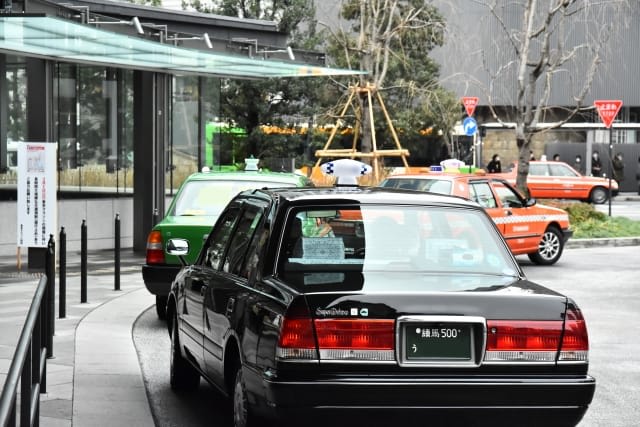
- Get into a taxi at the taxi stand near Shibuya Scramble Crossing
- Tell the driver "Kabukicho"
- Get off at Kabukicho
With a taxi, you don't have to worry about getting lost inside the station, making it ideal when you have a lot of luggage or are tired.
Simply show the driver your destination address, and they will reliably take you there.
Taxis are especially convenient late at night, early in the morning, or on rainy days, but please note that during evening rush hour (6:00 PM to 8:00 PM), traffic congestion may cause delays.
- Travel time: About 20 minutes
- Estimated fare: 2,000–2,500 yen
Access Information of Shibuya to Shinjuku
Trains and taxis have almost the same travel time. While there is a difference in fare, the stations have complex layouts, so if your budget allows, taking a taxi will allow for a smoother journey.
| Transportation | Travel Time | Fare (per adult) | Rating |
|---|---|---|---|
| Train | Approx. 20 min | ¥170 | ☆☆☆ |
| Taxi | Approx. 20 min | ¥2,000–2,500 | ☆☆☆ |
| Bus | Approx. 30 min | ¥230 | ☆ |
| Walking | Approx. 1 hour | Free | ☆ |
Points to Note When Heading from Shibuya to Shinjuku
Shinjuku Station has over 10 main ticket gates and more than 200 exits, with complex underground passages. Therefore, research the nearest ticket gate to your destination in advance—for example, if your destination is Kabukicho, head for the East Exit.
On weekday mornings (7:00 AM–9:00 AM) and evenings (5:00 PM–7:00 PM), stations become extremely crowded due to rush hour. If you're traveling during these times, allow extra time for your journey.
Restaurants, karaoke establishments, and other venues in Shinjuku operate until late at night, but the last trains run around midnight to 1:00 AM. Since late-night taxi fares include a surcharge, if you're traveling by train, be sure to check the timetable in advance.
With a Custom Tour, You Can Be Guided to Your Desired Destinations via the Optimal Route

For those who feel anxious about traveling from Shibuya to Shinjuku, or those who want to efficiently enjoy both areas within limited time, we recommend using a custom tour.
With Magical Trip's custom tours, guides will assist you with navigating the complex station layouts of Shibuya and Shinjuku, and show you not only famous spots but also hidden gems known only to locals.
Since restaurant reservation assistance is also available, you can reliably visit the places you want to go even if you don't speak Japanese.
Through careful consultation, you can adjust your itinerary as many times as needed, and they flexibly accommodate rainy weather or sudden changes, allowing you to enjoy your Tokyo sightseeing with peace of mind.