Ginza in June 2026: Sanno Matsuri, Kabuki & Traditional Events Guide
The reason for updating the article is the growing interest in tours that allow visitors to enjoy Japanese food culture and delicious dishes. As these tours gain popularity, Magical Trip's tour, which ranked #1 among all tours on Tripadvisor, has been receiving numerous applications.

For those interested in traditional Japanese cuisine, join the "Wagyu Beef & Sake Paring Foodie Tour in Ginza," where a knowledgeable local guide will take you to their highly recommended Japanese restaurants. While enjoying Wagyu and sake, your local guide will teach you proper dining etiquette and the best ways to savor each dish.
If you want to enjoy exceptional Japanese cuisine in Tokyo, consider joining one of these tours. With expert guides who know Tokyo inside and out showing you their recommended restaurants, you'll have an unforgettable Japanese dining experience.
・Tokyo Bar Hopping Night Tour in Shinjuku(ranked #1 among all tours on Tripadvisor)
・Finest Quality Sushi & Tempura Dining Experience in Ginza
We hope you'll have a wonderful time experiencing everything Ueno has to offer by joining a Magical Trip tour!
Introduction
In June, Tokyo enters the rainy season (tsuyu), with consecutive rainy days possible. In the refined and stylish streets of Ginza, many people enjoy rainy season fashion with colorful umbrellas and rain shoes.
There are also days known as "breaks in the rainy season" when the weather clears up, bringing refreshing early summer air that creates an ideal climate for sightseeing.
Since rain may start and stop throughout the day, it would be convenient to have a compact folding umbrella or rain gear that can be stored in your bag.
In June 2026, various traditional festivals, art events, and seasonal flower events will be held around Ginza. Here's an introduction to the highlights and basic information about these events for your reference!
Table of Contents
-2 Special Traditional Events to Enjoy in Ginza in June 2026
-Top 5 Nearby Events Recommended for Those Visiting Ginza in June 2026
2026 Year-round Event calendar in Ginza↓
・Ginza: List of Events & Festivals for 2026
 sena kanda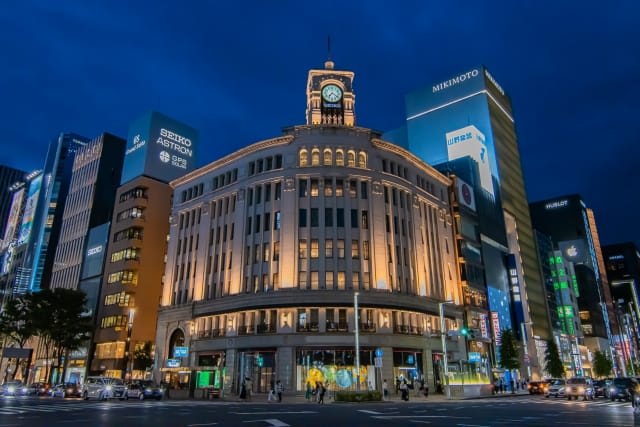
2 Special Traditional Events to Enjoy in Ginza in June 2026
Sanno Festival / Shinko Festival
Source:Official website
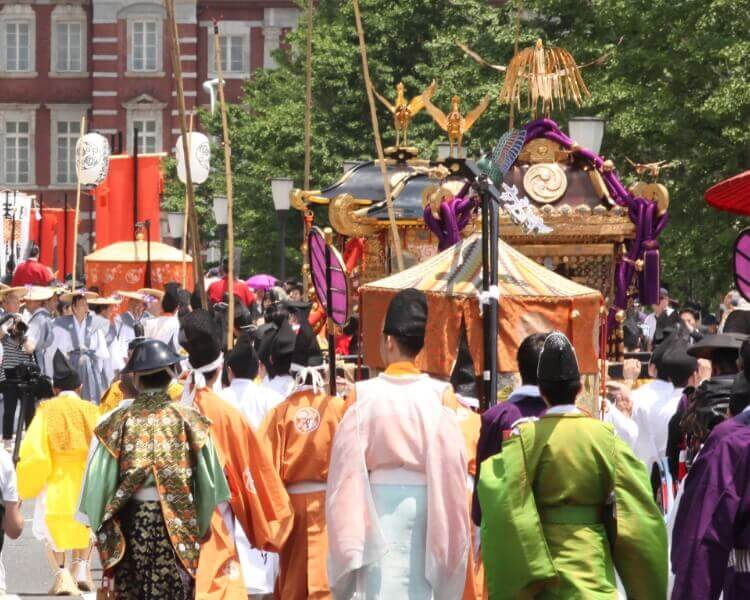
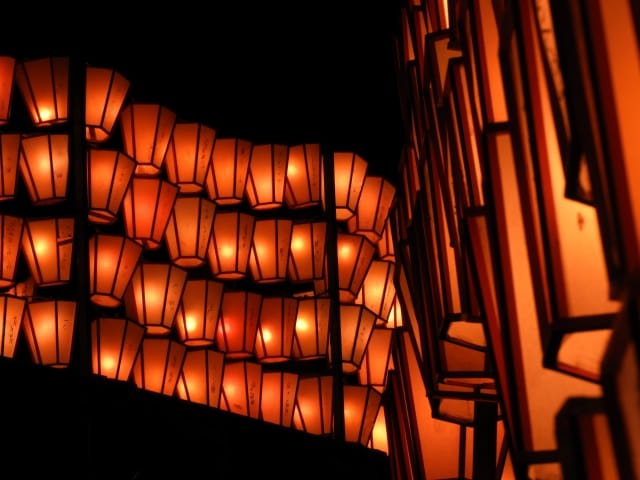
The "Sanno Festival" is a ceremonial festival held at Hie Shrine. It is a traditional event that has continued since the time of the Tokugawa shoguns in the Edo period and is considered one of the "Three Great Edo Festivals." It originally began as an event called "Tenka Festival," where the shoguns would view the portable shrines (mikoshi) that came to Edo Castle.
Various dedication ceremonies are performed during the Sanno Festival, and limited goods such as amulets and bookmarks are sold.
The "Shinko Festival," which is held as part of the Sanno Festival, is an event where colorful floats and portable shrines parade through the city center for about 300 meters. It is held once every two years, with the next one scheduled for 2026.
What Makes June Grand Kabuki So Special?
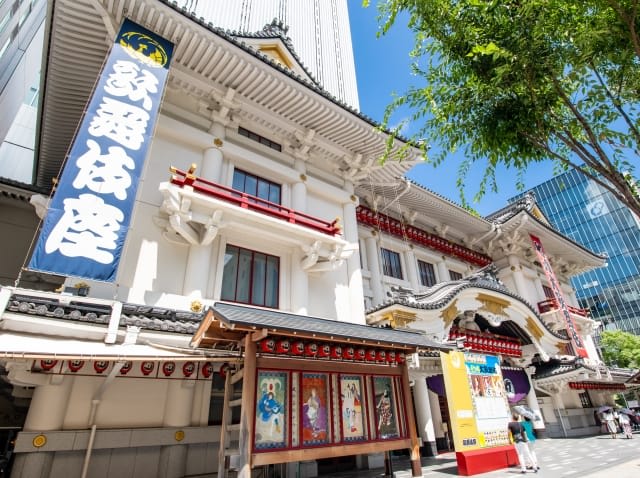
At Kabukiza Theatre, the programs performed change from month to month.
There are over 700 Kabuki programs, most of which are traditional works that have developed alongside history. The programs for the June 2026 Ginza event have yet to be announced, but June performances often draw on themes related to summer and early summer, so you can look forward to productions with a refreshing atmosphere or passionate storylines.
Kabukiza Theatre also has a tradition of holding grand celebrations and commemorative performances every May. In some years, the special May productions continue into June as well.
In May and June of 2025, a spectacular name-succession ceremony was held for a prestigious Kabuki family with a lineage spanning hundreds of years. This year, too, there may be a special program featuring renowned actors.
The History of Kabuki
Kabuki is said to have originated in the early 17th century with a female dancer named Izumo no Okuni. By the first half of the 17th century, the forms that are passed down to the present day had been established, including the Onnagata tradition in which male performers play female roles.
Kabuki is a comprehensive art form composed of theater, dance, and music. One of its defining characteristics is that it was loved and cultivated not only by the nobility and Samurai, but also by ordinary townspeople and commoners. The Edo period, spanning from the 17th century to the mid-19th century, was an era of particular Kabuki fervor among the general public.
Many star performers emerged throughout this history, and the names of celebrated actors have been passed down through name-succession ceremonies for hundreds of years, continuing to this day.
Kabuki has evolved over centuries by incorporating the culture and customs of each era, and the culture of the period depicted in each production influences everything from the costumes to the flow of the story.
How Can Foreign Visitors Enjoy Kabuki More Deeply?
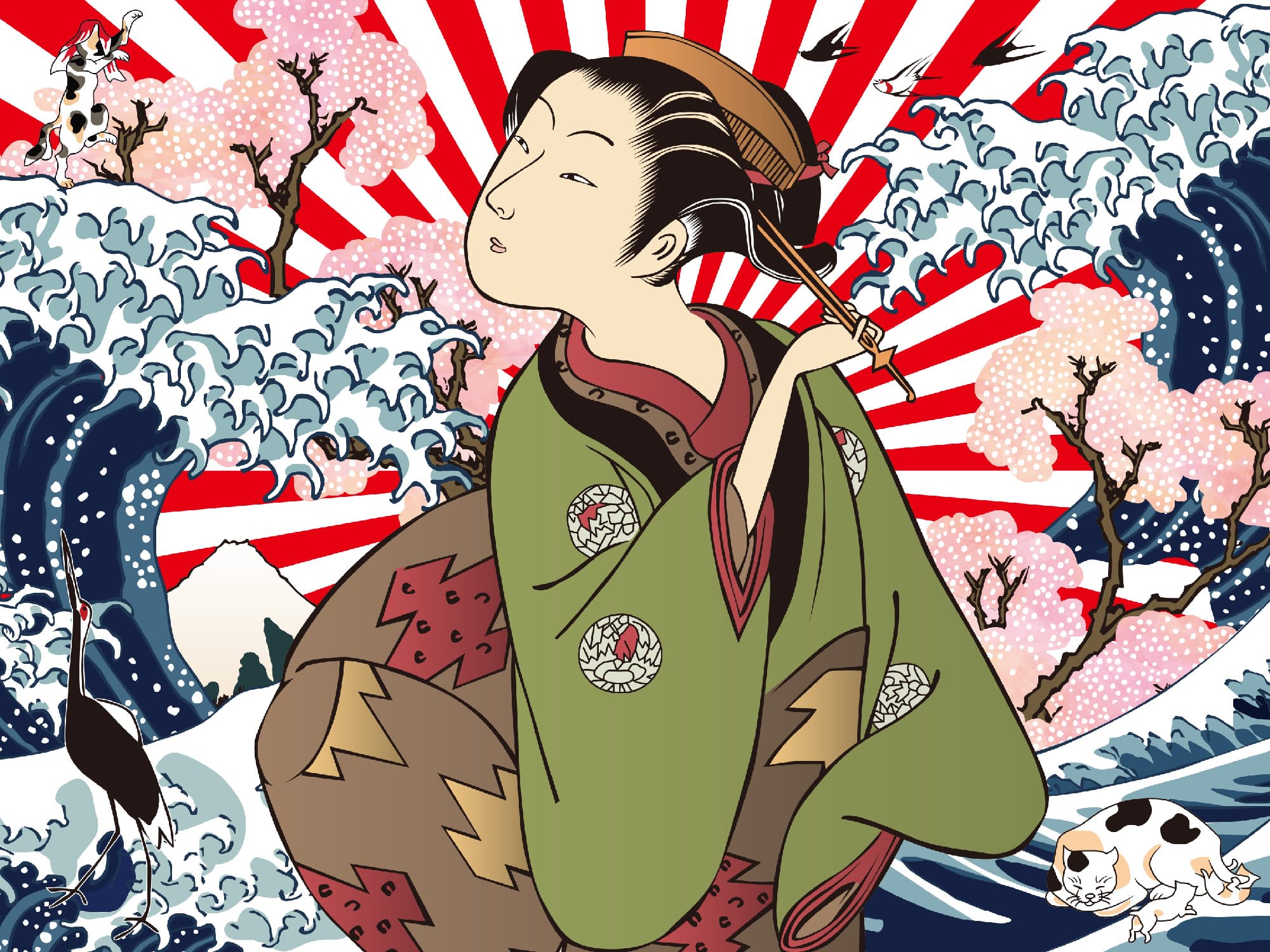
There are a few key points for foreign travelers who want to get the most out of a Kabuki experience.
The first is to learn some background knowledge in advance. Of course, even without any prior knowledge of Japanese culture or Kabuki, you can still appreciate the traditional costumes, stage sets, the beauty of the performers, and the unique music.
However, without any background knowledge, you may find yourself only appreciating the surface-level beauty, and you might begin to feel unsatisfied partway through the performance.
For example, the official Kabukiza Theatre website offers easy-to-understand explanations of the basic knowledge that first-time visitors should have. It is also important to check whether translation services such as earphone guides or subtitle tablets are available.
Because Kabuki is a form of theater, in my experience, if you cannot follow the story, it becomes difficult to maintain concentration throughout a production that can last for dozens of minutes.
At Kabukiza Theatre, subtitle tablets are available for rent at a fee, so be sure to make use of them. When you can understand the content and emotionally connect with the story, the beauty of the performers and the music will feel many times more vivid.
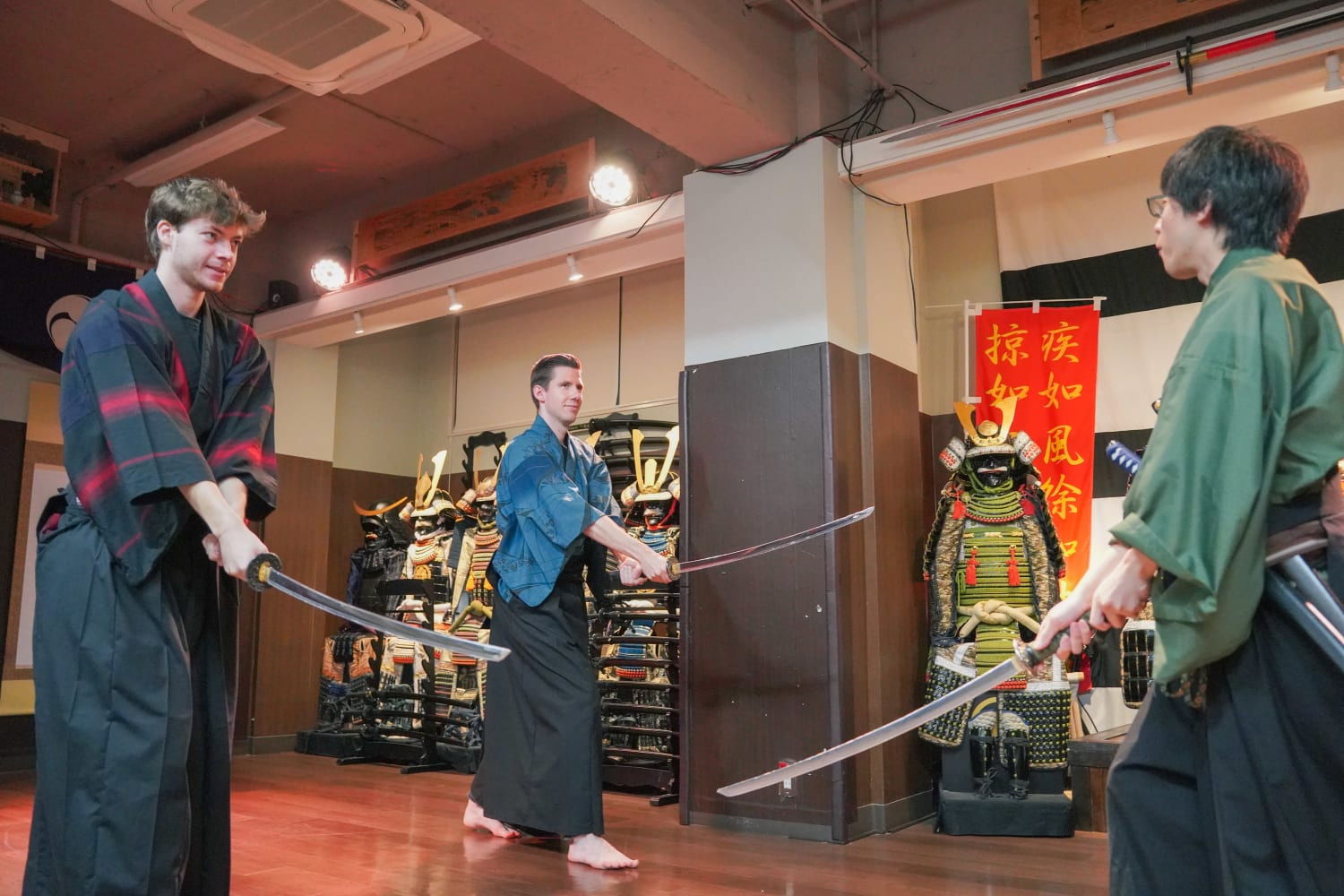
For those interested in Kabuki and other Japanese traditions, consider joining a tour where a local guide introduces you to traditional culture.
Magical Trip offers a wide range of tours where you can visit and even hands-on experience Japan's unique traditional culture.
If you are interested in Sumo, we recommend joining the Tokyo Sumo Morning Practice Tour. This special tour gives you the rare opportunity to observe real wrestlers up close during their morning training sessions, which are not normally open to the public.
If you are a fan of Samurai, try the Tokyo Samurai Experience, a tour where you can even practice authentic swordsmanship techniques.
On these traditional culture experience tours, you can freely ask a knowledgeable local guide about Japanese culture — including Kabuki.
If you are interested or planning to see a performance, make the most of these local tours and ask everything you want to know.
<Information>
Meeting point: Kiyosumi Shirakawa Station A1 Exit
Tour area: Kiyosumi Shirakawa
Start time: 8:30
Tokyo Sumo Morning Practice Tour with Ring-Side Seats
Meeting point: In front of Aoyama Flower Market (Ecute Edition Idabashi Store)
Tour area: Kagurazaka area
Start time: 10:30, 16:00
Tokyo Samurai Experience: History, Swordplay, and Authentic Japanese Dining
Meeting point: In front of Kaminarimon Police Box, Senso-ji
Tour area: Asakusa
Start time: 11:00
Asakusa Cultural Walk & Matcha Making Tour
Special Experiences Only Available in Ginza in June
Summer Art Aquarium Exhibition 2026
Source:Official website
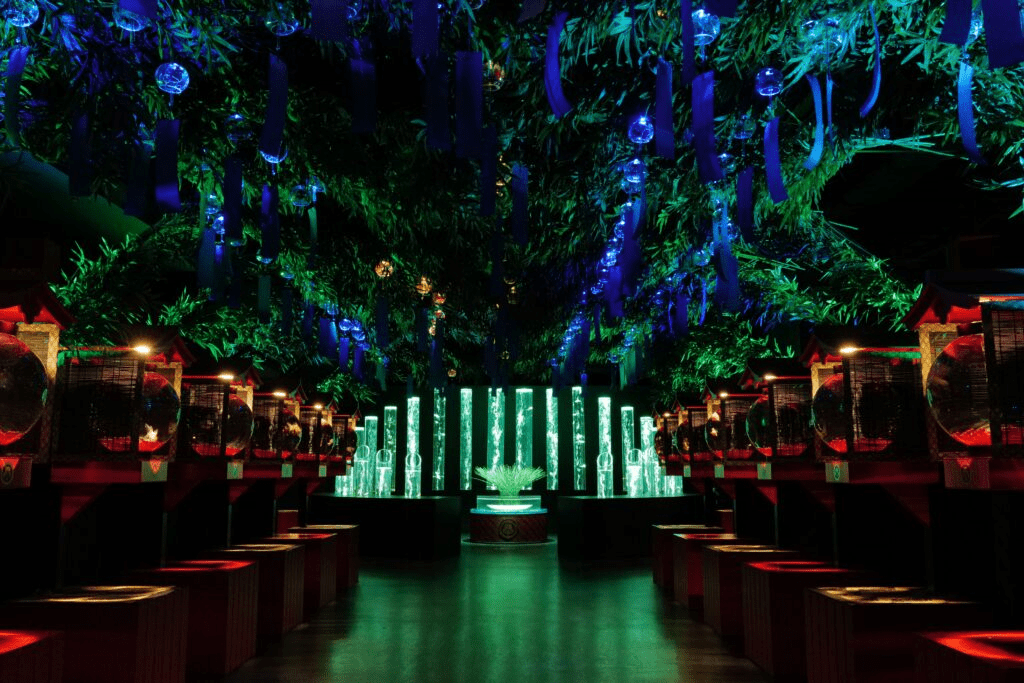
The "Summer Art Aquarium Exhibition" is a limited-time event held at the "Art Aquarium Museum GINZA" in Ginza Mitsukoshi. Various types of goldfish swimming in tanks are presented with light, sound, and fragrance effects, creating a fantastical world experience.
The rooms surrounded by tanks of different styles with goldfish swimming gracefully offer a mystical space for an immersive experience. There are many photogenic spots where you can easily take artistic photos.
Additionally, traditional Japanese crafts such as ukiyo-e prints, pottery, and textiles are brilliantly illuminated with light effects.
Don't miss the opportunity to visit the "Summer Art Aquarium Exhibition" in June 2026, where you can enjoy goldfish, a symbol of Japanese summer, with stylish Ginza-like presentations!
<Information>
-Date: June 27 – September 29, 2025 (Dates for 2026 TBD)
- Location: Art Aquarium Museum GINZA (Ginza Mitsukoshi New Building 9F)
- Access: Directly from Exit A7 of Tokyo Metro Ginza Line, Marunouchi Line, or Hibiya Line "Ginza Station"
- Admission: Paid (Ticket purchase site: https://artaquarium.jp/time_price/)
- Website: https://artaquarium.jp
- Instagram: https://www.instagram.com/artaquarium_museum_official/
OLIVE JAPAN SHOW Marche 2026
Source:Official website

"OLIVE JAPAN SHOW Marche" is Japan's largest event related to olives. The main feature of the event, the "International Olive Oil Contest," involves global experts judging various olive oils based solely on quality.
At the venue, olive oils and related products that have won awards in the world's largest contest will also be sold. Being able to taste and sample before purchasing is a delightful aspect of this event.
There are many other highlights, such as a skills competition to determine Japan's best olive oil sommelier.
Admission is free with no prior reservation needed, so feel free to drop by. Why not experience the world of olives that you don't often get to know deeply?
<Information>
-Date: June 27–28, 2026
- Location: Courtyard Marriott Ginza Tobu Hotel Banquet Hall "SAKURA" 2nd floor
- Access: 3-minute walk from "Higashi-Ginza Station" on the Hibiya and Asakusa Lines
- Admission: Free
- Website: https://olivejapan.com/en/olivemarche-2-2
Top 5 Nearby Events Recommended for Those Visiting Ginza in June 2026
Tsukiji Shishi Matsuri
Source:Central Tokyo for Tourism
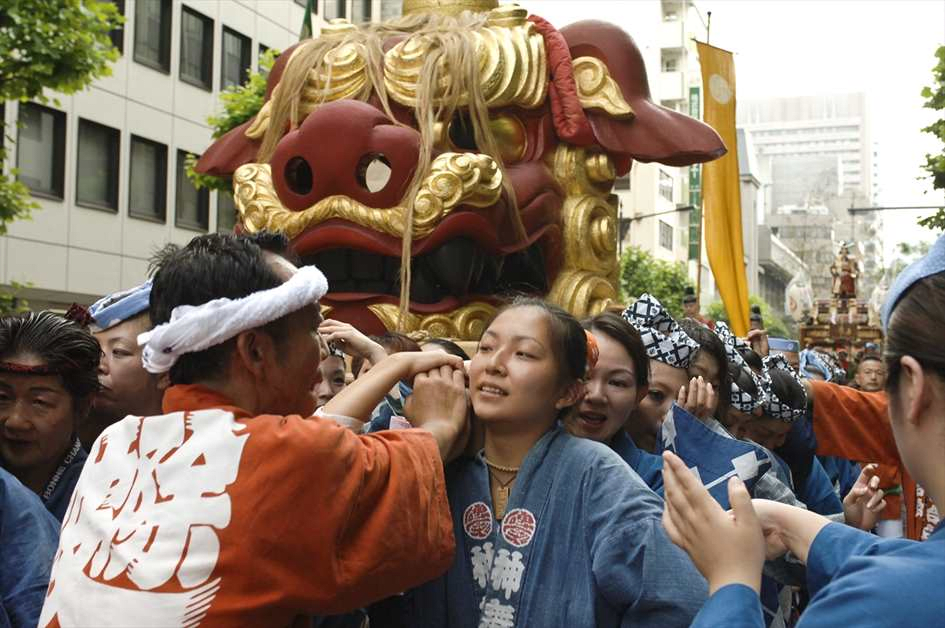
At Namiyoke Shrine in Tsukiji, the traditional festival known as Tsukiji Shishi Matsuri is held. This festival dates back to the 17th century and carries a history of over 350 years. To pray for prosperous business, participants carry the heads of traditional lions called Shishi through a lively and colorful parade.
Tsukiji Shishi Matsuri features a grand main festival, known as Hommatsuri, held once every three years. The Hommatsuri took place in 2025, so in 2026, a scaled-down version called the Kage Matsuri will be held instead. Even as a relatively smaller event, the Kage Matsuri still features a spectacular parade that can be enjoyed around Tsukiji Honganji Temple.
During a previous visit to the Kage Matsuri, the uniquely designed Shishi heads on display were truly remarkable. The tradition of carrying Shishi heads is quite rare among Japanese festivals and is a sight unique to Tsukiji.
Around the shrine, you will also find numerous food stalls. Visitors can enjoy a wide variety of traditional Japanese festival snacks loved at celebrations across the country, including yakisoba, fruit candy, and grilled squid.
<Information>
Date: June 10, 12–14, 2026
Access: 5 minutes walk from Tsukijishijo Station A1 exit on the Toei Oedo Line
Admission: Free
Website: https://www.namiyoke.or.jp/shishimaturi.html
Torigoe Festival
Source:Go Tokyo
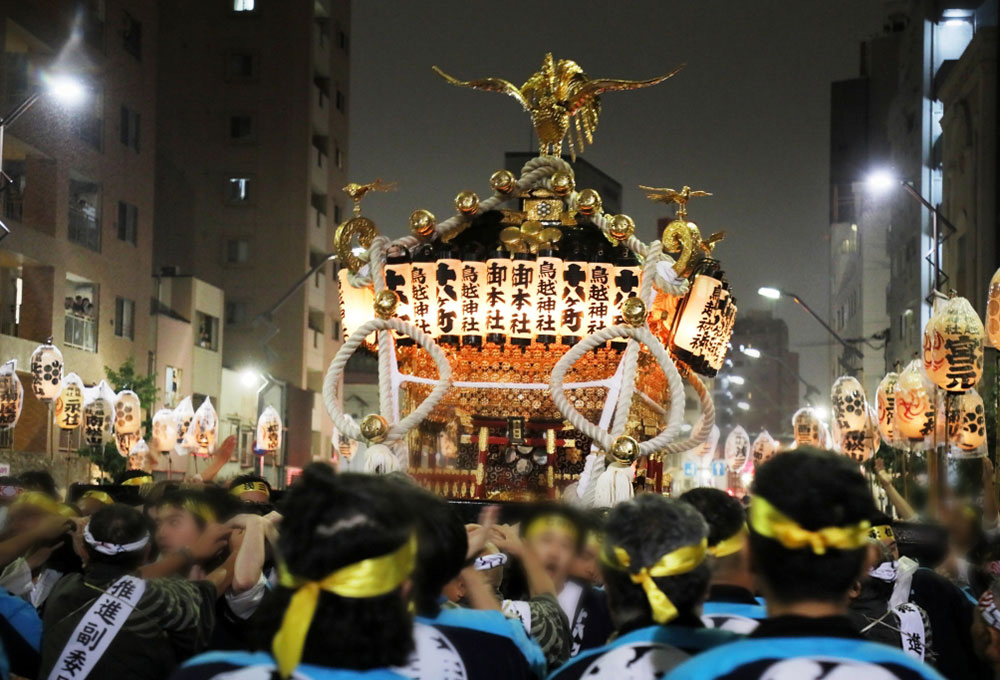
The "Torigoe Festival" is held every June at Torigoe Shrine, which boasts over 1,370 years of history.
The main event of the festival is the powerful mikoshi parade held on the final day. The Sengen Mikoshi, weighing about 4 tons, is said to be the heaviest mikoshi in Tokyo.
What I like most is the nighttime period called "Torigoe Night Festival." The street lights and lanterns decorated on the mikoshi are brilliantly illuminated, and with spirited chants, the festival reaches its climax. This spectacular June 2026 event near ginza will attract a large audience of both locals and tourists alike.
At approximately 250 stalls, you can enjoy festival foods as well as traditional toys and festival games. This is a recommended event for those who want to fully experience the power and excitement of Japanese festivals. Please do visit!
<Information>
-Date: Usually around June 7–9 each year
- Location: Torigoe Shrine
- Access: 5-minute walk from Kuramae Station (Toei Asakusa Line) / 8-minute walk from Asakusabashi Station (JR Sobu Line)
- Admission: Free
- Official X (Twitter): https://x.com/torikoejinjya
Katsushika Iris Festival
Source:Official website
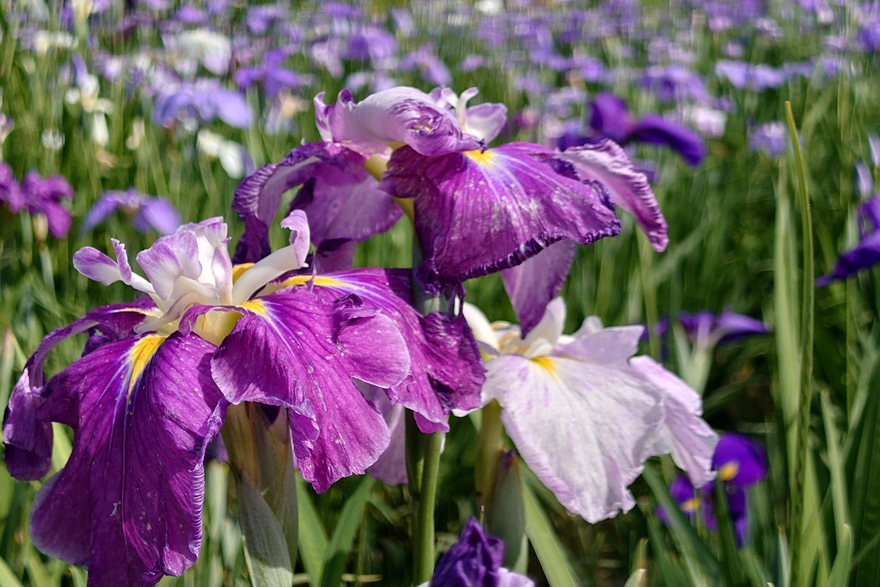
The Katsushika Iris Festival is an iris event held at Horikiri Iris Garden and Mizumoto Park. Here are the highlights of each venue.
Horikiri Iris Garden
- A garden famous as an Edo-era landmark
- Beautiful scenery that has been the subject of famous ukiyo-e paintings
- Approximately 200 varieties and 6,000 iris plants
- Beautiful scenery different from daytime with illumination starting at 7 PM
- Colorful parade by local music groups
- Limited edition original goods from the iris garden
Mizumoto Park
- The only park in Tokyo with a water landscape
- Approximately 100 varieties and 14,000 iris plants
- Newly opened tea house where you can enjoy tea and sweets
- Charity karaoke contest open to drop-in participants
At Mizumoto Park, you can also enjoy viewing hydrangeas in full bloom. Please take your time to enjoy these seasonal Japanese flowers. This is one of the most colorful events happening in June 2026 that will amaze the audience with natural beauty just a short trip from ginza.
<Information>
-Date: May 26 – June 15, 2025 (Dates for 2026 TBD)
- Location: Horikiri Iris Garden and Mizumoto Park
- Access: 10-minute walk from Horikiri-Shobu-en Station (Keisei Line) for Horikiri Iris Garden / Get off at Kanamachi Station (JR/Keisei Line), take the Keisei Bus bound for "Nishi-Mizumoto 3-chome/Obagawa Water Gate," get off at "Mizumoto Park" bus stop, and walk 5 minutes for Mizumoto Park
- Admission: Free
- Website: https://www.city.katsushika.lg.jp/tourism/1000064/1028427.html
Shitamachi Highball Festival
Source:Official website
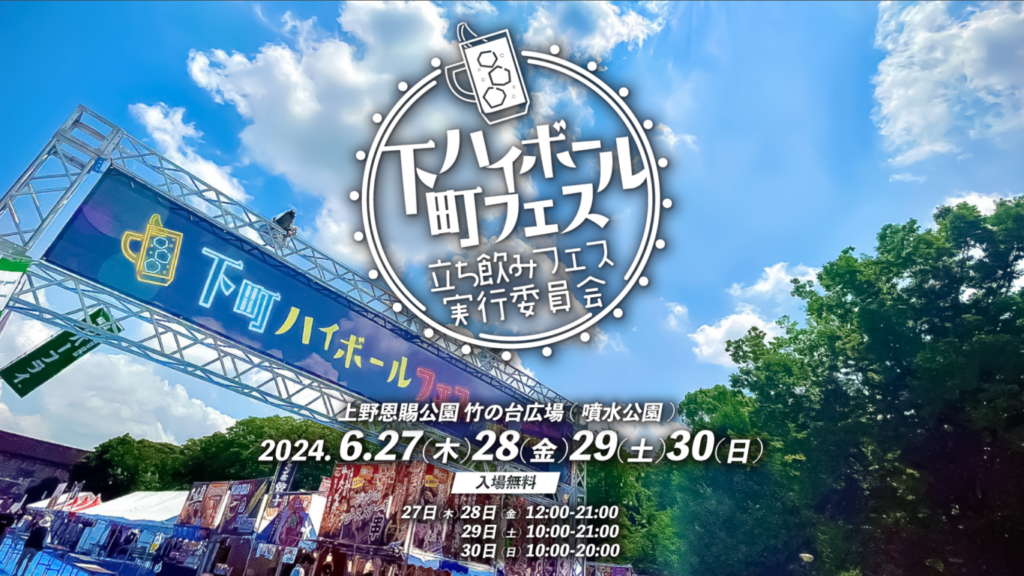
At Ueno Park, approximately 20 minutes from Ginza by train, you can take part in the Shitamachi Highball Festival. This popular Ginza Event June 2026 highlight draws visitors from across Tokyo for a lively celebration of drinks and gourmet food.
The Shitamachi Highball Festival is a beloved event where visitors can enjoy highballs and other alcoholic beverages alongside a variety of delicious food. In Japan, a highball refers to whisky mixed with soda water and is a staple drink at izakayas across the country.
Held regularly at various locations throughout Tokyo, this event features numerous booths set up in an open plaza, offering a wide selection of highball varieties.
In addition to highballs, Japanese sake, wine, and beer are also available for purchase. On a previous visit, a highball made with shochu was particularly memorable — refreshing and smooth, with a pleasant kick from the shochu and a bright citrus note from the lemon.
Food options are equally impressive, with plenty of dishes that pair well with drinks, including takoyaki, yakitori, and barbecue-style grilled foods.
After enjoying the festival, a leisurely stroll through the lush greenery of Ueno Park is highly recommended.
<Information>
Date: June 2026 (Exact dates TBD)
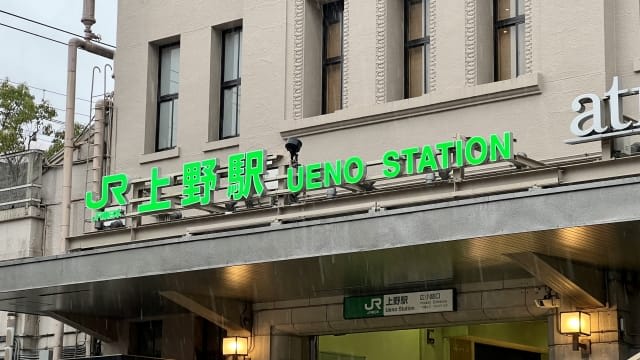
Access: 2 minutes walk from JR Ueno Station
Admission: Free
Website: https://shitamachi-highball.com/ueno/
Nagoshi-no-Harae (Summer Purification Ritual) at Asakusa Shrine
Source:Official website
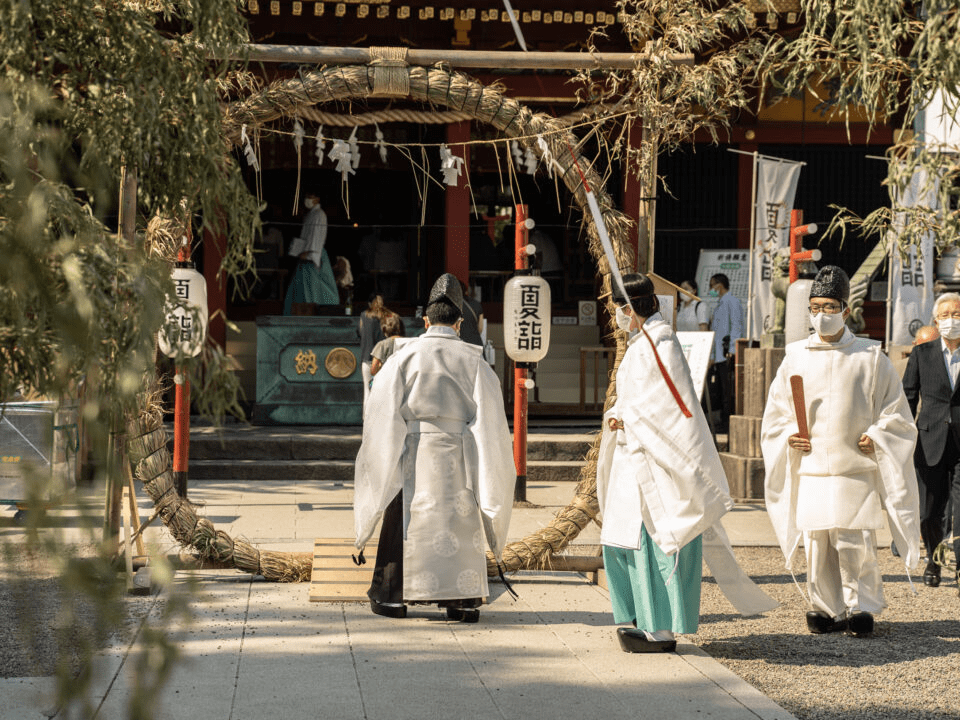
At Asakusa Shrine, located in the popular tourist destination of Asakusa, a traditional Shinto ceremony takes place. The Nagoshi-no-Harae, or Summer Purification Ritual, held in June, is a time-honored practice performed at shrines throughout Japan before the arrival of summer.
As June approaches, a large ring made from plants is erected within the shrine grounds. Known as a Chinowa, it is believed that passing through this ring purifies the impurities that have accumulated in one's body and mind during the first half of the year.
From June 30th, a solemn Shinto ceremony is held to cleanse these impurities. By making a reservation in advance, visitors are welcome to participate in the ritual directly.
Starting the following day, July 1st, special summer events begin at the shrine. Each year, the grounds are beautifully illuminated, and a lively festival with food stalls is held in the precinct.
Asakusa is a neighborhood where the old downtown culture of Tokyo still lives on. Asakusa Shrine is conveniently located for visitors exploring the area, so feel free to stop by and take a look during your stroll.
<Information>
Date: June 30, 2026, at 15:00 / 18:00
Access: 7 minutes walk from Asakusa Station on the Tokyo Metro Ginza Line
Admission: 500 yen
Website: https://natsumoude.jp/product/nagoshi-no-ooharai/