Ueno Events January 2026: Hatsumode, Winter Peony, Food Festivals & Art Guide
I wrote this article hoping to share the attractive events of Ueno in January with more international visitors to Japan. I have updated the article to the 2026 version based on my experience of visiting Ueno's tourist attractions many times during October-December 2025 and conducting research.
Another reason is the growing popularity of "local guide tours" as a way to experience a deeper side of the city. Magical Trip offers several tours catering to this demand, with our "Tokyo Bar Hopping Night Tour in Shinjuku" being ranked #1 among all tours on TripAdvisor in 2024.

Magical Trip also offers the "All-You-Can-Drink Bar Hopping Tour in Ueno," which lets you fully experience Ueno's nightlife in Ameyoko. I recommend spending your day exploring the tourist spots around Ueno Park that I'll introduce in this article, then joining the "All-You-Can-Drink Bar Hopping Tour in Ueno" at night to discover local izakayas that only residents know about.
Introduction
Ueno is a popular area for tourists in Tokyo and is always bustling. It features attractive tourist spots such as Ameya Yokocho (commonly known as Ameyoko), a shopping street where you can enjoy shopping, Ueno Zoo with its pandas, and the National Museum of Nature and Science with its valuable exhibits.
January in Tokyo, where Ueno is located, is characterized by severe cold with an average high temperature of 9 degrees Celsius and a low temperature dropping to 3 degrees Celsius. Although there are many sunny days, caution is needed on windy days as the wind chill can make it feel even colder.
January features various events centered around New Year celebrations, including traditional ones, special experiences only available in January, and gourmet events. Let's introduce the highlights, basic information, dates, and access to these event venues.
2026 Year-round Event calendar in Ueno↓
・Ueno: List of Events & Festivals for 2026
 sena kanda
Table of Contents
- Food Events in Ueno Park That You Can Only Enjoy in January
- Traditional Events in Ueno in January 2026
- Special Experiences Only in Ueno in January
- Festivals and Events in January in Taito Ward, Where Ueno is Located
- Recommended Art Events in Ueno for Ueno Event January 2026
Food Events in Ueno Park That You Can Only Enjoy in January
Oden & Local Sake Fes 2026
Source:Official website
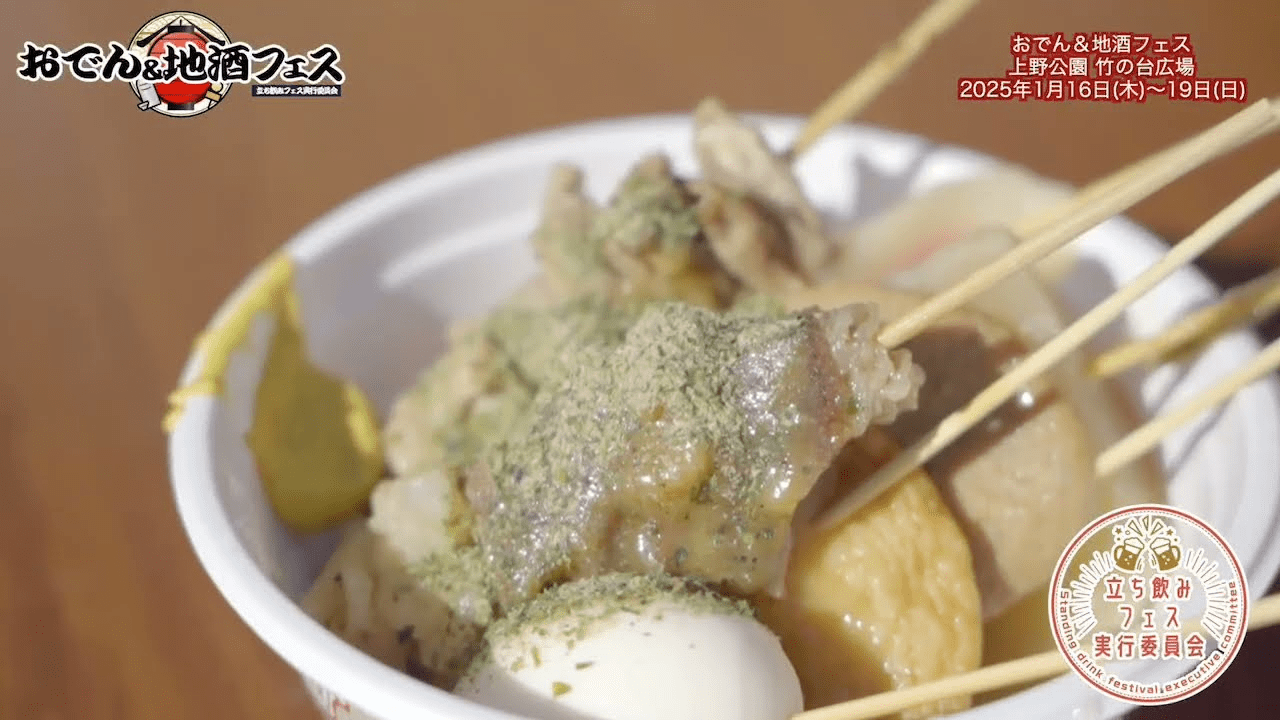
Oden & Local Sake Festival is a gourmet event where you can savor unique oden and local sake gathered from all over Japan. Oden is a traditional Japanese dish made by simmering vegetables and fish cakes in dashi broth, making it perfect for warming up during the cold winter!
The oden, infused with the gentle flavor of dashi, pairs perfectly with sake, and I ended up eating much more than I expected. With a variety of oden and sake available, try to find your favorite pairing!
Beyond the food booths, the event also features stage performances with a Japanese aesthetic, including traditional Japanese instrument performances and dance, as well as booths for children to enjoy games like target shooting and ring toss. It has earned a reputation as a great outing for the whole family.
February is the coldest time of the year, so warm yourself up with oden and sake while enjoying the festival to the fullest.
This Ueno Event January 2026 season offers wonderful opportunities to experience traditional Japanese winter cuisine.
<Information>
Date: February 19-23, 2026
Access: 6-minute walk from Ueno Station
Admission: Free
Website: https://oden-jizakefes.com/ueno/
Hiroshima Furusato Festival 2026
Source:Instagram
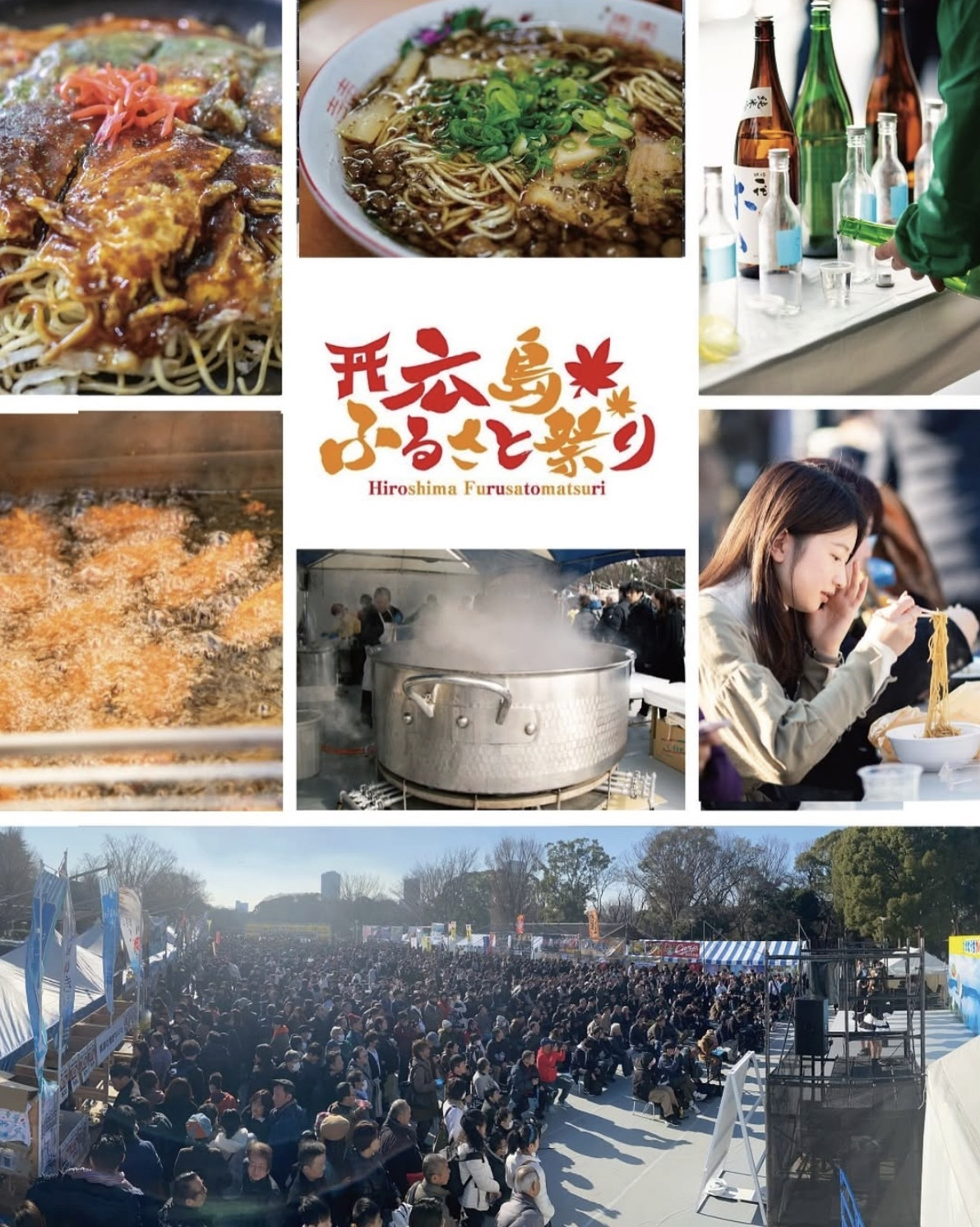
Hiroshima Hometown Festival is an event where delicious Hiroshima gourmet food and specialty products gather at Ueno Park.
Hiroshima gourmet offerings include oysters, okonomiyaki, and lemon products, and my personal recommendation is the "Oyster Soup." The "Oyster Soup," made by simmering 40,000 oysters in a large pot over 2 meters in diameter, is packed with the rich umami of oysters and has an addictive taste.
I loved the "Oyster Soup" so much that I went back for seconds. The oyster soup is sold for 350 yen per serving, but the first 200 people each day can get it for free, so be sure to arrive early.
You can also enjoy sake tasting booths where you can sample various local sake from Hiroshima, as well as stage performances.
While Hiroshima is a globally renowned tourist destination, getting there from Tokyo takes considerable time. This event is your chance to experience Hiroshima up close right here in Tokyo. Surrounded by the beautiful nature of Ueno Park, why not indulge in the charm of Hiroshima that I love so dearly?
<Information>
Date: January 9-12, 2026
Access: 6-minute walk from Ueno Station
Admission: Free
Website: https://www.instagram.com/hiroshimafood_ueno/
After Enjoying Gourmet Events During the Day, Go Bar Hopping at Ameyoko Spots Loved by Locals!
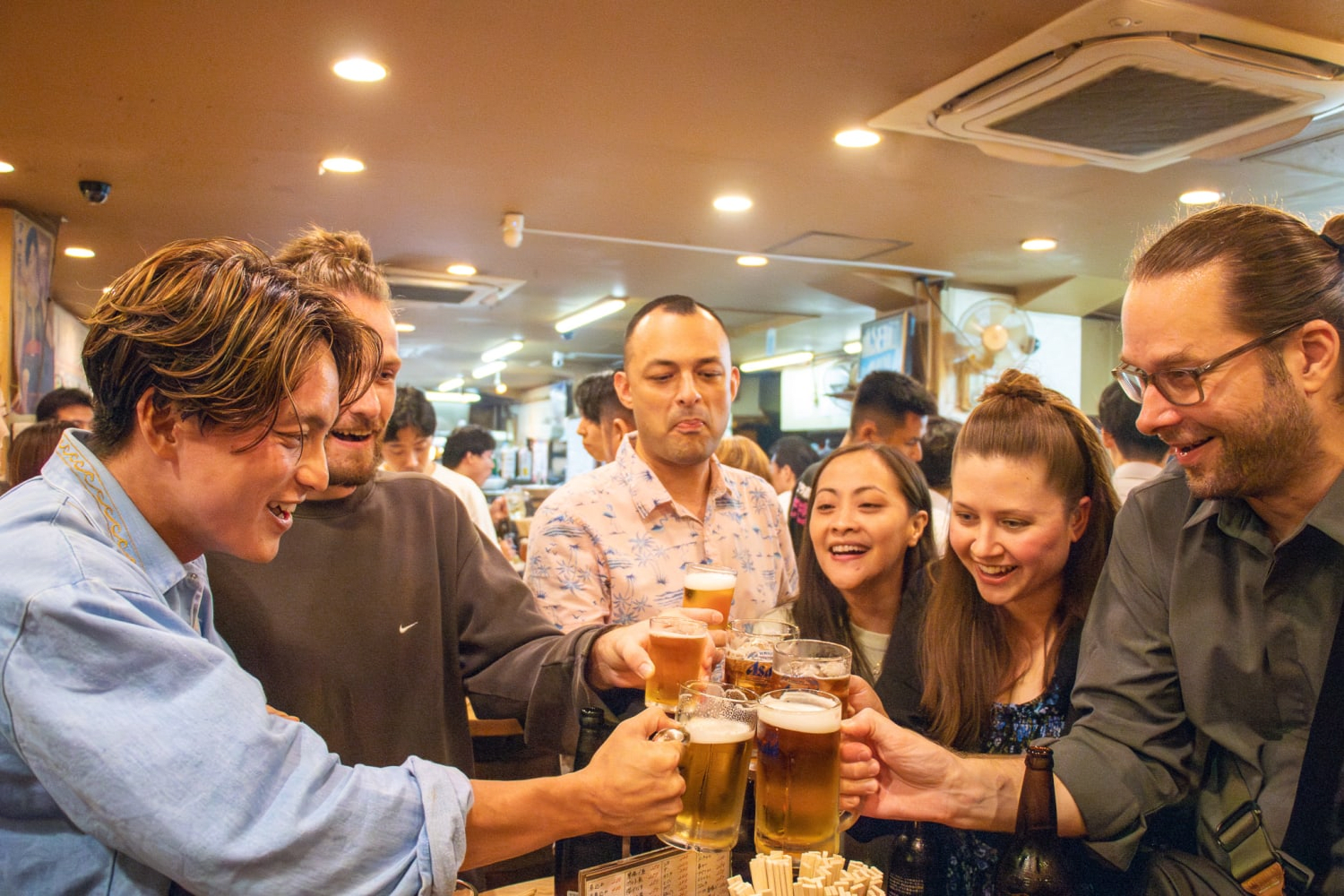
After enjoying gourmet events during the day, try bar hopping at Ameyoko spots loved by locals. On the All-You-Can-Drink Bar Hopping Tour in Ueno, you can enjoy food and drinks at hidden gem bars and ramen shops known only to those in the know in Ueno.
At the first two establishments on the tour, you can enjoy popular street food such as yakitori and okonomiyaki along with 45 minutes of "all-you-can-drink" at the lively street stalls of Ueno.
With "all-you-can-drink," you can drink as many alcoholic beverages and other drinks as you like within a set time, making it a great chance to try various types of Japanese alcohol!
For the final stop, you can choose between having more drinks at a standing bar or having a meal at a ramen shop. In Japan, there is a culture of finishing the night with ramen, so definitely give it a try. Once you taste delicious ramen, you are sure to feel satisfied both body and soul.
<Information>
Meeting Point: In front of the "UENO" monument at Ueno Station Hirokoji Exit
Area: Ueno
Meeting Time: 18:00
All-You-Can-Drink Bar Hopping Tour in Ueno
Traditional Events in Ueno in January 2026
Hatsumode
Hatsumode refers to the first shrine or temple visit of the New Year. It's a long-standing Japanese custom aimed at praying for good health (mubyō sokusai) and happiness in the new year.
It's typically done during the first three days of the year (sanganichi - January 1st to 3rd), or at the latest by the end of the pine decoration period (matsunouchi - until January 7th or 15th, depending on the region).
Saidan Festival and New Year Festival at Shitaya Shrine
Source: Official website

Shitaya Shrine is known as the oldest Inari shrine (oinarisama) in Tokyo, built in the Nara period. It's famous for its benefits of business prosperity and family safety.
The Saidan Festival on January 1st is crowded with many people for hatsumode. When I went, the line extended beyond the shrine grounds to the main street. The New Year Festival held on January 2nd is a festival to pray to the great god for a safe new year.
A highlight is the goshuin (a seal stamp proving shrine or temple visit) offered exclusively from January 1st to 15th for New Year's. With gold accents here and there, it has a festive New Year's flair that's sure to be memorable. Be sure to get your hands on this rare, limited-quantity goshuin.
<Information>
Dates: January 1 and 2, 2026
Access: 6 minutes walk from Ueno Station, 2 minutes walk from Inaricho Station, 5 minutes from Shin-Okachimachi Station
Admission: Free
Website: https://shitayajinja.or.jp/
Hatsumode at Sensō-ji Temple

Sensō-ji Temple, built over 1300 years ago, is known as the oldest temple in Tokyo. Although it has been damaged many times by disasters and wars, it has been rebuilt each time, with the last reconstruction in 1950 leading to its current state.
Hatsumode at Sensō-ji Temple, a popular tourist spot, attracts many international tourists as well, with about 2.8 million visitors from New Year's Eve (oomisoka - December 31st) to January 3rd. A highlight is the moment when the New Year's bell (joyanokane - rung from New Year's Eve to New Year's Day) finishes ringing and the start of the New Year (gantan - January 1st) is announced, with a loud cheer from the visitors. The performance, as if saying "We've been waiting for the new year!", is full of energy. When I witnessed it firsthand, my excitement rose and the winter cold seemed to disappear.
Visiting hours vary: January 1st is 0:00-20:00, January 2nd and 3rd are 6:30-20:00, and after the first three days of the year, it's 6:00-17:00, so caution is needed.
<Information>
Dates: From January 1, 2026
Access: 5 minutes walk from Asakusa Station on the Tobu Line, Ginza Line, Tsukuba Express Line, and Asakusa Line
Admission: Free
Website: https://www.senso-ji.jp/
Seven Lucky Gods Pilgrimage
Source:Toukakuji
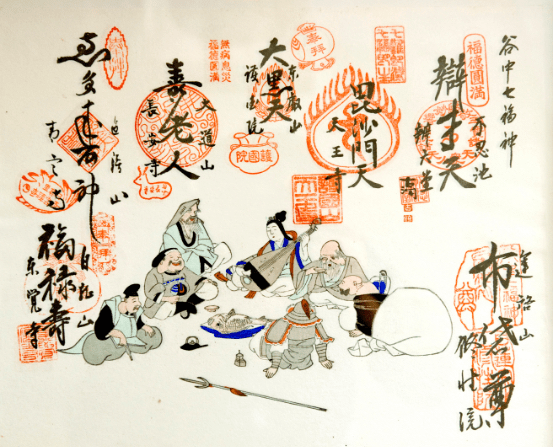
Seven Lucky Gods Pilgrimage involves visiting and paying respects at temples and shrines that enshrine the seven deities (Ebisu, Daikokuten, Bishamonten, Benzaiten, Hotei, Fukurokuju, and Jurōjin). It is said that by visiting all seven shrines, you can escape seven misfortunes and receive seven blessings and benefits.
There is no required order for visiting the temples and shrines, but there is a recommended route:
①Togakuji Temple (Fukurokuju)
②Seiunji Temple (Ebisu)
③Shushoin Temple (Hotei)
④Choanji Temple (Fukurokuju)
⑤Tennoji Temple (Bishamonten)
⑥Gokokuin Temple (Daikokuten)
⑦Benten-do at Shinobazu Pond (Benzaiten)
Usokae no Shinji (Gojo Tenjin Shrine)
Source: TAITO Odekake Navi

The Usokae no Shinji at Gojo Tenjin Shrine is a custom of purifying and cleansing the misfortunes, calamities, and ill omens of the previous year as "lies" (uso), and praying for good fortune in the new year. It's said to be based on the word play between "uso" (lie) and "uso" (bullfinch), a bird associated with the Tenjin deity.
A highlight is the wooden carved bullfinch amulet (shimpu - a charm issued by shrines and temples). It's said that placing this amulet on the household altar (kamidana - a place to enshrine gods at home) for a year will ward off misfortune and attract good luck. Some have golden heads, which are said to attract even stronger luck for the year.
The bullfinch amulets are limited in quantity, so people line up hours before the distribution starts. Their adorable design is soothing just by displaying them in a visible place at home. If you're interested, try to wake up a bit early to get your hands on one.
<Information>
Date: January 25, 2026
Access: 5 minutes walk from Ueno Station
Admission: Free (Distributed items are 1500 yen)
Website: https://www.city.taito.lg.jp/event/kanko/usokaenosinzi.html
Ueno Toshogu Shrine Winter Peony
Source: Official website

The Winter Peony at Ueno Toshogu Shrine allows you to enjoy winter peonies in the garden with the shrine buildings and five-story pagoda (gojunoto) as a backdrop. Winter peonies are flowers that normally bloom in spring but are made to bloom early in winter through temperature control. Known as auspicious flowers because they bloom in winter when flowers are scarce.
A highlight is the sight of peonies wearing "warabocchi" (straw hats woven to protect from winter cold). Their appearance, enduring the cold and blooming proudly, conveys not only beauty but also a dignified strength. When I went, it happened to be the day after it snowed, so I could enjoy the scenic view enhanced by the snow decoration (yukigesho - scenery beautifully covered in snow).
This is the only place in Tokyo where you can view 160 plants of 40 varieties of winter peonies. Don't miss this chance to appreciate this precious winter spectacle.
<Information>
Date: January 1 - Late February 2026 (end date TBD)
Access: 5-minute walk from Ueno Station, 10-minute walk from Nezu Station
Admission: 1,000 yen for junior high school students and above, Free for elementary school students and younger
Website: https://uenobotanen.com/schedule/winter/
The Traditional Event "Offering of Sacred Music and Dance" at Ueno Toshogu Shrine is Also Popular
Source: Official Facebook

The offering of sacred music and dance (okagura) at Ueno Toshogu Shrine is an event where you can see traditional performances and dances in a historic building.
Ueno Toshogu Shrine, built in 1627, is a shrine that deifies Tokugawa Ieyasu, the great shogun who unified Japan, as a god. Its golden exterior is glamorous and popular with tourists. It has been designated as an important cultural property of Japan as a valuable building from the early Edo period, having survived without damage from disasters or earthquakes.
Watching the performers dance in traditional costumes and listening to the relaxed music can make you feel like you've time-slipped to the past. Experience this traditional atmosphere in a calm setting.
<Information>
Date: TBD January 2026
Access: 10 minutes walk from Ueno Station (JR and Metro lines), 12 minutes walk from Ueno Station (Keisei line)
Admission: Free
Website: https://www.uenotoshogu.com/spot/
If You're Interested in Japanese Culture, Explore Ueno's Neighboring Towns with Locals!
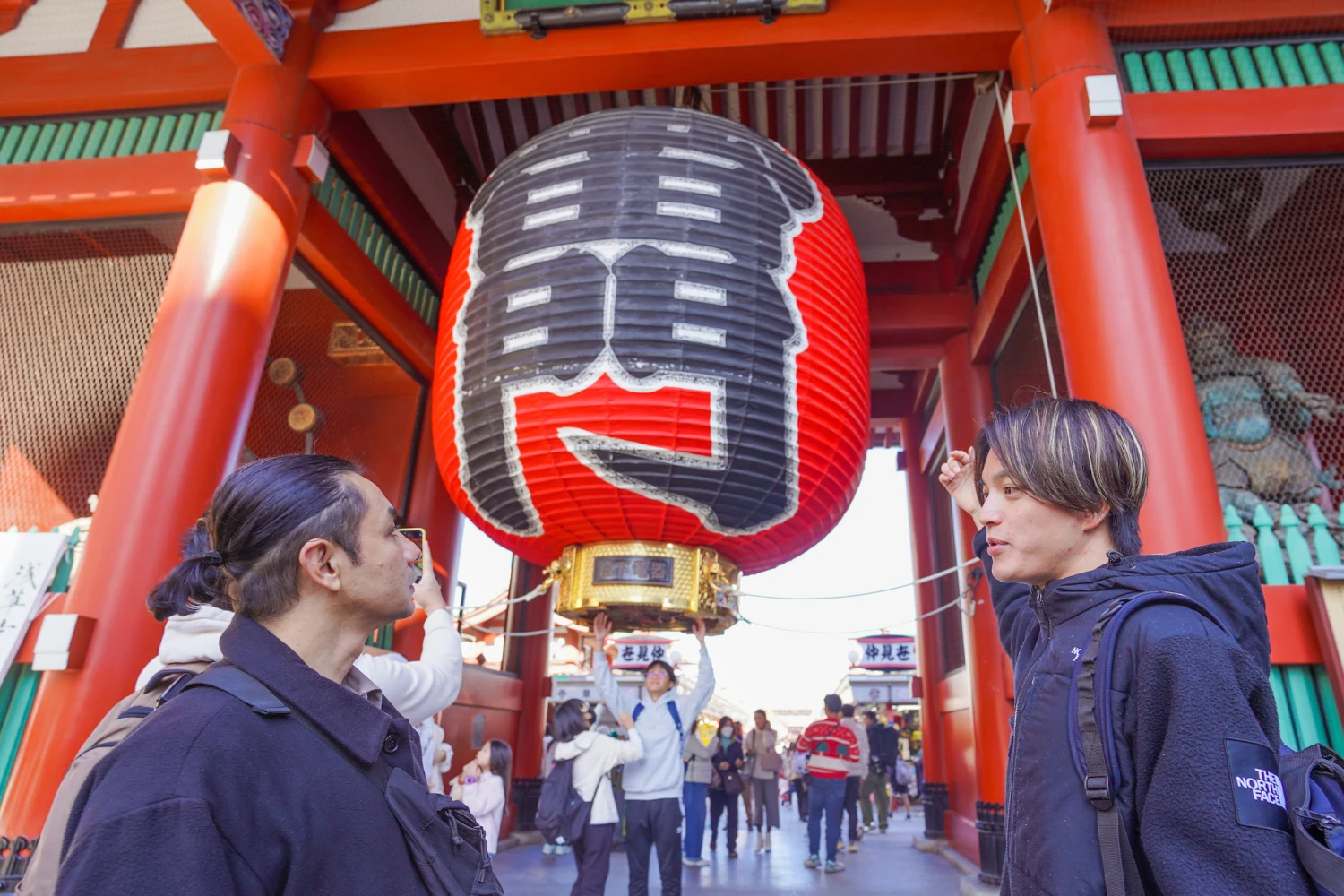
If you're interested in Japanese culture, why not explore Asakusa and Yanaka, the neighboring towns of Ueno, together with locals? There are two recommended tours for exploring these neighboring areas.
Asakusa Cultural Walk & Matcha Making is a 3-hour tour around Asakusa where you can visit Nakamise Shopping Street and Sensoji Temple, then try a tea ceremony experience making matcha, and savor okonomiyaki and monja at restaurants bustling with locals.
Yanaka Historical Walking Tour in Tokyo's Old is a 3.5-hour walking tour of the Yanaka area where you can visit Nezu Shrine, try your hand at painting a maneki-neko (a Japanese lucky charm) at a local cafe, and enjoy food walks at Yanaka Ginza.
Asakusa and Yanaka are located near Ueno but offer a different charm from Ueno, so be sure to stop by while sightseeing in Ueno.
Asakusa Cultural Walk & Matcha Making Tour
Special Experiences Only in Ueno in January
Manaita-biraki (Bando Hoon-ji Temple)
Source: TAITO City Official

Manaita-biraki is a traditional event where two carp are placed on a cutting board, and a Shijo-ryu (a school of Japanese cuisine dating back to the Heian period) master wearing an eboshi (a type of hat worn by men from the Nara to Edo periods) and hitatare (men's formal attire) prepares the carp using only a knife and chopsticks, without touching them with his hands. This event has continued since the Edo period, using carp, which is considered an auspicious fish for temples.
A highlight is watching the skillful use of chopsticks to prepare the carp without using hands. The masterful knife skills performed in a solemn atmosphere are impressive and captivating. After arranging the carp into auspicious patterns and characters, it is served to the attendees.
<Information>
Date: January 12, 2026
Access: 5 minutes walk from Inaricho Station
Admission: Free
Website: https://www.city.taito.lg.jp/event/kanko/manaitabiraki.html
Ueno Hanatouro Ukiyo-e Lanterns
Source: 4 Travel

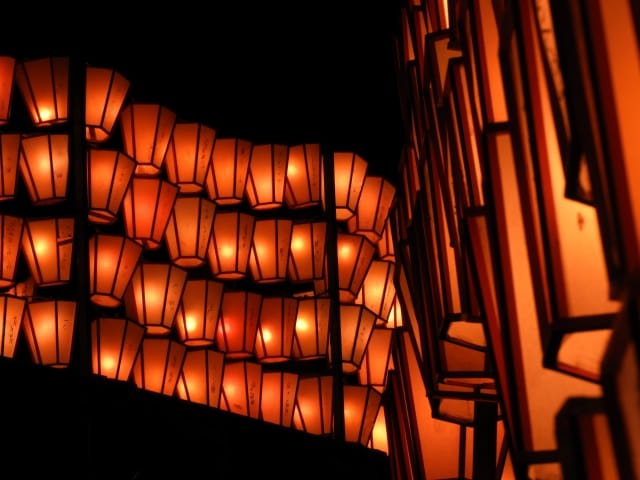
Ueno Hanatouro Ukiyo-e Lanterns is an event that started in 2007, where about 200 ukiyo-e (genre paintings from the Edo period) lanterns (andon - a type of lighting) are set up along the streets of Ueno Park. When dusk falls, the lights come on, creating a different atmosphere from daytime.
The ukiyo-e lanterns recreate the masterpiece "One Hundred Famous Views of Edo" (a series depicting the townscapes and landscapes of Edo) painted by Utagawa Hiroshige, a famous artist who continued to depict Japanese landscapes, from 1856 to 1858.
I visited with my family, and we felt a sense of warmth and comfort from the gentle light emitted by the lanterns. It's sure to give you a taste of Japanese atmosphere, quite different from the colorful illuminations seen in the city.
<Information>
Date: October 18, 2025 – February 26, 2026
Access: 4-minute walk from Ueno Station (Yamanote Line, Keihin-Tohoku Line, Takasaki Line, Utsunomiya Line, Ginza Line, Hibiya Line), 7-minute walk from Keisei Ueno Station
Admission: Free
Website: None
New Year Ueno Forest 20km Marathon / 10km Marathon
Source:Official website
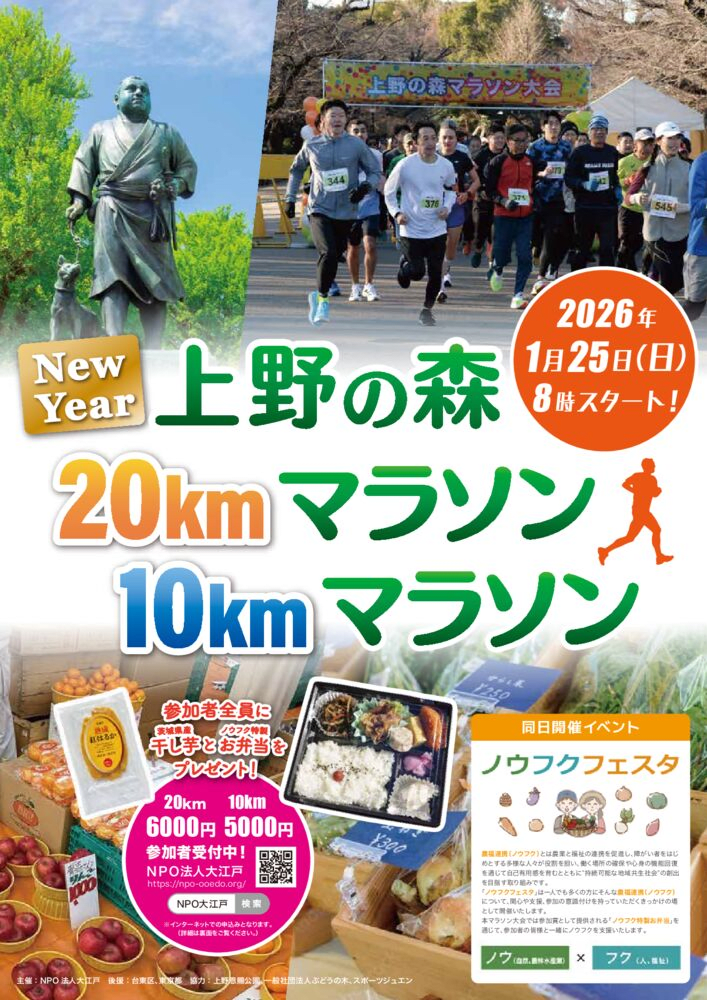
New Year Ueno Forest 20km & 10km Marathon is a marathon event that takes runners through the area around Ueno Park from early morning. Participants can choose between 20km and 10km distances, making it a great Ueno Event January 2026 option that allows you to select based on your fitness level and goals.
If you're confident in your marathon abilities, definitely challenge yourself with the 20km course! Participants not only receive participation prizes and completion prizes but can also enjoy delicious Japanese food such as bento boxes and dried sweet potatoes.
The marathon course passes near the World Heritage-listed National Museum of Western Art and Shinobazu Pond, making it appealing to enjoy the scenery while running. Since the marathon finishes in the morning, if you visit museums or galleries in the afternoon, you're sure to have a special day enjoying both sports and culture together!
<Information>
Date: January 25, 2026
Access: 5-minute walk from Ueno Station
Admission: 20km 6,000 yen / 10km 5,000 yen
Website: https://npo-ooedo.org/ueno/
2026 Noufuku Festa
Source:Budou no Ki
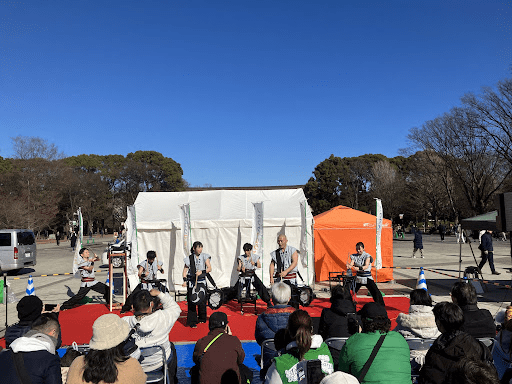
2026 Noufuku Festa is an event that combines "nou" (meaning agriculture) and "fuku" (meaning welfare) with the aim of deepening understanding and support for "agricultural-welfare collaboration."
Many people including those with disabilities participate, working toward a "sustainable community symbiotic society" by securing workplaces and restoring physical and mental functions.
At the venue, you can enjoy the "Noufuku Marche" where 13 Noufuku establishments from across the country sell their finest products, as well as the "Noufuku Cafeteria" where you can taste dishes made with Noufuku products. The stage also hosts various performances including singing, dancing, and sign language performances by people with disabilities.
My recommendation is the "Noufuku Cafeteria," which offers a diverse menu using fresh ingredients sourced from various regions, so please try it during breaks between events. This is another wonderful Ueno Event January 2026 that visitors should not miss.
<Information>
Date: January 2026 (TBD)
Access: 5-minute walk from Ueno Station
Admission: Free
Website: https://noufuku.or.jp/
Festivals and Events in January in Taito Ward, Where Ueno is Located
Tondo-yaki at Torikoe Shrine
Source: Event checker

Tondo-yaki at Torikoe Shrine is a traditional event to send off the gods welcomed during New Year's. It involves gathering and burning last year's used talismans, amulets, and New Year's decorations all at once.
A highlight is the moment when, after the priest completes a series of rituals, the amulets are set on fire and the flames suddenly rise up. As the flames begin to burn, children chant "to-ndo, to-ndo" while hitting the ground with bamboo sticks and circling around. The sight of the roaring flames is powerful and impressive.
As it's difficult to set up safe environments for handling fire, there are limited places in Tokyo where you can experience Tondo-yaki. Don't miss this opportunity to feel Japanese traditional culture firsthand.
<Information>
Date: January 8, 2026
Access: A 5-minute walk from Kuramae Station
Admission: Free
Website: Not available
Onzahihou Darani-e (Sending Off the Dead)
Source: Official website

The Onzahihou Darani-e (commonly known as Sending Off the Dead) is the most grueling event among those continued since the Edo period, where all resident priests of Sensō-ji Temple gather. It aims to eliminate all calamities and invite good fortune.
The priests perform the "Kannon Secret Offering Method" (kannonhimitukuyouhou), a type of ascetic practice, 168 times (seats) over 7 days, day and night. The content is quite challenging.
A highlight is the final Sending Off the Dead ceremony, which is the only part of the Onzahihou Darani-e open to the public. In this ceremony, two people playing the role of demons appear from the main hall carrying torches (taimatsu), advancing while hitting the ground of the temple precincts. I watched it myself, and the scene of fiercely burning flames being struck down was full of spirit and tension, giving a powerful impression.
There's a legend that the burnt remains of the torches ward off fire and misfortune. If you find some, try taking them home as a substitute for an amulet.
<Information>
Date: January 18, 2026
Access: 5 minutes walk from Asakusa Station on the Tobu Line, Ginza Line, Tsukuba Express Line, and Asakusa Line
Admission: Free
Website: https://www.senso-ji.jp/
Recommended Art Events in Ueno for Ueno Event January 2026
New Year's Celebration at the Tokyo National Museum
Source:Official website
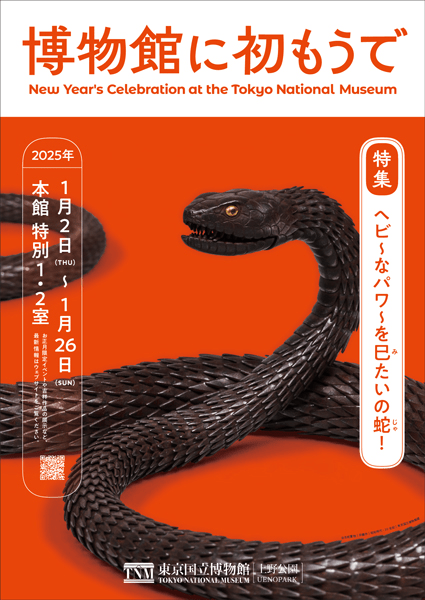
A New Year’s visit to the museum is a special event held at the Tokyo National Museum during the New Year holidays to celebrate the beginning of the year.
The venue showcases artworks related to the zodiac—Japan’s traditional way of expressing years and time through animals—as well as national treasures including Pine Trees (Folding Screen).
In 2026, the zodiac sign is the horse, and the theme focuses on Horses: Forms of Prayer Connecting Gods and Humans, featuring various horse-related pieces.
From January 1 to 3, visitors can also enjoy traditional performing arts such as taiko drumming and lion dances. In addition, if you spend 5,000 yen or more (tax included) at the museum shop, you can receive an exclusive calendar.
Start your new year by visiting the museum and immersing yourself in Japan’s unique New Year culture.
<Information>
Date: January 1, 2026
Access: 10-minute walk from Ueno Station
Admission: Adults 1000 yen / University students 500 yen
Website: https://www.tnm.jp/modules/r_event/index.php?controller=dtl&cid=5&id=11488
Impressionist Works in the Musée d'Orsay
Source:Official website

Impressionist works in the Musée d'Orsay presents a collection of masterpieces from the world-renowned Musée d’Orsay—also known as the sanctuary of Impressionism—including works by Manet, Degas, Monet, and Renoir.
With the theme of Interiors, the exhibition features about 70 pieces, including works being shown in Japan for the first time. Visitors can discover lesser-known aspects of Impressionism, which is often associated with landscape painting.
One piece I’m particularly excited about is Degas’s celebrated work The Bellelli Family. This enormous canvas, nearly two meters tall, is being exhibited in Japan for the very first time and leaves a powerful impression.
The special gift shop offers a wide selection of items—sweets printed with artwork, acrylic stands, postcards, and more—perfect as keepsakes from your visit. These stylish items make wonderful souvenirs, so be sure to check them out.
<Information>
Dates: October 25, 2025 – February 15, 2026
Access: 1-minute walk from Ueno Station
Admission: General 2300 yen / University students 1400 yen / High school students 1000 yen
Website: https://www.orsay2025.jp/
Ueno Artist Project: Embroidery — The World Drawn Out by the Needle
Source:Official website
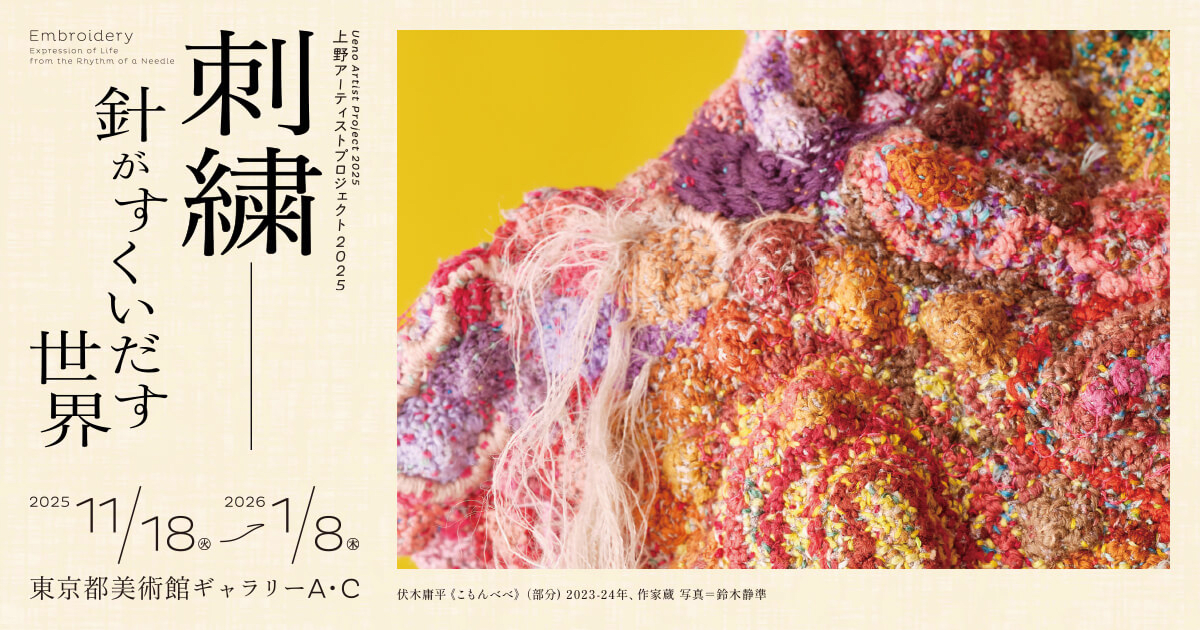
Ueno Artist Project: Embroidery — The World Drawn Out by the Needle showcases works by five embroidery artists active in Japan from the late Taisho period to the present.
The Ueno Artist Project is a popular exhibition series held at the Tokyo Metropolitan Art Museum. It focuses on contemporary art through diverse themes, primarily featuring artists associated with the museum’s open-call exhibitions. This year marks the ninth edition.
Although embroidery is the common thread, more than 100 works—each expressed through completely different styles—create an impressive and immersive experience. It’s hard to believe these works were created solely with needle and thread, and I found myself spending far longer than expected admiring them.
The exhibition Stitch Creation: Modern and Contemporary Japanese Forms Made with Thread, Needles, and Fabric from the Tokyo Collection is held simultaneously inside the museum. Visiting both exhibitions together will help you gain a deeper understanding of the world of embroidery.
<Information>
Dates: November 18, 2025 – January 8, 2026
Access: 5-minute walk from Ueno Station
Admission: General 800 yen / Ages 65+ 500 yen
Website: https://www.tobikan.jp/exhibition/2025_uenoartistproject.html
Special Feature Exhibition: Crocodiles
Source:Official website
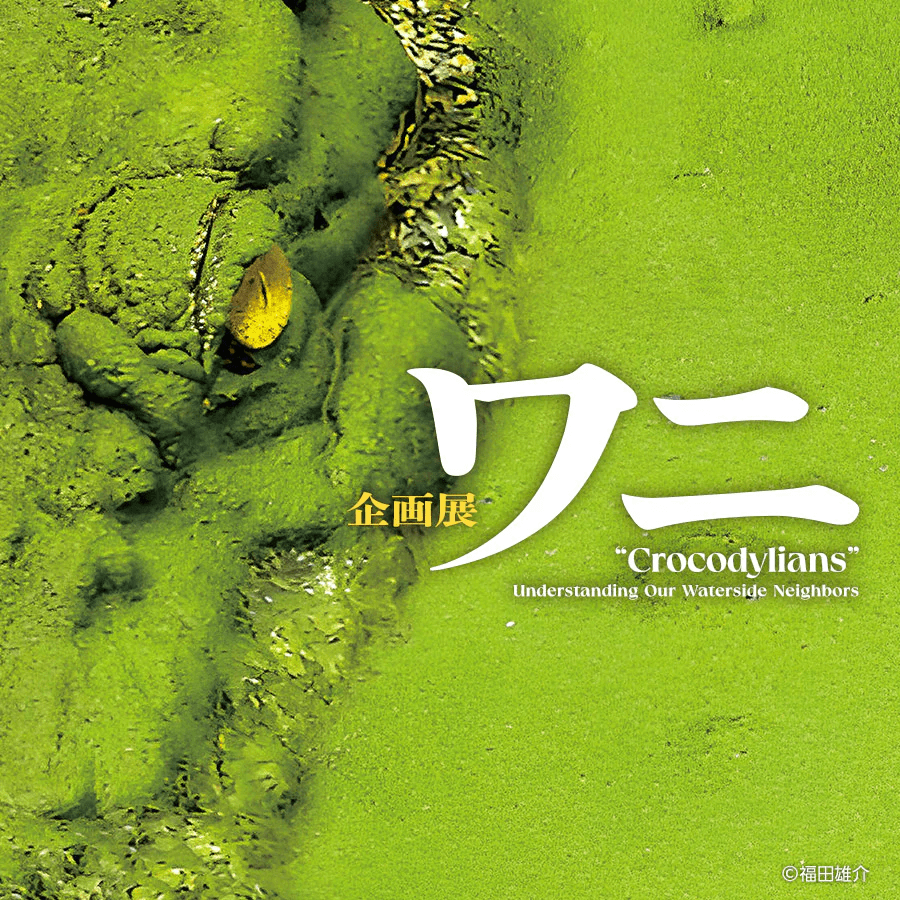
Special Feature Exhibition: Crocodiles explores the world of crocodiles, animals that have retained their form for millions of years and possess a commanding presence. Through taxidermy specimens, skeletal displays, and video exhibits, visitors can learn about the characteristics and ecology of 27 different crocodile species from around the world.
One of my top recommendations is the opportunity to see the massive skull of the saltwater crocodile—the largest crocodile species—up close, as well as specimens of the Sebecus and African slender-snouted crocodile. I couldn’t take my eyes off these impressive displays.
In addition to viewing the exhibits, don’t miss the area where you can touch the liquid-preserved specimen of the Brazilian caiman. Although you touch it through vinyl, it’s a rare chance to feel its back, so be sure to try it.
<Information>
Dates: November 26, 2025 – March 1, 2026
Access: 5-minute walk from Ueno Station
Admission: University students and older 630 yen
Website: https://www.kahaku.go.jp/event/nid00001559.html
Special Exhibition: Mass Extinctions — BIG FIVE
Source:Official website

Special Exhibition: Mass Extinctions — BIG FIVE focuses on the five major mass extinction events that occurred throughout Earth’s biological history, examining their causes and the new forms of life that emerged afterward.
Because each mass extinction dramatically reshaped the world of life, many scientists say extinction is not merely an end, but the beginning of new evolutionary paths.
At the venue, visitors can see the world-premiere display of the full-body fossil of Steller’s sea cow, along with the latest research materials. There is also an interactive model that demonstrates the volcanic activity believed to be the cause of the largest mass extinction in history. This exhibition offers an engaging learning experience for both children and adults.
Since it brings together rare materials rarely seen elsewhere, I highly recommend visiting with the whole family.
<Information>
Dates: November 1, 2025 – February 23, 2026
Access: 7-minute walk from Ueno Station
Admission: University students and older 2300 yen / Elementary, middle, and high school students 600 yen
Website: https://daizetsumetsu.jp/english.html
If You Want to Explore Tokyo’s Attractions Efficiently, Consider Using a Private Guided Tour!
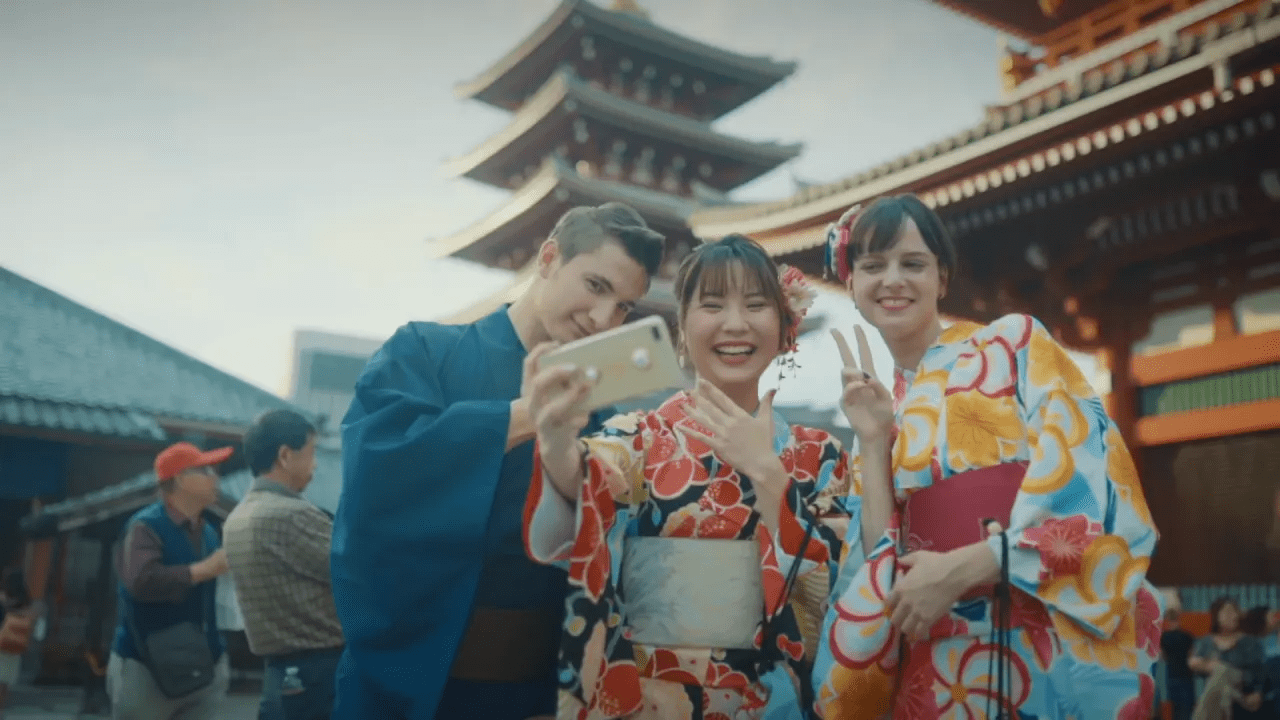
Exploring Tokyo on your own can sometimes be challenging due to multiple train and bus transfers or the possibility of getting lost, which can take away valuable sightseeing time.
If you want to efficiently visit the attractions that interest you most within a limited schedule, consider using a Private Guided Tour.
With a Private Guided Tour, an expert guide familiar with Tokyo will customize the itinerary according to your preferences, allowing you to visit the places you truly want to see smoothly.
During the tour, your guide can arrange tickets for you and share fun facts and knowledge you won’t find in guidebooks.
Since the guide supports only your group, you can focus entirely on enjoying your trip and fully experience the charm of Tokyo.
Magical Trip’s Private Guided Tour is led by local guides who deeply understand the culture and traditions of the neighborhoods you visit, greatly enriching your sightseeing experience.
The website provides detailed information, including guide photos, introduction videos, reviews, traveler feedback, and even insights into the guide’s daily life, making the booking process reliable and stress-free—one of Magical Trip’s major strengths.