Ueno in February 2026: Best Events, Festivals & Things to Do (Setsubun, Winter Peonies & More)
Since moving to a neighborhood adjacent to Shinjuku in 2024, I've been visiting many cities in Tokyo including Ueno almost daily to explore its appeal and discover spots I can recommend to tourists. I updated this article in January 2026 to incorporate my findings from this research, along with the latest information for 2026.
Another reason for updating the article is the growing interest in tours that allow visitors to safely and deeply experience Ueno's nightlife. With countless izakaya (Japanese pubs) packed into Ueno, tourists visiting for the first time find it extremely difficult to discover the truly excellent spots beloved by locals.
This is why food tours led by knowledgeable local guides who know Ueno inside and out have been gaining popularity, as they take visitors through Ueno's maze of izakaya establishments.
In fact, Magical Trip's tour, which ranked #1 among all tours on Tripadvisor, has been receiving numerous applications.

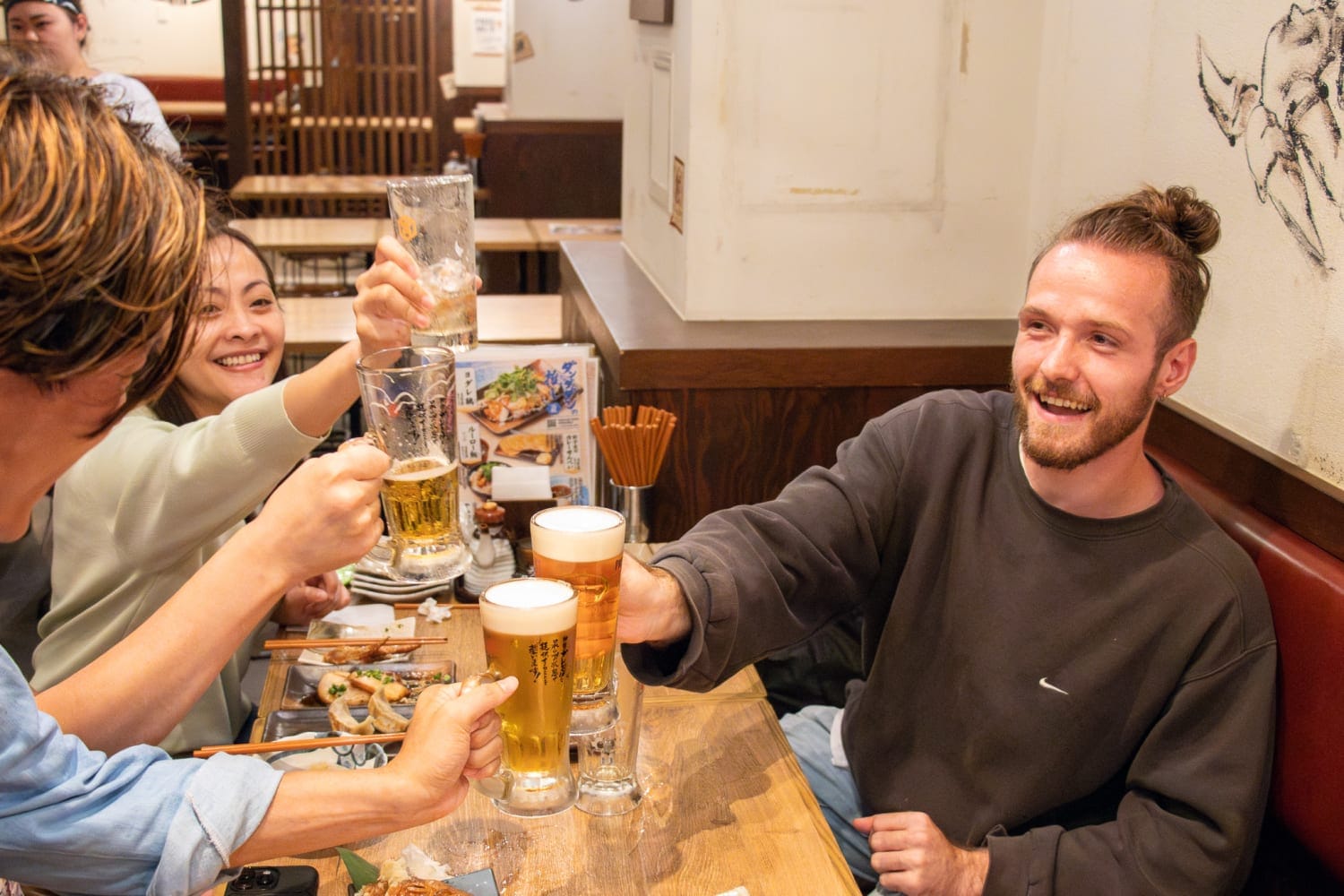
If you want to experience truly local-favorite izakayas in Ueno, one of Tokyo's premier drinking districts, join the "All-You-Can-Drink Bar Hopping Tour in Ueno." Not only will you discover hidden gems that tourists rarely find, but you'll also experience the Japanese culture of "shime" (end-of-night ritual).
For those who love retro neighborhoods, we also recommend the "Yanaka Historical Walking Tour in Tokyo's Old Town," which takes you through Yanaka, Ueno's neighboring district, with a local guide. It's an efficient and immersive way to enjoy this deeply traditional and historic area of Yanaka.
We hope you'll have a wonderful time experiencing everything Ueno has to offer by joining a Magical Trip tour!
Introduction
February in Tokyo is characterized by harsh cold, with many sunny days but an average temperature of about 8°C, not reaching 10°C. When going out, down or wool coats are essential, and gloves and scarves are recommended for comfort.
One of the popular areas for tourists in Tokyo is Ueno. Ueno is packed with attractions that stimulate intellectual curiosity, including shopping at Ameyoko, a shopping district with about 400 densely packed stores, the National Museum of Western Art filled with masterpieces, and Ueno Park, perfect for a green-filled break.
The popular Ueno area hosts a series of events in February, centered around "Setsubun," a traditional Japanese event that brings good fortune. These include traditional events, special experiences only available in February, and gourmet events. This article will introduce the highlights, basic information, dates, and access to these event venues.
The popular Ueno area hosts a series of events in February, centered around "Setsubun," a traditional Japanese event that brings good fortune. These include traditional events, special experiences only available in February, and gourmet events. This article will introduce the highlights, basic information, dates, and access to these event venues.
2026 Year-round Event calendar in Ueno↓
・Ueno: List of Events & Festivals for 2026
 sena kanda
Table of Contents
- Traditional Events in Ueno in February 2026
- Special Experiences Only in February in Ueno
- Festivals and Events in February in "Taito Ward" around Ueno
Traditional Events in Ueno in February 2026
Setsubun
Setsubun is a traditional Japanese event held on February 3rd with the wish "May we spend the year in good health."
It's said that throwing roasted soybeans while chanting "Oni wa soto, fuku wa uchi" (demons out, fortune in) and eating the number of beans equal to your age will make you healthy and less likely to get sick.
There's also a tradition that if you eat ehomaki (sushi roll) while facing the year's lucky direction and making a wish, your wish will come true.
Gojoten Shrine Setsubun
Source: TAITO odekake Navi
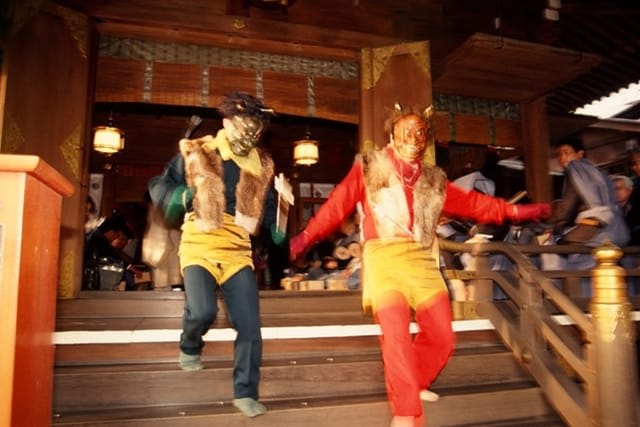
The Setsubun at Gojoten Shrine begins with the Setsubun festival, followed by the Hikime ceremony (where the chief priest shoots arrows to drive away demons and illness), a Q&A with the demon of illness (by parish representatives), and bean throwing.
Also called the Ukera ceremony, it's characterized by the continuous burning of ukera (an edible chrysanthemum family herb) to ward off evil spirits during the event.
The highlight is the series of rituals set up as a story. Although there's no specific dialogue, it expresses everything from the demon's appearance to its defeat through body movements.
I've participated before, and the demons' performances were so powerful that I was captivated until the end. I recommend it even for foreign visitors who don't understand Japanese.
On that day, you can purchase ukera mochi. Ukera mochi is a set of mochi and ukera, and it's said that if you grill and eat the mochi on Risshun (the first day of spring in the calendar) the next day, you'll stay healthy throughout the year.
<Information>
Date: February 3, 2026
Access: 3 minutes walk from Ueno Station on JR and Keisei lines, 5 minutes walk from Ueno Station on Tokyo Metro
Admission: Free
Website: https://www.gojoutenjinsha.com/
Setsubun Festival at Shitaya Shrine
Source: Official website
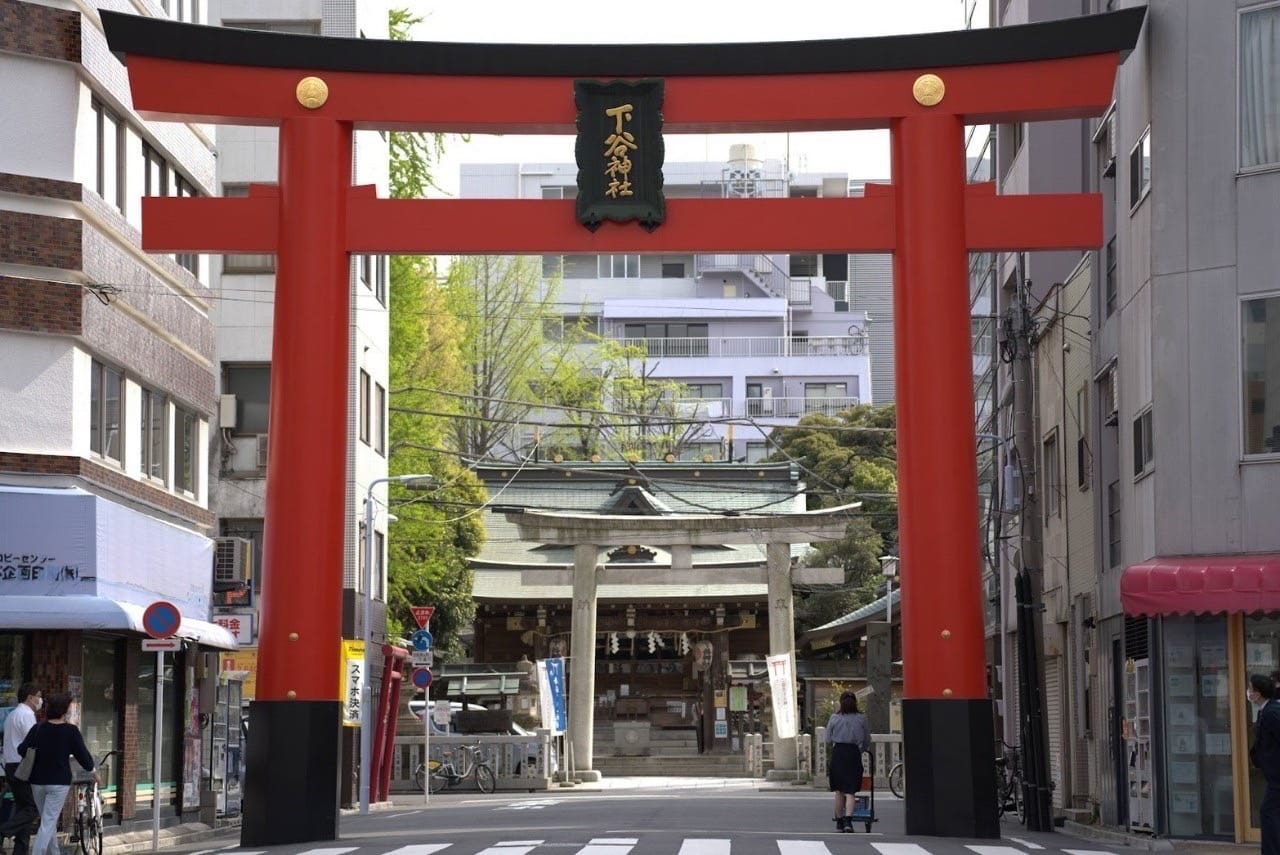
The Setsubun Festival at Shitaya Shrine is characterized by many local participants as it's held during the day. Shitaya Shrine, built in the Nara period, is the oldest Inari shrine (deity believed to bring good harvests and business prosperity) in Tokyo, with a long history and increasing numbers of foreign worshippers in recent years.
The highlight is the candy-filled bean throwing from a high platform. Shitaya Shrine's bean throwing is famous for throwing not just beans but a wide variety of candies, which is very popular with children.
Some people even bring large cardboard boxes or containers to catch the treats. I also received many dagashi (inexpensive candies for children). They throw plenty, so try your best to catch them!
Candies tend to fall nearby, so if you want lots of candies, I recommend arriving early to secure a spot near the front.
<Information>
Date: February 3, 2026
Access: 6 minutes walk from Ueno Station on JR lines, 2 minutes walk from Inaricho Station on Ginza Line, 5 minutes walk from Shin-Okachimachi Station on Oedo Line
Admission: Free
Website: https://shitayajinja.or.jp/
Black Soybean Throwing at Ueno Toshogu Shrine
Source: LIVEEN TIMES
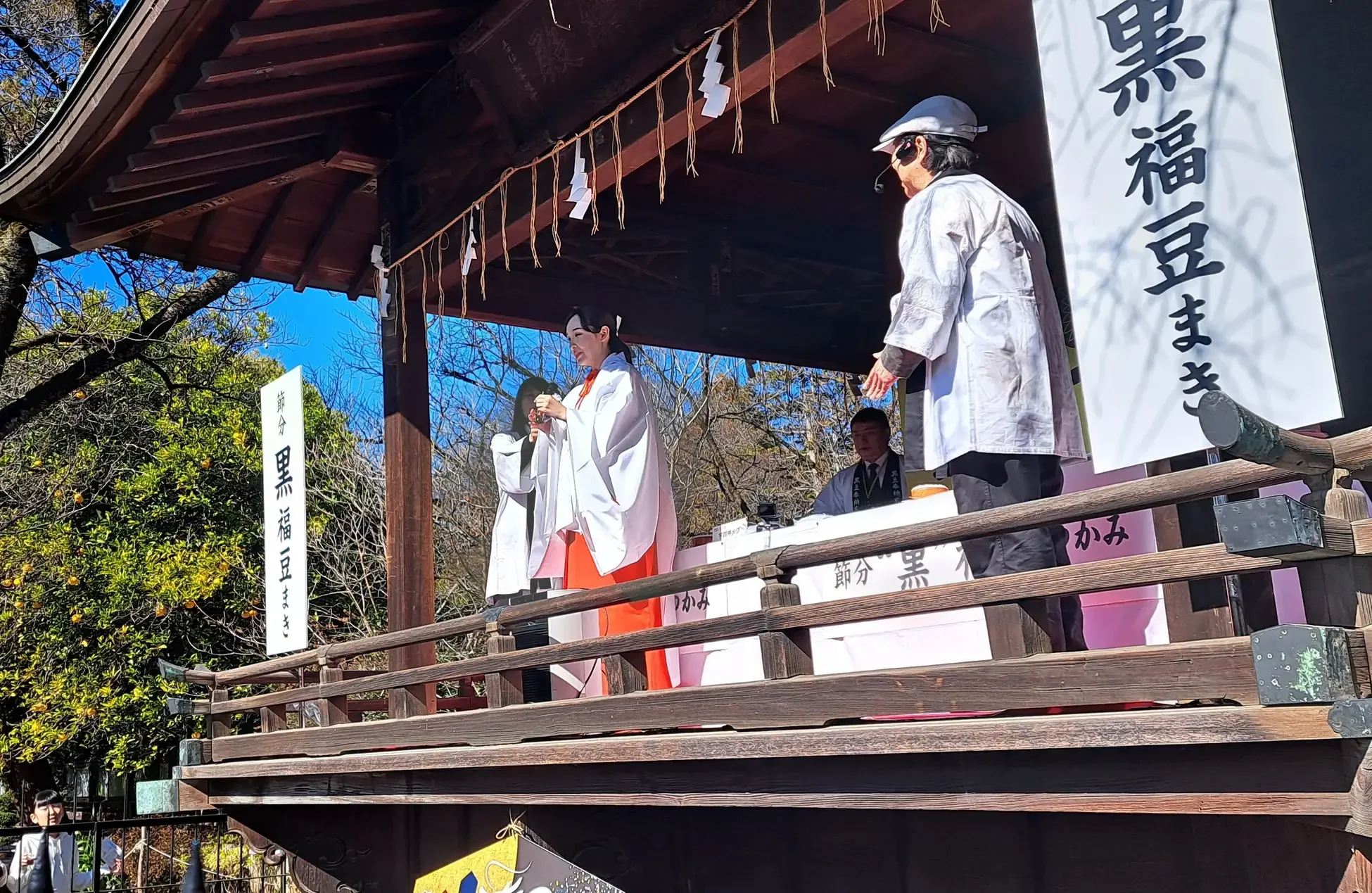
The Setsubun Festival at Ueno Toshogu Shrine is characterized by bean throwing using black soybeans. It started with the hope of reconsidering Japanese food culture by using black soybeans, which represent Japanese food culture, for bean throwing.
The highlight is the bean-grabbing game that visitors can participate in. The bean-grabbing contest involves competing to see how many black soybeans you can place on a bowl using chopsticks in one minute. It looks easy but is surprisingly difficult, and it's an exciting event that keeps even spectators on the edge of their seats.
When I visited, "Treat Sets" containing Tanba black soybeans and black soybean charms were distributed to all participants, over 100 people. Why not participate in the event and rediscover the charm of black soybeans, which are rich in nutrients such as protein, dietary fiber, and calcium?
<Information>
Date: Early February 2026
Access: 10 minutes walk from Ueno Station on JR and Metro lines, 12 minutes walk from Keisei Ueno Station
Admission: Free
Website: https://www.uenotoshogu.com/
Tokyo experiences many cold days in February due to winter storms, making it the coldest month of the year. However, I recommend bar hopping to tourists even in the cold weather. The cold actually heightens your taste buds, allowing you to better appreciate the rich flavors of Japanese alcohol and cuisine.
Japan also has a culture of "hot sake." When Japanese sake is warmed, it becomes smoother on the palate and its rich flavors are enhanced.
If you'd like to experience winter bar hopping and Japanese sake, try joining one of the tours below, where local guides who know Tokyo's izakayas inside and out can take you to beloved neighborhood establishments.
・All-You-Can-Drink Bar Hopping Tour in Ueno
・Wagyu Beef & Sake Paring Foodie Tour in Ginza
Winter Peonies at Ueno Toshogu Shrine
Source: Official website
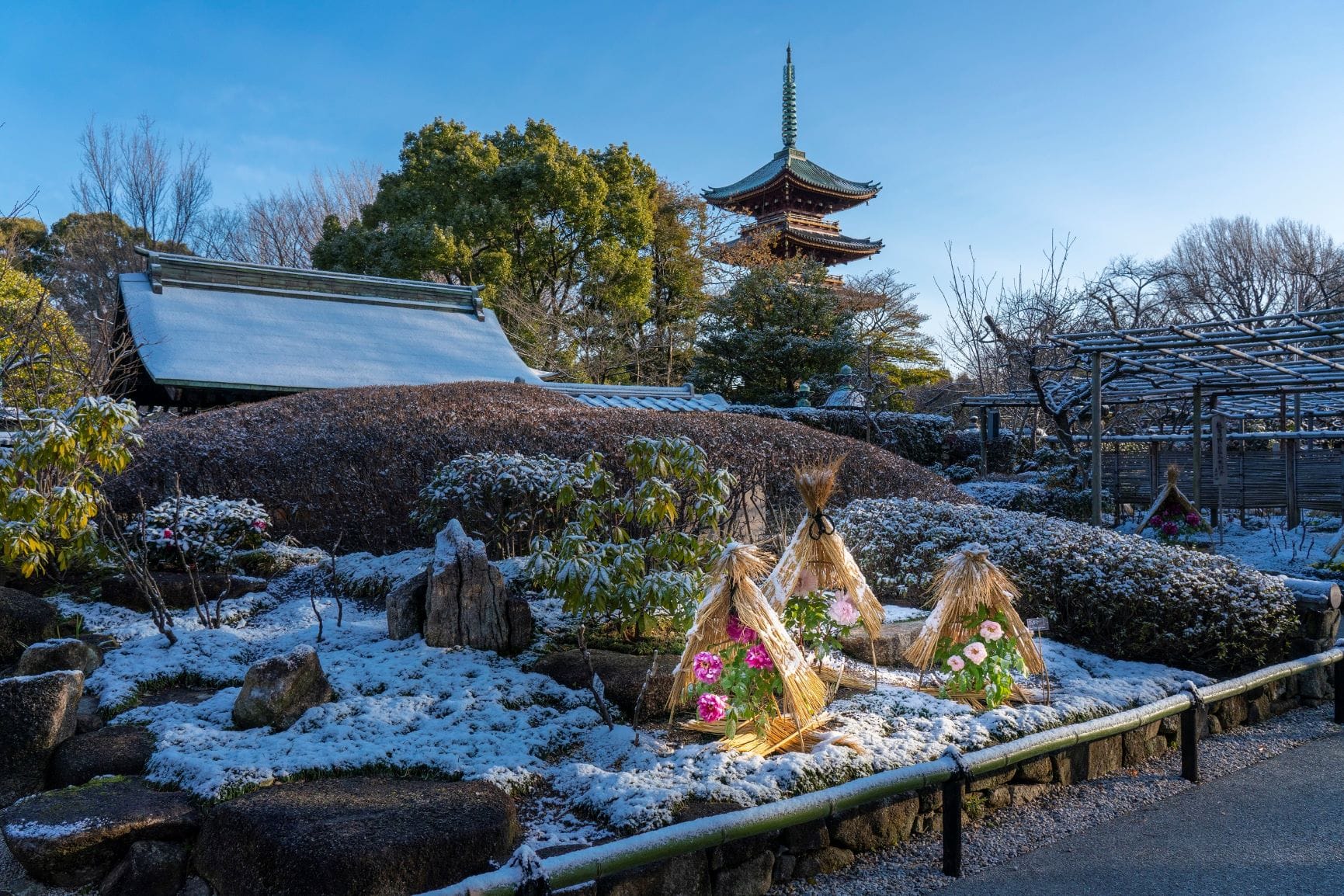
The Winter Peonies at Ueno Toshogu Shrine are characterized by the ability to appreciate winter peonies along with tourist attractions like the shrine buildings and five-story pagoda.
Winter peonies are flowers that are supposed to bloom in spring but are made to bloom in winter through temperature control and other measures. As flowers are difficult to bloom in the cold winter, they are valued as auspicious flowers.
The highlight is the appearance of winter peonies wearing "warabocchi" (straw hats woven like hats) to protect from the cold. Their appearance, blooming while enduring the cold, also gives a sense of dignified strength.
When I actually viewed them, the contrast between the brown warabocchi and the red and pink flowers impressively made the winter peonies look even more beautiful.
This is the only place in Tokyo where you can see 160 plants of 40 varieties of winter peonies. Please come and enjoy this atmospheric winter feature.
<Information>
Date: January 1 – Late February 2026
Access: 5 minutes walk from Ueno Station, 10 minutes walk from Nezu Station
Admission: Adults 800 yen, Free for elementary school students and younger
Website: https://uenobotanen.com/schedule/winter/
Special Experiences Only in February in Ueno Park
Japan Hot Cocktail Fair 2026
Source:Official website
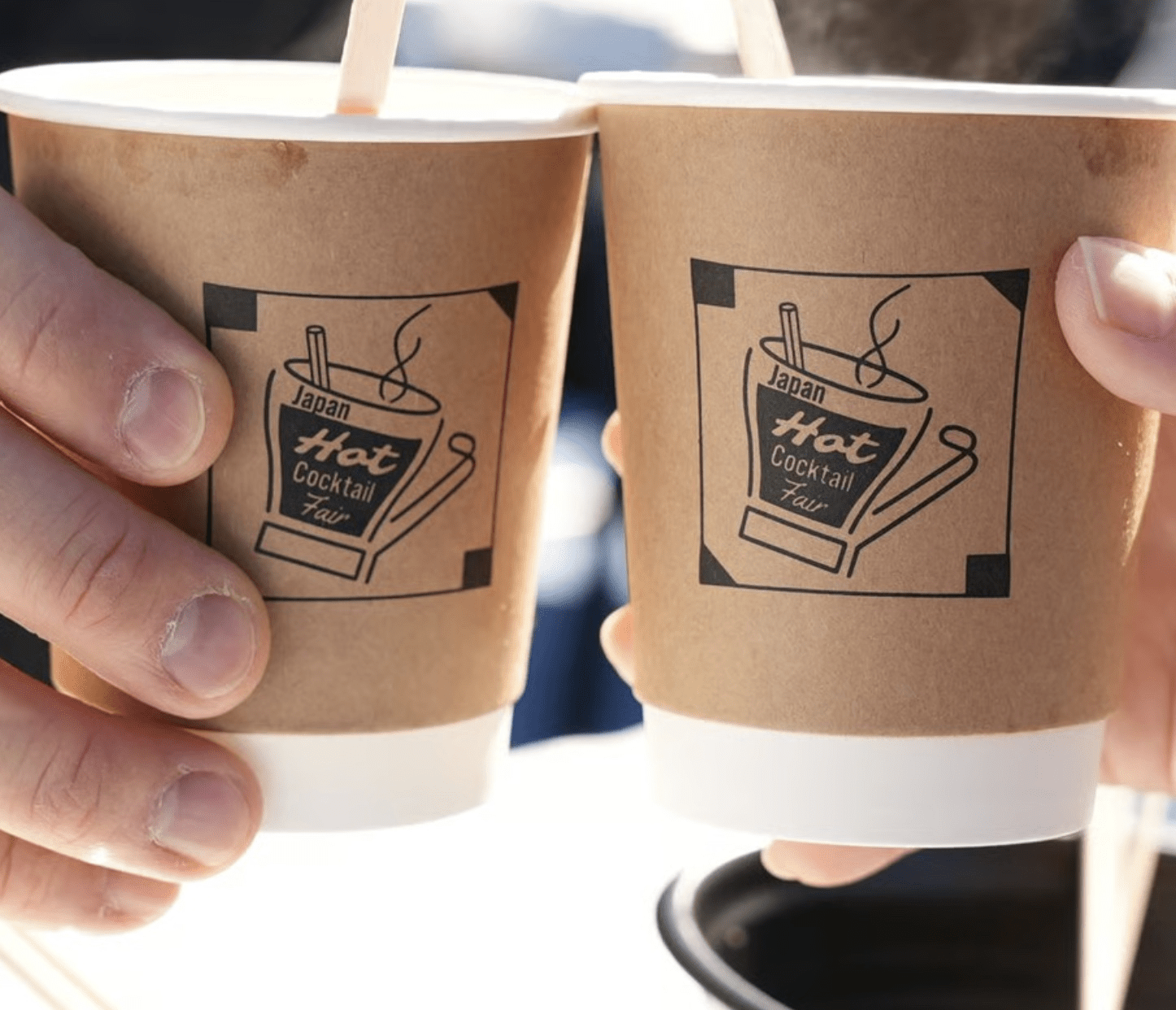
The Japan Hot Cocktail Fair held at Ueno Park is one of Japan's largest hot cocktail events where you can enjoy a variety of hot cocktail flavors. This Ueno event in February 2026 allows visitors to warm up with hot cocktails, hot wine, and hot whisky during the cold winter season, attracting over 40,000 people every year.
At the event, you can enjoy 15 types of hot cocktails for 800 yen per glass. If you want to try many varieties, we recommend purchasing set tickets, available as a 3-ticket set for 2,000 yen or a 5-ticket set for 3,650 yen.
The event venue also features food sales that pair perfectly with cocktails, as well as stage performances including dance and music. If you want to warm your heart and body in winter Tokyo, be sure to visit this event.
<Information>
Date: January 28 – February 1, 2026
Access: 5-minute walk from JR Ueno Station Park Exit, 8-minute walk from Keisei Ueno Station
Admission: Free
Website: https://tokyo-hotcocktail.jimdosite.com/
Kakuuchi Festival
Source:Official website
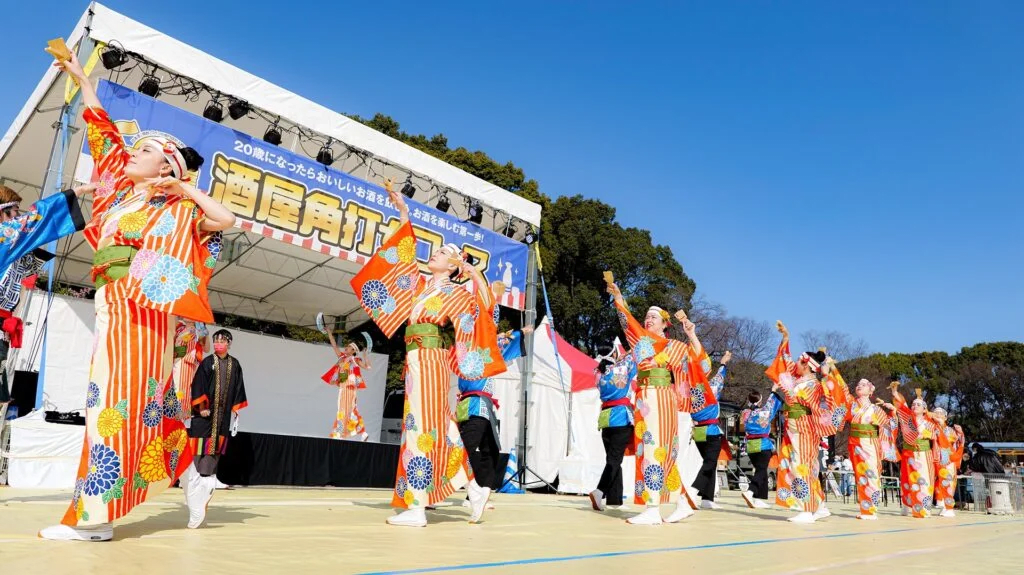
The Kakuuchi Festival held at Ueno Park in February is an event where you can enjoy famous and high-quality sake from all over Japan in a kakuuchi style.
Kakuuchi refers to a style of drinking sake while standing in a corner of a liquor store. At this event, you can enjoy delicious gourmet food along with sake.
The gourmet offerings include delicious local dishes from all over Japan, so you can enjoy yourself and lose track of time.
A total of 26 vendors are scheduled to participate in the event, and every booth offers carefully selected high-quality sake, making it irresistible for sake lovers.
Stage events are also held during the event period, and watching performances while enjoying sake is highly recommended. I visit this event every time and enjoy various types of sake under the blue sky.
<Information>
Date: February 6 – February 8, 2026
Access: Right next to JR Ueno Station Park Exit, 5-minute walk from Tokyo Metro Ginza Line/Hibiya Line Ueno Station
Admission: 500 yen
Website: https://kakufes.com/
Ueno de Panda Chinese New Year Festival 2026
Source:PR TIMES
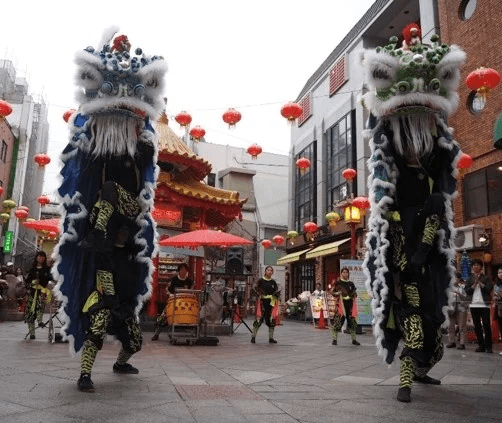
At Ueno Park, the Panda Expo event is held to coincide with Chinese New Year in February. This Ueno event in February 2026 features Asian cuisine from various countries, stage performances, and various events to celebrate Chinese New Year.
A photo exhibition of pandas that were once kept at Ueno Zoo will also be held, where you can enjoy adorable photos of the pandas that are now in Sichuan Province, China.
On the event days, more than 40 shops serving Chinese cuisine will be set up, making this a recommended event for Chinese food lovers.
You can enjoy many Chinese dishes that you cannot usually taste, and I also indulge in Chinese cuisine at this event every year. The venue gets very crowded on the day of the event, so try to arrive as early as possible.
<Information>
Date: February 13 – 15, 2026
Access: Right next to JR Ueno Station Park Exit, 5-minute walk from Tokyo Metro Ginza Line/Hibiya Line Ueno Station
Admission: Free
Website: https://panda-expo.com/
Oden & Local Sake Festival 2026
Source:FASHION PRESS
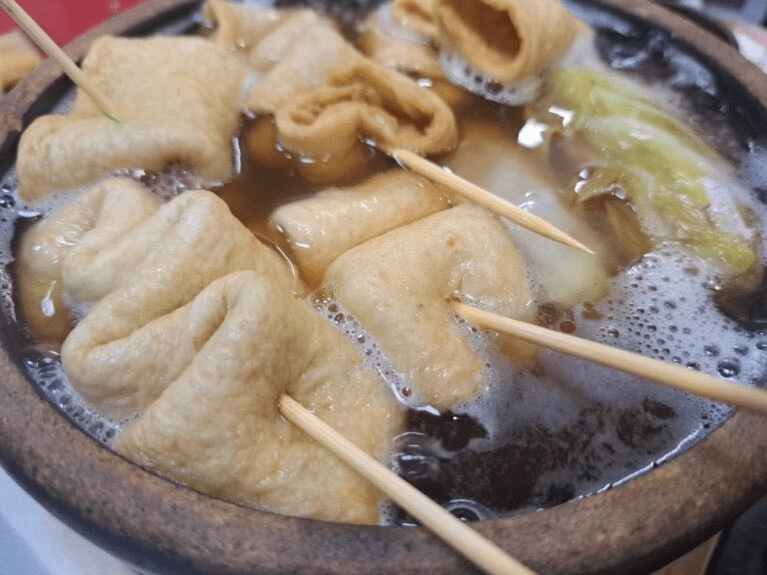
The Oden & Local Sake Festival is an event held every winter at Ueno Park where you can enjoy delicious sake and oden. Oden is a type of hot pot dish essential to Japanese winters, made by simmering various ingredients in dashi broth made from bonito and kelp.
Oden varies by region in terms of dashi and ingredients, and the charm of this Ueno event in February 2026 is that you can taste various types of oden from all over Japan. Shops offering local sake from across the country will also be present, allowing you to enjoy oden even more when paired with these drinks.
Additionally, stage events featuring music and dance performances are held, and game corners for children are set up. I also visit this event every year to warm my cold body while enjoying oden and sake.
Information
- Date: February 19 – 23, 2026
- Access: Right next to JR Ueno Station Park Exit, 5-minute walk from Tokyo Metro Ginza Line/Hibiya Line Ueno Station
- Admission: Free
- Website: https://oden-jizakefes.com/ueno/
Ueno Hanatouro Ukiyo-e Lanterns
Source: 4 Travel
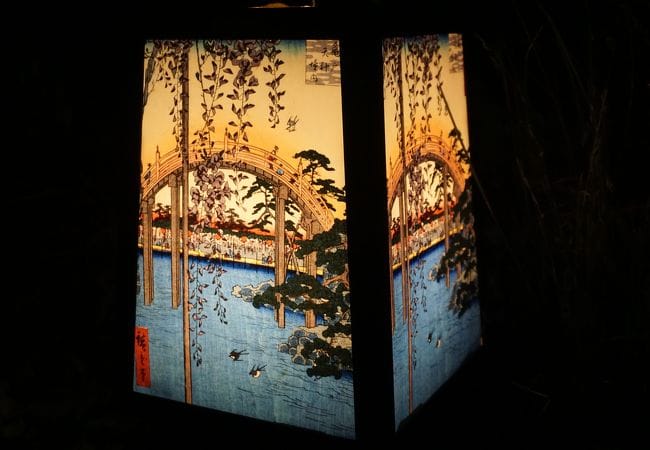
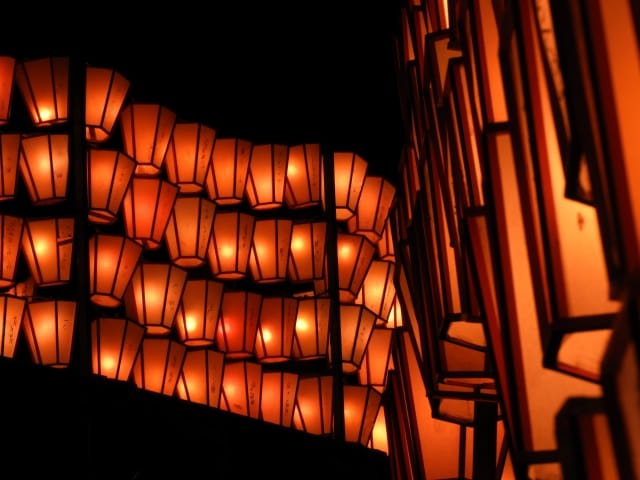
Ueno Hanatouro Ukiyo-e Lanterns is an event that started in 2007 where about 200 ukiyo-e (genre paintings from the Edo period) lanterns are set up in Ueno Park. As evening falls and it gets dark, the lanterns light up, creating a fantastic atmosphere.
The ukiyo-e lanterns feature "One Hundred Famous Views of Edo" (works depicting the townscapes and scenery of Edo) by Utagawa Hiroshige, a famous artist who continued to paint Japanese landscapes from 1856 to 1858.
When I viewed it with my family, I was soothed by the warmth of the gentle light from the lanterns. Unlike the bright illuminations seen in the city, you can feel a calm night scenery.
<Information>
Date: October 18, 2025 - February 26, 2026
Access: 4 minutes walk from Ueno Station on Yamanote Line, Keihin-Tohoku Line, Takasaki Line, Utsunomiya Line, Ginza Line, and Hibiya Line; 7 minutes walk from Keisei Ueno Station
Admission: Free
Festivals and Events in February in "Taito Ward" around Ueno
Sensoji Temple Setsubun Festival "Fukuju no Mai, Seven Lucky Gods Dance"
Source: TAITO City Official website
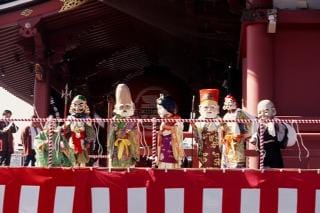
The Setsubun Festival at Sensoji Temple is an event with a long history, said to be the first Setsubun event in Edo. In addition to bean throwing by the toshiotoko (men of the zodiac year), there's the "Fukuju no Mai" (also known as the Seven Lucky Gods Dance), one of the three major temple dances of Asakusa.
Sensoji Temple's bean throwing is unique in that they don't shout "Oni wa soto" (demons out), which is synonymous with Setsubun, because it's believed that "there are no demons before Kannon." Instead, they chant "Senshu banzei fuku wa uchi" (thousand autumns, ten thousand years, fortune in) to invite good fortune.
The highlight, Fukuju no Mai, is a traditional dance performed by people dressed as the Seven Lucky Gods, praising the virtues and fortunes of Kannon.
When I participated, it was crowded with tourists not only from Japan but also from overseas. Fukumame (lucky beans) are also sold at the stalls, so why not get some as a souvenir?
<Information>
Date: February 3, 2026
Access: 5 minutes walk from Asakusa Station on Tobu Skytree Line, Ginza Line, Tsukuba Express, and Asakusa Line
Admission: Free
Website: https://www.senso-ji.jp/annual_event/05.html
Setsubun at Torikoe Shrine with over 350 Participants
Source: Omatsuri Japan
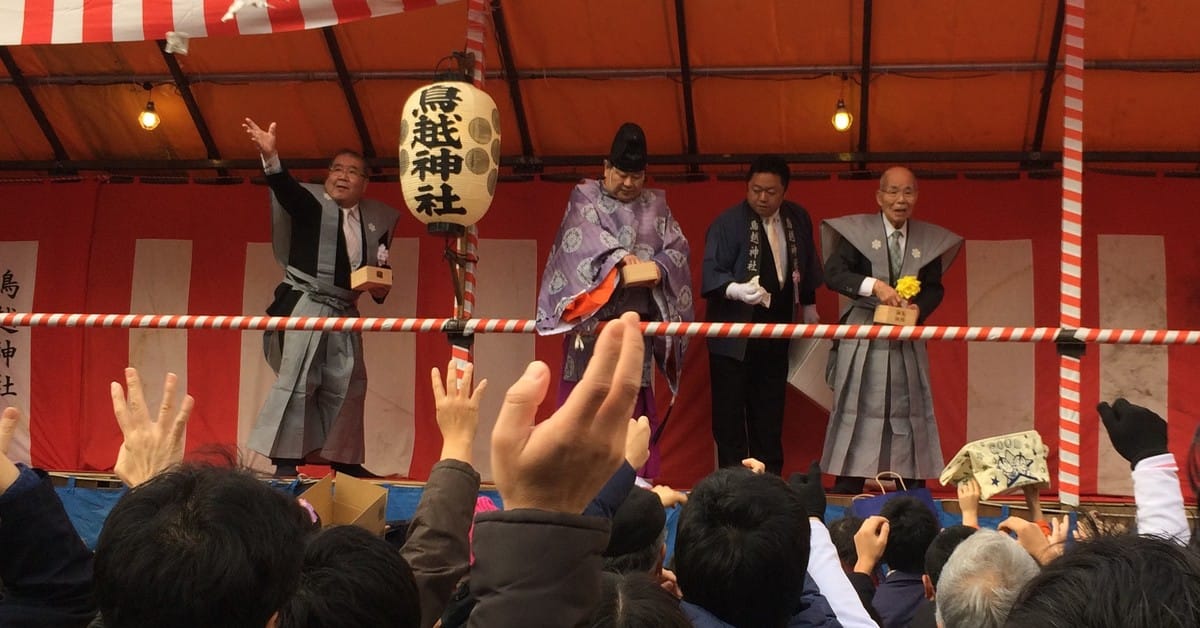
At Torikoe Shrine's Setsubun event, bean-throwing is performed by the shrine's head priest (guuji) and individuals celebrating their "toshitoku" (like "toshionna": women who are celebrating their zodiac year). The bean-throwing begins after the "Tsuinashiki" (a ceremony to expel evil spirits).
A highlight of the event is the large-scale bean-throwing, involving over 350 participants. I’ve joined before, and the sheer number of people makes it far more intense than at other shrines. In addition to the "fukumame" (lucky beans), they also throw charms of the two lucky gods (Ebisu and Daikoku from the Seven Lucky Gods) and "kaiunkoban" (lucky gold coins based on currency from the Edo period).
After the event, children are given snacks, which adds a nice touch. Families with children should definitely check it out!
Information
- Date: February 3, 2026
- Access: 5-minute walk from Kuramae Station (Asakusa Line), 8-minute walk from Asakusabashi Station (Sobu Line), 10-minute walk from Shin-Okachimachi Station (Oedo Line)
- Admission: Free
- Website:https://x.com/torikoejinjya
Bunkyo Plum Festival
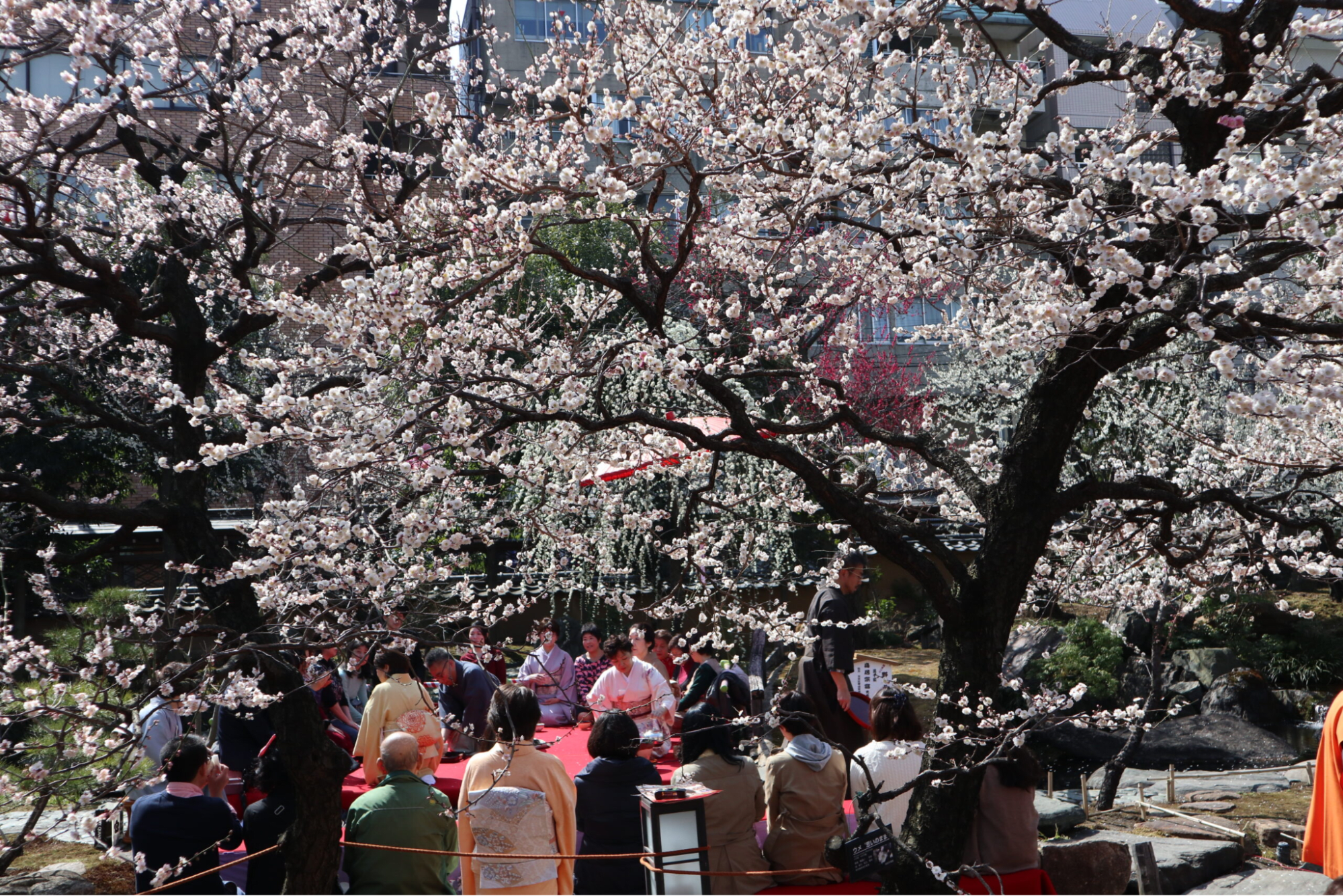
The Bunkyo Plum Festival is held annually from February to March at Yushima Tenjin Shrine. Yushima Tenjin Shrine has long been known as a place where beautiful plum blossoms bloom, and currently about 300 plum trees are planted on the shrine grounds.
Various events are held during the festival period, where you can enjoy traditional Japanese performing arts such as Japanese drum performances, rakugo (comic storytelling), and poetry readings.
On February 22nd, a portable shrine parade will be held from JR Okachimachi Station to Yushima Tenjin. The portable shrine procession moving through the streets accompanied by spirited chants is truly spectacular.
I visit this Ueno event in February every year and am always captivated by the beauty of the plum blossoms.
<Information>
Date: February 8 - March 8, 2026
Access: 2-minute walk from Exit 3 of Yushima Station on the Tokyo Metro Chiyoda Line, 5-minute walk from Exit A4 of Ueno-Hirokoji Station on the Tokyo Metro Ginza Line
Admission: Free
Website: https://www.yushimatenjin.or.jp/pc/ume/25/index.htm
Hari Kuyo (Needle Memorial Service) at Sensoji Temple
Source: Official Website
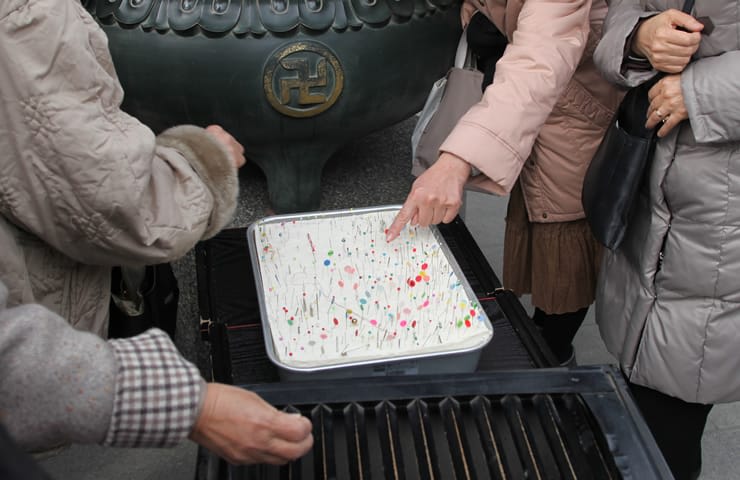
The Hari Kuyo event at Sensoji Temple is a ceremony to honor broken or rusty needles. During the event, needles are gently placed into soft tofu or konnyaku (a type of jelly) to show gratitude for their service and to pray for improved needlework skills in the future. The event is held at shrines dedicated to Awashima, the deity enshrined at various locations across Japan.
When I first saw the sight of numerous needles inserted into a large block of tofu, I was surprised by the unusual scene. However, after learning about the tradition, I couldn’t help but feel a sense of respect for the needles, which had fulfilled their role with dignity.
Around this time of year, plum blossoms start to bloom, adding splashes of red and pink to the event. Why not enjoy the blossoms as well?
Information
- Date: February 8, 2026
- Access: 5-minute walk from Asakusa Station (Tobu Skytree Line, Ginza Line, Tsukuba Express, Asakusa Line)
- Admission: Free
- Website:https://www.senso-ji.jp/annual_event/05.html
Art Events at Ueno Museums in February 2026
Impressionism from the Musée d'Orsay Collection
Source:Official website

The National Museum of Western Art in Ueno is hosting an exhibition where you can view paintings from the Musée d'Orsay in Paris.
Approximately 70 Impressionist works are on display, and the highlight is the opportunity to see original works by masters such as Renoir and Cézanne up close.
A special feature of this exhibition is the first-ever visit to Japan of "The Bellelli Family," a masterpiece painted by Degas in his youth. You can also view Impressionist works from the museum's permanent collection, as well as important works from other museums in France.
The museum also sells merchandise related to the paintings, with many items available exclusively here. If you love art, this is definitely a Ueno event in February 2026 worth visiting.
<Information>
Date: October 25, 2025 - February 15, 2026
Access: 1-minute walk from the Park Exit of JR Ueno Station, 7-minute walk from Keisei Ueno Station on the Keisei Line, 8-minute walk from Ueno Station on the Tokyo Metro
Admission: Adults 2,300 yen, University students 1,400 yen, High school students 1,000 yen
Website: https://www.orsay2025.jp/
Special Exhibition: Crocodiles
Source:Official website
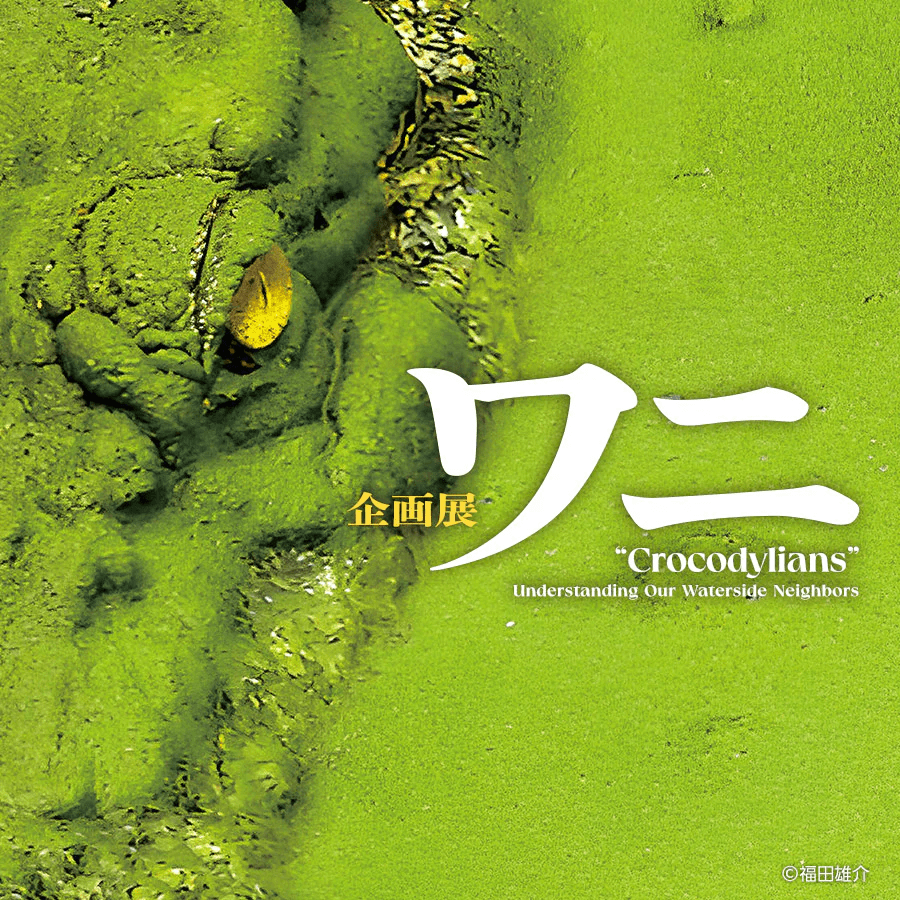
The National Museum of Nature and Science in Ueno is hosting a special exhibition about crocodiles.
This exhibition uses taxidermy specimens, skeletons, and video footage to explore the ecology of crocodiles living around the world and how humans and crocodiles have coexisted.
You can also learn about the museum's long-standing research activities on crocodiles, as well as the current situation and conservation efforts for endangered crocodile species. The exhibition allows you to learn about crocodiles from various perspectives, and I found the exhibits fascinating from start to finish.
Although this is a special exhibition, it can be viewed with just the permanent exhibition admission fee. If you are interested in crocodile ecology, why not visit this Ueno event in February 2026?
<Information>
Date: November 26, 2025 - March 1, 2026
Access: 5-minute walk from the Park Exit of JR Ueno Station, 10-minute walk from Ueno Station on the Tokyo Metro, 10-minute walk from Keisei Ueno Station on the Keisei Line
Admission: Adults and university students 630 yen
Website: https://www.kahaku.go.jp/
Mass Extinctions Exhibition - The Big Five of Life's History
Source:Official website

Mass Extinctions - The Big Five, held at the National Museum of Nature and Science, is an exhibition introducing the latest research on the Big Five mass extinction events in the history of life's evolution.
A giant globe displaying video footage appears in the venue, allowing you to learn in detail about the history of the Big Five in Earth's history.
A highlight of this exhibition is the opportunity to see valuable specimens from the Denver Museum of Natural Science in America.
There is also a display about excavation surveys being conducted in Morocco, where trilobite fossils discovered during the investigation will be shown to the world for the first time.
With an abundance of rare exhibits, if you are interested in the evolution and history of life, this is a must-visit Ueno event in February 2026.
<Information>
Date: November 1, 2025 - February 23, 2026
Access: 5-minute walk from the Park Exit of JR Ueno Station, 10-minute walk from Ueno Station on the Tokyo Metro, 10-minute walk from Keisei Ueno Station on the Keisei Line
Admission: Adults and university students 2,300 yen, Elementary/Junior high/High school students 600 yen
Website: https://daizetsumetsu.jp/
Swedish Paintings: Nordic Light, Everyday Radiance
Source:Official website
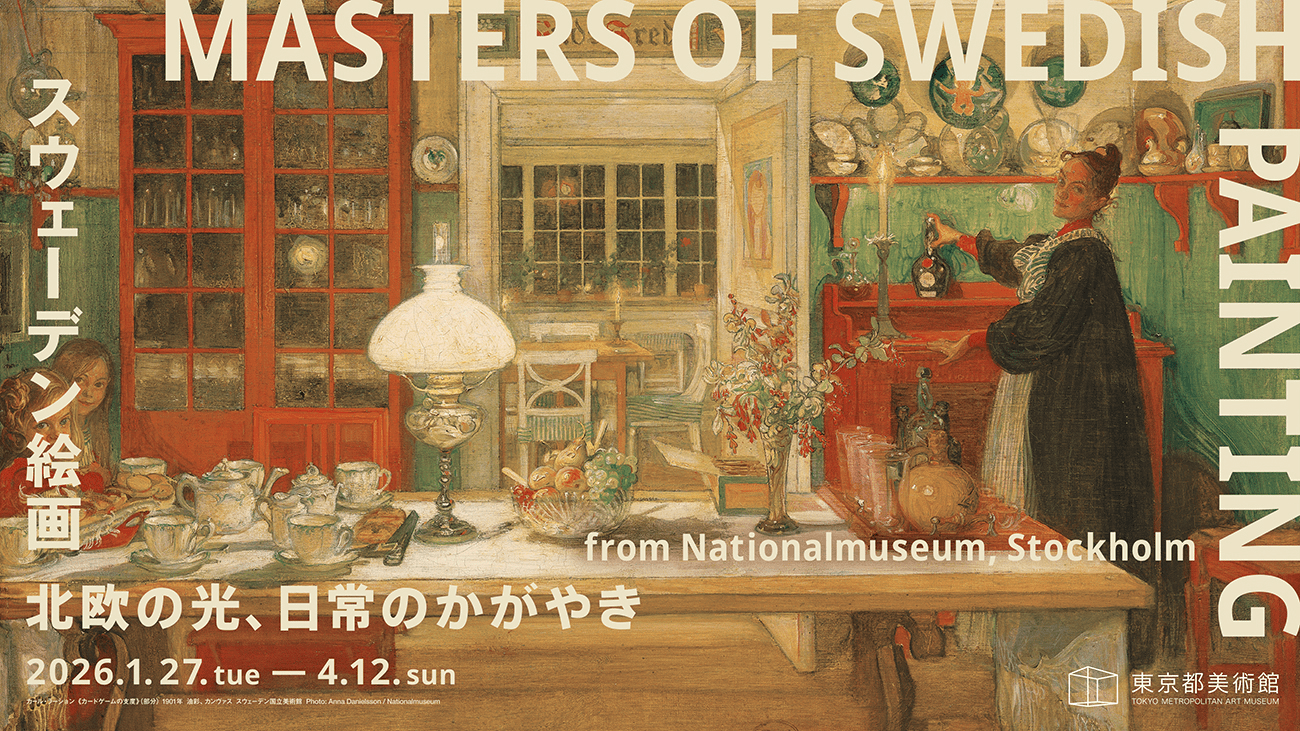
The Tokyo Metropolitan Art Museum in Ueno will host an exhibition introducing captivating paintings created in Sweden from the late 19th century to the 20th century. Swedish art has been gaining attention in various countries in recent years, and all the works on display are by Swedish painters.
This exhibition features approximately 80 works that supported the golden age of Swedish painting in the late 19th century. The works are filled with expressions of Sweden's nature, light, and the radiance of everyday life, and the beautiful colors will surely make you lose track of time as you become absorbed in the artwork.
I visited this exhibition myself and was completely captivated by Swedish art. If you are curious about what Swedish art is like, this is definitely an Ueno event in February 2026 you should visit.
<Information>
Date: January 27, 2026 - April 12, 2026
Access: 7-minute walk from the Park Exit of JR Ueno Station, 10-minute walk from Ueno Station on the Tokyo Metro, 10-minute walk from Keisei Ueno Station on the Keisei Line
Admission: Adults 2,300 yen, University and vocational school students 1,300 yen, Seniors 65 and over 1,600 yen
Website: https://www.swedishpainting2026.jp/