Tenjin Matsuri 2026 Complete Guide: Local's Insider Tips & Schedule of 1000-Year Osaka Festival
For most people visiting Osaka, the main attraction is its food. Iconic local specialties like takoyaki and okonomiyaki are loved all across Japan, and countless food lovers come to Osaka day after day to enjoy food hopping around the city.
Since making Kansai my second base in 2024, I’ve been visiting Osaka several times a year. Every time, I dive into Osaka’s food scene with total enthusiasm, and I still keep discovering new restaurants and local dishes that amaze me with their flavor.
Another distinctive feature of Osaka is how knowledgeable locals are about good food. Ask them about great places to eat in Namba or Umeda, and they’ll happily point you to spot after spot where you can enjoy the “real Osaka food” that never makes it into guidebooks.
That’s why, if you want to experience the local food truly loved by Osakans, the best option is to be guided directly by locals.
With tours from Magical Trip—winner of Tripadvisor’s Best of the Best in both 2024 and 2025—you’re sure to discover Osaka food that will genuinely satisfy you.

To enjoy Osaka’s outstanding local cuisine, choose the tour that suits your taste from the two options below. You can check the details on each page.
- Osaka Bar Hopping Night Tour in Namba: Enjoy 3–5 Osaka local dishes paired with carefully selected drinks. If you want to soak in Namba’s unique atmosphere while savoring great food and drinks, this tour is highly recommended.
- Osaka Local Foodie Tour in Dotonbori and Shinsekai: Sample classic Osaka specialties such as six pieces of kushikatsu, one box of takoyaki, and okonomiyaki, along with three drinks. Tours are available both during the day and at night, making it very convenient.
If you’d like to explore Osaka’s sightseeing spots more deeply, we also recommend the “5-Hour Osaka Highlights Bike Tour with Lunch,” where you can visit Osaka Castle and Osaka Tenmangu Shrine with a local guide, or the “Kuromon Market Walking Street Food Tour in Osaka,” which lets you enjoy must-eat foods from Osaka’s kitchen, Kuromon Market, while sightseeing.
Introduction
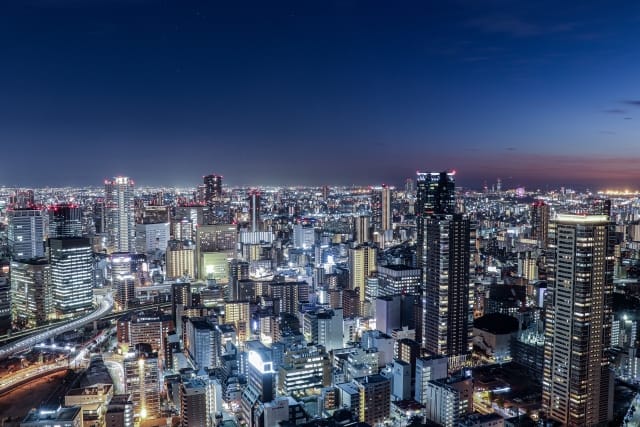
Osaka is a vibrant city in western Japan and the second-largest city after Tokyo. It is known for its cheerful and friendly people, delicious street food, and energetic atmosphere that continues until night.
Walking through the city, travelers are welcomed by the aromas of takoyaki (round snacks made from wheat flour batter) and okonomiyaki (Japanese-style pancakes mixed with vegetables and meat).
In this Osaka, a major festival called "Tenjin Matsuri" brings the entire city together every summer. This traditional event has continued for over a thousand years, featuring boat parades and fireworks that paint the night sky, offering a special experience where you can feel the depth of Japanese culture and faith. It is also one of Japan's three major festivals.
If you're visiting Japan, why not experience these "living traditions" beyond just sightseeing?
This article introduces the charm of Japanese festivals in an easy-to-understand way, focusing on Tenjin Matsuri in 2026.
What is Tenjin Matsuri held at Osaka Tenmangu?
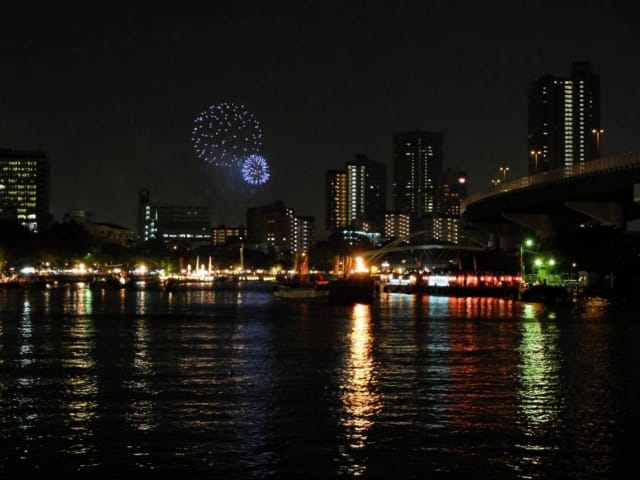
Tenjin Matsuri is a representative traditional summer festival held every July at Osaka Tenmangu Shrine, one of Japan's most prominent festivals.
With over 1,000 years of history, it began as an event of the shrine that enshrines Sugawara no Michizane, known as the deity of learning.
During the festival period, various events are held including ceremonies at the shrine, parades marching through the streets, boat processions, and fireworks illuminating the night sky. It is a major summer event that envelops the entire city of Osaka with vitality.
History of Tenjin Matsuri
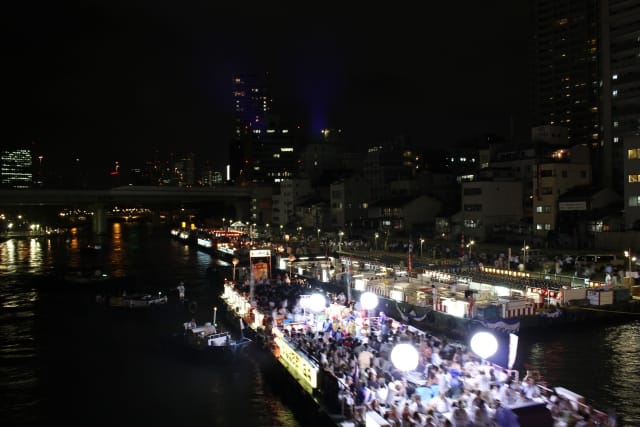
"Tenjin Matsuri" is a traditional festival held at "Osaka Tenmangu Shrine," a shrine located in Osaka.
Its origins date back to 951 AD, over 1,000 years ago. This shrine enshrines "Sugawara no Michizane," a deity of learning who is worshipped throughout Japan as an entity that enhances wisdom and talent.
Initially, it began with a ritual called "funa-togyo," where the deity would cross the river by boat to watch over the townspeople.
Eventually, "riku-togyo" (marching through the streets) and events offering music and dance were added, developing into the large-scale festival it is today.
Despite the passage of many years, the spirit of people expressing gratitude to the deity and deepening community bonds remains unchanged.
Tenjin Matsuri is held throughout Japan
Festivals named "Tenjin Matsuri" are held not only in Osaka but throughout Japan.
This is because they are commonly held events at "Tenmangu Shrines" located across the country.
Tenmangu Shrines are shrines that enshrine "Sugawara no Michizane," known as the deity of learning, and are worshipped by people wishing for success in exams, studies, and knowledge improvement. There are approximately 12,000 of them in Japan, and each region holds its own unique "Tenjin Matsuri."
Osaka Tenmangu Shrine is one of the major shrines known as a place that Michizane actually visited, and it boasts a scale and tradition that represents Tenmangu Shrine festivals throughout Japan.
Overview of Tenjin Matsuri
- Osaka Tenmangu Area
Around the historic shrine "Osaka Tenmangu Shrine" located in central Osaka city. A residential area with a calm atmosphere and an area lined with local shops. The nearest stations are "Minamimorimachi" or "Osaka Tenmangu Station."
<Events during Tenjin Matsuri period>
- Rituals are performed as the starting point of the festival where priests offer prayers
- Departure and arrival point for processions in traditional costumes
- Food stalls and amulet sales are available, and visitors can experience worship
- Tenmabashi to Okawa Area
Along the "Okawa" river flowing through central Osaka. A popular tourist area where you can see views of the river and city from bridges, with many hotels and restaurants.
<Events during Tenjin Matsuri period>
- "Funa-togyo" is held with approximately 100 boats proceeding along the river
- Fireworks are also launched at night
- Food stalls and viewing seats are available, making it the most crowded spot
- Minamimorimachi to Tenma Area
An area with Japan's second-longest shopping arcade where local people gather, with many restaurants and food stalls, offering a downtown atmosphere. Conveniently accessible, close to Osaka Station.
<Events during Tenjin Matsuri period>
- Riku-togyo takes place with portable shrines proceeding through the streets accompanied by drums and flutes
- Local gourmet food and festival food can be enjoyed along the streets
- Nakanoshima Area
A nature-rich area surrounded by rivers. Surrounded by office buildings, art museums, and retro architecture, it's a quiet area with good scenery.
<Events during Tenjin Matsuri period>
- A spot where you can calmly watch funa-togyo and fireworks (popular with tourists and families wanting to avoid crowds, as they can relax and watch on lawns or benches)
What is Osaka Tenmangu where Tenjin Matsuri is held?
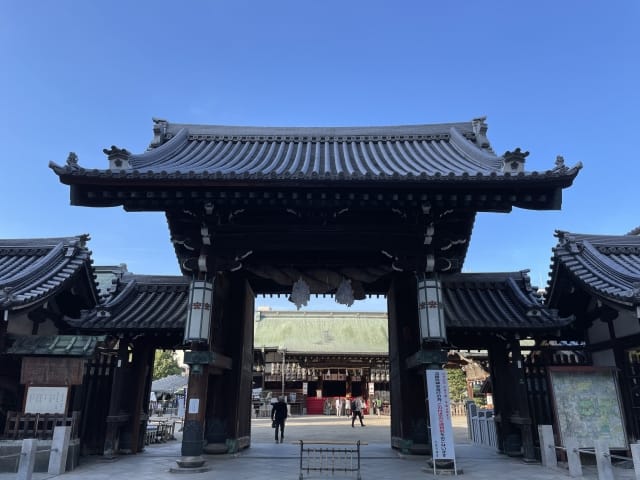
"Osaka Tenmangu Shrine" is a historic shrine located in central Osaka city and serves as the starting point of Tenjin Matsuri.
Founded in 949, it is considered one of the particularly prestigious shrines among the 12,000 "Tenmangu Shrines" throughout Japan.
Here, "Sugawara no Michizane," known as the deity of learning and wisdom, is enshrined, and worshippers visit year-round to pray for exam success and academic achievement.
The grounds feature a magnificent wooden worship hall and historic stone lanterns lined up, allowing visitors to see traditional Japanese shrine architecture up close. On the day of Tenjin Matsuri, processions enshrining the deity depart from this location.
- Address: 2-1-8 Tenjinbashi, Kita-ku, Osaka City
- Business Hours: 9:00-17:00
- Closed: None
- Phone Number: 06-6353-0025
- Official Website: https://osakatemmangu.or.jp/
To deeply enjoy Osaka Tenmangu sightseeing, it's best to rely on a guide who thoroughly knows the local culture and traditions
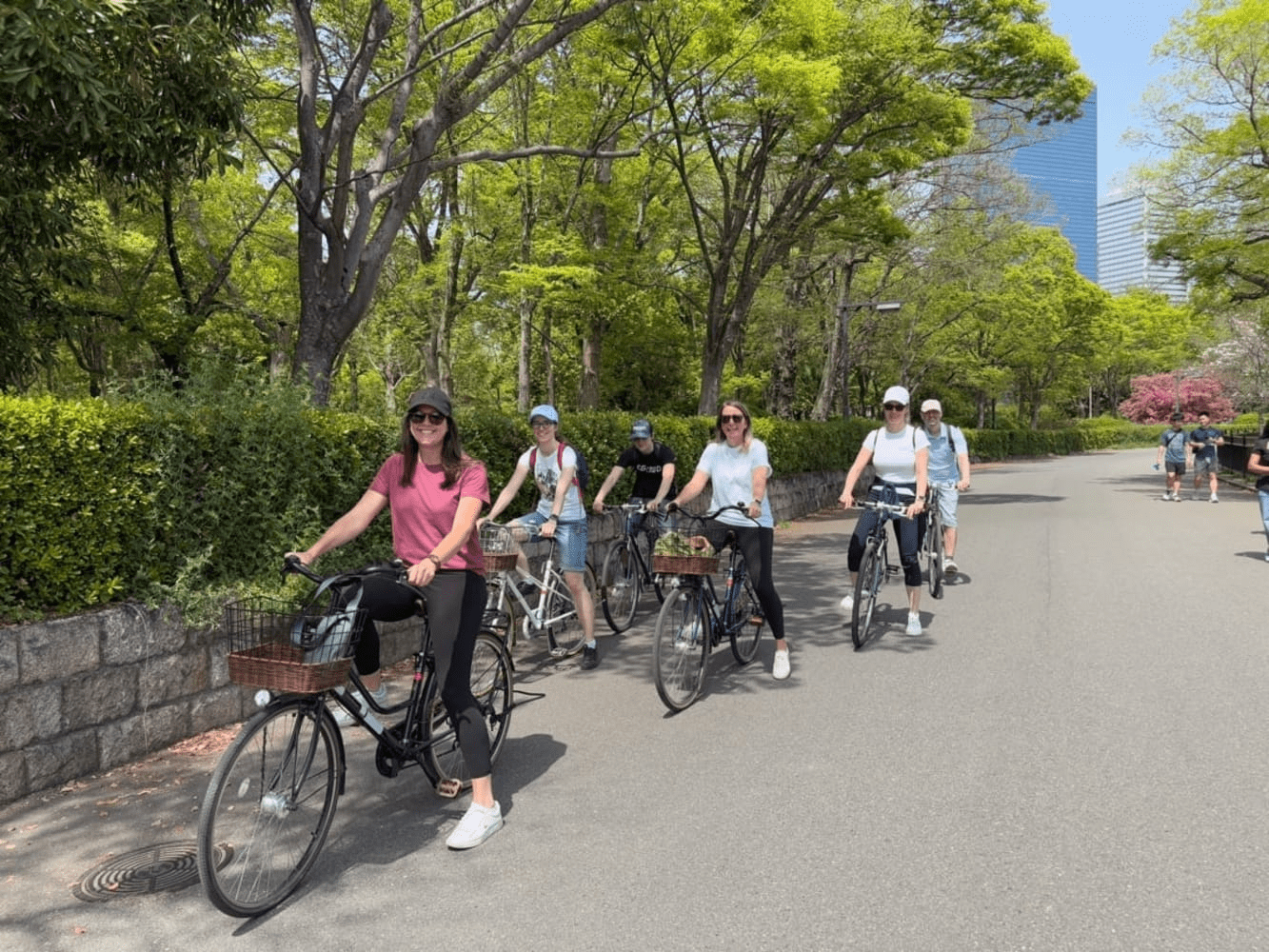
Osaka has many attractions, and traveling on foot or by public transportation alone can sometimes take a lot of time.
That's why we recommend a cycling tour around Osaka. By bicycle, there's no stress from traffic jams or transfers, and you can sightsee efficiently in a short time.
This tour in particular allows you to cover from Osaka Tenmangu Shrine to Osaka Castle in about 5 hours, and you can leisurely enjoy the streetscapes and riverside scenery along the way.
An English-speaking local guide accompanies you and introduces the history and culture of each spot in an easy-to-understand manner, which is an attractive feature.
Furthermore, lunch can be chosen according to your preferences in consultation with the guide, so please request Osaka gourmet food that interests you.
Tenjin Matsuri is counted among Japan's three major festivals
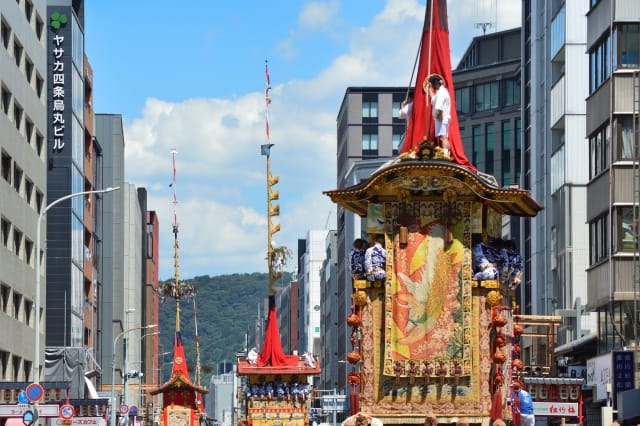
Tenjin Matsuri is known as one of Japan's "three major festivals." The other two are Kyoto's "Gion Matsuri" and Tokyo's "Kanda Matsuri."
Gion Matsuri is an ancient capital's traditional event held every July at Yasaka Shrine in Kyoto, and the sight of massive wooden floats slowly proceeding through the streets is spectacular.
Kanda Matsuri is held at Kanda Myojin Shrine in Tokyo and is a festival that has continued since around the 1600s, characterized by lively parades.
Among them, Tenjin Matsuri has unique attractions such as boat parades and fireworks displays. All three festivals are traditional events that symbolize Japanese faith, performing arts, and regional pride.
Local Residents Share! 3 Reasons Why Tenjin Matsuri is Loved by Local People
Tenjin Matsuri, boasting a tradition that has continued for over 1,000 years, has become a symbol of summer for local people. Here are three reasons why people in Osaka look forward to this festival every year.
Because the "Dedication Fireworks" that Conclude the Funa-togyo are Overwhelmingly Impressive No Matter How Many Times You Watch
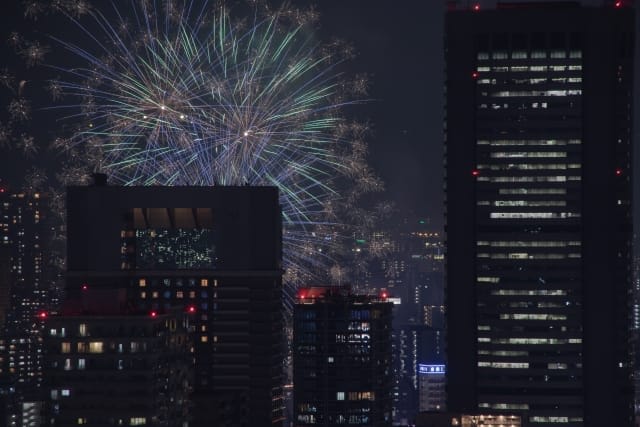
The "HonoHanabi (means 'Dedication Fireworks')" that closes the night of Tenjin Matsuri is the biggest highlight that local people look forward to every year.
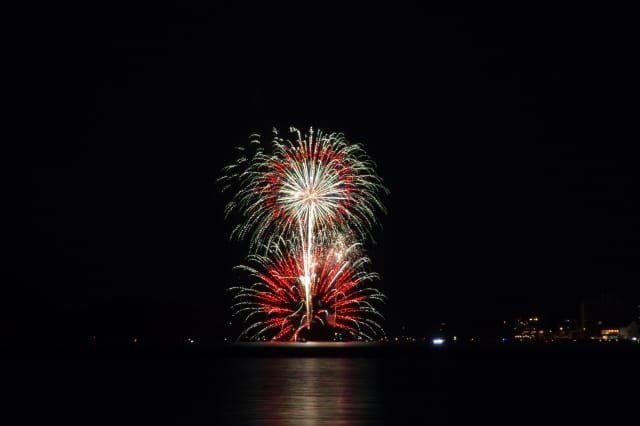
Approximately 100 boats travel across the water surface of Okawa River, and about 3,000 fireworks are launched along with the glow of lanterns, coloring the night sky.
The contrast of light and sound reflected on the river surface is truly magnificent, and you can experience a fantastical escape from everyday life while being in the center of the city.
I also visit during the early hours every year, and after enjoying the festival to the fullest, I look forward to the climactic fireworks display.
Because You Can Receive Energy and Vitality from the Powerful "Riku-togyo"
Source:X
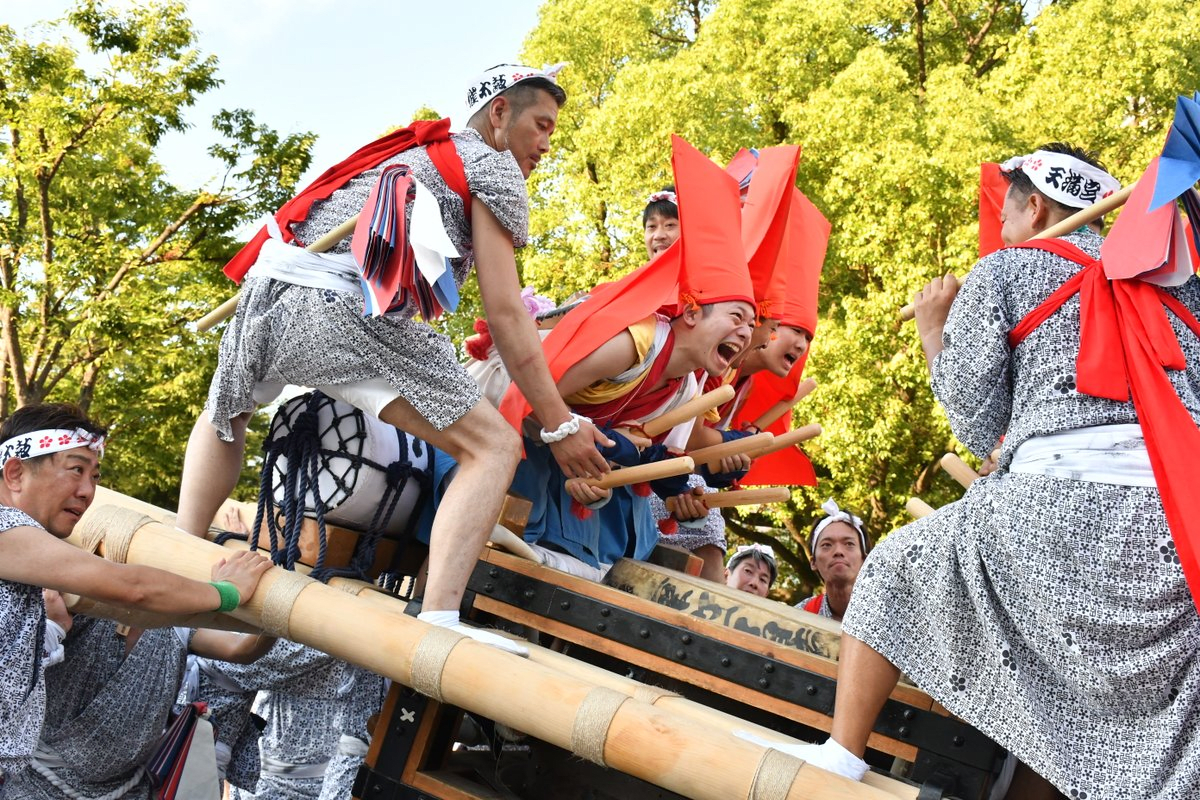
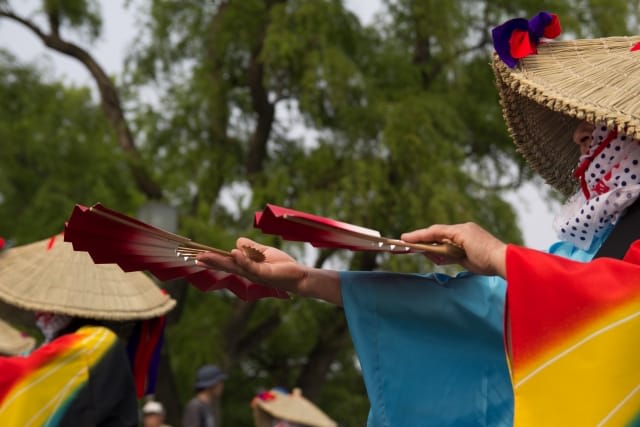
At the main daytime event of Tenjin Matsuri, the "riku-togyo," approximately 3,000 participants wear colorful traditional costumes and parade through the streets to the sound of drums and flutes.
Processions carrying "Mikoshi (means 'portable shrine')," flags, spears, fans, and other items advance one after another, giving you the feeling of watching a historical picture scroll unfold.
The participants carrying the Mikoshi proceed while calling out distinctive chants, and the spectators lined up on both sides of the road also enliven the procession with the same chants.
You can feel Japanese tradition, so you'll surely want to take lots of photos.
Because It is a Traditional Event That Has Been Protected for Over 1,000 Years, Continuing Since 951
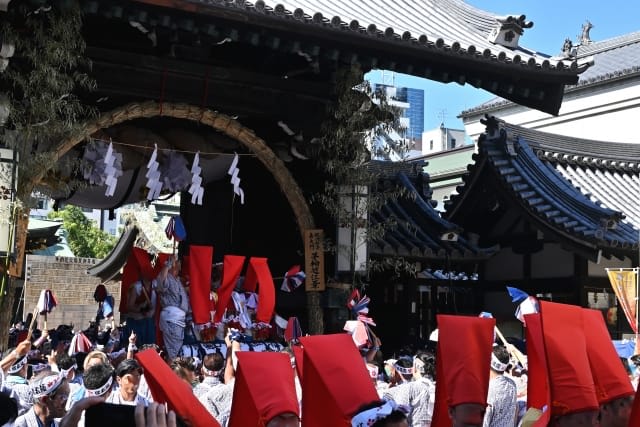
Tenjin Matsuri is one of Japan's oldest festivals, having begun in the year 951 and continuing for over 1,000 years.
It started at Osaka Tenmangu Shrine to enshrine Sugawara no Michizane, known as the god of learning.
At that time, people placed the deity on a boat and carried it across the river, praying for the safety of the city and bountiful harvests, which is said to be the origin.
Since then, even as times have changed, it has been held every year in July following a similar format without greatly altering its form.
The costumes of the procession, the music, and the decorations of the boats have also evolved as a modern festival while faithfully inheriting tradition.
The reason Tenjin Matsuri is special and continues to be loved by local people is that we can still see the same scenery that people saw over 1,000 years ago.
Event Details and How to Enjoy Tenjin Matsuri
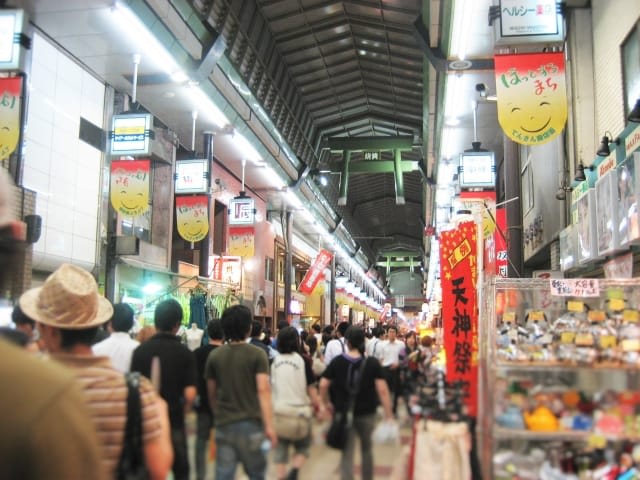
Tenjin Matsuri is a major event where various events are held every year from June to July. Among them, the three days that serve as the highlight in late July gather the main events and are crowded with many people.
Here, we introduce recommended event details and how to enjoy Tenjin Matsuri.
Events Held on July 23
The main events of Tenjin Matsuri are the two days of July 24 and 25, but there is an unmissable event held the day before.
Gal Mikoshi (Tenjin Matsuri Women's Mikoshi)
Source:Yahoo! Japan
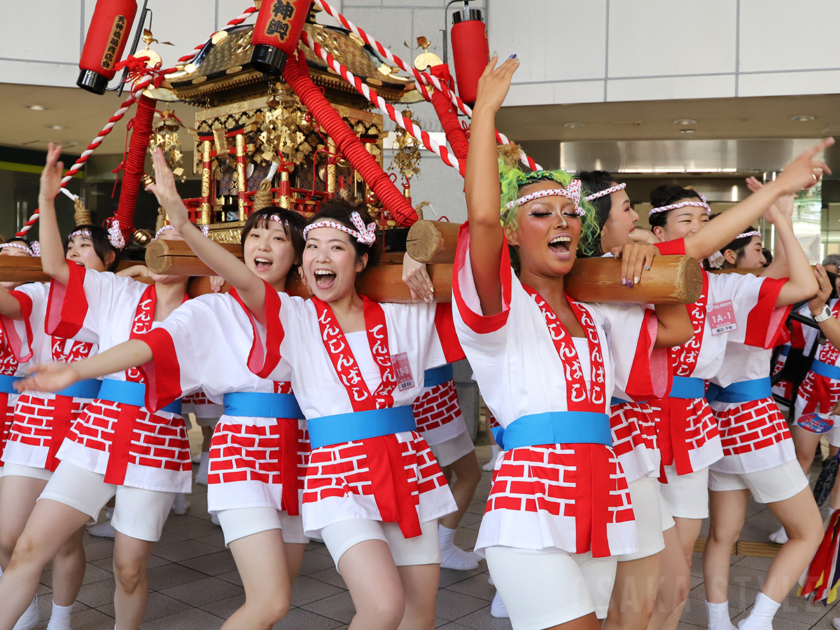
"Gal Mikoshi" is a Mikoshi parade where bright and energetic young women serve as carriers. "Gal" in Japanese mainly refers to young women and is a word indicating a generation with glamour and vitality.
This event is held every year on July 23 as part of Tenjin Matsuri, parading as a procession for about 4 km from the shopping district to the shrine.
Participants are selected through auditions where they perform various acts, and about 80 healthy and energetic women aged 15 to 30 participate.
A Mikoshi parade with only young women is rare and is an event that can only be seen here, so it's a must-see.
Events Held on July 24th (Day 1)
Tenjin Matsuri has many related events, but the main events are held over two days every July. First, let me introduce the main events held on the first day.
Yoimiya Festival
The "Yoimiya Festival" held on July 24th is the event that marks the first day of Tenjin Matsuri. During the day, traditional ceremonies are held at the shrine and river, where Shinto priests in white robes offer gratitude and prayers to the deity accompanied by the sounds of drums and flutes. Tourists can also observe these scenes and take photographs.
As evening approaches, many food stalls line up along the surrounding streets. At these stalls, you can casually enjoy classic Japanese summer festival light foods such as takoyaki, "Yakisoba" (sauce-flavored noodles), and shaved ice.
People dressed in "Yukata," the summer kimono, come and go, and the streets are adorned with the lights of lanterns, allowing you to truly experience Osaka's summer with all five senses.
At traditional Japanese summer festivals, many people participate wearing traditional Yukata, and since there are shops that rent Yukata, I recommend trying one on yourself as an enjoyable way to experience the festival.
Hoko Nagashi Shinji
Source:Official website
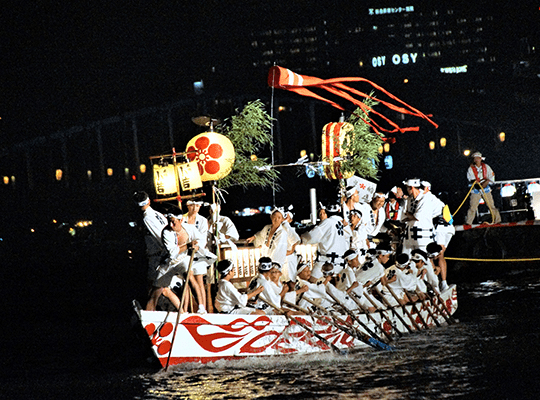
The "Hoko Nagashi Shinji" held in the early morning of July 24th is a mystical ceremony that announces the beginning of Tenjin Matsuri.
A "Shinwa" (divine child) selected from among local elementary school students and Shinto priests from Osaka Tenmangu Shrine board a boat and slowly proceed down Okawa River.
On the boat, they float a stick-like tool made of wood called "Hoko" into the water and pray for the safe conduct of this year's festival.
The sight of people dressed in white robes proceeding down the river in the morning light is very fantastical and is a popular scene among tourists.
I also woke up early to go see it once, and being able to see such a traditional scene in the middle of a city felt very special, and I truly felt the history.
Events Held on July 25th (Day 2)
From here, let me introduce the main events held on the second day.
Rikutogyo
Source:X
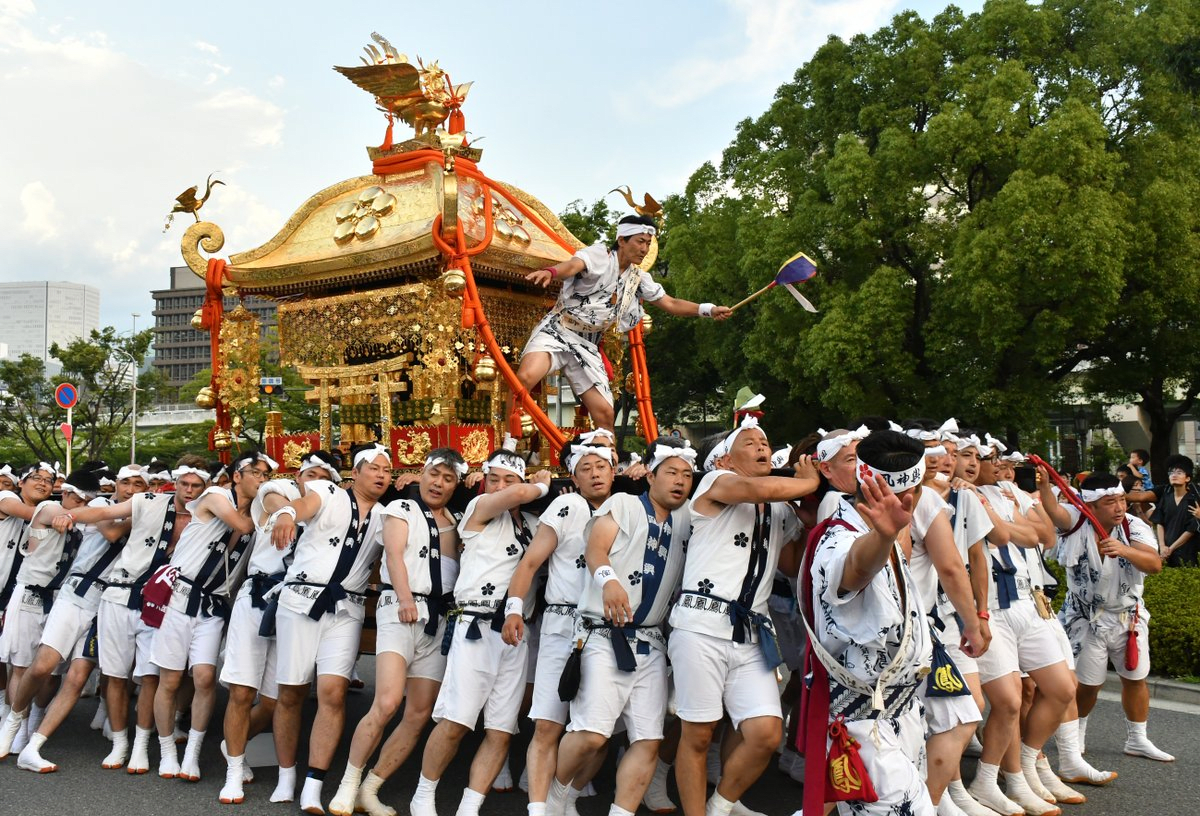
The "Rikutogyo" held on July 25th is the most lively and powerful parade of Tenjin Matsuri.
In the afternoon, approximately 3,000 participants dressed in colorful traditional costumes march through the city accompanied by the sounds of drums and flutes.
At the center of the procession is a "Mikoshi" that enshrines the deity, surrounded by people carrying flags and other items.
The parade route continues from Osaka Tenmangu Shrine toward the Tenmabashi area, and spectators can view it up close from both sides of the road.
Just watching the fervor of the procession, the calls and chants, and the details of the costumes is enjoyable, and it's also photogenic, so you'll want to take lots of photos.
Funatogyo
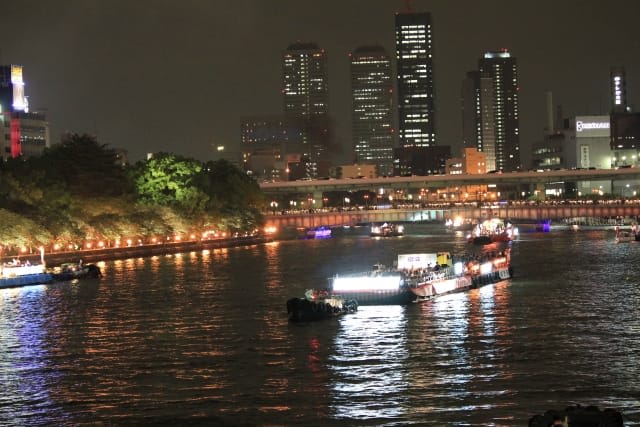
The climax of Tenjin Matsuri, "Funatogyo," is held on Okawa River from evening to night on July 25th.
This is a grand parade where approximately 100 boats slowly proceed down the river, centered around the boat carrying the deity. The boats are lit with traditional Japanese lanterns called "Chochin" and proceed while performing with drums and flutes.
People dressed in yukata board the boats, and the river becomes like a moving stage.
Tourists can watch from along the river, but you can also board these boats, so if you have time, I definitely recommend trying it.
I've boarded the boat before, and the boarding fee included a boxed lunch. Being able to enjoy the experience while eating made it a great memory.
Hono Hanabi
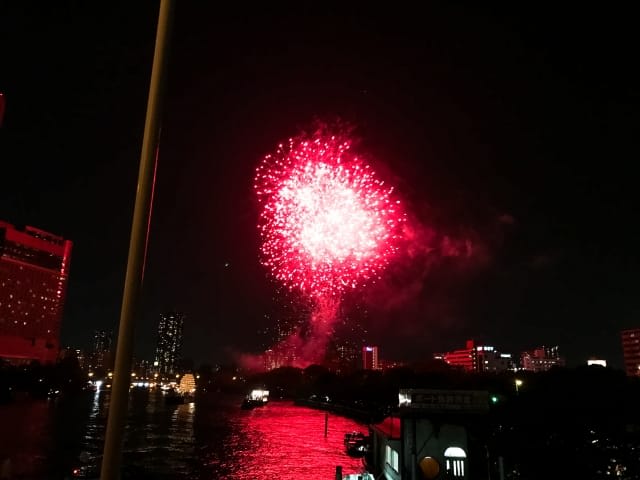
The "Hono Hanabi (means 'Dedication Fireworks')" that concludes the night of Tenjin Matsuri is a grand fireworks event held over Okawa River.
Approximately 3,000 fireworks are launched one after another, and the light and colors reflected on the river surface create a fantastical atmosphere.
"Hono" means gratitude to the deity, and these fireworks are not just a show but are launched as "prayers offered to the deity."
You can experience the power up close from parks along the river, on bridges, and from boats, so I recommend waiting in a nearby area as the fireworks time approaches.
I go to see them every year, and along Okawa River, the charm is being able to see both the Funatogyo boats and the fireworks together, creating scenery that makes you want to take photos.
Also notable is that original fireworks in the shape of plum blossoms, associated with the deity of Tenmangu Shrine, are launched.
When You Come to Osaka, Enjoy the Nation's Finest Local Food Along with the Festival!
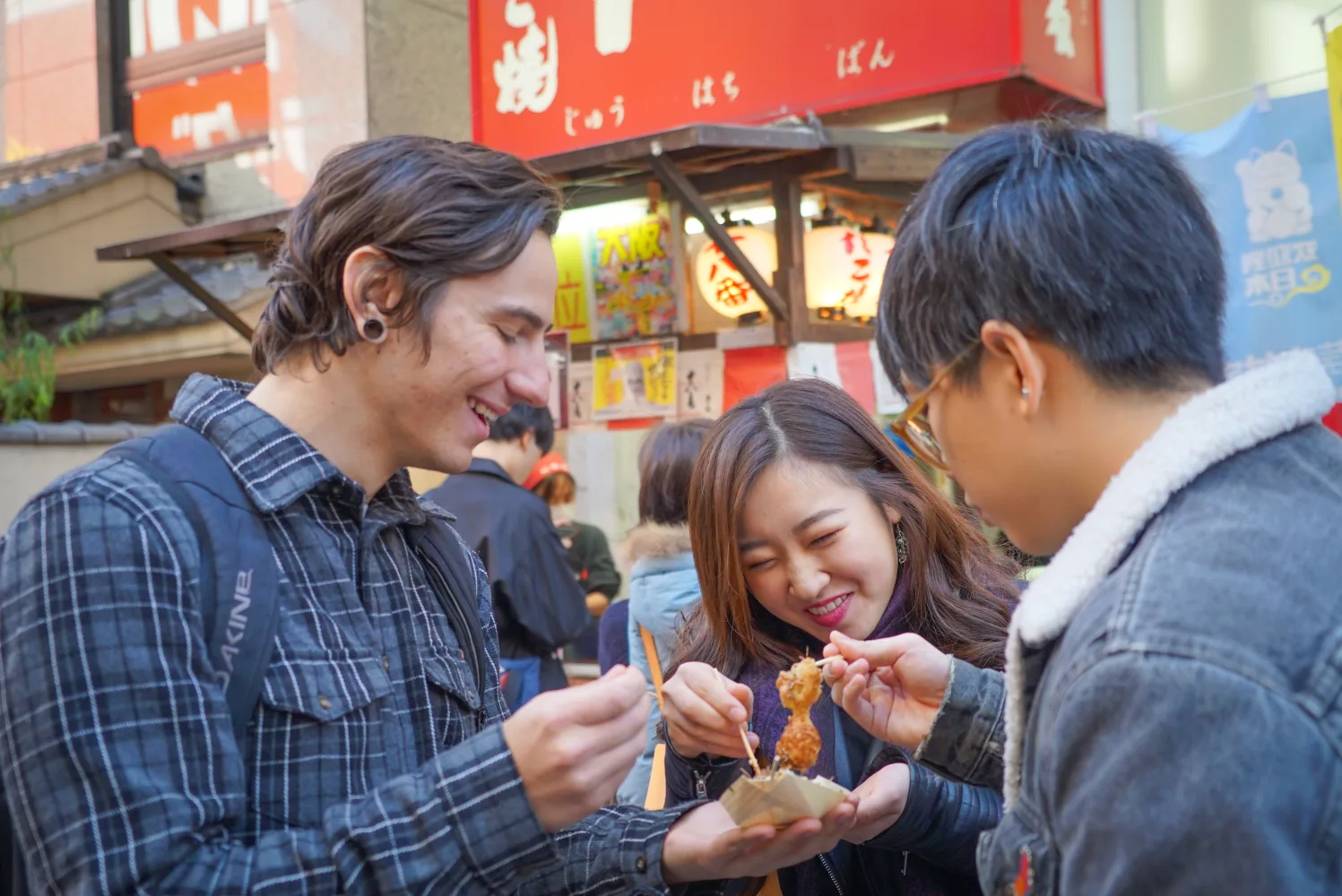
If you're visiting Osaka, please enjoy not only the festival but also the gourmet food of this city known as the "Culinary Capital."
Osaka has prospered since ancient times as a merchant town, and a culture of "enjoying delicious food cheaply and casually" has developed.
Therefore, there is an abundance of popular and delicious local food such as takoyaki and okonomiyaki. In Dotonbori and Shinsekai, the centers of tourism, food stalls and long-established eateries line the streets.
However, since Osaka has countless shops, you may be confused about where to visit.
For that reason, if it's your first trip, I recommend a gourmet tour with an English-speaking local guide. It's a plan that covers approximately 3 hours, guiding you from popular shops to local hidden gems, comprehensively covering Osaka's specialty gourmet food, allowing you to thoroughly enjoy the charm of "Osaka, the Culinary Capital" even in a short time.
- Meeting point: FamilyMart Sanno Dobutsuen-mae
- Tour area: Shinsekai, Nipponbashi, Dotonbori vicinity
- Start times: 11:30, 16:30, 17:30