Sanno Matsuri 2026: Local's Guide to Tokyo's Historic Festival (5 Events, Tips & Limited Goods)
Tokyo is home to countless spots, from bustling entertainment districts like Shibuya and Harajuku, to neighborhoods that come alive at night like Shinjuku and Roppongi, to areas that preserve traditional old-town charm like Asakusa and Kanda.
While Tokyo is a city packed with appeal, it's also true that increasing tourism development has made it harder for visitors to experience the "real Tokyo." In other words, instead of enjoying Tokyo like a local, tourists are often limited to experiencing only the touristy side of the city.
That's exactly why I want you to explore the city with locals who know the real Tokyo. With tours from Magical Trip—winner of Tripadvisor's The Best of The Best in both 2024 and 2025—you can make that happen.

The Tokyo Bar Hopping Night Tour in Shinjuku, a back-to-back winner of The Best of The Best for two consecutive years, lets you safely enjoy spots beloved by locals in famous Shinjuku areas like Kabukicho and Omoide Yokocho.
If you're interested in Japanese culture, I recommend the Tokyo Sumo Morning Practice Tour in Ryogoku, where you can visit a sumo stable—something even most Japanese people have never experienced—or the Asakusa Cultural Walk & Matcha Making Tour, where you can stroll through Asakusa while learning about Japanese culture from your guide.
If you want to create your own itinerary and explore Tokyo deeply and efficiently, choose Customized Private Tours of Japan with MagicalTrip's Top Guides, where you can craft a special itinerary tailored just for you with a local guide.
Introduction
Tokyo is the capital of Japan and a popular area with various tourist attractions. While modern buildings and cutting-edge spots gather here, areas and spots with traditional atmosphere coexist as well.
One of the representative traditional spots is shrines. Shrines have been beloved by local people since ancient times as places to enshrine gods. Tokyo has many shrines, and unique events are held throughout the year at each shrine.
This article will introduce in detail the highlights and ways to enjoy Sanno Matsuri, held at Hie Shrine in Tokyo.
Traditional festivals are held at shrines and temples throughout Tokyo
In Tokyo, traditional festivals are held at shrines and temples in various areas. Each shrine holds these events with their own wishes, such as gratitude to gods and ancestors, bountiful harvests, and good health without illness.
Festivals are also known as events for local residents to come together to preserve traditions and deepen bonds. In fact, my friend says they spend the rest of the period for the festival every year.
Since festivals are precious opportunities to experience Japanese traditional culture firsthand, many tourists visit from both inside and outside the country, not just local people.
Sanno Matsuri is a historic festival counted among the three great Edo festivals
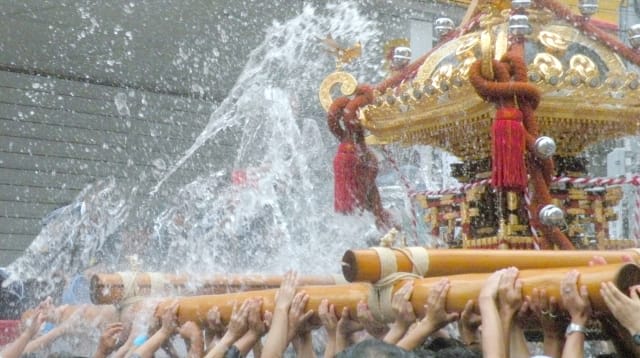
Sanno Matsuri is a traditional festival held at Hie Shrine in Chiyoda Ward, Tokyo. It is counted as one of the festivals with over 300 years of history in Tokyo, called the three great Edo festivals.
Sanno Matsuri is held in mid-June of even-numbered years in the Western calendar. Note that because it is held every other year, the festival is not held in odd-numbered years.
In other words, if it follows custom, it means it will be held in 2026.
<Information>
- Access: 5-minute walk from Akasaka Station on the subway Chiyoda Line
- Fee: None
- Official website: https://www.tenkamatsuri.jp/
What are the three great Edo festivals?
The three great Edo festivals are three traditional festivals held in Tokyo. The remaining two besides Sanno Matsuri are Kanda Matsuri at Kanda Myojin and Fukagawa Matsuri at Tomioka Hachimangu.
All three festivals have been carefully passed down from the era called Edo, over 300 years ago. In the Edo period, the commander who led the army also watched them, and they were designated as "Tenka Matsuri," meaning festivals officially recognized by the government at that time.
The three great Edo festivals are festivals that convey Edo culture and history to the present day, and when you actually see them, you can feel as if you've time-slipped to ancient Japan.
Sometimes counted among Japan's three great festivals
In addition to being a representative of the three great Edo festivals, Sanno Matsuri is sometimes counted as one of Japan's three great festivals.
Japan's three great festivals are, as the name suggests, three large-scale festivals representing Japan, and besides Sanno Matsuri, Gion Matsuri in Kyoto and Tenjin Matsuri in Osaka are counted as one of the festivals.
Sanno Matsuri has become a nationally famous festival because it has a history of being designated as Tenka Matsuri.
What is Hie Shrine where Sanno Matsuri is held?
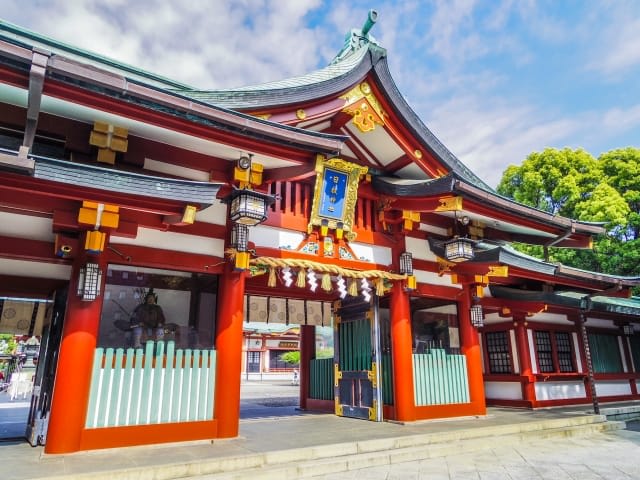
Hie Shrine, where Sanno Matsuri is held, is a historic shrine in Akasaka, Tokyo. It is affectionately known by local people as "Sanno-san."
Hie Shrine is known as a prestigious shrine that has protected the Imperial Palace since ancient times. It is believed to have powers for business prosperity, career advancement, matchmaking, safe childbirth, etc., and many people, centered on business owners and women, visit for worship.
At Hie Shrine, monkeys called "Shinzaru" are considered messengers of the gods. Because monkeys are thought to have auspicious meanings of "driving away evil" and "superiority," monkey figurines are placed at the shrine.
- Address: 2-10-5 Nagatacho, Chiyoda-ku, Tokyo
- Business hours: 6:00-17:00
- Regular holidays: None
- Telephone number: 03-3581-2471
- Official website: https://www.hiejinja.net/
Five events held at Sanno Matsuri
Shinko Gyoretsu (Sacred Procession)
Source:Official website
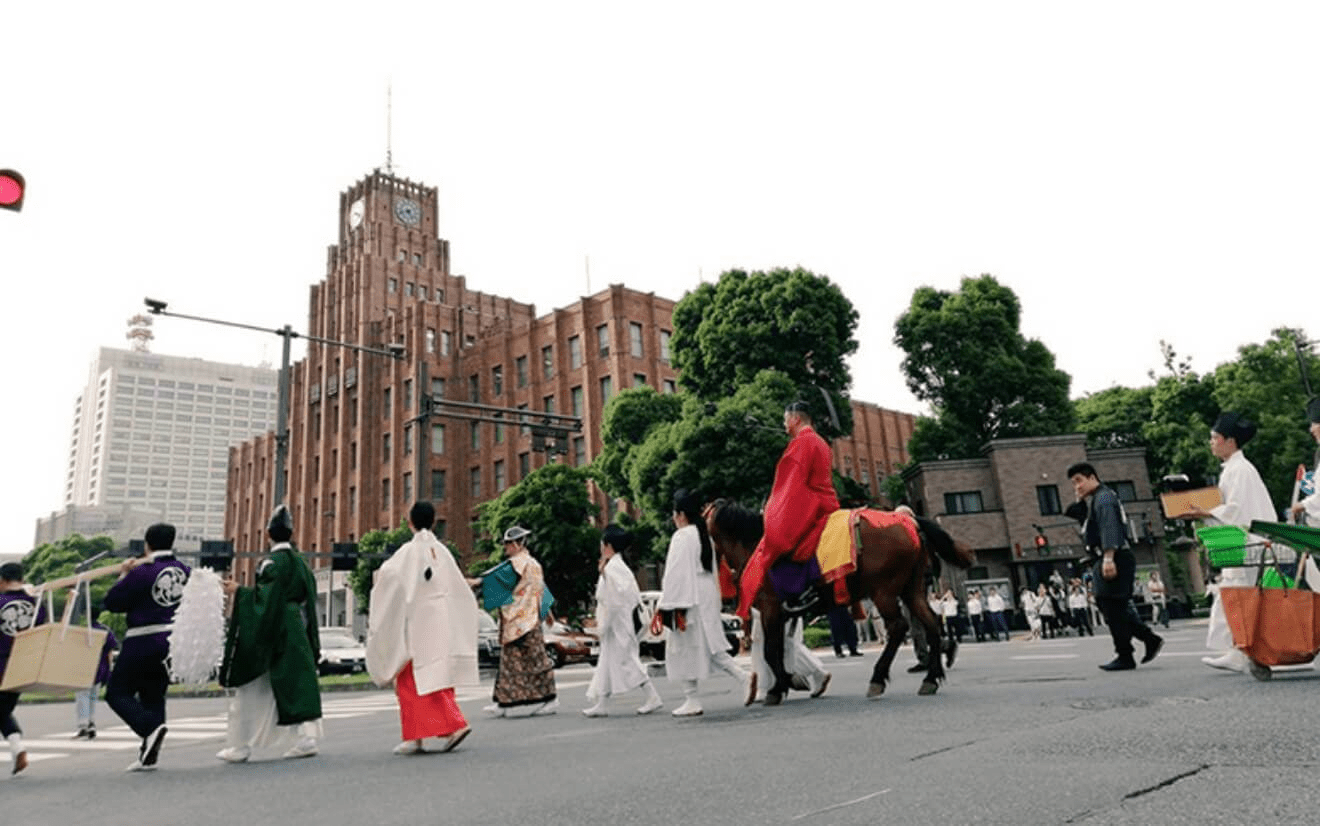
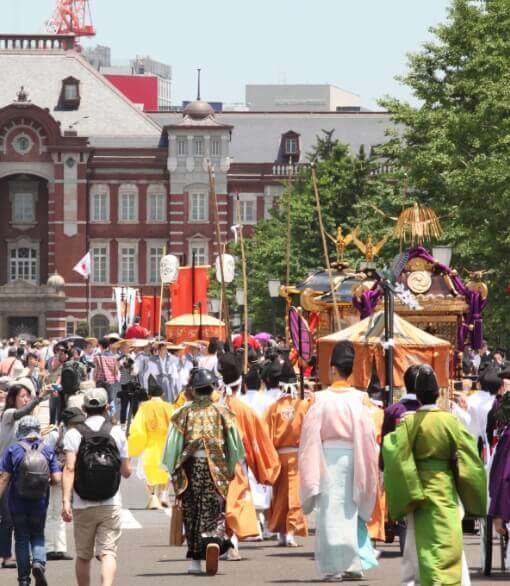
Shinko Gyoretsu is the most important event at Sanno Matsuri. In Shinko Gyoretsu, approximately 500 people dressed in traditional costumes walk for about 9 hours covering a distance of about 23km from Hie Shrine to around the Imperial Palace.
Because the procession moves slowly, you can carefully observe the traditional costumes and tools in detail. The procession can be up to 300 meters long and tours a wide area including Nagatacho, Yotsuya, and Kojimachi. Being able to enjoy sightseeing around the area while watching the procession is my recommended point.
This is a recommended event for those interested in traditional Japanese costumes and those who want to casually experience the festival atmosphere while sightseeing.
Summer Festival (Bon Dance)
Source:Official website
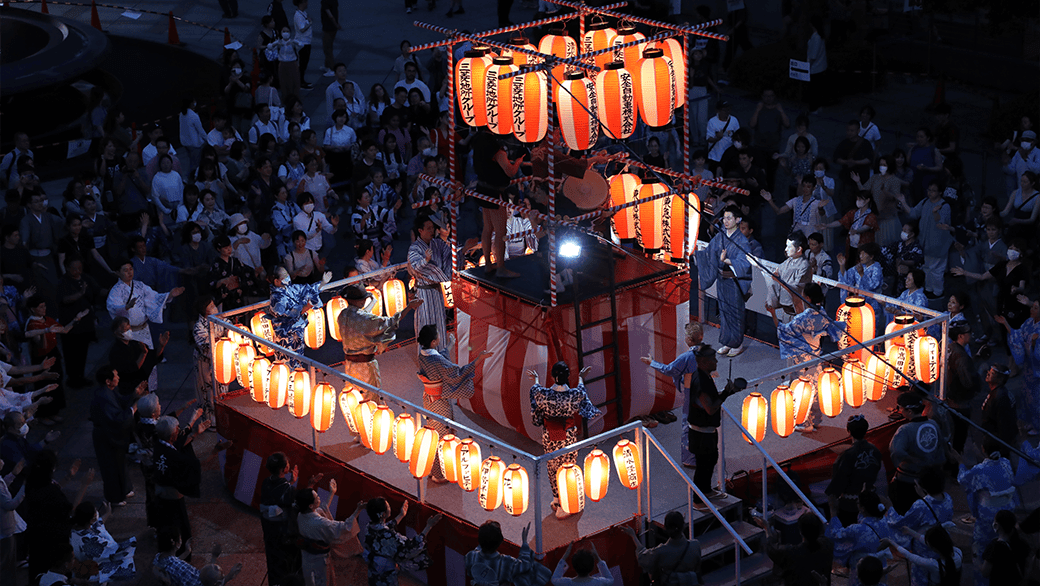
Summer Festival is a summer dance and music event held in the vacant lot in front of Tameikesanno Station.
Many participants wear yukata, a traditional summer kimono, and dance to traditional songs called Tokyo Ondo and Tanko Bushi.
The Sanno Taiko performance by local children is my favorite point. The powerful rhythm of the drums further enhances the excitement of the festival, and you can feel the lively atmosphere.
This is recommended for those who want to experience the atmosphere of a Japanese summer festival and those who want to enjoy dancing together with local people.
Procession of "Chigo"
Source:Official website
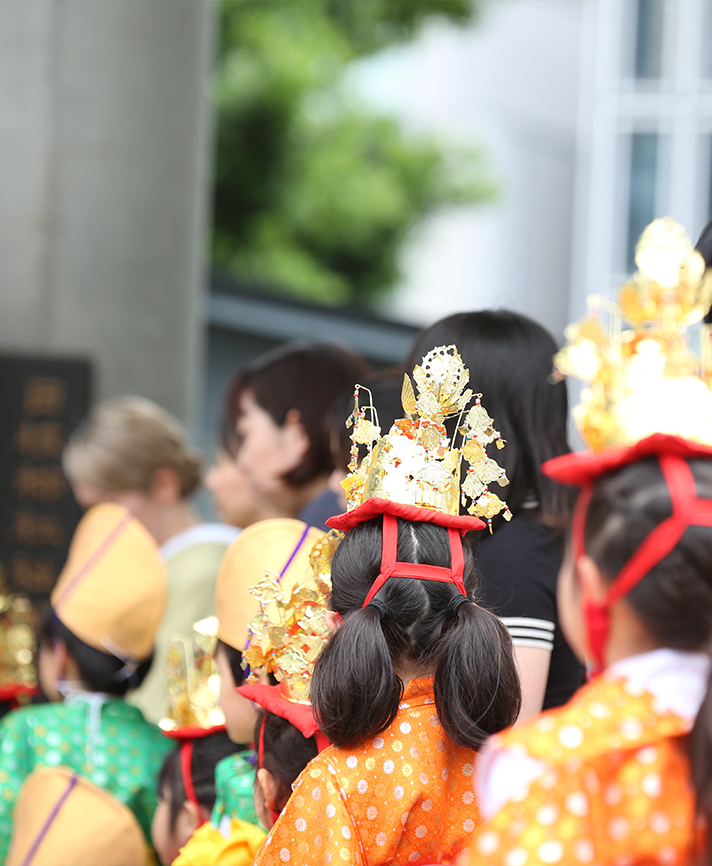
Procession of "Chigo" is an event where children dress in traditional costumes and walk around the shrine area. The Procession of "Chigo" is held with the purpose of praying for the healthy growth of children.
The sight of children walking with smiles while wearing white kimono with red sashes is heartwarming. Among the lively festival centered on adults, this is an event where you can feel a warm and gentle atmosphere.
This is a recommended event for families and those who want to see charming Japanese traditional culture.
Picture Lantern Dedication
Source:Official website
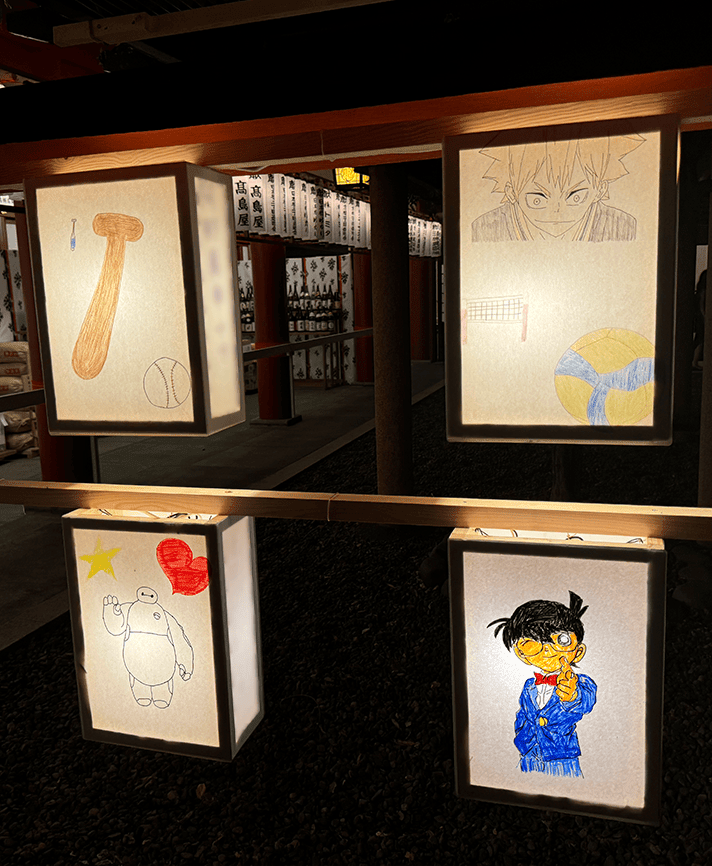
Picture Lantern Dedication is an event where pictures drawn by children are displayed on lanterns and decorated in the shrine precincts. During the festival period, the lanterns are exhibited in a special space, and you can enjoy colorful pictures during the day, while at night, gentle lights envelop the precincts.
Since children's future dreams and wishes are drawn on them, I felt warm in my heart just by looking at them. If you want to enjoy the festival with your family or experience the beautiful night atmosphere, please visit.
Sanno Kasho Festival
Source:Official website

Sanno Kasho Festival is a traditional event praying for the dispelling of epidemics and inviting health and good fortune. This festival has a long history, with its origins said to date back to around 830.
At Sanno Kasho Festival, traditional Japanese sweets are offered before the deity and also served to worshippers. This originates from a historical event in 848 when the emperor offered sweets to pray for the dispelling of epidemics and changed the era name.
This is a perfect event for those who want to taste traditional Japanese sweets or feel Japanese culture in a quiet and peaceful atmosphere.
Locals' Tips! 3 Ways to Enjoy Sanno Matsuri
Choose and enjoy unique events that interest you from those held concurrently
Source:Official website
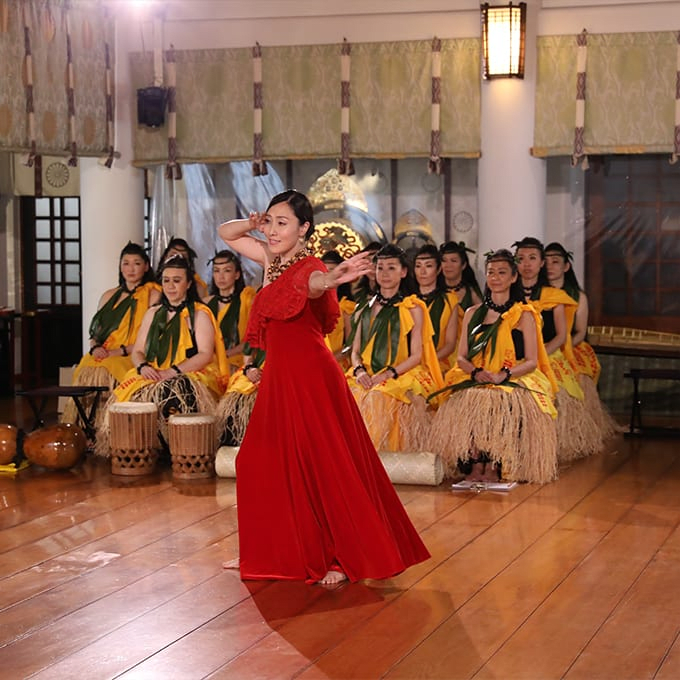
During the Sanno Matsuri period, various unique events are held simultaneously in addition to the main ceremonies. If you choose events according to your interests, you can enjoy the festival even more.
My recommended event is the Hawaiian hula dance performance. You can watch elegant hula dance up close, so it's perfect for those who want to see interesting performances that can only be experienced at this festival.
In addition, many events are held where you can experience both traditional Japanese culture and modern culture, such as performances of the traditional instrument koto and chorus by choral groups, so please check them out.
At the Summer Festival, enjoy food stalls and try Bon Dance by imitating those around you
Source:Official website
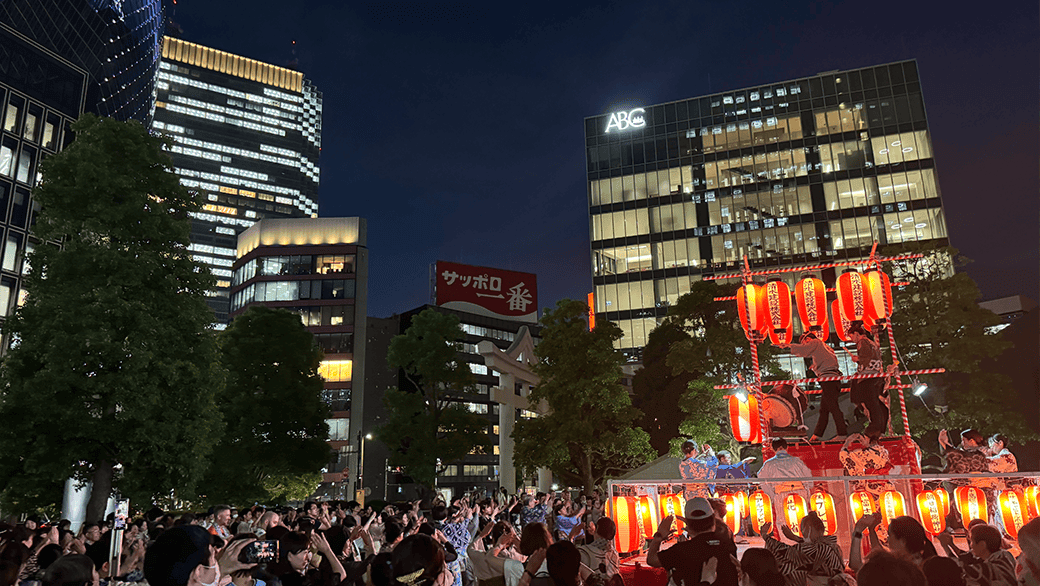
During the Sanno Matsuri period, various food stalls line up around Hie Shrine and at the Summer Festival venue.
Especially at the Summer Festival venue, many food trucks set up shop, and you can enjoy festival staple gourmet foods such as yakisoba, a representative street food made by stir-frying noodles and vegetables, and shaved ice.
There are also beer and soft drink stalls, so I enjoy Bon Dance in yukata with a drink in hand. Bon Dance consists of simple repeated movements, so even first-timers can enjoy it by watching and imitating those around them.
If you want to fully experience the unique atmosphere of summer festivals, please participate.
Purchase limited Sanno Matsuri goods sold only once a year as souvenirs
Source:Official website
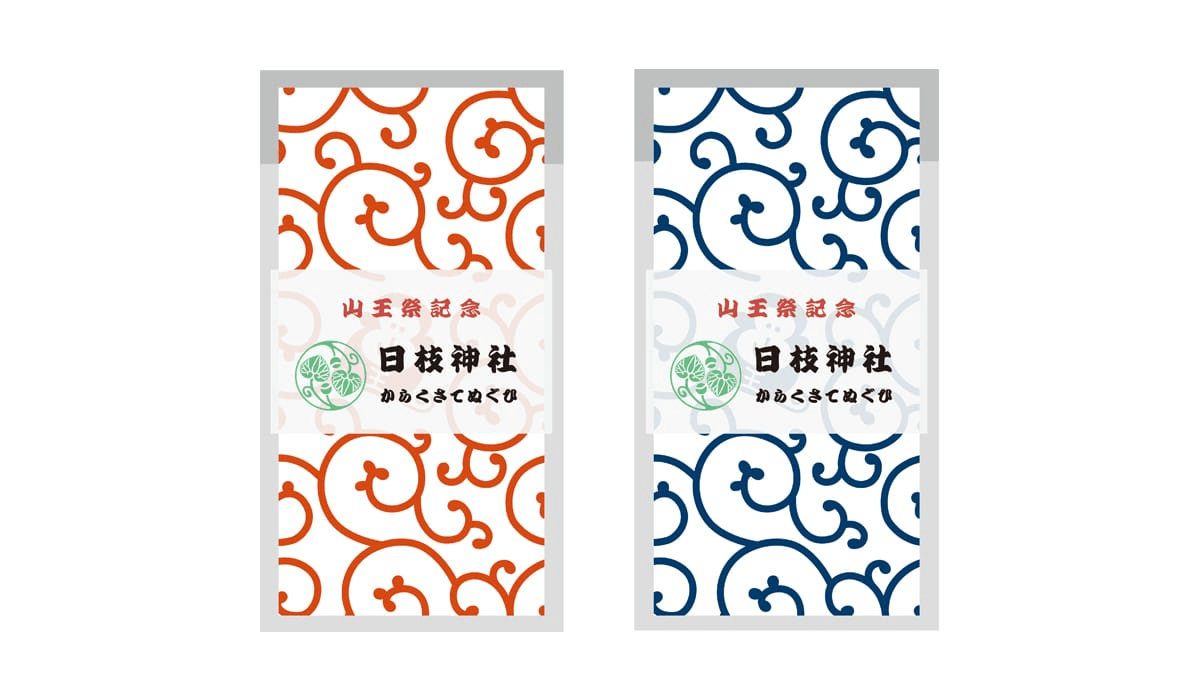
Limited goods sold only during the Sanno Matsuri period are popular as memorabilia even among locals. Since limited goods are sold in limited quantities, it's recommended to purchase them early.
There are two types of limited goods: Yasaka Shrine Goshuin Shiori, a bookmark with a design featuring the shrine's name, and Sanno Matsuri Kinen Karakusa Tenugui. Tenugui is a traditional Japanese cloth that can be used like a towel or displayed.
If you're interested in goods with traditional Japanese designs or looking for special memorabilia, please check the amulet office at Hie Shrine.
For those interested in Japanese tradition and culture, explore historic towns with a local guide
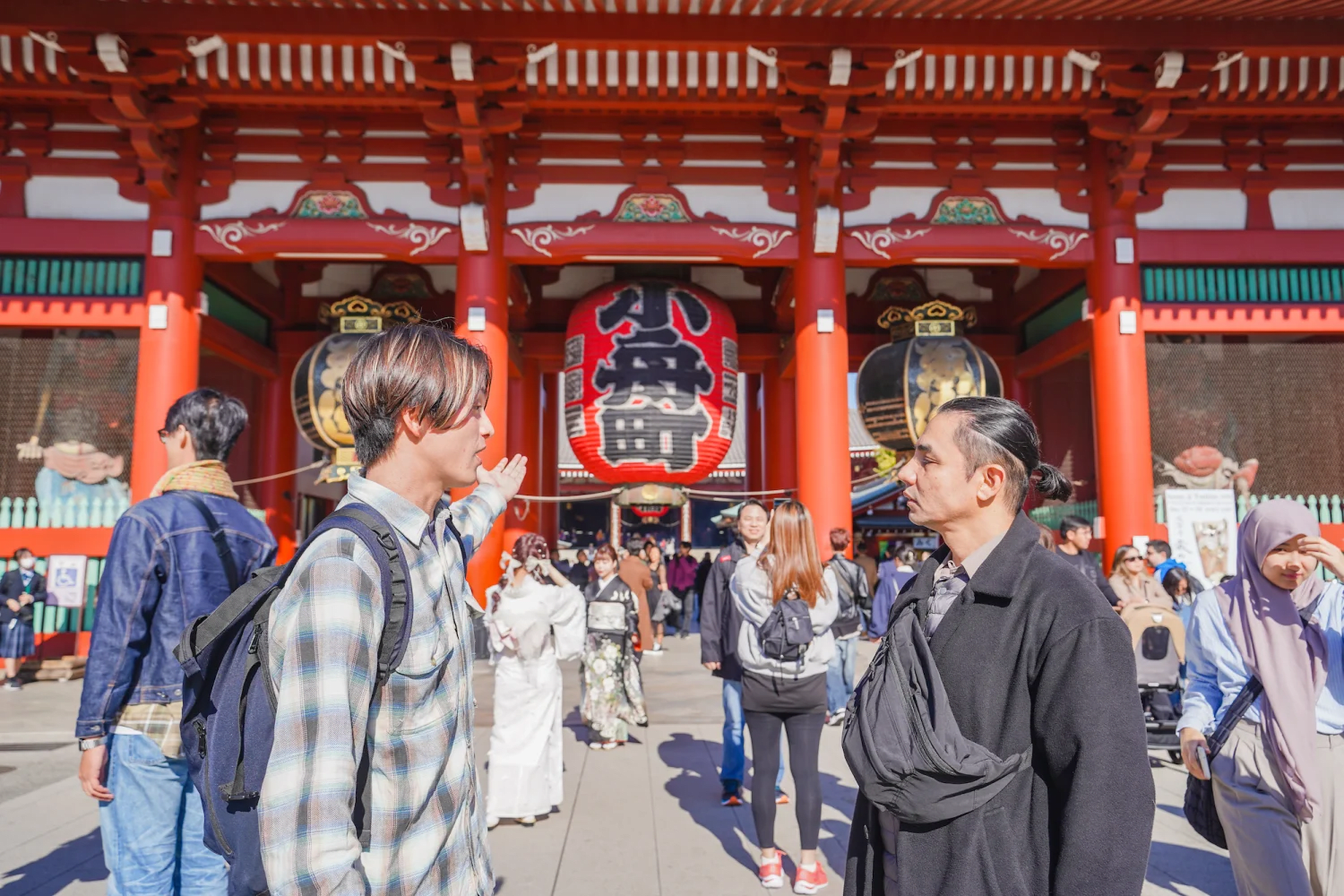
For those interested in Japanese tradition and culture, it is recommended to participate in a tour where you explore the town together with a local guide who knows the area inside and out.
The Asakusa Cultural Walk and Matcha Making Tour is a 3-hour tour that takes you around Asakusa's tourist spots recommended by locals.
My recommended point of this tour is that you can make traditional Japanese gourmet food yourself. In the tea room, you can experience the traditional way of making tea, and at the restaurant, you can enjoy making monjayaki, a local dish originating from Asakusa made from seasoned wheat flour and various ingredients. The guide will carefully teach you how to make it, so even first-timers can feel at ease.
If you want to deeply experience Asakusa's culture in a limited time, please make use of this tour.
- Meeting Point: In front of Kaminarimon Police Box, Senso-ji
- Tour area: Asakusa
- Start time: 11:00
Traditional June Events Recommended for Those Who Want to Experience Japanese Festivals
Tsukiji Shishi Matsuri
Source:Central Tokyo for Tourism
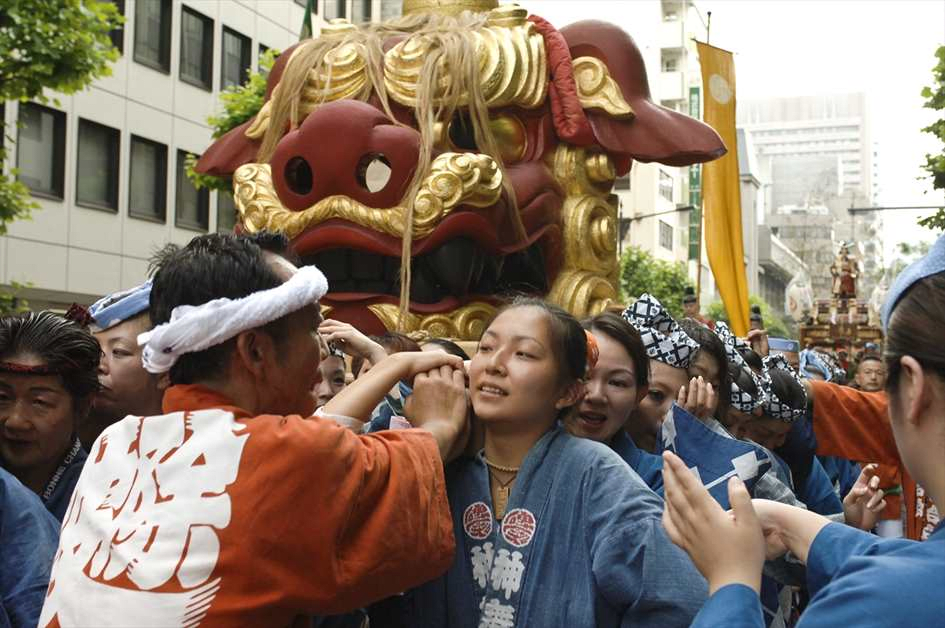
Tsukiji Shishi Matsuri is a festival held in mid-June at Namiyoke Shrine.
Tsukiji Shishi Matsuri is characterized by parading through the streets carrying giant heads of a "dragon" accompanied by clouds, a "tiger" accompanied by wind, and a "lion" that subdues all things with a single roar. It is believed that this parade removes misfortune and provides the strength to overcome waves.
During the festival period, many food stalls line both sides of the streets from the shrine to the main roads, so you can enjoy traditional Japanese culture and gourmet food at the same time. Please check it out along with sightseeing in the Tsukiji area.
<Information>
- Date: June 10-15 (2025 information)
- Access: 5-minute walk from Tsukiji Market Station on the Toei Oedo Line
- Fee: None
- Official website: https://www.namiyoke.or.jp/
Torigoe Matsuri
Source:Go Tokyo
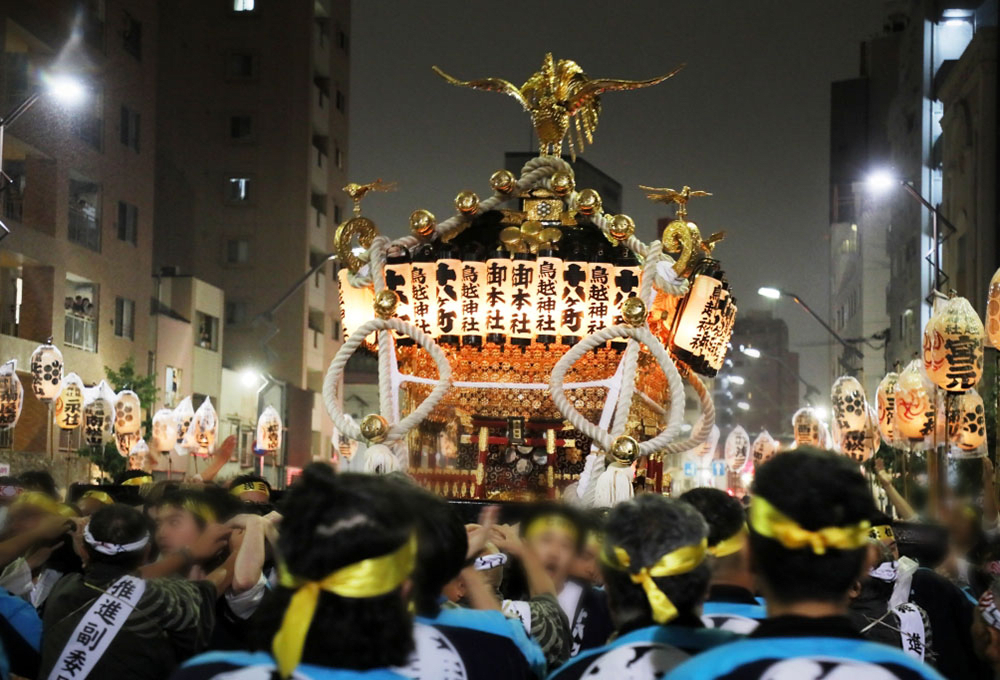
Torigoe Matsuri is a festival held every June at Torigoe Shrine, which boasts approximately 1,400 years of history.
The highlight of the festival is the approximately 4-ton mikoshi (portable shrine), which is the largest in Tokyo. The mikoshi carried by many bearers becomes a spectacular sight at night when it is lit up with lights.
Around Torigoe Shrine, approximately 250 stalls, the largest number in Tokyo, line up, with many food stalls as well as stalls that children can enjoy. This festival is recommended for those who want to see the lively mikoshi bearers and enjoy street food.
<Information>
- Date: June 7-9, 2025 (2025 information)
- Access: Approximately 6-minute walk from Kuramae Station on the Toei Asakusa Line
- Fee: None
- Official website: https://www.facebook.com/torikoej/
Tenno Matsuri
Source:SHINAGAWA TOKYO
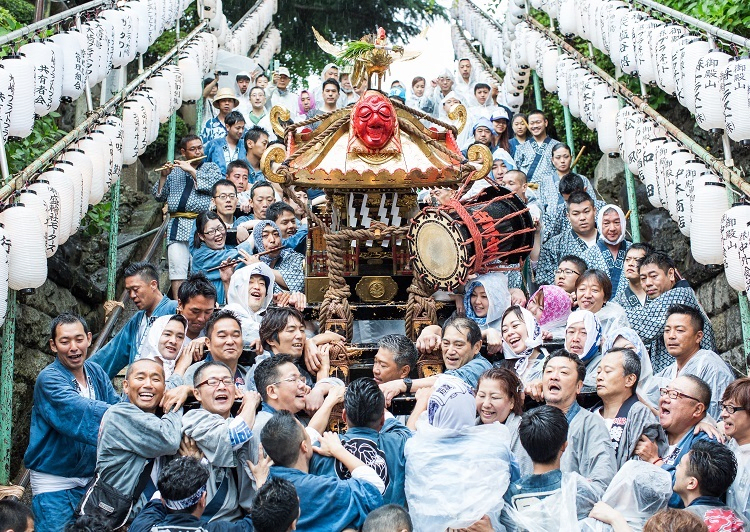
Tenno Matsuri is a festival held at two shrines in Shinagawa: Shinagawa Shrine and Ebara Shrine.
The highlight of Tenno Matsuri is the unique mikoshi carrying style called "Jonan Katsugi." The bearers line up facing each other on the left and right, advancing one step, pushing back and returning, then advancing again in a crab-like sideways movement, zigzagging forward.
Particularly impressive is the sight of the mikoshi ascending the steep 53 steps to Shinagawa Shrine, which takes place at the end of the festival.
This festival is recommended for those who want to experience a powerful and lively festival.
<Information>
- Date: June 6-8, 2025 (2025 information)
- Access: 5-minute walk from Shinbamba Station on the Keikyu Line
- Fee: None
- Official website: http://ebarajinja.org/