Mitama Matsuri 2026: Complete 4-Day Guide to Tokyo's 30,000 Lantern Festival at Yasukuni Shrine
Tokyo is home to countless spots, from bustling entertainment districts like Shibuya and Harajuku, to neighborhoods that come alive at night like Shinjuku and Roppongi, to areas that preserve traditional old-town charm like Asakusa and Kanda.
While Tokyo is a city packed with appeal, it's also true that increasing tourism development has made it harder for visitors to experience the "real Tokyo." In other words, instead of enjoying Tokyo like a local, tourists are often limited to experiencing only the touristy side of the city.
That's exactly why I want you to explore the city with locals who know the real Tokyo. With tours from Magical Trip—winner of Tripadvisor's The Best of The Best in both 2024 and 2025—you can make that happen.

The Tokyo Bar Hopping Night Tour in Shinjuku, a back-to-back winner of The Best of The Best for two consecutive years, lets you safely enjoy spots beloved by locals in famous Shinjuku areas like Kabukicho and Omoide Yokocho.
If you're interested in Japanese culture, I recommend the Tokyo Sumo Morning Practice Tour in Ryogoku, where you can visit a sumo stable—something even most Japanese people have never experienced—or the Asakusa Cultural Walk & Matcha Making Tour, where you can stroll through Asakusa while learning about Japanese culture from your guide.
If you want to create your own itinerary and explore Tokyo deeply and efficiently, choose Customized Private Tours of Japan with MagicalTrip's Top Guides, where you can craft a special itinerary tailored just for you with a local guide.
Introduction
Tokyo is the center of Japan in various aspects including economy, politics, transportation, and trends. While the city has a strong image of being "urban" and "cutting-edge," it's actually a place where you can enjoy rich nature and experience Japan's ancient traditions in many locations.
This time, we'll introduce Mitama Matsuri in detail. We'll share its attractive points such as beautiful lanterns and parades of Japanese traditional performing arts. This is a must-see for anyone interested in traditional Japanese festivals.
Table of Contents
-5 Events to Enjoy at Mitama Matsuri
-Mitama Matsuri is Held Over 4 Days! The Author Explains the Highlights of Each Day
-If You Visit Tokyo in July, Also Enjoy the Sumidagawa Fireworks Festival!
Traditional Festivals Are Held at Shrines and Temples Throughout Tokyo
While Tokyo has a strong "big city" image, it's actually a city that deeply preserves traditional Japanese festival customs. This may come as a surprise.
Festivals are events where people express various wishes. Therefore, in Tokyo where many people gather, that many wishes have naturally come together. Furthermore, there are many people who enjoy festivals and want to preserve them.
Tokyo's temples and shrines are perfect places to enjoy traditional Japanese festivals. What I'd like to recommend this time is Mitama Matsuri, held in my hometown and my number one summer tradition.
Mitama Matsuri Is an Event Held During "Obon," the Period for Consoling the Souls of the Deceased
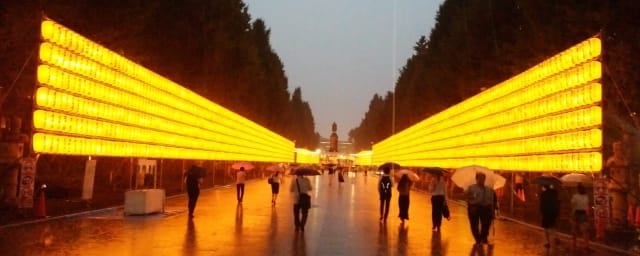
Mitama Matsuri is a festival held at Yasukuni Shrine from July 13th to 16th every year, attracting 300,000 visitors annually.
Mitama Matsuri began in 1947 as a festival to console the Mitama (souls) of those who died in war. During the festival period, 30,000 large and small lanterns are displayed and traditional performing arts are dedicated.
While it's a time for the Mitama of the war dead, it's also a time for us living today to receive spiritual support to live for tomorrow.
What Is Obon?
Obon is a period when the spirits of ancestors are believed to return to this world. It's a very old tradition that is said to have begun spreading around the 7th century. Various customs for welcoming spirits remain throughout Japan, such as lighting fires so ancestral spirits won't lose their way returning to this world.
Mitama Matsuri is one of the Obon customs, held during Obon when the spirits of the war dead return to this world. (Actually, the timing of Obon differs by region. Mitama Matsuri is held during Tokyo's Obon period.)
What Is Yasukuni Shrine Where Mitama Matsuri Is Held?
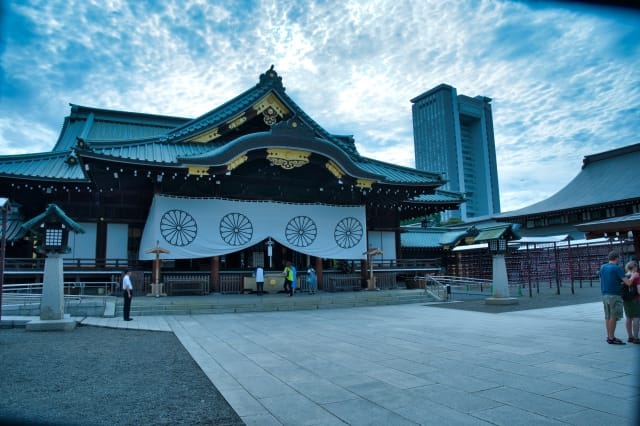
While most Japanese shrines enshrine gods of the land or nature gods, Yasukuni Shrine enshrines people who once lived.
As Japan advanced as a modern nation, civil wars, foreign incidents, and wars occurred, resulting in many lives lost. Not only soldiers but also military nurses, schoolgirls, students who died in munitions factories, and many others sacrificed their precious lives, totaling more than 2,466,000 people. Yasukuni Shrine enshrines the spirits of people who gave their lives to protect the country, regardless of status, medals, gender, or nationality.
Mitama Matsuri is a festival for the Mitama (souls) enshrined at Yasukuni Shrine.
<Information>
Dates: July 13-16 annually
Access: 10-minute walk from JR Chuo/Sobu Line local stations "Ichigaya Station" or "Iidabashi Station"
Admission: Basically free (some worship services require fees)
Website: https://www.yasukuni.or.jp/news_detail.html?id=558 (2025)
5 Events to Enjoy at Mitama Matsuri
Illumination by Over 30,000 Large and Small Votive Lanterns and Hanging Bonbori Decorating the Shrine Grounds
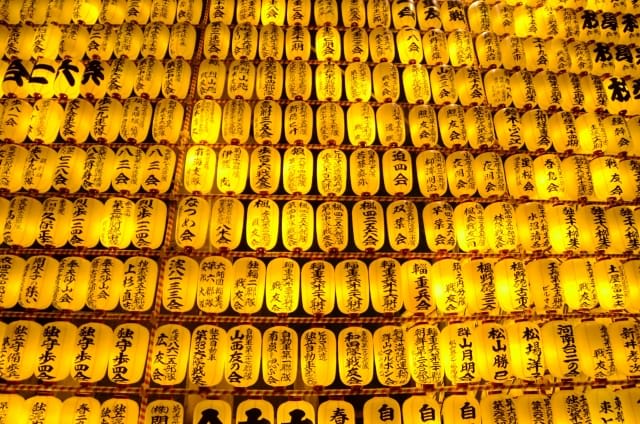
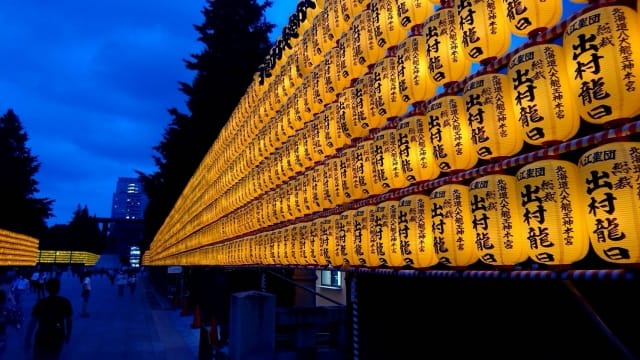
The hallmark of Mitama Matsuri is the approximately 30,000 lanterns displayed throughout the grounds. The densely hung lanterns look like a wall of light and are incredibly beautiful. The lanterns' light is both brilliant and warm, creating a calming atmosphere while somehow feeling otherworldly.
Usually, when I see something beautiful, I immediately want to take out my smartphone and capture it in a photo. However, when viewing the lanterns at Mitama Matsuri, I find myself wanting to simply gaze at them with my own eyes. It's such a captivating sight.
While the lanterns of Mitama Matsuri are beautiful enough in photographs, they are even more beautiful and elegant in person. Please come and see them with your own eyes at the actual site.
Traditional Events from Various Regions of Japan, Such as Nebuta and Awa Odori
Source:PR TIMES
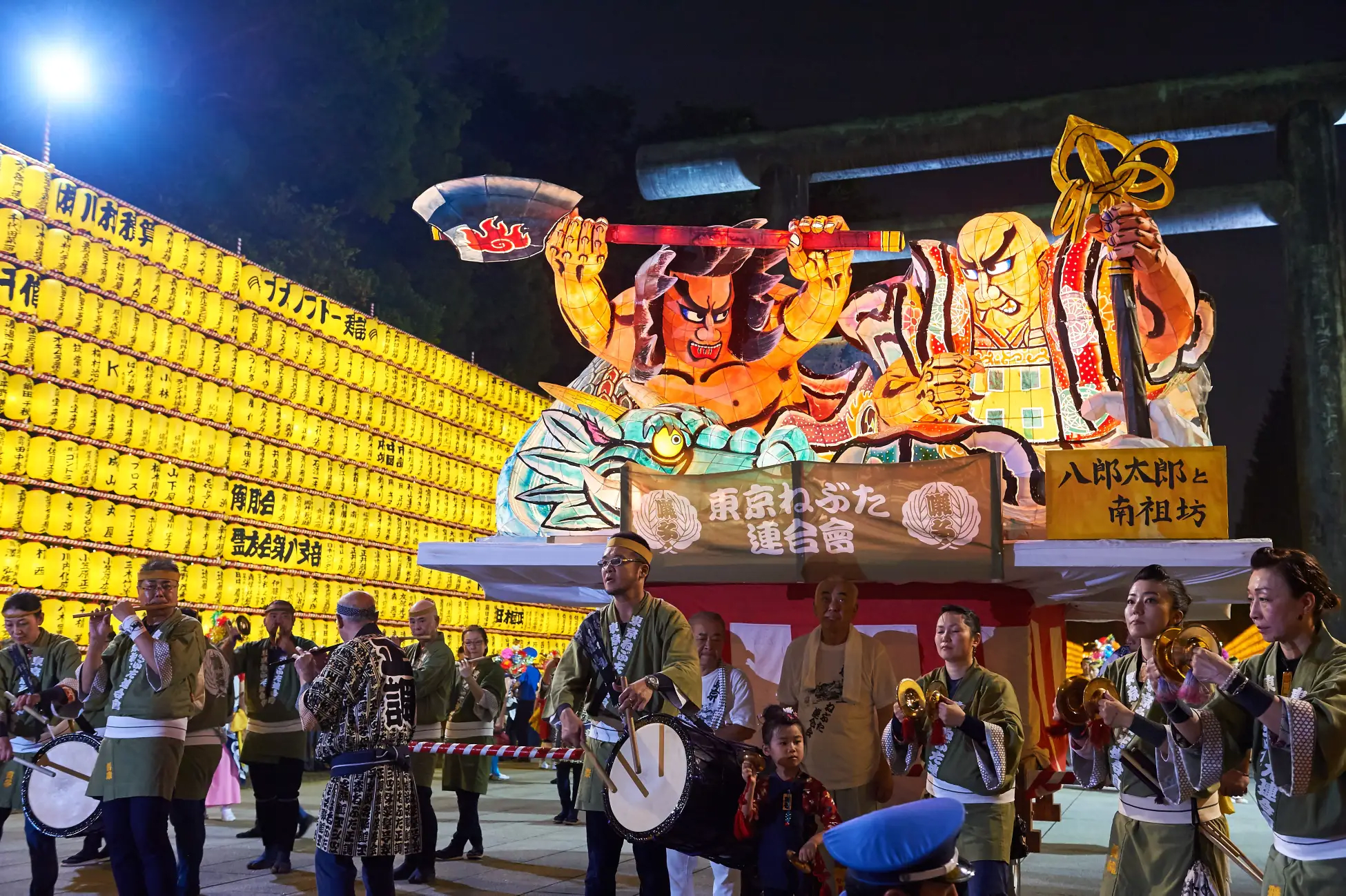
One of the attractive points of Mitama Matsuri is that you can enjoy traditions not only from Tokyo but from all over Japan.
For example, my favorite is the Nebuta Festival, a tradition from Aomori Prefecture. Giant lanterns shaped like historical figures and deities are mounted on floats and paraded around accompanied by flute and drum performances. Additionally, Awa Odori, a traditional dance parade from Tokushima Prefecture, is also performed.
Being able to enjoy bits of beloved festivals from various regions of Japan simultaneously while staying in Tokyo is definitely an opportunity not to be missed.
Dedicatory Performances at the "Noh Theater" in the Shrine Grounds
Source:PR TIMES
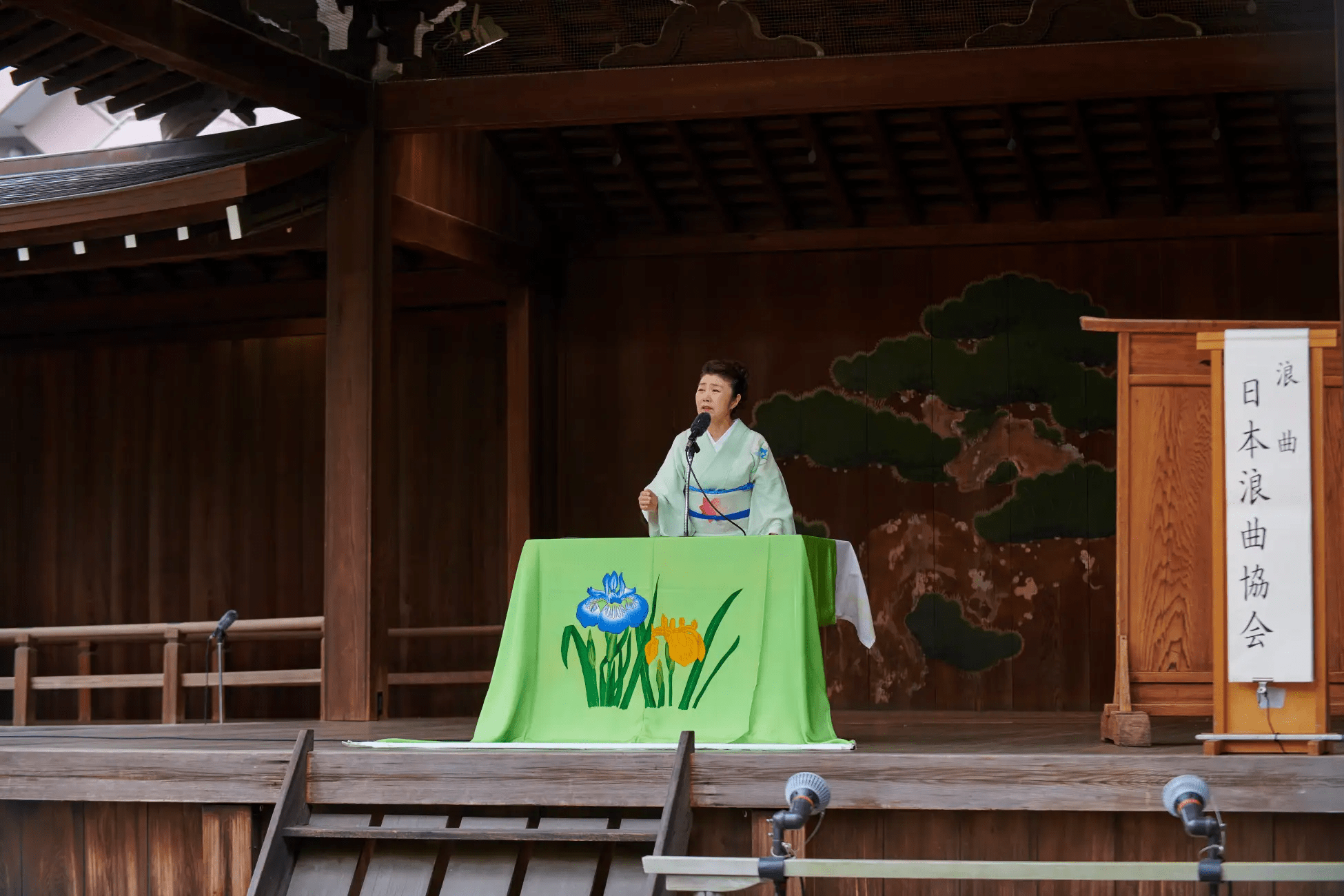
During Mitama Matsuri, various performing arts are dedicated to the spirits of the war dead every day.
The performances range from traditional Japanese arts such as Japanese dance and demonstrations of ancient martial arts to foreign cultural expressions like ballet.
Another attractive point is the opportunity to experience traditional cultural forms that are rarely encountered, such as "rokyoku," where stories are narrated to the accompaniment of the shamisen (a traditional Japanese three-stringed instrument), and "shigin," where Chinese and Japanese poems are recited with distinctive melodies.
- Performance times: Daily from approximately 10:00 AM to 8:00 PM
You can enjoy these performances anytime, so please be sure to go and watch.
Outdoor Concerts Featuring Different Artists Each Year
Source:PR TIMES
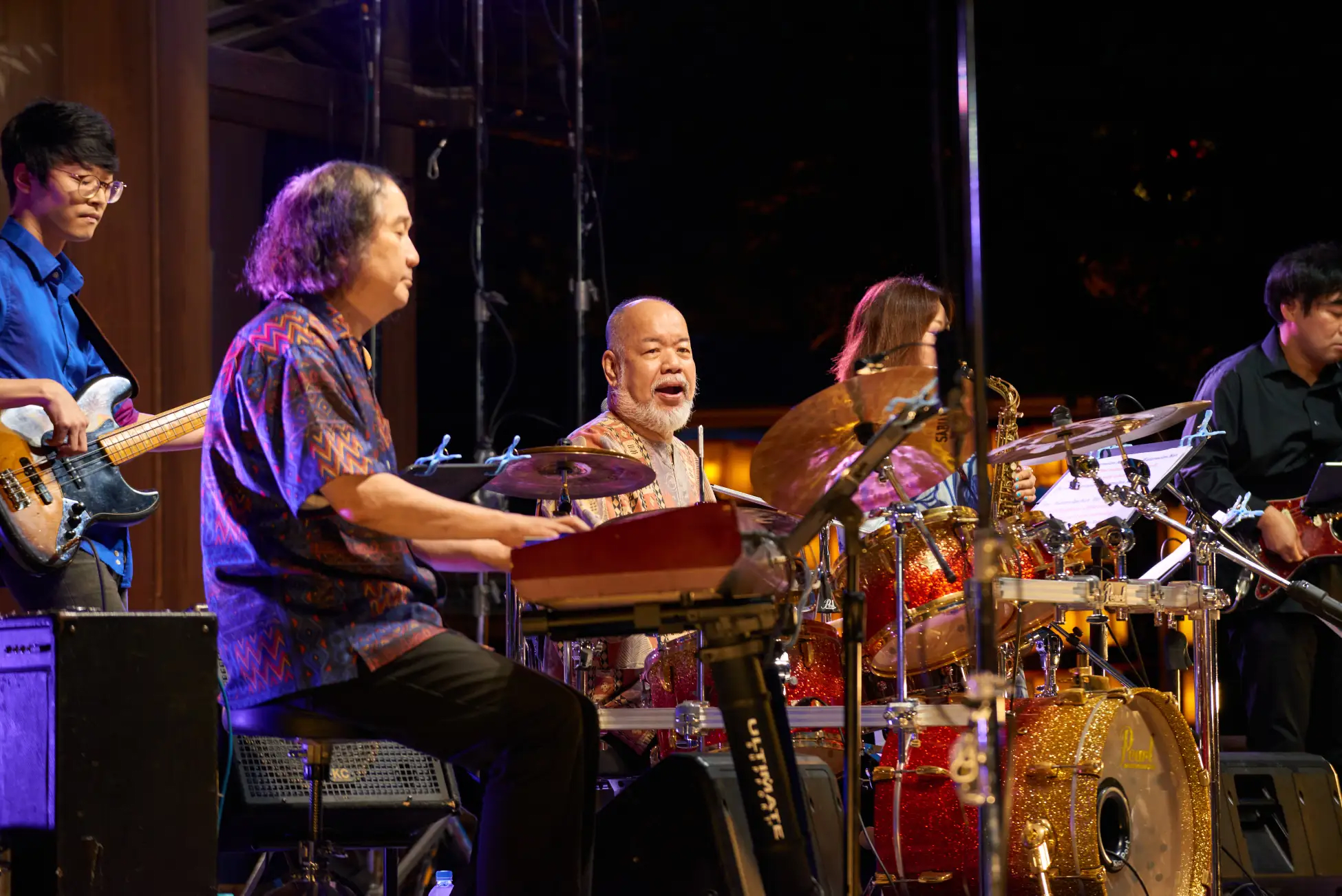
Another attractive point of Mitama Matsuri is the live music performances. You can enjoy special concerts by Hiro☆Tsunoda, who works extensively in music as a singer, drummer, lyricist, and composer. You can enjoy pleasant melodies while feeling the comfortable evening breeze.
There are also concerts by singers from The Singers Association of JAPAN. They perform classic songs that have been passed down through generations and that every Japanese person has heard at least once. Even those who haven't listened to much Japanese music before will find this a good opportunity to experience Japanese classics.
Local Food from Food Trucks Where You Can Enjoy Traditional Japanese Summer Festival Atmosphere
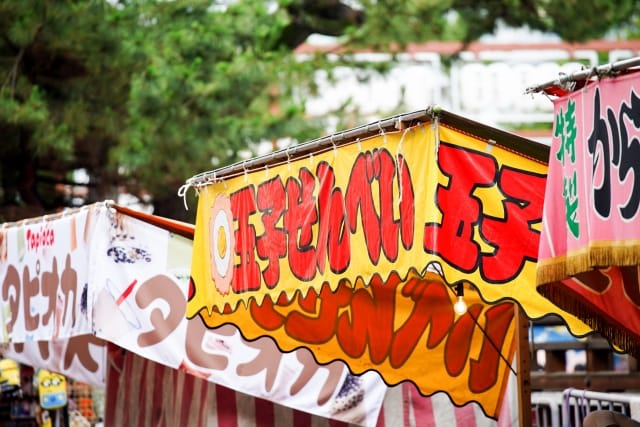
When I was a child, Mitama Matsuri featured food stalls, which are one of the characteristic elements of Japanese summer festivals. Unfortunately, these stalls haven't been present for about the past 10 years.
However, food trucks that provide light meals do come to the festival. In addition to traditional festival foods like takoyaki, shaved ice, and warabi mochi, you can also enjoy standard menu items that have become common in recent years, such as skewered grilled items and butter potatoes.
Please enjoy the festival atmosphere while eating festival food. The food truck area is extremely popular—I have a friend who waited in line for over an hour and a half—so it's recommended to visit with plenty of time to spare.
Mitama Matsuri is Held Over 4 Days! The Author Explains the Highlights of Each Day
| Day | Event You can Enjoy |
|---|---|
| Saturday, July 13 | Edo Gei Kappore, Brass Band Parade, Mikoshi Procession, Hiro☆Tsunoda Special Outdoor Dedication Concert, Taiko Drum Dedication Performance |
| Sunday, July 14 | Aomori Nebuta, Awa Odori |
| Monday, July 15 | Edo Gei Kappore, Mikoshi Procession |
| Tuesday, July 16 | Hirado Kagura, Dedicatory Song Performance by Volunteers from The Singers Association of JAPAN |
Mitama Matsuri Eve Festival
Source:PR TIMES
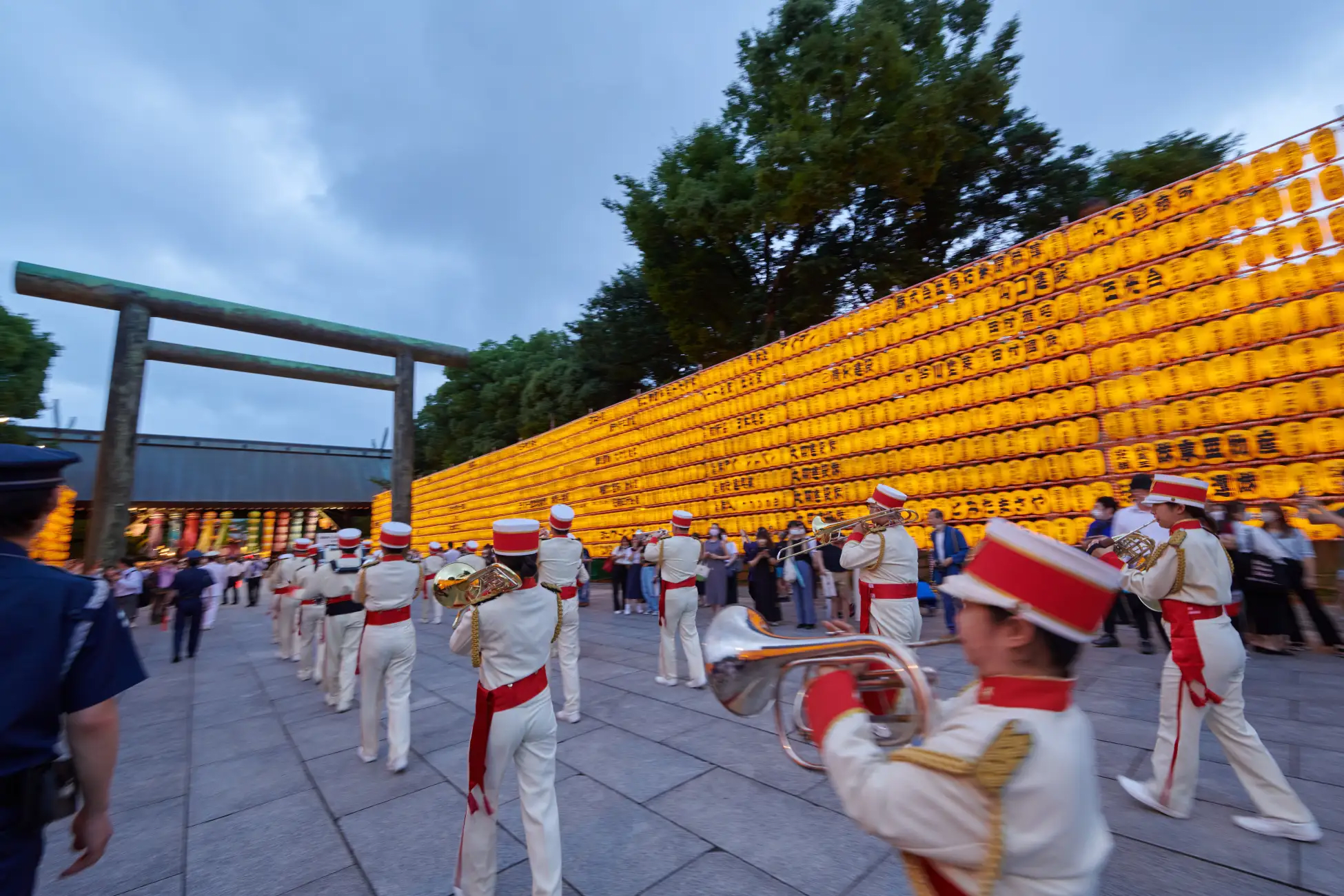
In 2025, July 13th marked the first day of Mitama Matsuri, which kicked off with the lively Edo Gei Kappore. Edo Gei Kappore is a cheerful and dynamic dance performed to the accompaniment of shamisen (a traditional Japanese stringed instrument) and wadaiko drums.
The dancers wear distinctive attire, with twisted tenugui (traditional Japanese thin towels) wrapped around their heads and dressed in yukata. Just watching them was so much fun, and our group got really excited.
From the evening, events take place one after another, including a brass band parade, a mikoshi procession, a concert by Hiro☆Tsunoda, and wadaiko performances.
The atmosphere stays lively throughout, and you can really feel excited knowing that four days full of events are about to begin.
Mitama Matsuri First Night Festival
Source:PR TIMES
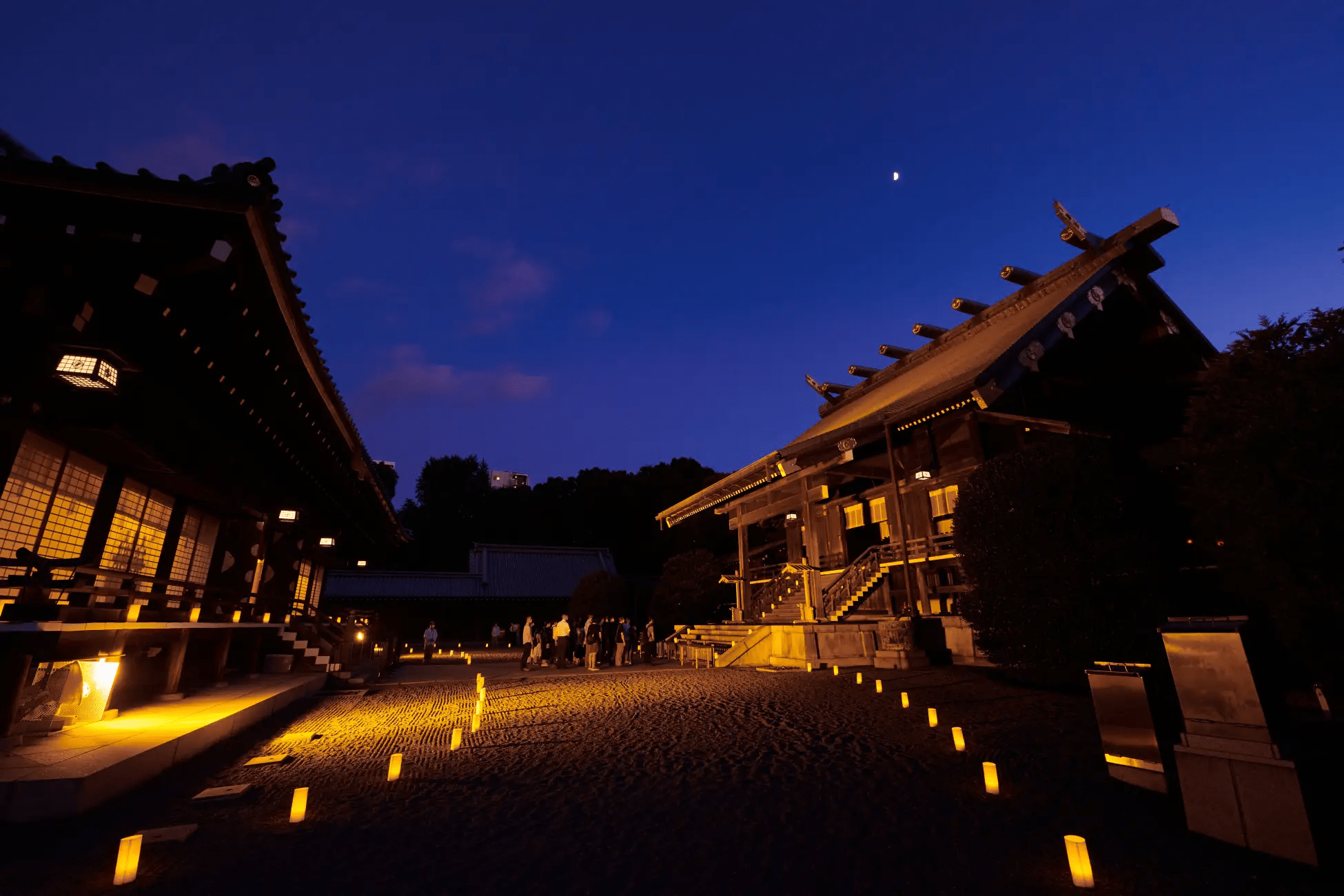
On the second day of Mitama Matsuri, July 14th, Aomori Nebuta and Awaodori were held.
Aomori Nebuta is a festival where giant lanterns mounted on floats are paraded around to the accompaniment of traditional Japanese musical instruments. The approaching giant lanterns, the musicians playing instruments, and the people dancing around them are all incredibly powerful, and you can feel the heat and excitement.
Awaodori is a traditional dance parade held in Tokushima Prefecture. The cheerful and fun procession makes you feel happy just by watching it.
It takes 4 hours from Tokyo to Aomori by Shinkansen, and 5 hours to Tokushima. Mitama Matsuri, where you can enjoy both Aomori Nebuta and Awaodori in Tokyo, is a must-see event.
Mitama Matsuri Second Night Festival
Source:PR TIMES
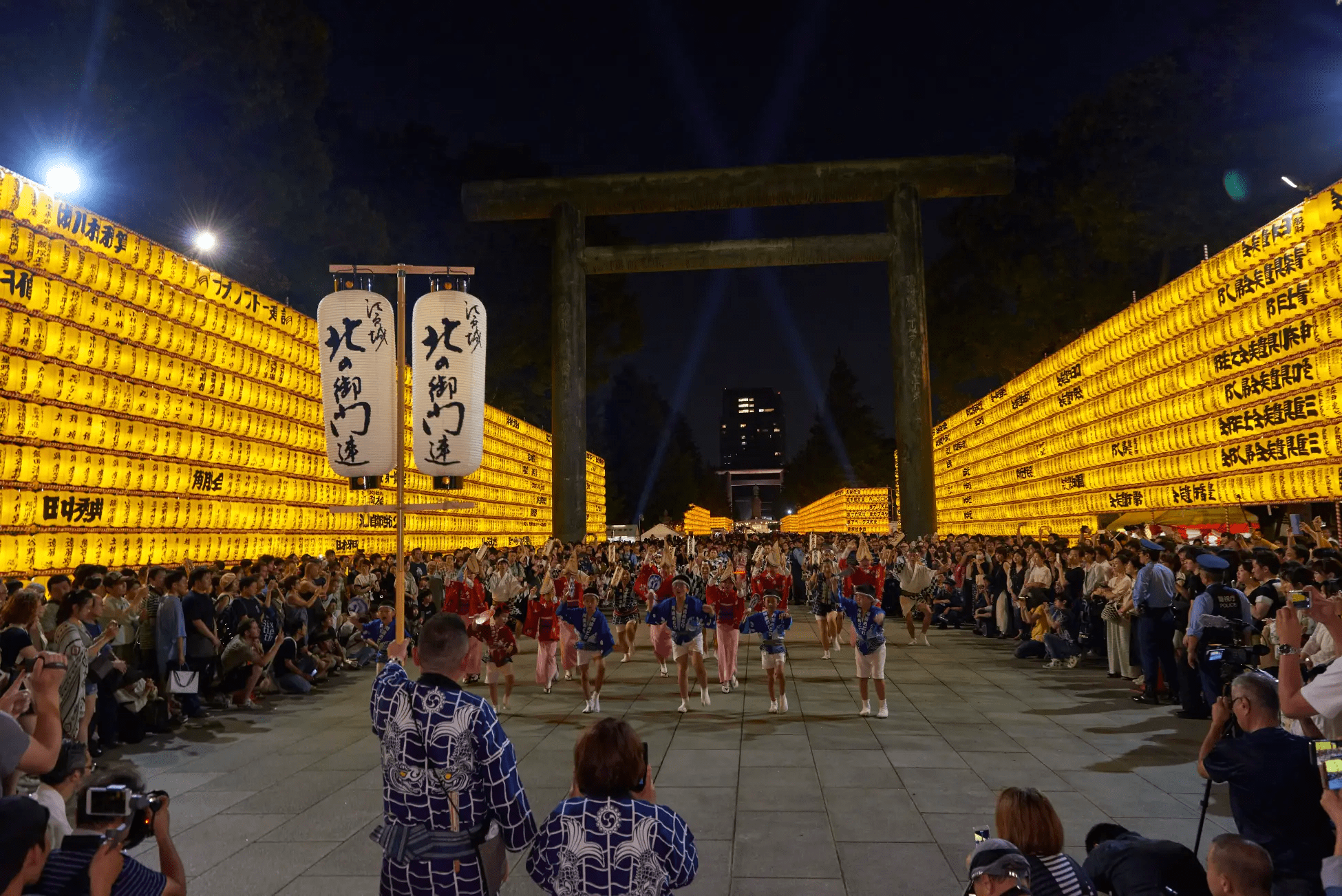
On July 15th, the third day of Mitama Matsuri, Edo Gei Kappore and mikoshi, which were also held on the first day, take place once again.
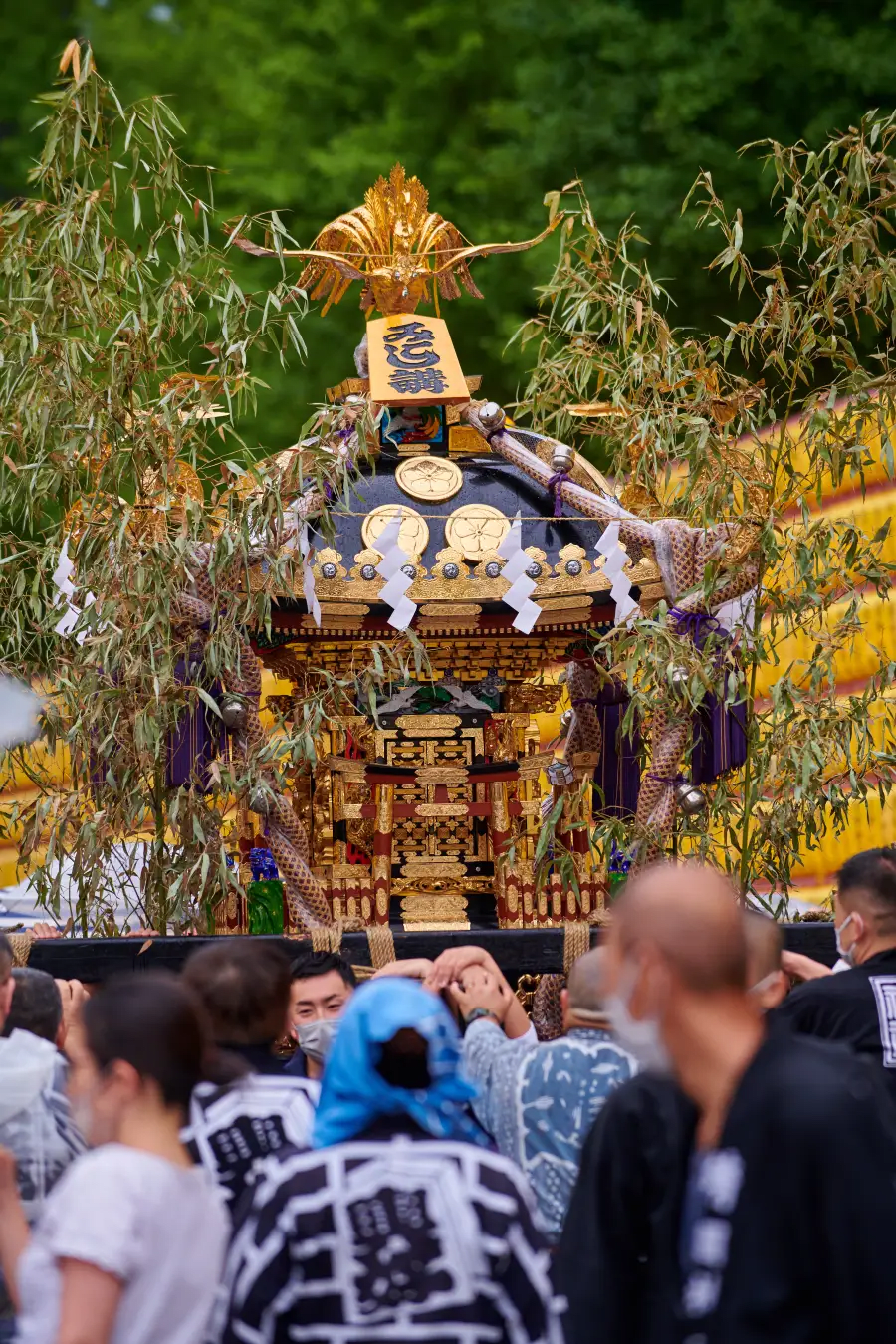
Edo Gei Kappore, as introduced on the first day, is a cheerful and unique parade. Meanwhile, mikoshi are shaped like small houses and serve as vehicles for gods and spirits.
Amidst cheerful music and passionate cheers, they are slowly carried while being shaken up and down by strong individuals. The appealing point is that you can feel the enthusiasm of the people right up close.
The third day is perfect for those who want to enjoy the atmosphere of a traditional Japanese festival. Get excited together with the local people who are enjoying the festival from the bottom of their hearts, and fully experience Japanese festival culture.
Mitama Matsuri Third Night Festival
Source:PR TIMES
And finally, July 16th marks the last day of Mitama Matsuri. The 2025 Mitama Matsuri finale was celebrated with Hirado Kagura and kayokyoku (Japanese popular songs) performances by professional singers belonging to The Singers Association of JAPAN.
Hirado Kagura is a theatrical performance where dancers perform traditional dances to the accompaniment of Japanese musical instruments. The appealing point is that you can feel Japan's ancient beliefs, such as prayers for the descent of gods and prayers for the exorcism of evil spirits.
Kayokyoku songs are performed one after another, mainly featuring songs that were popular from before to after World War II. Many of the songs have a relaxed tempo, allowing you to relax while listening to the music.
It is perfect for wrapping up a day spent sightseeing and having fun at festivals.
If You Are Interested in Japanese Traditions and Culture, Take a Walk Through Historic Streets with a Local Guide
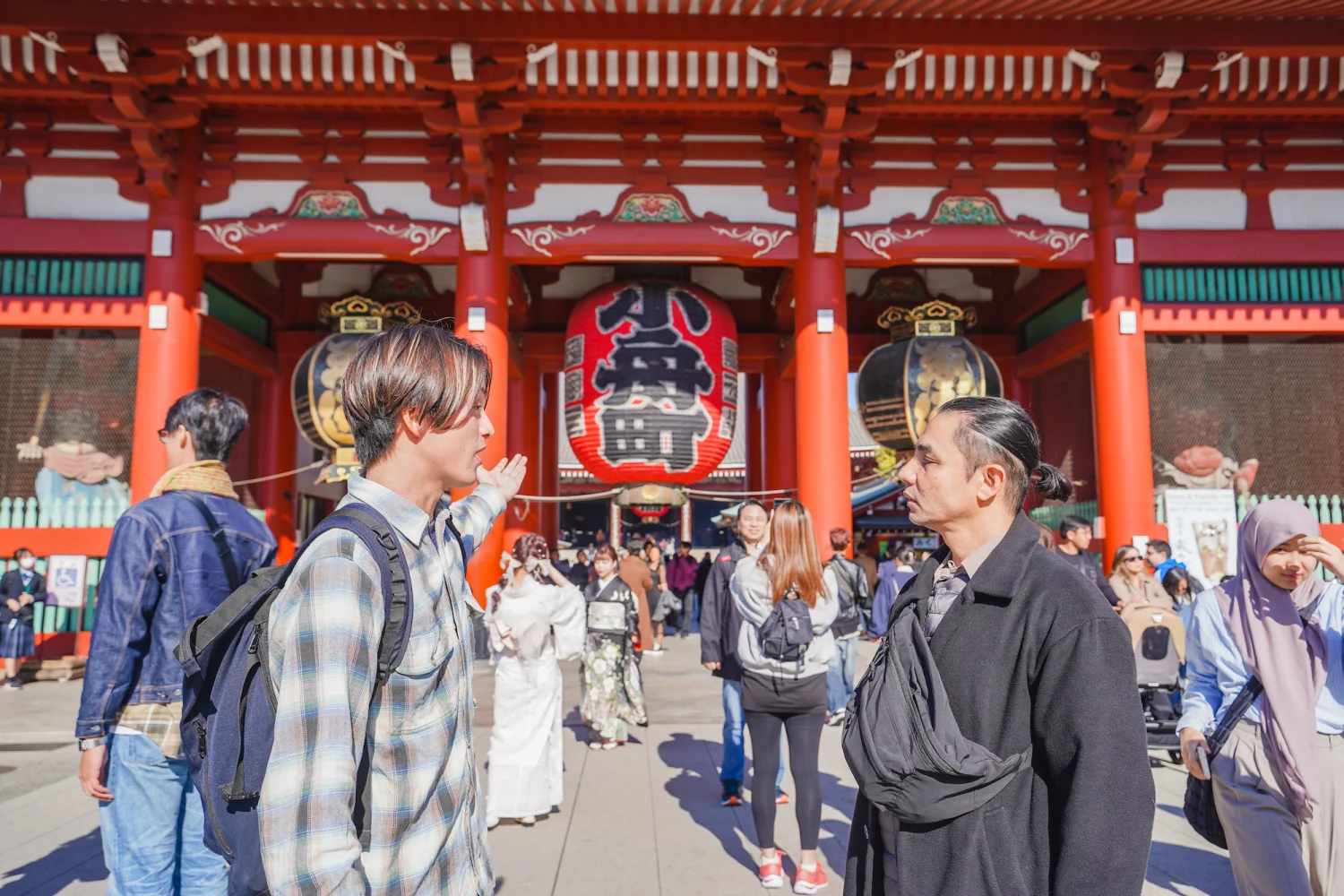
Asakusa Cultural Walk & Matcha Making Tour is a tour that takes you around Asakusa, famous for having Tokyo's oldest temple. You will walk through streets with 300 years of history.
For me, the most attractive point of this tour is that you can experience traditional Japanese food culture. You can have a matcha experience in a tea room and try making monjayaki, a local food.
The appealing point is that you can experience Japanese food culture not just by eating, but by experiencing the cooking and preparation process.
If you are interested in Mitama Matsuri, you will surely enjoy the Asakusa Cultural Walk & Matcha Making Tour.
<Tour Details>
Meeting Place: In front of Kaminarimon Police Box, Senso-ji
Start Time: 11:00
Tour Area: Asakusa
If You Visit Tokyo in July, Also Enjoy the Sumidagawa Fireworks Festival!
Source:Official website
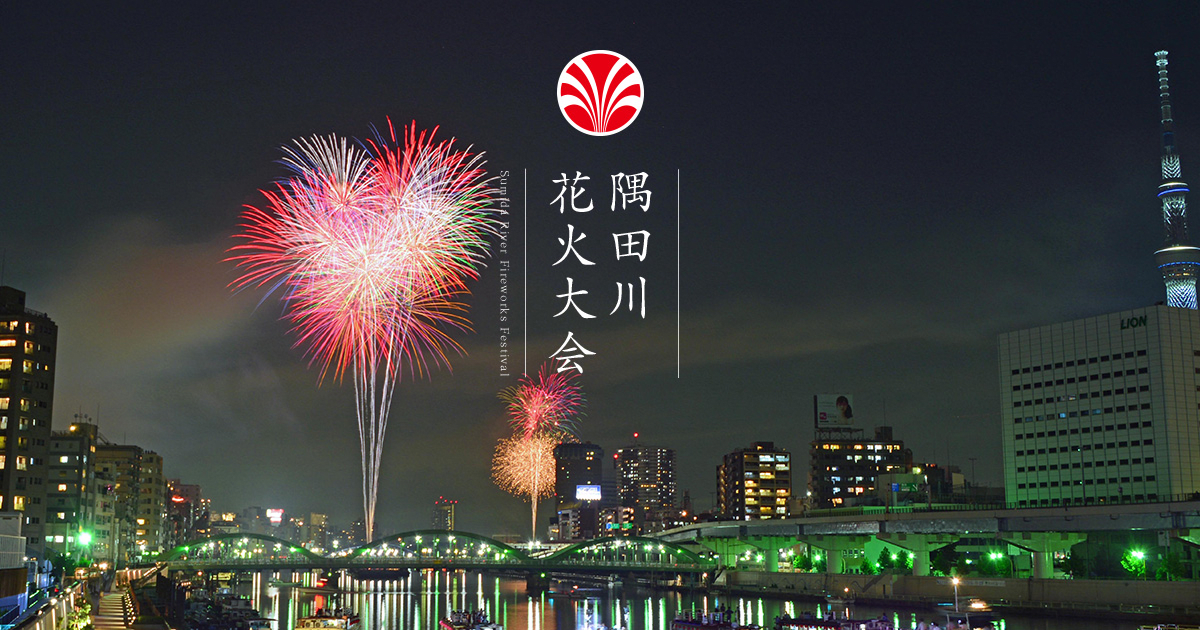
The Sumida River Fireworks Festival is a fireworks event with a long history dating back to 1732, and is said to be the oldest fireworks festival in Japan. Today, it is famous as a very large fireworks festival, with 20,000 fireworks launched in a single night and attracting over 900,000 visitors.
The Sumida River Fireworks Festival is held simultaneously at two venues. For those who want to enjoy Japan's delicate and beautiful fireworks or cutting-edge fireworks, the first venue, where a fireworks competition is held, is recommended.
On the other hand, for those who want to enjoy powerful fireworks such as starmine (rapid-fire fireworks) and Niagara fireworks (fireworks like a giant waterfall), the second venue is recommended.
<Information>
Date: Usually the last Saturday of July
Access: Within walking distance from Asakusa Station, Kinshicho Station, Tokyo Skytree Station, etc.
Admission: Free (paid seating available)
Website: https://www.sumidagawa-hanabi.com/index.html