Hiroshima Museums 2026: Complete Guide to Peace Memorial & 9 Must-Visit Art Museums
Hiroshima is one of the few cities in the world to have experienced an atomic bombing. While that fact often draws the most attention, the city has many other attractions as well.
I personally visit Hiroshima at least once a year, and each time I explore its shrines and temples and enjoy its outstanding local cuisine, discovering something new with every visit.
If you want to make your upcoming trip to Hiroshima even more memorable, I recommend being guided by a local. Hiroshima is home to many fascinating spots known mainly to residents.
In addition, places related to peace and history—such as the city’s peace memorial sites and its centuries-old shrines and temples—can be far more meaningful when explored with explanations from a local guide.
That's exactly why I want you to explore the city with locals who know the real Hiroshima. With tours from Magical Trip—winner of Tripadvisor's The Best of The Best in both 2024 and 2025—you can make that happen.

For those interested in Hiroshima’s peace-related sites, the “Hiroshima Peace (Heiwa) Walking Tour at World Heritage Sites” is highly recommended. Listening to a local guide makes visits to the Atomic Bomb Dome and Peace Memorial Park much more meaningful.
If you plan to explore Miyajima, another symbol of Hiroshima, choose the “Miyajima Half-day Trip Historical Walking Tour.” To fully appreciate sights such as Itsukushima Shrine, which offers scenery found nowhere else in Japan, having a local guide is a big plus.
And of course, Hiroshima’s local food should not be missed. If you want to enjoy Hiroshima cuisine—just as appealing as Osaka’s—at restaurants loved by locals, the “Hiroshima Bar Hopping Food Tour” is an excellent choice.
Introduction
Hiroshima is one of Japan's most popular tourist destinations, home to two UNESCO World Heritage Sites: the Atomic Bomb Dome and Itsukushima Shrine.
Facing the Seto Inland Sea, Hiroshima is also renowned among tourists for its exquisite cuisine featuring seafood such as oysters and conger eel harvested from the sea, as well as the scenic views of islands floating on the calm waters.
Did you know that charming Hiroshima is also dotted with facilities dedicated to ensuring the atomic bombing is never forgotten, as well as art museums housing masterpieces?
In this article, we will explore the highlights and facility information of peace-related spots and various museums where you can enjoy different exhibitions.
Table of Contents
-When You Come to Hiroshima, the Hiroshima Peace Memorial Museum is a Must-Visit
-Hiroshima Museums 2026: Enjoy Various Exhibits with Excellent Access
-3 Unique Hiroshima Museums 2026 Worth Taking the Time to Visit
When You Come to Hiroshima, the Hiroshima Peace Memorial Museum is a Must-Visit
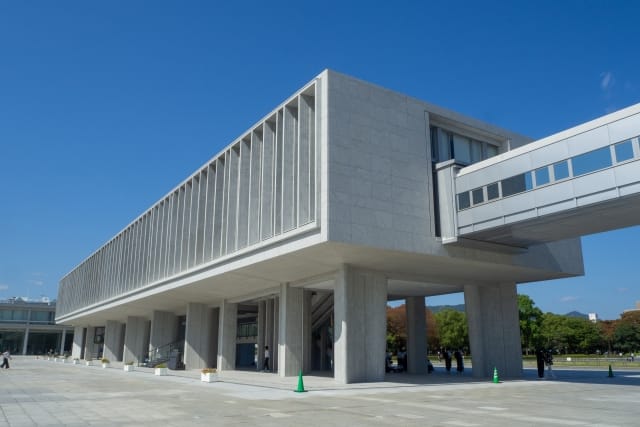
The Hiroshima Peace Memorial Museum is a facility dedicated to conveying the reality of the atomic bomb dropped on Hiroshima in 1945, with the theme of "No More Hiroshima," wishing for lasting world peace.
The museum consists of the Main Building and the East Building. The Main Building focuses on "The Reality of the Atomic Bombing," while the East Building covers "The Danger of Nuclear Weapons" and "The History of Hiroshima."
The Main Building features a stylish exterior designed by world-renowned architect Tange Kenzo and was the first post-war Japanese building to be designated as a National Important Cultural Property.
Inside the museum, visitors can view belongings left by atomic bomb victims and photographs taken after the bombing. The museum also hosts talks by atomic bomb survivors, providing opportunities to learn about the horrors of nuclear weapons and war, and to deeply reflect on peace.
<Information>
Address: 1-2 Nakajima-cho, Naka-ku, Hiroshima City, Hiroshima Prefecture
Hours: 7:30–18:00
Closed: Year-end and New Year holidays
Phone: 082-241-4004
Official Website: http://hpmmuseum.jp/
We Recommend Visiting the Atomic Bomb Dome and Peace Memorial Park Together
Atomic Bomb Dome
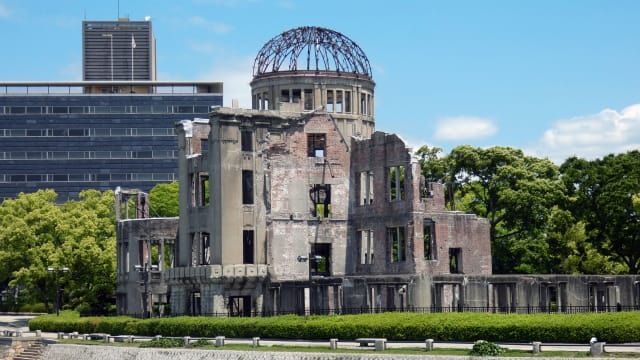
The Atomic Bomb Dome was formerly used as the Hiroshima Prefectural Industrial Promotion Hall.
Although located approximately 160 meters from the hypocenter, the building's skeletal structure remained standing. As a structure that "vividly conveys the devastation caused by the first nuclear weapon ever used in human history," it was registered as a UNESCO World Heritage Site in 1996.
Having undergone several preservation works, the Atomic Bomb Dome retains almost the same appearance as it did immediately after the bombing, and simply viewing the building makes you feel the weight of history.
When I first visited, I strongly felt the horror of nuclear weapons and the tragedy of war, and my wish for peace grew stronger than ever before.
The Atomic Bomb Dome is illuminated at night and photography is permitted, but please observe proper etiquette as it is a place of memorial.
<Information>
Address: 1-10 Otemachi, Naka-ku, Hiroshima City, Hiroshima Prefecture
Hours: 24 hours
Closed: None
Phone: 082-504-2898
Official Website: https://www.city.hiroshima.lg.jp/atomicbomb-peace/1036664/1021115/1015065.html
Peace Memorial Park
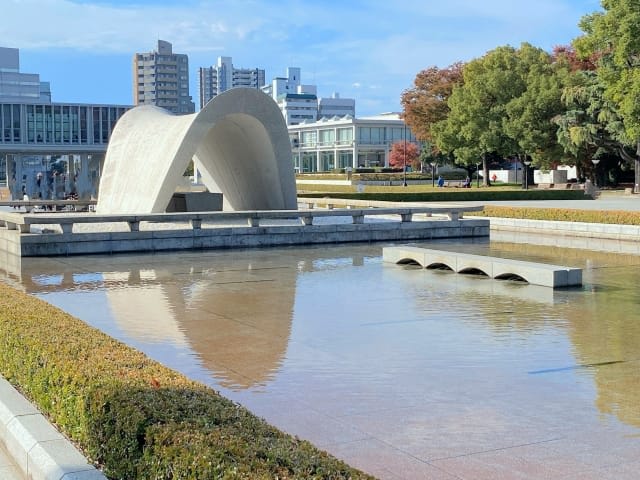
Peace Memorial Park is a park created to console the souls of atomic bomb victims and wish for world peace, containing the Hiroshima Peace Memorial Museum, the Atomic Bomb Dome, memorial monuments, and more.
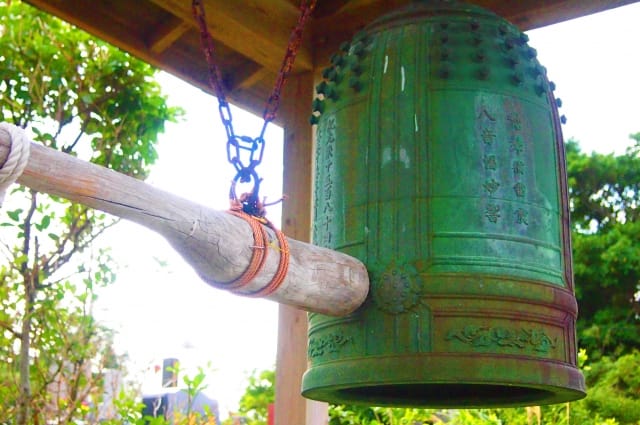
Among the many attractions in the park, my recommended spot is the Peace Bell. The surface of the bell, crafted by Living National Treasure Katori Masahiko, features a design of a world map without borders, symbolizing "the world is one."
The bell, selected as one of the "100 Soundscapes of Japan We Want to Preserve," can be rung freely by anyone. I also rang the bell while praying for peace. Why not ring the bell yourself and let your wishes for world peace resonate throughout the park?
<Information>
Address: 1 Nakajima-cho, Naka-ku, Hiroshima City, Hiroshima Prefecture
Hours: 24 hours
Closed: None
Phone: 082-504-2390
Official Website: https://www.city.hiroshima.lg.jp/living/park-green/1005983/1026353/1003127.html
Other Peace-Related Spots in Hiroshima Worth Visiting Together
Hiroshima National Peace Memorial Hall for the Atomic Bomb Victims
Source:Official website
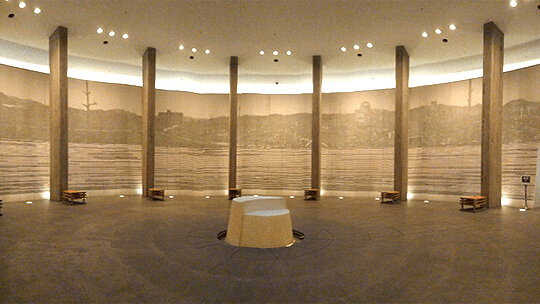
The Hiroshima National Peace Memorial Hall for the Atomic Bomb Victims is a facility established by the national government in 2002 based on the "Act on Relief for Atomic Bomb Victims" to pass on the experiences of atomic bombing to future generations.
The space I recommend spending time in at the memorial hall is the "Peace Memorial and Victims Memorial Space." This room, with a circumference of 55 meters and height of 8 meters, depicts the post-bombing Hiroshima cityscape as seen from the hypocenter using 140,000 tiles, allowing visitors to intuitively grasp the magnitude of the damage.
The moment I stepped into the room, I was reminded of the tragedy of war and felt my heart tightly gripped.
Why not incorporate an experience of feeling the weight of the atomic bombing firsthand and sincerely confronting the facts of the bombing into your trip to Japan?
<Information>
Address: 1-6 Nakajima-cho, Naka-ku, Hiroshima City, Hiroshima Prefecture
Hours: 8:30–17:00
Closed: Year-end
Phone: 082-543-6271
Official Website: https://www.hiro-tsuitokinenkan.go.jp/
Fukuromachi Elementary School Peace Museum
Source:Wikipedia
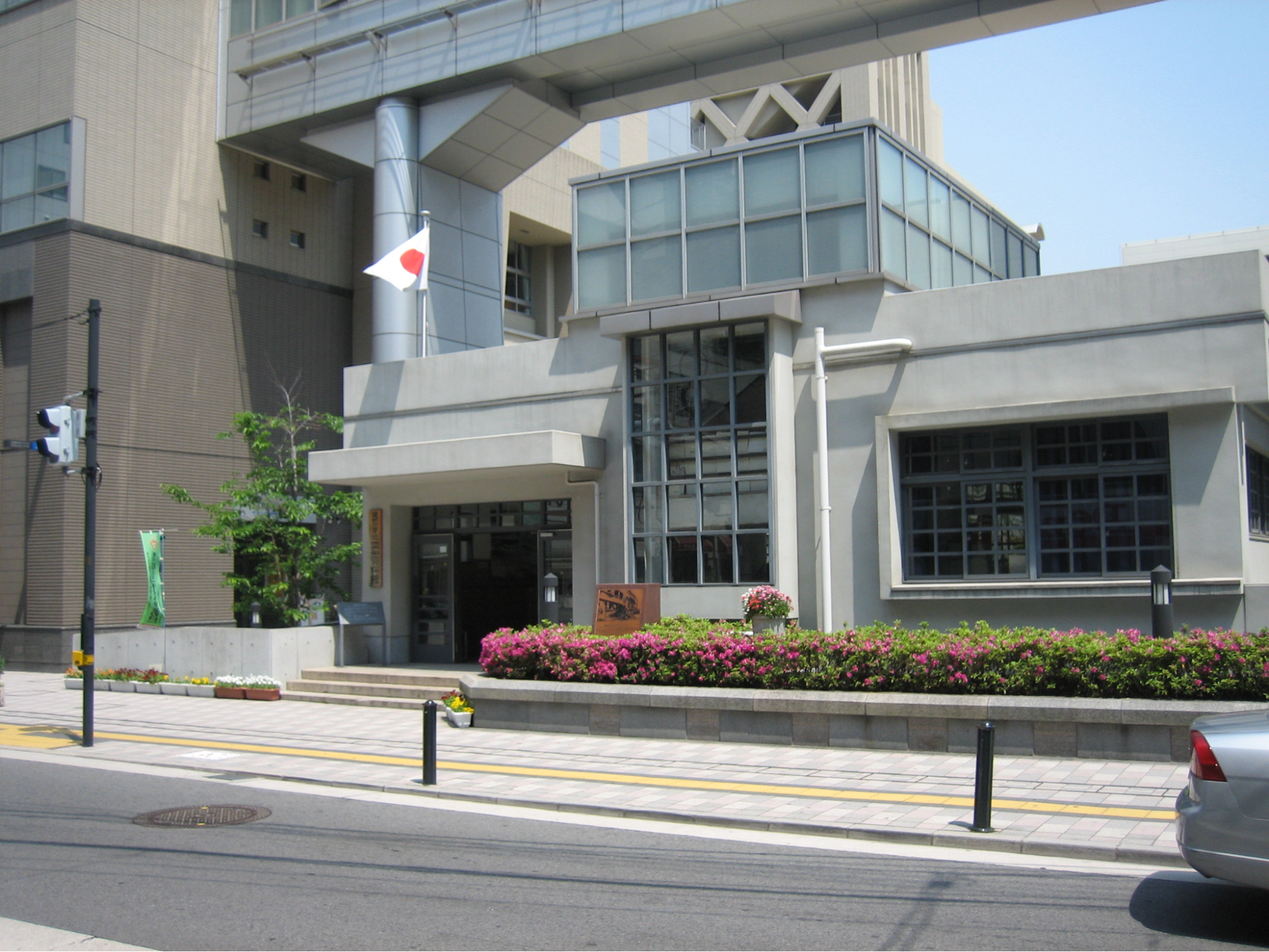
The Fukuromachi Elementary School Peace Museum was created by renovating part of the west school building, the only structure that survived at the bombed Fukuromachi Elementary School, and now serves as an atomic bomb museum.
Inside the museum, you can see valuable atomic bomb artifacts that reveal the conditions of that time, including the "Message Wall" inscribed with messages from people seeking news of their family members' safety (as the building was used as an evacuation site and relief station after the bombing), iron doors warped by the blast, and charred wooden materials.
From the "Message Wall," you can directly feel the thoughts of the atomic bomb victims and the bombing situation. I felt as though my heart would break.
Being able to see the interior of an actual bombed building up close provides a more realistic experience of the atomic bombing.
<Information>
Address: 6-36 Fukuromachi, Naka-ku, Hiroshima City, Hiroshima Prefecture
Hours: 9:00–17:00
Closed: Year-end and New Year holidays
Phone: 082-541-5345
Official Website: http://www.fukuromachi-e.edu.city.hiroshima.jp/shiryoukan-index.htm
Honkawa Elementary School Peace Museum
Source:Tripadvisor
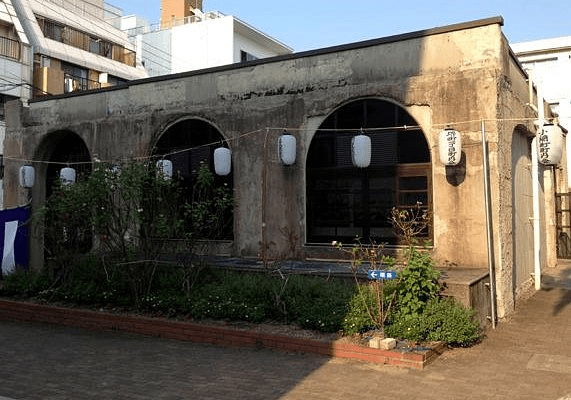
The Honkawa Elementary School Peace Museum preserves part of Honkawa Elementary School, which was the closest school to the hypocenter, and displays models recreating the conditions of that time as well as bombed artifacts. Honkawa Elementary School was the first reinforced concrete school building constructed in Hiroshima Prefecture, which prevented its complete destruction.
Viewing the artifacts collected by bombed teachers and students, and the dioramas recreating the burned-out cityscape, I deeply felt the tragedy of the atomic bomb and could not help but wish for future world peace.
Honkawa Elementary School is also famous as the setting for "Barefoot Gen," a manga about the atomic bomb. An English version of "Barefoot Gen" is also available, so reading it beforehand is recommended.
<Information>
Address: 1-5-39 Honkawa-cho, Naka-ku, Hiroshima City, Hiroshima Prefecture
Hours: 9:00–17:00
Closed: Year-end and New Year holidays
Phone: 082-232-3431
Official Website: https://peace-tourism.com/story/entry-131.html
Experience Hiroshima's Peace History More Deeply with a Local Guide
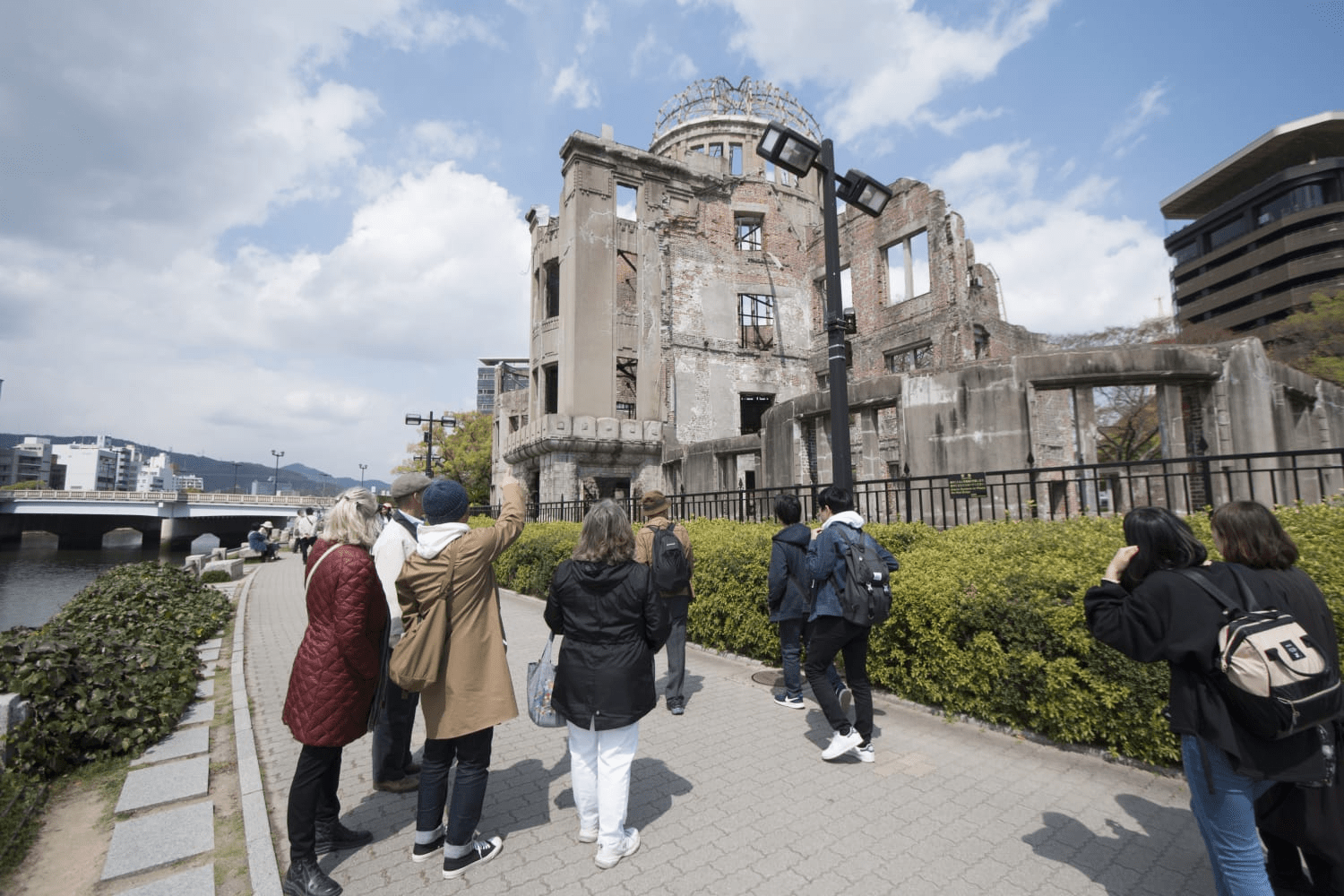
Hiroshima is an easy area to explore on your own, with well-developed public transportation such as trains and buses. However, if you have a local guide explain and show you around the sightseeing spots, you can experience Hiroshima's peace history more deeply.
The Hiroshima Peace (Heiwa) Walking Tour at World Heritage allows you to walk around and visit peace-related spots in Hiroshima carefully selected by your guide.
Why not learn deeply about peace with a guide from Hiroshima while comparing the city after the atomic bomb was dropped with present-day Hiroshima?
<Information>
Meeting Point: Montbell Hiroshima Kamiyacho Store
Area: Hiroshima
Meeting Time: 10:00
Hiroshima Peace (Heiwa) Walking Tour at World Heritage Sites
Hiroshima Museums 2026: Enjoy Various Exhibits with Excellent Access
Hiroshima City Museum of Contemporary Art
Source:Official website
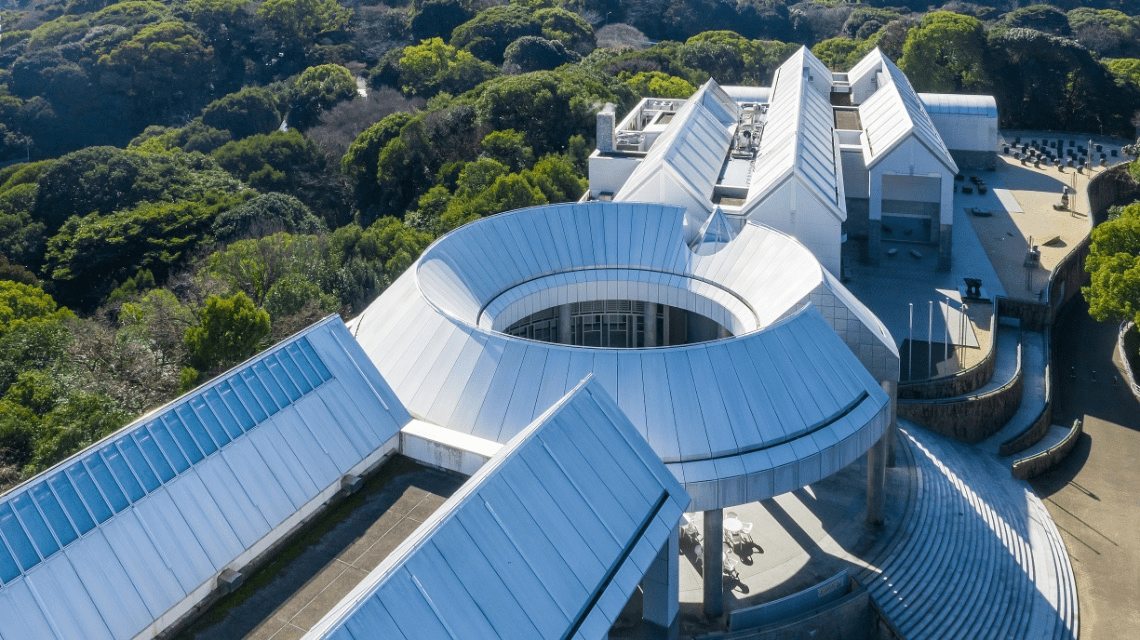
Hiroshima City Museum of Contemporary Art opened in 1989 as Japan's first public art museum dedicated to contemporary art. Built on Hijiyama, this stylish building designed by architect Kurokawa Kisho is characterized by its remarkable harmony with the surrounding nature.
Inside the museum, contemporary art pieces from after World War II, works related to Hiroshima, and fresh pieces by promising young artists are on display.
In addition to permanent exhibitions, collection exhibitions and workshops are held regularly, so I was able to fully enjoy contemporary art from various perspectives.
On weekends and holidays, free childcare services are available for up to 2 hours at a time for preschool children aged 2 and above, making it popular among families with children who can visit with ease.
The museum is accessible from Hiroshima Station by train or bus, and even on foot in about 25 minutes, so I recommend heading there while strolling through the city.
<Information>
Address: 1-1 Hijiyama Park, Minami-ku, Hiroshima City, Hiroshima Prefecture
Hours: 10:00-17:00
Closed: Mondays, Year-end and New Year holidays, Exhibition changeover periods
Phone: 082-264-1121
Official Website: https://www.hiroshima-moca.jp/
Hiroshima Prefectural Art Museum
Source:Official website
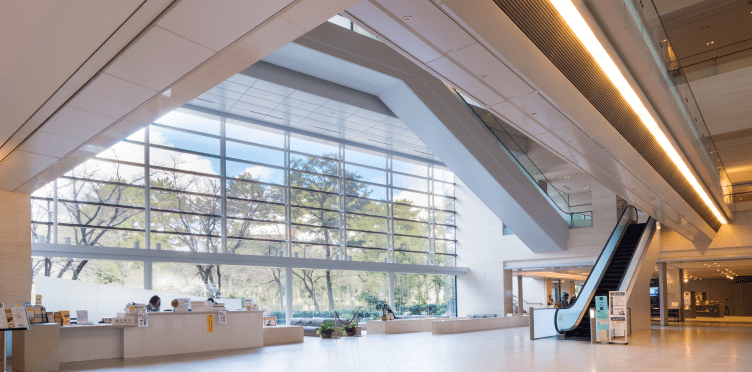
Hiroshima Prefectural Art Museum opened in 1968 as the first public art museum in the Chugoku region, with the concept of "a relaxing space in the city."
Inside, works by artists connected to Hiroshima, Japanese and Asian crafts, and Western art from the 1920s-30s are displayed, making it a beloved cultural hub of Hiroshima Prefecture.
The museum is adjacent to Shukkeien Garden, a historic Japanese garden dating back to the Edo period, so I was able to enjoy the artworks while viewing the beautiful scenery from the rest areas and lobby.
Since Shukkeien Garden offers seasonal garden beauty throughout the four seasons, it's also attractive that you can enjoy the museum with a different impression depending on the season.
The museum is easily accessible to major tourist spots in Hiroshima City, so feel free to visit it along with nearby attractions.
<Information>
Address: 2-22 Kaminobori-cho, Naka-ku, Hiroshima City, Hiroshima Prefecture
Hours: 9:00-17:00 (Extended hours on Fridays may apply)
Closed: Mondays, Year-end and New Year holidays, Exhibition changeover periods
Phone: 082-221-6246
Official Website: https://www.hpam.jp/
Hiroshima Museum of Art
Source:Tripadvisor
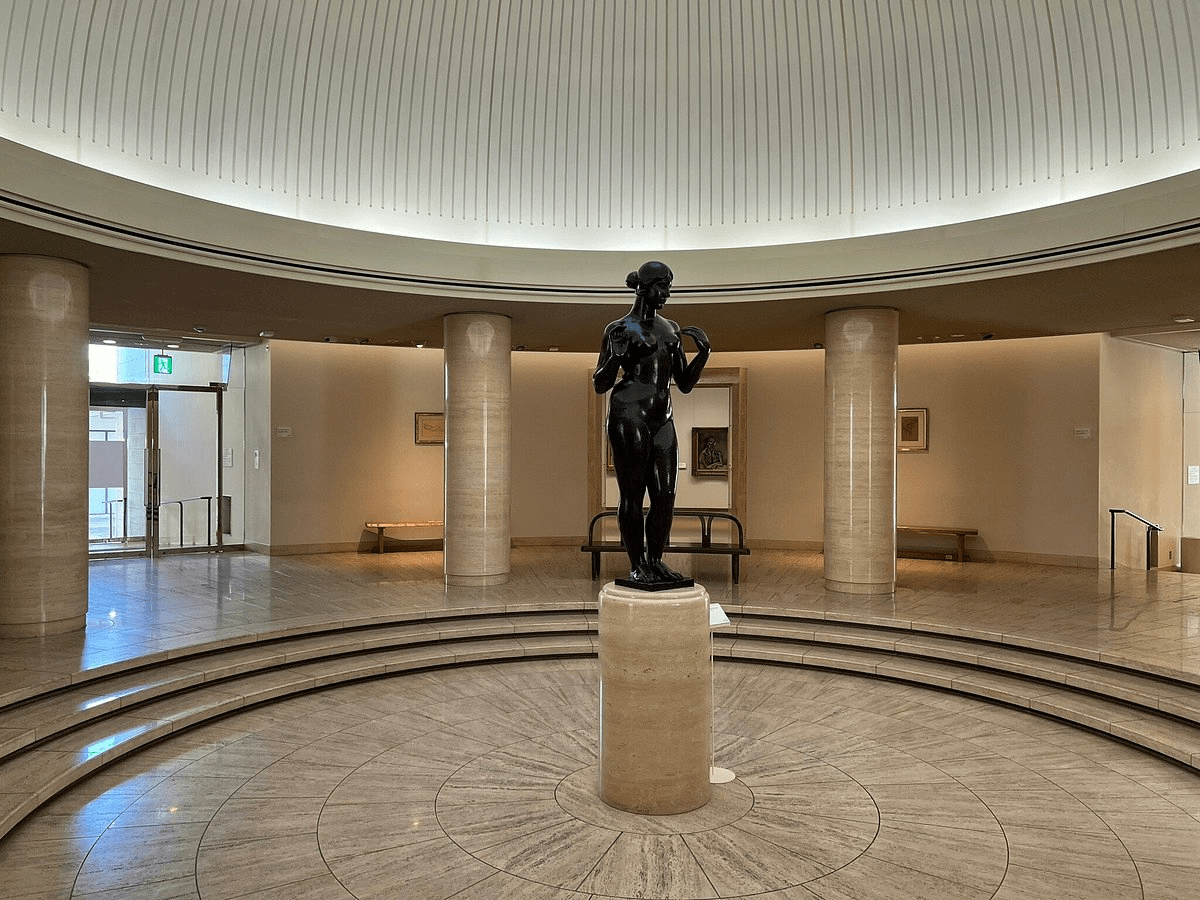
Hiroshima Museum of Art opened in 1978 to commemorate the 100th anniversary of Hiroshima Bank's founding. Under the theme of "For love and peace of mind," visitors can appreciate masterpieces including Japanese modern art and French modern paintings centered on Impressionism.
The round dome-shaped building is designed to evoke the Atomic Bomb Dome, while the corridor surrounding the main hall is inspired by Itsukushima Shrine, featuring motifs of Hiroshima's representative architectural structures.
The museum also has a cafe and museum shop, so I enjoyed viewing the impressive collection of artworks while taking a break at the cafe, and finished by shopping at the store.
The museum is located in Hiroshima Central Park in the center of Hiroshima City, easily accessible from Hiroshima Station and various tourist spots, so why not visit while taking a break in the park?
<Information>
Address: 3-2 Motomachi, Naka-ku, Hiroshima City, Hiroshima Prefecture
Hours: 9:00-17:00
Closed: Mondays, Year-end and New Year holidays
Phone: 082-223-2530
Official Website: https://www.hiroshima-museum.jp/
Hiroshima Castle
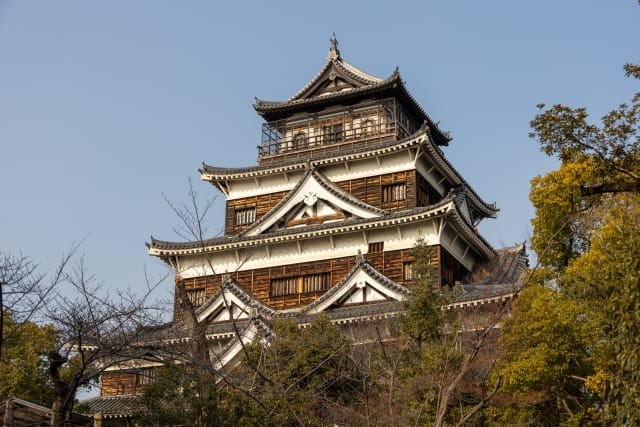
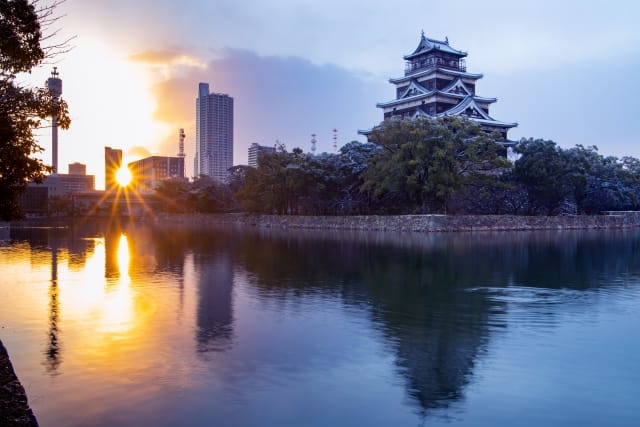
Hiroshima Castle was built at the end of the 16th century and was used as a military facility from the Meiji period onwards.
Although everything except the stone walls was destroyed by the atomic bomb, the castle tower (the tallest multi-story turret at the center of the castle) was reconstructed in 1958 as a symbol of Hiroshima and is now open to the public as a museum. (Closing in 2026)
Inside, visitors can learn about Hiroshima's history, view exhibits of swords and armor connected to Hiroshima, try on helmets at the hands-on experience corner, and enjoy panoramic views of Hiroshima City from the observation deck, making it popular among families with children.
My nephew who visited the castle with me was also captivated by the impressive exhibits.
The castle is accessible by train, bus, Astram Line, and other routes, making it easy to reach from other tourist spots.
<Information>
Address: 21-1 Motomachi, Naka-ku, Hiroshima City, Hiroshima Prefecture
Hours: 9:00-18:00 (March-November), 9:00-17:00 (December-February)
Closed: Year-end and New Year holidays
Phone: 082-221-7512
Official Website: https://hiroshimacastle.jp/
3 Unique Hiroshima Museums 2026 Worth Taking the Time to Visit
Shimose Museum
Source:Official website
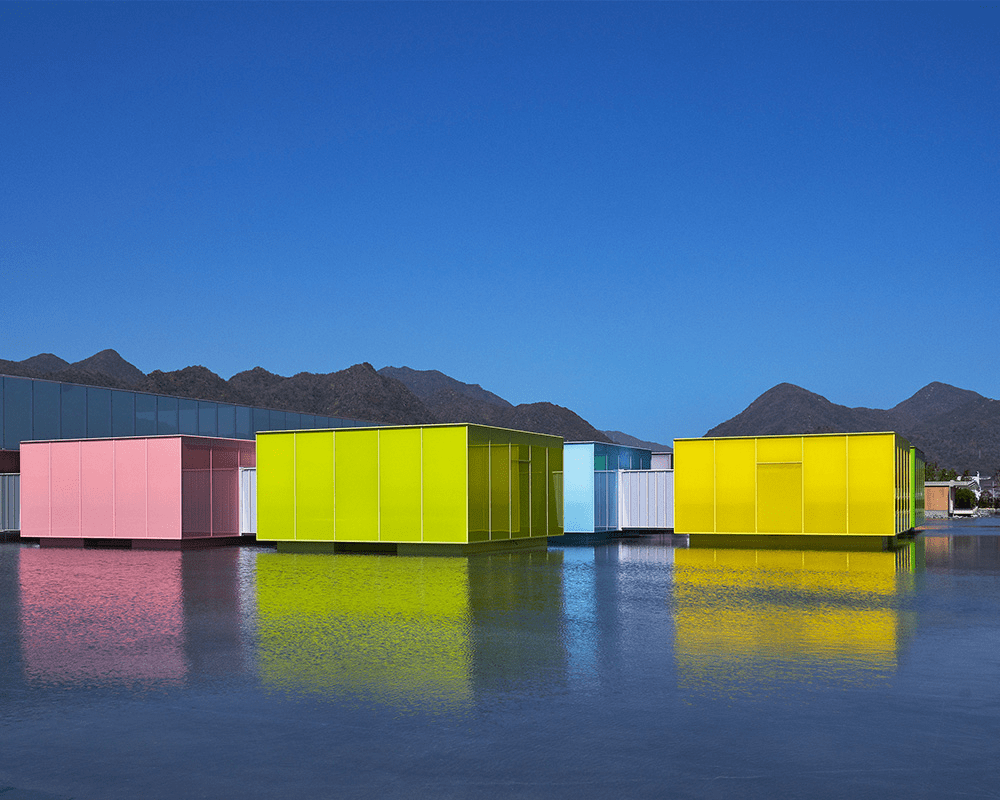
Shimose Museum is an art museum where you can appreciate artworks collected by the founding family of Marui Sangyo, based on the concept of "viewing art within art." In 2024, it received the UNESCO-sponsored Prix Versailles award for "World's Most Beautiful Museum," and is known as a facility with high international recognition.
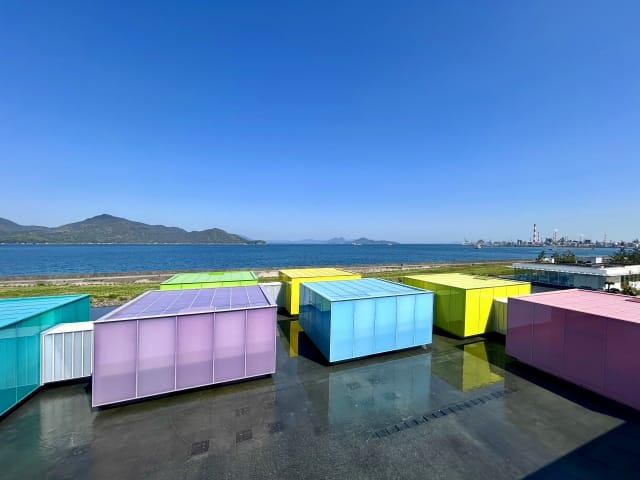
The highlight is the "Movable Exhibition Halls," designed by architect Ban Shigeru using shipbuilding technology, featuring colorful exhibition rooms that float on water. The eight exhibition halls are connected by walkways, and inside you can find displays of Japanese and Western masterpieces, glass crafts, and more.
At the museum, you can stroll through beautiful gardens inspired by the works of Émile Gallé, enjoy spectacular views of the Seto Inland Sea from the rooftop, and fully immerse yourself in a world where art and nature become one.
This is a unique experience you cannot find at any other facility, so please take plenty of time to explore and appreciate it.
<Information>
Address: 2-10-50 Seikai, Otake City, Hiroshima Prefecture
Hours: 9:30 - 17:00
Closed: Mondays, New Year holidays, Exhibition changeover periods
Phone: 0827-94-4000
Official Website: https://simose-museum.jp/
Yamato Museum (Kure Maritime Museum)
Source:Official website
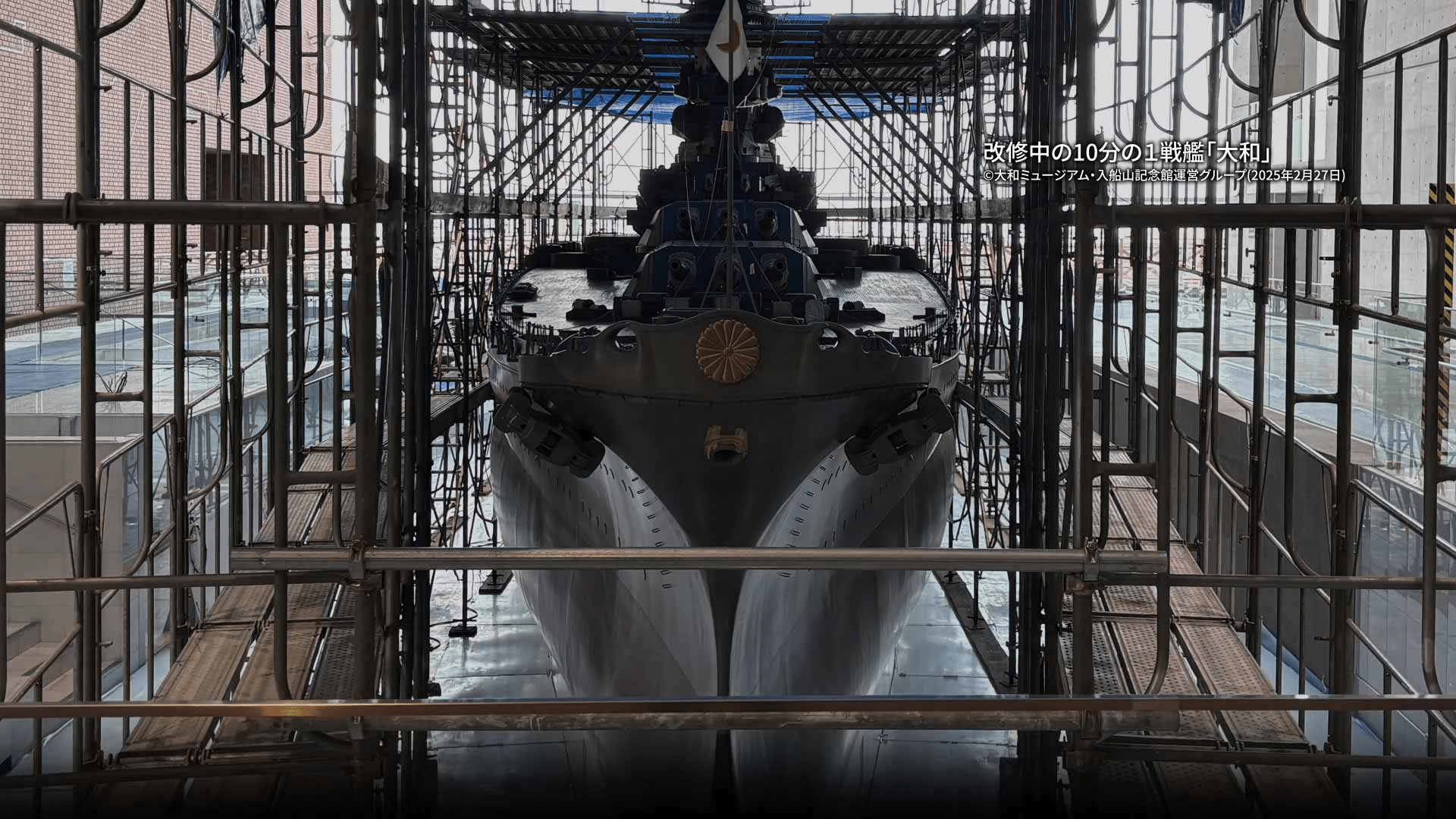
Yamato Museum (Kure Maritime Museum) is a museum located in Kure City, where the world's largest battleship "Yamato" was built. It introduces the history of Kure City, shipbuilding technology, and scientific technology.
The highlight is a massive scale model of the battleship "Yamato," faithfully recreated based on original blueprints and underwater survey footage. The model is 1/10 the size of the actual ship (26.3m), but when I saw it up close, I was overwhelmed by its size and intricate craftsmanship.
Inside the museum, you can also see impressive original artifacts such as the blueprints of the battleship "Yamato," a Zero fighter, and the special attack submarine "Kairyu." We ended up spending much more time exploring than we had anticipated.
The valuable exhibits are engaging enough for children to enjoy, making it a great destination for families with kids.
<Information>
Address: 5-20 Takaramachi, Kure City, Hiroshima Prefecture
Hours: Currently closed for renovation
Closed: Currently closed for renovation
Phone: 0823-25-3017
Official Website: https://yamato-museum.com/
Fukuyama Art Museum
Source:Google Maps
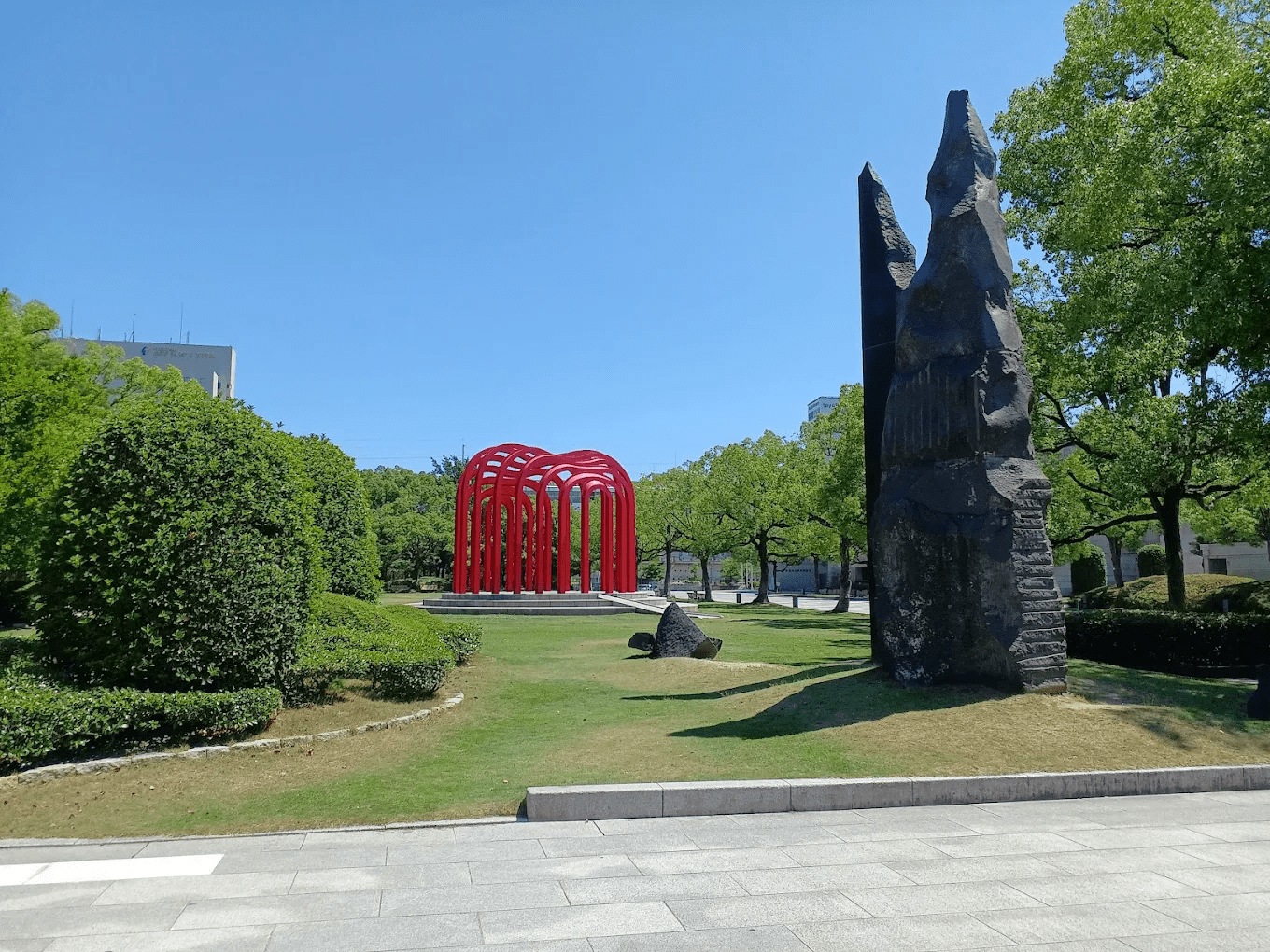
Fukuyama Art Museum is a park-style museum that opened in 1988, built adjacent to Fukuyama Castle Park. Inside the museum, you can appreciate a wide range of exhibits including works related to Fukuyama City, modern and contemporary Japanese art, and modern and contemporary art centered on Italian works.
A popular spot within the museum is the "Arch of Love," which serves as the museum's symbol. "Arch of Love" is a work by contemporary artist Takahashi Shu, who is from Fukuyama City, and the bright red arch commands an overwhelming presence in the lush green plaza.
When I showed a photo I took, capturing the contrast between the green trees and the red arch, to my friend, they were absolutely impressed, saying "Beautiful!"
The area surrounding the museum has been selected as one of Japan's "Top 100 Urban Landscapes," so why not spend a leisurely day strolling while enjoying the abundant nature?
<Information>
Address: 2-4-3 Nishimachi, Fukuyama City, Hiroshima Prefecture
Hours: 9:30 - 17:00
Closed: Mondays, New Year holidays
Phone: 084-932-2345
Official Website: https://www.city.fukuyama.hiroshima.jp/site/fukuyama-museum/
When You Come to Hiroshima, Enjoy Authentic Hiroshima Food at Restaurants Loved by Locals!
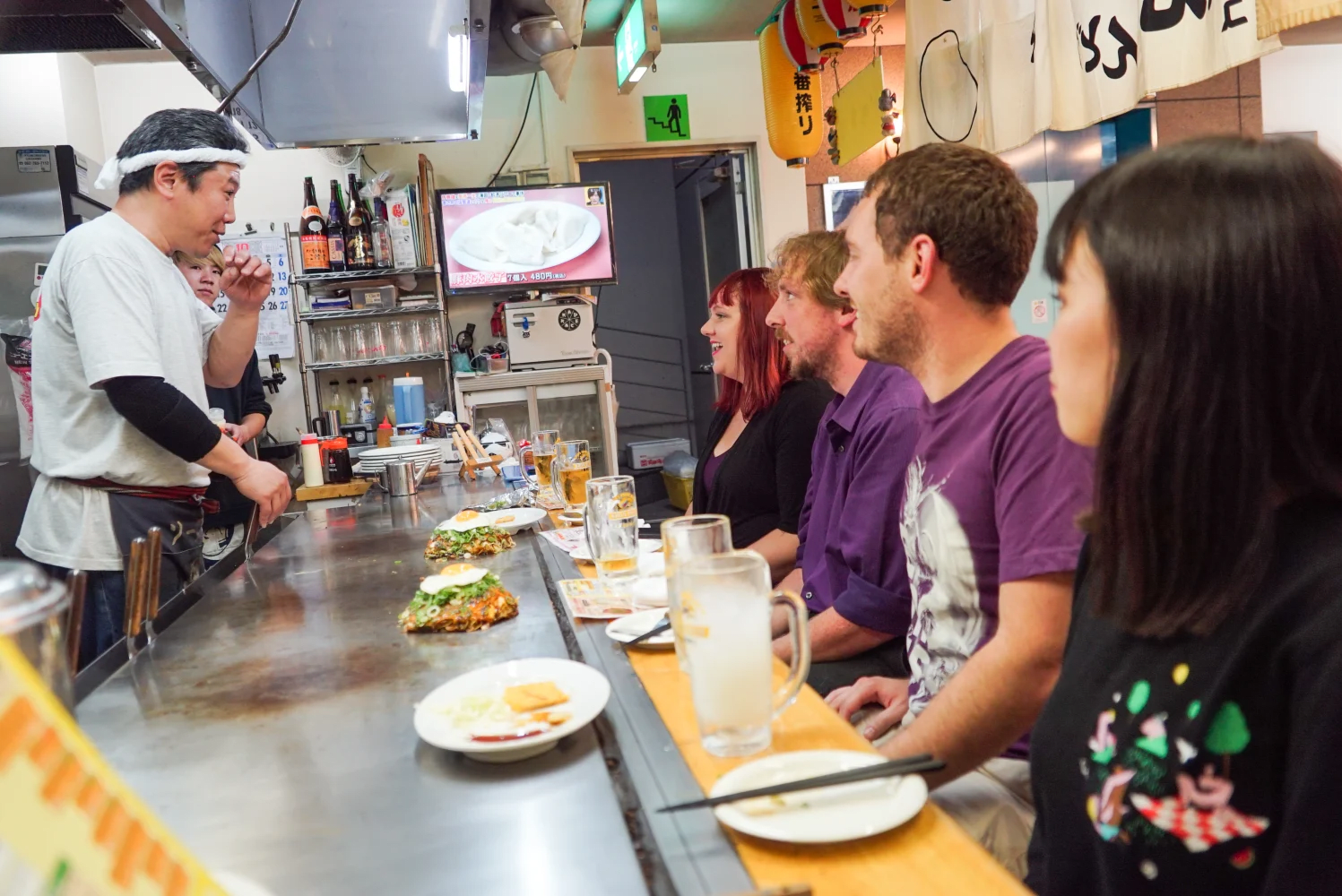
The attractions of Hiroshima include not only its rich nature and world-famous tourist spots, but also the exquisite Hiroshima food that should not be missed. When you come to Hiroshima, be sure to enjoy authentic Hiroshima food at restaurants loved by locals.
The Hiroshima Bar Hopping Food Tour takes you to enjoy Hiroshima food such as okonomiyaki, oysters, and hormone tempura in the Nagarekawa area, Hiroshima's representative entertainment district. Let a guide show you hidden gems that you could never find on your own, and enjoy local cuisine alongside the locals!
<Information>
Meeting Point: In front of GUCCI at Hiroshima Fukuya Department Store
Area: Hiroshima
Meeting Time: 7:00 PM