Mt. Fuji Summer 2026: Climbing Information, Best Spots & Fireworks
Mount Fuji, a symbol of Japan, attracts countless tourists who visit Japan specifically to witness its majestic presence. However, given Mount Fuji's massive size and the numerous tourist attractions scattered around its vicinity, we've created this guide to help you explore the Mount Fuji area efficiently.
Additionally, Magical Trip, which won the #1 spot for all tours on Tripadvisor in 2024, has recently launched the Mount Fuji tours.

The "Mt. Fuji Full-day Nature Guided Tour with a Private Chartered Car & Guide" offers a stress-free experience exploring the Mount Fuji area, complete with private car transportation from Tokyo.
Even if you have limited time to explore the Mount Fuji region, this tour allows you to visit all the must-see spots with detailed guidance from your tour guide.
If you're interested in efficiently experiencing the essential locations while gaining deep insights from a knowledgeable local guide who knows the area inside and out, we highly recommend joining the "Mt. Fuji Full-day Nature Guided Tour with a Private Chartered Car & Guide."
We hope you'll have a wonderful time experiencing everything Mt.Fuji has to offer by joining a Magical Trip tour!
Introduction
Mt. Fuji in summer is a special place where magnificent natural beauty harmonizes with Japanese traditional culture. In my 10 years of visiting, I never cease to be amazed by the charm of Mt. Fuji, a World Heritage site.
While there are challenges like tourist season crowds, sudden weather changes, and sometimes the risk of altitude sickness, these difficulties are part of what makes Mt. Fuji such an important spiritual anchor for us Japanese people. However, if weather becomes an issue, there are plenty of indoor activities and attractions around Mt. Fuji perfect for rainy days.
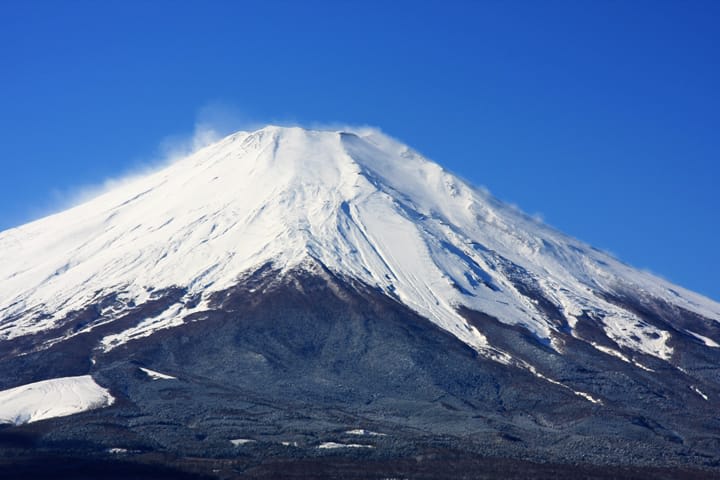
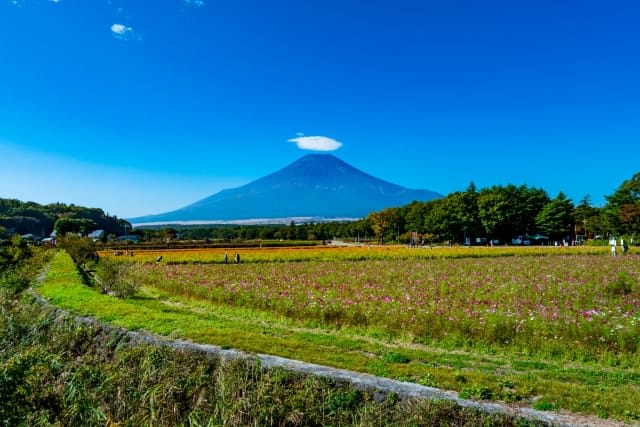
From the sea of clouds spreading from the 3,776-meter summit, to Mt. Fuji's reflection in the Five Lakes, to fireworks displays coloring the night sky, breathtaking views await you at summer Mt. Fuji. Beyond hiking, there are endless ways to enjoy yourself, including touring the foothills' tourist spots. For those planning to attempt the summit, our comprehensive Mt. Fuji hiking guide
Would you like to create your own special memories at Mt. Fuji, Japan's symbol? I'll help you plan an enriching Mt. Fuji trip with this complete guide.
Table of Contents
・Summer Trip to Mt. Fuji: Basic Information
・Enjoying Summer Mt. Fuji Hiking
・Summer Mt. Fuji Fireworks Events
・Frequently Asked Questions About Summer Mt. Fuji
Mt. Fuji's Climbing Season Runs from July 1 to September 10
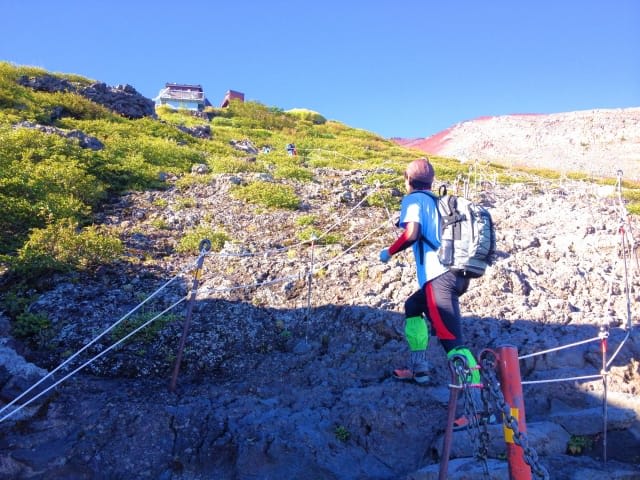
The climbing season for Mt. Fuji runs annually from July 1 to around September 10. If you're planning to experience Mt. Fuji Summer 2026, mark your calendar for this window.
Mt. Fuji stands at an elevation of 3,776 meters. Outside of summer, the mountain's weather conditions — including extreme cold, heavy snowfall, and strong winds — make climbing highly dangerous, and climbing outside of the designated season is prohibited.
In summer, weather conditions are more stable, and mountain huts that offer meals, rest areas, and overnight stays operate throughout the climbing season. Restrooms are also available, and well-maintained climbing routes are accessible. With proper preparation, even first-time climbers can safely and enjoyably reach the summit of Mt. Fuji.
The exact schedule of the climbing season may shift by a few days depending on that year's weather and snow-melting conditions. Mt. Fuji Summer 2026 is expected to follow the usual schedule of July 1 to September 10, but further details will be announced on the official website from June onward.
- Official Mt. Fuji Climbing Website: https://www.fujisan-climb.jp/
Summer Trip to Mt. Fuji: Basic Information
I'll introduce the basic information you need to know when planning your trip to Mt. Fuji. Based on my actual experiences, I'll provide specific advice about weather, clothing, and access methods.
Climate and Clothing in the Mt. Fuji Area
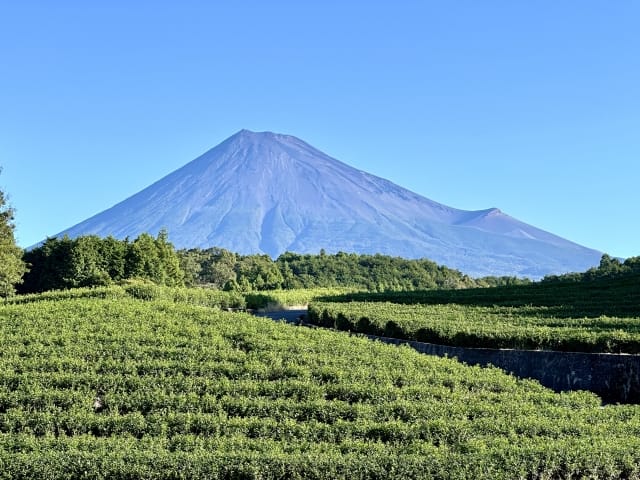
The Mt. Fuji area in summer is characterized by significant temperature differences due to elevation. While the average temperature at the foot of the mountain in July and August is a comfortable 20-25°C, temperatures drop significantly as elevation increases. For those seeking relief from summer heat, discover the best cool down spots around Mt. Fuji. In my experience, it's not uncommon for temperatures near the summit to fall below 10°C even in midsummer.
I recommend layering as the basic clothing approach. While short sleeves are comfortable at the base, warm clothing is essential for the upper areas. I always bring a light fleece, windbreaker, and high-insulation down jacket. Also, since sudden weather changes are common on summer Mt. Fuji, carrying rain gear is essential.
The daytime sunlight is particularly strong at high elevations - I got sunburned myself the first time I climbed because I wasn't careful. Sun protection items like hats, sunscreen, and sunglasses are essential. For hiking, I recommend choosing hiking boots that provide good ankle support and breaking them in beforehand to prevent blisters.
Monthly Visibility of Mt. Fuji
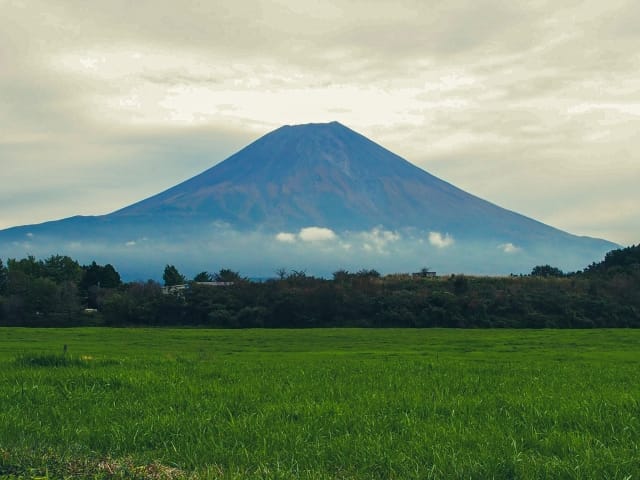
The visibility of Mt. Fuji from the surrounding area changes depending on the season's weather conditions.
The best time to see Mt. Fuji clearly from its surrounding areas is during winter, from around November to February. On the other hand, summer — from June through August — is a season when Mt. Fuji tends to be harder to see.
During summer, the air contains more moisture, leading to frequent fog and cloud cover.
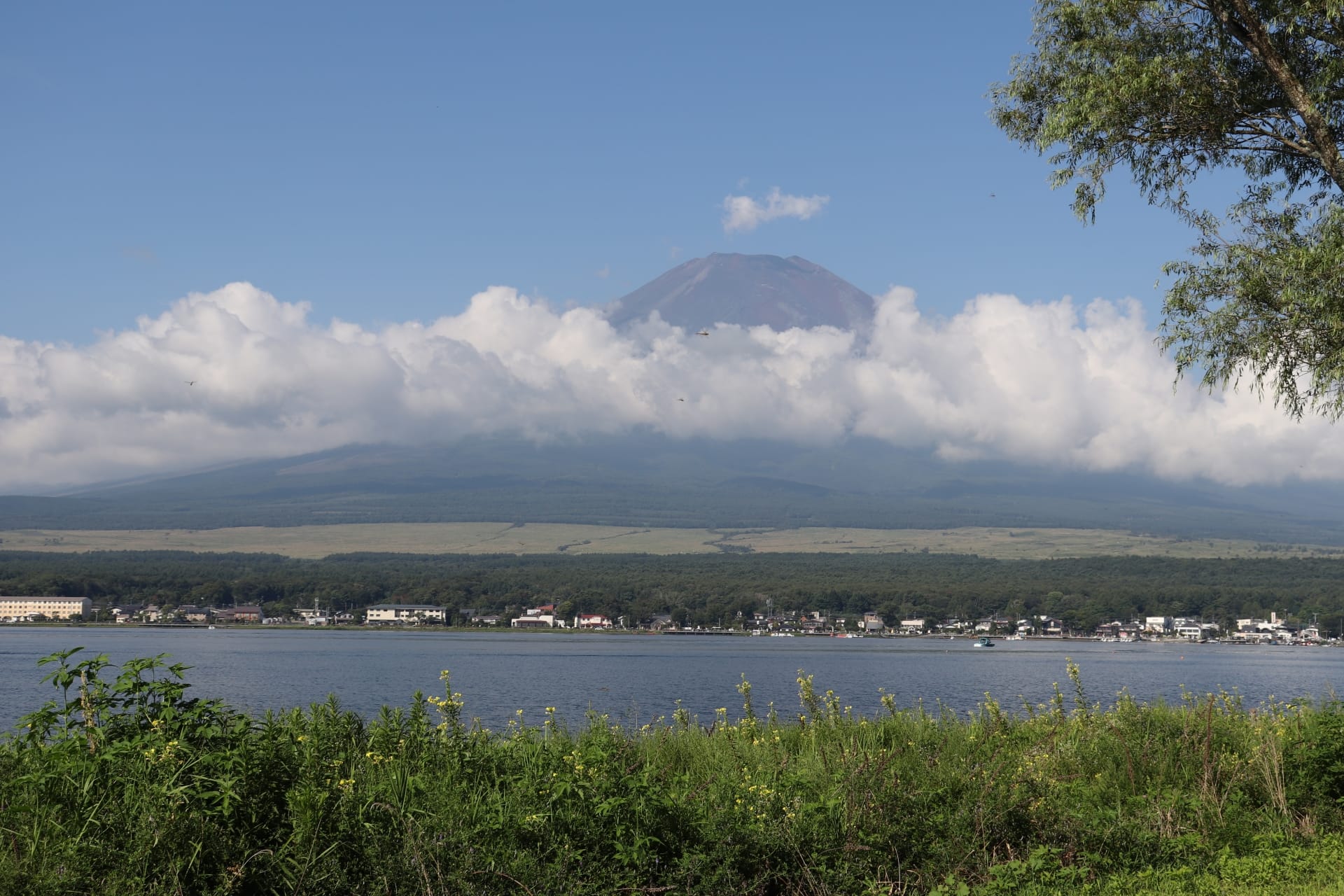
On some days, the full outline of Mt. Fuji may be partially obscured, or it may be completely hidden beneath a blanket of white mist. From June through August, Mt. Fuji is visible on average only about 40% of days in any given month.
Early mornings, when the air is clearest, offer the highest chance of seeing Mt. Fuji beautifully even in summer. It is said that before 8:00 AM is the best time of day for a clear view. Additionally, viewing from a high-elevation location close to Mt. Fuji — such as Mt. Mitsutoge — increases the chances of looking down over a sea of clouds with Mt. Fuji rising above them.
Access Methods from Tokyo to Mt. Fuji
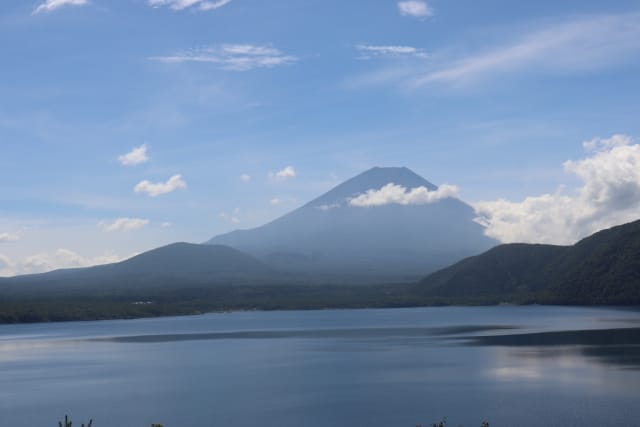
There are several convenient ways to access Mt. Fuji from Tokyo. I most recommend taking the Fuji Kyuko Bus from Shinjuku Station. It takes about 2 hours to reach the 5th Station, and you can relax and enjoy the scenery during the journey.
For train enthusiasts, I recommend taking the JR Chuo Line to Otsuki Station and transferring to the Fujikyu Railway. Also, the Fuji Tour Bus, which runs non-stop from Shinjuku Station to Lake Kawaguchiko, is a convenient option that takes about 2 hours.
If using a rental car, I recommend the route via the East Fuji Five Lakes Road, which offers enjoyable scenery. However, roads often get congested during tourist season, so I recommend allowing extra time for travel.
For those considering a day trip, I recommend joining a tour. It's an efficient way to visit major spots and is particularly popular with first-time visitors.
Enjoying Summer Mt. Fuji Hiking
With proper preparation and knowledge, climbing Mt. Fuji can be a wonderful experience even for those with relatively little experience. Drawing from my experience, I'll share advice for safe and memorable hiking.
Make Sure to Check for Any Rule Changes Regarding Climbing Mt. Fuji in 2025 Before You Go!
If you are planning to climb Mt. Fuji, be sure to familiarize yourself thoroughly with the climbing rules that changed in 2025 and beyond. The three major changes introduced in 2025 are as follows:
- Entry is prohibited between 2:00 PM and 3:00 AM the following morning, except for guests staying at mountain huts
- A trail fee/admission fee of 4,000 yen must be paid
- Advance reservation and registration through the web system ("Entry Registration") is required
Mt. Fuji has four climbing routes, and the Yoshida Route — the most popular among climbers — has the following additional rule:
- The entry gate will be closed once the daily number of visitors reaches 4,000
Entry may also be refused if a climber is deemed not to meet the required equipment standards for climbing Mt. Fuji. As the mountain's popularity continues to grow year after year and more travelers take on the challenge of climbing Mt. Fuji, the rules and manners that must be observed have become more clearly defined.
All of these rules exist to protect the safety of climbers. Detailed rules and etiquette can be confirmed on the official website, so be sure to check before you go.
- Official Mt. Fuji Climbing Website: https://www.fujisan-climb.jp/en/things-to-know-before-climbing/
Basic Information for Climbing Mt. Fuji
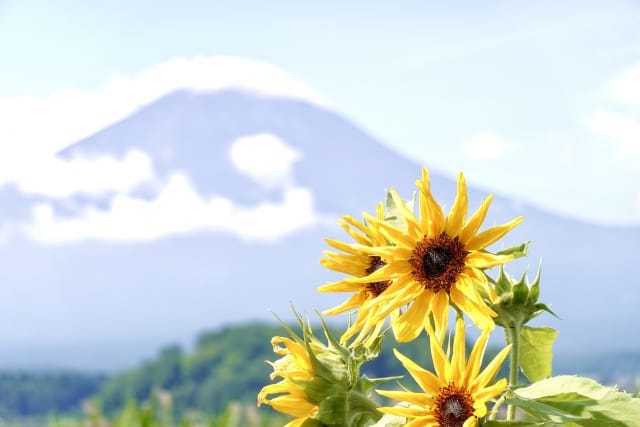
The official climbing season for Mt. Fuji is from July 1st to around September 10th. During this period, mountain huts are operating and first-aid stations are open, making it the safest time to enjoy hiking.
There are four main climbing routes: Yoshida, Subashiri, Gotemba, and Fujinomiya. For beginners, I recommend the Yoshida route, which is the most well-maintained and has many mountain huts. I always choose this route when guiding first-timers.
The typical hiking plan is one night and two days. This is an ideal schedule that reduces the risk of altitude sickness and allows you to enjoy the sunrise. Physical conditioning and altitude sickness prevention are essential - I recommend incorporating stair climbing exercises starting two weeks before the hike.
Necessary Equipment for Climbing
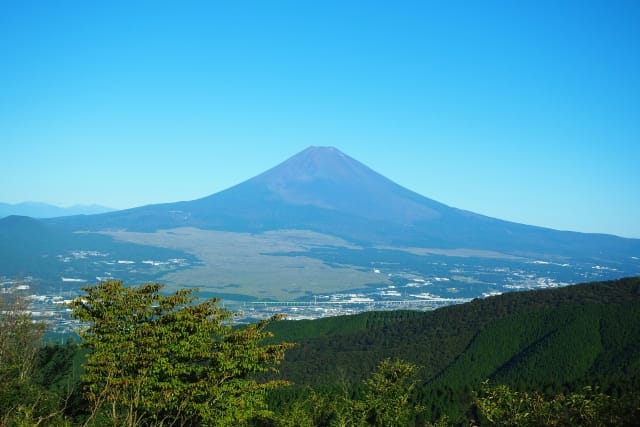
The most important equipment for climbing Mt. Fuji is proper hiking boots. From my 10+ years of experience, I strongly recommend using proper hiking boots that provide good ankle support. It's also important to break them in beforehand to prevent blisters.
Choose a backpack with 30-40 liters of capacity. You need enough space to store warm clothing, rain gear, water, food, and basic medical supplies. I particularly emphasize having enough room for warm layers like fleece and down jackets.
A headlamp is essential for nighttime and early morning hiking. Don't forget to bring spare batteries. I recommend carrying at least 2 liters of water per person and multiple high-calorie snacks. I particularly value foods that provide quick sugar like chocolate and energy bars.
Etiquette and Important Points in the Mt. Fuji Area
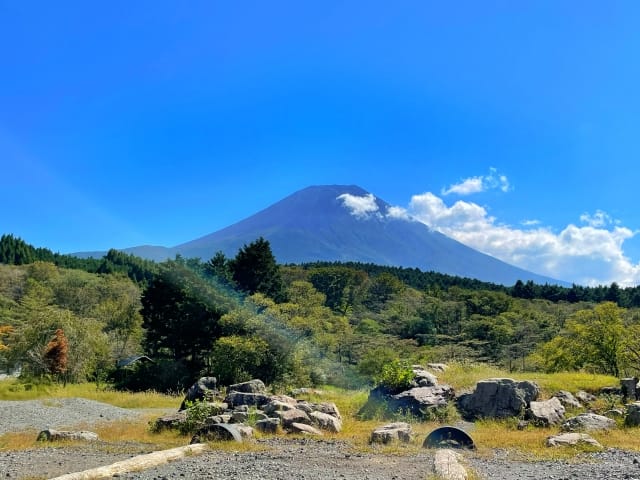
First and most importantly, respect nature. Always take your garbage with you, and refrain from collecting plants or rocks. While hiking, always call out when passing others to create a pleasant atmosphere for everyone's hiking experience.
Special attention should be paid to loud voices and noise in public areas. Maintaining a quiet environment allows more people to feel Mt. Fuji's sacred atmosphere. At shrines and temples, follow proper worship etiquette and always check whether photography is permitted.
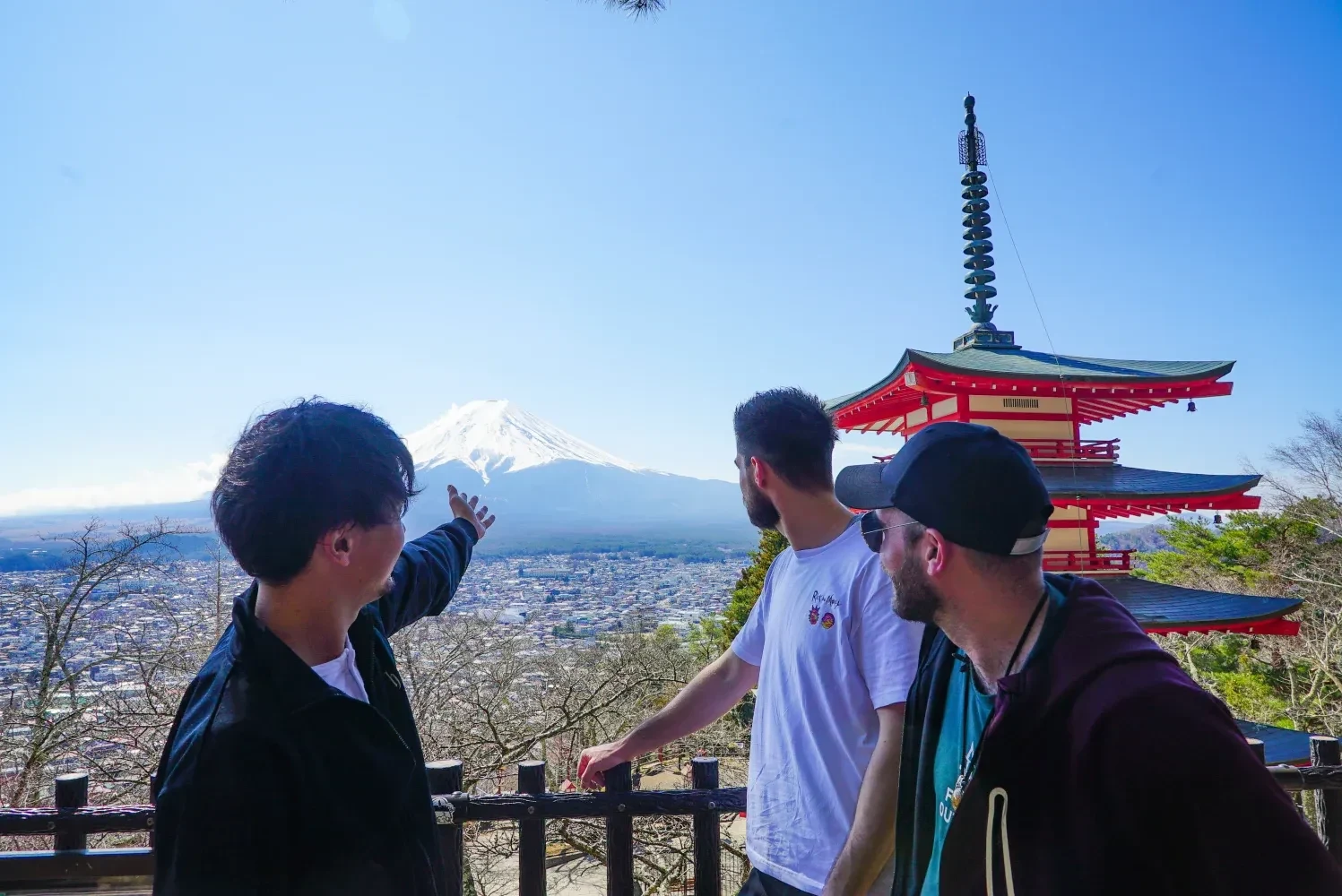
If you don't have enough time to stay overnight and enjoy the nightlife around Mount Fuji, I recommend joining Magical Trip's "Mt. Fuji Full-day Nature Guided Tour with a Private Chartered Car" to visit all the must-see attractions around Mount Fuji in one day.
Since you'll be visiting carefully selected spots chosen by a guide who knows the Mount Fuji area inside and out, you'll be able to fully enjoy Mount Fuji's majestic appearance and rich natural surroundings in a single day while traveling by private car.
Summer Mt. Fuji Fireworks Events (w/ Quick Reference)
| Event | Date | Overview |
|---|---|---|
| Mt. Fuji Lake Kawaguchi Mountain Opening Festival Fireworks | July 4, 2026 | Held annually since 1977 to celebrate Mt. Fuji's climbing season opening, this festival launches around 2,000 fireworks over Lake Kawaguchi with Mt. Fuji as a stunning backdrop. |
| Lake Yamanaka Hōko Festival | August 1, 2026 | A century-old festival held on August 1st, launching thousands of fireworks from four points around Lake Yamanaka simultaneously, with music-synchronized starmines lighting up the summer night sky. |
| Lake Kawaguchi Lake Festival | August 5, 2026 | The Fuji Five Lakes' grandest fireworks show since 1917, launching around 10,000 fireworks — including musical starmines and large shells — reflected dramatically on Lake Kawaguchi with Mt. Fuji as backdrop. |
| Oshino Hakkai Festival | August 6, 2026 | A traditional village festival on August 8th, featuring the Hachimonji-yaki fire ceremony on the mountainside, followed by a spectacular fireworks display praying for peace and prosperity. |
Mt. Fuji Lake Kawaguchi Mountain Opening Festival Fireworks
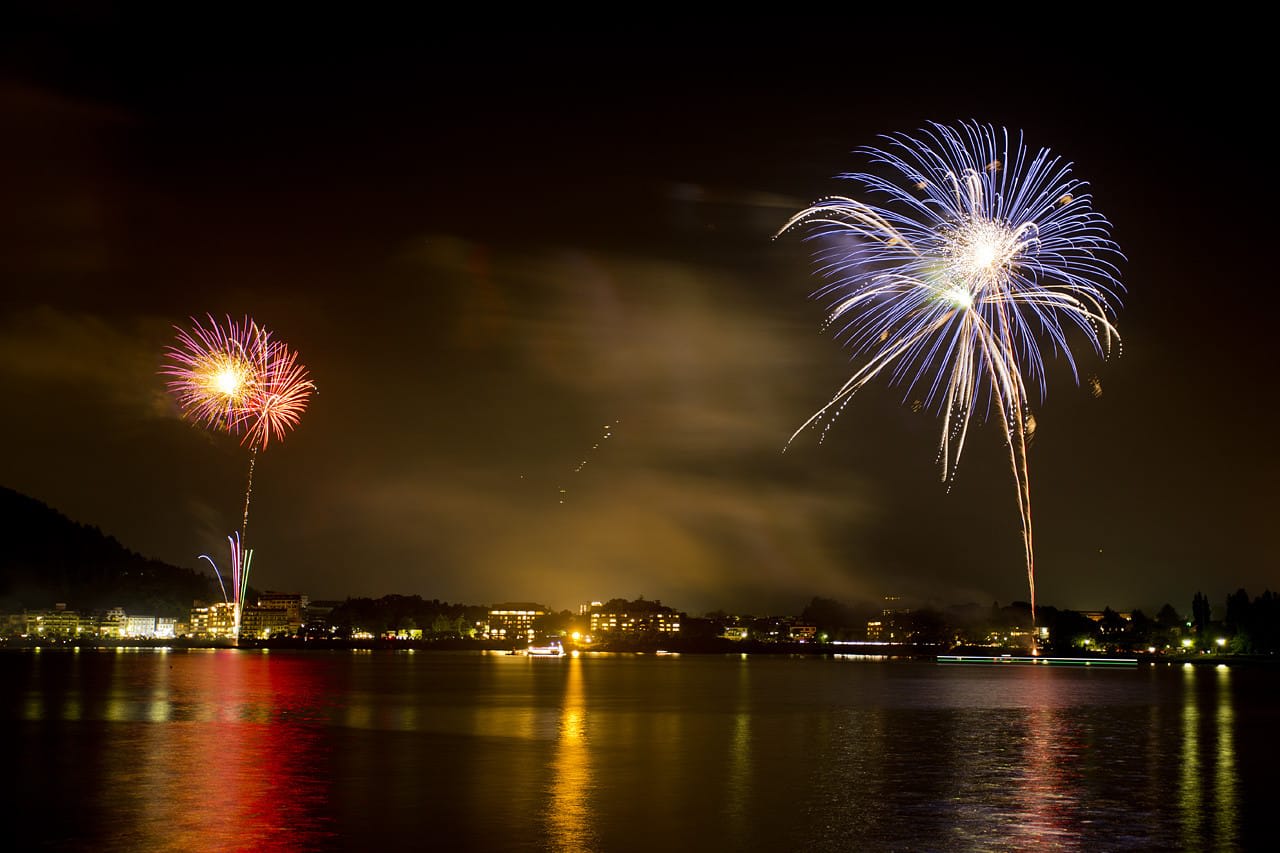
The Lake Kawaguchi Mountain Opening Festival Fireworks, held in early July each year, is a vibrant event marking the beginning of summer. I look forward to this fireworks festival every year, where about 2,000 fireworks color the scenery created by Mt. Fuji and Lake Kawaguchi.
The fireworks are launched from the Lake Kawaguchi shore, creating an enchanting performance with Mt. Fuji. My recommended viewing spot is around Oike Park, where you can enjoy the fantastical scenery of fireworks reflecting on the lake surface with Mt. Fuji's silhouette. Many local food stalls also set up, allowing you to fully enjoy the festival atmosphere.
Lake Yamanaka Hōko Festival
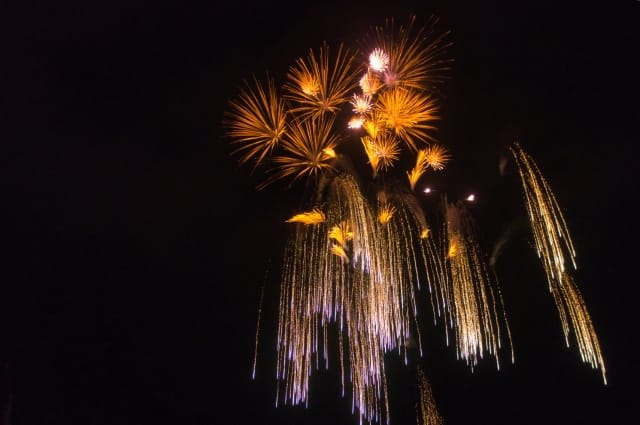
The Lake Yamanaka Hōko Festival, held annually on August 1st, marks the beginning of the Fuji Five Lakes fireworks season. About 10,000 fireworks are launched, creating a spectacular view as they're fired from multiple locations around Lake Yamanaka.
What I particularly love about this fireworks display is the beauty of the reflections on the lake surface. The calm lake surface acts like a mirror for the fireworks, creating a fantastical scene where fireworks seem to bloom both in the sky and on earth.
Enjoying the fireworks while having a picnic along the lakeshore is popular among locals, and I do this every year too. You can relax and enjoy the fireworks while savoring local delicacies from the food stalls.
Lake Kawaguchi Lake Festival
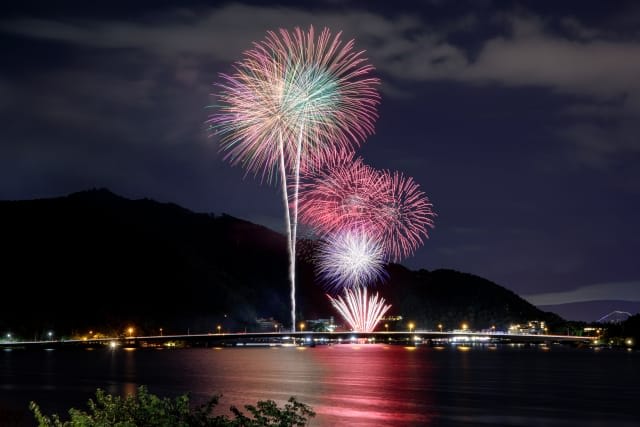
The Lake Kawaguchi Lake Festival, held around August 5th, boasts the largest fireworks display in the Fuji Five Lakes area. About 10,000 fireworks color both the night sky and lake surface, captivating all who see them with their scale and beauty.
A unique feature of this fireworks display is that fireworks are launched from boats floating on the lake. I'm particularly moved by the scenery of fireworks launched from the lake with Mt. Fuji in the background. The fireworks launched from just above the water surface have a unique beauty not seen elsewhere. The fireworks reflecting on the calm lake surface with Mt. Fuji's silhouette truly epitomize a Japanese summer scene.
Oshino Hakkai Festival
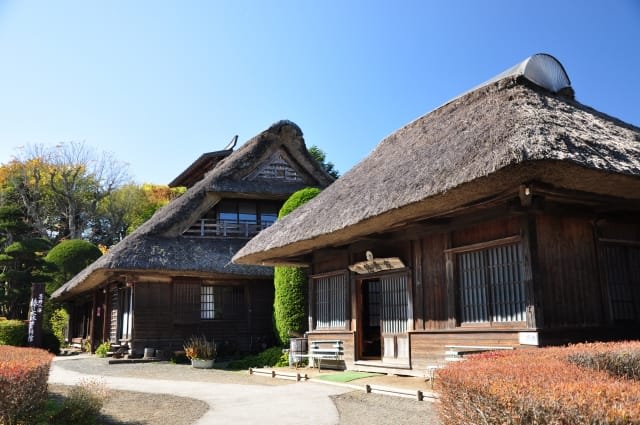
The Oshino Hakkai Festival, held annually on August 8th, is an event where tradition and modern fireworks harmonize beautifully. 5,888 fireworks are launched - the number chosen to correspond with the number "8" - embodying wishes for peace and prosperity in Oshino Village.
What makes this festival special to me is the fireworks show synchronized with music. Also, the traditional fire display called "Hachimonjiyaki" is a traditional summer spectacle that colors the night sky along with the fireworks. Local traditional performances and bon dancing are also held, allowing you to fully experience the atmosphere of a Japanese summer festival.
7 Must-Visit Spots Around Mount Fuji 2026 Summer (w/ Quick Reference)
| Spot | Area (Time from 5th Station) | Overview |
|---|---|---|
| Mt. Fuji 5th station | Yoshida Trail, Fujikawaguchiko | The most popular gateway to Mt. Fuji's summit at 2,305m, offering panoramic views, shrines, souvenir shops, and restaurants. The climbing season runs July 1 to September 10. |
| Fugaku Wind Cave | Aokigahara Forest, Fujikawaguchiko (~90 min by bus) | A Natural Monument lava tube at a constant 3°C, featuring 201 meters of volcanic geology, year-round icicles, and historic use as a natural refrigerator for silkworm eggs. |
| Narusawa Ice Cave | Narusawa Village, Aokigahara (~90 min by bus) | A lava cave at 3°C famous for massive year-round ice pillars. Don a helmet and navigate low, narrow passages in this chilly underground adventure, just a 20-min walk from Fugaku Wind Cave. |
| Oshino Hakkai | Oshino Village (~85 min by bus) | Eight UNESCO-listed spring ponds fed by Mt. Fuji snowmelt, surrounded by traditional thatched-roof farmhouses. The crystal-clear water reveals the bottom, and local food stalls line the grounds. |
| Kawaguchiko Lake | Fujikawaguchiko (~60 min by bus) | The most accessible of the Fuji Five Lakes, offering iconic upside-down Mt. Fuji reflections, sightseeing cruises, lakeside cycling, and a wide range of restaurants and accommodation. |
| Yamanakako Lake | Yamanakako Village (~100 min by bus) | The largest of the Fuji Five Lakes, renowned for panoramic Mt. Fuji views. Popular year-round for watersports, fishing, lakeside cycling, and diverse dining with scenic mountain backdrops. |
| GOTEMBA PREMIUM OUTLETS | Gotemba City, Shizuoka (~100 min by bus) | One of Japan's largest outlet malls at elevation, with around 290 shops and sweeping Mt. Fuji views. Onsen facilities with open-air baths overlooking the mountain are also available on-site. |
Mt. Fuji 5th Station
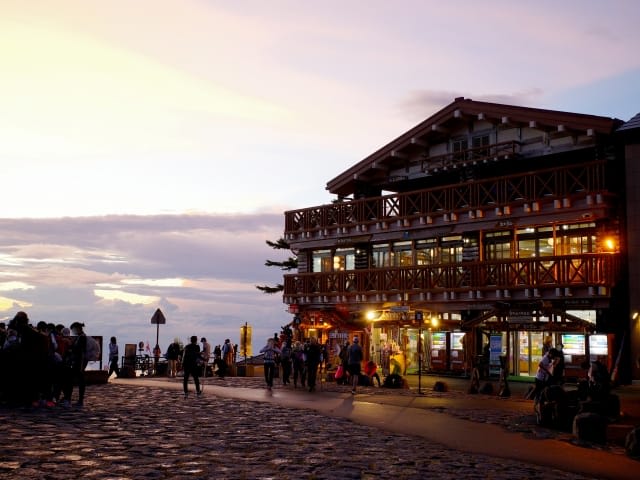
Mt. Fuji 5th Station is located at an elevation of 2,305 meters on Mt. Fuji. As the gateway to climbing Mt. Fuji, the area is lined with restaurants, gift shops, and accommodation facilities for climbers. If you're planning a Mt. Fuji Summer 2026 visit, this is one of the most iconic starting points.
The climbing season runs from July 1 to September 10 each year, drawing large crowds of climbers during this period. From the 5th Station plaza, you can take in the breathtaking view of Mt. Fuji up close, and below, a vast and beautiful sea of clouds stretches out before you.
One thing I would especially recommend at Mt. Fuji 5th Station in summer is the soft-serve ice cream exclusive to this location. The "Lingonberry Soft Cream" sold at "Komi-take Baiten" is made using lingonberries — alpine plants that grow naturally around the 5th Station — and is a local specialty dessert beloved for its sweet and tangy flavor.
"Komi-take Baiten" also offers a popular Mt. Fuji-shaped sweet bread. Whether you're climbing Mt. Fuji or simply visiting the 5th Station to take in the spectacular views, be sure to enjoy a cold ice cream or one of the limited-edition sweets while gazing out at Mt. Fuji.
Information:
- Address: 5617-42 Kamiyoshida, Fujiyoshida City, Yamanashi Prefecture
- Opening Hours: 9:00 AM – 5:00 PM (shops and stalls)
- Closed: Irregular
- Phone: 09021522305
- Official Website: http://www.fujiyama5.jp/
Fugaku Wind Cave
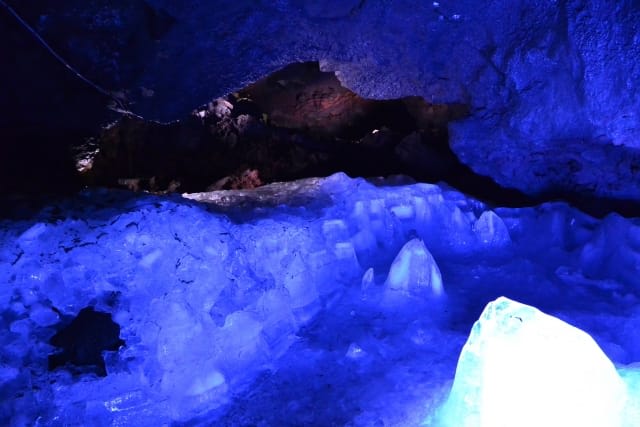
Fugaku Wind Cave is a lava cave located in the Aokigahara Jukai forest at the foot of Mt. Fuji. The cave stretches 201 meters in total length and reaches 8.7 meters in height, and ice columns can be seen here throughout the year.
It is a spot where you can experience the magnificent natural scenery created by the enormous volcano that is Mt. Fuji. Due to its geological significance, it has also been designated as a National Natural Monument of Japan.
Upon entering the cave, there is a narrow path with a slope that allows visitors to walk around the interior in a loop. The temperature inside stays at around 3°C year-round, and ice columns and ice formations that never melt even in summer can be seen here. When I visited, it took about 15 minutes to complete the loop inside the cave.
Walking through the dimly lit cave illuminated by artificial lighting, you are overwhelmed by the mysteries of nature and feel a wonderful sense of adventure. Summer is a particularly enjoyable season, with the contrast between the dark, cool, and mystical cave and the lush green of the surrounding forest being especially striking.
If you enter the cave wearing summer clothing such as a short-sleeved T-shirt, you will feel very cold, so it is recommended to bring a proper outer layer when visiting in summer.
Information:
- Address: 2068-1 Aokigahara, Saiko, Fujikawaguchiko Town, Minamitsuru District, Yamanashi Prefecture
- Opening Hours: 9:00 AM – 5:00 PM
- Closed: Irregular
- Phone: 0555853089
- Official Website: http://www.mtfuji-cave.com/contents/wind_cave/
Narusawa Ice Cave
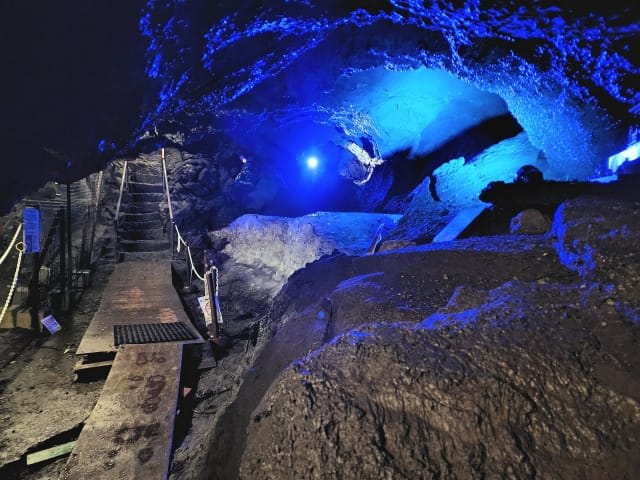
Narusawa Ice Cave is a lava cave located near Fugaku Wind Cave. Like Fugaku Wind Cave, it was formed by a volcanic eruption in the 9th century and has been designated as a National Natural Monument of Japan. Large ice columns and ice formations can be seen here throughout the year, making it a spot where you can truly feel the magnificent nature surrounding Mt. Fuji.
Narusawa Ice Cave is 153 meters in total length and is circular in shape. The temperature inside reaches around 3°C even in summer, and visitors wear helmets as they make their way along the path through the cave.
The rock surfaces and ice illuminated by blue lighting are truly mystical. The ice columns formed by water droplets falling from the ceiling can grow up to 3 meters in height. The ceiling ranges from 3 meters down to just 1 meter in height, and there are sections where you must crouch to move forward. In addition, the stairs at the entrance are steep and some areas underfoot can be slippery, so visitors should take care.
Those visiting should not only bring an outer layer but also wear shoes with good grip.
Information:
- Address: 8533 Narusawa, Narusawa Village, Minamitsuru District, Yamanashi Prefecture
- Opening Hours: 9:00 AM – 5:00 PM
- Closed: Open year-round
- Phone: 0555852301
- Official Website: http://www.mtfuji-cave.com/
Oshino Hakkai
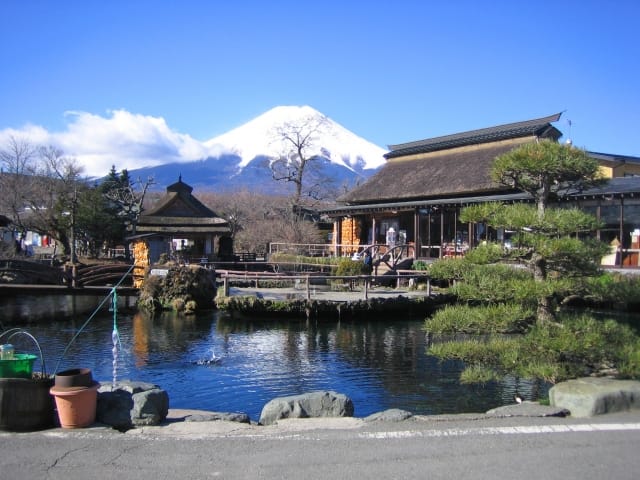
Oshino Hakkai is a preserved village featuring beautiful spring-fed ponds at the foot of Mt. Fuji, surrounded by traditional old Japanese farmhouses. It is a popular spot where you can admire eight natural spring ponds and the majestic Mt. Fuji together with the scenery of an old Japanese village.
The spring ponds of Oshino Hakkai are fed by rain and snowfall that lands on Mt. Fuji and takes 20 years to filter through the ground before surfacing. The water in the ponds is remarkably clear and has a beautiful blue hue. On calm days without wind, you can also enjoy the reflection of Mt. Fuji mirrored on the surface of the ponds.
It is also an incredibly popular spot for photography, where thatched-roof old farmhouses, beautiful ponds, and Mt. Fuji all fit together in a single frame, allowing visitors to capture photos that look like paintings.
As it is an extremely popular destination, the area becomes very crowded every day during the busy summer travel season. For those who want to take beautiful photos of Mt. Fuji and the village with fewer people in the frame, an early morning visit is recommended, when crowds are thin and Mt. Fuji is more visible.
Information:
- Address: Oshikusa, Oshino Village, Minamitsuru District, Yamanashi Prefecture
- Opening Hours: 24 hours
- Closed: Irregular
- Phone: 0555844222
- Official Website: http://www.oshino.jp/
Kawaguchiko Lake
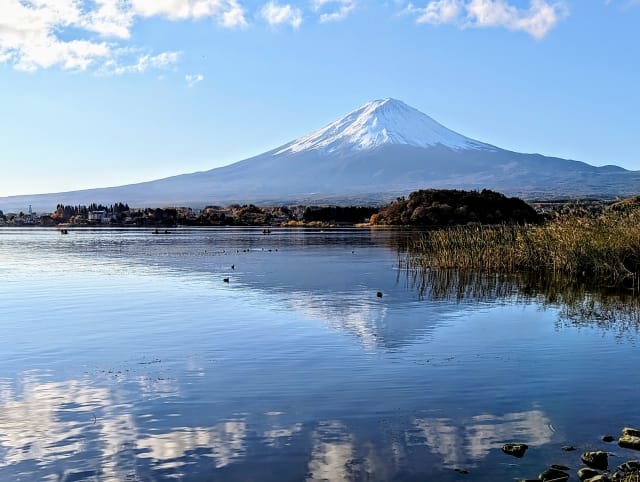
Kawaguchiko Lake is a beautiful lake located on the northern foot of Mt. Fuji. It is one of the Fuji Five Lakes — a group of large lakes surrounding Mt. Fuji — and the surrounding area is home to numerous tourist attractions including the theme park Fuji-Q Highland and various art museums. On the lake itself, visitors can also take a sightseeing cruise while enjoying views of Mt. Fuji.
In summer, the observatory on Mt. Tenjoyama by the lakeshore is my personal top recommendation. Take the Kawaguchiko Mt. Fuji Panoramic Ropeway, accessible by bus from Kawaguchiko Station, and head for the observatory at the summit, which sits at an elevation of 1,075 meters.
At the summit, there is a well-maintained observation deck where you can enjoy a panoramic view of the beautiful lake and the majestic Mt. Fuji shining against the blue summer sky. What I personally enjoyed most was the "Spectacular Swing" at the observatory — with the great Mt. Fuji right in front of you, you get the sensation of soaring off into the sky.
It is also a perfect spot for stunning photos, so be sure to capture the beautiful Kawaguchiko Lake and Mt. Fuji together in your shots — ideal for your Mt. Fuji Summer 2026 memories.
Information:
- Address: Funazu, Fujikawaguchiko Town, Minamitsuru District, Yamanashi Prefecture
- Opening Hours: 24 hours
- Closed: None
- Phone: 0555721111
- Official Website: https://fujisan.ne.jp/
Yamanakako Lake
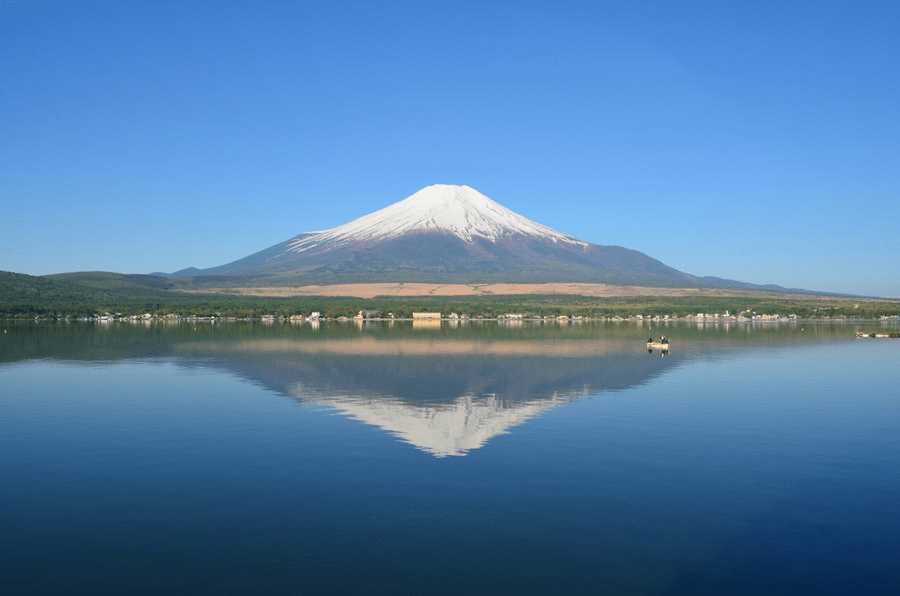
Yamanakako Lake, like Kawaguchiko Lake, is one of the Fuji Five Lakes, and is located on the eastern foot of Mt. Fuji. It is the largest of the five lakes in terms of surface area, and is a spot where visitors can enjoy spectacular views of Mt. Fuji as well as a wide range of activities amid the rich natural surroundings of the lake and its environs.
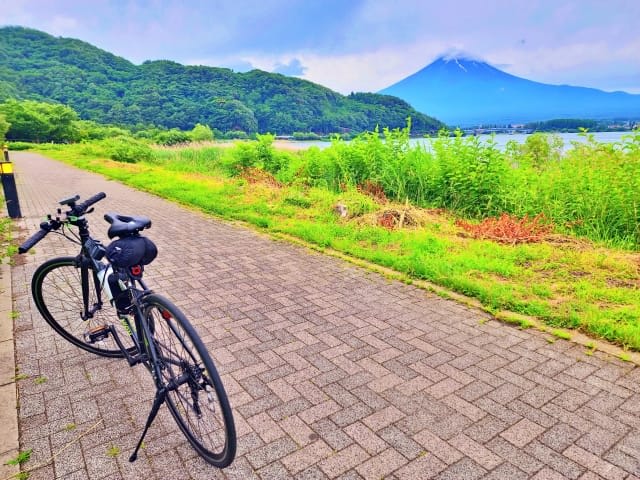
At Yamanakako Lake, you can enjoy a variety of activities including water skiing, boating, canoeing, and fishing. Cycling is particularly recommended, as there is a well-maintained cycling path along the lakeside. You can enjoy a refreshing summer cycle ride with sweeping views of the great Mt. Fuji and the lake spread out before you.
Yamanakako Lake is also known as a lake where swans live, and swans can be seen here even in summer. When I went cycling, I spent the afternoon enjoying the elegance of the swans gliding across the water and the beauty of the lake reflecting Mt. Fuji, and in the evening I savored the spectacular sunset sinking behind Mt. Fuji.
If you want to enjoy the beauty of Mt. Fuji and outdoor activities in nature this Mt. Fuji Summer 2026 season, be sure to pay a visit to Yamanakako Lake.
Information:
- Address: Hirano, Yamanakako Village, Minamitsuru District, Yamanashi Prefecture
- Opening Hours: 24 hours
- Closed: Irregular
- Phone: 0555-62-3100
- Official Website: https://lake-yamanakako.com/
GOTEMBA PREMIUM OUTLETS

GOTEMBA PREMIUM OUTLETS is an enormously popular outlet shopping mall. It brings together fashion boutiques from Japanese apparel brands as well as popular international brands, allowing shoppers to purchase fashion items at outlet prices.
GOTEMBA PREMIUM OUTLETS is a vast shopping mall with approximately 290 stores, and its location — with a magnificent view of Mt. Fuji directly ahead — is another reason for its popularity.
What I personally love most about this place is that the premises are also home to plenty of restaurants and cafes, so you can take a break whenever you feel tired and keep shopping all day long. You can browse through countless boutiques and take your time hunting for hidden gems to your heart's content.
A summer sale is typically held here each year during the summer season, making it an even more budget-friendly shopping experience than at other times of the year — so if you are sightseeing in the Mt. Fuji Summer 2026 area, it is well worth stopping by.
Information:
- Address: 1312 Fukasawa, Gotemba City, Shizuoka Prefecture
- Opening Hours: 10:00 AM – 8:00 PM
- Closed: Irregular
- Phone: 05017211028
- Official Website: https://www.premiumoutlets.co.jp/gotemba/
Frequently Asked Questions About Summer Mt. Fuji
Based on my experience, I've compiled answers to questions frequently asked by many tourists.
How Many Days Does It Take to Climb Mt. Fuji?
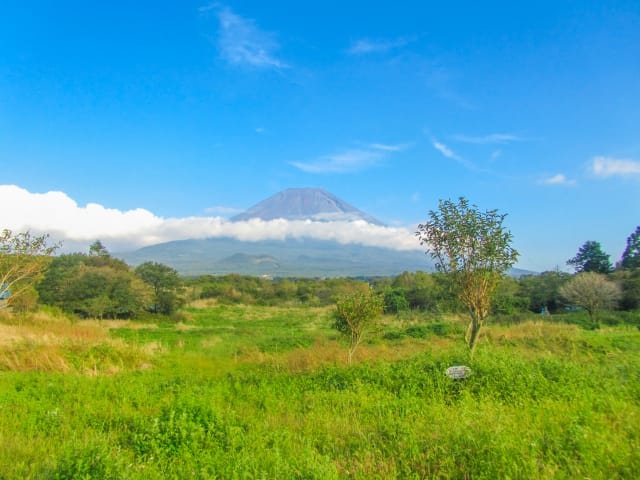
The standard schedule for climbing Mt. Fuji is one night and two days. From my over 10 years of Mt. Fuji experience, I'm convinced this is the safest and most fulfilling hiking plan. On day one, you climb from the 5th Station to a mountain hut at the 7th or 8th Station for rest. On day two, you depart early in the morning for the summit to view the sunrise - this is the typical schedule.
While day trips are possible for those confident in their physical fitness, I don't recommend them. Not only does it increase the risk of altitude sickness, but you also lose the opportunity to leisurely enjoy the mountain scenery.
Conversely, for those wanting a more relaxed pace, there's a two-night, three-day plan. In particular, staying at the 5th Station on the first day for altitude acclimatization is effective in preventing altitude sickness.
Including pre-climb and post-climb sightseeing and hot spring recovery time, I recommend a 3-4 day stay. This allows you to fully appreciate the nature and culture of this area.
When Is the Most Crowded Period for Summer Mt. Fuji?
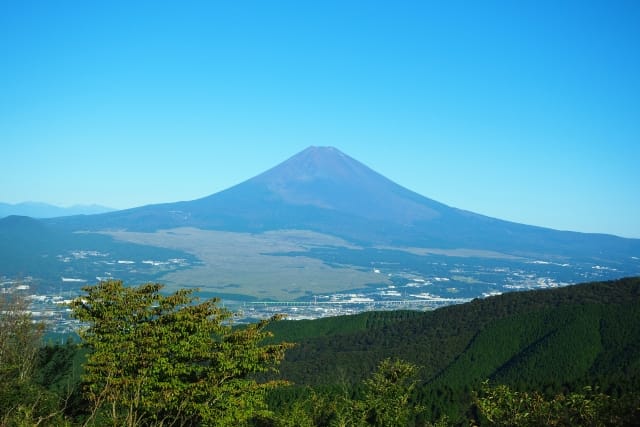
Based on my experience, the most crowded period is during the Obon holiday (mid-August). This period coincides with Japanese long holidays, making hiking trails, tourist spots, and accommodations extremely crowded. Mountain huts, in particular, can be difficult to reserve - sometimes requiring bookings several months in advance.
Weekends from late July to early August also see considerable crowds. Especially on fireworks festival days, nearby transportation and accommodations are almost always fully booked. I always recommend making advance reservations if visiting during these periods.
If you're aiming for less crowded times, weekdays are best. Also, early September is a hidden gem period with stable weather and fewer crowds. I particularly enjoy this time myself. The sky is clear with good visibility, and the temperature is comfortable for hiking.
Can Families with Children Enjoy the Mt. Fuji Area?
The Mt. Fuji area is perfectly enjoyable for families with children. I guide many families, and there are plenty of spots that everyone from children to adults can enjoy.
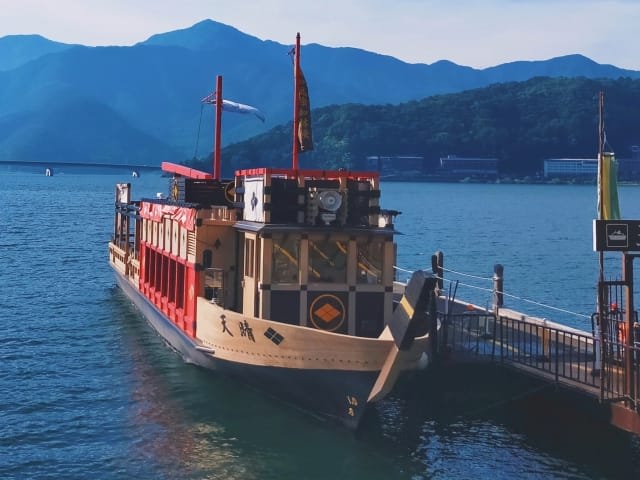
Fuji-Q Highland is a popular spot with attractions ranging from thrilling roller coasters to gentle rides for children. The Lake Kawaguchiko sightseeing cruise is an excellent tourist spot where you can view Mt. Fuji from the calm lake waters - even small children can enjoy it safely.
Fuji Subaru Land features attractions that make use of nature, and it's popular as a place where children can play while interacting with nature. There are also many campgrounds in the area where families can enjoy nature experiences. I often hear from my friends that it's particularly ideal for creating summer vacation memories.
Summer Mt. Fuji is an attractive tourist destination offering various ways to enjoy yourself, from hiking and fireworks festivals to family tourism.
Through my more than 10 years of visiting experience, I've shared Mt. Fuji's charm with many people. While there are certainly crowded periods, with proper preparation and planning, you can definitely create wonderful memories.
Summer, in particular, offers unique experiences such as sunrise views from the summit, the collaboration of fireworks reflecting on lake surfaces with Mt. Fuji, and surrounding tourist facilities. Please use this guide to find your own way to enjoy Mt. Fuji.
Finally, Mt. Fuji is a World Heritage site and Japan's pride. When visiting, I hope you'll treasure nature and follow proper etiquette. I sincerely wish that everyone's Mt. Fuji memories will be wonderful ones!