Celebrate New Year's 2026 at Mt. Fuji: Best Festivals, Sunrise Spots, and Winter Fireworks
Due to Mount Fuji's massive size and the scattered tourist spots around its base, planning an efficient itinerary can be quite challenging for visitors. I remember when I first visited the Mount Fuji area, I wasn't able to efficiently visit the surrounding attractions, which left me feeling like I hadn't fully experienced what the region had to offer.
As a result, tours that offer an efficient and immersive way to experience the Mount Fuji area are gaining popularity. Private tours led by guides who know the Mount Fuji region inside and out are especially in demand, as they're known for allowing small groups to fully enjoy both the cultural and natural attractions around the mountain.
Magical Trip, which boasts having the #1 rated tour of 2024, launched a tour in November 2024 called "Mt. Fuji Full-day Nature Guided Tour with a Private Chartered Car." On this tour, a driver and an expert local guide take you to carefully selected must-see spots around Mt. Fuji while explaining the local culture and traditions.

Since the tour starts and ends at your Tokyo hotel, you can explore the Mt. Fuji area hassle-free. If you're interested in Mt. Fuji but don't have time for an extended stay in the area, consider this efficient sightseeing tour.
Introduction
Mount Fuji (Fujisan) is globally recognized as Japan's iconic symbol. This majestic and beautiful mountain holds a special place in Japanese hearts. For centuries, it has been celebrated in poetry, captured in paintings, and revered as a sacred site. Today, as in the past, it remains Japan's treasured gift to the world.
Given Mount Fuji's significance, many people dream of welcoming the New Year in its presence. Watching the first sunrise of the year (hatsuhinode) from Mount Fuji is a once-in-a-lifetime experience that every Japanese person hopes to achieve.
If you're planning to be in Japan during this time, we highly recommend visiting. While the mountain peak can be extremely cold in January (reaching -21.7°C), you can enjoy a meaningful winter journey with hot springs and special winter events.
2026 Year-round Event Schedule in Mt.Fuji↓
 sena kanda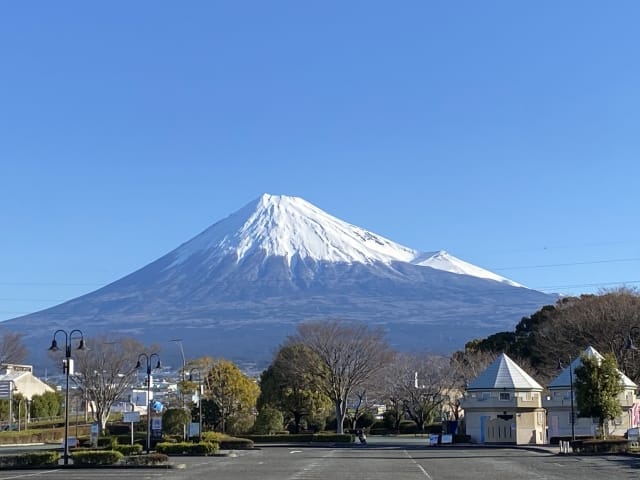
Table of Contents
● Traditional Events around Mount Fuji in January 2026
● Natural Attractions Around Mt. Fuji in January 2026
● Special January Experiences Around Mt. Fuji
● Gourmet Events Around Mt. Fuji in January 2026
Traditional Events around Mount Fuji in January 2026
Hatsumode (First Shrine Visit of the Year)
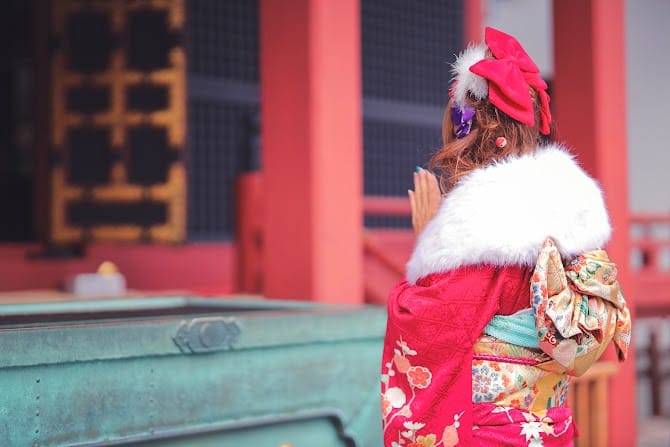
Hatsumode is a Japanese New Year tradition of visiting a shrine or temple for the first time in the new year. This custom involves expressing gratitude for the past year and praying for good fortune in the coming year. It originated from "Toshigomori," an ancient practice where people would stay at temples or shrines from New Year's Eve until New Year's morning. Today, most people begin their visits at midnight on January 1st.
Modern celebrations involve visiting shrines with family and friends to celebrate the New Year, purchase lucky charms (omamori), and draw fortune slips (omikuji) to divine the year ahead. Festival stalls often line the shrine grounds, offering traditional festival foods.
Kitaguchi Hongu Fuji Sengen Shrine
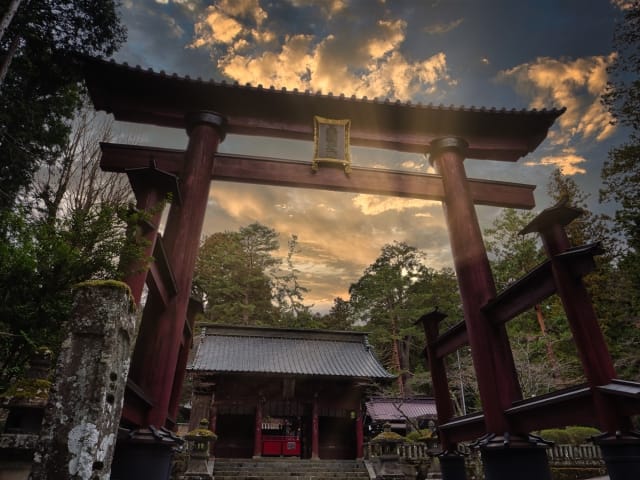
Sengen shrines, which number over 1,300 across Japan, are dedicated to Asama no Okami, the deity of volcanoes. Each shrine is located within view of a volcano. The Kitaguchi Hongu Fuji Sengen Shrine in Fujiyoshida, Yamanashi Prefecture, was registered as a UNESCO World Heritage Site in 2013 as part of "Fujisan, Sacred Place and Source of Artistic Inspiration." For over 400 years, when climbing Mount Fuji became increasingly popular, this shrine served as the main gateway for pilgrims.
The shrine grounds feature hundreds of cedar and cypress trees, ranging from 200 to 800 years old. The approach to the shrine is filled with a divine atmosphere, with mystical light filtering through the 40-meter-tall trees. Walking here during the New Year brings a sense of spiritual and physical purification.
<Information>
Dates: From January 1st, 2026
Access: Take the Fujikyu Bus to "Sengen Jinja Mae" stop from "Fujisan Station" on the Fujisan Express Railway (Fujikyu Railway)
Admission: Free
Website: https://www.sengenjinja.jp/
Fujisan Hongu Sengen Taisha
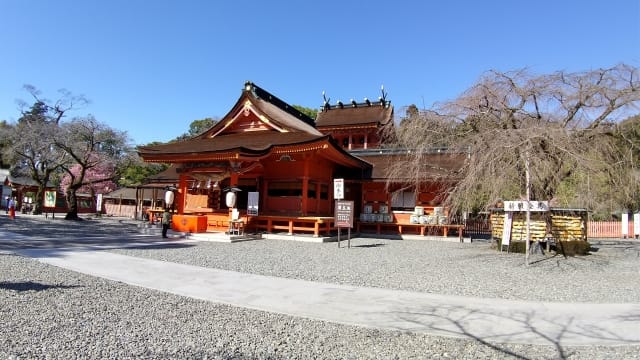
From ancient times, Japanese people have deeply rooted mountain worship, revering mountains themselves as deities and holding them in great awe. At Fujisan Hongu Sengen Taisha, the sacred object of worship is none other than the spiritual mountain, Mount Fuji itself.
The area from the 8th station to the summit of Mount Fuji belongs to Fujisan Hongu Sengen Taisha. The shrine's inner sanctuary being located at Mount Fuji's summit makes it an especially distinctive shrine.
For New Year's prayers, visit the main shrine. Sengen Taisha is such a popular spot that approximately 340,000 people visit during the first three days of January. At the moment January 1st arrives, as the first drum of the new year sounds, visitors gathered from across the country simultaneously celebrate the new year and pray for health and happiness in the coming year.
<Information>
Dates: January 1-3, 2026
Access: About 30 minutes by taxi from Shin-Fuji Station on the Tokaido Shinkansen
Alternatively, take the Fuji Kyuko Shizuoka Bus (Yurikago Line) from Shin-Fuji Station to Fuji Station, then walk 10 minutes from Fujinomiya Station on the Minobu Line
Admission: Free
Website: http://fuji-hongu.or.jp/sengen/
Kawaguchi Sengen Shrine
Source: Yamanashi
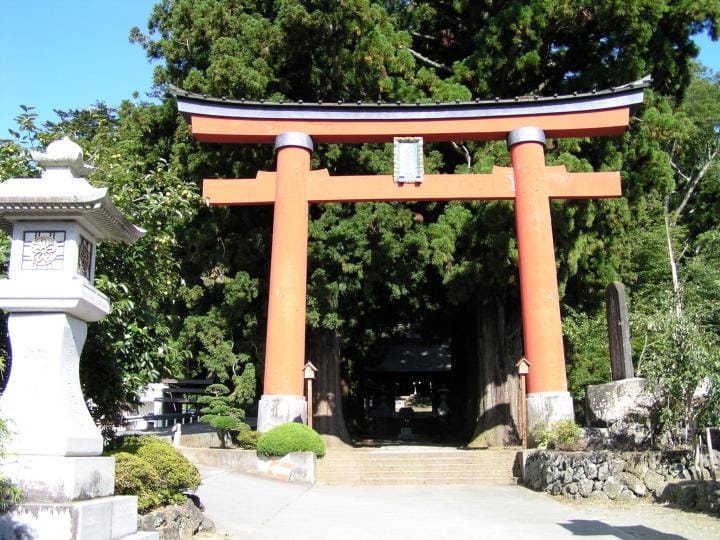
Kawaguchi Sengen Shrine was established in 865, following the great Mount Fuji eruption of 864, to enshrine Sengen Daijin, the deity of Mount Fuji, and to calm the mountain's activity. This shrine is also a component of Mount Fuji's World Cultural Heritage designation. The main attraction is the Seven Cedars, which are over 1,200 years old. Among them, two parallel cedars are popular as the "Marriage-Bonding Cedars." Having shared a single root system for 1,200 years, they are considered sacred trees that bring about successful relationships and good marriages.
The shrine is also famous for "Chigo no Mai," a traditional performance conducted to pacify Mount Fuji's eruptions, which has been designated as an Important Intangible Folk Cultural Property of Japan.
For New Year's visits, be sure to tour the seven cedars and see the rare maple tree formed by separate trees growing together. Start your year by bathing in the powerful natural energy.
<Information>
Dates: From January 1, 2026
Access: 3-minute walk from Kawaguchi Post Office bus stop, accessed by Fuji Kyuko Bus from Kawaguchiko Station on the Fuji Kyuko Line
Admission: Free
Website: https://asamajinja.or.jp/
Takeda Shrine
Source: Yamanashi
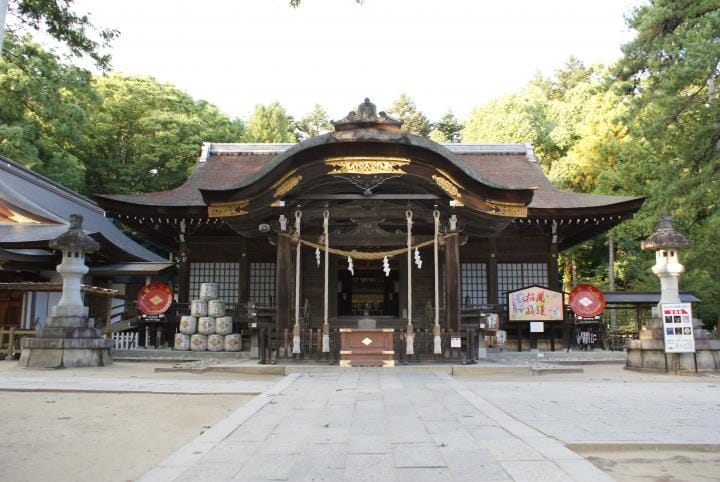
History enthusiasts will recognize Takeda Shrine's connection to Takeda Shingen, a renowned military commander from the 16th-century Warring States period and a historical figure celebrated in Yamanashi Prefecture.
At Takeda Shrine, visitors can see moats, earthen fortifications, and wells from the Warring States period. The treasure hall displays Takeda family artifacts, including the nationally designated Important Cultural Property "Sword Inscription 'Ichi'" along with armor and helmets.
Takeda Shrine is said to bring benefits in business prosperity, good fortune, victory, and protection from misfortune. It's especially known for granting power for victory and "conquering oneself." For those with goals to overcome or achieve in the new year, consider visiting Takeda Shrine.
<Information>
Dates: From January 1, 2026
Access: Direct access from Takeda Shrine bus stop, reached by Yamanashi Kotsu Bus from JR Kofu Station North Exit
Admission: Free
Website: http://www.takedajinja.or.jp/
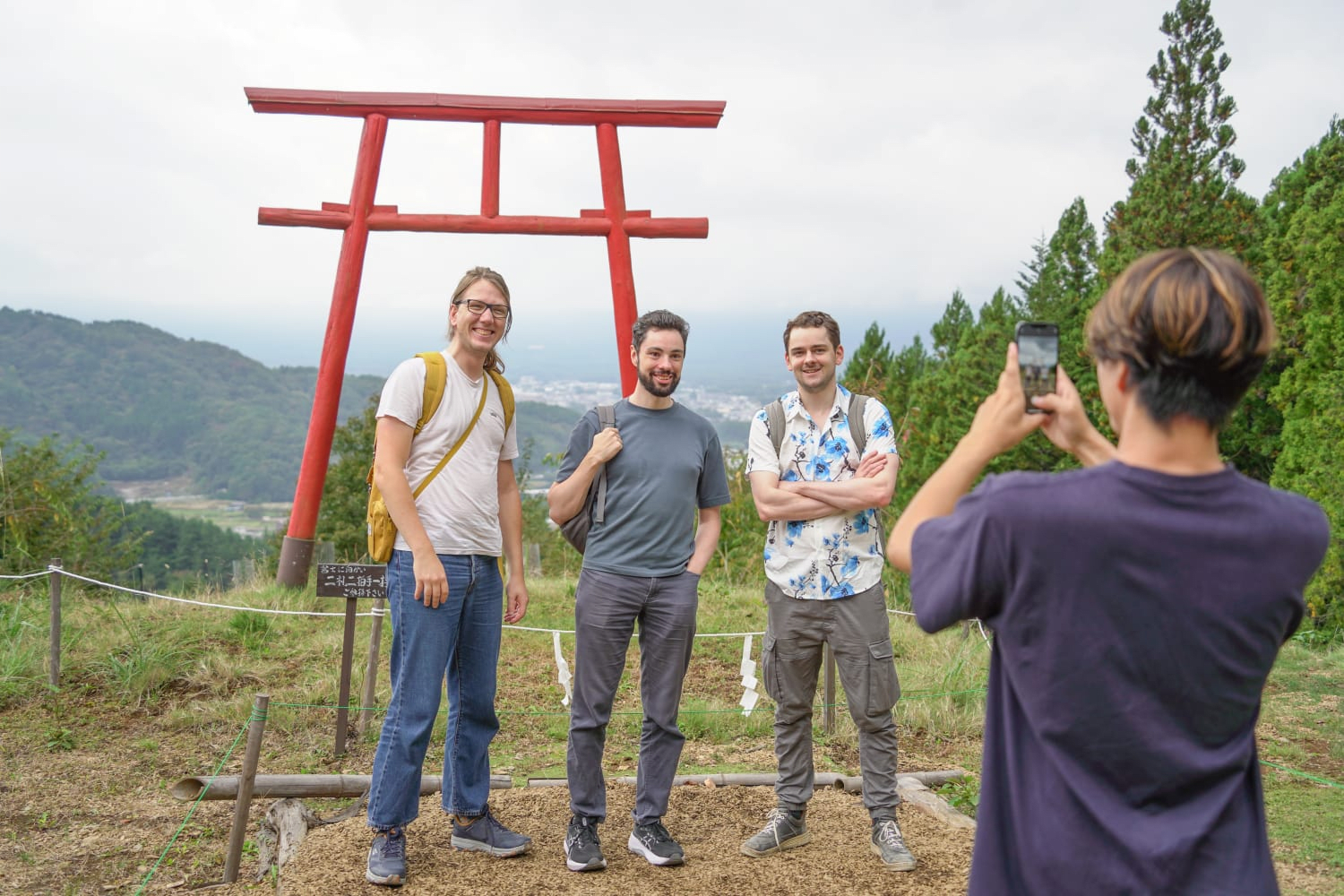
If you want to efficiently visit hatsumode and scenic spots around Mt. Fuji, a private tour of approximately 10 hours with a local guide is highly recommended.
An English-speaking guide will accompany you, providing detailed explanations of the proper etiquette for visiting historic shrines and Japanese New Year culture. You can also stop by hidden photo spots not found in guidebooks and local favorite restaurants.
Many places around Mt. Fuji are difficult to access by public transportation, but with a private car, you can enjoy smooth transfers with pickup service from your hotel.
Recently, buses and taxis departing from Kawaguchiko Station and Fujisan Station toward sightseeing spots have become extremely crowded, making travel by public transportation very difficult.
With a hired car tour, you can sightsee without worrying about such congestion. You can efficiently visit multiple spots without wasting your limited time.
By having a local guide show you around from their unique perspective, you can experience the charm of the Mt. Fuji area more deeply. This is the perfect plan for those who want to create special New Year memories.
Meeting point: Meet in Shinjuku or hotel pickup
Tour area: Around Mt. Fuji
Start time: 8:00
Mochi Pounding Ceremony (Fujisan Hongu Sengen Taisha)
Source: Yahoo! News
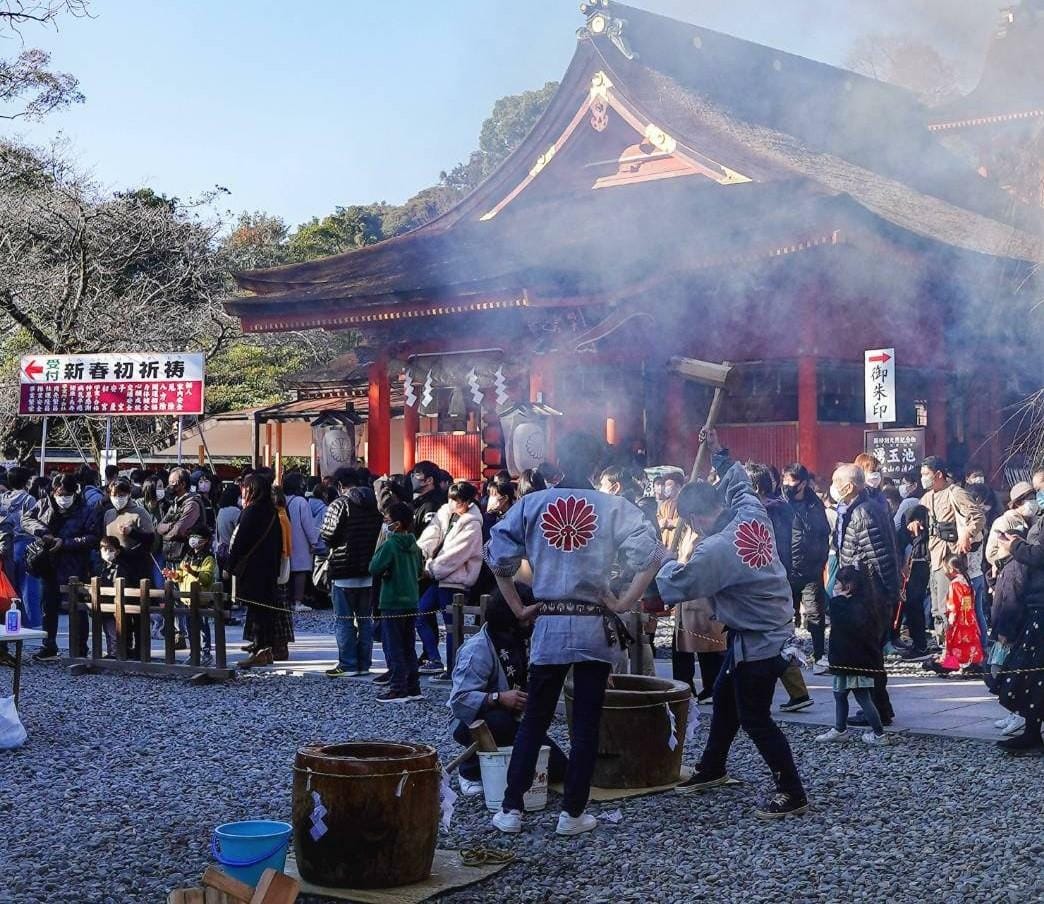
Sengen Taisha is such a popular spot that approximately 340,000 people visit for prayers during the first three days of January. At the moment January 1st begins, the first drum of the new year sounds, and visitors from across the country simultaneously celebrate the new year and pray for health and happiness in the coming year.
On January 2nd, from 9:00 AM to around 3:00 PM, a New Year's mochi (rice cake) pounding ceremony is held inside the tower gate, performed as a service by the Ujiko Youth Association of Sengen Taisha.
After being offered to the deities, the freshly pounded mochi is distributed to visitors. When you taste the freshly made delicious mochi, you might feel your luck increasing (a wordplay on the Japanese phrase meaning "rising fortune").
<Information>
Dates: January 1-3, 2026
Access: About 30 minutes by taxi from Shin-Fuji Station on the Tokaido Shinkansen
Alternatively, take the Fuji Kyuko Shizuoka Bus Yurikago Line from Shin-Fuji Station to Fuji Station on the Tokaido Line, then walk 10 minutes from Fujinomiya Station on the Minobu Line
Admission: Free
Website: http://fuji-hongu.or.jp/sengen/
New Year's Fire Blessing Ceremony (Misogi Shrine)
Source: Official website
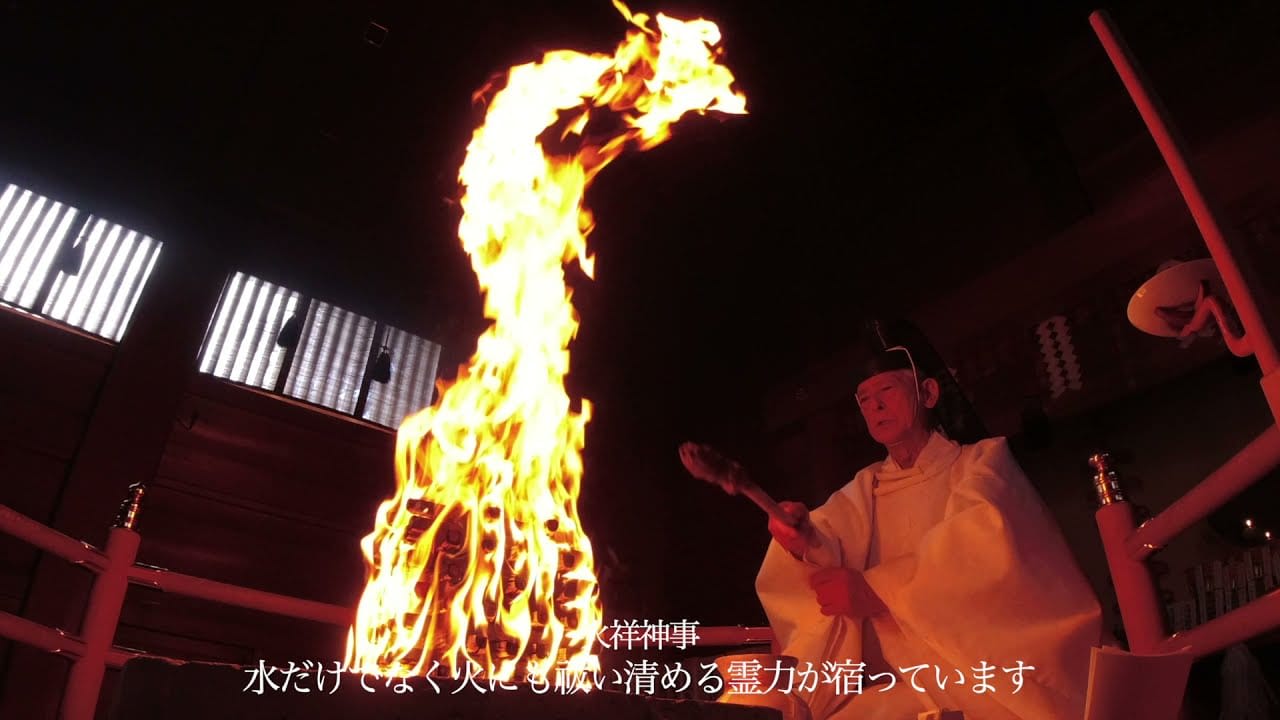
Misogi Shrine teaches the importance of misogi (purification in Japanese). In Shinto, the most important aspect is purifying not only the visible but also the invisible heart and destiny, to spend each day enjoyably, brightly, and vibrantly.
The "Shinto Reiho Kasho Kaji Fire Blessing Ceremony" is a regular event at Misogi Shrine. It is performed at 2:00 PM on the 2nd, 12th, and 22nd of each month.
This ceremony is believed to purify impurities (kegare) that cause worries and suffering through sacred fire received from the deities.
It's said that wishes are carried to the deities through the flames, bringing great purification and strong fortune. Prayer wooden tablets are available for writing and leaving your wishes.
When submitted to the shrine, you'll receive an amulet in exchange. It's recommended to keep it with you in your wallet or bag.
<Information>
Dates: January 2nd, 12th, 22nd, 2026
Access: About 5 minutes by taxi from Kobuchizawa Station on the JR Chuo Line
Admission: Free
Website: https://www.misogi.jp/
Great Prajna Prayer Ceremony
Source: Official website
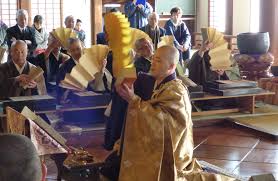
Like the previously mentioned Takeda Shrine, Erinji Temple, which has connections to Takeda Shingen, holds the "Great Prajna Prayer Ceremony" from January 1st to 3rd.
This event, suitable for the start of the new year, involves reading the Great Prajna Sutra over three days, praying for national peace and people's happiness. The Great Prajna Sutra is the largest of all Buddhist scriptures, containing about 5 million characters in 600 volumes.
"Tendoku" is a ritual where, instead of actually reading the entire sutra, monks turn the pages while chanting shingon (mystical phrases used in many Mahayana Buddhist sects), receiving the merit of the sutra's power.
The sight of gathered monks chanting the mantras loudly while dramatically opening the scriptures is both solemn and spectacular. The ceremony is held in the morning on all three days, offering visitors a chance to experience a unique Zen temple New Year's atmosphere.
<Information>
Dates: January 1-3, 2026
Access: Take the Yamanashi Kotsu Bus Nishizawa Keikoku Line from the South Exit of Enzan Station on the JR Chuo Line to Erinji-mae stop
Admission: Free
Website: https://erinji.jp/
Natural Attractions Around Mt. Fuji in January 2026
First Sunrise of the Year at Lake Motosu
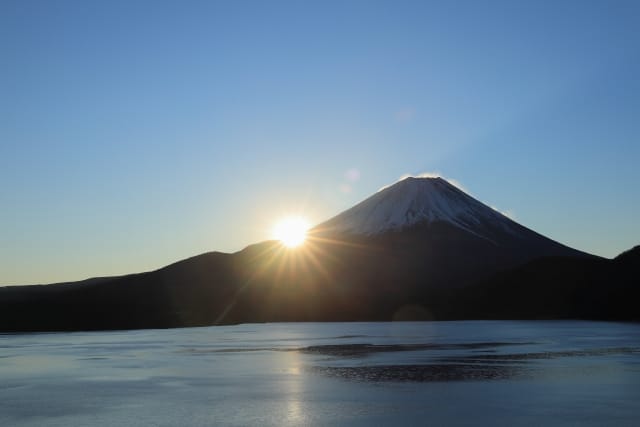
Lake Motosu (Motosuko) is one of the Fuji Five Lakes located on the northern side of Mt. Fuji. It is the deepest among the five lakes and boasts exceptional water clarity, offering visitors a chance to enjoy pristine natural beauty.
The lakeside features a walking path, and its prime location with views of Mt. Fuji makes it a popular tourist destination. Various activities such as fishing, boating, and lakeside cycling are popular here.
The Motosu Lake Observation Park has become an unmissable spot for viewing the first sunrise of the New Year. On January 1st, sunrise occurs just before 7 AM, but by 6 AM, many people have already gathered. Watching Mt. Fuji's silhouette gradually emerge in the morning light is a spectacular sight that evokes indescribable emotions.
<Information>
Date: From January 1st, 2026
Access: Take the Fuji Kyuko Bus (New Fuji Line) from Kawaguchiko Station on the Fuji Mountain Base Electric Railway Fujikyu Line, get off at "Motosuko"
Admission: Free
Website: https://www.yamanashi-kankou.jp/kankou/spot/p1_4614.html
Diamond Fuji from Mt. Ryugatake
Source: Yamanashi
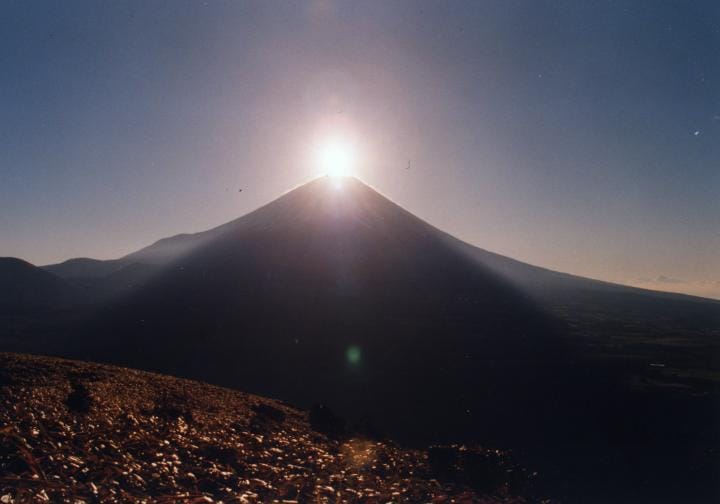
Mt. Ryugatake is a 1,485-meter mountain on the southern shore of Lake Motosu. It's famous for its magnificent views of Mt. Fuji from both the summit and hiking trails.
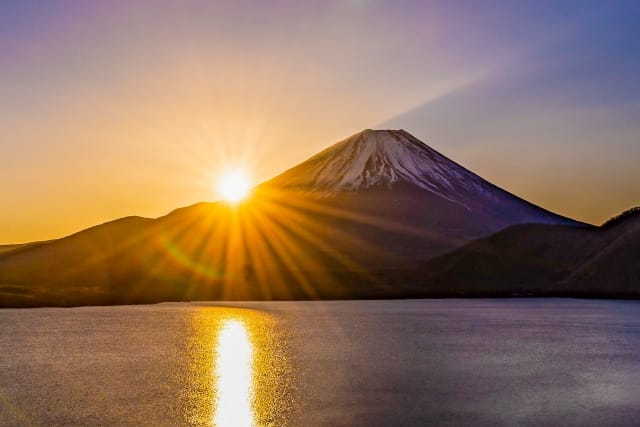
The mountain's most notable feature is the "Diamond Fuji" phenomenon visible from its peak. Diamond Fuji occurs when the sun's path aligns perfectly with Mt. Fuji's peak, creating a diamond-like brilliance.
On New Year's Day morning, climbers and photographers from across Japan gather to witness the divine first light rising from Mt. Fuji's peak. If you're spending New Year in Japan, witnessing this Diamond Fuji is highly recommended.
During snowy conditions, light crampons are recommended for safety.
<Information>
Date: From January 1st, 2026
Access: 2 hours 40 minutes walk from Motosuko bus stop (Take Fuji Kyuko Bus New Fuji Line from Kawaguchiko Station)
Admission: Free
Website: https://www.yamanashi-kankou.jp/kankou/spot/p1_4760.html
Recommended Spots to Enjoy the Collaboration of First Sunrise and Mt. Fuji in January 2026
Kawaguchiko Ropeway Special Operation for First Sunrise
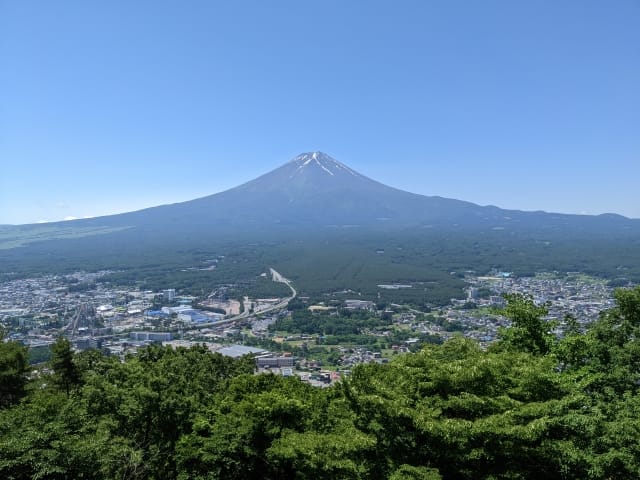
The Mt. Fuji Panoramic Ropeway is a sightseeing spot where you can reach the summit at an altitude of 1,075m in about 3 minutes from the lakeside of Lake Kawaguchi. From the observation deck, you can enjoy a panoramic view of Mt. Fuji and Lake Kawaguchi.
On New Year's Day, a special early morning operation starting at 7:00 AM is conducted to coincide with the first sunrise. From the summit, you can simultaneously view the majestic Mt. Fuji and the first sunrise rising from the eastern sky, providing an auspicious experience perfect for the new year.
At the summit area, there is also a small shrine called the Rabbit Shrine, where you can enjoy hatsumode right after viewing the first sunrise. This spot is inspired by an old Japanese folktale and is decorated with cute rabbit ornaments.
Early winter mornings are especially cold, so please make sure to dress warmly before heading out.
When I go to the Mt. Fuji area in January, I always wear a down jacket and fleece-lined pants.
This is a must-experience Mt. Fuji event January 2026 for those seeking an unforgettable New Year's experience.
Date: January 1, 2026, special operation from early morning 7:00 AM
Access: About 15 minutes walk from Fuji Kyuko Line "Kawaguchiko" Station, or use the Lake Kawaguchi sightseeing bus
Admission: Round trip 1,000 yen for adults, 500 yen for children
Website: https://www.mtfujiropeway.jp/
FUJIYAMA Tower All-Night Operation
Source:PR TIMES
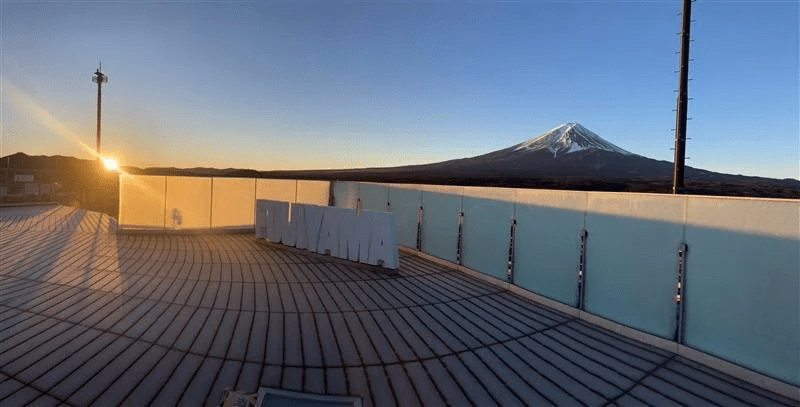
FUJIYAMA Tower is a scenic observation deck located within Fuji-Q Highland, an amusement park.
From the sky deck at approximately 55m high, you can enjoy a 360-degree panoramic view of the majestic Mt. Fuji spreading before you and the cityscape of Fujiyoshida City below.
On New Year's Day, a special "First Sunrise Viewing Event" is held. Registration begins at 6:15 AM, and you can watch the first sunrise expected around 6:50 AM from the observation deck.
For Japanese people, seeing Mt. Fuji and the first sunrise together at the start of the new year is considered the most auspicious experience.
I also participated last year, and seeing such an auspicious sight at the beginning of the new year allowed me to start the year with a very positive feeling.
Participation requires advance ticket purchase (3,000 yen) through the official app. Please enjoy the collaboration of Japan's highest mountain and the first sunrise at this spectacular Mt. Fuji event January 2026.
Date: January 1, 2026, registration from 6:15 AM
Access: Right next to Fuji Kyuko Line "Fujikyu-Highland" Station
Admission: 3,000 yen
Website: https://www.fujiq.jp/event/newyear2026fujiq.html
Hatsumode at Nihondaira
Source:Shizuoka City Official
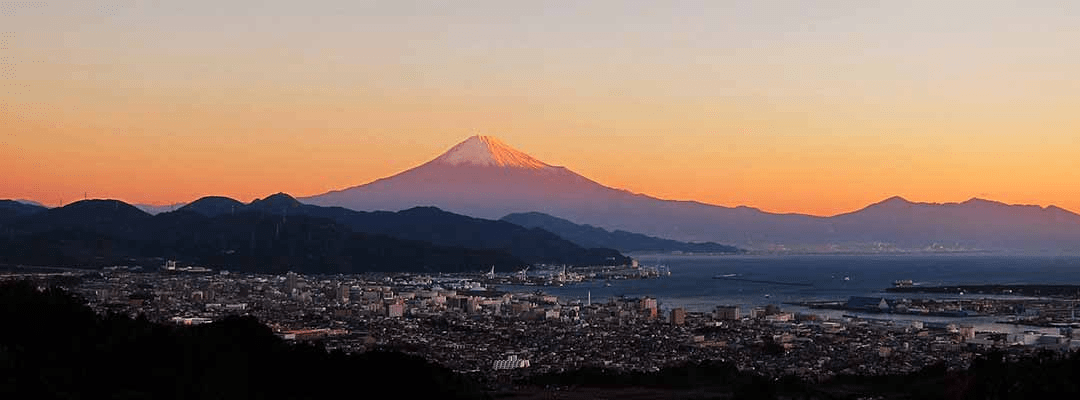
Nihondaira is a hill with an elevation of 307 meters located in Shizuoka City. It is a scenic spot that was once ranked first in Japan in the "Top 100 Japanese Tourist Destinations Contest."
From the summit, you can enjoy a magnificent panoramic view overlooking Suruga Bay, Shimizu Port, Izu Peninsula, and Mt. Fuji.
The first sunrise of the year typically occurs around 7:00 AM, and you can watch the sun rise from the sea with Mt. Fuji in the background.
When visiting Nihondaira, I recommend stopping by "Nihondaira Yume Terrace," which opened in 2018. This observation facility features 360-degree glass walls, allowing you to enjoy the spectacular views.
Additionally, the ropeway at the summit of Nihondaira operates special late-night services starting on New Year's Day. It provides access to "Kunozan Toshogu Shrine," which enshrines Tokugawa Ieyasu, a Japanese military commander from the 1500s. This means you can watch the first sunrise and then head straight to hatsumode (the first shrine visit of the year).
Date: From January 1, 2026
Access: Approximately 30 minutes by car from Tomei Expressway "Shizuoka IC"
Admission: Free (separate fee required for ropeway)
Special January Experiences Around Mt. Fuji
Lake Kawaguchi Winter Fireworks
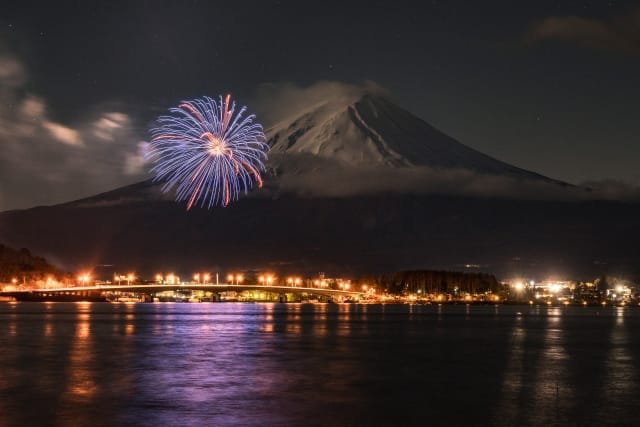
The Kawaguchiko Winter Fireworks have become a winter specialty around Mt. Fuji. The fireworks against the cold, clear sky create a different atmosphere from summer displays. The sound of fireworks echoing in the dry air is powerful and immersive.
When the lake is calm with no wind, the reflection of fireworks on Lake Kawaguchi creates stunning mirror images. The main launch site is at Oike Park, with additional displays from Tatami Rock and Yagisaki Park. The simultaneous launch from all three locations is a must-see spectacle.
Many nearby hotels offer special accommodation packages for the winter fireworks festival, which is worth considering for your visit.
<Information>
Date: Scheduled for 10 shows on Saturdays and Sundays from January 25th to February 23rd (Mt. Fuji Day), 2026
Access: Take the Kawaguchiko Loop Bus Red Line from Kawaguchiko Station, get off at "Kawaguchiko Herb Hall"
Admission: Free
Website: https://fujisan.ne.jp/pages/403/
Lake Yamanaka Illumination "Fantaseum"
Source: Official website
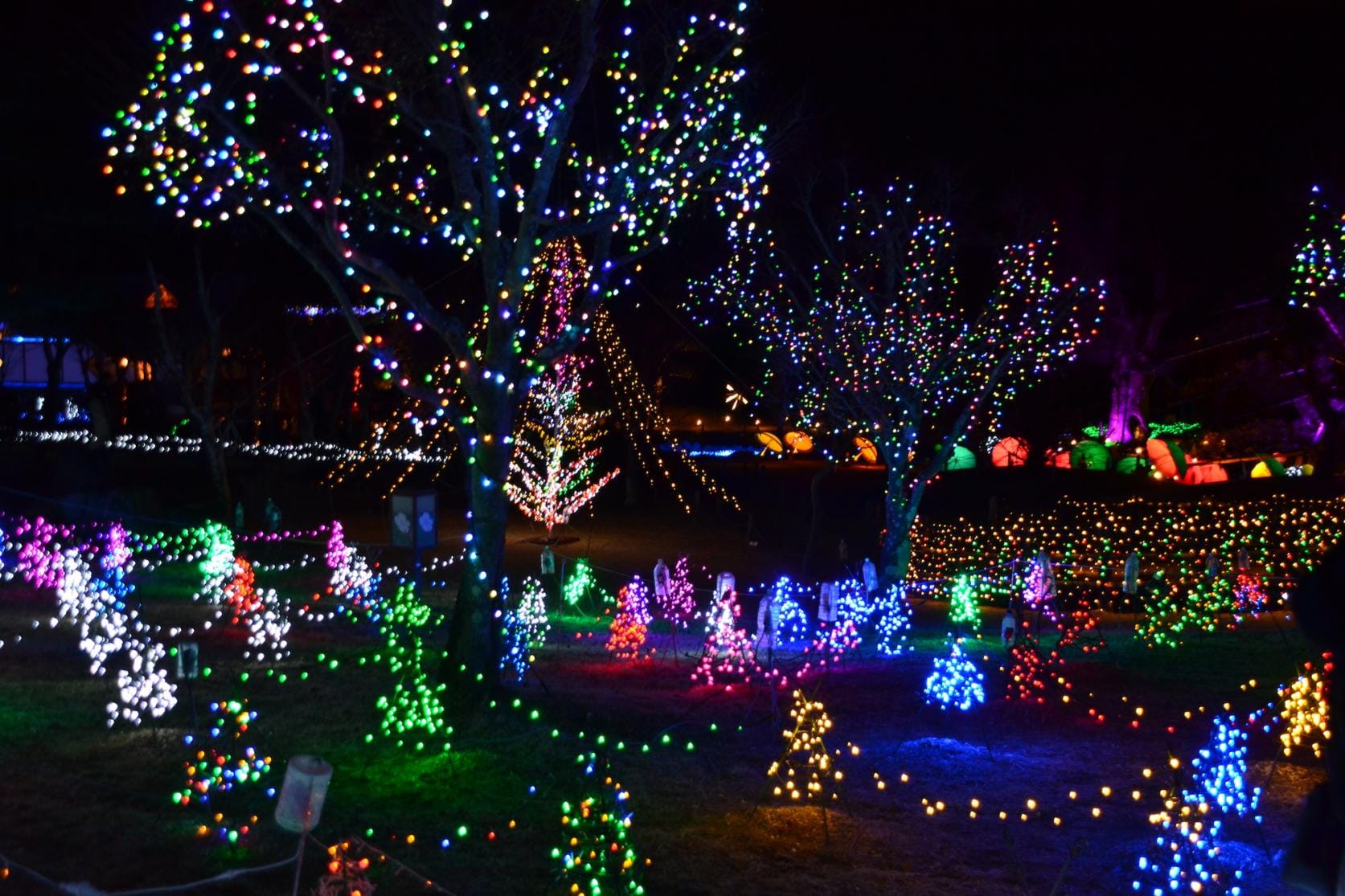
Lake Yamanaka is the largest of the Fuji Five Lakes and closest to Mt. Fuji. As a resort area offering spectacular views of Mt. Fuji throughout the seasons, its winter festival highlight is the Lake Yamanaka Illumination "Fantaseum." This New Year 2026 event features brilliant illuminations displayed against the mystical backdrop of Mt. Fuji and a star-filled sky. Visitors can experience creative and mysterious Japanese atmosphere through unique installations such as illuminated Japanese umbrellas.
The park's greenhouse offers a warm space to enjoy food and drinks, making it perfect for a leisurely visit. Don't miss the grand winter fireworks displayed on Saturdays and New Year's Day!
<Information>
Dates: December 1, 2025 - January 13, 2026
Access: 3-minute walk from "Hananomiyako Koen Iriguchi" bus stop via Fuji Kyuko Bus from Kawaguchiko Station on the Fuji Kyuko Line
Admission: 350 yen
Website: http://www.hananomiyakokouen.jp/
2026 Saiko Ice Festival
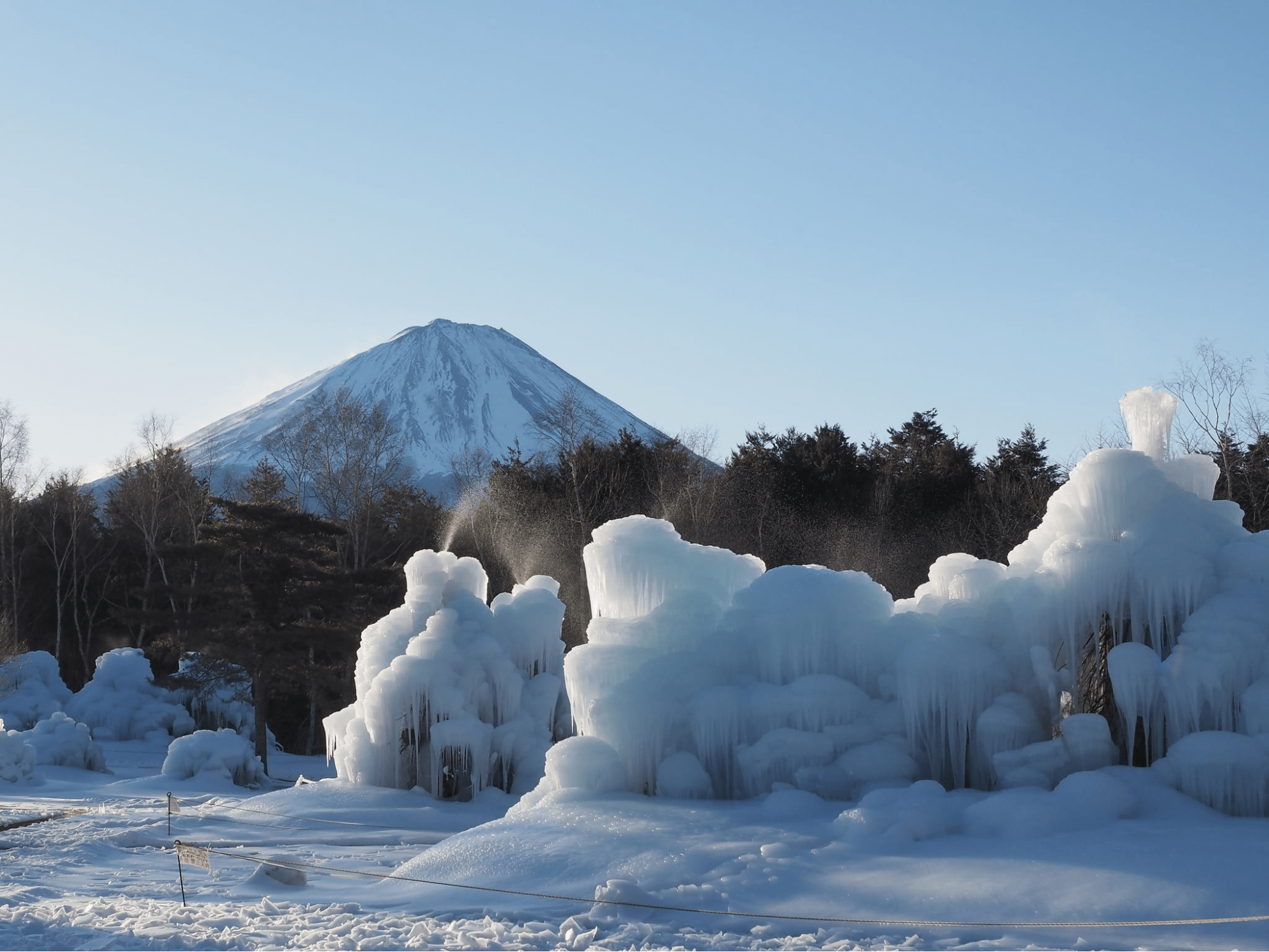
The Saiko Ice Festival is a winter tradition held at "Wild Bird Forest Park" on Lake Saiko, one of the Fuji Five Lakes. This Mt. Fuji event in January 2026 is a must-see for visitors to the area.
Within the park, surrounded by Aokigahara Forest, dynamic ice sculptures called "ice trees" reaching heights of 5 to 10 meters appear.
These ice trees are works of art created by spraying water onto trees in the bitter cold, causing it to freeze. Since they are formed naturally, this is a breathtaking sight you can only see here.
I especially recommend visiting after sunset. The illumination lights up the ice trees, creating a magical and ethereal atmosphere.
At the venue, you can also purchase the festival's signature dish—and my personal favorite—salt-grilled himemasu (landlocked salmon), as well as other warm food and drinks. You can warm up while enjoying the ice art.
Date: January 31 (Sat) – February 11 (Wed), 2026
Access: Approximately 25 minutes by taxi from Fujikyu Railway Kawaguchiko Station
Admission: Free
Website: https://fujisan.ne.jp/pages/405/
Tokinosumika Illumination 2025-2026 (Gotemba)
Source:Official website
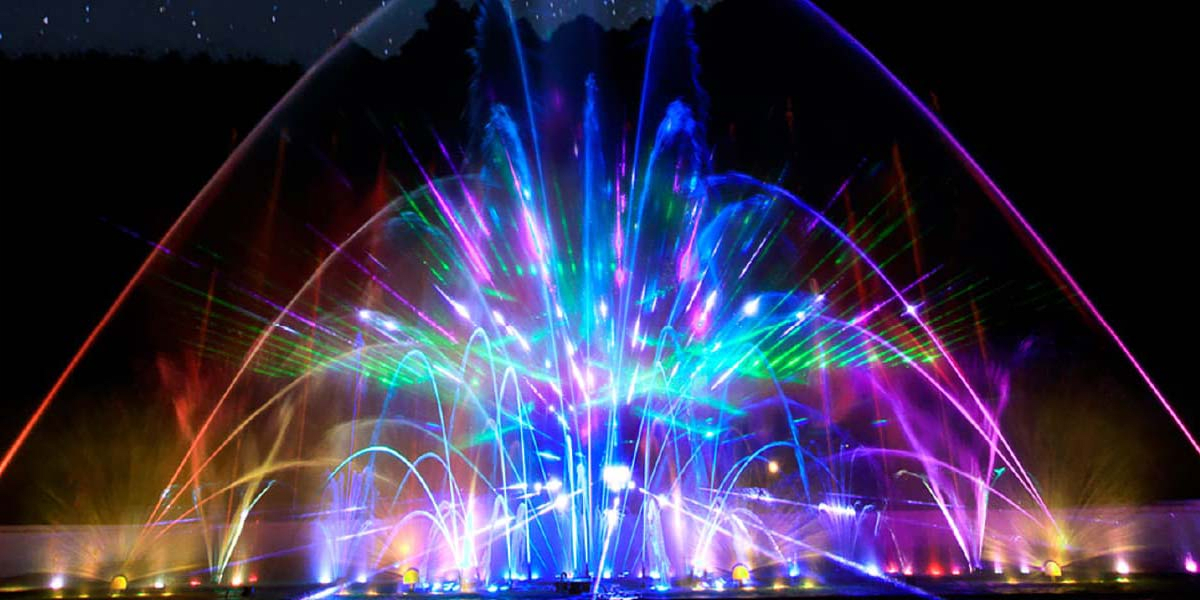
Tokinosumika is a resort complex located in Gotemba Kogen, featuring accommodation facilities, restaurants, and various activity venues.
The winter illumination event "Hikari no Sumika" held here every year is a magical world created by approximately 5.5 million lights and has been certified as a "Japan Night View Heritage" site.
This season's theme is "Magic Forest," with highlights including a 20-meter-tall symbol tree inspired by Mt. Fuji and a "Tunnel of Light" stretching approximately 300 meters.
The "Magic Church" program, which debuted last year, features projection mapping. I visited last year and found the story-driven content very entertaining.
The expansive grounds also include restaurants and natural hot springs, so you can enjoy a meal or a bath after viewing the illumination.
Date: October 11 (Sat), 2025 – March 8 (Sun), 2026
Access: Approximately 5 minutes by car from Tomei Expressway "Susono IC"; free shuttle bus available from JR Mishima Station
Admission: Free areas available
Website: https://www.tokinosumika.com/8076/
Refre Fujiyoshida New Year Festival
Source: Official website
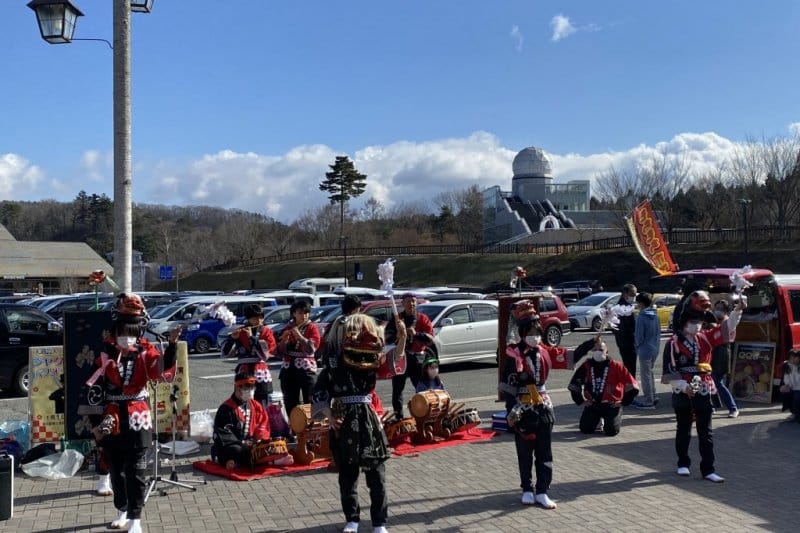
The "Refre Fujiyoshida New Year Festival" is held from January 1-3 in the Refre Fujiyoshida area, centered around the Fujiyoshida Road Station. This January 2026 festival features traditional New Year celebrations including mochi pounding, lion dance performances, and lucky bag sales. Local mascot characters make appearances, creating an enjoyable atmosphere for both adults and children. The event attracts many tourists and locals annually.
Start your year with good fortune at the foot of Mt. Fuji!
<Information> *2024 information
Dates: January 1-3, 2024
Access: 2-minute walk from "Mt. Fuji Radar Dome" or "Sun Park Fuji" bus stop via Fuji Kyuko Bus from Fujisan Station on the Fuji Kyuko Line
Admission: Free
Website: https://fujiyoshida.net/event/138
Snow Activities (Fujiten Resort)
Source: Fujikanko.co.jp
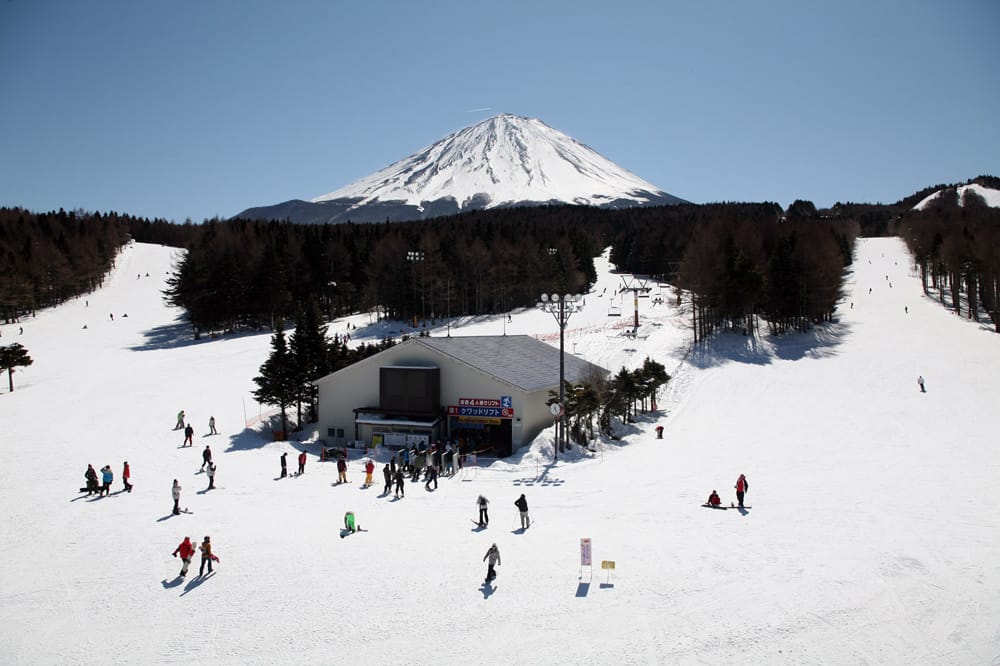
Fujiten Resort is a full-scale ski resort offering skiing and snowboarding with Mt. Fuji as your backdrop during winter. The resort features seven courses suitable for beginners to advanced skiers, plus the "Chibikko Ai Land," a specialized area for snow play and sledding perfect for families with pre-school children.
A must-try attraction, even for non-skiing tourists, is the "Tourist Lift." The observation deck at Sannozan summit, the lift's terminal point, is one of Fujiten's most popular scenic spots. The summit opens directly toward Mt. Fuji, offering an impressive view of the mountain and a breathtaking panorama of Lake Kawaguchiko below.
<Information>
Opening: Scheduled to open mid-December 2026
Access: Direct access via Fujiten shuttle bus from Kawaguchiko Station on the Fuji Kyuko Line
Admission: Full-day lift ticket (weekdays) from 4,000 yen for adults
Website: https://www.fujiten.net/
Gourmet Events Around Mt. Fuji in January 2026
New Year's Oshiruko (Sweet Red Bean Soup) Service (Matsubara Park, Izu)
Source: Official website
Matsubara Park is a natural pine forest park located behind the famous beach in Izu City, Shizuoka Prefecture. The park is also renowned as a prime spot for watching spectacular sunsets. It's a popular destination among visitors to the nearby Toi Onsen hot springs and people enjoying the adjacent foot bath "Kogane no Yu" (Golden Hot Spring).
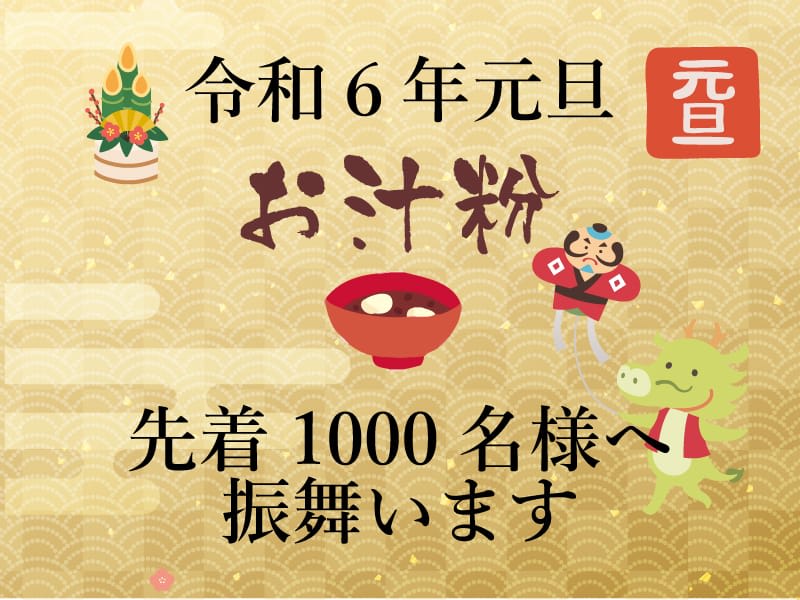
As part of the New Year's festivities, the park hosts a special event where they serve oshiruko (a traditional Japanese sweet soup made with diluted smooth or chunky red bean paste, served hot with mochi rice cakes and shiratama dango rice dumplings) to the first 1,000 visitors.
After warming up with oshiruko, visitors are encouraged to take a leisurely stroll around Matsubara Park. You might spot a few early-blooming Toi Cherry Blossoms in deep pink - known as Japan's earliest-blooming cherry blossoms - offering a preview of the upcoming spring season near Mt. Fuji.
<Information> *Information is based on 2024 event
Date: January 1, 2024, 9:30 AM - 11:15 AM
Access: 3-minute walk from "Toi Onsen" bus stop on Tokai Bus line, accessed from Shuzenji Station on the Izuhakone Railway Sunzu Line
Admission: Free
Website: https://kanko.city.izu.shizuoka.jp/form1.html?pid=2529
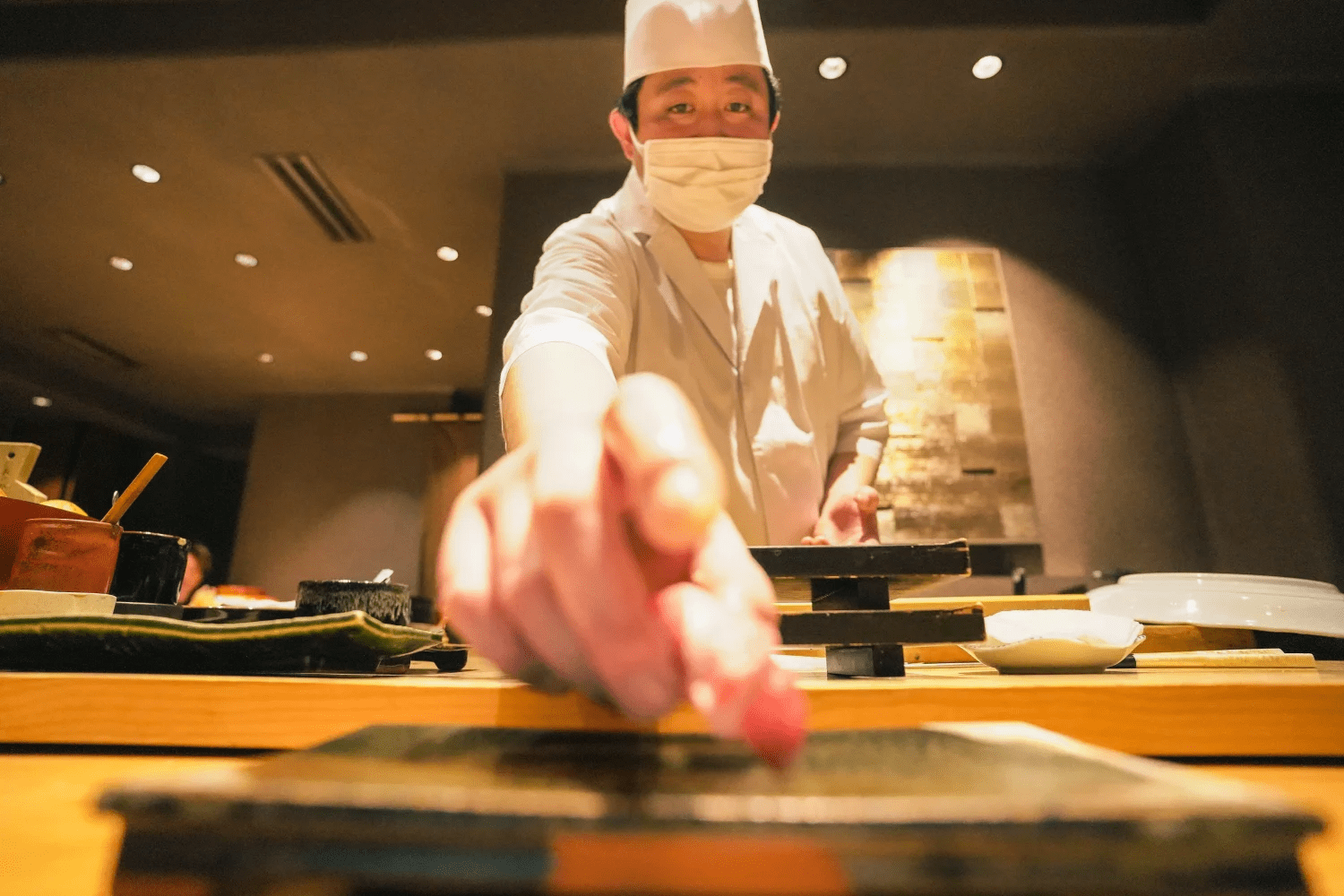
After enjoying sightseeing around Mt. Fuji, I recommend joining a guided tour to savor authentic Japanese cuisine back in Tokyo.
In Ginza, you can indulge in exquisite dishes at high-end restaurants offering sushi prepared by skilled artisans and tempura made with seasonal ingredients. Courses featuring pairings of premium Japanese beef with sake are also popular.
If you want to experience Japanese food culture more casually, why not join a bar-hopping tour in Shinjuku? You can enjoy classic dishes like yakitori and sashimi at izakayas frequented by locals while soaking in the Tokyo nightlife.
While many people are concerned about safety in this area, often called the largest entertainment district in the East, local guides know all the safe tourist spots and locally-loved establishments. This allows you to safely and deeply enjoy Shinjuku and Kabukicho.
All tours include English-speaking local guides who will assist with menu explanations and ordering, so there's no need to worry about the language barrier.
And since knowledgeable local guides help with restaurant selection, you can visit hidden gems that you won't find in guidebooks.
Finest Quality Sushi & Tempura Dining Experience in Ginza
Wagyu Beef & Sake Paring Foodie Tour in Ginza
Tokyo Bar Hopping Night Tour in Shinjuku