Kyoto in January 2026: New Year's Highlights, Events & Festivals
Since its publication in August, this article has served as a guide for many international visitors planning their trips to Kyoto. Travelers considering a January visit have been using this article to incorporate events into their itineraries and explore tour options through Magical Trip.
We're updating this article now, as January 2026 approaches, to help visitors make the most of their Kyoto experience. We've improved the layout to make it more user-friendly, allowing visitors to easily check event locations and details while exploring the city.
Kyoto is a city where complex layers of culture and history intertwine, making it challenging for tourists to fully appreciate its historical sites and culture on their own.
At the end of the article, I'll also share my experiences with two tours I took during my visit to Kyoto between August and October: the "Kyoto Night Foodie Tour" (Ranked #6 among all tours on TripAdvisor in 2024) and the "4.5-hour Kyoto Historical Highlights Bike Tour with UNESCO Zen Temples," including their highlights and key features!

Introduction
Kyoto, known as the center of traditional Japanese culture, is wrapped in a special charm in January 2026.
During this time of welcoming the New Year, Kyoto is filled with vitality from traditional events and festivals that have been passed down through the ages. Starting with hatsumode, various events such as the Seven Lucky Gods pilgrimage, the archery ritual, and the boiling water ritual are held throughout the city. You can also enjoy unique New Year's food culture.
In this article, I'll introduce you to traditional events and food culture that you can experience in Kyoto in January 2026. I hope you enjoy the New Year's appearance of Kyoto, where history and tradition intertwine!
Since many events haven't been announced at the time of writing this article, I plan to update it regularly. If you're planning to visit Kyoto in January 2026, I strongly encourage you to bookmark this page.
2026 Year-round Event Schedule in Kyoto↓
・Kyoto: List of Events & Festivals for 2026
 Takashi Nakadomari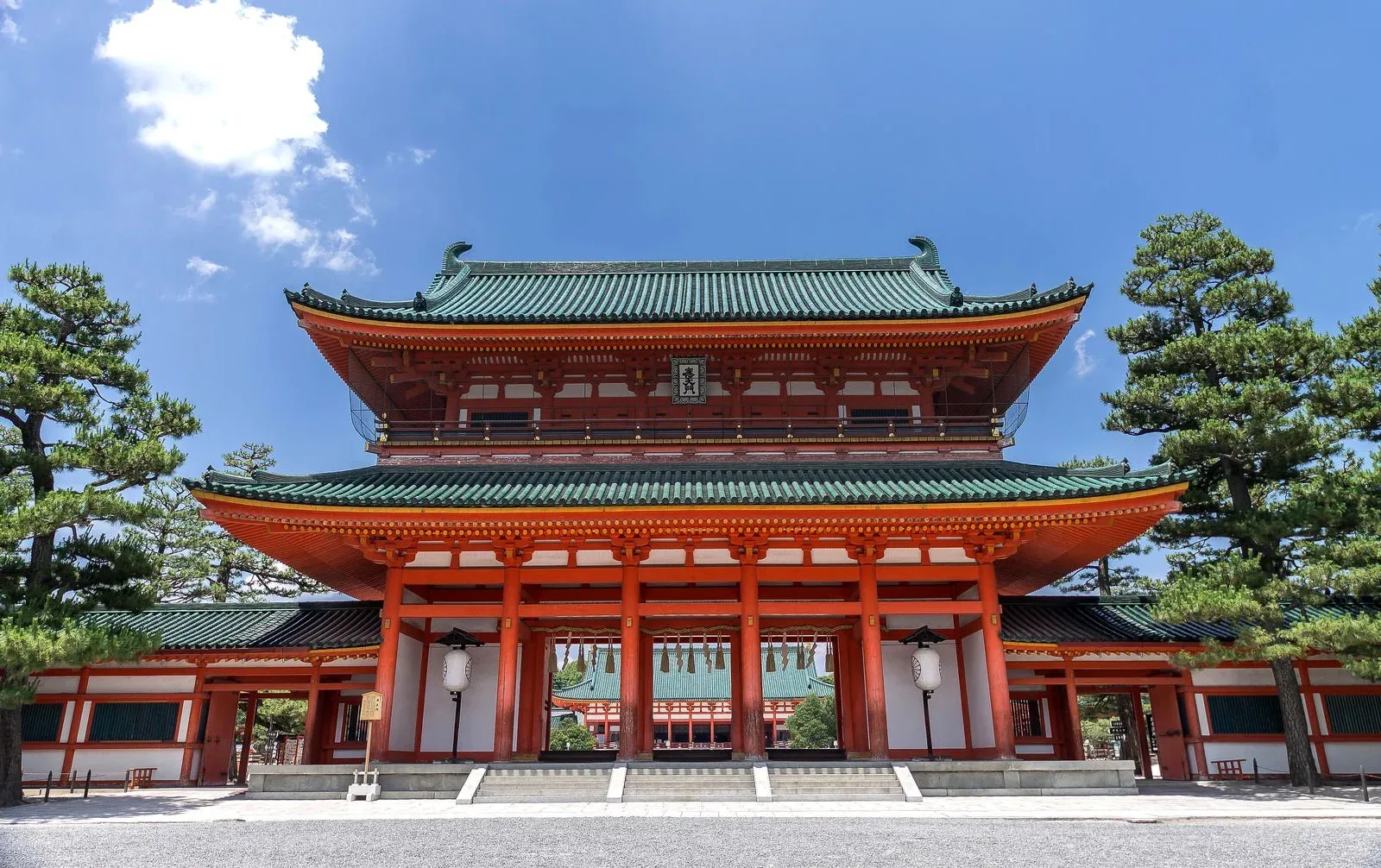
Table of Contents
・Traditional Events in Kyoto in January 2026
・Gourmet Events in Kyoto in January 2026
Traditional Events in Kyoto in January 2026
January in Kyoto is rich in traditional events celebrating the New Year. Various New Year's events that have been passed down since ancient times color Kyoto during this period.
Hatsumode (January 1-7, 2026)
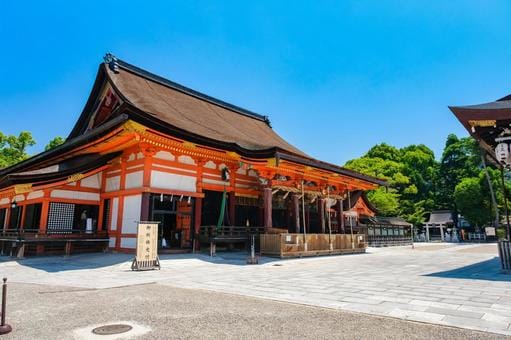
Hatsumode is a traditional Japanese custom of visiting a shrine or temple for the first time in the New Year to pray for safety and peace for that year. Every year, I visit Kyoto's shrines with my friends and family, keeping my New Year's resolutions close to my heart.
For hatsumode, many people mainly go to shrines, but some also visit temples. When visiting, we throw in a coin offering, ring the bell, and pray with our hands together. Drawing omikuji fortunes and purchasing amulets or talismans are also part of the fun of hatsumode.
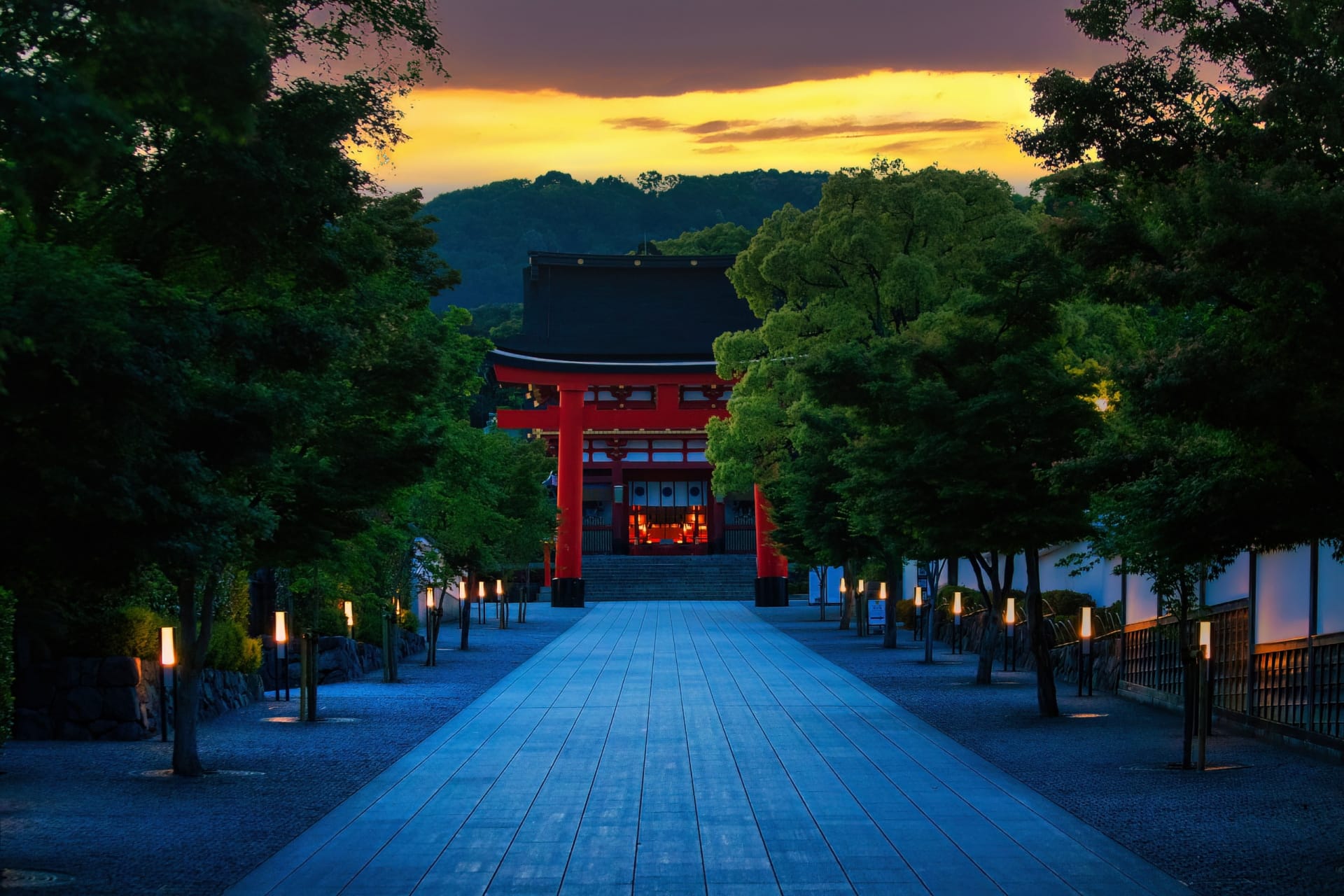
While Kyoto has many famous shrines, Yasaka Shrine and Fushimi Inari Taisha are particularly popular spots for hatsumode. Personally, I also like the atmosphere of smaller shrines bustling with locals.
There are no strict rules about when to do hatsumode, but many shrines allow visitors to start praying from 12:00 AM on January 1st.
I recommend early morning visits as they have a special atmosphere. However, famous shrines can have long queues, so I suggest allowing plenty of time for your visit.
Heian Jingu
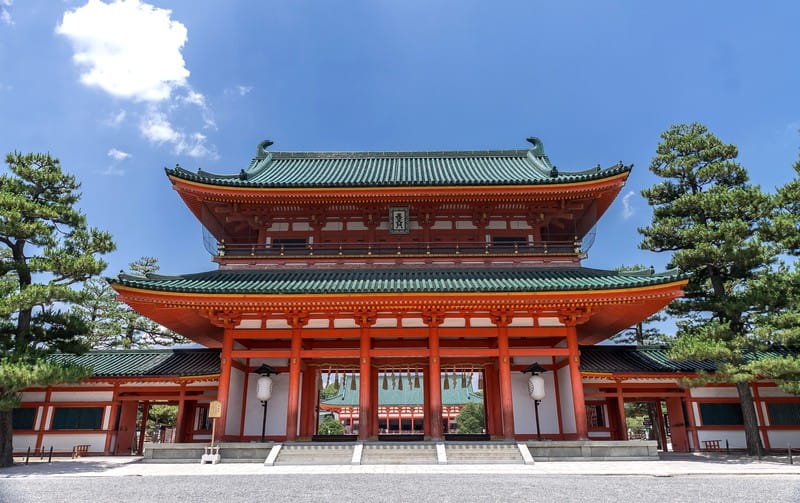
Heian Jingu is a relatively new shrine, founded in 1895 to commemorate the 1,100th anniversary of the transfer of Japan's capital to Heian-kyo.
Heian-kyo is the old name for Kyoto, which served as Japan's capital from 794 to 1868. The large vermilion torii gate stands approximately 24 meters tall and is beloved as a symbol of Kyoto.
This torii is one of the largest in Japan, and I was left speechless by its overwhelming presence when I first saw it.
The shrine grounds were built as a five-eighths scale reproduction of a palace from the "Heian Jidai" (Heian Period), which lasted from 794 to 1185, allowing visitors to feel as if they have traveled back in time to Japan 1,000 years ago.
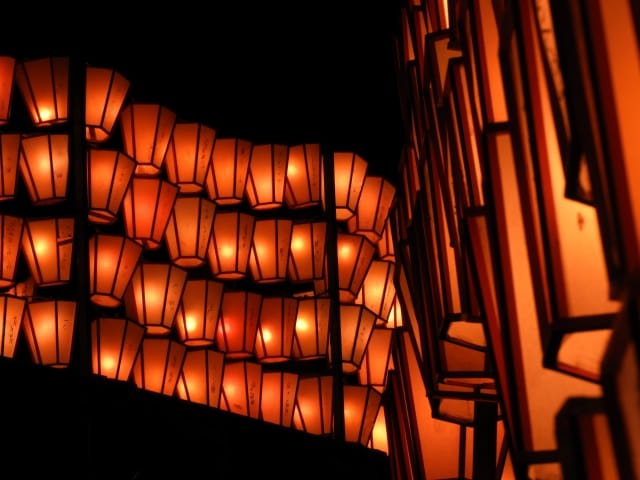
When I visited for Hatsumode (the first shrine visit of the new year), all the lanterns in the shrine grounds were lit from New Year's Eve through New Year's Day, and I was captivated by the magical sight. This is truly one of the must-see Kyoto events in January.
<Information>
Date: From January 1, 2026
Access: About 10 minutes walk from "Higashiyama Station" on the Tozai Subway Line. Or about 5 minutes walk from "Okazaki Koen Bijutsukan/Heian Jingu-mae" bus stop
Admission: Free
Website: https://www.heianjingu.or.jp/
Yasaka Jinja
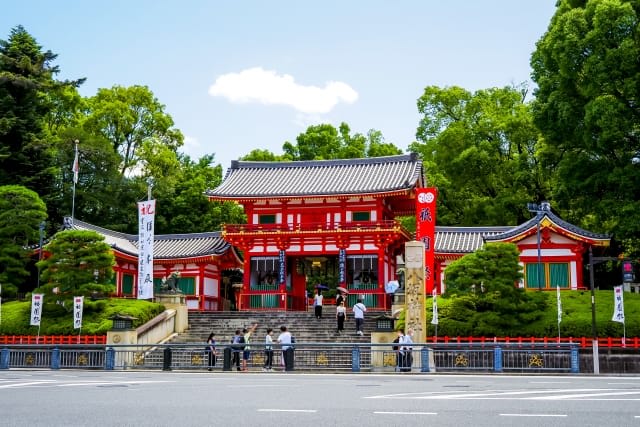
Yasaka Jinja is located in Gion, the bustling entertainment district of Kyoto. Gion is a "Hanamachi" (geisha district) famous for Geiko and Maiko, a charming area lined with traditional wooden Machiya townhouses.
This shrine has approximately 1,350 years of history and is believed to offer blessings for protection against misfortune, matchmaking, and business prosperity. The vermilion gate is particularly beautiful, and many tourists take commemorative photos here.
"Okera Mairi," held on New Year's Eve, is one of the most representative traditions of year-end and New Year celebrations in Kyoto. "Okera" refers to a plant of the chrysanthemum family, a type of medicinal herb believed to have the power to ward off evil spirits.
Worshippers transfer the sacred fire called "Okera-bi," which is burned within the shrine grounds, to a rope-like fire cord. They then carry it home while spinning the cord in circles to keep the flame from going out.
I experienced this once myself, and the sight of walking through Kyoto's nighttime streets while spinning the fire cord was truly impressive. The people around me were also walking while spinning their flames, and the magical scenery remains vividly in my memory. This Kyoto event in January offers an unforgettable cultural experience.
<Information>
Date: From January 1, 2026
Access: About 5-10 minutes walk from "Gion-Shijo Station" on the Keihan Railway or "Kyoto-Kawaramachi Station" on the Hankyu Railway
Admission: Free
Website: https://www.yasaka-jinja.or.jp/
Kitano Tenmangu
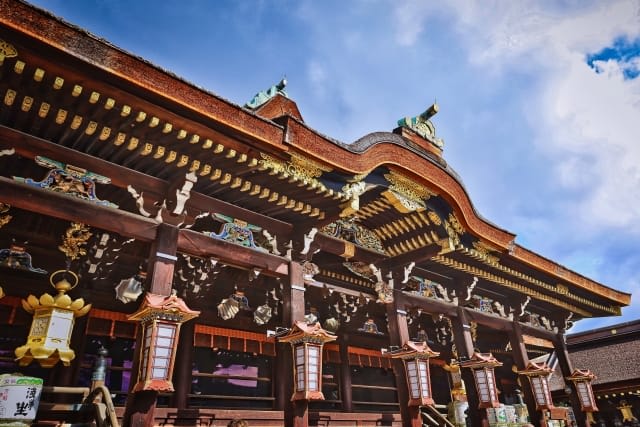
Kitano Tenmangu is a shrine dedicated to Sugawara no Michizane, known as the god of learning. Sugawara no Michizane was a politician, scholar, and poet from around 900 AD, who came to be revered as the "god of learning" due to his exceptional talents.
This is the head shrine of approximately 12,000 Tenmangu and Tenjinsha shrines nationwide, and is affectionately known as "Tenjin-san."
Because it enshrines the god of learning, the shrine is especially crowded with students and their families seeking prayers for success in exams during Hatsumode before the examination season.
A friend of mine visited here before their entrance exams to pray for success. The result was a splendid pass! Ever since then, they visit every year to give thanks.
Additionally, there are approximately 1,500 plum trees on the shrine grounds, which begin to bloom beautifully around February.
<Information>
Date: From January 1, 2026
Access: Get off at "Kitano Tenmangu-mae" on City Bus Route 50
Admission: Free
Website: https://kitanotenmangu.or.jp/
Miyako Seven Lucky Gods Pilgrimage (January 1-31, 2026, as planned)
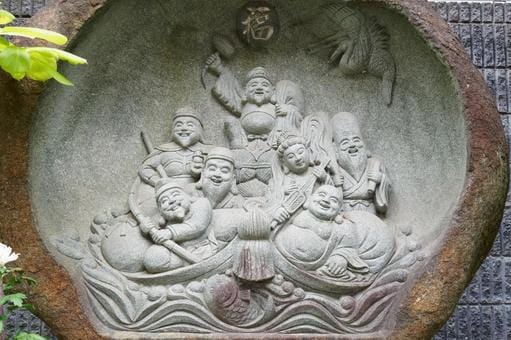
The Miyako Seven Lucky Gods Pilgrimage is an event where you visit seven temples in Kyoto city that enshrine the Seven Lucky Gods. The Seven Lucky Gods are deities believed to bring happiness, prosperity, and longevity, and are very popular in Kyoto's traditional beliefs.
The seven temples to visit are Ebisu Shrine and Rokuhara Mitsuji Temple in Higashiyama Ward, Matsugasaki Daikokuten and Sekizan Zen-in in Sakyo Ward, To-ji Temple in Minami Ward, Kawaramachi Kakocho in Nakagyo Ward, and Manpukuji Temple in Uji City.
As these temples are scattered throughout Kyoto City, it might be a bit challenging to visit them all. However, you can enjoy the unique atmosphere and architectural styles of each temple, offering a wonderful opportunity to experience Kyoto's diverse charms all at once.
Conveniently, a regular sightseeing bus operates throughout January each year to cover these distant locations. The bus fare is 12,500 yen.
I've used this bus before and found it to be an efficient way to make the rounds, giving me a sense of touring all of Kyoto at a reasonable price.
Archery Ritual (Musha Shinji) at Kamigamo Shrine (January 16, 2026)
Source: Soda Kyoto Ikou
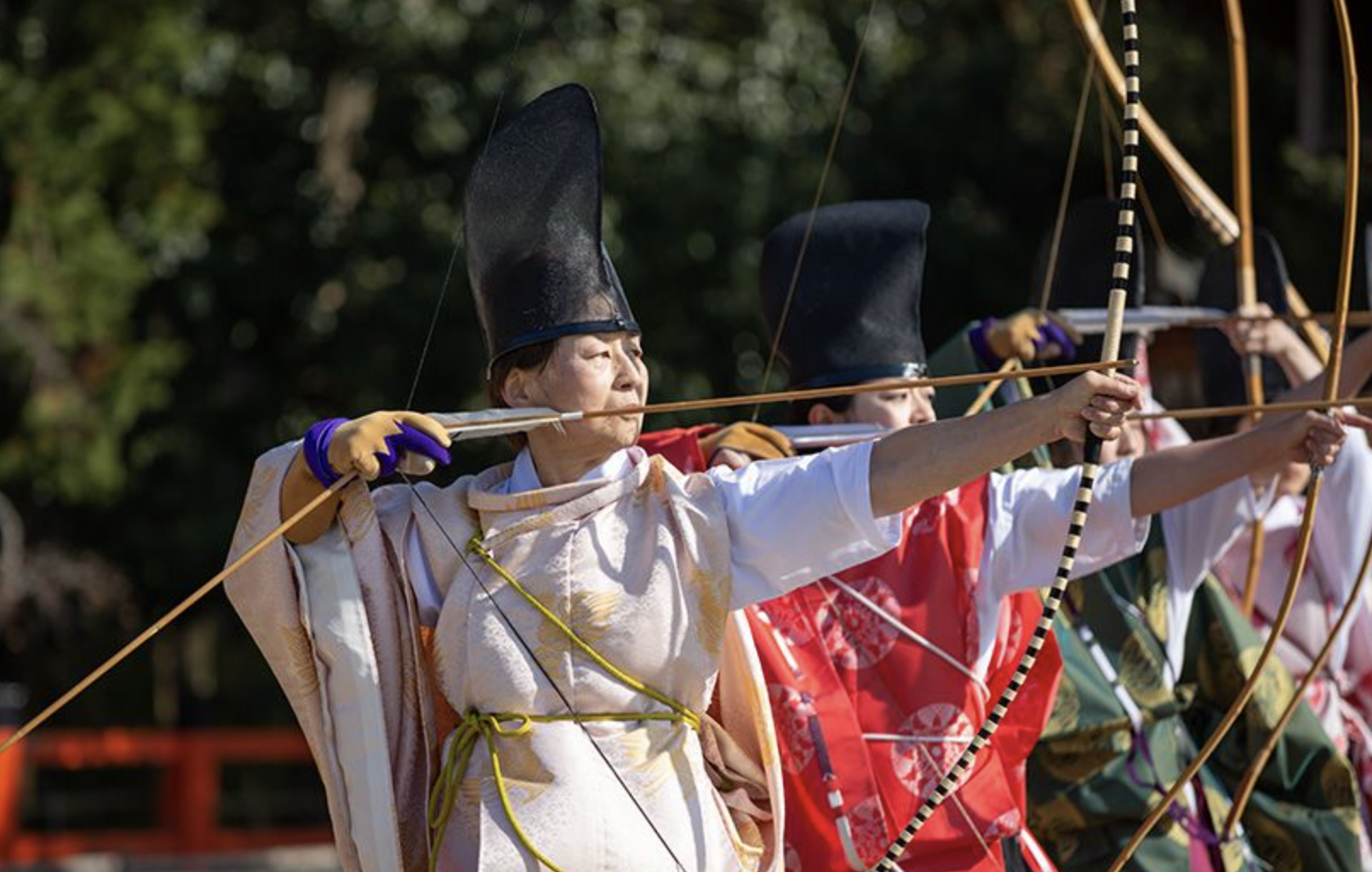
The archery ritual (Musha Shinji) at Kamigamo Shrine is a traditional ceremony held every year on January 16th. This ritual is performed to ward off evil and pray for a good harvest, with the ceremony of shooting arrows at its center.
I attended this ritual for the first time last year and was deeply impressed by its solemn atmosphere and traditional procedures.
During the ritual, archers dressed as warriors line up and take turns shooting arrows at targets. I find the serious expressions of the archers and the tension as they draw their bows very moving. The audience watches quietly, enveloped in a solemn atmosphere.
This ritual is a precious opportunity symbolizing the connection between Japanese martial arts culture and Shinto. It's a very interesting event where the techniques and spirituality of kyudo (Japanese archery) merge with the ceremonial nature of Shinto rituals.
<Information>
Date: January 16, 2026
Access: Take the Karasuma Line to Kitaoji Station, then transfer to City Bus Route 37. Get off at the "Kamigamo Misono-bashi" bus stop (about 3 minutes walk)
Admission: Free
Website
Yanagi no Okaji and Yumihikizome
Source:Souda Kyoto Ikou
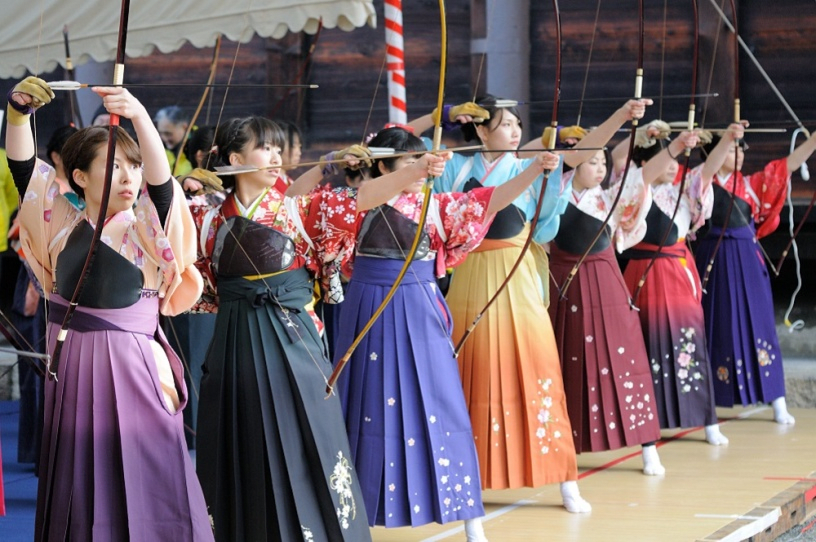
This event held at Sanjusangendo is one of the most representative traditions of Kyoto events in January. Sanjusangendo was founded in 1164.
The name "Sanjusangendo" comes from the fact that there are 33 spaces between the building's pillars. Inside, 1,001 statues of Senju Kannon (Thousand-Armed Kannon) are arranged in orderly rows, and this overwhelming sight is a must-see.
"Yanagi no Okaji" is a traditional ritual with approximately 900 years of history, originating from India. Monks use branches from the sacred willow tree and pour water that has been blessed by Kannon-sama onto the heads of worshippers to pray for good health and protection from illness.
Yumihikizome, held on the same day, is an archery competition inspired by "Toshiya," a practice of shooting arrows at distant targets that was popular from the 1600s to 1800s.
In the modern Yumihikizome, approximately 2,000 archery enthusiasts from across the country participate, aiming at targets about 60 meters away. Particularly noteworthy is the competition featuring young women celebrating their Coming of Age Day dressed in Furisode.
Furisode are long-sleeved, elegant kimono worn by unmarried women. The sight of these beautifully dressed women drawing their bows is a stunning scene unique to the New Year season.
<Information>
Date: January 18, 2026, 9:00 - 15:30
Access: About 7 minutes walk from "Shichijo Station" on the Keihan Railway. Or get off at "Hakubutsukan Sanjusangendo-mae" bus stop
Admission: Free
Website: https://www.sanjusangendo.jp/
Experience Japanese Traditions and Culture More Deeply with Locals
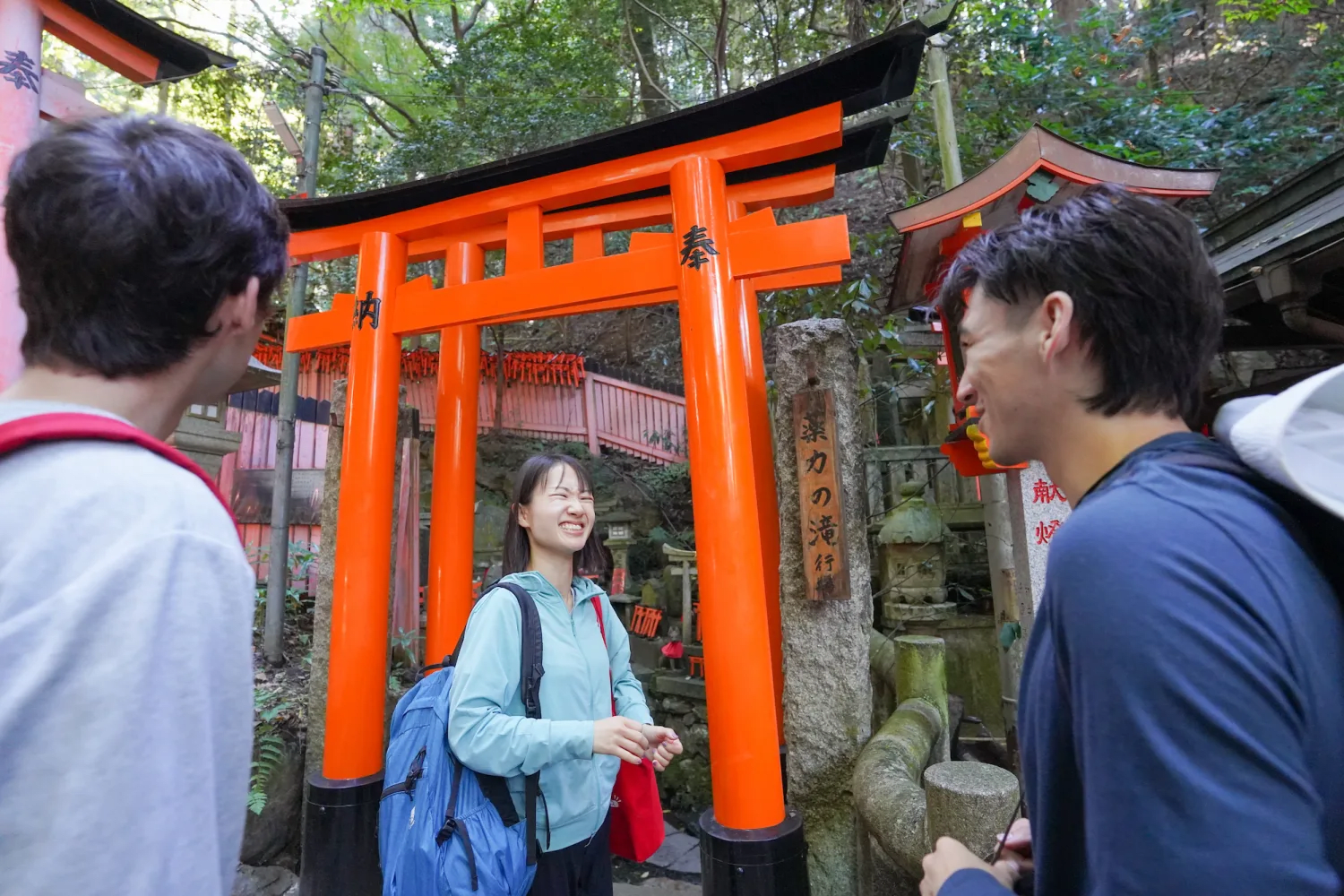

The charm of Kyoto's traditional events deepens even further when experienced alongside local people. By learning about the history and cultural background, the scenes before your eyes become even more meaningful.
For example, you can learn about shrine worship etiquette, how to choose omamori (amulets), and scenic spots known only to locals—information you won't find in guidebooks.
At Magical Trip, we offer numerous tours that explore Kyoto with guides who are well-versed in the local area. Our guides speak English, so you can fully experience Kyoto's culture without worrying about language barriers.
Fushimi Inari Hidden Hiking Tour
Kyoto Tea Ceremony & Kiyomizu-dera Temple Walking Tour
Kyoto Zen Meditation & Garden Tour at a Zen Temple with traditional Sho-jin lunch
Unique Kyoto Events in January: Handpicked Traditional Experiences You Won't Want to Miss
Kyoto is a city steeped in history, home to numerous traditional events that have been celebrated for centuries. Here, we've handpicked some particularly unique experiences for you to enjoy during your visit.
Toka Ebisu Taisai
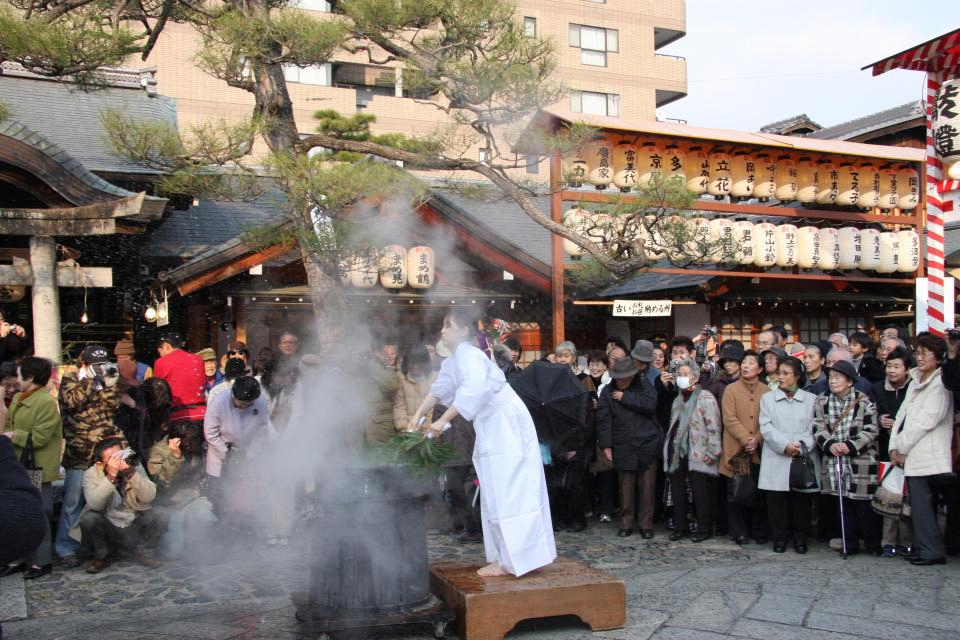
The Toka Ebisu Taisai held at Kyoto Ebisu Shrine is a beloved Kyoto event in January that celebrates the new year with prayers for prosperous business and family safety.
Ebisu is one of the Seven Lucky Gods, often depicted holding a fishing rod and sea bream, and is revered as the god of prosperous business. Originally worshipped as a deity of fishing, Ebisu eventually came to be venerated as a god of commerce as well.
This shrine is counted among the "Three Great Ebisu Shrines of Japan" alongside Nishinomiya Shrine and Imamiya Shrine, and is affectionately known to locals as "Ebessan."
During the festival, the lively chant "Shobai Hanjo de Sasa Motte Koi" echoes throughout the shrine grounds. This phrase means "If you wish for prosperous business, come and get your bamboo branch," and it's a rhythmic, memorable chant that will stick in your mind.
Of particular note is the "Nokori Fuku Sai" on the 11th. On this day, Maiko from Gion and Miyagawa-cho bestow lucky bamboo branches—a truly special opportunity.
Receiving good luck charms directly from beautifully adorned Maiko is a precious experience unique to Kyoto. When I visited, I found myself captivated by their beauty and elegant mannerisms.
<Information>
Date: January 8–12, 2026
Access: Approximately 6-minute walk from Keihan Railway "Gion-Shijo Station"
Admission: Free
Website: https://www.kyoto-ebisu.jp/index.html
Karuta Beginning Ceremony at Yasaka Shrine (January 3, 2026)
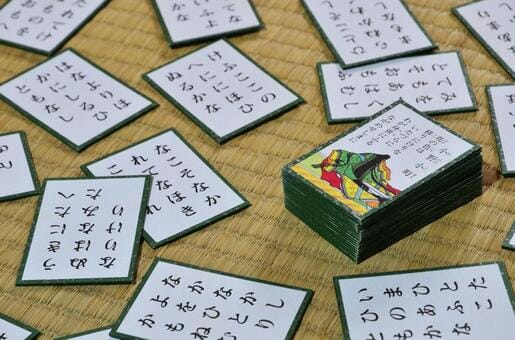
The Karuta Beginning Ceremony at Yasaka Shrine is a traditional event held every year on January 3rd. This event celebrates the New Year through the traditional culture of "karuta," and I was captivated by its unique atmosphere when I participated once.
Karuta is a traditional card game where a reader recites the first half of a poem, and players compete to grab the card with the corresponding second half. The Karuta Beginning Ceremony at Yasaka Shrine celebrates the start of karuta play using the Hyakunin Isshu, a collection of poems that has continued since the Heian period.
During the ceremony, karuta cards are first offered to the deity. Then, a karuta competition is held. I find the serious expressions of the competitors and their quick movements very exciting to watch. It's a precious opportunity to witness Kyoto's traditional culture living on in the modern day.
The start time for 2026 is yet to be determined, but in 2024 it was held from 1:00 PM on January 3rd. Spectating is free, so I encourage you to visit if you can.
<Information>
Date: January 3, 2026
Access: From Kawaramachi Station on the Hankyu Line or Gion-Shijo Station on the Keihan Line, walk east along Shijo Street for about 5-10 minutes
Admission: Free
Website
Fudehajime-sai and Tenmagaki
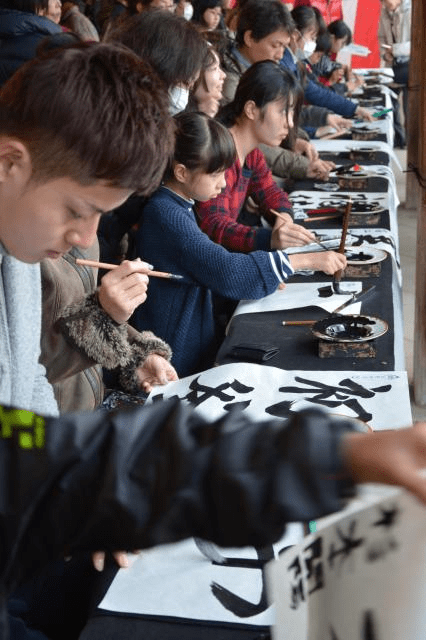
The Fudehajime-sai and Tenmagaki held at Kitano Tenmangu is a traditional new year Kyoto event in January dedicated to praying for improvement in calligraphy. Shodo (calligraphy) is a traditional Japanese art form that uses brush and ink to beautifully write kanji and hiragana characters. It is respected not merely as a writing technique, but as a path of spiritual cultivation.
The Fudehajime-sai, held on the morning of January 2nd, features a Shinto ceremony followed by calligraphy demonstrations on the shrine grounds. From January 2nd to 4th, the Tenmagaki event allows anyone to experience Kakizome.
Kakizome is a Japanese tradition of writing with a brush for the first time in the new year, typically inscribing new year's resolutions or auspicious words.
You can dedicate the work you create before the gods, so please try writing something yourself. I've done it too, and writing characters at the start of the new year really makes you feel that the year has truly begun.
Even if you can't write Japanese, you can write your name in Roman letters or numbers like "2025." Holding a brush while surrounded by the fragrance of ink is a precious opportunity to experience Japanese culture firsthand.
<Information>
Date: January 2–4, 2026
Access: Get off at City Bus Route 50 "Kitano Tenmangu-mae" stop
Admission: Free (paper 50 yen, submission fee 200 yen)
Website: https://kitanotenmangu.or.jp/
Kemari Hajime
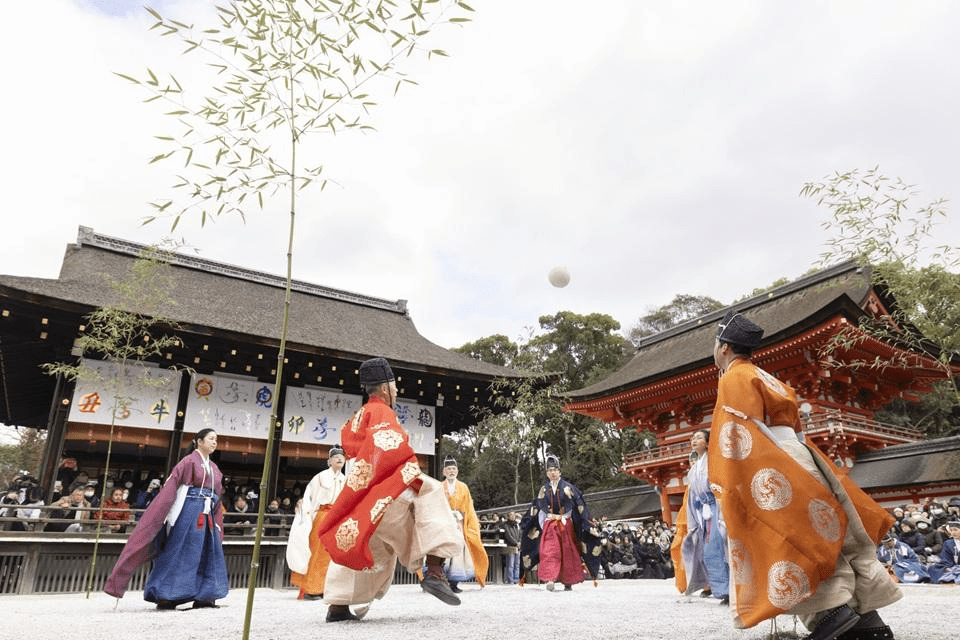
The Kemari Hajime held at Shimogamo Shrine is a traditional new year Kyoto event in January that preserves the aristocratic culture from the 700s to 1100s.
Shimogamo Shrine is one of Kyoto's oldest shrines. Within its grounds spreads Tadasu no Mori, a primeval forest that creates a mystical atmosphere hard to believe exists in the middle of the city.
Kemari is a ball game that was introduced to Japan from China approximately 1,400 years ago. Players kick a "Mari"—a ball-like object made of deer leather—trying to keep it from touching the ground.
Unlike modern football, Kemari is not about competing for victory. Six to eight people form a circle, and the emphasis is on gracefully passing the ball so that others can easily receive it.
When I observed the event, I was struck by the applause and cheers from the audience when the players successfully kept the Mari in the air for an extended time. This is a precious opportunity to experience aristocratic entertainment from over 1,000 years ago within the solemn atmosphere of Shimogamo Shrine, a registered UNESCO World Heritage Site.
<Information>
Date: January 4, 2026, from 13:30
Access: Approximately 10-minute walk from Keihan Railway "Demachiyanagi Station," or get off at City Bus "Shimogamo Jinja-mae" stop
Admission: Free
Website: https://www.shimogamo-jinja.or.jp/
Yutate Kagura at Jonangu Shrine
Source: Soda Kyoto Ikou
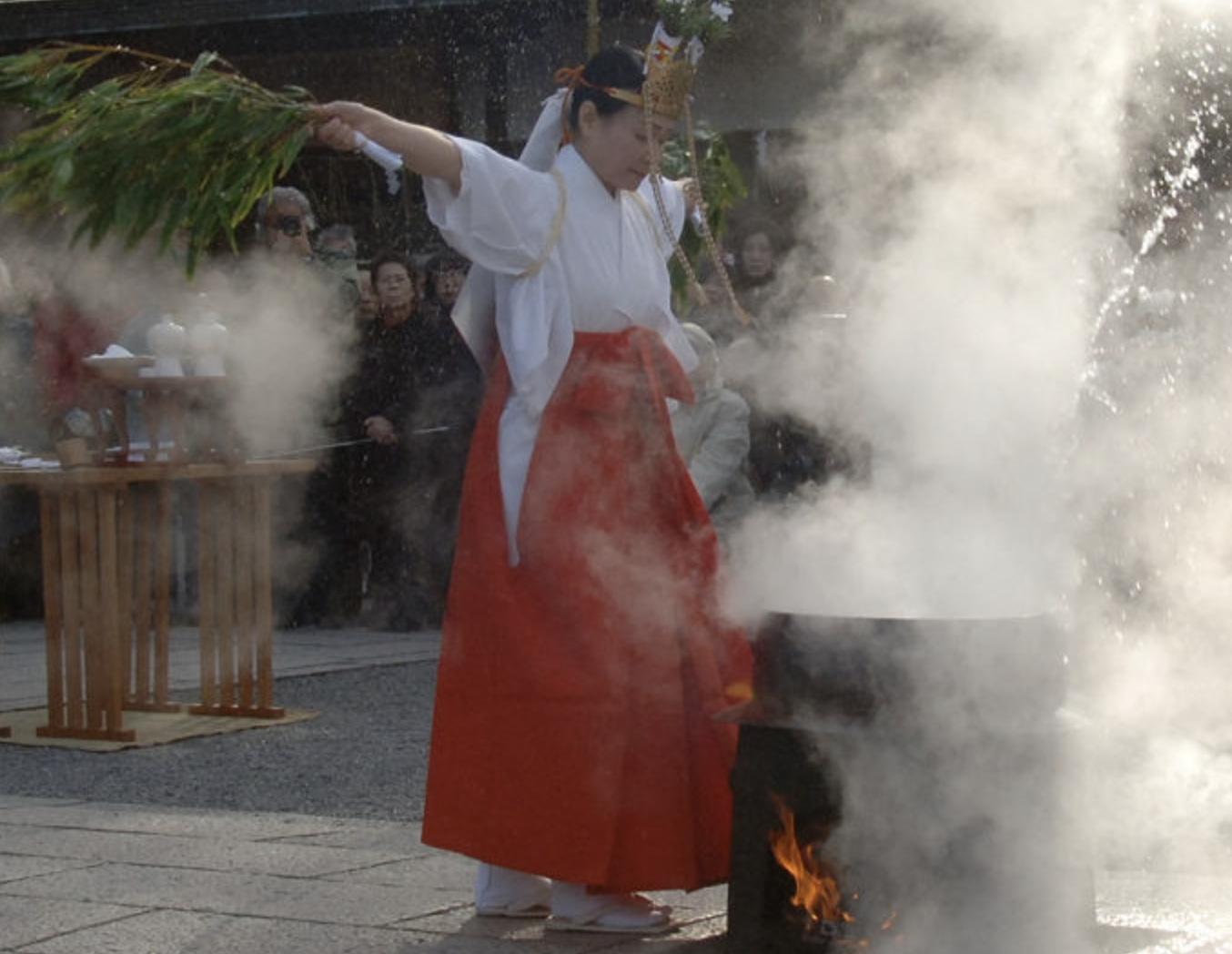
The Yutate Kagura at Jonangu Shrine is a traditional event held every January. This ritual is performed to pray for health and a good harvest, and I was overwhelmed by its mystical atmosphere when I participated once.
The central part of the ritual is the ceremony of offering the steam from boiling water in a large cauldron to the deities. The sight of the rising steam creates a mystical scene as if communicating with the gods.
Furthermore, I found the sight of shrine maidens performing beautiful kagura dances as an offering to the gods to embody the beauty of Kyoto's traditional culture.
The date for this event is not fixed, but in recent years it has often been held around 3:00 PM on January 20th.
Spectating is free, so I encourage you to visit if you can. It's a precious opportunity to see a traditional Japanese ritual up close.
<Information>
Date: Planned for January 20, 2026
Access: Take the Karasuma Line to Takeda Station, then take the Kyoto City Bus South 3 or Special South 3 (bound for Jonangu) from the Takeda Station West Exit. Get off at the Jonangu Higashiguchi bus stop (about 10 minutes), then walk about 5 minutes.
Admission: 1,000 yen
Website
Why not join the local guided tour and deepen your understanding of Kyoto's New Year customs!
・Ultimate Kyoto Tours Guide 2026: Best Seasonal Experiences for Spring Cherry Blossoms, Summer Festivals, Autumn Foliage & Snowy Landscape
Gourmet Events in Kyoto in January 2026
In January, Kyoto offers not only traditional events but also unique food culture experiences. Events are held where you can enjoy special dishes celebrating the New Year and traditional drinks wishing for good health, all unique to Kyoto.
Celebrating Early Spring with Azuki-gayu
Source:Souda Kyoto Ikou
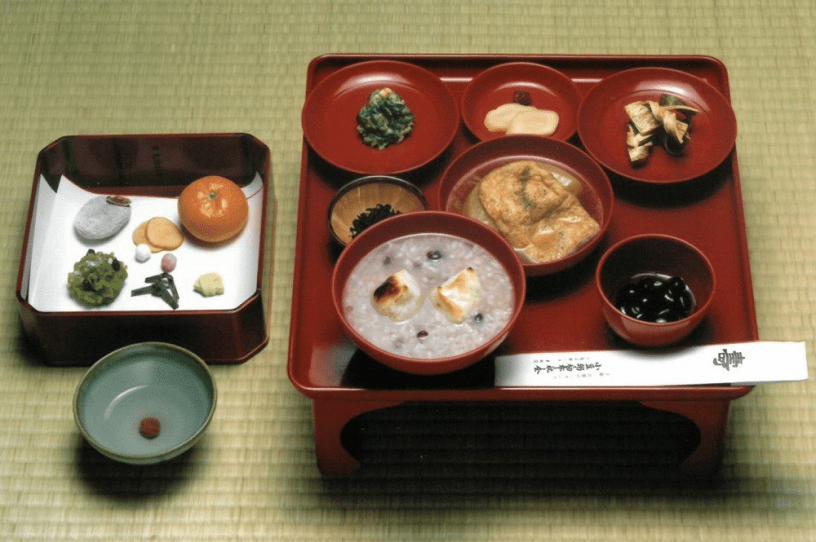
The “Celebrating Early Spring with Azuki Rice Porridge” gathering held at Torin-in, located within Myoshinji Temple, is a special New Year’s occasion to enjoy traditional shojin ryori at a Zen temple.
Shojin ryori is a form of Buddhist vegetarian cuisine that does not use meat or fish and is prepared with ingredients such as vegetables, tofu, and grains. Torin-in is normally closed to the public, but it is opened for special viewing only during seasonal events like this.
Azukigayu is rice porridge cooked with red beans and is a traditional Japanese food that dates back to the 8th century. Porridge is easy to digest and helps warm the body. The red color of azuki beans is believed to ward off evil, and there is a custom of eating it on January 15, during the Lunar New Year period.
At Torin-in, you can enjoy authentic shojin ryori together with azuki rice porridge. Each dish is carefully prepared to bring out the natural flavors of the ingredients.
I have visited myself, and enjoying the meal while looking out over the temple garden was an experience that felt both mentally and physically cleansing.
<Information>
Dates: January 15–31, 2026
Access: About an 8-minute walk from Hanazono Station on the JR Sanin Line
Admission: 4,000 yen
Website: https://www.myoshinji.or.jp/
Obukucha at Rokuhara Mitsuji Temple (January 1-3, 2026)
Source: Soda Kyoto Ikou
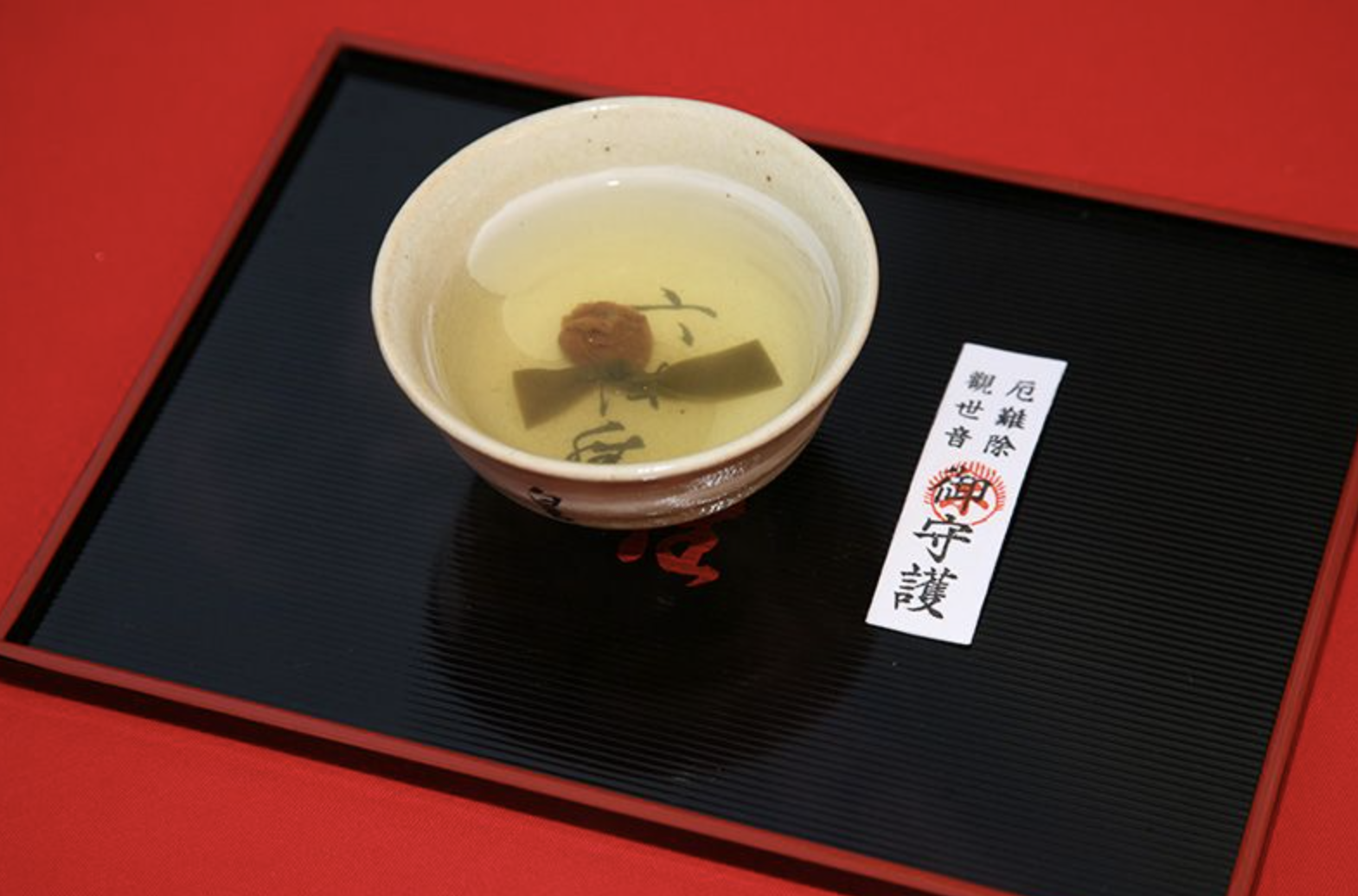
In Kyoto, there's a custom of drinking tea with small plums and knotted kelp from January 1st to 3rd, wishing for good health throughout the year.
This tea is called "obukucha" (imperial tea). At Rokuhara Mitsuji Temple, this tea is served to visitors during this period.
When I drink this tea, the sourness of the small plum and the umami of the kelp spread in my mouth, allowing me to feel the freshness of the New Year.
The serving of obukucha at Rokuhara Mitsuji Temple usually takes place from 9:00 AM to around 4:30 PM from January 1st to 3rd each year.
The tea costs 300 yen per person and can be enjoyed in the solemn atmosphere of the temple.
<Information>
Date: January 1-3, 2026
Access: About a 15-minute walk from Kawaramachi Station on the Hankyu Line or Gion-Shijo Station on the Keihan Line.
Admission: Entry 600 yen, Tea 300 yen
Website
Wakana Sekkusai at Saiin Kasuga Shrine (January 7, 2026)
Source: Soda Kyoto Ikou
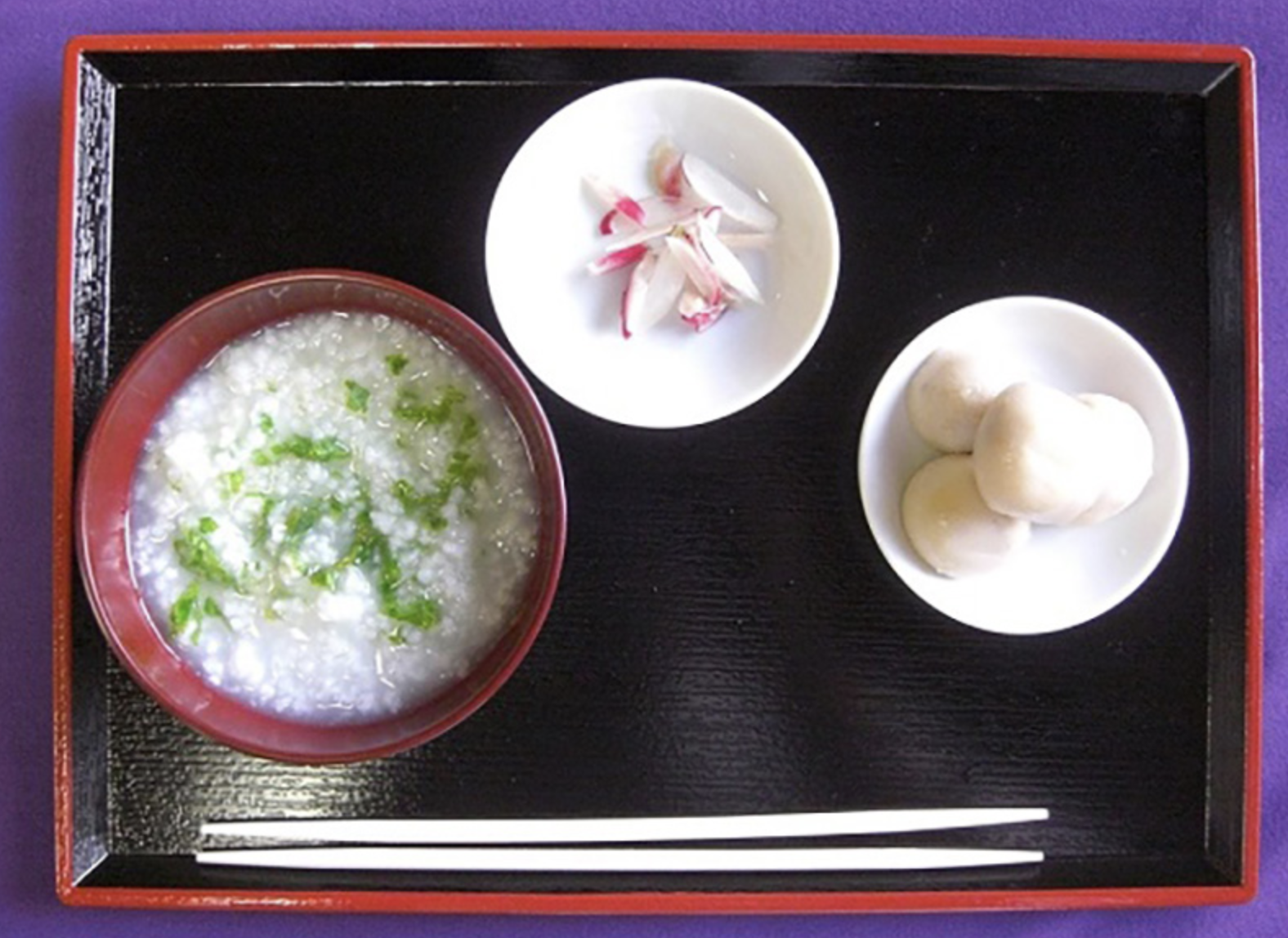
The Wakana Sekkusai at Saiin Kasuga Shrine is a traditional event to pray for health and safe travels. This festival celebrates the beginning of the New Year and has the meaning of wishing for health and safety throughout the year.
The central part of the festival is the serving of wakana-gayu (young greens porridge). Wakana-gayu is a porridge cooked with young greens picked in the New Year, and eating it is believed to wish for good health throughout the year.
Young greens are believed to contain the vitality of spring, and it's thought that by ingesting them, one can maintain good health.
The ceremony begins around 10:00 AM on January 7th. After a solemn prayer by the Shinto priests, wakana-gayu is served to visitors around 11:00 AM. When I tasted the porridge, I felt the freshness of the New Year spreading throughout my body along with the refreshing aroma of the young greens.
This shrine is also known as a place to pray for safe travels. For a travel enthusiast like me, it's a good opportunity to pray for safe journeys throughout the year by visiting here in the New Year.
Wakana-gayu is served for 300 yen per person, but it's limited in quantity and ends when it runs out. When I visited, there was already a line formed even though I arrived early. So, I recommend arriving as early as possible.
<Information>
Date: January 7, 2026
Access: Get off at Saiin Station on the Hankyu Kyoto Main Line and walk about 5 minutes.
Admission: 300 yen per person for wakana-gayu
Website
Savor Kyoto's Traditional Cuisine and Exquisite Foods at Locally Beloved Establishments with a Guide
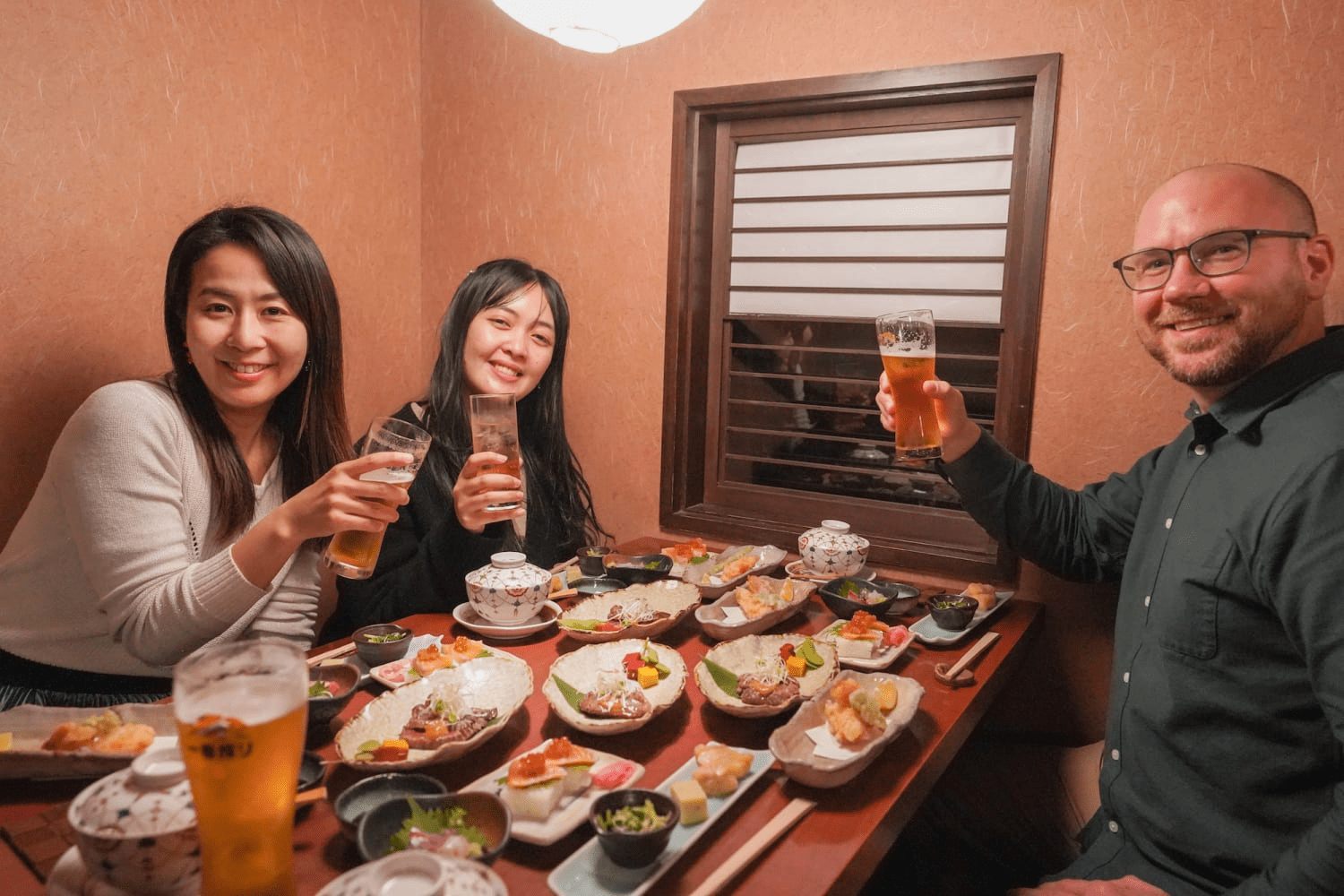

Kyoto's food culture runs as deep as its history. Dining at hidden gems known only to locals—places you won't find in tourist guidebooks—will make your Kyoto trip even more special.
On Magical Trip's food tours, English-speaking guides with deep local knowledge will take you to hidden gems that tourists alone could never find. You can experience authentic Kyoto flavors while learning about ingredients and cooking methods unique to Kyoto.
We also offer plans where you can enjoy traditional gourmet food while strolling through the streets, so please join us.
Kyoto Bar Hopping Nightlife Tour in Pontocho
Art and Cultural Events to Enjoy in Kyoto in January
Kyoto has many museums and hosts numerous art events. Here, we will introduce art and cultural events you can enjoy at this Kyoto event in January.
The 60th Kyo no Fuyu no Tabi (Kyoto Winter Journey)
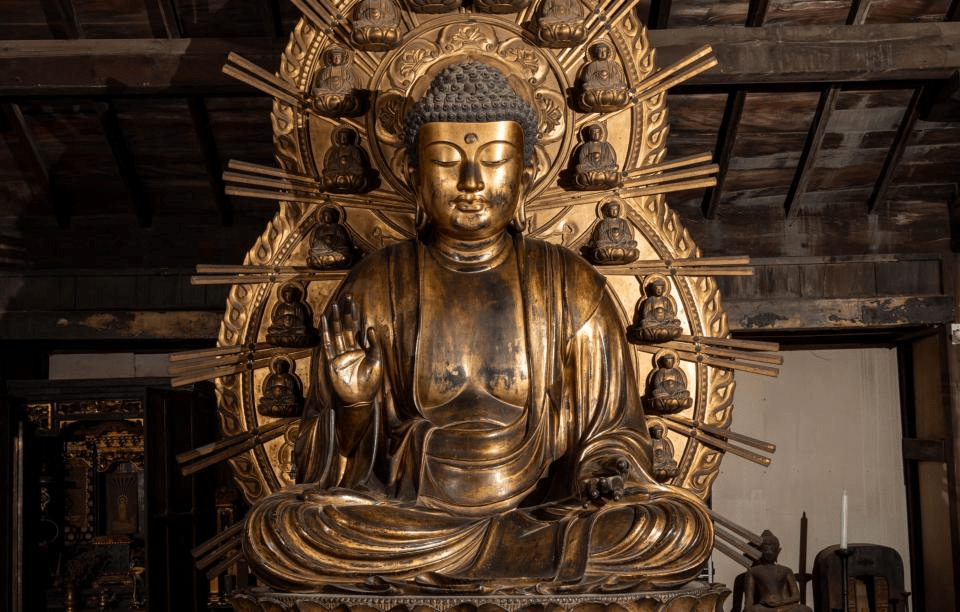
Kyo no Fuyu no Tabi is a campaign representing winter in Kyoto that began in 1967. This is a must-see Kyoto event in January for Kyoto enthusiasts, as temples, shrines, and cultural properties that are usually closed to the public are specially opened for a limited time.
Many temples and shrines in Japan have Buddhist statues and gardens that are not open to the general public, and there are many things that can only be seen during this opportunity.
This commemorative 60th edition features 15 precious cultural properties open to the public, themed around locations connected to Toyotomi Hidenaga, the protagonist of the 2026 Taiga Drama (a historical drama broadcast by Japan's public broadcaster NHK), and his brother Hideyoshi.
Highlights of this Kyoto event in January include the special sword exhibition at Hōkoku-jinja Shrine and the interior viewing of the five-story pagoda at Toji Temple.
The five-story pagoda at Toji Temple stands approximately 55 meters tall and is the tallest wooden tower in Japan. Usually, you can only see the exterior, but during this period, you can enter the interior and view the Buddhist statues and colored paintings.
I once visited a temple garden that is normally closed to the public during this event, and the winter garden wrapped in silence was exceptionally beautiful.
Locations Open Without Reservation:
- Kodai-ji Temple
- Hoko-ji Temple
- Toyokuni-jinja Shrine Shoin and Treasure House
- Daitoku-ji Temple Hatto and Kyozo
- Daitoku-ji Temple Daiko-in
- Nishijin Kosho-ji Temple
- Fukusho-ji Temple
- Keko-ji Temple
- Kosei-ji Temple
- Ninna-ji Temple Kannon-do
- Nishi Hongan-ji Temple Hiunkaku (exterior)
- Toji Temple Five-Story Pagoda
- Daigo-ji Temple Sanbo-in
Locations Requiring Reservation:
- Nishi Hongan-ji Temple Shoin and Hiunkaku (exterior)
- Higashi Hongan-ji Temple Various Halls and Bell Tower
Special Exhibition "NIGO® and Handeishi"
Source:Official website
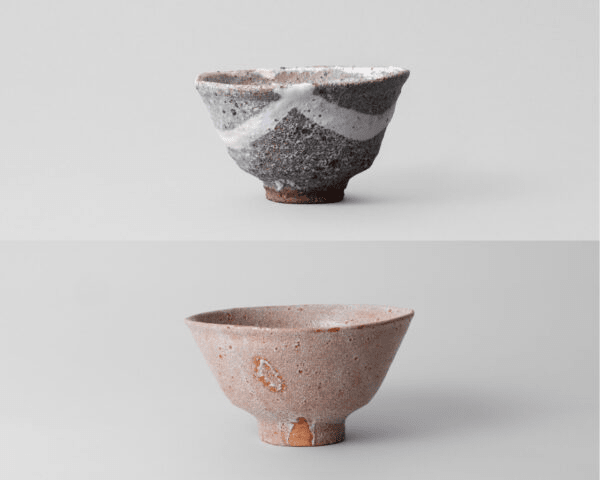
This exhibition held at a museum in Gion is a unique project displaying the works of fashion designer NIGO® alongside those of ceramic artist Kawakita Handeishi.
Kawakita Handeishi was a businessman who mastered ceramics as a hobby, captivating many people with his free-spirited style.
On the other hand, NIGO® is a creator known worldwide as a pioneer of street fashion and is the founder of the brand "A BATHING APE®."
He currently serves as the Artistic Director of KENZO. Although these two seem different at first glance, they share a common passion for "monozukuri" (craftsmanship). Both have created works with free thinking unconstrained by existing frameworks.
The venue, ZENBI, is a museum operated by the long-established Kyoto wagashi (Japanese confectionery) shop "Kagizen Yoshifusa," located in the charming streets of Gion.
Kagizen Yoshifusa is a renowned wagashi shop with approximately 300 years of history, famous for "Kuzukiri," a transparent noodle-like dessert made from kuzu (Japanese arrowroot).
After viewing the exhibition, we recommend enjoying wagashi at the adjacent café. When I visited before, I had seasonal wagashi with Matcha and was impressed by its artistic appearance and delicate flavor.
You can enjoy a quintessentially Kyoto experience where tradition and contemporary art merge at this Kyoto event in January.
<Information>
Dates: First period January 17, 2026 - March 1, 2026/ Second period March 4, 2026 - April 12, 2026
Access: Approximately 5-minute walk from Keihan Railway "Gion-Shijo Station"
Admission: General 1,000 yen, University/High School/Junior High School students 700 yen, Elementary school students and younger free
Website: https://zenbi.kagizen.com/exhibition/%E7%89%B9%E5%88%A5%E5%B1%95%E3%80%8Cnigo%F0%9F%84%AC%E3%81%A8%E5%8D%8A%E6%B3%A5%E5%AD%90%E3%80%8D/
Photo Exhibition: Imamori Mitsuhiko - Traveling Through Japan's Satoyama
Source:Mitsukoshi Isetan
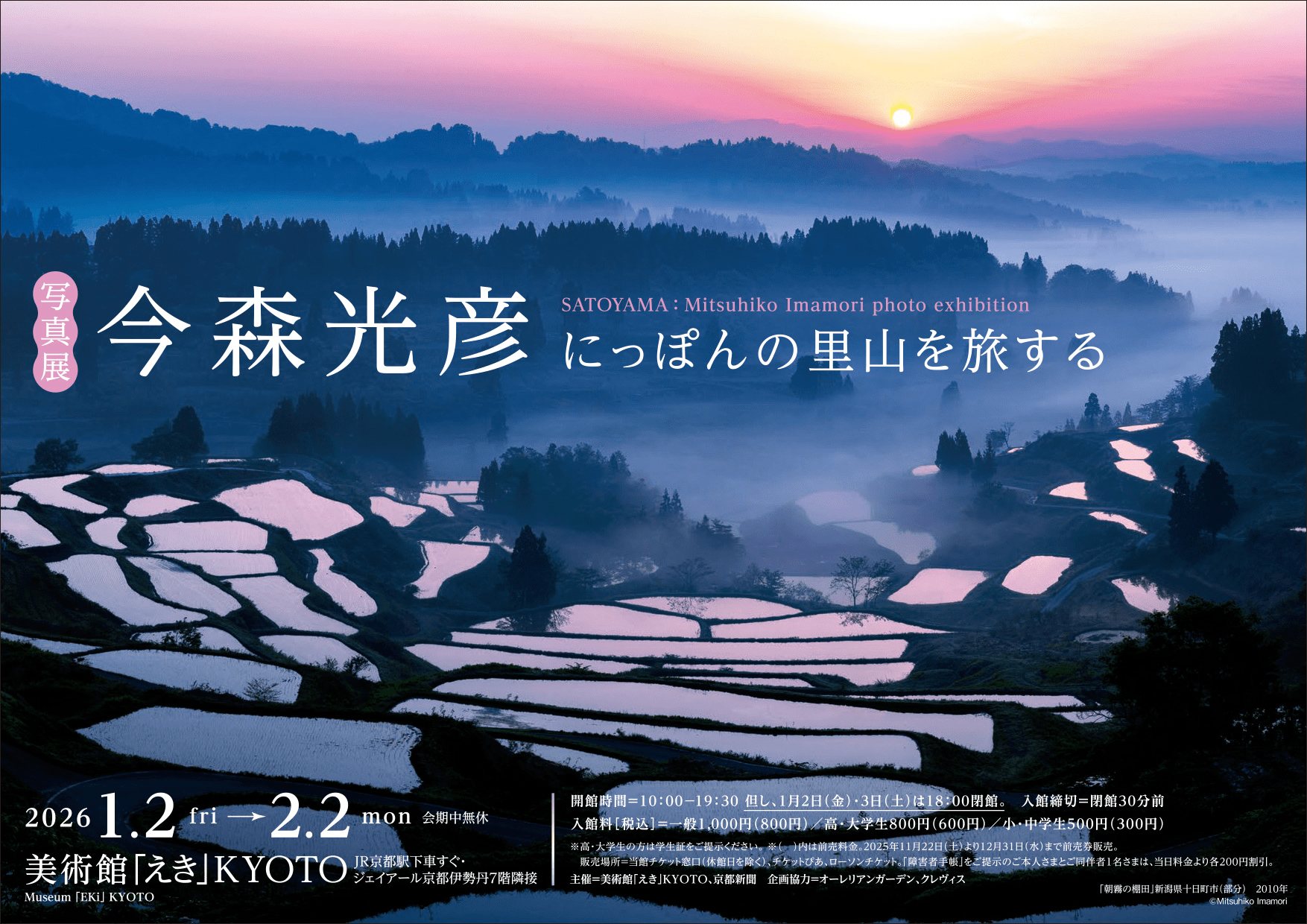
This exhibition features a collection of satoyama landscape photographs by Imamori Mitsuhiko, one of Japan's leading nature photographers. Imamori Mitsuhiko has been photographing the beauty of life in satoyama for over 40 years. He is particularly known for his insect photography.
The rural landscapes of the four seasons, the insects and animals living there, and the people leading satoyama lifestyles are all captured through his lens.
You can see beautifully expressed photographs of Japan's original landscapes, such as sunsets reflected in rice paddies, dragonflies flying over rice ears, and snow-covered farming villages.
The venue, Museum "eki" KYOTO, is located inside the Kyoto Station building, making it easy to stop by at the beginning or end of your trip.
By experiencing Japan's original landscapes before walking through the streets of Kyoto, you may gain a deeper understanding of Japanese culture at this Kyoto event in January.
<Information>
Dates: January 2, 2026 - February 2, 2026
Access: Directly connected to JR "Kyoto Station," 7th floor of Kyoto Station Building
Admission: General 1,000 yen, High School/University students 800 yen, Elementary/Junior High School students 500 yen
Website: https://www.mistore.jp/store/kyoto/museum/event_list/event12.html
Modern Excitement: "The Charm of Chishaku-in Temple Fusuma-e"
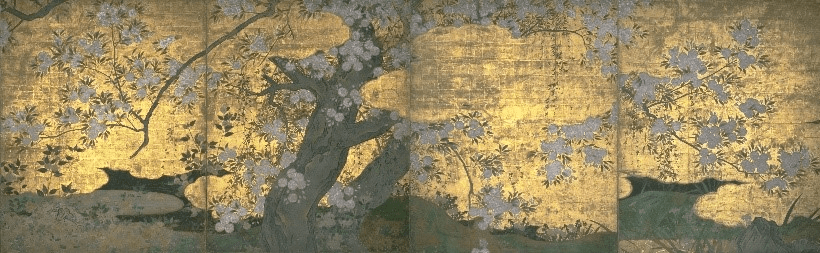
This is a special exhibition exploring the charm of Fusuma-e preserved at Chishaku-in Temple. Fusuma-e refers to paintings on "Fusuma," the sliding doors that partition rooms in traditional Japanese architecture, and is one of the important genres of Japanese painting.
Chishaku-in Temple preserves National Treasure paintings by the artist Hasegawa Tohaku and his school from around 1600, but when parts were reconstructed in 1958, Fusuma-e with very modern art appeared.
I have seen these Fusuma-e that overturn the image of Japanese temples, and I was quite surprised. Please enjoy a world where you can appreciate both traditional and innovative works at this Kyoto event in January.
<Information>
Dates: January 20, 2026 - March 22, 2026
Access: Get off at city bus "Ritsumeikan University-mae," approximately 3-minute walk
Admission: General 800 yen, High School/University students 500 yen, 65 years and older 400 yen
Website: None
160th Anniversary of Becoming Shogun: Tokugawa Yoshinobu and the People Around Him
Source:Souda Kyoto Ikou
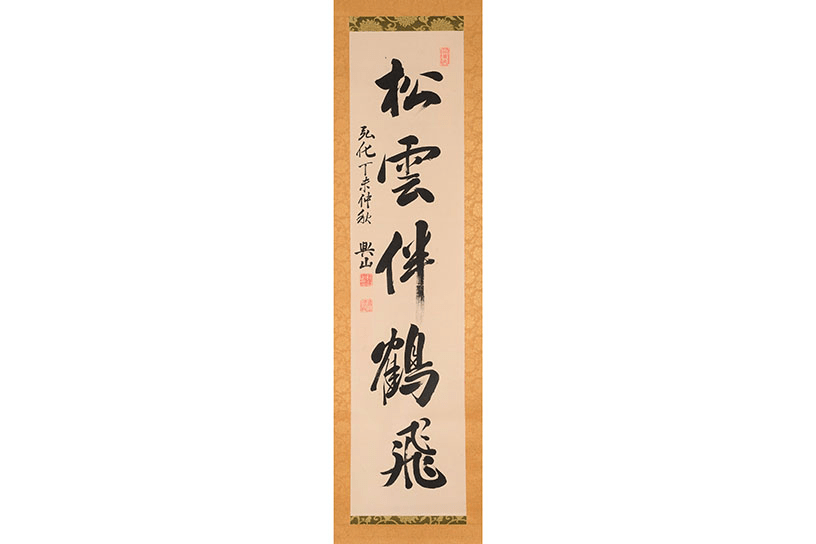
This is a special exhibition focusing on Tokugawa Yoshinobu, the last Shogun of the era called "Edo."
A Shogun was the supreme military ruler of Japan, and for 265 years from 1603 to 1867, the Tokugawa family held the hereditary position of Shogun. 2026 marks the 160th anniversary of Yoshinobu becoming the 15th Shogun, and this exhibition is held to commemorate this milestone.
Tokugawa Yoshinobu is remembered in history as the person who performed the Taisei Hokan in 1867, bringing an end to approximately 700 years of samurai government.
Taisei Hokan refers to the Shogun returning political authority to the Emperor, which set Japan on the path to becoming a modern nation.
The venue, Ryozen Museum of History, is a museum specializing in the history of Bakumatsu. "Bakumatsu" refers to the end of the Edo period, a turbulent era when American Commodore Perry arrived in Japan with black warships, ending more than 200 years of national isolation.
This era is known for many young Japanese fighting to find a new form for Japan, and it is often the subject of Japanese dramas and films. This is a fascinating Kyoto event in January for history enthusiasts.
<Information>
Dates: January 15, 2026 - May 10, 2026
Access: Get off at city bus "Higashiyama Yasui," approximately 7-minute walk
Admission: 1,000 yen
Website: https://www.ryozen-museum.or.jp/
If You Want to Deeply Enjoy Kyoto's Traditional Beauty, Let a Local Guide Well-Versed in Tradition and Tourist Spots Show You Around
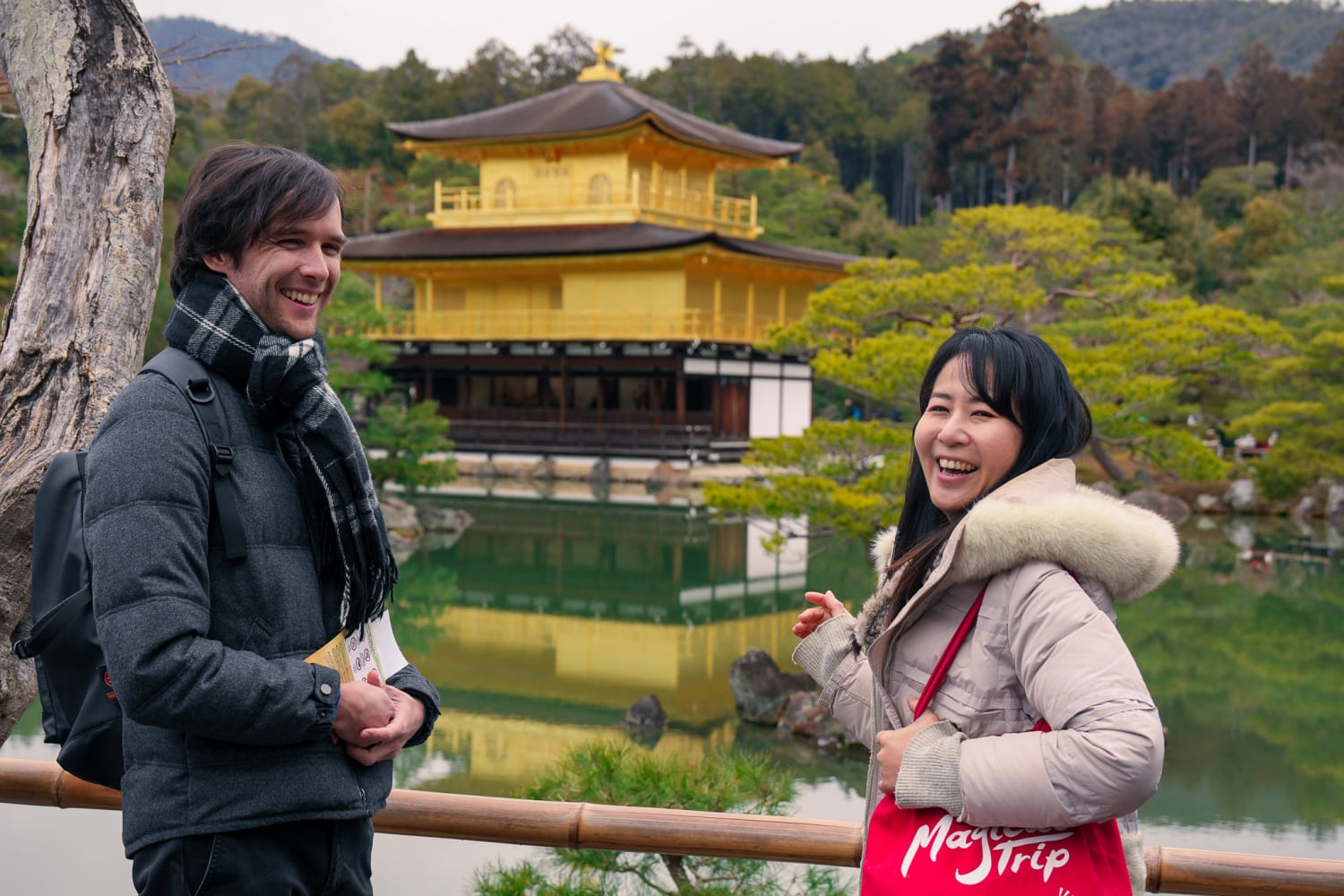
Kyoto has countless historical buildings and cultural properties, but knowing the stories behind them can greatly change the scenery you see.
By touring with a local guide, you can hear about history and anecdotes not found in guidebooks.
At Magical Trip, English-speaking guides well-versed in Kyoto's history and culture provide experiences tailored to your interests. Whether you want to efficiently visit famous spots or take your time to deeply explore one place, please feel free to use our services.
1-Day Kyoto UNESCO World Heritage Site Tour with a Private Car and Guide
4.5-hour Kyoto Historical Highlights Bike Tour with UNESCO Zen Temples
Two Recommended Tours to Fully Experience Kyoto
Let us introduce two special tours from MagicalTrip that allow you to fully experience Kyoto's charm. You can deeply discover Kyoto through tours with different appeals - nighttime food culture and daytime historical exploration.
Kyoto Night Foodie Tour
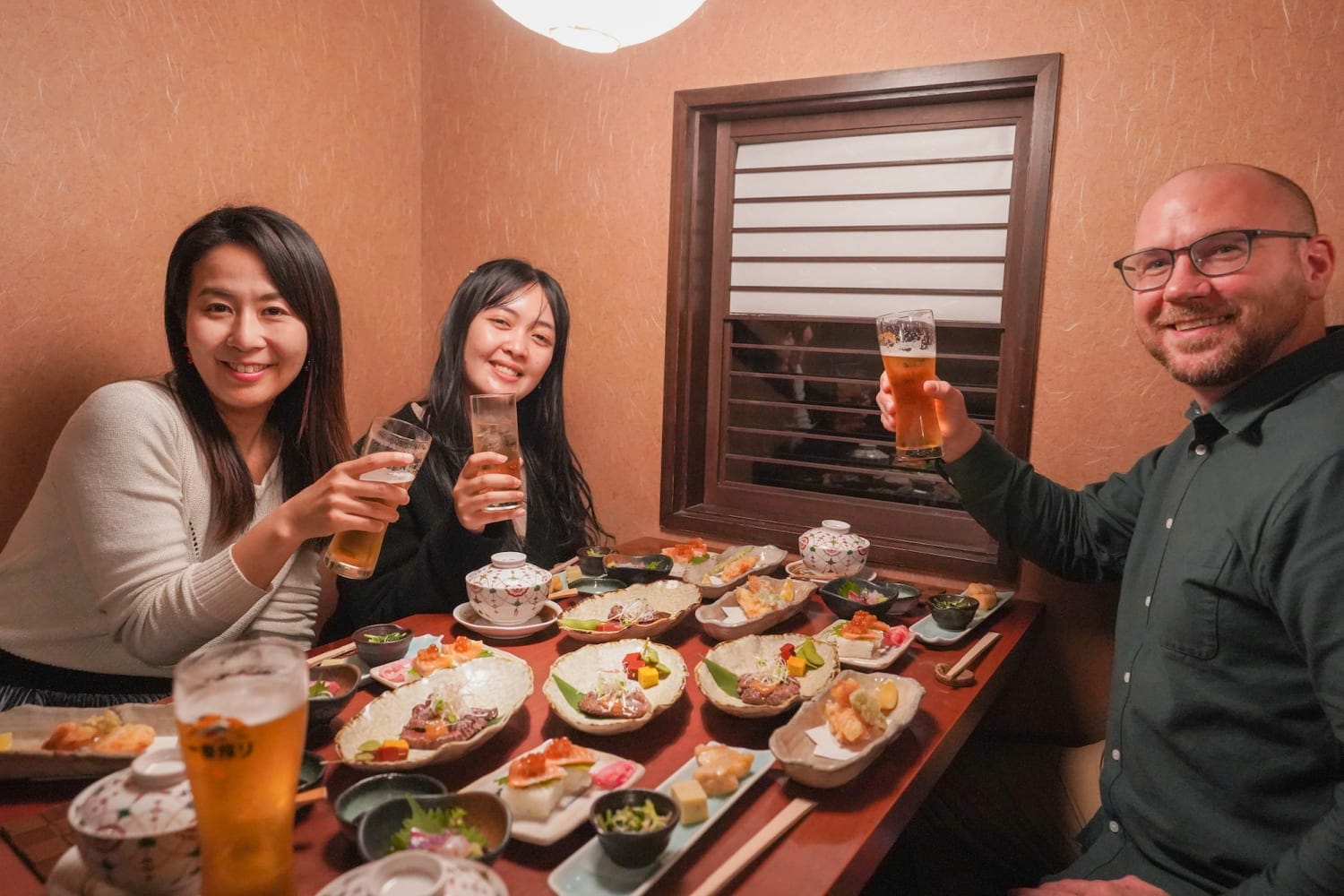
This popular tour ranks 6th on TripAdvisor for 2024. It's a 3-hour gourmet tour through the Pontocho and Gion areas, priced at $136.80 (approximately ¥20,000). You'll enjoy full-course meals at three carefully selected restaurants, from traditional dishes like Kyoto vegetables and yuba (tofu skin) to desserts.
The three drinks served at each establishment include a sake tasting experience featuring three types of local Kyoto sake. Soft drinks are available for guests under 20 years old, making it suitable for families.
Walking through the atmospheric Gion area, you can experience the ambiance of traditional townhouses and teahouse districts, and if lucky, you might encounter maiko (apprentice geisha). An English-speaking guide accompanies you, providing detailed explanations about Japanese food culture.
Vegetarian menus are available (using fish-based dashi), but vegan and gluten-free options are not accommodated. Please notify us of any dietary restrictions at least one day in advance.
Tour photos will be emailed to you later. Free cancellation is available up to 24 hours before, and additional orders are possible at the final restaurant.
For more details, click here: Kyoto Night Foodie Tour
4.5-hour Kyoto Historical Highlights Bike Tour with UNESCO Zen Temples
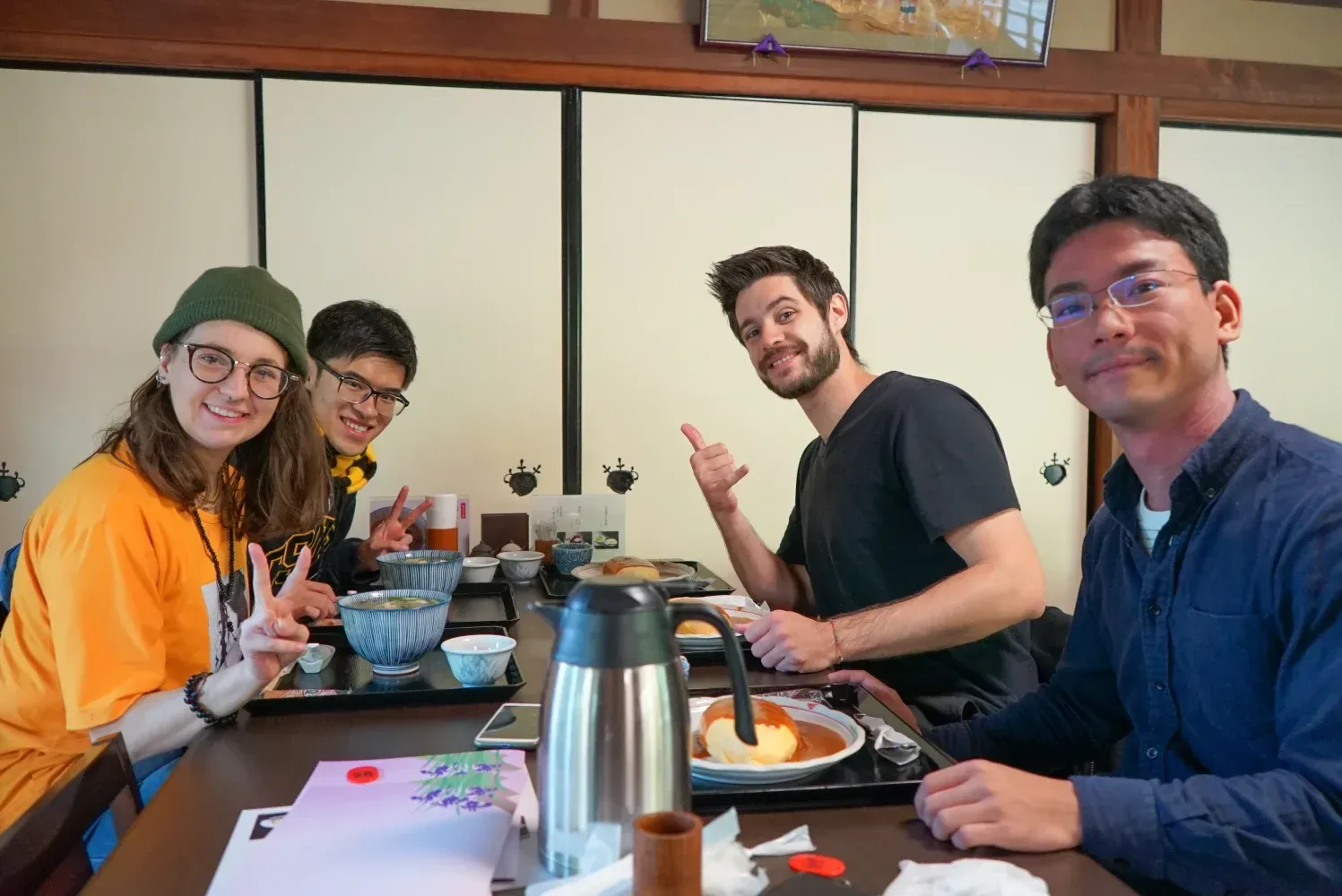
This is a 4.5-hour bicycle tour of Kyoto's historical spots. Priced at $82.08, it's a small-group tour with an English-speaking guide. Rental bicycles, helmets, and insurance are all included, and anyone over 150cm tall can participate.
At the UNESCO World Heritage site Kennin-ji Temple, you can experience zen gardens and the world of zen, and visit other major temples like Nanzen-ji. The tour includes lunch featuring Kyoto cuisine at a traditional Japanese house, with vegetarian options available (advance notice required, fish-based dashi used).
You'll also visit local spots like cycling along the Kamo River. The total cycling distance is about 12.6km, allowing efficient access to places tourist buses can't reach.
Photos taken by the guide will be emailed to you later. Free cancellation with full refund is available up to 24 hours before the tour.
For more details, click here: 4.5-hour Kyoto Historical Highlights Bike Tour with UNESCO Zen Temples