Shabu Shabu VS Sukiyaki: Guide of Difference and How to eat Japanese Hot Pot
・Health-conscious visitors seeking light, clean flavors should try shabu-shabu. Those craving rich, bold, sweet-savory tastes will love sukiyaki
・Shabu-shabu is a healthy Japanese hot pot where thin meat slices are briefly swished in broth, then eaten with vegetables and ponzu or sesame sauce. The meal traditionally ends by cooking udon or rice porridge in the umami-rich remaining soup
・Sukiyaki is a Japanese hot pot featuring beef and vegetables simmered in warishita, a sweet-savory broth of soy sauce, sugar, mirin, and sake. Often dipped in raw egg, it's typically finished with udon or rice. Preparation varies between Kanto (pre-mixed broth) and Kansai (layered seasoning) styles
Winter in Japan can be harsh, but I manage to get through it thanks to delicious hot pot dishes. Particularly, shabu-shabu and sukiyaki are one of my winter pleasures. Spending time with family and friends around a warm pot soothes both my mind and body.
The light and healthy taste of shabu-shabu makes me feel refreshed while eating. On the other hand, the sweet and savory broth of sukiyaki and its rich umami stimulate my appetite with its hearty feeling. I love both and choose depending on my mood for the day.
When entertaining foreign friends, I always serve either shabu-shabu or sukiyaki. Eating together around the pot makes conversation flow, and we can quickly become comfortable with each other. I'm happy to let them experience Japanese food culture while savoring the delicious meat.
For those who want to delve deeper into Japanese food culture, we recommend food tours where you can learn about Japanese cuisine and culture directly from locals. Magical Trip offers food tours in various cities where you can fully experience local food culture.
The most popular is the "Tokyo Bar Hopping Night Tour in Shinjuku," which was ranked #1 among all tours on TripAdvisor in 2024. You'll explore izakaya (Japanese pubs) in Shinjuku, a neighborhood known for its diverse culture, with local guides who know the authentic spots loved by residents.

Also in Tokyo, we recommend the "Finest Quality Sushi & Tempura Dining Experience in Ginza," where you can enjoy some of Japan's best sushi and tempura.
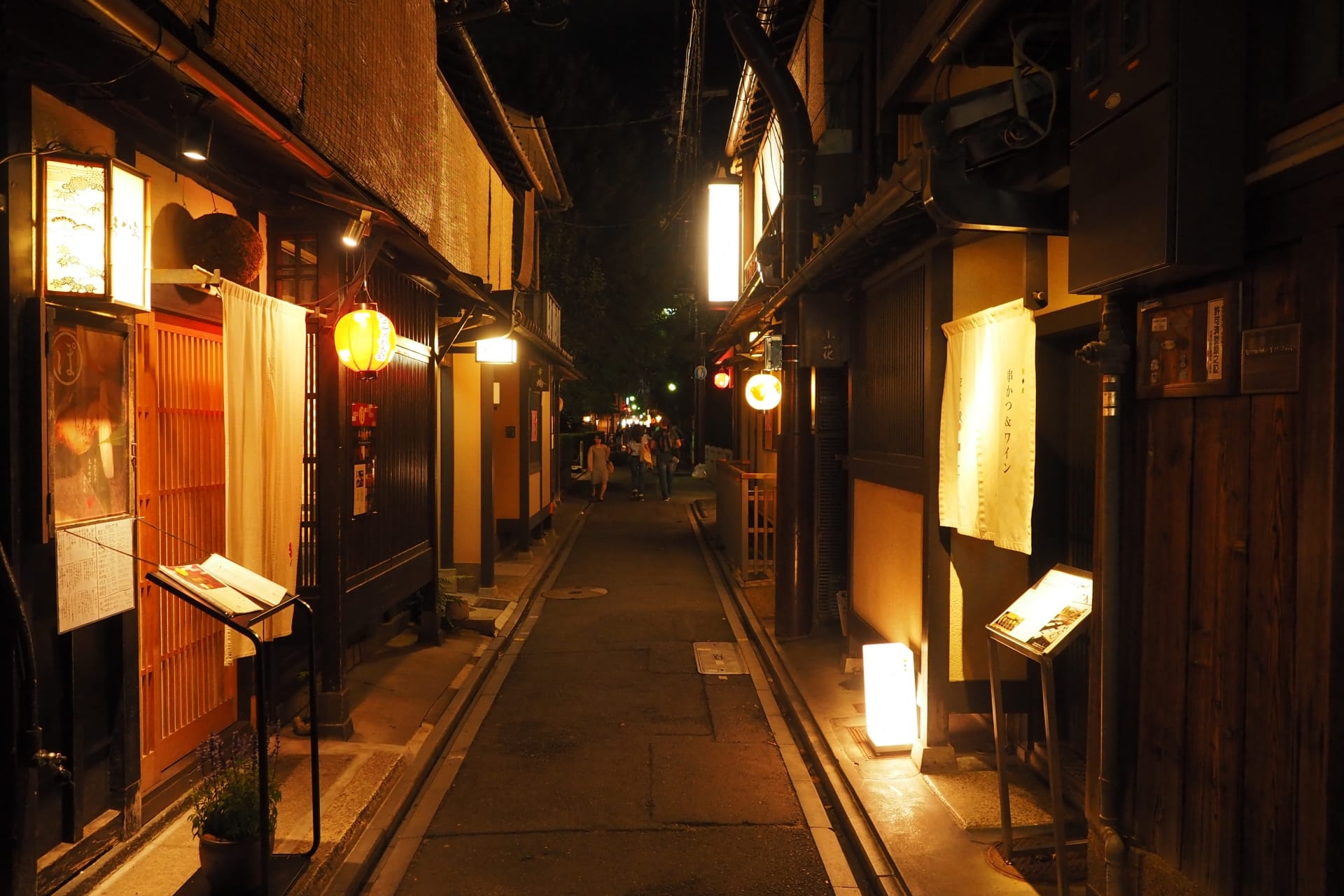
If you're interested in food culture, you might also want to try the "Kyoto Night Foodie Tour," which ranked #6 in 2024, or the "Osaka Local Foodie Tour in Dotonbori and Shinsekai," which takes you through Osaka, a city famous for having one of Japan's most distinctive food cultures.
In this article, I'll explain the basics of Japanese hot pot dishes, shabu-shabu, and sukiyaki. I'll also introduce chain restaurants where you can actually taste shabu-shabu and sukiyaki in Japan.
Table of Contents
-What is Shabu-Shabu?
-What is Sukiyaki?
-Shabu-Shabu VS Sukiyaki!
-Chain Restaurants Where You Can Enjoy Shabu-Shabu and Sukiyaki
-
About Japanese Hot Pot Dishes
Hot pot dishes are essential to Japanese winter dining tables. Eating warm hot pots during the cold season has become established as part of Japanese culture.
The real pleasure of hot pot dishes is savoring the delicious soup, which has simmered various ingredients, to the very end. It's characterized by the use of various ingredients such as vegetables, meat, and seafood, and it's interesting how the contents change depending on the season and region.
Another charm of hot pot dishes is that they can be enjoyed according to the situation, from individual pots to those shared by large groups. They're also popular as healthy dishes with good nutritional balance.
Among these, shabu-shabu and sukiyaki are particularly popular as meat-based hot pot dishes. While Japanese people often eat them at restaurants, they also enjoy them at home. I, too, enjoy them with my family and sometimes even have "solo shabu-shabu" at home.
In Japan, hot pot dishes are so common that products with small amounts of soup for enjoying shabu-shabu alone are sold.
What is Shabu-Shabu?
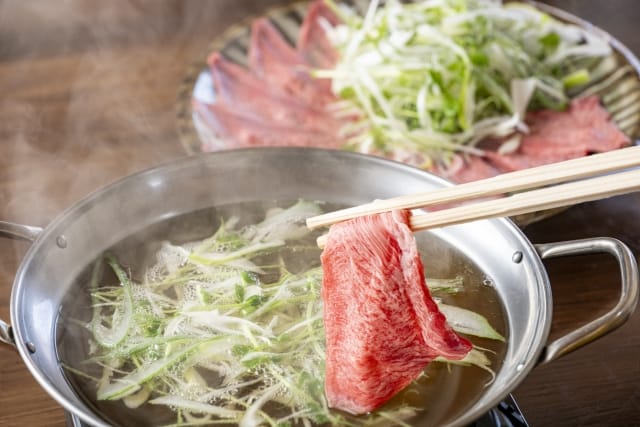
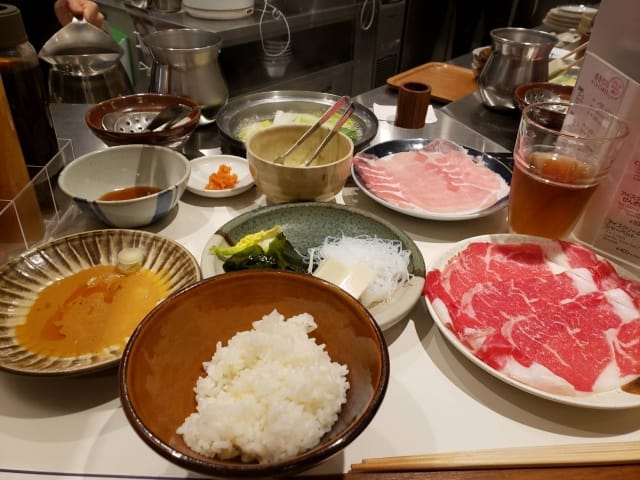
Shabu-shabu is a hot pot dish where thin slices of meat are dipped in heated soup for a few seconds before eating. Various meats can be used, including beef, pork, and chicken, and the appeal lies in how the flavor changes depending on the type of meat.
It's common to cook vegetables together and eat them with ponzu sauce or sesame sauce. I think the vegetable-rich soup after eating the meat is exquisite. It's especially popular among women as a healthy way of eating.
How to Eat Shabu-Shabu
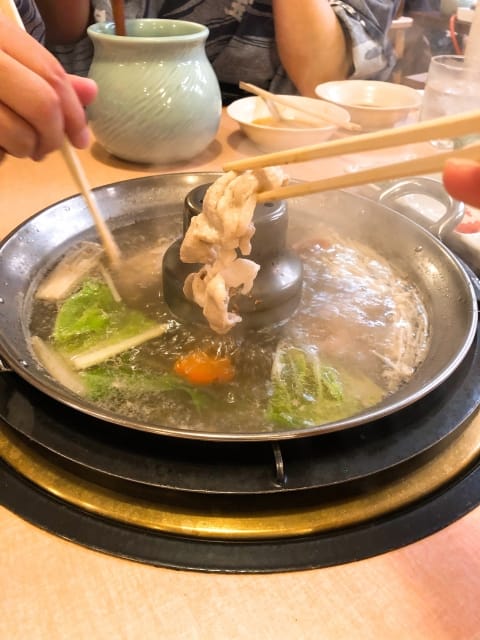
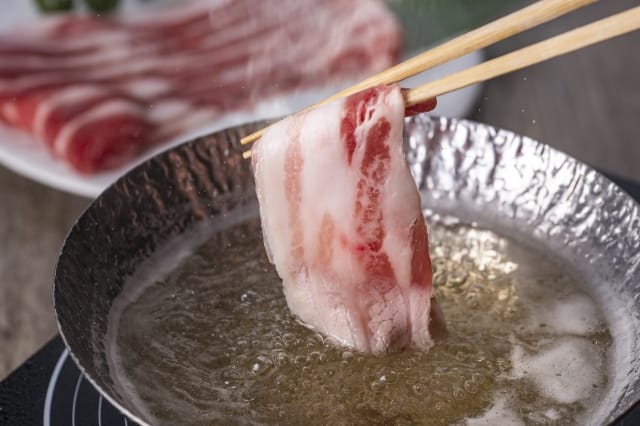
Eating shabu-shabu is simple. First, dip the thinly sliced meat for shabu-shabu in the heated soup for a few seconds. Once the meat is cooked, add vegetables and briefly cook them. When the vegetables are cooked, it's the signal that they're ready to eat.
It's delicious to eat with ponzu or sesame sauce. I recommend adding condiments like green onions or ginger according to your preference.
Finally, it's standard to make udon noodles or rice porridge with the soup that has absorbed the umami of meat and vegetables. I always look forward to this final arrangement to fully enjoy shabu-shabu.
When eating, be careful of burns. The key is to savor it slowly at your own pace. Also, when eating shabu-shabu, it's proper manners to use separate "serving chopsticks" to take the meat, rather than the chopsticks you're using. It's a no-no to take it directly with your own chopsticks, so please remember this.
What is Sukiyaki?
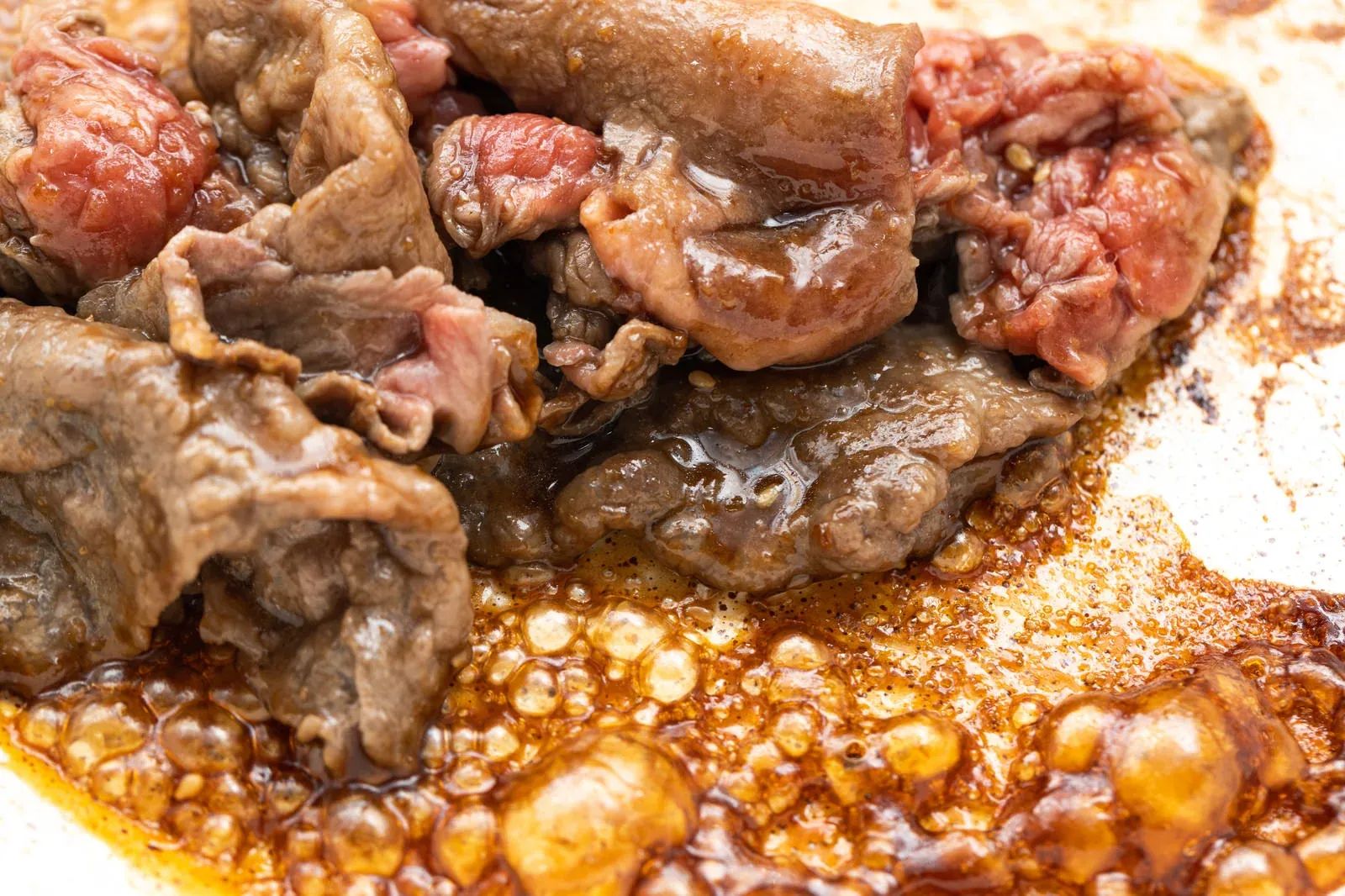
Sukiyaki is a hot pot dish where beef and vegetables are simmered in a sweet and savory broth called "warishita". The "warishita" is a seasoning made by combining soy sauce, sugar, mirin, and sake, and it's the key to sukiyaki's flavor. However, the way of eating can be slightly different in places like Osaka in the Kansai region.
When eating, it's common to dip the meat and vegetables in beaten raw egg, but this might be challenging for foreigners. However, don't worry, sukiyaki is delicious enough even without dipping in egg.
Finally, the point is to add udon noodles or rice at the end and let them absorb the warishita. I think sukiyaki is a dish that can be enjoyed deliciously down to the last drop.
Differences from Shabu-Shabu
While both sukiyaki and shabu-shabu are meat-based hot pot dishes, there are several differences.
In shabu-shabu, thin slices of meat are briefly dipped in heated soup before eating, while in sukiyaki, beef and vegetables are simmered in a sweet and savory broth. The taste also differs, with shabu-shabu being lighter, while sukiyaki has a stronger flavor.
Shabu-shabu uses meats other than beef, but sukiyaki mainly uses beef. Also, shabu-shabu is typically eaten with ponzu or sesame sauce, while sukiyaki is usually eaten by dipping in beaten raw egg.
How to Eat Sukiyaki
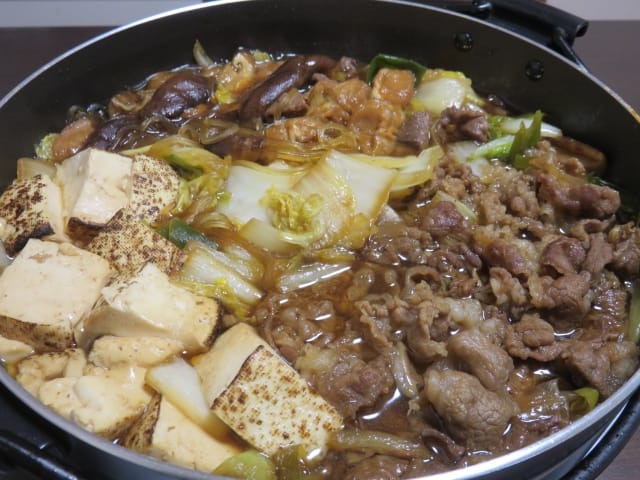
The way of preparing sukiyaki differs slightly between the Kanto style (like Tokyo) and the Kansai style (like Osaka). In the Kanto style, first, a seasoning called warishita is made by mixing soy sauce, sugar, mirin, and sake, then it's added to the pot before cooking the meat and vegetables.
On the other hand, in the Kansai style, warishita isn't prepared. Instead, sugar is sprinkled directly into the pot, and meat is placed on top. Once the meat is browned, soy sauce and sake are added for seasoning. It's more like a style close to "yakiniku" (grilled meat).
I'm more familiar with the Kanto style, so I always recommend adding rice porridge or udon noodles at the end to absorb the warishita.
Shabu-Shabu VS Sukiyaki! A Writer Well-Versed in Food Culture Explains the Differences and How to Choose
Shabu-shabu and sukiyaki are both classic Japanese hot pot dishes enjoyed in winter, but they differ in taste and how they are eaten. For those wondering which to choose in this Japanese hot pot food guide, we will introduce the type of person suited for each dish.
Choose the dish that matches your preferences and fully enjoy Japanese winter cuisine.
Shabu-Shabu is Recommended for These Types of People
Those Who Want to Enjoy a Light-Tasting Hot Pot
Shabu-shabu is eaten simply by dipping the ingredients in a citrus-based sour sauce called Ponzu or sesame sauce, allowing you to enjoy a light flavor and savor the natural taste of the ingredients themselves.
Additionally, since the fat from the meat falls into the hot water, it feels healthier than sukiyaki. I personally choose shabu-shabu when I don't want to burden my stomach or when I'm conscious about nutritional balance.
Those Who Want to Slowly Savor the Deliciousness of Dashi
With shabu-shabu, you can slowly savor the deliciousness of dashi. Dashi is the fundamental soup of Japanese cuisine, made by extracting umami components from kelp and fish.
While the taste of dashi itself is simple, the umami from the meat and vegetables gradually dissolves into the broth, allowing you to enjoy a deeper flavor. It's perfect for those who want to appreciate the delicate taste of dashi.
Those Who Want to Enjoy Hot Pot with Fruity Sake
Shabu-shabu is recommended for those who want to enjoy it with fruity sake that has a fruit-like aroma. Sake with a gorgeous, sweet fragrance has moderate acidity that pairs exquisitely with the light flavor of shabu-shabu.
Fruity sake is light on the palate and easy to drink, so it enhances the umami of the meat without overpowering it. I particularly enjoy pairing it with shabu-shabu served with sesame sauce.
What is Fruity Sake?
Fruity sake refers to sake with a sweet, fruit-like aroma and taste. While no actual fruit is used, the aroma resembles melon, banana, or apple.
Fruity sake is classified as "Kunshu," which refers to light sake with a good balance of sweetness and acidity. Representative examples of fruity sake include:
- Ginjoshu
- Daiginjoshu
- Junmai Ginjoshu
- Junmai Daiginjoshu
Sukiyaki is Recommended for These Types of People
Those Who Want to Enjoy Richly Seasoned Dishes
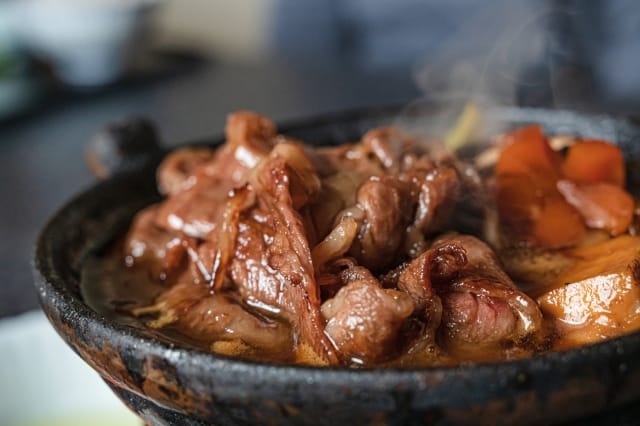
Sukiyaki is simmered in a sweet and savory sauce, making it recommended for those who want to enjoy richly seasoned dishes.
By simmering for a long time, the sweet and savory sauce thoroughly permeates the meat, resulting in a satisfying, flavorful taste. When I eat sukiyaki, I always want to have multiple servings of rice.
It's recommended for those who want to experience traditional Japanese seasoning or those who prefer bold flavors.
Those Who Want to Enjoy the Richness and Mellowness of Warishita
In sukiyaki, the meat and vegetables are simmered in a sweet and savory sauce called warishita, then dipped in raw egg before eating, allowing you to enjoy richness and mellowness.
Sukiyaki contains not only meat but also various ingredients that absorb the umami of warishita, such as tofu and Chinese cabbage. The mellowness of the egg balances well with the rich flavor that has permeated the ingredients, so you can keep eating without getting tired of it.
Those Who Want to Enjoy Hot Pot with Crisp, Clean Sake
Sukiyaki is recommended for those seeking a hot pot to enjoy with crisp, clean sake.
Crisp sake is characterized by its low sweetness and a finish that quickly fades away. It enhances the rich flavor of sukiyaki while refreshing your palate.
I feel that crisp sake resets the richness of the sweet and savory sauce and raw egg, making each next bite even more delicious.
What is Crisp, Clean Sake?
Crisp, clean sake refers to sake with low sweetness, a light mouthfeel, and easy drinkability. It has no unnecessary peculiarities and goes down smoothly when you drink it.
Crisp sake is classified as "Soshu," which refers to light sake with a refreshing quality. Representative examples of crisp sake include:
- Honjozo
- Namazake
- Futsushu
It is often described as "Tanrei Karakuchi," so when you want to drink crisp sake, it's good to choose one labeled "Tanrei."
If You Want to Enjoy Japanese Food at Its Most Delicious, Have a Local Guide Teach You the Best Ways to Eat!
When eating Japanese food, knowing the delicious ways to eat and proper etiquette makes the experience even more enjoyable.
Especially for those trying authentic Japanese food for the first time, we recommend joining a tour where you dine with a local guide who knows the area well. On tours, guides will carefully teach you delicious ways to eat and proper etiquette, so you can enjoy Japanese food with peace of mind.
From here, we will introduce two tours.
Finest Quality Sushi & Tempura Dining Experience in Ginza
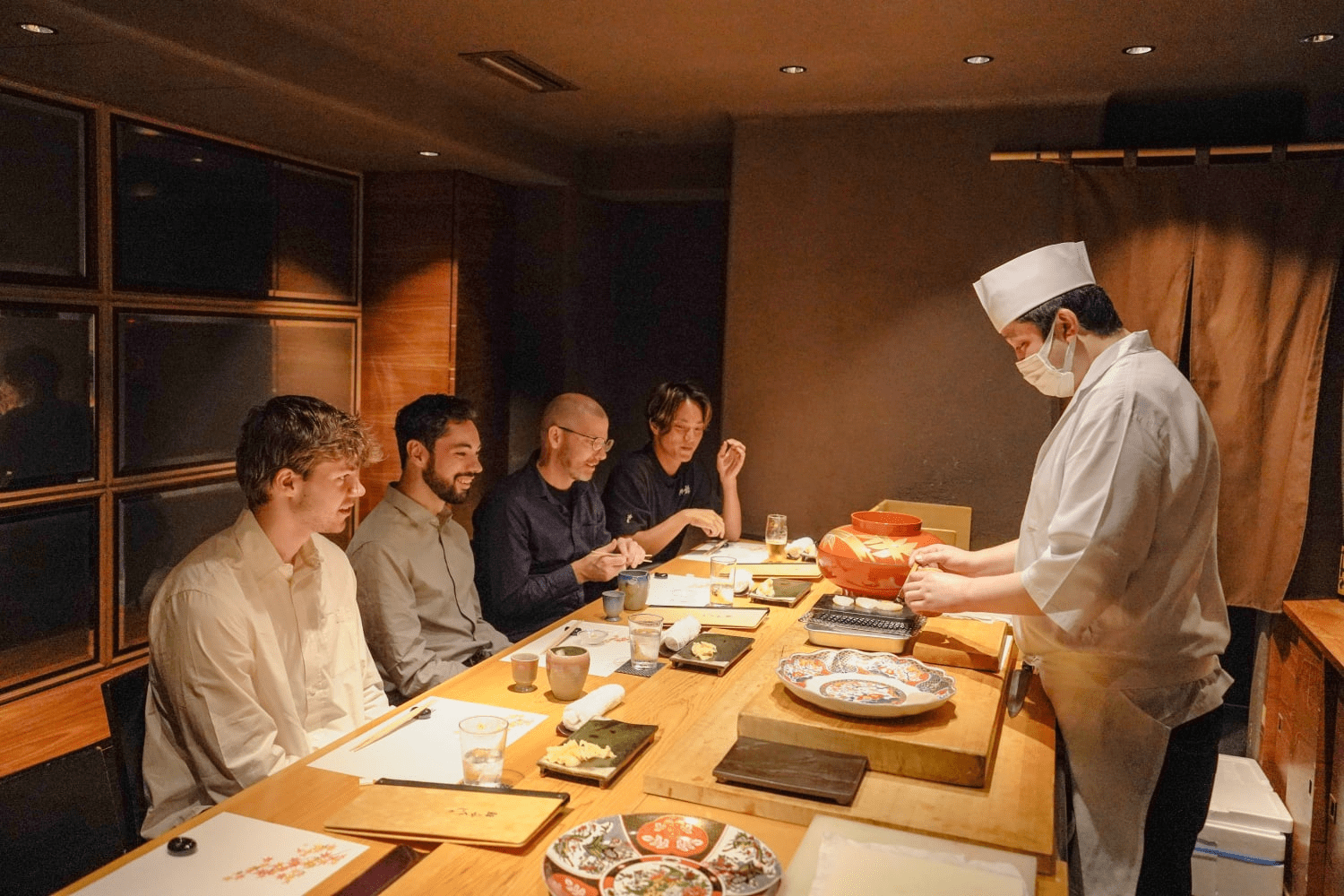
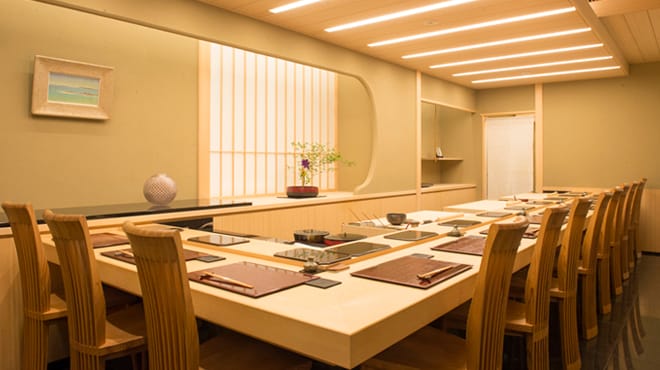
Finest Quality Sushi & Tempura Dining Experience in Ginza is a tour where you can enjoy the finest quality sushi and tempura (a dish of fish and vegetables coated in batter and deep-fried) at a high-end restaurant in Ginza.
At the counter seats, you can watch the chef prepare dishes right before your eyes while savoring a carefully crafted course meal. The guide will also explain the etiquette at high-end sushi restaurants and tips for enjoying the experience more, which is an attractive point unique to tours that allows you to dine with confidence.
This is recommended for those who want to visit high-end Japanese restaurants that are difficult to access individually, or those who want to enjoy their meal while learning proper etiquette.
<Information>
- Meeting Point: In front of Lion Statue at Ginza Mitsukoshi near Exit A8 of Ginza Station
- Tour Area: Ginza
- Start Time: 16:30
Wagyu Beef & Sake Pairing Foodie Tour in Ginza
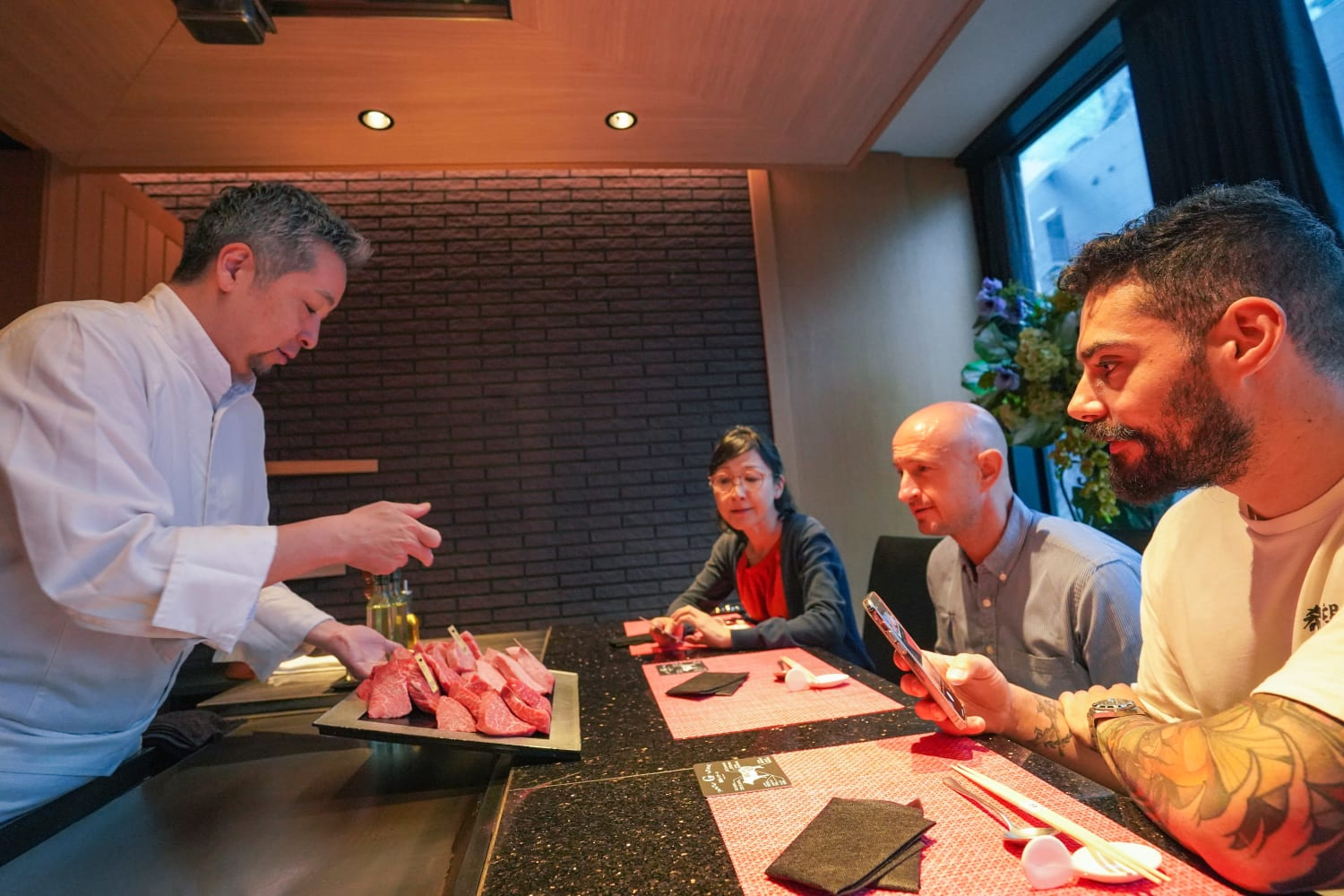
Wagyu Beef & Sake Pairing Foodie Tour in Ginza is a gourmet tour where you can enjoy all-you-can-eat top-grade A5 rank wagyu beef and all-you-can-drink approximately 20 types of sake in Ginza.
While tasting sake from Nara, a region famous for sake production, you can learn about the history of sake and the differences in taste. Since you can enjoy your meal while receiving detailed explanations about sake and wagyu, you can have a deeper experience than visiting on your own.
For those who want to enjoy plenty of wagyu and sake, please consider joining this tour.
<Information>
Meeting Point: JR Shimbashi Station North Exit, in front of black pillar near SAZA Coffee in Ecute Edition Shimbashi
Tour Area: Shinbashi, Ginza
Start Time: 17:00
Chain Restaurants Where You Can Enjoy Shabu-Shabu and Sukiyaki
While shabu-shabu and sukiyaki can be deliciously eaten at local restaurants, chain restaurants are recommended for first-timers. They're easy to enter and you can eat with peace of mind.
Also, while Japanese hot pot dishes are often eaten in winter, these chain restaurants offer shabu-shabu and sukiyaki all year round.
Here, I'll introduce three representative chain restaurants in Japan where you can enjoy shabu-shabu and sukiyaki.
Shabu-Yo
Source: Tabelog by kazuchi
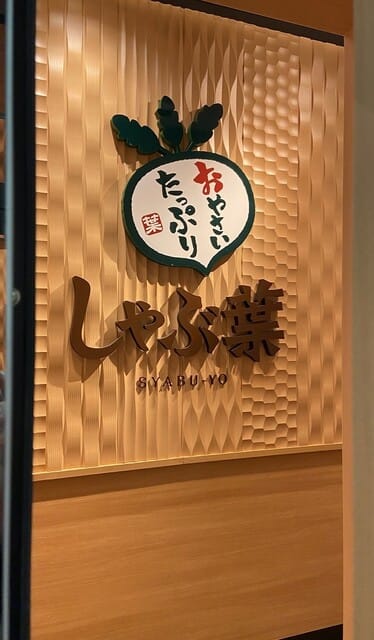
Shabu-Yo is an all-you-can-eat shabu-shabu restaurant. Amazingly, you can enjoy shabu-shabu for a very reasonable price of 1,500-2,000 yen.
In my opinion, while the quality of meat is moderate, it's perfect for shabu-shabu beginners. I used to go there often when I was a student.
Website: https://www.skylark.co.jp/en/syabuyo/
Shabusai
Source: Tabelog by Shabusai
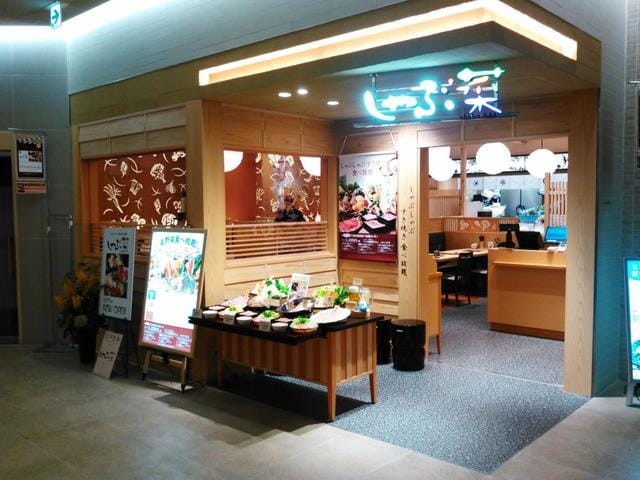
Shabusai is an all-you-can-eat restaurant where you can choose between shabu-shabu and sukiyaki. It's in the same price range as Shabu-Yo, but from my experience, I feel Shabusai is slightly more delicious.
If there's a Shabusai near your accommodation, I recommend giving it a try. I think you'll be satisfied.
Website: https://shabu-sai.com/
Imahan
Source: Tabelog by sugaya_azusa
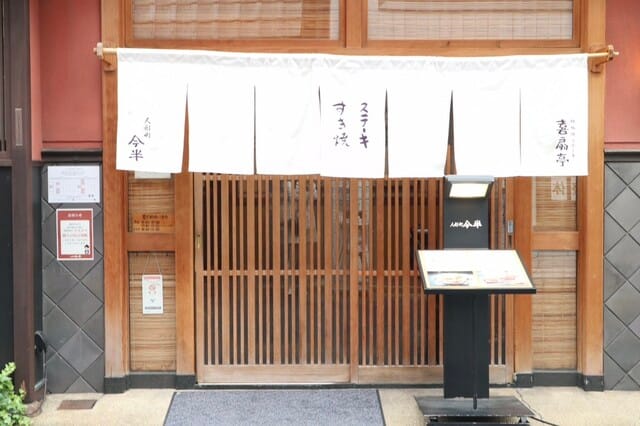
Imahan is a high-end sukiyaki chain restaurant mainly operating in Tokyo. You can choose between shabu-shabu and sukiyaki, but sukiyaki is especially recommended.
Lunch costs about 5,000-8,000 yen per person, and dinner costs about 10,000-20,000 yen. It's a bit high-end, but if you want to try luxury shabu-shabu or sukiyaki, I encourage you to give it a try.
Many of their branches require phone reservations, which might be challenging, but it's a chain restaurant worth remembering if you want to eat high-end shabu-shabu or sukiyaki.
Website: https://imahan-tokyo.com/official/
Three Recommended Food Tours in Japan
Discover these captivating food tours in Tokyo, Kyoto, and Osaka, offered by MagicalTrip. Each tour provides a unique opportunity to experience Japan's diverse culinary culture.
Finest Quality Sushi & Tempura Dining Experience in Ginza
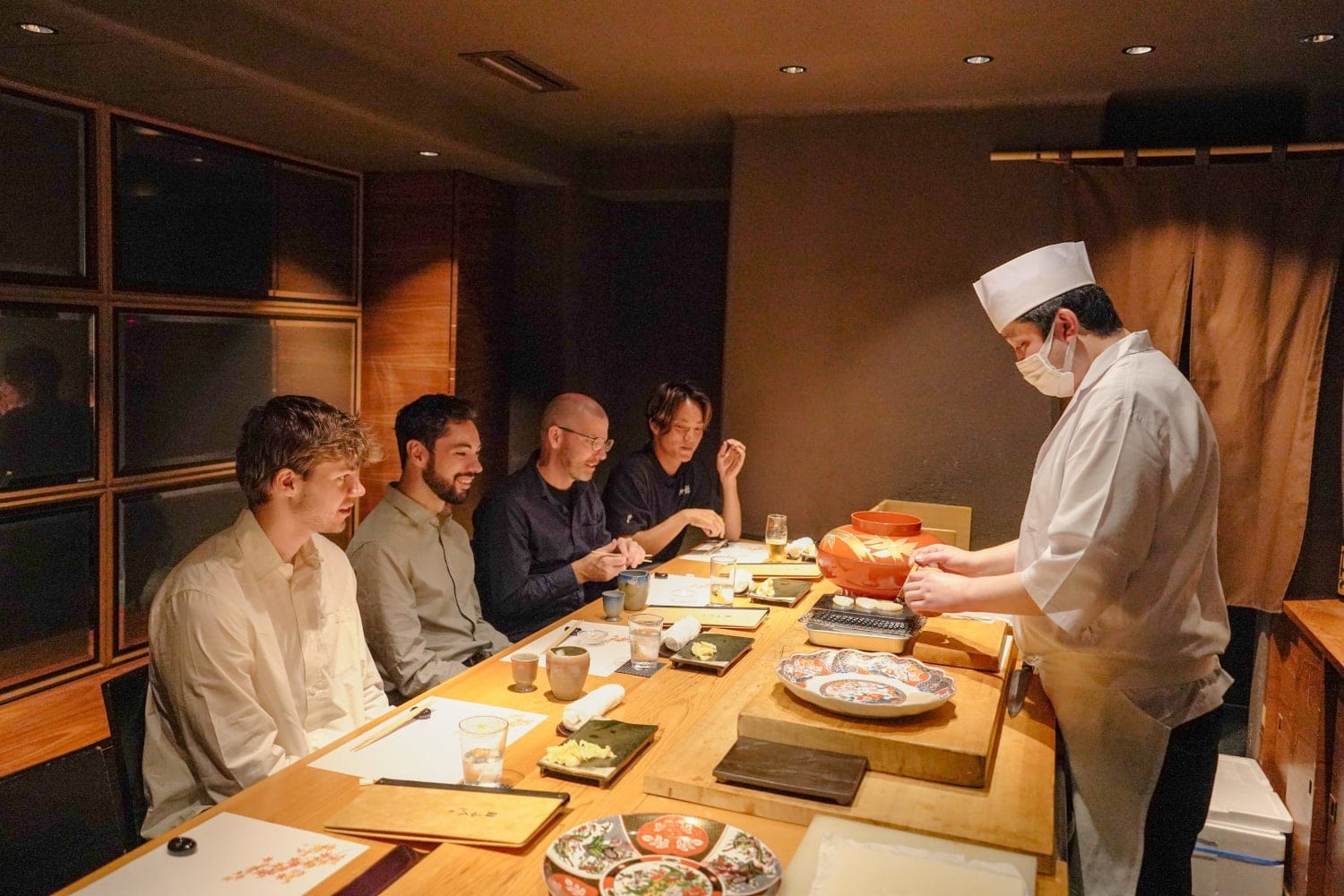
This 2.5-hour premium tour features high-end sushi and tempura restaurants in Ginza.
At Michelin-rated and Tabelog-acclaimed establishments, you'll enjoy specially prepared sushi and tempura crafted by master chefs right before your eyes. With over 80 types of seafood used throughout the year and guaranteed counter seating, this authentic experience is priced at $203.41 (approximately ¥30,000), including four drinks.
Between meals, explore Ginza's streets with an English-speaking guide who will explain Japanese dining etiquette and customs. Open to participants aged 12 and above, with vegetarian options available (advance notice required).
Perfect for special occasions with its intimate group size. Meeting point is at the Ginza Mitsukoshi Lion Statue. Bookable up to 15 months in advance with free cancellation up to 24 hours before.
Details here: Finest Quality Sushi & Tempura Dining Experience in Ginza
Kyoto Night Foodie Tour
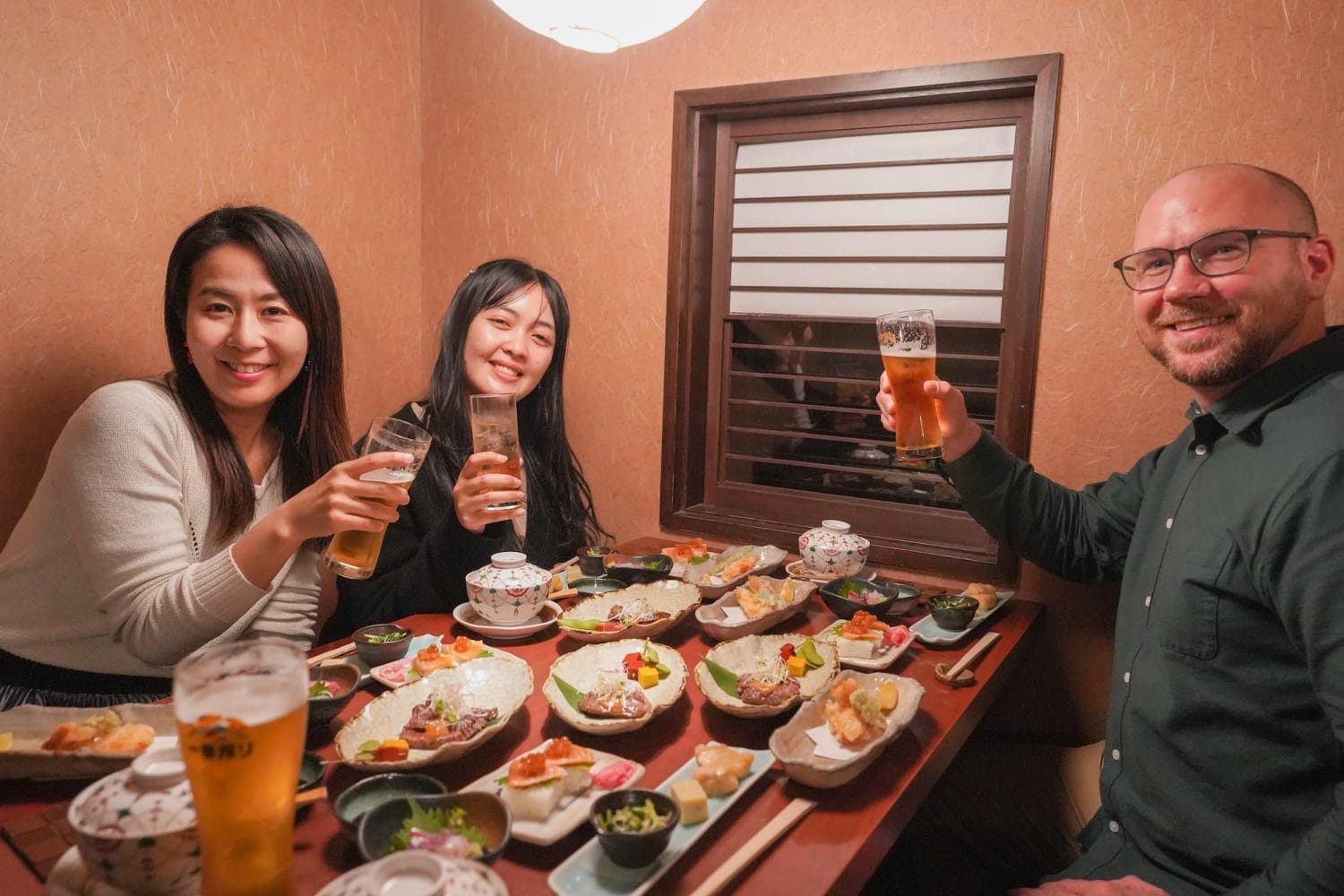
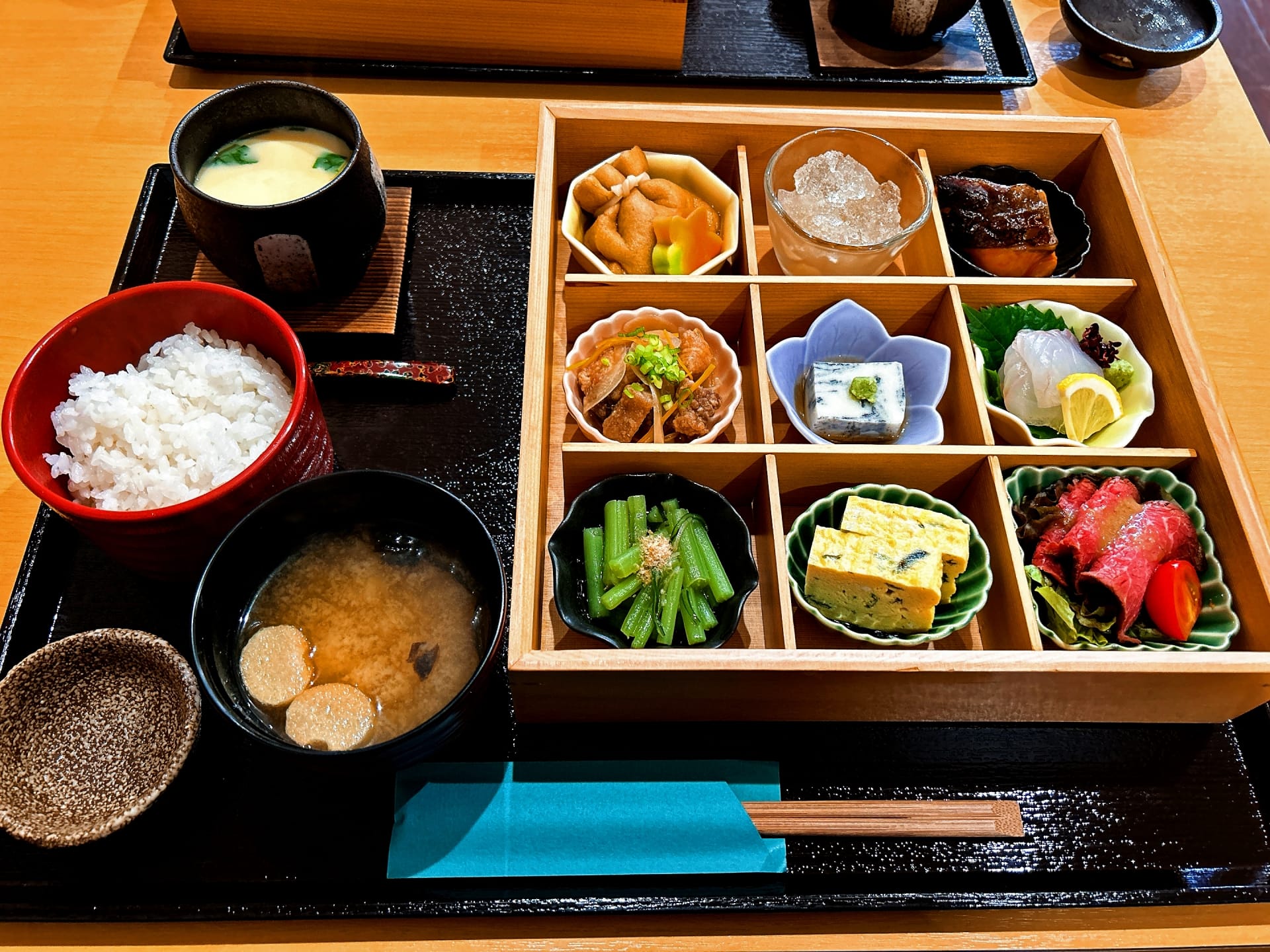
This 3-hour gourmet tour through Pontocho and Gion ranked 6th on TripAdvisor's 2024 tour rankings. Experience a full-course meal across three carefully selected restaurants, featuring Kyoto's traditional dishes from local vegetables and yuba to desserts. Priced at $136.80 (approximately ¥20,000) with three drinks included.
Stroll through Gion's traditional townhouses and teahouse districts with possible maiko sightings. Includes expert commentary from English-speaking guides and a photo service.
Vegetarian options available (fish-based stock used), and under-20s can participate with non-alcoholic beverages. Free cancellation up to 24 hours before, with additional orders possible at the final restaurant.
Details here: Kyoto Night Foodie Tour
Osaka Local Foodie Tour in Dotonbori and Shinsekai

This 3-hour tour features eight iconic Osaka dishes. Sample takoyaki, okonomiyaki, kushikatsu, and more at local guide-recommended spots. Journey from Shinsekai to Dotonbori, discovering both famous landmarks and hidden local gems. Priced at $93.44 (approximately ¥14,000) including three drinks.
This popular tour, experienced by over 4,700 visitors, features English-speaking guides explaining the history behind each location and dish. Small group sizes accommodate all age groups.
Meeting at Imamiya-Ebisu Station and ending at Namba Station. Vegetarian options available (advance notice required). Free cancellation up to 24 hours before.
Details here: Osaka Local Foodie Tour in Dotonbori and Shinsekai
These three tours offer exceptional opportunities to deeply experience each region's unique food culture. With English-speaking guides ensuring a comfortable experience, we guarantee memorable culinary adventures in Japan.
In this article, I've introduced Japanese hot pot dishes, especially shabu-shabu and sukiyaki.
When winter comes, I always go out to eat shabu-shabu or sukiyaki. The time spent chatting with family and friends around the pot is truly blissful.
While you can eat shabu-shabu and sukiyaki at chain restaurants all year round, I think warming up both body and soul with a hot pot dish in the cold winter is the real pleasure of Japanese winters.
I hope you'll try and experience their charm for yourself!