Hakone Summer 2026: Festivals, Activities & 2-Day Itinerary
As an author who has experienced Hakone's summers for over a decade, I'm excited to share the charms of this summer retreat and provide practical advice.
The cool lake breeze of Lake Ashi, the mystical fog-shrouded mountains in the early morning, and the traditional fireworks displays that color the night sky. Just about 90 minutes from Tokyo, Hakone is a special summer retreat where you can escape the summer bustle and experience Japanese tradition and nature.
Admittedly, accommodation costs soar and tourist spots become crowded during the festival season from late July to early August. However, this period offers unique opportunities to experience traditional events and fireworks displays over the lake, allowing you to fully savor the essence of Japanese summer. The cool climate, thanks to the varying altitudes, will make you forget Tokyo's humid heat.
To ensure that even first-time visitors don't get lost, I'll introduce all the information foreign tourists need, from festival schedules to hidden spots and tips addressing common questions. Drawing on my years of Hakone visits, I'll provide a guide to help you plan a fulfilling summer trip to Hakone!
Throughout Japan, including Hakone, Magical Trip offers guided tours where you can explore local history, traditions, and food culture in depth with local guides.(Hakone Full Day Chartered Private Tour: Art & Nature)
Our most popular tour "Tokyo Bar Hopping Night Tour in Shinjuku" was ranked as Tripadvisor's #1 tour in 2024.

For tourists visiting Tokyo, why not try a private car tour that lets you efficiently visit multiple attractions in a single day? With expert guides who know all the best spots, you can fully experience the region's traditions and rich food culture even in just one day.
These tours include hotel pickup and drop-off service, allowing you to visit attractions stress-free and efficiently. If you're interested in nature-rich destinations like Hakone and want to explore Japan's history and traditions while avoiding crowds, these tours are perfect for you.
Table of Contents
・Highlights of Hakone Summer Festivals 2026
・Summer Activities in Hakone
・How to Access Hakone from Tokyo
・Frequently Asked Questions about Summer in Hakone
How Is Hakone in Summer? A Guide to Temperatures and Humidity
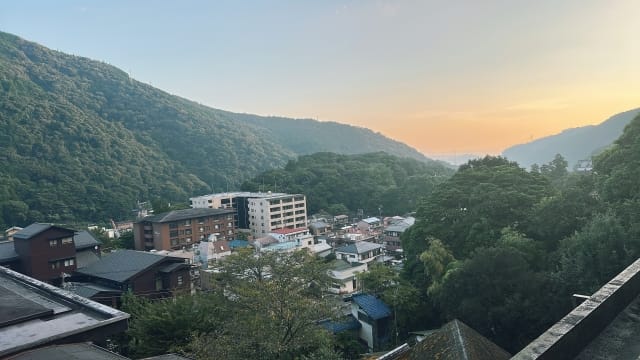
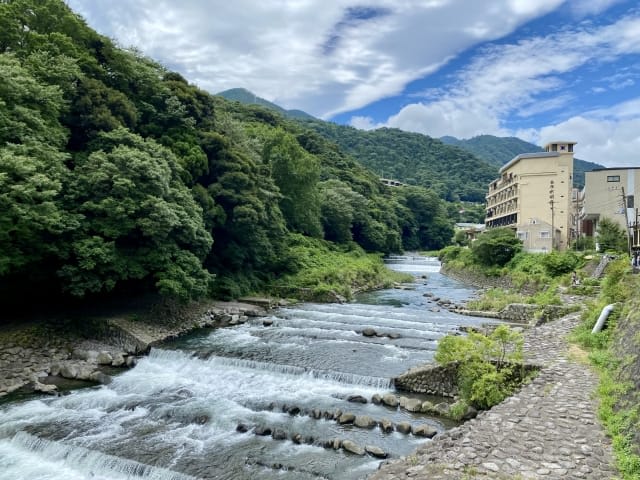
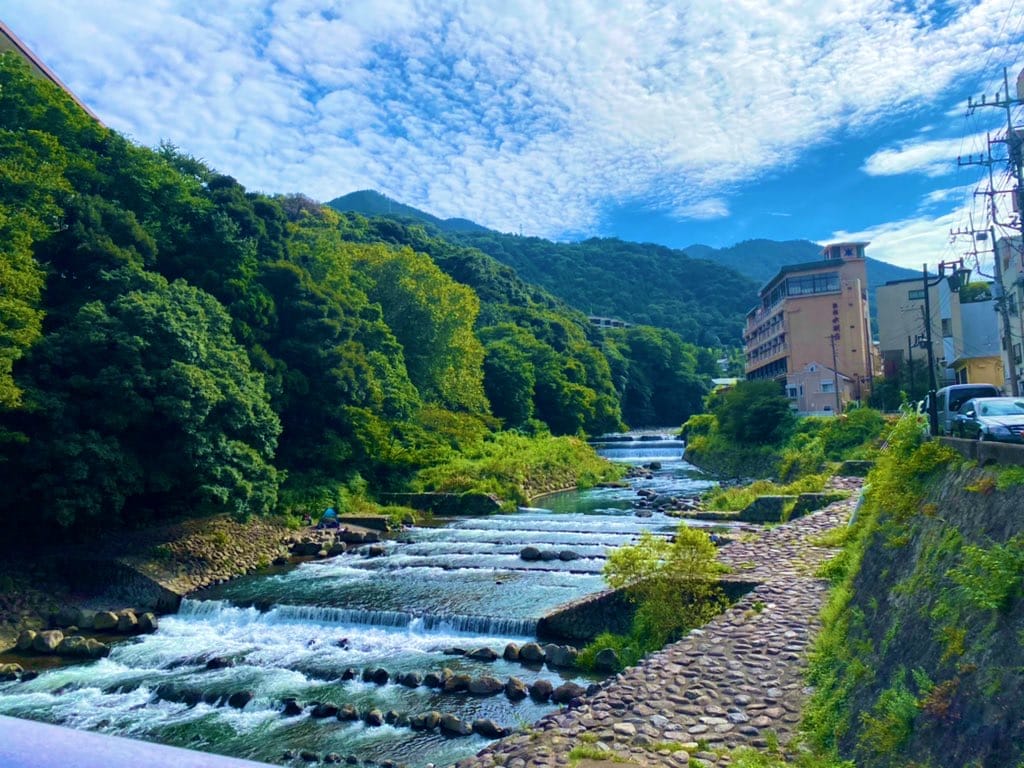
Hakone in summer sits at a slightly lower temperature than Tokyo, and at higher elevations, the air feels comparatively comfortable. This is because Hakone is surrounded by mountains, where the atmosphere is a little cooler than in the city center.
For this reason, Hakone is known as a place near Tokyo where visitors can seek relief from the heat, and it has long been cherished as a summer retreat.
That said, humidity runs high from July through August, giving the season that characteristic sticky, sweltering quality of a Japanese summer. As a result, it can feel hotter than the actual temperature suggests.
Days spent walking long distances for sightseeing are especially draining, as slopes and direct sunlight take a toll on energy levels.
For Hakone Summer 2026, the recommended approach is to stay well hydrated, take breaks at indoor spots and cafes along the way, and move at a relaxed, manageable pace.
Recommended Clothing
For Hakone Summer 2026, breathable summer clothing is generally all you need.
T-shirts, lightweight blouses, and easy-to-move-in pants or skirts are ideal — anything comfortable for walking.
Since sightseeing involves a fair amount of walking on slopes and outdoors, well-worn sneakers or easy-to-walk-in sandals will serve you well.
On sunny days, a hat and sunglasses are also handy to have.
Indoor facilities and vehicles tend to be air-conditioned, so if you are sensitive to the cold, carrying a thin cardigan or shirt will give you peace of mind.
Things to Do in Hakone During Summer
Hakone's summer offers plenty of attractive activities beyond festivals. From outdoor experiences utilizing the cool climate due to altitude differences to indoor facilities where you can spend time comfortably, I'll suggest various ways to enjoy your time. Based on over 10 years of experience, I'll introduce particularly recommended spots.
The Long-Awaited "Lake Ashi Summer Festival Week"
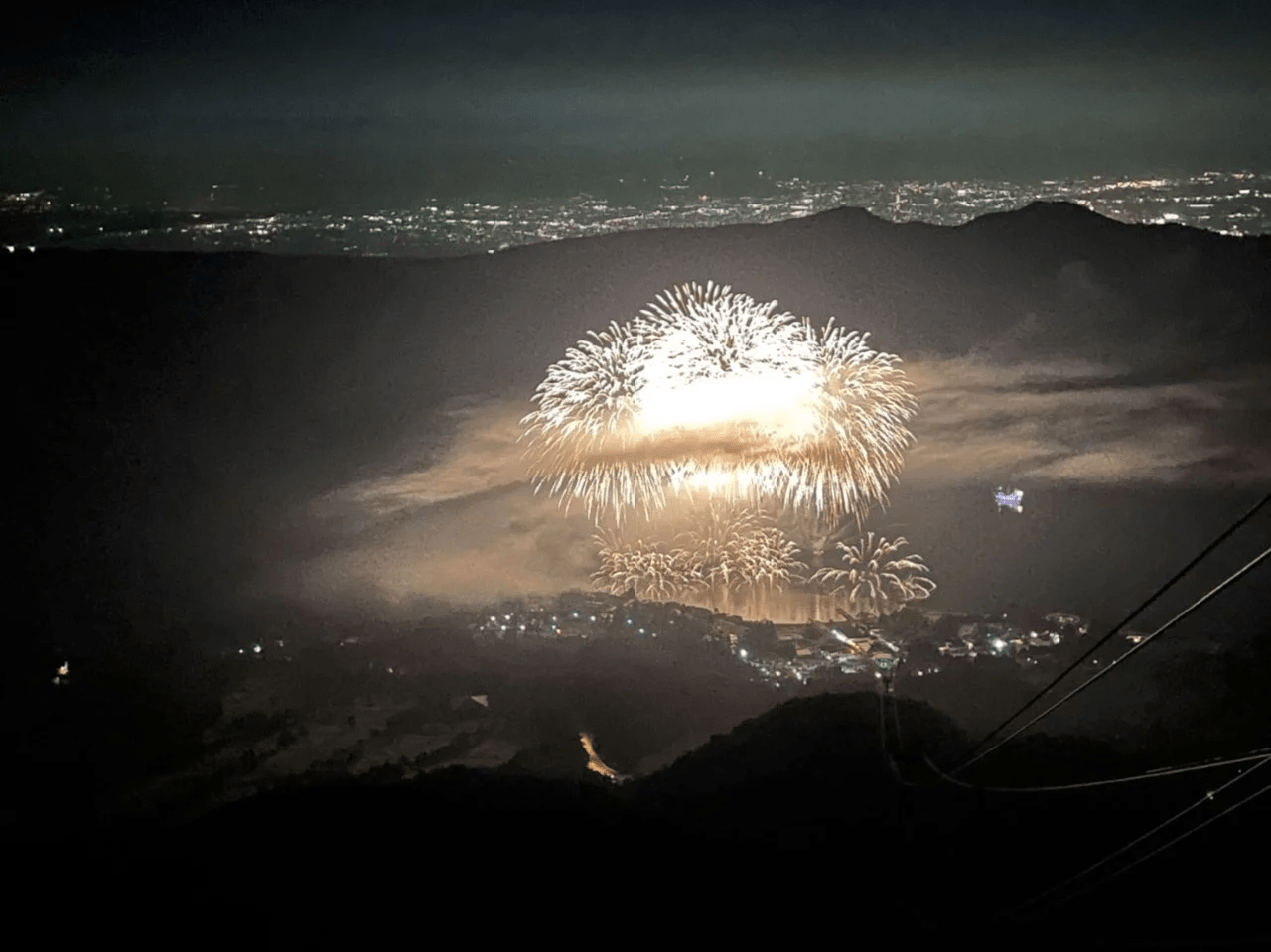
The Lake Ashi Summer Festival Week is one of Hakone's defining summer events, combining the sacred rituals of Hakone Shrine with a fireworks display.
The Reitaisai Grand Festival and the Torii Yaki Fire Festival at Hakone Shrine draw large crowds to the area around Lake Ashi, building a lively summer festival atmosphere.
What makes it particularly memorable is the way the scenery of Lake Ashi shifts from dusk into night, and the beauty of the fireworks reflected on the surface of the lake.
The fireworks launched nearly every evening are one of those special sights that remind even Japanese visitors that summer has truly arrived.
This is an event highly recommended for anyone wanting to feel the distinctive excitement of Hakone Summer 2026.
Traditional Events and Nature-Themed Activities
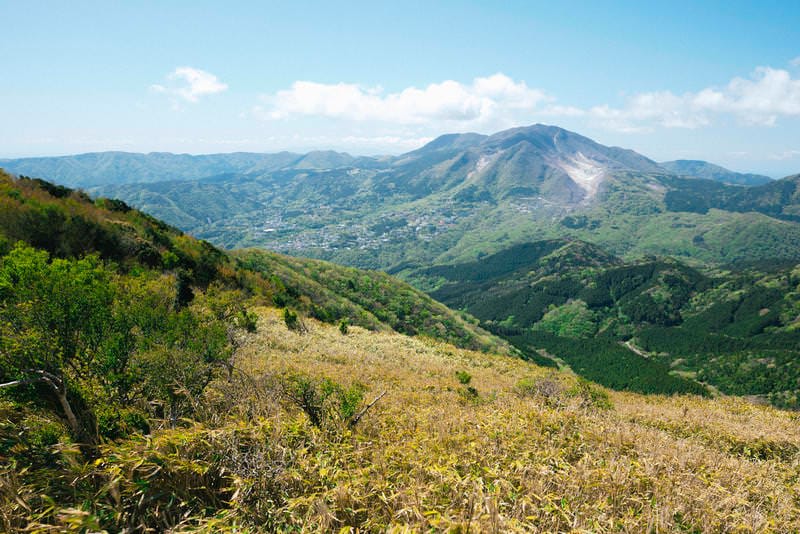
Hakone summer also features traditional local events and activities that connect visitors with the natural surroundings.
At the Miyagino Summer Festival, for example, you can experience the prayers and seasonal customs passed down through generations in this area.
Guided nature programs and experience tours that make full use of Hakone's natural environment are also available, offering a way to enjoy the destination beyond simply viewing the sights.
Taking part in traditional local events and nature-based activities allows you to feel much closer to the unique culture and seasonal rhythms of this place — things that simply passing through Hakone would not reveal.
Recommended for those who want to engage with the local culture and natural surroundings.
Outdoor Activities Best Enjoyed in Cool Hakone
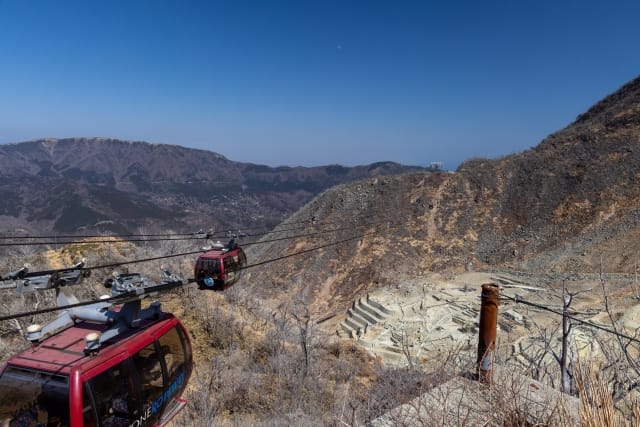
During Hakone Summer 2026, the slightly more comfortable climate compared to central Tokyo makes outdoor activities a great choice.
Hiking and nature walks are popular options, and at higher-elevation areas there are places where you can enjoy a refreshing breeze.
- HAKONATURE BASE offers the "HAKONE Adventure Class" for those looking to get started with hiking and outdoor activities, along with family-friendly programs that are easy to join.
Because you explore Hakone's nature together with a local guide, even first-timers can feel at ease and fully enjoy the experience.
Recommended for those who want to savor the open, freeing atmosphere that defines Hakone in summer.
Museums and Art Galleries to Escape the Heat
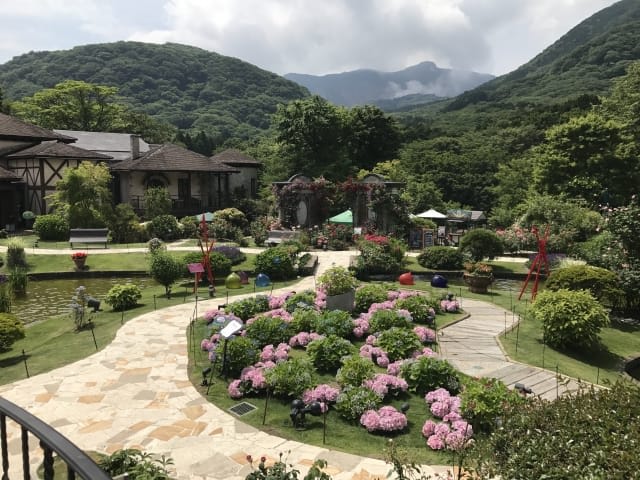
Museum and gallery hopping is extremely popular in Hakone during the summer months, when the heat becomes a factor.
One spot that comes especially highly recommended is the Hakone Open-Air Museum. A beloved destination well suited to Hakone's identity, it lets you enjoy art within a natural setting, and features indoor exhibitions, a foot bath, and rest areas — making it comfortable to visit even in summer.
- Hakone Open-Air Museum — indoor exhibitions, foot bath, rest areas available
The Pola Museum of Art holds a wide-ranging collection spanning Impressionism through contemporary art, and offers a quiet space immersed in nature where you can enjoy art at your own pace.
- Pola Museum of Art — Impressionist to contemporary art collection, nature-surrounded setting
During summer sightseeing, having time to engage with the art and culture of a destination — rather than just walking around outside — gives you a chance to reset and enjoy Hakone Summer 2026 in a more well-rounded way.
Perfect for those who want to beat the heat while still soaking up everything Hakone has to offer.
Highlights of Hakone Summer Festivals 2026 (w/ Quick Reference)
| Event | Date | Overview |
|---|---|---|
| Lake Ashi Water Festival | July 31, 2026 | A lively lakeside festival featuring fireworks displays, traditional performances, and festive food stalls set against Hakone's scenic mountain backdrop. |
| Hakone Shrine Grand Festival | August 1, 2026 | The most important annual celebration at the historic Hakone Shrine, featuring sacred rituals, processions, and offerings to honor its deities. |
| Omikoshi Festival | August 2, 2026 | An energetic portable shrine procession through the streets of Hakone, with locals carrying ornate mikoshi and chanting in vibrant community celebration. |
| Kojiri Dragon God Festival | August 4, 2026 | A traditional waterside festival at Kojiri honoring the Dragon God, featuring rituals and ceremonies to pray for safety and good fortune on the water. |
| Torii Burning Festival | August 5, 2026 | A dramatic ceremony in which a torii gate is set ablaze over Lake Ashi, creating a breathtaking spectacle of fire reflected on the water. |
| Miyagino Yudate-Shishimai Lion Dance | July 15, 2026 | A rare traditional performance combining the sacred hot-water purification ritual with a dynamic lion dance, rooted in centuries of local custom. |
| Miyagino Summer Festival | August 14–15, 2026 | A beloved local summer festival in the Miyagino district, offering traditional music, dance performances, food stalls, and a warm community atmosphere. |
| Daimonji Yaki | August 16, 2026 | A spectacular fire event where the character "大" is set ablaze on a mountainside, echoing Kyoto's famous tradition and illuminating the Hakone night sky. |
| Sengokuhara Susuki Festival | Mid-September 2026 (September 15 in 2025) | A celebration of Sengokuhara's iconic silver grass fields, offering walks and photography opportunities amid sweeping, golden autumnal landscapes. |
Lake Ashi Water Festival (July 31, 2026)
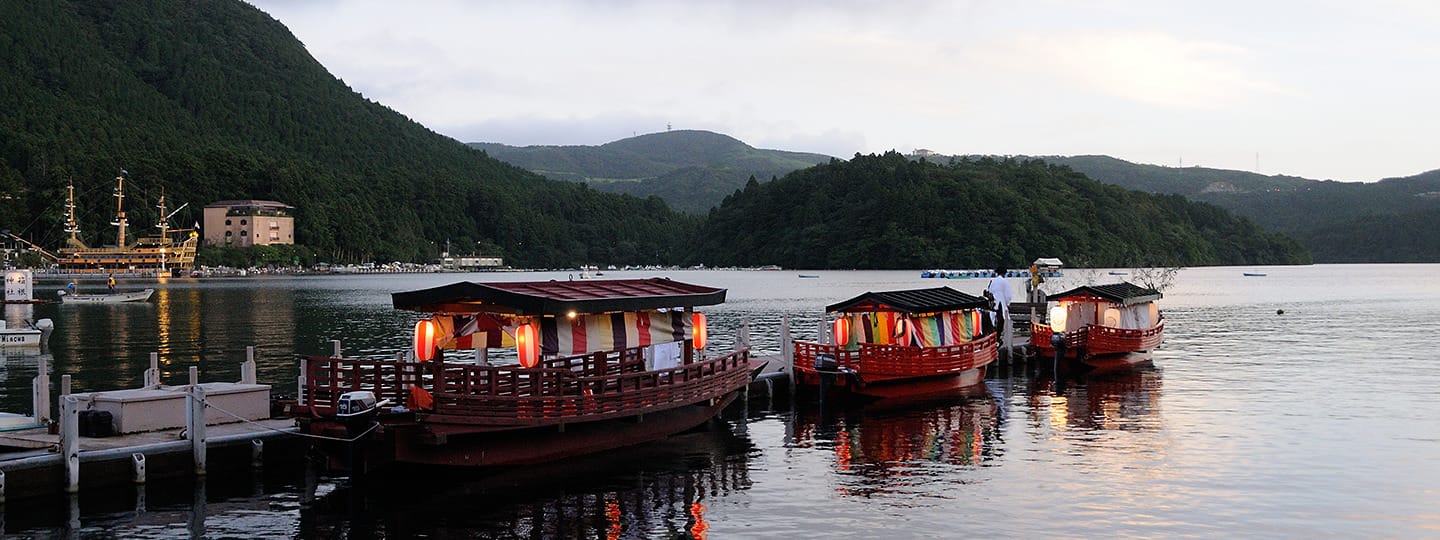
The Lake Ashi Water Festival is a solemn festival based on the ancient legend of the nine-headed dragon. According to legend, the nine-headed dragon living at the bottom of Lake Ashi has been worshipped as a rain-bringing deity. During the ceremony on the lake, Shinto priests dressed in traditional attire perform a sacred offering ritual in a solemn atmosphere.
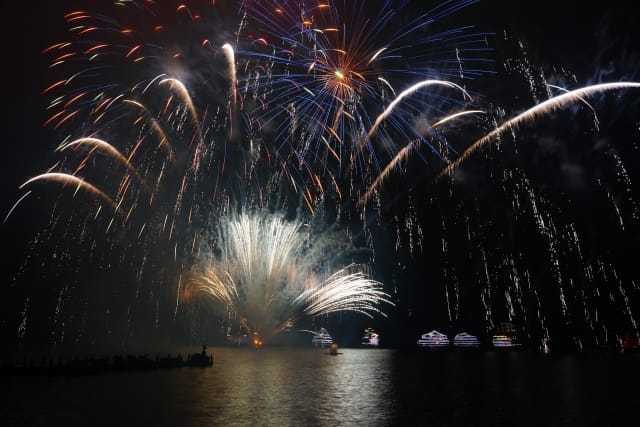
The highlight of the festival is the large-scale fireworks display held after sunset. The fireworks reflected on the lake surface create a fantastical scene as if flowers are blooming both in the sky and on the ground. I recommend viewing from the highlands around Moto-Hakone Port, where you can overlook the entire lake.
Many food stalls line the lakeshore, offering traditional Japanese festival foods and Hakone specialties. The water parade of traditional Japanese boats decorated with colorful lanterns evokes the atmosphere of Japan from the Edo period.
As it gets crowded during the fireworks display, I advise securing a viewing spot at least an hour in advance. It can get cool by the lake at night, so bringing a light jacket will ensure your comfort.
Website: https://www.hakonenavi.jp/spot/1385
Hakone Shrine Grand Festival (August 1, 2026)
The Hakone Shrine Grand Festival is the most important annual event of Hakone Shrine, which has long been revered as the guardian deity of Hakone.
On this day, the shrine grounds are bustling with activity from early morning, with a traditional kendo tournament taking place. From early afternoon, a vigorous lion dance is performed. The movements of the dancers manipulating the lion heads decorated with vivid red and green ornaments reflect years of practice.
Around 8:00 PM, a fireworks display is held at Lake Ashi. The view of the shrine's grand torii gate with the fireworks creates a special scene unique to this day.
Omikoshi Festival (August 2, 2026)
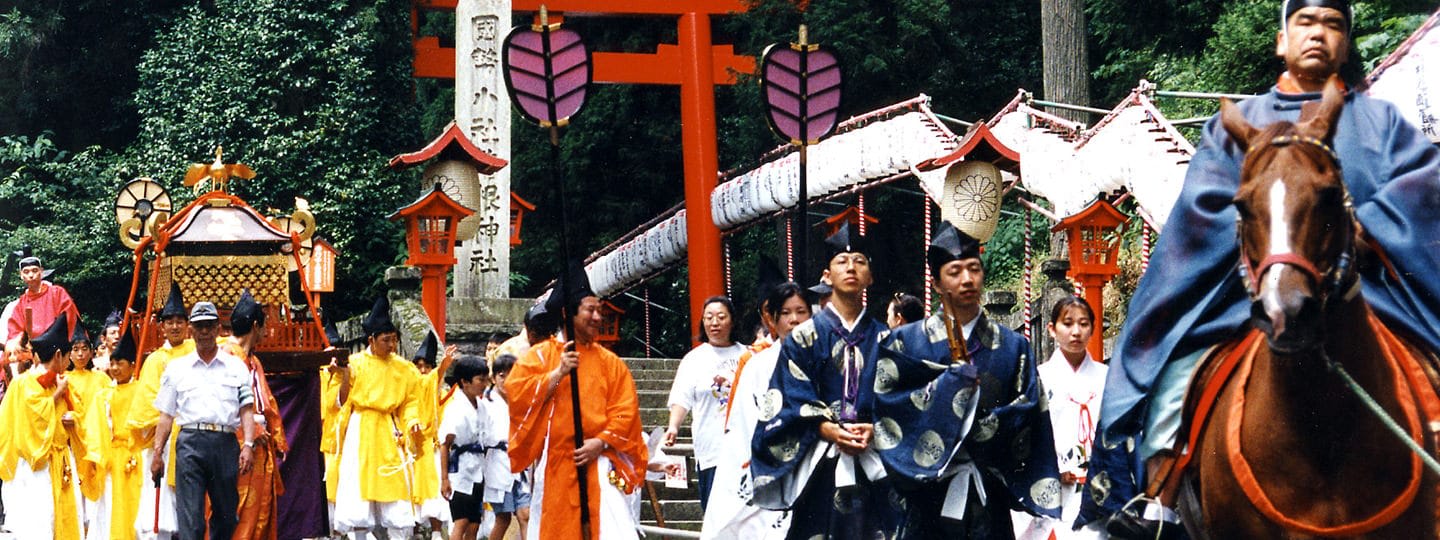
The Omikoshi Festival is a venerable festival where the deities of Hakone Shrine tour the town of Hakone. The centerpiece of the festival is the mikoshi procession from Hakone Shrine to Komakata Shrine on the opposite shore in Hakone Town. The lavish mikoshi carried by numerous bearers creates a spectacular scene full of dignity and energy.
Then, around 8:00 PM, a fireworks display is held in Hakone-en Bay. I highly recommend this to those who want to experience a traditional Japanese event.
Kojiri Dragon God Festival (August 4, 2026)
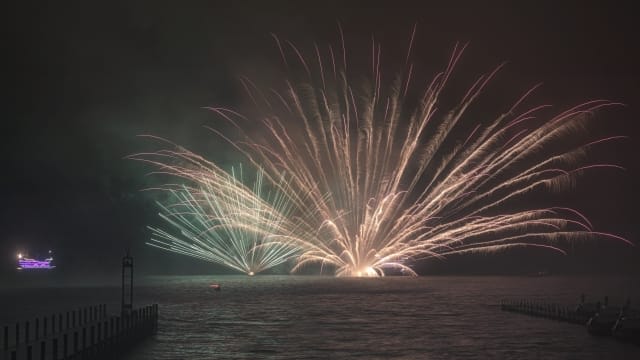
The Kojiri Dragon God Festival is a sacred festival that enshrines the dragon god of Lake Ashi. While the ceremony itself is held privately, the fireworks display held as the evening event is particularly charming for its intimate atmosphere among the Hakone summer festival series. As it's held at the relatively small venue of Kojiri Bay, you can enjoy the fireworks up close.
Being in a bay area, the sound of fireworks echoes off the mountains, creating a unique sense of presence. The fireworks reflected on the calm lake surface show a quiet beauty different from large-scale events.
Torii Burning Festival (August 5, 2026)
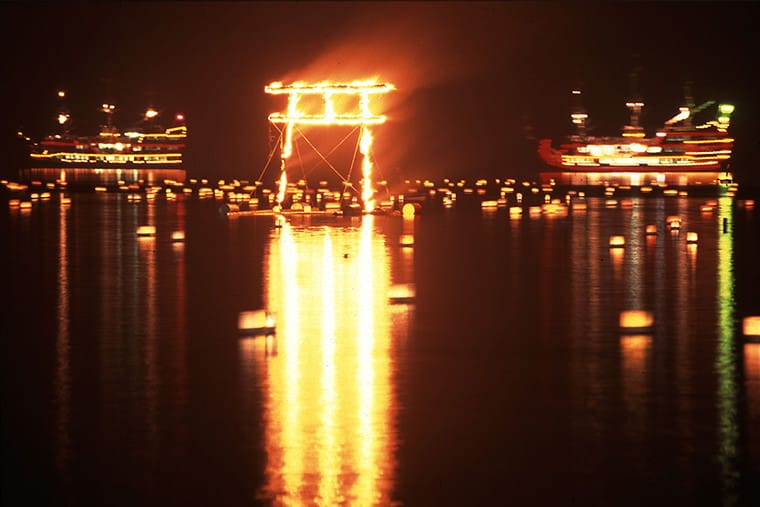
The Torii Burning Festival is a mystical festival that marks the finale of the Hakone summer festival series. The sight of a large torii gate set up on Lake Ashi being lit on fire creates a fantastical and solemn atmosphere. This festival is known as an ancient prayer ritual for warding off disease, with people's wishes embedded in the rising flames.
The burning torii on the lake creates a fantastical scene floating in the dark night. The reflection of the flames on the water surface offers a majestic view unique to this festival. I take photos every year, but it's challenging to capture that moment in a picture, so I highly recommend experiencing this sight with your own eyes.
From 8:00 PM, a fireworks display is held at Lake Ashi, allowing you to enjoy a fantastical landscape created by the flames of the torii and the fireworks. Being the last day, it's usually relatively less crowded, which is another attraction as you can enjoy the fireworks at a leisurely pace.
Miyagino Yudate-Shishimai Lion Dance
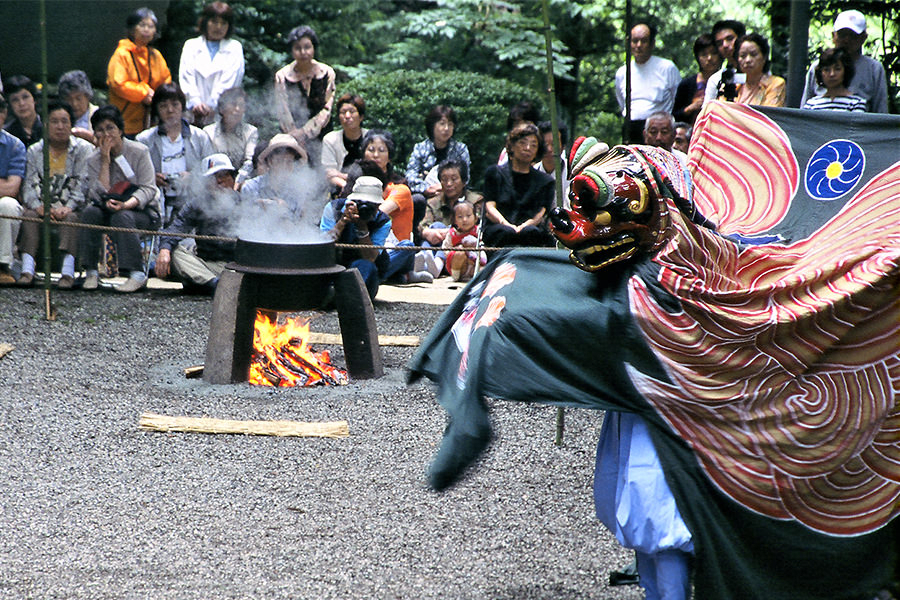
Miyagino Yudate-Shishimai Lion Dance is a sacred ritual with a history dating back to 1776, held at Suwa Shrine.
In this ritual, a Japanese lion — a symbol of warding off evil and praying for good health — performs a dedicatory dance.
The highlight of the ceremony is the moment when the lion uses bamboo grass leaves to vigorously scatter hot water from a cauldron, sending splashes flying across the venue with every sweep of the leaves. The atmosphere fills with a tension and exhilaration unique to this ritual.
The water is called "Yubana," and it is said that being showered by it grants you a full year of good health.
I experienced Yubana myself. I was worried it might be painfully hot, but by the time it reached me, it was not hot at all — it left me with a special feeling, as though I had been purified.
This is highly recommended for anyone who wishes to encounter Japan's traditional culture and the forms of prayer passed down within local communities.
One of the unforgettable highlights of Hakone Summer 2026, this event is a must for travelers seeking an authentic spiritual experience.
- Date: July 15, 2026
- Venue: Hakone Miyagino, Suwa Shrine
- Access: Take the Hakone Tozan Bus bound for Kojiri Togendai from Hakone-Yumoto Station, then walk 10 minutes from the "Miyagino" stop
- Admission: Free
- Website: http://hakone-shishimai.com/
Miyagino Summer Festival
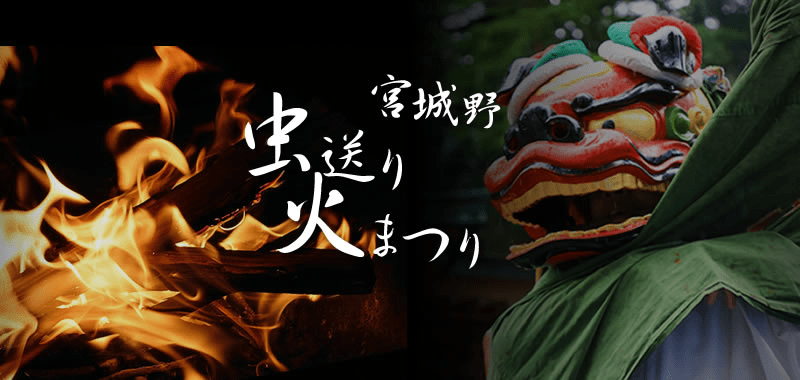
Miyagino Summer Festival is a deeply community-rooted summer festival held annually on August 14 and 15 in the Miyagino and Kiga area.
The venue, lit by lanterns, is lined with food stalls and comes alive with music, dancing, and street performances.
Among the highlights is the festival's centerpiece: "Mushiokuri (insect-expelling ceremony)." This is a time-honored event in which participants pray for a bountiful harvest by protecting crops from harmful insects before the harvest season.
As evening falls, participants carrying torches march through the town, driving insects with the light into a box. At the end, the box is burned as a final act of prayer for pest extermination and a rich harvest.
Anyone is welcome to join the Mushiokuri procession. By actually taking part, you are sure to feel how the rhythms of local life and heartfelt prayer breathe quietly within the festive energy of this summer celebration.
As part of Hakone Summer 2026, this festival offers a rare opportunity to step inside a living local tradition rather than simply observe it from a distance.
- Date: August 14 and 15, 2026
- Venue: Miyagino, Festival Square (Omatsuri Hiroba)
- Access: Take the Hakone Tozan Bus bound for "Sengoku / Togendai" from Odakyu Romancecar "Hakone-Yumoto Station"
- Admission: Free
- Website: https://miyaginokiga.com/event04.html
Daimonji Yaki
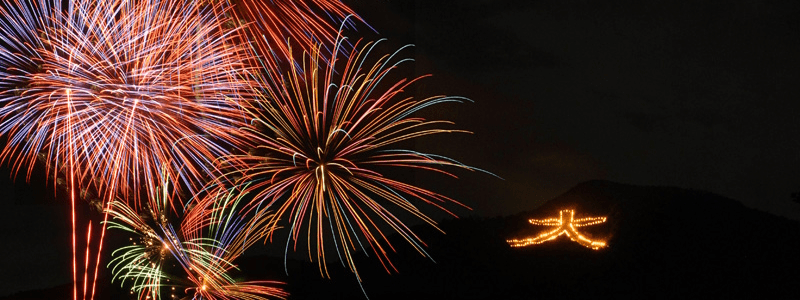
Daimonji Yaki is a traditional Japanese summer event held on Mt. Myojogatake in Gora, Hakone.
It takes place at the end of Obon — the season when the spirits of ancestors are welcomed and then seen off — and represents a uniquely Japanese culture of prayer.
At 7:30 PM, a single firework serves as the signal, and the giant character "大" (meaning "great") blazes to life on the slopes of Mt. Myojogatake. Fireworks are launched at the same time, making it possible to enjoy both the fire character and the fireworks display together — a defining feature of this event.
My personal recommended viewing spot is around Sounzan Station. The view there is relatively open and faces directly toward Mt. Myojogatake, making it easy to see both the "大" character and the fireworks clearly — ideal for those who want to take in the full spectacle.
On the day of the event, the surrounding area becomes extremely crowded, so for those who wish to watch at a relaxed pace, staying at a hotel or ryokan and combining the experience with a soak in the hot springs is also highly recommended.
Daimonji Yaki is one of the most iconic and moving experiences of Hakone Summer 2026, blending fire, tradition, and the beauty of the mountain landscape into a single unforgettable evening.
- Date: August 16, 2026
- Venue: Near the summit of Mt. Myojogatake, Hakone
- Access: Directly accessible from "Gora Station" on the Hakone Tozan Railway
- Admission: Free
- Website: https://goura-kanko.jp/blog/post-653/
Sengokuhara Susuki Festival
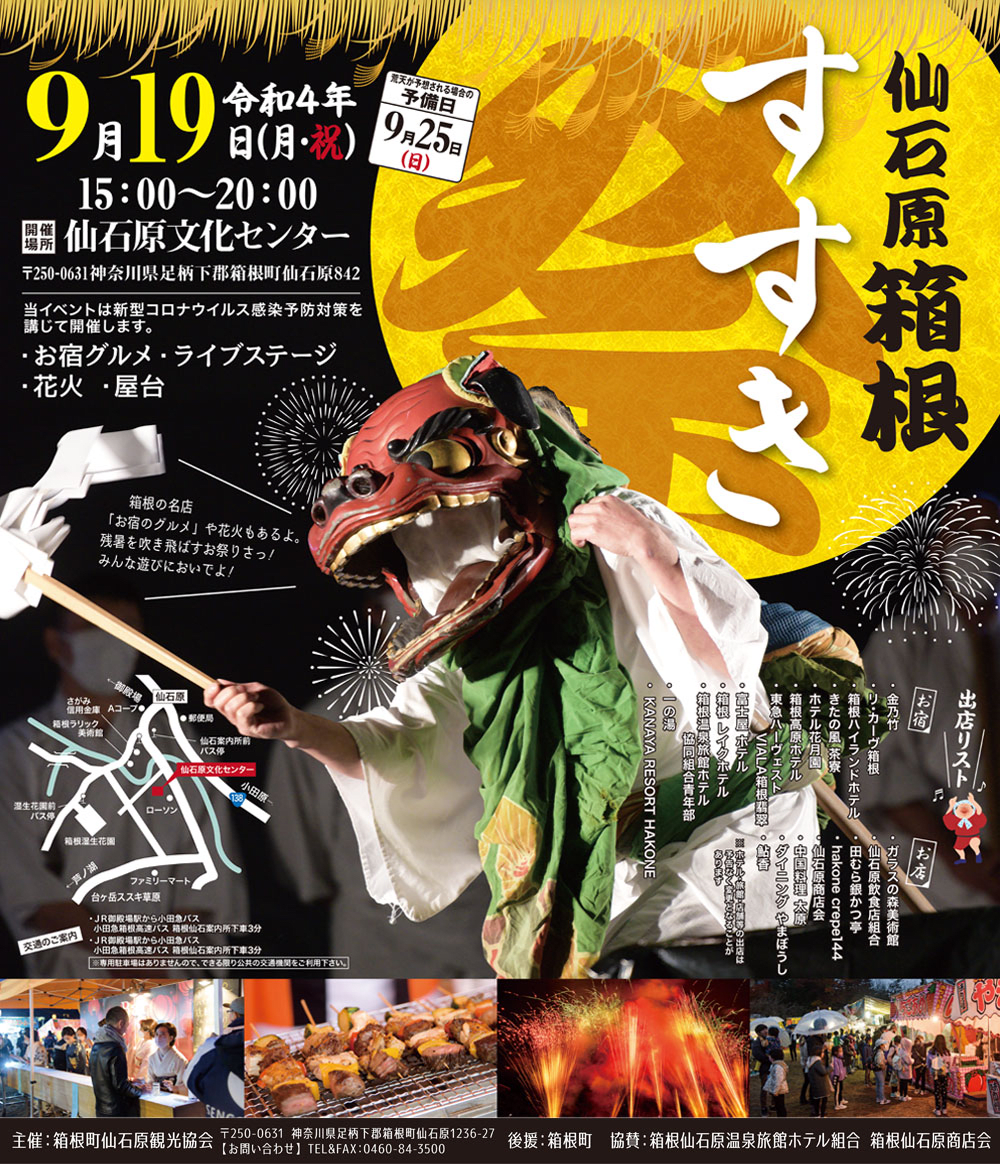
Sengokuhara Susuki Festival is a signature event representing the transition from summer to autumn in Hakone.
At the festival grounds in Sengokuhara, the pampas grass fields gradually turn a rich golden color from late September through early November.
During the day, visitors can stroll through the vast grasslands and enjoy the seasonal scenery, while from the evening onward the venue comes alive with illuminations, stage events, local inn cuisine, and food stalls, creating a lively, festive atmosphere.
One of the unique highlights of this event is a special program in which a real geisha from Hakone-Yumoto opens a one-day-only bar on the grounds. Geisha are generally considered to be quite inaccessible — even for Japanese people, they are not someone you would ordinarily meet in everyday life. Being able to converse with a geisha up close and soak in the atmosphere is an experience available only at this event.
It is highly recommended for those who want to enjoy both the beauty of nature and the warmth of a local festival.
Wrapping up the season on a golden note, the Sengokuhara Susuki Festival is a beautiful way to close out Hakone Summer 2026 with nature, culture, and local charm all in one place.
- Date: Mid-September 2026 (In 2025, it was held on September 15)
- Venue: Sengokuhara Cultural Center
- Access: Take the bus bound for "Kojiri Togendai" from Odawara and get off at "Sengokuhara Bunka Center Mae," then walk 1 minute
- Admission: Free
- Website: http://sengokuhara-onsen.com/susuki/
Summer Activities in Hakone (w/ Quick Reference)
| Spot | Overview | Recommended for |
|---|---|---|
| Lake Ashi Sightseeing Cruise | A classic Hakone experience offering scenic views of Mt. Fuji and the surrounding mountains from replica pirate ships sailing across the tranquil lake. | Families, first-time visitors, photographers |
| Owakudani | An active volcanic zone with steaming vents and bubbling sulfuric pools, famous for its jet-black eggs said to extend your lifespan by seven years. | Adventure seekers, nature lovers, foodies |
| Hakone Ropeway | A gondola ride offering sweeping aerial views over Owakudani's volcanic landscape and, on clear days, stunning panoramas of Mt. Fuji in the distance. | Sightseers, couples, photography enthusiasts |
| Forest Adventure | An outdoor zip-line and aerial obstacle course set in Hakone's lush forest canopy, offering thrilling challenges suitable for both children and adults. | Families, active travelers, thrill-seekers |
| Hakone-en Aquarium | Japan's highest-altitude aquarium at 723m above sea level, showcasing diverse marine life including penguins and Baikal seals, with Lake Ashi as a scenic backdrop. | Families with children, rainy-day visitors |
Lake Ashi Sightseeing Cruise
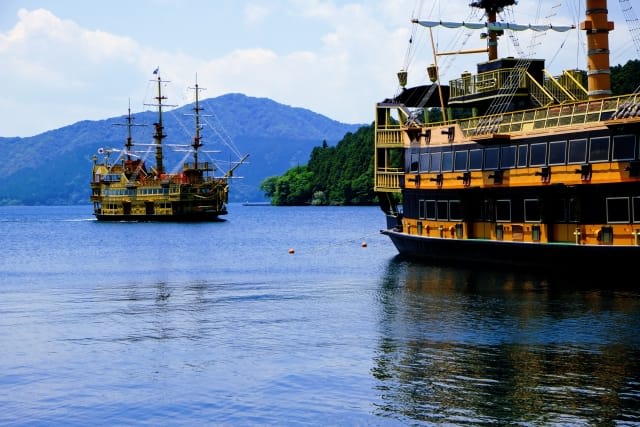
The Lake Ashi sightseeing cruise, a representative tourist activity in Hakone, has a special charm in the summer season.
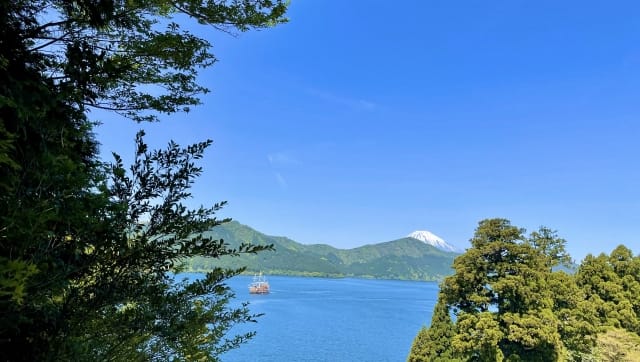
The uniquely designed ships modeled after pirate ships are popular as photo spots themselves. Especially on clear days, it offers an excellent location for commemorative photos with Mount Fuji in the background.
Standing on the deck, you'll feel the refreshing lake breeze, making you forget the heat of Tokyo. My recommendation is the evening cruise. The view of Mount Fuji and Lake Ashi dyed in the sunset is exceptional, and the color contrast with the vermilion torii gate of Hakone Shrine is beautifully striking.
Website: https://www.hakone-yuransen.jp/
Owakudani
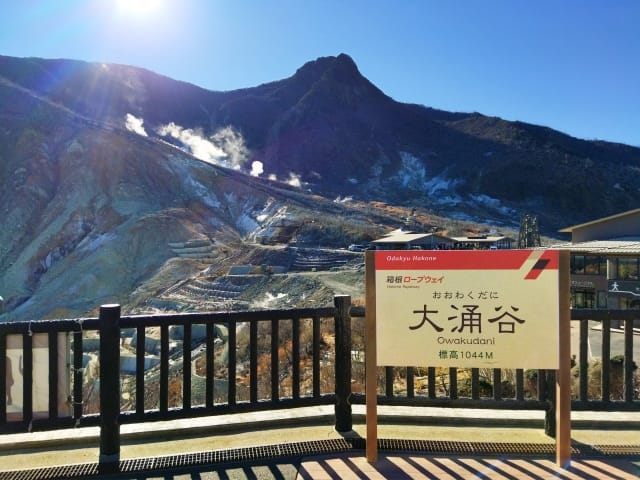
Owakudani is one of Hakone's most popular and iconic sightseeing destinations.
Volcanic activity continues in this area to this day, and the white plumes of steam rising into the air, the smell of sulfur, and the heat welling up from the ground give visitors a vivid sense of Hakone's dynamic natural forces.
Here you can stroll while taking in the scenery unique to Owakudani, and one of the great pleasures of the visit is tasting the local specialty, Kurotamago (Black Eggs).
Kurotamago are eggs boiled in hot spring pools until their shells turn black. It is said that eating one egg adds seven years to your life.
The Owakudani Nature Study Path, which takes you along a walkway near the fumarole area, is a spot I particularly recommend. Advance reservations are required and a safety cooperation fee applies, but in return you can experience the volcanic terrain up close in a way that makes the ongoing activity feel strikingly real.
This is a perfect destination for nature lovers, for those wanting to enjoy something a little special in the way of Hakone Summer 2026 cuisine, and for anyone looking for a sense of adventure.
Information:
- Address: 1251-1 Sengokuhara, Hakone-machi, Ashigarashimo-gun, Kanagawa
- Phone: 0460-84-5201
- Hours: 9:00–16:20 (until 16:00 in December and January)
- Closed: No regular closing days
- Website: https://owakudani.com/
Hakone Ropeway
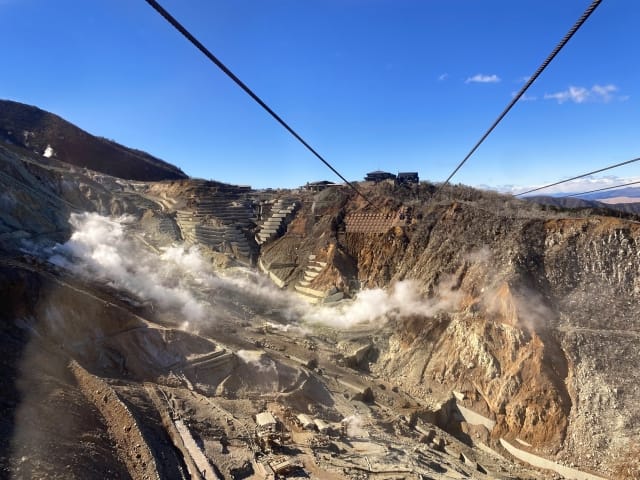
The Hakone Ropeway is a popular aerial ride stretching approximately 4 km, connecting Sounzan Station to Togendai Station. The full journey takes about 25 minutes one way, and you can also disembark at intermediate stops to explore along the route.
From the gondola, you can see the steam rising from Owakudani and the expanse of Lake Ashi, and on clear days the view stretches all the way to Mt. Fuji.
On the day I rode the ropeway, I was treated not only to the volcanic scenery of billowing smoke but also to beautiful views of the outer crater rim — a ride that captured both the drama and the natural beauty that define Hakone.
The stretch between Owakudani and Sounzan is especially worth watching, as the highest point sits roughly 130 meters above the valley floor, and the dynamic landscape spread out below is simply breathtaking.
If you want to enjoy spectacular views, or if you'd like the journey itself to become part of your travel memories during Hakone Summer 2026, the Hakone Ropeway is absolutely worth a ride.
Information:
- Address: 1251 Sengokuhara, Hakone-machi, Ashigarashimo-gun, Kanagawa (Owakudani Station)
- Phone: 0465-32-2205 (weekdays 9:00–17:00) / 0460-84-8439 (weekends and holidays 9:00–16:00)
- Hours: February–November 9:00–16:45 (Owakudani Station until 17:00) / December–January 9:00–16:15
- Website: https://www.hakonenavi.jp/transportation/ticket/ropeway/
Forest Adventure
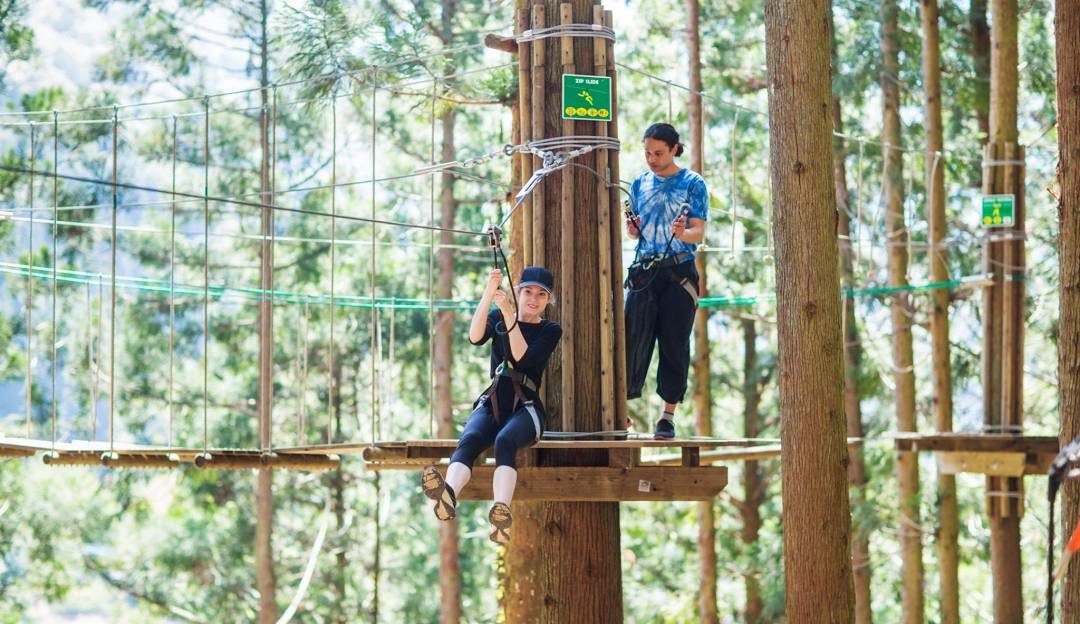
Forest Adventure is a prime example of activities utilizing Hakone's rich forests. The athletic courses of varying difficulty levels set up in the treetops offer an authentic experience enjoyable for both children and adults.
The greatest attraction is the zip-line aerial gliding. The experience of gliding through the forest like a bird is the essence of a summer adventure.
Safety measures are thorough, with specialized guides providing careful instruction. Even first-timers and families with children can enjoy it with peace of mind. Being located at a high altitude, it's cool even in midsummer, and you can enjoy activities while forest bathing, which is also a big attraction.
My recommended way to spend the day is to enjoy activities in the morning and soothe your fatigue at a nearby hot spring in the afternoon.
Website: https://foret-aventure.jp/en/
Hakone-en Aquarium

Located at an altitude of 723 meters, Hakone-en Aquarium is known as the highest aquarium in Japan. Even on hot summer days, you can comfortably enjoy encounters with unique aquatic life unique to Hakone in an indoor environment.
What I particularly like is the proximity to the seals. You can observe the adorable expressions and movements of seals swimming right in front of you up close. During the summer vacation period, there are numerous special events for children, and interactive exhibits like experience corners are also plentiful.
The interior is air-conditioned and kept at a comfortable temperature, making it an ideal rest spot for summer sightseeing in Hakone. Also, from the cafe in Hakone-en, you can enjoy a panoramic view of Lake Ashi, allowing you to have a tea time while cooling off.
Website: https://www.princehotels.co.jp/amuse/hakone-en/language/english.html
5 Must-Visit Hakone Museums Where You Can Beat the Heat (w/ Quick Reference)
| Spot | Overview | Recommended for |
|---|---|---|
| THE HAKONE OPEN-AIR MUSEUM | Japan's first open-air museum (1969), featuring 120 sculptures across 70,000 square meters, a Picasso Pavilion, and a relaxing onsen footbath. | Families, art lovers, first-time visitors |
| Hakone Museum of Art | Hakone's oldest museum (opened 1952), displaying ancient Japanese ceramics alongside a serene moss garden featuring 130 moss varieties and 200 maple trees. | History enthusiasts, garden lovers, photography fans |
| OKADA MUSEUM OF ART | Hakone's largest museum, housing Eastern art centered on Japanese paintings and ceramics, with a footbath cafe and a 15,000square meters seasonal garden. | Art connoisseurs, culture seekers, couples |
| HAKONE VENETIAN GLASS MUSEUM | Japan's first Venetian glass museum, showcasing works from the 15th-19th centuries alongside a garden of crystal sculptures overlooking Owakudani. | Couples, design enthusiasts, photographers |
| Pola Museum of Art | Boasting Japan's largest display of impressionist paintings - Monet, Renoir, Van Gogh and more - nestled in a beech forest with a 670m nature trail. | Art enthusiasts, couples, nature walkers |
THE HAKONE OPEN-AIR MUSEUM
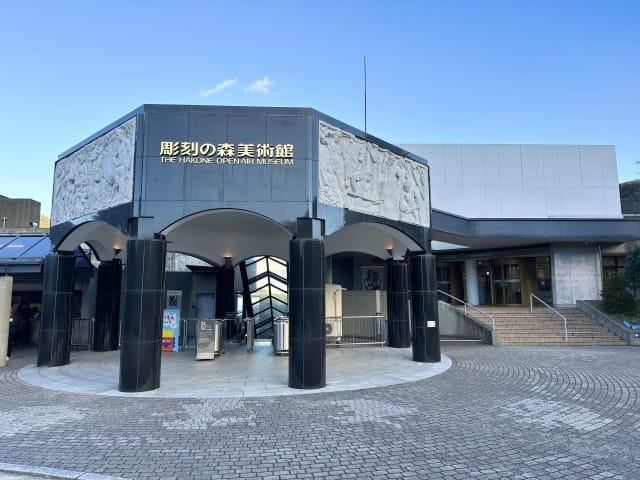
THE HAKONE OPEN-AIR MUSEUM, which opened in 1969, was Japan's first open-air museum. Across its expansive grounds of approximately 70,000 square meters, around 120 works — centered on contemporary sculpture — are scattered throughout the space, letting visitors enjoy art as they walk through the natural surroundings of Hakone.
The outdoor exhibitions are what the museum is famous for, but indoor galleries such as the Picasso Pavilion are also on offer, making it easy to take cool breaks on hot days and move through the museum at a comfortable pace.
What I personally love most is the foot bath where you can soak while gazing out at the forest. The birdsong, the sound of a stream, and the breeze moving through the trees make you feel as though you are fully enveloped in Hakone's own nature.
There are also exhibitions and spaces designed with children in mind, making it a welcoming environment for families. This museum is particularly recommended for first-time visitors to Hakone's art scene, families on holiday, and anyone who wants to enjoy both nature and art — all the more so during Hakone Summer 2026.
Information:
- Address: 1121 Ninotaira, Hakone-machi, Ashigarashimo-gun, Kanagawa
- Phone: 0460-82-1161
- Hours: 9:00–17:00
- Closed: No regular closing days
- Website: https://www.hakone-oam.or.jp/
Hakone Museum of Art
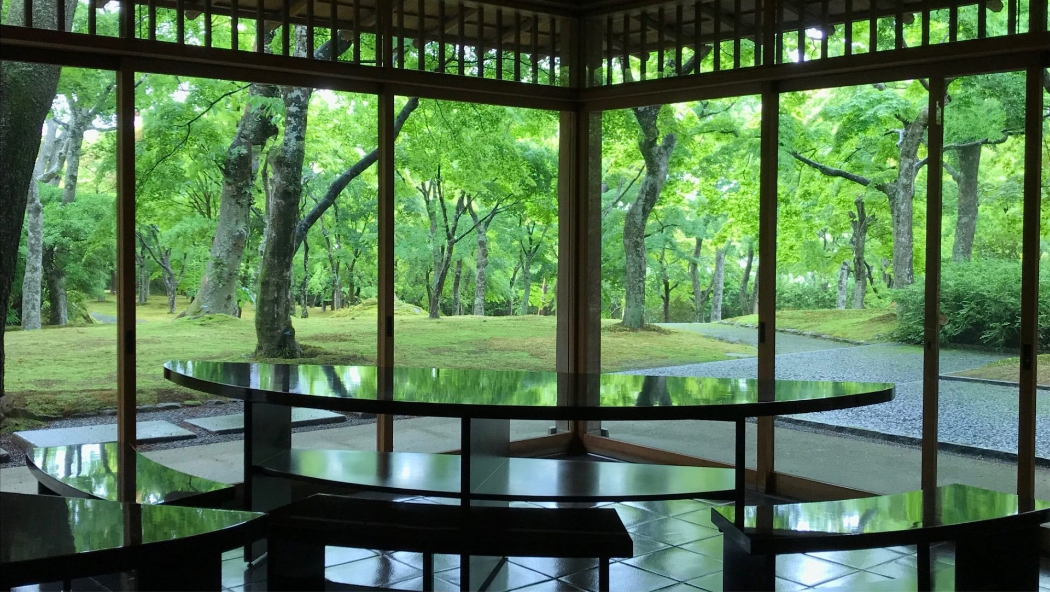
The Hakone Museum of Art, which opened in 1952, is the oldest museum in Hakone.
The moss garden is by far the museum's most beloved feature. A landscape created by approximately 130 varieties of moss and 220 Japanese maple trees, it is a sight you can find nowhere else.
In summer, a deep and lush green spreads across the garden, and simply walking through it is enough to bring a sense of calm.
After walking the moss garden, one of my favorite things is to rest in the adjoining teahouse, Shinwatei. The view of the moss garden's greenery through the teahouse window is beautiful, and the way the scenery reflects in the polished table made a lasting impression on me.
This is a recommended spot for those who want to experience Japan's garden culture, or for anyone hoping to take quietly beautiful photographs — a fine addition to any Hakone Summer 2026 itinerary.
Please note that the museum is scheduled to be closed for renovation from May 7 to October 29, 2026.
Information:
- Address: 130 Gora, Hakone-machi, Ashigarashimo-gun, Kanagawa
- Phone: 0460-82-2623
- Hours: April–November 9:30–16:30 (last admission 16:00) / December–March 9:30–16:00 (last admission 15:30)
- Closed: Thursdays (open if Thursday falls on a public holiday), year-end and New Year period, exhibition changeover days
- Website: https://moaart.or.jp/hakone/
OKADA MUSEUM OF ART
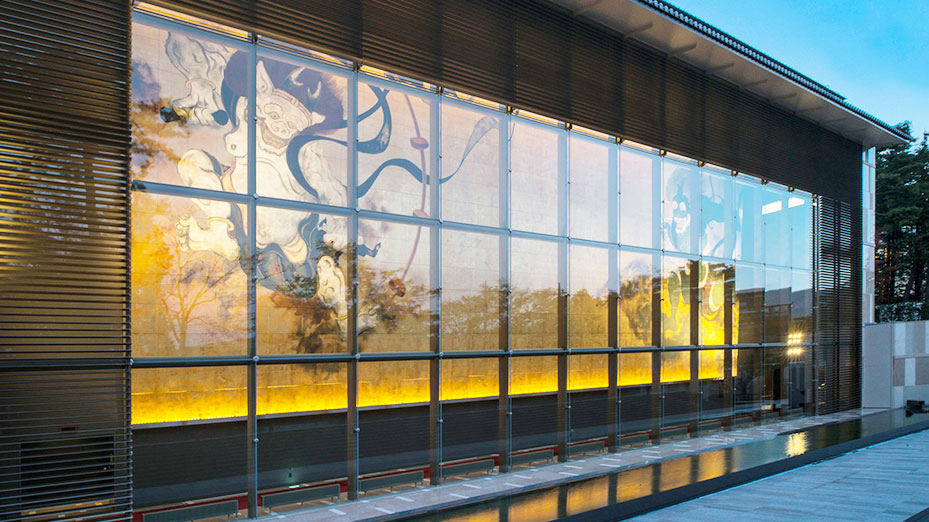
The OKADA MUSEUM OF ART is the largest museum in Hakone in terms of exhibition space.
Spread across five floors and approximately 5,000 square meters of gallery space, the museum offers a wide-ranging look at art from Japan as well as China, Korea, and other parts of East Asia.
The work that left the deepest impression on me was Ito Jakuchu's Peacocks and Phoenixes. Believed to have been painted before 1757, its rendering is so meticulous — down to each individual feather — that the closer you look, the more it draws you in.
On the grounds, there is also a foot bath café. After taking in the artworks, I sat with a coffee and soaked my feet, savoring the lingering afterglow of the experience at a leisurely pace.
This is a great destination not only for art lovers but also for anyone who wants to spend a calm and unhurried afternoon — a worthwhile stop during Hakone Summer 2026.
Please note that the museum is scheduled for a temporary closure from April 1 to May 30, 2026, though some facilities including the garden and foot bath café are expected to remain open.
Information:
- Address: 493-1 Kobowakudani, Hakone-machi, Ashigarashimo-gun, Kanagawa
- Phone: 0460-87-3931
- Hours: 9:00–17:00 (last admission 16:30)
- Closed: December 31, January 1, and exhibition changeover periods
- Website: https://www.okada-museum.com/
HAKONE VENETIAN GLASS MUSEUM
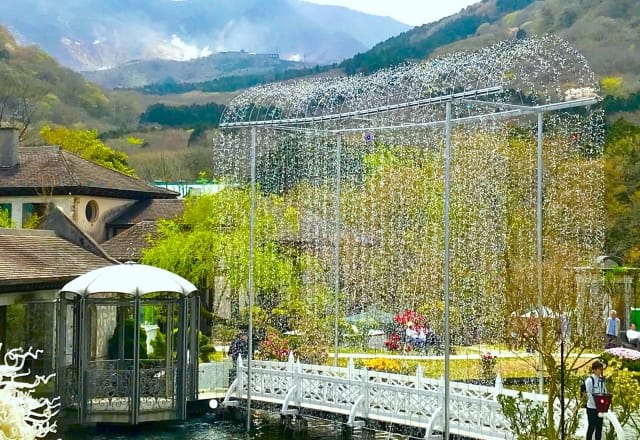
The HAKONE VENETIAN GLASS MUSEUM was Japan's first museum dedicated exclusively to Venetian glass. Inside, visitors can enjoy works primarily from the 15th through 19th centuries, alongside contemporary glass art.
What stood out to me most during my visit was Crystal Glass Water Fireworks, displayed in the garden.
Created from approximately 48,000 crystal glass beads, its sparkling shimmer over the pond was truly mesmerizing. Set against the view of Owakudani in the background, it had a special beauty that could only exist in this particular place.
After viewing the indoor exhibitions, you can stroll through the garden or take your time at the café restaurant, meaning you can enjoy the visit even on a hot Hakone Summer 2026 day.
This spot is particularly recommended for those who love design and craft, or for anyone who wants to enjoy a romantic, enchanting atmosphere.
Information:
- Address: 940-48 Sengokuhara, Hakone-machi, Ashigarashimo-gun, Kanagawa
- Phone: 0460-86-3111
- Hours: 10:00–17:30 (last admission 17:00)
- Closed: July 13–17, 2026 / January 12–22, 2027
- Website: https://www.hakone-garasunomori.jp/
Pola Museum of Art
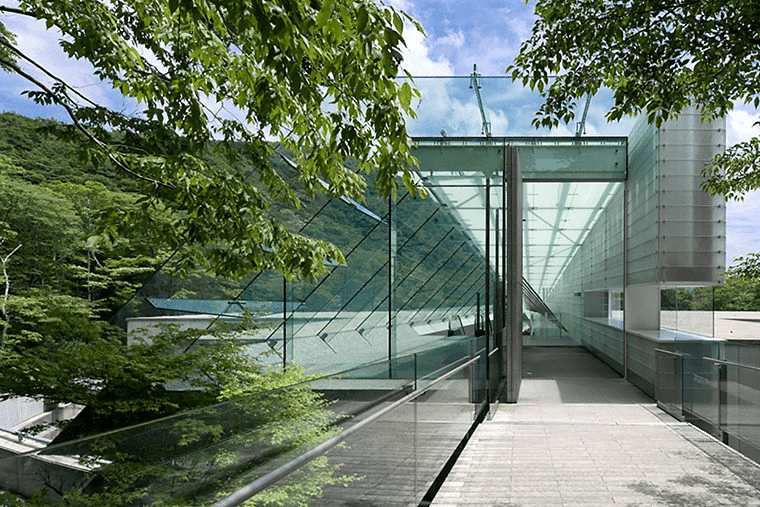
The Pola Museum of Art is one of Hakone's most highly regarded museums, where you can encounter works by Monet, Renoir, Picasso, Foujita, and more.
With a collection extending beyond Western painting to include Japanese works, crafts, and contemporary art, it is a deeply satisfying destination for anyone who loves art.
The building has been designed to harmonize with the natural environment of Hakone, and the quiet it offers — so different from a museum in a city — is itself a major part of the experience.
My personal recommendation is the forest promenade. As you walk through the beautiful woodland, sculptures appear nestled within the natural surroundings, allowing you to not merely view art but to experience it together with Hakone's nature.
Walking through the crisp, clear air, I found my mood lifting with every step — a lightness that felt entirely its own during Hakone Summer 2026.
This museum is ideal for those who want to enjoy celebrated works of art, or for anyone seeking a quiet, peaceful time immersed in nature.
Information:
- Address: 1285 Kozukayama, Sengokuhara, Hakone-machi, Ashigarashimo-gun, Kanagawa
- Phone: 0460-84-2111
- Hours: 9:00–17:00 (last admission 16:30)
- Closed: No regular closing days
- Website: https://www.polamuseum.or.jp/
A 2-Day Itinerary to Make the Most of Summer in Hakone
If you are looking to enjoy Hakone in summer over one night and two days, the best approach is to strike a good balance between nature, hot springs, food, and art.
Hakone offers dramatic scenery at places like Owakudani and Lake Ashi, alongside more relaxed settings such as museums and gardens where you can unwind at your own pace.
Being able to enjoy both an active adventure and a restorative retreat is one of Hakone's greatest appeals — and that balance is at the heart of what makes Hakone Summer 2026 so worth experiencing.
Day 1 Morning: Explore Owakudani, One of Hakone's Must-See Spots
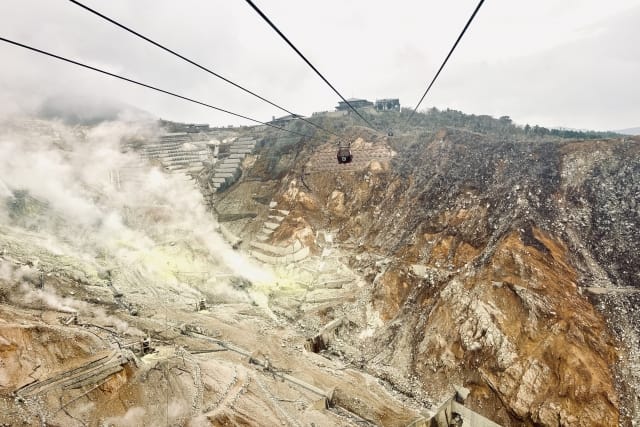
Start the morning of Day 1 at Owakudani, one of the most essential stops on any Hakone itinerary.
Owakudani is extremely popular and tends to get crowded, so visiting early in the day is highly recommended. Around 9:00 to 10:30 AM in particular, the air is clear and the chances of seeing Mt. Fuji are high, and you can also purchase the famous black eggs and souvenirs with relative ease.
At Owakudani, there are plenty of ways to enjoy your visit:
- Ride the Hakone Ropeway and take in the dramatic scenery as you pass over the volcanic steam vents
- Learn about the history and structure of the Hakone volcano at the Hakone Geo Museum
- Try the signature black eggs
- Pay your respects at Enmei Jizo-son
- Take photos with the black egg statue, the steam vents, and Mt. Fuji as your backdrop
- Relax at a café while soaking in the view
- Browse for Owakudani-exclusive souvenirs
The shops carry a range of original sweets, character goods, and cosmetics blended with Owakudani hot spring water and egg extract.
I personally picked up the "Owakudani Quail Black Eggs." They had a rich, savory flavor of dashi and soy sauce, and were easy to snack on whenever I felt a little hungry.
Be sure to make the most of the scenery, experiences, and local food that are uniquely Hakone.
Day 1 Afternoon: Enjoy Outdoor Activities Around Lake Ashi
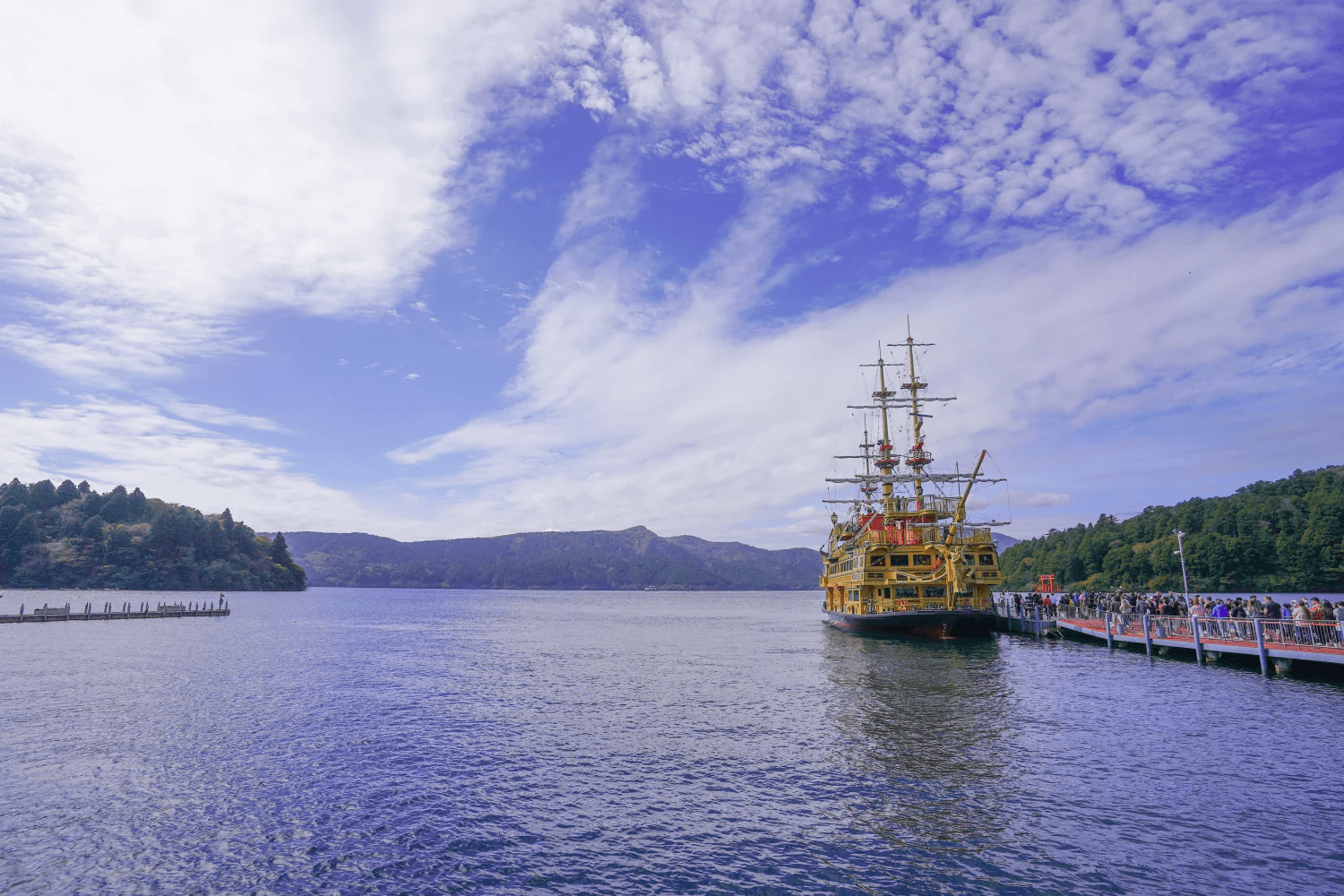
In the afternoon, head to the Lake Ashi area and spend some time surrounded by Hakone's refreshing natural scenery.
Around Lake Ashi, there are many activities to choose from:
- Nature tours with guides who know Hakone's natural environment inside and out
- Touring along the lakeside roads and surrounding areas
- Kayak tours for enjoying the scenery from the water
- The Ninja Bus "Water Spider," which travels both on land and on the lake
- Motor boat cruising for those who enjoy a bit of speed
Whether you prefer to take in the scenery at a leisurely pace or get your body moving with something more active, the Lake Ashi area makes it easy to find an experience that suits you.
I have personally ridden the Ninja Bus "Water Spider." The moment the bus drives straight off the land and into Lake Ashi is absolutely thrilling — it gives you the kind of rush you might feel on an amusement park ride.
The view of Mt. Fuji and the outer rim of the Hakone caldera from the water is also stunning, making it a truly rewarding experience that blends sightseeing and activity in equal measure.
Refresh yourself in nature and soak up the sense of openness that defines summer in Hakone.
We Recommend Unwinding in an Onsen Before Dinner
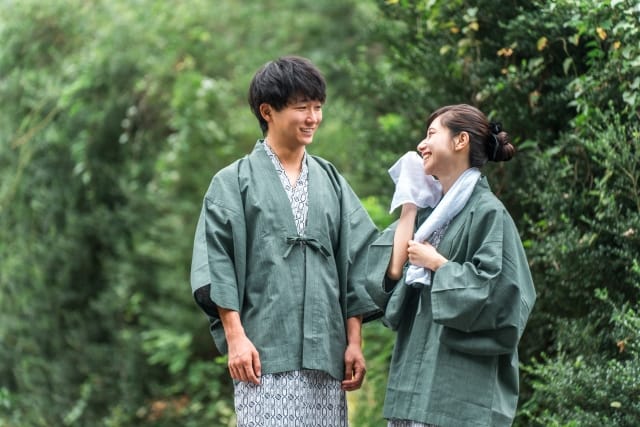
Before dinner, it is well worth building in some time to relax in a hot spring bath.
After walking around Owakudani and the Lake Ashi area, giving your body a chance to rest means you can enjoy the evening meal and the rest of the night in a much more relaxed state of mind.
Hakone is one of Japan's most celebrated hot spring destinations, so if your accommodation has its own onsen, head back a little early and take a bath.
Stretching out in a large bath to wash away the day's perspiration before heading to dinner is one of the most indulgent and quintessentially Japanese ways to spend your time.
Depending on your accommodation, you may also be able to change into a yukata robe, letting you carry the Hakone atmosphere right through the evening.
Soaking in a hot spring before dinner naturally clears your head, and your meal afterward is sure to taste all the more satisfying for it.
Day 1 Night: Savor Japanese Cuisine at Izakayas and Restaurants Near Your Hotel
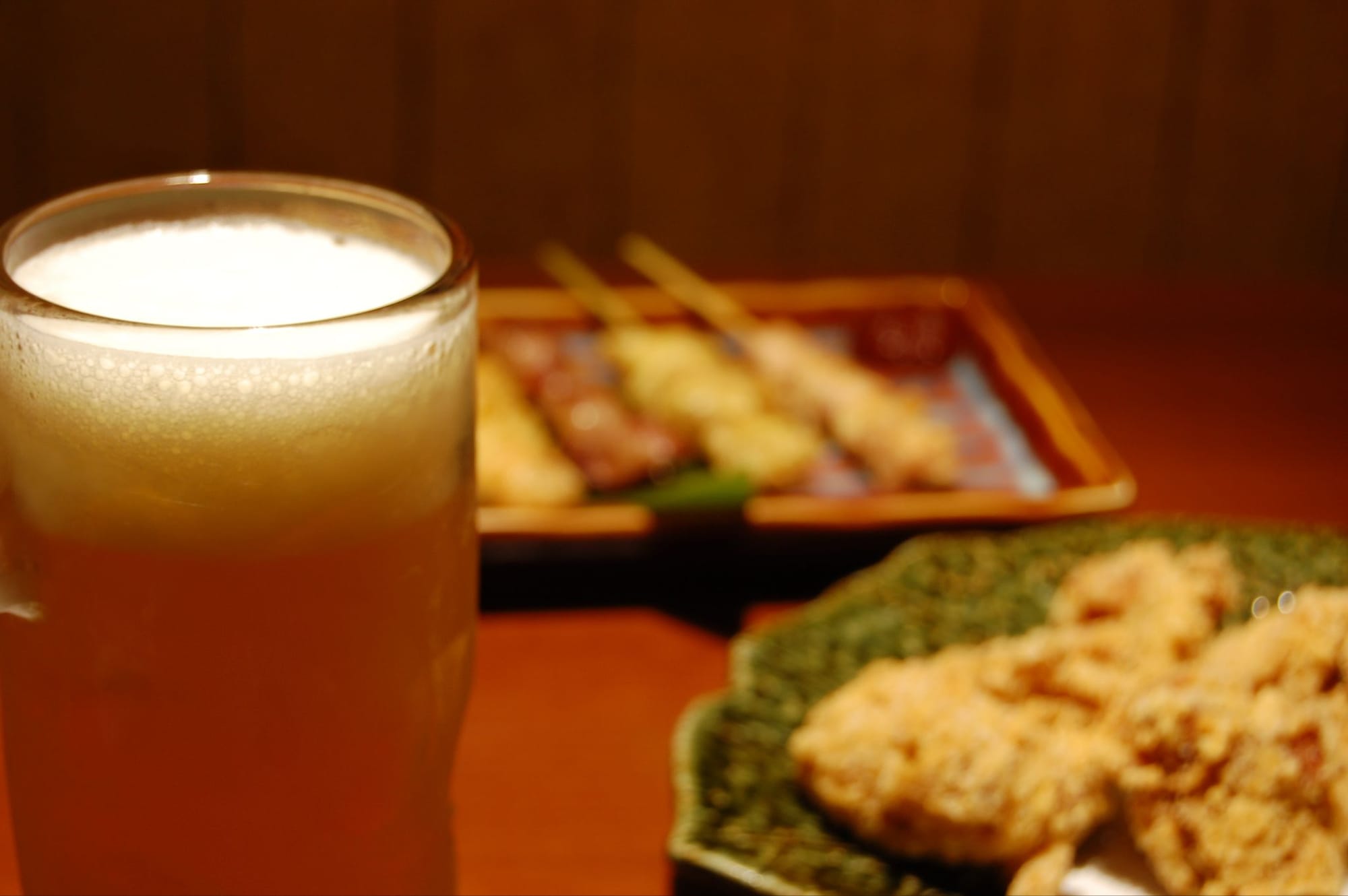
On the evening of Day 1, enjoy a relaxed Japanese dinner at an izakaya or restaurant near your hotel.
After a full day of sightseeing, it is far more comfortable to settle in somewhere close to your accommodation rather than travelling far for a meal.
In the Hakone area, you can find restaurants serving a wide range of Japanese cuisine, including sashimi, grilled fish, tempura, soba, and Wagyu beef dishes.
At an izakaya, you can try a variety of small dishes in smaller portions, making it a great option for anyone who wants to casually explore Japanese food culture.
If you are staying at a traditional hot spring inn, enjoying a kaiseki multi-course meal at your ryokan is also a wonderful memory to bring home.
Personally, I tend to look for highly rated restaurants near my hotel that use locally sourced ingredients — vegetables grown in the region and fish landed at nearby ports.
Tasting the flavors of the local area brings you closer to what makes Hakone truly special in a way that sightseeing alone cannot.
After a full and lively day of exploration, let the evening be a quiet moment to enjoy a delicious meal and gently look back on everything you experienced.
Day 2 Morning: Stroll Through Nature Spots and Parks
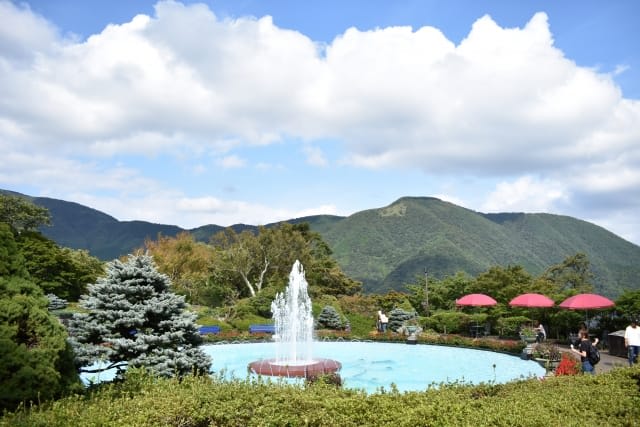
On the morning of Day 2, why not take a walk through some of Hakone's parks and gardens to immerse yourself in the natural surroundings? Hakone is a town situated within a national park, and there is no shortage of spots where you can fully enjoy nature.
Early morning sees fewer tourists, making it the perfect time to savor the fresh air and quiet scenery at your own pace.
Below is a list of recommended parks in and around Hakone.
- Hakone Gora Park: A spacious, open park where you can relax and enjoy flowers and fountains. The Tropical Botanical Garden is also a highlight worth seeing.
- Onshi Hakone Park: A scenic park with sweeping views of Lake Ashi and Mt. Fuji, ideal for a leisurely stroll.
- Kojiri Enclave: A garden area spread around Togendai Station, well suited for observing flowers and trees, picnicking, and birdwatching.
- Nicolai Bergmann Hakone Gardens: A garden thoughtfully designed to work with Hakone's natural landscape, where you can enjoy sculptures and plants while spending time at a relaxed pace.
- Manyou Park: A lush, water-rich park running along the Chitose River. You can walk through nature and stop along the way for a foot bath or a visit to a café.
Take your time with a forest walk or some birdwatching, and let yourself settle into the unique sense of ease that Hakone mornings offer.
Day 2 Afternoon: Take Your Time Exploring Museums Around Hakone
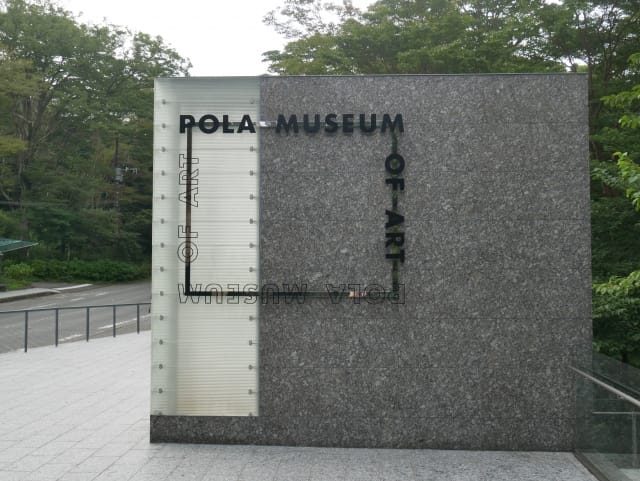
In the afternoon, consider setting aside time for a leisurely tour of the museums dotted around Hakone.
One of the great pleasures of Hakone is the way art and nature can be experienced together. Many venues allow you to enjoy the collections inside and then wander through a garden or rest at a café, so rather than rushing between multiple spots, the recommended approach is to choose one or two museums that catch your interest and spend your time there fully.
Being able to relax indoors during the hottest part of the day also makes museum visits a natural fit for summer sightseeing, and they pair well with a slower-paced afternoon on the road.
When I spend quiet time in a museum — taking in artworks, feeling the surrounding nature — I find my mind naturally settling, as if something inside me is being gently put back in order.
Even those who are not particularly drawn to art appreciation can enjoy the comfort of a refined café, or simply sit and gaze at a garden or woodland scene, savoring the ease of being in a space that exists in harmony with nature.
The Hakone Summer 2026 museum experience is about more than just viewing works — it is about absorbing the quiet atmosphere of the place itself, and that is something unique to Hakone's museums.
Our Top Pick: Relax in an Onsen, Then Head Back to Tokyo on the Romancecar with a Bento in Hand
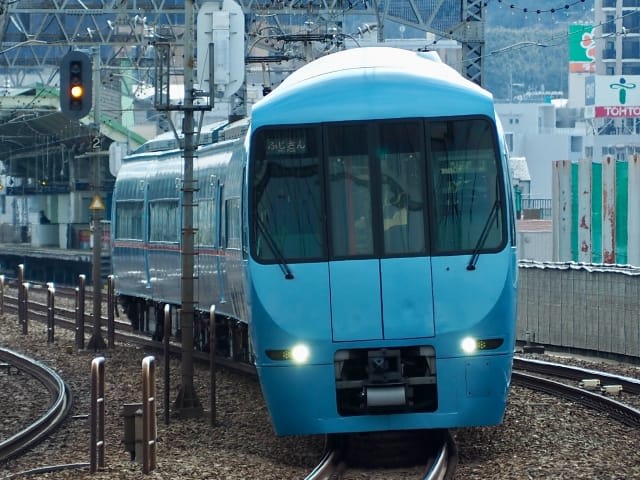
To close out the trip, my recommendation is to take a soak in an onsen before making your way back to Tokyo.
Stepping into a hot spring before leaving gives your body a chance to recover after two days of walking. Whether it is the onsen at your accommodation or a day-trip bathhouse, take a little more time to enjoy that distinctly Hakone experience before heading home.
Day-trip onsen in Hakone come in many varieties — some offer beautiful views, some provide a more private setting, and others are equipped with saunas for a thorough sweat.
The facilities and atmosphere vary from place to place, so look for one that suits your personal travel style.
If you are heading back toward Tokyo, the Romancecar — with all reserved seating and plenty of room to settle in — is a convenient and comfortable choice.
Watching the scenery flow past through the wide windows makes even the journey home feel like a continuation of the trip.
I always stop at Hakone no Ichi (Hakone Gift Shop), located right in front of the ticket gates at Hakone-Yumoto Station, to pick up a bento and something to drink before boarding the Romancecar.
A station bento is packed with a little of everything — much like the journey through Hakone itself.
Savoring it slowly on the train, replaying in your mind the scenery you saw and the food you tasted that day, makes for a wonderful way to bring your Hakone Summer 2026 trip to a close.
To Hit All of Hakone's Must-See Spots Without the Stress, a Private Car Tour with a Local Guide Is the Way to Go!
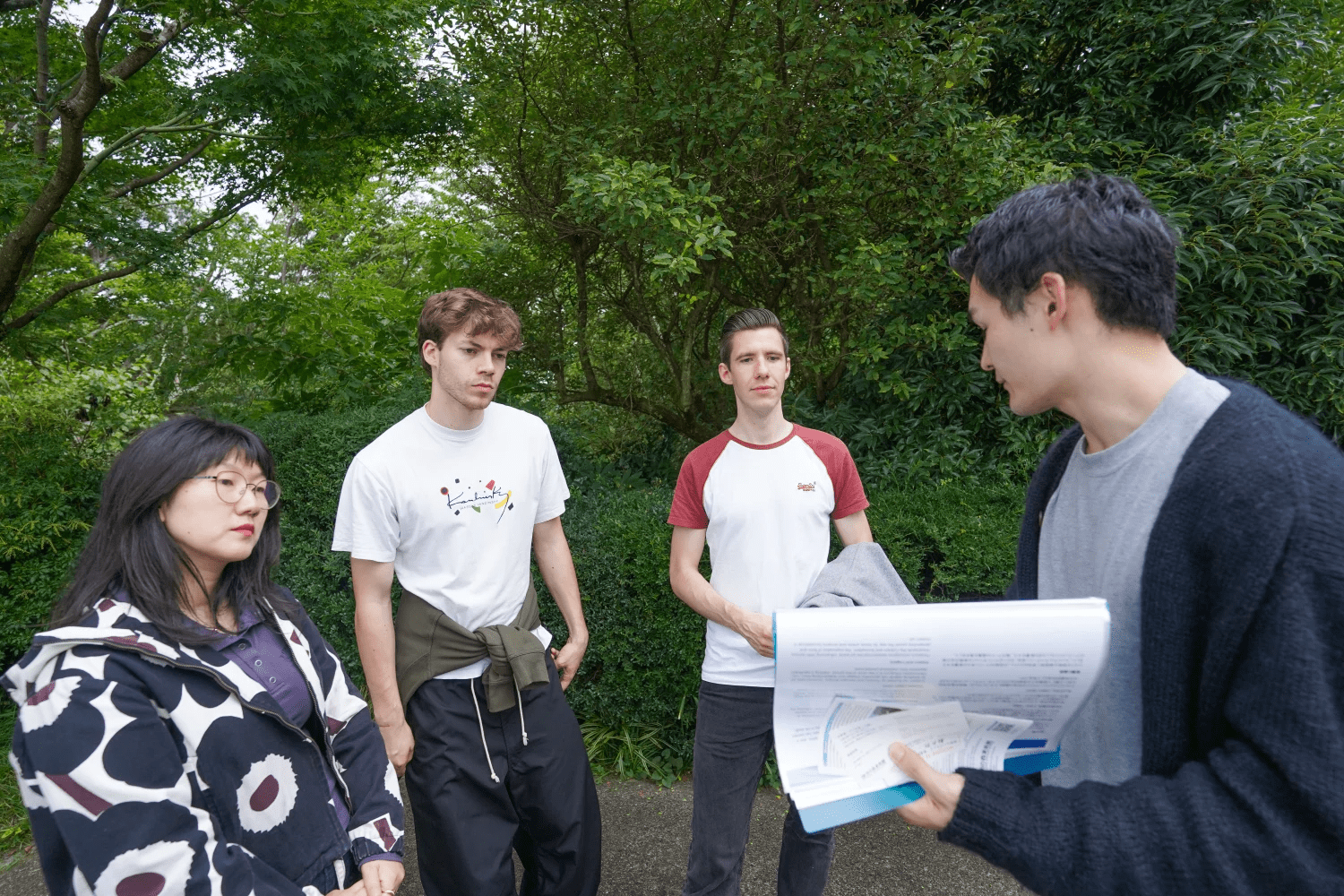
If you want to cover Hakone's popular spots efficiently, the Hakone Day Trip Tour from Tokyo with a Private Car & Guide is another excellent option.
Because the vehicle is private, you are spared the hassle of changing trains and buses, and the travel time itself becomes a comfortable part of the experience.
Having a guide along also means you come away with far more than just the view — you gain insight into the history of each place, what makes it special, and how best to enjoy it.
Your guide can point out things you might easily overlook on your own, and can suggest a route that accounts for the day's weather and how busy each spot is, making for a full and rewarding day.
Do keep in mind that Mt. Fuji may not be visible depending on weather conditions, and that traffic or facility operating schedules may occasionally require adjustments to the itinerary.
- Meeting point: Shinjuku, or hotel pickup available
- Tour area: Hakone
- Start time: 8:00
Hakone Day Trip Tour from Tokyo with a Private Car & Guide
How to Access Hakone from Tokyo
Various transportation options are available from Tokyo to Hakone.
The most popular route is using the Odakyu Romance Car from Shinjuku Station. The limited express Romance Car arrives at Hakone-Yumoto Station in about 85 minutes from Shinjuku Station, offering a comfortable journey where you can enjoy the scenery from the window. Also, you can enjoy an elegant mood from the start of your trip in seats equipped like business class.
For those who prefer the Shinkansen, I recommend a route that takes about 35 minutes from Tokyo Station to Odawara Station using the JR Tokaido Shinkansen. After that, you can transfer to the Hakone Tozan Railway to head to Hakone-Yumoto.
For those wanting to keep their budget low, I recommend the highway bus from Shinjuku to Hakone. Although it takes about 2 hours, it's attractively priced and allows you to move without worrying about luggage.
I especially recommend using the "Hakone Free Pass." With this pass, you can use major transportation within the Hakone area unlimited for 2 days and receive discount benefits at tourist facilities. Since Hakone has various means of transportation such as ropeways, cable cars, and sightseeing boats, using this pass can result in significant savings.
Website: https://www.hakonenavi.jp/international/en/discount_passes/free_pass
Frequently Asked Questions about Summer in Hakone
Based on over 10 years of experience, I'll answer common questions from foreign tourists visiting Hakone. I'll provide practical information along with specific numbers and data.
Is Hakone Hot in Summer?
Hakone has long been loved as a summer retreat that takes advantage of its altitude differences. Compared to Tokyo, the average temperature is about 5 degrees Celsius lower, and especially in high-altitude areas like Gora and Sengokuhara, it's comfortable even in midsummer. In my experience, even during the day, the maximum temperature is around 27 degrees Celsius, and the humidity is lower than in Tokyo, making it quite pleasant.
It's especially cool in the mornings and evenings, sometimes requiring long sleeves. Also, around Lake Ashi, the wind from the lake is pleasant, and you can feel the natural air conditioning effect.
However, the sunlight is strong, so I recommend bringing a hat or parasol for daytime sightseeing. The comfortable climate, which allows you to experience the reason for its popularity as a summer retreat, is a major attraction of Hakone's summer.
Is It Difficult to Make Accommodation Reservations During the Summer Festival Period?
Accommodation facilities do indeed get crowded during the festival period. Especially for the festival period from July 31 to August 5, reservations are necessary 2-3 months in advance. In my experience, popular ryokans around Lake Ashi are almost fully booked 1 month in advance.
However, there's no need to give up. If it's a weekday, reservations tend to be relatively easy to make even during the festival period.
Also, areas like Gora and Sengokuhara, which are a bit away from Hakone Town, are easier to secure accommodations even during the festival period, and prices can be about 20% lower than around Lake Ashi.
Note that during the festival period, it's common for prices to increase by 30-50% from the usual rates, so I recommend having some budget flexibility.
Can I Enjoy Hakone Even on Rainy Days?
Hakone is a tourist destination that can be thoroughly enjoyed even on rainy days. This is because there are many attractive museums and art galleries scattered throughout the area. For example, the Hakone Open-Air Museum offers a fantastical atmosphere unique to rainy days.
Hot spring facilities are also plentiful. I recommend spending time leisurely soaking in a hot spring, especially on bad weather days. There are multiple day-trip hot spring facilities in Hakone-Yumoto that you can easily visit between sightseeing. Particularly on rainy days, hot spring facilities tend to be less crowded, so it can be seen as an opportunity.
How Much Budget Do I Need?
The budget for a Hakone trip varies greatly depending on the grade of accommodation and how you spend your time. Based on my experience, I'll introduce a concrete estimate of costs.
For a typical 1-night, 2-day trip, it's safe to budget around 30,000 to 50,000 yen per person. This includes accommodation at a mid-range ryokan (15,000-25,000 yen), round-trip transportation costs (6,000-8,000 yen), and meals and sightseeing expenses (10,000-15,000 yen). If you use the Hakone Free Pass, you can keep transportation costs within the area to about 5,000 yen, which saves on transportation expenses.
For a day trip hot spring plan, you can enjoy sufficiently with about 10,000 yen including transportation costs, bathing fees, and meals.
However, during the festival period, accommodation costs increase by 30-50% from usual, so an additional budget of about 5,000-10,000 yen per person is necessary.
Staying at a high-class ryokan can cost 30,000 yen or more per night. However, you can enjoy meticulous service and authentic kaiseki cuisine in return. For those with a flexible budget, I recommend staying at a luxurious hot spring ryokan unique to Hakone.
Can Foreigners Use Hot Springs?
In recent years, Hakone's hot springs have been improving their reception system for foreign tourists. Many facilities provide usage instructions in English and kindly explain how to use the hot springs and manners. As far as I've researched, especially large ryokans and day-trip hot spring facilities are very friendly to foreign tourists.
However, if you have tattoos, some facilities may not allow use, so it's necessary to check in advance. Recently, more facilities are offering tattoo seals or allowing use in private baths. Especially if you stay at an inn with private hot springs or rental baths, you can enjoy the hot springs without worry.
Also, wearing swimsuits is not allowed in most hot spring facilities. For those unfamiliar with Japanese hot spring culture, I recommend starting with a private bath. After that, you can gradually enjoy the experience by challenging the large public bath.
Summer in Hakone is a special season where traditional festivals and modern activities harmonize beautifully. It concentrates the charms unique to Japan: a cool climate taking advantage of altitude differences, beautiful lake and mountain scenery, and hot springs.
While it does get crowded during the festival period and accommodation costs rise, the excitement and experiences waiting for you more than make up for it. With proper preparation, reservations, and appropriate information on-site, even foreign visitors can fully enjoy Hakone's summer with peace of mind.
Hakone is a tourist destination where Japanese traditional culture, nature, and modern comfort harmonize beautifully. This summer, please create unforgettable memories of Japanese summer in Hakone!